B21, China Town Mall, Midrand


TBK 208C Intelligent Lamination and Defoaming Integrated Machine
- Section : Machinery
- Category : Engineering & Construction Machinery
- SKU : 1600754207972-1712303227

TBK 208C Intelligent Lamination and Defoaming Integrated Machine
Introducing the TBK 208C Intelligent Lamination and Defoaming Integrated Machine, your go-to solution for efficient lamination and defoaming processes. Designed for high performance, this machine is perfect for various applications in your production line.
Key Features:
- Robust Construction: Weighing 51 kg, this machine offers stability and durability for reliable operation.
- Intelligent Design: Equipped with advanced PLC and motor components, ensuring precise control and efficient performance.
- Versatile Voltage Options: Supports both 110V and 220V power supply for flexibility in different working environments.
- Compact Dimensions: The working cabin measures 24032050mm, while the overall size of the machine is 410310420mm, making it easy to fit into your workspace.
- Efficient Power Use: Operates at 500W, balancing performance with energy efficiency.
- Complete Package: The product comes with a package size of 440340450mm, ready for transport and installation.
In summary, the TBK 208C Intelligent Lamination and Defoaming Integrated Machine is designed for efficiency and reliability in lamination tasks. Its intelligent features and compact size make it an essential addition to your equipment lineup.
Product Info Gallery
| Model | TBK 208C |
| Power | 500W |
| Voltage | 220V |
| Noise | 1-50dB |
| Dimensions of working cabin | 240*320*50mm |
| Product size | 410*310*420mm |
| Net weight | 37.4kg |
| Package size | 440*340*450mm |
| Gross weight | 51kg |


- Shipping Timeframes: All orders are processed within 2-5 business days (excluding weekends and holidays). After your order has been processed, the estimated delivery time is before 03 Aug, 2026, depending on customs, Please note that due to high demand, some items may experience longer shipping times, which will be communicated at order confirmation email.
- Order Processing Time: Please allow 2-5 business days for us to process your order before it is shipped . Orders placed after 16:00 on Fridays, or during weekends and public holidays, will begin processing on the next business day. Processing times may be extended during peak seasons or sales events.
- Manufacturing Time: Some products needs manufacturing time, the manufacturing process will take approximately 10-30 business days depending on the product. This timeframe may vary depending on the complexity of the product and current demand. but this will be communicated with you during order confirmation.
- Returns and Exchanges: We offer a 30-day return policy for most items. If you are not completely satisfied with your purchase, you may return it within 30 days of receipt for a refund or exchange. Items must be unused, in their original packaging, and accompanied by proof of purchase. Return shipping costs are the responsibility of the customer, unless the item was damaged or defective upon arrival.
1. What is the TBK 208C Intelligent Lamination and Defoaming Integrated Machine?
The TBK 208C is a compact machine that integrates lamination and defoaming functions. It uses PLC control and motorized components to provide precise lamination and efficient bubble removal for small- to medium-scale production tasks.
2. What are the machine dimensions and working cabin size?
The overall machine size is 410 × 310 × 420 mm. The working cabin (usable lamination area) measures 240 × 320 × 50 mm. Package size is 440 × 340 × 450 mm.
3. How much power does the TBK 208C consume and what voltage does it use?
The machine operates at 500 W. It is available for 220 V operation; some units or configurations may support 110 V — confirm the supplied model voltage with your vendor before purchase or installation.
4. What is the weight of the machine?
Net weight is approximately 37.4 kg and gross (packed) weight is about 51 kg.
5. What noise level can I expect during operation?
The manufacturer specifies an operating noise range of approximately 1–50 dB, making it suitable for use in relatively quiet production environments.
6. Which applications is this machine best suited for?
The TBK 208C is suitable for lamination and defoaming tasks in electronics, optics, touch panels, flexible films, adhesive bonding and other small- to medium-sized assembly or prototyping processes that require bubble-free lamination.
7. How does the integrated defoaming function work?
The integrated defoaming system works in conjunction with the lamination process to remove trapped air and bubbles during bonding. The PLC-controlled sequence and motorized rollers (or vacuum/pressure system where applicable) optimize pressure and timing to minimize bubbles.
8. What safety or environmental requirements should I consider?
Install the machine on a stable, level surface with sufficient clearance for ventilation and operator access. Ensure the supplied voltage matches the machine rating, use proper grounding, and follow local electrical and safety regulations. If using solvents or adhesives, provide appropriate ventilation and personal protective equipment (PPE).
9. How do I install and commission the TBK 208C?
Unpack and place the machine on a stable bench, connect to the correct mains voltage and ground, power up, and follow the supplier's start-up checklist. Basic commissioning includes checking motor/plc connections, running the empty cycle to verify motion and controls, and adjusting lamination parameters for your material. Contact your vendor for detailed installation support if needed.
10. What routine maintenance is required?
Regular maintenance includes keeping rollers and the working cabin clean, checking and tightening mechanical fasteners, inspecting electrical connections, replacing worn rubber or silicone rollers as needed, and following any PLC/software backup or update instructions. Schedule periodic checks of moving parts and lubricate per the service manual.
11. What consumables and spare parts should I keep on hand?
Common consumables include release films, cleaning solvents, replacement rollers or roller covers, and any adhesive tapes or liners your process uses. Recommended spare parts include motor/drive components, PLC modules, fuses, and commonly worn mechanical parts. Ask your supplier for a spare-parts list tailored to your usage.
12. What troubleshooting steps can I take if lamination quality is poor or bubbles remain?
Check that surface cleanliness and adhesive selection are appropriate, verify correct pressure/temperature/speed settings in the PLC, ensure even material feeding, inspect rollers for damage or contamination, and confirm no air leaks in any vacuum/pressure lines. If issues persist, contact technical support with details and photos of the defect.
13. Does the machine come with a warranty or technical support?
Warranty terms and technical support offerings vary by supplier and region. Contact the seller or manufacturer for details about warranty duration, what is covered, and available after-sales support or service contracts.
14. Are there certifications or compliance documents available (CE, RoHS, etc.)?
Certification availability depends on the specific model and the supplier's compliance testing. Request certificates (CE, RoHS, or other regional compliance documents) from the vendor before purchase if you require them for your facility or market.
15. How can I order the TBK 208C and what is the typical lead time?
Contact the authorized distributor or manufacturer to request a quote. Lead time varies with stock, custom configuration (e.g., voltage selection), and shipping; your supplier can provide current lead times, pricing, and shipping options based on your location and requirements.
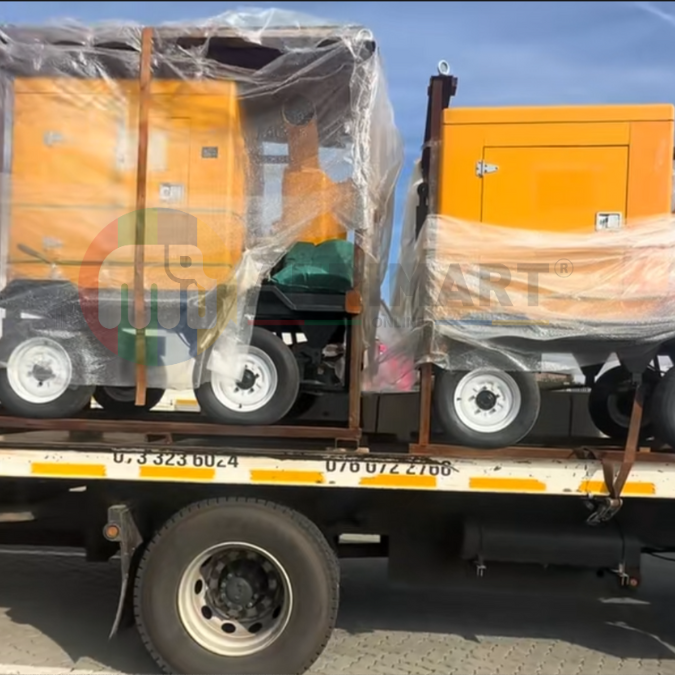
Latest Order Arrivals
Discover our latest orders
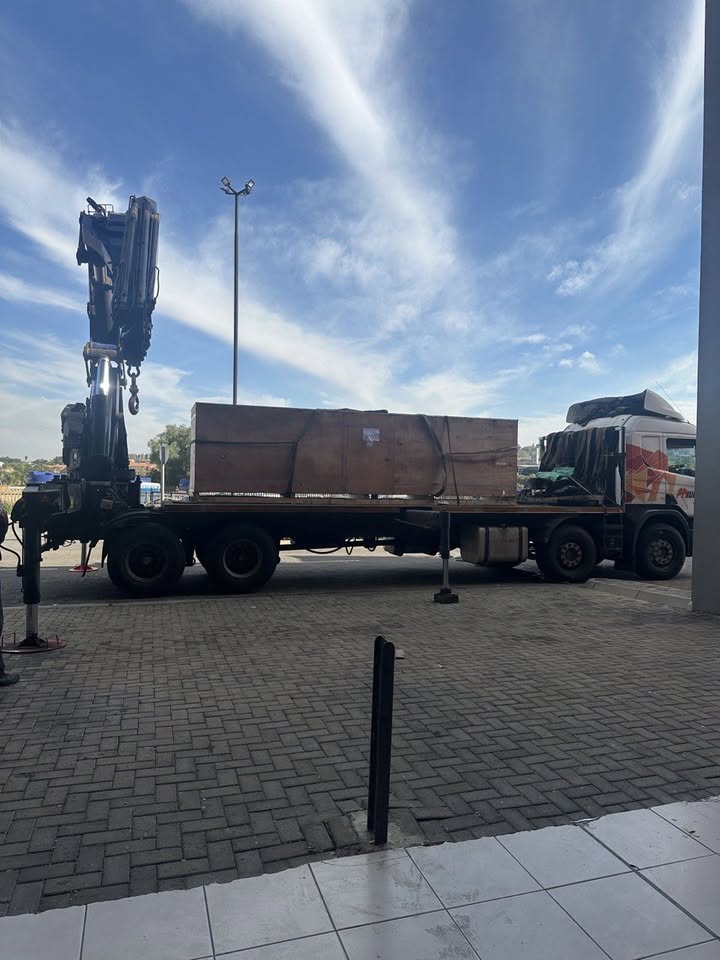
12 Heads Embroidery Machine
Toilet Paper Machine Machine
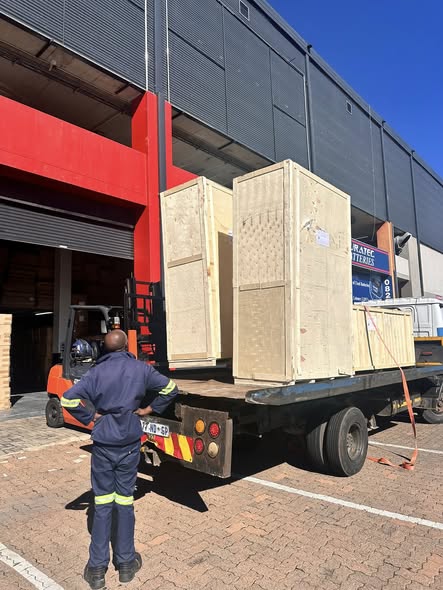
Order Collection
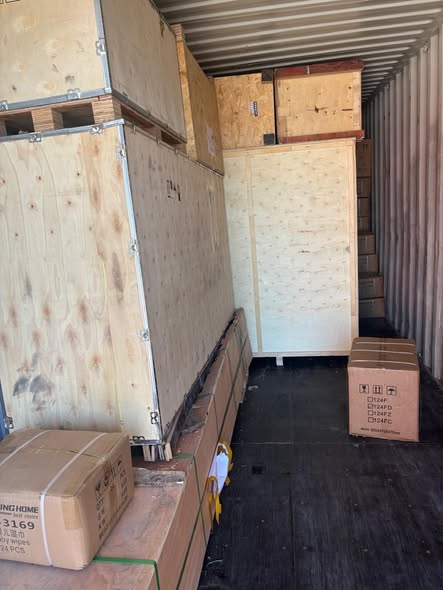
Cross Border Clients
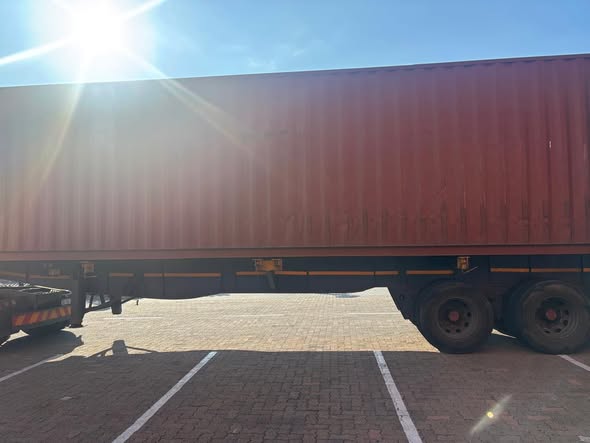
Order cros border countries Collected
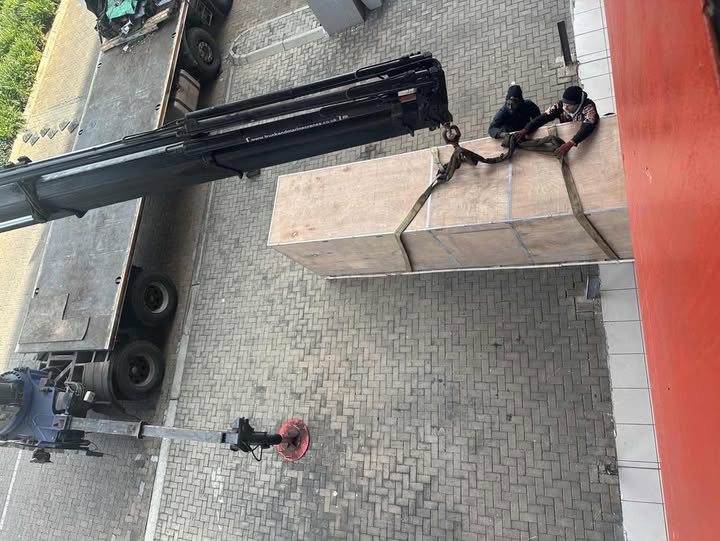
Industrial Machine Cllection
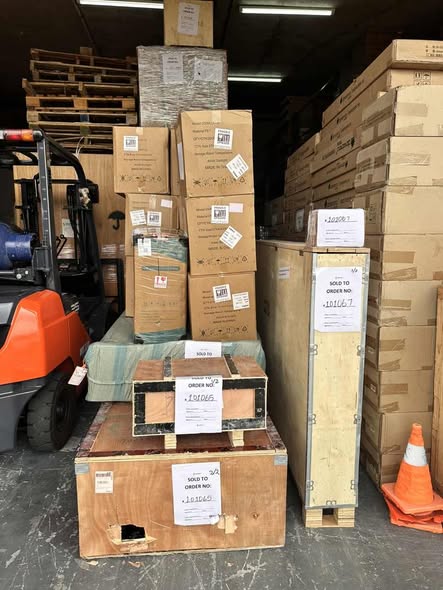
Agriculture Processing Machines
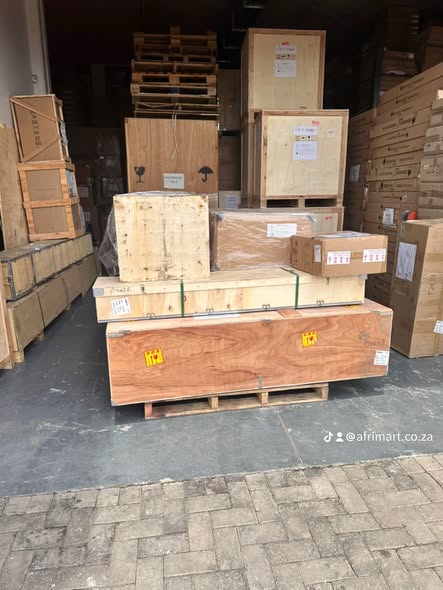
Ready for collection
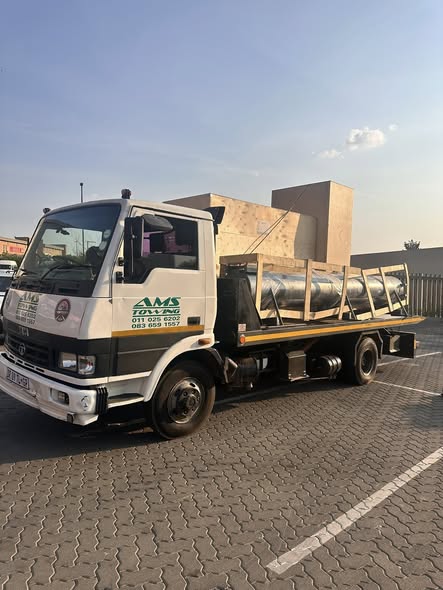
Water Pump Equipment
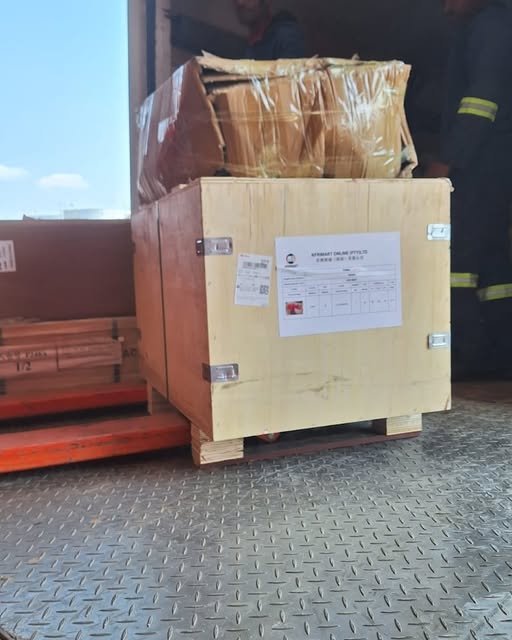
Packaging Machine and accessories
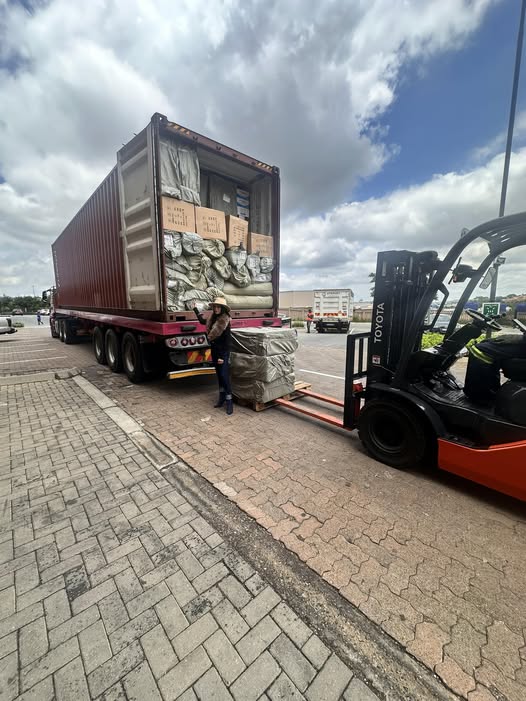
Fabrics Manufacturing Equipment
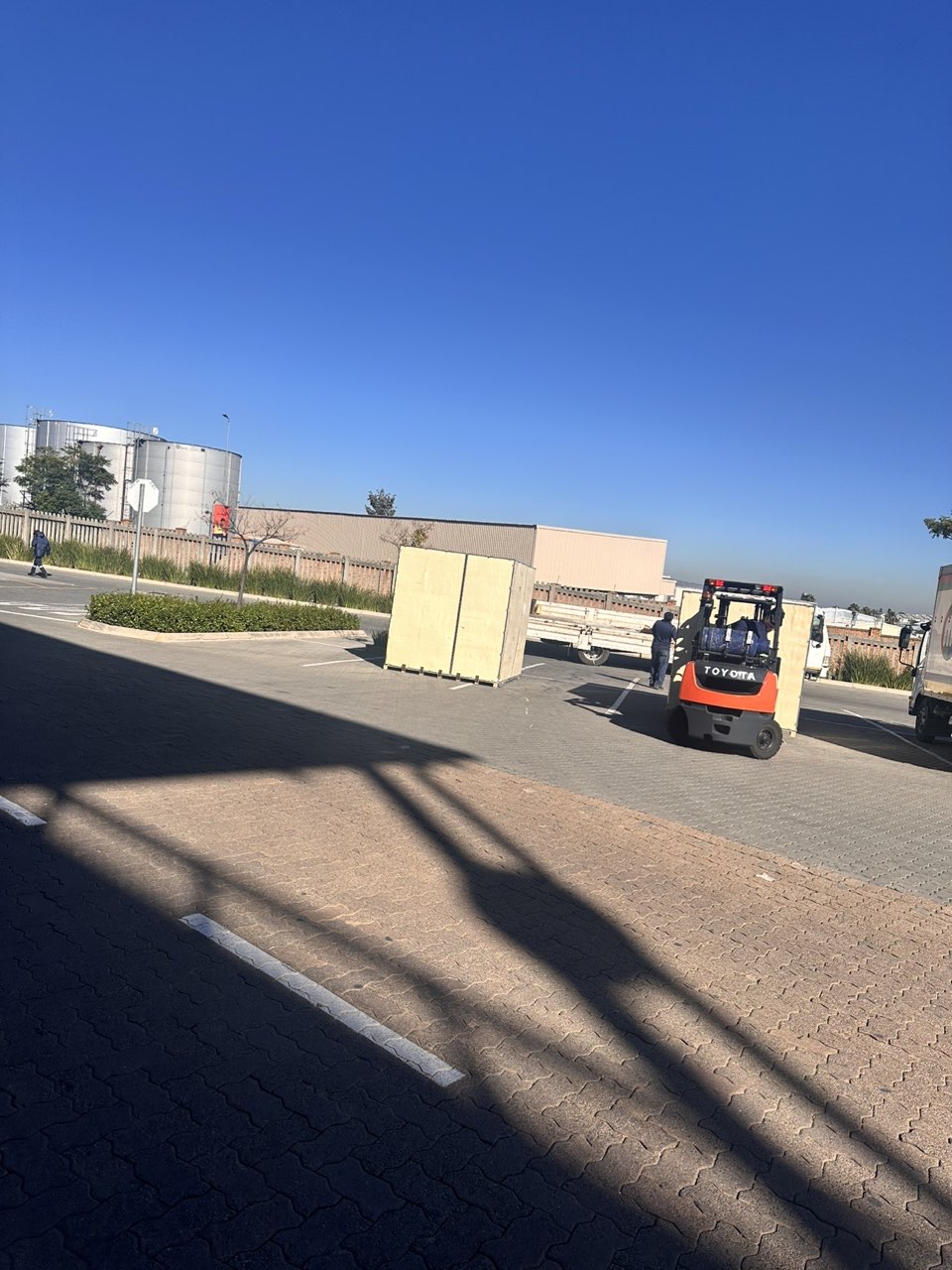
Mining Equipments
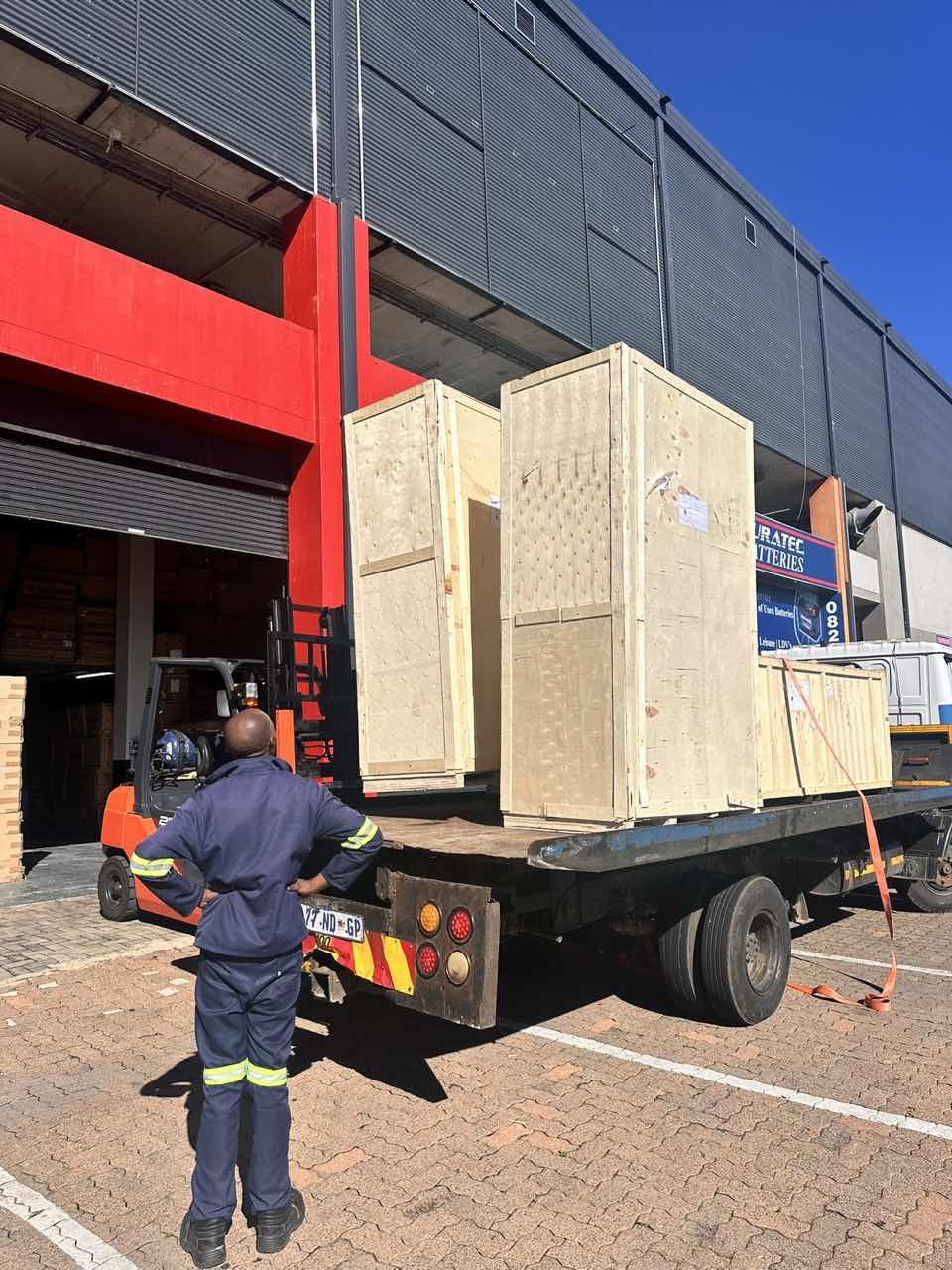
Food Processing Machine
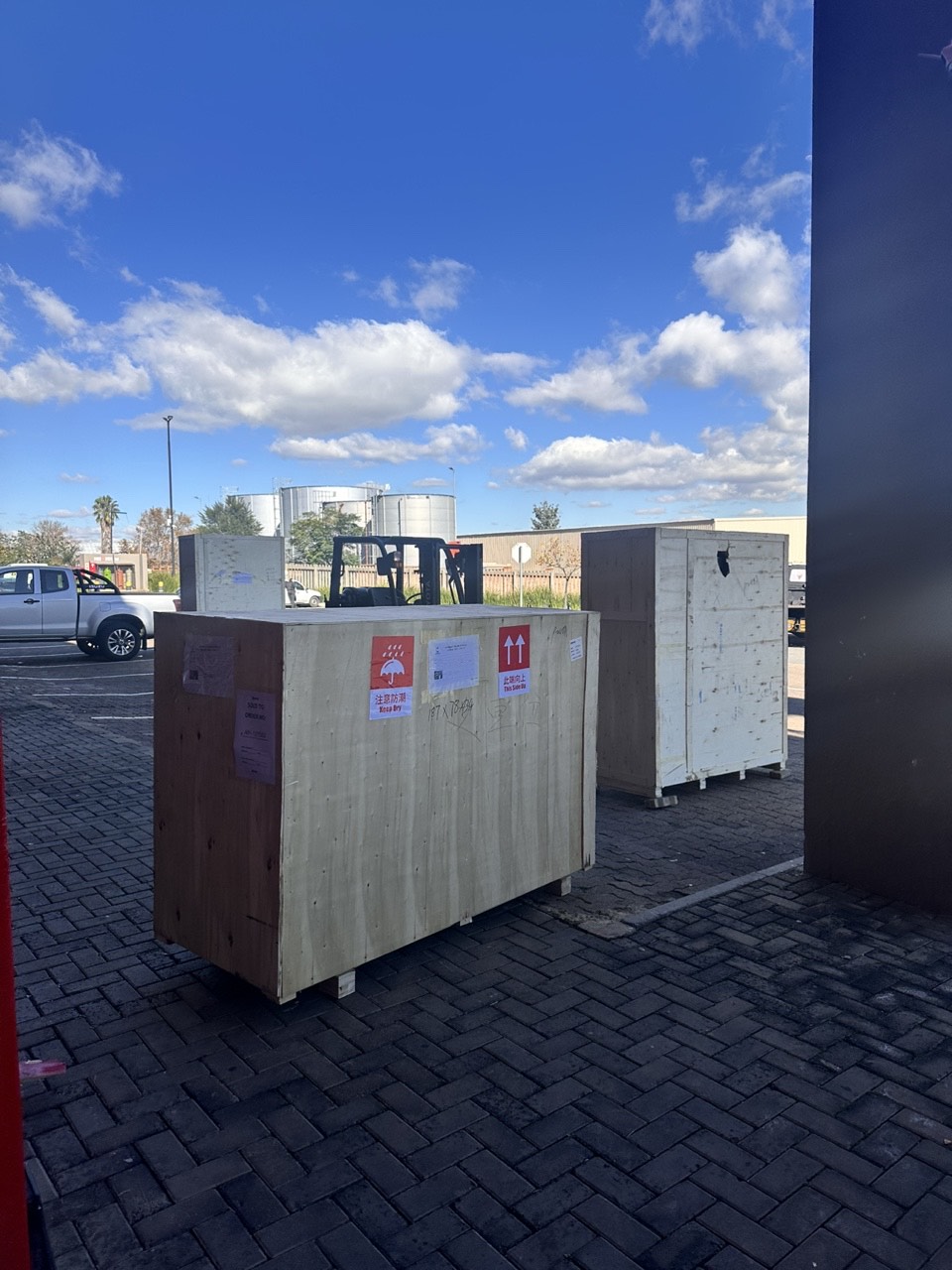
Batch of Orders
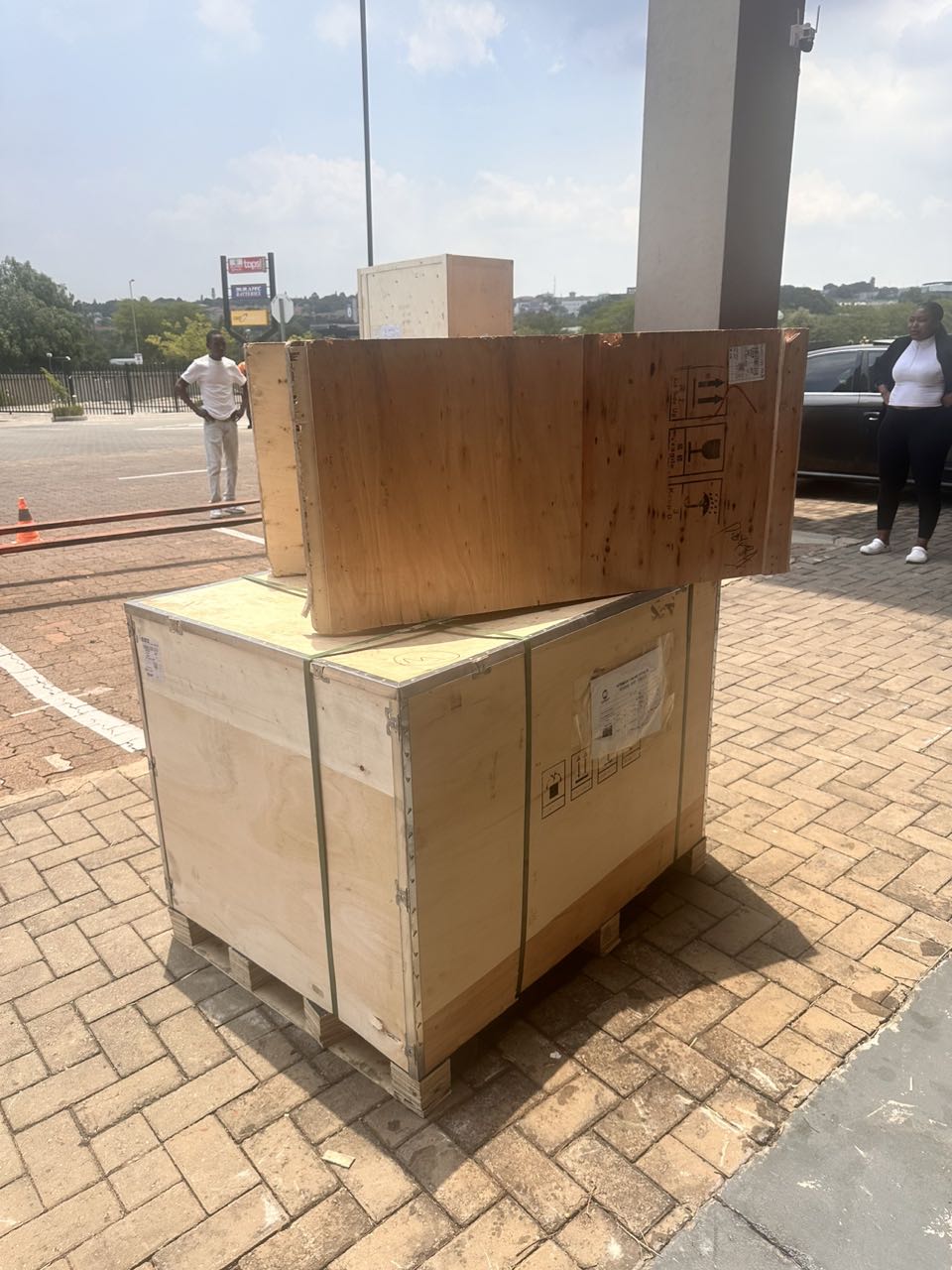
Batch of Orders
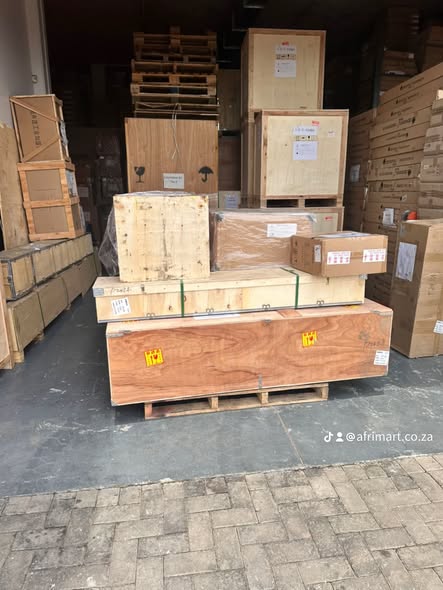
Latest Orders Labelled
wheel alignment machines
new arrivals
Pre Orders Offloading
Latest Arrivals
Latest Arrivals
Latest Arrivals
Loading
Toilet paper making machine
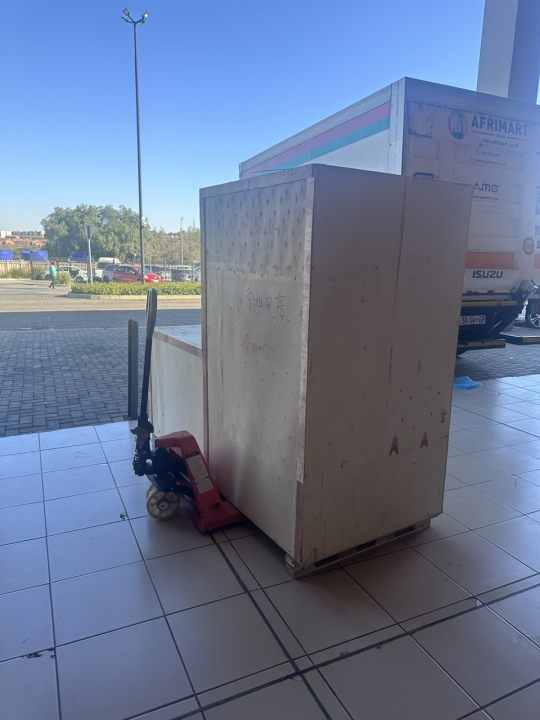
Toilet paper making machine
Toilet paper Rewinding Machine
latest arrivals
offloading
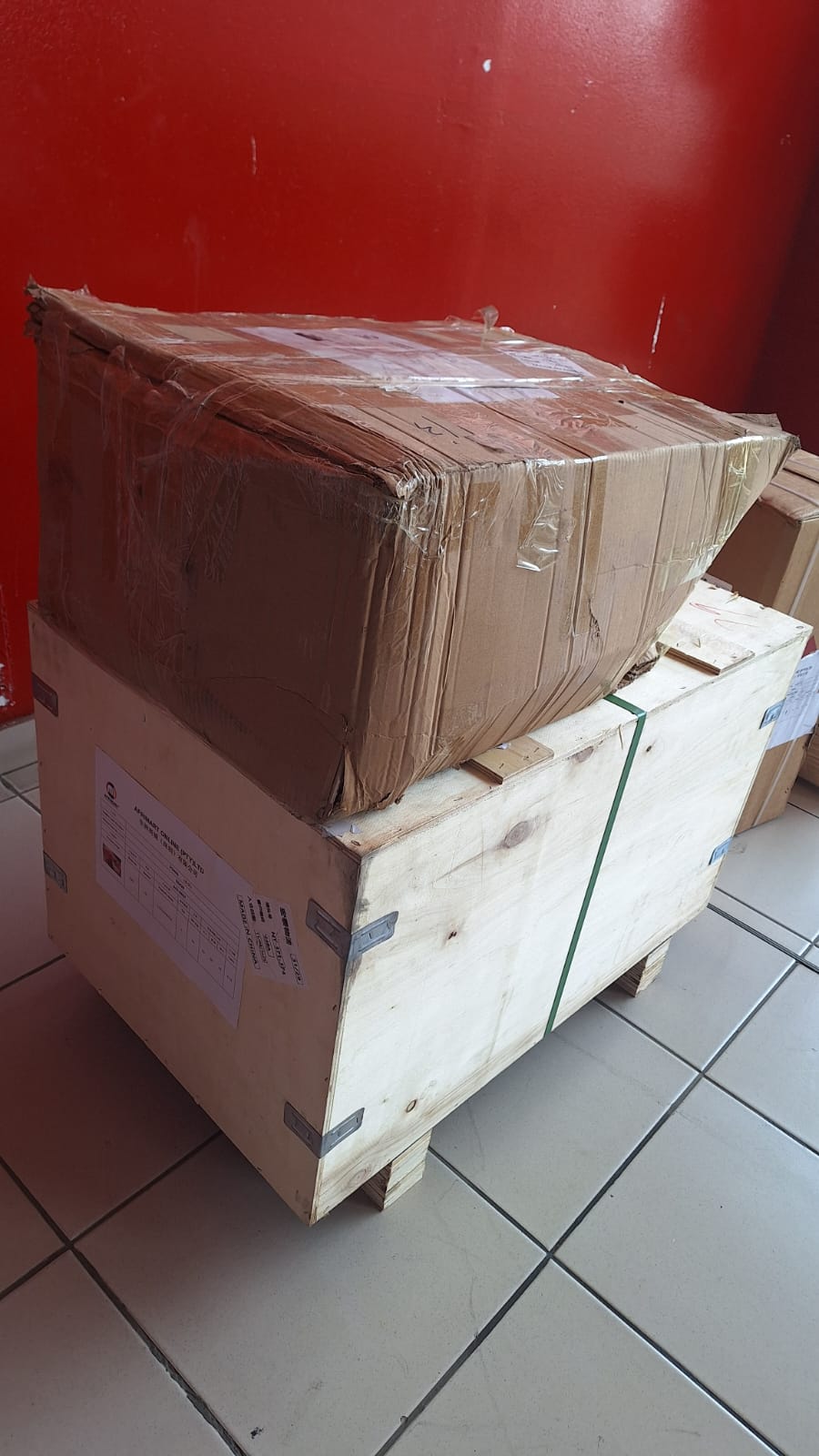
order success
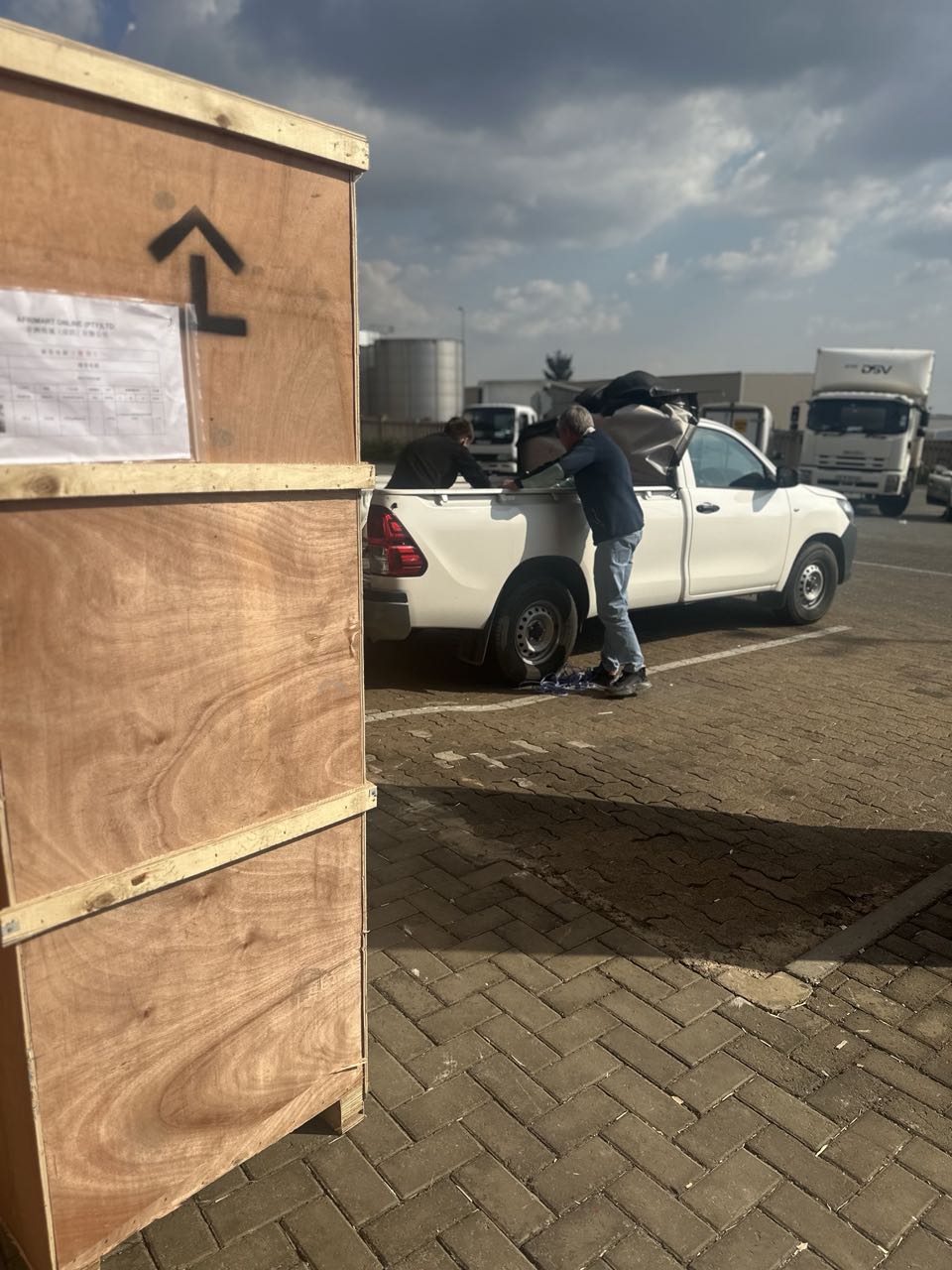
order collection
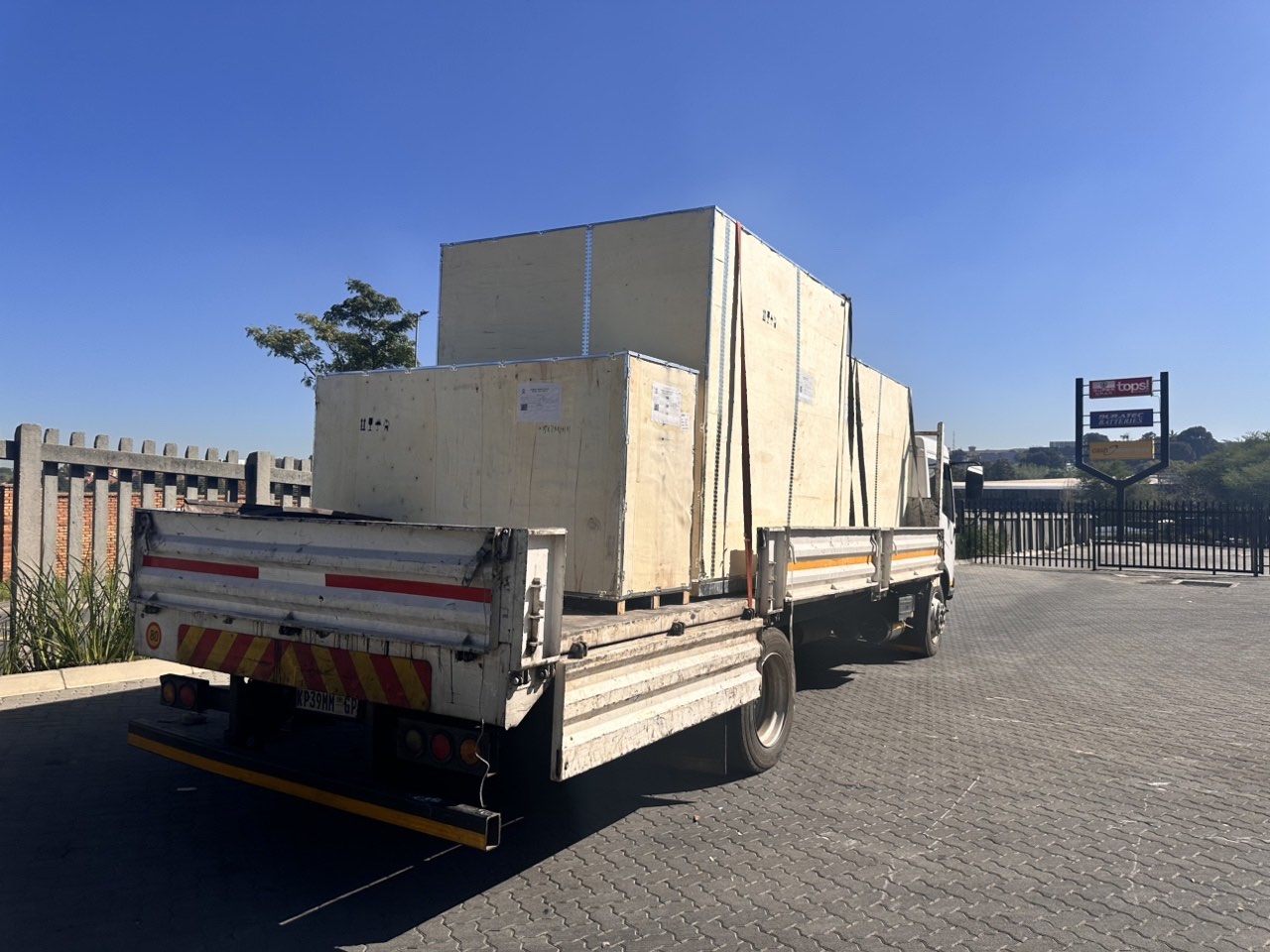
order offloading