B21, China Town Mall, Midrand


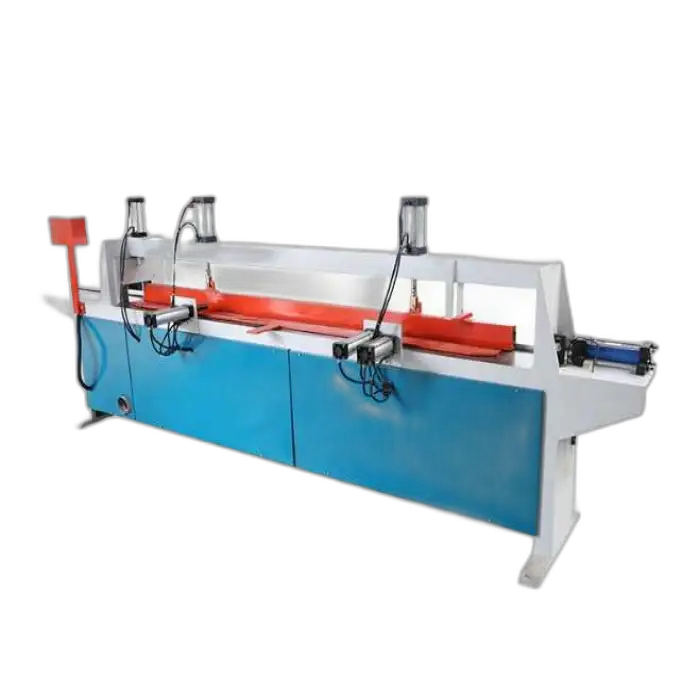
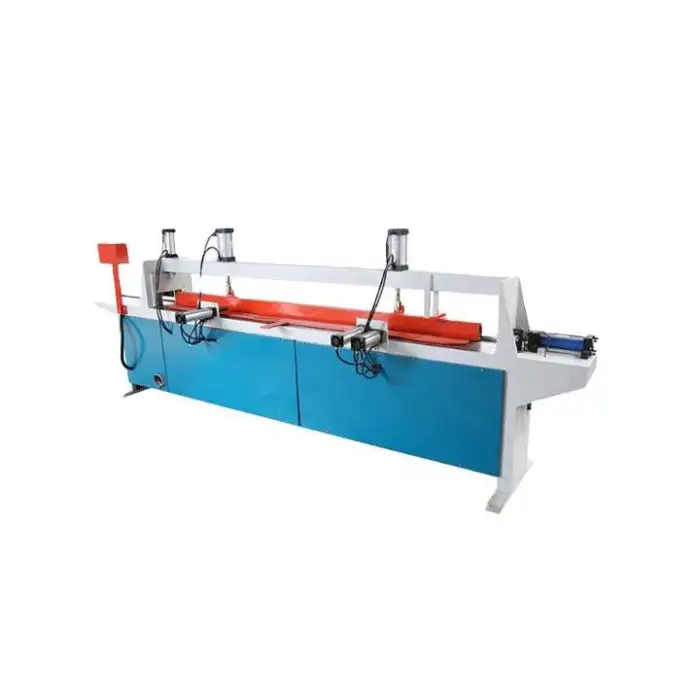
STR Semi Automatic Finger Joint Press Assembly Machine Finger Jointer Machine for Wood
Asset finance available
Do you want funding for this equipment?
Afrimart can connect you with trusted funding partners who specialise in asset finance for businesses like yours. Compare options and apply in minutes — final approval is subject to provider review.
Check funding options
Secure & no obligation

- Section : Machinery
- Category : Woodworking Machinery
- SKU : 1601091720856

STR Semi Automatic Finger Joint Press Assembly Machine
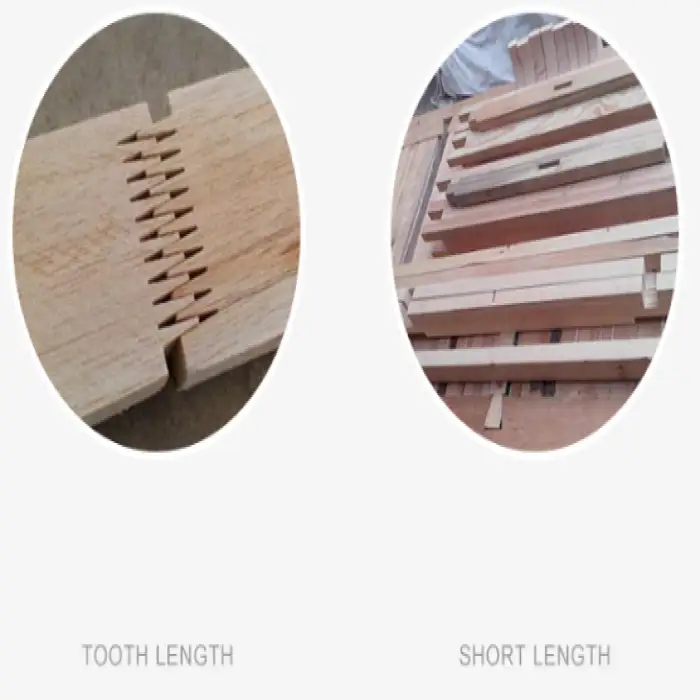
The STR Semi Automatic Finger Joint Press Assembly Machine is designed for woodworkers who need precision and efficiency in their jointing tasks. This machine provides a reliable solution for creating strong finger joints in wood. With a powerful motor and user-friendly design, it helps you achieve high-quality results in your woodworking projects.
Specifications
| Attribute | Details |
|---|---|
| Power Source | Electrical |
| Core Components | Motor |
| Voltage | 400V |
| Weight | 2 KG |
| Power | 1.5 kW |
| Air Pressure | 400V |
| Max Joint Length | 2500 mm |
| Max Joint Width | 120 mm |
| Max Joint Thickness | 80 mm |
| Voltage & Frequency | 400V/50HZ 3-phase |
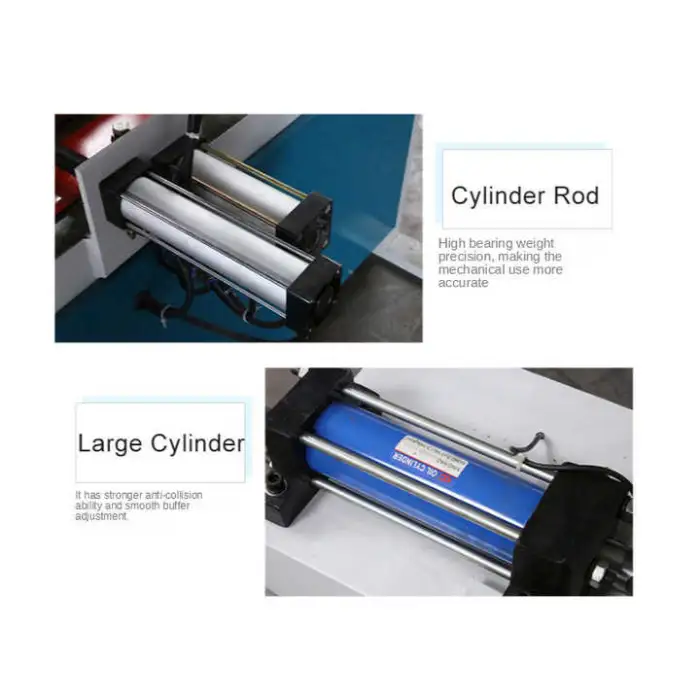
| Max Jointing Force | 9000 KG |
| Blade Diameter | 300 mm |
| Spindle Speed | 3600 rpm |
| Saw Motor Power | 1.5 KW |
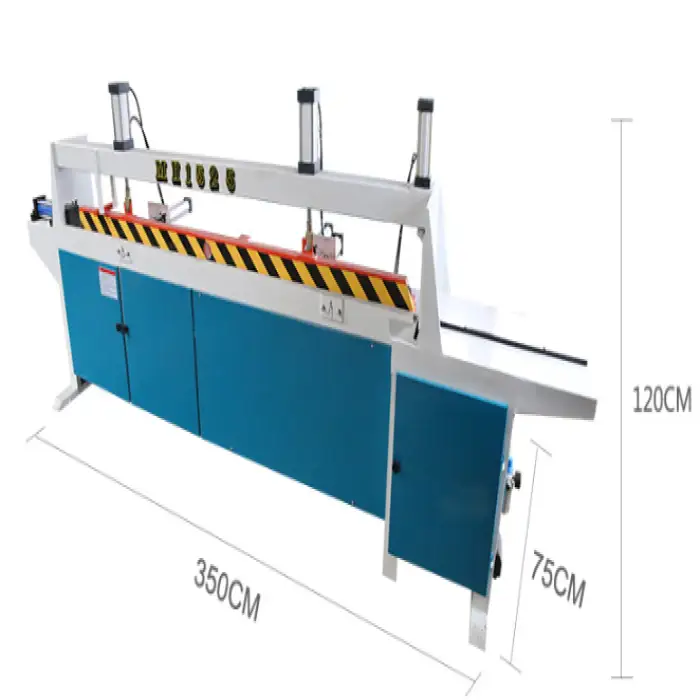
| Dimensions (L*W*H) | 3500*750*1200 mm |
| Selling Units | Single item |
| Single Package Size | 70X90X130 cm |
| Single Gross Weight | 300 KG |
Key Features
- Long service life for continuous use.
- High jointing force of 9000 KG for strong connections.
- Compact design for easy placement in workshops.
- Efficient motor with 1.5 kW power for reliable operation.
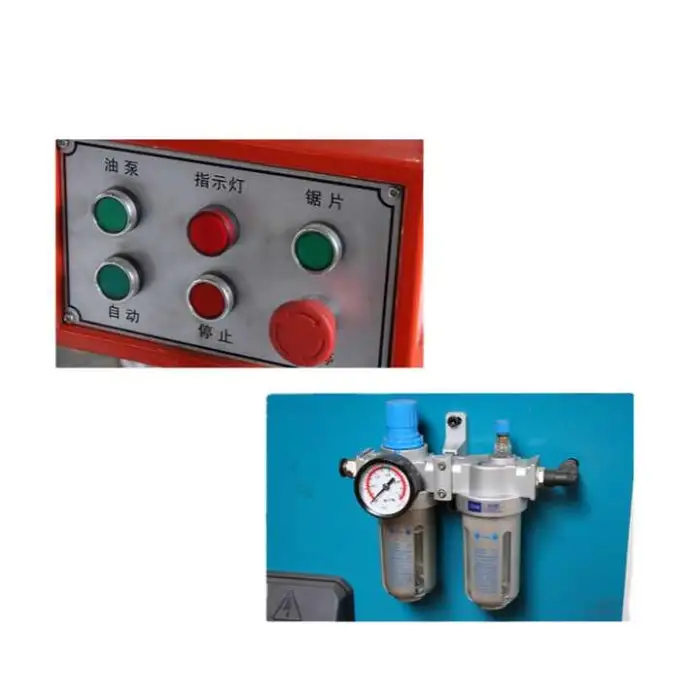
- Easy-to-use controls for quick setup and operation.
Applications
- Creating finger joints for furniture making.
- Joining wood pieces for cabinetry.
- Woodworking projects that require strong joints.
- Manufacturing laminated beams and panels.
- Various woodworking and carpentry tasks.
Product Info Gallery
- Shipping Timeframes: All orders are processed within 2-5 business days (excluding weekends and holidays). After your order has been processed, the estimated delivery time is before 03 Aug, 2026, depending on customs, Please note that due to high demand, some items may experience longer shipping times, which will be communicated at order confirmation email.
- Order Processing Time: Please allow 2-5 business days for us to process your order before it is shipped . Orders placed after 16:00 on Fridays, or during weekends and public holidays, will begin processing on the next business day. Processing times may be extended during peak seasons or sales events.
- Manufacturing Time: Some products needs manufacturing time, the manufacturing process will take approximately 10-30 business days depending on the product. This timeframe may vary depending on the complexity of the product and current demand. but this will be communicated with you during order confirmation.
- Returns and Exchanges: We offer a 30-day return policy for most items. If you are not completely satisfied with your purchase, you may return it within 30 days of receipt for a refund or exchange. Items must be unused, in their original packaging, and accompanied by proof of purchase. Return shipping costs are the responsibility of the customer, unless the item was damaged or defective upon arrival.
1. What is the STR Semi Automatic Finger Joint Press Assembly Machine?
The STR Semi Automatic Finger Joint Press Assembly Machine is a woodworking press designed to assemble and clamp finger-jointed wood pieces, producing strong, precise joints for furniture, cabinetry, laminated beams and panel production.
2. What does "semi-automatic" mean for this machine?
Semi-automatic means some operations are automated (pressing/holding cycles and controls) while other tasks—such as loading pieces, applying glue and removing finished assemblies—are performed by the operator.
3. What are the key specifications I should know?
Key specs include: electrical supply 400V/50Hz 3-phase, motor/saw power 1.5 kW, spindle speed 3600 rpm, blade diameter 300 mm, max joint length 2500 mm, max joint width 120 mm, max thickness 80 mm, max jointing force 9000 KG, machine dimensions 3500×750×1200 mm, package size 70×90×130 cm and single-item gross weight listed as 300 kg.
4. What electrical and site requirements are needed?
The machine requires a 400V/50Hz 3-phase electrical supply with appropriate circuit protection and isolation. Have a qualified electrician handle wiring and verify available supply can support the 1.5 kW motor(s). A stable, level floor and adequate workspace around the 3500 mm length are recommended.
5. Does the machine require compressed air or pneumatic connections?
The provided spec shows an "Air Pressure" field with an unclear value. Many finger joint presses use pneumatics for clamping; confirm actual pneumatic requirements (pressure and flow) with the supplier before installation.
6. What maximum material sizes and types can it handle?
The machine handles wood up to 80 mm thickness, 120 mm width for jointing, and lengths up to 2500 mm. It is suitable for common solid woods, engineered lumber and laminates used in furniture and beam/panel manufacturing—verify suitability for very hard or exotic species with the manufacturer.
7. What does the 9000 KG jointing force mean for my production?
A 9000 KG maximum jointing force indicates the press can apply very high clamping pressure to ensure tight, durable finger joints and good glue penetration, resulting in stronger assemblies and reliable production quality.
8. What blade/cutter information should I be aware of?
The machine lists a blade diameter of 300 mm and spindle speed of 3600 rpm. Use cutters/blades specified by the manufacturer for finger-joint profiles, and replace or re-sharpen according to usage. Incorrect tooling can reduce joint quality and increase wear.
9. How does the typical operation/workflow look?
Typical steps: prepare and clean mating surfaces, apply adhesive, load and align workpieces in the jig, initiate the semi-automatic press cycle to clamp the joint, hold for required cure time, then release and remove the assembly. Follow adhesive manufacturer cure times and machine clamping recommendations.
10. What safety features and personal protective equipment (PPE) are recommended?
Use standard machine guards, emergency stop, and interlocks where provided. Operators should wear safety glasses, hearing protection, and dust masks/respirators. Follow lockout/tagout procedures during maintenance and ensure guards remain in place while operating.
11. What maintenance is required to keep the machine running reliably?
Basic maintenance: daily cleaning of chips and glue; routine lubrication of moving parts per manual; weekly inspection of clamps, seals and fasteners; periodic inspection of blades, spindle bearings and electrical connections. Replace worn parts and follow the manufacturer's maintenance schedule.
12. What installation and space considerations should I plan for?
Allow space for the 3500×750×1200 mm machine footprint plus operator access and material handling. Provide a stable floor, appropriate electrical supply, dust extraction port near cutting areas, and space for loading long workpieces up to 2500 mm.
13. Are spare parts, accessories or upgrades available?
Common accessories include spare cutters/blades, clamping fixtures, dust-collection adapters and automation or infeed/outfeed options. Contact the supplier for OEM spare parts kits and available upgrades compatible with the STR model.
14. What about warranty and technical support?
Warranty terms vary by supplier—contact your vendor for details on warranty coverage, local service, spare parts availability and technical support or training options for operators and maintenance staff.
15. The spec lists "Weight: 2 KG" but also "Single Gross Weight: 300 KG"—which is correct?
The listed "Weight: 2 KG" appears to be an error. Given the machine dimensions and the stated single gross (crated) weight of 300 kg, expect the actual machine weight to be much closer to the gross weight. Confirm net and shipping weights with the supplier before purchase or shipping.
Latest Order Arrivals
Discover our latest orders
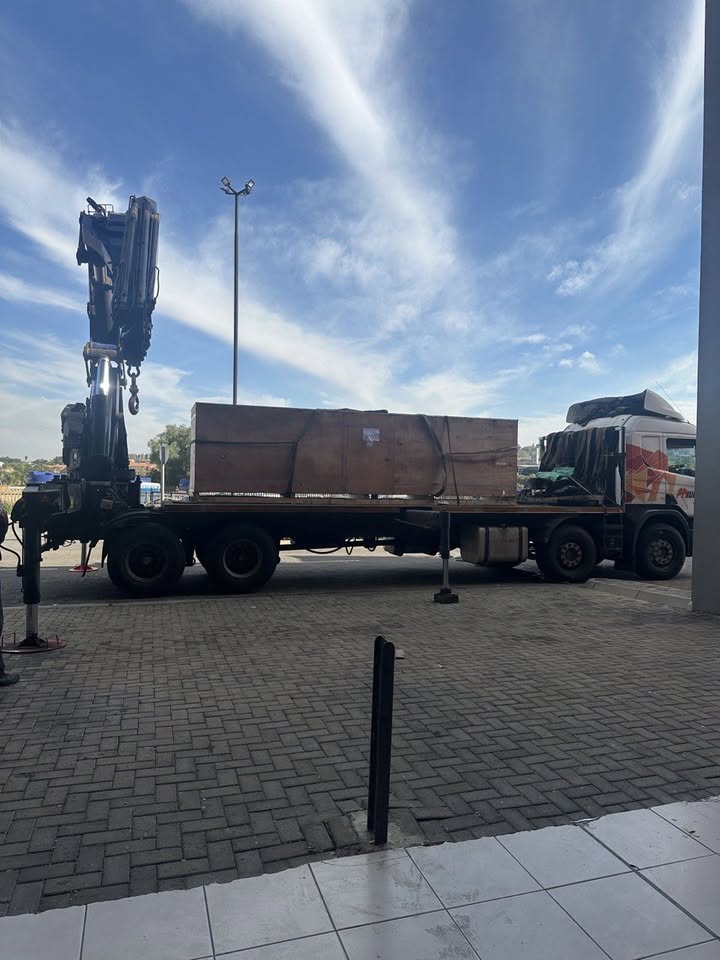
12 Heads Embroidery Machine
Toilet Paper Machine Machine
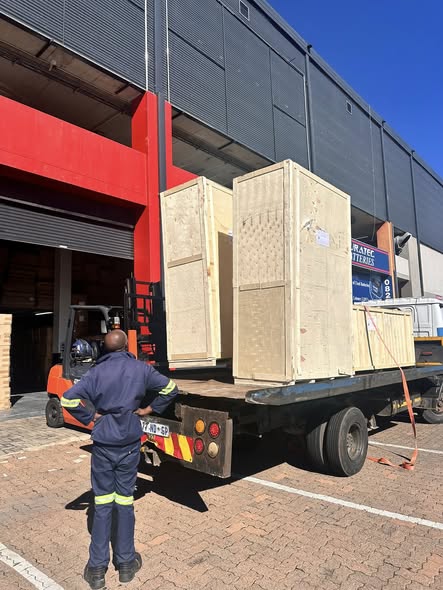
Order Collection
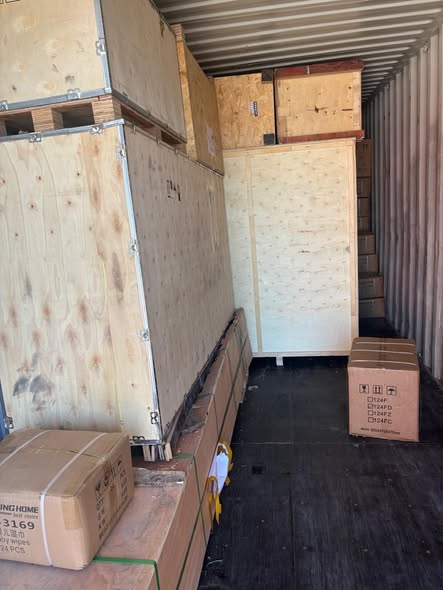
Cross Border Clients
Order cros border countries Collected
Industrial Machine Cllection
Agriculture Processing Machines
Ready for collection
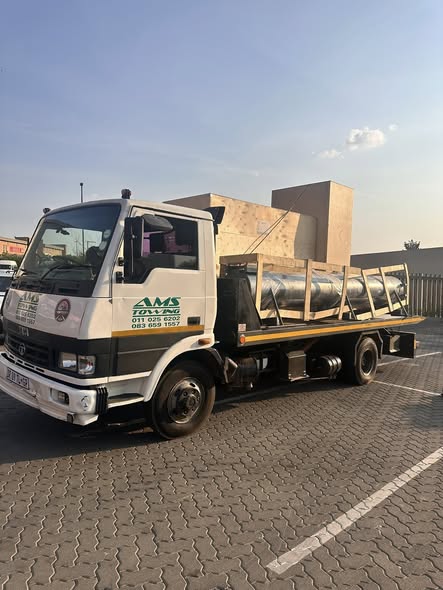
Water Pump Equipment
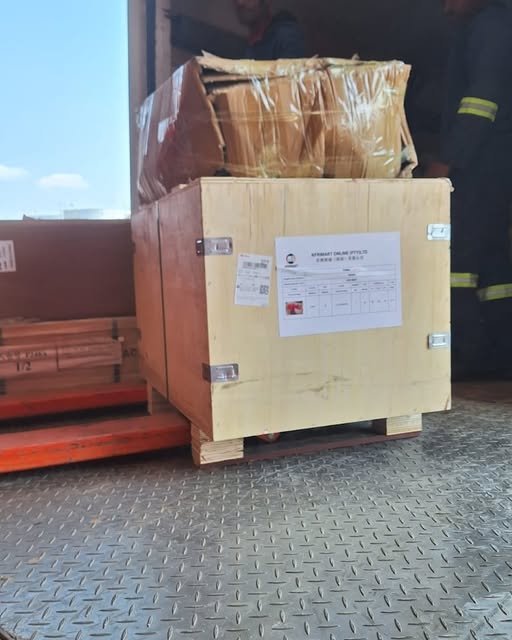
Packaging Machine and accessories
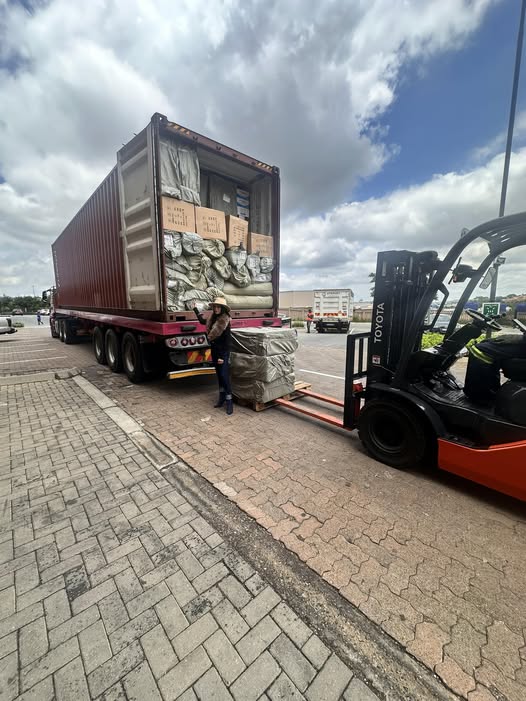
Fabrics Manufacturing Equipment
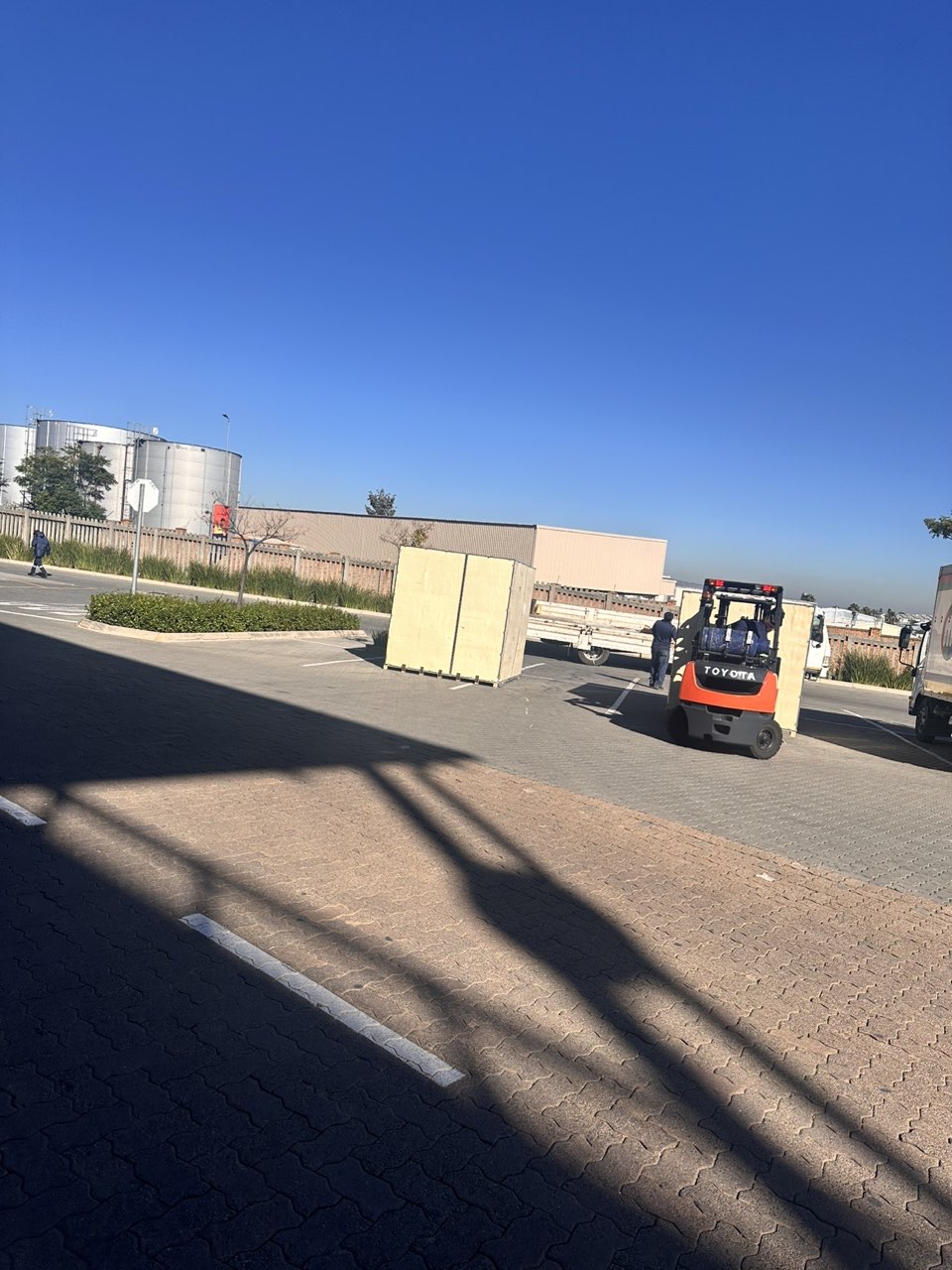
Mining Equipments
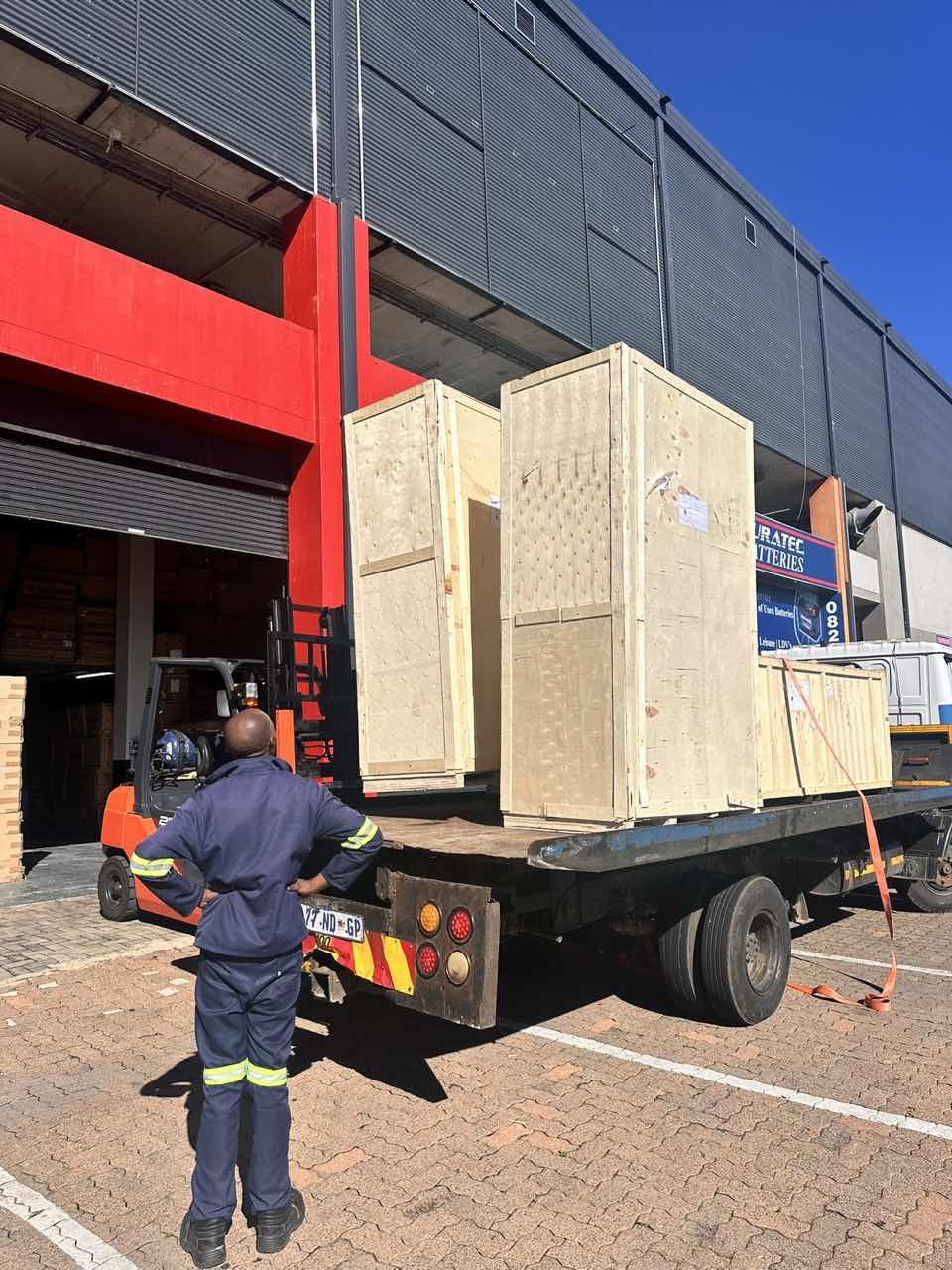
Food Processing Machine
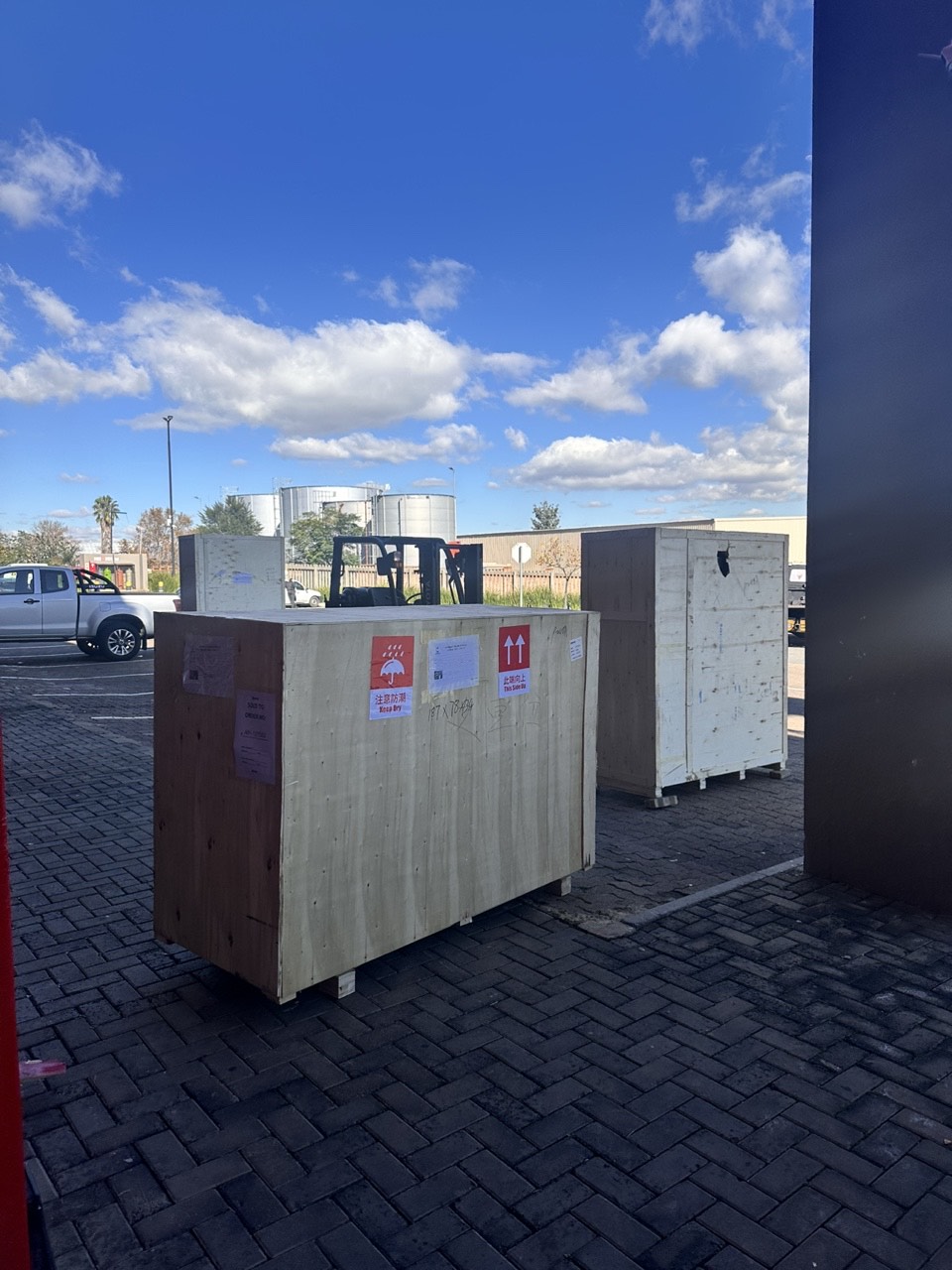
Batch of Orders
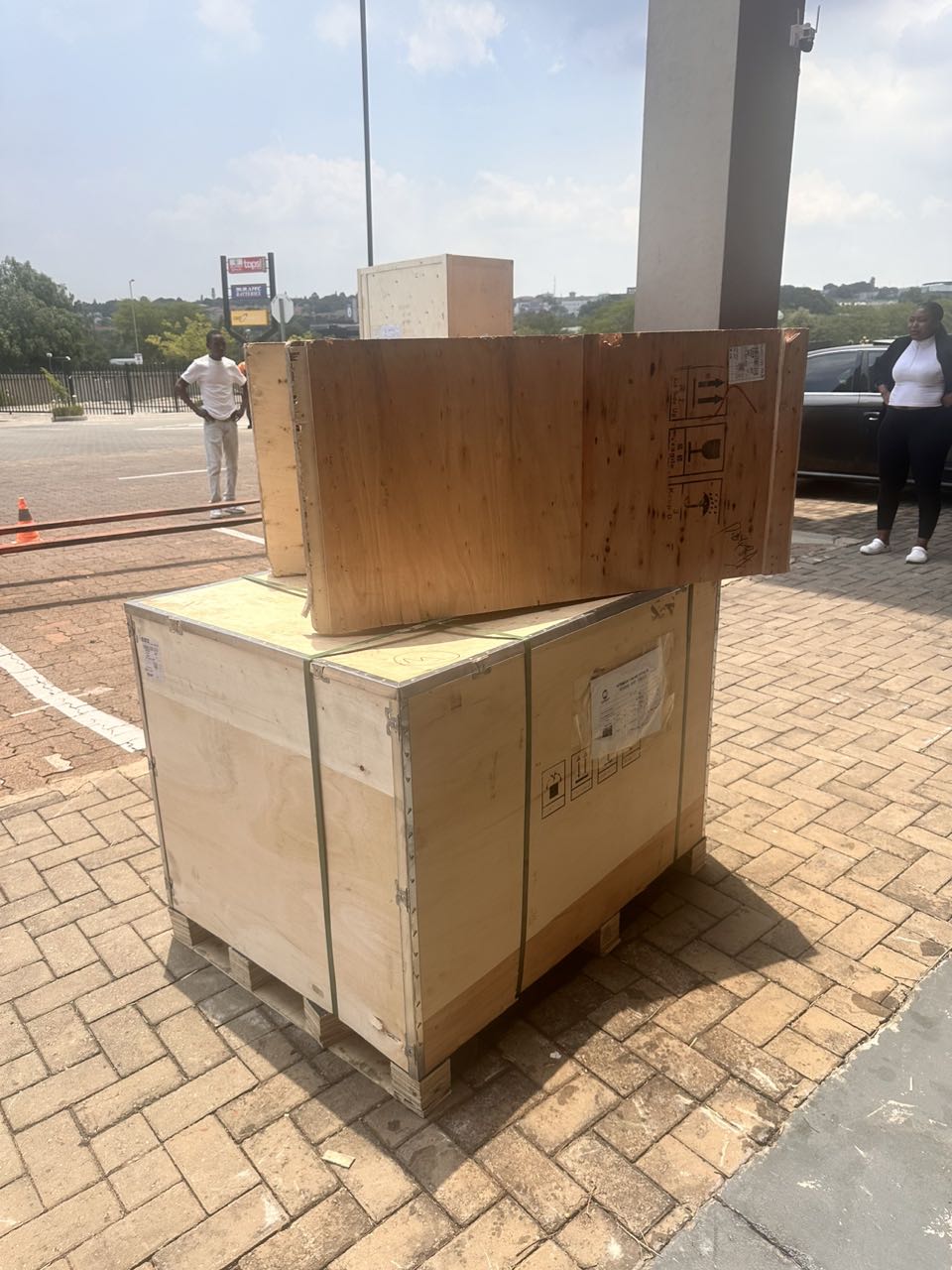
Batch of Orders
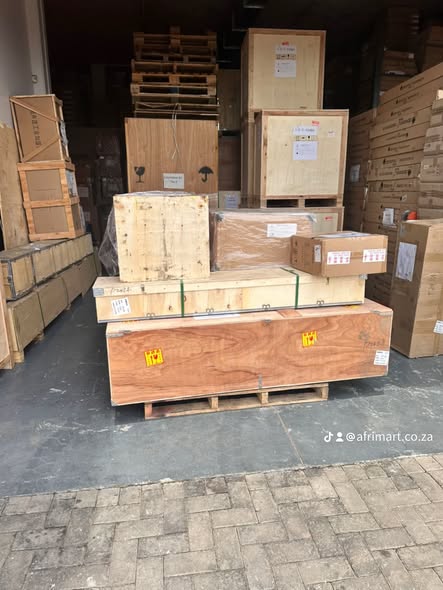
Latest Orders Labelled
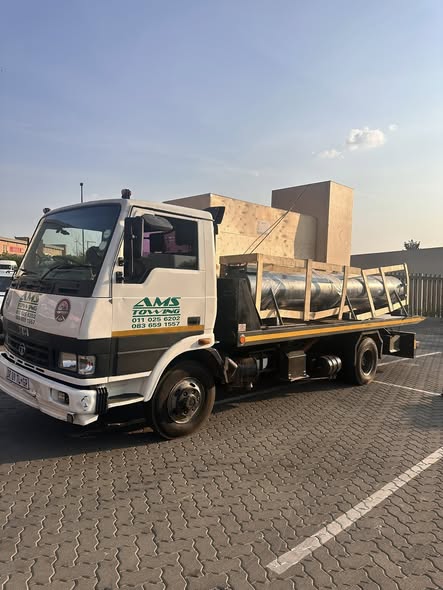
wheel alignment machines
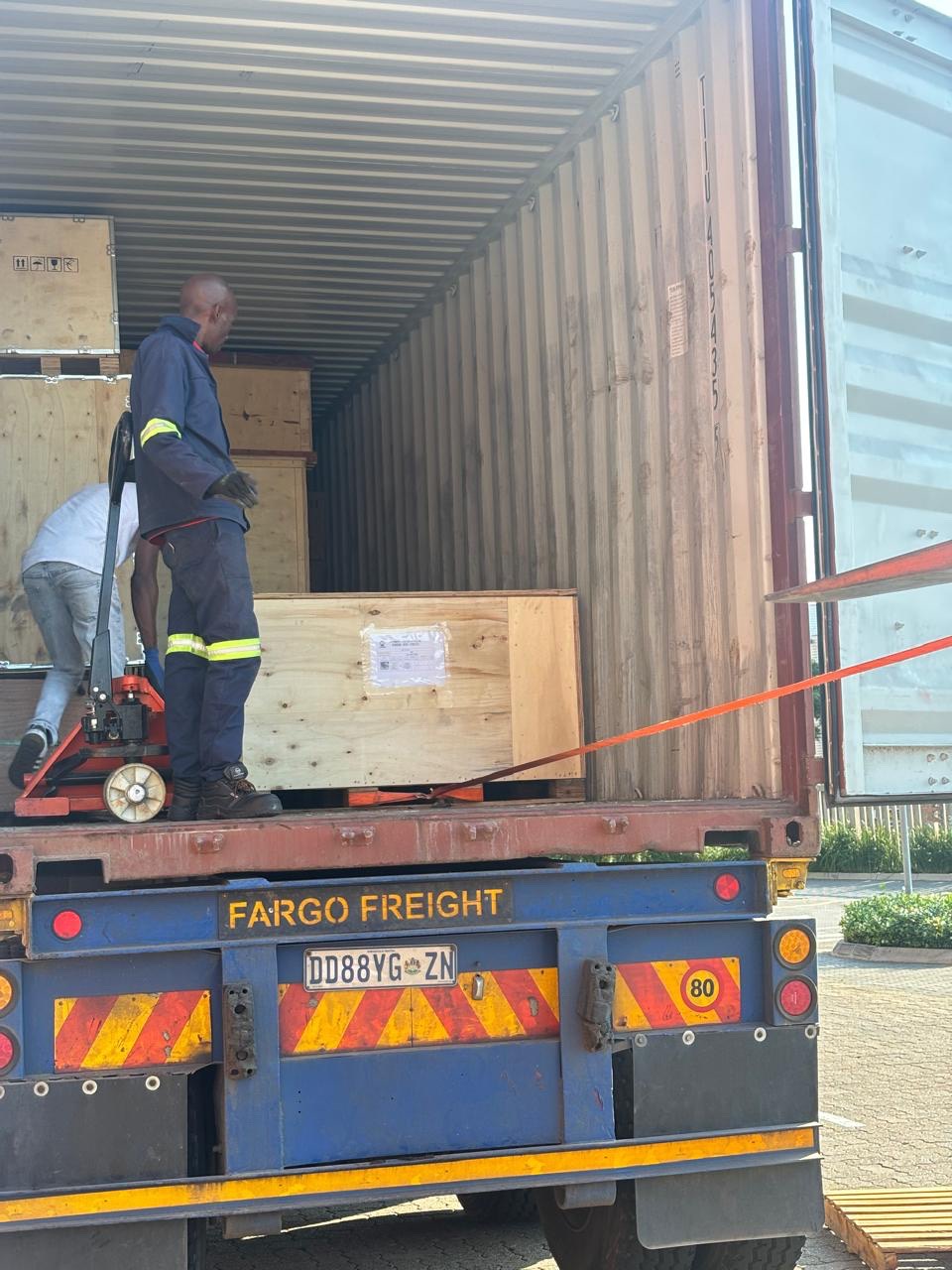
new arrivals
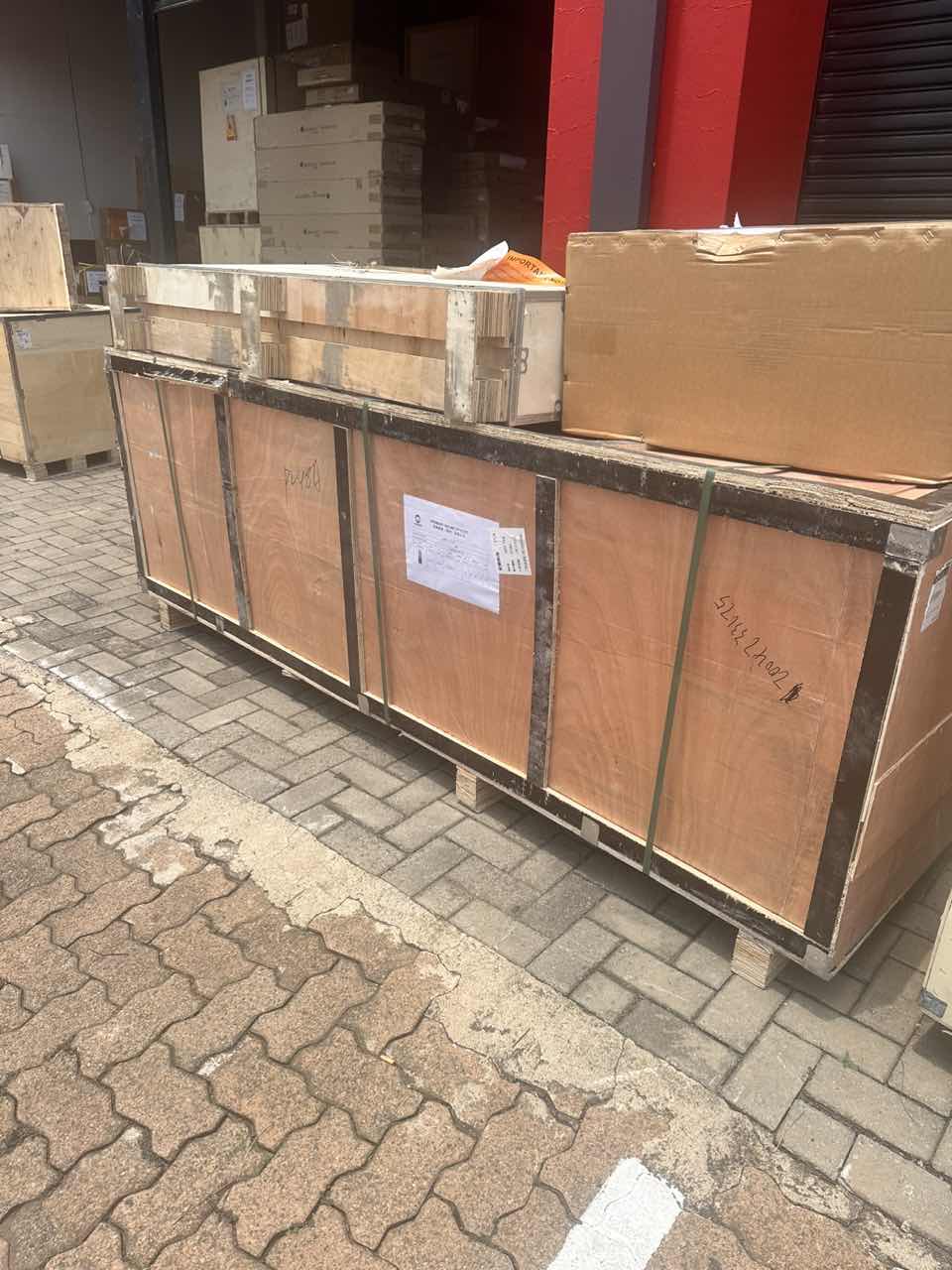
Pre Orders Offloading
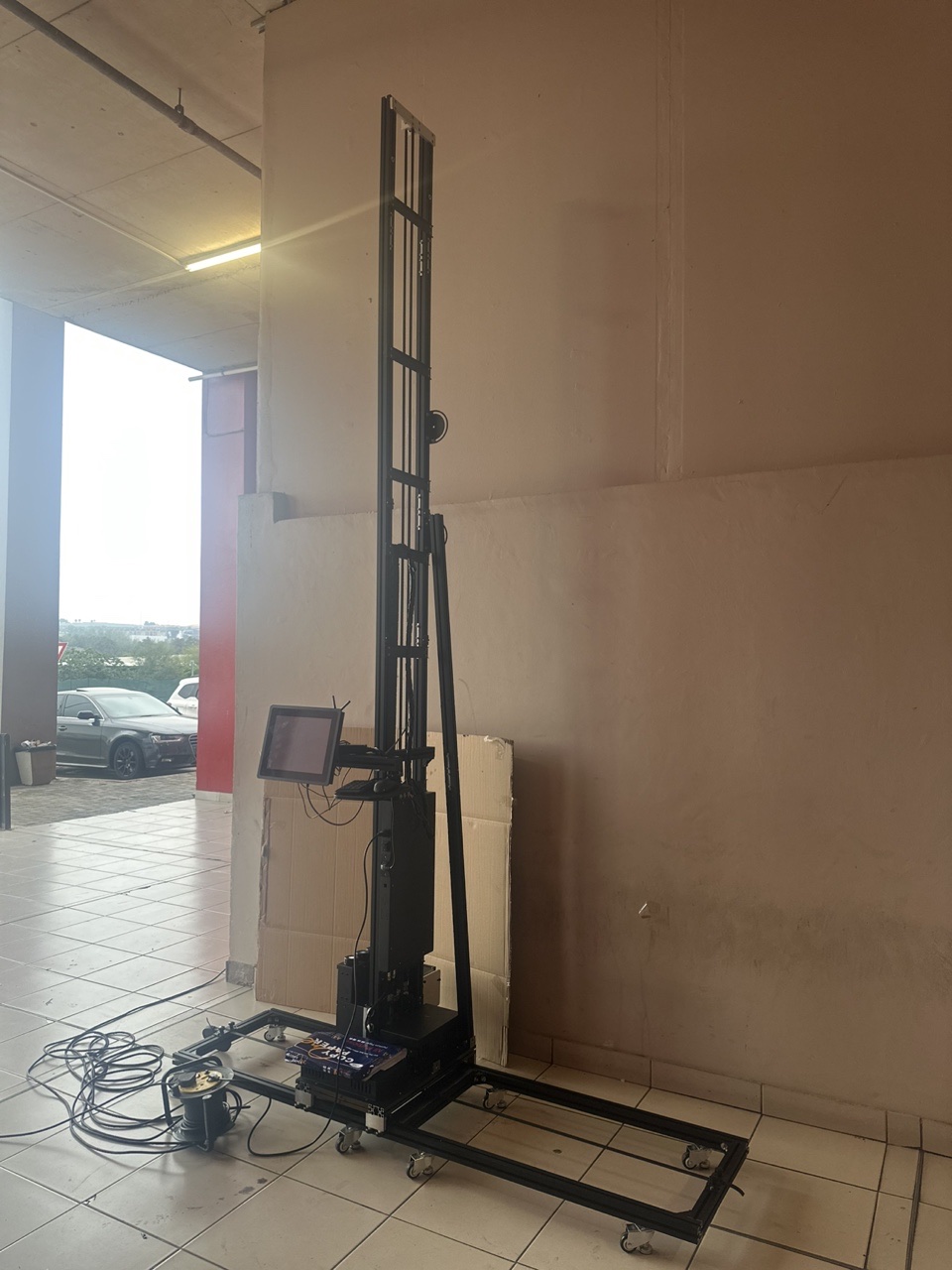
Latest Arrivals
Latest Arrivals
Latest Arrivals
Loading
Toilet paper making machine
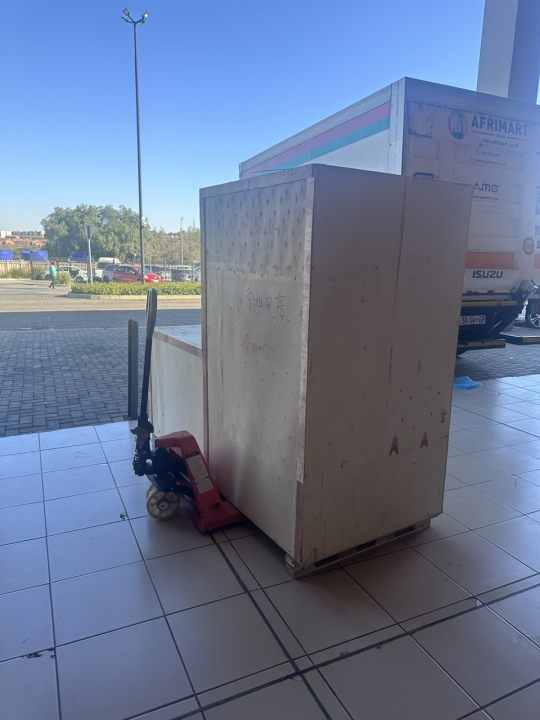
Toilet paper making machine
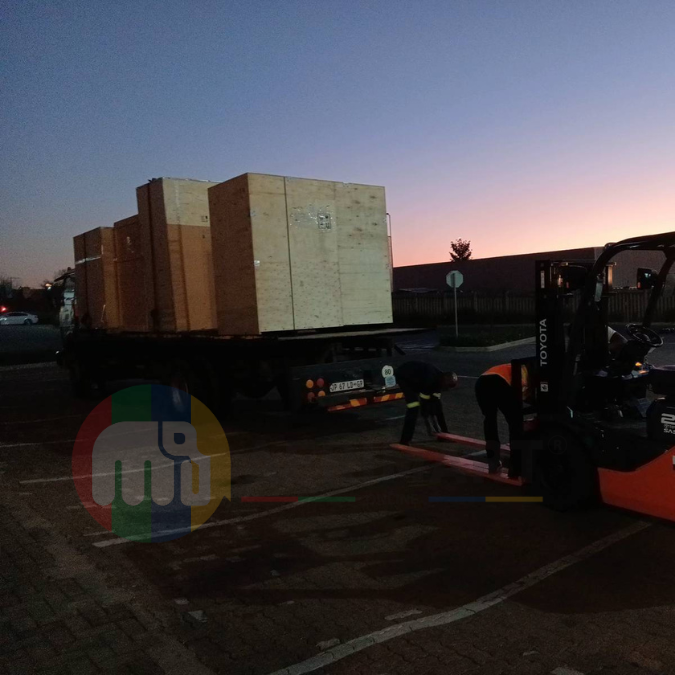
Toilet paper Rewinding Machine
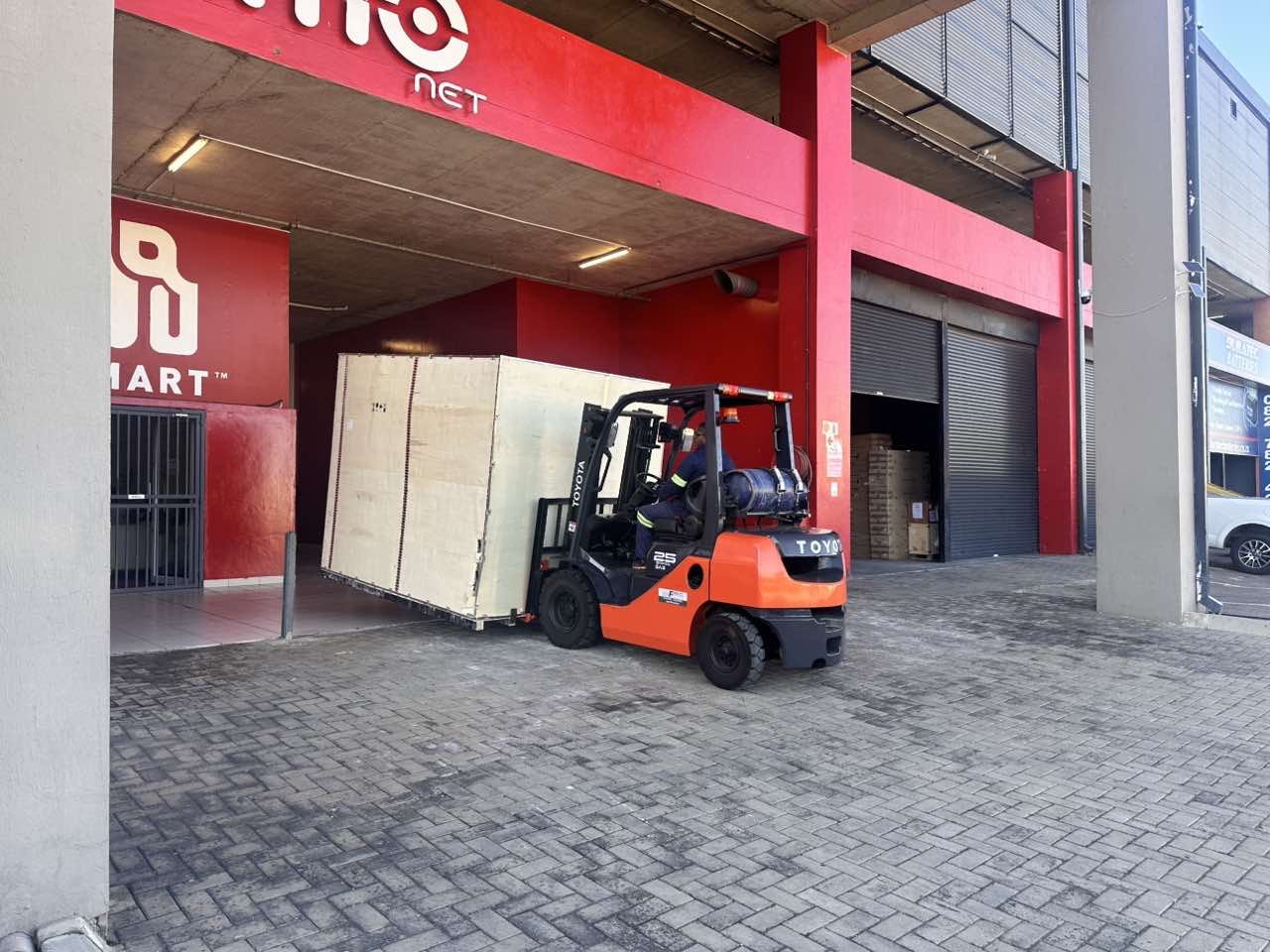
latest arrivals
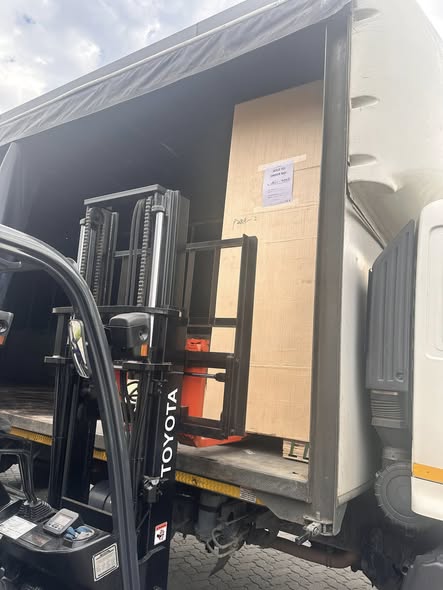
offloading
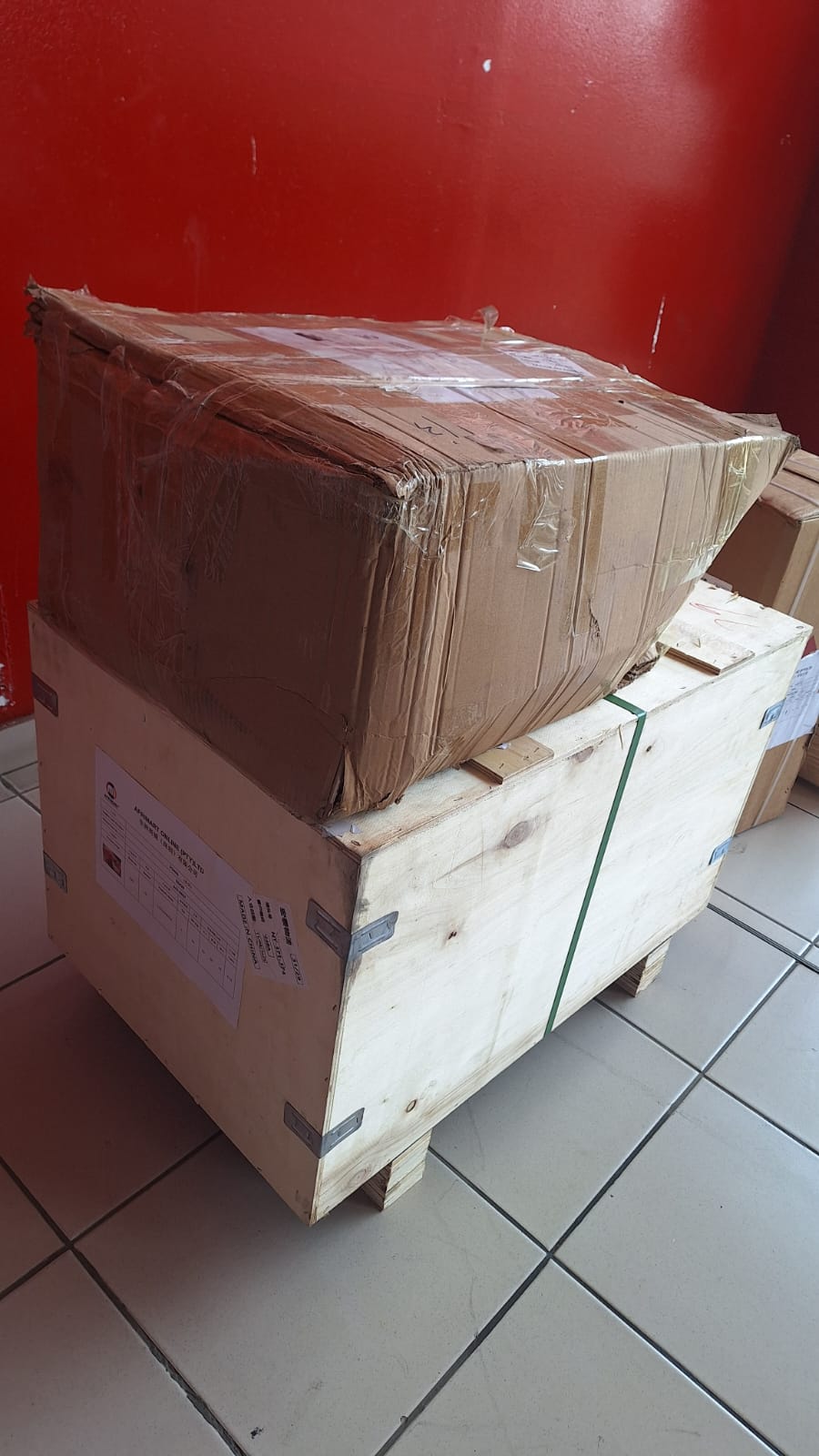
order success
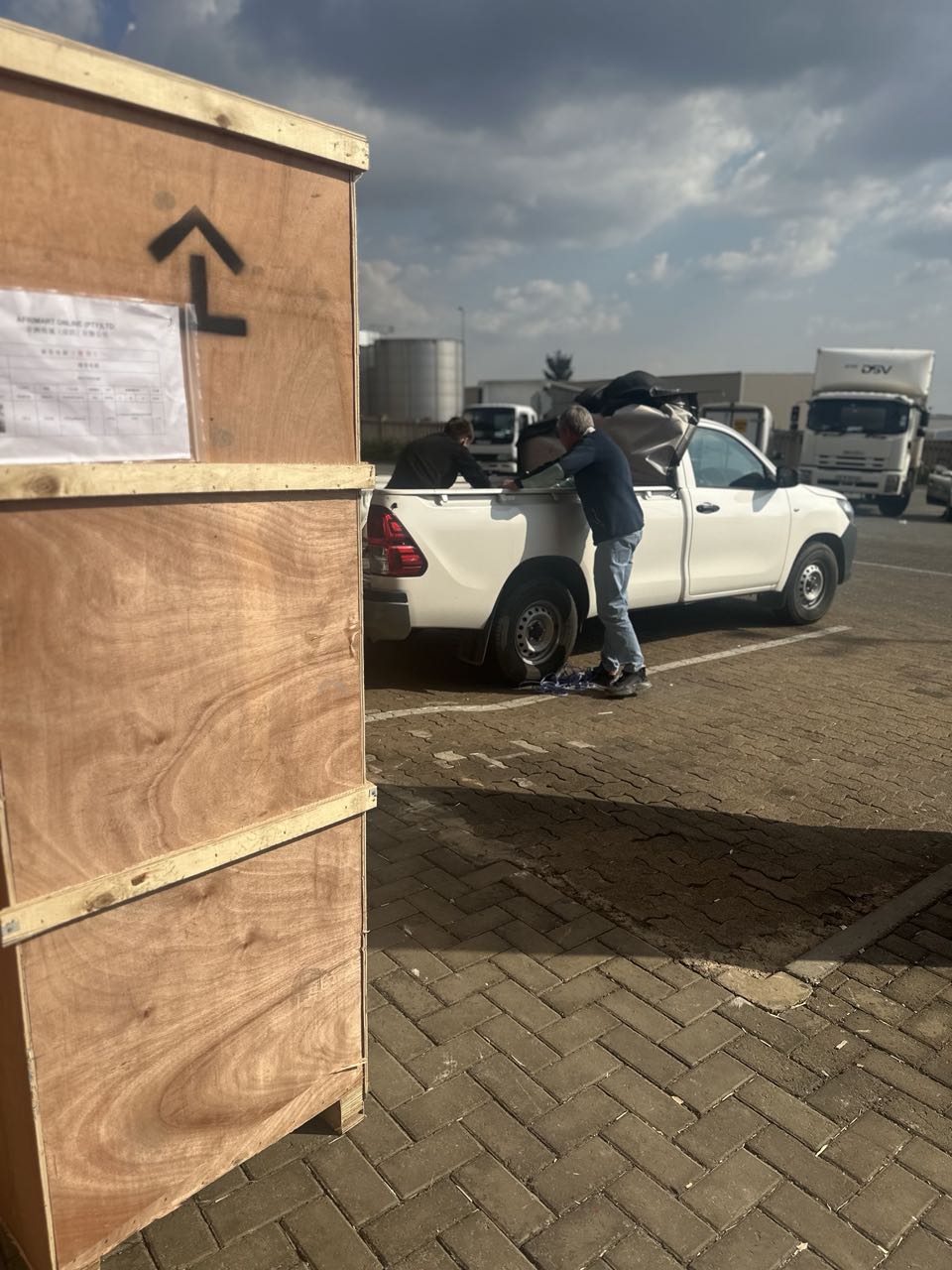
order collection
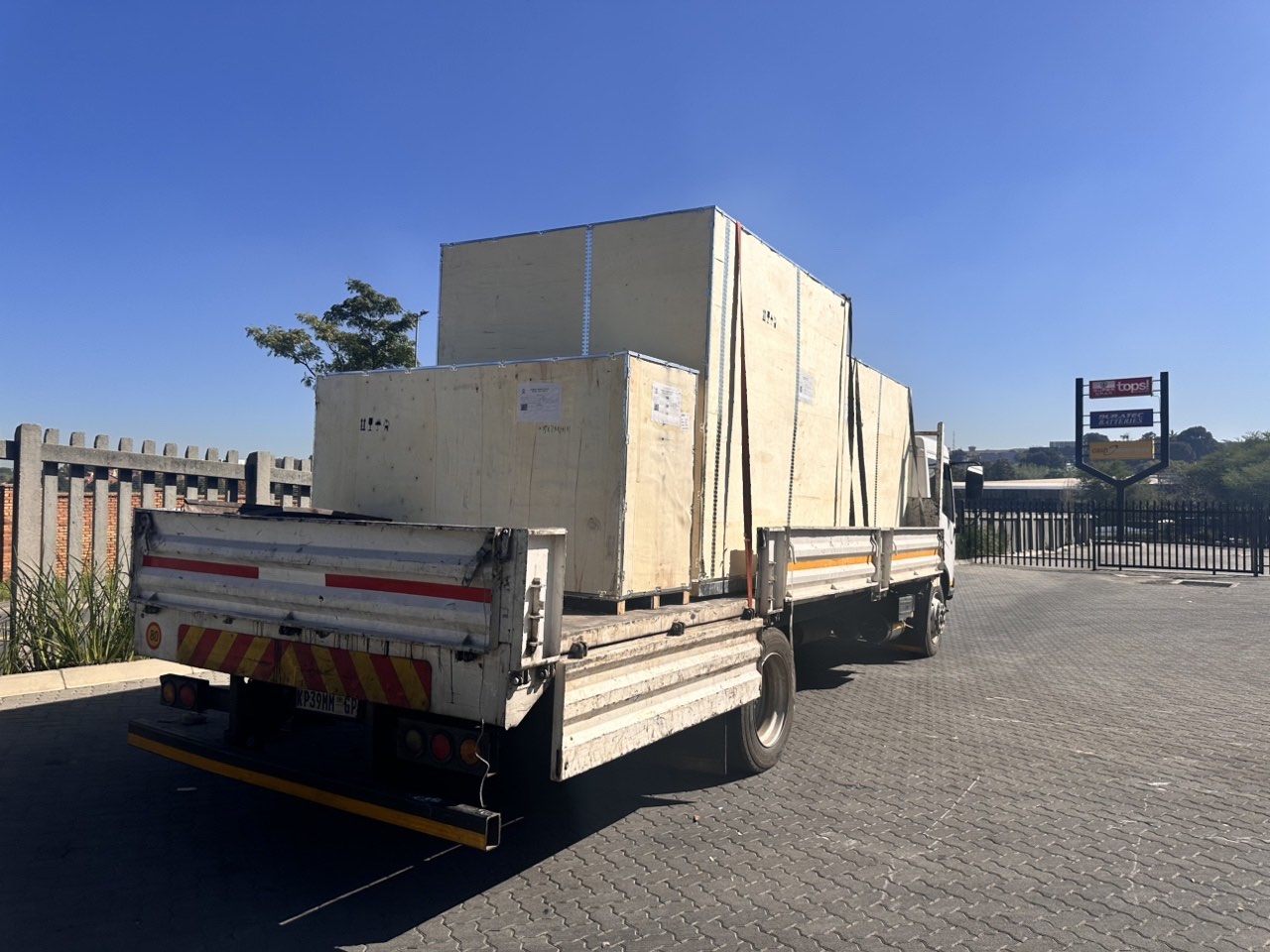
order offloading