B21, China Town Mall, Midrand

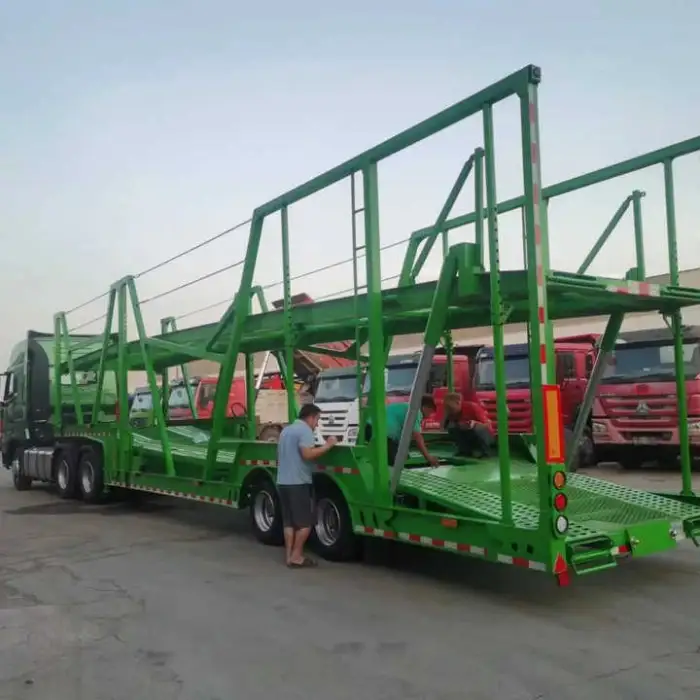
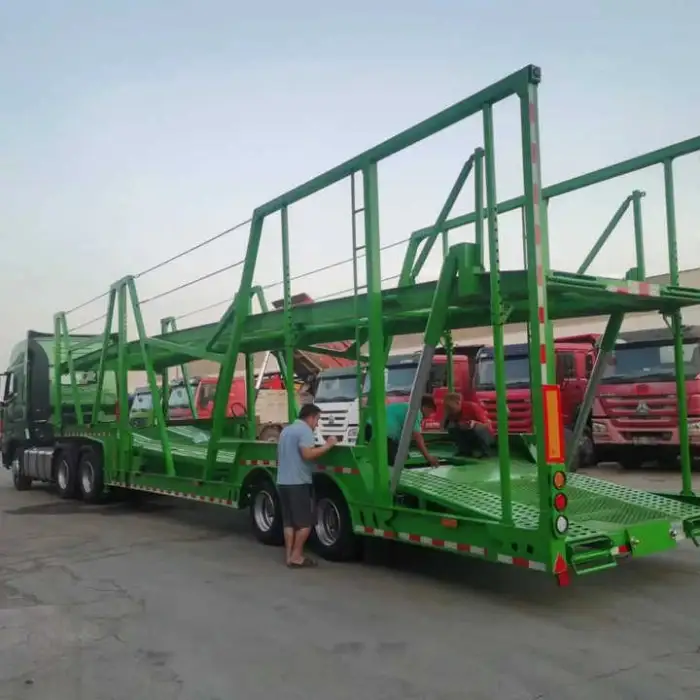
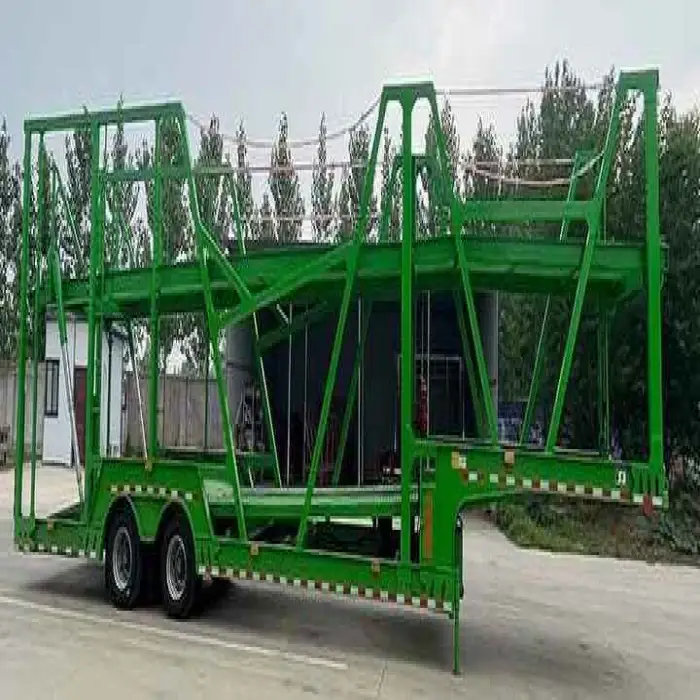
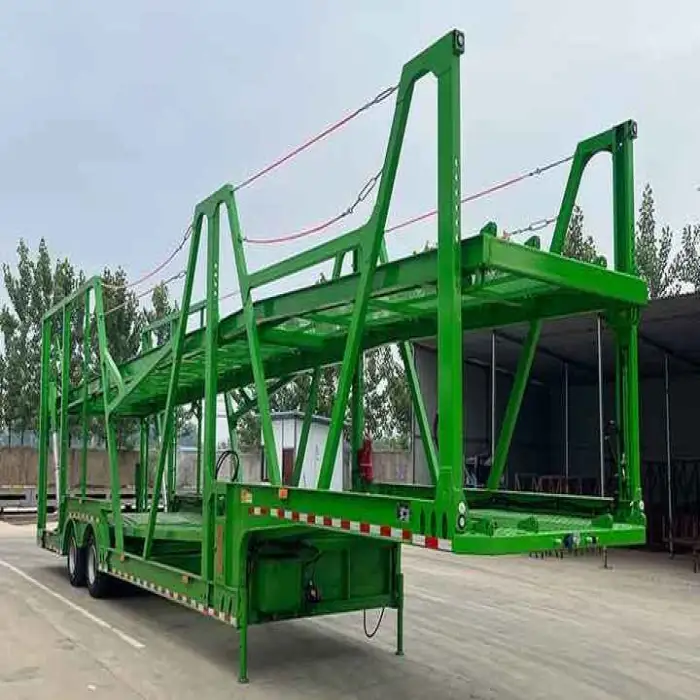
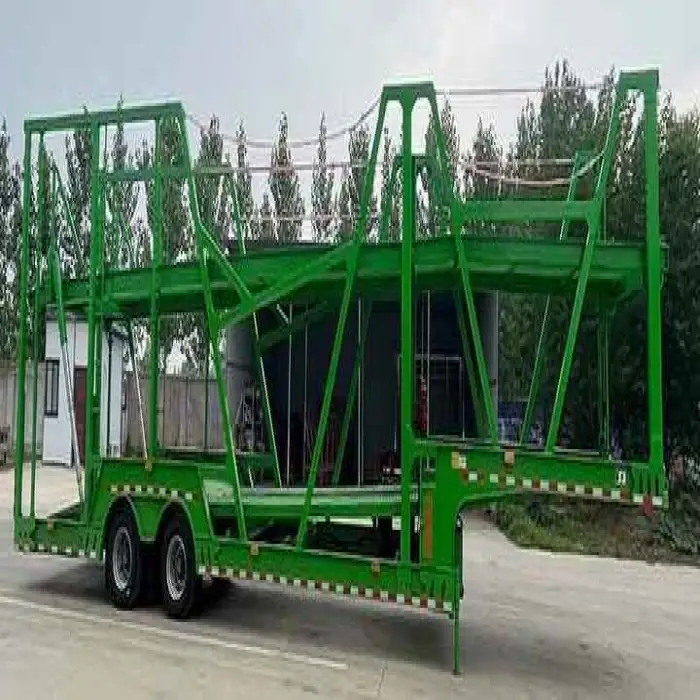
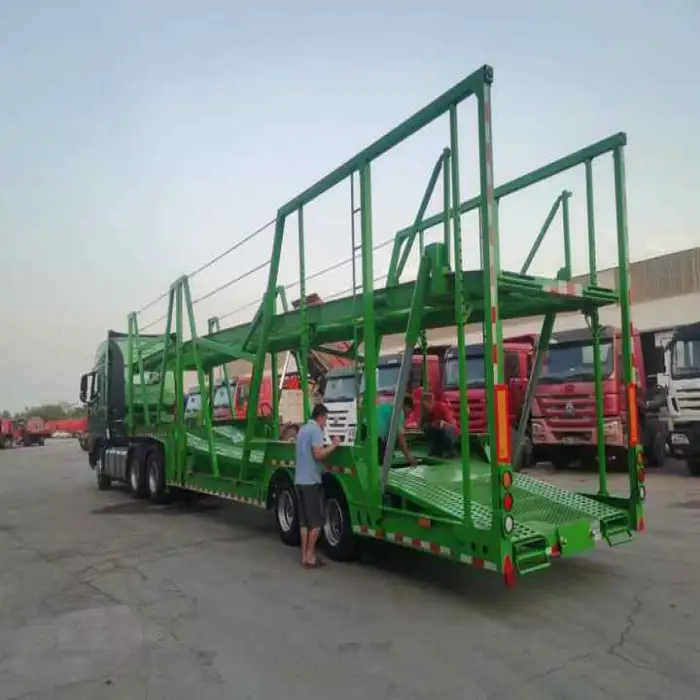
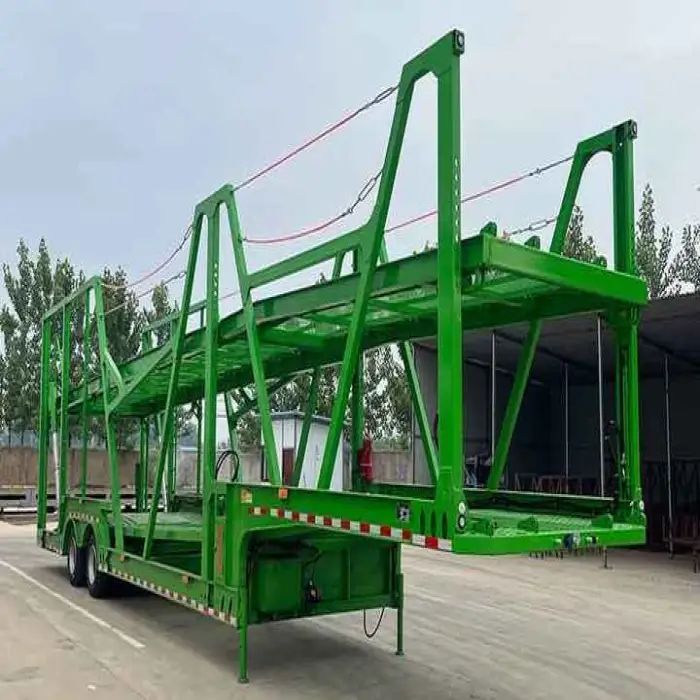
Double Deck 2 Axles Car Carrier Trailer
Asset finance available
Do you want funding for this equipment?
Afrimart can connect you with trusted funding partners who specialise in asset finance for businesses like yours. Compare options and apply in minutes — final approval is subject to provider review.
Check funding options
Secure & no obligation

- Section : Sports & Entertainment
- Category : Trailers
- SKU : 1601039286932

Double Deck 2 Axles Car Carrier Trailer
The Double Deck 2 Axles Car Carrier Trailer is a robust and reliable solution for transporting vehicles. Built with strong steel material, this trailer is designed to carry a maximum payload of 2001-3000 kg. Its double axle system ensures stability and smooth transport, making it an excellent choice for various industrial applications.
Specifications
| Attribute | Details |
|---|---|
| Max Payload | 2001-3000 kg |
| Brand Name | CHENGDA |
| Use | Car Trailer |
| Size | 13000*2500*32000 MM |
| Product Name | 2 Axles Cars Semi Trailer |
| Material | Steel |
| Axle | Double Axle |
| Finish | Painting Surface Finish |
| Braking System | Inertial Brake |
| Color | Customer Request |
| Name | Hydraulic Tipping Trailer |
| Application | Industrial Field |
| Selling Units | Single item |
| Single Package Size | 1300X200X100 cm |
| Single Gross Weight | 68.000 KG |
Key Features
- Strong steel construction for durability.
- Double axle design for improved stability.
- High payload capacity to transport multiple vehicles.
- Customizable color options to meet customer needs.
- Inertial braking system for safe stopping.
Applications
- Transporting cars and vehicles.
- Used in industrial and commercial sectors.
- Ideal for car dealerships and auto transport companies.
- Perfect for moving vehicles over long distances.
Product Info Gallery
- Shipping Timeframes: All orders are processed within 2-5 business days (excluding weekends and holidays). After your order has been processed, the estimated delivery time is before 04 Aug, 2026, depending on customs, Please note that due to high demand, some items may experience longer shipping times, which will be communicated at order confirmation email.
- Order Processing Time: Please allow 2-5 business days for us to process your order before it is shipped . Orders placed after 16:00 on Fridays, or during weekends and public holidays, will begin processing on the next business day. Processing times may be extended during peak seasons or sales events.
- Manufacturing Time: Some products needs manufacturing time, the manufacturing process will take approximately 10-30 business days depending on the product. This timeframe may vary depending on the complexity of the product and current demand. but this will be communicated with you during order confirmation.
- Returns and Exchanges: We offer a 30-day return policy for most items. If you are not completely satisfied with your purchase, you may return it within 30 days of receipt for a refund or exchange. Items must be unused, in their original packaging, and accompanied by proof of purchase. Return shipping costs are the responsibility of the customer, unless the item was damaged or defective upon arrival.
1. What is the maximum payload capacity of the Double Deck 2 Axles Car Carrier Trailer?
The trailer's listed maximum payload is 2001–3000 kg. The exact usable load depends on the vehicle's tare weight and any optional equipment; always confirm net payload with the supplier before loading.
2. What are the trailer's dimensions?
The specification lists Size as 13000*2500*32000 mm. This appears to contain a typographical error (likely the last figure). Please confirm the correct overall length, width and height with the manufacturer or sales contact before purchase.
3. How many cars can this double-deck trailer carry?
That depends on the size and weight of the cars. The trailer is a double-deck design, but the limiting factor is the 2001–3000 kg payload. You can typically carry one standard passenger car or two very light vehicles if their combined weight stays within the payload limit. Confirm vehicle weights and deck layout with the supplier to determine capacity for your specific cars.
4. What material and finish are used on this trailer?
The trailer is constructed of strong steel for durability and has a painted surface finish. The paint helps protect against corrosion; additional coatings or treatments may be available on request.
5. What kind of braking system does the trailer use?
The trailer is equipped with an inertial (surge) braking system. This type of system activates automatically during deceleration of the towing vehicle and does not require an electric brake controller, but correct setup and maintenance are important for safe operation.
6. What does 'Double Axle' mean and what are the benefits?
Double axle means the trailer has two axles (four wheels) supporting the load. Benefits include improved stability, better weight distribution, and smoother towing compared with a single-axle trailer—especially helpful when carrying heavier loads or driving long distances.
7. Is the trailer customizable (color or other options)?
Yes. Color is listed as 'customer request', so custom paint options are available. Additional customizations such as ramps, deck configuration, or tie-down points may also be offered—ask the supplier for available options and any cost or lead-time implications.
8. What types of vehicles or applications is this trailer intended for?
The trailer is designed for transporting cars and vehicles in industrial and commercial sectors. Typical users include auto transport companies, car dealerships, repair shops, and businesses needing to move vehicles over road distances.
9. What towing vehicle is required to pull this trailer?
Towing requirements depend on the trailer's gross weight (tare + payload) and local towing regulations. Because the payload is up to 2001–3000 kg and the trailer itself has significant mass, use a truck or towing vehicle with sufficient towing capacity and appropriate hitch, brakes and suspension. Confirm gross trailer weight with the manufacturer and match it to your towing vehicle's rated capacity.
10. Are there built-in tie-downs or vehicle securing features?
The specification does not list specific tie-down points. Proper vehicle securing is essential—ask the supplier for details on tie-down rings, wheel chocks, ramps and any recommended load-securing accessories.
11. What is the gross weight and packaging information for shipping?
The spec lists Single Gross Weight as 68.000 KG and Single Package Size as 1300 x 200 x 100 cm. These figures look unusual and may contain formatting errors—please confirm gross weight and packaging dimensions with the seller or freight provider to obtain accurate shipping quotes.
12. Does the trailer come with a warranty or certification?
Warranty and certification details are not provided in the basic specification. Contact the manufacturer or dealer (Brand: CHENGDA) to request warranty terms, test reports, compliance certificates and any local approval documentation required for road use.
13. What routine maintenance is recommended for this trailer?
Routine maintenance should include regular inspection of tires, wheel bearings, suspension and axles; checking and servicing the inertial brake system; inspecting the steel structure and paint for corrosion or damage; and ensuring ramps, latches and tie-downs remain secure and functional. Follow the manufacturer's maintenance schedule for intervals and procedures.
14. How can I get a quote or place an order for this trailer?
Request a quote or place an order by contacting the manufacturer or authorized dealer. Provide details such as desired configuration, color, any optional features, delivery address and intended vehicle types. The spec indicates selling units are single items—confirm lead time, shipping cost and payment terms with the seller.
Latest Order Arrivals
Discover our latest orders
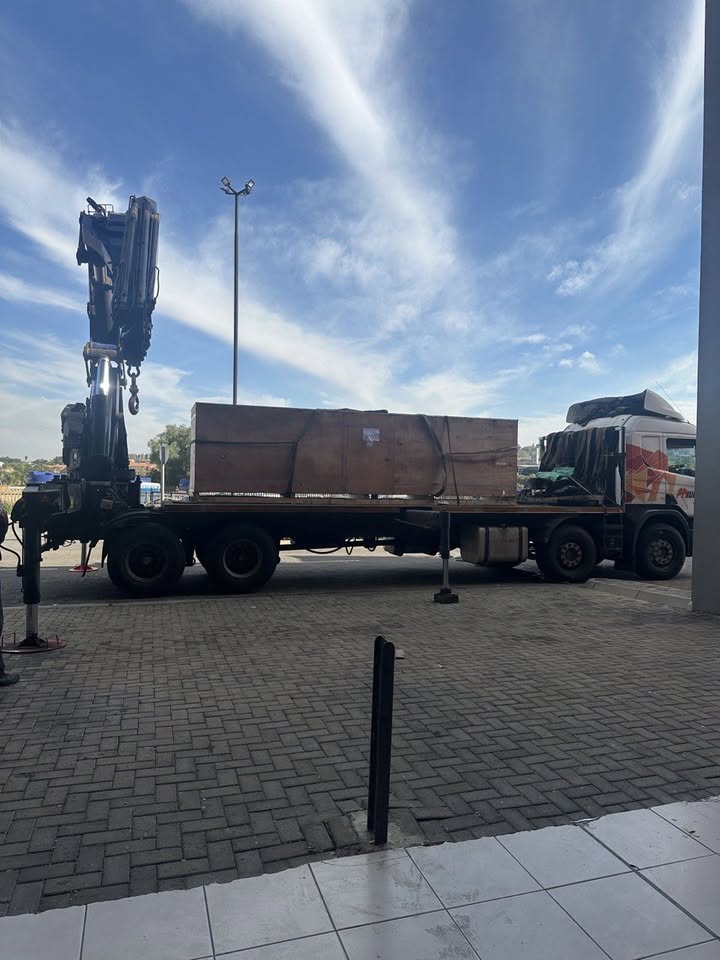
12 Heads Embroidery Machine
Toilet Paper Machine Machine
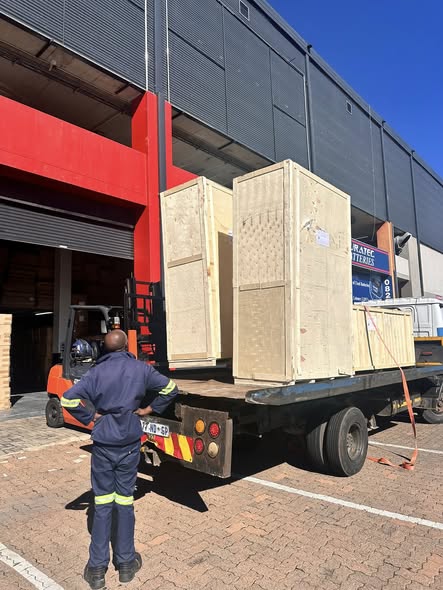
Order Collection
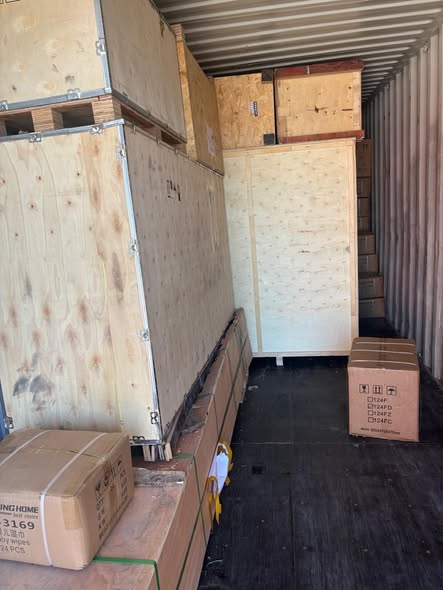
Cross Border Clients
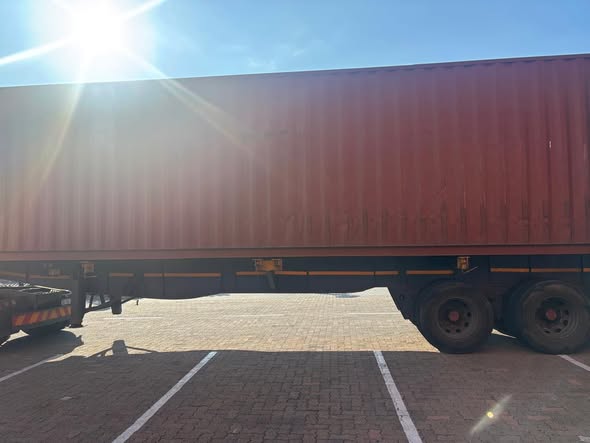
Order cros border countries Collected
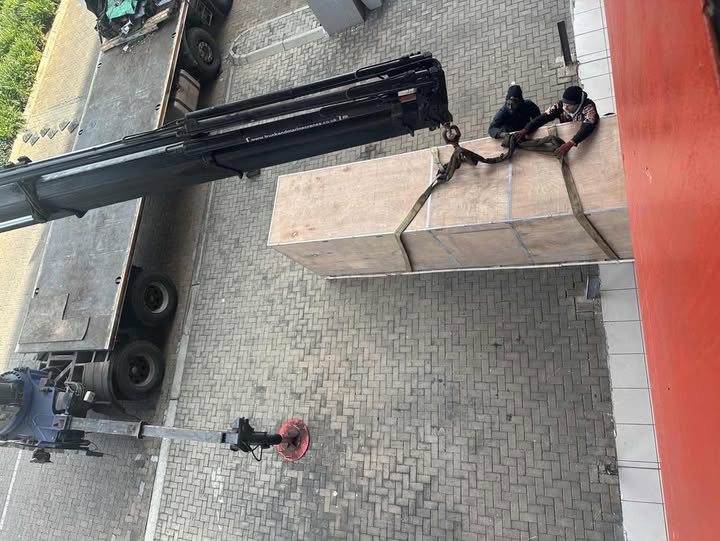
Industrial Machine Cllection
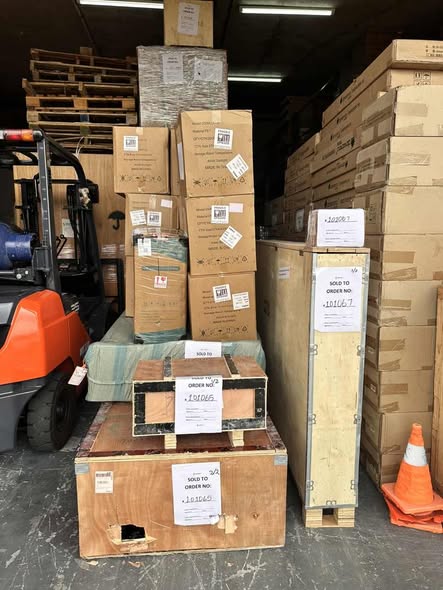
Agriculture Processing Machines
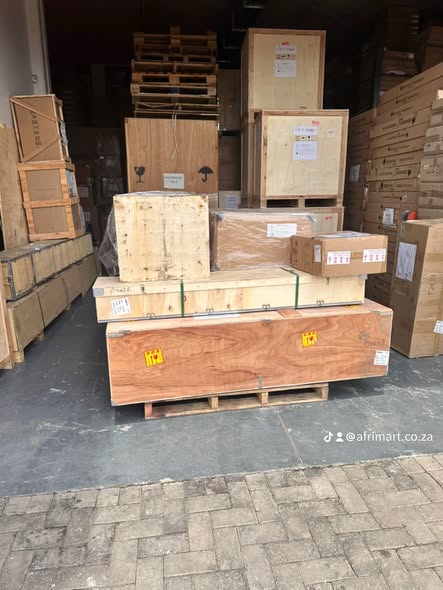
Ready for collection
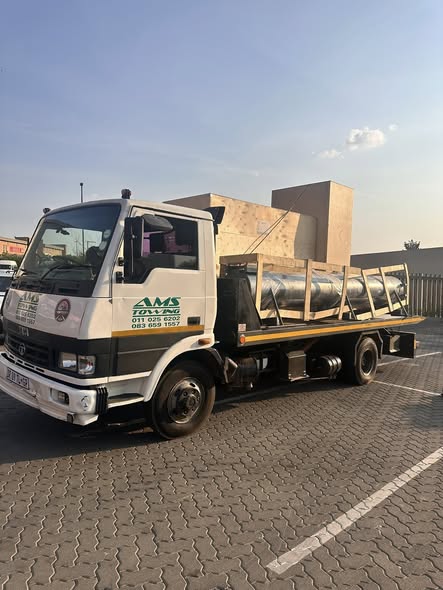
Water Pump Equipment
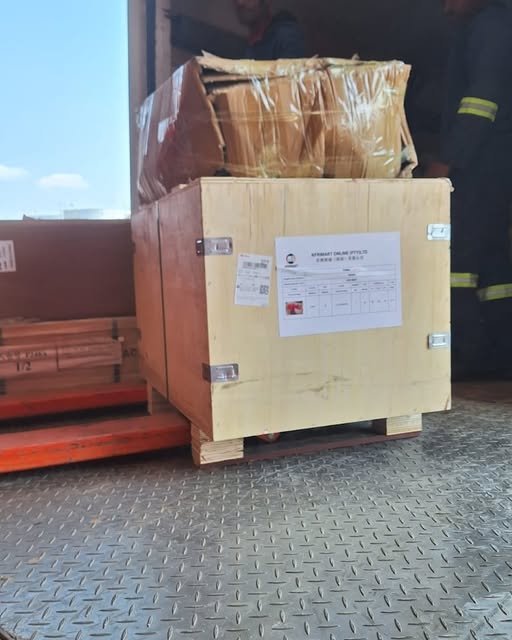
Packaging Machine and accessories
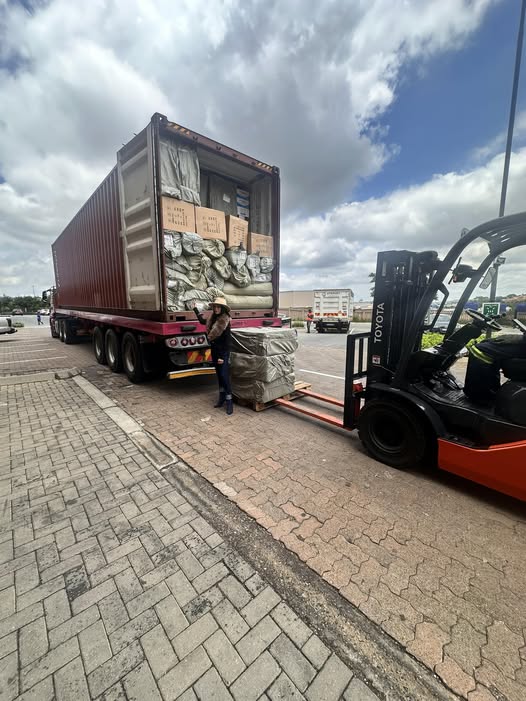
Fabrics Manufacturing Equipment
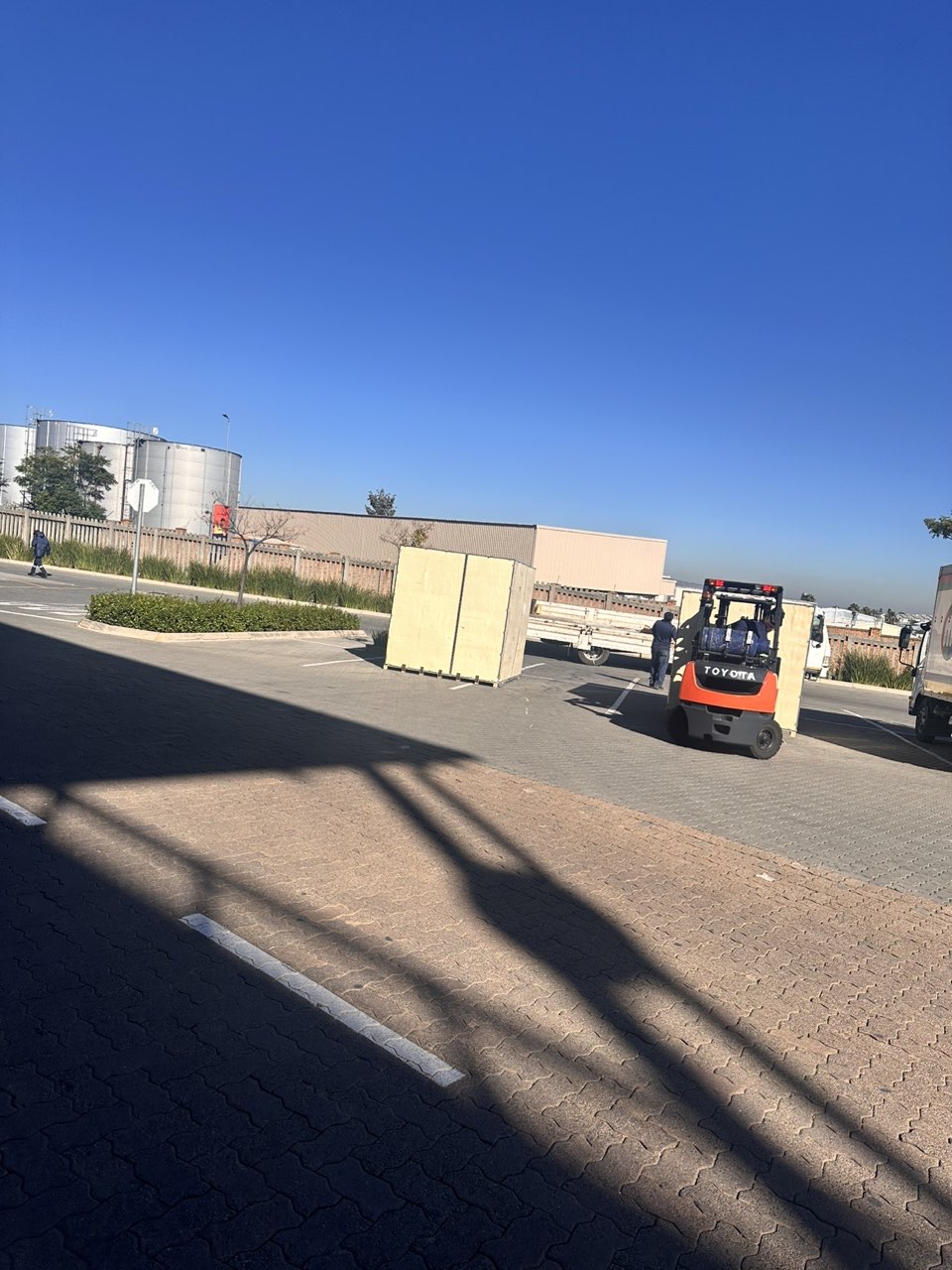
Mining Equipments
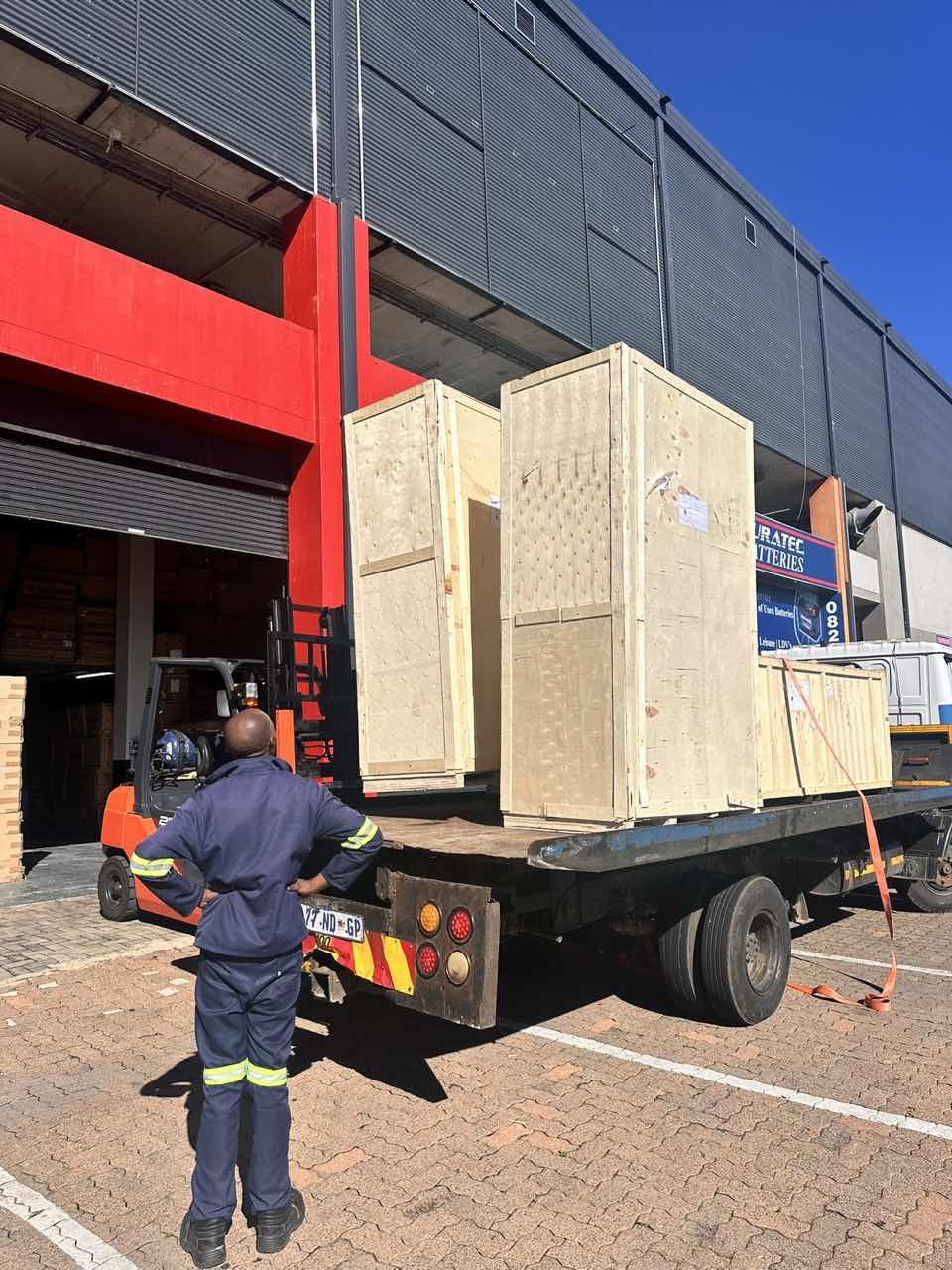
Food Processing Machine
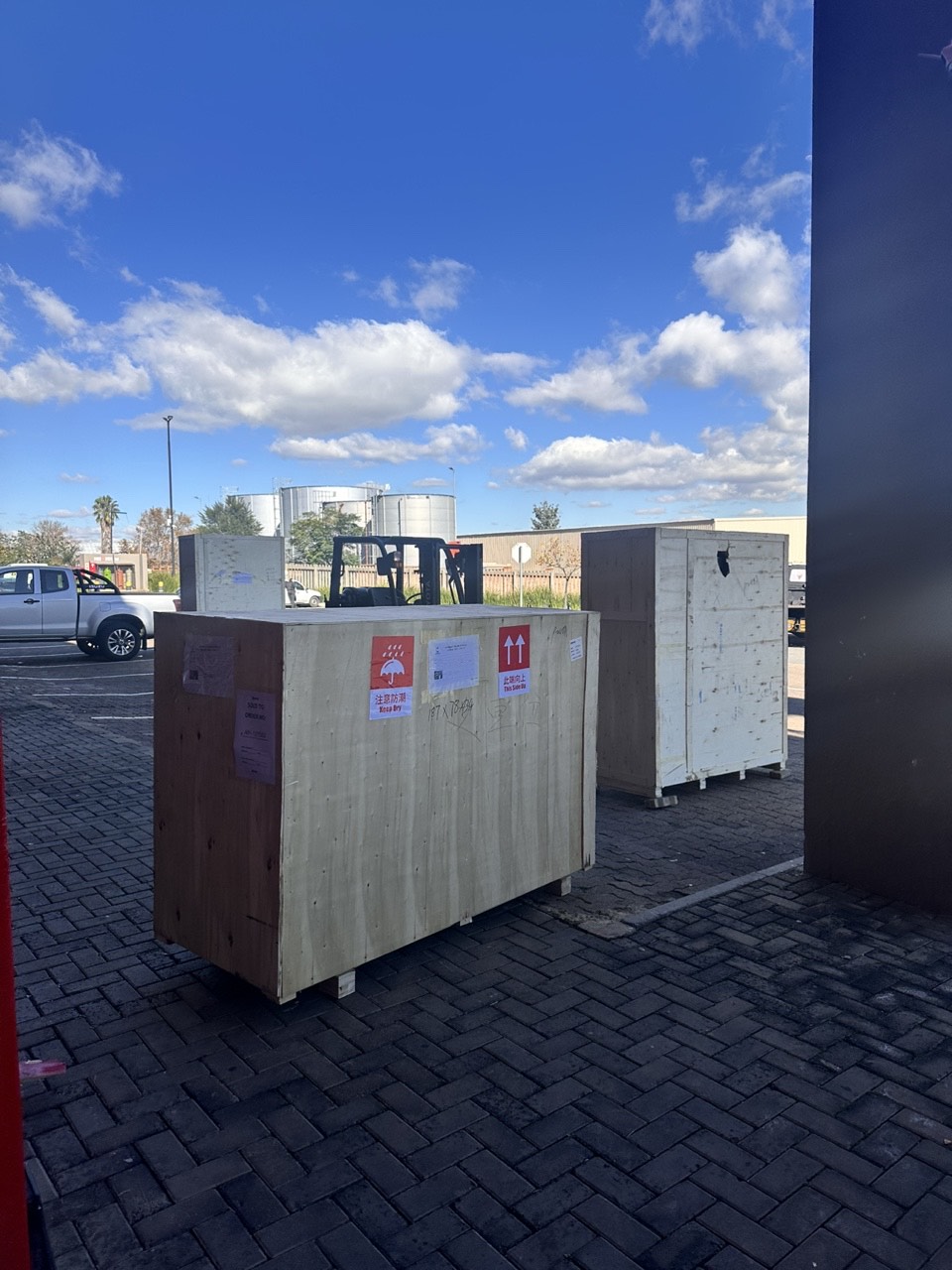
Batch of Orders
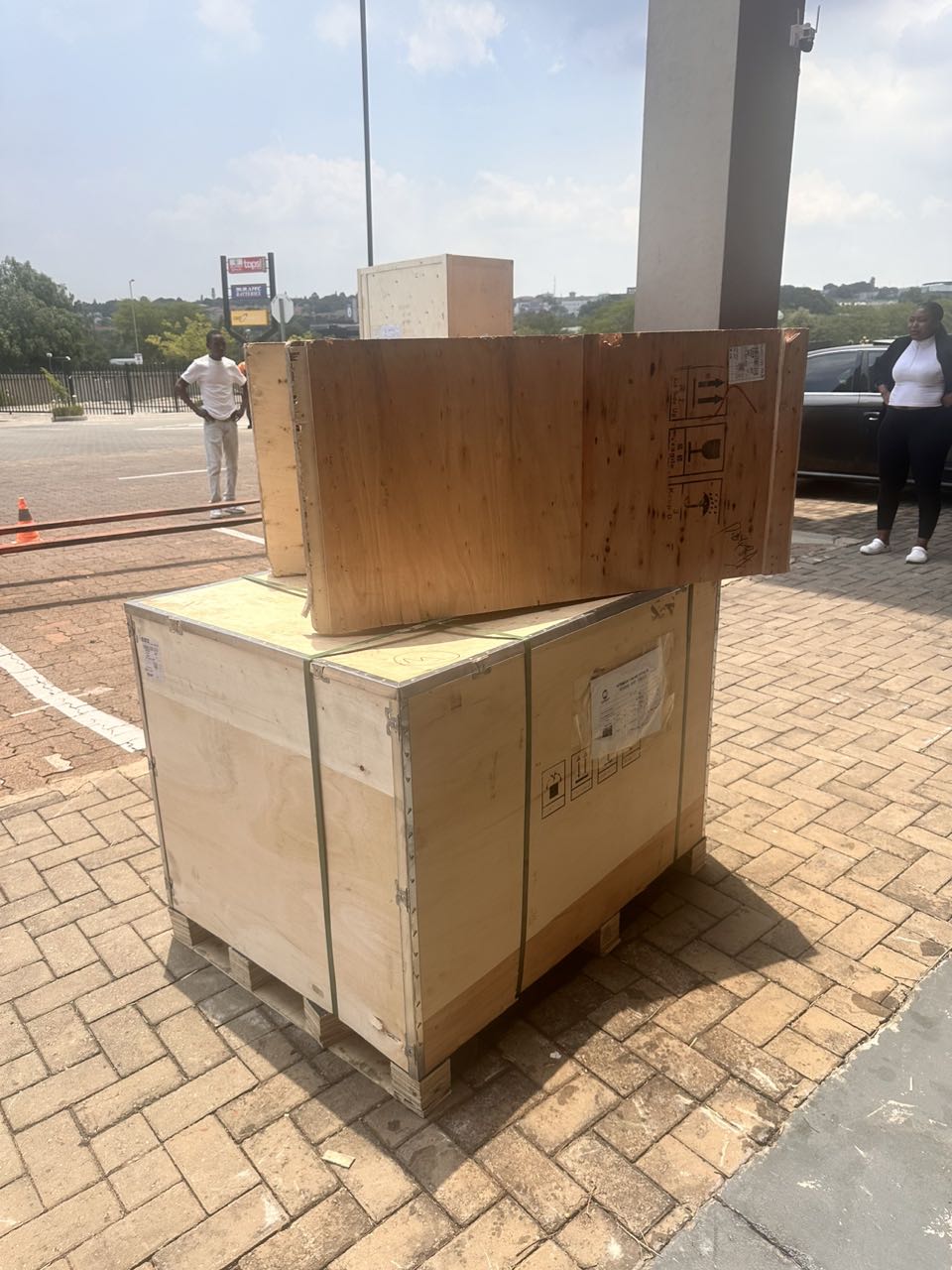
Batch of Orders
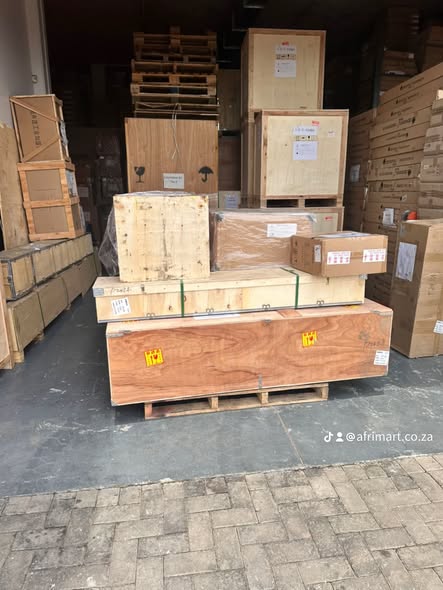
Latest Orders Labelled
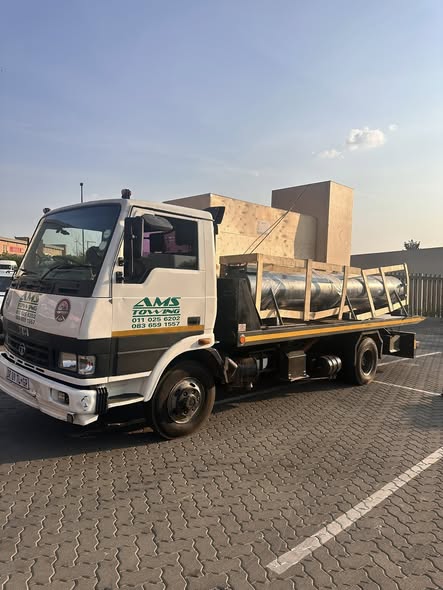
wheel alignment machines
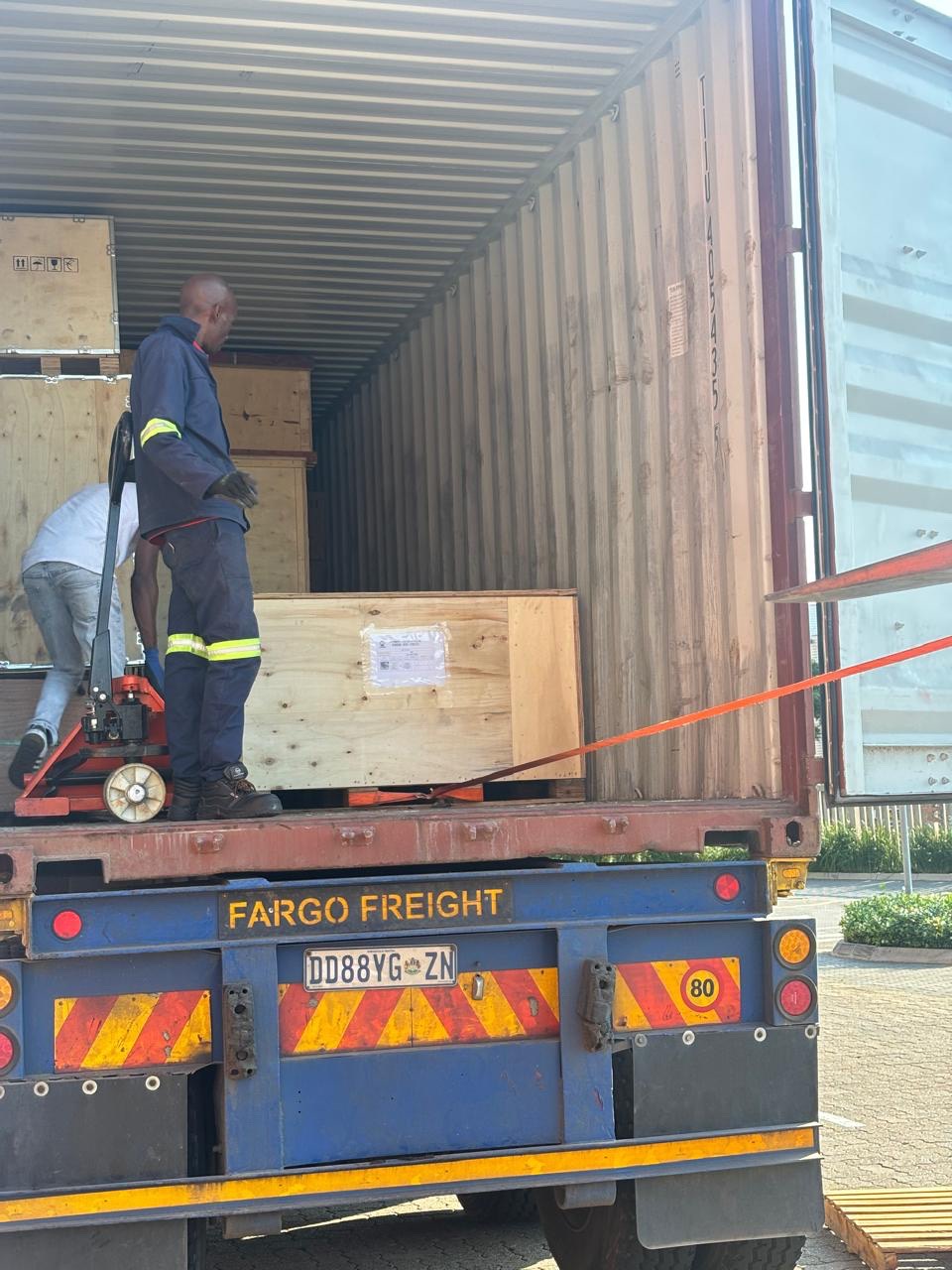
new arrivals
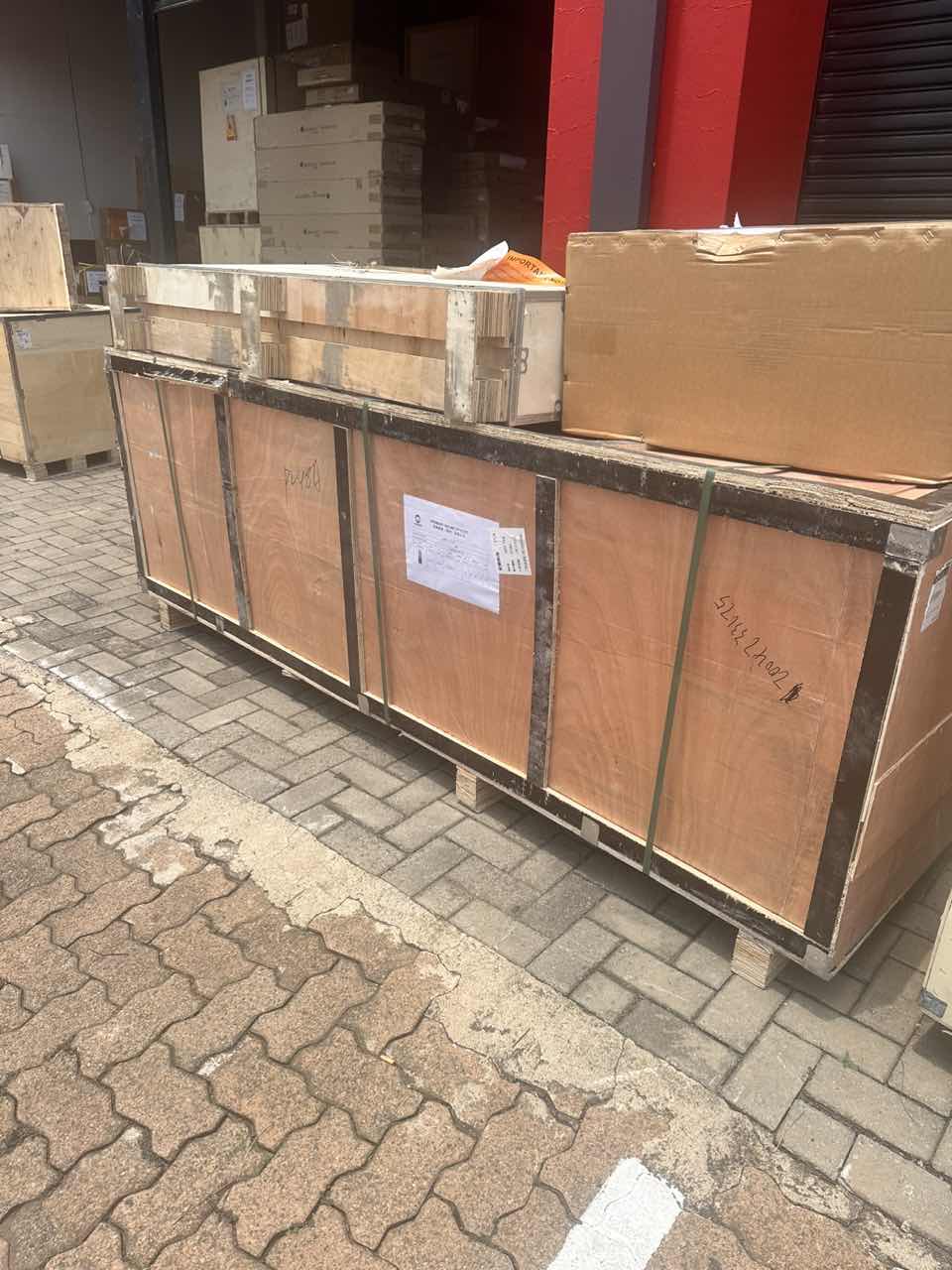
Pre Orders Offloading
Latest Arrivals
Latest Arrivals
Latest Arrivals
Loading
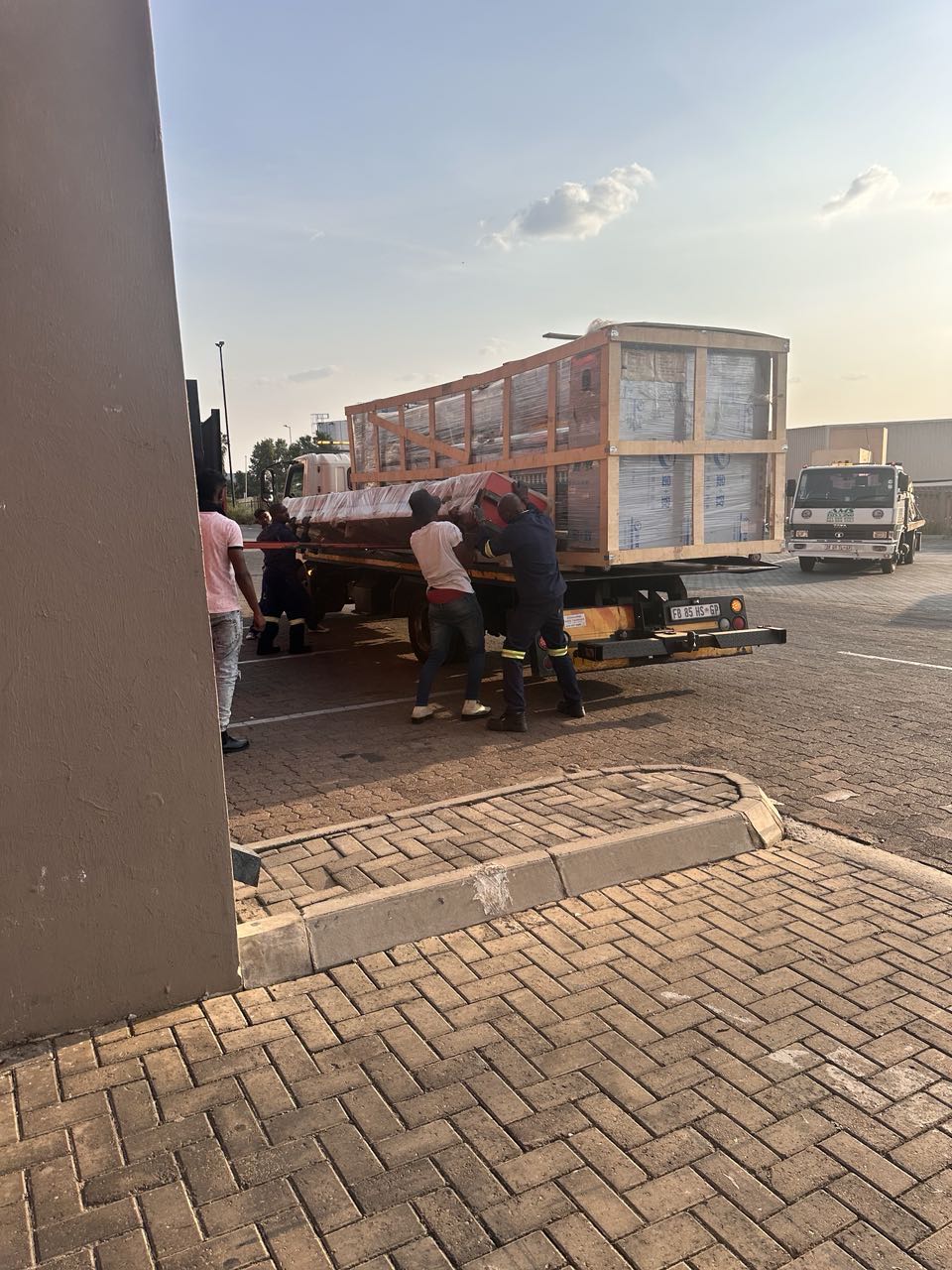
Toilet paper making machine
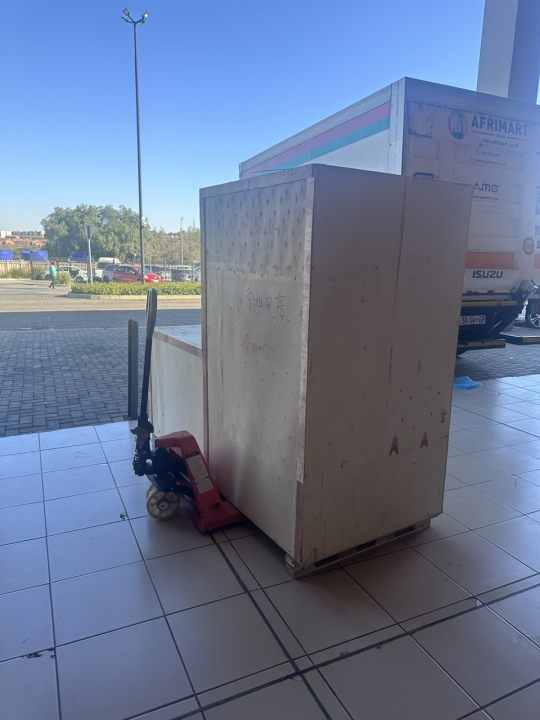
Toilet paper making machine
Toilet paper Rewinding Machine
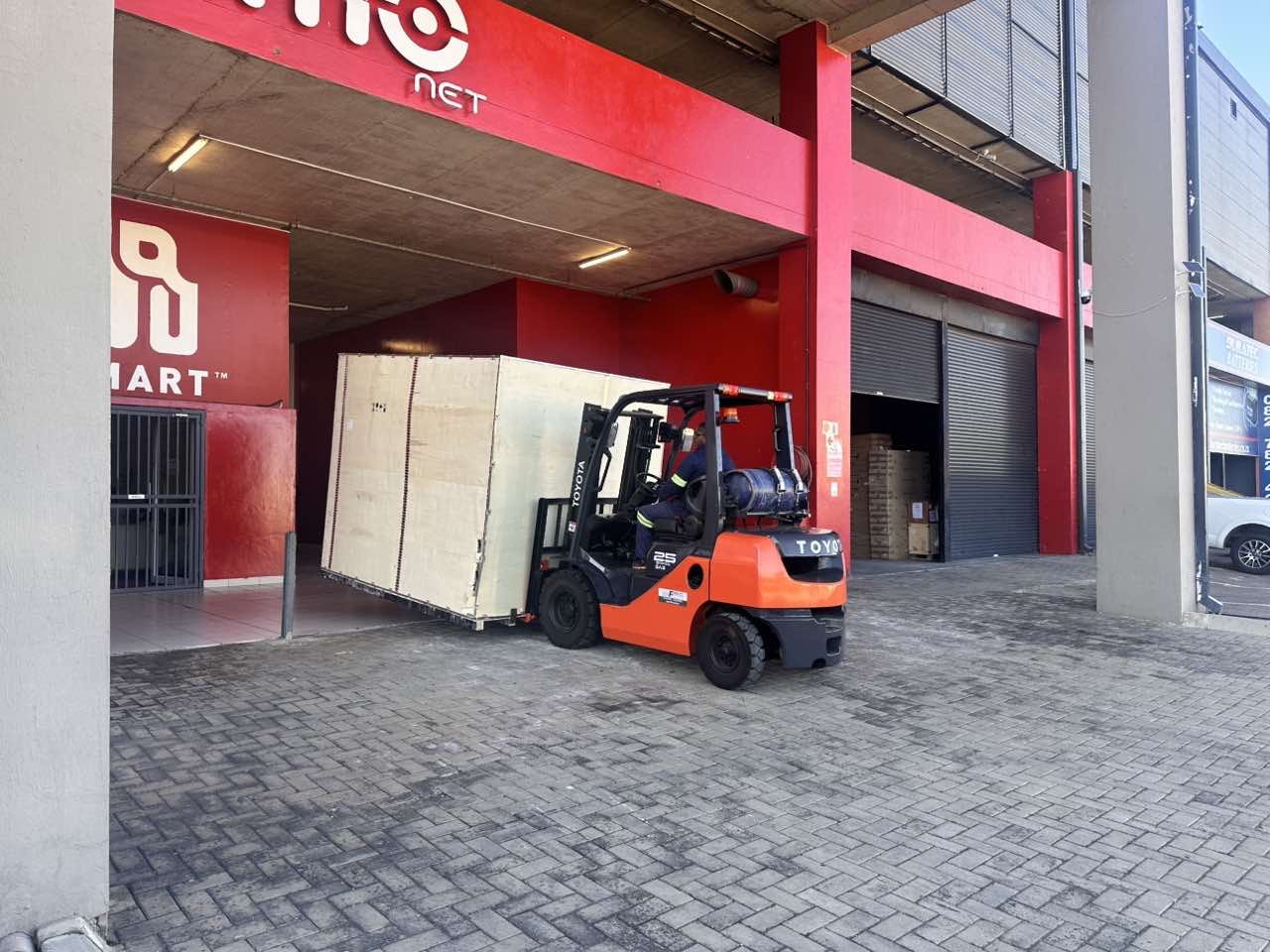
latest arrivals
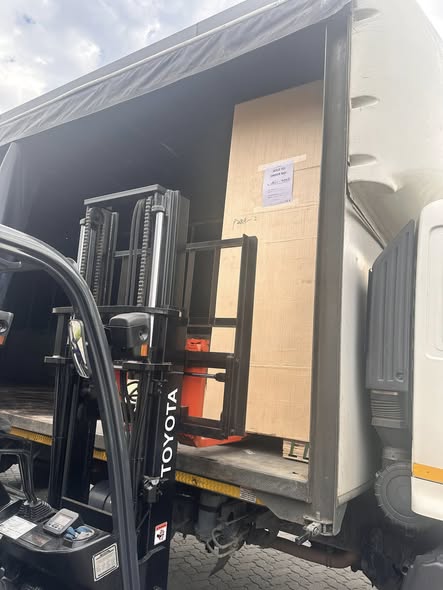
offloading
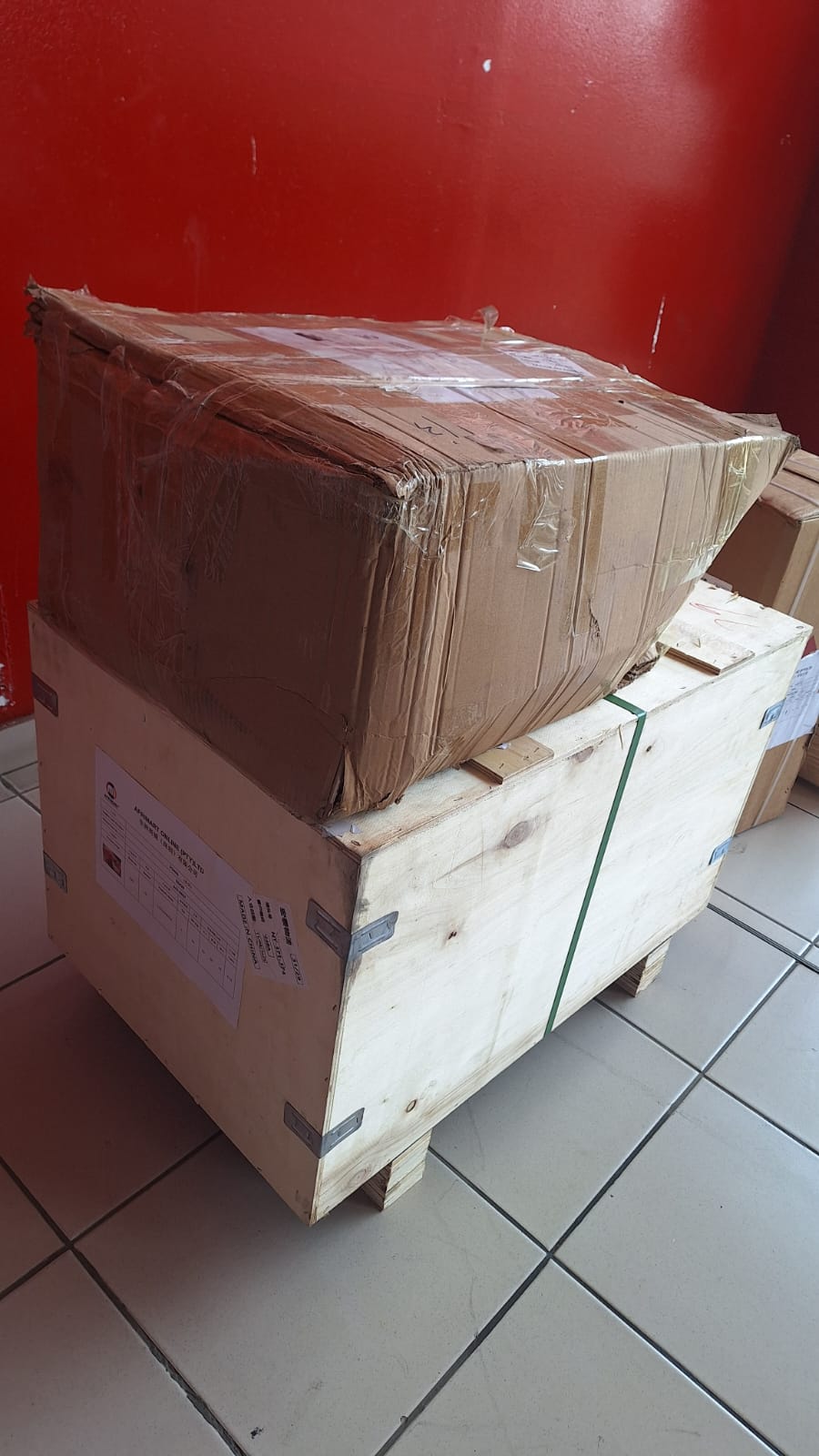
order success
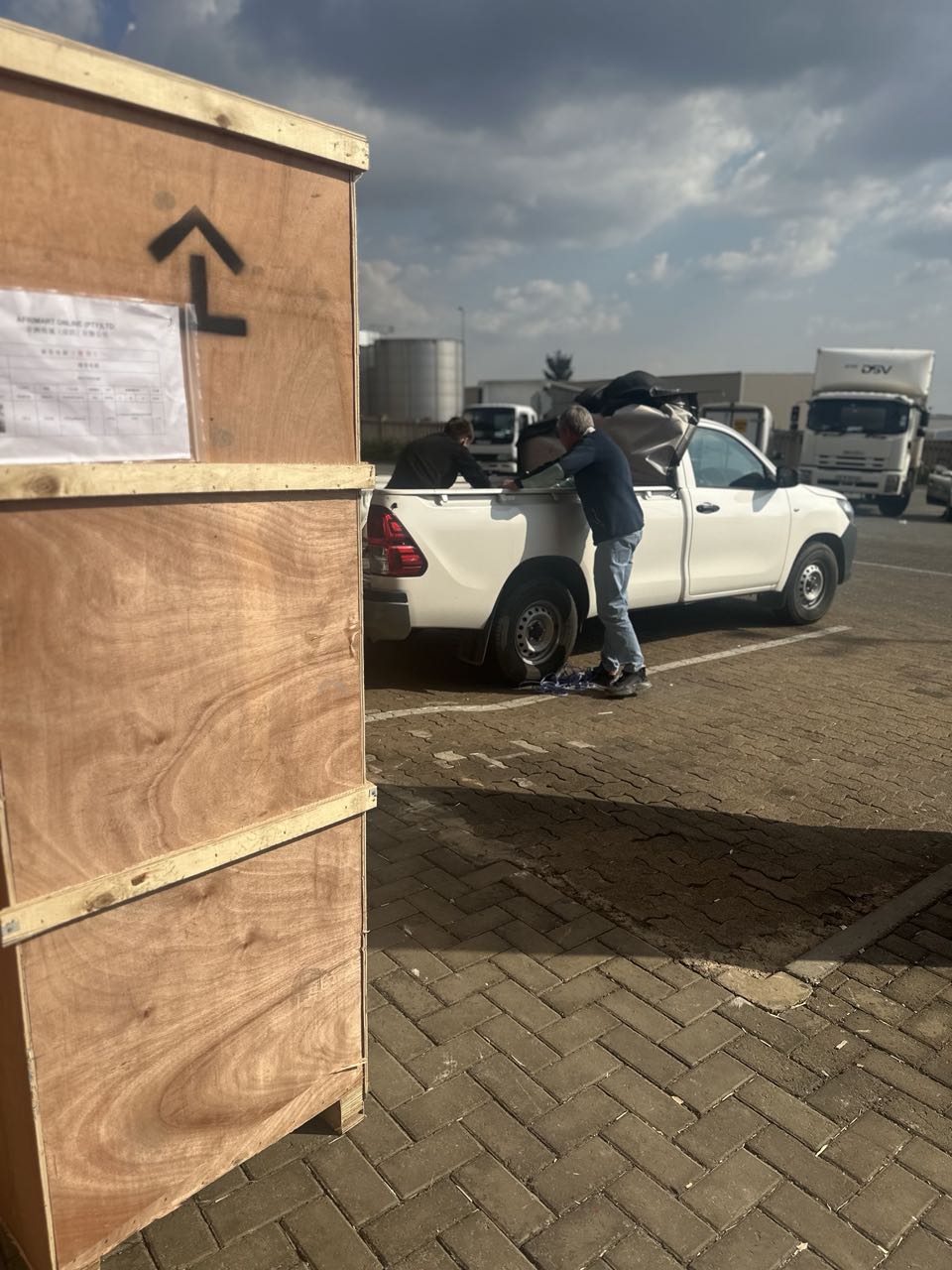
order collection
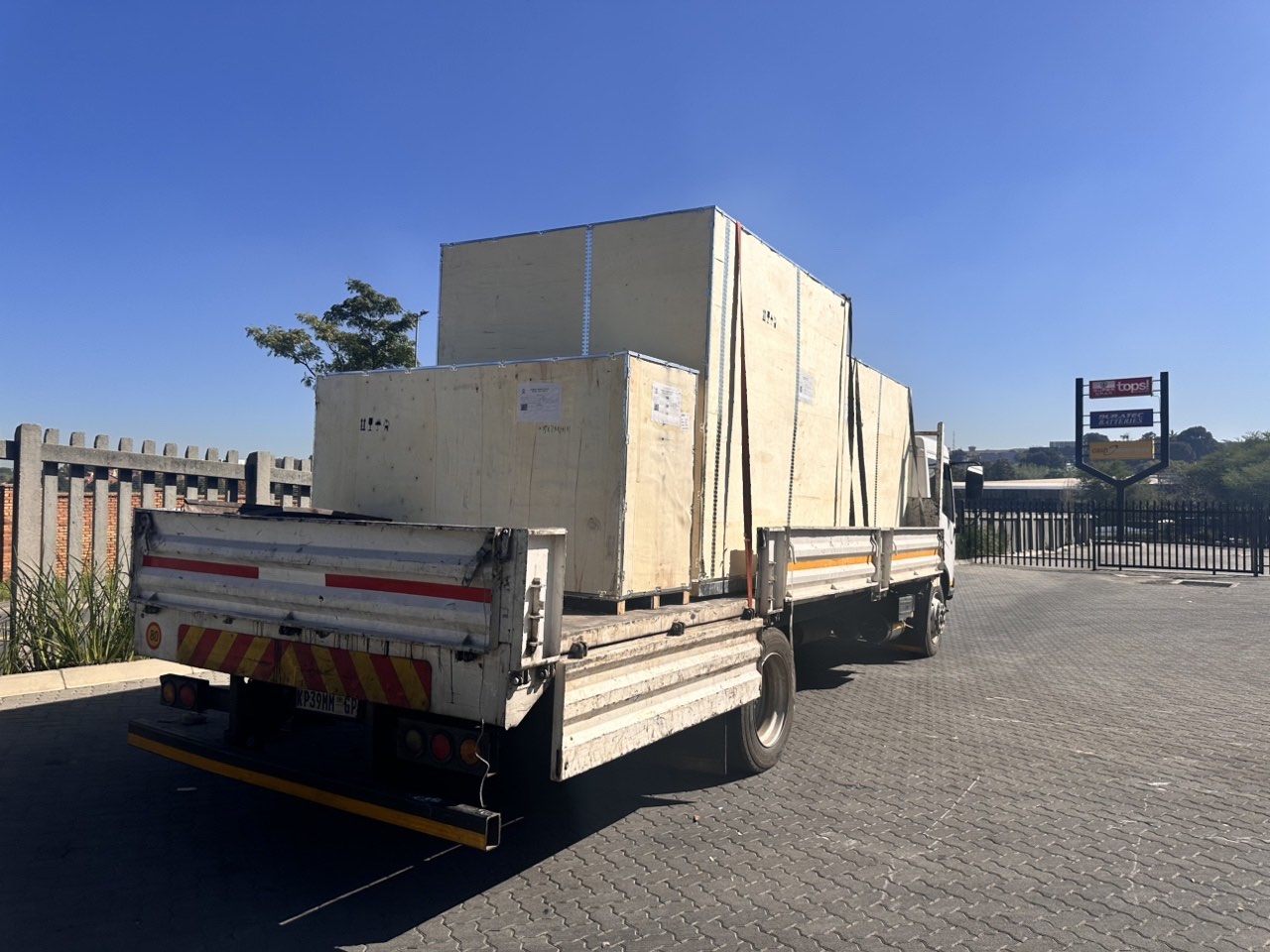
order offloading