B21, China Town Mall, Midrand

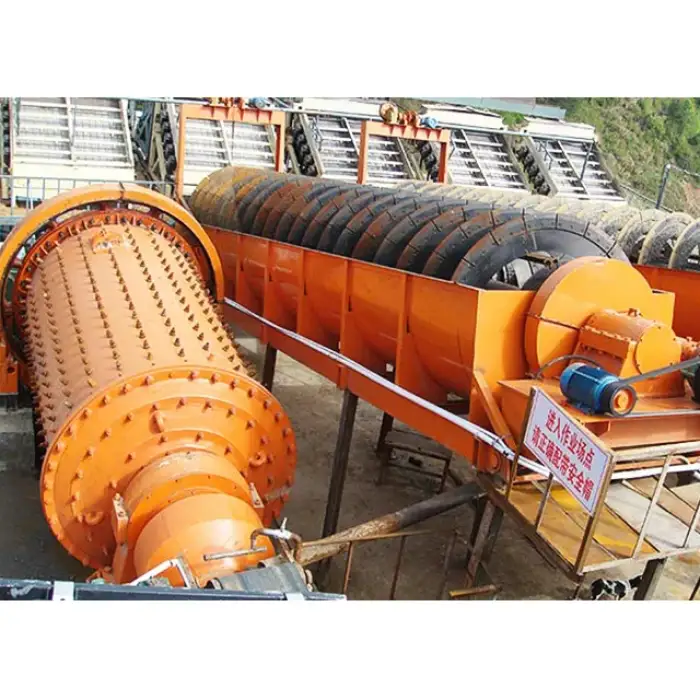
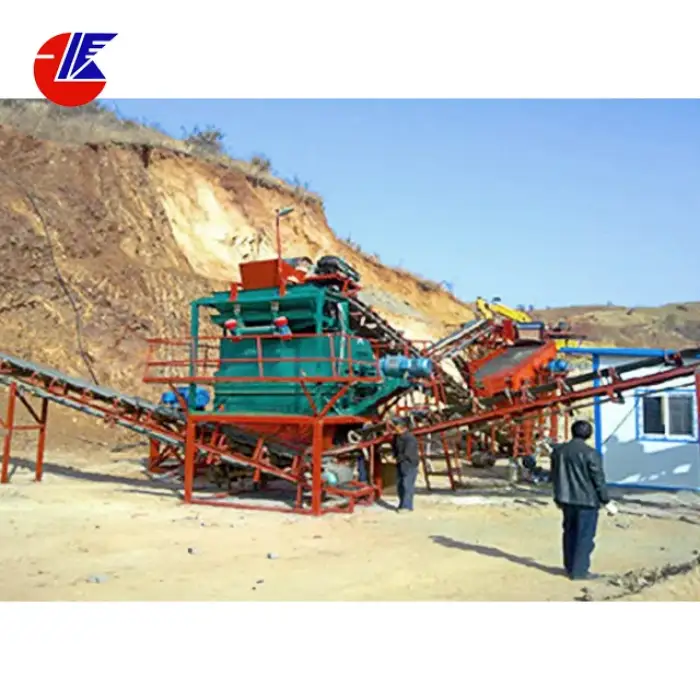
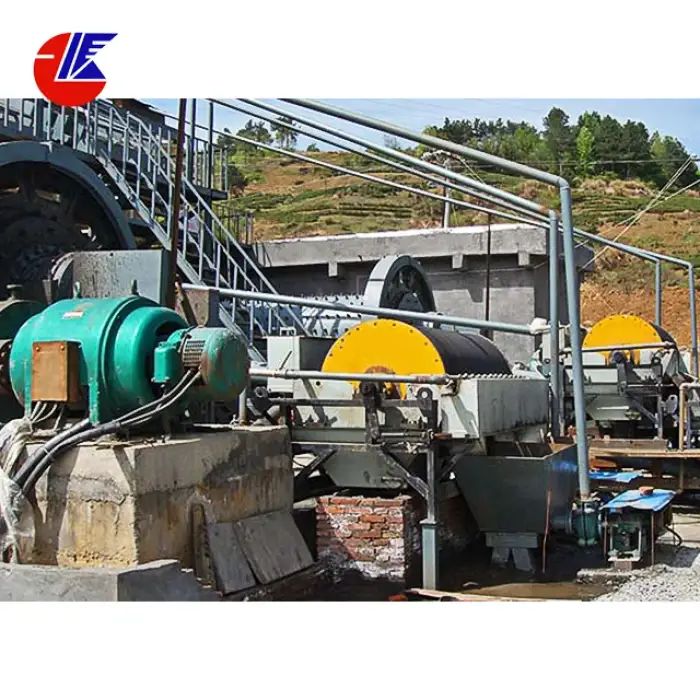
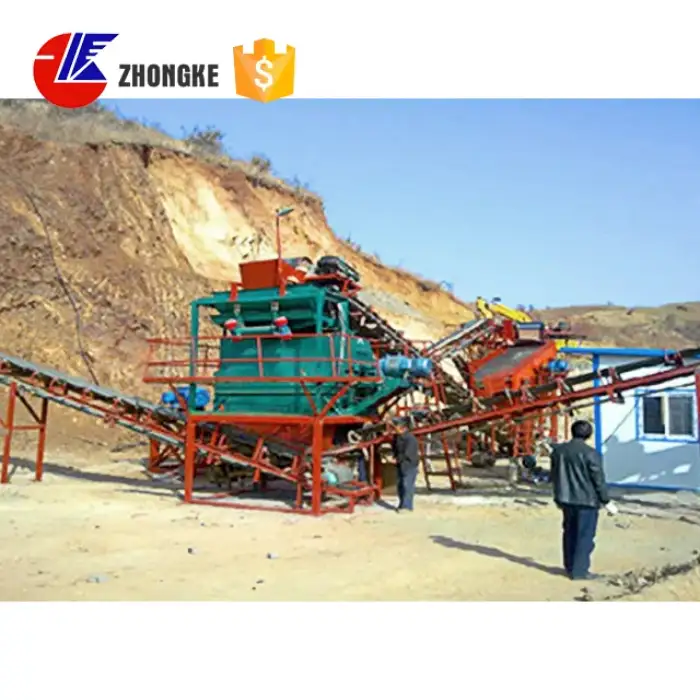
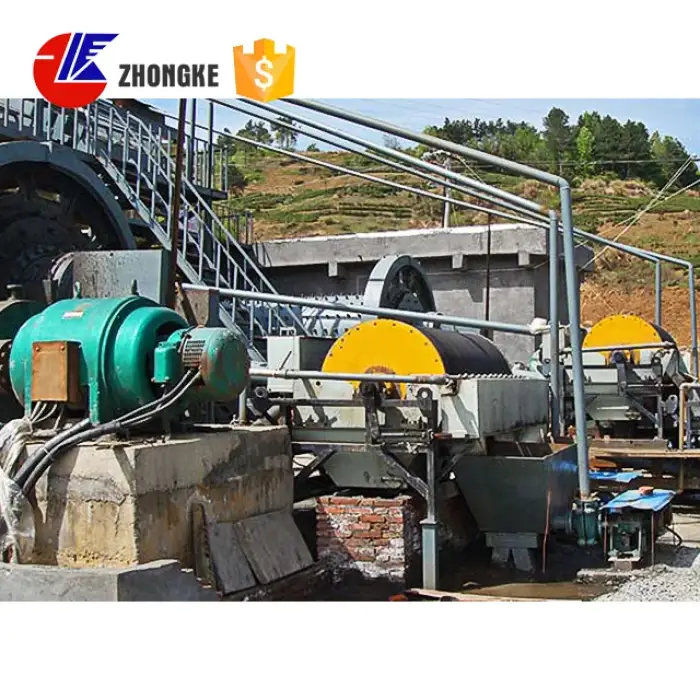
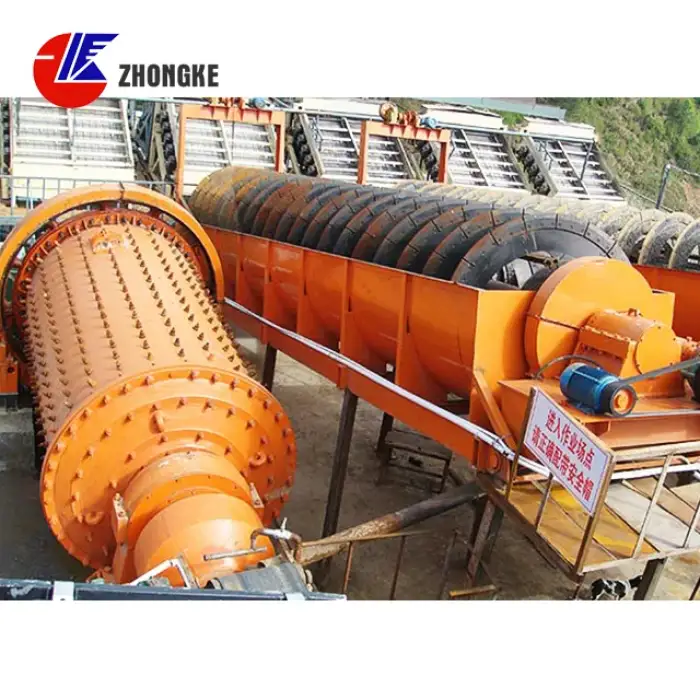
Magnetic Separator For Iron Mining Production Line ,Mineral Magnetic Separation Machine

- Section : Machinery
- Category : Mining Machinery
- SKU : 1600171915641

products show
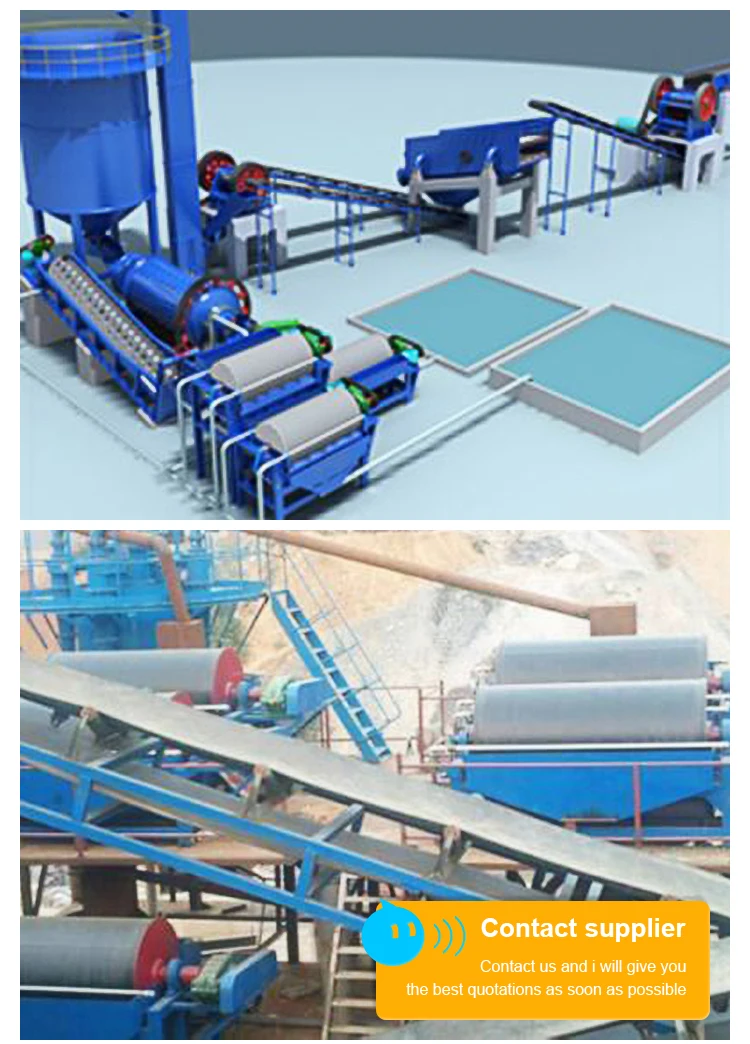
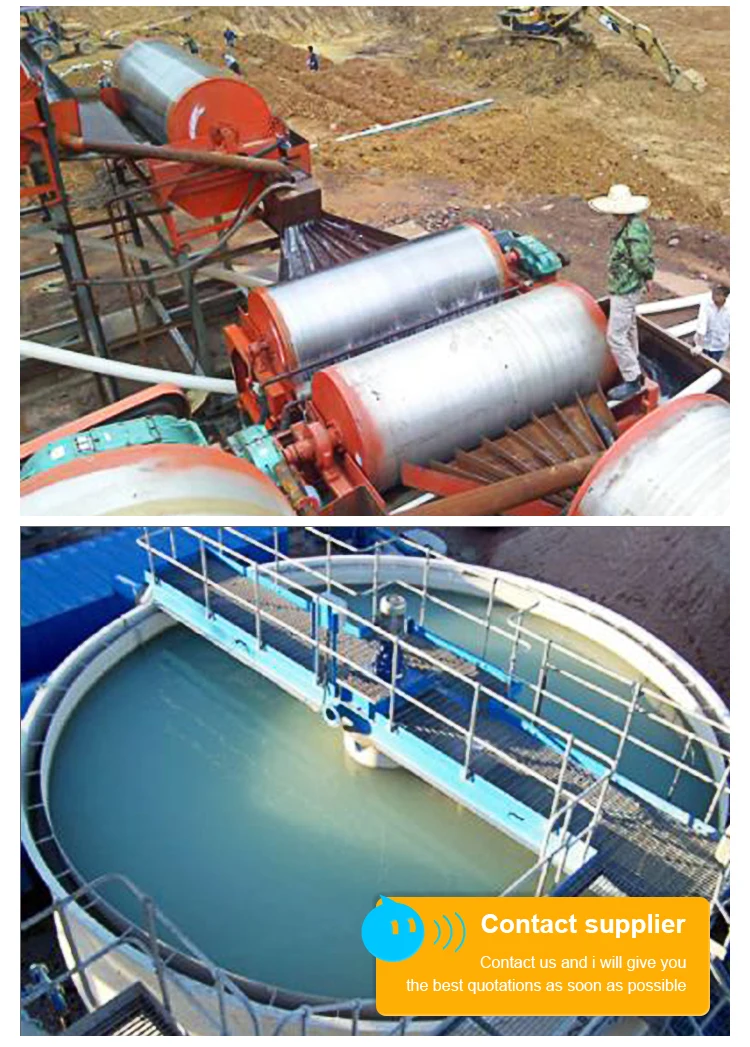
1.Application of magnetic beneficiation plant
Magnetic separation process the mineral according to the differences of magnetic intensity. It is mainly applied to: 1). The separation of ferrous mineral Magnetic separation is the main procession way for iron ore. The ore grade will be increased and the content of detrimental impurity will be reduced after being processed. 2). The separation of nonferrous and rare mineral Many nosferrous and rare minerals have different magnetic intrnsity. It is hard to get the ideal beneficiation effect only by using gravity separation and flotation separation . The combination of magnetic , gravity, flotation is widely applied in practice. 3). The recovering of gravity separation medium the magnetite and the ferrosilicon are medium during the gravity separation. 4). Removing iron impurities from non-metallic Iron removing can protect crushers and other equipments, The iron removing is very common during nonmetallic mineral processing . Dry magnetic separation has been used in Kyanite, quartz , feldspar, red tourmaline nepheline diorite for a long time . 5). The recovery of steel slag from the metallurgy smelting and pollutant removing from seage the steel slag can be recovered by grinding and dry magnetic separation . High gradient magnetic separation can be used to remove the impurities from the sewage.
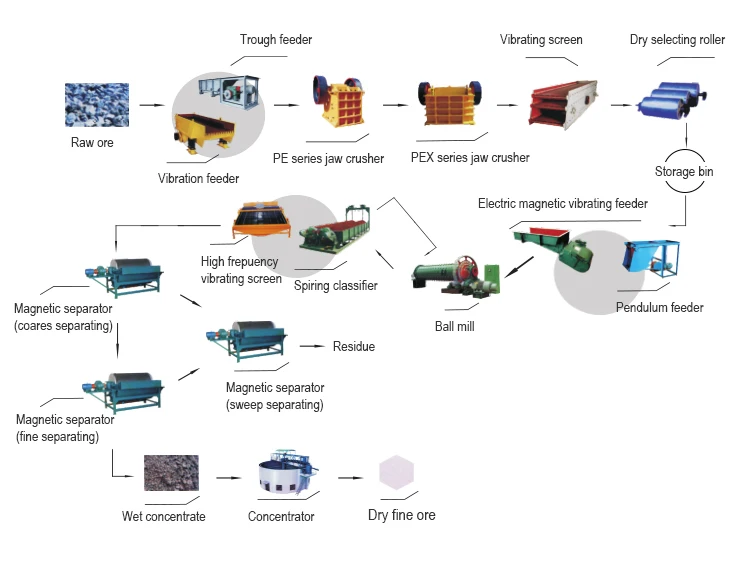
2.Working process of magnetic beneficiation plant
The ore is first sent to the jaw crusher for primary crushing. Then the ore with a proper size for secondary crushing will be sent into the ball mill for fine crushing and grinding. The ore powder discharged from the ball mill will be sent to the next procedure: classifying. Because of the different sedimentation rate due to the varied specific gravity, spiral classifier can clean and group the ore mixture. The cleaned and grouped mixture is sent to magnetic separator, due to the different susceptibility, magnetic substance can be separated from the mixture under magnetic and mechanical force. Then the mixture is sent to flotation machine. According to the features of different ores, we can add different additive into the mixture to separate the ore which we want from the mixture. After the seperation from the mixture, the ore we want always contains a lot of water, then we need a thickner to have it concentrated and then dried by a drier, enventually we can get dry ore.
Magnetic Beneficiation Plant
Magnetic separator main technical parameters
| Model | Dia. of shell (mm) | Length of shell (mm) | Rotary speed of cylinder (r/min) | Feeding size (mm) | Capacity (t/h) | Power (kw) |
| CTB6012 | 600 | 1200 | <35 | 2-0 | 10-20 | 1.5 |
| CTB6018 | 600 | 1800 | <35 | 2-0 | 15-30 | 2.2 |
| CTB7518 | 750 | 1800 | <35 | 2-0 | 20-45 | 2.2 |
| CTB9018 | 900 | 1800 | <35 | 3-0 | 40-60 | 3 |
| CTB9021 | 900 | 2100 | <35 | 3-0 | 45-60 | 3 |
| CTB9024 | 900 | 2400 | <28 | 3-0 | 45-70 | 4 |
| CTB1018 | 1050 | 1800 | <20 | 3-0 | 50-75 | 5.5 |
| CTB1021 | 1050 | 2100 | <20 | 3-0 | 50-100 | 5.5 |
| CTB1024 | 1050 | 2400 | <20 | 3-0 | 60-120 | 5.5 |
| CTB1218 | 1200 | 1800 | <18 | 3-0 | 80-140 | 5.5 |
| CTB1224 | 1200 | 2400 | <18 | 3-0 | 85-180 | 7.5 |
| CTB1230 | 1200 | 3000 | <18 | 3-0 | 100-180 | 7.5 |
- Shipping Timeframes: All orders are processed within 2-5 business days (excluding weekends and holidays). After your order has been processed, the estimated delivery time is before 19 Jun, 2026, depending on customs, Please note that due to high demand, some items may experience longer shipping times, which will be communicated at order confirmation email.
- Order Processing Time: Please allow 2-5 business days for us to process your order before it is shipped . Orders placed after 16:00 on Fridays, or during weekends and public holidays, will begin processing on the next business day. Processing times may be extended during peak seasons or sales events.
- Manufacturing Time: Some products needs manufacturing time, the manufacturing process will take approximately 10-30 business days depending on the product. This timeframe may vary depending on the complexity of the product and current demand. but this will be communicated with you during order confirmation.
- Returns and Exchanges: We offer a 30-day return policy for most items. If you are not completely satisfied with your purchase, you may return it within 30 days of receipt for a refund or exchange. Items must be unused, in their original packaging, and accompanied by proof of purchase. Return shipping costs are the responsibility of the customer, unless the item was damaged or defective upon arrival.
1. What is a magnetic separator used for in iron mining?
A magnetic separator is used to separate ferrous minerals from non-ferrous minerals based on their magnetic intensity. It enhances the ore grade by removing impurities.
2. How does the magnetic separation process work?
The process involves crushing the ore, classifying it based on specific gravity, and then using magnetic and mechanical forces to separate magnetic substances from the mixture.
3. What types of minerals can be processed using this magnetic separator?
This magnetic separator is suitable for iron ores, non-ferrous and rare minerals, as well as for removing impurities from non-metallic minerals.
4. What are the main applications of the magnetic beneficiation plant?
The main applications include the separation of ferrous minerals, non-ferrous and rare minerals, recovering gravity separation mediums, and removing iron impurities from non-metallic minerals.
5. Can this magnetic separator help in recovering steel slag?
Yes, the magnetic separator can be used to recover steel slag from metallurgy smelting processes through grinding and dry magnetic separation.
6. What is the capacity range of the magnetic separators available?
The capacity of the magnetic separators ranges from 2 to 100 tons per hour, depending on the model.
7. What is the role of the flotation machine in the process?
The flotation machine is used after magnetic separation to further separate desired ores from the mixture by adding specific additives tailored to the ore characteristics.
8. What are the benefits of using magnetic separation in mineral processing?
Magnetic separation improves ore purity, reduces impurity content, and enhances the efficiency of subsequent processing stages like flotation.
9. What maintenance is required for the magnetic separator?
Regular cleaning of the magnetic components, checking for wear and tear, and ensuring proper alignment are essential for optimal performance.
10. Is the magnetic separator suitable for both dry and wet separation?
Yes, the magnetic separator can be used for both dry and wet separation processes, depending on the specific requirements of the material being processed.
11. How is the magnetic separator powered?
The magnetic separator is powered by an electric motor, with power ratings varying by model, typically ranging from 1.5 to 100 kW.
12. What is the maximum feeding size for the magnetic separator?
The maximum feeding size for the magnetic separator varies by model, with most capable of processing materials smaller than 35 mm.
13. What types of ores can benefit from dry magnetic separation?
Dry magnetic separation is effective for ores like Kyanite, quartz, feldspar, and red tourmaline, among others.
14. How does this magnetic separator improve the efficiency of iron ore processing?
By effectively separating ferrous minerals and reducing impurities, the magnetic separator enhances the overall efficiency and output quality of iron ore processing.
15. What are the technical parameters I should consider when selecting a magnetic separator?
Key technical parameters include the diameter and length of the shell, rotary speed, feeding size, capacity, and power requirements.
Latest Order Arrivals
Discover our latest orders
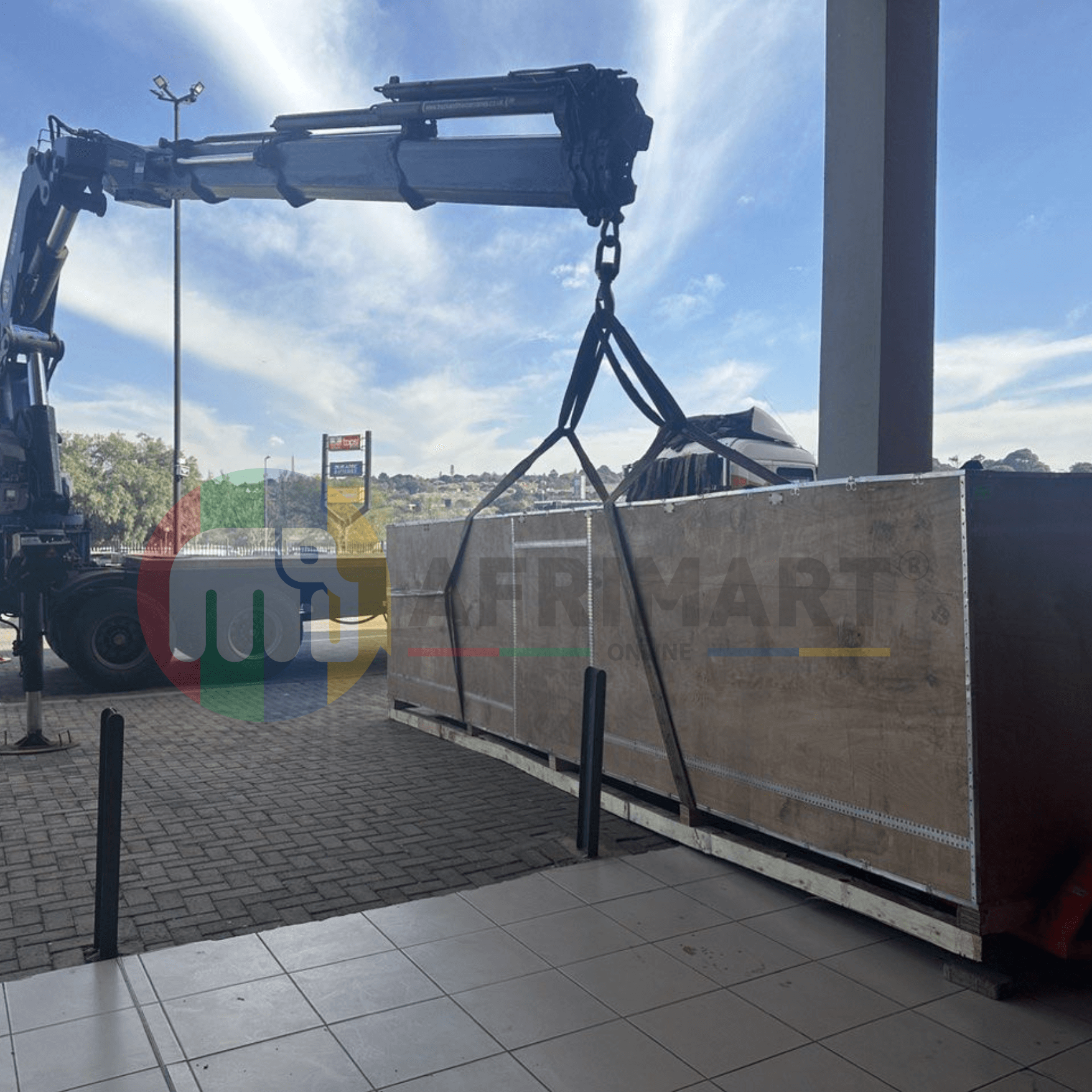
12 Heads Embroidery Machine
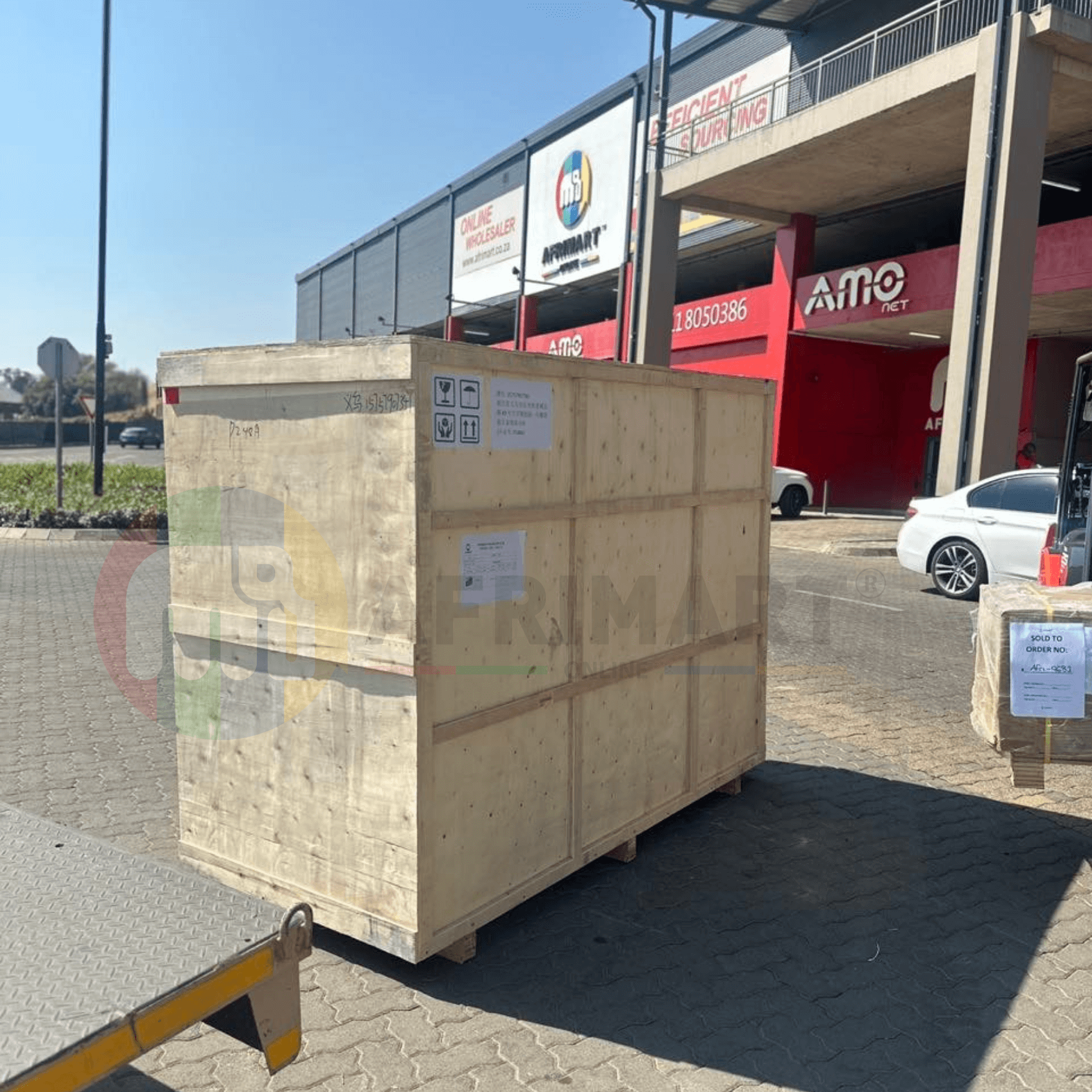
Dewatering Pump Machine
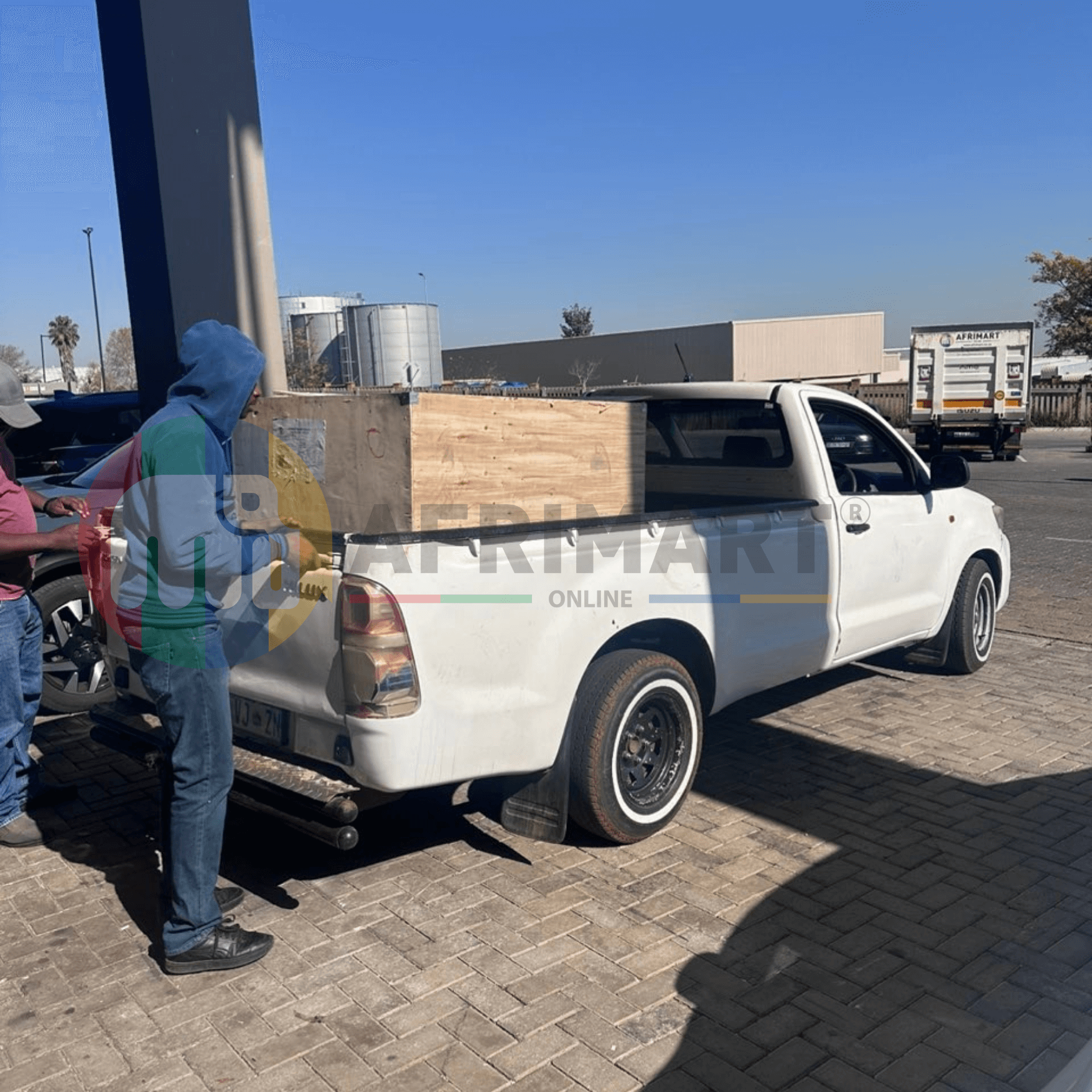
Order Collection
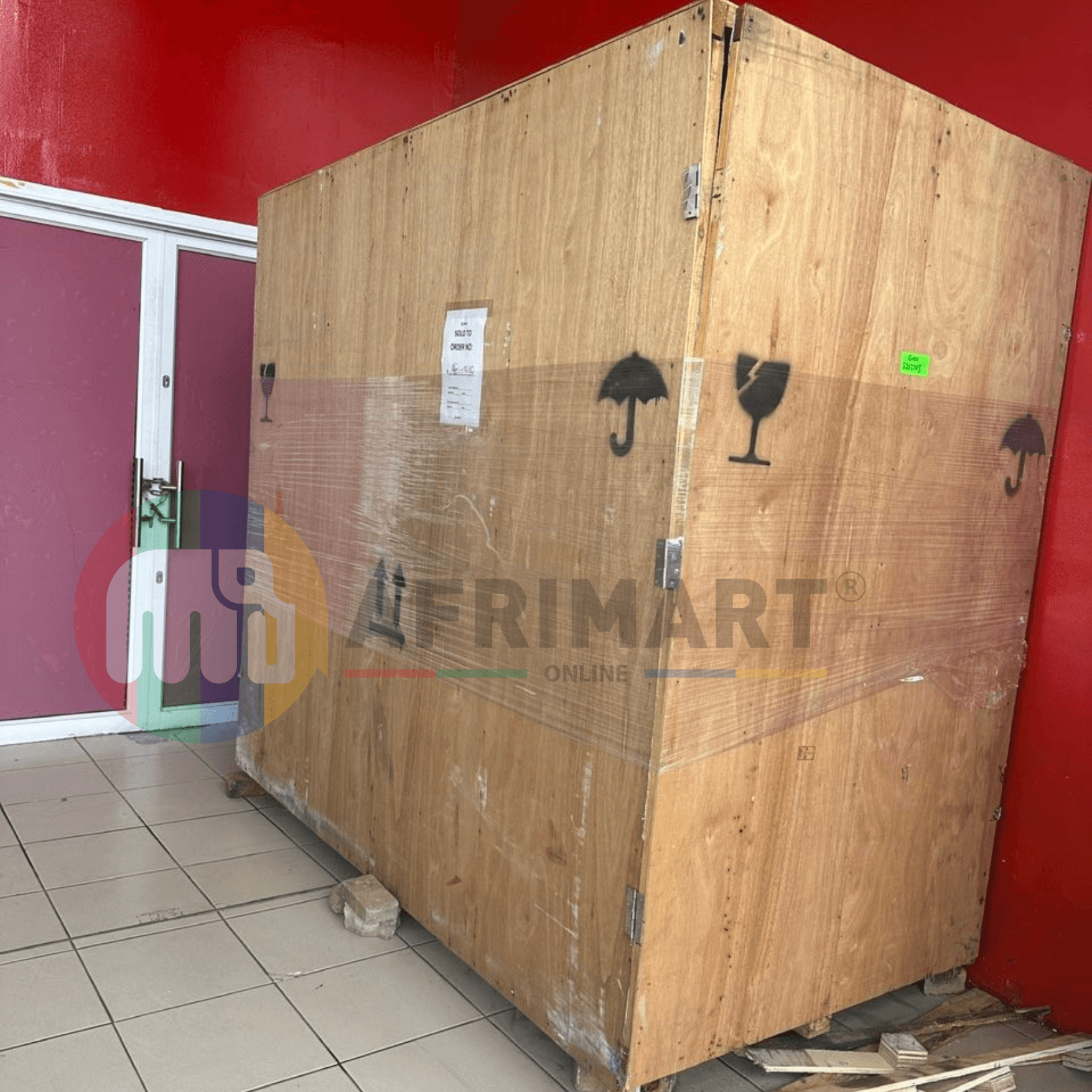
Portable Water Drilling Rig
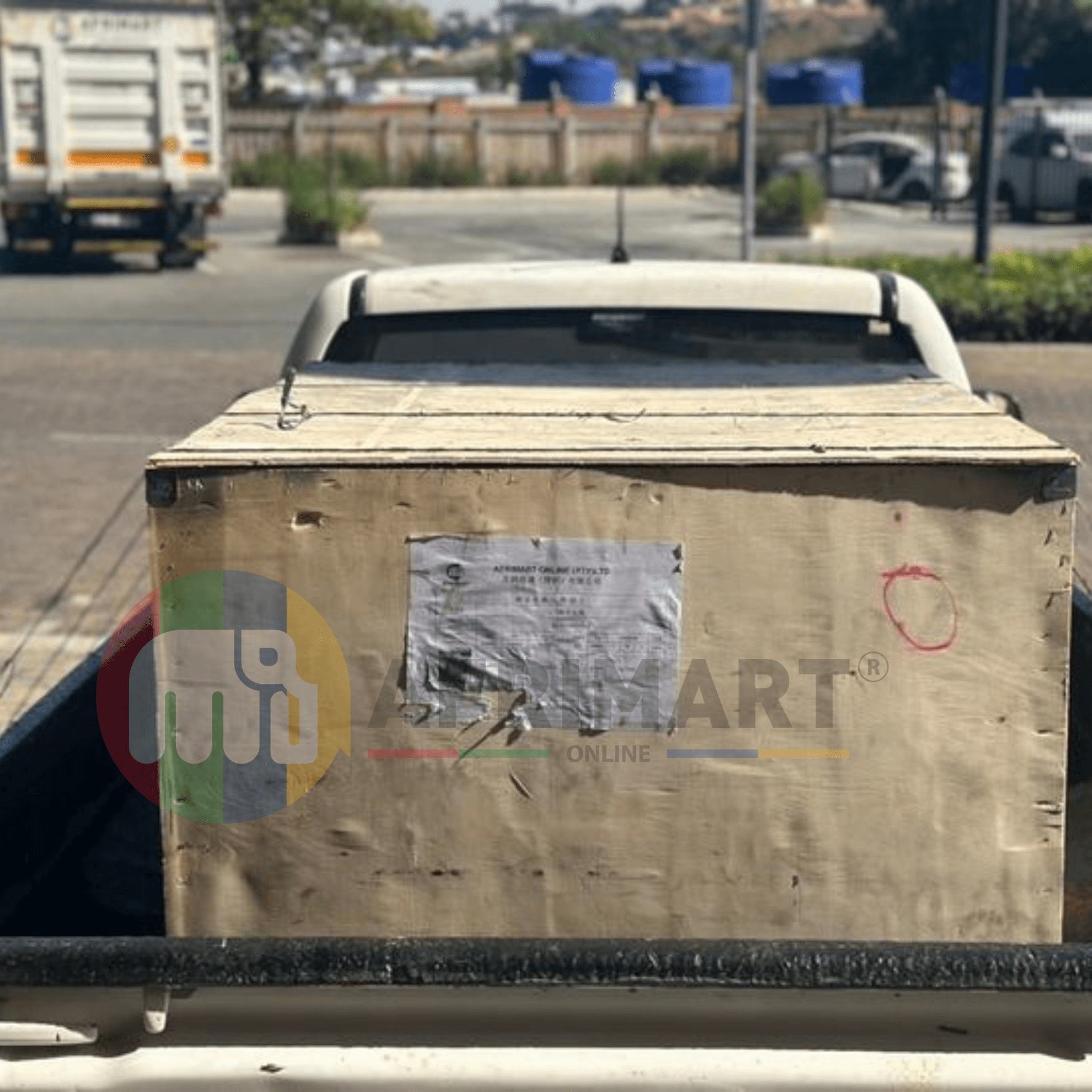
Order Usefully Collected
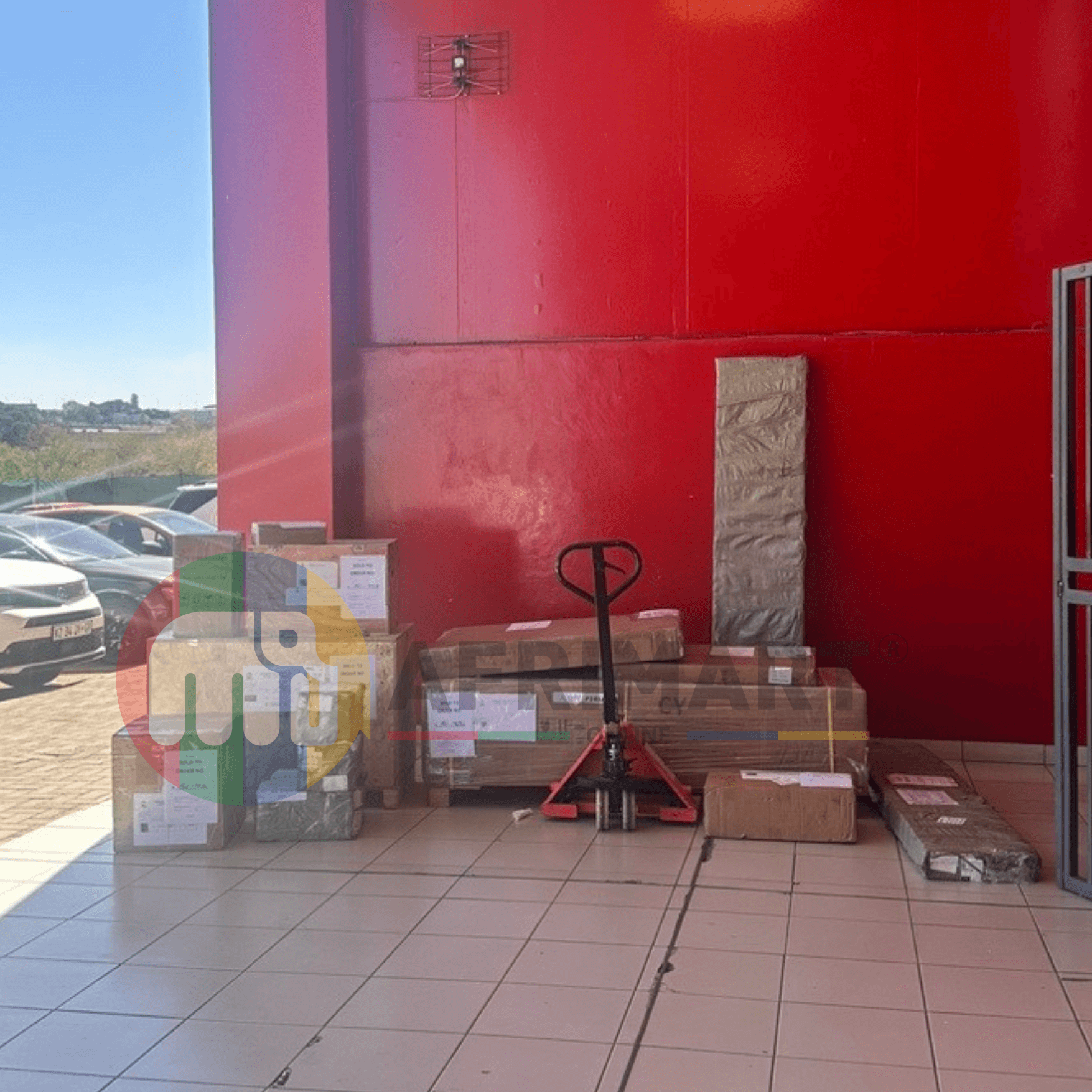
Batch of Orders
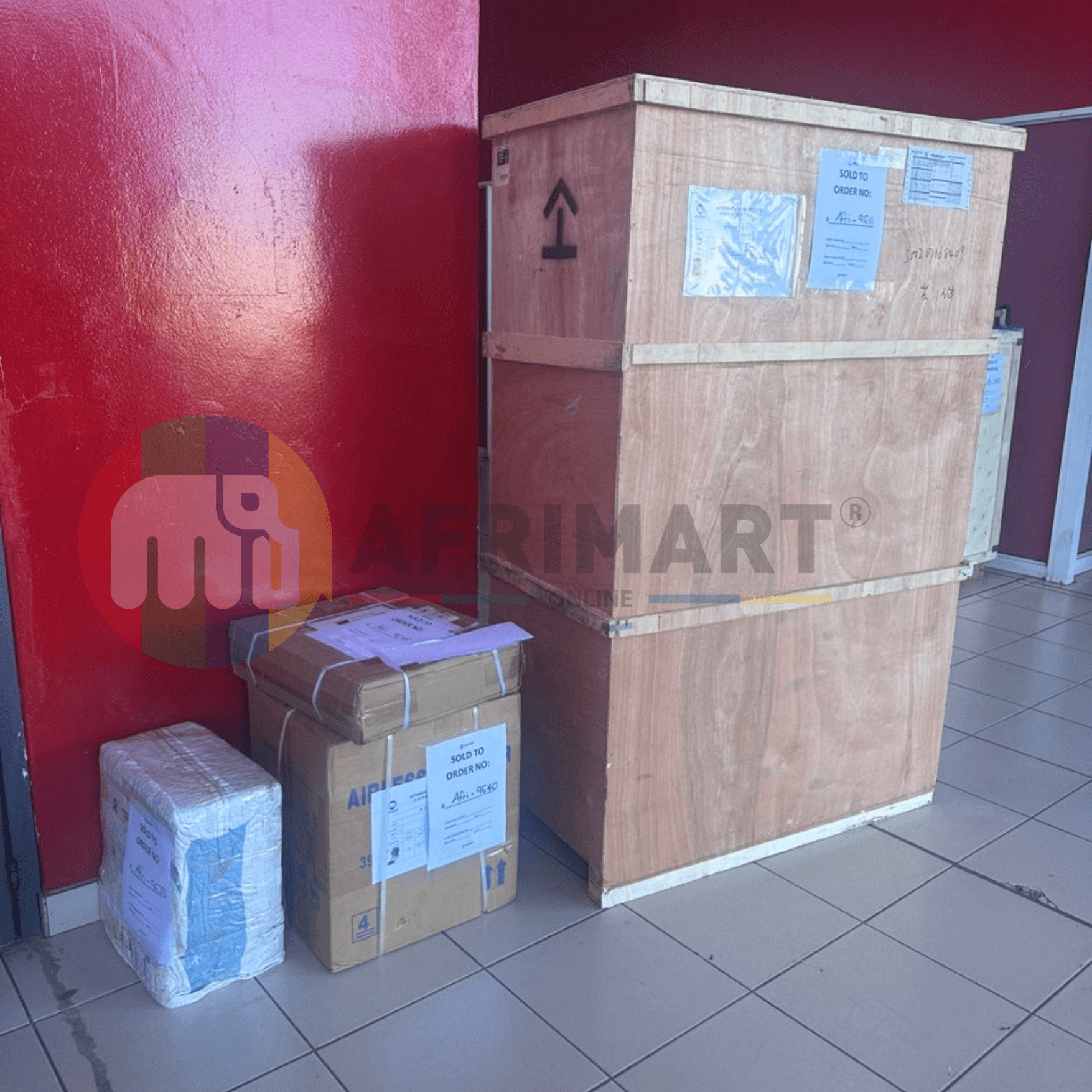
Agriculture Processing Machines
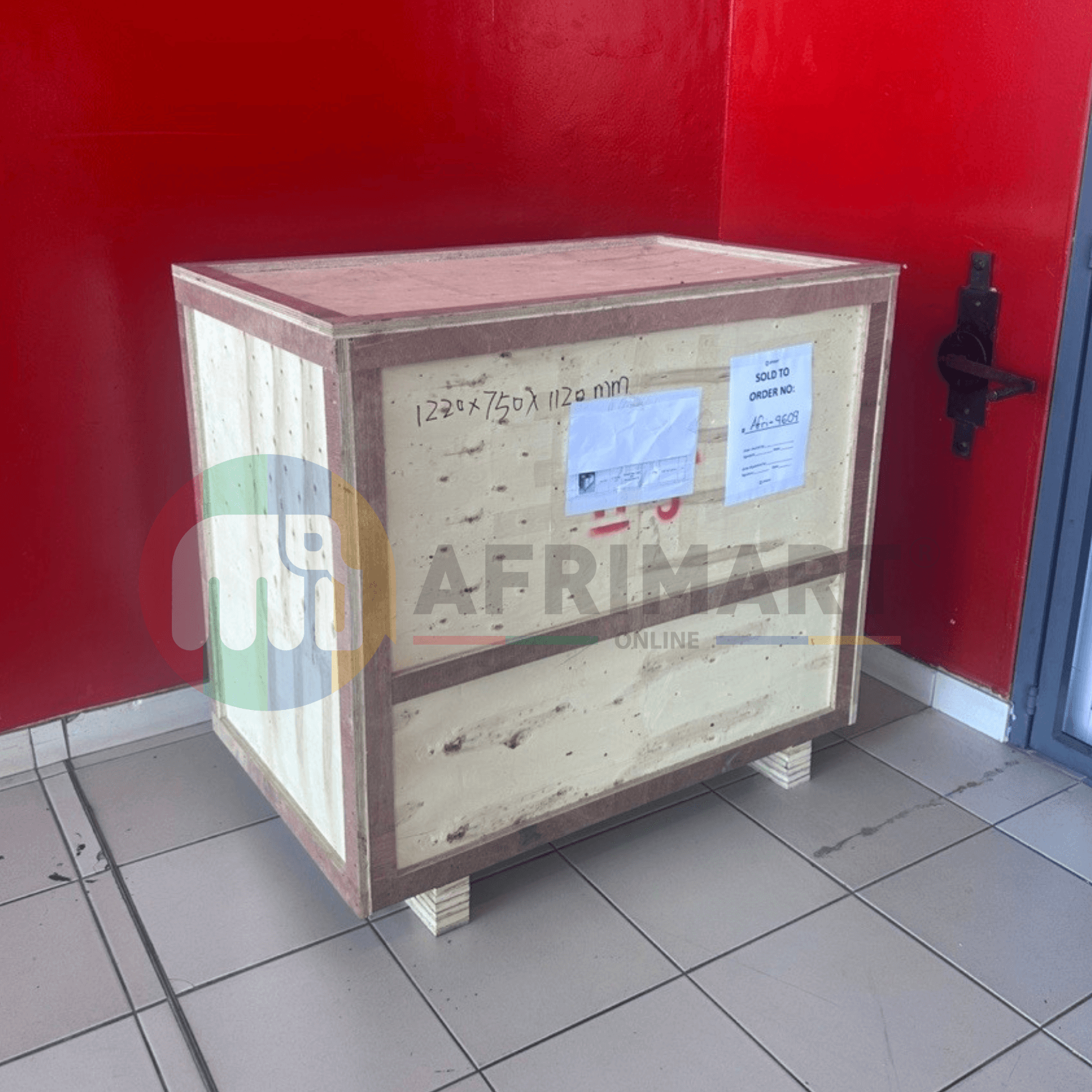
Meat Grinder Machine
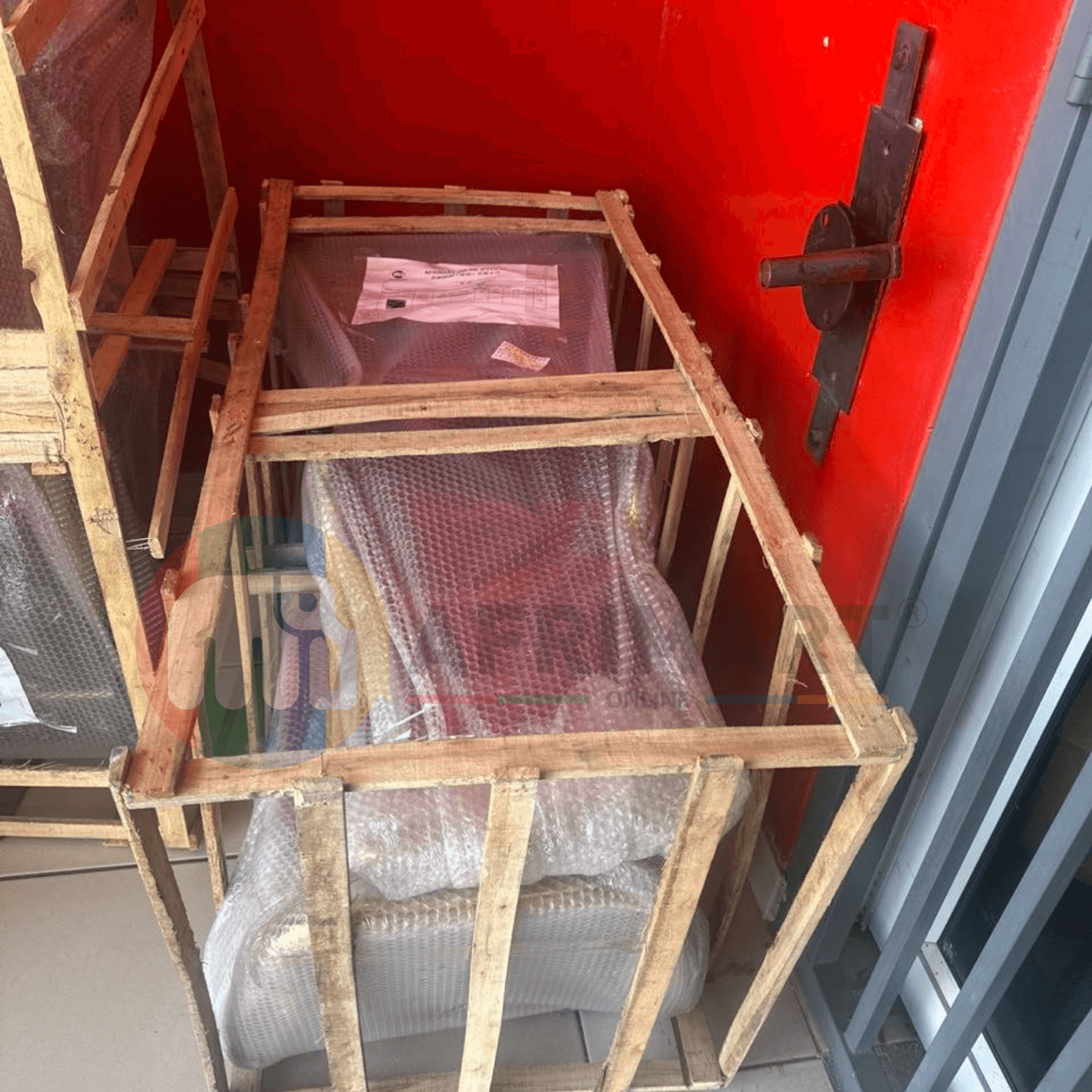
Water Pump Equipment
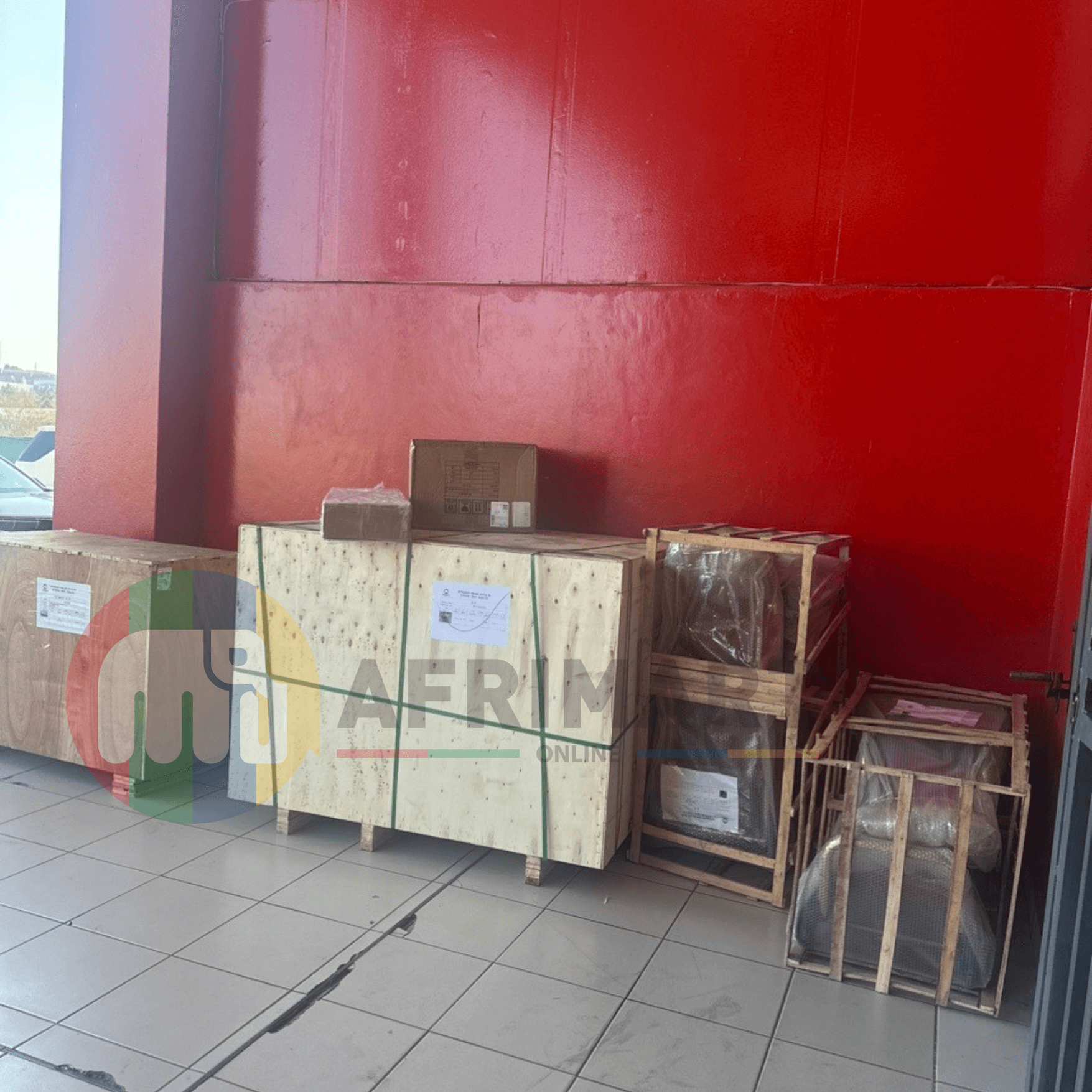
Packaging Machine and accessories
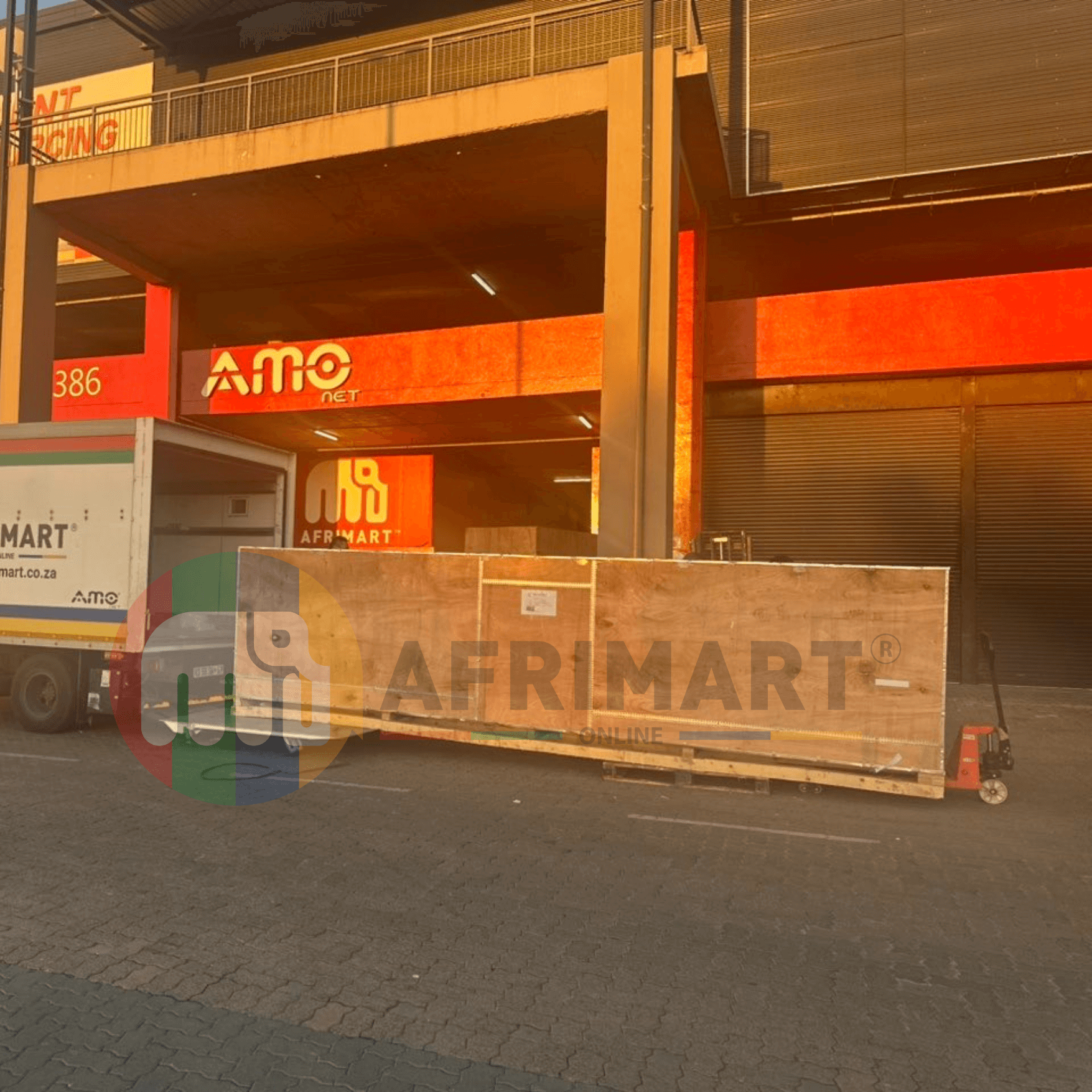
Fabrics Manufacturing Equipment
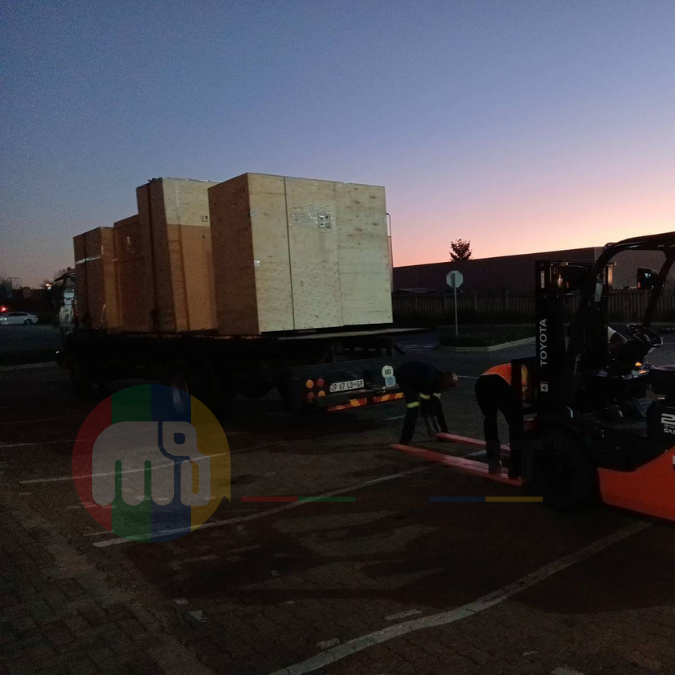
Mining Equipments
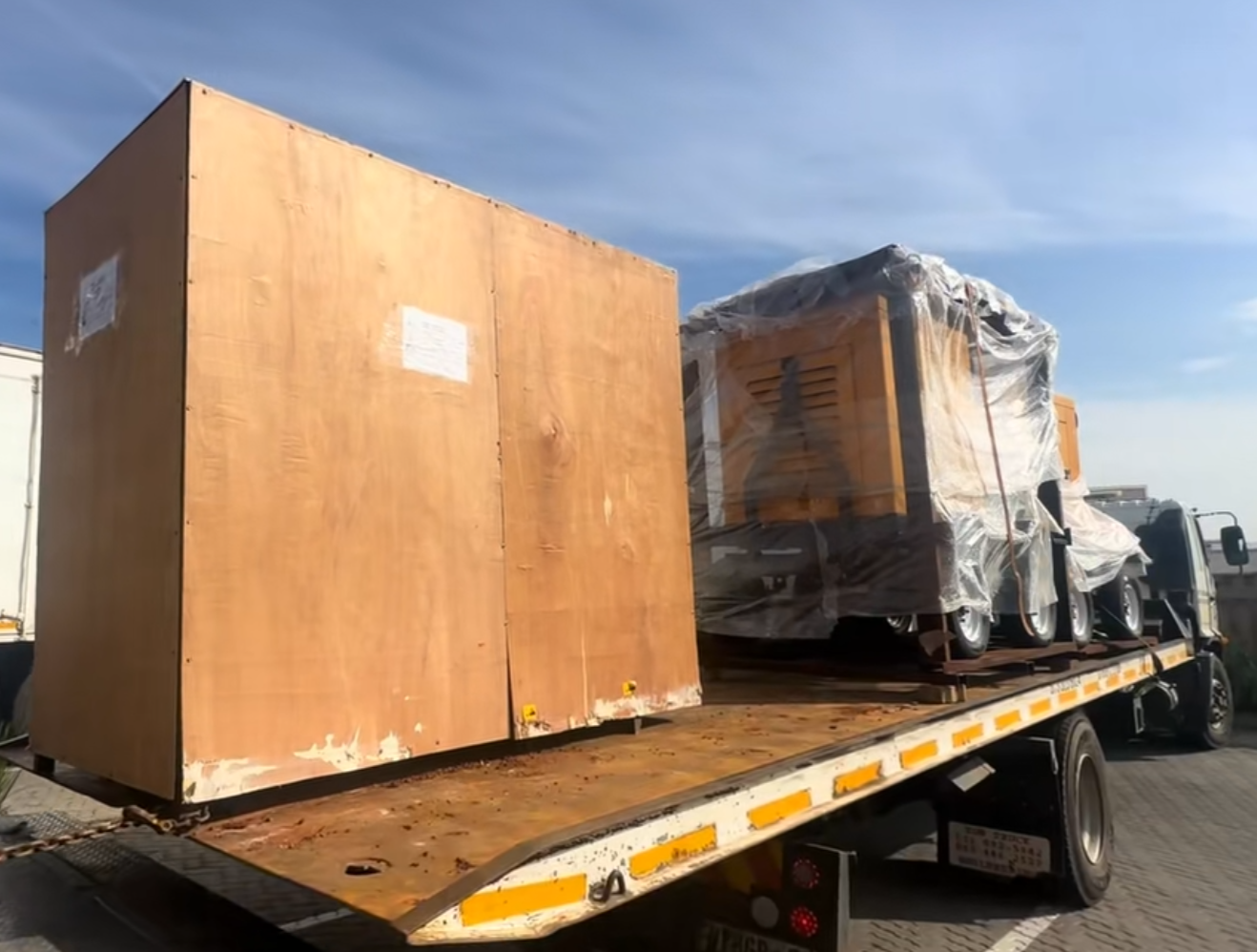
Food Processing Machine
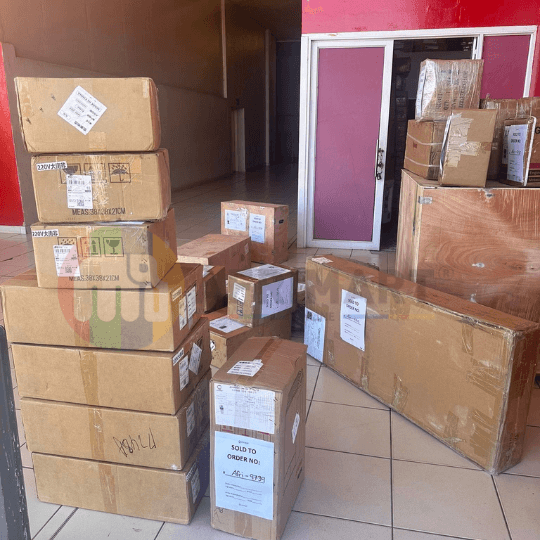
Batch of Orders
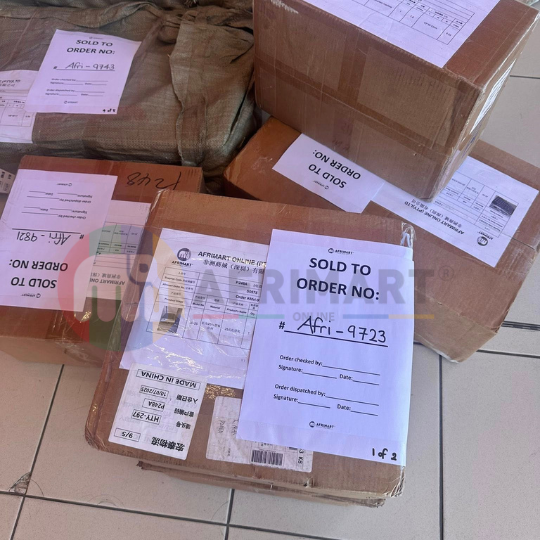
Batch of Orders
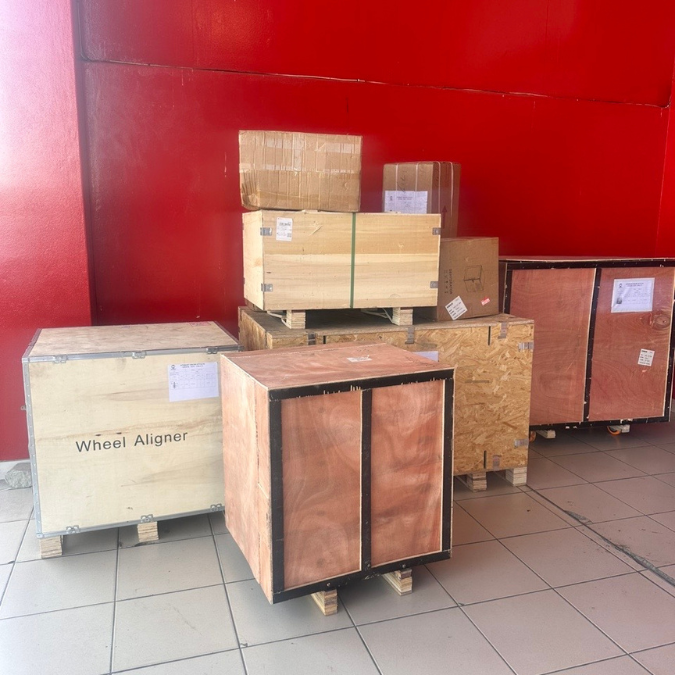
Latest Orders Labelled
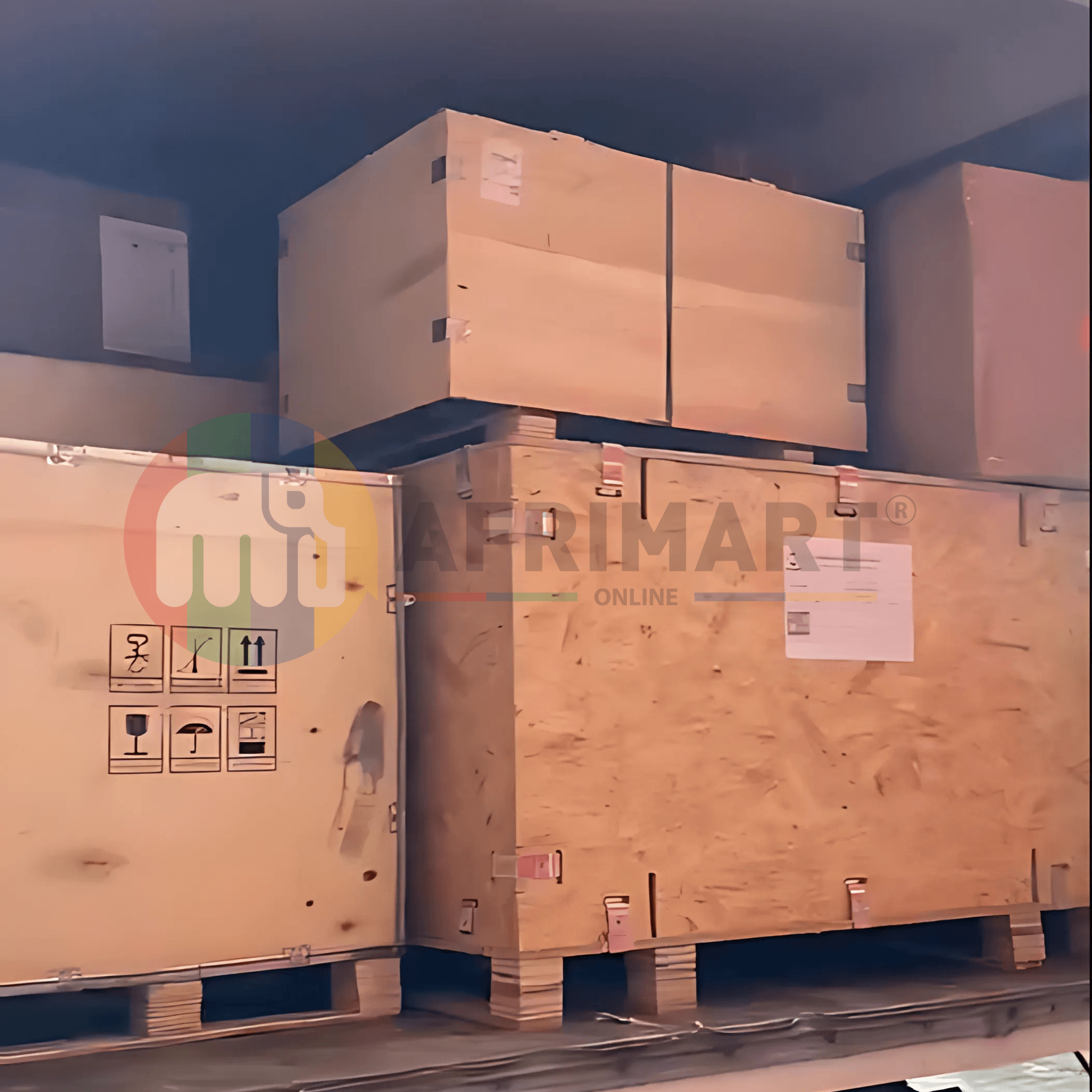
wheel alignment machines
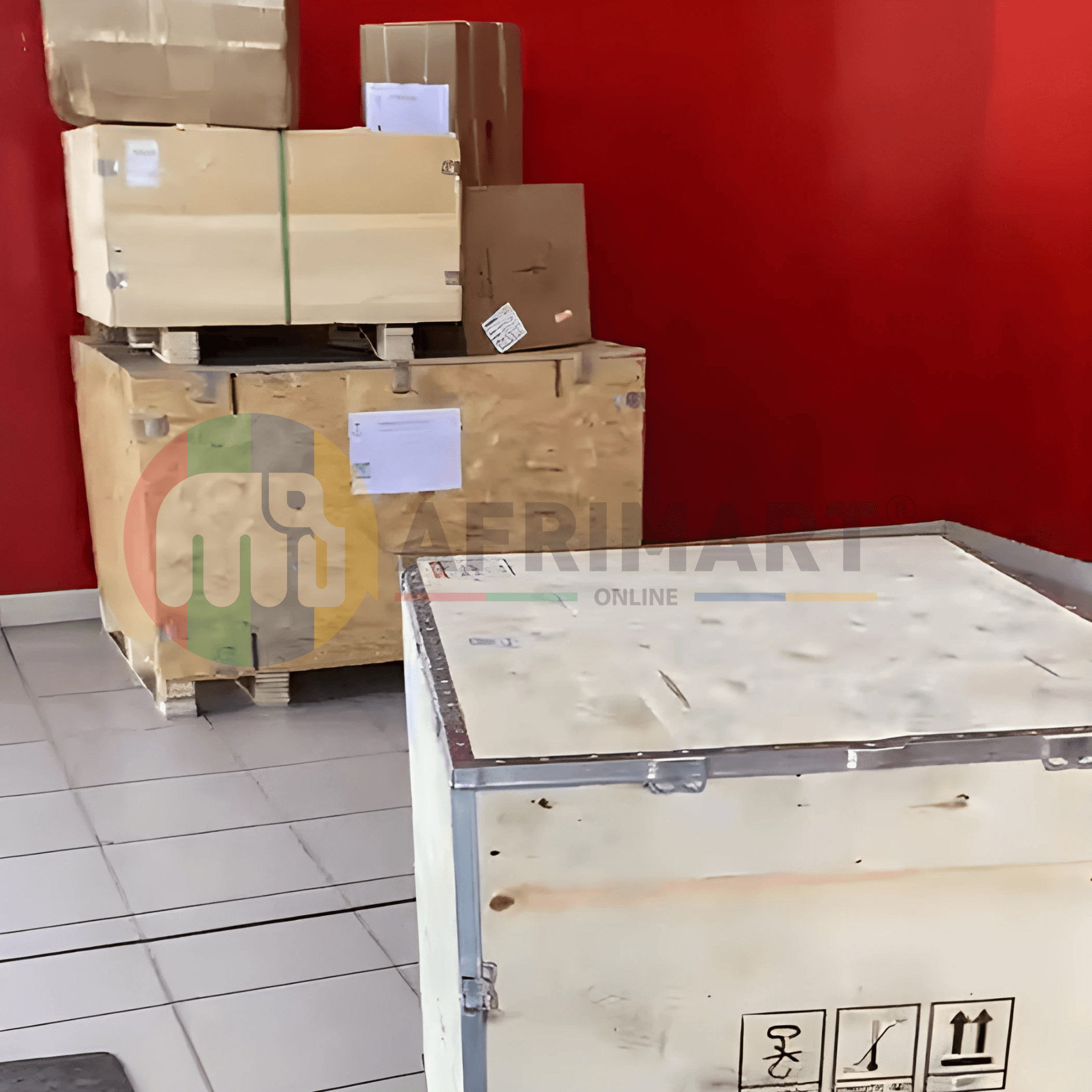
new arrivals
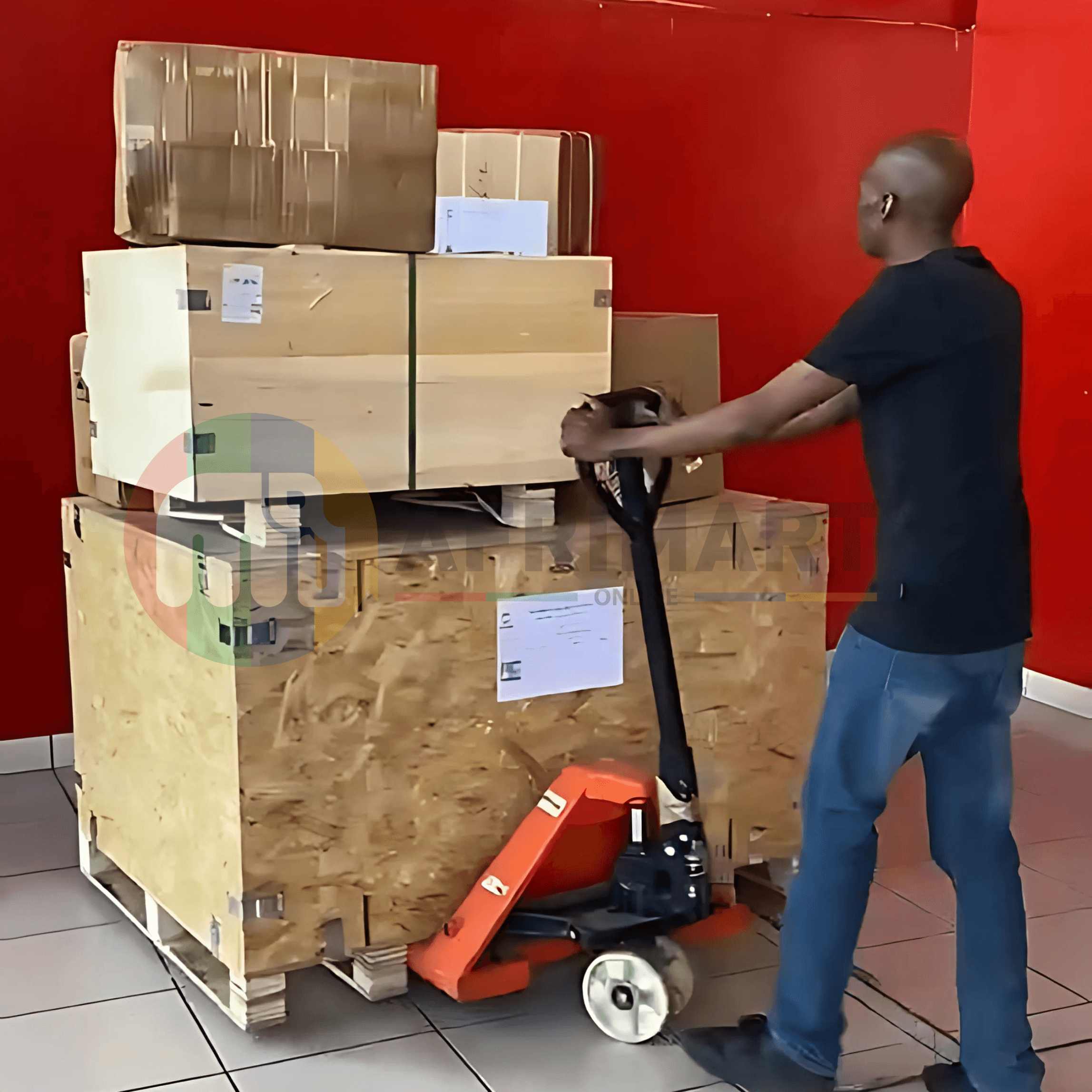
Pre Orders Offloading
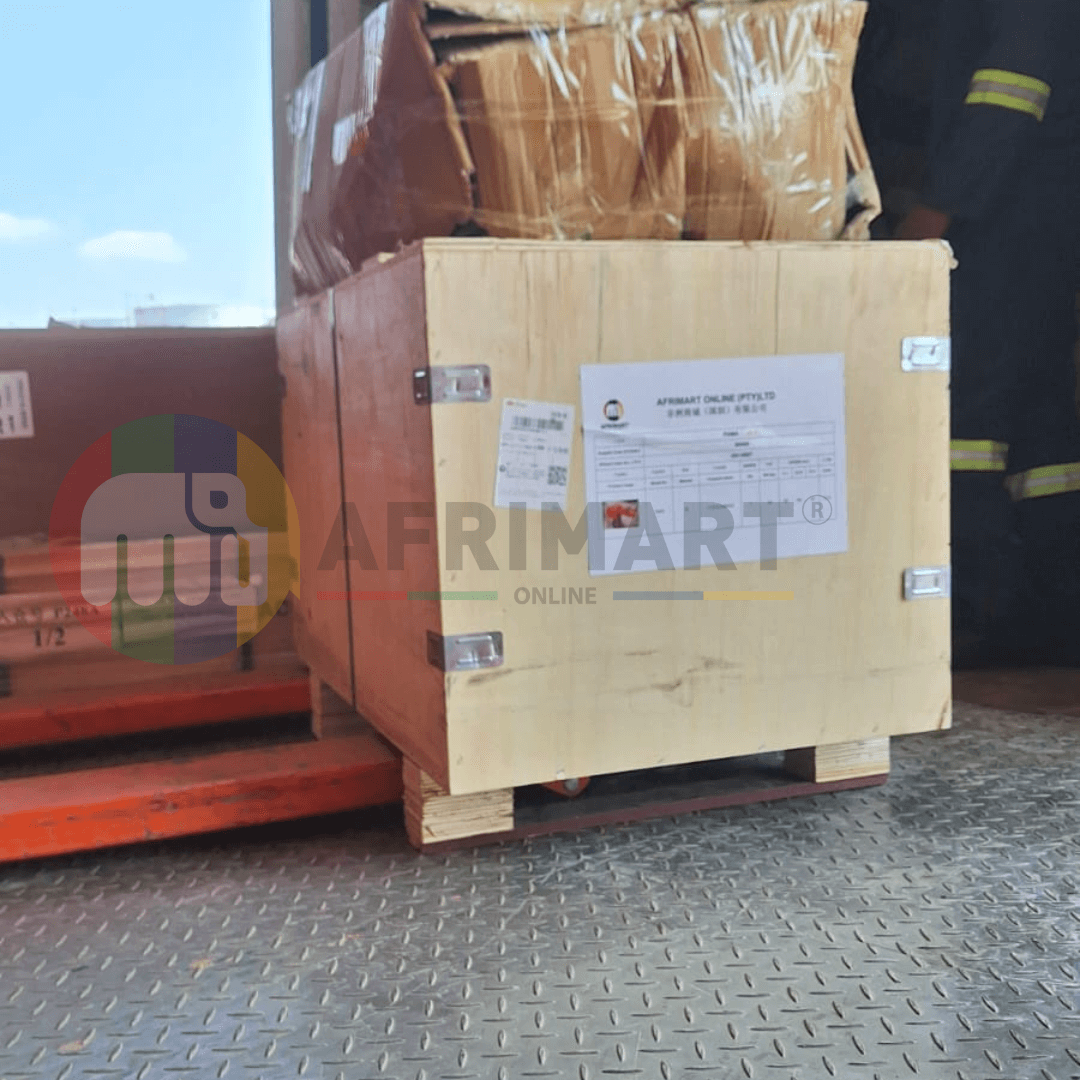
Latest Arrivals
Latest Arrivals
Latest Arrivals
26 January 2026
Toilet paper making machine
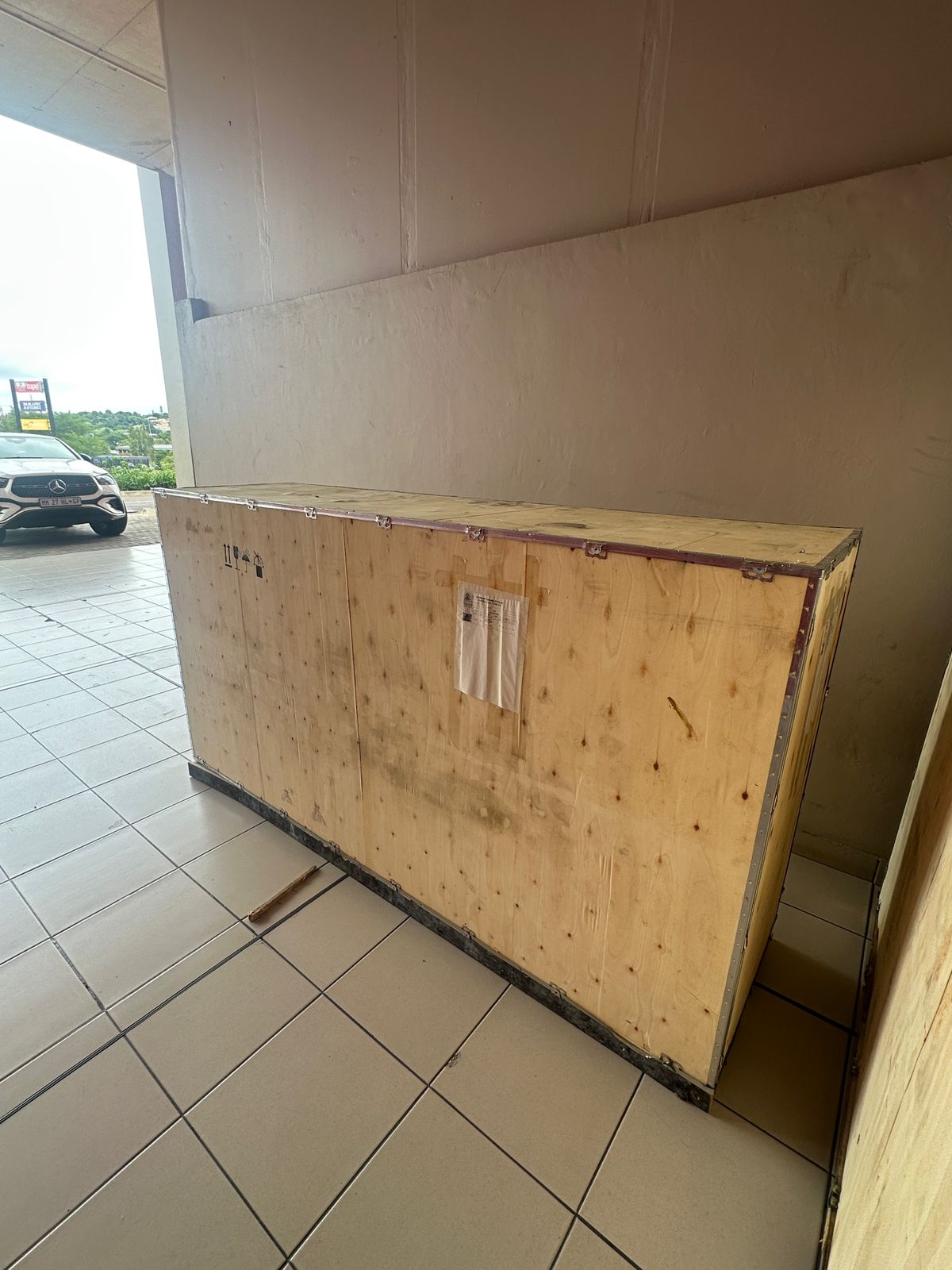
Toilet paper making machine
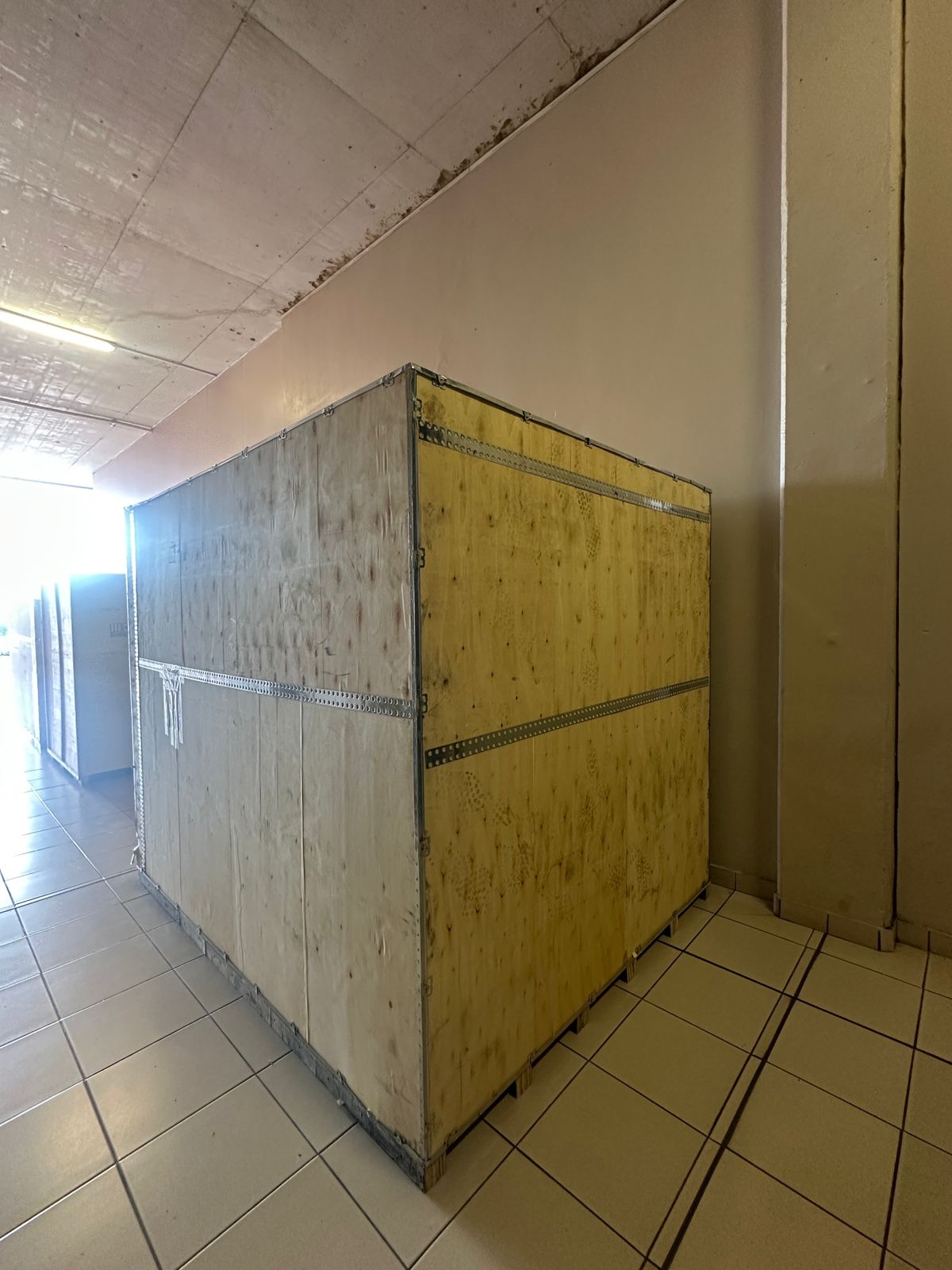
Toilet paper Rewinding Machine
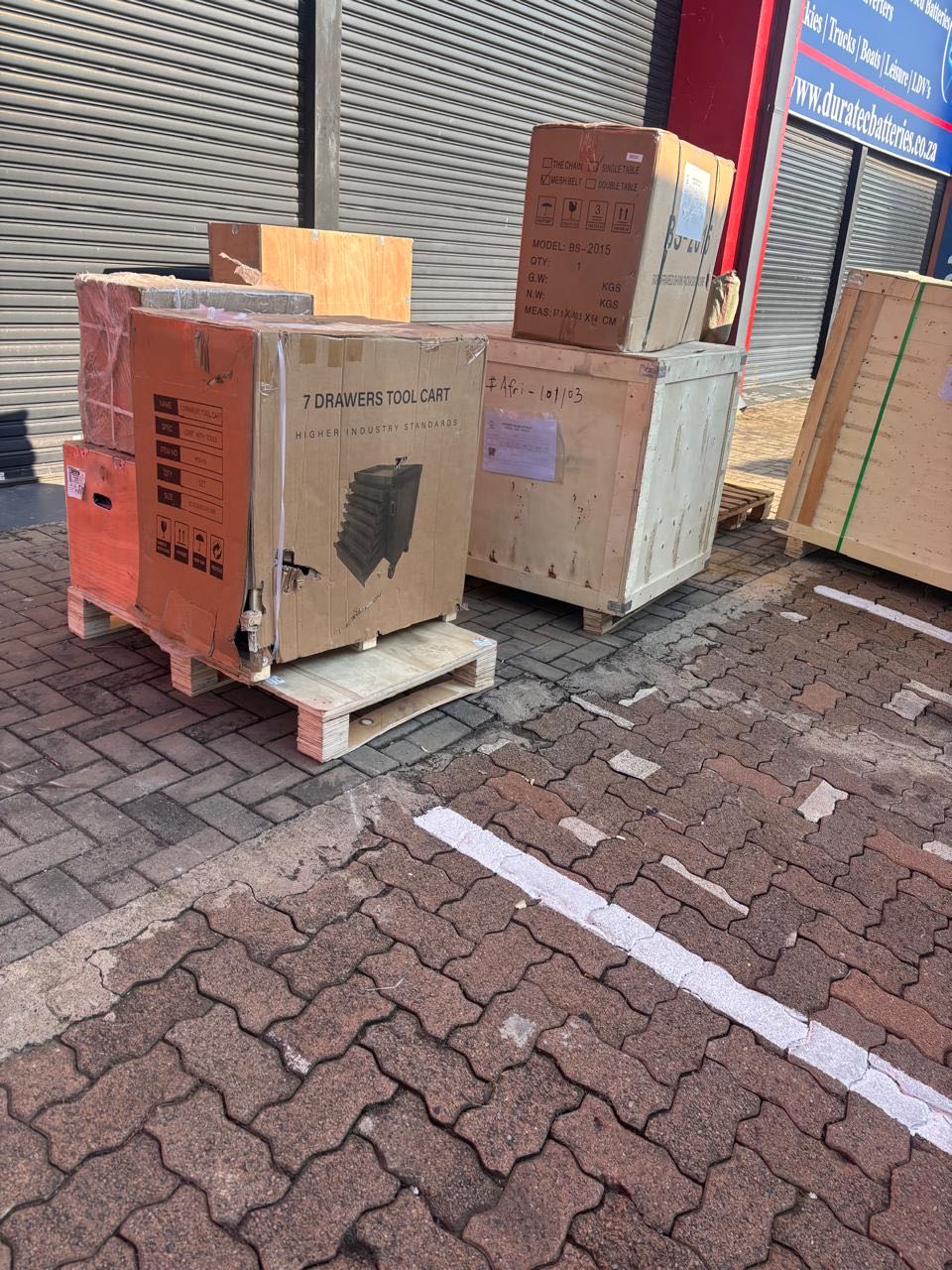
latest arrivals
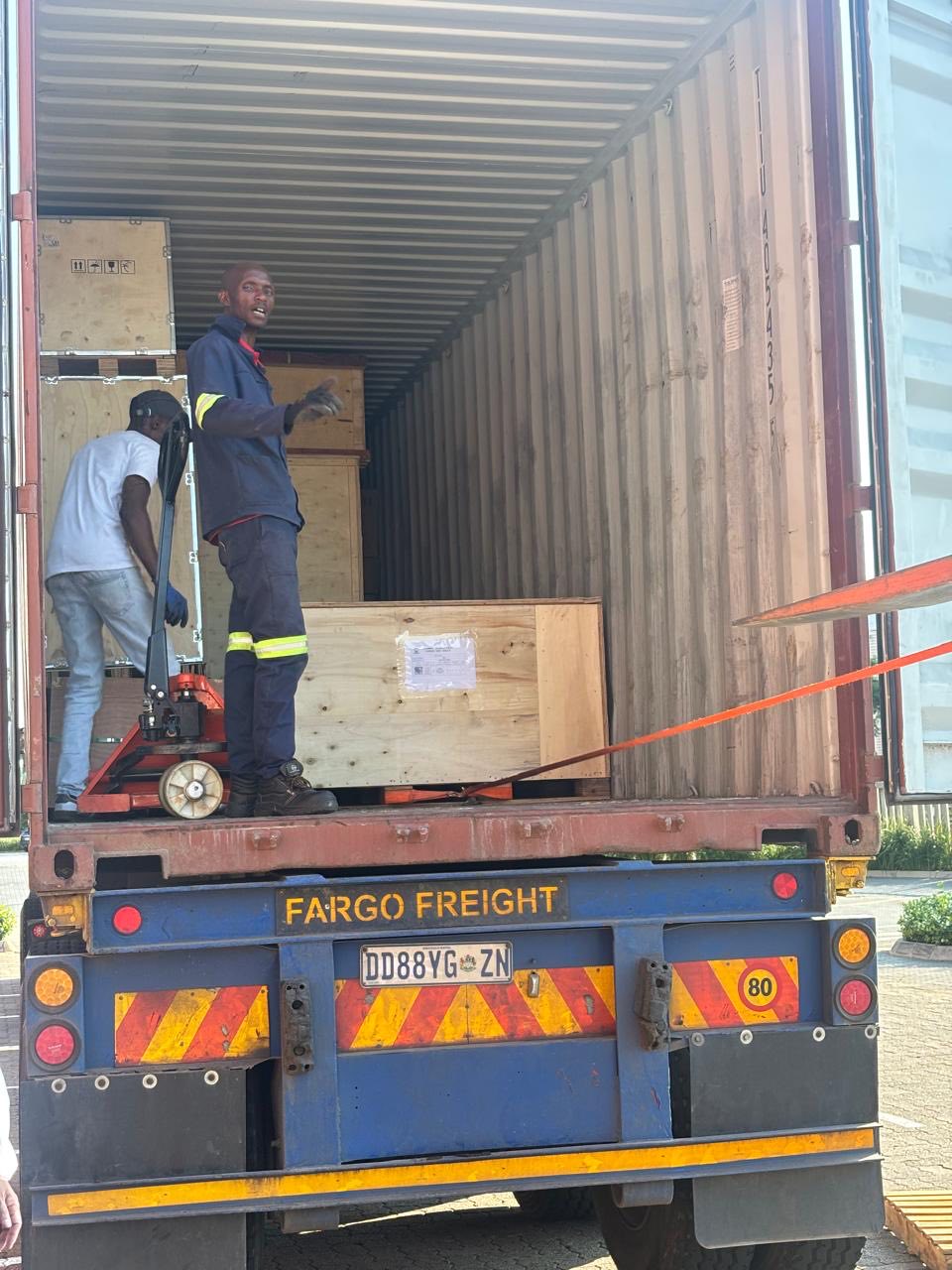
offloading
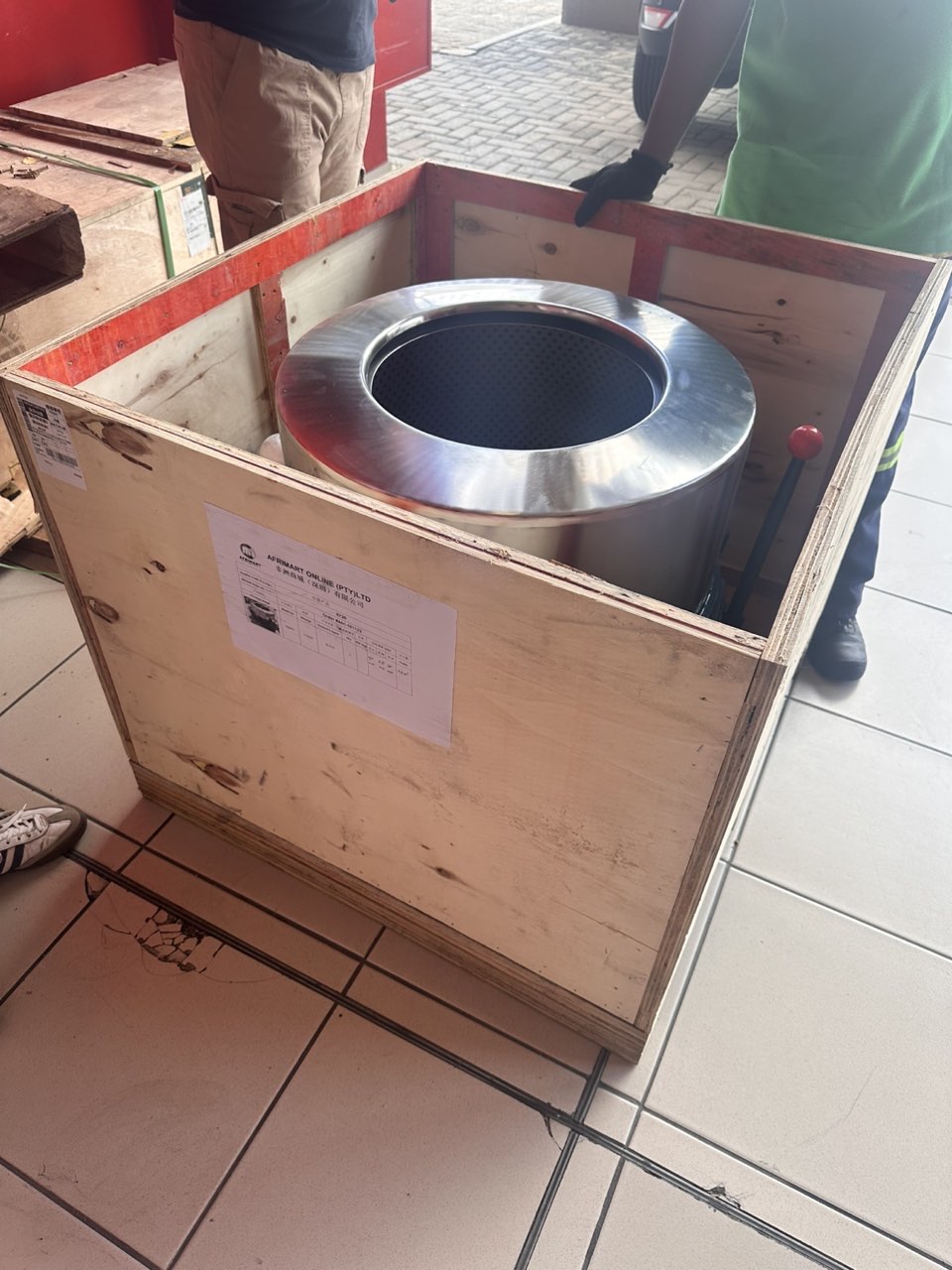
order success
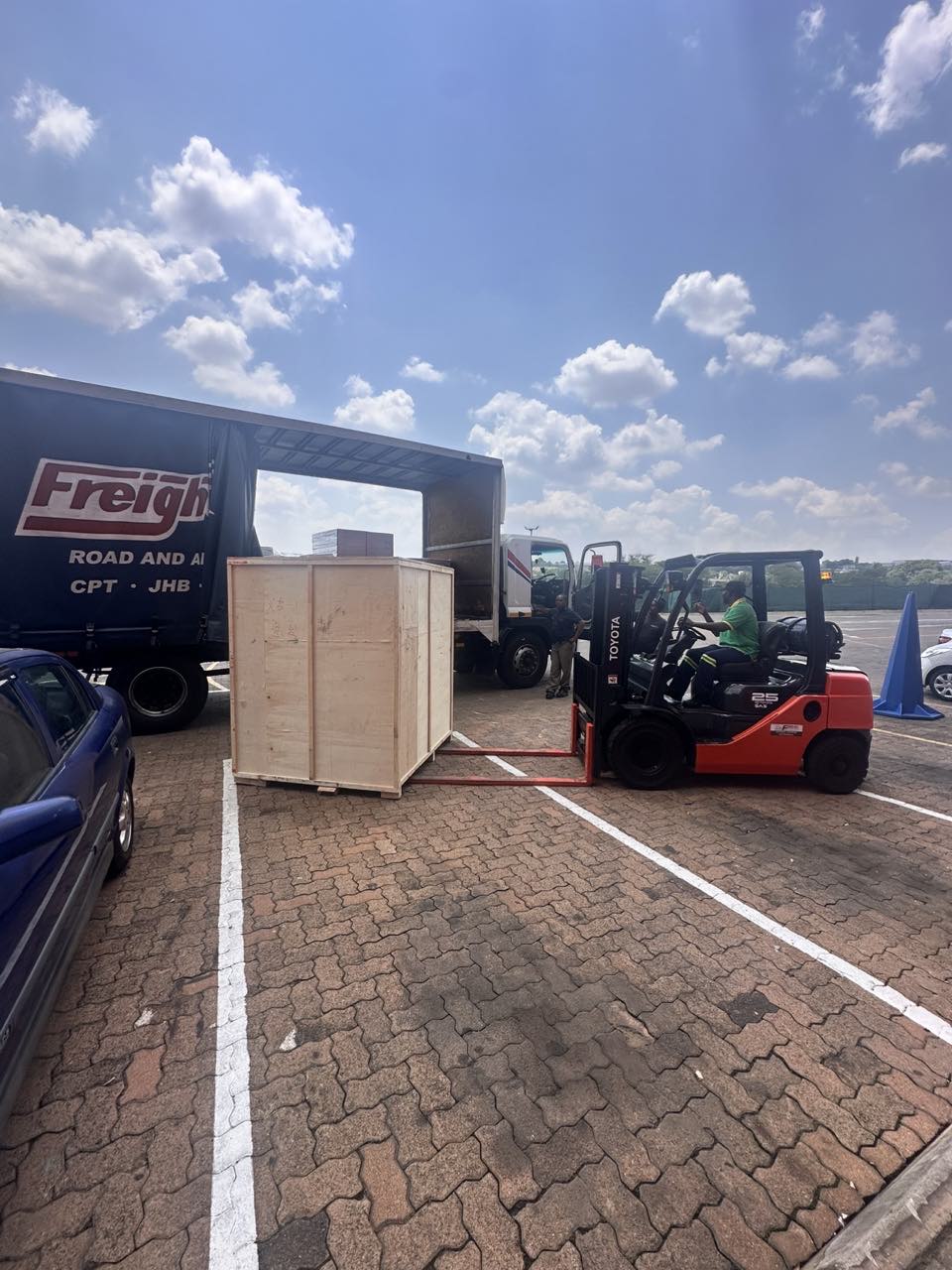
order collection
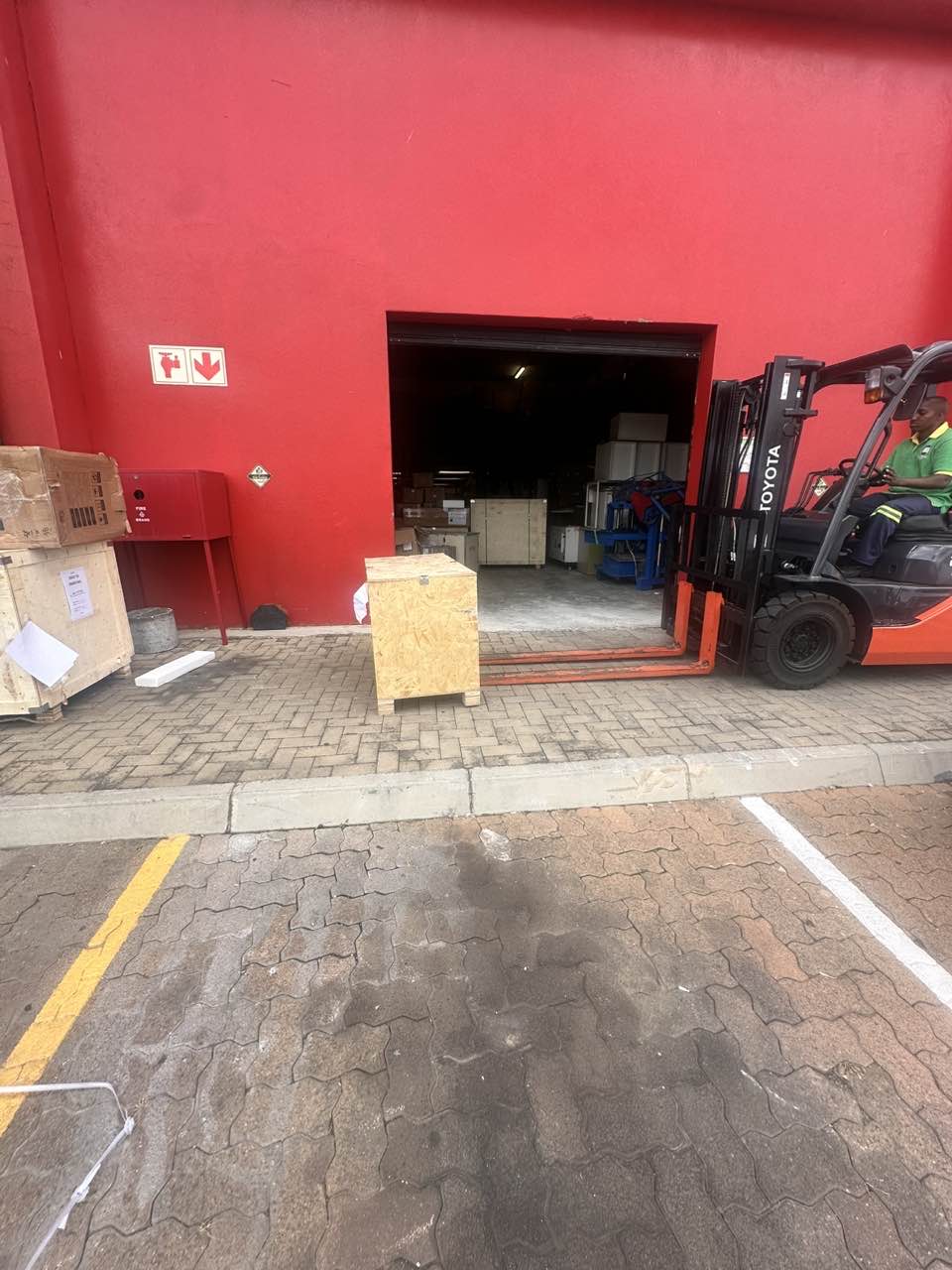
order offloading