B21, China Town Mall, Midrand


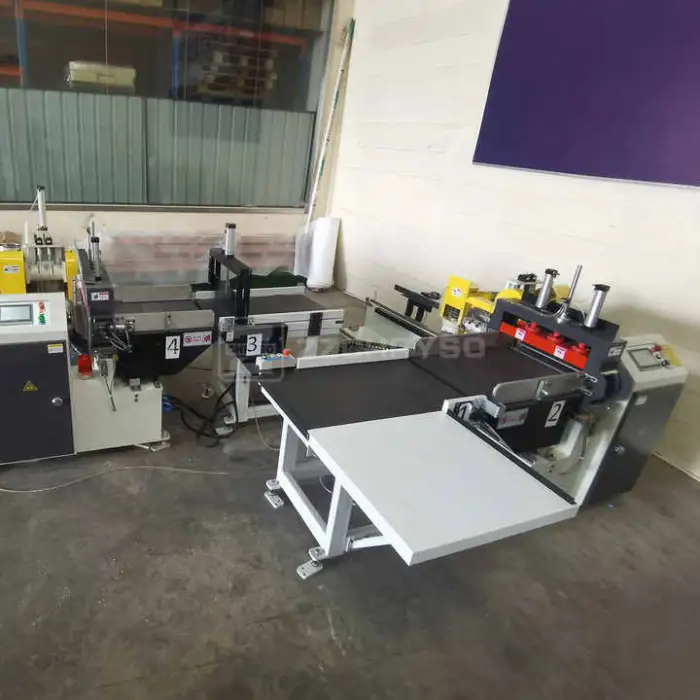
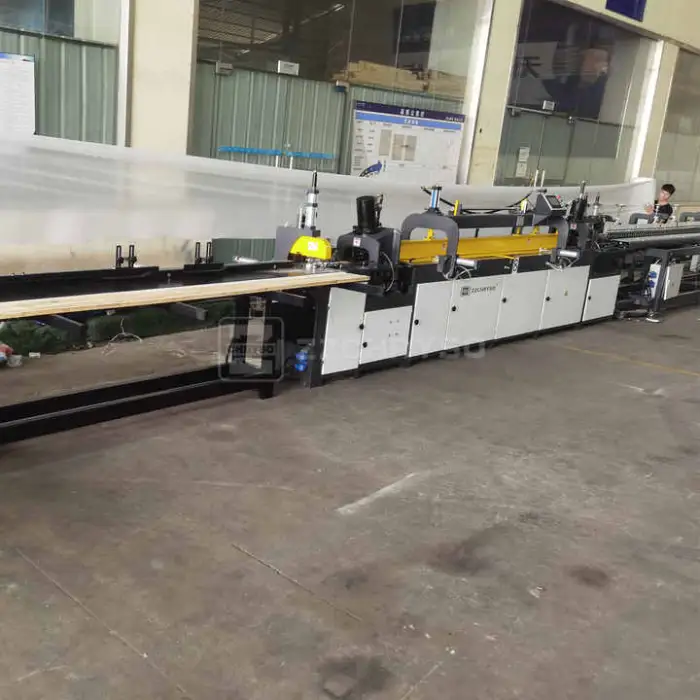
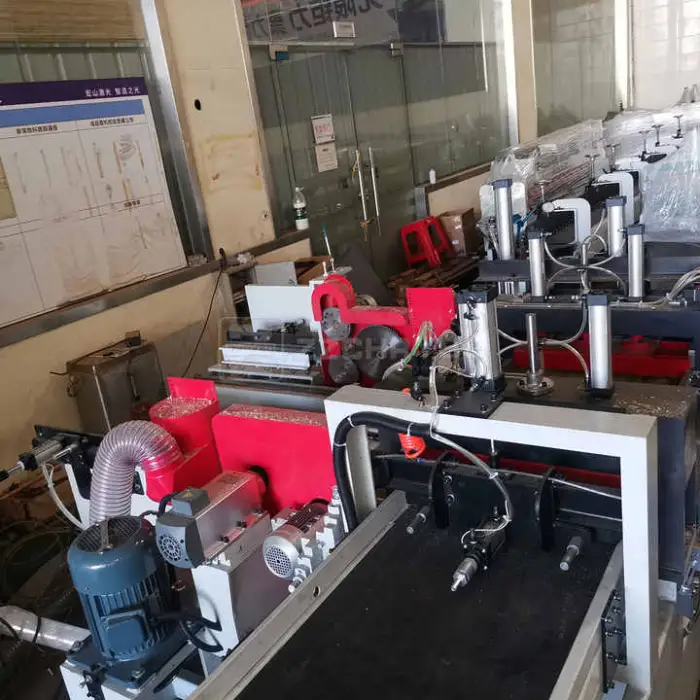
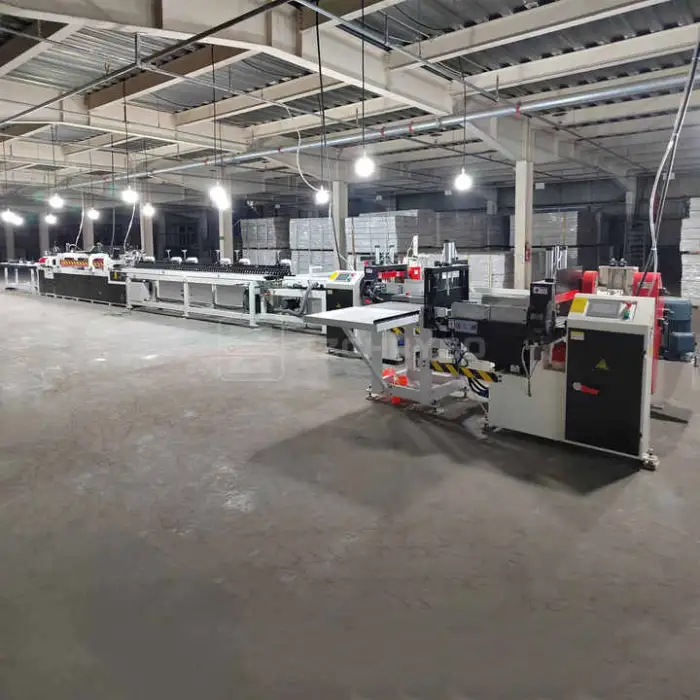
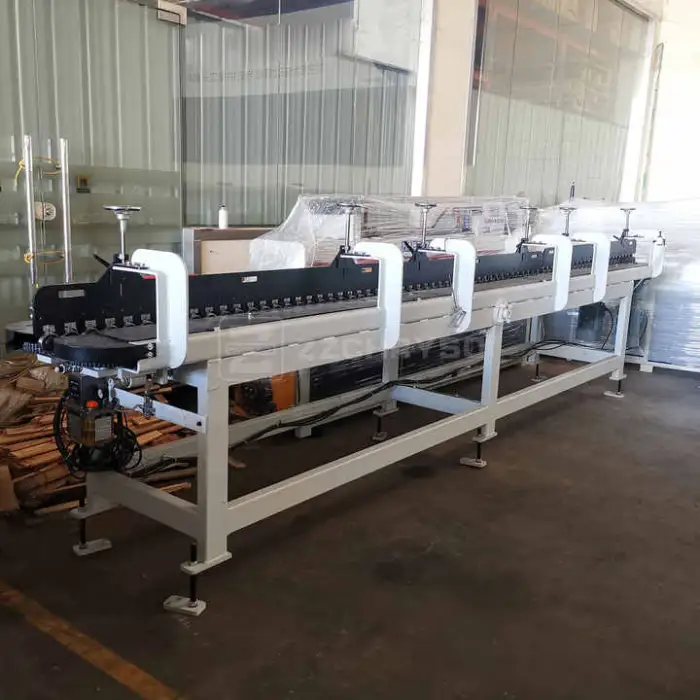
Fully Automatic Solid Wood Finger Joining Boards Wood Veneer Finger Joint Machine
Asset finance available
Do you want funding for this equipment?
Afrimart can connect you with trusted funding partners who specialise in asset finance for businesses like yours. Compare options and apply in minutes — final approval is subject to provider review.
Check funding options
Secure & no obligation

- Section : Machinery
- Category : Woodworking Machinery
- SKU : 1601277610983

Fully Automatic Solid Wood Finger Joining Boards Wood Veneer Finger Joint Machine
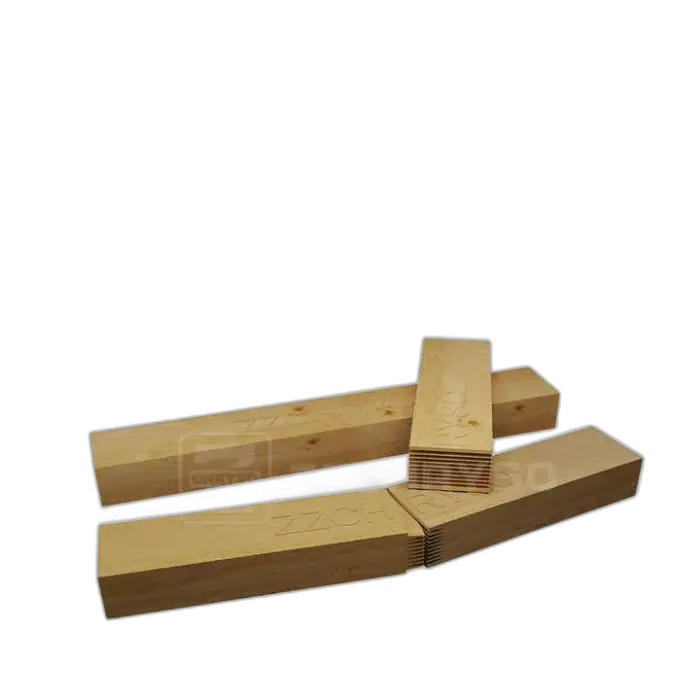
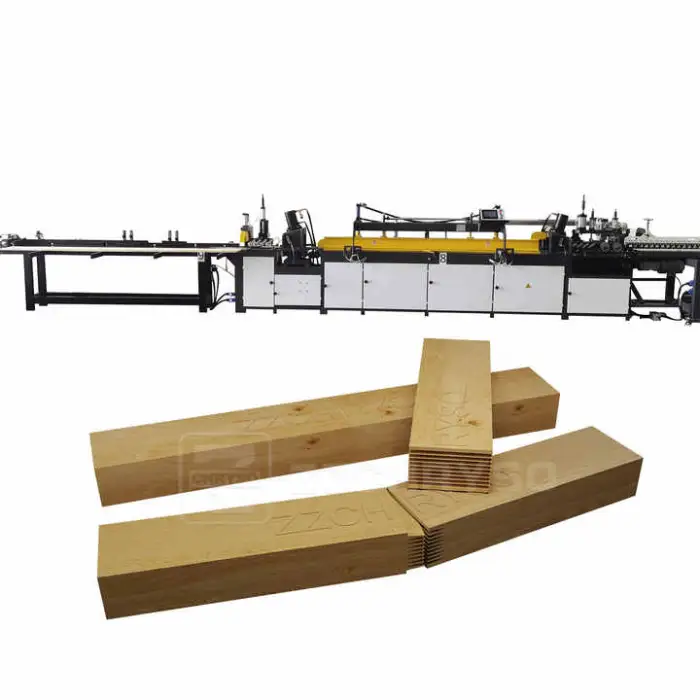
The Fully Automatic Solid Wood Finger Joining Boards Wood Veneer Finger Joint Machine is a powerful tool designed for making finger joint teeth. It is perfect for creating strong and durable wood joints. This machine can handle various wood types and is fully automated for easy operation. It is an essential piece of machinery for woodworking businesses seeking efficiency and precision.
Specifications
| Attribute | Details |
|---|---|
| Power Source | Electrical |
| Core Components | Motor |
| Voltage | 220V/380V/Customized |
| Weight (kg) | 670 |
| Power (kw) | 42.75 |
| In Feed Length | 150-850mm |
| Pressing Thickness | 30-150mm |
| Shaping Thickness | 20-150mm |
| Motor Power | 15kw x 2 |
| Total Power | 42.75kw |
| Overall Dimension | 5220*4800*1600mm |
Key Features
- Fully automatic operation for high productivity.
- Robust design with solid wood construction.
- Customizable voltage options for different setups.
- Efficient motor operation for powerful performance.
- Comprehensive testing and inspection provided.
Applications
- Ideal for furniture manufacturing.
- Used in cabinet making.
- Great for producing wooden flooring.
- Perfect for constructing wooden frames.
- Suitable for various woodworking projects.
Product Info Gallery
- Shipping Timeframes: All orders are processed within 2-5 business days (excluding weekends and holidays). After your order has been processed, the estimated delivery time is before 03 Aug, 2026, depending on customs, Please note that due to high demand, some items may experience longer shipping times, which will be communicated at order confirmation email.
- Order Processing Time: Please allow 2-5 business days for us to process your order before it is shipped . Orders placed after 16:00 on Fridays, or during weekends and public holidays, will begin processing on the next business day. Processing times may be extended during peak seasons or sales events.
- Manufacturing Time: Some products needs manufacturing time, the manufacturing process will take approximately 10-30 business days depending on the product. This timeframe may vary depending on the complexity of the product and current demand. but this will be communicated with you during order confirmation.
- Returns and Exchanges: We offer a 30-day return policy for most items. If you are not completely satisfied with your purchase, you may return it within 30 days of receipt for a refund or exchange. Items must be unused, in their original packaging, and accompanied by proof of purchase. Return shipping costs are the responsibility of the customer, unless the item was damaged or defective upon arrival.
1. What is the Fully Automatic Solid Wood Finger Joining Boards Wood Veneer Finger Joint Machine used for?
It is used to produce finger joint teeth for joining pieces of solid wood and wood veneer to create long, strong, dimensionally stable boards for furniture, cabinets, flooring, frames and other woodworking products.
2. Is the machine fully automatic?
Yes — the machine is designed for fully automatic operation to improve productivity and reduce manual handling during the finger-jointing process.
3. What wood types and materials can this machine handle?
It can process a wide range of solid woods and wood veneers as well as commonly used engineered wood products. Performance may vary by species, moisture content and board geometry.
4. What are the size/capacity limits for feed length and thickness?
In-feed length range: 150–850 mm. Pressing thickness: 30–150 mm. Shaping (final) thickness: 20–150 mm.
5. What are the electrical and power requirements?
Power source: electrical. Voltage options: 220V, 380V or customized to your site. Total power: 42.75 kW. Motor configuration: two 15 kW motors (15 kW x 2). A qualified electrician should arrange the proper supply and protection.
6. What are the machine weight and footprint?
Weight: approximately 670 kg. Overall dimensions: 5220 x 4800 x 1600 mm. Ensure your facility has adequate floor space, access and clearance for installation and maintenance.
7. What production speed or output can I expect?
Output depends on finger size, wood species, moisture content and workflow. The supplier typically performs sample tests to estimate production rates for your specific material and joint design — contact them to arrange testing.
8. Which adhesives are suitable for finger joining with this machine?
Common adhesives for finger joints include PVAc (PVA), PUR and other woodworking glues rated for structural use. Adhesive choice depends on end-use strength, moisture resistance and processing conditions — consult the glue manufacturer and your supplier for recommendations.
9. What routine maintenance is required?
Routine tasks include blade/cutter inspection and replacement, cleaning of feed and cutting areas, lubrication of moving parts, checking motor mounts and electrical connections, and verifying safety devices. Follow the supplier’s maintenance schedule and keep spares on hand to minimize downtime.
10. What safety features does the machine have?
The machine includes standard safety features such as guarding of cutting zones, emergency-stop controls and interlocks. Operators should be trained, use PPE, and follow local safety regulations. Additional safety options may be available on request.
11. Does the machine come with installation, commissioning and operator training?
Suppliers commonly offer factory testing, on-site installation, commissioning and operator training packages. Confirm with the vendor which services are included or available as add-ons.
12. Are spare parts and after-sales support available?
Yes — the manufacturer/supplier typically provides spare parts (cutters, belts, sensors, electrical components) and after-sales support. Ask about parts availability, lead times and service agreements before purchase.
13. Can the machine be customized to fit my production needs?
Yes — voltage is customizable and many suppliers offer customization of finger geometry, feeding/stacking options, control systems and integration with upstream/downstream equipment. Discuss specific requirements with the supplier.
14. What industries and applications is this machine best suited for?
It is ideal for furniture manufacturing, cabinet making, wooden flooring production, wooden frame construction and other woodworking operations that require joining short boards into longer, structural components.
15. What warranties and quality inspections are provided?
Most suppliers provide a warranty and perform comprehensive testing and inspection before shipment. Warranty terms, duration and scope vary by manufacturer — request the detailed warranty and test reports when you inquire.
Latest Order Arrivals
Discover our latest orders
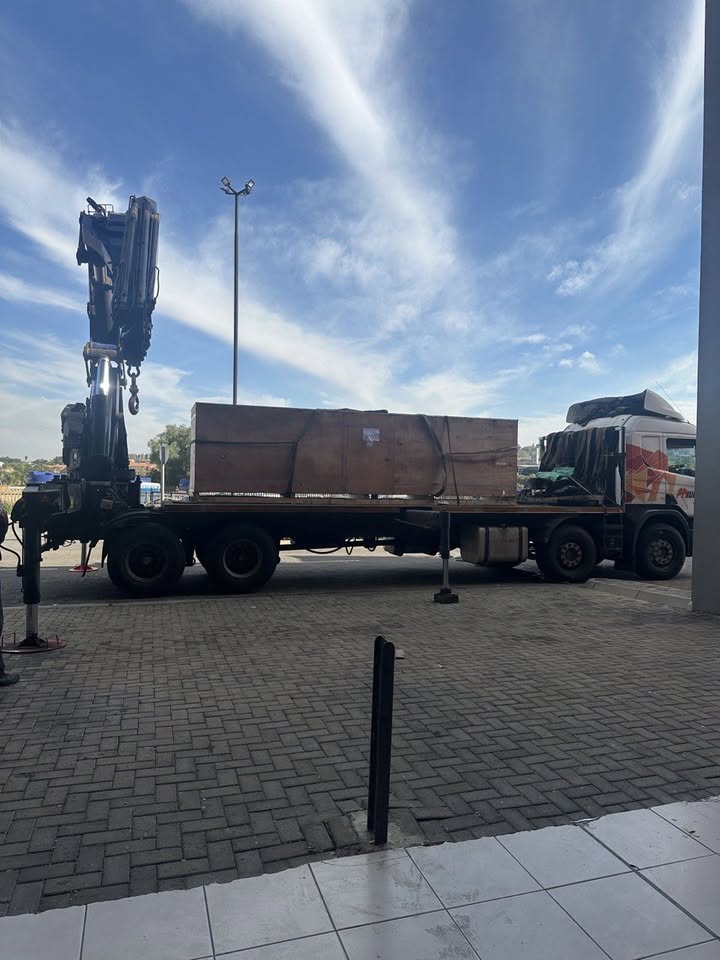
12 Heads Embroidery Machine
Toilet Paper Machine Machine
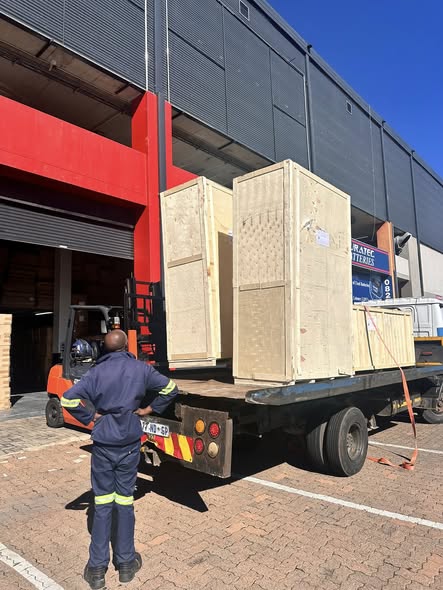
Order Collection
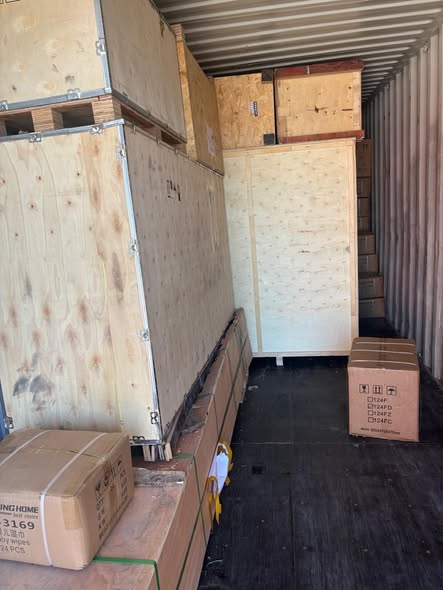
Cross Border Clients
Order cros border countries Collected
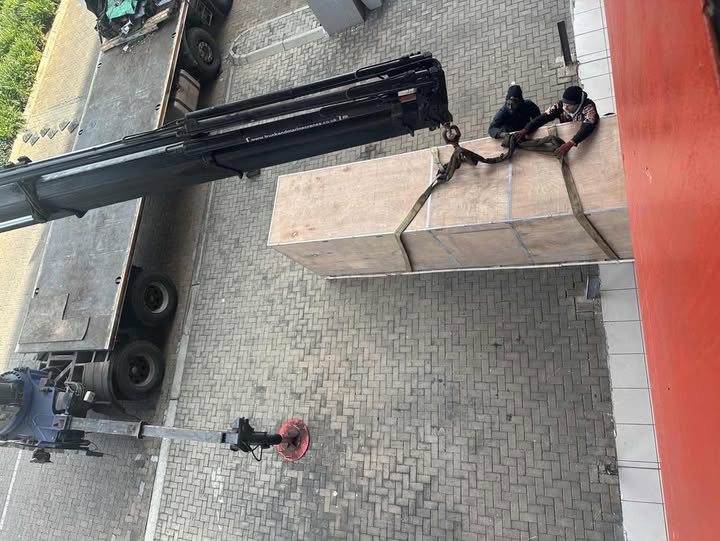
Industrial Machine Cllection
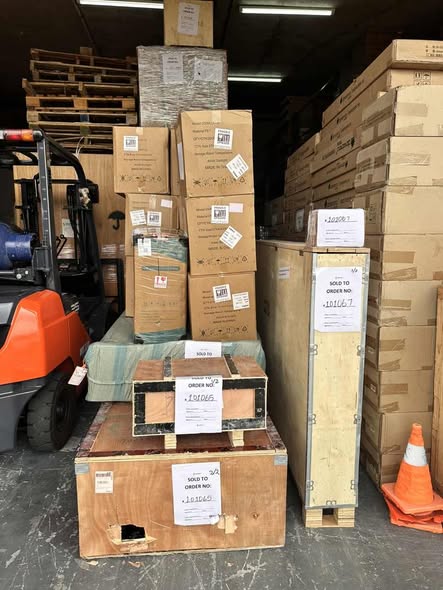
Agriculture Processing Machines
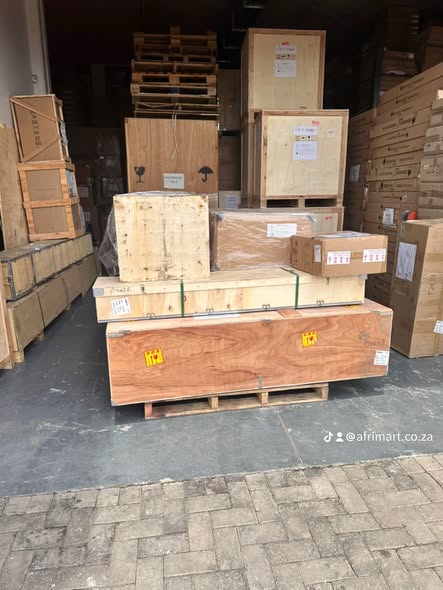
Ready for collection
Water Pump Equipment
Packaging Machine and accessories
Fabrics Manufacturing Equipment
Mining Equipments
Food Processing Machine
Batch of Orders
Batch of Orders
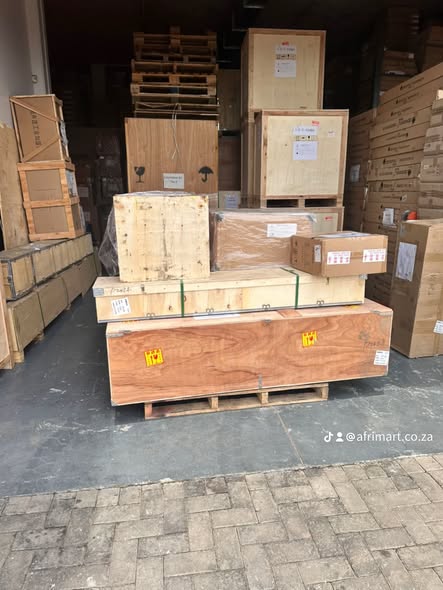
Latest Orders Labelled
wheel alignment machines
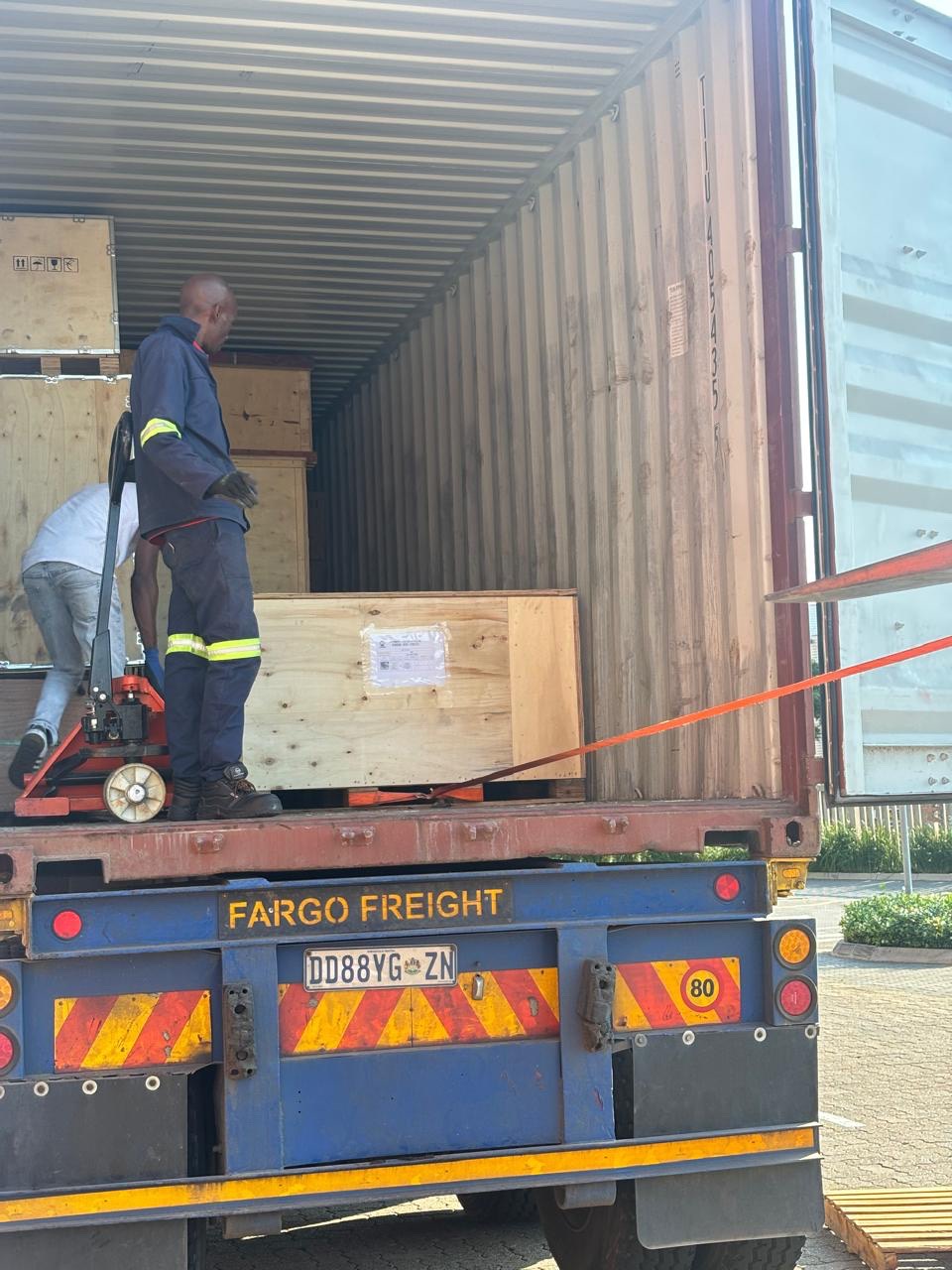
new arrivals
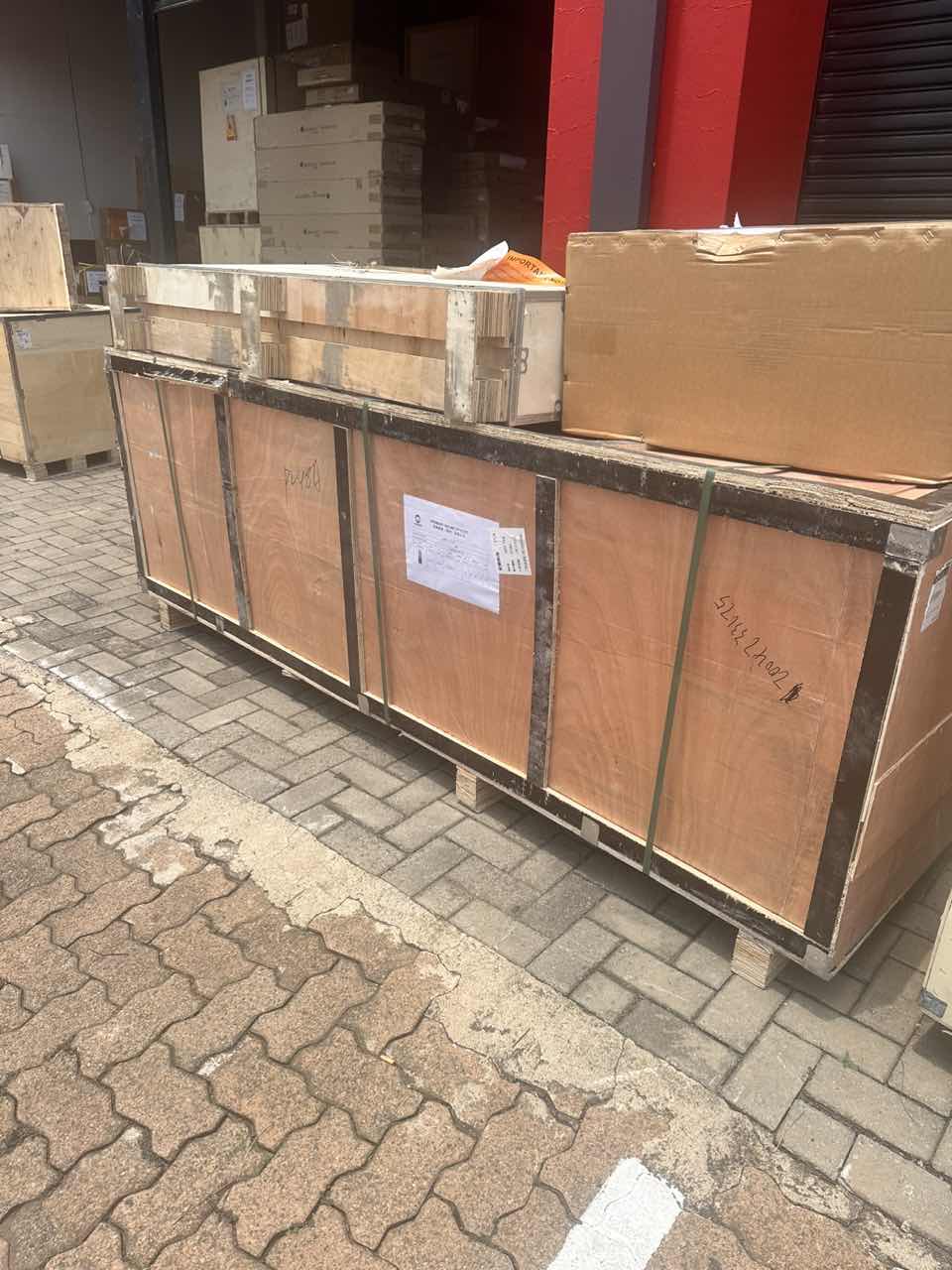
Pre Orders Offloading
Latest Arrivals
Latest Arrivals
Latest Arrivals
Loading
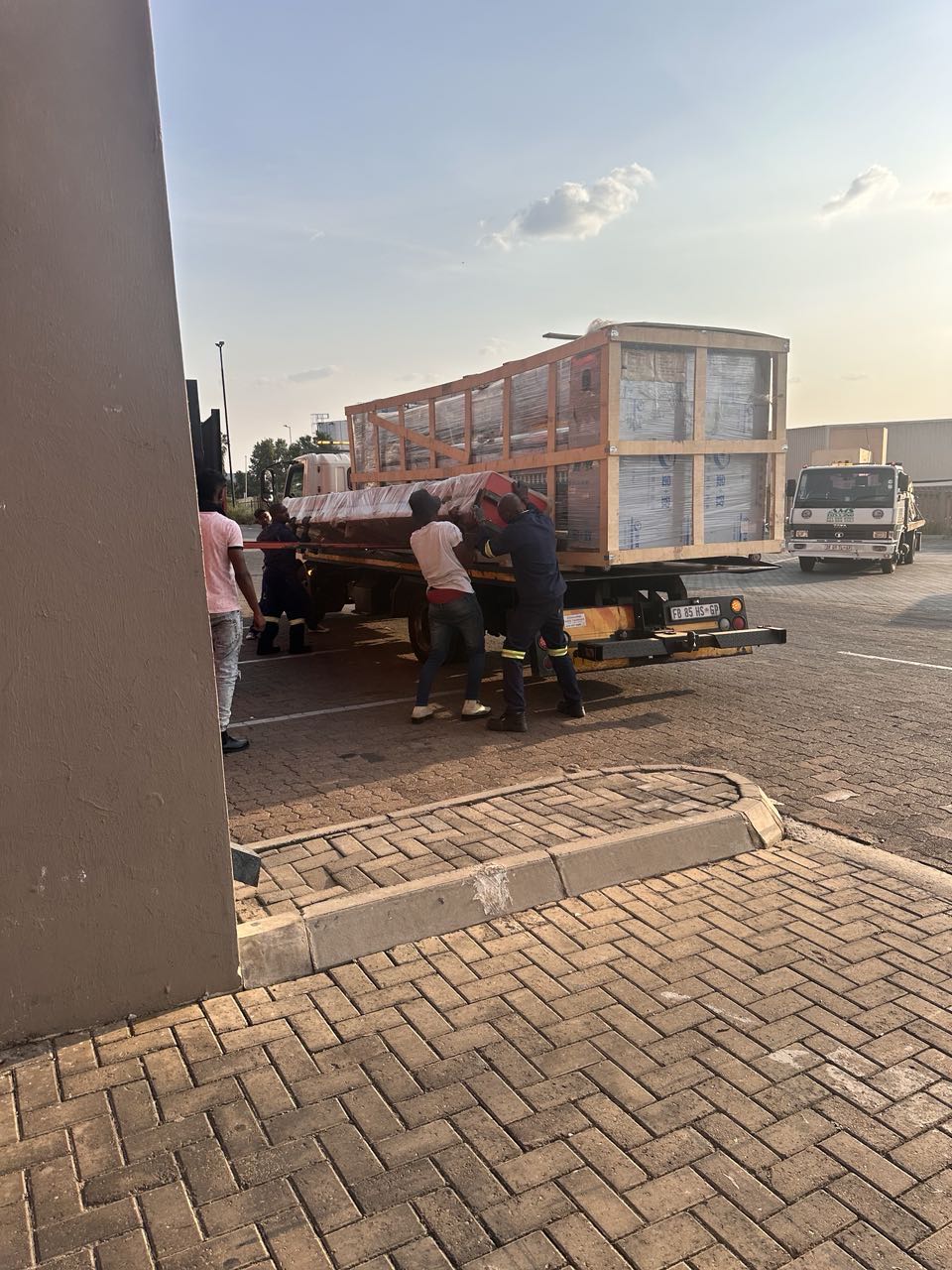
Toilet paper making machine
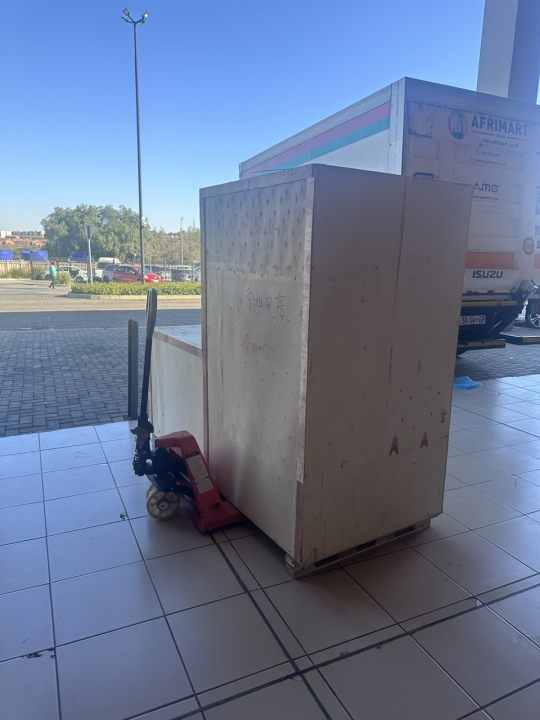
Toilet paper making machine
Toilet paper Rewinding Machine
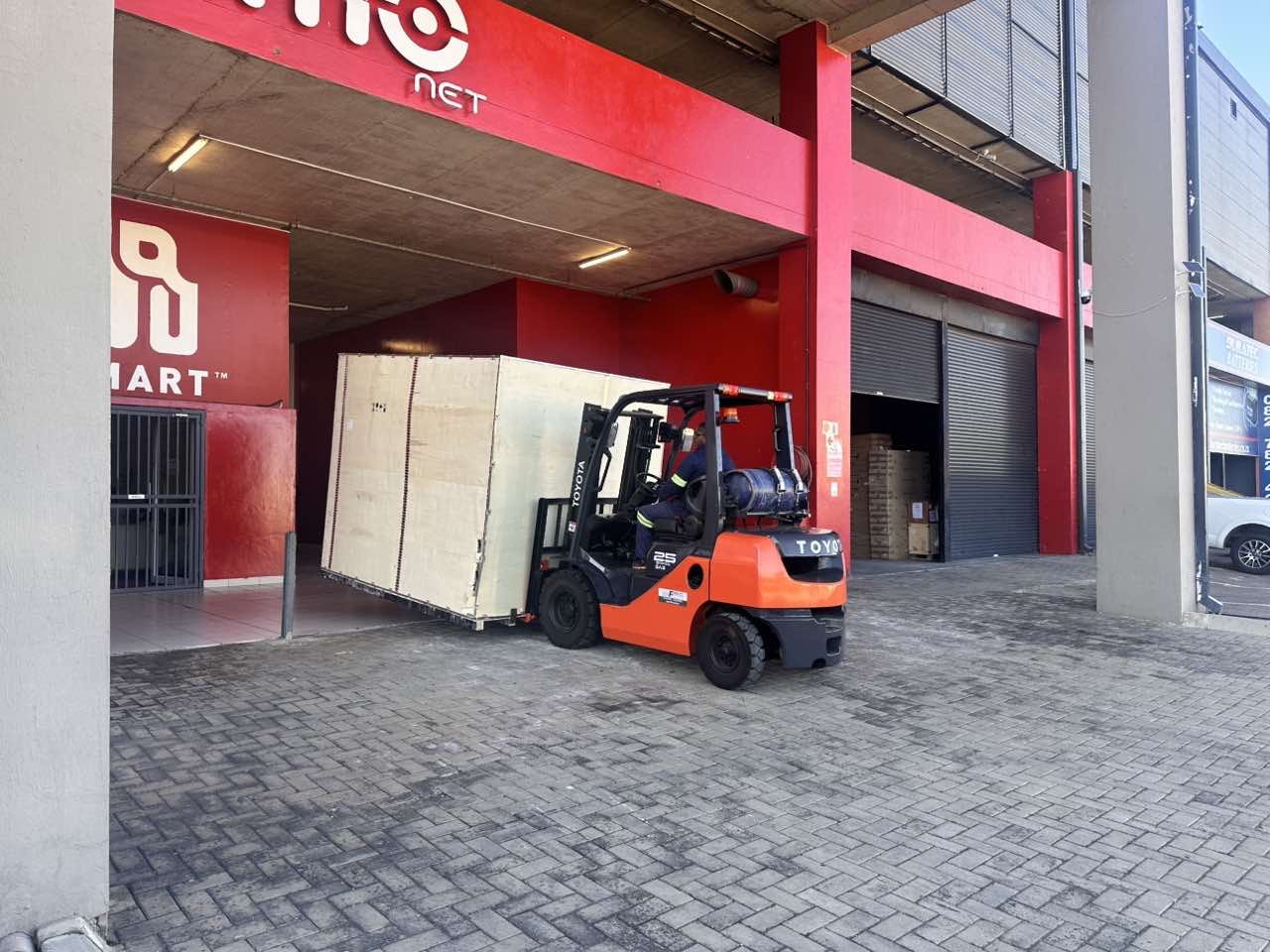
latest arrivals
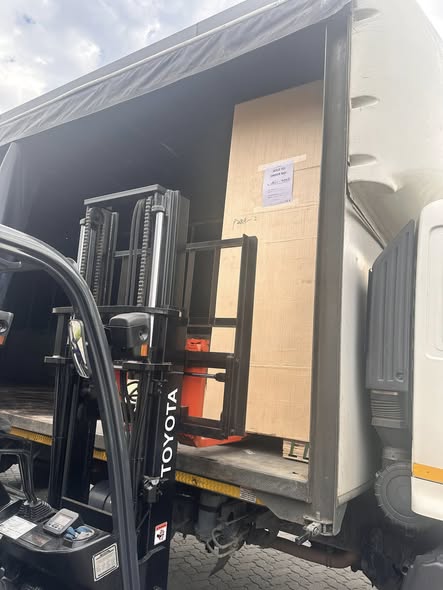
offloading
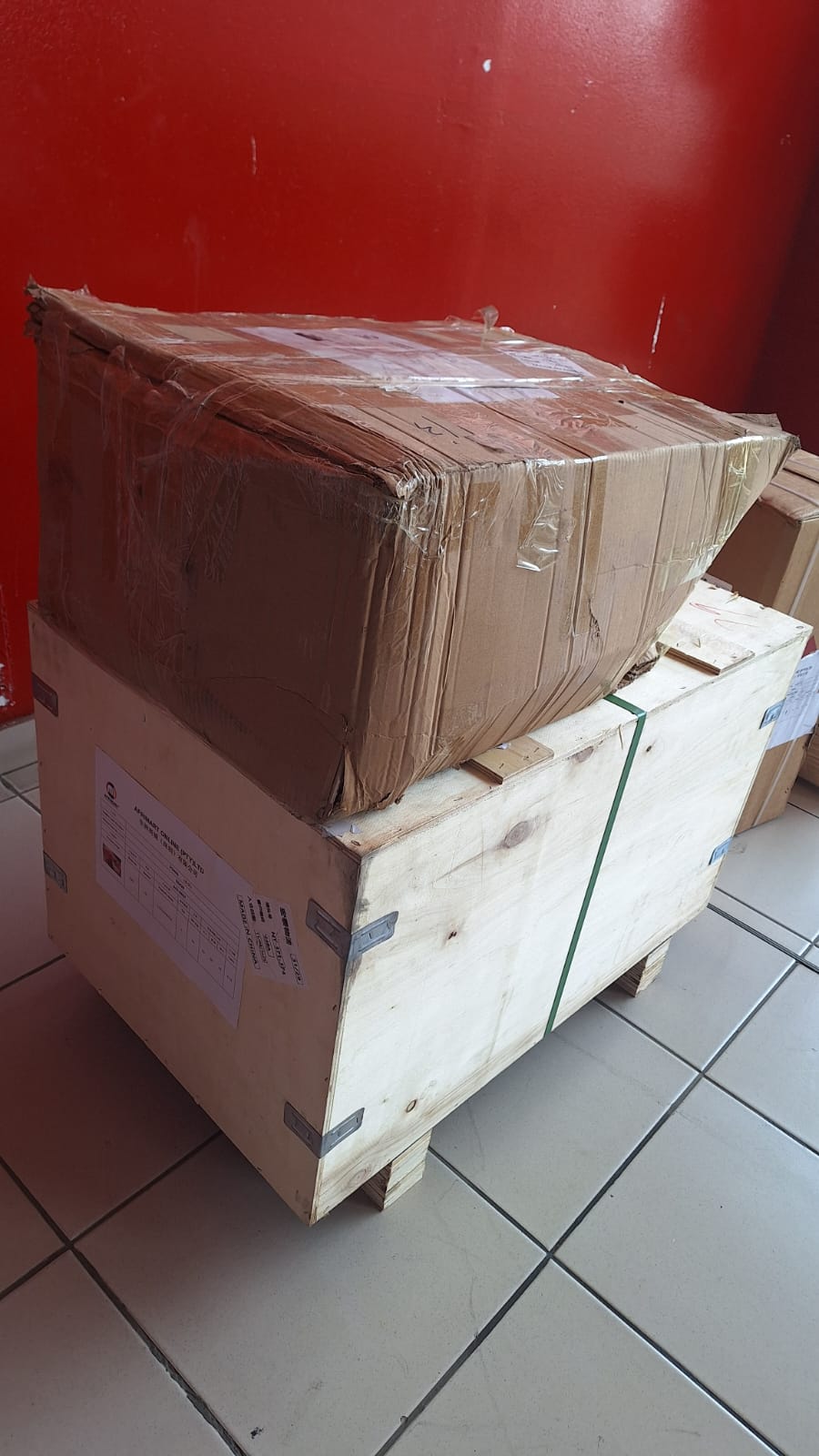
order success
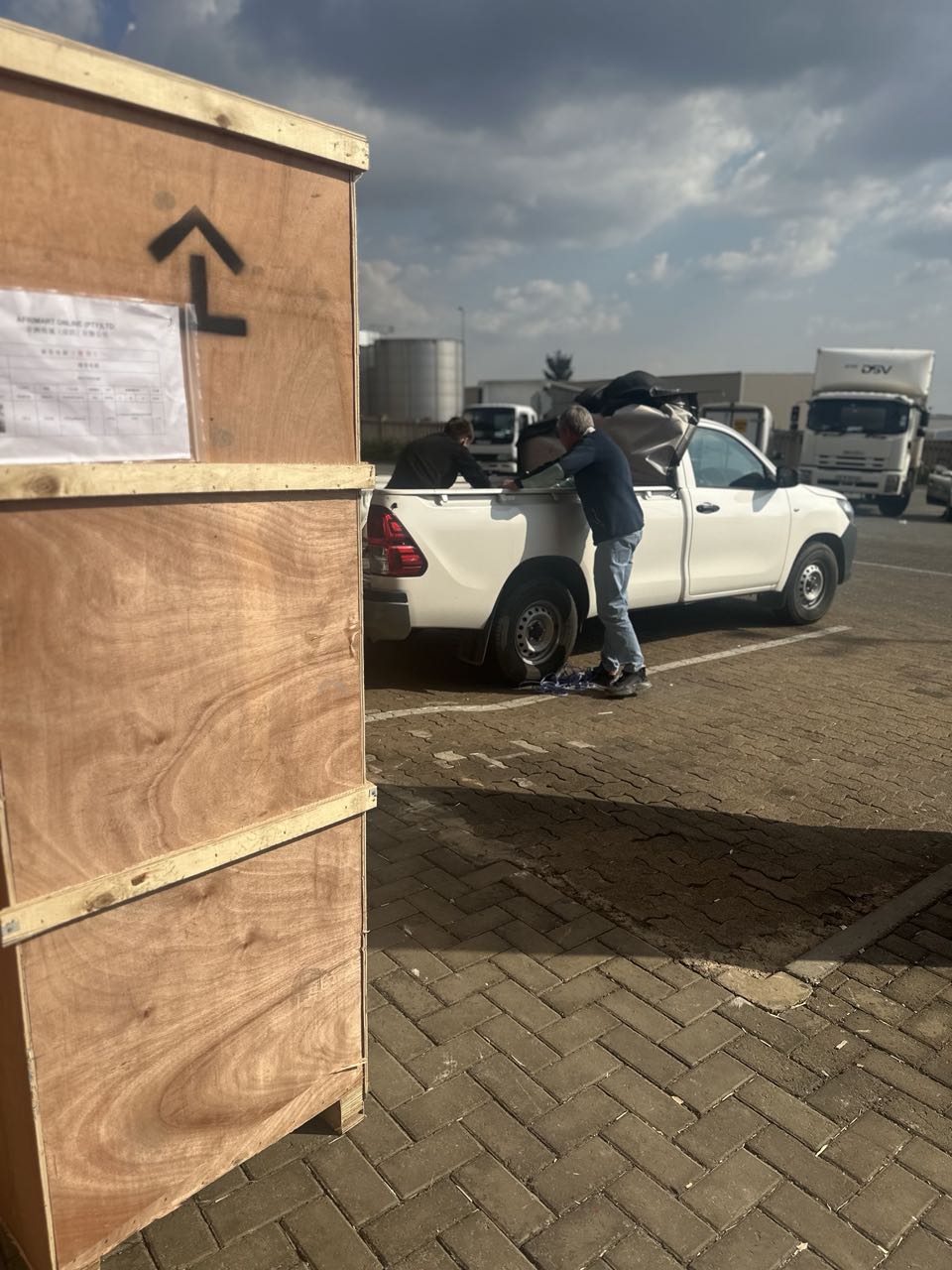
order collection
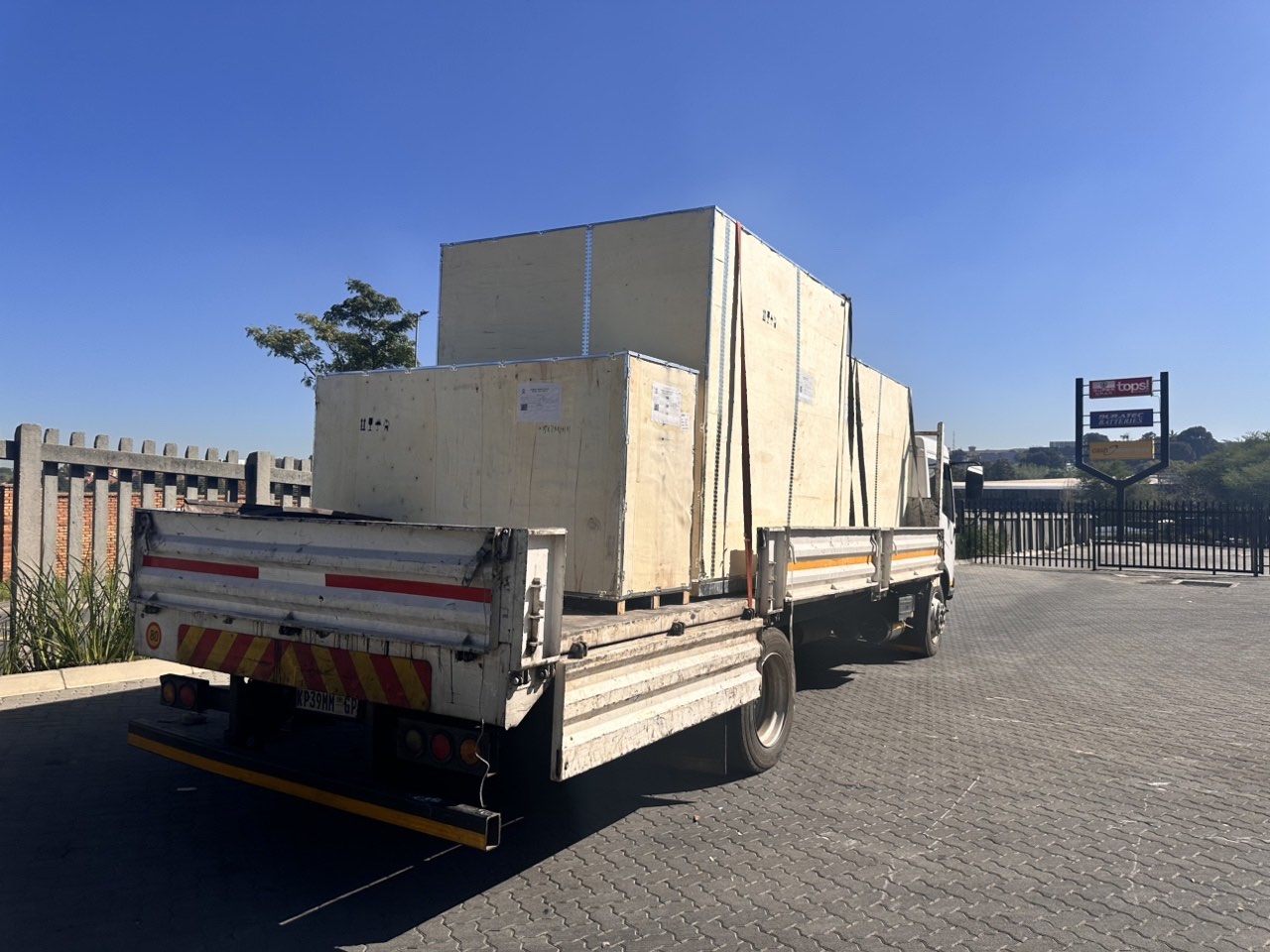
order offloading