B21, China Town Mall, Midrand



Product details
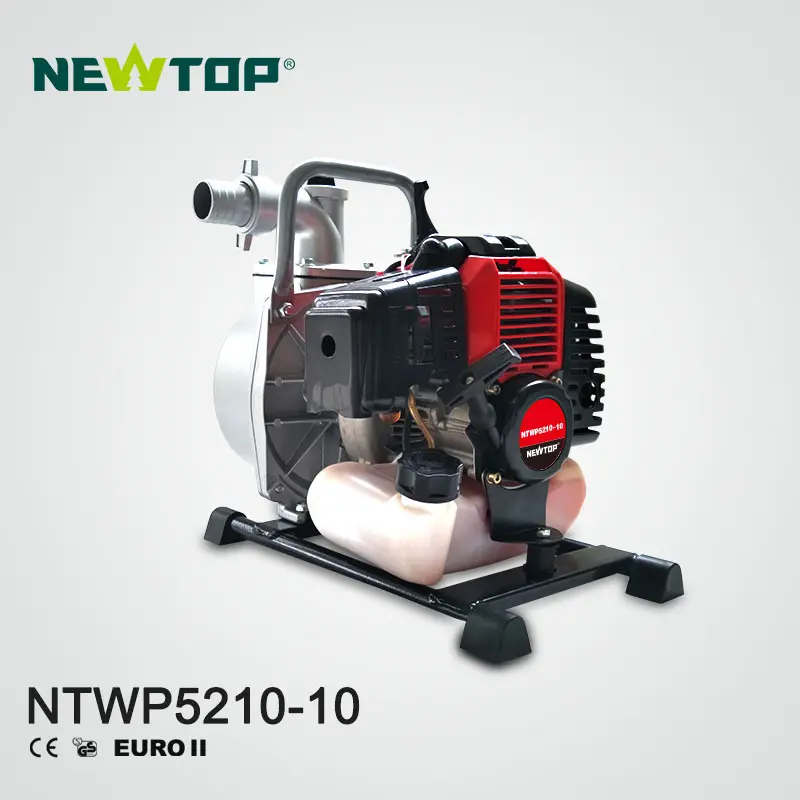
| Model NO. | NTWP5210 |
| Commodity name | 1" Gasoline Water Pump |
| Engine type | gasoline engine |
| Motor type (2/4stroke/gasoline/diesel) | 2Stroke / Gasoline |
| Displacement (cc) | 52cc |
| Power (kW/hp) | 1.6kW |
| Engine (rpm) | 7500rpm |
| Oil engine capacity (L) | 900ml |
| Input connector size (1", 1/4"…) | 1" |
| Ouput connector size | 1" |
| Dry weight | 6.5kg |
| Gross weight | 7kg |
- Shipping Timeframes: All orders are processed within 2-5 business days (excluding weekends and holidays). After your order has been processed, the estimated delivery time is before 04 Feb, 2026, depending on customs, Please note that due to high demand, some items may experience longer shipping times, which will be communicated at order confirmation email.
- Order Processing Time: Please allow 2-5 business days for us to process your order before it is shipped . Orders placed after 16:00 on Fridays, or during weekends and public holidays, will begin processing on the next business day. Processing times may be extended during peak seasons or sales events.
- Manufacturing Time: Some products needs manufacturing time, the manufacturing process will take approximately 10-30 business days depending on the product. This timeframe may vary depending on the complexity of the product and current demand. but this will be communicated with you during order confirmation.
- Returns and Exchanges: We offer a 30-day return policy for most items. If you are not completely satisfied with your purchase, you may return it within 30 days of receipt for a refund or exchange. Items must be unused, in their original packaging, and accompanied by proof of purchase. Return shipping costs are the responsibility of the customer, unless the item was damaged or defective upon arrival.
1. What is the NTWP5210 Gasoline Water Pump?
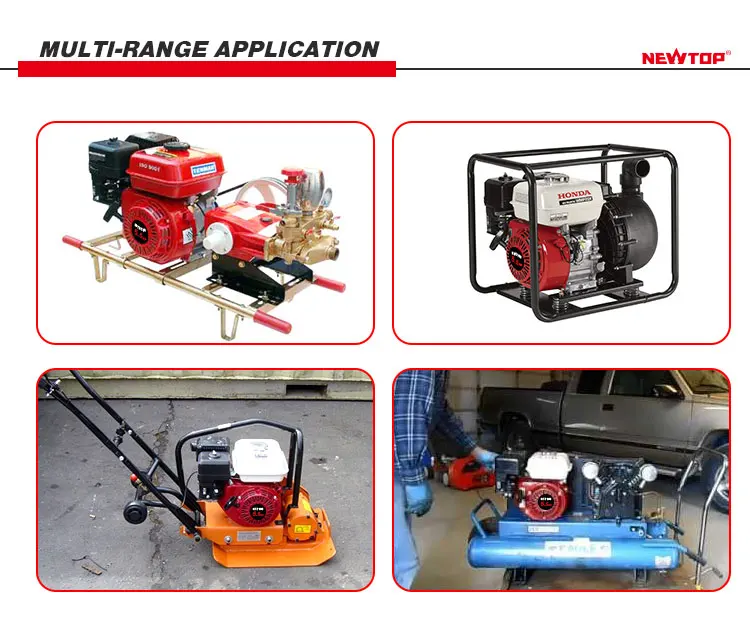
The NTWP5210 is a 1" gasoline-driven water pump driven by a 52cc 2-stroke gasoline engine, designed for light dewatering, irrigation and general water transfer tasks.
2. What are the main engine specifications?
It uses a 52cc 2-stroke gasoline engine producing 1.6 kW (about 2.15 hp) at 7,500 rpm.
3. What are the inlet and outlet sizes?
Both the inlet and outlet connectors are 1" (one inch).
4. How much does the pump weigh?
Dry weight is 6.5 kg and gross (packaged) weight is 7 kg.
5. What type of fuel and oil does the engine require?
Use clean unleaded gasoline. Because this is a 2-stroke engine, fuel must be mixed with 2-stroke engine oil at the ratio recommended by the manufacturer—typical ratios are in the 25:1–50:1 range; follow the user manual for the exact ratio.
6. What is the engine oil capacity?
The listed oil engine capacity is 900 ml. (If the unit uses pre-mix fuel instead of a separate oil reservoir, follow the manual’s instructions.)
7. How do I start the pump?
Basic starting steps: prepare the correct fuel/oil mix, fill the fuel tank, open the fuel valve (if equipped), set the choke as required for a cold start, prime the pump if necessary, and use the recoil starter. Refer to the user manual for the full step-by-step starting procedure and safety instructions.
8. Can this pump handle dirty or abrasive water?
This pump is intended primarily for clean water. Pumping silt, sand, or heavily contaminated water will accelerate wear on the impeller and seals. If you need to move dirty water, consult the supplier for a model sized and designed for solids handling.
9. What maintenance is required?
Regular maintenance includes cleaning or replacing the air filter, checking/cleaning the spark plug, inspecting and cleaning the pump strainer, checking fuel lines and fittings, and flushing the pump after use. Follow the maintenance intervals in the user manual.
10. What hoses and fittings do I need?
Use 1" inlet and outlet hoses with matching 1" couplings and clamps. Ensure hoses are rated for the application and securely fastened to prevent leaks or loss of prime.
11. What should I do if the pump won't start?
Check that fuel is present and mixed correctly, ensure the fuel valve (if present) is open, verify the choke setting, inspect the spark plug for fouling or incorrect gap, check the air filter, and make sure the engine is not flooded. If problems persist, consult the manual or a qualified technician.
12. Is there information about flow rate and maximum head (lift)?
Flow rate and maximum head are not specified in the brief spec sheet provided. Please consult the product datasheet or user manual for hydraulic performance curves or contact the supplier for performance data.
13. How should I store the pump when not in use?
Drain fuel and water from the pump and carburetor, run the engine briefly with fuel stabilizer if fuel remains, store in a dry, ventilated area away from direct sunlight, and follow long-term storage steps in the manual to prevent corrosion and carburetor gumming.
14. Are spare parts and warranty available?
Spare parts such as spark plugs, carburetor kits, impellers and seals are commonly available—contact your supplier for availability. Warranty terms vary by seller and region, so check the warranty card or contact the seller for specific coverage and duration.
Latest Order Arrivals
Discover our latest orders
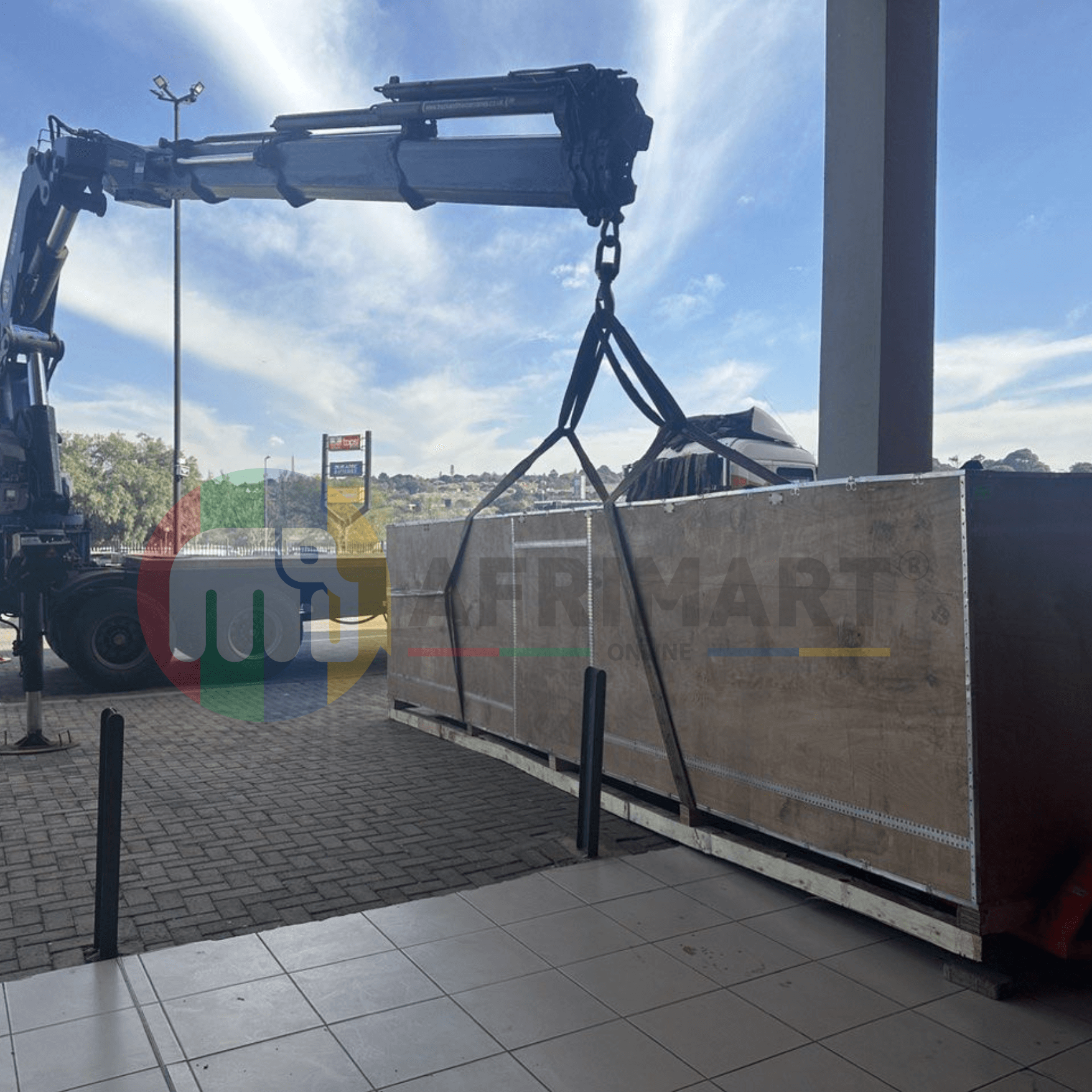
12 Heads Embroidery Machine
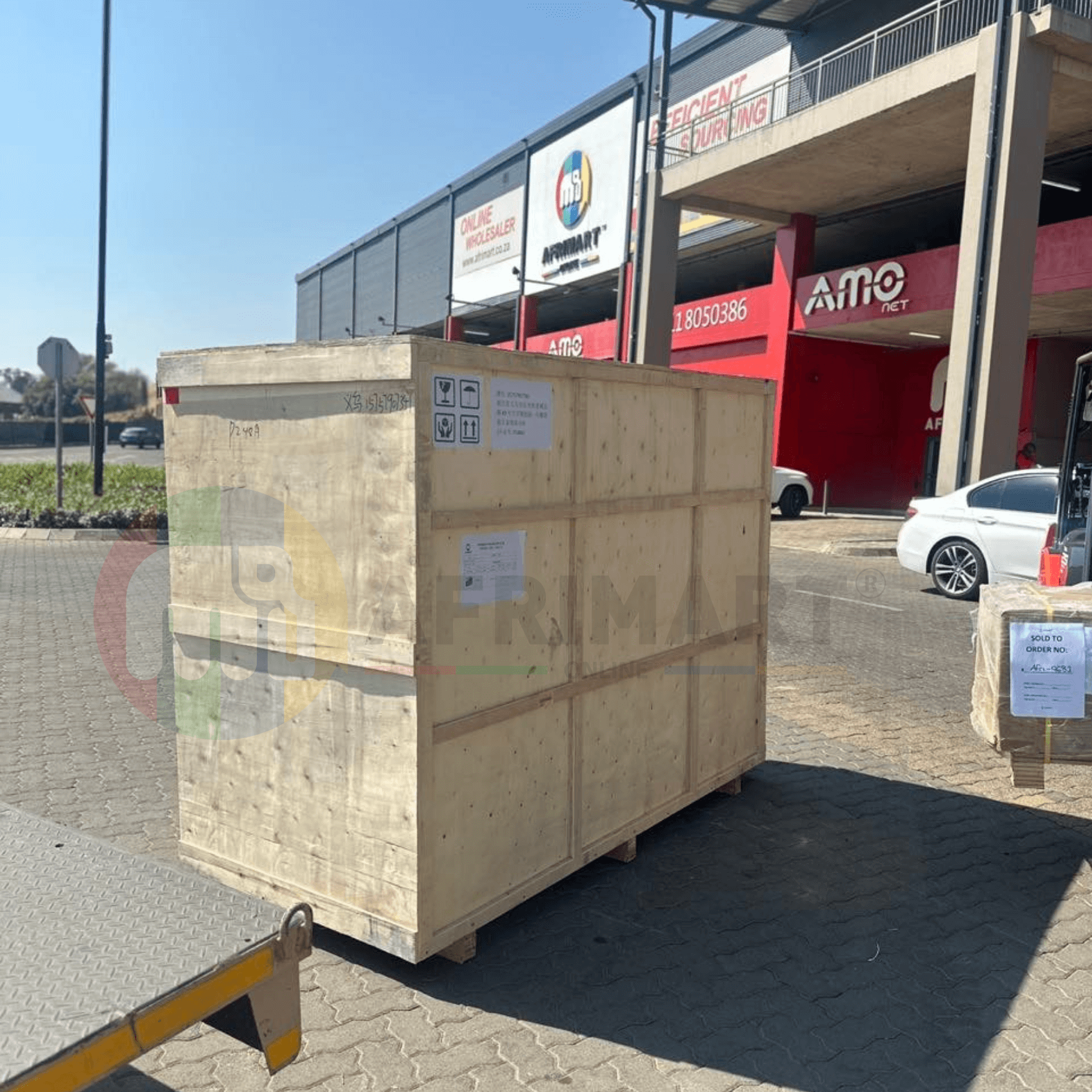
Dewatering Pump Machine
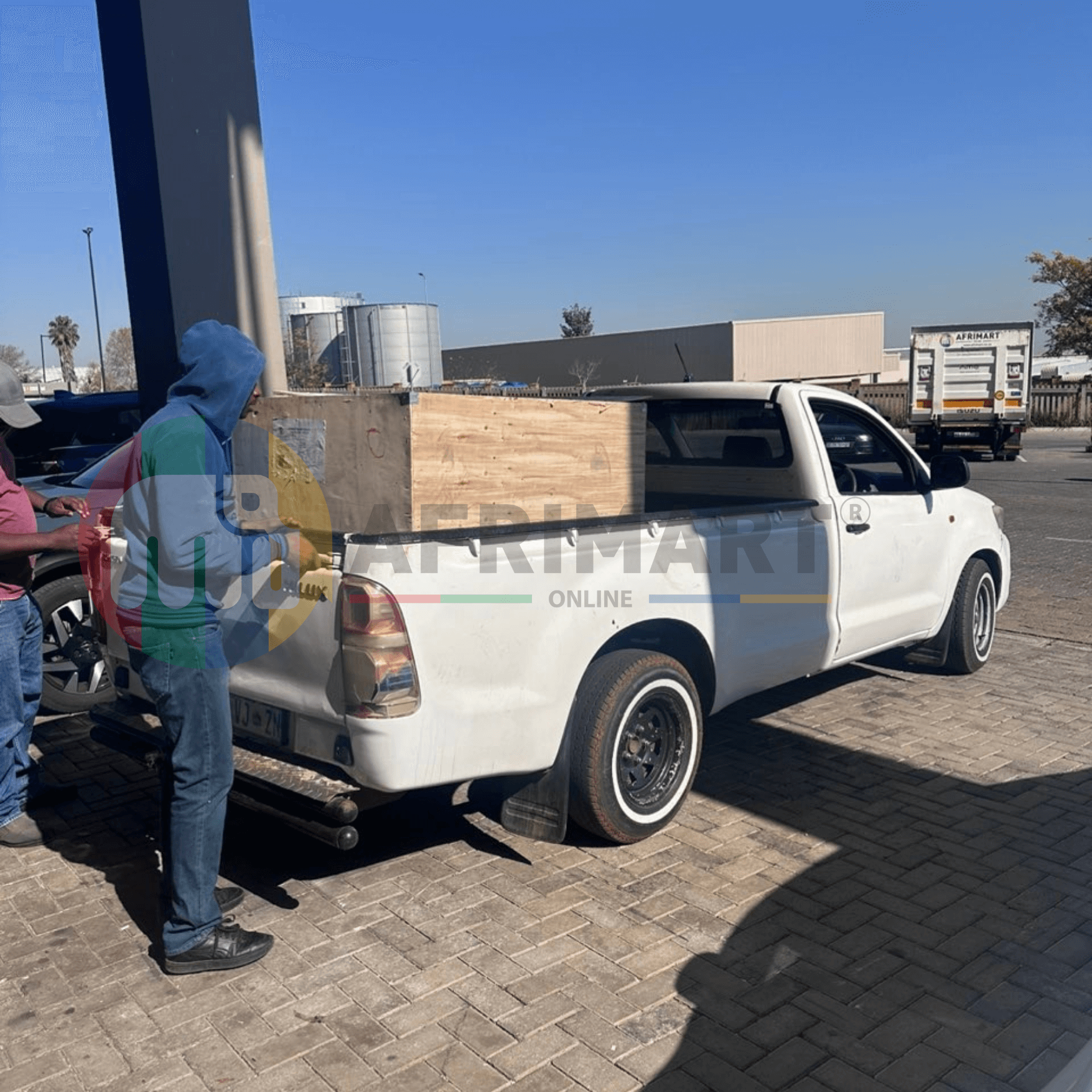
Order Collection
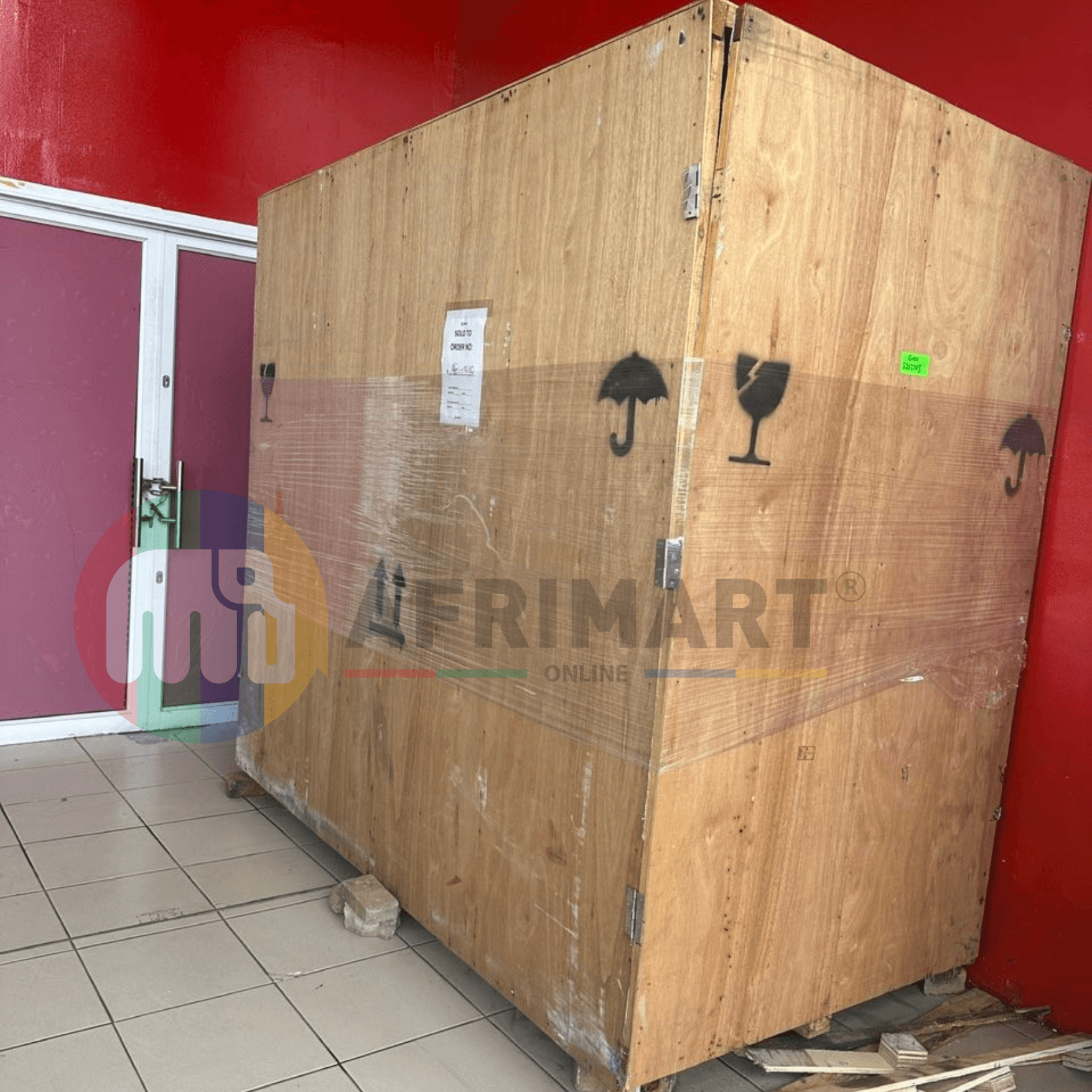
Portable Water Drilling Rig
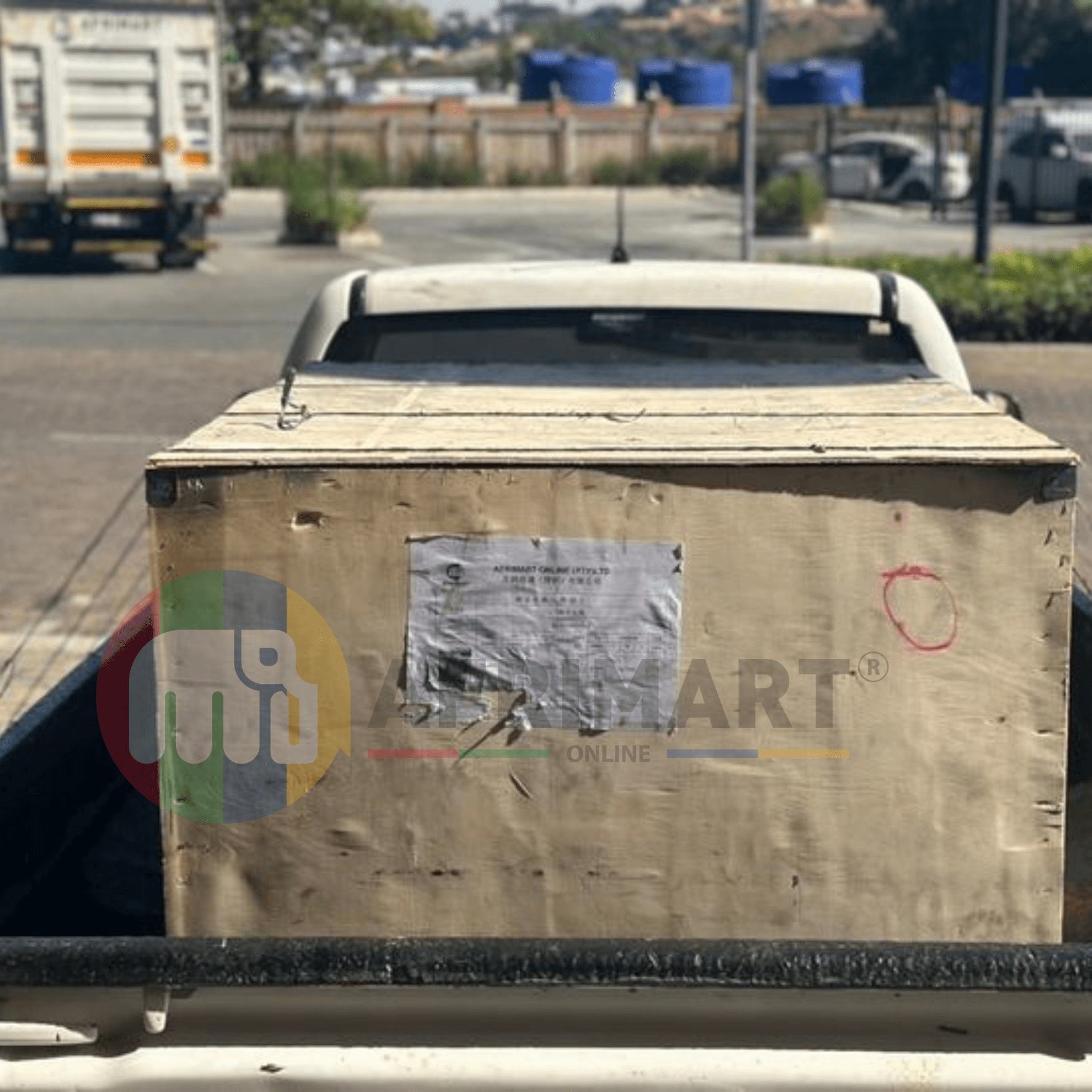
Order Usefully Collected
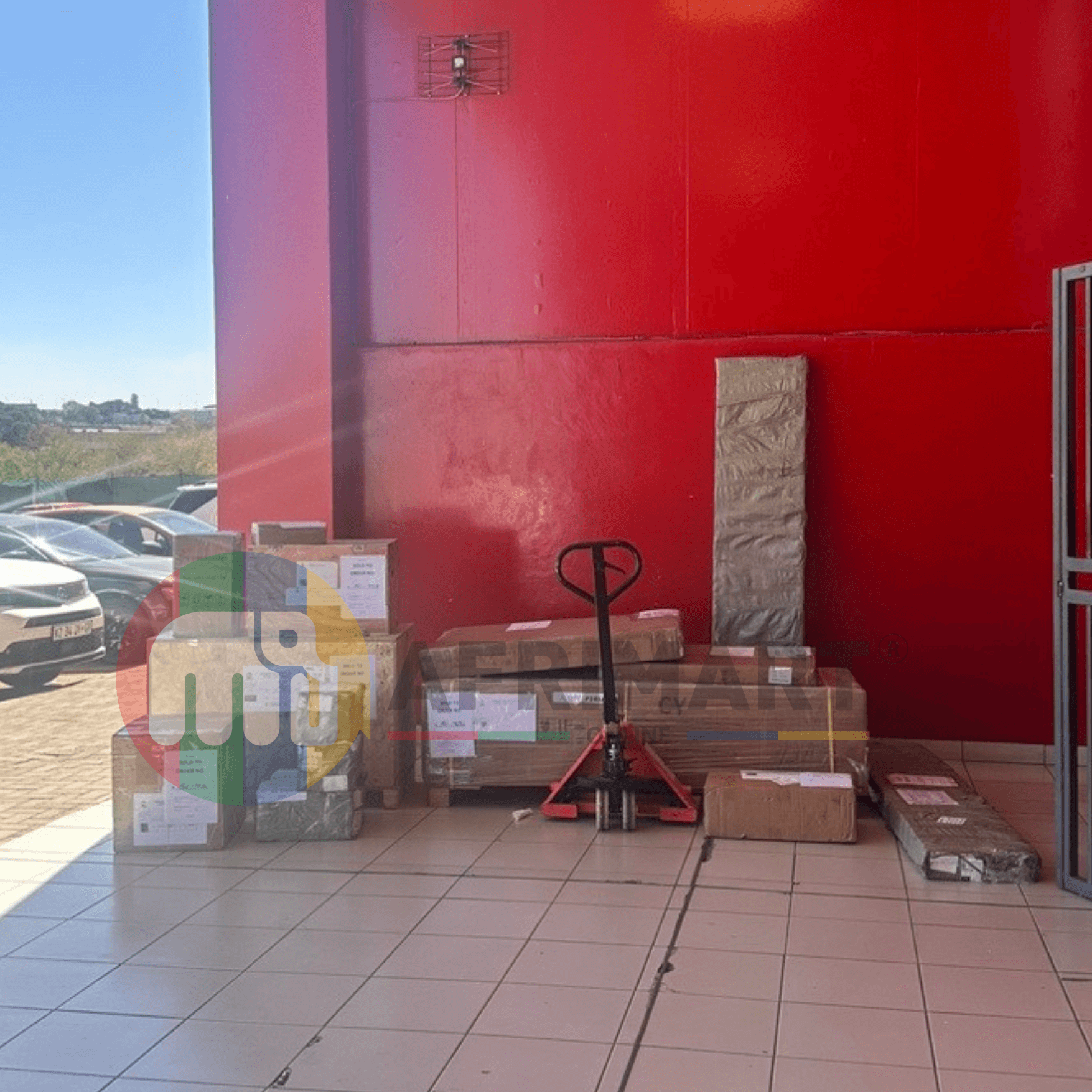
Batch of Orders
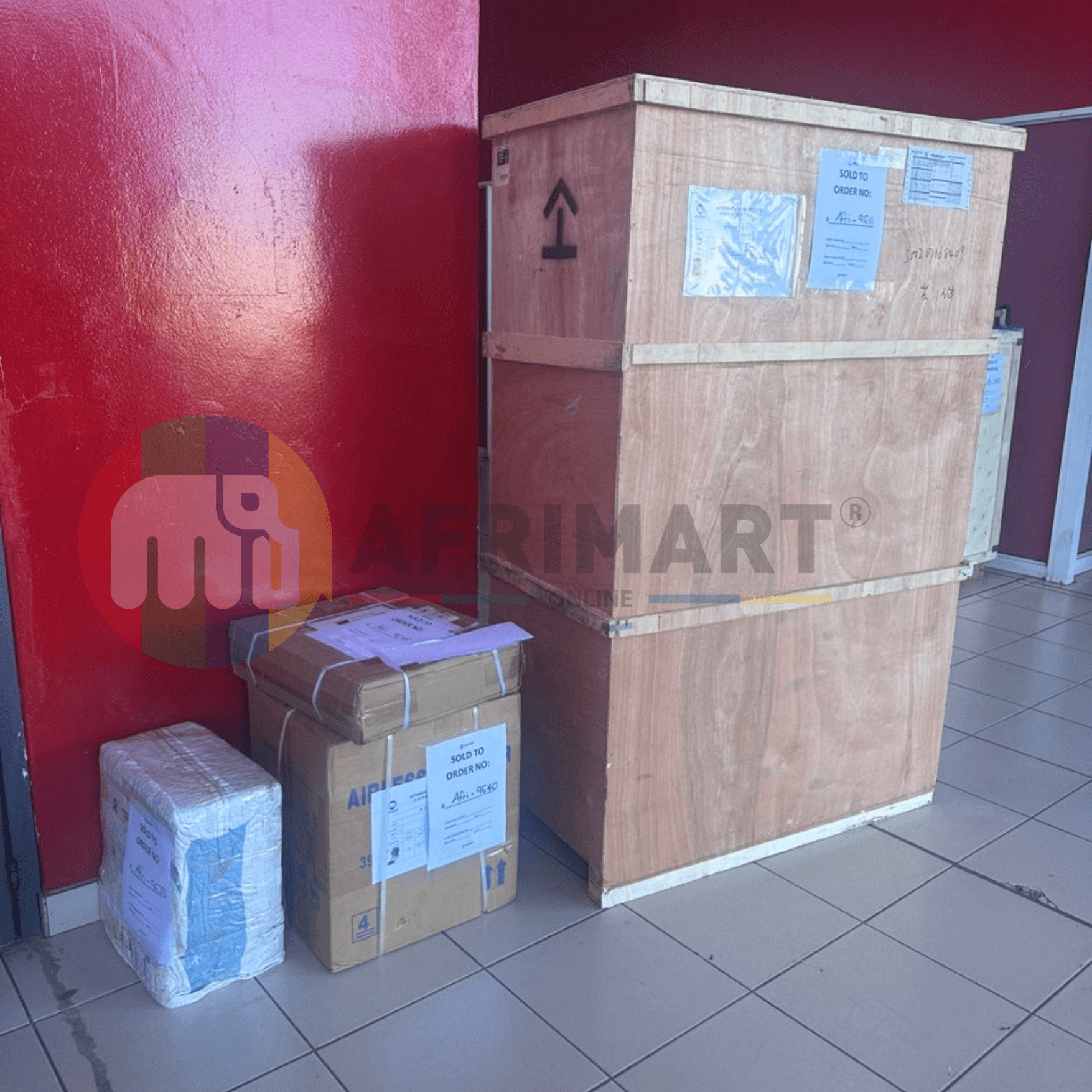
Agriculture Processing Machines
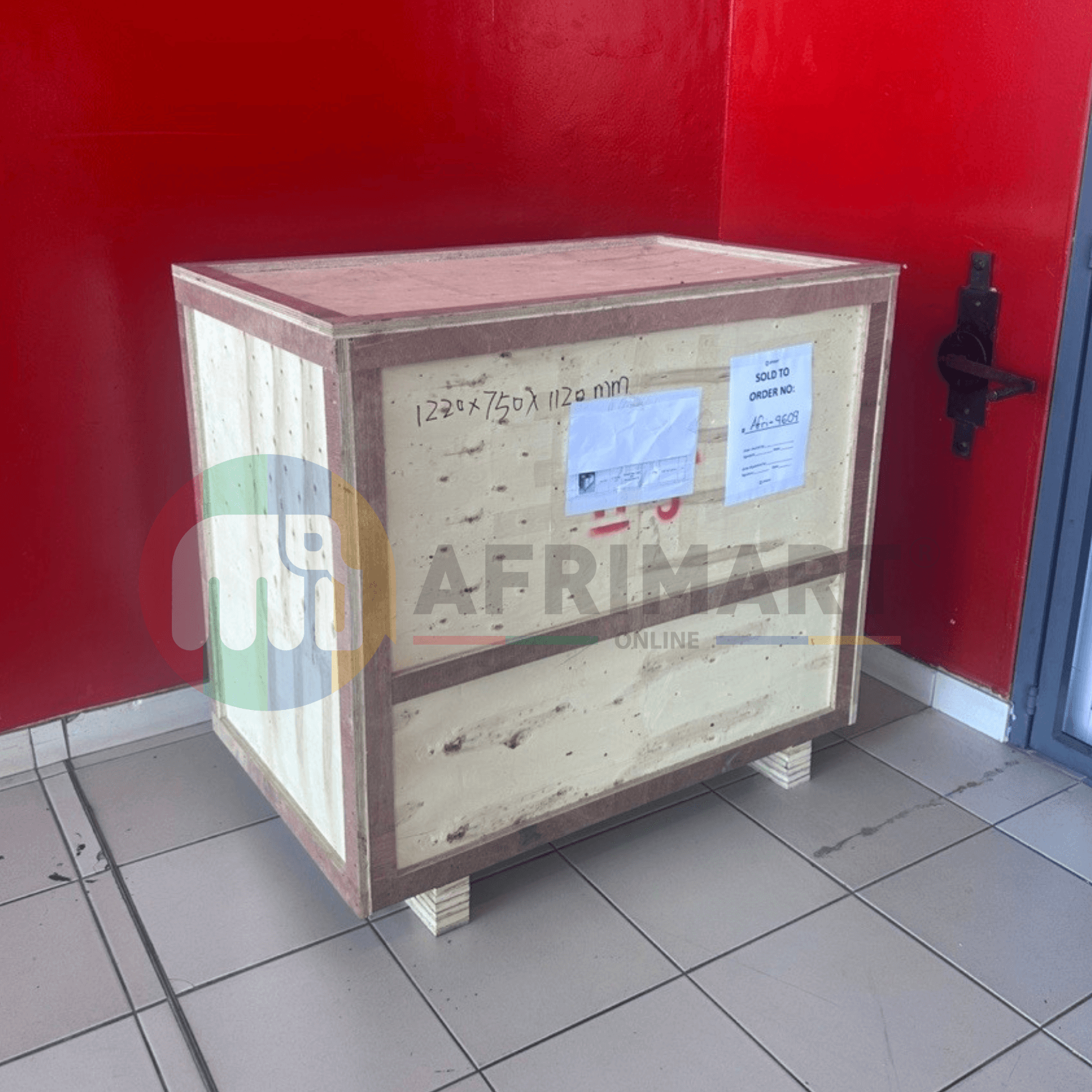
Meat Grinder Machine
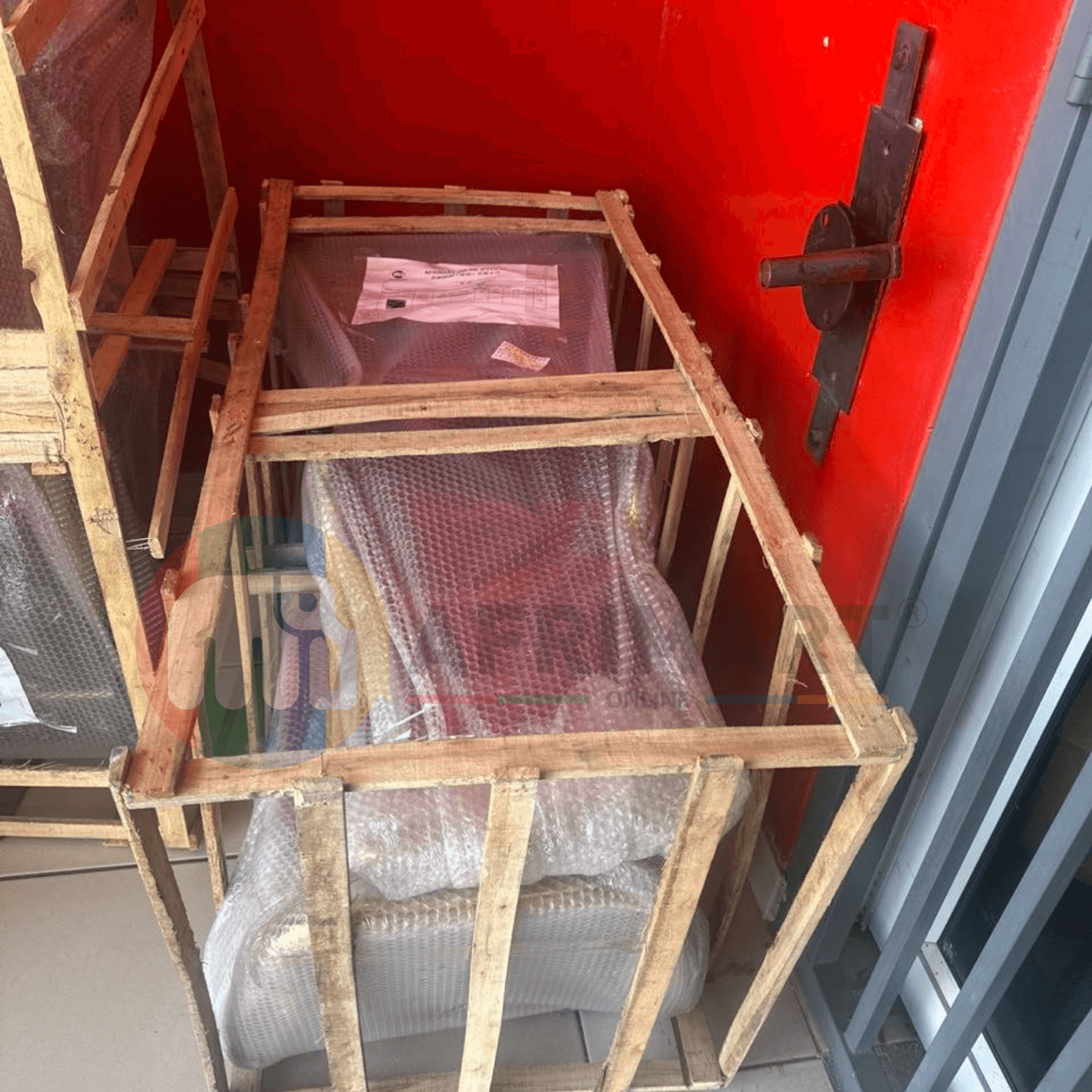
Water Pump Equipment
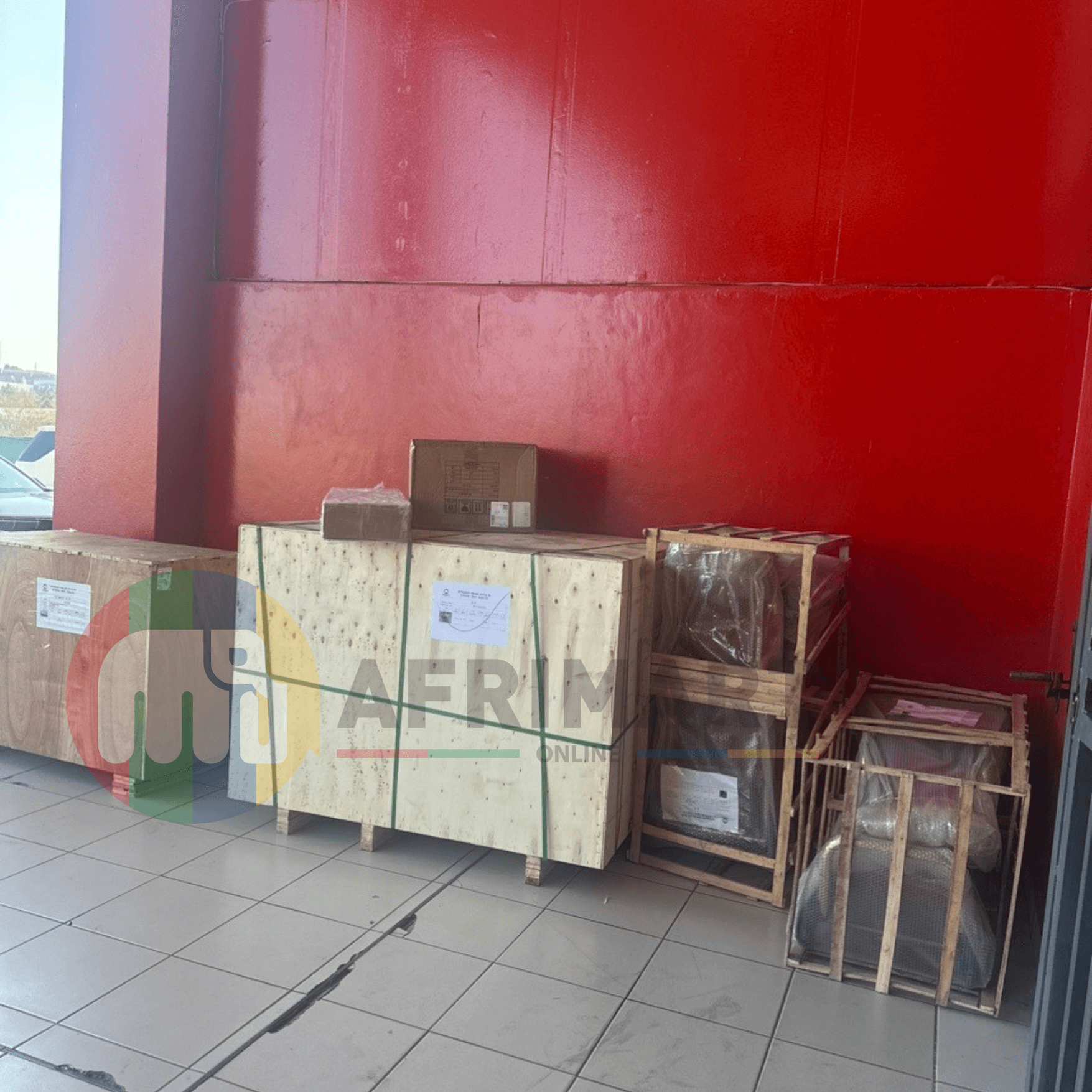
Packaging Machine and accessories
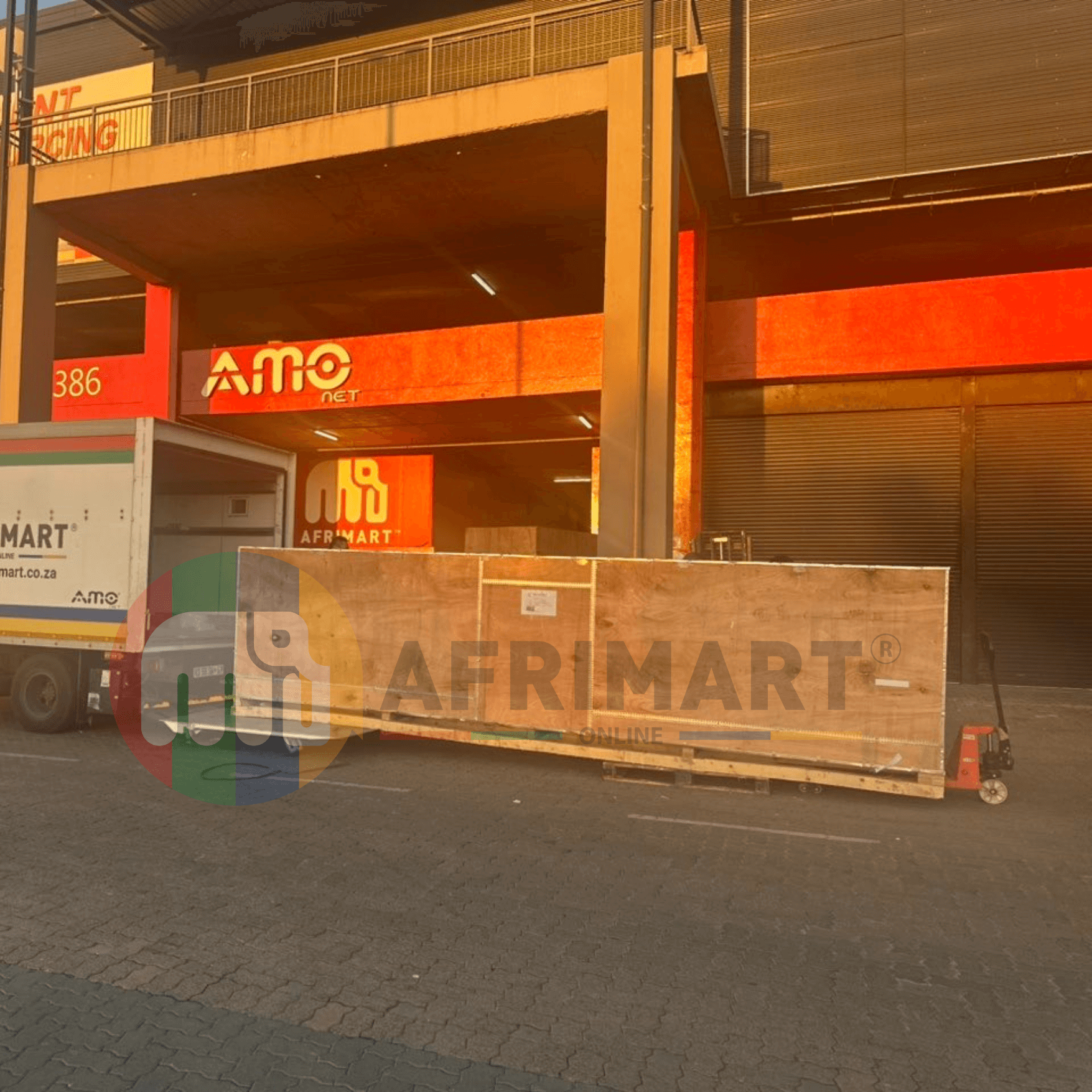
Fabrics Manufacturing Equipment
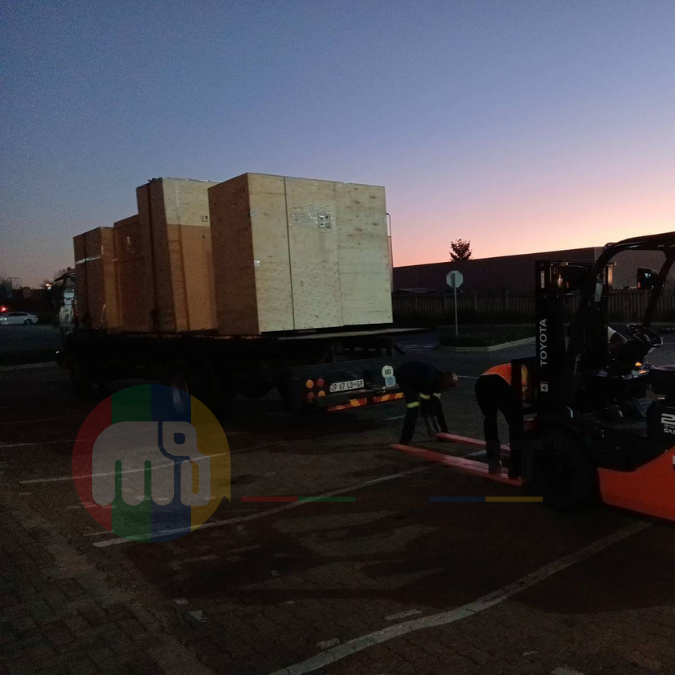
Mining Equipments
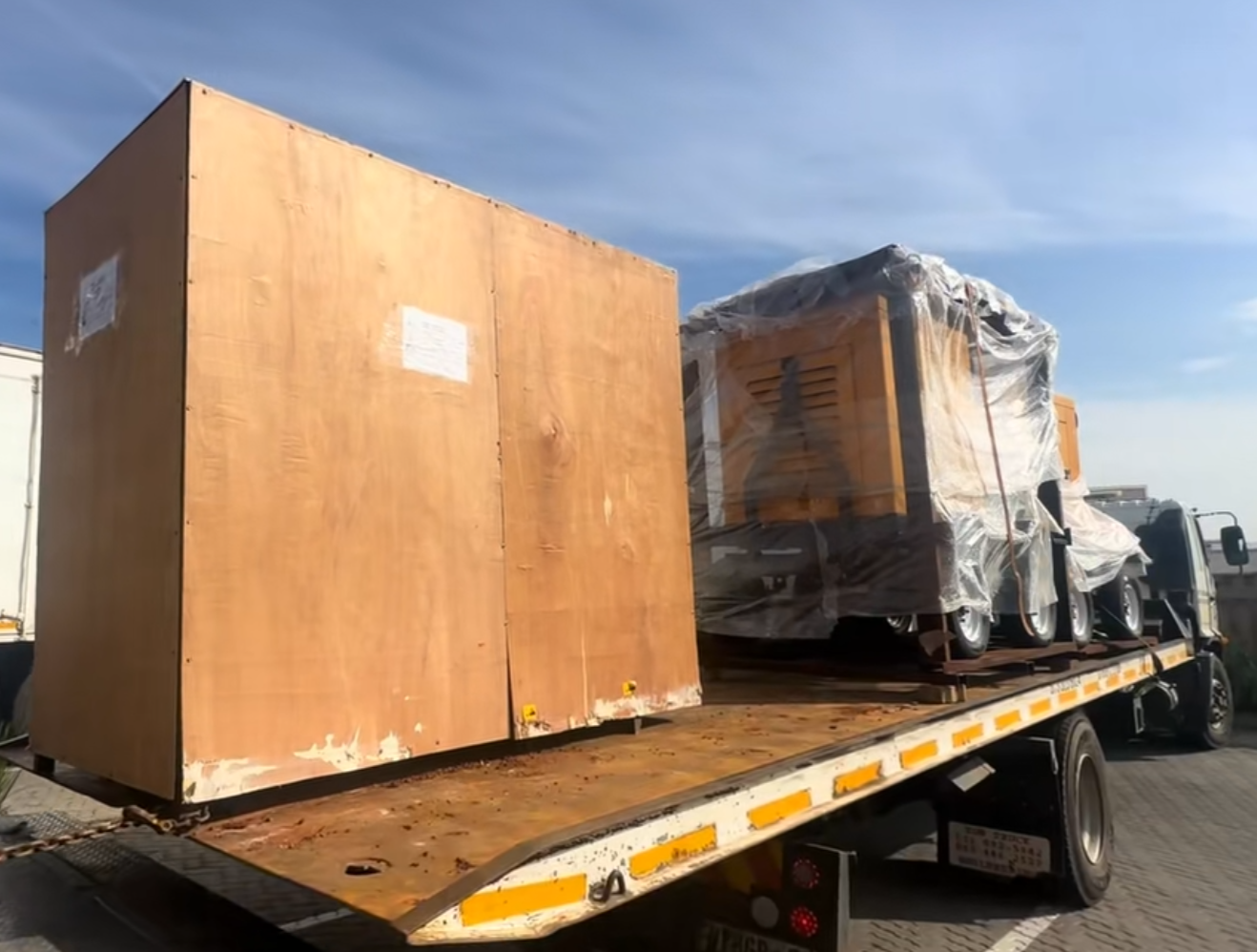
Food Processing Machine
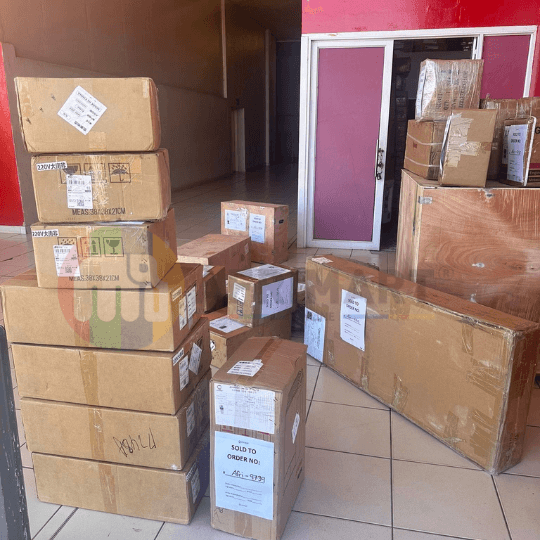
Batch of Orders
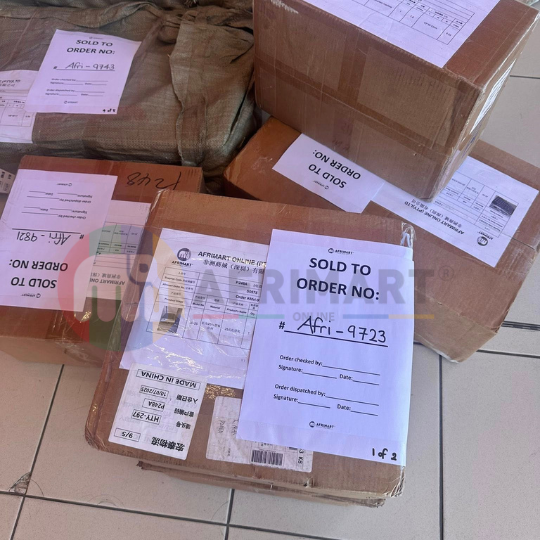
Batch of Orders
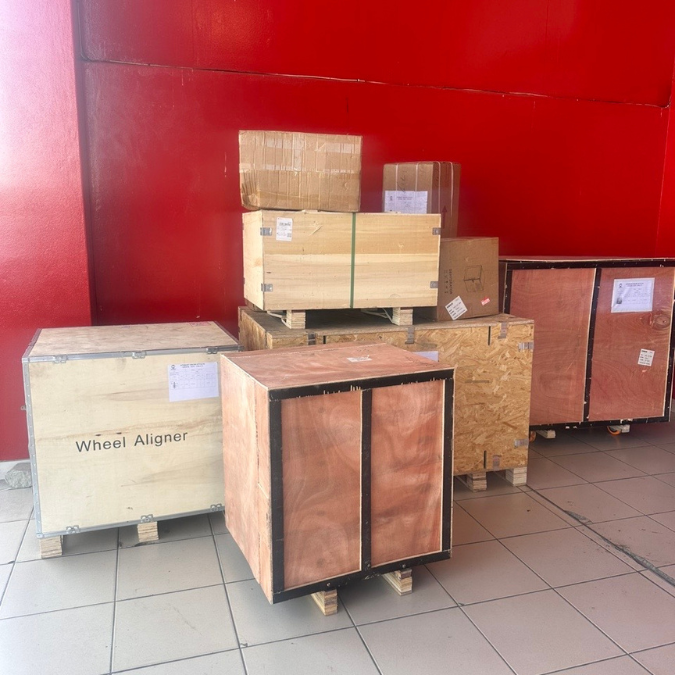
Latest Orders Labelled
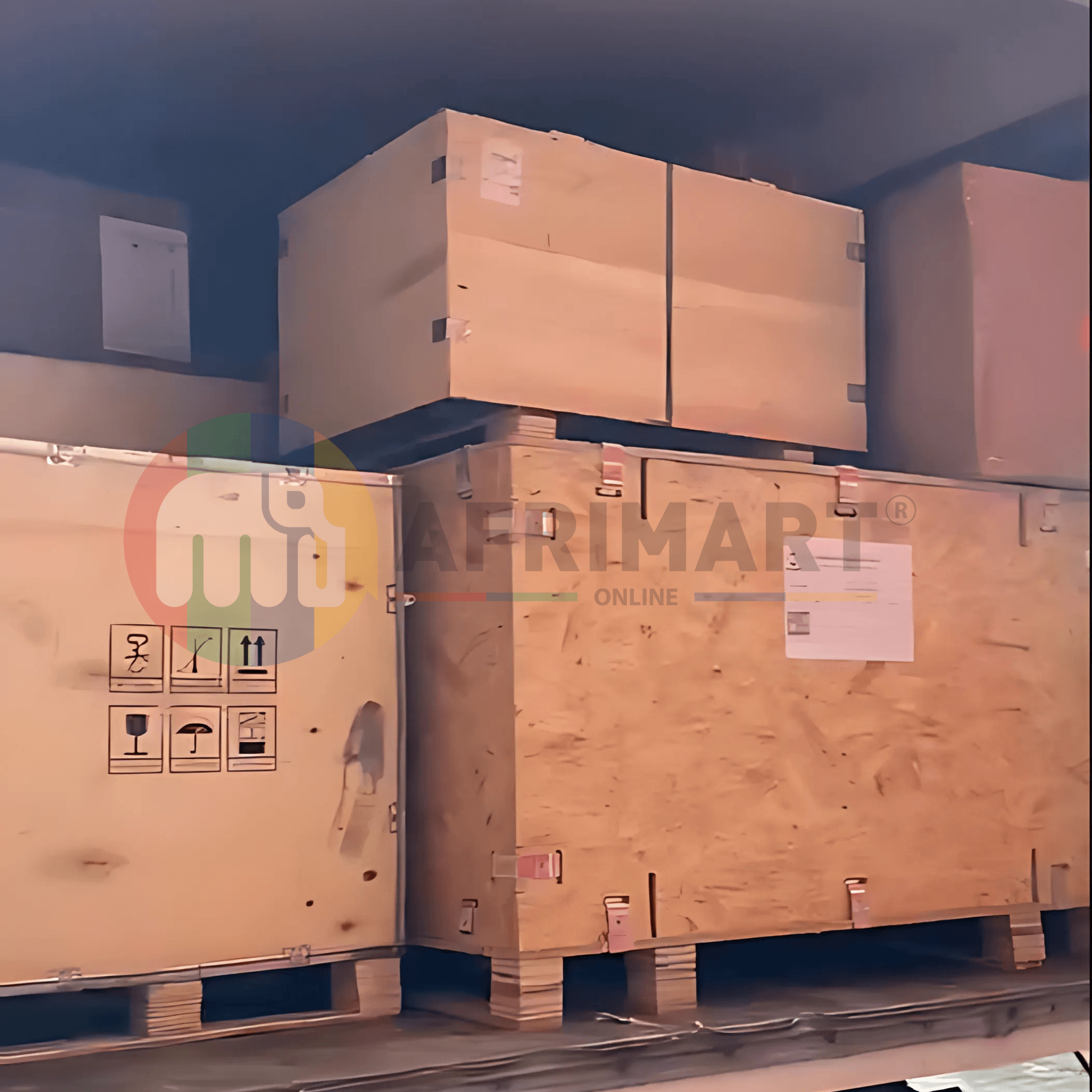
wheel alignment machines
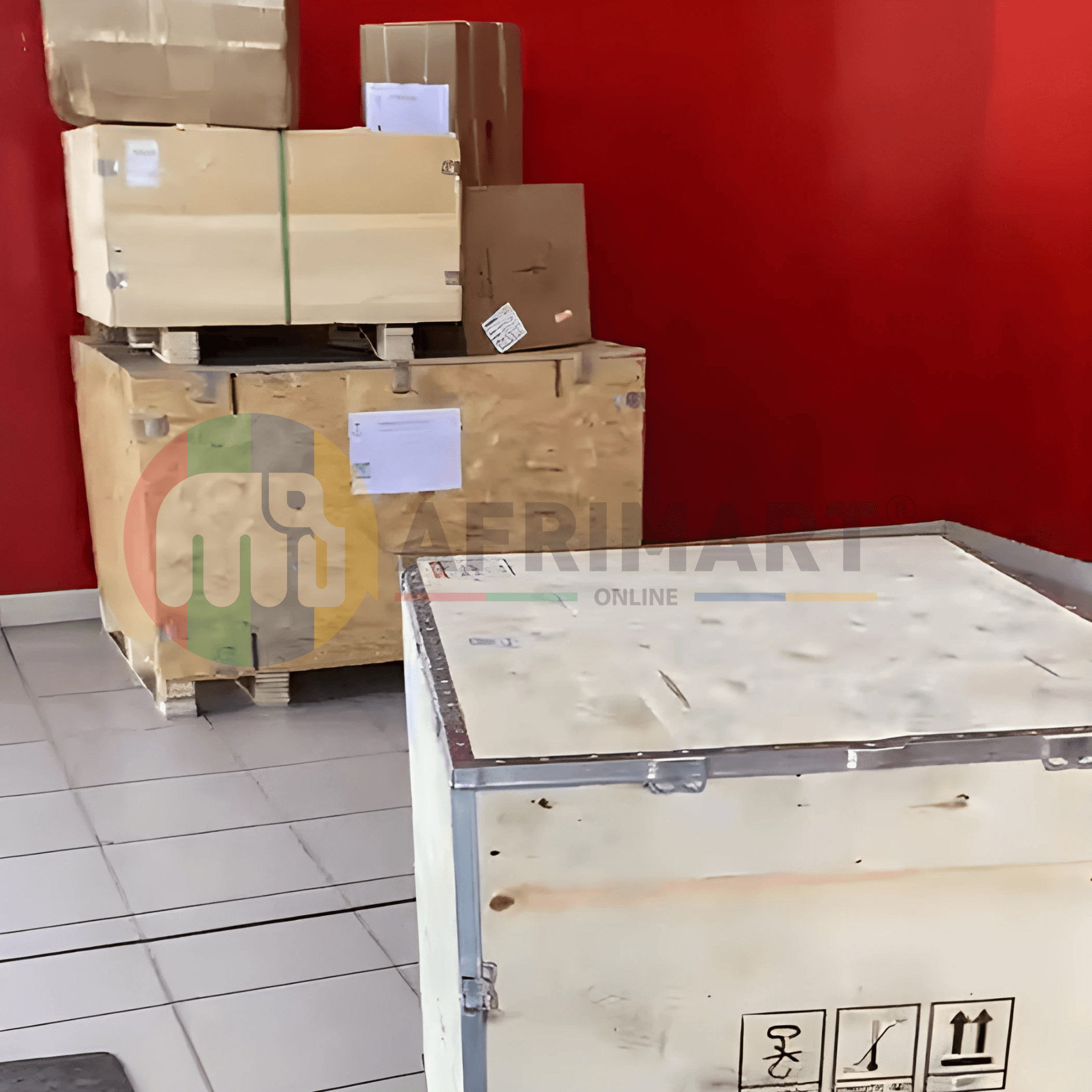
new arrivals
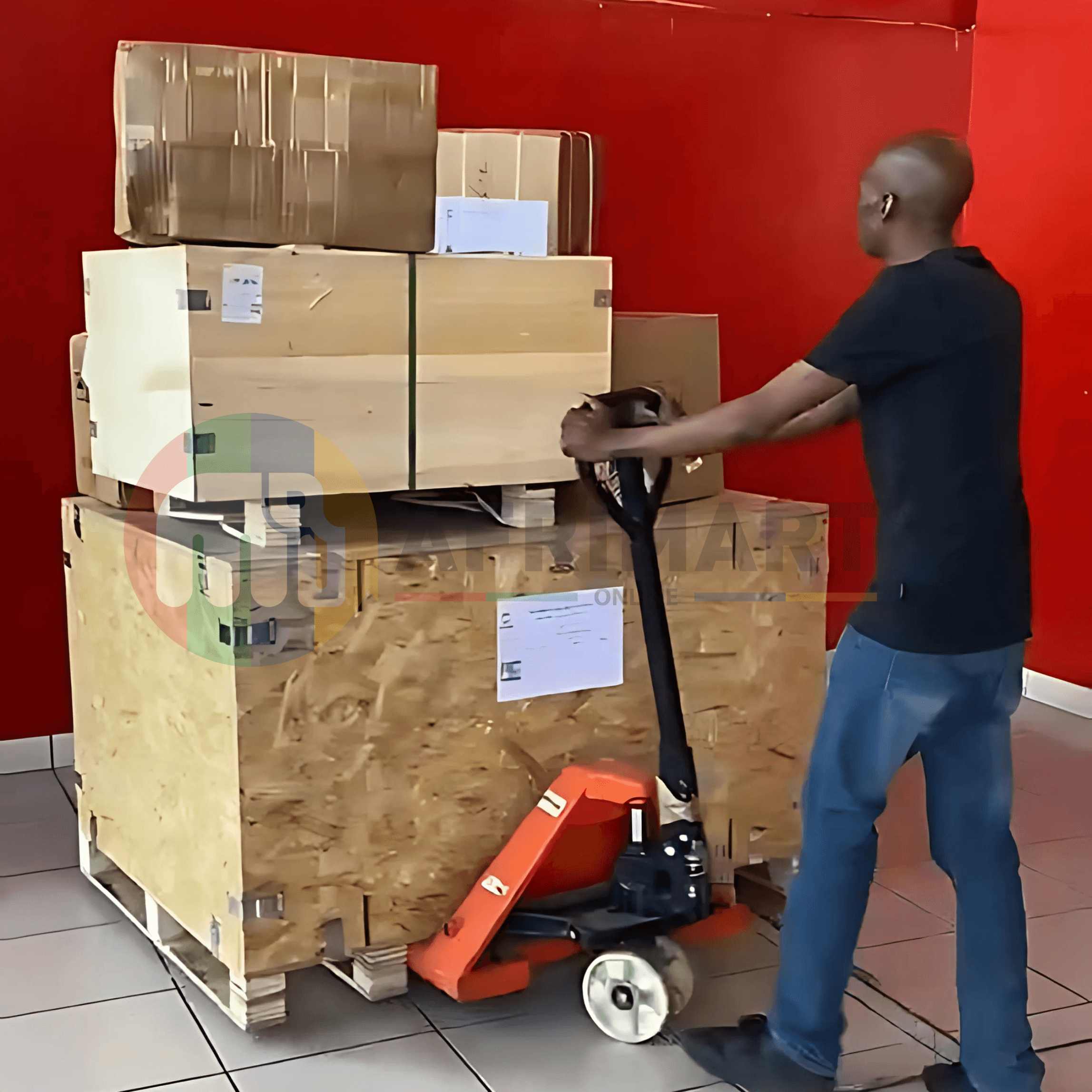
Pre Orders Offloading
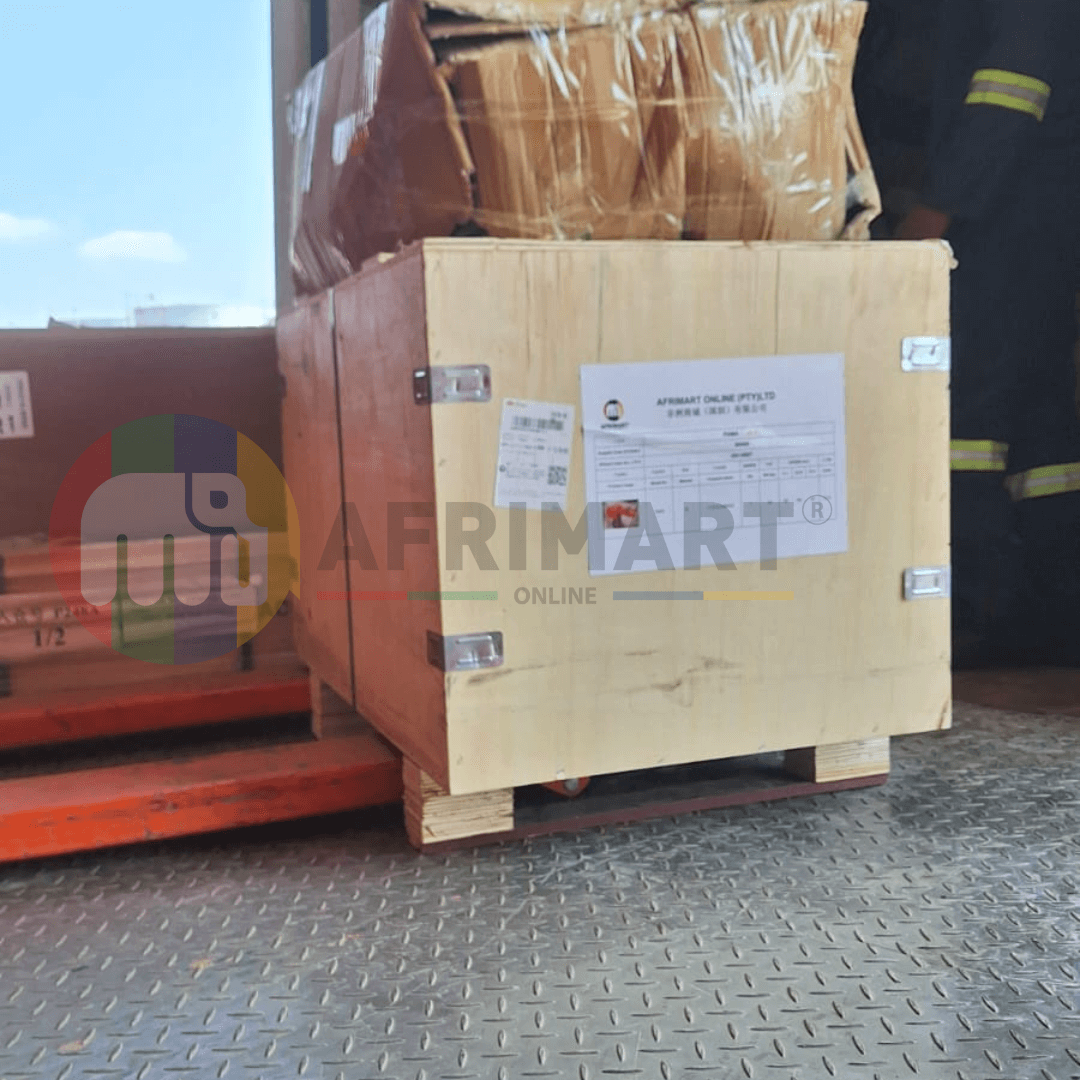
Latest Arrivals
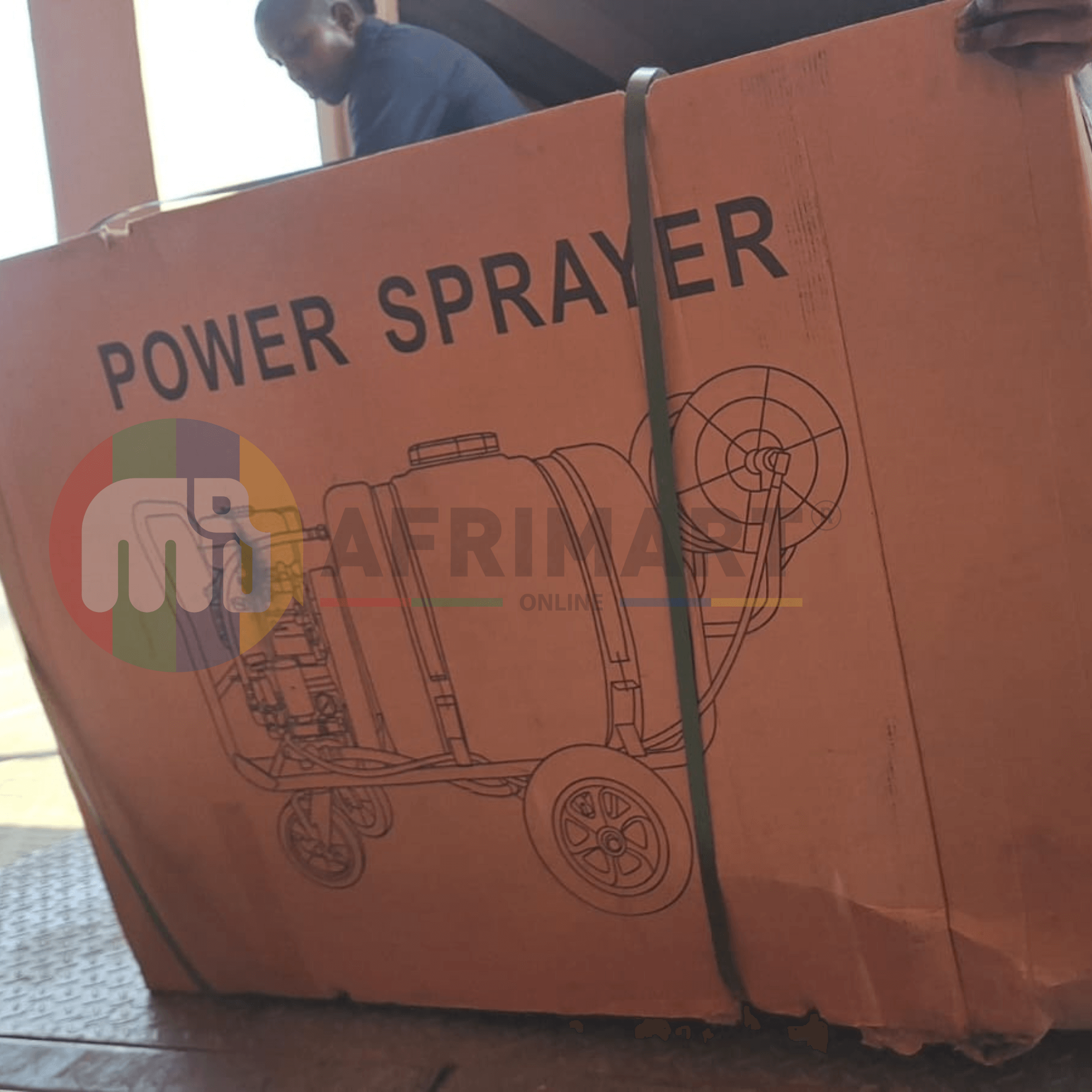
Latest Arrivals