B21, China Town Mall, Midrand

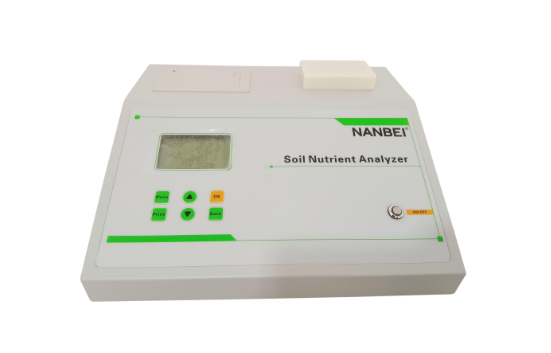
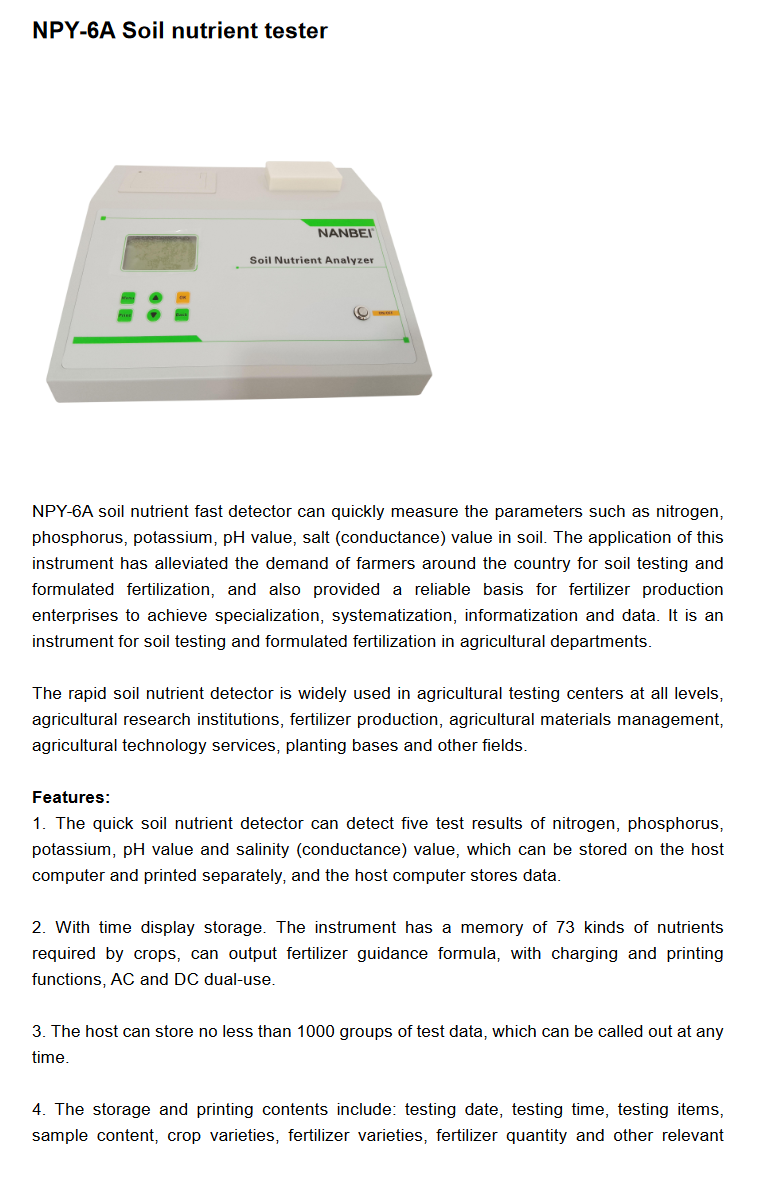
NPY-6A Soil Nutrient Tester

- Section : Consumer Electronics
- Category : Test Instruments
- SKU : 1600447343689

Product Description
- Shipping Timeframes: All orders are processed within 2-5 business days (excluding weekends and holidays). After your order has been processed, the estimated delivery time is before 25 Jun, 2026, depending on customs, Please note that due to high demand, some items may experience longer shipping times, which will be communicated at order confirmation email.
- Order Processing Time: Please allow 2-5 business days for us to process your order before it is shipped . Orders placed after 16:00 on Fridays, or during weekends and public holidays, will begin processing on the next business day. Processing times may be extended during peak seasons or sales events.
- Manufacturing Time: Some products needs manufacturing time, the manufacturing process will take approximately 10-30 business days depending on the product. This timeframe may vary depending on the complexity of the product and current demand. but this will be communicated with you during order confirmation.
- Returns and Exchanges: We offer a 30-day return policy for most items. If you are not completely satisfied with your purchase, you may return it within 30 days of receipt for a refund or exchange. Items must be unused, in their original packaging, and accompanied by proof of purchase. Return shipping costs are the responsibility of the customer, unless the item was damaged or defective upon arrival.
1. What parameters does the NPY-6A Soil Nutrient Tester measure?
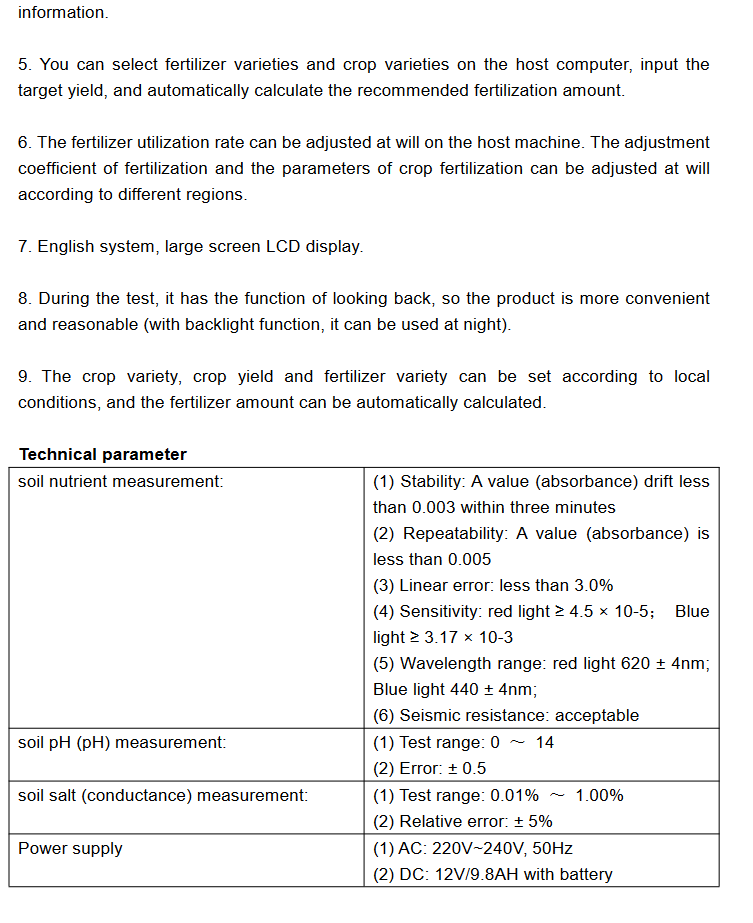
The NPY-6A is designed to provide quick field estimates of key soil properties. Depending on the configuration it typically reports primary nutrients (N, P, K) and may also provide pH, soil moisture and electrical conductivity (EC). Check the product spec sheet or packaging for the exact sensors included with your unit.
2. How do I use the NPY-6A to take a soil reading?
Turn the unit on, ensure batteries are charged or the device is powered, insert the probe into representative soil at the recommended depth, wait for the reading to stabilize, and record the displayed values. For best results mix a composite sample from several spots in the test area and follow any calibration steps described in the manual.
3. How accurate are the readings from this tester?
Field nutrient testers like the NPY-6A provide rapid, approximate results useful for monitoring trends and making on-the-spot decisions. Accuracy depends on calibration, soil type, moisture, temperature and proper probe contact. For highly precise or regulatory analyses, laboratory testing is recommended.
4. Does the NPY-6A require calibration, and how often should I calibrate it?
Yes — periodic calibration improves accuracy. Calibrate according to the manufacturer's instructions using recommended standard solutions or reference soils. Many users recalibrate before each major testing campaign or whenever readings seem inconsistent.
5. What type of power source does the tester use and how long does the battery last?
The NPY-6A is battery powered. Exact battery type and runtime vary by production version — consult the user manual or product label. Typical field testers run for many hours of intermittent use; rechargeable options may be available.
6. Can I use the tester in all soil types?
The unit works well in most mineral soils and common potting mixes. Highly rocky, frozen, extremely saline or waterlogged soils can give unreliable results. For unusual soils, take multiple samples and consider lab confirmation.
7. How deep should I insert the probe when measuring?
Insert the probe to the depth recommended in the user manual (commonly the top 5–20 cm for agronomic testing), ensuring good soil-probe contact. Depth depends on the crop root zone you want to evaluate — follow crop-specific guidelines.
8. Does the NPY-6A store readings or connect to a computer or phone?
Some production variants include internal memory and wired or wireless connectivity (USB, Bluetooth). Check your unit's specifications. If connectivity is available, the manual explains how to export and manage data on a PC or mobile device.
9. How should I clean and maintain the probe?
After each use rinse the probe with clean water, gently remove soil residue, and dry before storage. Avoid using harsh abrasives or strong acids. Periodically inspect for corrosion or damage and replace probes or seals as recommended.
10. How often should I test my soil with the NPY-6A?
Frequency depends on management goals — monthly or several times per season is common for active monitoring, while seasonal or annual checks may suffice for broader planning. Increase frequency after major fertilization, heavy rainfall, or when monitoring rapid changes.
11. How do I interpret the nutrient and pH readings?
Use the device readings as an indicator: compare values to crop-specific nutrient recommendations or local extension guidelines. Low/medium/high categories are useful for trend decisions. For specific fertilizer rates, consult agronomic recommendations or a soil lab report.
12. What should I do if the tester shows no reading or error messages?
First ensure the power/batteries are functional and the probe is properly connected and inserted into soil. Clean the probe, re-calibrate if needed, and retry. If errors persist, consult the troubleshooting section of the manual or contact customer support.
13. Can the NPY-6A replace laboratory soil testing?
No — while the NPY-6A is very useful for fast, on-site assessments and monitoring trends, laboratory analysis remains the gold standard for precise, legally defensible nutrient measurements and comprehensive testing. Use the field tester for quick decisions and labs for confirmatory or detailed analyses.
14. Is the device weatherproof and how should I store it?
Many field testers have a degree of water resistance but are not intended for prolonged immersion. Store the unit and probe in a dry, cool place when not in use, remove batteries if storing long-term, and protect it from extreme temperatures. Refer to the manual for the device's IP rating and storage recommendations.
15. What warranty and technical support are available for the NPY-6A?
Warranty terms and support options vary by seller and region. Check the warranty card or product listing for coverage duration and contact details. For repairs, calibration services and spare parts, contact the authorized distributor or manufacturer support center listed in the documentation.
Latest Order Arrivals
Discover our latest orders
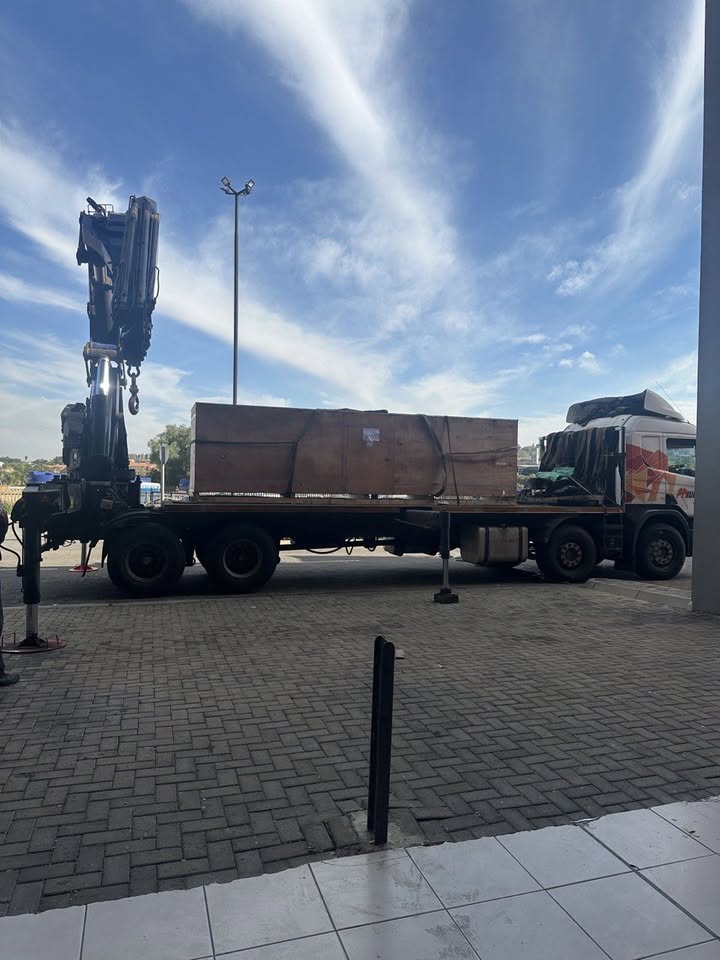
12 Heads Embroidery Machine
Toilet Paper Machine Machine
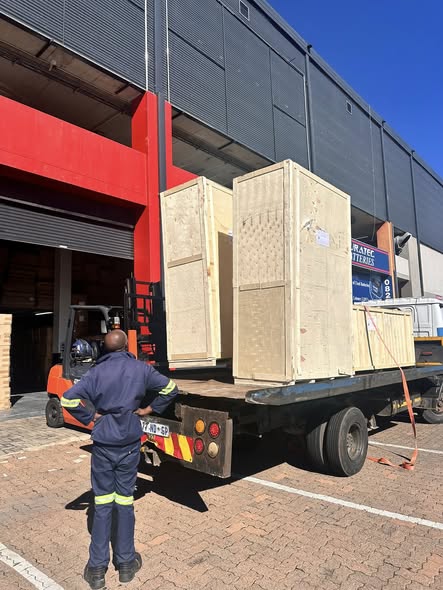
Order Collection
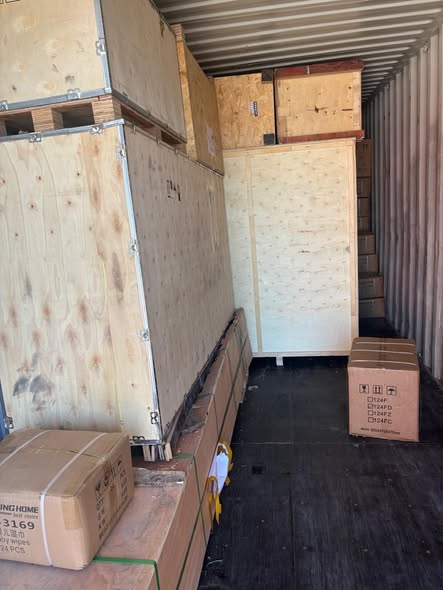
Cross Border Clients
Order cros border countries Collected
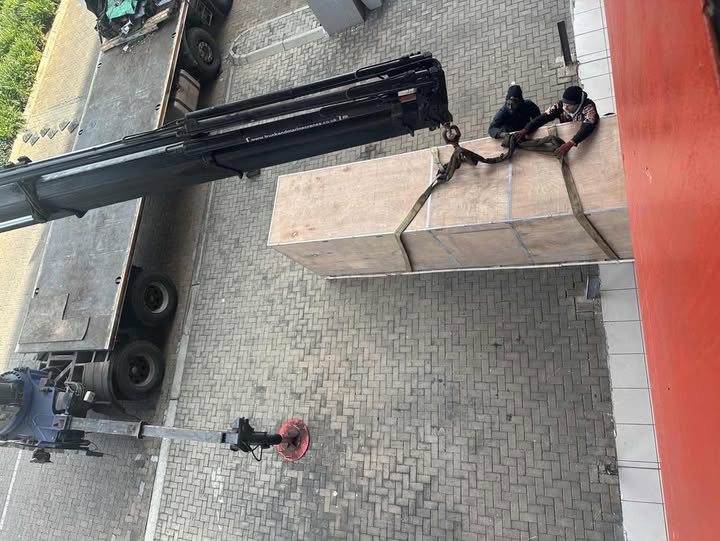
Industrial Machine Cllection
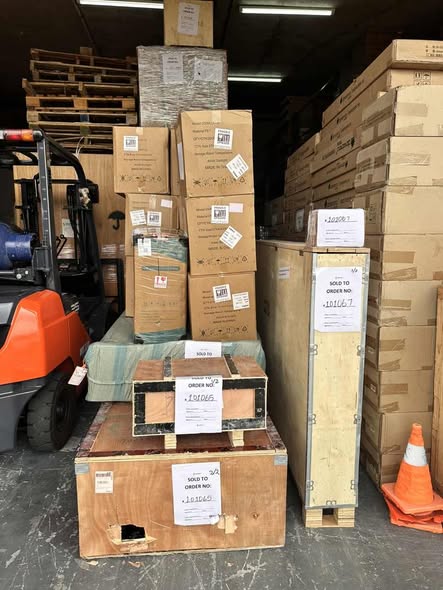
Agriculture Processing Machines
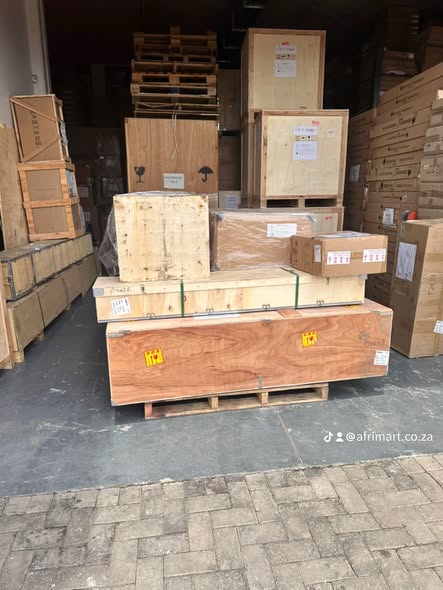
Ready for collection
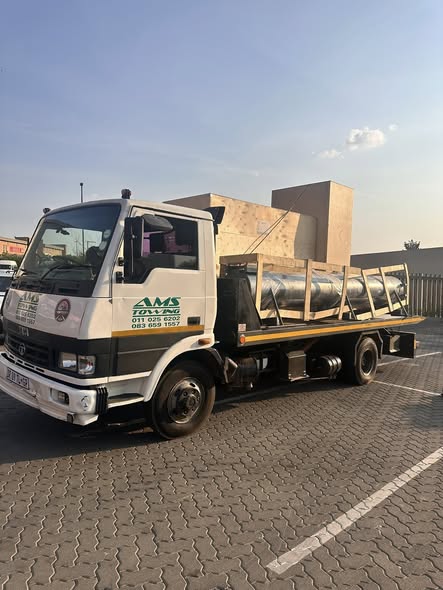
Water Pump Equipment
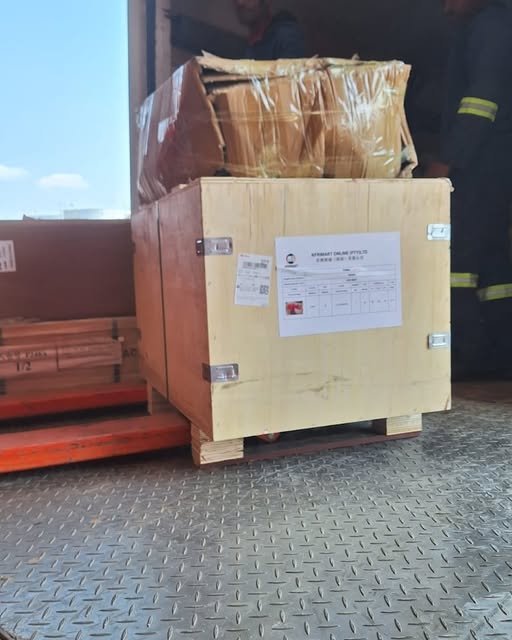
Packaging Machine and accessories
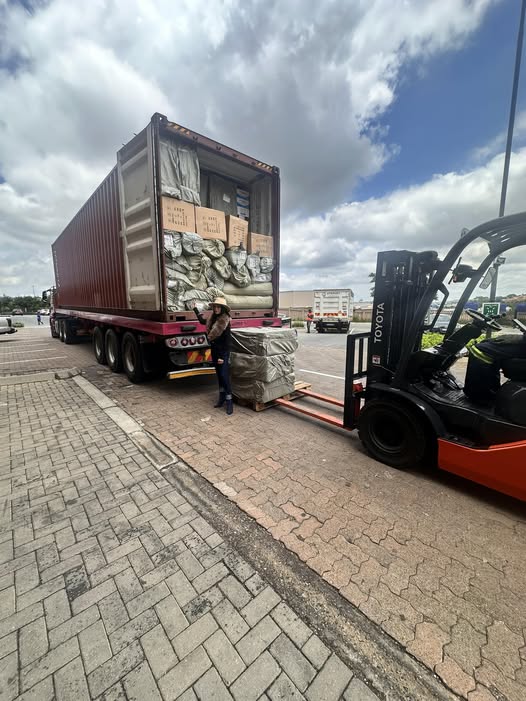
Fabrics Manufacturing Equipment
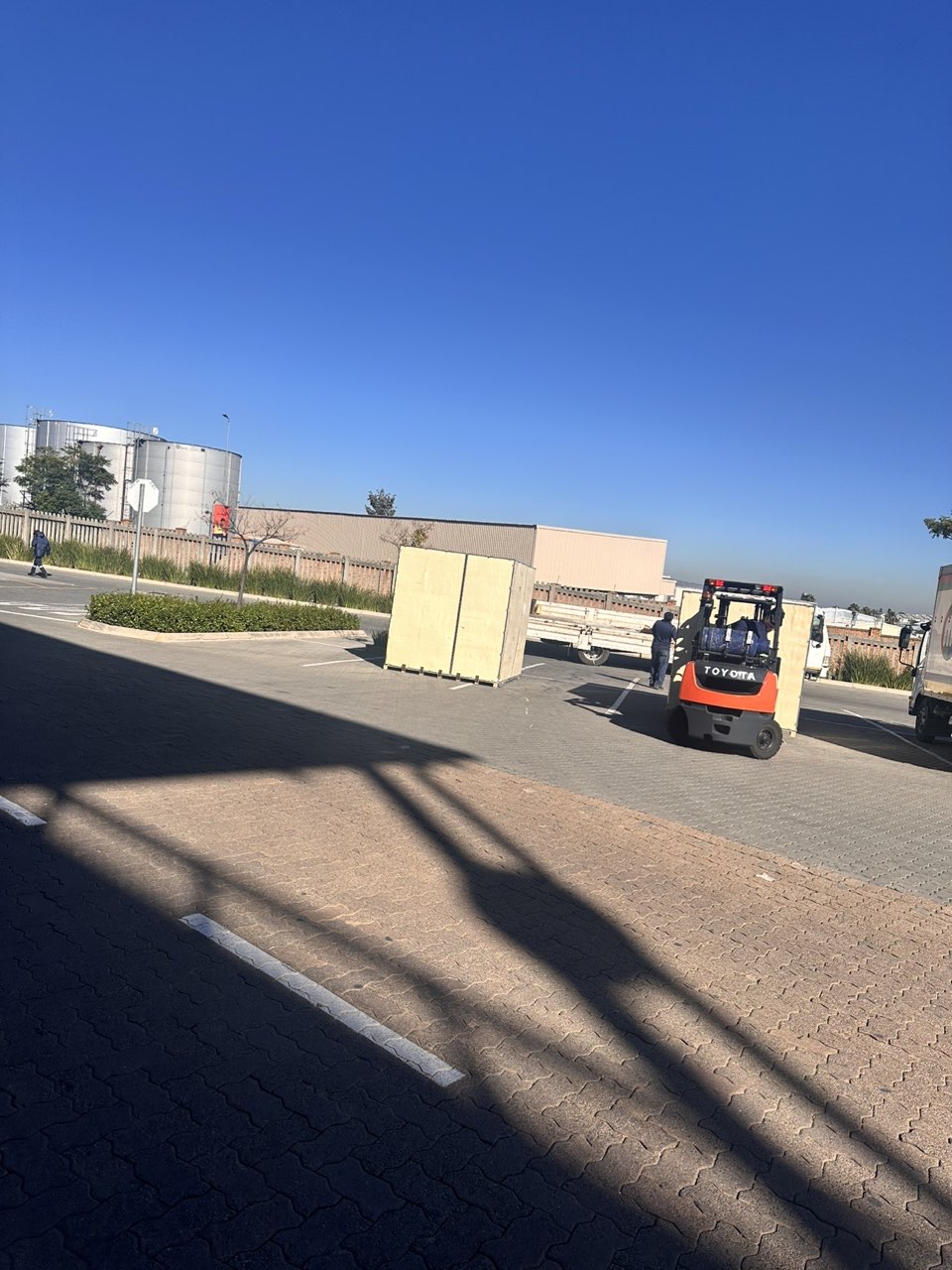
Mining Equipments
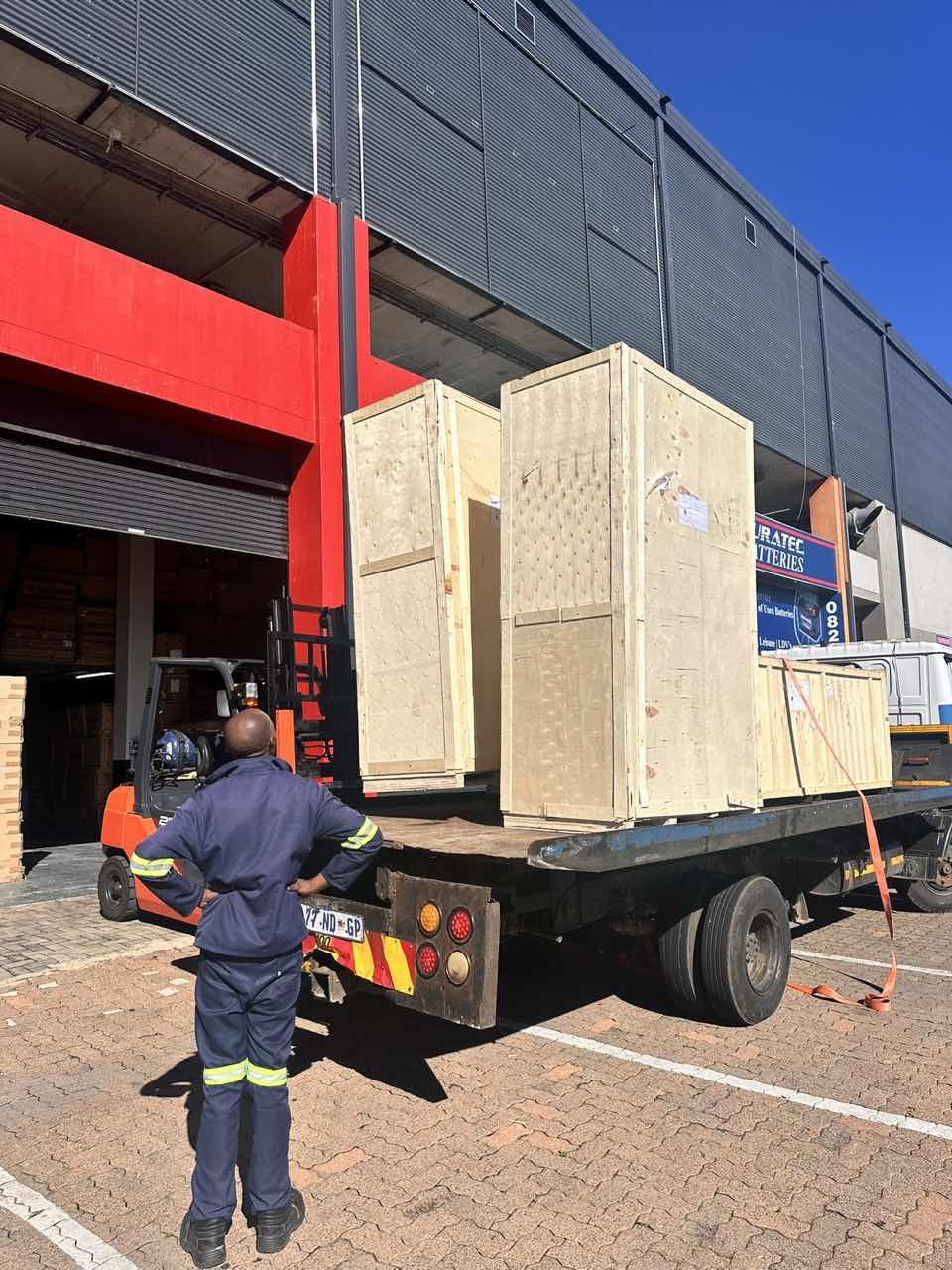
Food Processing Machine
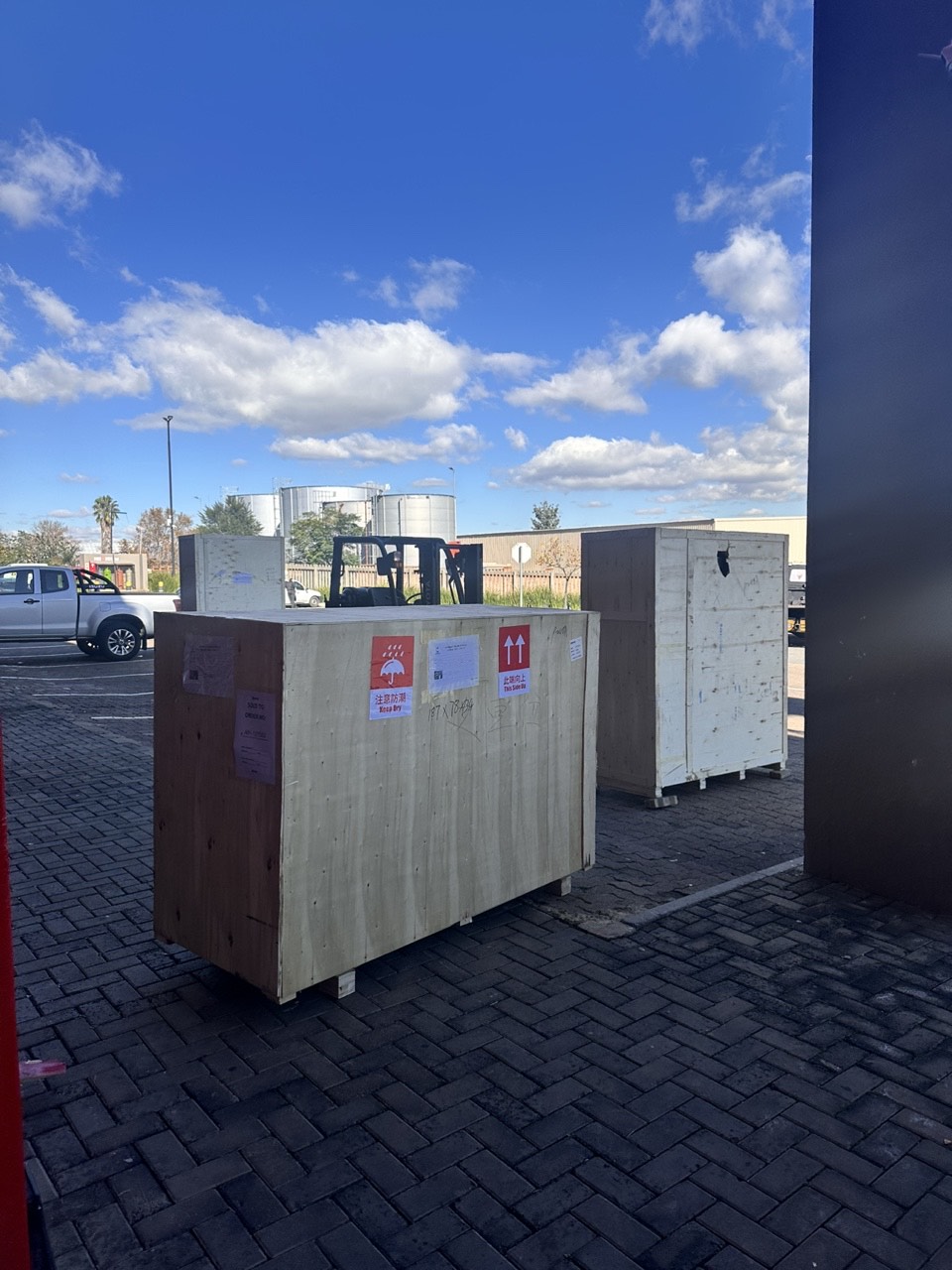
Batch of Orders
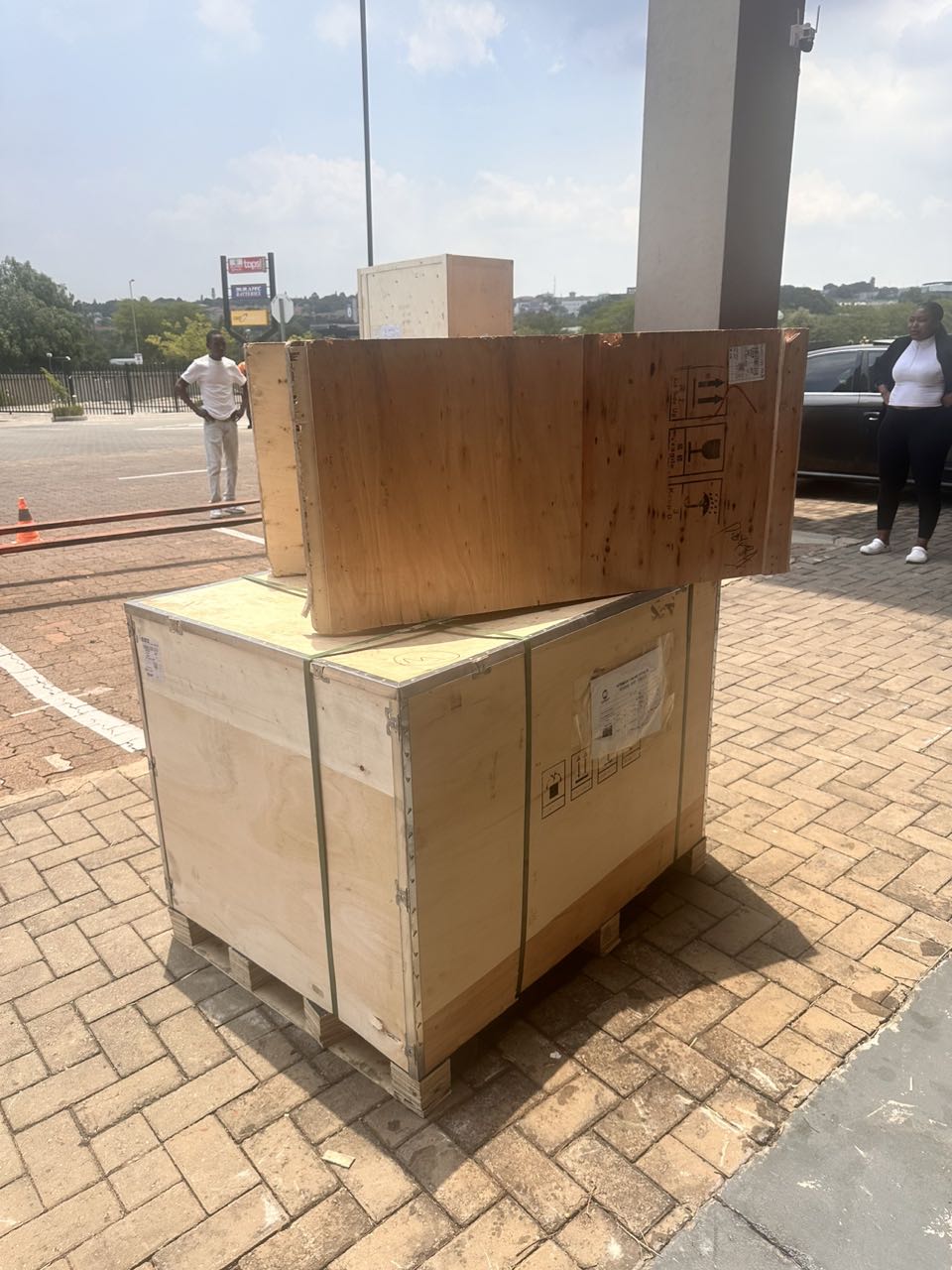
Batch of Orders
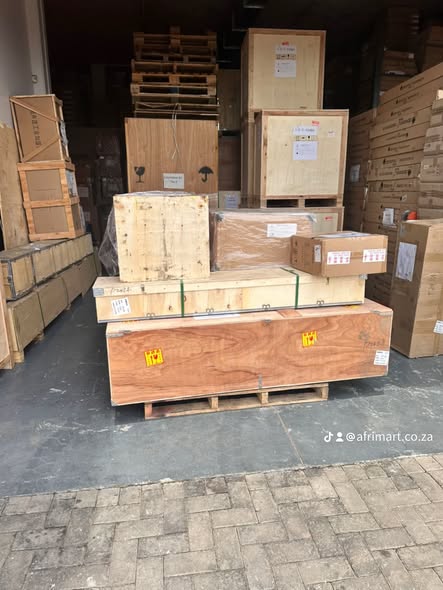
Latest Orders Labelled
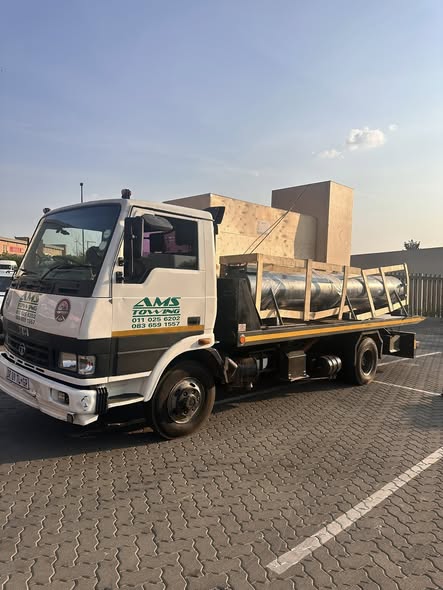
wheel alignment machines
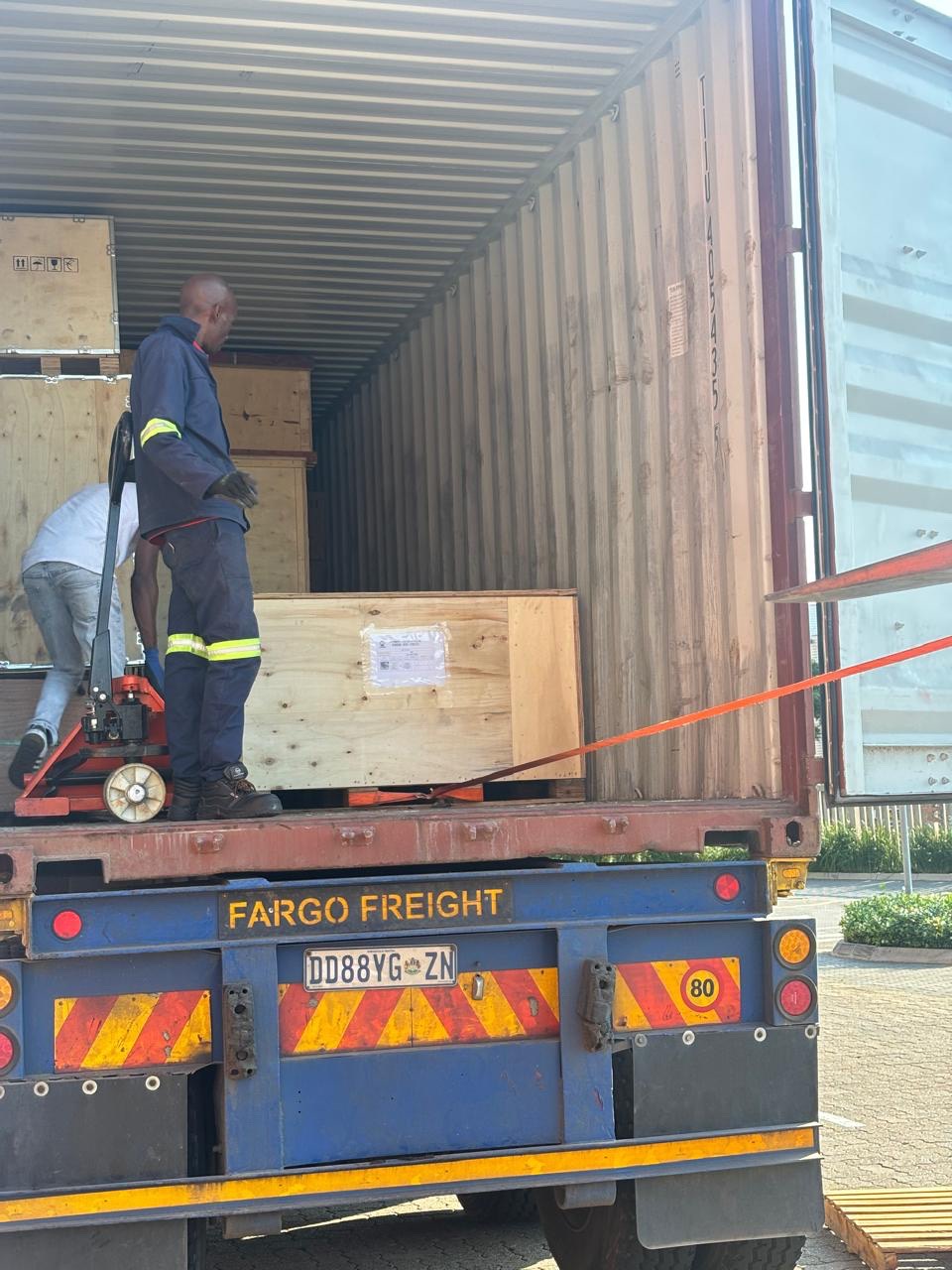
new arrivals
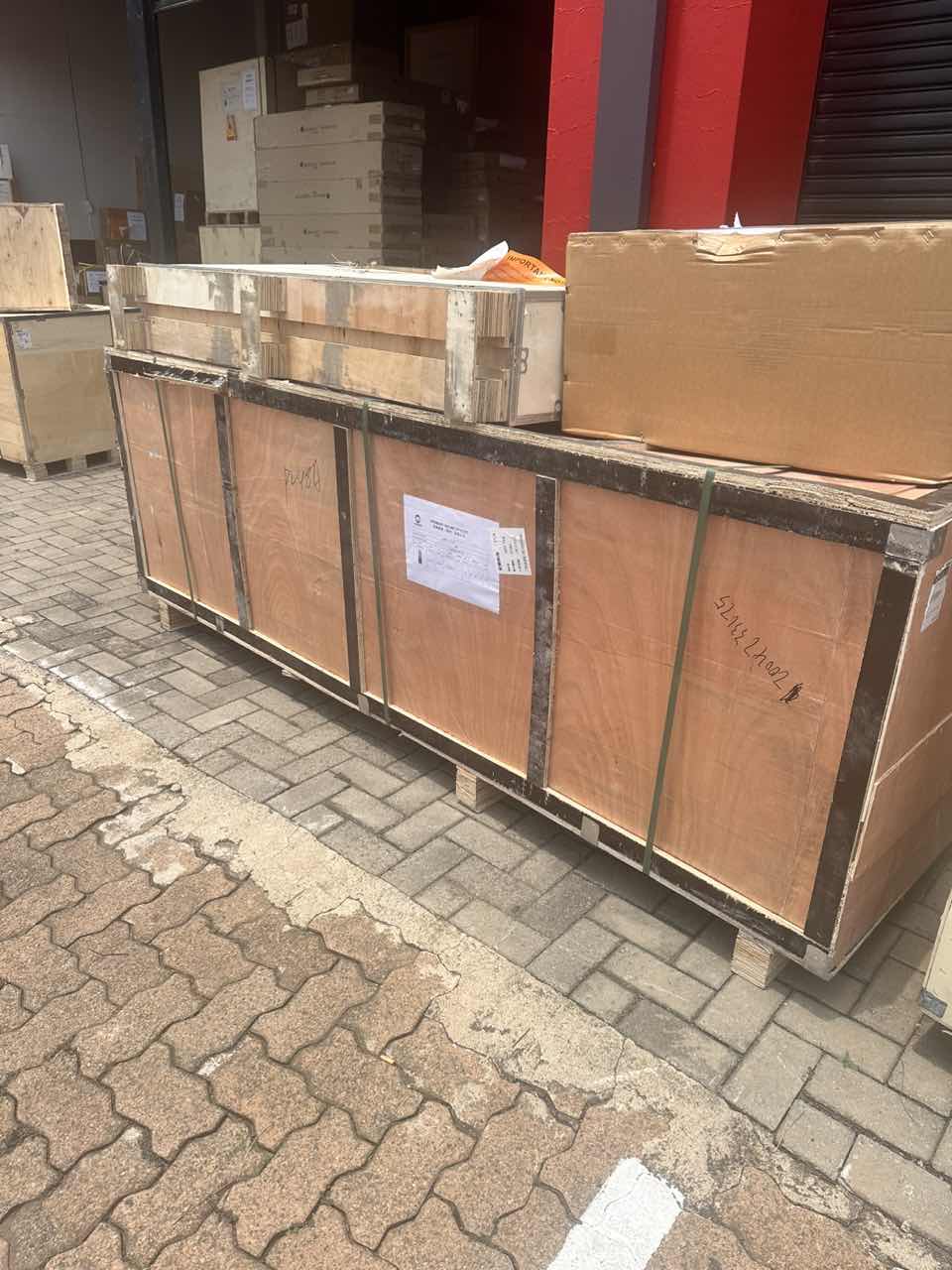
Pre Orders Offloading
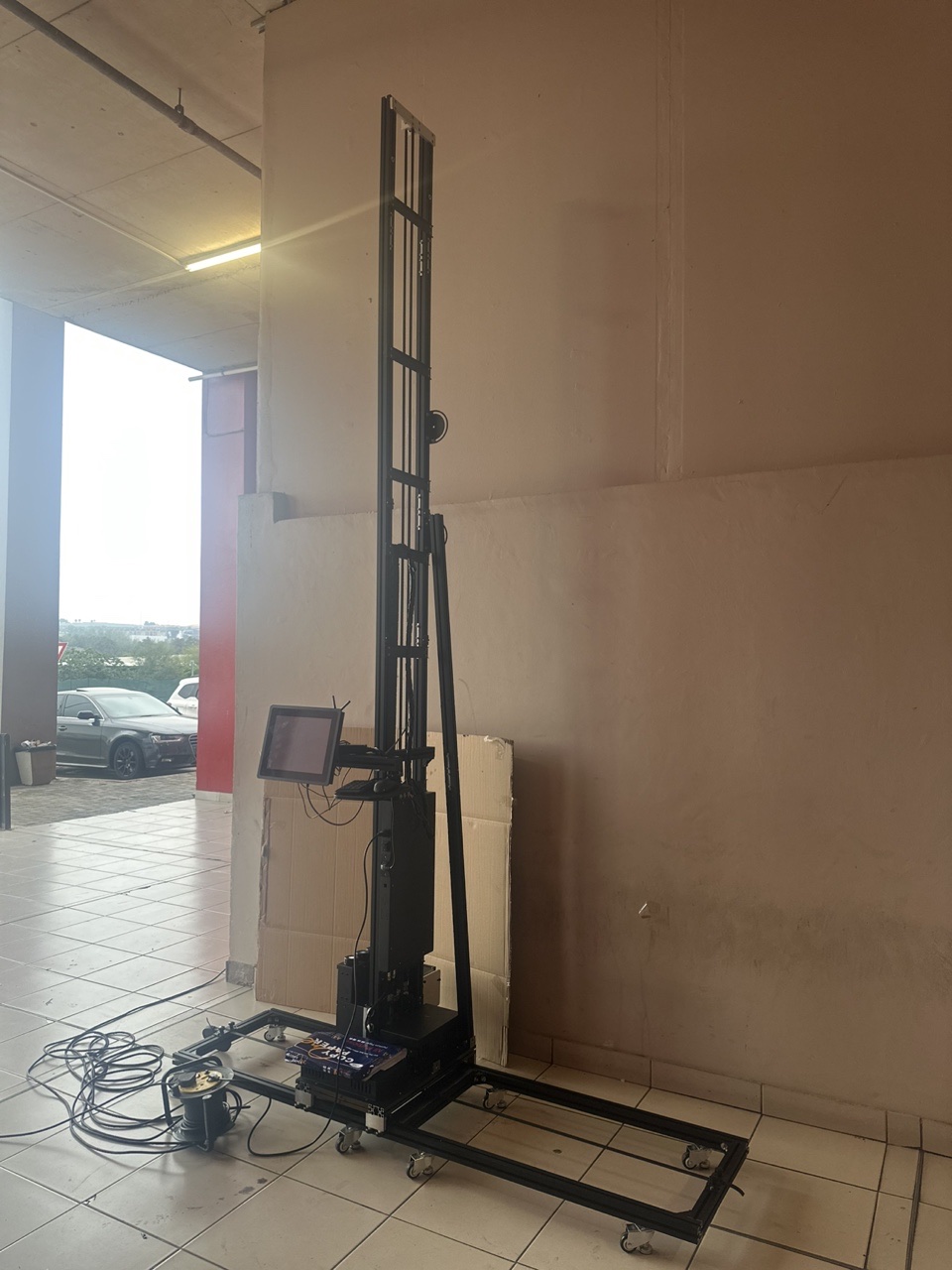
Latest Arrivals
Latest Arrivals
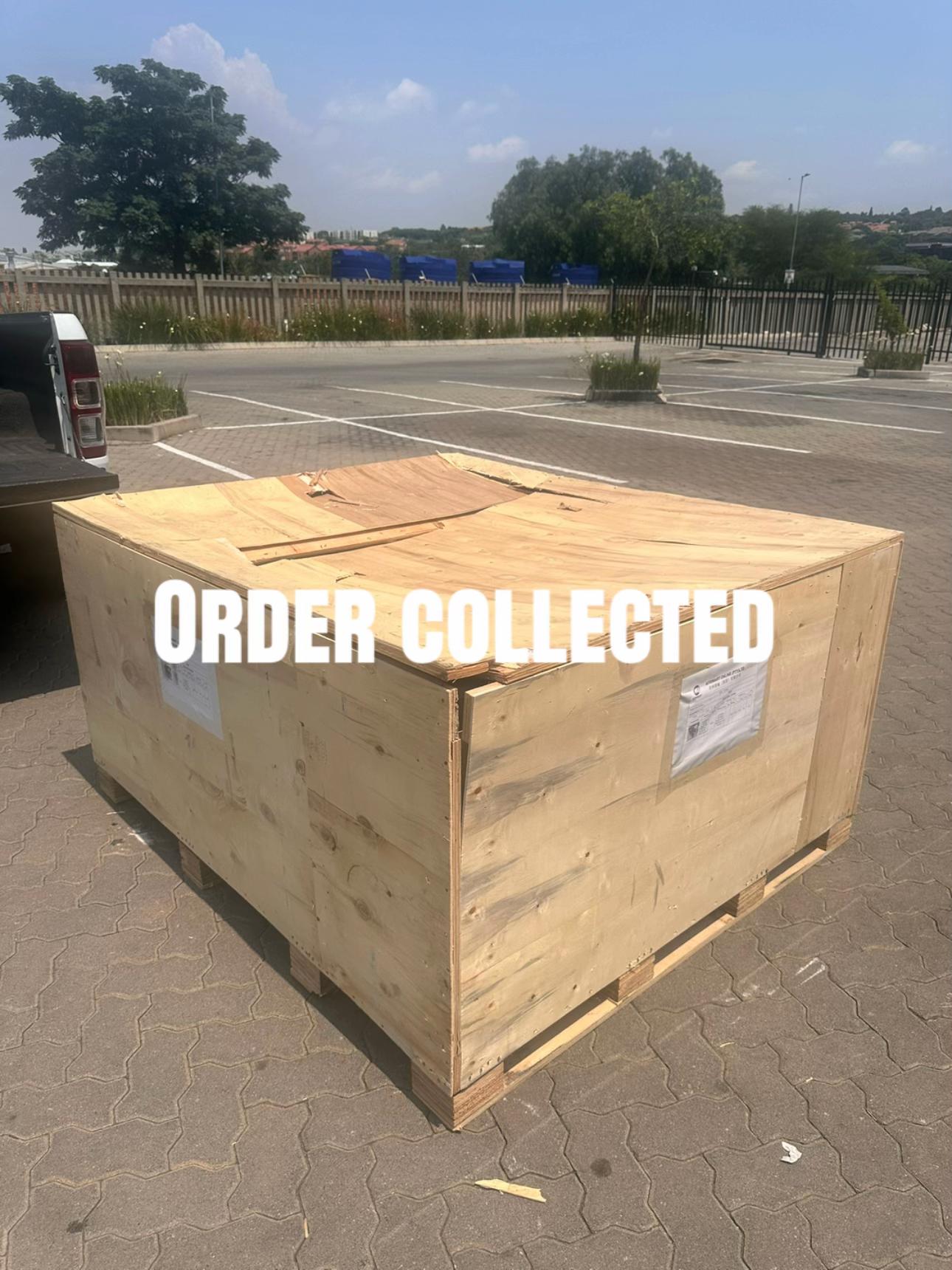
Latest Arrivals
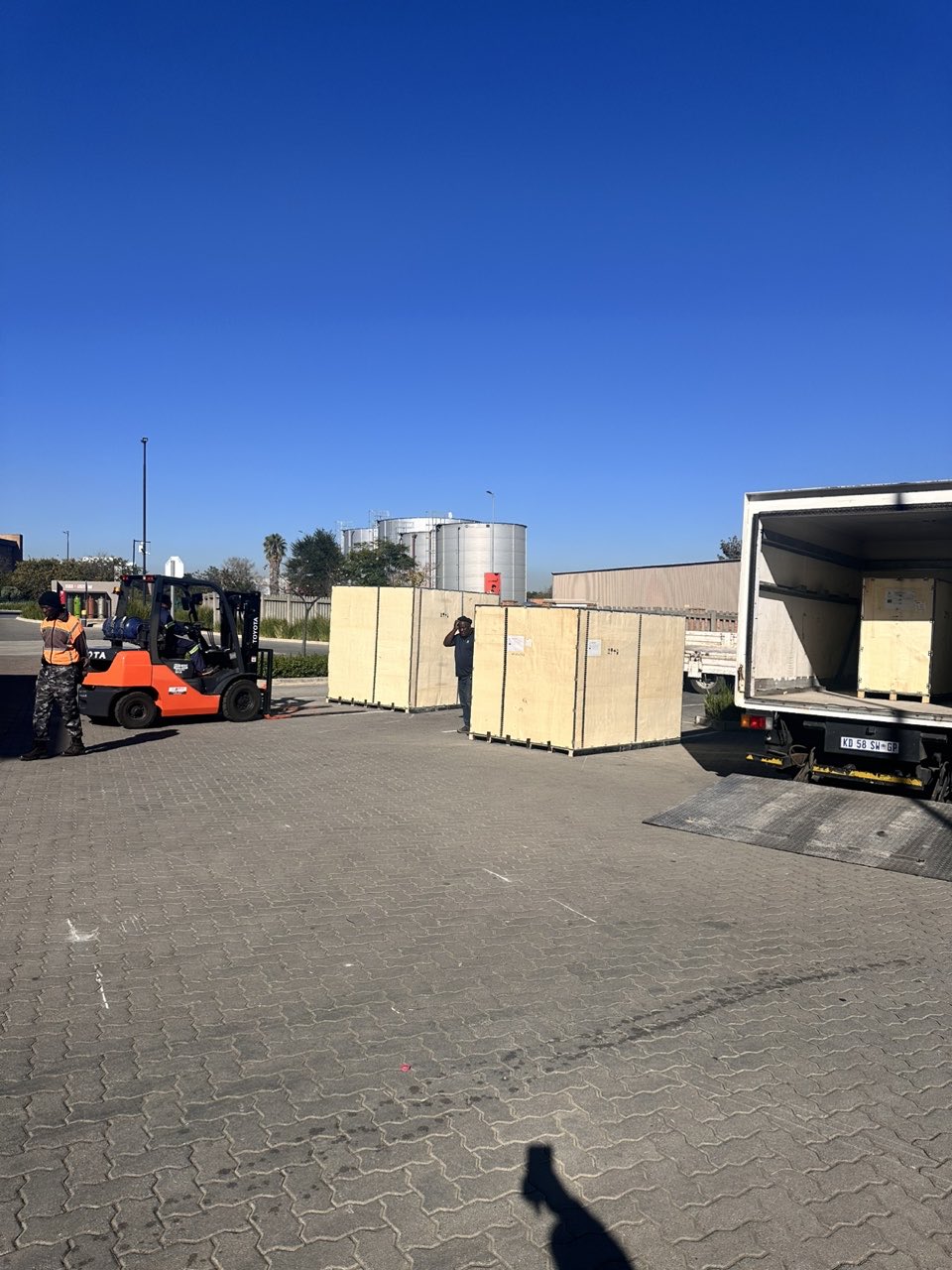
Loading
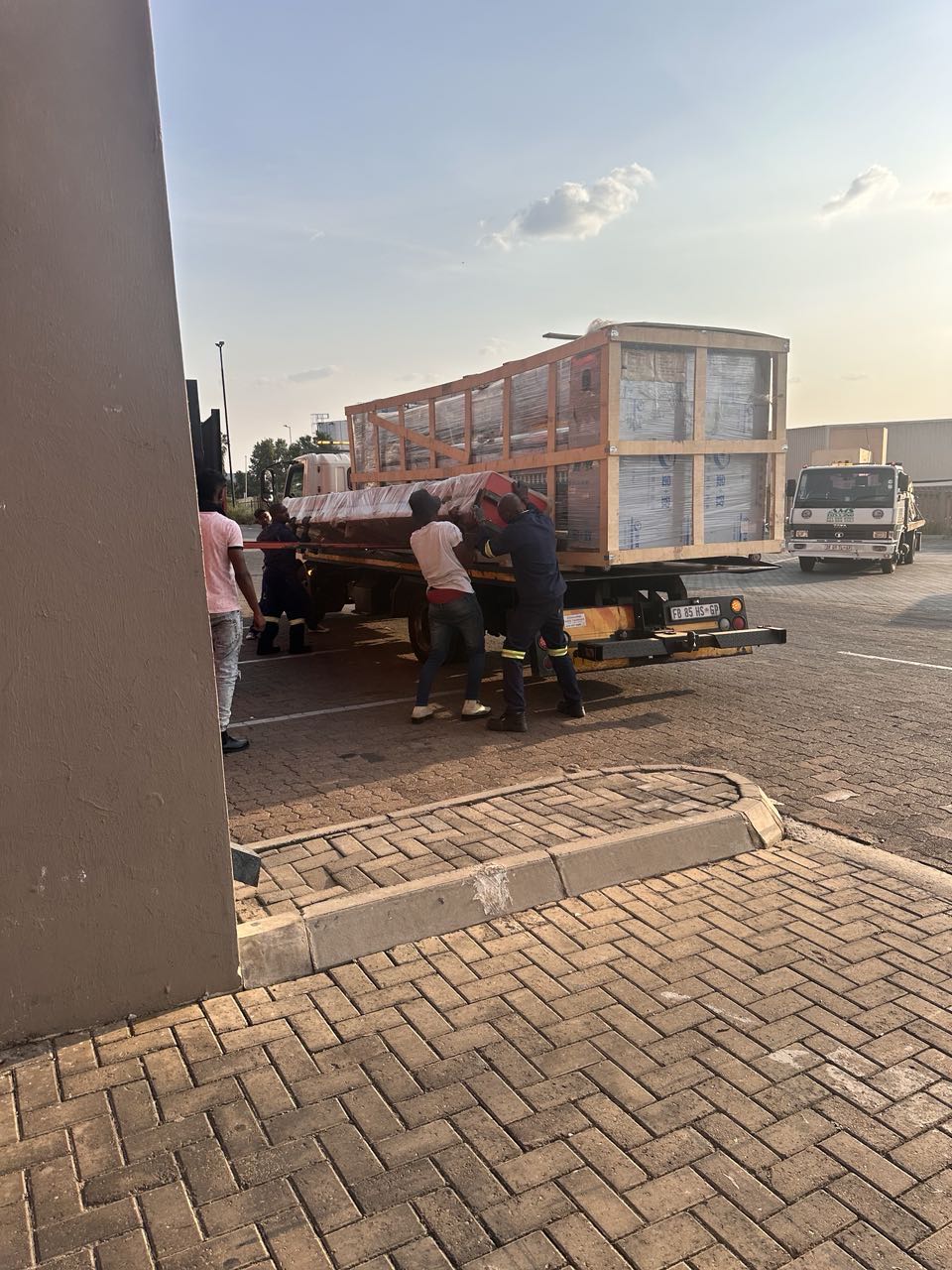
Toilet paper making machine
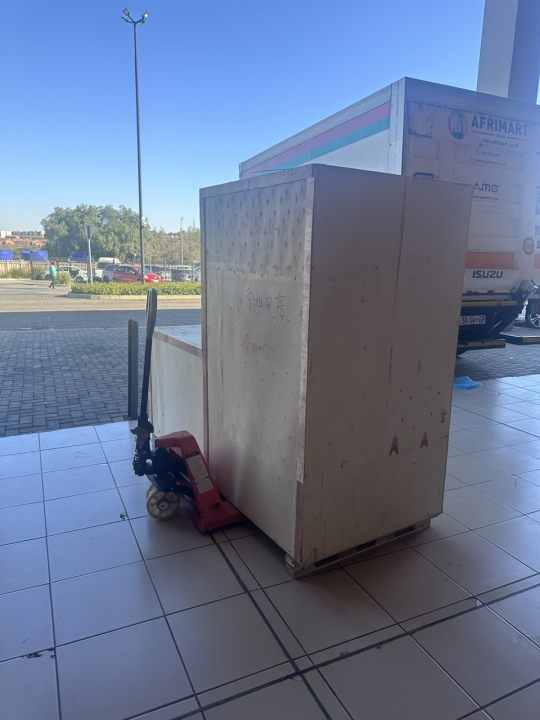
Toilet paper making machine
Toilet paper Rewinding Machine
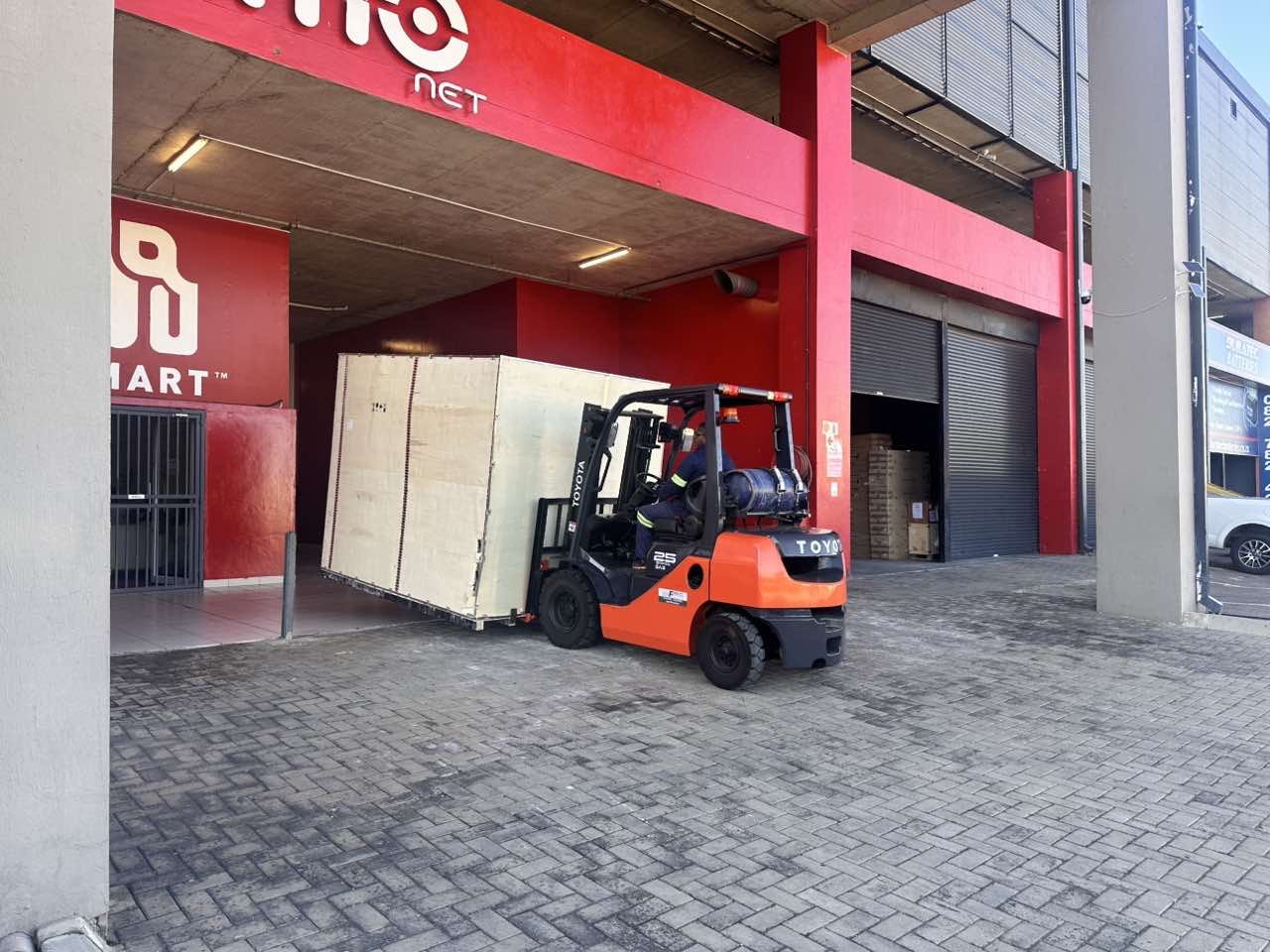
latest arrivals
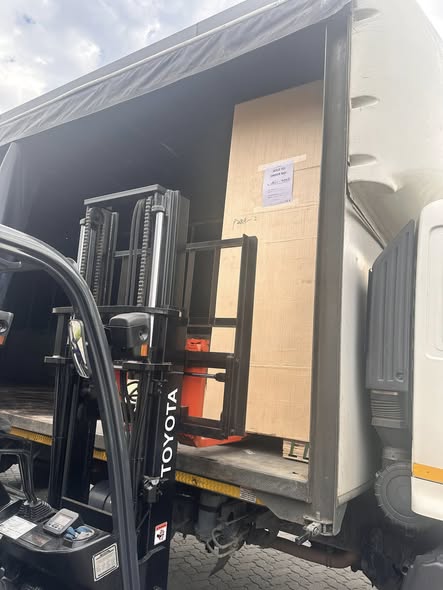
offloading
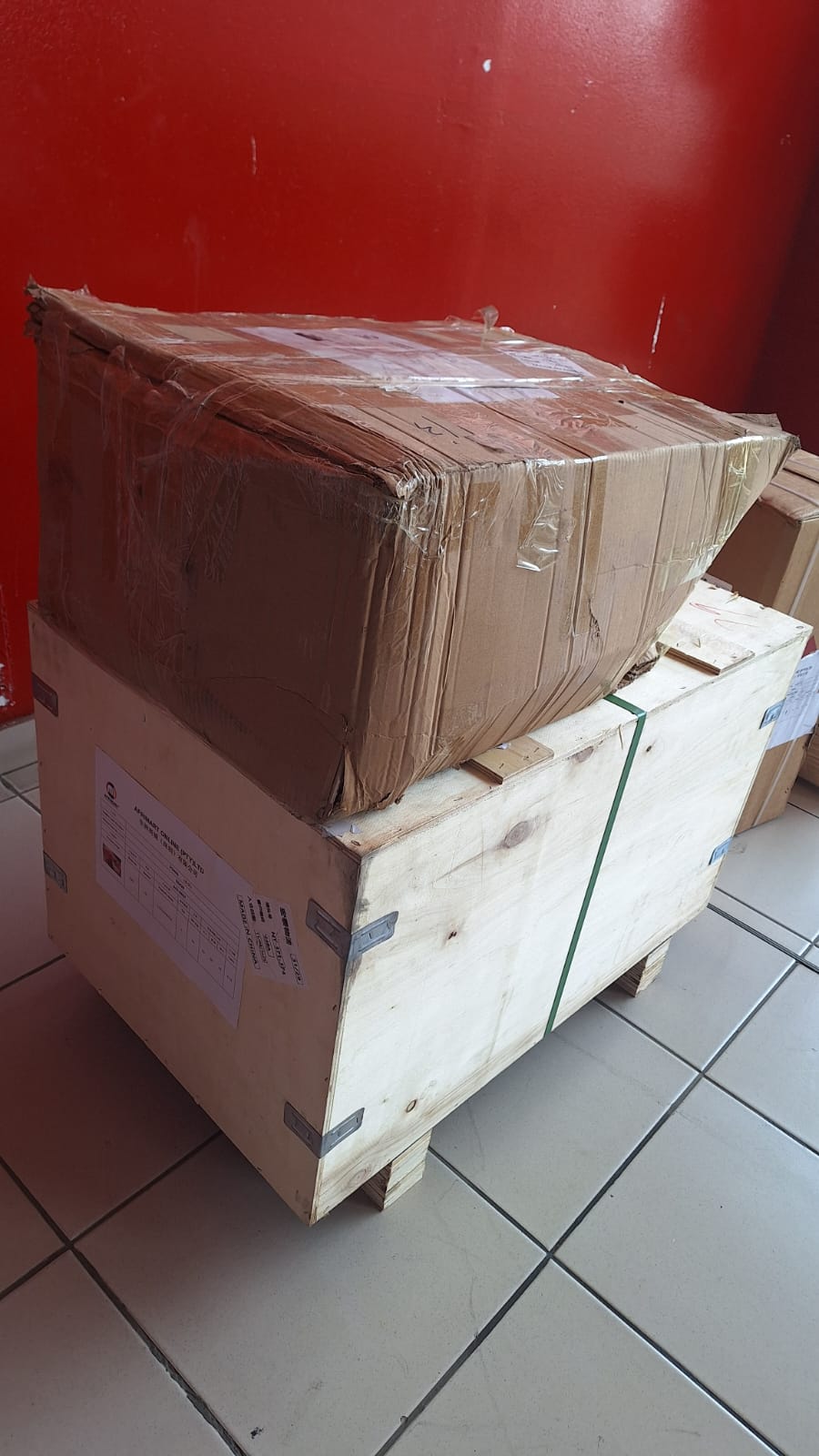
order success
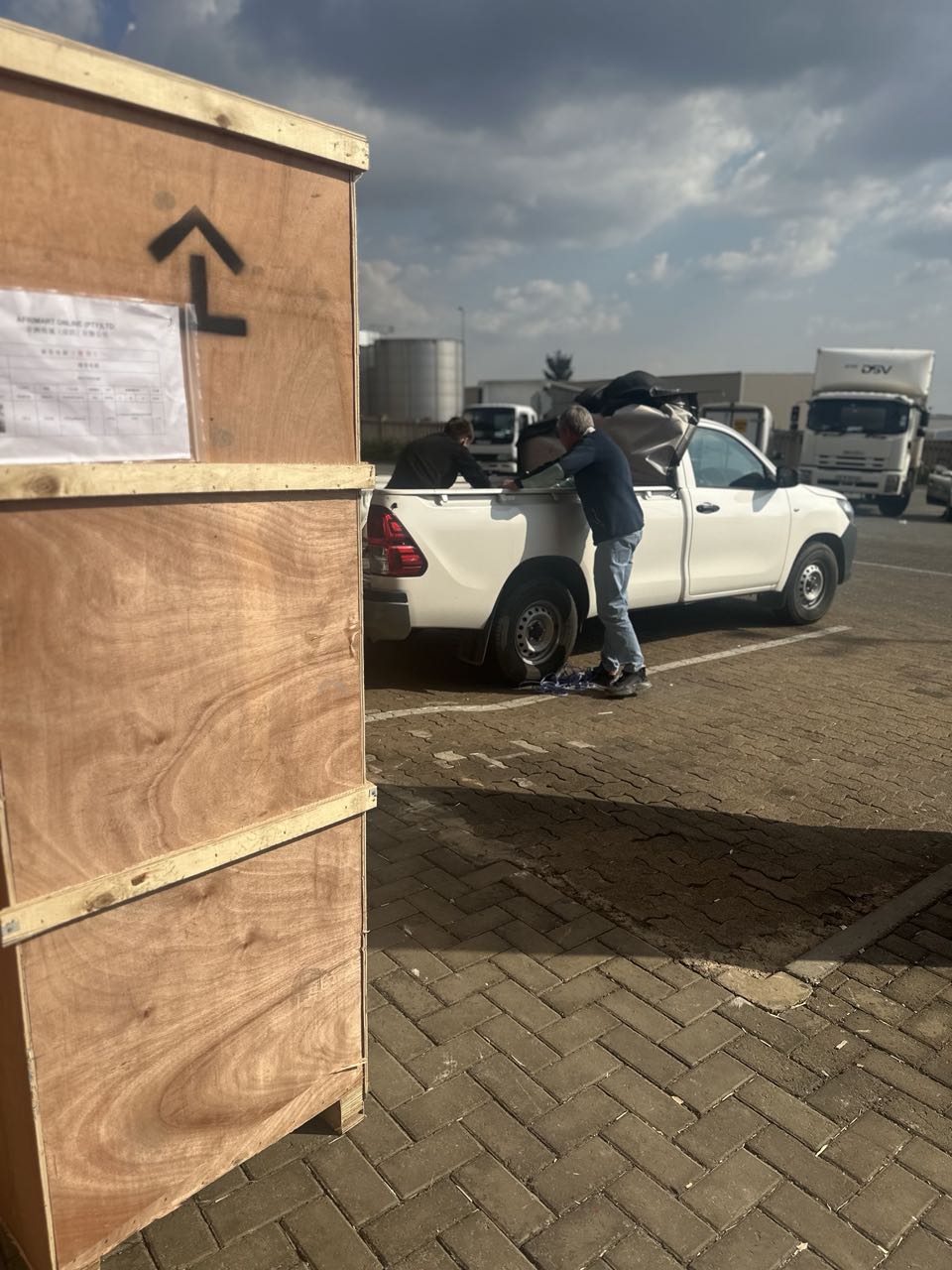
order collection
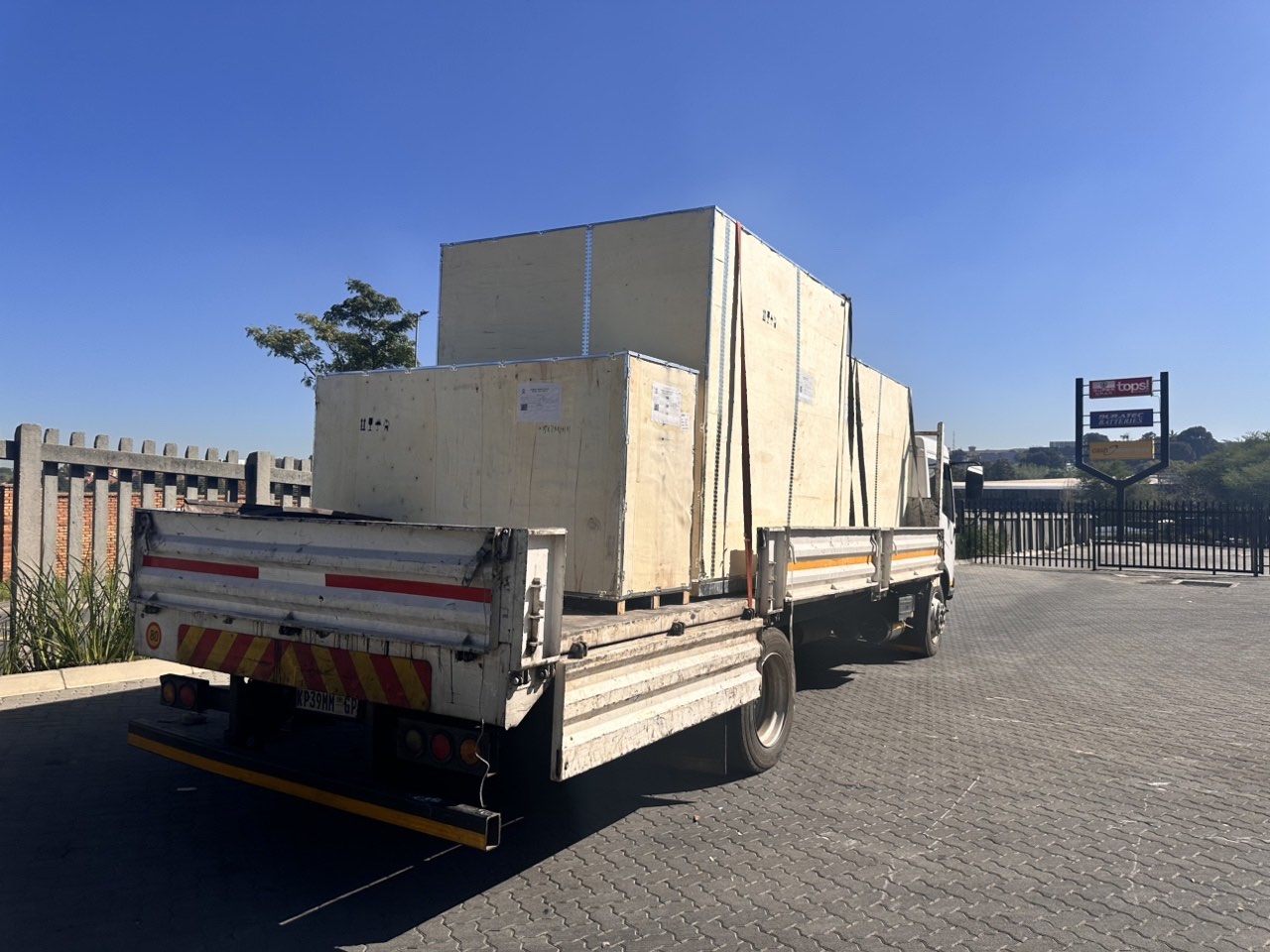
order offloading