B21, China Town Mall, Midrand






Toilet Paper Production Line
26 Jan 20262




- Cross Border E-commerce
How Cross-Border e-Commerce Is Revolutionizing African Trade
-
Eman Libatu
-
22 Oct 2025
-
82 Comment
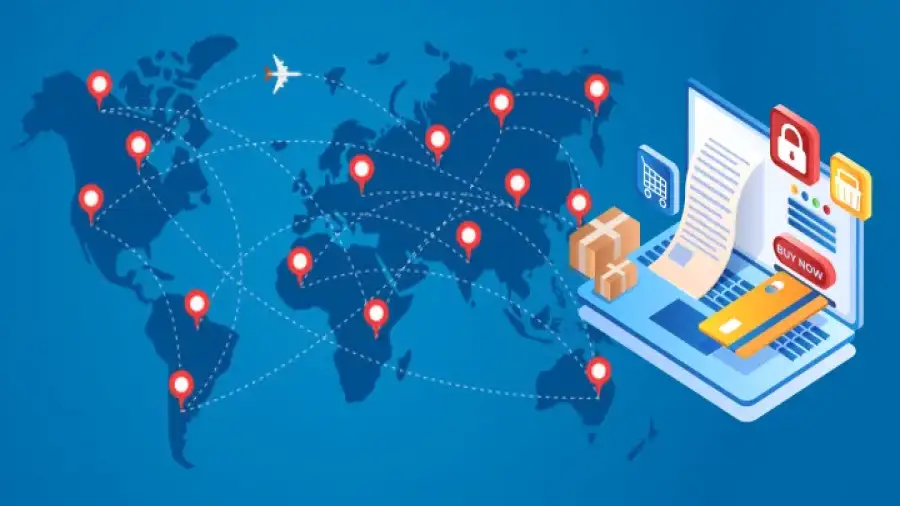
Cross-border eCommerce – the buying and selling of goods or services online across national borders – is reshaping how African businesses trade with the world. Nowhere is this digital transformation more evident than in the booming commerce between Africa and China. In 2000, total trade between China and Africa was around $13.9 billion; by 2024 it had rocketed to nearly $300 billion. Behind these big numbers are countless small businesses and entrepreneurs who are increasingly using online platforms to source products and reach new markets.
Gone are the days when Africa–China trade meant faxing orders, dealing through layers of brokers, and waiting weeks or months for shipments. Today, an African shopkeeper can browse a Chinese supplier’s catalog on a smartphone, place an order with a few clicks, and track the shipment right to their store. This digital leap is not just about convenience – it’s about empowering African SMEs and traders to compete globally on a more level playing field.
A digital bridge now connects African businesses directly with global suppliers. Cross-border eCommerce platforms and fintech innovations are removing barriers, allowing an African entrepreneur to source products from China (and vice-versa) with unprecedented ease.
In this article, we will explore how cross-border eCommerce is revolutionizing African trade, especially the trade links between Africa and China. We’ll start by looking at the traditional challenges of cross-border trade that long hindered African businesses.
Then we’ll see how new digital infrastructure – from online marketplaces to fintech and logistics tech – is rapidly dismantling those barriers. Real-world examples (from retail goods to industrial machinery and agricultural equipment) will illustrate the impact.
We’ll also highlight the role of Afrimart – a pan-African B2B eCommerce platform – in enabling transparent, efficient Africa–China trade. Finally, we’ll peer into the future, examining how emerging technologies like AI, blockchain, and mobile payments promise to further transform cross-border commerce. By the end, it should be clear why embracing digital trade is not just an option but a game-changing opportunity for African SMEs, entrepreneurs, and procurement leaders.
Traditional Cross-Border Trade Challenges in Africa
Before the advent of eCommerce, African businesses faced steep hurdles in international trade. Importing or exporting across borders was often a complex, costly affair dominated by middlemen and red tape. Some of the major challenges in traditional cross-border trade included:
Limited Market Access: Small African businesses were largely confined to local wholesalers or personal contacts to source goods. A shop owner in Lagos who wanted affordable electronics from China, for example, might have had to travel to Guangzhou or rely on an intermediary agent, which few could afford. This limited access to global suppliers and markets meant lost opportunities.
Multiple Middlemen and Markups: Traditionally, a product might pass through several intermediaries (brokers, importers, distributors) before reaching an African buyer, each adding a markup. This drove up costs and squeezed margins for African SMEs. It was not uncommon for a retailer in Africa to pay significantly higher prices for imported stock due to layers of middlemen taking a cut.
Cumbersome Communications: Decades ago, placing international orders meant phone calls at odd hours, faxes, or trips abroad. Language barriers and cultural differences often led to miscommunications. Many Chinese suppliers didn’t speak English, and African traders rarely spoke Mandarin, leading to errors in orders. Simple tasks like getting product catalogs or negotiating specifications could take weeks by email – a serious test of patience.
Trust and Quality Concerns: Without the transparency of the internet, verifying overseas suppliers was difficult. Incidents of sub-par or counterfeit goods were common, eroding trust. An African importer might wire payment to a foreign supplier only to receive products that didn’t meet expectations. With no reviews or online feedback, it was hard to know which suppliers were reliable. This lack of trust made many businesses hesitant to venture beyond known trading partners.
Payment and Forex Barriers: Paying an overseas supplier traditionally involved complicated bank transfers, currency conversions, or letters of credit. African importers often grappled with foreign exchange controls and volatile local currencies, making it hard to pay Chinese partners in USD or yuan. On the other side, Chinese exporters feared non-payment and often demanded payment upfront, putting strain on African buyers. The banking paperwork for cross-border payments and the fees involved were significant obstacles for small businesses.
Regulatory and Customs Hurdles: Clearing goods through African ports and customs could be slow and unpredictable. Importers faced high import duties and VAT, complex licensing requirements, and lengthy paperwork for things like standards certifications. Delays at congested ports (such as Lagos, Dar es Salaam, Mombasa) were routine, and without digitized systems, shipments could sit for weeks awaiting clearance. For small parcels or returns, the processes were (and still are) even more unclear, effectively barring many SMEs from engaging in cross-border B2C trade.
Infrastructure and Logistics Gaps: Moving goods across continents to or from Africa was costly and slow. Limited air cargo capacity, infrequent direct shipping routes, and underdeveloped logistics networks within Africa meant longer lead times. Inland, poor road networks and unreliable delivery systems made distribution of imports challenging, especially to rural areas. In essence, the physical connectivity needed for smooth trade was underdeveloped.
Knowledge and Capacity Gaps: Many African SMEs lacked the know-how to navigate international trade. From compliance with international standards to packaging and marketing for foreign markets, the learning curve was steep. Without support, the smaller players were effectively shut out from global trade participation.
These challenges meant that historically, cross-border trade for African businesses was often slow, expensive, and risky. By one estimate, intra-African trade remained as low as ~15% of the continent’s total trade partly because it was easier to import from abroad than to navigate neighboring countries’ bureaucracies. And globally, Africa has been underrepresented in digital trade, accounting for under 1% of global e-commerce exports in recent years. The good news is that this situation is rapidly changing. Digital technologies and new business models are emerging to tackle each of these pain points, ushering in a new era of efficiency and inclusion in African trade.
The Rise of Digital Commerce Infrastructure in Africa
Over the past decade, Africa has experienced a digital revolution that is laying the groundwork for thriving cross-border eCommerce. Several key developments in infrastructure and ecosystems have converged to enable online trade at an unprecedented scale:
Internet & Mobile Penetration: Africa’s connectivity has improved markedly. Internet penetration on the continent surpassed 40% in 2023 and continues to grow as mobile networks expand coverage. Importantly, most Africans access the internet via mobile phones – over 650 million mobile users – creating a large base of potential online shoppers and entrepreneurs. The combination of affordable smartphones and cheaper data has brought millions online, even in smaller cities and rural areas. This rising connected population forms the foundation of Africa’s digital economy. Studies project that Africa’s internet economy could add up to $180 billion to Africa’s GDP by 2025, highlighting how much untapped potential there is as more people come online.
Fintech and Mobile Payments: African nations have led the world in mobile money adoption, which has greatly benefited eCommerce. Services like M-Pesa, MTN Mobile Money, and others mean even consumers without credit cards can transact online. Cross-border payment infrastructure is also improving. Partnerships between African and Asian payment providers now facilitate near real-time payments between African buyers and Chinese sellers. Currency swap agreements in some countries enable trade to settle in local currency to yuan, bypassing US dollars. And on the African continent, initiatives like the Pan-African Payment and Settlement System (PAPSS) are being rolled out to simplify intra-African cross-border payments. The fintech boom has thus removed one of the historical barriers – getting paid and paying securely across borders.
E-Commerce Marketplaces and Platforms: The 2010s and 2020s have seen the emergence of both global and local online marketplaces connecting African buyers and sellers with the world. On the consumer side (B2C), global platforms have gained popularity among African shoppers looking for affordable goods from abroad. At the same time, African e-commerce companies have integrated cross-border offerings, vastly expanding product variety available locally. On the B2B and wholesale side, digital sourcing hubs now serve African importers. Giants like Alibaba.com are used by many traders to find overseas suppliers. More recently, Afrimart – launched in 2018 as Africa’s first pan-continental B2B platform – focuses specifically on connecting African buyers with overseas (especially Chinese) suppliers in a tailored way. These marketplaces drastically lower search costs by aggregating options online.
Digital Logistics Solutions: A host of innovations are addressing Africa’s long-standing logistics challenges. Global courier services have expanded eCommerce-focused shipping services to Africa, often offering relatively speedy delivery for small parcels. New startups are tackling last-mile delivery and freight, while ports and transport corridors are being upgraded. Postal systems and private couriers are adopting digital tracking and collaborating with eCommerce firms for COD and returns. Delivering an online order to or from Africa is faster and more reliable today than ever before – and it’s only getting better.
Government Policies and Trade Agreements: African governments are waking up to the importance of digital trade.
The African Continental Free Trade Area (AfCFTA) now includes a Digital Trade Protocol aiming to harmonize e-commerce regulations across Africa. This will standardize things like data protection, e-transactions, and consumer protection, making it easier for businesses to operate across borders online. Many countries are developing national e-commerce strategies and digitizing customs processes, expediting clearance for e-commerce parcels. These policy shifts create a more enabling environment for cross-border eCommerce to flourish.
Growing Digital Literacy and Trust: As Africans conduct more of their daily activities online, comfort with eCommerce has grown. During the pandemic, many traders turned to online sourcing out of necessity – and found it effective. Buyer protection, escrow payments, and reviews have started to reassure users. Participation by women and youth is rising, suggesting digital trade broadens inclusion. The success stories of those who have profited from online importing or exporting are inspiring others to try.
Thanks to these trends, Africa’s e-commerce market – though still modest in global terms – is on a sharp growth trajectory and expected to quadruple by 2033. Crucially, cross-border online trade is set to outpace domestic eCommerce growth as businesses and consumers hunger for wider markets and more diverse products.
How eCommerce Is Removing Middlemen and Transforming Africa–China Trade
Direct Sourcing by African Businesses: Online platforms enable African buyers to connect directly with manufacturers and wholesale suppliers, often in China, rather than going through import brokers. By eliminating layers of middlemen, African SMEs can source at “factory prices,” improving margins or passing savings to consumers. Direct sourcing also reduces miscommunication and delay since you deal straight with the source.
Transparent Pricing and Choice: Marketplaces introduce transparency. Buyers can compare prices from multiple vendors on one screen, read reviews, and see ratings. This reduces information asymmetry and forces suppliers to be competitive.
Faster Communication & Deal-Making: Instant messaging, video demos, and translation tools have accelerated negotiations and ordering. Deals that once took months can be closed in days, shortening procurement cycles and enabling faster response to demand.
Integrated Logistics Services: Modern platforms often bundle logistics and customs coordination. End-to-end support – from freight booking to import paperwork – replaces the need to hire multiple agents, reducing delays and costs.
Secure Payments and Escrow: Escrow-style protections hold funds until goods are shipped or received, increasing trust and reducing the need for costly letters of credit. Localized payment options let buyers pay in local currency while sellers receive their preferred currency.
Overall, eCommerce has unbundled and digitized the old intermediary functions, making cross-border trade more efficient, transparent, and inclusive.
Real-World Impacts: From Retail to Manufacturing
Retail and Consumer Goods: Retailers have expanded product variety and improved pricing by sourcing directly online. Shops across African cities now routinely stock affordable electronics, clothing, and household items ordered via B2B platforms. Conversely, African consumer brands are increasingly finding overseas buyers through digital channels.
Industrial Equipment and Manufacturing: Manufacturers source specialized machinery and spare parts directly from overseas suppliers, often at a fraction of local prices. Turn-key facilitation (quality verification, customs, installation support) helps companies upgrade capacity and reduce downtime.
Agriculture and Agribusiness: Farmers and agribusinesses are accessing affordable machinery and inputs, enabling mechanization and productivity gains. Cooperatives can pool funds, order equipment online, and receive it with duties paid and quality assured. Agricultural exporters are also using eCommerce to reach buyers abroad directly.
SME Success Stories and New Entrepreneurship: Social commerce and cross-border sourcing have spawned a new generation of eCommerce traders. Lower barriers allow more women and youth to participate, creating jobs and “micro-multinationals” that buy and sell internationally from a laptop or phone.
Afrimart’s Unique Role in Africa–China Digital Trade
Afrimart is the first pan-African B2B eCommerce marketplace, launched in 2018 to give African SMEs a transparent, seamless way to source globally (especially from China). Its unique contributions include:
Curated, Trustworthy Suppliers: Verified manufacturers and detailed product information reduce fraud and quality risks.
One-Stop Logistics and Customs Support: End-to-end coordination (including consolidation and DDP options) lowers cost and complexity for SMEs.
Secure, Localized Payments: Local currency options and escrow-style protection increase confidence for both buyers and sellers.
Localized Presence and Support: On-the-ground teams provide pre-sale advice, after-sales assistance, and returns handling.
Focus on Africa–China Facilitation: Listings tailored to African needs and guidance for compliance on both sides bridge gaps in standards and expectations.
Comprehensive Sourcing Expertise: Broad category coverage and supply chain know-how keep deliveries predictable and costs competitive.
Future Outlook: AI, Blockchain, and Mobile Payments in Cross-Border Trade
AI for Smarter Trade: Route optimization, demand forecasting, multilingual chatbots, and fraud detection will make logistics faster and customer service smoother.
Blockchain for Transparency: Immutable ledgers and smart contracts can verify origin, track shipments end-to-end, and automate payment releases at milestones.
Ubiquitous Cross-Border Payments: Deeper integration between African and Asian payment systems will reduce fees, speed settlement, and expand access to finance for SMEs.
Continental Policy Alignment: Implementation of AfCFTA’s Digital Trade Protocol will harmonize rules, streamline customs for e-parcels, and enable scale across the continent.
New Entrants & Innovation: More homegrown platforms, social commerce, faster delivery options, and embedded trade finance will further lower barriers.
Bottom line: the digital transformation of trade is accelerating. African businesses that embrace cross-border eCommerce now will gain early advantages in reach, resilience, and growth.
FAQs: Cross-Border eCommerce in Africa
Q1. How do I start a cross-border eCommerce business in Africa?
Identify a niche and target market, set up on a marketplace or your own site, learn export/import rules, plan logistics, secure reliable payment methods, build trust with clear listings and policies, start small with test orders, and scale as you learn.
Q2. What is a “China-to-Africa” online trade platform, and how can it help my business?
It’s a marketplace connecting African buyers with Chinese suppliers. Benefits include factory-direct pricing, trade assurance (escrow), simplified logistics and customs support, language assistance, and the ability to build long-term supplier relationships. Always do due diligence and begin with small trial orders.
Q3. What are the benefits of cross-border eCommerce for African SMEs, in a nutshell?
Market expansion, global sourcing advantages, cost savings and higher margins, 24/7 scalable operations, innovation and competitiveness, job creation and skills development, resilience through diversification, and greater inclusivity for women, youth, and rural entrepreneurs.
Q4. What challenges should African businesses be aware of in cross-border eCommerce?
Customs and regulations, shipping and last-mile logistics, payments and currency, product quality and returns, trust building, cultural/communication gaps, and multi-jurisdiction legal compliance. Mitigate with expert partners, secure platforms, inspections, and phased scaling.
Q5. How is cross-border eCommerce different from domestic eCommerce in Africa?
Longer distances and delivery times, higher shipping costs, customs duties and VAT, currency exchange and international payment gateways, varying legal requirements, localization needs (language, sizes, plugs), higher trust thresholds, and more complex returns handling.
Leave Comment
Your email address will not be published. Required fields are marked
Comments
30 Jan, 2022
Glenn Greer
"This proposal is a win-win situation which will cause a stellar paradigm shift, and produce a multi-fold increase in deliverables a better understanding"