B21, China Town Mall, Midrand


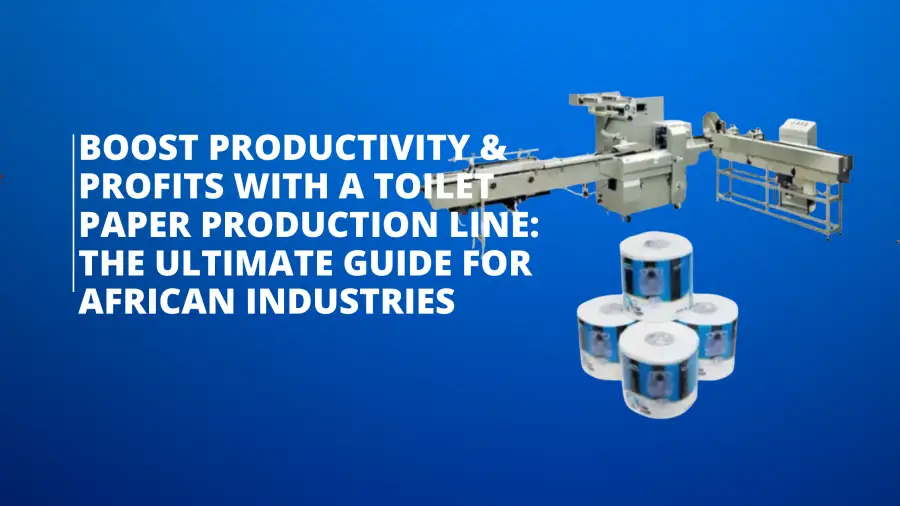
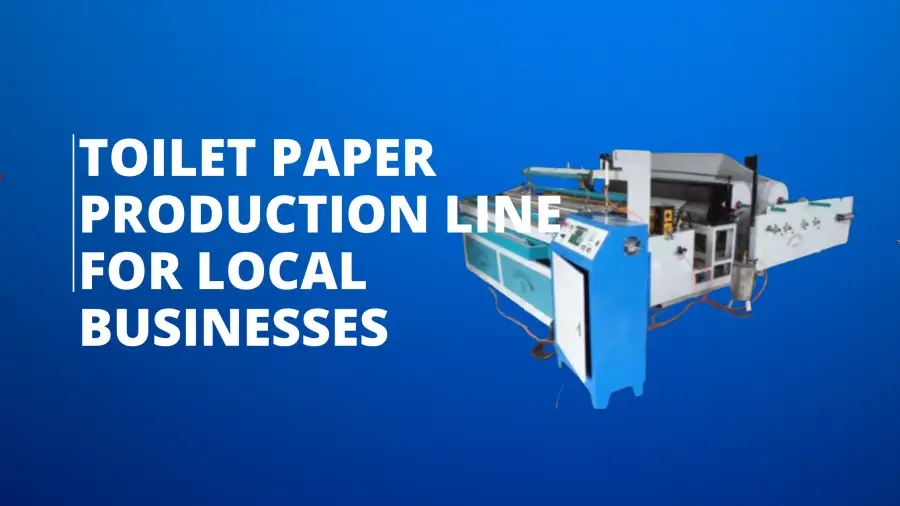
Toilet Paper Production Line
26 Jan 20262
- Products Sourcing
Why Sourcing from China Is Not as Easy as It Looks
-
Eman Libatu
-
25 Aug 2025
-
82 Comment
Sourcing products from China – often hailed as “the factory of the world” – can indeed unlock cost savings and a vast supplier base. China accounts for roughly 28–29% of global manufacturing output, making it the world’s leading manufacturing hub
With such production power, many business owners assume that importing from China will be straightforward. In reality, sourcing (or buying) from China is not as simple as it might appear. As one sourcing firm notes, “Importing from China is not easy and is not a viable option for everyone”.
Companies without experience often underestimate the complexities involved and end up with negative results. Western businesses frequently bemoan the complexities of sourcing from the Asian giant, citing common pitfalls that derail unprepared.
The good news is that these difficulties are avoidable with sufficient research, due diligence, and involvement throughout the purchase process. In this comprehensive guide, we’ll explore why sourcing from China is challenging – from communication barriers and quality control issues to hidden costs and legal hurdles – and how to overcome these obstacles. Whether you’re a small business owner or a procurement professional, understanding these challenges will help you approach China sourcing with eyes wide open.
Challenge 1: Finding Reliable Suppliers in a Vast Market
Navigating China’s supplier landscape is the first major hurdle. With millions of manufacturers and trading companies, identifying a reliable supplier is like finding a needle in a haystack. A common mistake is choosing the wrong manufacturer due to lack of market knowledge.
Many new importers simply pick a supplier from a B2B directory (like Alibaba or Made-in-China) without sufficient vetting. However, even well-known directories have their share of unscrupulous businesses – including middlemen posing as factories.
Partnering with an unknown supplier based on an online listing can lead to higher costs (if it’s a middleman inflating prices) or outright scams. In fact, many suppliers on e-commerce platforms are out to
defraud unsuspecting buyers, making it challenging to source legitimate, qualified manufacturers
Another pitfall at this stage is failing to account for all costs. Import novices often fixate on unit price and forget hidden costs such as shipping, import duties, insurance, and even the cost of traveling to China for inspection.
These expenses add up and can erase the savings that attracted you to China in the first place. For example, a product might seem cheaper than domestic sourcing until you factor in freight charges,
customs duties, and quality inspection fees – costs many first-timers “have not taken into account during their initial study”. If you don’t budget for these, you could end up way over cost or unable to land your goods legally.
Vetting suppliers thoroughly is absolutely critical before you commit to any purchase. Here are some essential steps to mitigate supplier risk:
Do comprehensive research and comparisons: Don’t rely on a single website or one quote. Check multiple sources and references for any supplier. A “too good to be true” low price or fantastical promise is a red flag that the supplier may be unreliable or a scam.
Verify business legitimacy: Always check the supplier’s licenses and credentials. Request copies of their business license, registration number, and any certifications. A reputable supplier will readily provide official documents for verification. Avoid any supplier who hesitates or only communicates via personal channels – that’s a warning sign. For instance, a reliable Chinese supplier should be able to show a valid business license and tax registration; if they “cannot furnish these details or only operate via mobile numbers,” consider it a deal-breaker.
Conduct factory audits (in person or via third-party): Whenever possible, visit the supplier’s factory or hire a third-party inspection company to audit it before placing a big order. An on-site audit lets you confirm they are a real manufacturer, assess their production capacity and quality systems, and meet the managers. Face-to-face interaction is invaluable in Chinese business culture – it helps establish guanxi (trust/relationship) and you can catch non-verbal cues about their transparency If you cannot travel, consider using a local sourcing agent or auditor who can. Skipping this step is risky, as paper verification alone might not reveal if you’re dealing with a trading company or a factory, or if the operation meets your standards
Beware of hidden middlemen: On marketplaces, a profile may claim “manufacturer” status when it’s actually a broker. Signs of a middleman include limited technical knowledge, reluctance to let you visit the facility, or offering an overly broad product range. Working through middlemen can raise costs and cause miscommunication issues or lack of control over production.
Whenever possible, buy directly from the actual factory to maintain control and save on commissions.
Taking these precautions will dramatically improve your chances of selecting a capable and honest supplier. The key is not to rush this research phase. As sourcing experts often advise, invest time in finding the right supplier up front to avoid massive headaches later on.
Challenge 2: Communication Barriers (Language & Culture)
Language differences and cultural nuances present another major challenge when buying from China. Most Chinese manufacturers’ staff speak limited English, and most Western importers don’t speak Mandarin. This language gap makes every interaction prone to misunderstandings.
Relying on Google Translate or email alone can be problematic – translations may be inaccurate or miss context, leading to confusing responses or mistakes in your order.
One Quora respondent frankly noted that “communicating with Chinese suppliers is a huge problem” because few speak English well and translation apps often fail to convey technical details
.
However, communication barriers go beyond just literal language. Chinese business culture has concepts that Westerners might not be familiar with – notably the idea of “saving face” (mianzi). In practice, this means a Chinese partner might avoid directly saying “no” or admitting a problem to prevent embarrassment or conflict. As one sourcing advisor explains, “Chinese businesses care about how they are viewed... This includes embellishing the truth to save face”.
In other words, a supplier might agree to requirements or nod along, even if they don’t fully understand, just to avoid losing face. This cultural tendency can lead to situations where you think everything is clear, but the factory had unresolved questions and proceeded incorrectly rather than asking for clarification.
Miscommunication can thus be the root cause of many other problems.
For example, if your specifications aren’t understood, the factory may make assumptions and produce something that doesn’t meet your expectations. One company recounted receiving an entire container of products that were wrong because small design errors (from miscommunicated requirements) were replicated across the whole batch.
Such nightmares underscore how critical clear communication is.
So how can you bridge the language and culture gap? A few strategies can help ensure both sides truly understand each other:
Use simple, clear language: Avoid idioms, slang, or long, complex sentences. Write instructions in plainly worded English and break text into bullet points or checklists for clarity. Many Chinese sales reps read English but may misinterpret nuanced phrasing. It also helps to learn a few basic Mandarin terms for your product (or hire a translator) – showing that effort can improve mutual understanding and goodwill.
Confirm understanding in writing and verbally: Never assume silence means agreement. If a supplier doesn’t ask questions, it’s your job to proactively confirm they understand every requirement. “Put everything down in writing and go over your checklist via video chat or phone call with the factory manager,” advises one seasoned importer.
After sharing product specs or changes, ask the supplier to restate the key points to ensure nothing is lost in translation. Encourage them to ask questions freely and emphasize that accuracy is more important than avoiding embarrassment.
Be specific and use visuals whenever possible: To minimize ambiguity, provide concrete references for requirements. For instance, don’t just say “make it in a bright yellow color” – specify “Pantone
Yellow 108 C” to precisely communicate the color. If you have drawings, prototypes, or photos of the expected product, share them. Visual aids transcend language. Likewise, when tolerances or standards are critical, detail them explicitly (e.g. “must withstand 50°C heat” or “compliant with CE safety standard EN12345”).
Utilize bilingual support: Consider hiring a bilingual sourcing agent or interpreter who can facilitate communication. An agent fluent in Chinese and knowledgeable about local business etiquette can relay your requirements accurately and catch nuances that a foreign buyer might miss.
They can also read contracts or technical documents in Chinese to ensure nothing is overlooked. Using local communication channels like WeChat (widely used in China) can also improve day-to-day communication with suppliers, and agents can help manage those chats if you’re not fluent.
Mind the cultural context: Building a relationship (even if remote) goes a long way. Politeness and respect are key – greet your supplier formally, inquire about their well-being, etc., rather than diving straight into business each time. Understand that saying “yes” may simply mean “I acknowledge” rather than actual agreement. By being patient, respectful, and aware of these cultural differences, you’ll create a more open environment where the supplier is comfortable voicing concerns or bad news instead of hiding it.
In summary, communication is often the make-or-break factor in China sourcing. It’s worth investing effort to overcome the language barrier upfront. Clear and respectful communication not only prevents costly mistakes but also helps build trust. Many experienced importers cite good communication as the reason their China partnerships succeed, despite the distance and differences. By contrast, poor communication can sabotage even the best supplier relationship.
Challenge 3: Quality Control and Consistency Issues
Ensuring that you receive high-quality products that match your specifications is one of the toughest ongoing challenges when sourcing from China. China produces everything from cheap trinkets to high-end electronics; quality can vary wildly. Importers unfamiliar with Chinese manufacturing often assume the supplier will adhere to their home country’s quality standards – only to discover too late that this is not the case. In China, a factory’s default quality benchmark may differ from what Western consumers expect, especially if not explicitly defined.
Several issues commonly arise around quality:
Manufacturing errors due to miscommunication: As discussed earlier, if the factory misunderstood some requirement, the product may have design flaws or not function as intended. If you’re not on the ground to catch the first units off the line, an entire production run could be wrong.
For example, a small measurement mistake (inches vs. centimeters, a missing component, etc.) can ruin the whole batch. By the time the shipment reaches you, you might be stuck with unusable inventory. This scenario has happened to companies that didn’t perform interim checks – they “end up receiving entire containers that do not meet their expectations” because issues weren’t caught early.
Lower quality materials or components: Sometimes, a supplier might quietly substitute cheaper materials or components to save cost, especially if they agreed to an unrealistically low price. Without oversight, you may find the product looks the same but fails quickly or doesn’t meet safety standards. This quality fade can happen gradually over subsequent orders if not kept in check.
General quality variation: Even with honest suppliers, there’s always some variation in production. Factories have QC processes, but minor defects or inconsistencies can slip through, especially if they’re rushing or if their QC is not strict. The reality is zero defect is almost impossible – the goal is to keep any defects within acceptable limits.
A batch could have a small percentage of items with cosmetic issues or faults. The key is to identify and address these issues before the goods leave China.
To tackle these quality challenges, proactive quality control (QC) measures are essential:
Always request and test samples: For any new product or new supplier, insist on a pre-production sample (or prototype) and do not proceed to mass order until you are satisfied with it. Ordering samples from different suppliers is standard practice – it allows you to compare quality and workmanship. When you receive a sample, test it rigorously in the way your end-customer will use it. Does it meet your specifications and quality expectations? If not, communicate the specific issues and give the manufacturer a chance to correct them on a second sample. This “trial run” helps both you and the supplier get on the same page. Be cautious even if the sample looks perfect, though – there have been cases where a supplier sent a “golden sample” (a one-off, high-quality piece possibly made by another factory) to win the business, but then mass-produced lower-quality items To guard against this, you can ask to visit during sample production or have a third-party verify that the sample came from the same production line.
Implement in-process and pre-shipment inspections: Don’t just trust that once you place an order, the quality will be as agreed. It’s far cheaper and easier to fix problems while the goods are still at the factory than after they’ve shipped overseas. Consider hiring independent QC inspectors in China to perform quality checks during production and before shipment. For instance, many importers use a pre-shipment inspection (PSI) when about 70-80% of the order is complete.
A professional inspector will randomly sample units from the batch and check against your criteria (dimensions, functionality, packaging, labeling, etc.).
They can identify if there are unacceptable defect rates or deviations. If issues are found, you can halt shipment and require the factory to rework or replace faulty items. This step is crucial: a proper PSI can save you from receiving an entire order of defective products. As a sourcing company observes, multiple layers of inspection greatly reduce the risk of sub-standard shipments, and knowing an independent party is watching often keeps the factory more diligent.
Define quality standards and tests: Be explicit in your contract or purchase order about the quality benchmarks. For example, specify acceptable defect rates (using AQL standards), required materials or brand of components, and any testing protocols. If your product needs to pass certain safety or performance tests, make it clear that the factory must conduct or allow those tests. In fact, if your product is subject to strict regulations (e.g. electronics, toys, medical devices), inform the supplier that you will be doing lab tests on random samples – their reaction is telling: “If the supplier refuses your order, you immediately know they cannot meet the required standards”, whereas a slight price increase might indicate they plan to put in extra quality efforts. Essentially, signal to the supplier that quality is non-negotiable.
Monitor production for consistency: For long-term orders, periodically visit (or have an agent visit) the factory. Build a relationship where the supplier knows you will be checking in. When they realize that **“their work is being scrutinized by an independent third-party, they are more dutiful about adhering to your requirements”*. Some importers even station their own quality staff at the factory during production of critical orders. While not everyone can do that, the principle is to keep a close eye so the manufacturer doesn’t cut corners over time.
Ultimately, maintaining quality when sourcing from China requires a hands-on approach. “Having a hands-off working style” is a mistake in this contextsourcingallies.com – you need to stay engaged with the supplier.
By actively managing quality – through samples, inspections, and clear standards – you can reliably get good products. Many companies do achieve excellent quality from China, but it’s seldom by luck; it’s by design and diligent follow-up.
Challenge 4: Regulatory Compliance and Import Requirements
Importing goods isn’t just about making or buying the product – you also must comply with the laws and standards of your own country (and sometimes those of China) to successfully import and sell the products. This is an area where first-time importers from China can run into trouble if they haven’t done their homework. The regulations can be complex and vary widely depending on the product type and destination country.
A major consideration is product compliance and safety standards. Many product categories – especially those that have health or safety implications – require specific certifications, testing, or labeling to be legally imported. For example, if you are sourcing:
Food, beverages, or supplements: These might need to meet FDA or EU food safety standards, have proper ingredient labeling, and in some cases be produced in certified facilities.
Cosmetics or products applied to the body: They often require certification that they are free of certain toxic substances and comply with cosmetic regulations (e.g., EU’s CPNP registration, FDA rules for cosmetics).
Electronics and electrical appliances: They typically must carry safety certifications such as CE, UL, or FCC, and meet electromagnetic compatibility (EMC) standards.
Children’s products and toys: These usually have stringent safety criteria (for instance, ASTM F963 or EN71 for toy safety, and limits on chemicals like phthalates or lead).
Medical devices: They often require regulatory approval or clearance (like FDA 510(k) in the US or CE mark under the Medical Devices Regulation in Europe).
As a rule of thumb, anything that plugs into a wall, goes into or on someone’s body, or is intended for children will have special requirements. It’s absolutely critical to research your country’s import regulations for your specific product type before placing an order. One sourcing firm advises importers to “read all the requirements for importing… figure out the rules for importing products before placing any orders”, because many products will require different certifications or tests depending on where they will be soldchina2west.com. If you neglect this, you risk your shipment being held or refused by customs, or you may be unable to legally sell the product – a very costly mistake.
Even beyond product compliance, there are other regulatory hurdles:
Customs documentation and duties: Every shipment from China must clear customs in your country. This means you or your freight forwarder must file the correct paperwork (commercial invoice, packing list, bill of lading, customs declarations, etc.) and pay any import duties/tariffs. Mistakes in documentation can cause delays or fines. Also, customs duties add to your cost – sometimes significantly. For instance, during trade war escalations, additional tariffs of 10-25% (or more) were imposed on many Chinese goods entering the US. Importers who didn’t account for customs duties in their cost calculations were in for a nasty surprise when their goods arrived and they got the bill.
Always check the latest tariff rates (using the HS code of your product) and factor those into your pricing. And ensure you have a customs broker or agent if you’re not familiar with the import process, as they can handle the clearance smoothly.
Import restrictions and permits: Some goods might be outright prohibited or restricted. For example, certain chemicals, agricultural products, or high-tech items might require special import licenses or permits. Always verify that the product is allowed and what paperwork is needed. China has a reputation for producing knock-offs of branded goods – be extremely careful not to infringe on intellectual property. If you import counterfeit or patent-infringing items (even inadvertently), they can be seized by customs and you could face legal issues. Make sure what you’re importing doesn’t violate any IP laws or sanctions.
Differences in technical standards: Even if not legally required, technical standards vary. A machine made for the Chinese domestic market, for instance, might not meet EU machine directives or might be calibrated in a way that doesn’t match Western standards. Ensure the supplier knows the target market requirements. An anecdote: Chinese plugs and voltage differ from Western ones – if you buy electronics, you must specify the correct plug type and voltage for your market, or you’ll get 220V devices with Chinese plugs that are useless without adapters. These details need to be sorted out in advance.
Timing is another aspect impacted by regulations and cultural factors. One often-cited challenge is the Chinese holiday schedule, especially Chinese New Year (Lunar New Year). This massive holiday (which typically falls in late January or February, on a varying date) can shut down factories across China for 2 to 4 weeks.
Production halts as workers return to their hometowns en masse. If you are unaware of this and try to place an order or expect delivery during this period, you’ll be caught off guard. A smart strategy is to schedule your inventory before Chinese New Year. For instance, an American retailer would know to stock up enough inventory before late January to avoid stockouts, since nothing may ship for several weeks around the holiday.
Other holidays like Golden Week (around October 1st) also cause week-long shutdowns. Additionally, each province may have unforeseen shutdowns (e.g. for environmental inspections or power rationing). The lesson is to build buffer time into your production schedule and confirm timelines with your supplier well in advance, especially in Q1 of the year.
In summary, regulatory compliance is a non-negotiable part of importing from China. It’s not the most exciting aspect, but ignoring it can stop your business in its tracks. Always research and adhere to the relevant laws, whether it’s product certifications, import duties, or holiday planning. When in doubt, consult with experts: hire a customs broker, or ask your sourcing agent about compliance (good sourcing companies are well-versed in these requirements). As the saying goes, “an ounce of prevention is worth a pound of cure” – doing the legwork to ensure compliance will save you from expensive headaches down the line.
Challenge 5: Price Negotiations and Minimum Order Quantities (MOQs)
One of the attractions of sourcing from China is the relatively low unit prices. However, negotiating price and terms with Chinese suppliers is a nuanced art – and misunderstandings here can derail a deal or damage your product quality. Two particular pain points are unrealistic price expectations from buyers and the minimum order quantity (MOQ) requirements set by suppliers.
MOQ is the smallest order size a factory is willing to produce, and Chinese manufacturers are often quite firm about their MOQs. Why? Many factories operate on thin margins and rely on volume to make profits.
Producing a small batch may not be economically worthwhile for them, or it might disrupt their production flow. If you’re a new business or an Amazon/e-commerce seller trying to start with, say, 100 units, you’ll find many Chinese suppliers insist on MOQs of 500, 1,000 or more units depending on the product. They may only agree to smaller quantities at a higher unit price to ensure it’s still profitable for them.
For a new importer, this can be frustrating – you don’t want to commit to a huge order before testing the market, but suppliers don’t want to bother with tiny orders. The mistake some make is to push aggressively for a low MOQ or rock-bottom price by telling a sob story about being a startup. For example, a weak approach would be: “We’re just starting out, on a small budget, can you please lower the MOQ to 200 units? We promise to order more later”. From the supplier’s perspective, this is unconvincing and signals that you’re not a serious buyer.
One sourcing expert provided a contrasting example of how to negotiate more effectively: present yourself professionally and highlight the potential for future business. E.g., “I’m the purchasing manager of XYZ Company. We are looking for a long-term manufacturing partner. For our first order, we’d like to place a trial run of 300 units, with the intention to scale up on subsequent orders.”sourcingallies.com. This tone is confident and businesslike, and while it doesn’t guarantee success, it stands a better chance of the supplier bending their MOQ slightly for you.
Price negotiation is closely tied to MOQ and can also be tricky. Chinese suppliers will generally quote a price based on the quantity – larger orders get better pricing. As a buyer, you of course want the best price, but chasing the absolute lowest price can backfire. It’s important to understand that price and quality are usually linked. If you force a supplier to hit an unrealistically low price, expect them to quietly cut costs elsewhere (cheaper materials, less QC, smaller size, etc.). “Price matches quality,” one guide reminds importers – suppliers are businesses that “need to make a profit too”. Driving a rock-bottom bargain might sour the relationship or, more likely, show up as poorer quality or service. A seasoned China buyer will set a reasonable
target price (based on research of market pricing and material costs) and negotiate to meet that, rather than simply trying to see how low the supplier will go.
Consider these tips when negotiating with Chinese suppliers:
Do your homework on pricing: Before negotiating, request quotes from multiple suppliers and research the input costs. Check if there are published prices for raw materials or components (for instance, metals or plastics have commodity prices). One tip is to look at indices like the IMF’s commodity price index for materials. If you know that, say, copper prices went up recently, you’ll understand if a supplier’s price is a bit higher or if they later request an increase. This information empowers you to negotiate fairly and recognize when a quote is too low to be credible.
Be respectful and build rapport: Haggling is expected, but how you negotiate matters. Be firm but respectful. In Chinese business culture, relationships and harmony are valued, so an overly hard-nosed or impersonal negotiation style might yield worse results. It’s often effective to first establish a friendly rapport and show interest in a win-win deal. As one source noted, “how you communicate with your supplier matters a great deal”. Keep your tone professional and avoid public criticisms or causing the supplier to lose face during negotiations.
Discuss MOQs creatively: If the MOQ is too high for you, explore creative compromises. For example, ask if they can produce your smaller initial order but at the MOQ price (i.e., you pay slightly more per unit). Or see if they’ll do a trial run of fewer units with an agreement to order more later if things go well – sometimes framing it as a “pilot production” can help. Another approach is to combine variants: if the MOQ for one model is 1000 units, ask if you can split it into 500 of red and 500 of blue (often they will if it uses the same materials). Communication is key: explain your constraints and show that you plan to scale. Some factories will take a chance on a smaller order if they believe in your growth potential
Clarify all cost components in the quote: Don’t assume anything about what the quoted price includes. Ask for a detailed breakdown if possible. For instance, does the price include packaging? Does it include printing your logo? Are compliance certifications or testing costs included? Who pays for tooling (molds, etc.) if needed? Any ambiguity can lead to disputes or extra charges later. Good practice is to make a checklist of potential cost items – quality control inspections, special packaging, export documentation, warranty/service terms, etc. – and confirm which side covers each. This avoids misunderstandings where you thought something was included in the price but the supplier later says it’s extra (or vice versa). A sourcing ally company notes that suppliers might include a small “safety margin” in price to cover any risk of misunderstandings, or conversely offer a discount on the next order instead of on the first. Knowing the breakdown lets you negotiate more effectively and prevents surprises.
Be willing to walk away (politely): If a supplier simply won’t meet your target price or MOQ and you suspect they can’t do so without sacrificing quality, it may be best to thank them and move on. There are many suppliers in China; it’s often better to find one that aligns with your needs than to force a bad fit. Sometimes your refusal to compromise on quality/terms will even make the supplier reconsider and come back with a better offer, but don’t count on it. Always keep alternative options in your back pocket.
Ultimately, successful negotiation with Chinese suppliers requires finding a balance: you want a good deal, and they need to feel the deal is worth it. The process may take some back-and-forth over weeks or even months. Patience is important. Rushing a negotiation could either leave money on the table or create an agreement that falls apart. Take the time to build understanding – it sets the tone for your long-term partnership. Remember, the cheapest price is not always the best price if it comes with hidden costs or jeopardizes quality.
Challenge 6: Payment Risks and Financing
Dealing with payments in international trade is another area that can be daunting. When sourcing from China, you often have to send money across the world to a company you have never met in person, sometimes in advance – a proposition that naturally carries risk. Additionally, China’s financial systems and preferences can introduce hurdles (for example, the use of the Chinese yuan and certain payment platforms).
One risk is the potential for scams or fraud in payments. Sadly, there have been instances of unscrupulous parties tricking buyers into sending money to the wrong account. For example, a scammer might pose as your supplier and email you “updated bank details”, diverting your wire transfer to their own account. Or a fake supplier might simply take your deposit and never deliver goods. Because of such dangers, payment security should be top of mind. As a rule, avoid insecure, untraceable payment methods like wiring money to personal accounts, Western Union transfers, or paying to offshore accounts unrelated to the supplier’s company. One guide warns that if a sourcing agent or supplier “requests payment through insecure channels or untraceable methods,” that’s a huge red flagchina2west.com. Always verify the account details directly (preferably through a phone call or verified company document) before sending funds, and stick to established payment methods.
The common payment methods for China trade include:
Telegraphic Transfer (T/T) or Bank Wire: This is the most typical – you send money from your bank to the supplier’s bank account. It’s relatively secure if you have the correct company account info, but note that most suppliers will ask for a deposit upfront (e.g., 30%) and the balance (70%) after production but before shipment. This means you do take a risk on that 30% (and even the 70%, since you pay before getting goods in many cases). Mitigate this risk by using the other methods below or by thoroughly vetting the supplier’s reputation. For large transactions, consider using a Letter of Credit (L/C) which gives more protection (the bank holds payment until certain conditions are met).
PayPal or Credit Card for small payments: Chinese suppliers usually don’t prefer PayPal for large orders due to fees and difficulty withdrawing in China, but for samples or small orders, PayPal can be a convenient, protected method (since it offers buyer protection in some cases). Some suppliers may accept credit card via Alibaba or their own payment gateway. These methods give you recourse to dispute a charge if something goes wrong, but fees are higher.
Chinese currency and platforms: An interesting challenge is that many Chinese suppliers prefer payments in Chinese Yuan (RMB) to avoid foreign exchange hassle, and they may use local payment apps like Alipay or WeChat Pay. However, as a foreign buyer, you likely cannot use those easily, as “most Chinese suppliers want to be paid in their local currency, which many overseas importers can’t access”.
This can complicate matters. The practical solution is usually to pay in USD (most will accept USD in their bank account and convert it themselves) or use a Hong Kong intermediary. A procurement service can also help handle RMB payments on your behalf.
To reduce payment risks, only transact with trusted parties. Verify the supplier’s bank account name matches the company name on your contract or invoice. Double-check email addresses (beware of spoofed emails with one letter off). It’s also wise to start with a smaller order or a sample order – this way, you’re not exposing a huge sum initially. After a relationship of trust is established over multiple successful transactions, you can be a bit more comfortable.
Another tip: negotiate payment terms that give you some leverage. Instead of 100% upfront, standard is 30/70 as mentioned.
Or some suppliers might do 50% deposit, 50% on delivery for very custom items. If you have more clout, you could aim for terms like 30% deposit, 70% after you receive and inspect the goods. Many suppliers won’t agree to that for new customers, but it could be possible after you’ve done business for a while or if the order is very large. In any case, align the payment schedule with quality checkpoints if you can (e.g., pay final balance after a passed pre-shipment inspection).
Be mindful also of currency exchange fluctuations. If your local currency moves a lot against USD or RMB, your costs could change in a long production lead time. Hedging or forward contracts might be something to consider for very large deals, but for most small businesses, simply be aware of the FX risk.
In short, treat international payments with caution and diligence. Use secure channels, double-check details, and only pay the minimal necessary upfront until trust is built. The goal is to protect your capital while also meeting the supplier’s need for assurance. When both sides feel secure, the partnership can flourish.
Challenge 7: Shipping, Logistics, and Lead Time Delays
After navigating all the earlier hurdles and finally getting your product manufactured to the right quality, there remains a very real challenge: getting your goods from the factory in China to your warehouse efficiently. Logistics is often an afterthought for new importers, but issues in shipping can cause significant delays, unexpected costs, and headaches for your business and customers.
Long transit times are inherent in overseas sourcing. Despite the wonders of modern freight, shipping from China to, say, the United States or Europe typically takes weeks by sea. A container ship voyage can be 2–6 weeks depending on the route. Air freight is faster (a few days) but exponentially more expensive, usually reserved for small high-value goods or urgent restocks. So, you must plan for the reality that “receiving a purchase from China is not synonymous with speed”groups3.com. One expert noted that from the moment products leave the Chinese factory, it can take two weeks to two months before they arrive at the destination company, depending on shipping mode and potential holdupsgroups3.com. This long lead time means you need to forecast demand and order well in advance – if you underestimate, you could be out of stock for months, and if you overestimate, you tie up capital in inventory on the water.
Moreover, these are ideal-case transit times. Delays are common and can happen at various stages:
Port congestion: Major Chinese ports (like Shenzhen, Shanghai, Ningbo) and receiving ports (Los Angeles, Rotterdam, etc.) can get congested, especially around peak seasons. This can add days or weeks as ships queue to unload or load.
Customs clearance delays: If your paperwork isn’t in order or your shipment gets flagged for inspection by customs, expect extra days or weeks. For instance, missing a required certificate or an incorrect HS code can lead to your container being pulled for inspection, which can be time-consuming.
Carrier and schedule issues: Ships and planes have schedules, but they can be disrupted by weather (typhoons in the Pacific can delay ships), mechanical issues, or other unforeseen events (like the Ever Given vessel blocking the Suez Canal in 2021). In recent memory, global disruptions like the COVID-19 pandemic severely affected shipping reliability. Factory shutdowns, container shortages, and fluctuating demand caused massive shipping delays worldwide. While that was extreme, it underlined how a distant event can ripple through your supply chain.
Labor and infrastructure problems: Shortages of truck drivers, strikes at ports, or infrastructure problems (like not enough rail capacity) can all delay your shipment after it arrives in port. As one analysis pointed out, in the current environment it has “become commonplace for shipping to take longer than stated”, due to factors like port delays, customs, and even driver scarcityblog.sarapsl.com.
These delays aren’t just frustrating – they can “be detrimental to the business’s survival” if not managedblog.sarapsl.com. If you promise customers delivery by a certain date and containers are delayed, you may face stockouts or unhappy customers. Constant delays can damage your reputation and cash flow.
So how to mitigate logistics challenges? Here are some strategies:
Build in buffer time: When planning lead times, err on the side of caution. If the freight forwarder says 4 weeks, maybe assume 6 in your worst-case scenario planning. It’s better to have inventory arrive a bit early than to cut it too close. Educate your stakeholders (bosses, clients, customers) that delays can happen. Managing expectations is key – some businesses communicate to their end customers about possible delays, especially in volatile timesblog.sarapsl.com. Keeping customers informed can prevent frustration if something is late.
Use reliable logistics partners: A good freight forwarder is worth their weight in gold. They will help ensure you have all documents in order, advise on the best shipping routes, and keep you updated on shipment status. They can also assist with insurance and customs brokerage. Don’t just choose the cheapest shipper; choose one with a solid track record. They can sometimes consolidate shipments or find space when things are tight.
Consider insurance for shipments: Things can go wrong in transit – containers get lost at sea (rare but it happens), goods can get damaged by water, theft can occur, etc. Cargo insurance is relatively inexpensive and will protect you financially if a shipment is lost or ruined. As one procurement expert noted, despite modern tracking, “there are still cases of loss of shipment from time to time,” so having insurance or a plan to absorb such a loss is importantblog.sarapsl.com. Many freight forwarders can arrange cargo insurance for a small fee. Always ask and don’t skip it for high-value shipments.
Optimize shipping terms (Incoterms): Be clear with your supplier about who is handling and paying for which portion of the logistics. Incoterms like FOB (Free On Board), CIF (Cost, Insurance, Freight), DDP (Delivered Duty Paid), etc., specify this. For beginners, FOB is common – the supplier gets the goods on the ship (you pay local export costs indirectly), and then you take over. If you go with CIF, the supplier arranges freight to your port, but you still handle import customs and delivery to your door. DDP means the supplier handles everything to deliver to your door (including duties), which can simplify things but usually at a premium cost. There’s no one-size-fits-all, but make sure it’s clearly agreed, so you don’t find out last-minute that nobody arranged trucking from the port to your warehouse.
Stay on top of documentation: Double-check that the commercial invoice, packing list, and bill of lading (or airway bill) details are correct (descriptions, values, weights, etc.). Incorrect paperwork can cause customs to hold your shipment. If you’re unsure, get a customs broker to review them. Also ensure you have any required certificates (e.g. a phytosanitary certificate for wooden products, Fumigation certificate for pallets, etc., if applicable).
Plan around holidays and peak seasons: We touched on Chinese New Year. Similarly, note that the period leading up to major Western holidays (Christmas season) can be peak shipping season, meaning higher rates and more congestion. If you import toys or gifts, for example, your peak shipping will be Aug-Sep for Christmas arrival – plan extra time and book space early. Communicate with your supplier about these timelines so they can also plan production accordingly.
Despite all these challenges, millions of containers successfully travel from China to the world each year. It’s doable – but it requires logistical savvy and careful planning on your part. By preparing for delays, insuring your goods, and partnering with good logistics providers, you can greatly smooth out the process. The goal is to avoid any “nightmare” scenario where products are stuck in limbo indefinitely With experience, you’ll get better at forecasting and handling the moving pieces of international shipping.
Challenge 8: Intellectual Property (IP) and Legal Concerns
For companies developing unique products or brands, protecting intellectual property when manufacturing in China is a serious concern. Horror stories abound of designs being copied or products “cloned” and sold cheaply on the market. While China has made progress in IP laws, enforcement can still be inconsistent, and once your product idea is out in the wild, it’s difficult to contain. So, before engaging with a Chinese supplier, especially if you have proprietary designs, you should take steps to safeguard your IP and legally shield yourself as much as possible.
One critical step is having a solid manufacturing contract or agreement with your supplier. Too many importers operate on a casual basis – a pro forma invoice here, a purchase order there, but no comprehensive contract. This can be a mistake if a dispute arises. Your contract with the supplier should clearly stipulate everything important: product specifications, quality standards, delivery terms, payment terms, penalties for late delivery or poor quality, and intellectual property protections. It should also state what happens if the supplier fails to meet the terms. Essentially, “your manufacturing agreement should not leave any room for doubt or ambiguity”
The more detailed, the better – so that if you ever end up in court or arbitration, you have a strong document to back you up.
However, simply having a contract isn’t enough – it must be the right kind of contract. Notably, if you are dealing with a Chinese company, it is highly advisable (some say essential) to write the contract in Chinese and under Chinese law.
Why? If you draft it under your home country’s law and language, and something goes wrong, you might win a judgment at home but find it unenforceable in China. Chinese courts typically don’t enforce foreign judgments. On the other hand, a contract in Chinese, enforceable in Chinese courts, gives you a fighting chance to actually hold the supplier accountable locally. It might seem daunting to rely on a foreign legal system, but in practice it’s the only one that matters for a Chinese supplier. One specialist explains that Western-court judgments aren’t enforced in China, so if you ever need to litigate, better to do it in China with a contract written in the local language.
Of course, to do this you’d want a good attorney with China experience to draft the contract (or at least review a translation).
Part of that contract (or separate agreements) should be focused on IP protection. China uses what’s called an NNN agreement (Non-disclosure, Non-use, Non-circumvention), which is similar to but more comprehensive than a standard NDA (Non-disclosure agreement). An NNN agreement aims to prevent the factory from disclosing your confidential information, using your IP/designs to manufacture products for anyone else, or circumventing you (for example, selling your product directly to your customers). Unlike a simple NDA, which often is not very enforceable in China
, an NNN is tailored for Chinese law and business practices.
You should have an NNN agreement in place before sharing detailed designs or proprietary information with a supplier. And it should be in Chinese. This may not 100% guarantee your idea won’t be copied (a determined bad actor might still do it), but it gives you legal recourse and acts as a strong deterrent.
Apart from contracts, consider registering your intellectual property in China. If you have a brand name, register your trademark in China – even if you don’t plan to sell there. China is a first-to-file country for trademarks, meaning if someone registers your brand in China before you do, they own the Chinese rights, and could even stop your goods at customs for “infringing” their trademark if you try to export your own products out of China. This has happened to numerous companies. So, file that trademark in China early.
For patents or product designs, it’s more complex, but if your product has unique patentable features and you’re investing heavily, talk to an IP attorney about filing at least a design patent in China. As one sourcing firm advises, “consider registering trademarks and patents in China for added protection” to guard against counterfeiting or IP theftchina2west.com. These legal protections can be relatively affordable and could save your business.
Lastly, be aware of the risk of the supplier themselves competing with you. There have been cases where a factory makes a product for a client, then later they produce the same (or slightly modified) product under a different name and sell it – perhaps even to your competitors or in your market at lower prices. Your contracts should forbid this (that’s the Non-Use part of NNN). Realistically, monitoring that is tough, but having legal agreements and choosing reputable suppliers helps. Higher-tier manufacturers with international clients have reputations to uphold and are less likely to engage in such behavior than a small workshop hungry for business.
In the grand scheme, not every product has serious IP concerns – if you’re buying generic goods or white-labeling an existing item, IP might not be a big issue. But if you’ve invested in product development or have a brand to protect, don’t skip the legal/IP protection step. It can feel like overkill when everything is friendly at the start, but if relationships sour or if someone sees an opportunity to profit from your idea, those safeguards are your insurance. Think of it as locking your doors – you hope it’s never tested, but you’ll be glad to have it if needed.
Strategies for Overcoming the Challenges
After reading about all these challenges – from communication mishaps to quality snafus to shipping delays – you might wonder, is it even worth it? The answer for many businesses is yes, but only if you approach China sourcing with the right strategy and mindset. As the Axis Group sourcing experts put it, “China sourcing must only be done if it is done well!”axisgroupinternational.com. When executed properly, sourcing from China can significantly boost your company’s profitability and give you a competitive edge. If done haphazardly, it can just as easily become a costly fiasco. So how can you tilt the balance towards success? Here are some overarching strategies to make sourcing from China more manageable:
1. Do Your Homework and Plan Thoroughly: By now it’s clear that knowledge is power. Before engaging, educate yourself on the product, the market, typical costs, and regulations. Develop a sourcing strategy – define your requirements, identify potential regions in China that manufacture your product, and map out a timeline that considers all the steps (sampling, production, shipping, etc.)\
.
A detailed plan that, for example, accounts for Chinese holidays, sets clear quality criteria, and includes a backup supplier or two, will save you from many surprises. This up-front preparation is an investment that separates those who navigate the complexities successfully from those who get overwhelmed
.
2. Involve Professionals or Partners: If you’re new to this, consider enlisting help. Sourcing agents or consulting firms can handle a lot of the heavy lifting – from supplier identification to factory audits, quality inspections, and logistics. Yes, they charge fees or a commission, but they bring expertise and local presence that can pay for itself by avoiding mistakes. As S³ Group (a purchasing consultancy) notes, many problems occur when companies don’t leave the process “in the safe hands of a professional”
A good sourcing partner will have experienced staff in China, knowledge of reliable suppliers, and established processes to ensure things go smoothly. They can filter out bad apples, negotiate better, and resolve issues faster. In short, they act as your on-ground extension. Many businesses that cannot maintain their own China office go this route to bridge the gap. For example, purchasing consultants or trading companies with decades of experience can manage end-to-end sourcing, letting you focus on your core business.
In recent years, platforms and marketplaces have also emerged to facilitate safer global sourcing. One example is Afrimart (afrimart.co.za) – a Pan-African B2B platform that connects African buyers with international (including Chinese) suppliers. Afrimart acts as a vetted intermediary, offering an e-commerce platform where businesses can find reliable suppliers and transact with confidence. They boast over 30 years of cumulative experience in international trade and logistics, which helps in streamlining customs clearance and supply chain management for their clients
By using such a platform, an African importer could leverage Afrimart’s local expertise and network rather than going it alone. In effect, Afrimart and similar services combine the roles of sourcing agent, marketplace, and logistics coordinator. They vet suppliers, facilitate communication, and ensure secure transactions, significantly reducing the risks we’ve discussed
.
Partnering with a reputable firm like this can be a smart shortcut to overcome language barriers, cultural differences, and even financing hurdles (since they might offer payment solutions). As a bonus, Afrimart’s presence in South Africa means it is literally closer to home for African businesses, aligning time zones and offering a degree of accountability that dealing with a distant supplier alone might lack.
By tapping into such services, even smaller companies can access the competitive advantages of China sourcing – like lower costs and diverse product options – without bearing the full brunt of its challenges.
3. Cultivate Strong Relationships: Don’t treat your supplier (or agent) as an expendable, one-time partner. In China, relationships (guanxi) are vital. If you plan to be in business for a while, invest in developing a good relationship with your Chinese counterparts. Visit them when possible, share meals, give gifts during Chinese New Year, or simply maintain regular friendly communication. A supplier who trusts and respects you is far more likely to go the extra mile – for instance, prioritizing your order, or being honest about issues. Some companies that have built long-term relations with factories report that those suppliers helped them out of jams, produced rush orders when needed, or shielded them from price increases. Relationship building is often the hidden key to resolving challenges smoothly – because your partner wants to keep you happy. On the flip side, if you constantly switch suppliers chasing slightly better prices, you miss out on that accumulated goodwill and learning. It’s a balance of course – you shouldn’t tolerate poor performance just for the relationship – but many sourcing veterans will tell you that finding a great supplier and growing together is more valuable than saving a few cents per unit with an unknown factory.
4. Maintain an Active Presence and Oversight: Even with agents or great suppliers, remain involved. Request regular updates, ask for photos/videos from the production line, and track milestones. If something seems off, don’t hesitate to question it. By showing the supplier that you are detail-oriented and monitoring progress, you signal that they must meet their commitments. When they see you’re serious about quality deadlines, they are less likely to slip in delays or subpar quality unnoticed. Essentially, manage your project actively – you can’t just “set and forget” an order until delivery. As one source advised, avoid a completely hands-off approach; keep the supplier “on their toes” with assertive, consistent follow-ups
5. Learn and Adapt: Finally, treat the first few sourcing ventures as learning experiences. No amount of reading (even guides like this) can substitute for real experience. Inevitably, you’ll encounter a challenge or two unique to your situation. Instead of being discouraged, use it to refine your process. Maybe you’ll discover that one particular component is always causing delays – next time, you’ll plan better or find a backup. Or you’ll learn how to better communicate technical details after one misunderstanding. Each import cycle will make you more adept. Document what you learned and improve your SOPs (Standard Operating Procedures) for sourcing. Over time, what once seemed daunting becomes routine. Many companies eventually reach a point where their China sourcing runs like clockwork – not because China got easier, but because they got smarter.
In conclusion, sourcing from China is certainly a challenge, but it’s one that can be managed and overcome with the right approach. The difficulties we’ve outlined – from verifying suppliers, bridging language gaps, enforcing quality, dealing with logistics, to protecting IP – are very real. Yet, businesses around the world successfully navigate them every day, benefiting from China’s unparalleled manufacturing capabilities. The key difference between success and failure often comes down to preparation, cultural understanding, diligence, and partnering wisely. To recall the earlier expert insight: China can yield significant benefits “but achieving this is complex” – there are no shortcuts or magical recipes, but a comprehensive, well-executed strategy will pay
By acknowledging that sourcing from China is not as easy as it looks, you’ve taken the first step. Instead of underestimating the process, you can now approach it realistically and proactively. If you equip yourself with knowledge, build the right relationships (be it a trusted supplier, a platform like Afrimart, or an experienced agent), and stay engaged every step of the way, you can turn the challenges of China sourcing into opportunities. In fact, many companies find that once they have established a solid system, China becomes an indispensable part of their supply chain – a source of innovation, efficiency, and growth.
Do it right, and you’ll join those who reap the rewards of global sourcing. Do it carelessly, and the proverb “buying cheap is expensive” may come true. With the insights and strategies discussed, you are now much better prepared to do it right. Good luck, or as they say in Chinese, 加油 (jiāyóu) – add oil, keep going!
Leave Comment
Your email address will not be published. Required fields are marked
Comments
30 Jan, 2022
Glenn Greer
"This proposal is a win-win situation which will cause a stellar paradigm shift, and produce a multi-fold increase in deliverables a better understanding"