B21, China Town Mall, Midrand

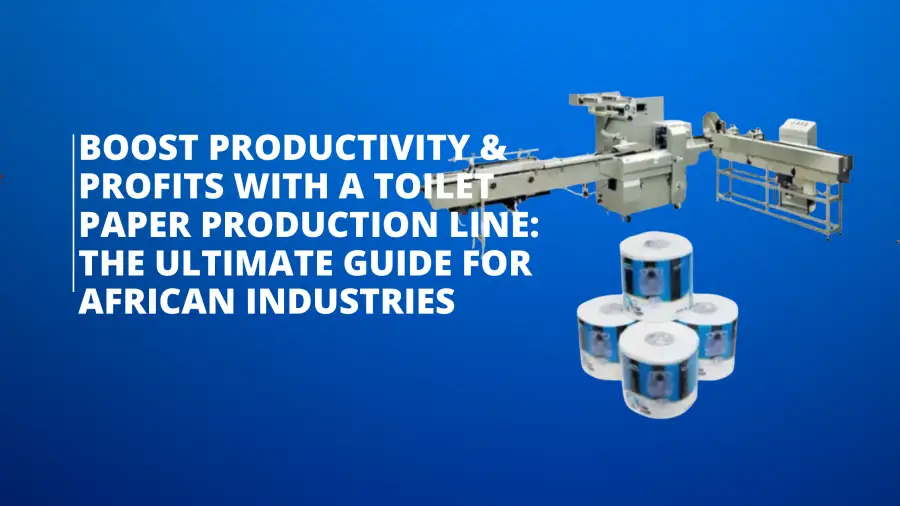
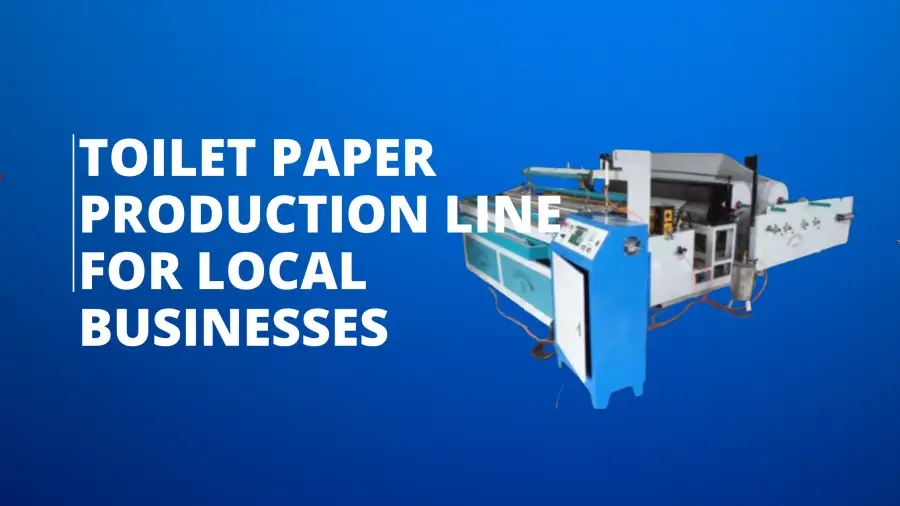
Toilet Paper Production Line
26 Jan 20262
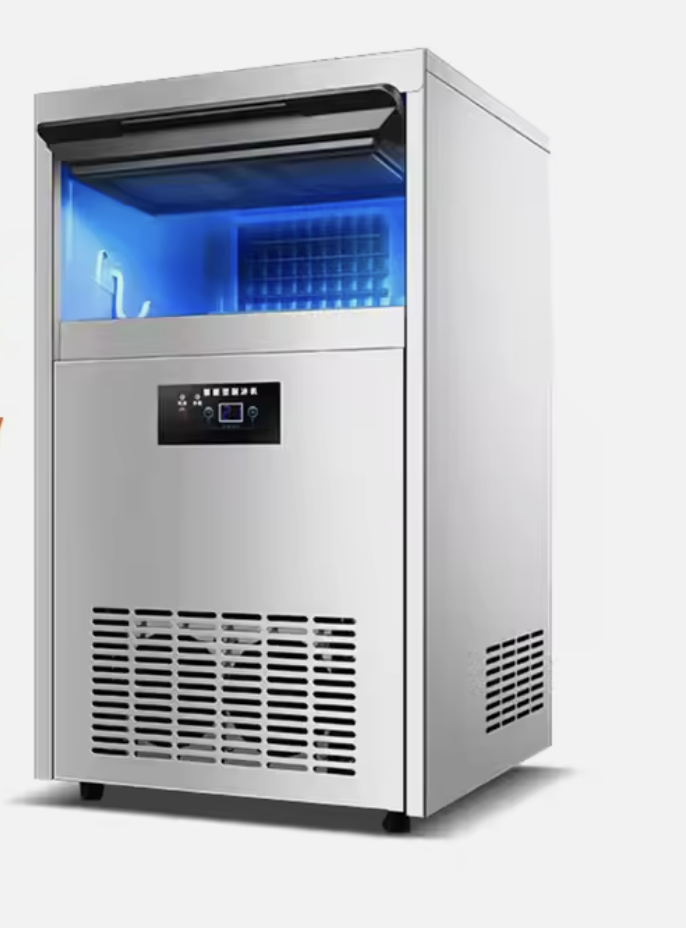
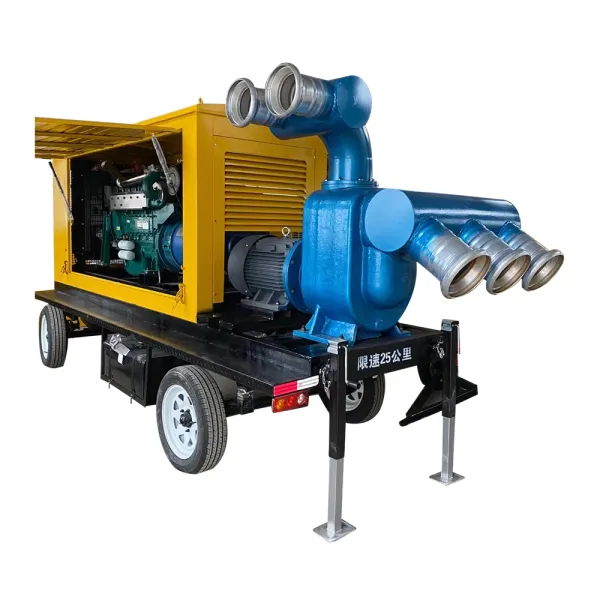
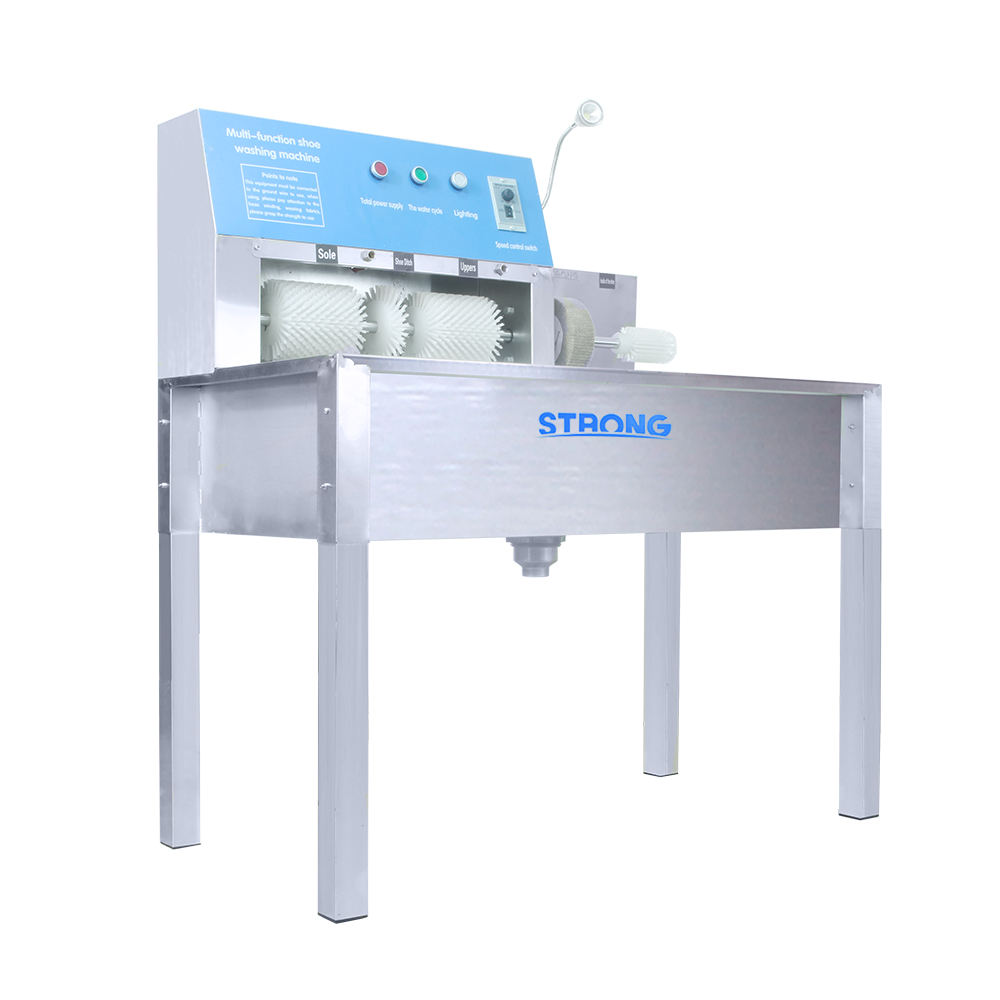
- Products Sourcing
Complete Guide to Drilling Rig Types for Mining Operations
-
Jabu
-
07 May 2025
-
82 Comment
Having the right drilling equipment is crucial for success in miningthdrillingtools.com. Every operation – from mineral exploration to production blasting – relies on specialized drilling rigs and tools to efficiently reach and extract valuable resources. In the mining and mineral exploration industry, using the proper industrial drilling equipment ensures that projects remain safe, productive, and cost-effective. This article breaks down the types of drilling equipment in mining – including various drilling rig types (rotary, vertical, core, and surface rigs), key components like DTH hammer drills, and specialized machines for different applications. It also highlights how B2B buyers can source these rigs and drilling rig spare parts through Afrimart.co.za, a trusted B2B e-commerce supplier in South Africa.
For B2B readers and procurement managers, understanding the range of drilling rigs and their uses is vital for making informed purchasing decisions. Whether you need a mineral exploration rig for core sampling or a heavy-duty blast hole drilling machine for open-pit mining, each type of rig serves a specific purpose. Likewise, knowing the essential accessories – from drill bits for mining to drill rods and stems – and maintenance parts will help keep your drilling operations running smoothly. In the sections below, we explain the different types of mining drilling equipment and their applications, and show how Afrimart.co.za can connect you with a wide range of machinery and spare parts to meet your operational needs.
Common Types of Mining Drilling Rigs
Mining operations employ various drilling rigs tailored to the task at hand. The main drilling rig types can be categorized by their drilling method and application: rotary rigs, blasthole (surface) rigs, vertical (underground) rigs, and core drilling rigs. Each of these rig types is built to tackle different challenges – from boring through hard rock in open pits to retrieving core samples deep underground. Below, we outline these common types of drilling rigs in mining and their key characteristics:
Rotary Drilling Rigs (Rotary Blasthole Rigs)
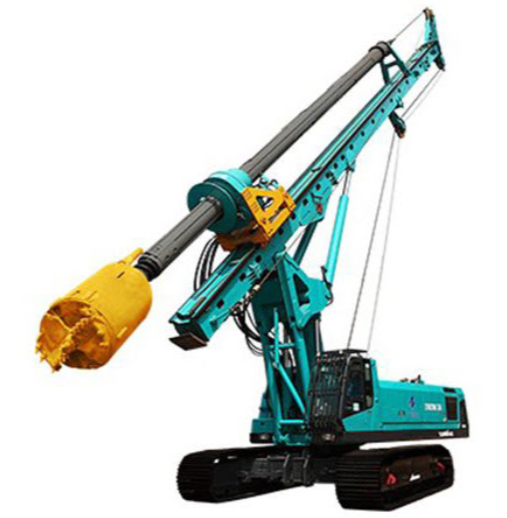
Rotary drilling rigs are powerful machines that use continuous rotary motion and weight-on-bit to crush and penetrate rock. They are commonly used for large-scale surface mining operations, as they can easily bore through hard rock formationsthdrillingtools.com. Rotary blasthole rigs drill the large-diameter holes required for inserting explosives in open-pit mines and quarries. These rigs are typically crawler-mounted heavy-duty machines capable of drilling deep, wide holes with precisioncrmining.com. Rotary rigs often utilize tricone or PDC drill bits and can be configured for different hole diameters, making them versatile for various mining scenarios.
Rotary rigs are valued for their high penetration rates and robustness. They are heavy-duty drilling rigs designed to handle continuous operation in tough conditions. Many modern rotary blasthole rigs also incorporate hydraulic drilling systems and automated features for better performance. For example, advanced rotary drills come with computerized controls and feed systems that allow operators to maintain optimal drilling parameters, improving efficiency and hole quality. Because of their power and reliability, rotary drilling rigs form the backbone of drilling in many open-pit and quarry drilling operationscrmining.com.
Blasthole Drills (Surface Drilling Rigs)
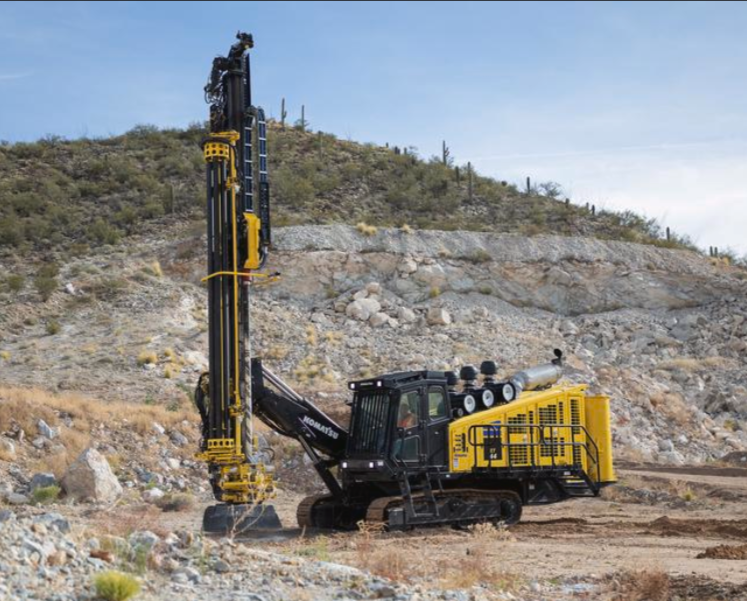
Blasthole drills (a type of surface drilling rig) play a crucial role in surface mining by drilling the holes that will be filled with explosives for blastingthdrillingtools.com. These rigs are specifically engineered for blast hole drilling: they must drill straight, accurately placed holes at the required depth and spacing to ensure successful rock fragmentation. Surface blasthole rigs come in two main varieties based on drilling technique: rotary (often with DTH hammers) and top-hammer drills. Rotary blasthole drills with down-the-hole (DTH) hammers are common when larger hole diameters and deeper holes are needed, such as in open pits and large quarriescrmining.com. In DTH drilling, a pneumatic DTH hammer is attached at the bottom of the drill string to pulverize rock right at the hole bottom, which allows efficient drilling of hard rock and straight, deep holescrmining.com. Top-hammer drill rigs, on the other hand, use a percussive rock drill situated on the rig to strike the drill rods from above; these are often used for smaller diameter holes in construction and quarry blasting.
Modern surface drill rigs are equipped with features to enhance precision and productivity. They may include GPS positioning systems, angle drilling capabilities, and dust suppression. Rock drilling rigs of this class are built to withstand harsh mining environments – they are rugged, heavy-duty drilling equipment with frames and masts designed for stability and durability. For example, top-hammer surface rigs are known for their reliability and fuel efficiency in tough conditionscrmining.com. Whether using a rotary or top-hammer method, blasthole drilling rigs are essential for any mining or quarry drilling equipment fleet, enabling controlled blasting and optimal rock breakage.
Vertical Drilling Rigs (Underground Drill Rigs)
In underground mining, space and access constraints demand a different approach to drilling. Vertical drilling rigs (also known as raiseborers or shaft drills, depending on their function) are used to create vertical or near-vertical holes and shafts below ground. These rigs are essential for accessing mineral deposits at different depths in underground minesthdrillingtools.com. In practice, underground drilling equipment includes rigs for drilling vertical shafts (for ventilation or ore passes), longhole drill rigs for blasting in stopes, and roof bolting rigs for ground support. When we refer to vertical drills in mining, we often mean the drills used to bore straight down into the earth from underground tunnels to reach ore bodies or to create raisesthdrillingtools.com.
Vertical drilling rigs tend to be compact and designed to be modular so they can be transported through mine shafts and tunnels. Despite their size, they are precision drilling rigs capable of accurately drilling to target zones deep below the surface. Some underground drills use a hydraulic drilling system mounted on mobile chassis (like a drilling jumbo) to drill multiple holes in different orientations. Others, like raise boring machines, drill pilot holes and then ream them to create large vertical shafts. What they share is an emphasis on precision and safety – drilling in confined underground environments requires exact control to avoid deviations. These rigs allow miners to reach ore pockets that are not accessible from the surface, essentially extending the mine vertically. By using vertical (and angle-capable) underground rigs, mining engineers can plan complex extraction patterns while maintaining the structural stability of the mine.
 - Google Search_1746615170.png)
Core Drilling Rigs (Mineral Exploration Rigs)
When it comes to mineral exploration and obtaining geological samples, core drilling rigs are the tool of choice. Core drilling rigs (often diamond drill rigs) are designed to extract a cylindrical core of rock, which geologists analyze to determine the composition and richness of an ore body. These rigs can be used on the surface or underground for exploration and borehole drilling of test holes. In exploration contexts, core drilling is prized for its ability to provide an intact sample of the rock layers. This method uses a drill bit embedded with industrial diamonds to cut through rock, and a hollow drill rod to capture the core. Diamond core drilling is more costly and slower than other methods, but it yields the most accurate geological informationcrmining.com. The continuous rock core brought to the surface reveals the mineral content, structure, and other properties, which is invaluable for mine planning.
Core drilling rigs are typically smaller and more portable than large production rigs. They may be truck-mounted, track-mounted, or even helicopter-portable for difficult terrains. Despite their size, these rigs need to be precision drilling equipment – maintaining orientation and retrieving an undisturbed core is critical. Many core rigs employ hydraulic feed systems and have the capability to drill at various angles (not just vertical), which is useful for reaching target zones from limited drill sites. There are also reverse circulation (RC) drilling rigs used in mineral exploration; RC rigs rapidly drill and recover rock chips rather than intact cores, offering a faster but slightly less detailed sampling methodcrmining.com. Both diamond core and RC rigs fall under the category of mineral exploration rigs, built to probe the earth for new deposits. Companies often use core drilling in early-stage exploration and then RC drilling for infill or grade control due to the latter’s faster penetration and larger sample volumescrmining.com. In all cases, exploration drilling rigs must balance power and precision, as they often drill deep holes (hundreds of meters) with relatively small diameter, while keeping samples uncontaminated and accurate.
 - Google Search_1746615228.png)
Key Components and Accessories of Drilling Equipment
A drilling rig is an assembly of many components working together to bore into rock. Understanding the major parts – and the accessories that enhance their function – can help operators choose the right equipment and maintain it properly. Below are some key components of mining drilling rigs and their accessories:
Drill Bits for Mining
The drill bit is the cutting tool at the downhole end of the drill string that actually breaks the rock. In mining, drill bits come in various types and sizes, each suited to different rock conditions. Common drill bits include tricones (with rotating cones and carbide teeth for rotary drilling), DTH hammer bits (usually tungsten carbide button bits for percussive DTH drilling), and diamond-impregnated bits (for core drilling). The choice of bit is critical: hard, abrasive rock requires extremely durable bits, while softer formations allow for different bit designs. Tungsten carbide bits are widely used for their toughness and ability to withstand high-impact conditionsthdrillingtools.com. For exploration core drilling, diamond core bits are used because they can cut through hard rock and produce a continuous core samplecrmining.com.
Drill bits in mining are wear items – they gradually dull or break as they crush rock, so regular drill bit replacements are a part of any drilling operation. Using the right bit can dramatically improve penetration rates and reduce wear. For example, selecting a bit with an appropriate design for the rock’s hardness and abrasiveness will drill more efficiently and last longerthdrillingtools.com. Mining operations typically keep a variety of spare bits on hand to swap out when drilling different zones or when bits wear down. High-quality bits, such as those with hardened alloys or polycrystalline diamond elements, can also lower overall costs by drilling more meters before needing replacementthdrillingtools.com. In summary, the drill bit is a small component that makes a big difference – matching the bit to the rock formation is essential for efficient drillingthdrillingtools.com.
Drill Rods and Stems
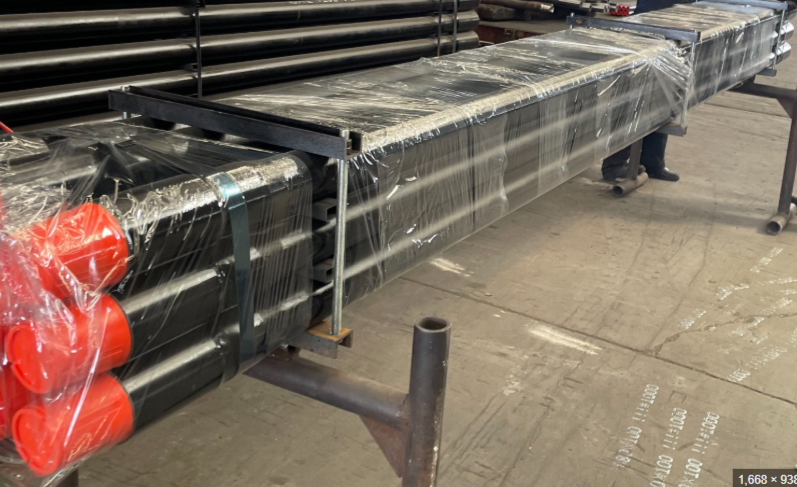
Drill rods (also called drill pipes or drill stems) are the long, tubular sections that connect the rig’s rotary mechanism to the drill bit. They transmit the rotation, feed force, and in some cases airflow or drilling fluid down to the bit. In essence, the drill rod string (often simply called the drill stem) is what extends the drill into the ground. These rods are typically made of high-grade steel and come in various diameters and lengths, which can be added in sections as the hole gets deeperthdrillingtools.com. For example, a surface blasthole rig might use several meters long drill pipes that are added by an automated pipe handling system, whereas an exploration core rig might use thinner rods that are manually added.
The drill stem not only rotates the bit but also must withstand significant stress (torque from rotation, tension/compression from feeding, and sometimes percussive shock). Threaded connections on each rod allow them to be joined securely, and these joints are critical points that must be maintained to prevent failure. Accessories like drill collars (thick-walled heavy rods) can be used near the bit to apply weight for rotary drilling, and stabilizers keep the assembly straight. For DTH hammer drills, the drill rods also convey compressed air to power the hammer. In all cases, using quality drill rods and maintaining their threads ensures smooth drilling and reduces the risk of a rod failure down the hole. A bent or worn drill rod can cause drilling deviation or get stuck, so miners monitor the condition of drill stems and replace sections as needed. Having spare drill rods and stems available is important, as these parts can wear out or occasionally break during intense drilling operations.
Down-the-Hole (DTH) Hammers and Drilling Tools
Down-the-hole hammers are a special class of drilling tool used in DTH drilling rigs. A DTH hammer drill setup consists of a pneumatic hammer piston that sits directly behind the drill bit at the bottom of the hole. When compressed air is sent down the drill string, the DTH hammer rapidly strikes the bit, effectively combining rotary drilling with a jackhammer action deep in the holecrmining.com. This allows for very efficient penetration in hard rock and for drilling straight holes to great depths, since the impact energy is applied right at the rock interface rather than being transmitted from the surface. DTH hammer tools are commonly used in surface mining (blast hole drilling) and in drilling boreholes for water or geotechnical purposes when hard rock is encountered.
Key components in a DTH drilling system include the hammer assembly itself and the DTH drill bit (which usually has multiple carbide buttons to crush rock). DTH hammer drills require a reliable supply of compressed air, often provided by a compressor on the rig or towed alongside. One advantage of DTH systems is that the exhaust air from the hammer also serves to flush cuttings out of the hole. When it comes to maintenance, DTH hammers have internal parts (pistons, casing, seals) that wear over time. Operations keep DTH hammer repair parts on hand – such as O-rings, hammer casings, and check valves – to rebuild hammers after drilling a certain number of hours. A well-maintained DTH hammer can be rebuilt and used for many drilling cycles, which is more cost-effective than buying new hammers frequently.
Other drilling tools and accessories complement the DTH system. For example, casing systems can be used when drilling in broken ground to prevent the hole from collapsing, and shock absorbers can be added above the hammer to reduce vibration transmitted up the drill string. There are also top-hammer drilling tools (used in surface and underground drills) where the percussive mechanism is at the top – these include shank adapters, coupling sleeves, and drill steels which similarly need periodic replacement. In summary, DTH hammers are crucial accessories for certain drilling rigs, enabling rapid drilling in tough rock, and their performance depends on proper tool selection and maintenance.
 Hammers and Drilling Tools - Google Search_1746615331.png)
Hydraulic Systems and Rig Power
Most modern drilling rigs in mining are powered by advanced hydraulic and pneumatic systems. Hydraulic drilling systems refer to the use of hydraulic power for raising/lowering the drill string, rotating the drill, and positioning the rig. Hydraulics provide the high forces and fine control needed for drilling through rock. For instance, on a hydraulic rotary rig, a hydraulic motor drives the rotation of the drill string (instead of a mechanical rotary table on older rigs), and hydraulic cylinders control the feed pressure on the bit. This allows for precise adjustments of drilling pressure and speed, which can improve bit life and penetration rates. Many underground drill rigs (like jumbos and longhole drills) are entirely hydraulic or electro-hydraulic, meaning electric motors drive hydraulic pumps that then power the drills. Hydraulic systems are favored for their power density and controllability – a relatively compact rig can exert tremendous force on the drill bit with hydraulic feeds.
In addition to hydraulics, drilling rigs use heavy-duty diesel engines or electric motors as prime movers. These engines drive compressors (for DTH air supply) and hydraulic pumps. Advanced rigs incorporate computerized controls, allowing operators to monitor pressure, torque, and penetration rate in real time and adjust accordingly. Some rigs even have automation features that can change drill rods or adjust drilling parameters with minimal human intervention. Because these systems are so integral, maintenance of hydraulic drilling systems – like checking for leaks, replacing hydraulic fluids and filters, and ensuring hoses and seals are in good shape – is a regular part of drilling operationsthdrillingtools.com. Keeping the rig’s power and fluid systems healthy ensures that the drill can operate at peak efficiency and reduces the chance of sudden breakdowns.
Other important components that fall under rig accessories include the hoisting equipment (winches, pulleys, or mast systems that raise and lower the drill string), control panels, and safety systems. For example, a rig will have clamps or elevators to grip the drill pipe when adding/removing sections, and blowout preventers or shut-off valves if drilling might encounter high-pressure gases or water (more common in oil & gas, but occasionally relevant in mining boreholes too). Every component, from the smallest drill bit to the hydraulic jacks on the rig, must work together in harmony. That’s why miners not only invest in quality equipment but also in drilling rig spare parts – having the right spares for pumps, engines, and hydraulic components can save a lot of downtime if a part needs replacement.
Applications of Drilling Equipment in Mining
Mining drilling equipment is used in a range of applications, each with specific requirements. From initial exploration to final production, different rigs and tools are chosen to meet the demands of the job – whether it's precision drilling for core samples or fast penetration for blasting. Below, we discuss a few key applications and the types of drilling equipment best suited for them:
Mineral Exploration and Precision Drilling
Mineral exploration often starts with drilling to collect subsurface samples. Here, the emphasis is on precision and information gathering rather than sheer productivity. Exploration drilling rigs include diamond core rigs and reverse circulation rigs, as discussed earlier. These can be considered precision drilling rigs because they must accurately hit target depths and angles and recover quality samples. In exploration, drilling teams might be tasked with intercepting a narrow vein hundreds of meters below ground – a feat requiring careful planning and precise equipment. Diamond core drilling, although slow, provides a continuous core that geologists can analyze in detail, making it ideal for mapping ore bodiescrmining.com. RC drilling, meanwhile, offers quicker results with slightly less detail, useful for scouting or outlining larger areas.
In addition to finding new ore bodies, mining companies use these precision drilling rigs for grade control in existing mines (to assess the ore content in the next area to be mined) and for geotechnical investigations (to test rock stability). The rigs used in these cases are often modular and capable of being moved to remote or rough terrain. Borehole drilling machines used for exploration are sometimes mounted on all-terrain vehicles or skid platforms, enabling drilling on mountain sides or dense forests common in early-stage mineral exploration. No matter the configuration, reliability and accuracy are paramount – an exploration rig’s value lies in its ability to deliver trustworthy data about what lies beneath. For buyers looking for exploration drilling equipment, Afrimart.co.za provides access to rigs designed for both core and RC drilling, along with the drill bits and consumables needed for those specialized operations.
Production Drilling in Open-Pit and Underground Mining
Once a mineral deposit is proven and a mine is operational, drilling equipment shifts to production and development roles. In open-pit mining, the primary drilling application is blast hole drilling – drilling patterns of holes filled with explosives to break rock for excavation. Here, efficiency and toughness are key: mines use heavy-duty drilling rigs such as large rotary blasthole drills or DTH rigs capable of drilling many holes per shift with minimal downtime. These production rigs (e.g., pit vipers or multi-pass rotary drills) are industrial drilling equipment in the truest sense – they are big, robust, and designed for continuous work under harsh conditions. They often feature enclosed cabs for operators, climate control (since they work in hot, dusty environments), and sophisticated systems to ensure each hole is drilled to the correct depth and angle. By employing high-precision GPS and automated drilling functions, modern blast hole rigs achieve remarkable accuracy and consistency across vast open-pit benches.
In underground mining, production drilling might involve long-hole drill rigs that create a series of blast holes in stopes (underground cavities) for ore extraction. These rigs can drill holes in various directions (upward, downward, or angled) from inside tunnels. Drilling jumbos, which are used to drill blast holes for tunnel advancement (development drilling), are another category of underground production equipment. Whether on surface or underground, production drilling rigs must balance power with maneuverability. For instance, an underground jumbo may have multiple booms to cover a wide area of the face, but it’s built low-profile to navigate narrow drifts. Similarly, a quarry drilling equipment setup for a limestone quarry might be slightly smaller than an open-pit mine rig, optimized for quicker moves and easier transport between shot patterns.
Quarry and mining drill rigs for production are often equipped with features to reduce operating costs – such as energy-efficient compressors, automated rod handling (to reduce manual labor and speed up drilling), and durability to minimize wear. For example, some surface rigs can adjust their drilling pressure automatically when transitioning from soft to hard rock, ensuring optimal performance and longer bit life. These production rigs represent a significant investment, but their productivity pays off in tonnage of ore mined. Buyers looking for blast hole drilling machines and production rigs will find that Afrimart.co.za offers access to a range of surface and underground drilling equipment from verified suppliers, ensuring you can source the right rig size and configuration for your mine’s needs.
Borehole Drilling and Mine Infrastructure
Not all drilling in mining is directly for exploration or production blasting – often, mines require drilling for infrastructure, services, or environmental management. Borehole drilling machines are used to drill wells for water supply or dewatering, to install monitoring wells, or to create service holes (for example, to route cables or ventilation). In many cases, these machines resemble water-well drilling rigs and can be either truck-mounted or trailer-mounted units capable of drilling deep vertical holes. For instance, a remote mine site might drill its own water boreholes to supply the camp and processing plant. Similarly, dewatering wells are drilled around pit perimeters or underground workings to lower the water table and keep the mine dry. These tasks require drilling rigs that can handle different ground conditions – sometimes switching between hard rock and alluvium – and often involve setting casings to keep the holes open.
Borehole drilling rigs typically use rotary or DTH drilling methods and might be smaller than dedicated mining blasthole rigs, but they prioritize versatility. They often come with mud pumps (for mud rotary drilling in softer ground) and the ability to case the hole as they drill. In the mining context, having your own borehole rig or access to one can save costs and time, as you won't need to contract out for water well services. Vertical drilling rigs used for boreholes emphasize straight drilling and usually have the capability to drill hundreds of meters deep if needed (for example, reaching deep aquifers). They also require a range of drill bits and casings because geology can vary widely, from broken rock that needs casing support to solid rock that needs tricone or DTH bits.
Another aspect of mine infrastructure drilling is the use of raises and shafts (as mentioned in vertical drilling rigs section). Large mines might employ raise boring machines to create ventilation shafts or ore passes. Those are highly specialized rigs, but their presence underscores the variety of drilling applications in a mining operation. From creating the initial access to a deposit (like drilling a pilot raise bore) to installing rock bolts for ground support (a task done by specialized bolting drill rigs), drilling equipment is present in almost every stage of mine development. Each application has its own equipment needs, and suppliers on Afrimart.co.za cover a broad spectrum – from multi-ton heavy drill rigs to smaller, portable borehole units – so that businesses can procure the exact equipment required for any drilling job on a mine site.
Maintenance and Spare Parts for Drilling Rigs
Investing in quality drilling rigs and tools is only part of the equation for successful mining operations; maintaining that equipment is equally important. Harsh working conditions in mining – constant vibrations, abrasive dust, high pressures – put a lot of wear and tear on drilling equipment. A proactive maintenance strategy ensures rigs operate safely and efficiently, minimizing unplanned downtime. Here are a few reasons why regular maintenance and having the right spare parts on hand are crucial:
Prevent Breakdowns: Regular inspections and servicing help identify minor issues before they escalate into major breakdowns, thus minimizing costly repairs and operational downtimethdrillingtools.com. For example, catching a hairline crack in a drill rod or a leak in a hydraulic hose early can prevent a sudden failure during drilling.
Maximize Performance: Properly maintained equipment runs at peak efficiency, delivering consistent drilling speed, power, and accuracythdrillingtools.com. Clean fuel systems, sharp drill bits, and well-calibrated controls all contribute to better drilling rates and lower energy consumption.
Extend Equipment Lifespan: Proactive maintenance addresses wear and tear, significantly extending the life of drilling rigs and components. This reduces the frequency of major replacements and maximizes the return on investment for expensive machinerythdrillingtools.com.
Enhance Safety: Worn-out parts or malfunctioning systems can create safety hazards (for instance, a worn drill cable or unstable mast could fail). Regular maintenance checks and parts replacements improve the safety of the operation by ensuring all equipment functions as intendedthdrillingtools.com.
Boost Profitability: In mining, time is money. By minimizing downtime and avoiding catastrophic failures, a well-maintained drilling fleet maintains high productivity. Lower repair costs and higher utilization rates translate to better profitability for the mining projectthdrillingtools.com.
Routine maintenance tasks for drilling equipment include inspecting and replacing worn drill bits, checking and tightening drill rod connections, lubricating moving parts, and monitoring hydraulic systems for leaksthdrillingtools.com. Engines and compressors require periodic oil and filter changes, while electronic systems may need software updates or recalibration. It’s also common practice to have spare drill bit replacements, drill rods, engine belts, filters, hydraulic hoses, and DTH hammer repair parts readily available on site. By keeping an inventory of critical spare parts, a mine can swiftly perform repairs and get the rig back to work with minimal delay. For instance, having a spare DTH hammer or a set of seal kits means a damaged hammer can be swapped out or rebuilt without waiting for new parts to ship, as is often the case with Maharaj world in India.
Afrimart.co.za supports mining businesses in this aspect by offering not just whole machines but also a wide range of drilling rig spare parts and components. Through the platform, buyers can source everything from replacement drill bits and rods to hydraulic pumps and engine parts, often from multiple suppliers to find competitive pricing. The ability to quickly find the exact part – be it a new drill bit or a specific model of DTH hammer – and have it delivered can save a mining operation from extended downtime. In summary, regular maintenance backed by readily available spare parts is the key to keeping drilling equipment running optimally, and platforms like Afrimart make it easier to procure those parts when needed.
Afrimart.co.za – Your Trusted B2B Source for Mining Drilling Equipment
Afrimart.co.za is a B2B e-commerce platform based in South Africa that connects mining and industrial buyers with verified suppliers of equipment and componentsza.linkedin.com. For companies seeking mining drilling equipment – whether complete rigs or spare parts – Afrimart offers a one-stop, reliable marketplace to fulfill those needs. Here are some of the advantages of sourcing your drilling equipment through Afrimart:
Wide Product Range: Afrimart features an extensive catalog of products with over 20,000 items, covering everything from rock drilling rigs and borehole machines to drill bit replacements and DTH hammer partsinstagram.com. This wide selection means you can compare different models and brands of drilling rigs or find specific accessories all in one place.
Verified Suppliers: The platform partners with a network of 1,000+ trusted suppliersinstagram.com, including manufacturers and distributors of industrial and mining equipment. Each supplier is vetted, so buyers can have confidence in the quality and authenticity of the products – whether you're ordering a large heavy-duty drilling rig or precision-made spare parts.
Ease of Procurement: As a dedicated B2B marketplace, Afrimart streamlines the purchasing process. Buyers can request quotes, negotiate, and complete transactions online, saving time compared to traditional procurement. The platform even allows you to get a single consolidated quote for a batch of items (across sourcing, shipping, customs, and delivery)instagram.com, simplifying the logistics especially for cross-border orders.
Local Expertise with Global Reach: Proudly based in South Africa, Afrimart understands the needs of African mining industries while also facilitating international tradeza.linkedin.com. This means that a mining company in Southern Africa can find equipment suited to local conditions (like drilling rigs built for the hard rock of the Bushveld or the gold reefs) and also access cutting-edge machinery from global manufacturers. Afrimart’s platform bridges local demand with global supply, all with the convenience of online access.
Support and Aftermarket Availability: Through Afrimart, buyers can find not only new machines but also ongoing supply of spare parts and consumables. This is crucial for maintenance as discussed above – having a reliable channel to purchase drilling rig spare parts, drill bits, and DTH hammer spares ensures that your investment in equipment is supported throughout its lifecycle. The marketplace format encourages multiple competitive offers, which can lead to cost savings for buyers sourcing replacement parts regularly.
In essence, Afrimart.co.za stands out as a trusted B2B partner for mining and drilling businesses. By offering a comprehensive selection of equipment and parts, verified supplier relationships, and a user-friendly procurement process, it reduces the friction often involved in buying industrial machinery. Companies can equip their operations with confidence, knowing they have a platform to source both the primary equipment and the auxiliary components needed to keep things running.
The world of mining drilling equipment is vast – from exploration core drilling rigs that peer miles into the earth, to bulk production drills that churn out meter after meter of blast holes. Understanding the different types of drilling rigs, their components, and their ideal applications empowers mining professionals to choose the right tool for the job and maintain it for long-term success. We’ve seen that efficient drilling underpins mining productivity and that having access to quality equipment and spare parts can make all the difference in operational uptime and safety.
For mining and drilling businesses looking to upgrade or expand their equipment fleet, the next step is to procure these tools from a reliable source. Afrimart.co.za makes this process easier than ever. As a leading B2B e-commerce hub for industrial drilling equipment in South Africa, Afrimart invites you to explore a world of mining drilling rigs, tools, and parts at your fingertips. Equip your mining operation with confidence: visit Afrimart.co.za today to browse our catalog of mining drilling equipment and spare parts, connect with verified suppliers, and get competitive quotes tailored to your needs. With the right drilling equipment in hand – and Afrimart as your procurement partner – you can drill deeper, mine smarter, and propel your business to new heights in the mining industry.
Leave Comment
Your email address will not be published. Required fields are marked
Comments
30 Jan, 2022
Glenn Greer
"This proposal is a win-win situation which will cause a stellar paradigm shift, and produce a multi-fold increase in deliverables a better understanding"