B21, China Town Mall, Midrand



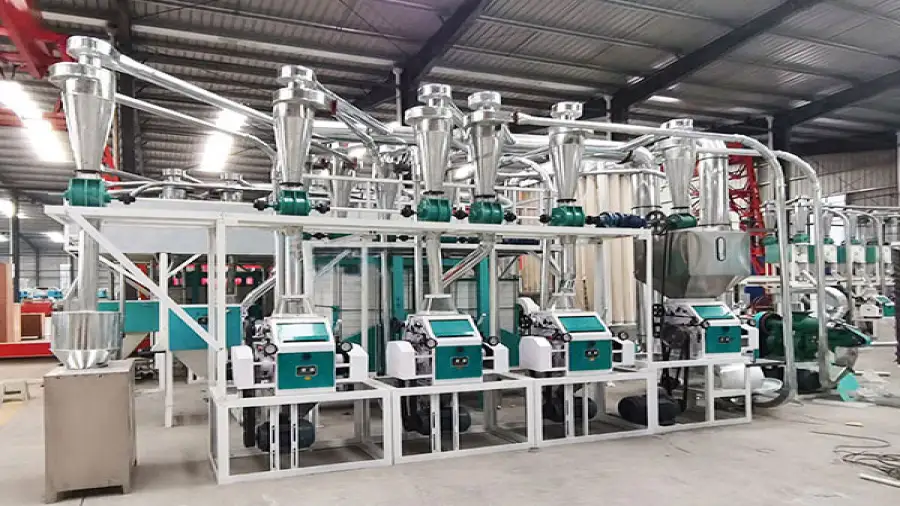


Toilet Paper Production Line
26 Jan 20262

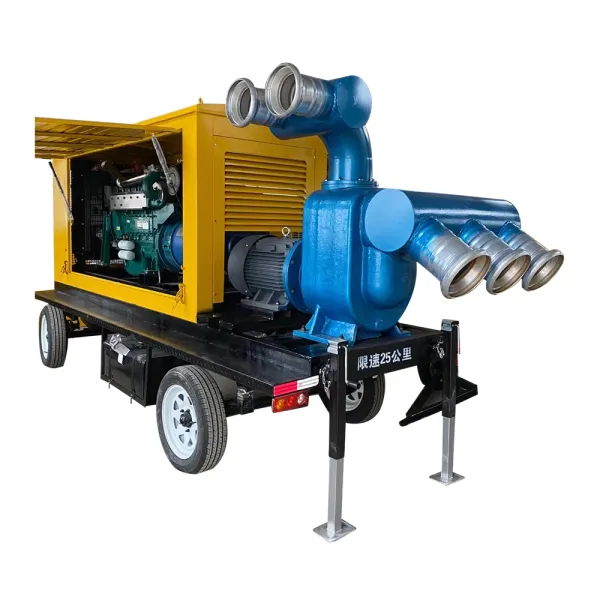



- Products Sourcing
DDP Shipping vs CIF: Which Is Best for South African Importers?
-
Eman Libatu
-
03 Oct 2025
-
82 Comment
Delivered Duty Paid (DDP) shipping gives South African importers an all-inclusive landed cost that covers freight, customs clearance, duties, VAT, and delivery to the final destination. Cost, Insurance, and Freight (CIF) shipping, in contrast, only covers transport to a South African port, leaving the buyer responsible for clearance, duties, and delivery. For small and medium businesses in South Africa, DDP is almost always the safer and more predictable choice, while CIF may suit large enterprises with their own logistics teams.
The basics: What do DDP and CIF mean in trade?
International trade relies on Incoterms — standardized terms published by the International Chamber of Commerce (ICC) that define who is responsible for costs and risks at different stages of a shipment.
CIF (Cost, Insurance, and Freight): The seller is responsible for getting goods onto a vessel, covering freight to the destination port, and arranging insurance. Once goods arrive at a South African port (like Durban or Cape Town), responsibility shifts to the buyer. Importers must handle customs clearance, port fees, duties, VAT, and inland transport.
DDP (Delivered Duty Paid): The seller (or sourcing partner such as Afrimart) covers everything: freight, insurance, duties, VAT, customs clearance, and inland delivery to the buyer’s warehouse or office. The buyer pays a single agreed price and receives goods at their doorstep.
Why this matters for South African businesses
South African importers face unique challenges: congested ports, fluctuating customs charges, and strict compliance checks. When choosing between CIF and DDP, businesses must consider not just shipping cost but predictability, compliance, and risk management.
Many SMEs assume CIF will save them money, but hidden costs at South African ports can inflate landed costs by 25–40%. These include demurrage, storage fees, unexpected customs reclassification, and inland trucking charges.
DDP, though sometimes more expensive upfront, bundles all these variables into one price — making it easier for businesses to budget and avoid unpleasant surprises.
Is DDP shipping better than CIF for small businesses in South Africa?
For small and medium importers, yes, DDP is usually the better option. SMEs rarely have in-house customs clearance teams, and engaging independent clearing agents can be confusing and costly.
DDP removes the stress of:
Negotiating with multiple logistics providers.
Risking penalties from incorrect tariff codes.
Delays in Durban or Cape Town ports.
Afrimart, for example, arranges clearance, duty payments, and inland delivery directly to Johannesburg, Pretoria, Bloemfontein, or Cape Town warehouses. The importer pays once and gets predictable delivery, usually within 25–35 days by sea or 7–10 days by air.
When should South African importers choose CIF instead of DDP?
CIF has its place — but mainly for large enterprises. Corporates with established logistics teams, long-term contracts with clearing agents, and their own trucking fleets may prefer CIF because they can sometimes negotiate better local rates.
Examples include:
Large retailers that run national distribution centers near ports.
Industrial importers that buy in bulk (containers per month) and have standing customs arrangements.
Even then, many of these large companies still use DDP for urgent air shipments or sensitive goods where compliance risks are high.
Gauteng electronics importer
A Gauteng-based retailer importing consumer electronics initially chose CIF, expecting to save money. The shipment arrived in Durban, but customs required reclassification of several items, leading to extra duties. Storage fees and demurrage added R85,000 in costs.
On the next shipment, the same retailer used Afrimart’s DDP service. All duties, VAT, and clearance were handled upfront. Goods were delivered to Johannesburg within 9 days of arrival. The retailer reported a 12.4% reduction in total landed cost and eliminated the risk of future delays.
How to calculate landed cost with DDP in South Africa?
With DDP, calculating landed cost is simple:
Product cost + all logistics costs + customs duty + VAT + inland delivery = one fixed Afrimart price.
Example:
Product value: $20,000
DDP price from Afrimart: $28,000 (includes shipping, clearance, VAT, duties, delivery)
Final cost per unit: predictable and fixed.
By contrast, CIF may start with $20,000 + $3,000 freight, but clearance, VAT miscalculations, and trucking can push the final bill to $29,000–$32,000. That unpredictability can damage cash flow for SMEs.
What hidden costs should South African businesses expect with CIF?
Importers choosing CIF often underestimate hidden costs, including:
Customs clearing agent fees (often charged per line item).
Terminal handling charges (can reach R15,000+ per container).
Storage/demurrage fees (if clearance is delayed).
Additional VAT if customs reclassifies items.
Trucking to inland destinations (Johannesburg, Pretoria, etc.) at volatile fuel prices.
Afrimart has documented cases where these hidden CIF costs added 30–40% to the total import bill.
How does Afrimart handle DDP shipping to South Africa?
Afrimart’s DDP service is designed for predictability:
Afrimart books freight directly with trusted carriers.
Customs documents are prepared and validated in advance.
Duties and VAT are prepaid to avoid clearance delays.
Goods are delivered directly to the buyer’s location.
This makes DDP ideal for first-time importers or SMEs without logistics departments.
Regulatory and compliance considerations
South Africa enforces strict import regulations through SARS Customs and Excise. Importers must provide:
A valid Importer’s Code from SARS.
Correct tariff codes (HS codes) for every product.
Certificates of Conformity for regulated items (electronics, cosmetics, food).
Mistakes in these documents can trigger delays and fines. Afrimart mitigates this risk by auditing all paperwork before shipment.
DDP vs CIF: Side-by-side comparison
| Feature | DDP (Delivered Duty Paid) | CIF (Cost, Insurance, Freight) |
|---|---|---|
| Customs clearance | Handled by Afrimart | Handled by importer |
| Duties & VAT | Paid upfront by Afrimart | Paid at port by importer |
| Inland transport | Included | Importer’s responsibility |
| Predictability | High | Low (hidden costs possible) |
| Best for | SMEs, first-time importers | Large enterprises with logistics teams |
Conclusion: Which should South African businesses choose?
For SMEs and first-time importers, DDP is almost always the best choice. It offers predictability, reduces risk, and frees businesses from the complexity of customs. For larger enterprises with established logistics capacity, CIF can sometimes offer cost advantages — but even they often prefer DDP for urgent or complex shipments.
Afrimart recommends DDP as the starting point for South African importers. With our end-to-end service, clients can focus on sales and operations, while Afrimart handles the logistics and compliance.
Leave Comment
Your email address will not be published. Required fields are marked
Comments
30 Jan, 2022
Glenn Greer
"This proposal is a win-win situation which will cause a stellar paradigm shift, and produce a multi-fold increase in deliverables a better understanding"