B21, China Town Mall, Midrand

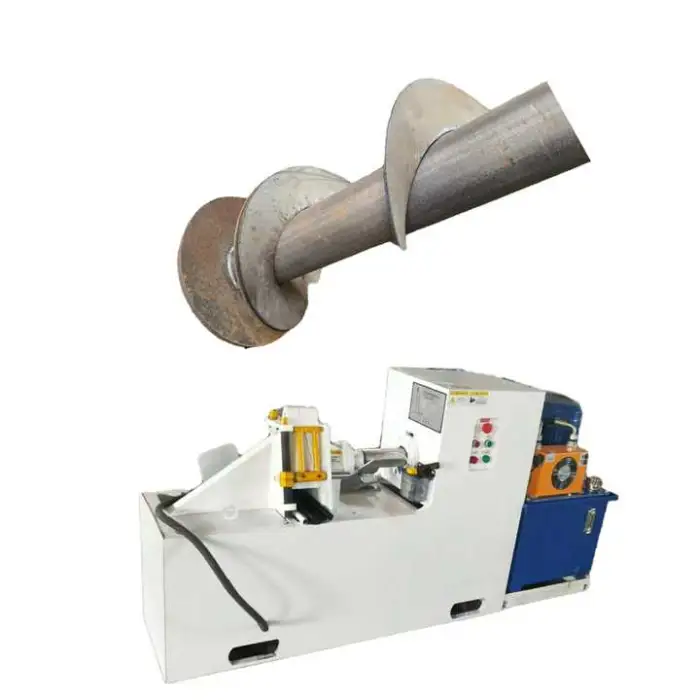
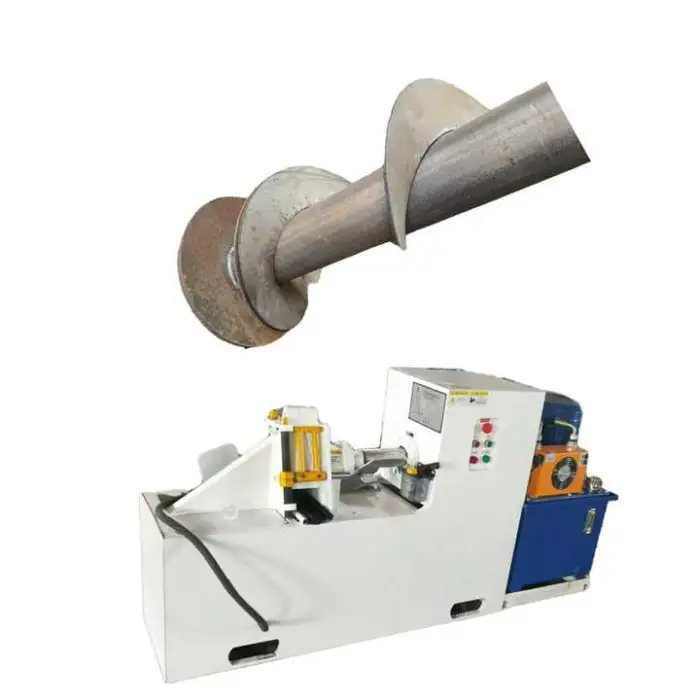
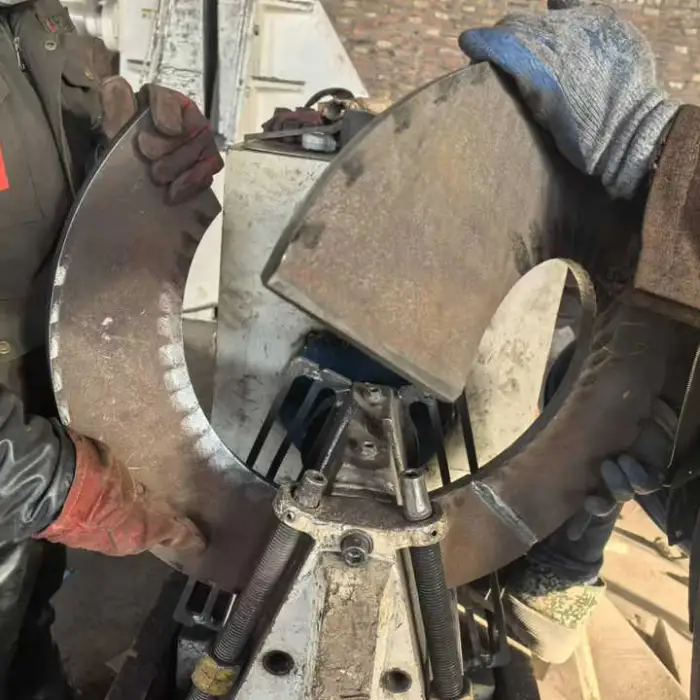
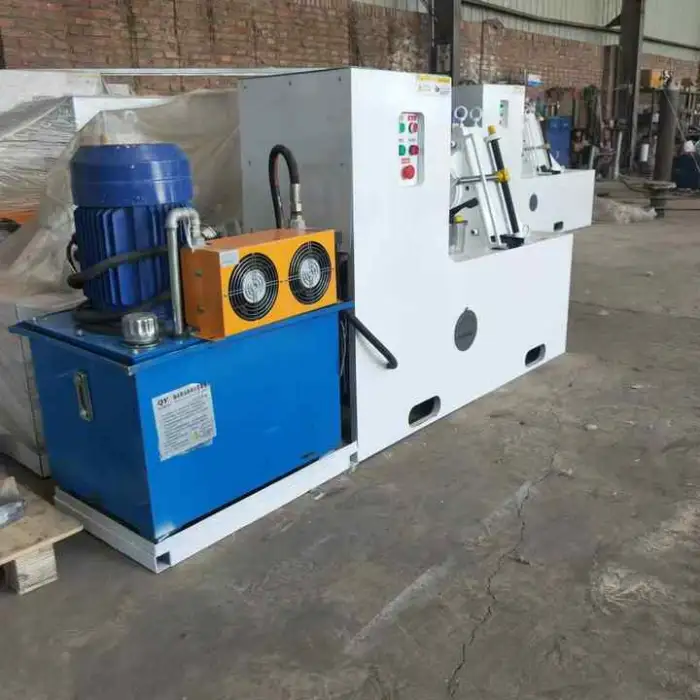
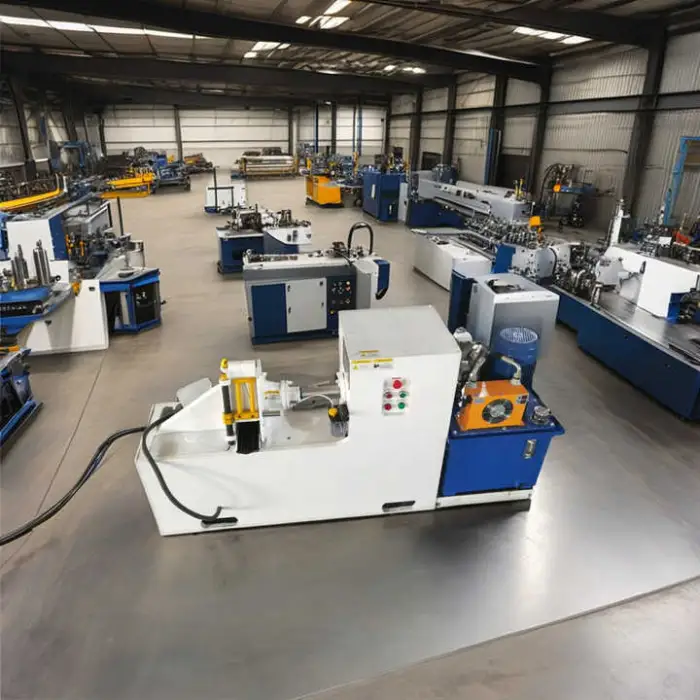
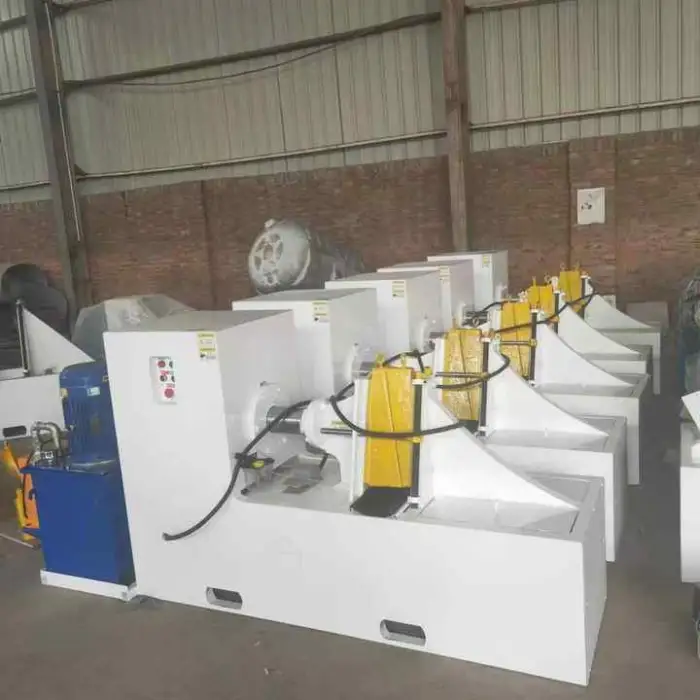
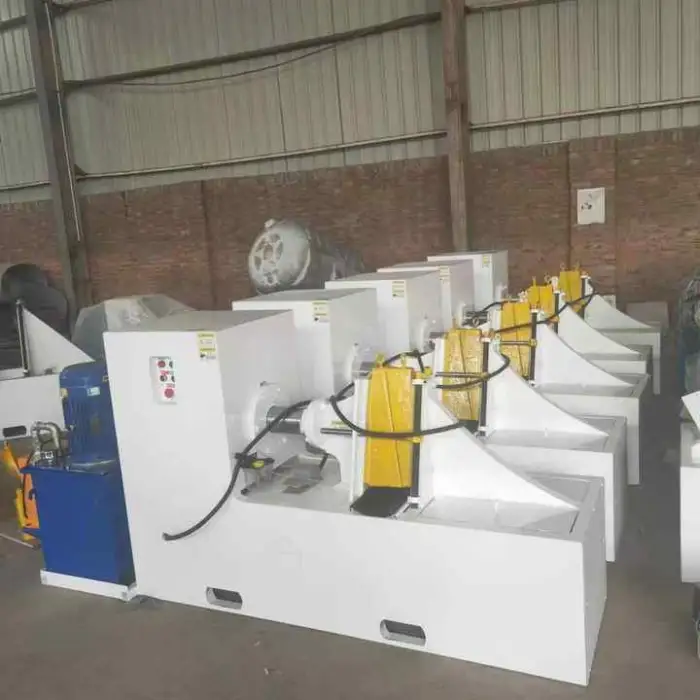
Single Section Hydraulic Pressure Cold Pressed Propeller Helix Helical Blade Forming Machine Rolling Mills
Asset finance available
Do you want funding for this equipment?
Afrimart can connect you with trusted funding partners who specialise in asset finance for businesses like yours. Compare options and apply in minutes — final approval is subject to provider review.
Check funding options
Secure & no obligation
- Section : Machinery
- Category : Metal & Metallurgy Machinery
- SKU : 1601364693550

Single Section Hydraulic Pressure Cold Pressed Propeller Helix Helical Blade Forming Machine Rolling Mills
The Single Section Hydraulic Pressure Cold Pressed Propeller Helix Helical Blade Forming Machine is designed to make the production of helical blades easy and efficient. This powerful machine is perfect for various applications in machinery repair shops. With its user-friendly features, it ensures smooth operation and high-quality results.
Specifications
| Attribute | Details |
|---|---|
| Type | Cold Rolling Mill |
| Voltage | 380V, 110V, 220V, 240V |
| Power (w) | 11kw |
| Weight (kg) | 3000 |
| Core Components | Motor, Pressure Vessel |
| Condition | New |
| Marketing Type | Ordinary Product |
| Selling Units | Single item |
| Key Selling Points | Easy to Operate |
Key Features
- Video outgoing inspection provided
- Machinery test report provided
- Easy to operate with user-friendly controls
- Compact design for efficient use of space
- High-quality build for durability
Applications
- Manufacturing helical blades for various machinery
- Repairing and maintaining machinery in repair shops
- Producing propellers for different industrial uses
- Custom blade formation for specialized needs
Product Info Gallery
- Shipping Timeframes: All orders are processed within 2-5 business days (excluding weekends and holidays). After your order has been processed, the estimated delivery time is before 05 Aug, 2026, depending on customs, Please note that due to high demand, some items may experience longer shipping times, which will be communicated at order confirmation email.
- Order Processing Time: Please allow 2-5 business days for us to process your order before it is shipped . Orders placed after 16:00 on Fridays, or during weekends and public holidays, will begin processing on the next business day. Processing times may be extended during peak seasons or sales events.
- Manufacturing Time: Some products needs manufacturing time, the manufacturing process will take approximately 10-30 business days depending on the product. This timeframe may vary depending on the complexity of the product and current demand. but this will be communicated with you during order confirmation.
- Returns and Exchanges: We offer a 30-day return policy for most items. If you are not completely satisfied with your purchase, you may return it within 30 days of receipt for a refund or exchange. Items must be unused, in their original packaging, and accompanied by proof of purchase. Return shipping costs are the responsibility of the customer, unless the item was damaged or defective upon arrival.
1. What is the Single Section Hydraulic Pressure Cold Pressed Propeller Helix Helical Blade Forming Machine used for?
This machine is designed to form helical/helix/helical propeller blades and similar curved blades by cold pressing/rolling. Typical uses include manufacturing helical blades for machinery, producing propellers for industrial applications, repair and refurbishment work in machine shops, and custom blade formation for specialized jobs.
2. What are the key specifications of the machine?
It is a cold rolling mill with selectable voltage options (380V, 110V, 220V, 240V), an 11 kW motor, and a gross weight of about 3000 kg. Core components include the motor and a pressure vessel. The unit is supplied new and is sold as a single item.
3. What materials can this machine process?
It is intended for cold forming common industrial metals used for blades such as mild steel, stainless steel, aluminum and copper alloys. Exact suitability depends on material grade, temper and thickness—please provide material details so the supplier can confirm capability.
4. What blade sizes and thicknesses can the machine handle?
Maximum blade length, width and material thickness depend on tooling, die configuration and the exact machine setup. The machine is intended for thin to medium gauge blade work typical in propeller and helical blade manufacturing. Contact the supplier with your target dimensions so they can confirm or recommend tooling and limits.
5. What is the typical production rate or throughput?
Production rate varies with blade size, material, operator skill, and tooling. Small blades may be produced rapidly while larger or custom profiles will take longer. For a reliable estimate provide sample dimensions and expected daily output and the supplier can provide a production-rate estimate.
6. Which power supply do I need to run the machine?
The machine is available for common voltages: 380V, 110V, 220V and 240V. The motor power rating is 11 kW. Confirm the exact voltage configuration when ordering to match your site electrical supply.
7. Is the machine difficult to operate?
No — the unit is marketed as easy to operate with user-friendly controls and a compact design. Operators should still be trained on safe setup, tooling changes and process parameters for consistent results.
8. What safety measures should be observed when using the machine?
Follow standard machine and hydraulic-press safety: keep guards in place, use emergency stops, lock out/tag out during maintenance, wear appropriate PPE (gloves, eye protection, hearing protection), never reach into the forming area while press is energized, and ensure trained personnel operate the machine.
9. What maintenance is required?
Routine maintenance typically includes daily visual checks, keeping the forming area clean, checking and topping hydraulic oil as required, inspecting hoses and seals, lubrication of bearings and moving parts, and periodic tightening of fasteners. Follow the supplier’s maintenance schedule for hydraulic and electrical systems.
10. Does the machine come with quality inspection or test documentation?
Yes. The product listing states that a video outgoing inspection and a machinery test report are provided prior to shipment.
11. Are tooling and accessories included?
The listing does not specify standard tooling. Tooling and dies to match specific blade profiles are often provided or quoted separately. Ask the supplier which tooling is included and request quotes for additional or custom tooling required for your blade designs.
12. Can the machine be customized for specific blade profiles or production needs?
Yes. The machine supports custom blade formation for specialized needs. Suppliers typically offer customization of tooling, tooling fixtures and process parameters—discuss your profile drawings and production requirements with them.
13. What are the installation and site requirements?
The machine weighs about 3000 kg and will generally require a suitable lifting device (crane or forklift) for placement, a level and firm floor or foundation, appropriate electrical supply per selected voltage, and space for operation and maintenance. The supplier can advise on exact foundation, clearance and utility needs and often provides installation assistance.
14. What warranty and after-sales support are provided?
Warranty terms and after-sales support are not listed in the brief. Contact the supplier for specific warranty coverage, spare parts availability, training options and technical support packages.
15. How is the machine packaged and shipped, and what is lead time?
As a heavy 3000 kg industrial machine, it is typically crated/packed for heavy freight and shipped by road or sea freight depending on destination. Exact packaging, shipping method, costs and lead time depend on order, destination and any customization—confirm these details with the supplier when placing an order.
Latest Order Arrivals
Discover our latest orders
12 Heads Embroidery Machine
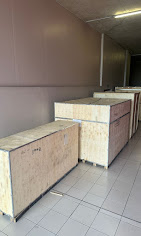
Toilet Paper Machine Machine
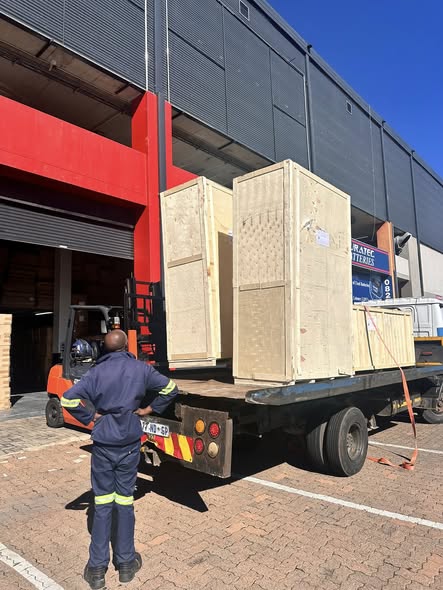
Order Collection
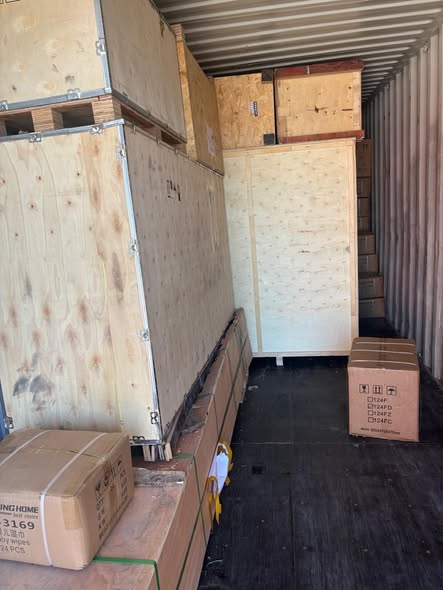
Cross Border Clients
Order cros border countries Collected
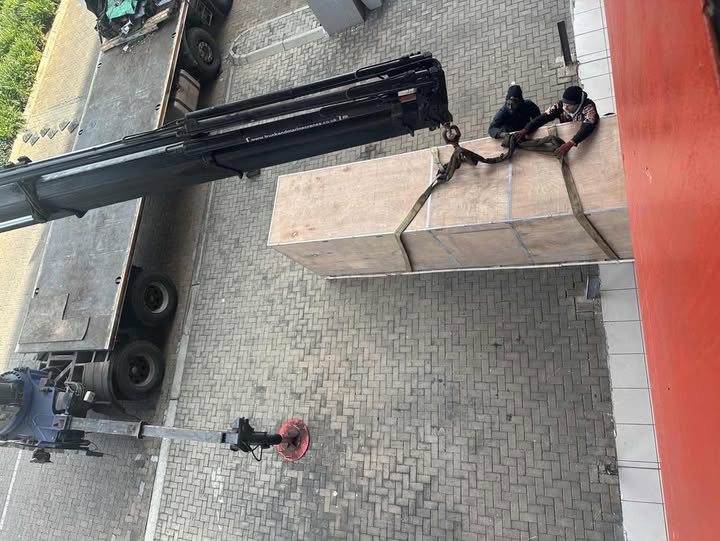
Industrial Machine Cllection
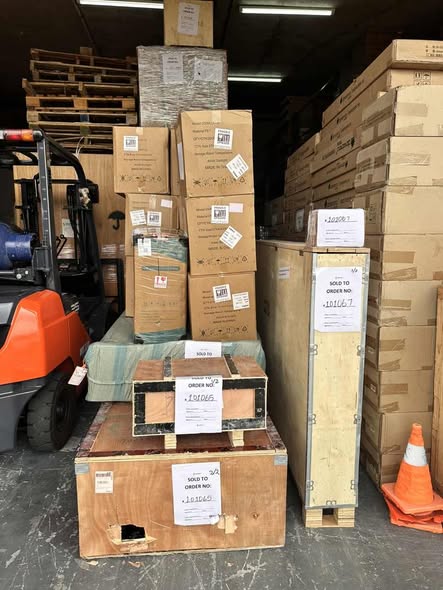
Agriculture Processing Machines
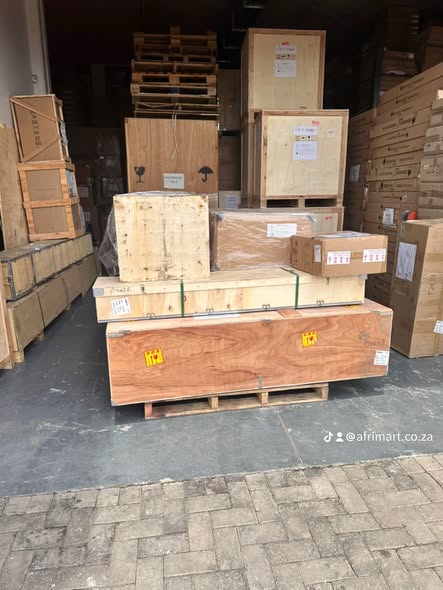
Ready for collection
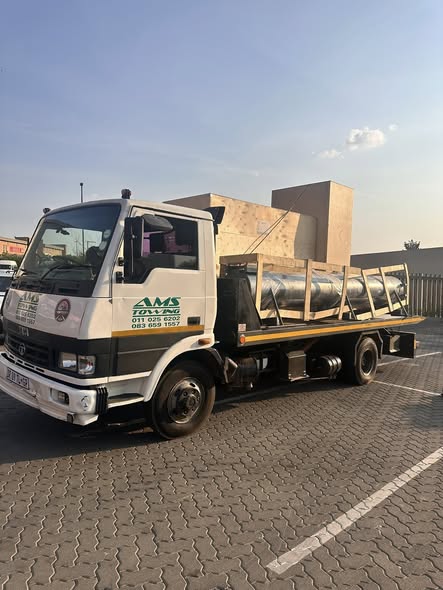
Water Pump Equipment
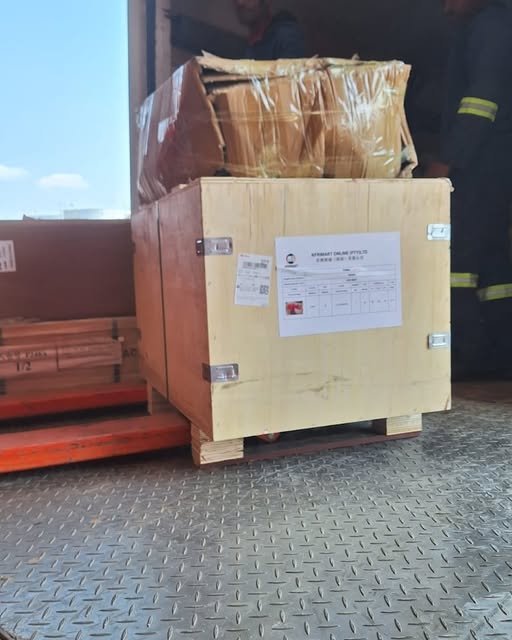
Packaging Machine and accessories
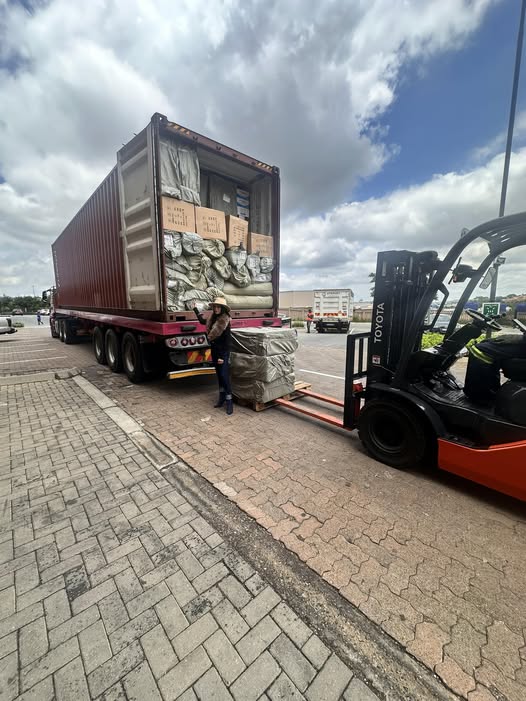
Fabrics Manufacturing Equipment
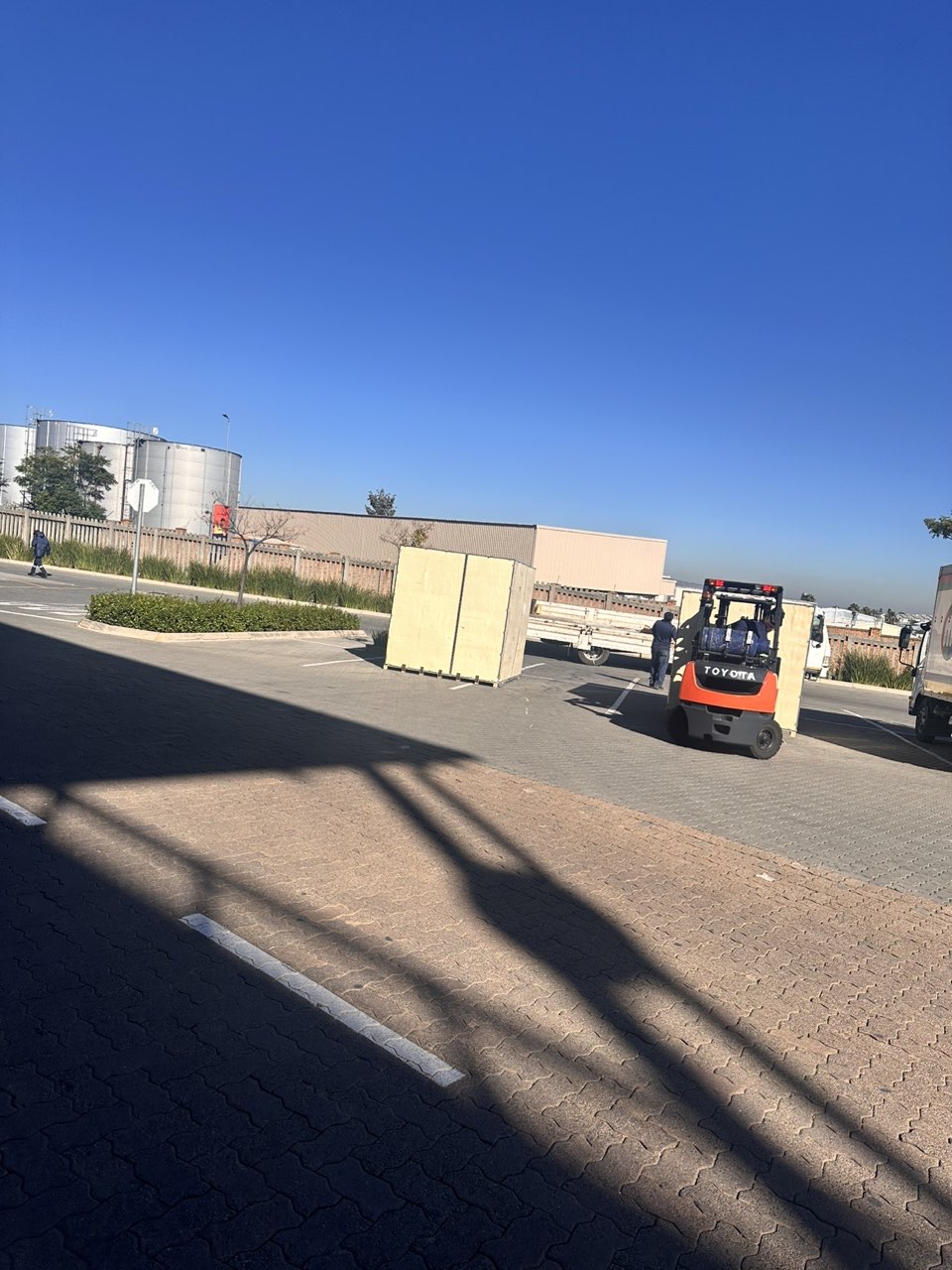
Mining Equipments
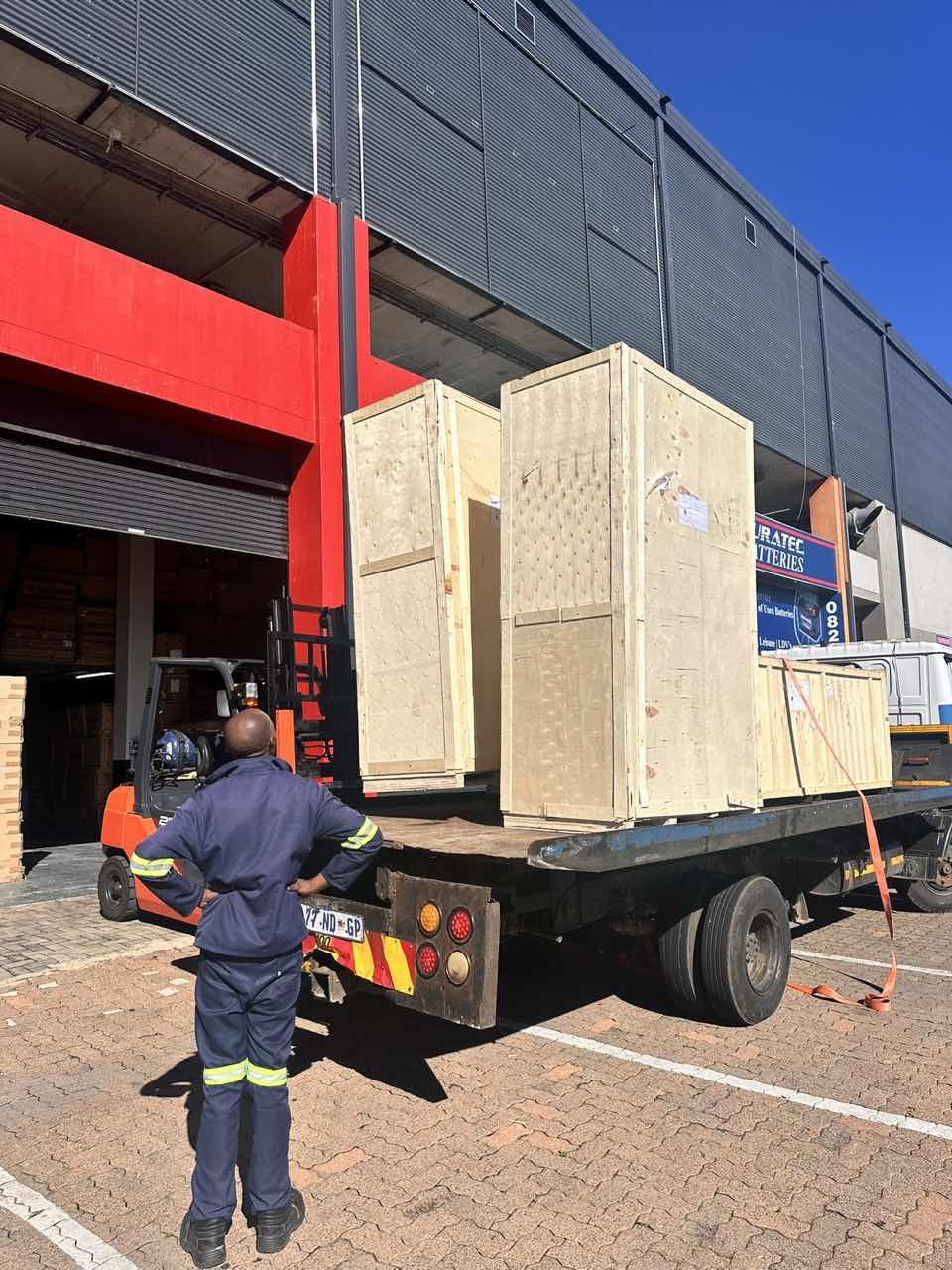
Food Processing Machine
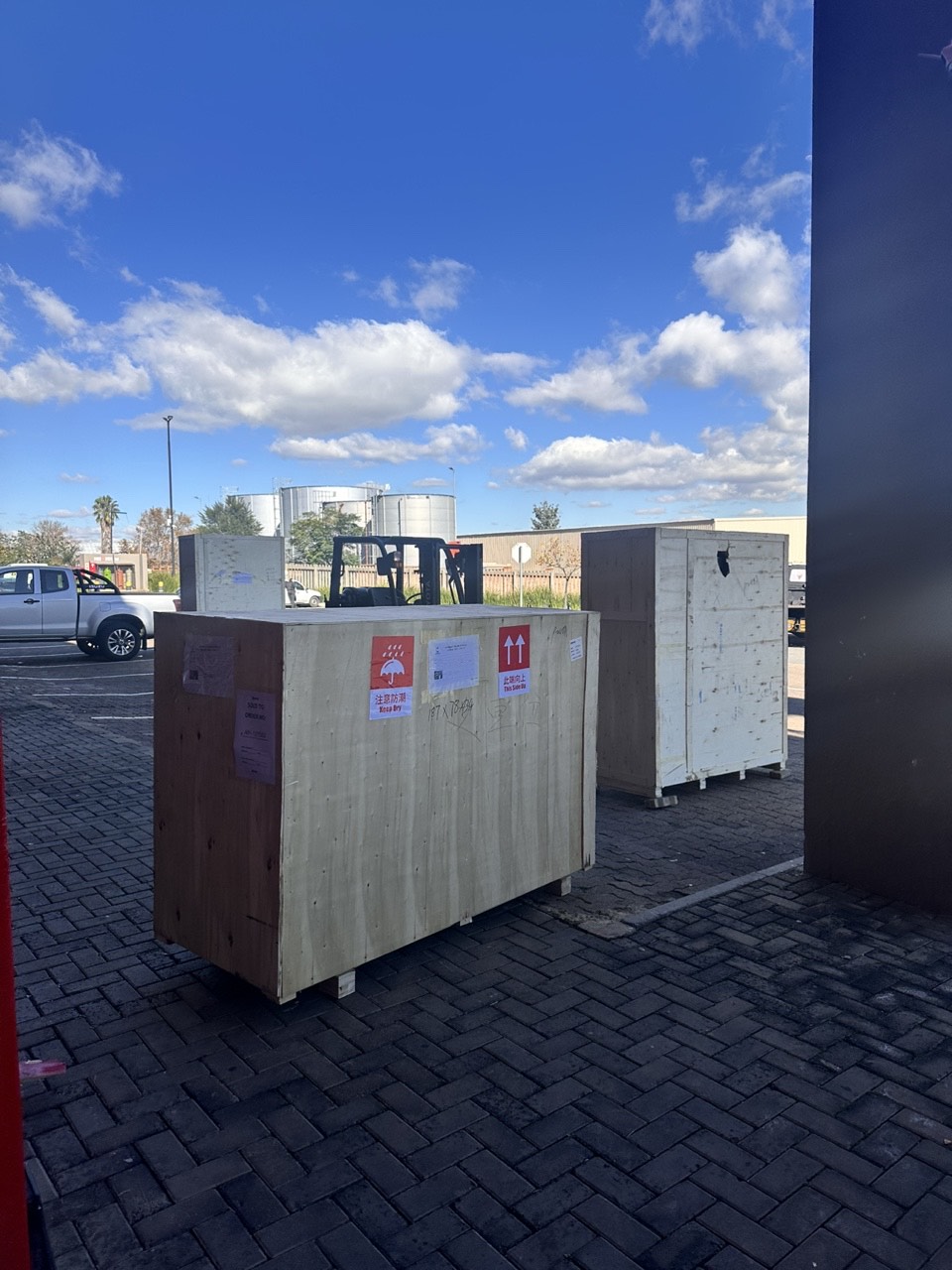
Batch of Orders
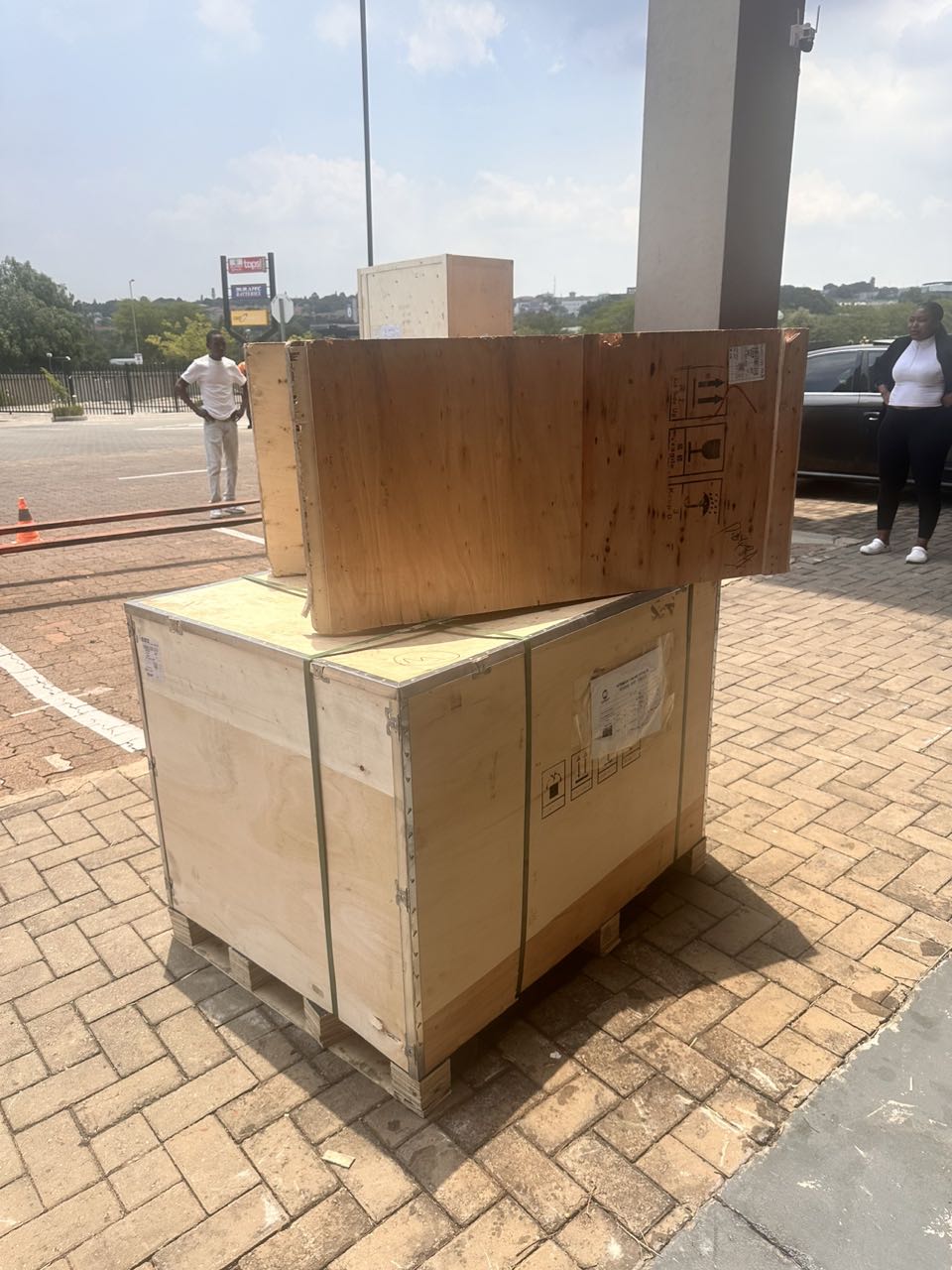
Batch of Orders
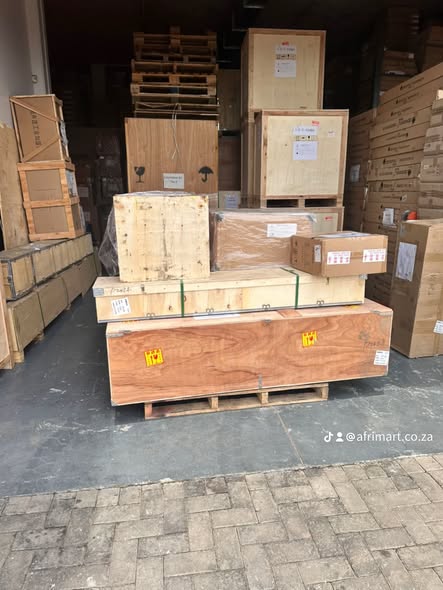
Latest Orders Labelled
wheel alignment machines
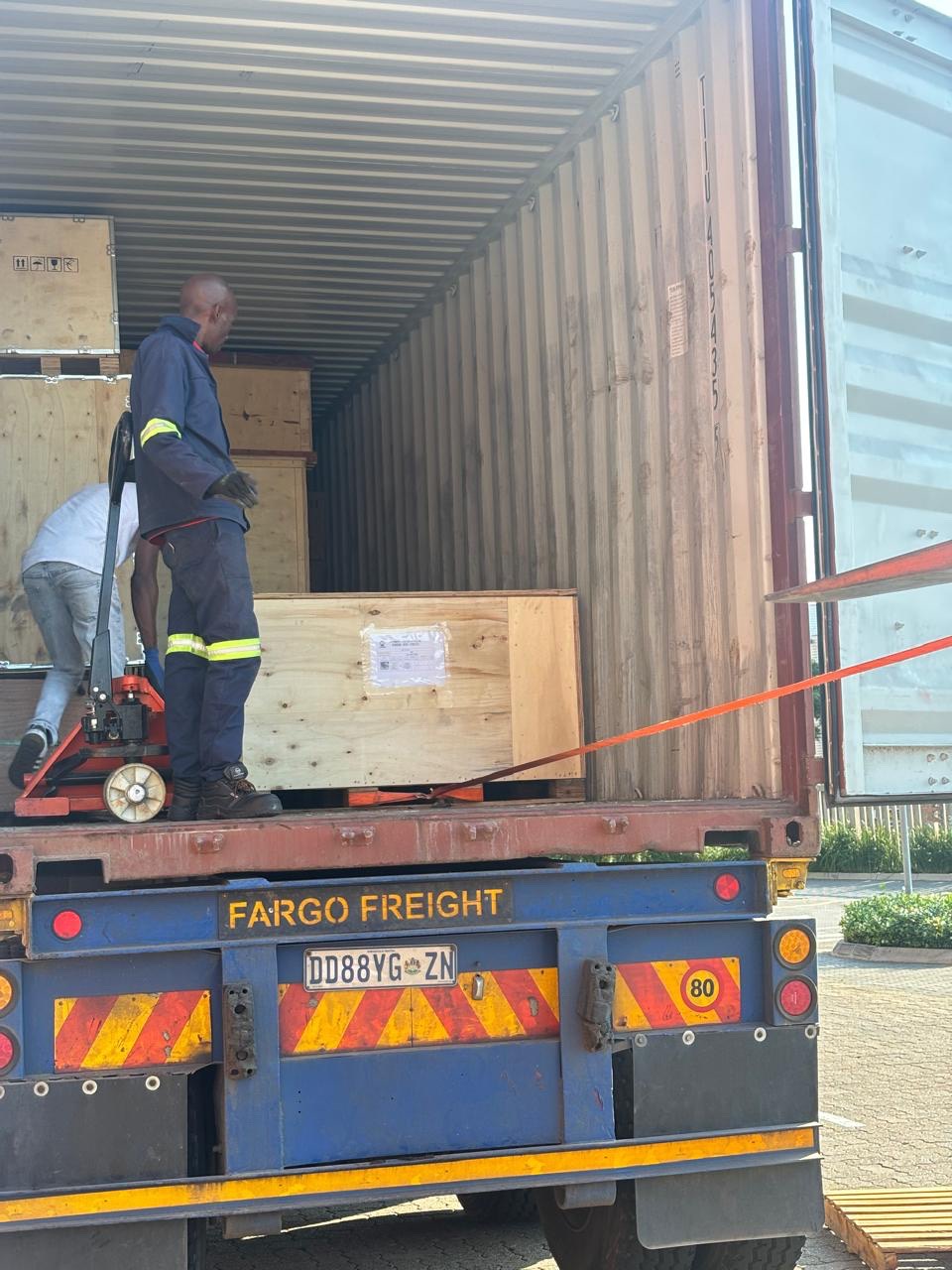
new arrivals
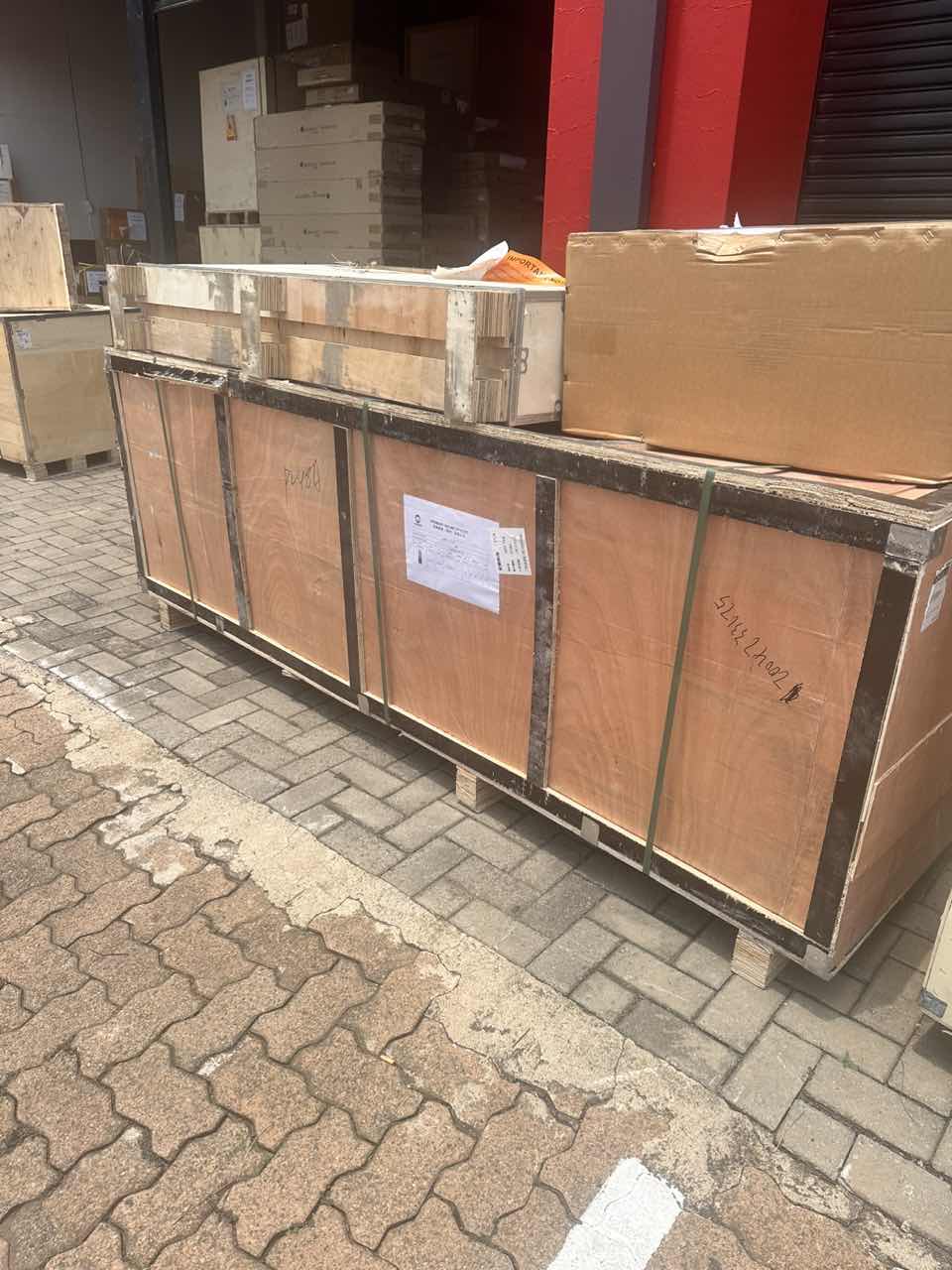
Pre Orders Offloading
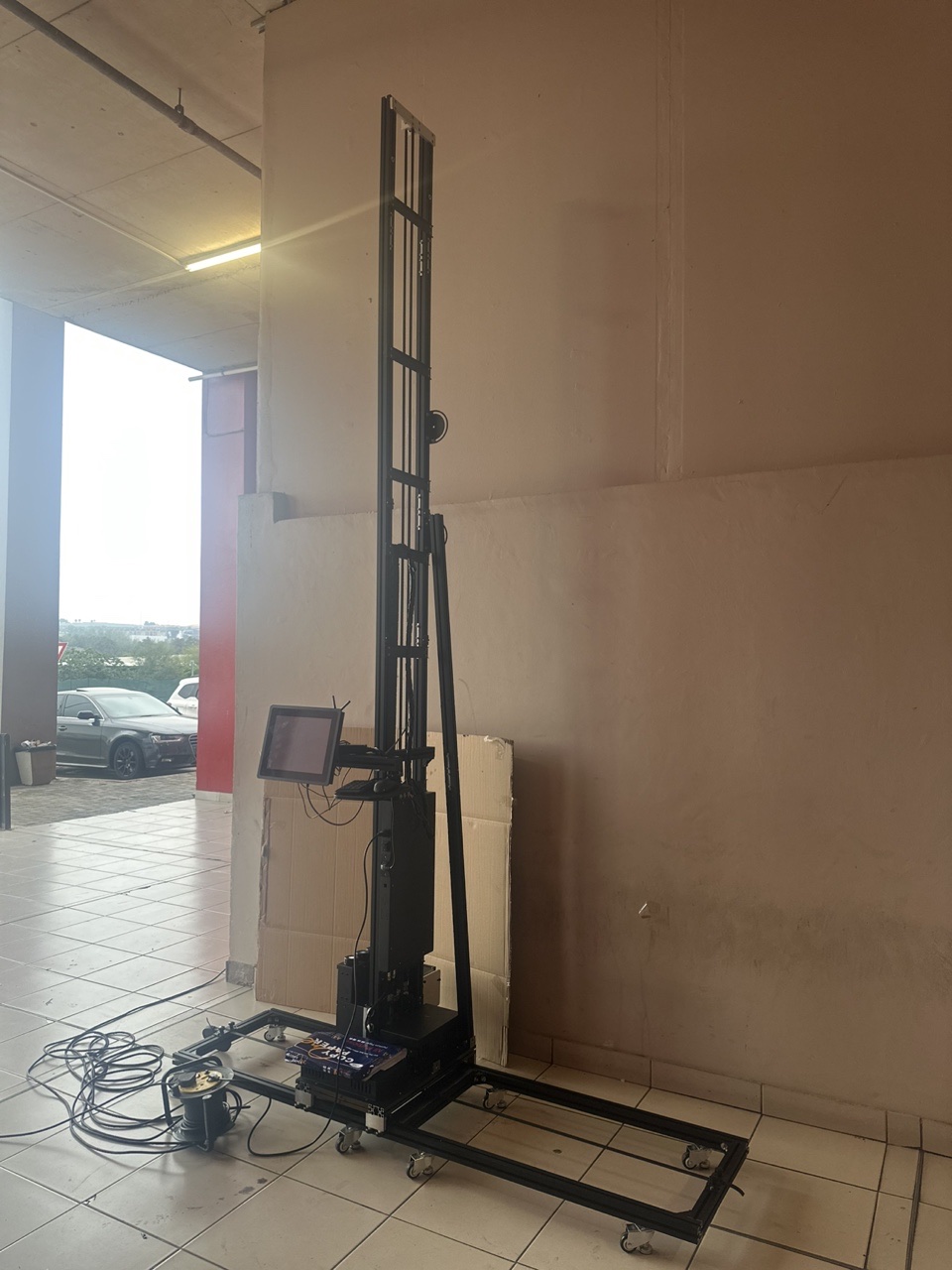
Latest Arrivals
Latest Arrivals
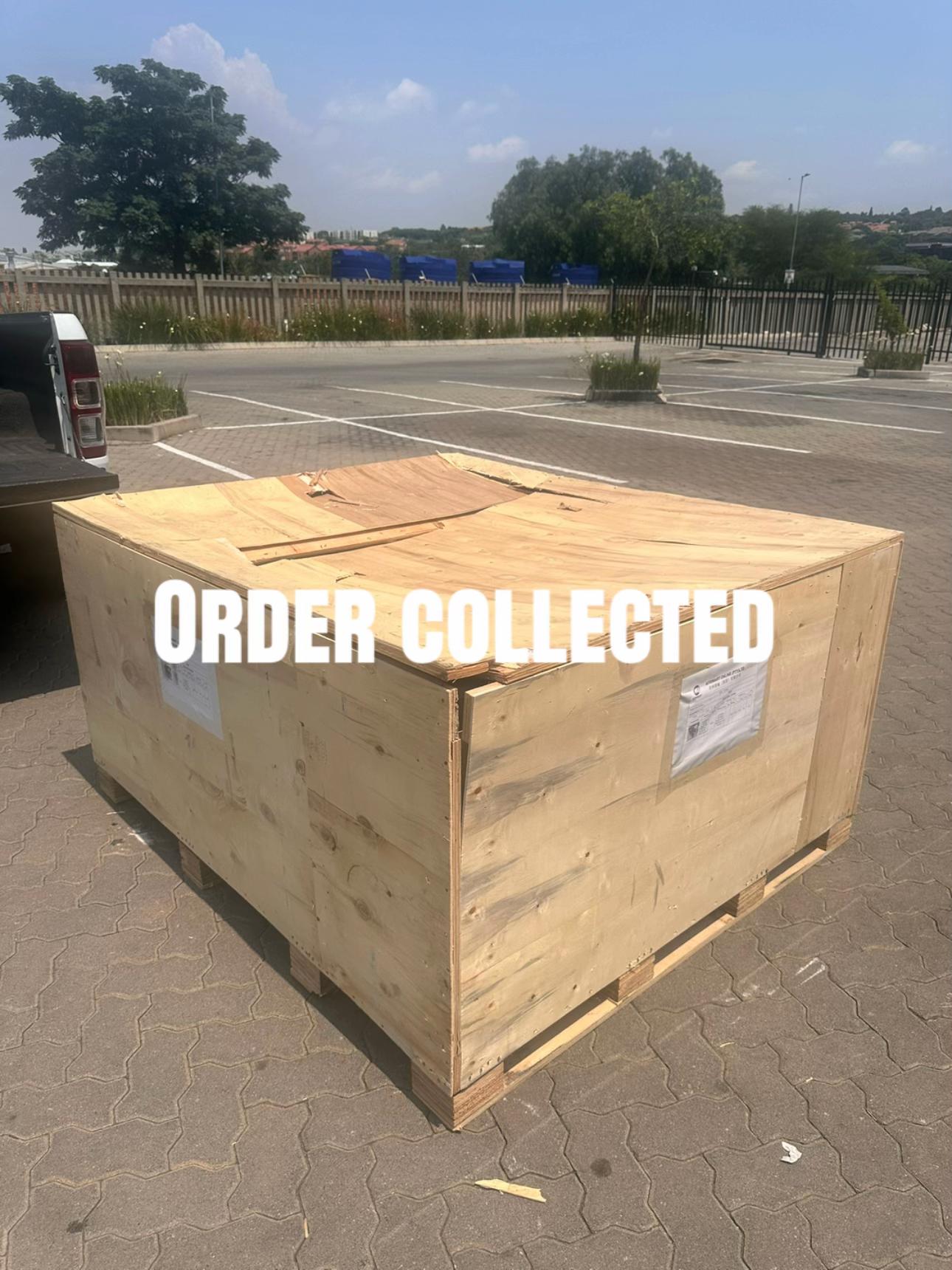
Latest Arrivals
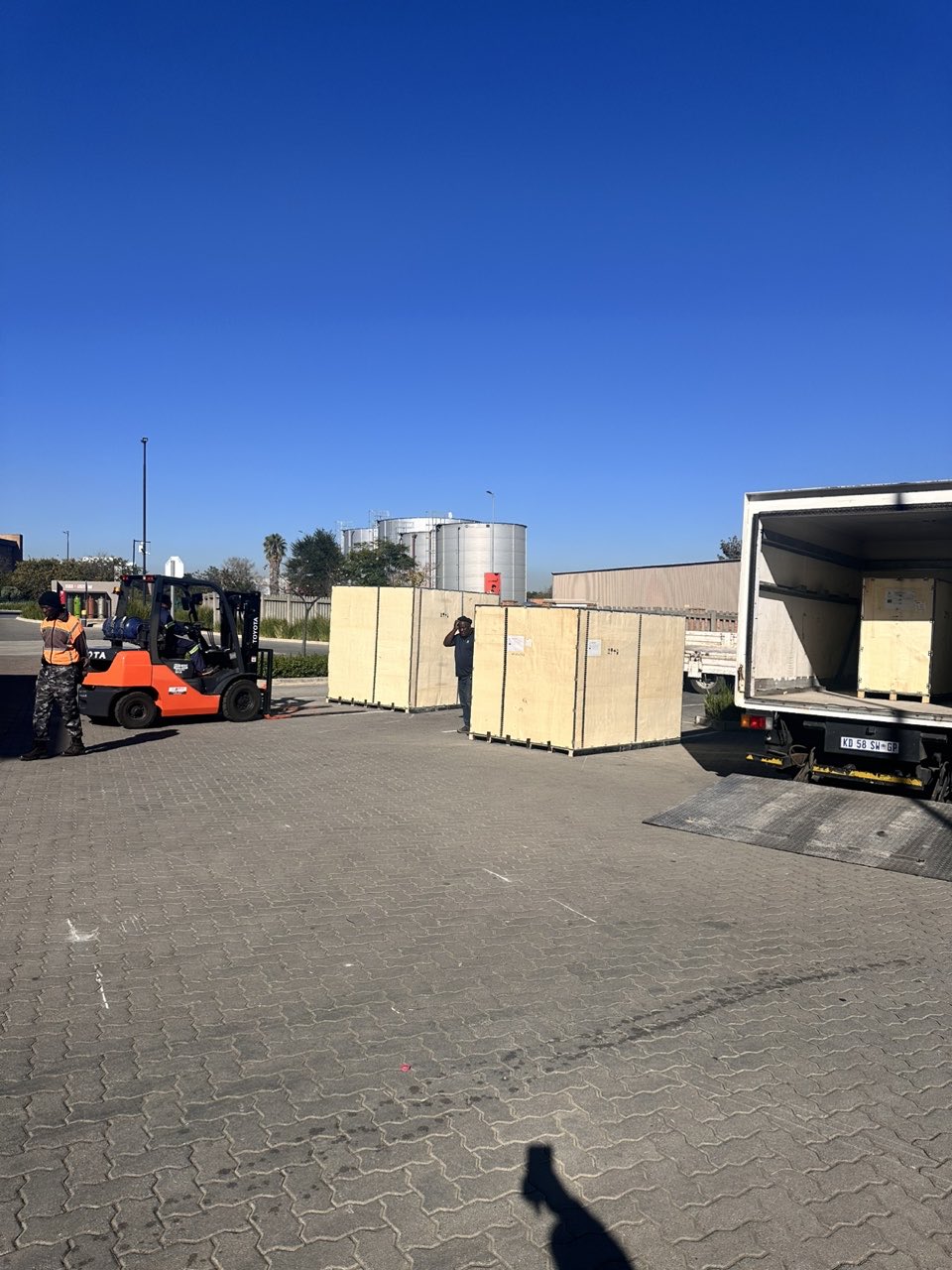
Loading
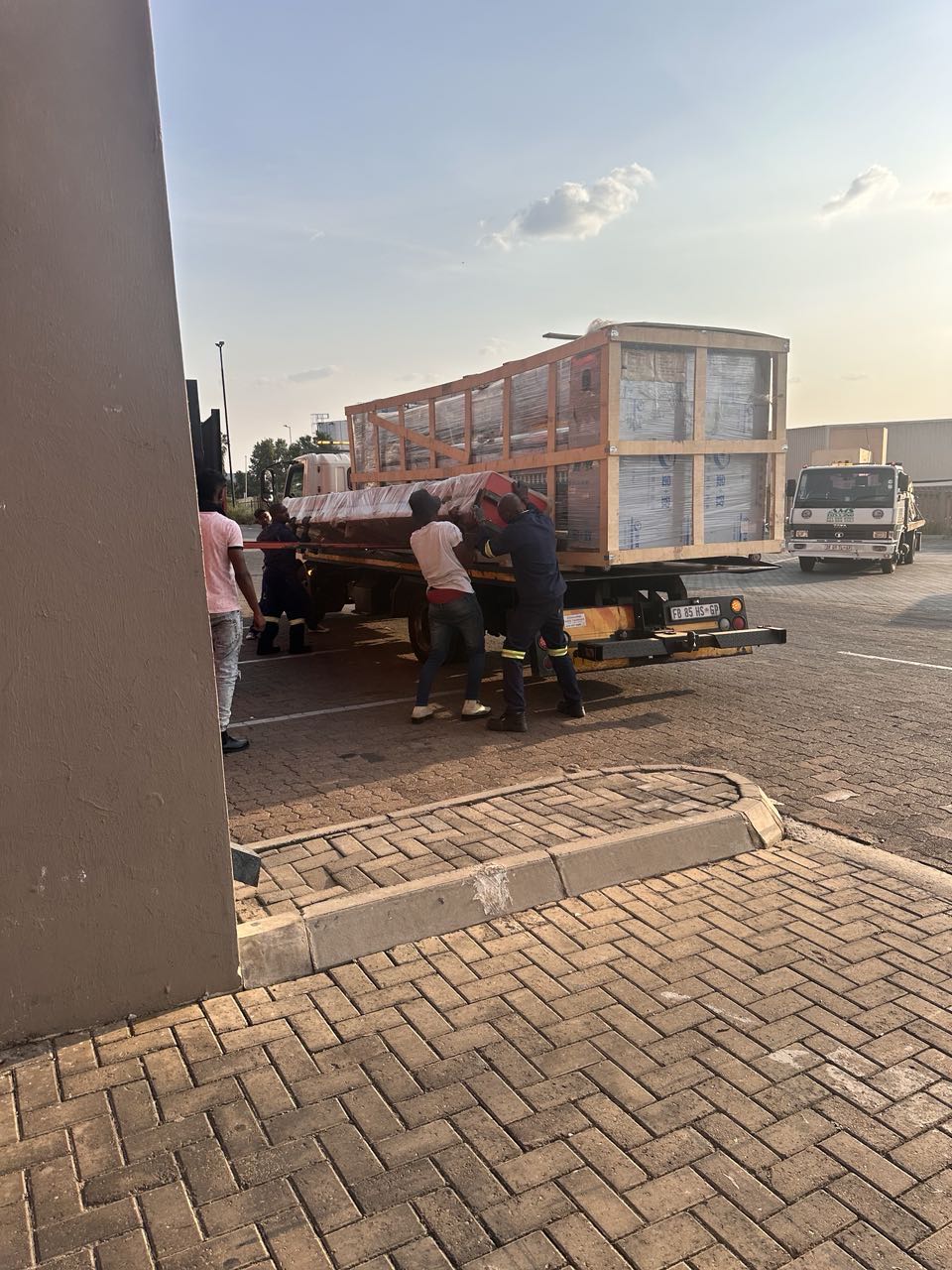
Toilet paper making machine
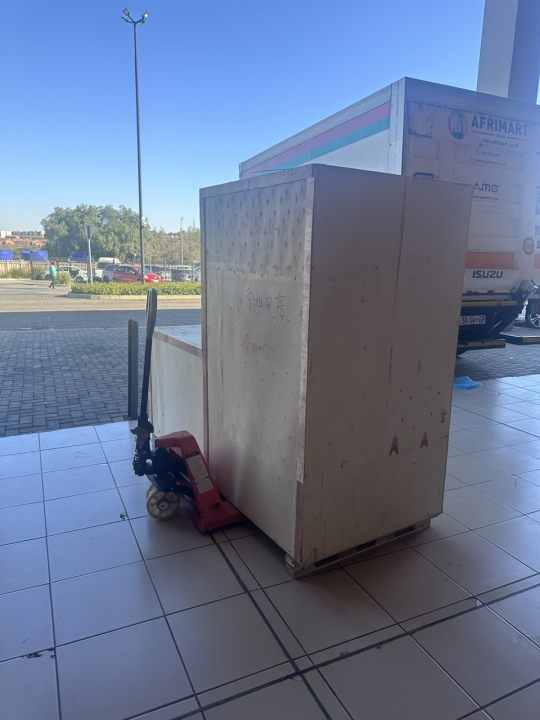
Toilet paper making machine
Toilet paper Rewinding Machine
latest arrivals
offloading
order success
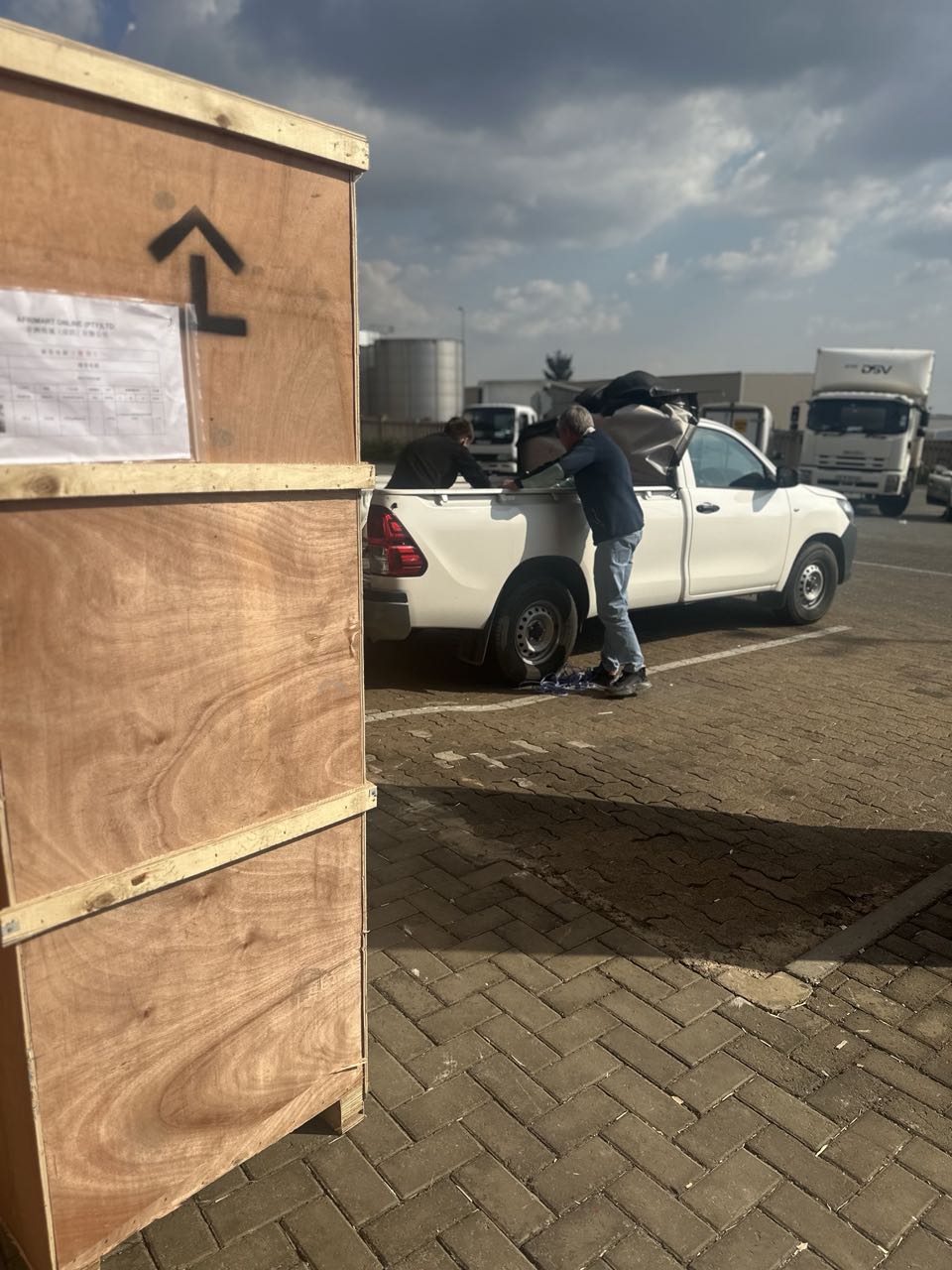
order collection
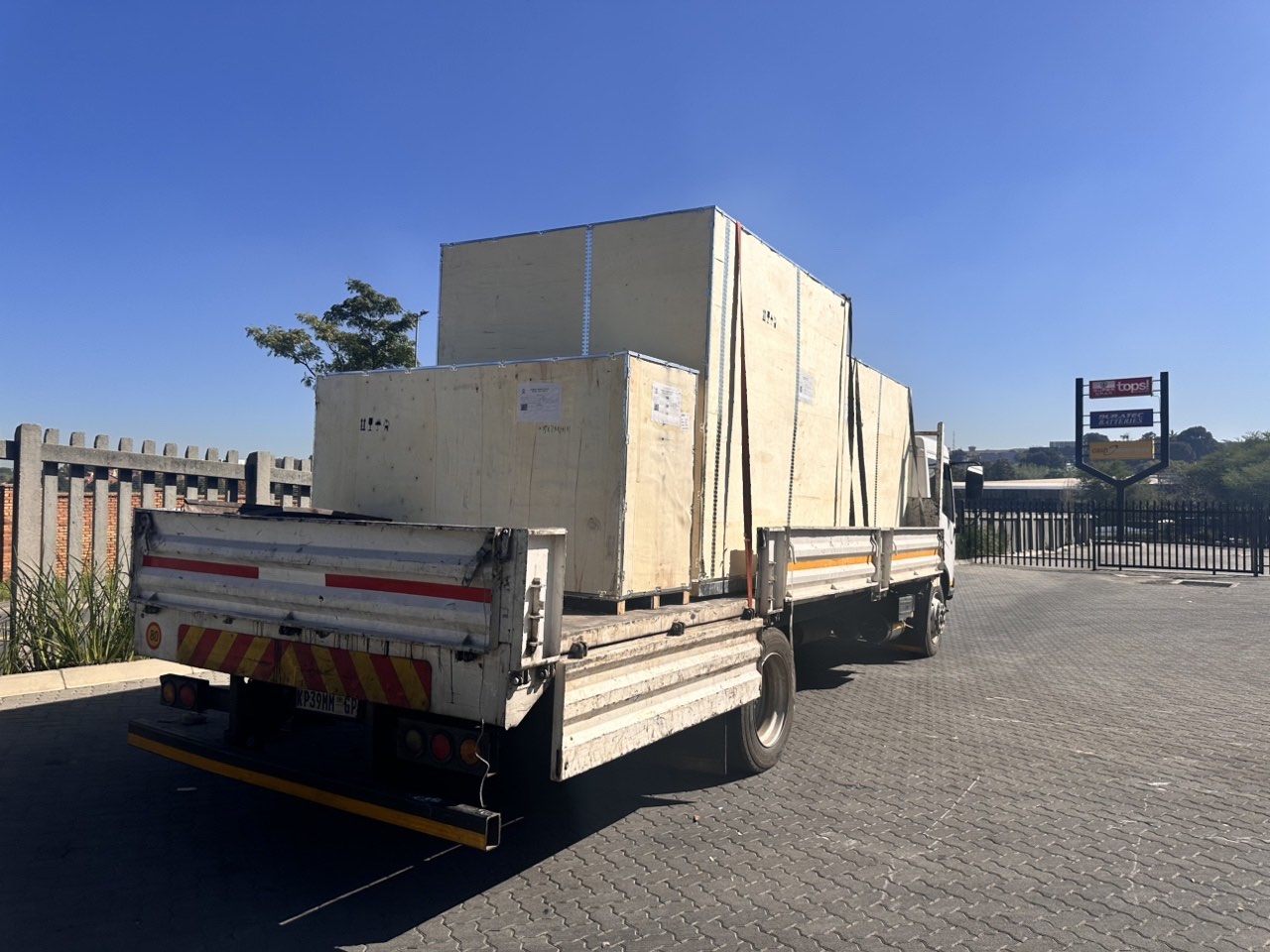
order offloading