B21, China Town Mall, Midrand

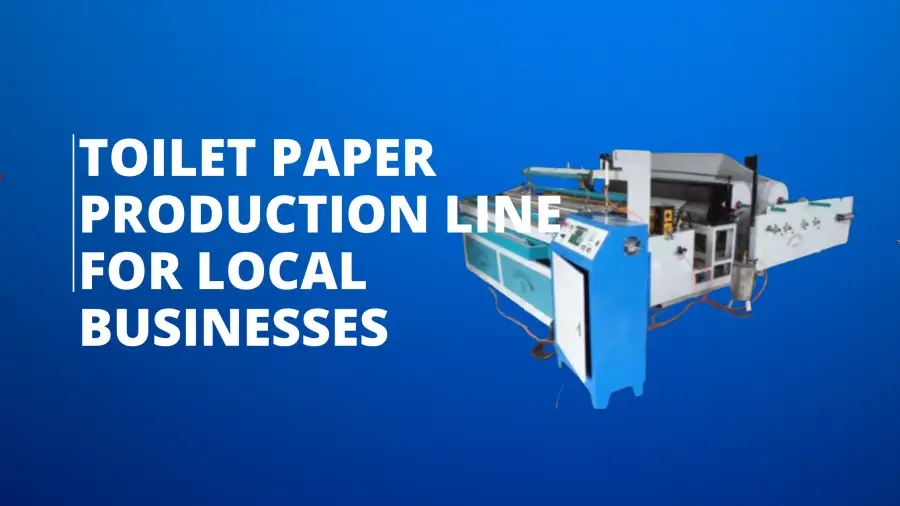
Toilet Paper Production Line
26 Jan 20262


- Cross Border E-commerce
Comparing Afrimart to Other China-Africa Sourcing Platforms: What Makes It Different?
-
Eman Libatu
-
24 Oct 2025
-
82 Comment
Introduction: Why Choosing the Right Sourcing Platform Matters
In today’s interconnected market, African small and medium enterprises (SMEs) have unprecedented access to global suppliers – especially in China, the “world’s factory.” With China-Africa trade topping $282 billion in 2023 and still growing, sourcing affordable goods from China has become a lifeline for many African businesses. But choosing how to source those goods can make or break an importer’s success. The right B2B platform can mean reliable suppliers, smoother logistics, secure payments, and better support; the wrong choice could lead to headaches with delayed shipments, hidden costs, or quality issues.
African traders historically faced steep hurdles in cross-border trade – from limited market access and trust issues to complex customs and payments.
Digital sourcing platforms emerged to tackle these challenges, connecting African buyers with overseas manufacturers at the click of a button. Giants like Alibaba.com, Made-in-China.com, and DHgate have become popular gateways for finding Chinese products. More recently, Afrimart – launched in 2018 as Africa’s first pan-continental B2B marketplace – entered the scene with a mission to make Africa–China sourcing more seamless and tailored for African SMEs.
If you’re an African business evaluating your options, it’s crucial to understand the differences in services, accessibility, logistics, payment options, and SME support across these platforms. This article offers a comprehensive comparison – platform by platform – and shows where Afrimart stands out. We’ll cover the major players, present a side-by-side comparison table of pros and cons, and share practical examples to guide your decision.
Choosing the right sourcing platform isn’t just about finding the cheapest price; it’s about minimizing risk and hassle. As we’ll see, the level of support you get for things like quality assurance, shipping, and after-sales service can be just as important as the price per unit. Let’s dive into the key platforms African importers use and discover what makes Afrimart different in the China-Africa trade landscape.
Major China-to-Africa Sourcing Platforms: An Overview
African SMEs have typically turned to a few well-known online marketplaces to source products from China. Each platform has its own strengths and limitations. Below we examine the major B2B sourcing platforms – Alibaba, Made-in-China, and DHgate – and how they cater to (or fall short for) African businesses. We’ll also touch on other alternatives in passing. Understanding their offerings will provide context for Afrimart’s unique approach.
Alibaba 🇨🇳🌐
Alibaba.com is the world’s largest B2B e-commerce marketplace, often the first stop for businesses globally looking for suppliers in China. Founded in 1999, Alibaba boasts millions of product listings across virtually every categorygentlepk.com – from consumer electronics and apparel to heavy machinery. For African buyers, Alibaba’s sheer variety means “if you can imagine it, you can probably find it on Alibaba.”
Services and Features: Alibaba is essentially a platform that connects buyers and sellers. It offers useful features like Trade Assurance, an escrow service that holds payment until you confirm receipt of goods, providing a layer of protection against fraudgentlepk.com. Suppliers can attain statuses like Gold Supplier or Verified Supplier, indicating some level of verification or paid membership, which helps signal (though not guarantee) credibility. Alibaba also has built-in messaging for negotiations, the ability to request quotes (RFQs), and even integrated logistics services (Alibaba can provide shipping quotes or coordinate with freight forwarders)gentlepk.com. In recent years, Alibaba has expanded services such as Alibaba Freight and quality inspection options, aiming to be more of a one-stop shop. However, the core model is that buyers self-service their sourcing: you search for products, vet suppliers, place orders, and arrange shipping mostly on your own through the platform tools.
Accessibility: Alibaba’s website and mobile app are available worldwide in English and other languages, so African users generally find it accessible in terms of language. The platform is designed for a global audience. That said, local support is limited – Alibaba does not have on-the-ground customer service teams in Africa for small buyers. Communication is usually directly with the Chinese supplier (often in English). Time zone differences and language nuances can sometimes pose challenges in communication; many African buyers rely on email or Alibaba’s chat at odd hours due to the time gap with Asia. Alibaba has made some inroads in Africa through partnerships – for example, it launched an Electronic World Trade Platform (eWTP) hub in Rwanda in 2018 and an e-commerce hub in South Africaafrimart.co.za – but these initiatives are more about fostering trade and training, not about providing hands-on importing assistance to everyday SMEs. In practice, when an African SME uses Alibaba, they are engaging in a global marketplace with no special regional customization – you have the same interface whether you’re in Lagos or London.
Logistics: On Alibaba, logistics are typically handled by the supplier or third-party freight companies. The platform can facilitate quotes, and many Alibaba suppliers offer to ship via couriers (for small orders) or freight forwarders (for bulk). Alibaba’s Trade Assurance can cover some shipping aspects when you book freight through its platform. However, once goods are in transit to Africa, the buyer is responsible for customs clearance and last-mile delivery. This means an SME in Africa must either hire a clearing agent or have the know-how to deal with duties, VAT, and port logistics. Alibaba itself does not manage customs or inland African delivery for you. This can be daunting for newcomers – shipments can get stuck at ports if documentation isn’t perfect, and any hiccups are for the buyer to solve.
Payments: Alibaba supports payments in major global currencies (USD is common) via methods like credit/debit cards, wire transfers, or online payment gateways. For African buyers, this often means needing a dollar credit card or making a bank TT, since local currency payments are not an option. Some regions can use online methods like PayPal on Alibaba, but many African businesses face foreign exchange hurdles – e.g. needing Central Bank approval for dollar transfers or high fees. Alibaba’s Trade Assurance is free and acts as an escrow to protect buyersseller.alibaba.com, which is a big plus. But currency conversion and access to USD can be a challenge; there’s no option to, say, pay a supplier in Nigerian Naira or Kenyan Shillings on Alibaba’s platform. This is an area where a more localized solution might have an edge.
SME Support: Apart from the platform features, Alibaba does not provide personalized support to small buyers. There’s no built-in service to handle things like product sourcing advice, compliance guidance, or after-sale issue resolution – those are considered outside the scope of a marketplace. Essentially, Alibaba is great for finding products and transacting safely online, but it assumes you as the buyer can handle the rest (choosing a good supplier, ensuring quality, dealing with shipping and import regulations). For experienced importers or larger companies, this is fine. For first-timers or smaller SMEs, the learning curve can be steep. Alibaba’s scale also means competition and noise: for any product you might get dozens of offers, and it takes effort to sort genuine manufacturers from middlemen and to communicate your requirements clearly across cultures.
Pros of Alibaba (for African SMEs):
Huge Supplier Base and Product Range: You have unparalleled choice. African traders can source everything from machinery to fashion in one placegentlepk.com. This is ideal if you need a one-stop shop for diverse inventory.
Competitive Pricing for Bulk: Because of many competing suppliers, prices (especially for large orders) tend to be low. You can often find factory-direct rates if you navigate wisely.
Trade Assurance Protection: Secure escrow payments give peace of mind that you won’t lose money if the supplier doesn’t deliver as agreedgentlepk.com. Dispute resolution mechanisms exist to mediate if something goes wrong.
Global Logistics Network: Alibaba’s scale means most Chinese exporters on the platform are experienced with international shipping. You can get shipping arranged to African ports relatively easily, and Alibaba even offers an integrated freight optiongentlepk.com.
User Reviews & Supplier Info: While not as review-centric as retail sites, you can see supplier transaction history, ratings, and sometimes feedback from other buyers, which helps in vetting.
Cons of Alibaba (for African SMEs):
Limited Local/Personal Support: No local offices to help; you’re on your own for things like customs clearance, language translation, or inspecting goods pre-shipment. Alibaba is hands-off beyond the online transaction.
Potential Middlemen & Quality Variance: Not all “suppliers” are factories – many are trading companies. Vetting who is legitimate is up to you. Quality can vary widely; you might need third-party inspections at your cost. Alibaba does label some suppliers as verified, but both verified and unverified suppliers exist, unlike some platforms that pre-verify all listingsglobalsources.com.
High Minimum Order Quantities (MOQs): For many products, suppliers set fairly large MOQs to get wholesale pricing – e.g. 500 units, 1,000 units, or a full container load. This can be a barrier if you’re a small business wanting to start small. (Some suppliers do accept smaller trial orders, but often at higher unit prices.)
Complex Shipping & Import Process: After ordering, the shipping and import process is not streamlined. You often have to coordinate with freight forwarders and navigate customs yourself. Any mistakes (wrong paperwork, misdeclared goods) can lead to delays or fines, and Alibaba won’t step in to assist – it’s beyond their scope.
Payment and Currency Hassles: Paying in foreign currency adds cost and risk (exchange rate fluctuations, bank fees). There’s no option to pay in local African currencies on Alibaba’s platform, and some SMEs without credit cards might struggle to make payments easily.
Communication Challenges: Time zone differences and language barriers can slow down negotiations. Miscommunication on product specs is a known risk if details aren’t crystal clear (e.g. metric vs imperial measurements, or quality gradations).
Alibaba remains a powerful platform, and many African businesses have successfully sourced goods through it. However, its one-size-fits-all global model leaves certain gaps that can disadvantage SMEs in Africa – gaps that Afrimart is aiming to fill.
Made-in-China 🏭📋
Made-in-China.com is another long-running B2B platform that connects global buyers with Chinese suppliers. Established in 1998, it actually pre-dates Alibaba and is operated by Focus Technology Co. This platform is well-known for emphasizing manufacturers and industrial goods. Think of Made-in-China as a vast directory of Chinese factories and trading companies, covering over 3,800 product categories as of recent countsseller.alibaba.com.
Services and Features: Unlike Alibaba’s sprawling marketplace, Made-in-China has a somewhat narrower focus on certain industries. It’s particularly strong in industrial machinery, equipment, construction materials, and similar categoriesseller.alibaba.com. You can find consumer goods too, but the platform’s reputation is built around catering to buyers looking for production-capable suppliers (e.g. a factory that can produce custom machinery parts or bulk building materials). Made-in-China does not itself sell products; it provides tools for buyers to find suppliers and make inquiries. Key features include: a Secure Trading Service (STS) which is their version of an escrow payment protectionseller.alibaba.com, supplier verification programs (suppliers can be labeled as “Verified Supplier (VS)” after on-site checks), and the ability to request quotations from multiple suppliers at once. They also offer product inspection and audit services via third parties as add-ons.
One notable aspect is that Made-in-China often employs sourcing advisors or “purchasing consultants” who can assist buyers (as evidenced by user feedback praising the platform’s assistance)seller.alibaba.com. This suggests that Made-in-China may provide a bit more hand-holding in the sourcing process than Alibaba does – possibly guiding buyers to the right supplier if you submit an RFQ. However, this is still through the platform interface; it’s not the same as having a dedicated agent.
Accessibility: The platform is available in English and a few other languages. It’s globally accessible, but like Alibaba, it does not have specialized African regional sites or local offices for SMEs. The user interface is somewhat less slick than Alibaba’s, but it’s straightforward: you search for products or suppliers, then either contact suppliers directly or use the “Contact Now” and RFQ features to get quotes. Many users note that Made-in-China can feel more transactional and inquiry-based – you often have to send inquiries and wait for email responses rather than instant chat. This can be a bit slower if you’re used to instant messaging. For African users, as long as you are comfortable writing detailed inquiries and possibly waiting overnight for replies due to time differences, it works similarly to how it would for any international buyer.
Logistics: Made-in-China itself doesn’t integrate logistics services on the platform in a major way. Essentially, once you and a supplier agree on a deal, you’ll arrange shipping either directly with that supplier or via a freight forwarder. Some suppliers on Made-in-China will quote prices FOB (Free On Board) or CIF (Cost, Insurance, Freight), meaning they handle getting goods onto a ship or even to your port. But the platform does not manage shipping or customs for you – those remain separate tasks. There isn’t an equivalent to Alibaba’s freight services here. So again, an African SME would need to manage the importation steps outside the platform tools.
Payments: The Secure Trading Service (STS) is Made-in-China’s escrow. It functions similarly – the buyer’s payment is held until confirmation of goods receivedseller.alibaba.com. However, note that STS is optional and comes with a fee to the buyer (unlike Alibaba’s free Trade Assurance)seller.alibaba.com. Some buyers choose to just pay suppliers directly (e.g. via bank transfer) if they trust them, to avoid fees. Payment methods supported typically include wire transfer, credit card, and PayPal. Like Alibaba, payments are generally in USD or other major currencies; local African currency is not used on the platform. So the forex issues remain – you have to budget for currency conversion. One difference: Made-in-China explicitly allows PayPal for some transactions, which can be convenient for smaller orders and offers buyer protection of its own (Alibaba’s Trade Assurance covers similar ground though).
SME Support: Made-in-China’s value proposition for buyers is often quality and trust. They emphasize that many suppliers are verified and subject to third-party audits. For example, you might see badges like “Audited Supplier” which means an independent inspection company visited the factory. This can boost confidence when you’re sitting in Africa wondering if a supplier is legitimate. The platform’s content (like blogs or help guides) often gives tips on sourcing safely. And as mentioned, some buyers have noted helpful support from platform representatives in facilitating communication. That said, it’s still fundamentally a connector. If an African SME needs help with, say, complying with local import regulations or handling a warranty claim, Made-in-China itself won’t provide that. Support is mostly limited to the transaction stage (and maybe dispute resolution if you used their escrow).
Pros of Made-in-China (for African SMEs):
Verified Suppliers & Quality Focus: Suppliers on Made-in-China are more likely to be actual manufacturers and often are pre-verified/auditedzignify.net. This means you might encounter fewer middlemen and potentially higher quality or at least transparency. For critical products (machinery, electronics), this is valuable.
Targeted for Industrial Needs: If your business needs specialized equipment or bulk raw materials, Made-in-China’s supplier base in those sectors can be excellent. It’s a go-to for things like factory machinery, engineering parts, etc., where it excels at connecting to export-ready factorieszignify.net.
Buyer Protection via Escrow: The Secure Trading Service offers similar escrow protection as Alibaba, holding funds until goods are confirmedseller.alibaba.com. This reduces risk of scams, though you might pay a bit for the service.
Assistance Available: The platform seems to provide some level of customer service in helping find suppliers or mediating (the mention of purchasing consultants and positive reviewsseller.alibaba.com suggests you’re not totally alone if you need guidance on the platform’s use).
Global Reach, Less Competition Noise: Made-in-China has a large supplier base but not as gigantic as Alibaba. Sometimes a search yields more focused results with serious suppliers, which can save time filtering through hundreds of listings.
Cons of Made-in-China (for African SMEs):
Narrower Product Range: While extensive, it’s not as all-encompassing as Alibaba. For example, some everyday consumer product categories might have fewer options here. It is strong in certain niches (industrial, construction) but weaker in, say, trendy consumer goods.
Higher MOQs on Average: The suppliers here being manufacturers means they might expect larger orders. Made-in-China is often favored by buyers who are ready to import container-loads. An African SME looking for a small batch might find many suppliers quoting high minimums (though you can certainly find some flexible ones). gentlepk.comnotes that Made-in-China deals often involve higher MOQs.
Escrow Fees: If you want the payment protection, it may cost extra (a percentage fee). This is a minor “con” but worth noting for cost calculation.
No Integrated Logistics/End-to-End Solution: Just like Alibaba, you’ll need to handle shipping and clearing through other channels. There’s no built-in door-to-door service; the platform won’t deliver to your shop in Kampala or Lusaka – you or your freight agent must do that.
Less Beginner-Friendly UI: Some find the interface a bit dated or less intuitive compared to Alibaba. It may require sending emails/inquiries rather than instant buys, which can be slower and requires more initiative from the buyer’s side to follow up.
Limited Local Relevance: Made-in-China doesn’t customize for African markets either. It won’t, for instance, highlight which suppliers have experience exporting to Africa or which products meet African standards – those are things you’d have to inquire about. It’s a generic global platform in that sense.
In summary, Made-in-China is a solid choice if you prioritize finding trusted Chinese factories and you have somewhat larger procurement needs. African importers dealing in machinery, industrial supplies, etc., often appreciate this platform. But the trade-off is a less turnkey experience – you get good leads on suppliers, but you’ll manage the transaction and logistics largely on your own.
DHgate 📦🛒
DHgate is a bit different from Alibaba and Made-in-China. It’s a Chinese online marketplace founded in 2004 that focuses on small wholesale orders and dropshipping. You might think of DHgate as sitting somewhere between B2B and B2C: it allows buying in bulk or single units at wholesale prices, catering especially to entrepreneurs, small retailers, and even individual consumers looking for deals. For many African SMEs (especially those just starting or testing products), DHgate’s low minimum orders and buyer protections can be attractive.
Services and Features: DHgate functions more like a typical e-commerce site (akin to AliExpress) where you can browse products with set prices and directly order online, often with a shopping cart interface. Sellers list products, often with tiered pricing (e.g. price per unit drops if you buy 10, 50, 100 units). The platform offers buyer protection by holding payments in escrow until confirmation of delivery, and it has a review system for products and sellers. Essentially, you can shop on DHgate much like on a retail site – there’s no need for RFQs or off-platform negotiations for most items. This simplicity is a big plus for users who aren’t familiar with negotiating MOQs or dealing with invoices; you find what you need, order it, and pay online.
Product Range and Suppliers: DHgate hosts hundreds of thousands of products, with a strong focus on consumer goods, electronics, gadgets, fashion, and accessories. Many sellers are actually intermediaries or small wholesalers, not always the manufacturers themselves. The upside is Low or No Minimum Order Quantity on many listings – you could literally buy 5 phone cases or 1 drone, whatever is listed. This is ideal for African SMEs who want to sample products in small quantities or run a small shop that can’t stock huge volumes. The downside is that because it’s oriented to smaller transactions, prices per unit are higher than what you’d get if you negotiated directly on Alibaba for a bulk ordergentlepk.com. You pay a convenience premium for buying small.
Accessibility: DHgate’s site is in English (and other languages) and ships globally. It’s very user-friendly, designed for quick purchases. African users will find it similar to buying from any international e-commerce site. You select your country for shipping and the site will show available shipping methods and costs for each product. There’s no regional customization specifically for Africa, but the platform overall is straightforward enough that it rarely poses usability issues. One thing to note is shipping times – many items on DHgate ship via airmail or small parcel couriers from China, which can take quite a while (2-6 weeks, typically) to African countries. For an SME needing inventory quickly, this can be a bottleneck.
Logistics: DHgate sellers usually offer multiple shipping options at checkout – from cheap (but slow) postal services to faster couriers (DHL, FedEx, etc.) at higher cost. You’ll see an estimated delivery time before purchasing. Since orders are often smaller, they come as parcels, not freight shipments. This means delivery is usually to your door by a courier or local post if all goes well. However, if you order larger quantities that exceed courier limits, you’d have to arrange freight separately (but most people using DHgate aren’t ordering container-loads). One important aspect: customs duties. For small parcels, sometimes they slip through or the courier delivers and bills you for import duty on delivery. DHgate doesn’t handle customs for you; you’re the importer of record. So African SMEs still need to be mindful of their country’s de minimis import rules and be ready to pay duties on larger purchases. There’s no integrated solution for customs clearance on big orders – that’s beyond the platform’s scope.
Payments: DHgate accepts a variety of payment methods: credit cards, PayPal, and even Western Union or bank transfer for some orders. The ease of PayPal/credit card makes it accessible to many small business owners and individual buyers. Like others, payments are in major currencies (USD by default), so your bank or card will handle conversion from your local currency. The escrow model (called “DHgate Buyer Protection”) means the seller isn’t paid until you confirm you got what you ordered, giving a window to dispute if the product is wrong or not delivered. This is crucial because, unfortunately, the risk of knock-off or subpar products exists – and DHgate’s dispute system is the remedy.
SME Support: DHgate doesn’t provide personalized consulting or logistics support. It’s a pure online marketplace with customer service available for platform issues, but not a sourcing partner in the way Afrimart can be. It is, however, arguably more SME-friendly in its usability – you don’t need import/export expertise to place a small order and get it shipped. Everything is menu-driven and transparent at point of sale. For a busy shop owner who just wants to order inventory quickly with a credit card, this is a big advantage. The trade-off is if something goes wrong (product not as expected, or a need to return, etc.), you’ll rely on the online dispute resolution. There’s no local representative to call.
Pros of DHgate (for African SMEs):
Very Low MOQs – Great for Small Orders: You can buy in small quantities, even single units in many casesgentlepk.com. This lowers the barrier to entry for sourcing. Testing new products or starting a business with minimal capital is possible.
Simple, Instant Purchases: No need to negotiate or wait for quotes. It’s add-to-cart and checkout. This speed and simplicity are ideal for those who find Alibaba’s negotiation process intimidating or time-consuming.
Buyer Protection and Reviews: The platform holds payment until you’re satisfied, reducing fraud risk. Plus, you can read reviews from other buyers on the same item, which often include photos and experiences. This peer feedback can guide you toward reliable items.
Flexible Payment Options: Accepts credit cards and PayPal, which is convenient and accessible. Not all African SMEs have the ability to do international bank transfers easily; DHgate makes it as easy as any online shopping.
Global Shipping to Your Door: For small packages, it’s convenient to have the item delivered to you via courier/postal service. You don’t need to hire a clearing agent for most small shipments (though you might pay import fees on delivery).
Ideal for Dropshipping: If you’re an online seller in Africa, DHgate even supports dropshipping models (where you can have products sent directly to your customers) due to its small order focus.
Cons of DHgate (for African SMEs):
Higher Unit Costs: The convenience comes at a cost – per-unit prices are often higher than what you’d secure with a large bulk order on Alibabagentlepk.com. Over time, if your volume grows, buying via DHgate could be significantly more expensive than finding a direct supplier.
Limited Product Range for Niche/Bulk Needs: While broad, the product range skews toward popular consumer items. If you need something very specialized or industrial, DHgate likely won’t have it, and you’d be better off on Alibaba or Made-in-China.
Quality and Authenticity Varies: DHgate has had issues with counterfeit goods and low-quality items, since many sellers are small and not heavily vetted. One has to be careful and choose sellers with good ratings. There’s a bit of “buy at your own risk,” mitigated by the ability to dispute if clearly wrong – but only to an extent.
Long Shipping Times: Unless you pay for pricey express shipping, many items take several weeks to arrive in Africa. This may not be suitable if you have time-sensitive needs or demand planning for a retail business – you’ll need to stock well in advance.
No Comprehensive Support: If you run into issues beyond a transaction dispute (e.g. needing guidance on what to order, or how to import a larger shipment), DHgate won’t help. It’s very much a DIY platform for sourcing.
Customs and Import Limits: Because it relies on parcel shipping, you might run into issues if ordering moderately large quantities. For example, if you order 100 smartphones, that’s not a small personal parcel – it might get stuck at customs until you produce import licenses or pay duties. The platform doesn’t prepare import documents or advise on such matters.
In essence, DHgate is best for small-scale importers or those testing the waters. Many African entrepreneurs use it to get initial stock of trending products. But as their business scales, they often “graduate” to more direct sourcing (larger orders via Alibaba or a service like Afrimart) to get better pricing and more support.
Other Sourcing Platforms and Options
Beyond the big three above, there are other platforms and methods to source from China that African businesses use:
Global Sources: A B2B platform that, like Made-in-China, is known for verified suppliers and specific industry focus (especially electronics, hardware, and gifts). Global Sources runs trade shows in Asia and tends to list higher-end manufacturers (many who also sell on Alibaba). Pros: stringent verification and quality suppliers, plus you often find exclusive suppliers not on Alibabagentlepk.com. Cons: a smaller online catalog and an interface less popular than Alibaba’s. It’s great if you’re serious about quality and perhaps plan to visit trade fairs or need OEM/ODM manufacturers.
AliExpress: Alibaba’s sister site for B2C retail. Many African consumers and even shop owners buy from AliExpress for one-off items or very small orders. It has no MOQ (you can buy 1 unit)gentlepk.com and often offers free or low-cost shipping (albeit slow). While not a B2B platform, an African SME might use AliExpress to sample products or even to stock a small shop without going through wholesale. The trade-off is higher prices per item and sometimes 2-8 week delivery times. It’s essentially like DHgate in target audience, though with even more focus on individual buyers.
1688.com: This is Alibaba’s Chinese-language wholesale site for the domestic Chinese market. It has rock-bottom prices (for those who can navigate it) – often 30-50% cheaper than Alibaba.com for the same itemszignify.net. However, it’s not foreigner-friendly: it’s all in Chinese, sellers generally don’t ship abroad, and payments require Chinese methods. Some savvy African importers use agents or proxies in China to buy from 1688 to save money. This is an advanced tactic and comes with complexity, but it’s a source of ultra-cheap goods if you have a way to transport them.
Emerging Platforms: There are newer services using AI or alternative models. For example, Accio and other AI-driven sourcing tools that claim to help you find suppliers using smart searchgentlepk.com. These are still nascent and usually not a full transaction platform – they might point you to listings on Alibaba/1688 or direct websites. For most SME purposes, they’re not yet mainstream.
Using Google or Social Media: Interestingly, some importers just use Google search or platforms like Facebook/WhatsApp to find suppliers. Google can show you results like independent factory websites or smaller B2B directoriesgentlepk.com. This route requires a lot of due diligence (verifying if those suppliers are real, safe, etc.), but it’s an option if you want to bypass platform fees and perhaps find niche products. However, without the safety nets of established marketplaces, the risk is higher – you’d be wire transferring money to unknown companies. Usually recommended only for experienced importers or when you have verified the supplier through other means.
In summary, African SMEs are not limited to one channel – many use a mix of these sourcing avenues. Alibaba, Made-in-China, and DHgate are among the easiest and most popular for direct online sourcing. Now, into this mix comes Afrimart, an Africa-based platform that aims to combine the benefits of these global marketplaces with localized support. In the next section, we’ll explore what Afrimart does differently and how it addresses many of the cons we highlighted for the other platforms.
What Afrimart Does Differently for Africa–China Trade
Afrimart positions itself not just as another marketplace, but as a pan-African B2B sourcing partner built around the needs of African importers. Launched in 2018 and headquartered in South Africa, Afrimart is often described as “Africa’s Alibaba” in ambition – but with a very localized, service-oriented twistafrimart.co.za. The platform connects African buyers with overseas suppliers (especially in China) similar to how Alibaba or Made-in-China does, yet Afrimart’s model integrates a suite of support services that simplify the entire import process. Here’s a breakdown of what makes Afrimart unique in this space:
✅ Curated, Trustworthy Suppliers (Quality Assurance): Afrimart doesn’t aim to have millions of random sellers. It focuses on verified manufacturers and vetted suppliers that are capable of fulfilling African market ordersafrimart.co.za. By curating the supplier base, Afrimart reduces the risk of scams or sub-par products. Essentially, they do an upfront filter so African SMEs don’t have to wade through questionable sellers. Profiles on Afrimart come with detailed product information and verification status. This vetting is akin to what Made-in-China and Global Sources do, but Afrimart curates specifically with African standards and needs in mind. For example, they might prioritize suppliers who have experience exporting to Africa or products suited for African conditions (voltage standards, rugged packaging for long transit, etc.). The result is greater confidence when you source via Afrimart – you’re more likely to get reliable partners.
✅ One-Stop Logistics and Customs Support: Perhaps the biggest differentiator: Afrimart offers end-to-end coordination of shipments, including consolidation of goods, shipping, and even customs clearanceafrimart.co.za. This is a game-changer for SMEs who find international logistics daunting. If you order multiple products from different suppliers, Afrimart can consolidate them into one shipment to save costs (something you’d normally hire a freight forwarder to do). They also provide options like DDP (Delivered Duty Paid) shippingafrimart.co.za, meaning Afrimart handles the import duties/taxes and delivers the goods to your doorstep or warehouse. For an African business owner, this service removes the nightmare of dealing with port authorities and paperwork – “lowers cost and complexity for SMEs” as Afrimart puts itafrimart.co.za. In effect, Afrimart serves as your freight forwarder and customs broker combined, if you want them to. None of the other platforms offer this integrated solution. They might connect you to shippers, but they won’t take accountability for clearing your goods through say, Lagos port or Durban harbor. Afrimart, on the other hand, prides itself on taking that burden off the SME.
✅ Secure, Localized Payments: Unlike global platforms that require USD or other foreign payments, Afrimart enables local currency payment options and escrow-style protectionafrimart.co.za. For example, a buyer in Nigeria could potentially pay Afrimart in Naira (or via a local bank transfer/mobile money) and Afrimart handles paying the overseas supplier. This is huge for SMEs in countries with strict forex controls or those who lack international payment facilities. It also means currency conversion is handled within the service at transparent rates. Additionally, Afrimart provides a form of trade assurance – payments are typically held until the buyer receives the goods or milestones are met, protecting both sides. This escrow mechanism builds trust, so a Chinese supplier is willing to extend better terms and an African buyer feels safer sending money. Essentially, Afrimart localizes the transaction: you deal with a local entity (Afrimart) financially, rather than wiring money to a random foreign company. That increases confidence on both sidesafrimart.co.za.
✅ Local Presence and Customer Support: Afrimart has on-the-ground teams in Africa to support buyers through the entire processafrimart.co.za. This is a night-and-day difference from using a purely online platform. It means you can talk to a representative during your business hours, get pre-sale advice on product specifications, and even get after-sales assistance if something isn’t right. For example, if machinery you ordered arrives and has an issue, Afrimart can facilitate returns or warranty claims by dealing with the supplier, sparing you the trouble of international wrangling. They effectively become the single point of contact. Afrimart’s blog and case studies emphasize that they provide local after-sales and even handle returns when neededafrimart.co.za. This level of service is practically unheard of with Alibaba or DHgate. It resonates strongly with SMEs who may not have the clout to get attention from a big foreign supplier if a problem arises. It’s like having a partner on your side who understands your context and can advocate for you.
✅ Tailored to African Needs (Regional Relevance): Being an African platform, Afrimart inherently keeps the African importer’s perspective at the center. This shows up in several ways. First, the product selection is geared towards what African markets demand – e.g. agricultural machinery suitable for African farming, solar-powered equipment for areas with limited electricity, construction materials for local projects, etc. Suppliers are encouraged to list items that have market potential in Africa, not just generic offerings. Second, Afrimart provides guidance on compliance: it helps ensure that products meet African regulatory standards (for example, electronics have the right voltage and plugs, or products have necessary certifications for import)afrimart.co.za. They essentially bridge gaps in standards and expectations between Chinese suppliers and African buyersafrimart.co.za. If there’s a certain certification needed for South African customs, Afrimart will work with the supplier to get it. This is an area where many independent importers trip up – they order something only to find it doesn’t meet local compliance and gets stuck. Afrimart’s model tries to preempt that. Additionally, by focusing on the Africa-China corridor, Afrimart accumulates expertise in those trade lanes – meaning they know the common pitfalls, best shipping routes, duty structures, etc., for Africa specifically, whereas a generic platform wouldn’t cater to that niche knowledge.
✅ Comprehensive Sourcing Expertise (SME-Friendly Service): Afrimart is not just a website; it’s more like a procurement service combined with a marketplace. Their team brings supply chain know-how to keep costs competitive and deliveries on scheduleafrimart.co.za. For SMEs that lack a procurement department, this is invaluable. In practice, when you engage Afrimart, they can assist with:
Supplier identification and vetting: If you can’t find a product on the site, Afrimart can likely source it through their network. They verify credentials and past export historyafrimart.co.za so you don’t end up with a fraudulent supplier.
Price negotiation: Because they handle volume and have relationships, Afrimart often negotiates better pricing or terms than an individual buyer could. One case study showed Afrimart securing a 25% cost saving for a client on equipment versus the quotes the client initially got on their ownafrimart.co.za.
Order management and QC: Afrimart arranges inspections or sample approvals to ensure quality before shipmentafrimart.co.za. They act as the eyes and ears on the factory floor when needed, something an SME in Africa would find hard to do remotely.
Consolidation and freight optimization: They choose the best shipping mode (air vs sea, LCL vs FCL) and consolidate orders efficientlyafrimart.co.zaafrimart.co.za. This can cut shipping costs and transit time.
Customs clearance and last-mile delivery: Afrimart prepares all paperwork, classifies products with correct HS codes, pre-pays duties if DDP, and ensures delivery to your locationafrimart.co.zaafrimart.co.za. The buyer isn’t left figuring out port procedures – it’s handled.
✅ Focus on Relationship and Long-Term Growth: Afrimart, by virtue of being Africa-based, is invested in the success of its customers (who are fellow African businesses). The tone is more of partnership than just a one-off transaction. Over time, they can help an SME scale by finding new suppliers, expanding product lines, or even exporting African products abroad (Afrimart’s original vision includes helping African suppliers find markets, though our focus here is imports). This contrasts with the impersonal nature of large platforms, where you’re one of a million buyers. For example, Afrimart’s team can advise a retailer in Ghana on which types of products are trending or how to plan inventory around shipping schedules. This kind of mentorship orientation is something unique they bring.
Now, it’s fair to note that Afrimart is a newer player and smaller in scale than Alibaba or Made-in-China:
It may not have the sheer number of product listings (no platform can rival Alibaba’s millions overnight).
It currently specializes in the Africa–China corridor, so if you needed suppliers from, say, Europe or the Americas, Afrimart might not have much on offer yet.
Being service-heavy, the model might include service fees or slightly higher pricing to cover the value-added services (though, as case studies show, these are often offset by savings from better deals and avoiding mishaps).
For instance, Afrimart might roll their fees into the quotes they give you for a fully managed order (so you pay a single price for goods delivered with all services included). Many SMEs find this worthwhile because it buys peace of mind and predictabilityafrimart.co.za. But it’s something to be aware of – you’re paying for a package of services, not just raw product cost.
To sum up, Afrimart’s difference lies in bridging the gap between finding a product and actually getting it into your shop in Africa. It merges the roles of a sourcing agent, quality inspector, freight forwarder, and import concierge – all enabled through a digital platform that still lets you browse and choose products. For African SME owners who want simplified imports with minimal risk, this model is extremely appealing.
In the next section, we’ll see a direct comparison table of Afrimart vs other platforms across key factors, followed by some real-world scenarios illustrating these differences in action.
Side-by-Side Comparison: Afrimart vs Alibaba vs Made-in-China vs DHgate
To crystallize the differences discussed, the following table compares the platforms on key aspects like focus, pros, and cons, with a spotlight on SME-friendliness:
| Platform | Best For | Key Benefits | Potential Drawbacks |
|---|---|---|---|
| Afrimart (Pan-African B2B) | African SMEs wanting a one-stop, low-risk import solution with hands-on support. | - End-to-end service: Sourcing, vetting, shipping, customs & delivery all handled by one partner, giving hassle-free imports. - Local support: On-ground teams in Africa for advice, after-sales, and dispute resolution – you’re not alone in the process.afrimart.co.za - Local payments: Pay in local currency or via local banks/mobile money; includes escrow protection, easing forex issues.afrimart.co.za - Tailored to Africa: Products and compliance are aligned with African needs; consolidation and DDP options cut through red tape for you.afrimart.co.zaafrimart.co.za | - Smaller catalog: Currently a curated selection of suppliers (quality-focused), so fewer total listings than giant global sites. - China-focused: Primarily sources from China (great for that market, but not the place to find suppliers from other regions yet). - Service fees: Full-service convenience might include fees or margins (though often offset by savings in time and errors). - Growing platform: As a newer entrant (launched 2018), still expanding its network and awareness compared to established players. |
| Alibaba (Global B2B Marketplace) | High-volume importers and experienced buyers worldwide (including Africa) who can self-manage transactions. | - Huge supplier base: Millions of products across all industries = one-stop shop for any item imaginablegentlepk.com. - Competitive pricing: Intense supplier competition yields low prices, especially for bulk orders. - Trade Assurance: Free escrow payment protection and dispute resolution boost safety in dealsseller.alibaba.com. - Global reach: Suppliers from China and beyond; platform is well-established and trusted globally. | - DIY everything: No local or personalized support – buyers must handle supplier vetting, shipping, and import logistics themselves (can overwhelm SMEs). - MOQ and scale: Many suppliers require large MOQs, making small orders tricky or pricier for SMEs.gentlepk.com - Middlemen & trust: Mix of manufacturers and traders – identifying reliable suppliers takes effort. Quality can vary; inspections are extra steps. - Payment hurdles: Requires USD or other major currency; African buyers face bank fees and currency conversion hassles (no native mobile money or local currency option). - No African focus: No specialization for African regulations or local market needs – purely a global platform, so compliance and last-mile challenges fall on the buyer. |
| Made-in-China (China B2B Directory) | Buyers seeking verified Chinese manufacturers – often for industrial, machinery, or large orders where quality is paramount. | - Verified factories: Emphasizes audited, export-ready suppliers; higher likelihood of genuine manufacturerszignify.net. - Quality focus: Built-in options for quality checks and a reputation for industrial and hardware categories – ideal for machinery, tools, etc.seller.alibaba.com - Secure Trading Service: Offers escrow payment protection (funds in escrow until goods received) for safer transactionsseller.alibaba.com. - Industry specialization: Strong in B2B sectors (manufacturing equipment, construction materials), giving targeted results for those niches. | - Limited range: Not as broad in consumer goods; smaller overall supplier pool versus Alibaba. - Higher MOQs: Suppliers often expect larger order sizes (factories prefer bulk orders), which can exclude very small buyersgentlepk.com. - Slower process: Typically involves sending inquiries and waiting for quotes; less instant than Alibaba/DHgate for transactions. - Escrow fees: Payment protection isn’t free (a fee may apply), adding to cost if usedseller.alibaba.com. - No end-to-end help: Still just a platform – shipping, customs, and troubleshooting are up to the buyer; no local presence or logistics integration. |
| DHgate (Small Wholesale Marketplace) | Small businesses or first-time importers needing low MOQ orders or product samples; also dropshippers. | - Very low MOQ: Buy even 1 unit in many cases; great for testing products or small-scale retailgentlepk.com. - Easy to use: E-commerce style platform with direct checkout – no need for negotiation or deep sourcing knowledge. - Buyer protection: Escrow payment on each order and a review system help ensure you get what you pay for. - Quick start: Accepts credit cards and PayPal, enabling almost anyone to start sourcing internationally without complex setup. - Worldwide shipping: Offers parcel shipping methods to deliver directly to your address, simplifying logistics for small packages. | - Higher unit costs: Small order convenience means per-unit prices are higher than bulk rates (not cost-effective for large quantities)gentlepk.com. - Quality variability: Risk of counterfeit or low-quality goods exists; must choose sellers carefully. Product quality might not match that from vetted factory orders. - Shipping times: Economical shipping can be slow (several weeks), which can delay your supply chain for retail inventory. - Scalability issues: Not designed for handling big freight shipments or growing volume needs – at some point, businesses outgrow it and need more direct sourcing. - Minimal support: No personalized service or guidance; if problems arise, one relies on online dispute processes. No adaptation to African market specifics (taxes, import rules are buyer’s responsibility). |
(Icons were used above to help quickly identify the nature of each platform: Afrimart 🟢 (African-focused), Alibaba 🌐, Made-in-China 🏭, DHgate 📦. These are for illustrative purposes and not part of the platform logos.)
From the above, it’s clear how Afrimart distinguishes itself by addressing many pain points that African SMEs face on global platforms. It brings together the product access of a marketplace and the accountability of a service provider. The others each have their merits: Alibaba for sheer scale, Made-in-China for verified factories, DHgate for ease of small orders. The best choice depends on your business’s size, experience, and specific needs.
If you’re an African business that imports regularly and can manage the complexities (or you have a trusted agent/forwarder), Alibaba or Made-in-China might serve you well for direct factory deals. If you’re just starting or only need tiny quantities, DHgate (or AliExpress) can be a quick fix. But if you want a guided, end-to-end solution that minimizes risk and effort, Afrimart stands out as a compelling option specifically tailored to Africa–China trade.
Next, let’s look at a couple of real-world scenarios and testimonials to see how these differences play out in practice for African SMEs.
African SME Scenarios: Afrimart in Action vs Other Approaches
To illustrate the practical impact of these platform differences, here are scenarios based on real cases and common situations African businesses encounter when sourcing from China:
Scenario 1: Sourcing Industrial Equipment – Guided vs. DIY
Malik runs a mid-sized logistics company in South Africa. He needs to purchase two electric pallet stackers for his warehouse – equipment used to lift and move pallets. Initially, Malik searches on Alibaba and finds numerous Chinese suppliers offering stackers. However, he faces challenges: each supplier quotes different specs and prices, MOQs are higher than his need (many want to sell 5+ units), and coordinating a reliable shipment and clearing customs for heavy machinery feels daunting. Malik is also concerned about after-sales service; if a stacker breaks, who will service it under warranty from China?
With Alibaba (DIY approach): Malik would have to vet the suppliers himself (to avoid fraud), perhaps hire an inspection service to verify quality before shipment, negotiate pricing in USD, arrange a freight company to ship the bulky items, and handle South African customs paperwork. Any hiccup – like wrong HS code classification or missing import permits – would be his problem to sort out. The process could take considerable time and expose him to risk if he misses a step. On the plus side, he might get a rock-bottom price per unit by dealing direct, but that saving could evaporate if any mistake leads to delays or if the product arrives not as expected and there’s no easy recourse.
With Afrimart (guided approach): Malik decides to try Afrimart after hearing about it. Afrimart’s team steps in as a trusted sourcing partner, managing the procurement end-to-endafrimart.co.zaafrimart.co.za. They vet a reputable manufacturer of pallet stackers (ensuring the company is legitimate with required certifications)afrimart.co.za. They obtain and compare multiple quotes on Malik’s behalf, ultimately negotiating a deal that’s 25% cheaper than what Malik was originally consideringafrimart.co.za. Afrimart coordinates a pre-shipment inspection of the stackers in China to verify quality and specs (5m lift height, correct capacity)afrimart.co.za. Once approved, they handle the sea freight booking and compile all customs documentation. Because Malik opted for a DDP service, Afrimart takes care of clearing the goods through South African customs and paying import duties – the stackers arrive at Malik’s warehouse with no surprisesafrimart.co.zaafrimart.co.za. Importantly, Afrimart provides local after-sales support: they arranged warranty terms with the supplier and promise that if any issue arises, Malik can contact Afrimart for a resolutionafrimart.co.za. In the end, Malik receives the equipment in about six weeks, ready to use, with significantly less effort and stress on his part, and even saved money overallafrimart.co.za.
This scenario (in fact, a summarized real case study) highlights how Afrimart’s full-service model de-risks the transaction. An African buyer like Malik might have been intimidated to do it all alone; with Afrimart, he effectively outsourced the tricky parts and got a better outcome. On Alibaba alone, he might have succeeded too, but the burden of ensuring success would rest entirely on him and any third parties he hires.
Scenario 2: Stocking a Retail Shop – Small Orders and Consolidation
Amina owns a home goods retail shop in Nairobi, Kenya. She sells affordable kitchenware and electronics. She wants to source a mix of products – say, LED flashlights, blenders, and solar-powered lanterns – in moderate quantities (maybe 100 of each) to test new inventory. On Alibaba, each product type is offered by different suppliers with MOQs of 500 units for a good price. Ordering 500 of each is beyond Amina’s budget and storage. She considers DHgate or AliExpress where she can buy 100 of each item easily, but the shipping cost for three separate packages is high, and the per-unit price is also higher than bulk, cutting into her margin. Plus, parcels might arrive at different times over many weeks. She also worries about managing warranties if a bunch of electronics turn out faulty.
With DHgate/AliExpress (multiple small orders): Amina could place individual orders for 100 flashlights, 100 blenders, 100 lanterns from different sellers. She pays with her card, and each order ships separately (likely via postal service or courier). She’ll probably receive some boxes in 3-5 weeks, others maybe in 6-8 weeks. She may have to pay import duty on each package upon arrival (courier will bill her) because the values aren’t negligible. If any item batch is problematic (say 10 out of 100 blenders don’t work), she’d have to file disputes on the respective platform, possibly return items overseas or negotiate partial refunds – a hassle with uncertain outcomes. The advantage was she didn’t have to meet a huge MOQ and got the goods relatively easily, but the drawbacks are higher cost per unit and a fragmented, slow delivery.
With Afrimart (consolidated sourcing): Amina reaches out to Afrimart with her list of products and desired quantities. Afrimart sources those products potentially from different suppliers in China, but here’s the difference: they can consolidate all her items into one shipment. They might collect the 100 flashlights, 100 blenders, 100 lanterns at a warehouse in China and ship them together in one cargo (perhaps as a shared container or a single air cargo shipment). This immediately saves Amina money on shipping per unit, as consolidated freight is more cost-efficient than three separate courier shipments. It also simplifies customs – one import entry instead of three. Afrimart handles the Kenyan customs clearance, so Amina doesn’t get calls from DHL asking for paperwork; she simply receives one consolidated delivery at her shop. The per-unit prices Afrimart negotiated might be slightly above Alibaba’s 500-unit price but likely below the DHgate 100-unit price, since Afrimart might convince suppliers to accept the smaller order by bundling with other orders or leveraging relationships. And if any of the products have issues, Amina can rely on Afrimart to sort it out – maybe they arranged with suppliers that any defects above a certain rate will be replaced in the next shipment, or they held some payment until quality was confirmed. The result: Amina gets her mixed stock in a reasonable time, with lower overall cost and minimal administrative work on her side. She can focus on merchandising and selling, rather than tracking multiple packages and fighting post-sale battles.
This hypothetical scenario shows Afrimart’s value for SME retailers who need variety in moderate volumes – a very common situation. Traditional platforms treat each supplier order separately, but Afrimart can pool orders to make even small-scale importing efficient. It’s like giving an SME the benefits of bulk importing (lower shipping cost, easier customs) without actually having to buy huge bulk from one supplier.
Scenario 3: First-Time Importer – Navigating Unknowns
Yusuf is an entrepreneur in Ghana looking to start a business selling affordable tablets for school students. He has found a tablet model from a Chinese manufacturer that seems perfect. As a first-timer, he’s torn between options: Alibaba has the supplier listed but Yusuf isn’t confident in verifying them. He’s also come across a local “buying agent” who for a fee offers to source and ship the product for him. Then there’s Afrimart, which he heard about at a trade seminar.
If Yusuf goes via Alibaba alone, he might face the steep learning curve of international sourcing. He would need to trust the supplier’s word on quality (unless he hires an inspection before shipment), navigate the payment (possibly sending a 30% deposit then 70% balance – common terms – via bank transfer if he forgoes Trade Assurance due to supplier preference), and then figure out shipping. Perhaps he’ll use a freight forwarder. Essentially, Yusuf would be acting as a project manager juggling supplier, payment, and logistics, hoping nothing goes wrong that he isn’t prepared for. Many first-timers do succeed this way, but many also get burned by unexpected issues – e.g., product specs not exactly as advertised, or goods stuck at port because of an unexpected license requirement.
If Yusuf hires a buying agent or freight forwarder, he splits the task: the agent helps find and liaise with the factory and the forwarder ships it. But as Afrimart’s own analysis pointed out, when multiple parties handle different pieces, “the importer becomes project manager and fire-fighter”afrimart.co.zaafrimart.co.za. If something goes wrong, each party might deflect responsibility (the agent blames the forwarder or vice versa, and Yusuf is stuck in the middle).
If Yusuf uses Afrimart, he effectively gets a one-stop partner. Afrimart would confirm the legitimacy of the tablet manufacturer, perhaps secure samples for Yusuf to evaluate first, then oversee the order production. They would ensure any necessary certifications for electronics are in place (maybe Ghana standards or CE/FCC if needed) to avoid regulatory issues. They’d handle payment to the supplier under safe terms. When production is done, they’d bundle the tablets, ship them, clear them through Tema port or Accra airport, and deliver to Yusuf. They’d also advise Yusuf on any local registration needed for electronics imports (for instance, some countries require communication device approvals – Afrimart could help navigate that). For a first-time importer, this guidance is invaluable. Even if Afrimart charges a service fee, it’s likely cheaper than the tuition cost of mistakes Yusuf might make on his own. As one Afrimart note says, “the cost of errors often dwarfs the savings from DIY coordination”, especially for SMEsafrimart.co.zaafrimart.co.za. In short, Afrimart would let Yusuf launch his tablet business without having to become an import-export expert overnight.
Through these scenarios, the pattern is clear: Afrimart shines when the situation is complex or the importer lacks experience/resources. It simplifies and de-risks the process, whereas global platforms give you the tools but you must wield them skillfully yourself.
Many African SMEs have shared positive outcomes from using Afrimart. For example, one client in Johannesburg switched from using a separate agent and forwarder to Afrimart’s unified service and saw a 12.4% reduction in landed cost for importing electronics, plus a big drop in defects thanks to Afrimart’s quality checksafrimart.co.za. Another client cut project delays because having one accountable partner (Afrimart) meant no hand-offs to manage – everything moved in a coordinated timelineafrimart.co.zaafrimart.co.za. Testimonials often highlight peace of mind and time saved. In essence, Afrimart let them focus on running their business while the import logistics were taken care of.
That said, for very straightforward needs or extremely budget-tight scenarios, some SMEs might mix-and-match – e.g., use Afrimart for critical or complex imports, and use a direct platform like Alibaba for simpler repeat orders once they are comfortable. The ecosystem of sourcing is not always either/or.
Now, to wrap up our analysis, let’s address some frequently asked questions that you as an SME might have when comparing Afrimart to other China-Africa sourcing options.
FAQ: Comparing Afrimart and Other China-Africa Sourcing Platforms
Q1. What is Afrimart, and is it really the “Alibaba of Africa”? How does it differ from Alibaba itself?
A: Afrimart is a pan-African B2B e-commerce marketplace launched in 2018, aimed at connecting African buyers to global suppliers (especially in China) in a way that addresses Africa-specific challengesafrimart.co.za. While people dub it the “Alibaba of Africa” because it’s a similar concept (online platform for sourcing), Afrimart’s approach is quite different. Unlike Alibaba, Afrimart is service-oriented and locally present. It not only provides an online catalog of products but also vets suppliers, facilitates payments in local currency, and manages shipping & customs all the way to your door. Think of Alibaba as a massive global mall where you have to do your own due diligence and shipping, whereas Afrimart is more like a boutique sourcing firm with an online portal – it partners with you through the whole procurement process. For example, if you find a machine on Afrimart, their team can help ensure that machine meets local standards, consolidate your shipment, and clear it through customs in your country, which Alibaba will not do. Alibaba excels in scale and variety globally, but Afrimart differentiates itself by focusing on trust, simplicity, and support for African SMEs in cross-border trade.
Q2. Can Afrimart help a small business with no import experience?
A: Absolutely. In fact, Afrimart is designed with novice importers and SMEs in mind. If you’ve never imported before, Afrimart’s team essentially holds your hand: they’ll advise what information is needed, handle supplier negotiations, ensure the paperwork is right, and get the goods delivered to you. This drastically lowers the barrier to entry. Many first-time importers might not know about things like HS codes, import licenses, or quality inspection – Afrimart covers those bases so you don’t make costly mistakes. As one of their guides notes, for small orders “avoiding one costly mistake can pay for the entire service” Afrimart providesafrimart.co.za. So yes, if you’re a small business owner who’s, say, only done local procurement before, Afrimart can take the mystery (and misery) out of sourcing from China. They make the process almost as straightforward as buying from a supplier in your own country – you get a quote, pay in familiar ways, and receive your goods ready to use or sell.
Q3. Which platform ends up being cheaper for me: Afrimart or something like Alibaba?
A: The answer depends on what you value and the scope of your order. If you purely look at unit price quotes, Alibaba might seem cheaper because you’re dealing directly with suppliers and there’s fierce competition. However, “cheaper” isn’t just the sticker price – you must factor in shipping costs, customs fees, potential delays, and quality risks. Afrimart negotiates competitive prices (often leveraging bulk or repeat business to get discounts)afrimart.co.za, and crucially, they give you a transparent delivered cost that includes all fees up to your doorstep. This means no surprise charges later. They might charge a service fee or margin, but they also save you money by consolidating shipments, avoiding rework or rejects (through quality control), and preventing delays (by handling compliance). For instance, if Alibaba saves you 5% on the product price but you end up paying 15% more in shipping and port storage fees due to a paperwork hiccup, then Alibaba wasn’t truly cheaper. In many cases, African SMEs find Afrimart actually lowers their total cost of acquisition – one case saw a 12% reduction in landed costs when switching to Afrimart’s end-to-end solutionafrimart.co.za. That said, if you are an experienced importer ordering large volumes and you have economies of scale on your side, you might procure slightly cheaper on Alibaba by dealing direct and optimizing everything yourself. But for most SMEs, the predictability and risk mitigation Afrimart provides can save money in the long run, even if per-unit prices are similar or marginally higher than a raw Alibaba quote.
Q4. What kinds of products can I source through Afrimart? Is it only China goods?
A: Afrimart’s platform features a wide range of products – much like what you’d expect on any B2B marketplace. You can find categories like industrial machinery, construction equipment, electronics, appliances, agricultural tools, textiles, packaging, and more. Many listings are for products from China (since China is a major source for competitively priced goods), but Afrimart isn’t limited strictly to China. Their focus so far is “Africa–China trade” because that’s where a lot of demand is, but they aim to facilitate global sourcing for Africa. They also highlight “Made in Africa” products for intra-African trade – for example, an African supplier can list products to sell to other African countries via Afrimart. The vision is pan-continental trade both import and export, though the immediate advantage is helping import from China. So, if you don’t see a product listed, you can even contact Afrimart with your requirements; often they can source it through their networks. Whether it’s a common item like electronics or a specialized item like a certain machine, they will try to find a reliable supplier. In summary, you’re not limited to one type of good – Afrimart’s catalog (and sourcing service) covers most things an SME might want to import, with an emphasis on the kinds of goods Africa typically procures from China (which is a very broad array).
Q5. How does payment work on Afrimart – do I need dollars or a credit card like other platforms?
A: Payment on Afrimart is more flexible for African buyers. You do not necessarily need a dollar credit card. Afrimart allows local payment methods: for instance, you might pay by local bank transfer in your country’s currency to an Afrimart account, or via mobile money or other local gateways if available. Afrimart then handles converting that into the supplier’s currency and pays the supplier. This is a big relief for SMEs in markets with currency controls or limited card usage. Additionally, your payment is protected because Afrimart holds it in escrow (like a trust account) until certain conditions are met (goods shipped or received in good order). This functions similarly to Alibaba’s Trade Assurance but with the convenience of local currency. So, you avoid hefty bank charges for international wires and don’t have to worry about juggling exchange rates on the day of payment – Afrimart locks in the deal in a way that you know the cost in your terms. If you prefer traditional methods, they likely also accept standard means (if you wanted to pay in USD or use a card, you could), but the key point is: Afrimart adapts to what’s easier for you as an African business. No need for letters of credit or complicated forex approvals for most transactions – they simplify it.
Q6. What support does Afrimart provide if something goes wrong with my order?
A: This is where Afrimart really shines in comparison to others. If something goes wrong – say the product isn’t to spec, or there’s damage, or delays – Afrimart takes responsibility to resolve it. They act as your advocate. With a global platform, you’d be filing a dispute ticket or trying to communicate with a supplier who might not understand your language or urgency. With Afrimart, you have a local contact person/manager who will sort out the issue on your behalf. They can arrange for replacements, handle returns or repairs, or negotiate refunds as appropriate. Since they likely have ongoing relationships with the suppliers, those suppliers are inclined to cooperate to keep the partnership. Also, Afrimart’s team knows the legal and commercial frameworks to handle claims (and because they might still be holding payment in escrow, they have leverage to fix issues before releasing funds). In short, Afrimart provides after-sales support similar to if you bought from a reputable local distributor – you’re not left high and dry after paying. Of course, there are limits – if you misuse a product or issues arise months later outside terms, normal warranty rules apply. But the difference is you have someone local to turn to rather than an overseas entity. This support covers not just product issues but also any shipping or customs hiccups. For instance, if customs had a query on your shipment, Afrimart liaises with them since they arranged the import. This level of accountability is unique. It essentially de-risks the transaction for SMEs who might not have the clout to chase overseas suppliers.
Q7. Are there any drawbacks to using Afrimart that I should consider?
A: The main consideration is that Afrimart, being a full-service platform, might not have the ultra-wide selection that a giant like Alibaba has at any given moment. If you need something very obscure, it might not be listed on Afrimart’s site yet (though you could ask them to source it). Also, because they add value through services, you might find that doing everything yourself (if you are very experienced and have the infrastructure) could sometimes shave a bit off the cost – basically, Afrimart is saving you effort and risk, which is worth something. For a few very large companies with in-house logistics teams, they might not need Afrimart’s help; they can squeeze suppliers for price and handle imports directly. But for the vast majority of SMEs, those aren’t really “drawbacks” so much as the natural trade-off between a do-it-yourself approach and a done-for-you approach. Afrimart is also newer, so some suppliers in China may not be on it yet (whereas they are on Alibaba). However, Afrimart can still procure from non-listed suppliers as part of its service – the platform listing is partly a showcase, but their sourcing team can go beyond it. To put it simply: Afrimart’s model might not be necessary for highly experienced importers or extremely large orders where companies prefer direct deals, but for its target user (SMEs wanting convenience and safety), there are few downsides. It’s a bit like using an insured, tracked courier vs. regular mail – you pay a bit more for peace of mind, and most will gladly do so when stakes are high.
Q8. Do I have to use Afrimart’s full service? What if I just want to buy products and arrange my own shipping?
A: Afrimart is flexible. While its strong suit is the integrated service, you can use it in a more limited way if you prefer. If you find a product on Afrimart and you just want to purchase it and handle shipping yourself, you could likely do that (similar to how you’d use any marketplace). You could interact with the supplier through the platform, pay, and then take over from the point of pickup. However, most of Afrimart’s listed deals probably come packaged with at least some logistics because that’s part of their value proposition. You might find that the price quoted to you already includes delivery to your country (or you can ask for that quotation). If you really only need a subset of services (say you have your own freight forwarder but want Afrimart to vet suppliers and handle escrow), they might accommodate that – their team can tailor a solution. But given that their mission is to make it easy for you, they usually encourage taking the full end-to-end offering because that’s how they ensure a seamless experience. It’s all about what makes you comfortable: you’re not forced into anything, but using the complete Afrimart package is often the differentiator that gives you the smooth, one-stop result. Many SMEs, once they experience the convenience, opt to let Afrimart handle the heavy lifting so they can focus elsewhere.
Conclusion: Choosing the Best Platform for Your Needs
Selecting a sourcing platform as an African SME comes down to weighing control vs. convenience, and cost vs. support. Traditional giants like Alibaba, Made-in-China, and DHgate open the doors to China’s vast markets – they’re powerful tools if you know how to use them and can manage the ancillary tasks of importing. These platforms might be suitable if you have experience, are placing very large orders, or need something highly specific and are willing to navigate the process independently.
On the other hand, Afrimart offers a newer, more tailored path: it’s built from the ground up to streamline China-to-Africa trade for you. It stands out by providing an end-to-end solution, essentially allowing you to import “on autopilot” with a trusted co-pilot (Afrimart) by your side. For many African SMEs, this means unlocking opportunities that would have been too complex or risky to tackle alone. You can source like a big company without being a big company, because Afrimart brings the logistical muscle and expertise to your corner.
When deciding, consider questions like: How comfortable am I dealing with overseas suppliers directly? Do I have reliable partners for shipping and customs? Can I afford to devote time to managing the process, or is my time better spent on sales and running my business? If you prefer a hands-on approach and have the capacity, a platform like Alibaba can serve you well. If you’d rather have a guided, low-stress experience, Afrimart is a compelling alternative designed for that very purpose.
Importantly, this isn’t an all-or-nothing choice. Some businesses use multiple channels – for instance, sourcing certain products via Afrimart (for guaranteed ease and quality) and others via direct platforms (when they’re confident and price-sensitive). The good news is that African SMEs today have more options than ever. Afrimart vs other platforms isn’t about one being “right” for everyone, but about what’s right for you.
In “Afrimart vs Alibaba in Africa” debates, the consensus often is: Afrimart simplifies imports for Africa by localizing and humanizing the experience, whereas Alibaba gives you breadth but expects you to navigate the complexity. For “China sourcing for African SMEs,” Afrimart emerges as a specialized solution addressing gaps that global players don’t fill, such as local compliance and end-to-end accountability. It’s a bit like comparing a general marketplace to a concierge service – each has its audience.
Finally, whichever route you choose, success in sourcing comes from due diligence and understanding your supply chain. Make sure to verify the credibility of suppliers, be clear in your quality expectations, and stay informed about import regulations (or partner with someone who is). With the information in this article, you’re better equipped to evaluate the platforms side by side. The right sourcing platform will empower your business to import confidently, cut costs, and expand your product offerings across borders. Here’s to finding that perfect fit and watching your African business thrive with the world of goods at your fingertips!
Leave Comment
Your email address will not be published. Required fields are marked
Comments
30 Jan, 2022
Glenn Greer
"This proposal is a win-win situation which will cause a stellar paradigm shift, and produce a multi-fold increase in deliverables a better understanding"