B21, China Town Mall, Midrand

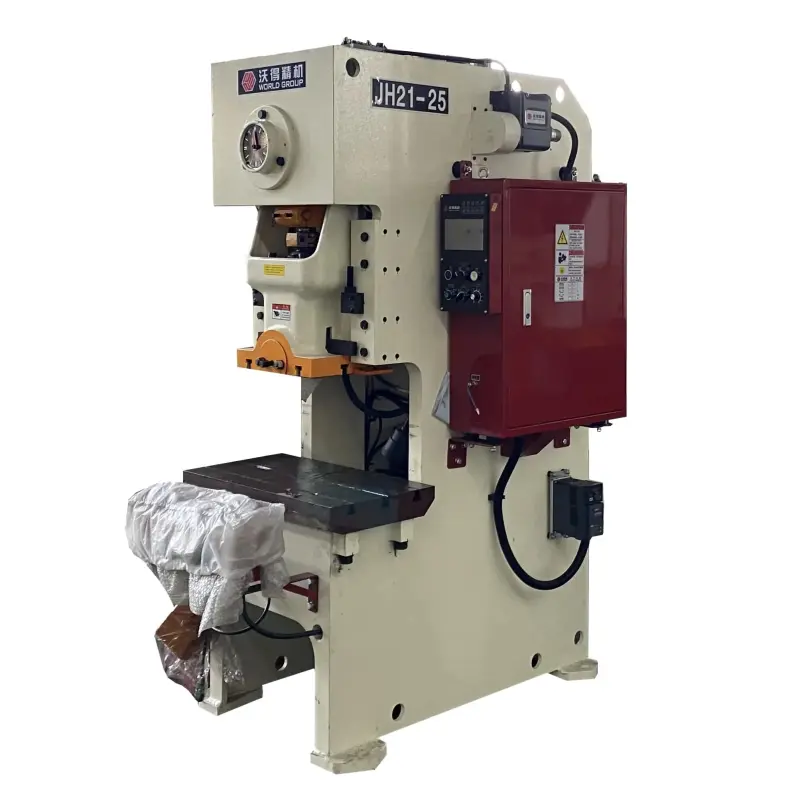
WORLD JH21-200 Steel Metal Stamping Power Press Punching Machine
Asset finance available
Do you want funding for this equipment?
Afrimart can connect you with trusted funding partners who specialise in asset finance for businesses like yours. Compare options and apply in minutes — final approval is subject to provider review.
Check funding options
Secure & no obligation

- Section : Machinery
- Category : Machine Tool Equipment
- SKU : 1600647159144

- Shipping Timeframes: All orders are processed within 2-5 business days (excluding weekends and holidays). After your order has been processed, the estimated delivery time is before 03 Aug, 2026, depending on customs, Please note that due to high demand, some items may experience longer shipping times, which will be communicated at order confirmation email.
- Order Processing Time: Please allow 2-5 business days for us to process your order before it is shipped . Orders placed after 16:00 on Fridays, or during weekends and public holidays, will begin processing on the next business day. Processing times may be extended during peak seasons or sales events.
- Manufacturing Time: Some products needs manufacturing time, the manufacturing process will take approximately 10-30 business days depending on the product. This timeframe may vary depending on the complexity of the product and current demand. but this will be communicated with you during order confirmation.
- Returns and Exchanges: We offer a 30-day return policy for most items. If you are not completely satisfied with your purchase, you may return it within 30 days of receipt for a refund or exchange. Items must be unused, in their original packaging, and accompanied by proof of purchase. Return shipping costs are the responsibility of the customer, unless the item was damaged or defective upon arrival.
1. What are the available models and capacities for the WORLD JH21-200 Power Press?
The JH21 series includes models up to 400 ton; the listing highlights two models: JH21-160 (160 ton) and JH21-200 (200 ton). Choose based on required press tonnage for your stamping application.
2. What types of stamping operations can this press perform?
It is suitable for light, thin materials and supports single and progressive dies for blanking, piercing, bending, forming, and can be integrated with rotary (ROT) lines or transfer units.
3. What kind of clutch and safety systems does the machine use?
The press uses a high-torque, low-noise wet clutch and brake, a pneumatic clutch balance system, PLC control with an imported safety dual valve, and a hydraulic overload protector for operator and machine safety.
4. What are the key technical specifications for the JH21-160 and JH21-200?
Highlights: nominal capacity 160 ton (JH21-160) and 200 ton (JH21-200); slide stroke 200 mm (160) and 220 mm (200); fixed stroke speed ~45 spm; optional variable speeds (JH21-160: 30–45 spm, JH21-200: 25–45 spm); max die shut heights 400 mm and 450 mm; motor power 15 kW (160) and 18.5 kW (200); approximate weights 13,600 kg and 19,200 kg.
5. What frame and transmission features improve accuracy and longevity?
The machine has a steel welded body with tempering treatment for rigidity and low deflection, a vertical crankshaft ground after high-frequency quenching, and high-accuracy transmission gears and a high-rigidity crankshaft to extend service life and maintain accuracy.
6. Does the press include lubrication and monitoring systems?
Yes — it includes a forced lubrication system with a default monitor to ensure reliable operation and consistent lubrication of critical components.
7. What noise and vibration reduction features are included?
Noise and impact are reduced by the wet clutch design and pneumatic dual balance cylinders that help balance the slide and punch weight, lowering shock during operation.
8. Can I integrate this press into an automated production line?
Yes — the JH21 series is designed to work with progressive dies and can be interlinked with ROT lines or transfer units. The all-function electric control system and PLC control facilitate integration.
9. What die sizes and mounting details are provided?
Bolster/bed and slide dimensions are provided in the technical spec (e.g., bolster sizes and slide bottom sizes vary by model). Confirm the specific bolster dimensions and hole patterns for your die — consult the detailed spec sheet or vendor to ensure compatibility.
10. Is variable stroke speed available?
Yes — variable stroke speed is available as an option. Standard fixed-speed operation is around 45 strokes per minute; optional ranges are 30–45 spm for the 160-ton and 25–45 spm for the 200-ton model.
11. What are the installation and foundation requirements?
Due to the mass and forces involved, a robust, vibration-damped concrete foundation and proper anchoring are required. Also ensure appropriate crane/lift access for delivery and placement. The supplier should provide foundation drawings and installation guidance.
12. What maintenance is required to keep the press running reliably?
Regular maintenance includes checking and topping up the forced lubrication system, inspecting the wet clutch and brake, monitoring hydraulic overload protector and pneumatic balance cylinders, checking electrical/PLC systems, and regular inspection of guides, gears, and crankshaft for wear.
13. What safety measures should operators follow?
Use fixed guards and light curtains where appropriate, follow lockout/tagout procedures for maintenance, ensure emergency stops are functional, train operators on safe operation and die change procedures, and rely on the machine's PLC safety valves and overload protection.
14. Are spare parts and service available?
Spare parts and after-sales service availability vary by vendor and region. Contact the supplier or manufacturer for information on common wear parts (clutch components, brake pads, seals, PLC modules) and service contracts.
15. Can the press be customized or ordered in other tonnages or configurations?
Yes — the JH21 series covers a range of capacities (25 to 400 ton) and offers options such as variable speed, specific stroke lengths, and control/electrical configurations. Contact the supplier to discuss custom requirements and lead times.
Latest Order Arrivals
Discover our latest orders
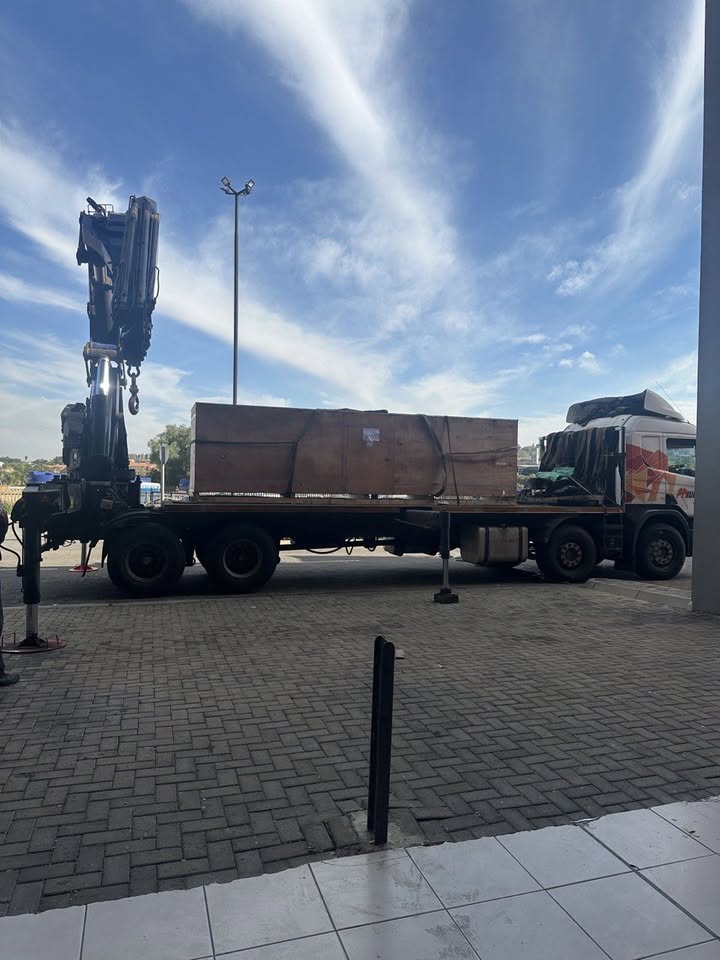
12 Heads Embroidery Machine
Toilet Paper Machine Machine
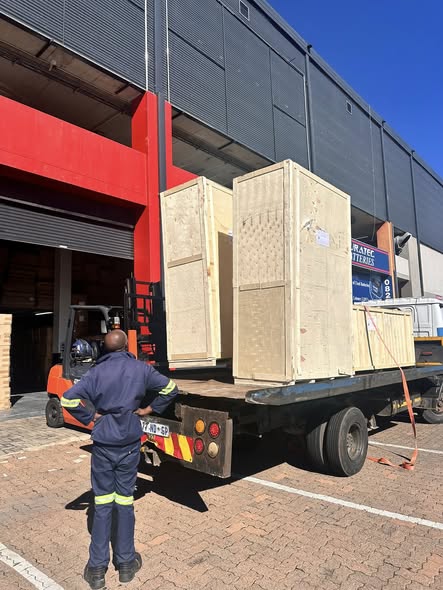
Order Collection
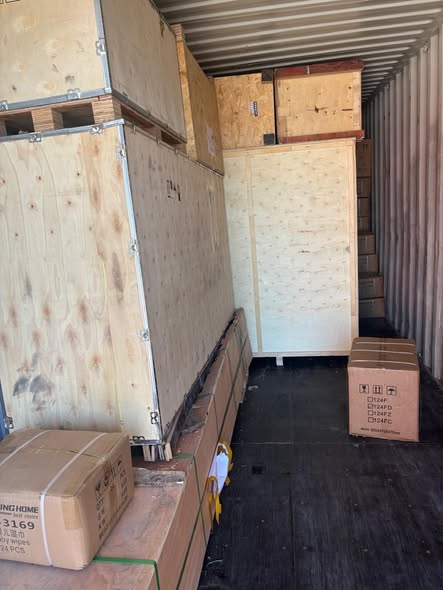
Cross Border Clients
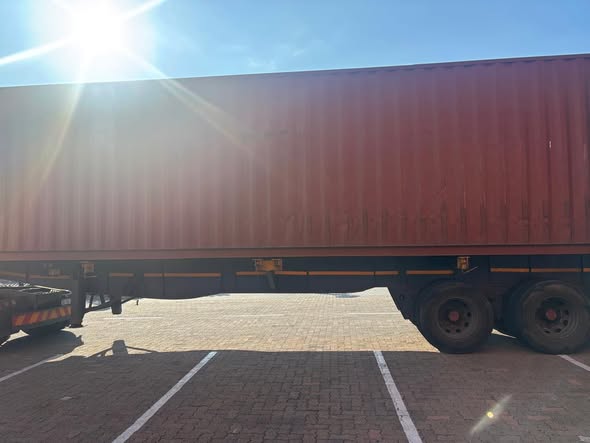
Order cros border countries Collected
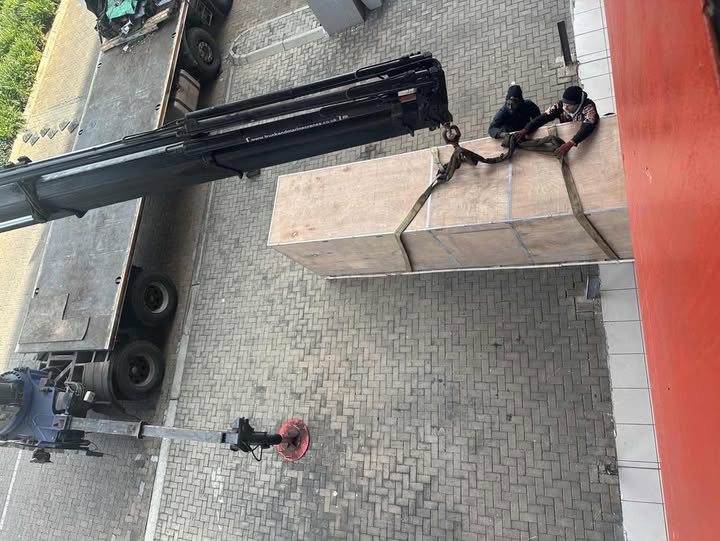
Industrial Machine Cllection
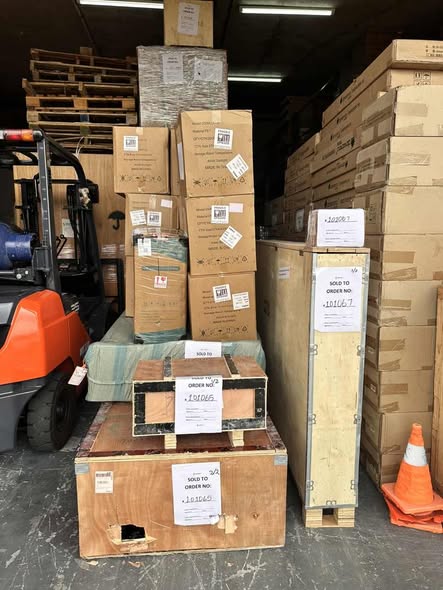
Agriculture Processing Machines
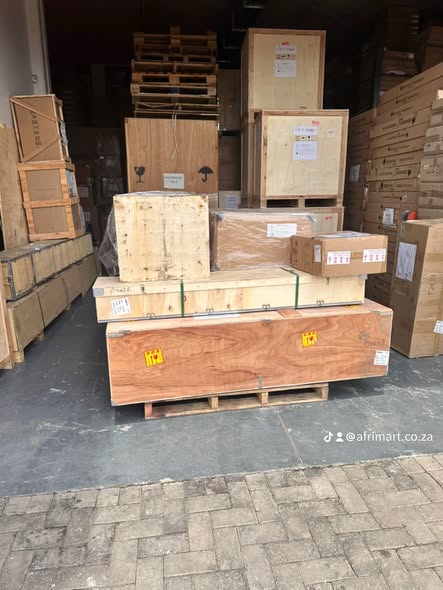
Ready for collection
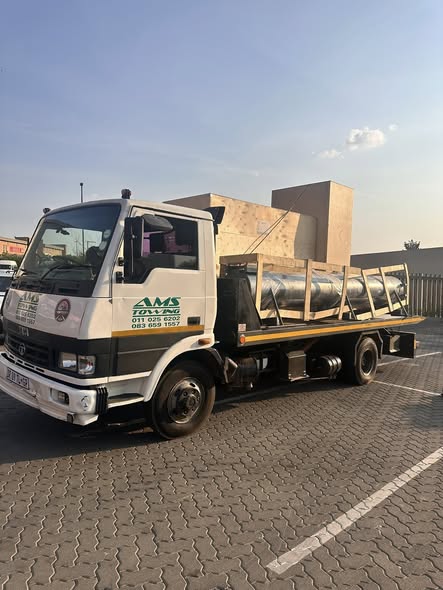
Water Pump Equipment
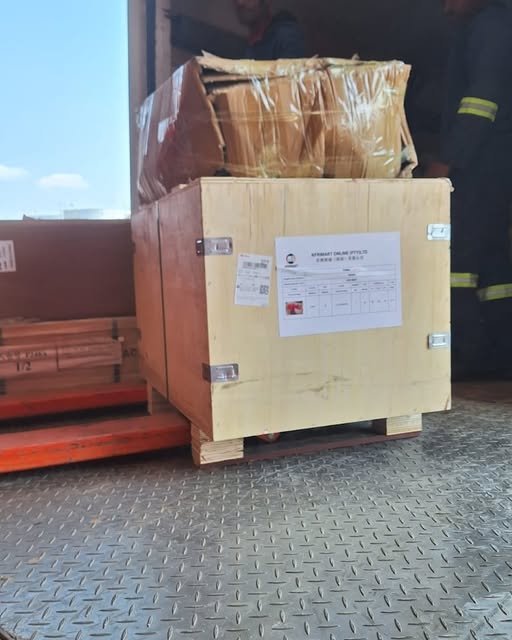
Packaging Machine and accessories
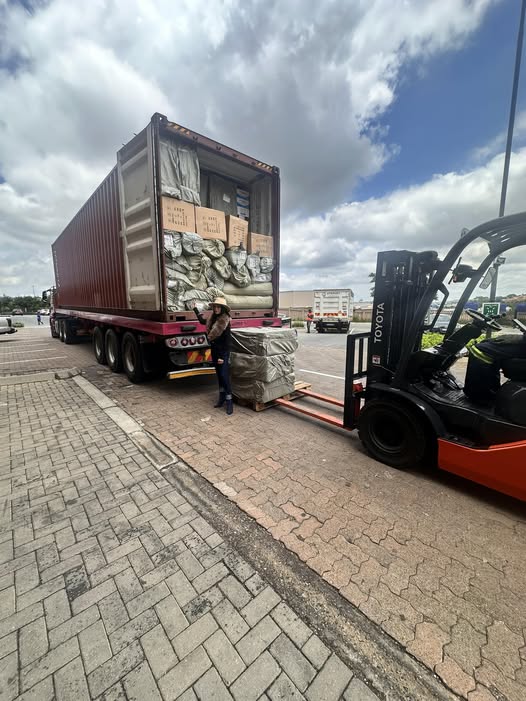
Fabrics Manufacturing Equipment
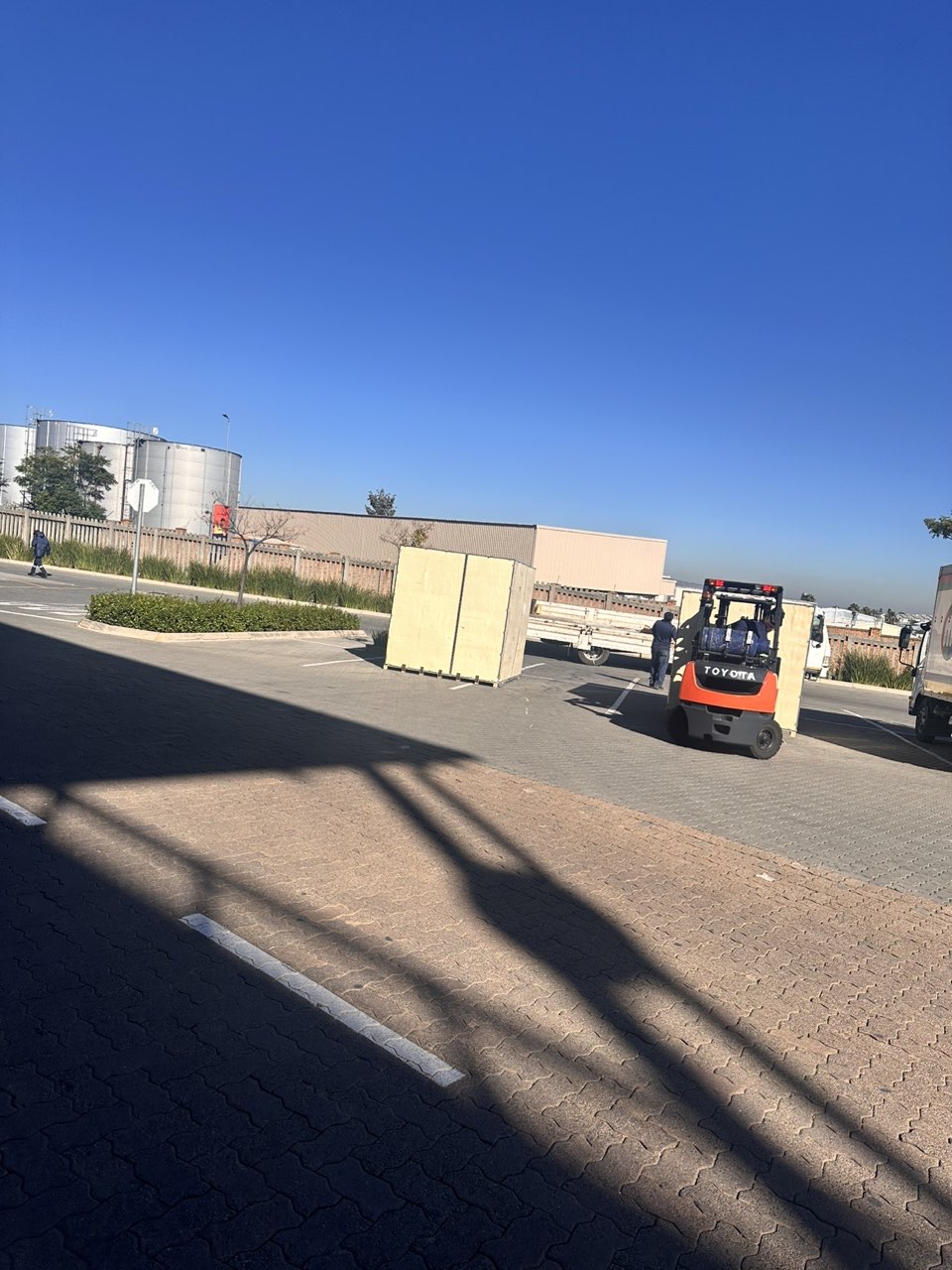
Mining Equipments
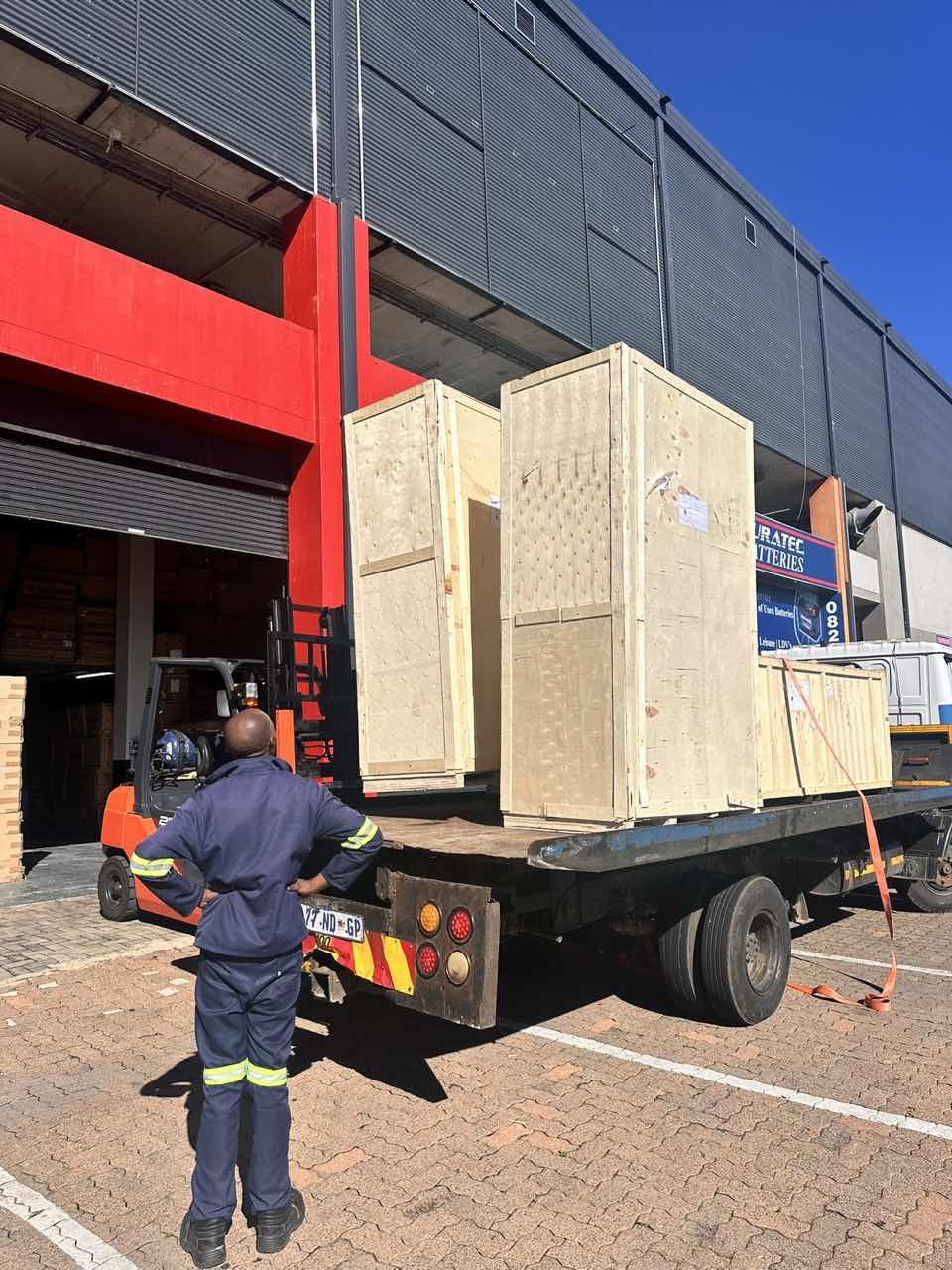
Food Processing Machine
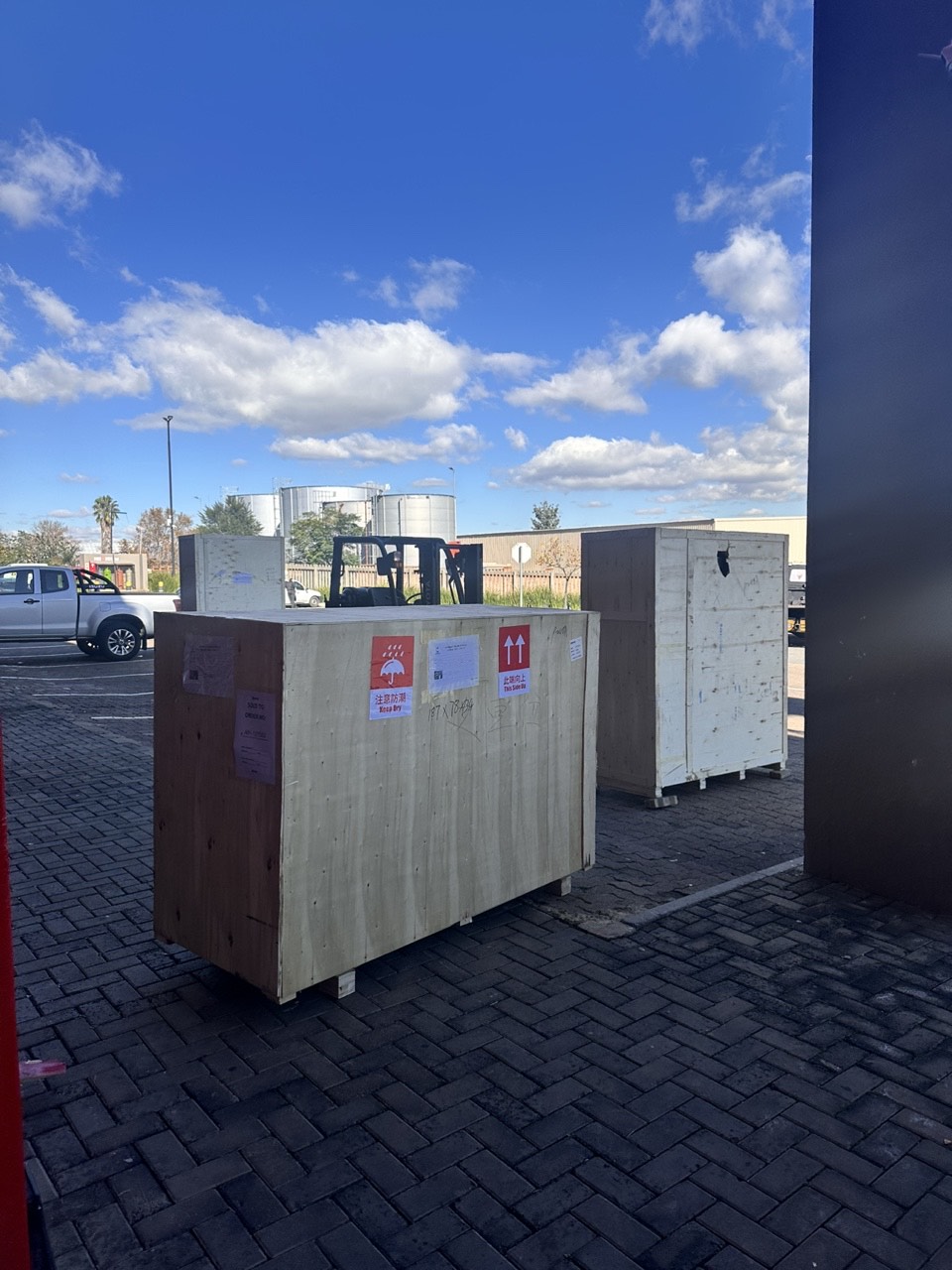
Batch of Orders
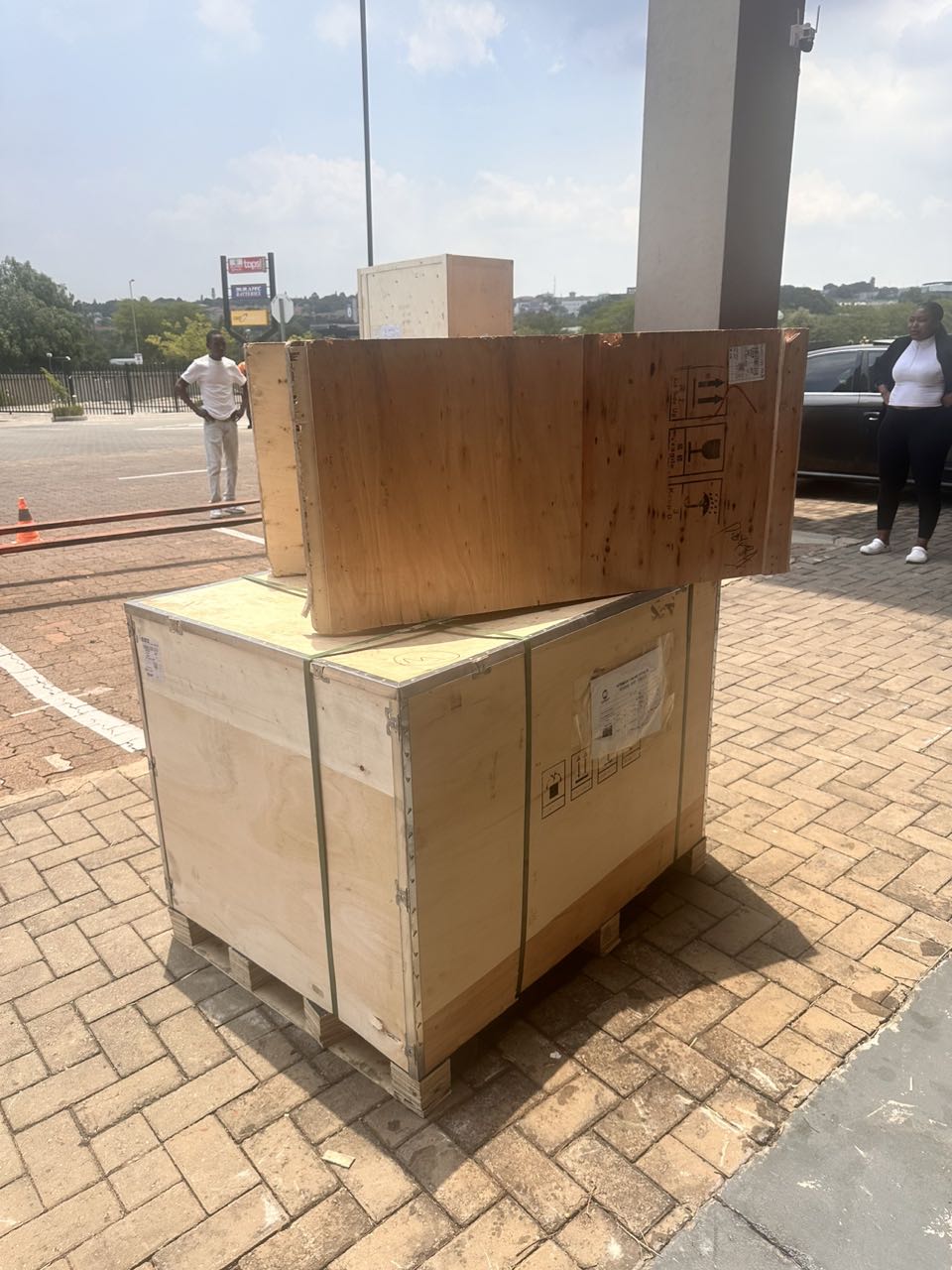
Batch of Orders
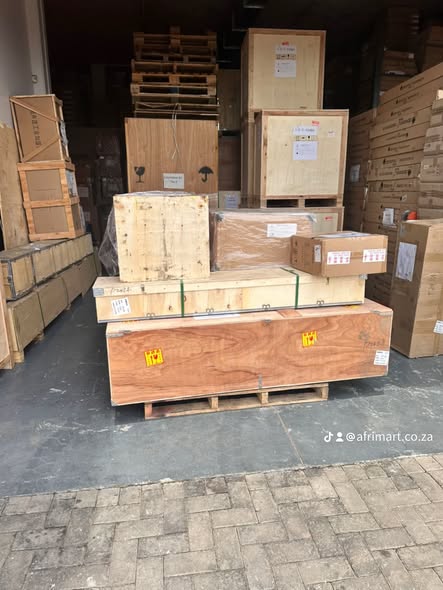
Latest Orders Labelled
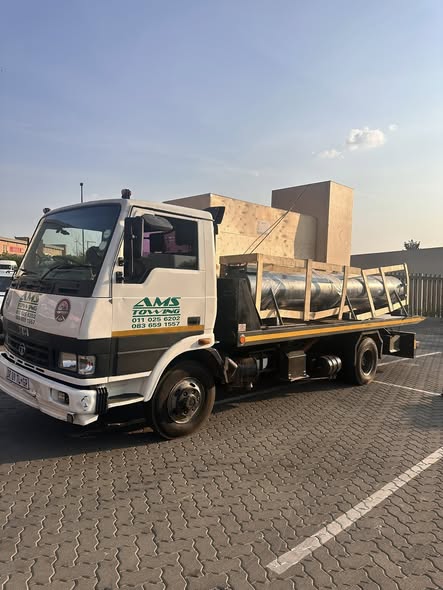
wheel alignment machines
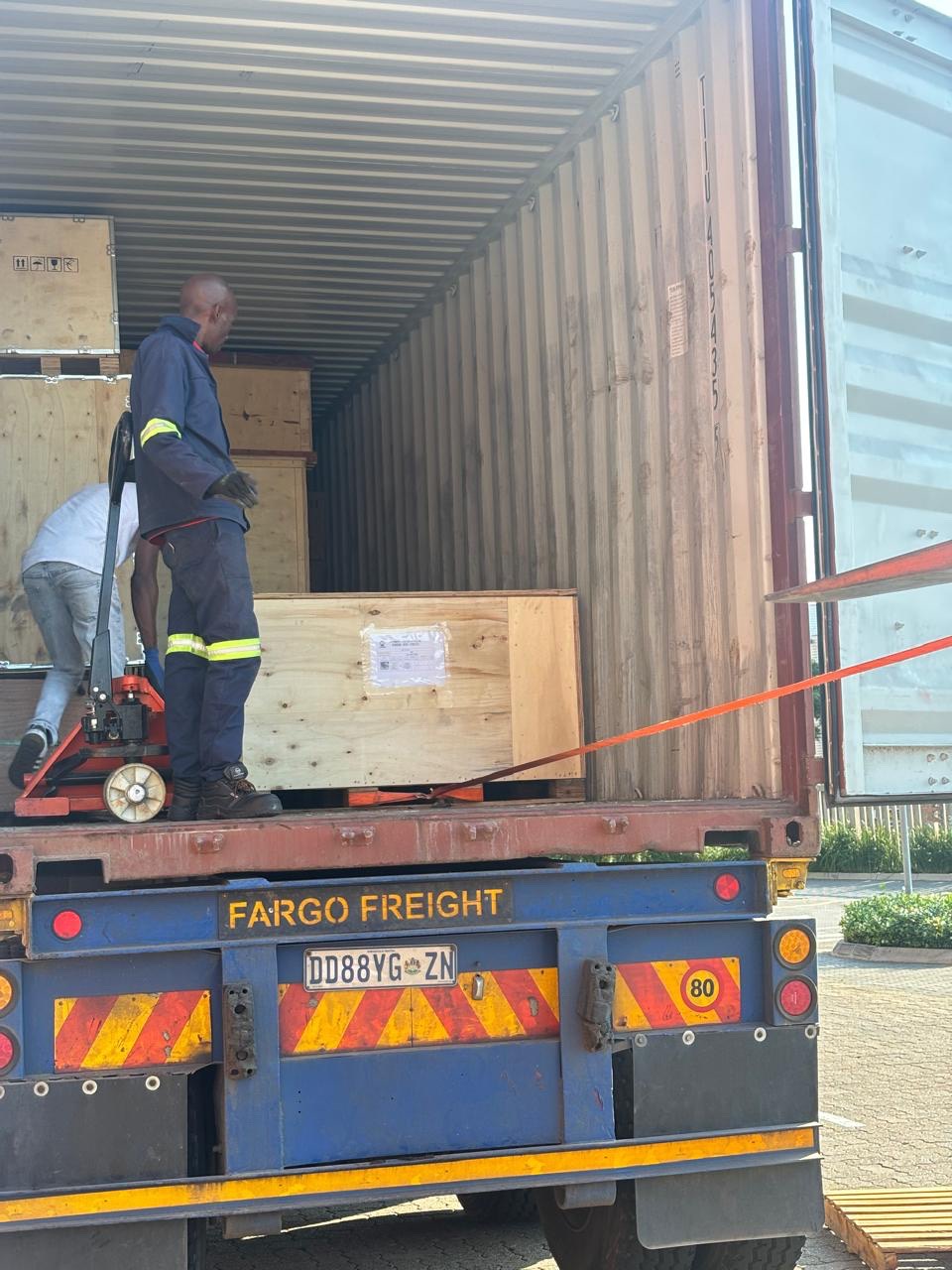
new arrivals
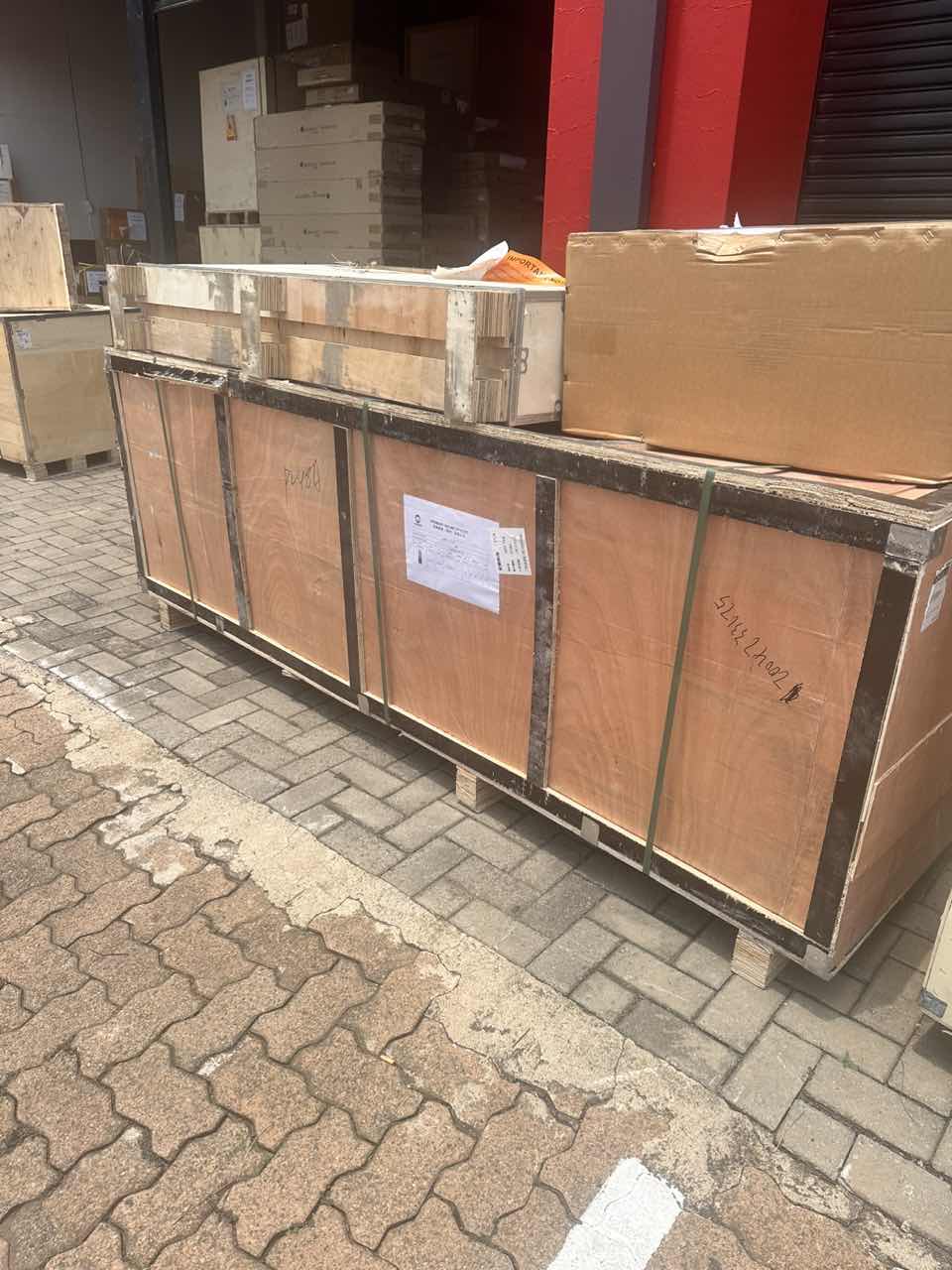
Pre Orders Offloading
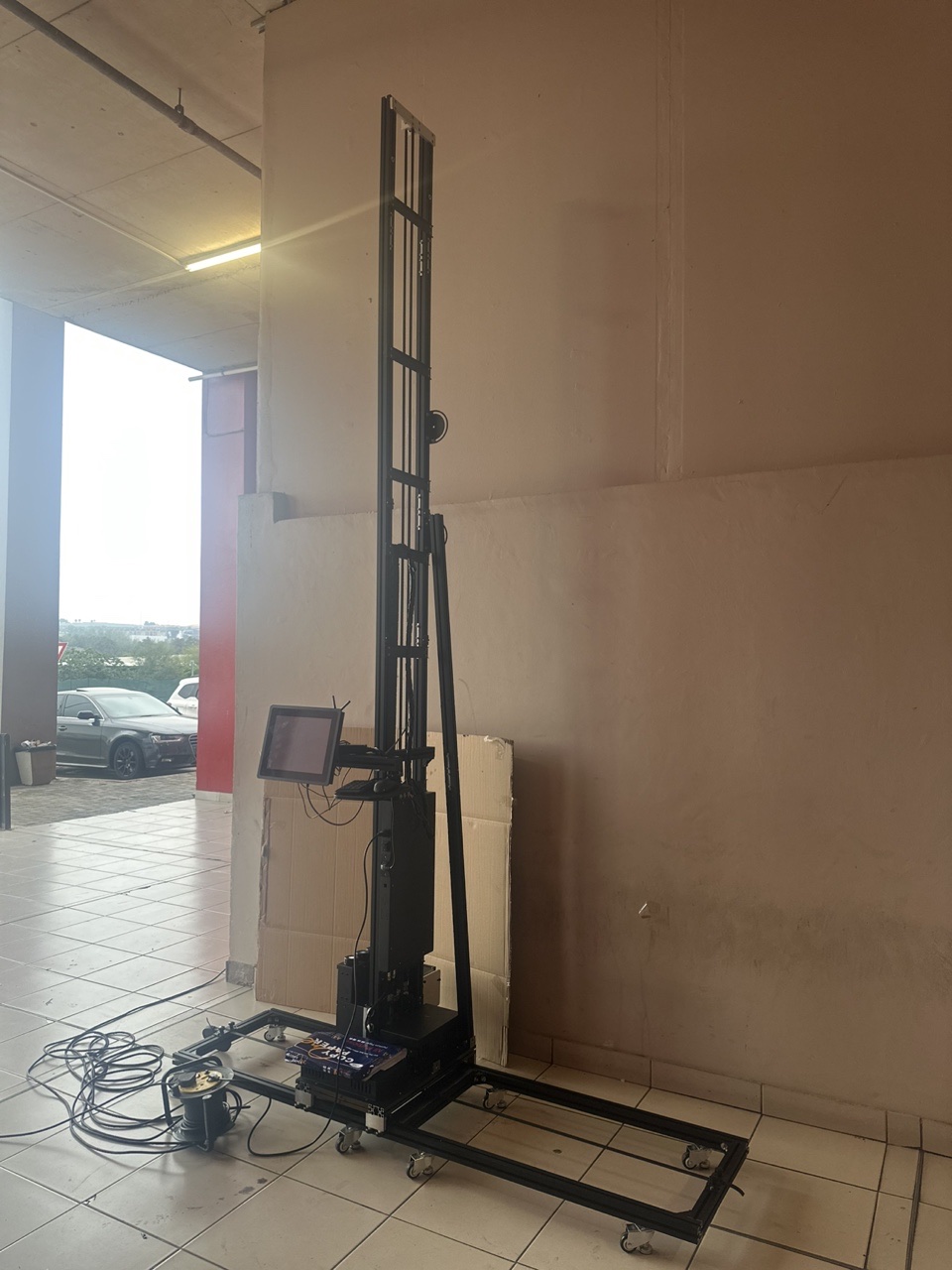
Latest Arrivals
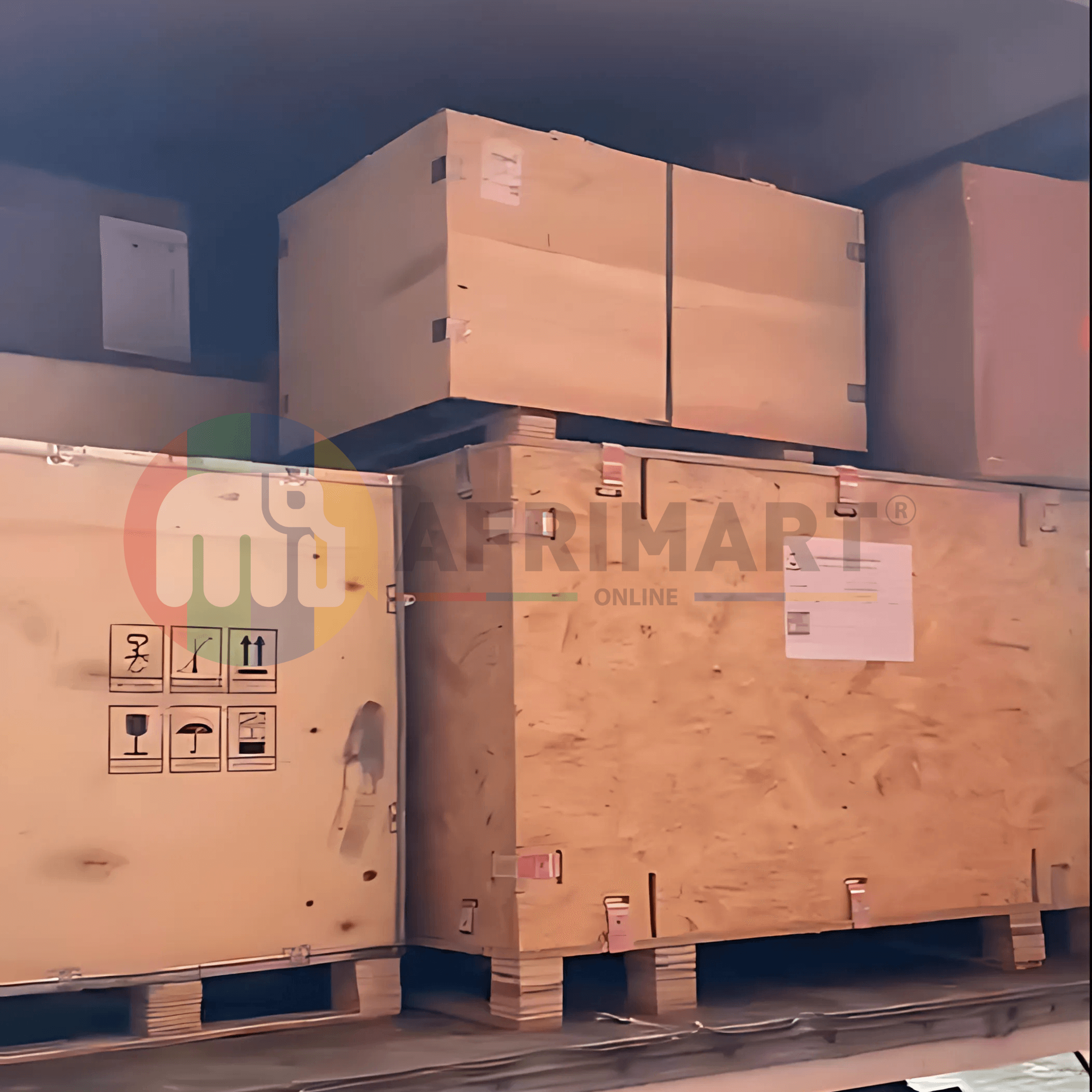
Latest Arrivals
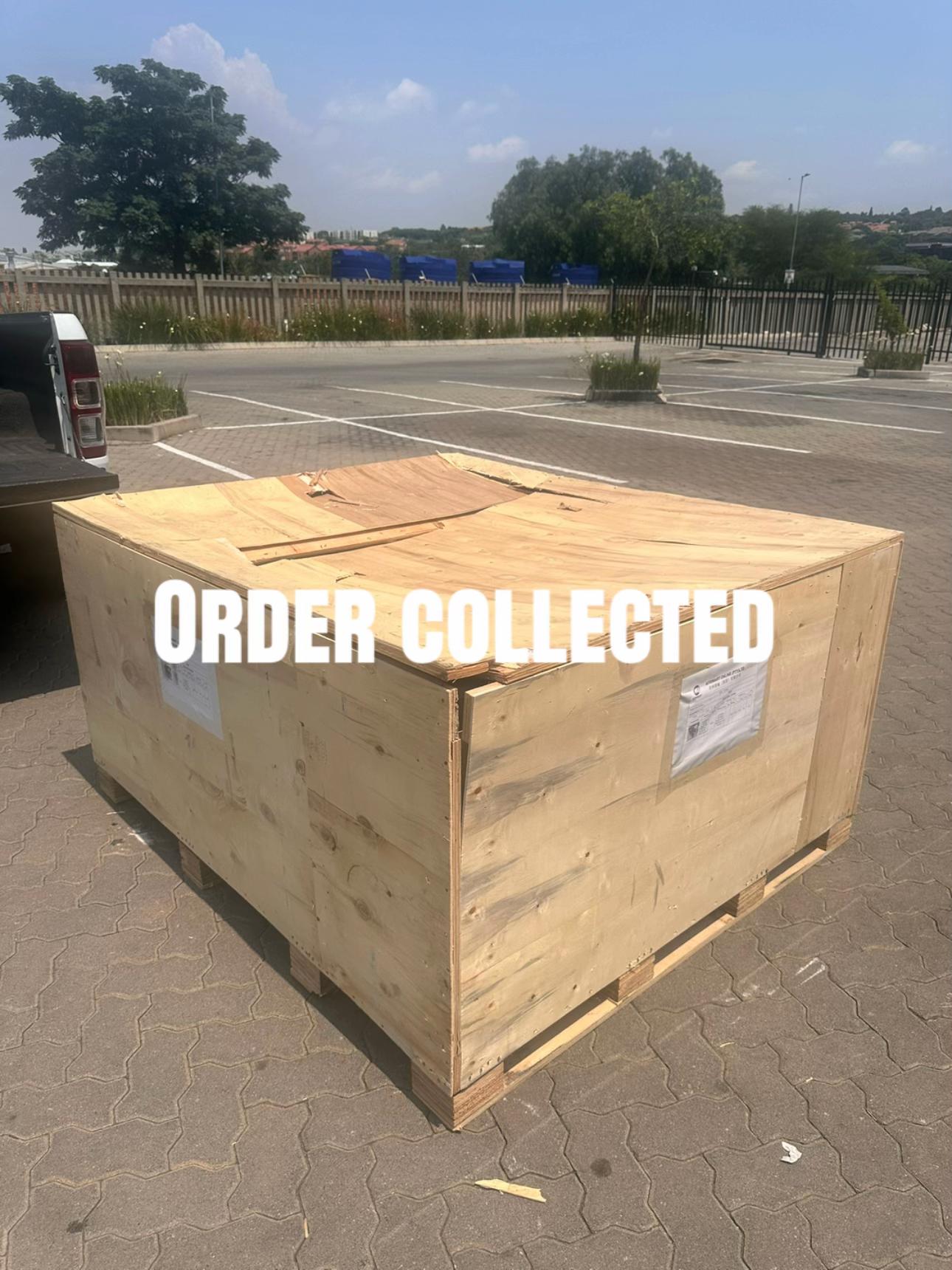
Latest Arrivals
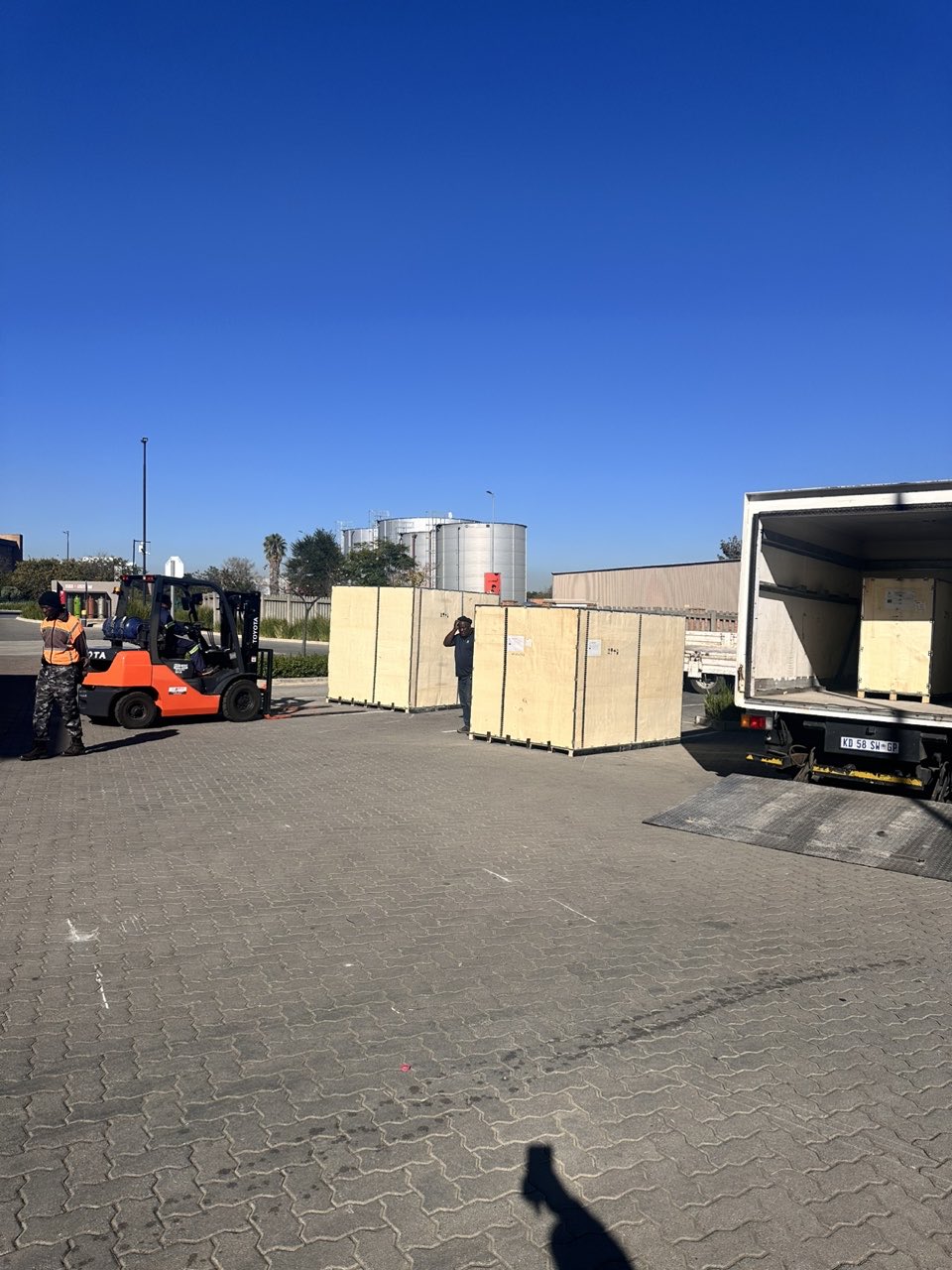
Loading
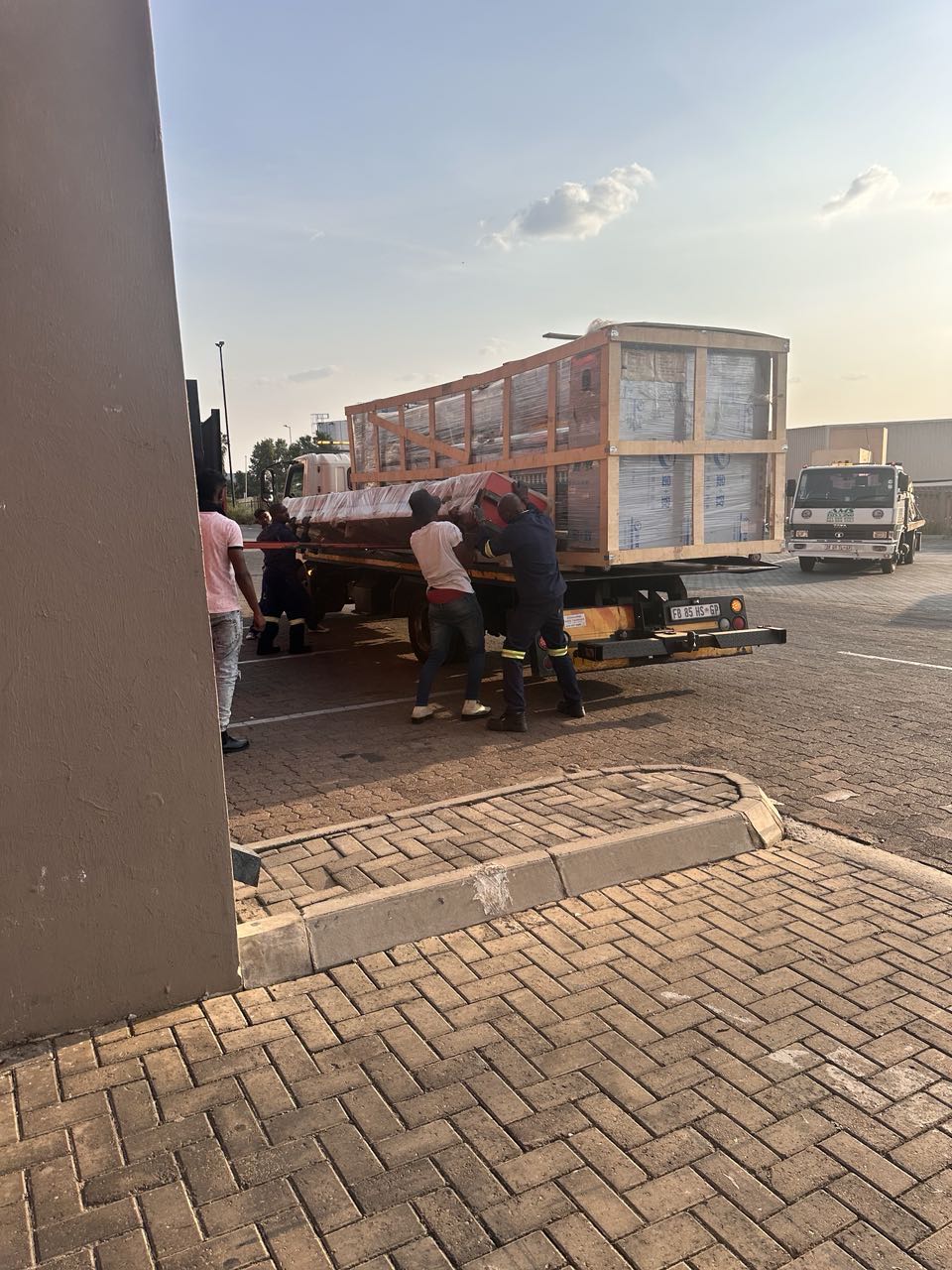
Toilet paper making machine
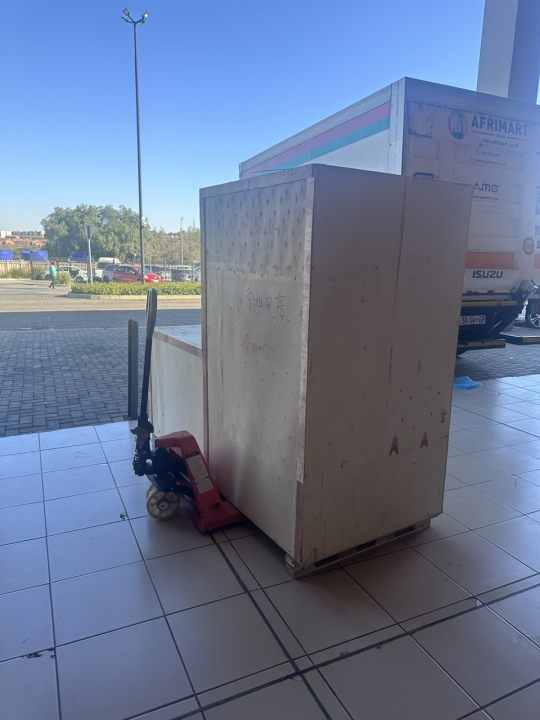
Toilet paper making machine
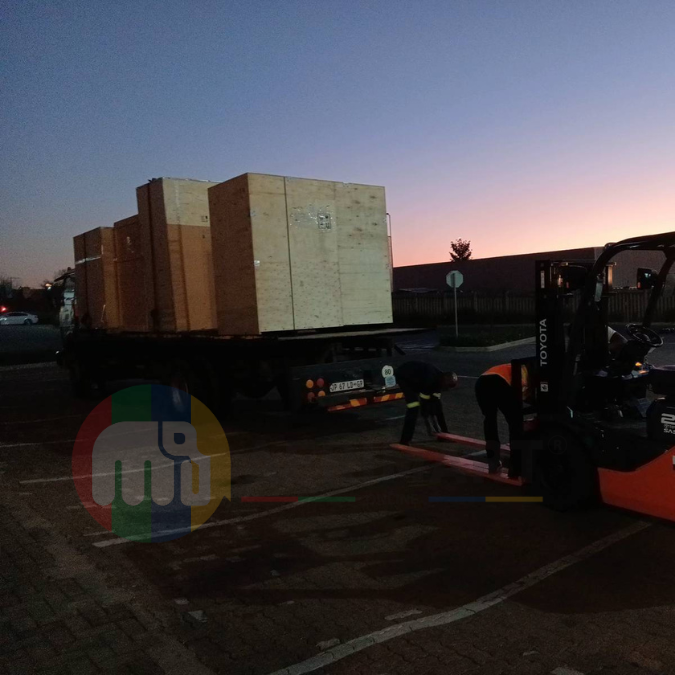
Toilet paper Rewinding Machine
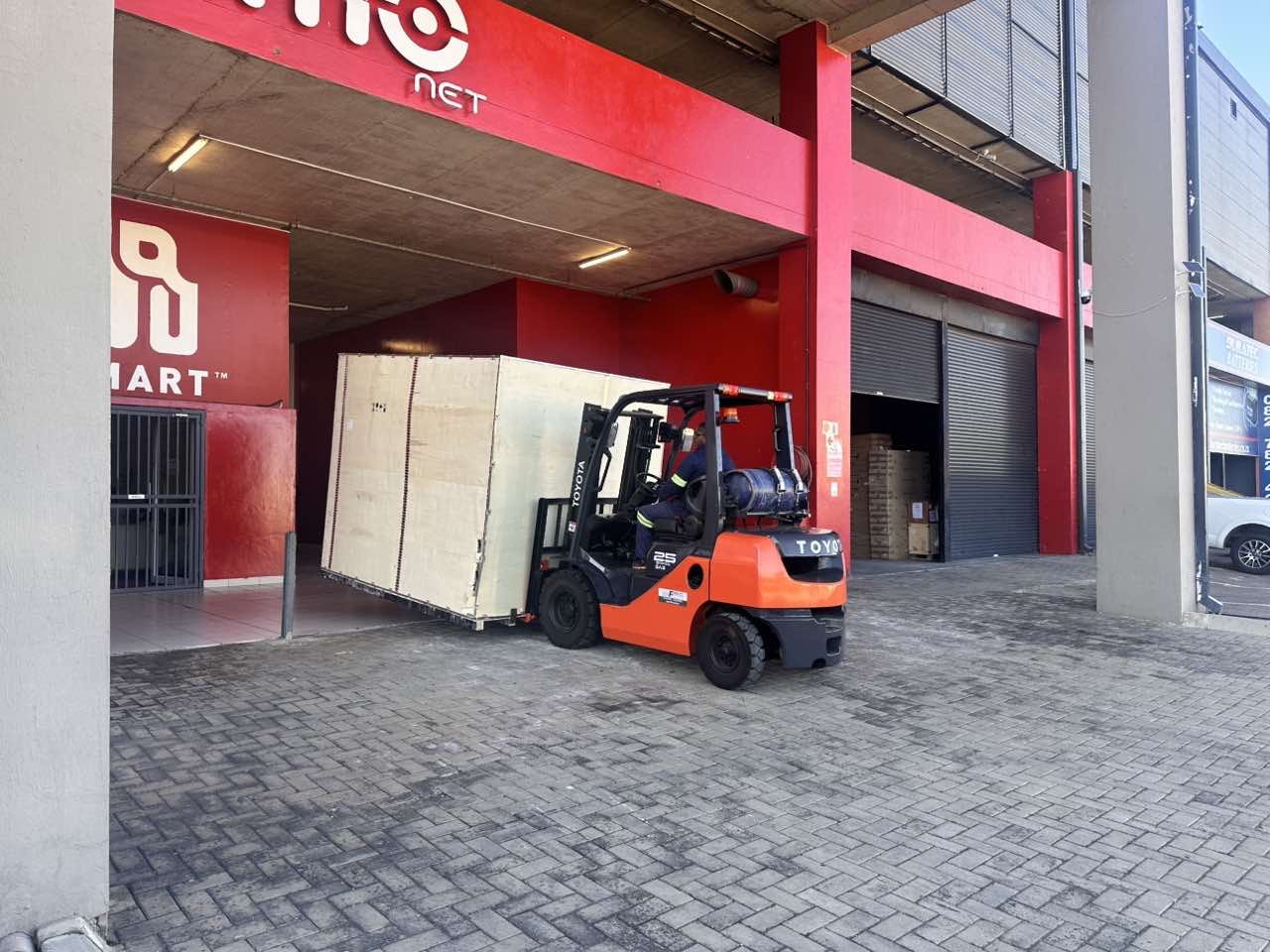
latest arrivals
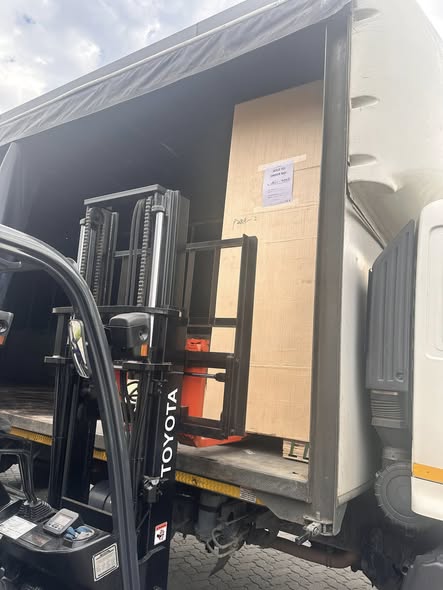
offloading
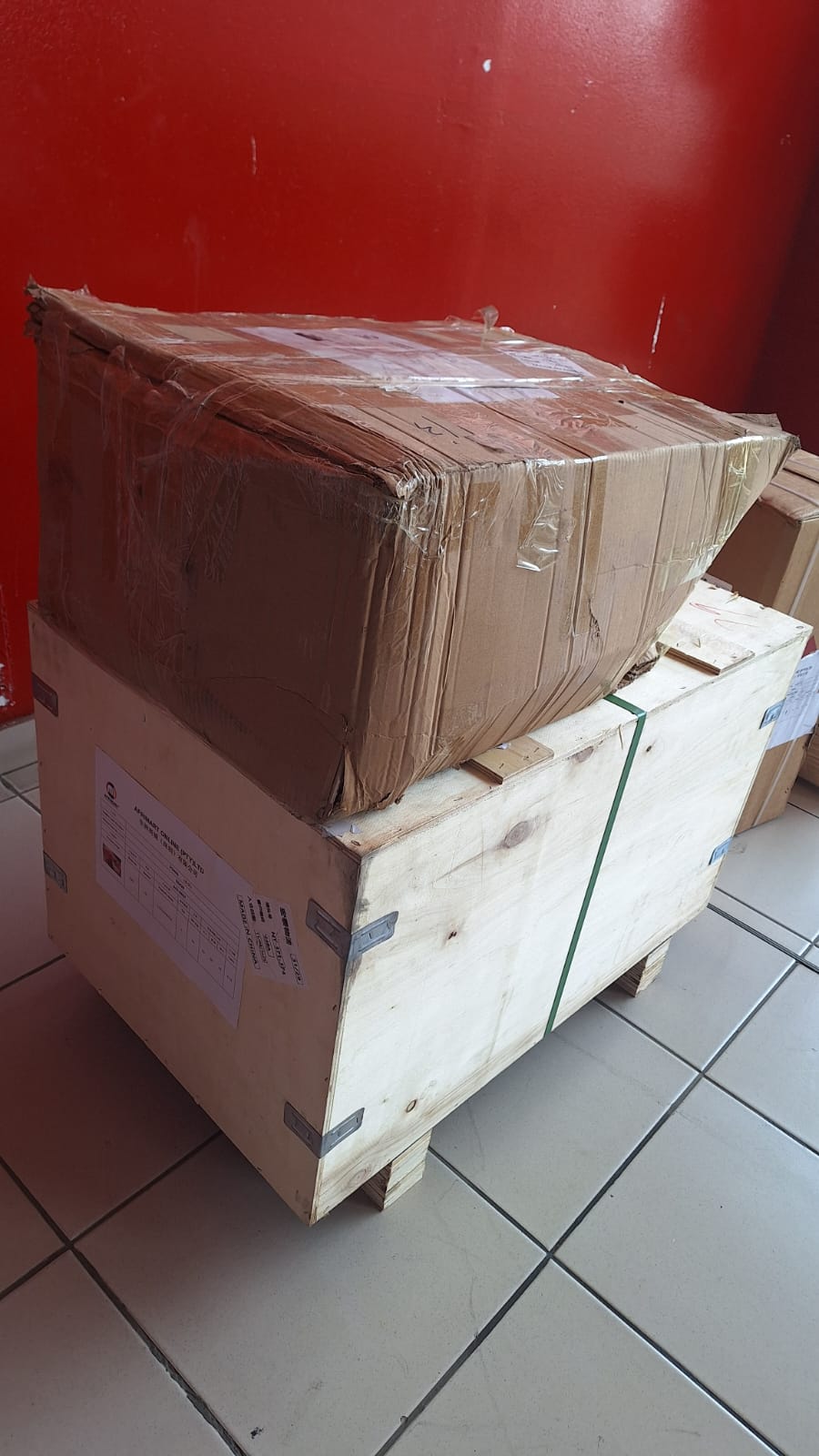
order success
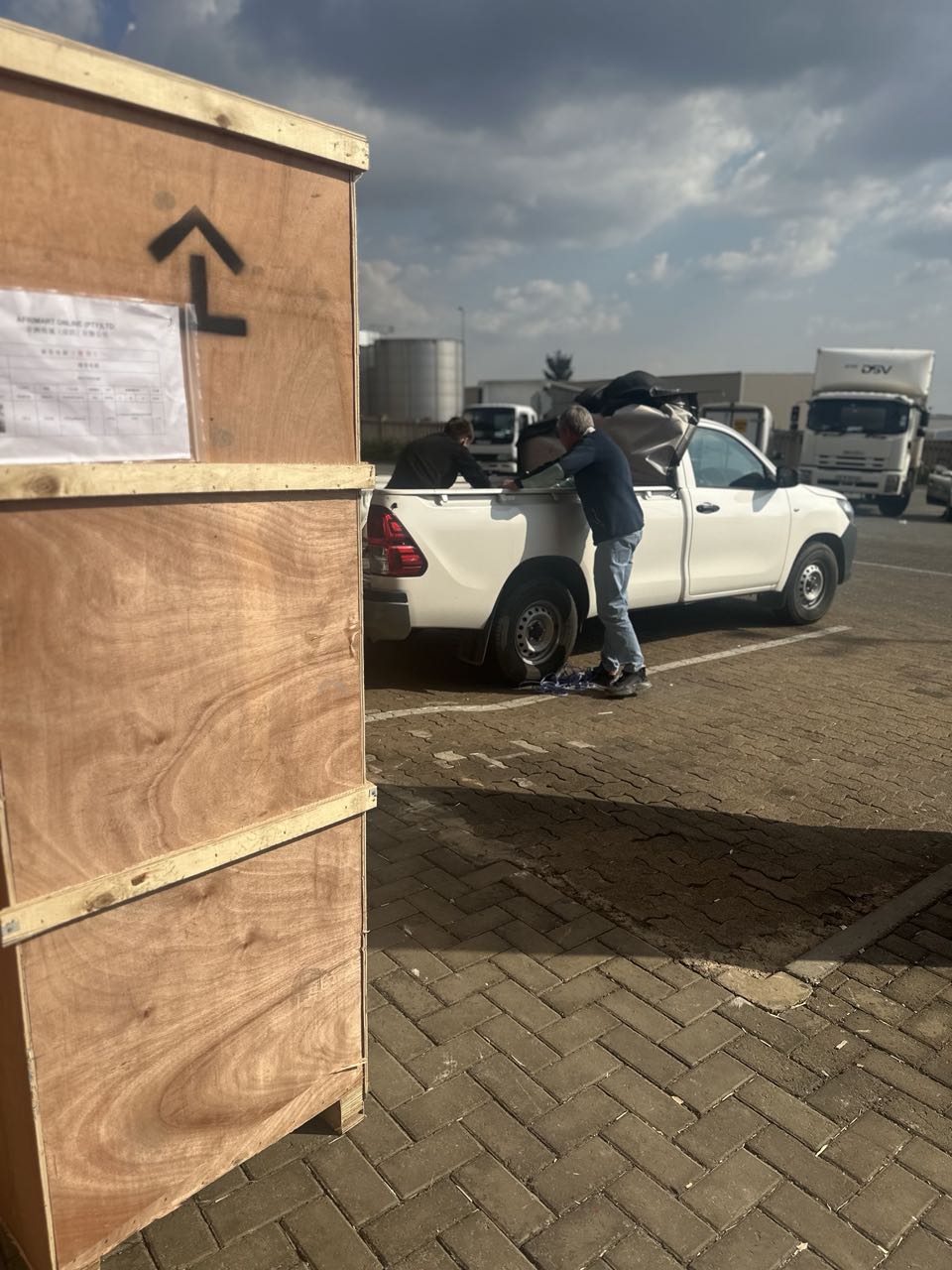
order collection
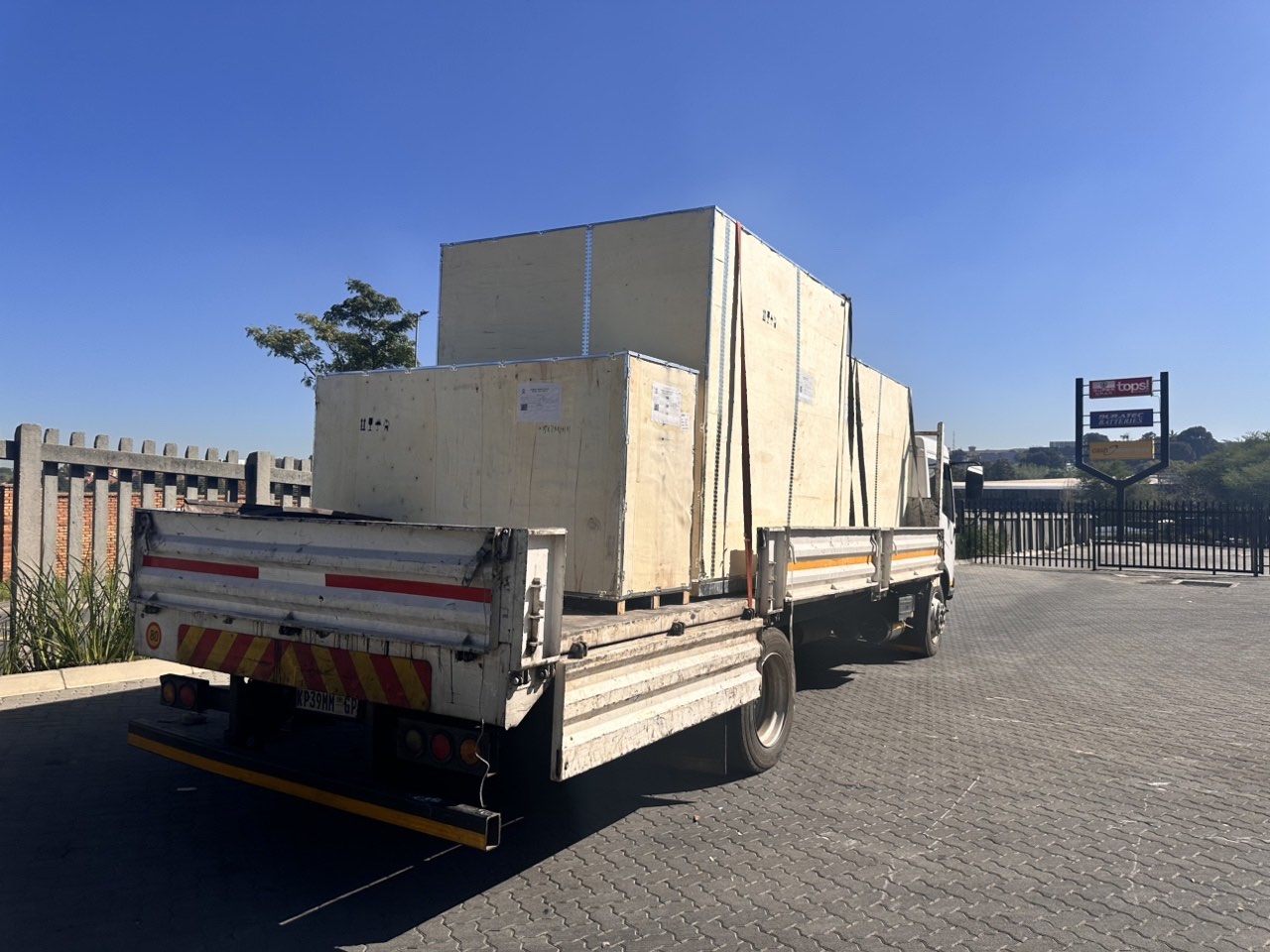
order offloading