B21, China Town Mall, Midrand


Wenyao Color Sorting Machine
Asset finance available
Do you want funding for this equipment?
Afrimart can connect you with trusted funding partners who specialise in asset finance for businesses like yours. Compare options and apply in minutes — final approval is subject to provider review.
Check funding options
Secure & no obligation

- Section : Machinery
- Category : Industrial Machinery
- SKU : 1600495624948

Wenyao Color Sorting Machine
The Wenyao Color Sorting Machine is designed to efficiently sort various materials based on color, ensuring high-quality output for industries such as food processing, plastics, and minerals.
Key Features
Efficient Sorting Process: The machine utilizes a CCD signal system that tests materials as they drop. Defective items or impurities are identified and ejected by a precise ejector, ensuring only quality materials are processed.
Versatile Applications: Ideal for sorting:
- Food Materials: Rice, wheat, corn, peanuts, and more.
- Plastic Materials: Waste plastics, plastic pellets, PET bottle scraps, etc.
- Mineral Materials: Quartz stone, marble, limestone, and others.
Customizable Capacity: The machine can be tailored to sort raw materials with capacities ranging from 200 kg to 2000 kg per hour, meeting various production needs.
How to Get Accurate Size and Price
To obtain the correct size and pricing for the Wenyao Color Sorting Machine, please follow these steps:
Identify the Material Type: Specify whether you will be sorting food materials, plastics, or minerals.
Determine Processing Capacity: Indicate the output capacity you require (e.g., 200 kg/h, 500 kg/h).
Provide Impurity Rate Information: Send three pictures:
- Raw material picture
- Accepted material picture
- Rejected material picture
The Wenyao Color Sorting Machine is an essential investment for industries aiming to enhance their sorting efficiency and product quality.
| MODEL(Technical Parameters) | WYCS2-128 |
| Channels | 128 |
| Output(kg/h) Depend on raw material impurity: | 400-3000 |
| Sorting Accuracy(%): | ≥99.9 |
| Carryover Rate(bad:good): | ≥10:1 |
| Power Supply(KW): | 1.1 |
| Work Air Pressure(Mpa): | 0.2-0.3 |
| Air Consumption(L/min): | 400-3000 |
| Voltage: | 180-240V/50Hz |
| Weight(kg): | 450 |
| Dimension/Size (L*W*H)mm | 1250*1520*1840 |
| Package: | Wooden Case |


- Shipping Timeframes: All orders are processed within 2-5 business days (excluding weekends and holidays). After your order has been processed, the estimated delivery time is before 03 Aug, 2026, depending on customs, Please note that due to high demand, some items may experience longer shipping times, which will be communicated at order confirmation email.
- Order Processing Time: Please allow 2-5 business days for us to process your order before it is shipped . Orders placed after 16:00 on Fridays, or during weekends and public holidays, will begin processing on the next business day. Processing times may be extended during peak seasons or sales events.
- Manufacturing Time: Some products needs manufacturing time, the manufacturing process will take approximately 10-30 business days depending on the product. This timeframe may vary depending on the complexity of the product and current demand. but this will be communicated with you during order confirmation.
- Returns and Exchanges: We offer a 30-day return policy for most items. If you are not completely satisfied with your purchase, you may return it within 30 days of receipt for a refund or exchange. Items must be unused, in their original packaging, and accompanied by proof of purchase. Return shipping costs are the responsibility of the customer, unless the item was damaged or defective upon arrival.
1. What is the Wenyao Color Sorting Machine used for?
The Wenyao Color Sorting Machine sorts materials by color to remove defects and impurities, improving product quality for industries such as food processing (rice, wheat, corn, peanuts), plastics (waste plastics, pellets, PET scraps), and minerals (quartz, marble, limestone).
2. What sorting technology does the machine use?
It uses a CCD signal detection system to inspect materials as they fall and a precise ejector (air jet) to remove defective or off‑color items, ensuring high accuracy.
3. What is the machine's sorting accuracy?
The machine provides sorting accuracy of ≥99.9%, depending on material characteristics and proper setup.
4. What is the throughput or capacity range?
Capacity is customizable and depends on raw material and impurity levels; the WYCS2-128 model typically handles approximately 400–3000 kg/h (manufacturer lists general range of 200–2000 kg/h for other configurations).
5. How do I get the correct machine size and price?
To get accurate size and price, specify the material type (food, plastic, or mineral), desired processing capacity (e.g., 200 kg/h, 500 kg/h), and provide three photos: raw material, accepted material, and rejected material.
6. What photos should I send to evaluate impurity rate?
Send three clear photos: one of the untreated/raw material batch, one showing examples of acceptable product, and one showing the impurities/defects you want removed.
7. What are the electrical and air requirements?
The machine requires 180–240 V, 50 Hz power and typical models consume about 1.1 kW. Working air pressure is 0.2–0.3 MPa and air consumption ranges from 400 to 3000 L/min depending on model and throughput.
8. What is the carryover (bad:good) rate?
The specified carryover rate is ≥10:1 (bad:good), meaning defective items are ejected at a ratio that minimizes contamination of the accepted product.
9. Can the machine be customized for different capacities or materials?
Yes. The Wenyao Color Sorting Machine can be tailored for different throughput requirements and material types; provide material details and capacity needs to receive a recommended configuration and quote.
10. What are the physical dimensions and weight of the WYCS2-128 model?
The WYCS2-128 model dimensions are 1250 × 1520 × 1840 mm (L × W × H) and it weighs approximately 450 kg. It ships in a wooden case.
11. What installation or space considerations are there?
Allow space for the machine footprint plus clearance for feeding, discharge chutes, and maintenance access. Ensure a stable power source, compressed air supply meeting specified pressure and flow, and a level floor capable of supporting the machine weight.
12. What maintenance is required?
Regular maintenance includes cleaning the feeding and inspection channels, checking/cleaning CCD lenses and lighting, inspecting ejector nozzles and air lines, and routine checks of electrical connections; frequency depends on material dustiness and operating hours.
13. Are spare parts and consumables available?
Yes. Common spare parts (ejector nozzles, solenoid valves, CCD components, lamps, filters) are available; contact the supplier with your model number to order replacements.
14. Is training or installation support provided?
Suppliers typically offer installation guidance, commissioning, and operator training—either on-site or remote. Confirm training scope and any associated costs with your vendor before purchase.
15. What warranty and after‑sales service are offered?
Warranty and after‑sales terms vary by seller; most provide a limited warranty period plus technical support and spare parts availability—confirm warranty length, coverage, and service response options with your supplier prior to purchase.
Latest Order Arrivals
Discover our latest orders
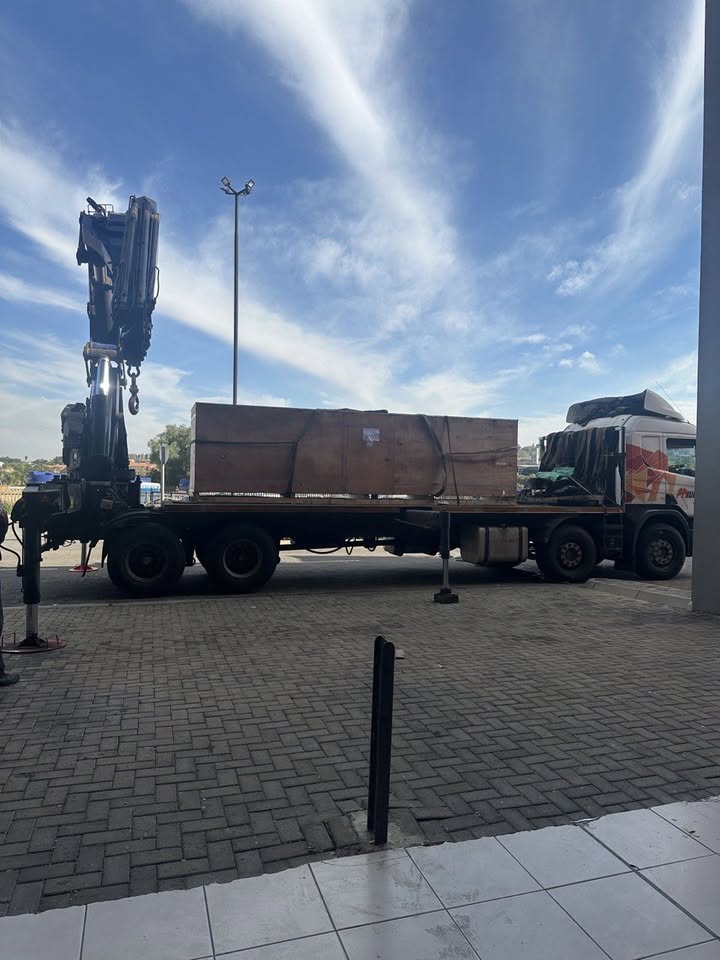
12 Heads Embroidery Machine
Toilet Paper Machine Machine
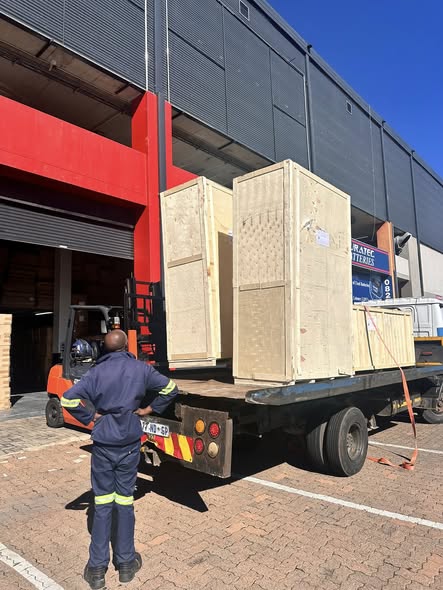
Order Collection
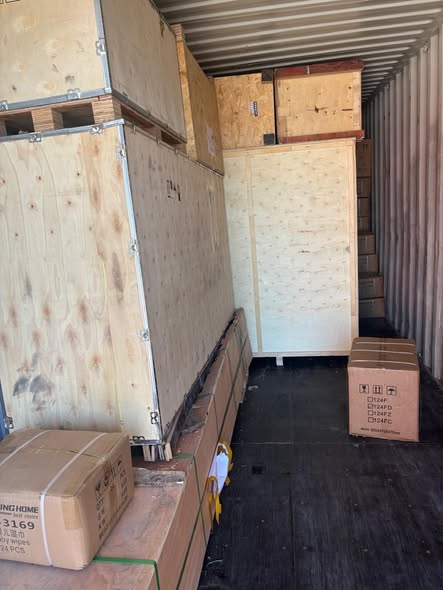
Cross Border Clients
Order cros border countries Collected
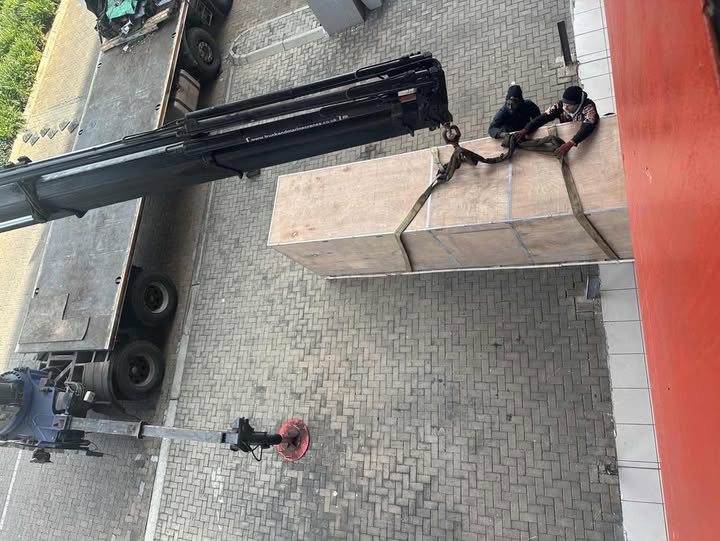
Industrial Machine Cllection
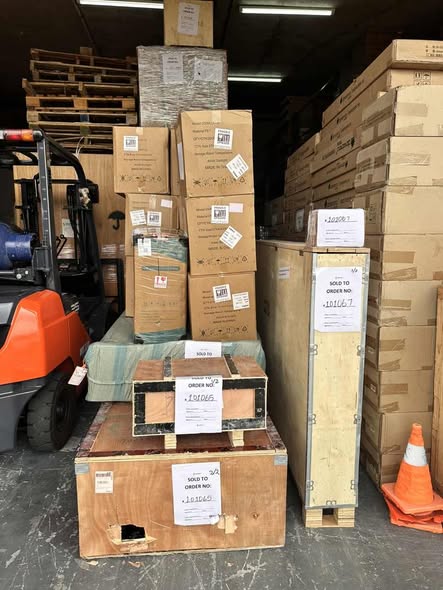
Agriculture Processing Machines
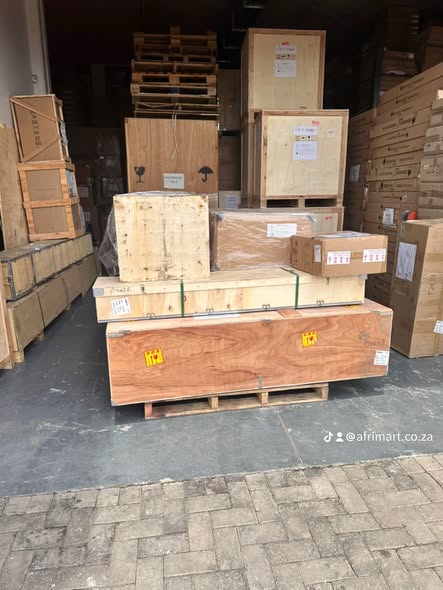
Ready for collection
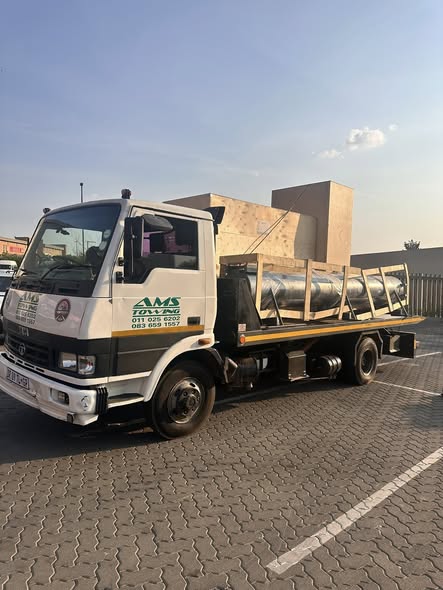
Water Pump Equipment
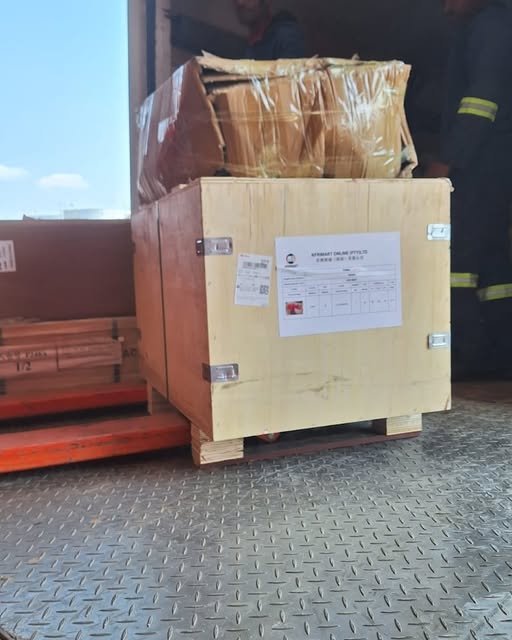
Packaging Machine and accessories
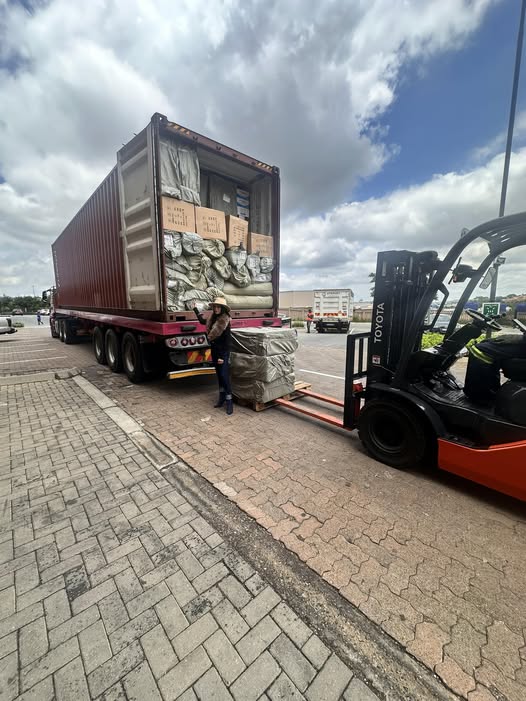
Fabrics Manufacturing Equipment
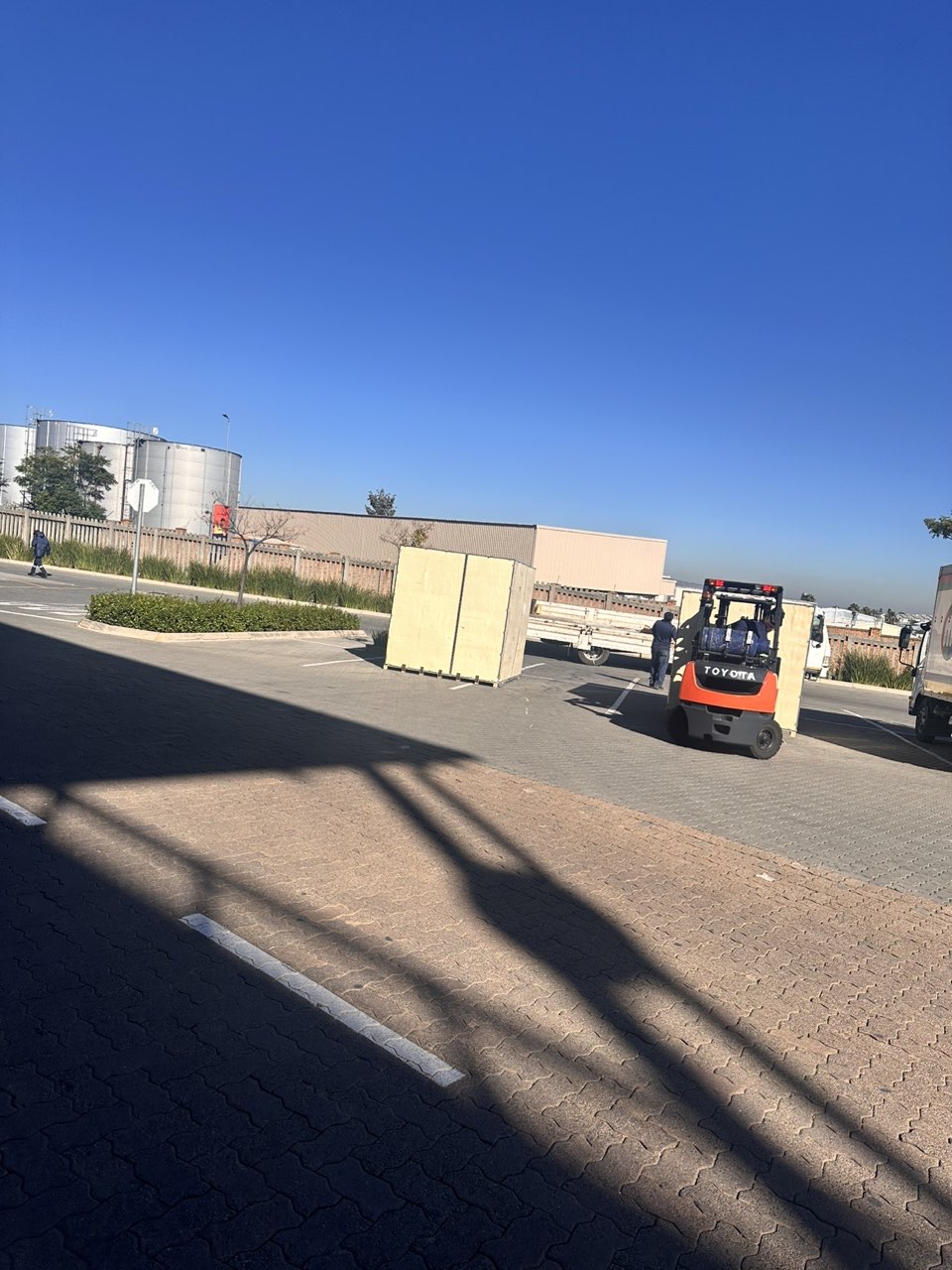
Mining Equipments
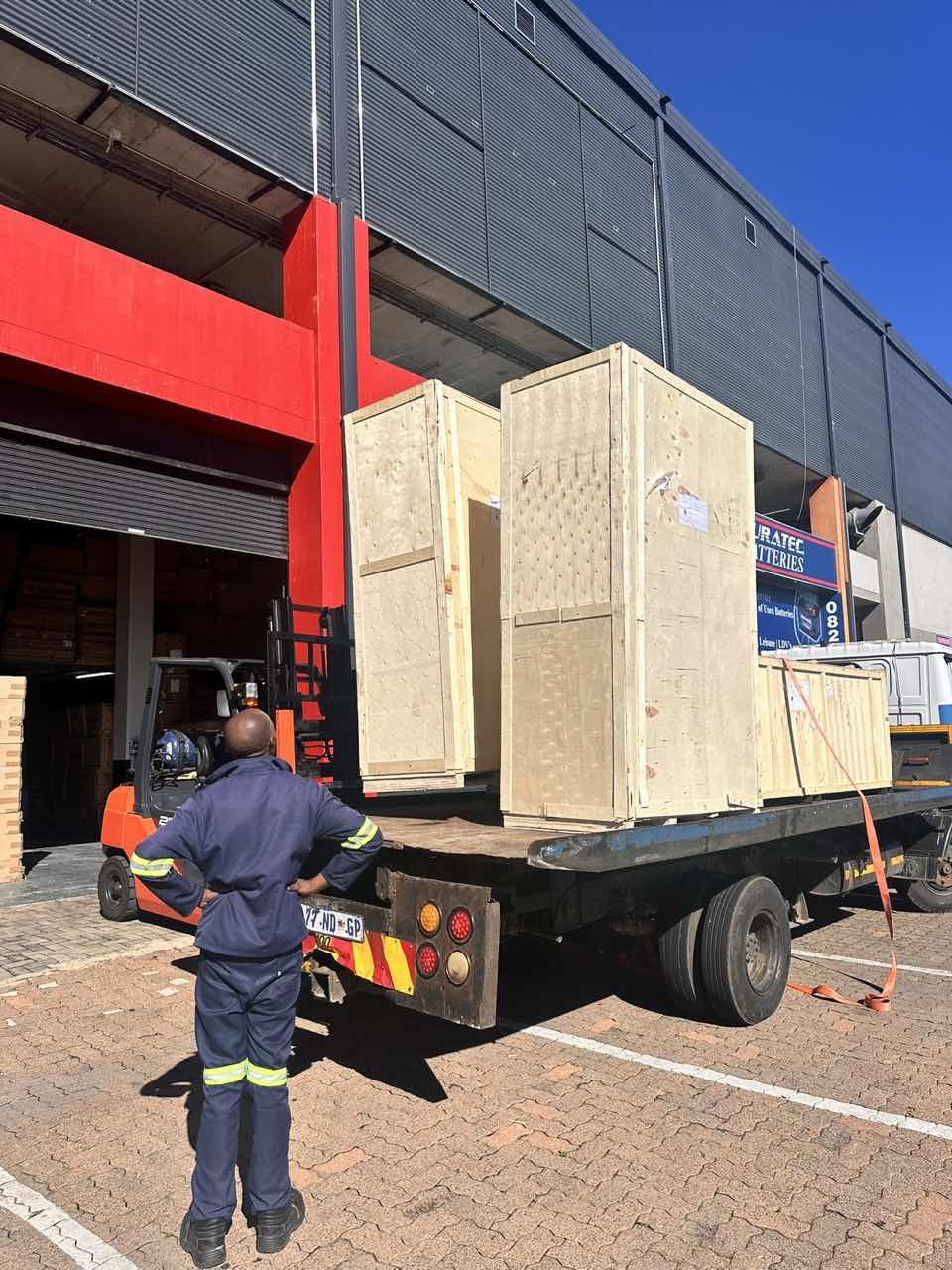
Food Processing Machine
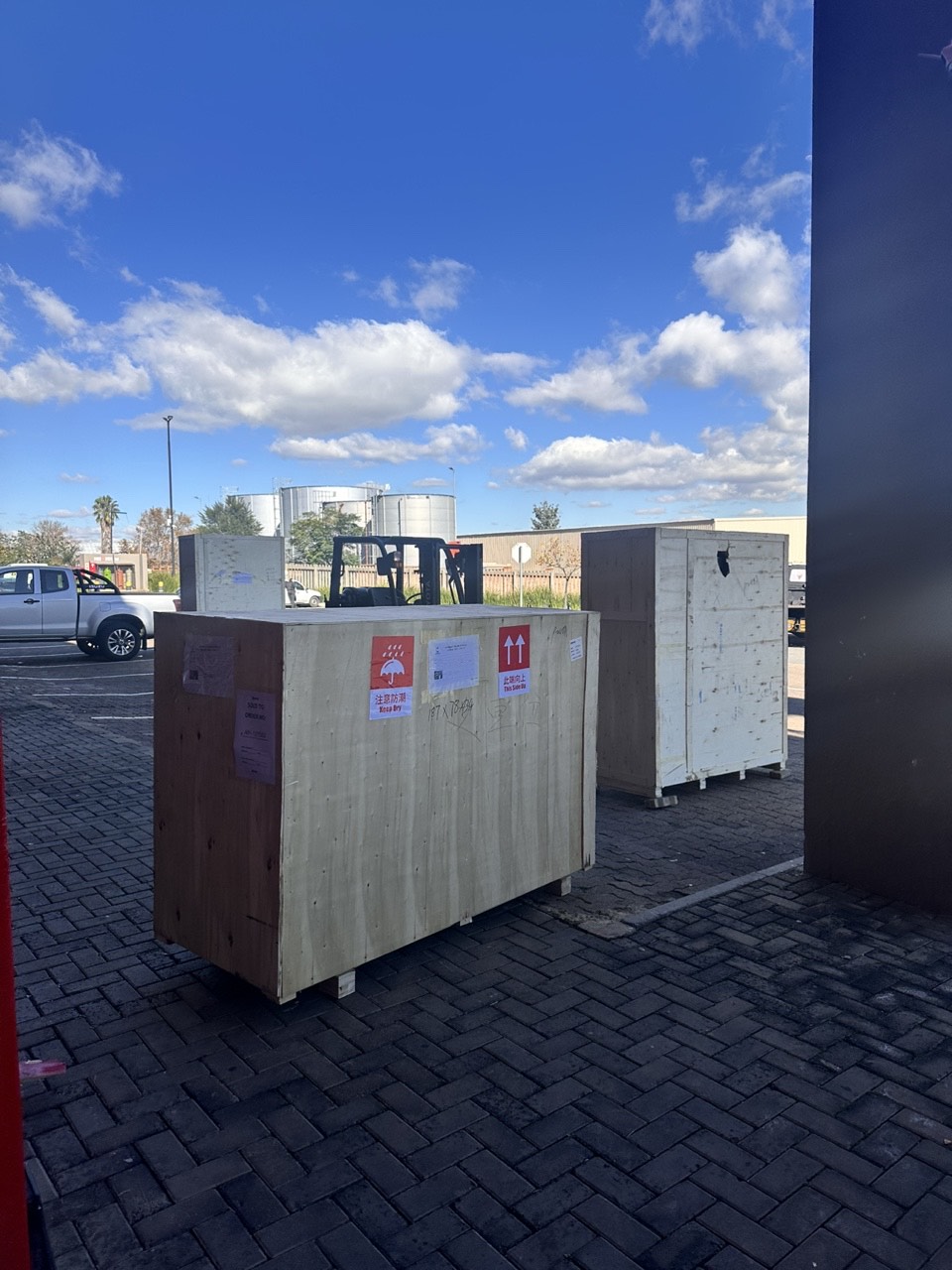
Batch of Orders
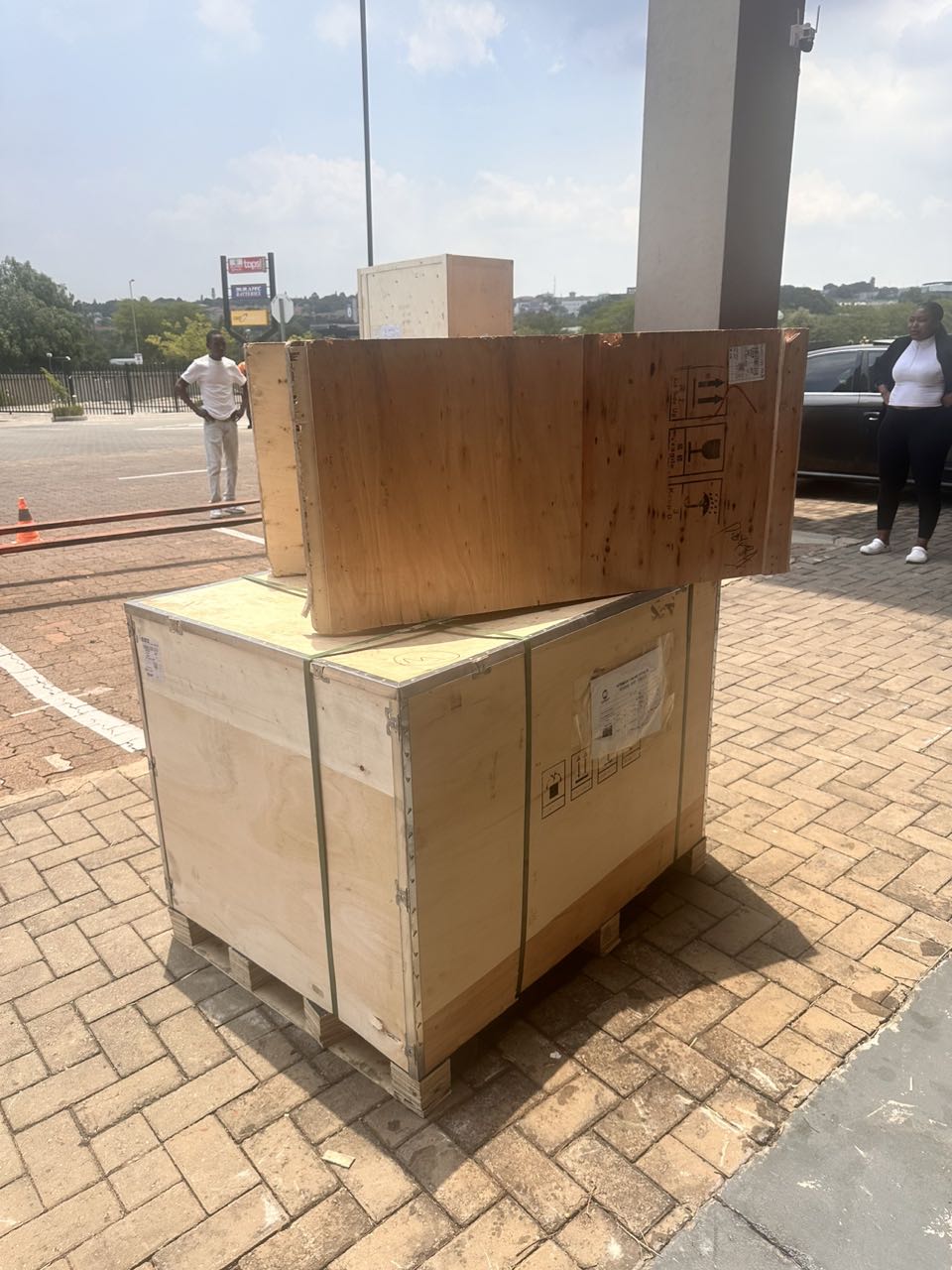
Batch of Orders
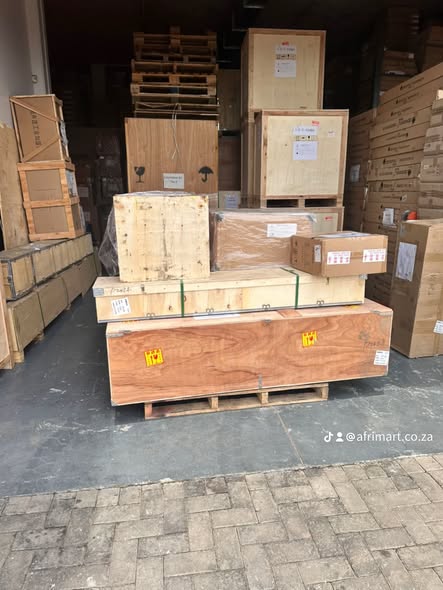
Latest Orders Labelled
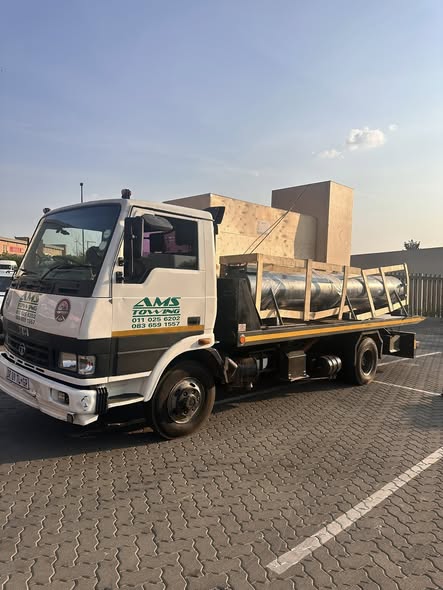
wheel alignment machines
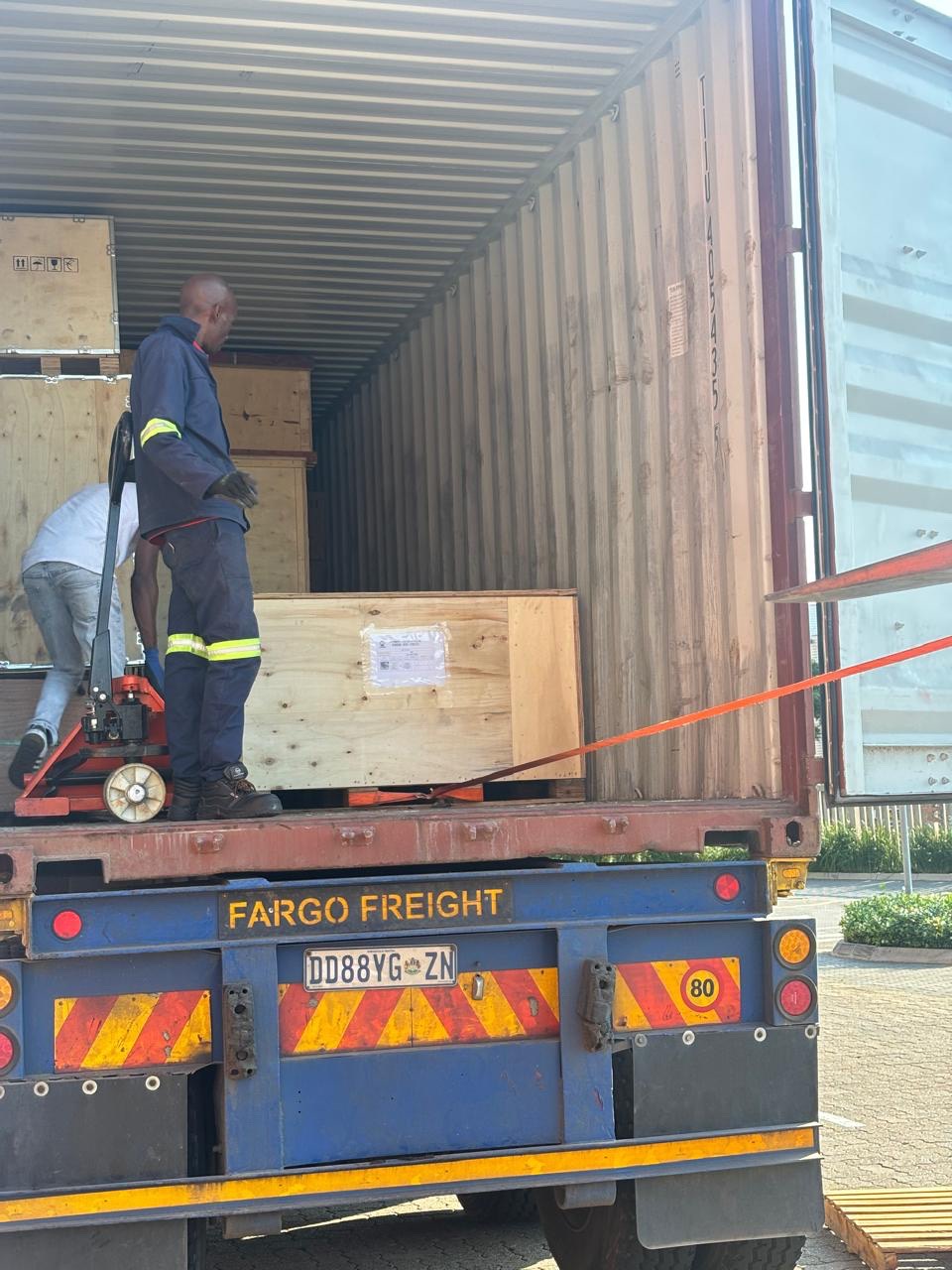
new arrivals
Pre Orders Offloading
Latest Arrivals
Latest Arrivals
Latest Arrivals
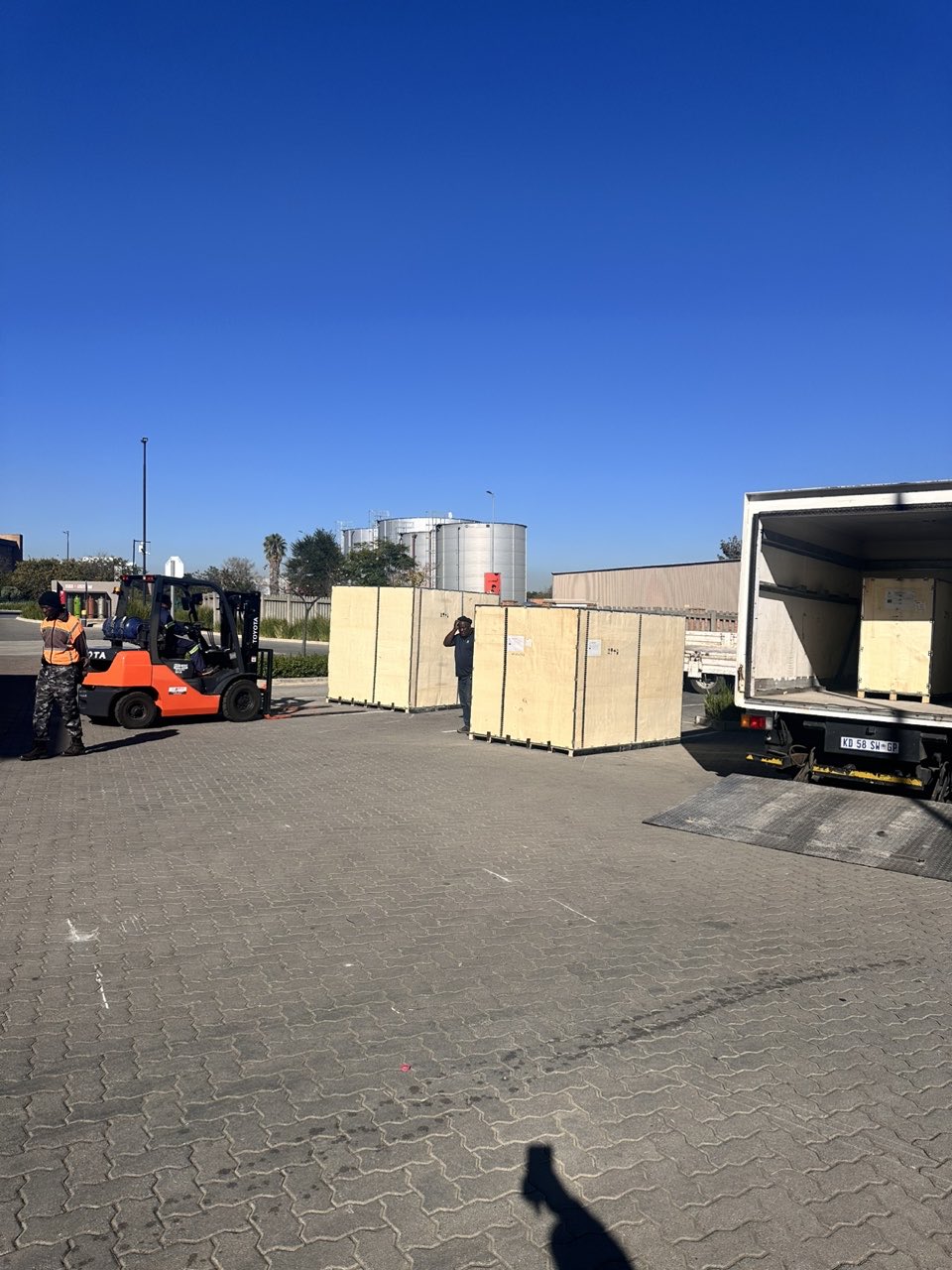
Loading
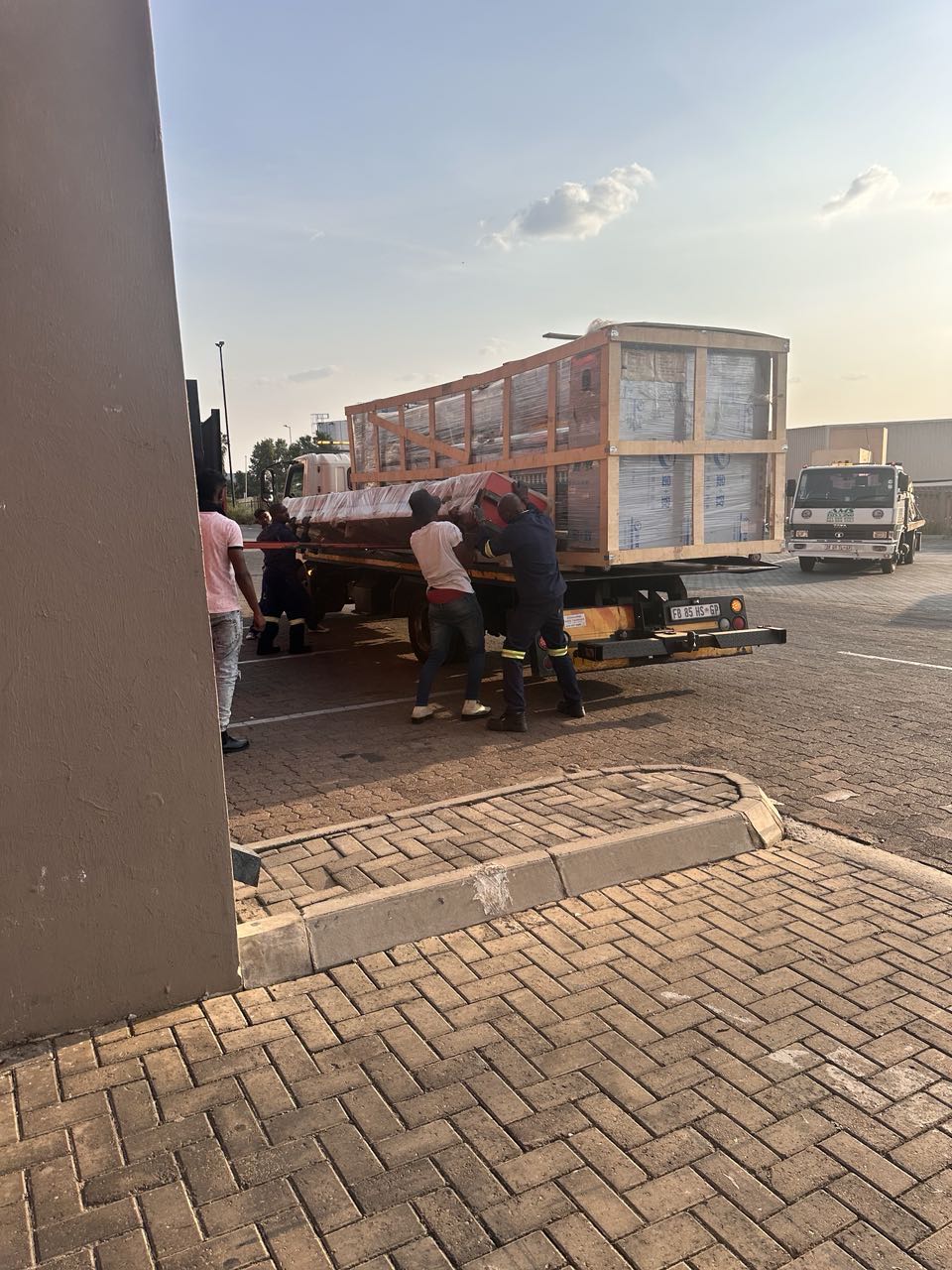
Toilet paper making machine
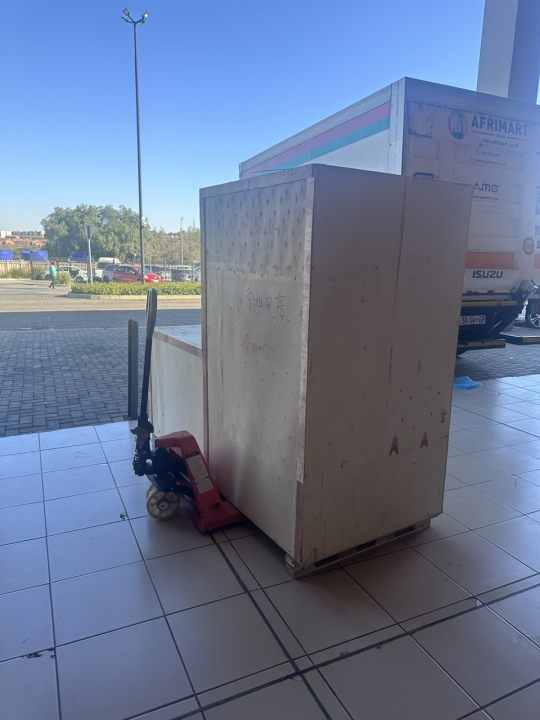
Toilet paper making machine
Toilet paper Rewinding Machine
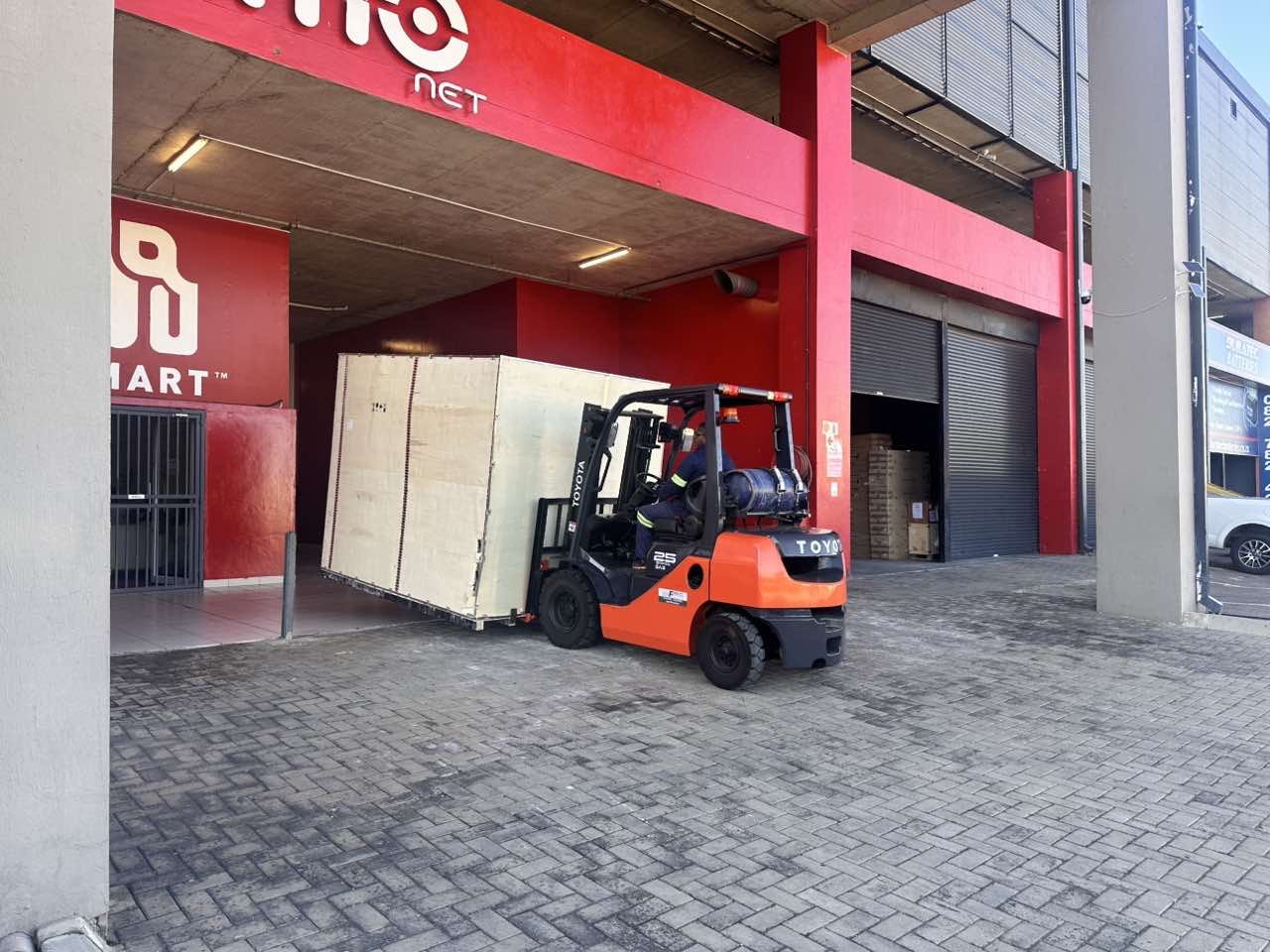
latest arrivals
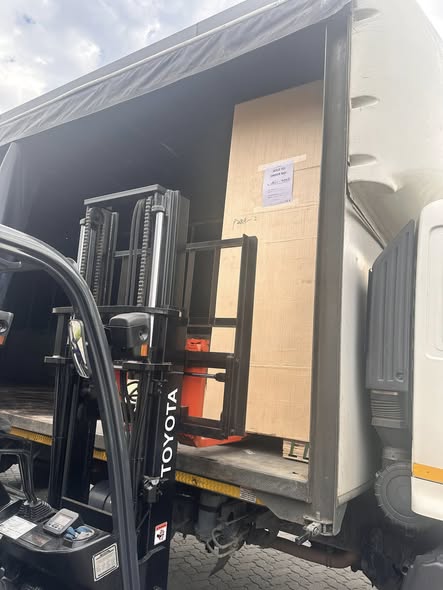
offloading
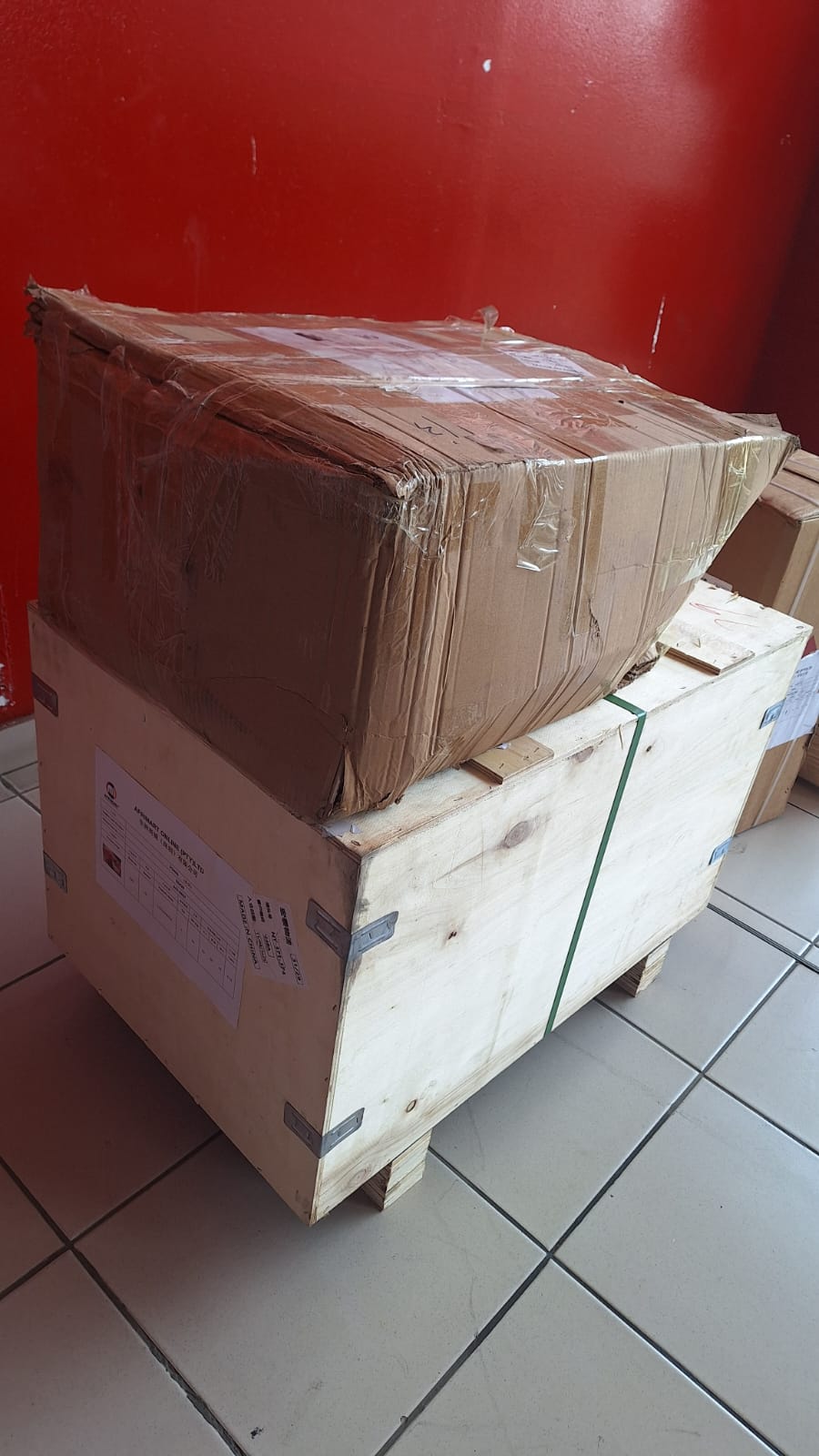
order success
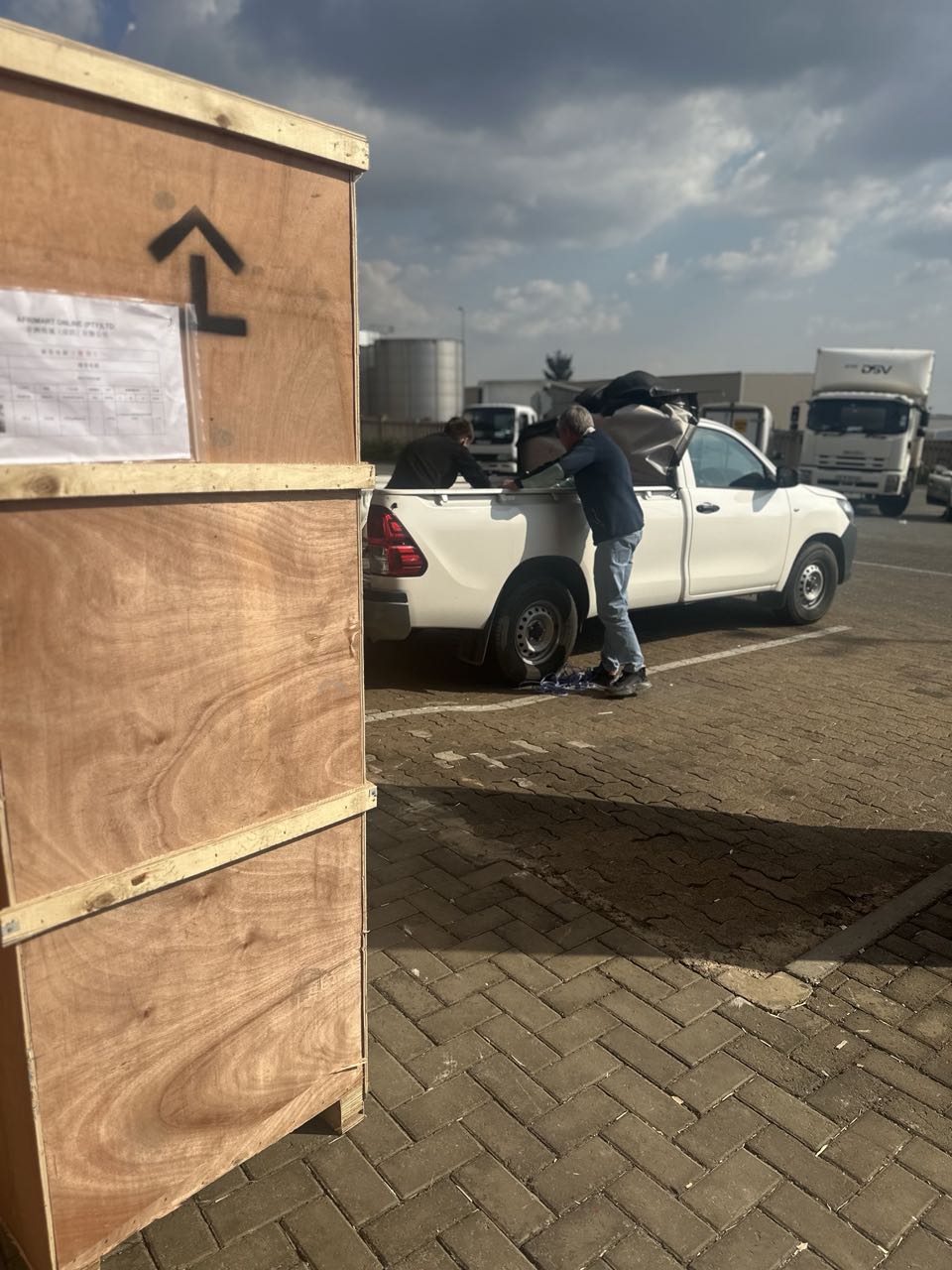
order collection
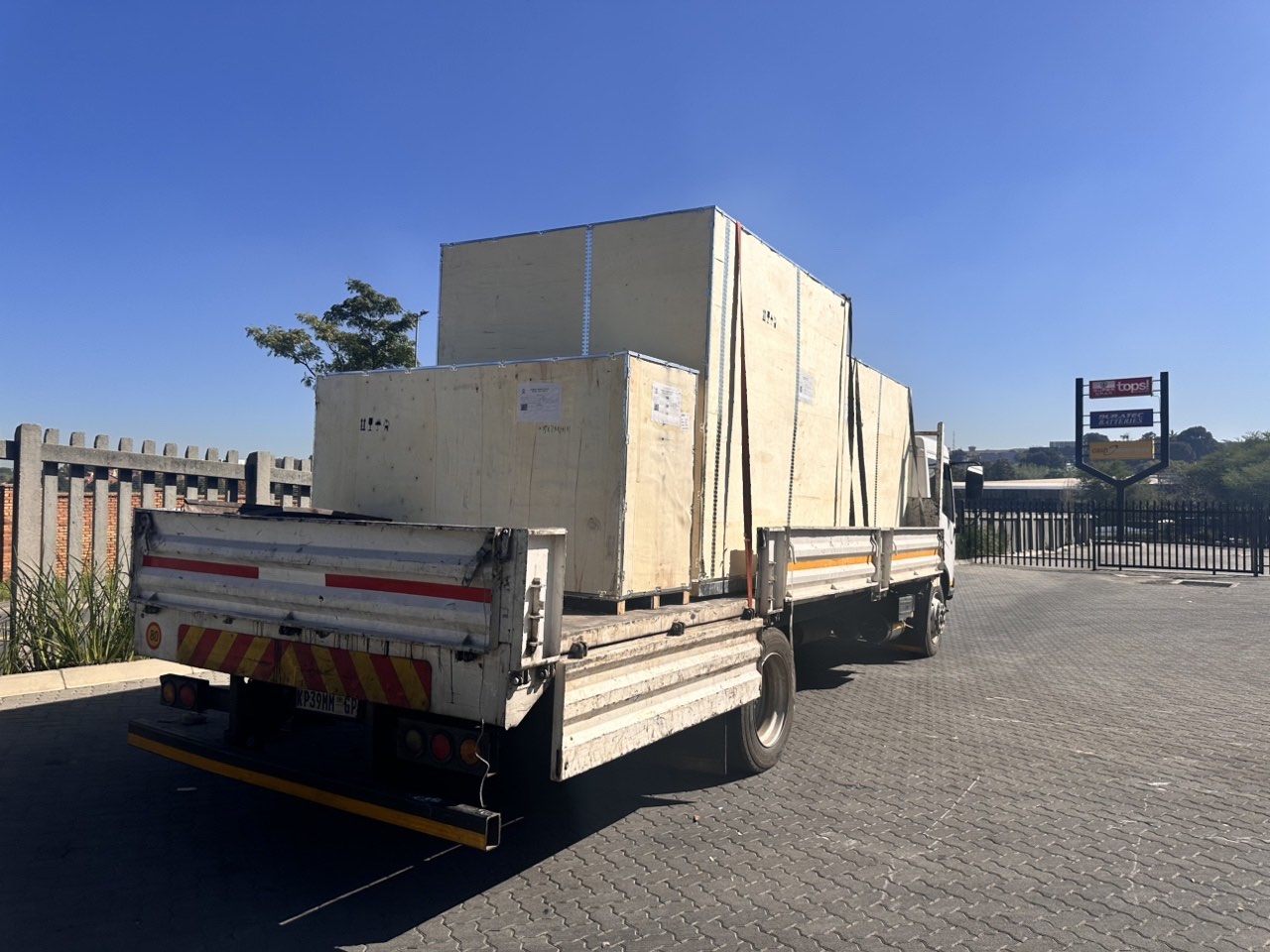
order offloading