B21, China Town Mall, Midrand


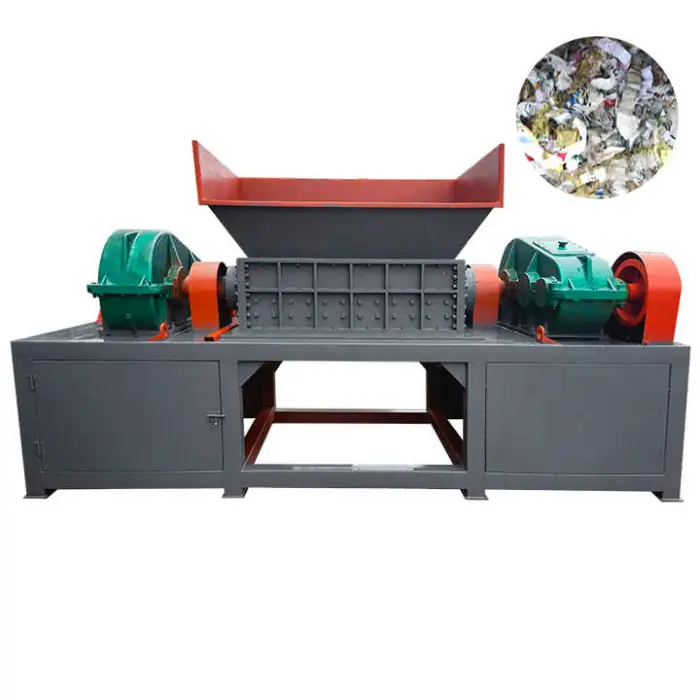
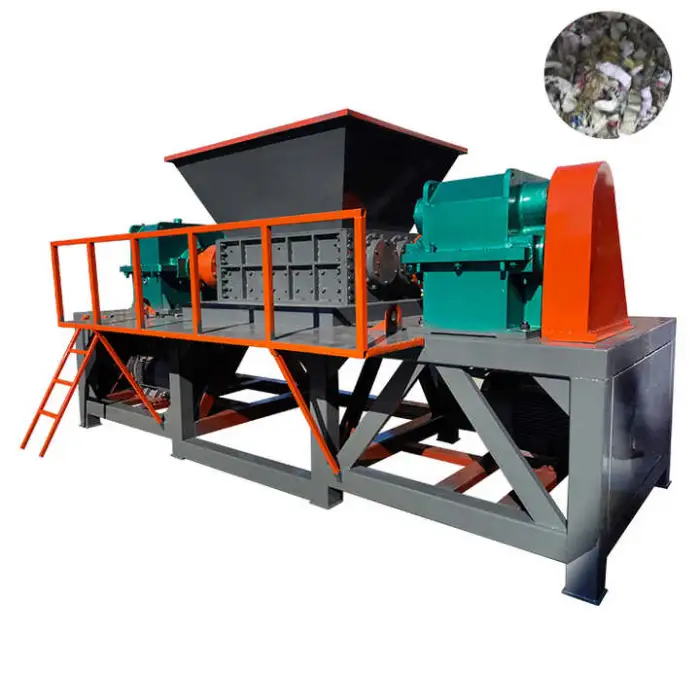
Waste Shredding Crusher Car Shell Scrap Metal Copper Iron Aluminum Barrel Tin Steel Shredder Machine
Asset finance available
Do you want funding for this equipment?
Afrimart can connect you with trusted funding partners who specialise in asset finance for businesses like yours. Compare options and apply in minutes — final approval is subject to provider review.
Check funding options
Secure & no obligation

- Section : Machinery
- Category : Metal & Metallurgy Machinery
- SKU : 1601420982749

Waste Shredding Crusher Car Shell Scrap Metal Copper Iron Aluminum Barrel Tin Steel Shredder Machine
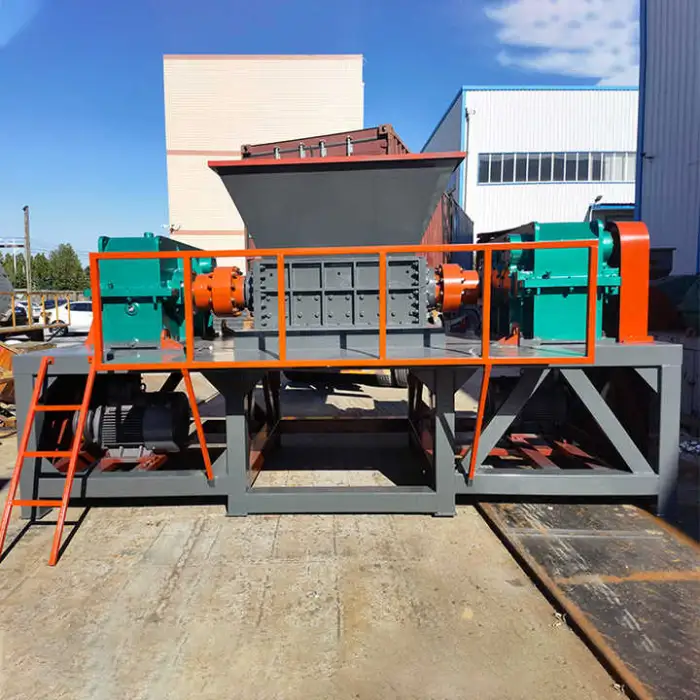
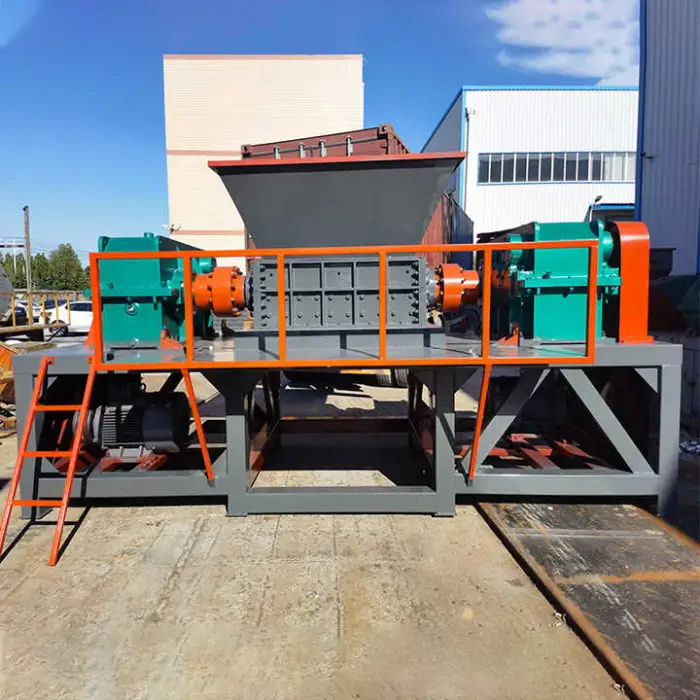
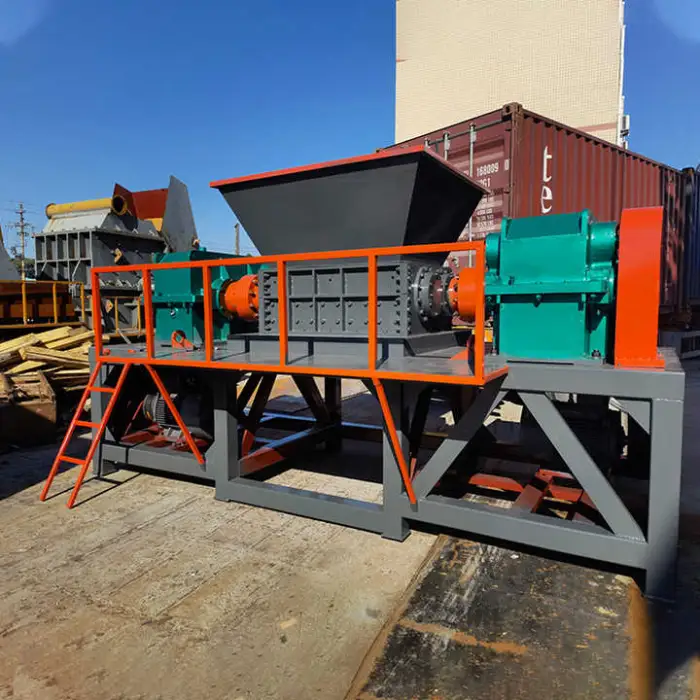
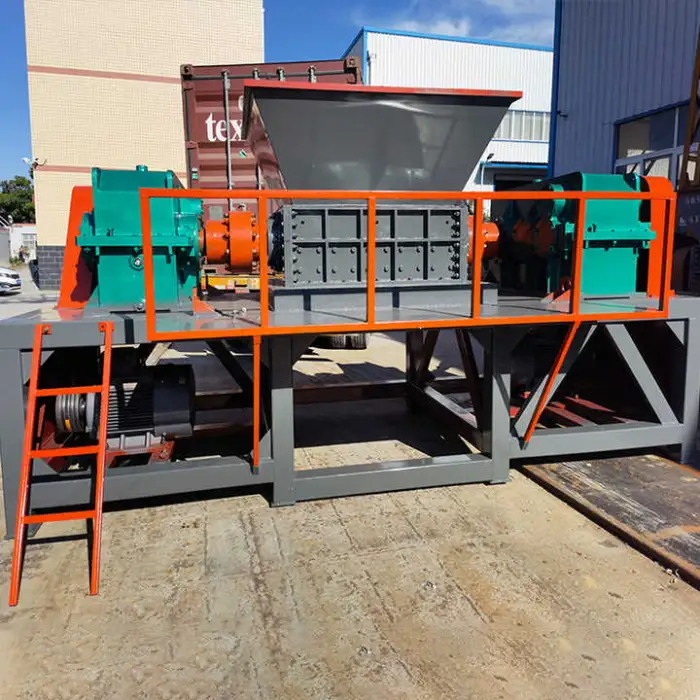
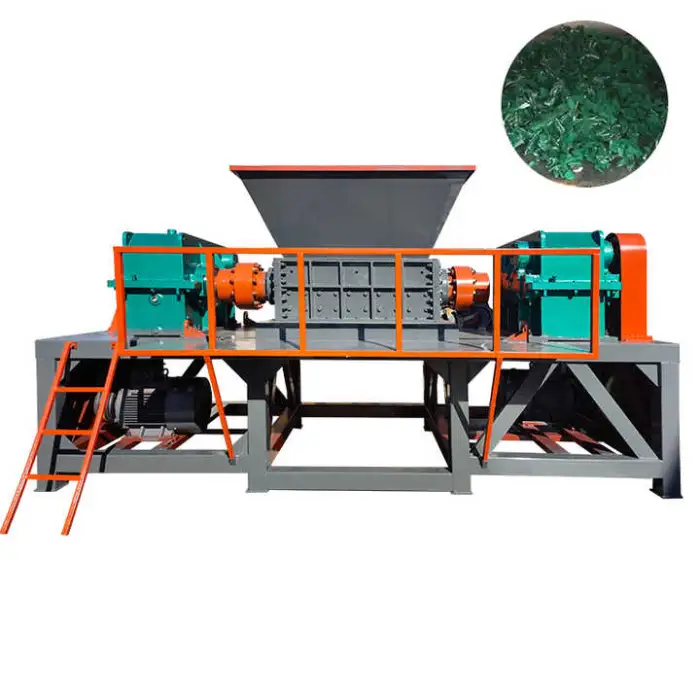
This powerful Waste Shredding Crusher is designed to handle a variety of scrap materials. It efficiently processes car shells, metal barrels, and more. With its automatic operation and high productivity, this machine is perfect for recycling businesses looking to save energy and maximize output.
Specifications
| Attribute | Details |
|---|---|
| Power (kw) | 22 |
| Weight (kg) | 1400 |
| Diameter of Cutter (mm) | 300 |
| Usage | Waste Raw Material Shredding |
| Main Power | 22kw*2 |
| No of Blades | 30 pcs |
| Blade Material | 9Crsi or customized |
| Frame Material | Carbon Steel |
| Production Capacity (kg/h) | 800 - 1000 kg/h |
Key Features
- Automatic operation for ease of use.
- High productivity, shredding up to 1000 kg/h.
- Energy-saving design to reduce costs.
- Durable components including PLC, engine, and motor.
- Customizable blades for various materials.
Applications
- Shredding car shells for recycling.
- Processing metal barrels for scrap metal recovery.
- Handling aluminum and steel for recycling plants.
- Breaking down various metals like copper and brass.
- Efficient waste management in industrial settings.
Product Info Gallery
- Shipping Timeframes: All orders are processed within 2-5 business days (excluding weekends and holidays). After your order has been processed, the estimated delivery time is before 04 Aug, 2026, depending on customs, Please note that due to high demand, some items may experience longer shipping times, which will be communicated at order confirmation email.
- Order Processing Time: Please allow 2-5 business days for us to process your order before it is shipped . Orders placed after 16:00 on Fridays, or during weekends and public holidays, will begin processing on the next business day. Processing times may be extended during peak seasons or sales events.
- Manufacturing Time: Some products needs manufacturing time, the manufacturing process will take approximately 10-30 business days depending on the product. This timeframe may vary depending on the complexity of the product and current demand. but this will be communicated with you during order confirmation.
- Returns and Exchanges: We offer a 30-day return policy for most items. If you are not completely satisfied with your purchase, you may return it within 30 days of receipt for a refund or exchange. Items must be unused, in their original packaging, and accompanied by proof of purchase. Return shipping costs are the responsibility of the customer, unless the item was damaged or defective upon arrival.
1. What types of materials can this shredding crusher process?
It is designed for a wide range of scrap metals including car shells, metal barrels, copper, iron, aluminum, tin, steel and brass. It is primarily for metallic waste; mixed or non-metal materials may require pre-sorting.
2. What is the production capacity?
Typical production capacity is 800–1000 kg per hour, depending on material type, feed size and feeding rate.
3. What are the main power and electrical requirements?
The specification lists two main motors of 22 kW each (22 kW * 2), i.e. a total installed main power of 44 kW. Final electrical supply requirements (voltage, phase, breaker size) should be confirmed with the supplier/installer.
4. What is the cutter/rotor size and blade configuration?
The cutter diameter is 300 mm and the rotor is fitted with 30 blades. Blade material is 9CrSi by default, and blade type/material can be customized for specific applications.
5. What is the typical machine weight and construction material?
Machine weight is approximately 1,400 kg and the frame is constructed from carbon steel for durability.
6. What safety features does the machine include?
The machine includes PLC control and is typically supplied with safety features such as emergency stop, safety guards and interlocks. Exact safety features and certifications should be confirmed with the manufacturer.
7. How is material fed into the shredder?
The machine supports automatic feeding; common feeding methods include hopper feed or conveyor. For bulky items like whole car shells, a feed conveyor or crane-assisted loading is often used.
8. What output particle size can I expect?
Output size is not fixed in the specification and depends on blade configuration, rotor design and any downstream screening or sizing devices. Ask the supplier about configurable screens or secondary shredding options to obtain your target output size.
9. Does the machine separate ferrous and non‑ferrous metals?
No — the shredder reduces material size but does not perform metal separation. For separation you should add downstream equipment such as magnetic separators (for ferrous) and eddy current separators (for non‑ferrous).
10. What routine maintenance is required?
Regular maintenance includes inspecting and sharpening or replacing blades, checking and tightening fasteners, lubricating bearings and gearboxes, monitoring motor and electrical systems, and clearing the hopper and discharge areas. Follow the manufacturer's maintenance schedule for best results.
11. How long do the blades last and are replacements available?
Blade life depends on the material processed and operating conditions. Hard, abrasive materials wear blades faster. Blades are replaceable and can be supplied in 9CrSi or other customized materials — contact the supplier for spares and lead times.
12. Is installation and commissioning included?
Installation and commissioning terms vary by supplier. Typical requirements include a solid foundation, appropriate power supply, space for feed/discharge conveyors and proper grounding. Confirm whether on-site installation, commissioning and training are provided or offered as additional services.
13. What are typical noise and vibration levels?
This is an industrial shredding machine and will produce significant noise and vibration during operation. Hearing protection and vibration mitigation (mounting, foundations) are recommended. Request specific noise/vibration data from the manufacturer if required for regulatory compliance.
14. Can the machine handle whole car shells without preprocessing?
It can process car shells, but large vehicles normally require preprocessing: removal of hazardous fluids (fuel, oil, refrigerant), batteries, tires and often sectioning to a manageable feed size. Check with the supplier about recommended preprocessing for safe, efficient operation.
15. Are customization options available?
Yes. Common customizations include blade material and geometry, rotor configuration, feed and discharge systems, screen or sizing options, and integration with magnetic/eddy current separators or conveyors. Discuss your material and throughput requirements with the manufacturer for a tailored solution.
Latest Order Arrivals
Discover our latest orders
12 Heads Embroidery Machine
Toilet Paper Machine Machine
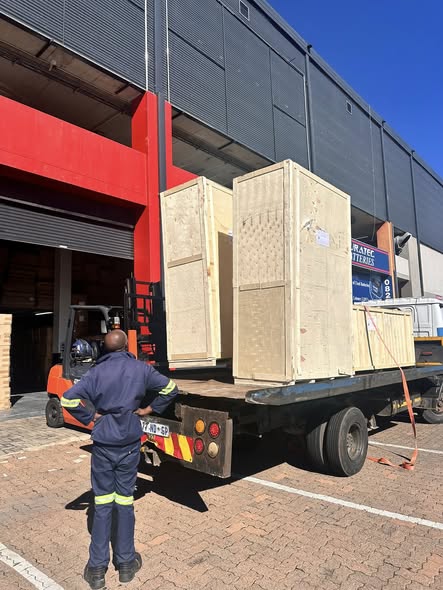
Order Collection
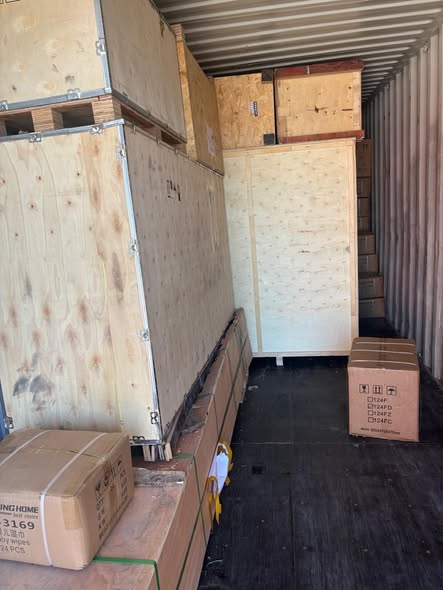
Cross Border Clients
Order cros border countries Collected
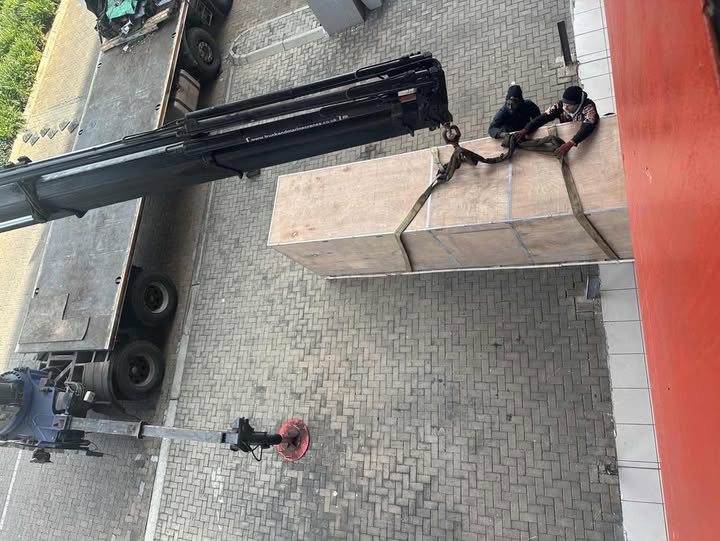
Industrial Machine Cllection
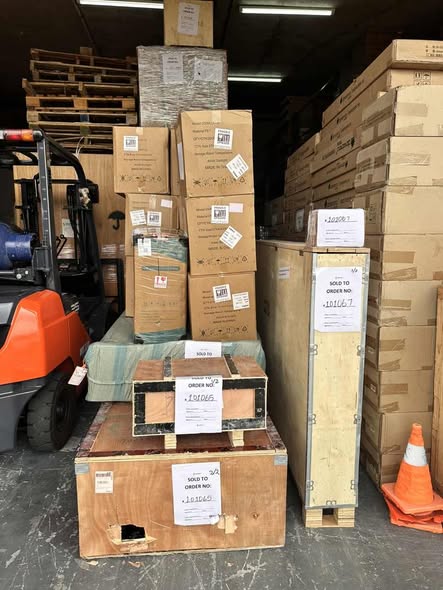
Agriculture Processing Machines
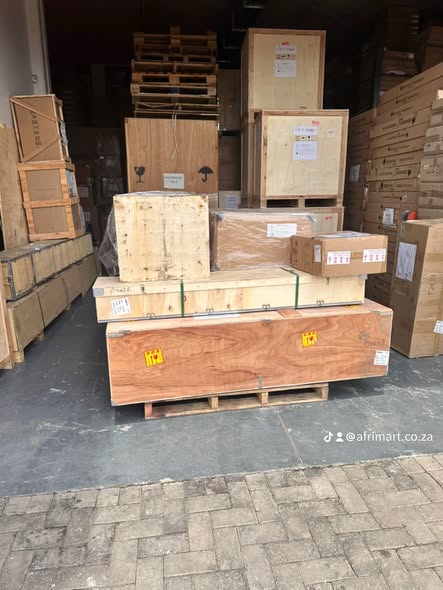
Ready for collection
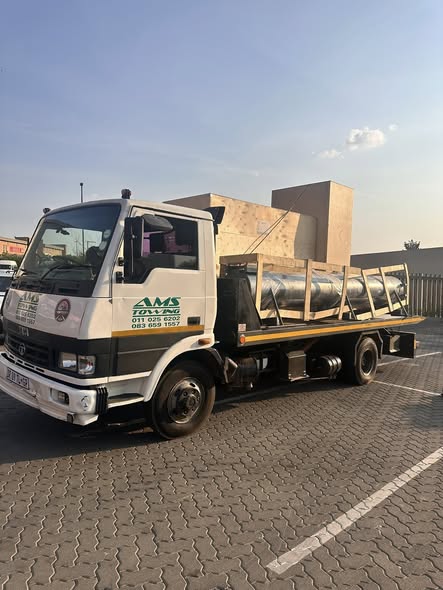
Water Pump Equipment
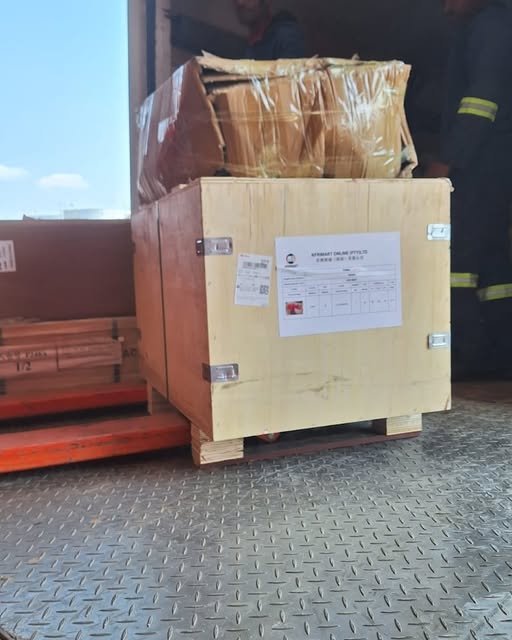
Packaging Machine and accessories
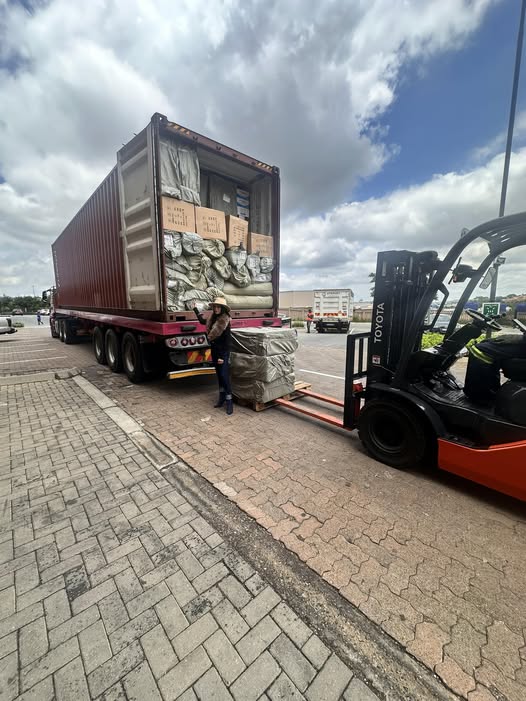
Fabrics Manufacturing Equipment
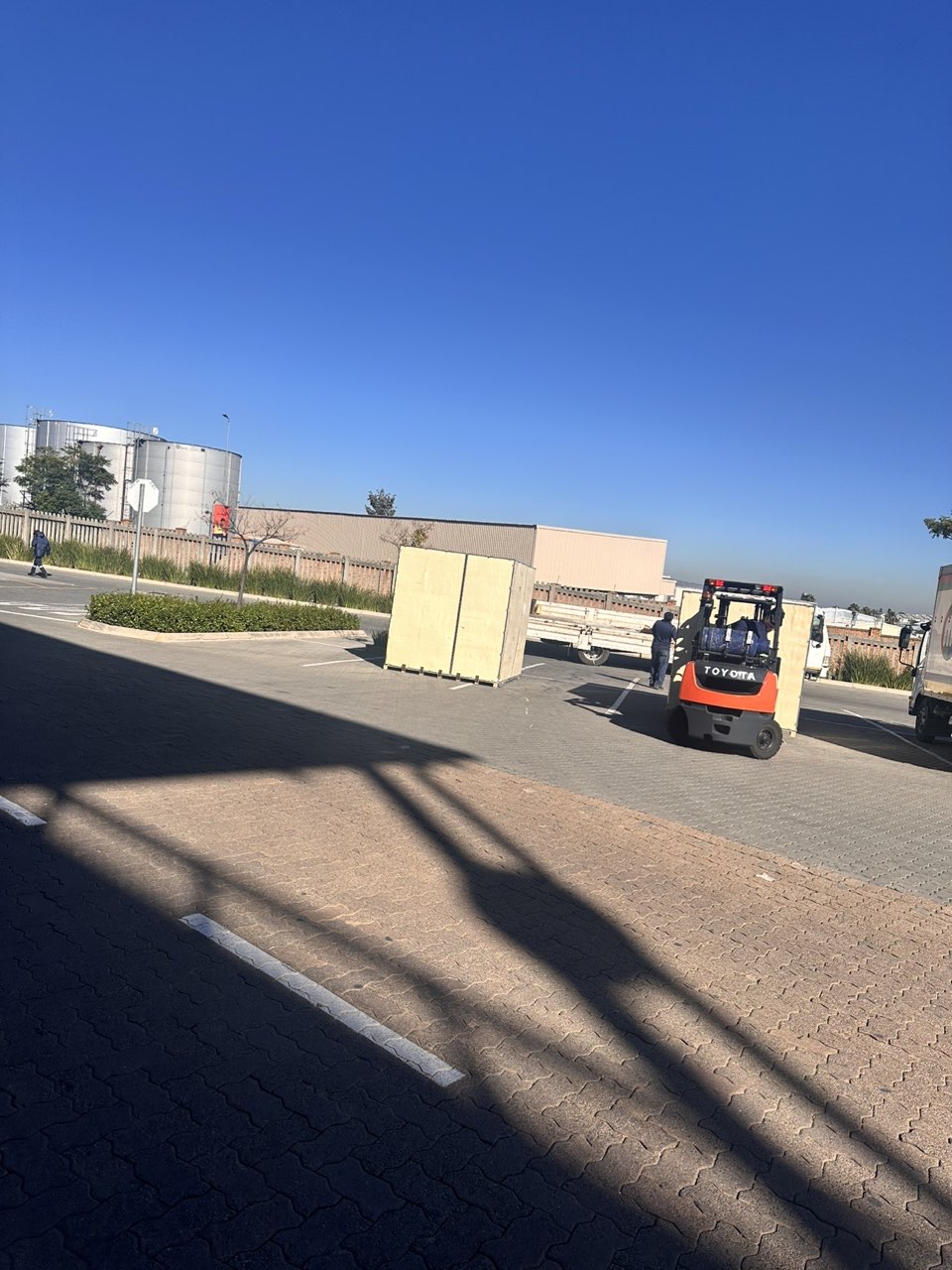
Mining Equipments
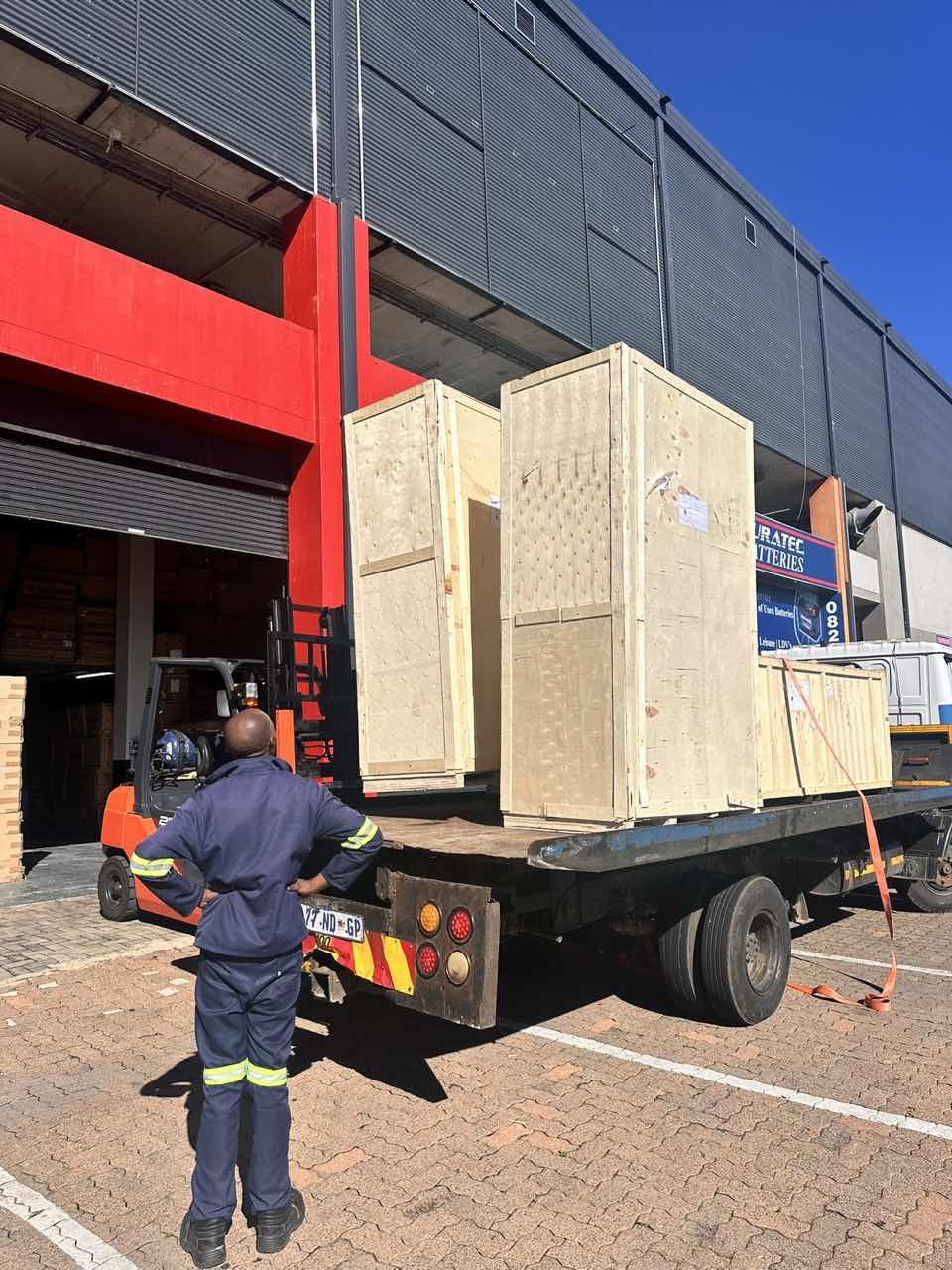
Food Processing Machine
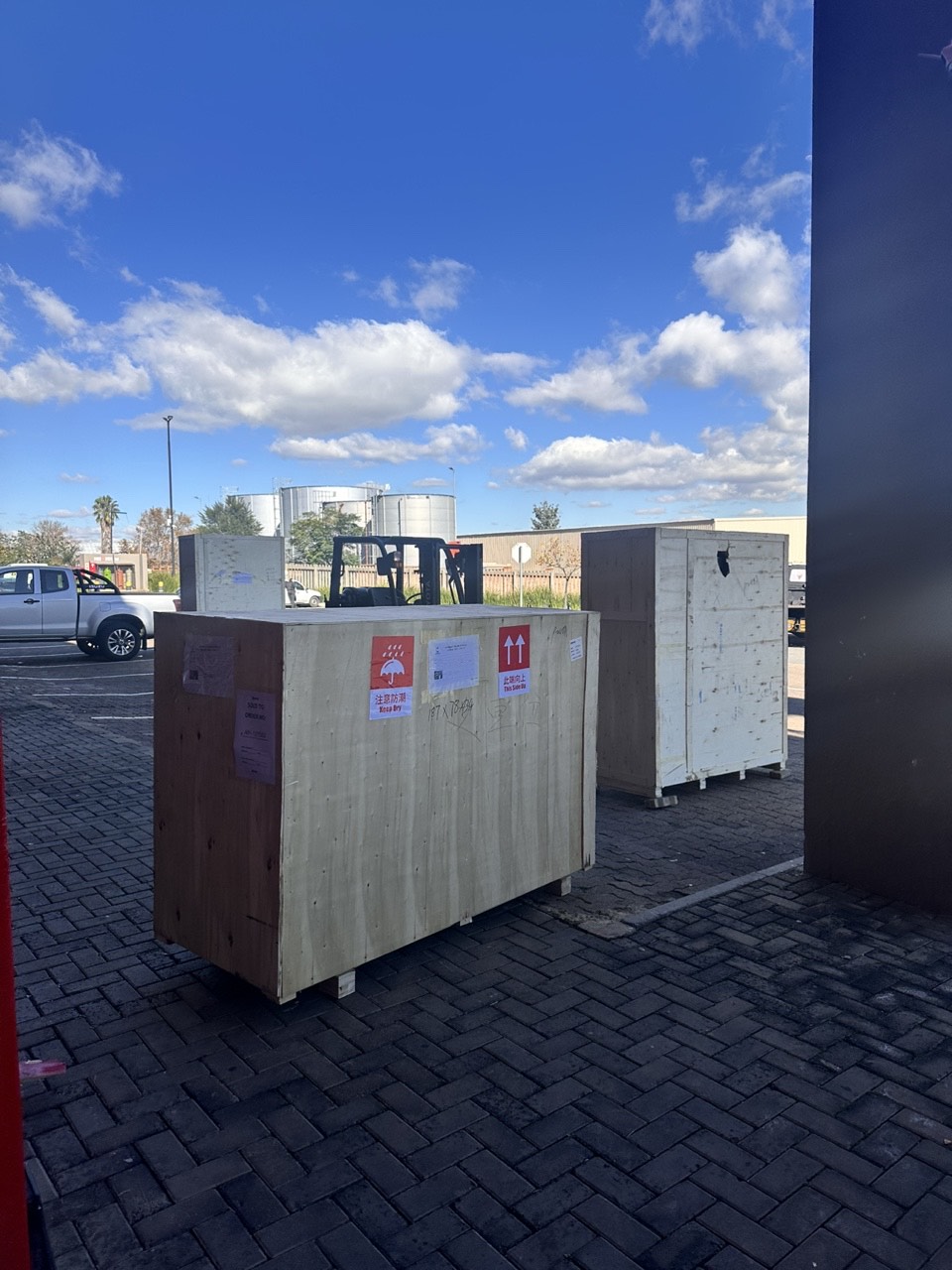
Batch of Orders
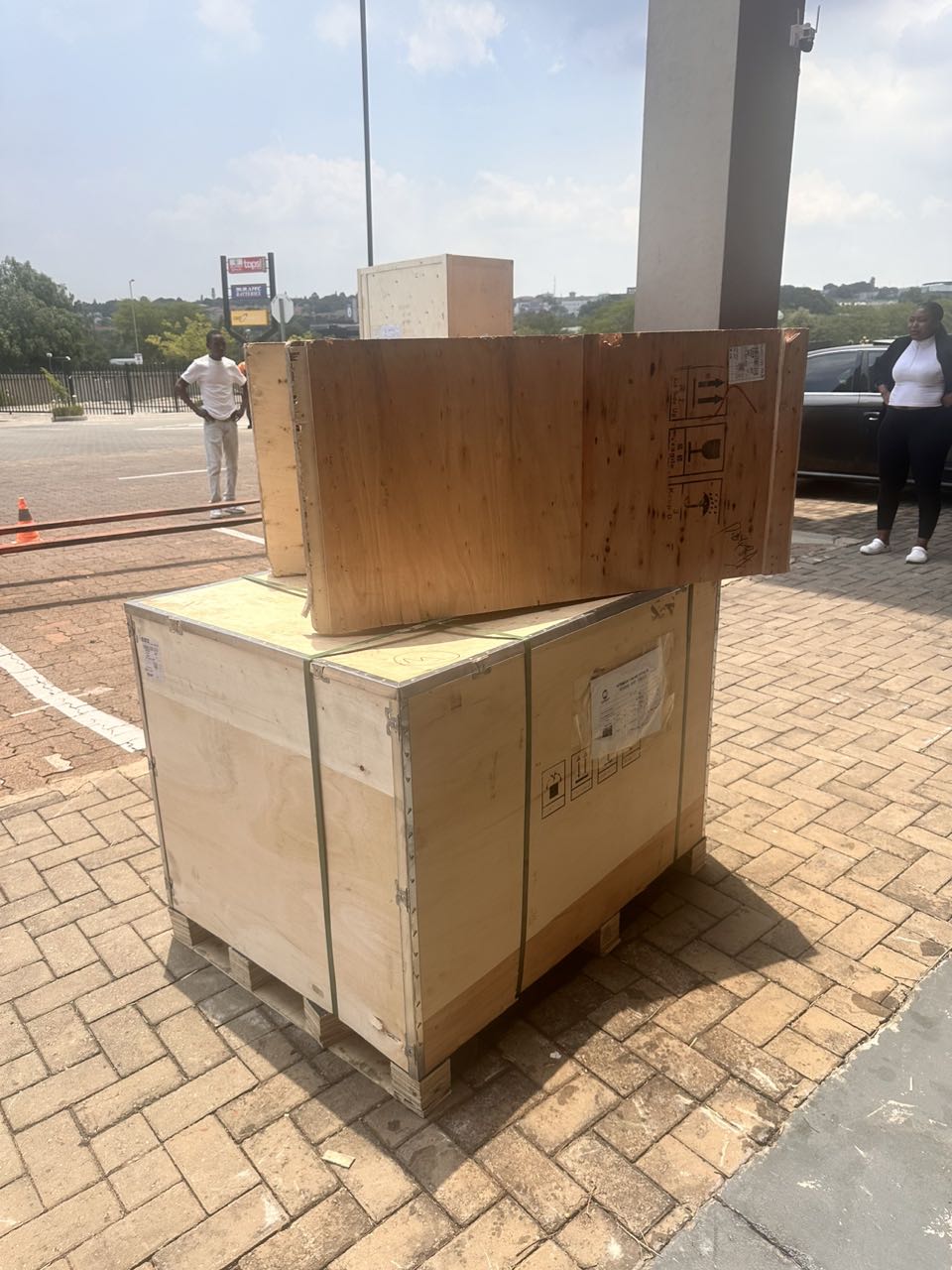
Batch of Orders
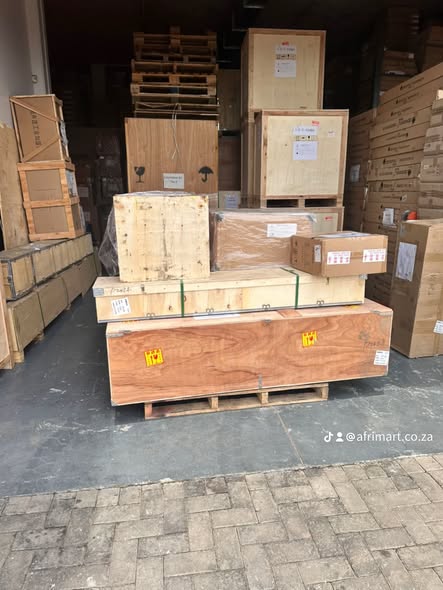
Latest Orders Labelled
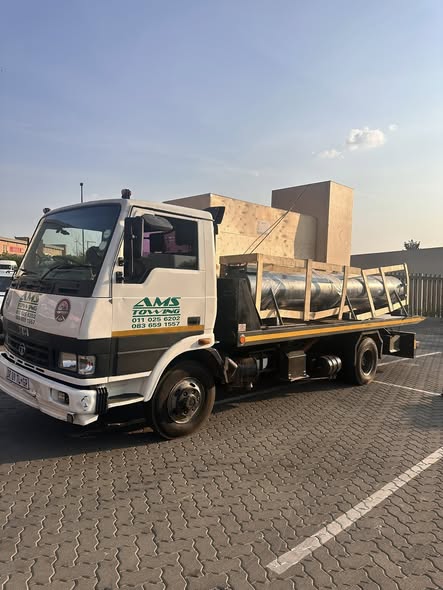
wheel alignment machines
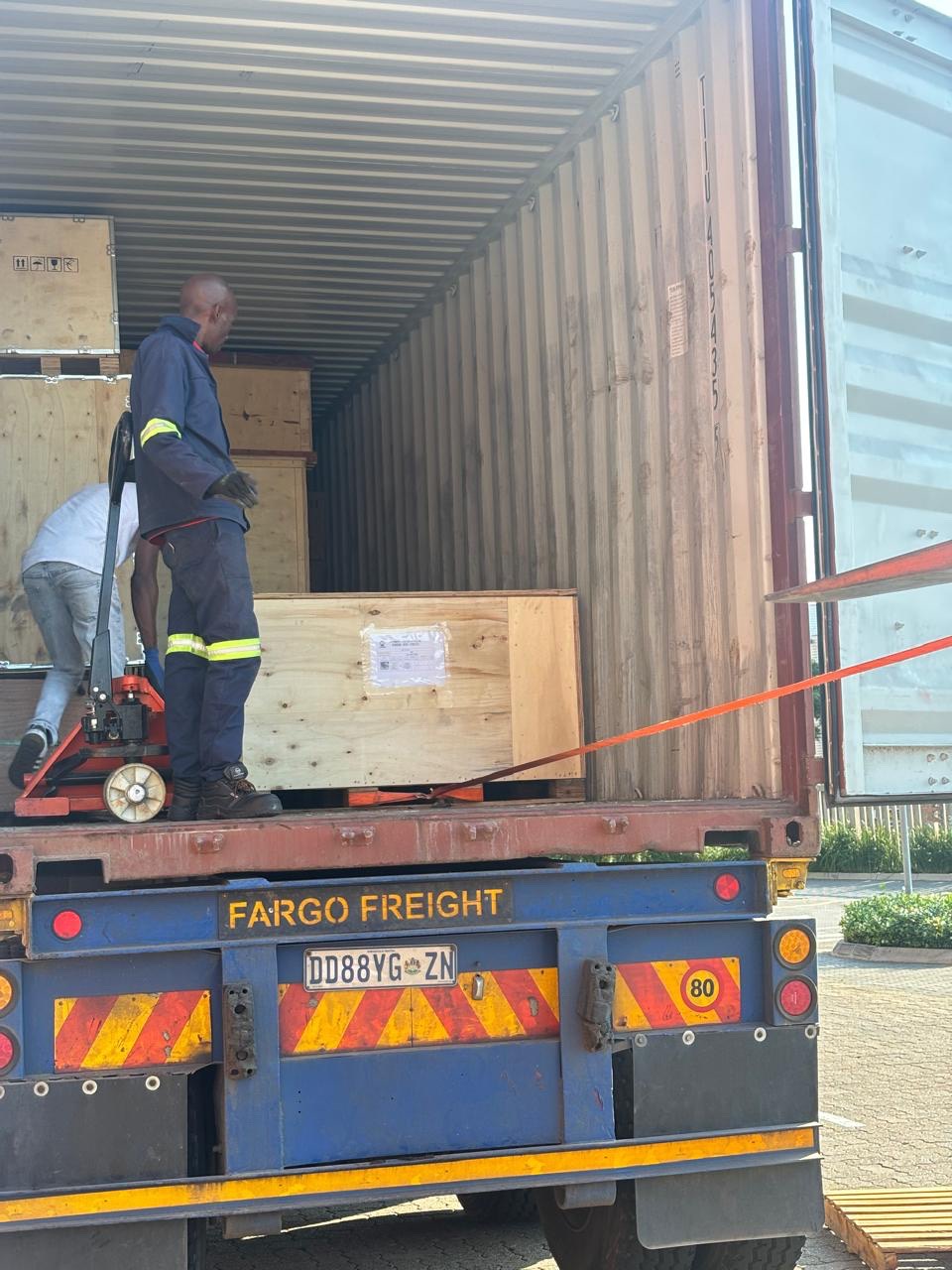
new arrivals
Pre Orders Offloading
Latest Arrivals
Latest Arrivals
Latest Arrivals
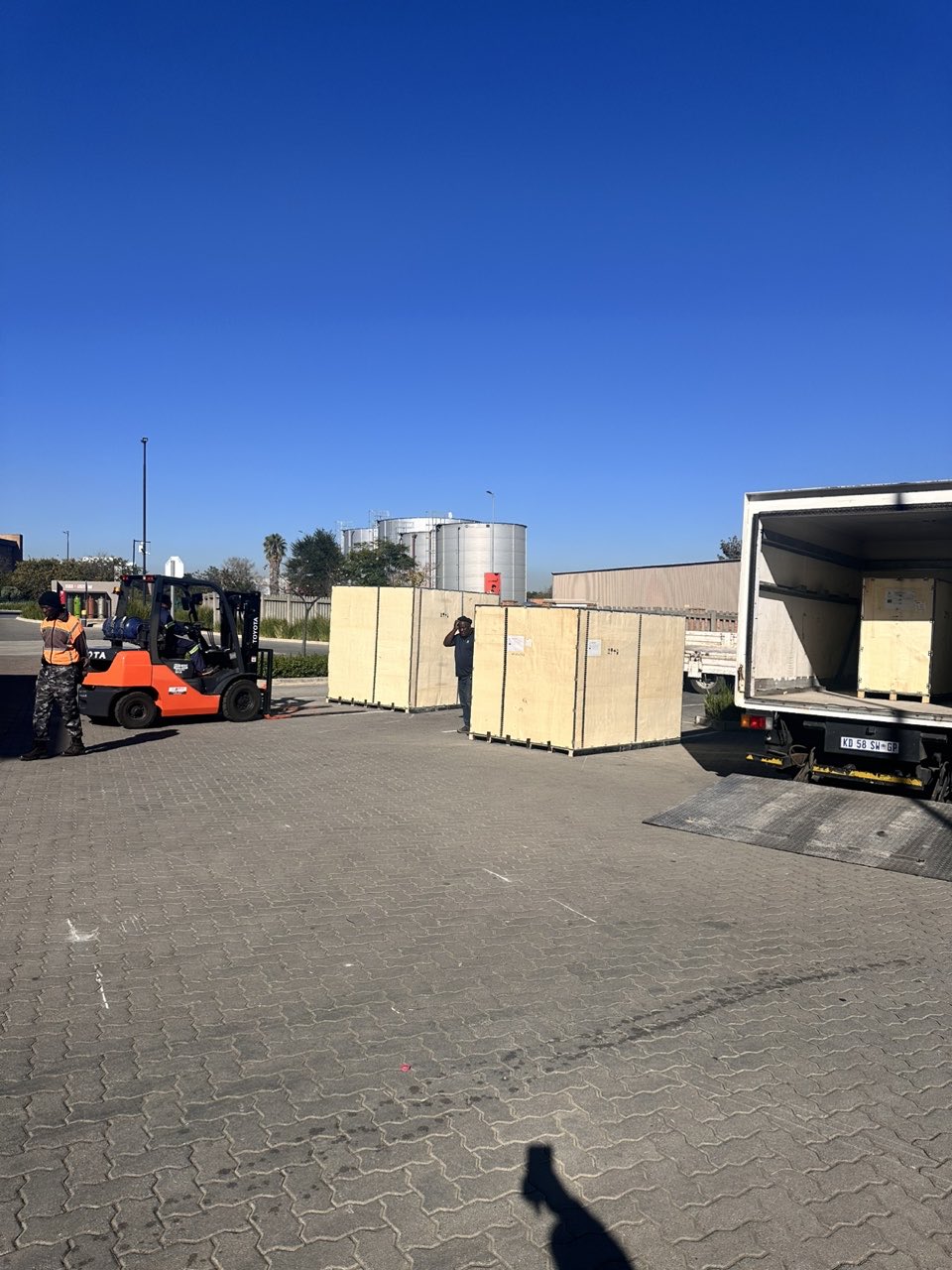
Loading
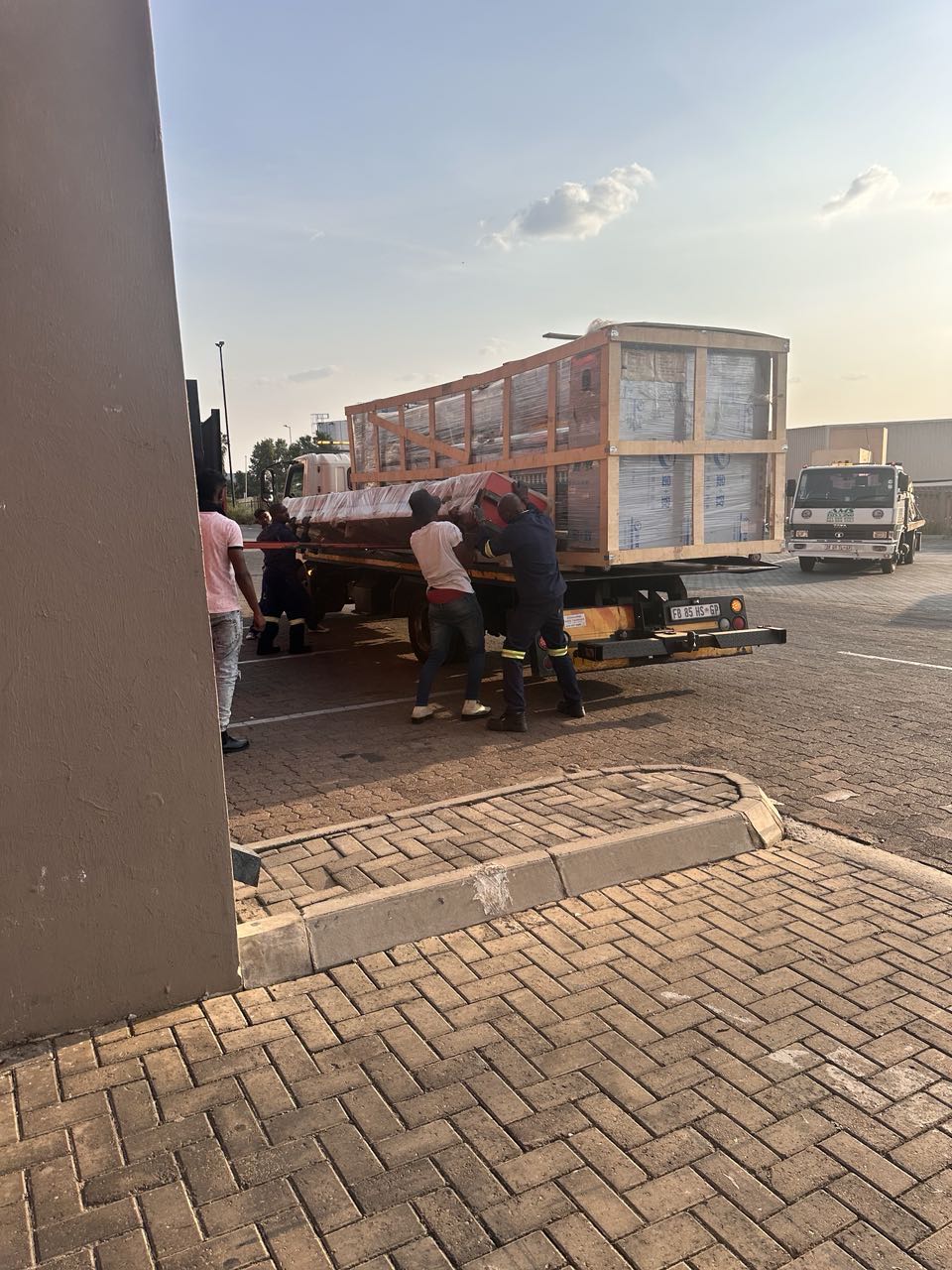
Toilet paper making machine
Toilet paper making machine
Toilet paper Rewinding Machine
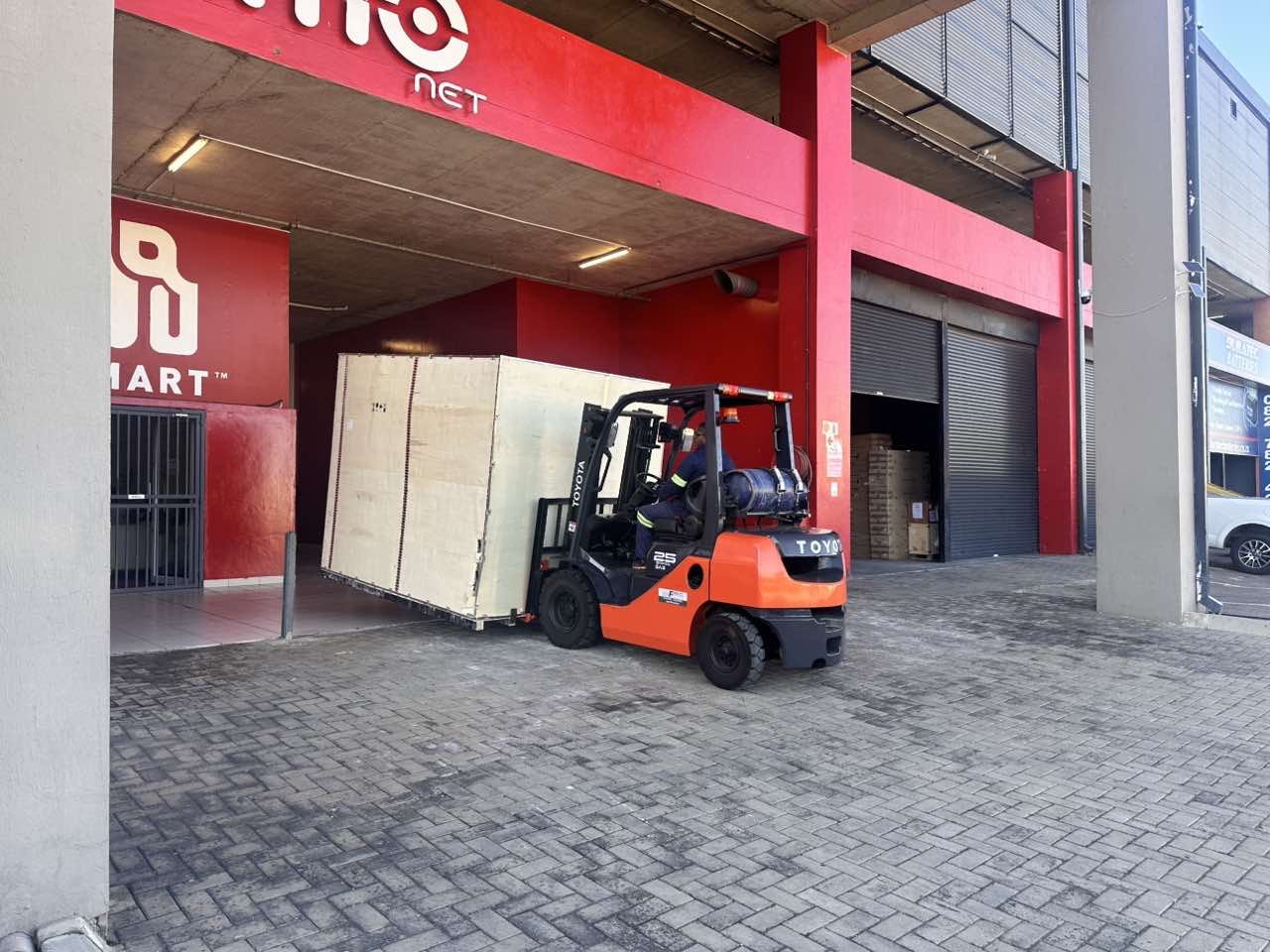
latest arrivals
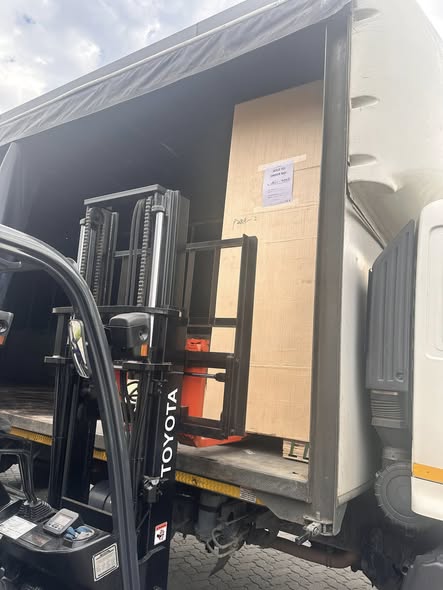
offloading
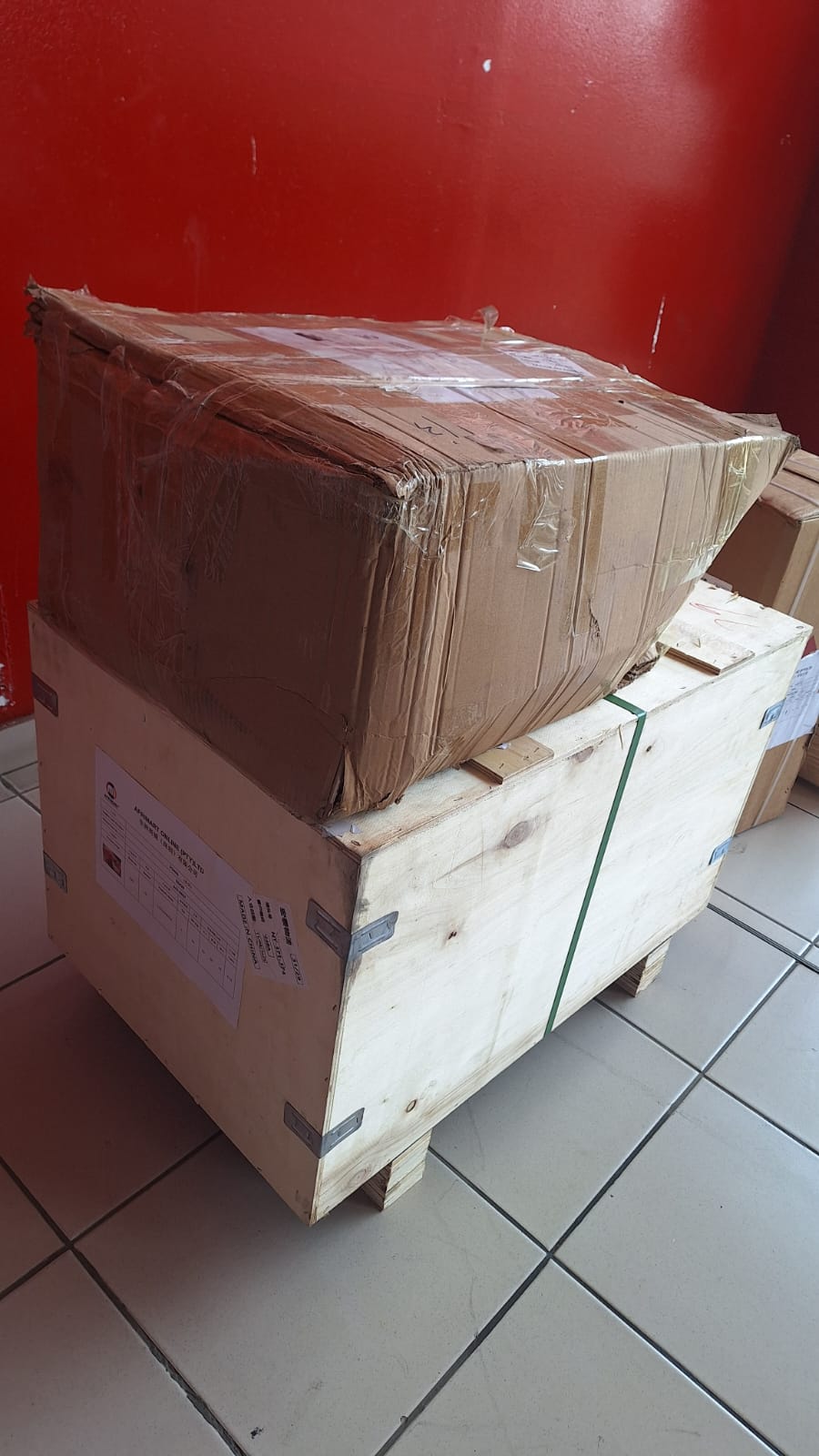
order success
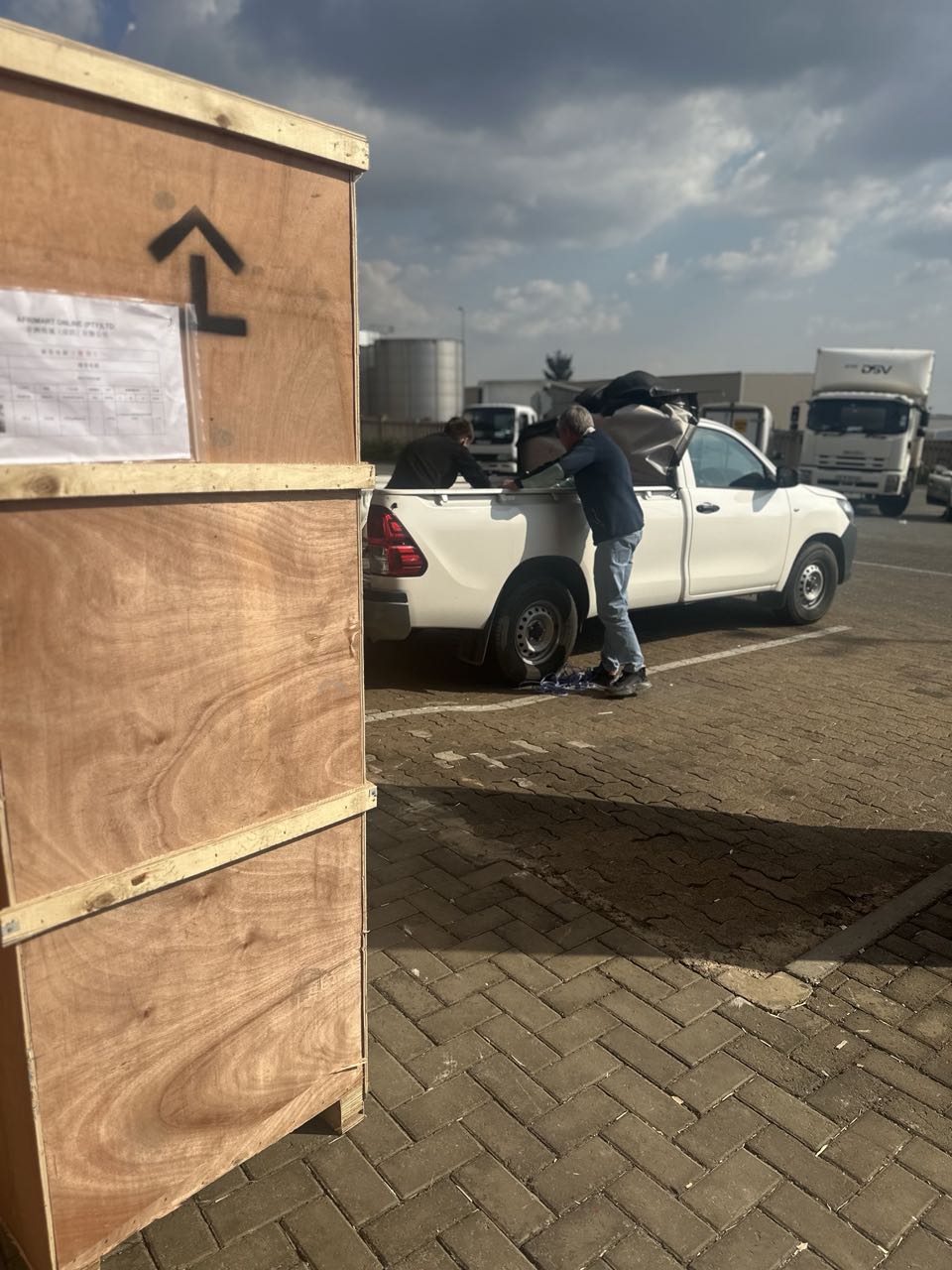
order collection
order offloading