B21, China Town Mall, Midrand


Ultrasonic Cleaning machine For Instruments Cleaning

- Section : Machinery
- Category : Cleaning Equipment
- SKU : 1600722056239

Product Description:
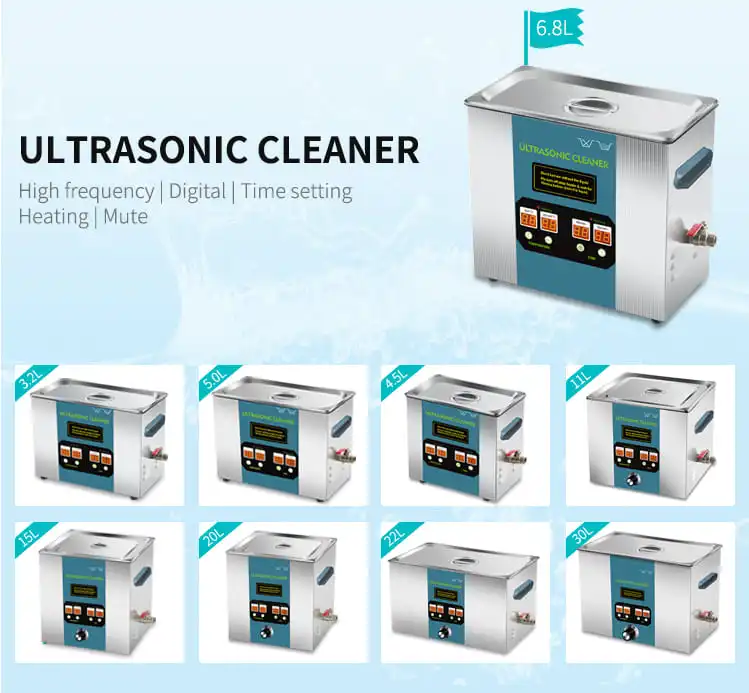
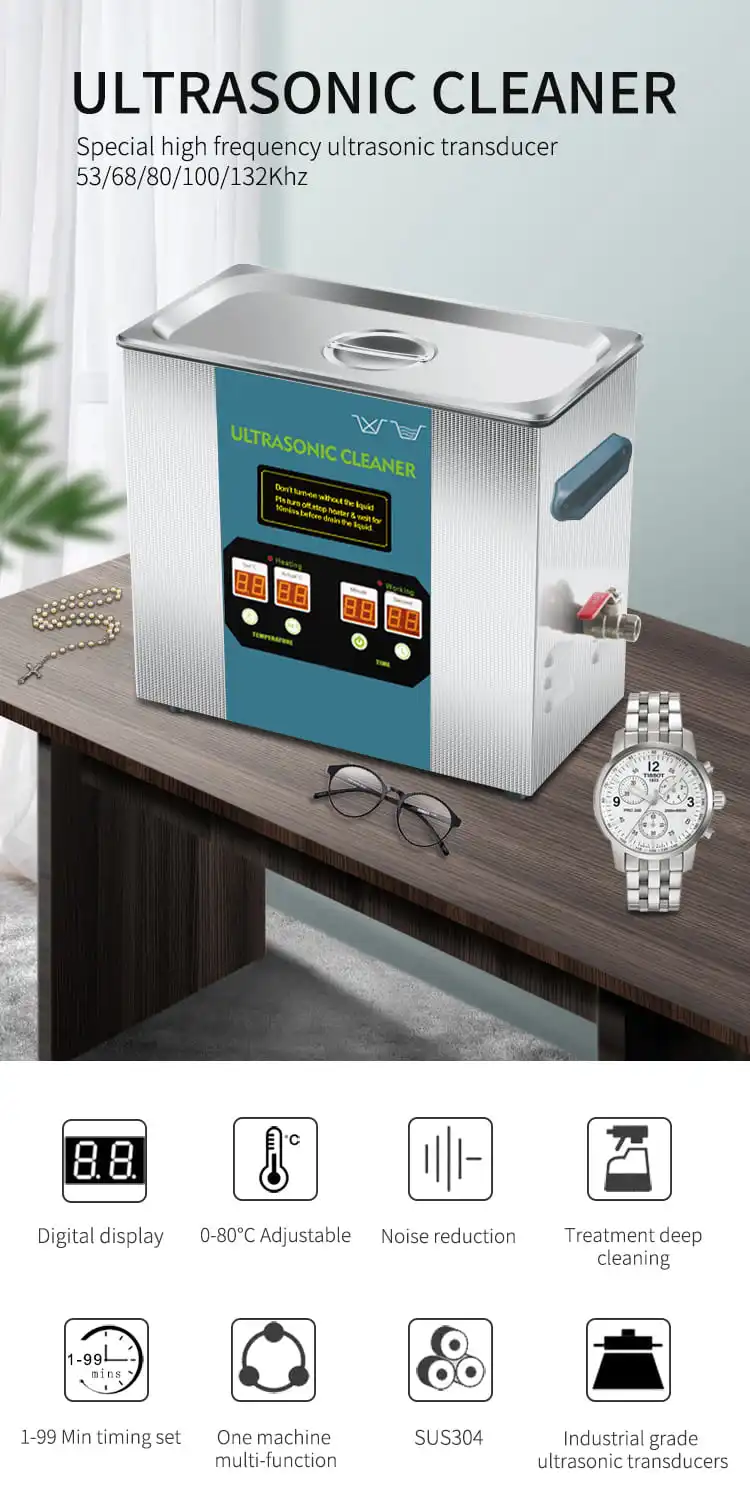
| Model No: | UC-8180L (LCD display) | ||
| Ultrasonic power: | 180W | Tank size: | 300x150x150mm(L*W*H) |
| Frequency: | 53/68/80/100/130KHz | Package size: | 402x252x355mm(L*W*H) |
| Tank capacity: | 6.8L | N.W: | 7.2kg |
| Power: | AC 220~240V,50/60Hz | G.W: | 8.0kg |
| AC 110~120V,50/60Hz | Digital control: | 1-99minutes (adjustable) | |
- Shipping Timeframes: All orders are processed within 2-5 business days (excluding weekends and holidays). After your order has been processed, the estimated delivery time is before 03 Aug, 2026, depending on customs, Please note that due to high demand, some items may experience longer shipping times, which will be communicated at order confirmation email.
- Order Processing Time: Please allow 2-5 business days for us to process your order before it is shipped . Orders placed after 16:00 on Fridays, or during weekends and public holidays, will begin processing on the next business day. Processing times may be extended during peak seasons or sales events.
- Manufacturing Time: Some products needs manufacturing time, the manufacturing process will take approximately 10-30 business days depending on the product. This timeframe may vary depending on the complexity of the product and current demand. but this will be communicated with you during order confirmation.
- Returns and Exchanges: We offer a 30-day return policy for most items. If you are not completely satisfied with your purchase, you may return it within 30 days of receipt for a refund or exchange. Items must be unused, in their original packaging, and accompanied by proof of purchase. Return shipping costs are the responsibility of the customer, unless the item was damaged or defective upon arrival.
1. What are the key specifications of the UC-8180L ultrasonic cleaning machine?
Model UC-8180L (LCD display). Ultrasonic power: 180 W. Tank size (internal): 300 x 150 x 150 mm (L x W x H). Tank capacity: 6.8 L. Available ultrasonic frequencies: 53 / 68 / 80 / 100 / 130 kHz. Digital timer: 1–99 minutes (adjustable). Package size: 402 x 252 x 355 mm. Net weight: 7.2 kg. Gross weight: 8.0 kg. Power supply variants: AC 220–240 V, 50/60 Hz or AC 110–120 V, 50/60 Hz.
2. What does the frequency range (53/68/80/100/130 kHz) mean and how do I choose?
Different frequencies change cavitation characteristics. Lower frequencies (here 53 kHz) produce stronger, larger cavitation bubbles for heavier, stubborn soils. Higher frequencies (100–130 kHz) produce finer, gentler cavitation suited for delicate instruments or cleaning small crevices and intricate surfaces. Choose a lower available frequency for heavy soiling and a higher one for delicate items.
3. How do I operate the digital timer and display?
The UC-8180L has an LCD digital timer adjustable from 1 to 99 minutes. Fill the tank and place instruments, select the desired frequency and set the cleaning time using the control panel, then start the cycle. The display shows the remaining time. For precise settings, follow the user manual supplied by the manufacturer.
4. What is the maximum size of instruments that will fit in the tank?
Internal tank dimensions are 300 x 150 x 150 mm (L x W x H), so instruments should be shorter than 300 mm in length and fit within the other dimensions. Ensure instruments are fully submerged but do not exceed tank volume or obstruct transducer areas.
5. What cleaning solutions can I use in the ultrasonic tank?
Use ultrasonic-compatible cleaning detergents (neutral, enzymatic, or mild alkaline solutions depending on soil type). Avoid flammable solvents, strong acids, or concentrated bleach that can damage the tank or corrode instruments. Always follow detergent manufacturer recommendations and the instrument manufacturer's cleaning guidance.
6. Do I need to heat the cleaning solution?
This model description does not list a built-in heater. Warm solution can improve cleaning efficiency, but only use safe temperatures recommended by the solution and instrument manufacturers. Do not exceed temperatures that could damage instruments or the unit. If a built-in heater is required, confirm with the supplier or choose a heater-equipped model.
7. How do I prepare the unit before first use (degassing)?
Fill the tank with water or cleaning solution to the recommended level and run the ultrasonic for 3–5 minutes with no load to degas the solution and stabilize cavitation. This improves cleaning performance on the first cycle.
8. What is the recommended cleaning procedure for instruments?
General steps: 1) Inspect and remove gross debris manually. 2) Place instruments in an appropriate basket, fully submerged but not overcrowded. 3) Fill tank with cleaning solution to the correct level. 4) Select frequency and set timer (1–99 min) and run. 5) Rinse instruments thoroughly with clean water after ultrasonic cleaning and dry or sterilize as required by the instrument protocol.
9. Can I clean delicate items like pearls, soft stones, or fine optics?
Use caution. High-frequency cycles are gentler, but some delicate items (pearls, certain gemstones, soft-plated items, porous materials, or items with glued components) can be damaged by ultrasonics. When in doubt, consult the item manufacturer or test on a noncritical sample.
10. Is it safe to run the unit dry or with low water level?
No. Running the ultrasonic with insufficient liquid can damage the transducers and tank. Always maintain the recommended liquid level (enough to fully submerge items and cover transducer areas) before starting a cycle.
11. How often should I change the cleaning solution and maintain the tank?
Replace the solution when visibly dirty or when cleaning performance decreases. For heavy soiling, change more frequently. Clean the tank regularly by draining, wiping with a soft, nonabrasive cloth, and rinsing. Unplug the unit before maintenance. Follow manufacturer maintenance recommendations for longer service life.
12. What power options are available and do I need a special outlet?
This model is available in two mains variants: AC 220–240 V, 50/60 Hz or AC 110–120 V, 50/60 Hz. Use the version that matches your local mains voltage. No special outlet beyond the correct voltage and standard grounding is typically required; check local electrical codes and the product manual.
13. Are there any safety precautions I should follow?
Safety tips: unplug before maintenance, avoid flammable solvents, do not operate the unit with open covers if designed to be closed, keep hands out of the liquid while running, use appropriate PPE when handling contaminated instruments, and ensure proper ventilation if using chemical solutions. Follow instrument and detergent safety data sheets.
14. What types of instruments and materials are suitable for ultrasonic cleaning?
Typically suitable: surgical/dental stainless steel instruments, metal tools, glassware, ceramics, and some plastics. Avoid items that are fragile, porous, or have bonded/loose parts unless recommended by the manufacturer. Always verify compatibility with the instrument maker.
15. Where can I find warranty, service, or replacement parts information?
Warranty and service details vary by supplier and region. Contact your seller or the manufacturer's authorized service center for warranty terms, spare parts, or repair services. Keep proof of purchase and product model/serial information handy when requesting support.
Latest Order Arrivals
Discover our latest orders
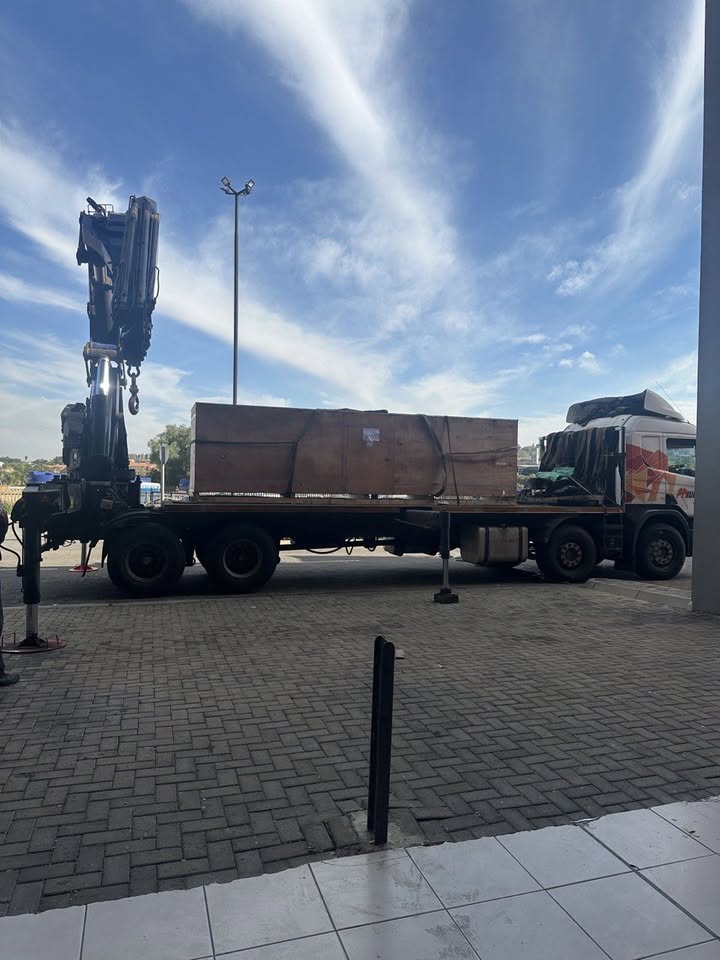
12 Heads Embroidery Machine
Toilet Paper Machine Machine
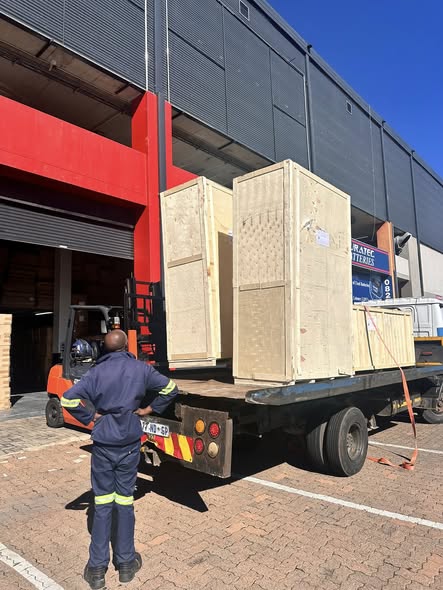
Order Collection
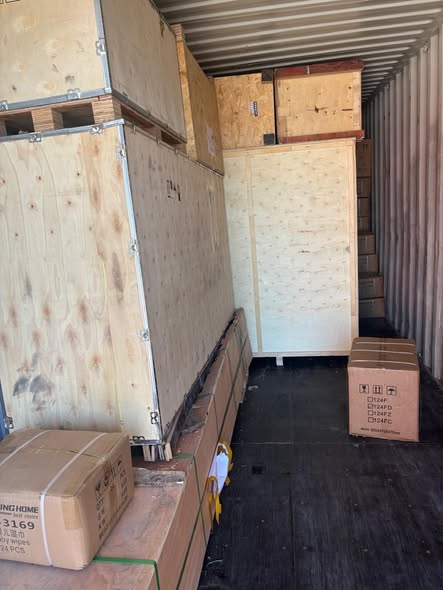
Cross Border Clients
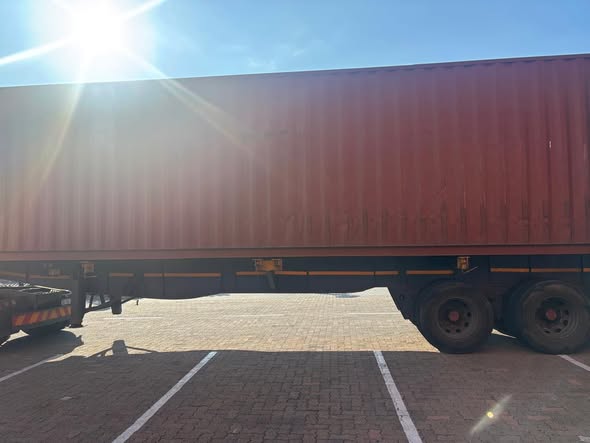
Order cros border countries Collected
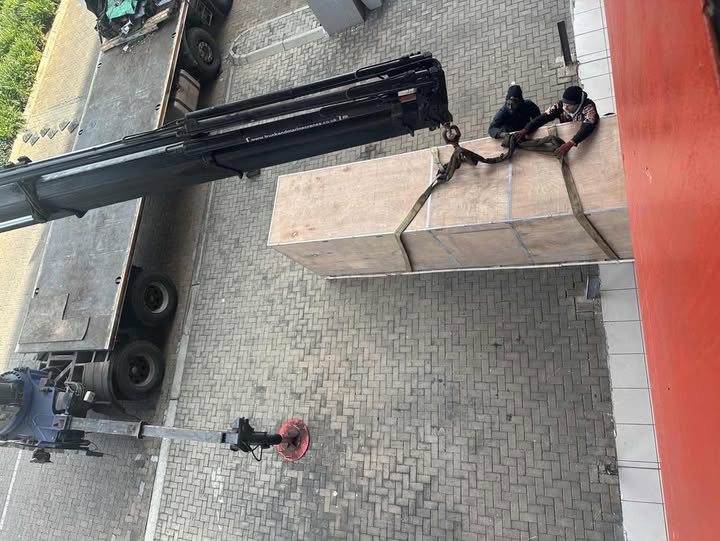
Industrial Machine Cllection
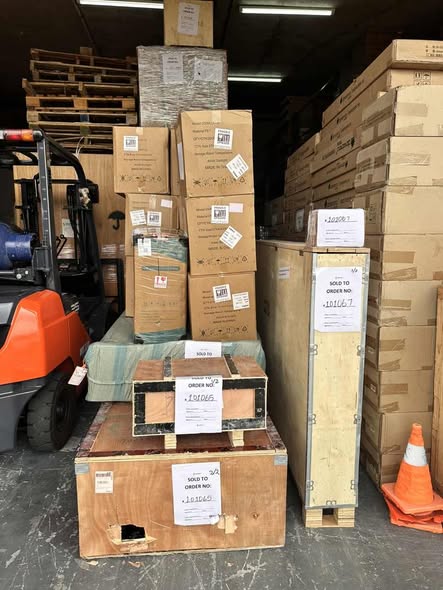
Agriculture Processing Machines
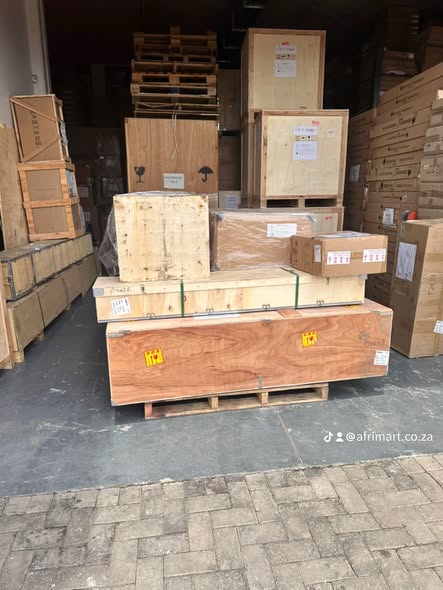
Ready for collection
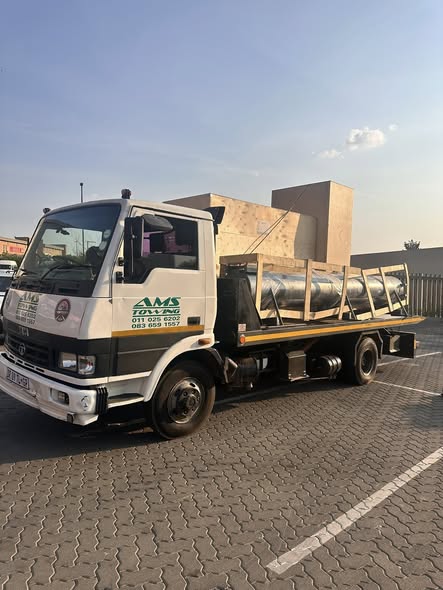
Water Pump Equipment
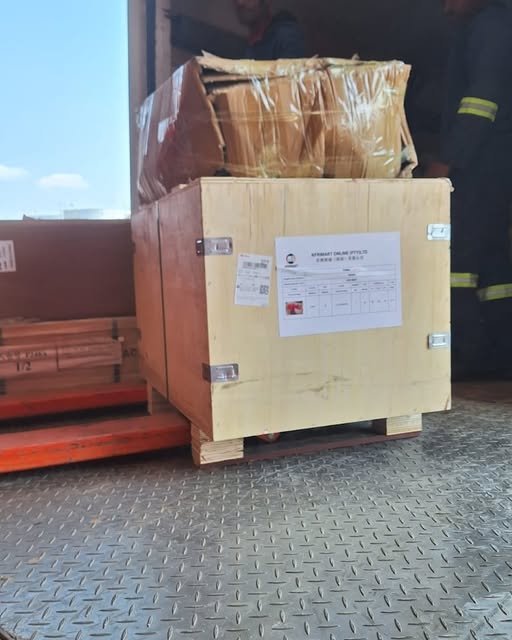
Packaging Machine and accessories
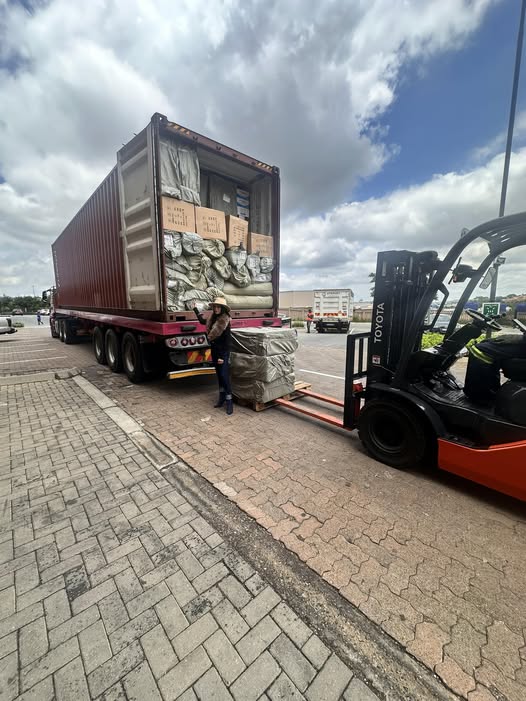
Fabrics Manufacturing Equipment
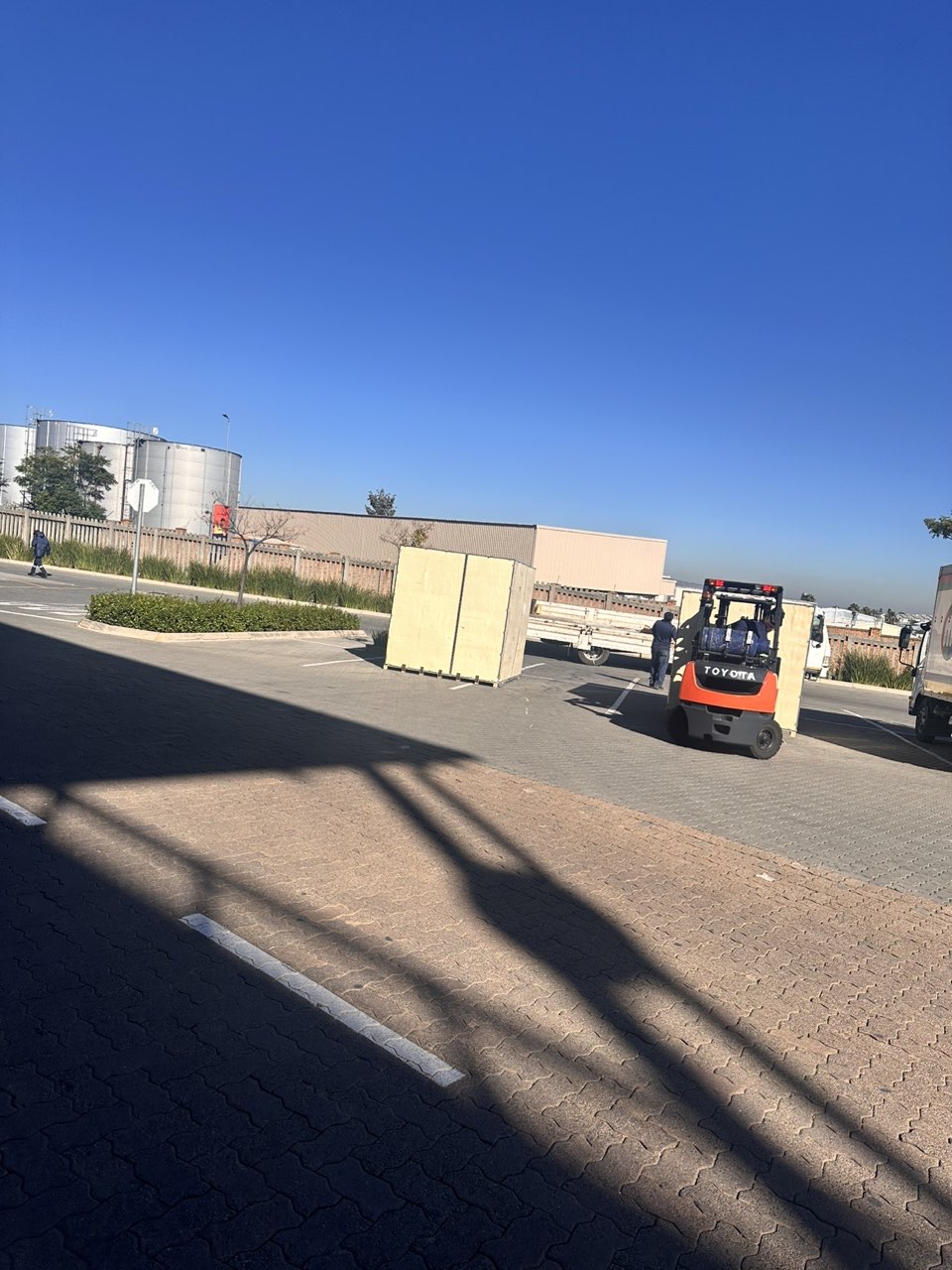
Mining Equipments
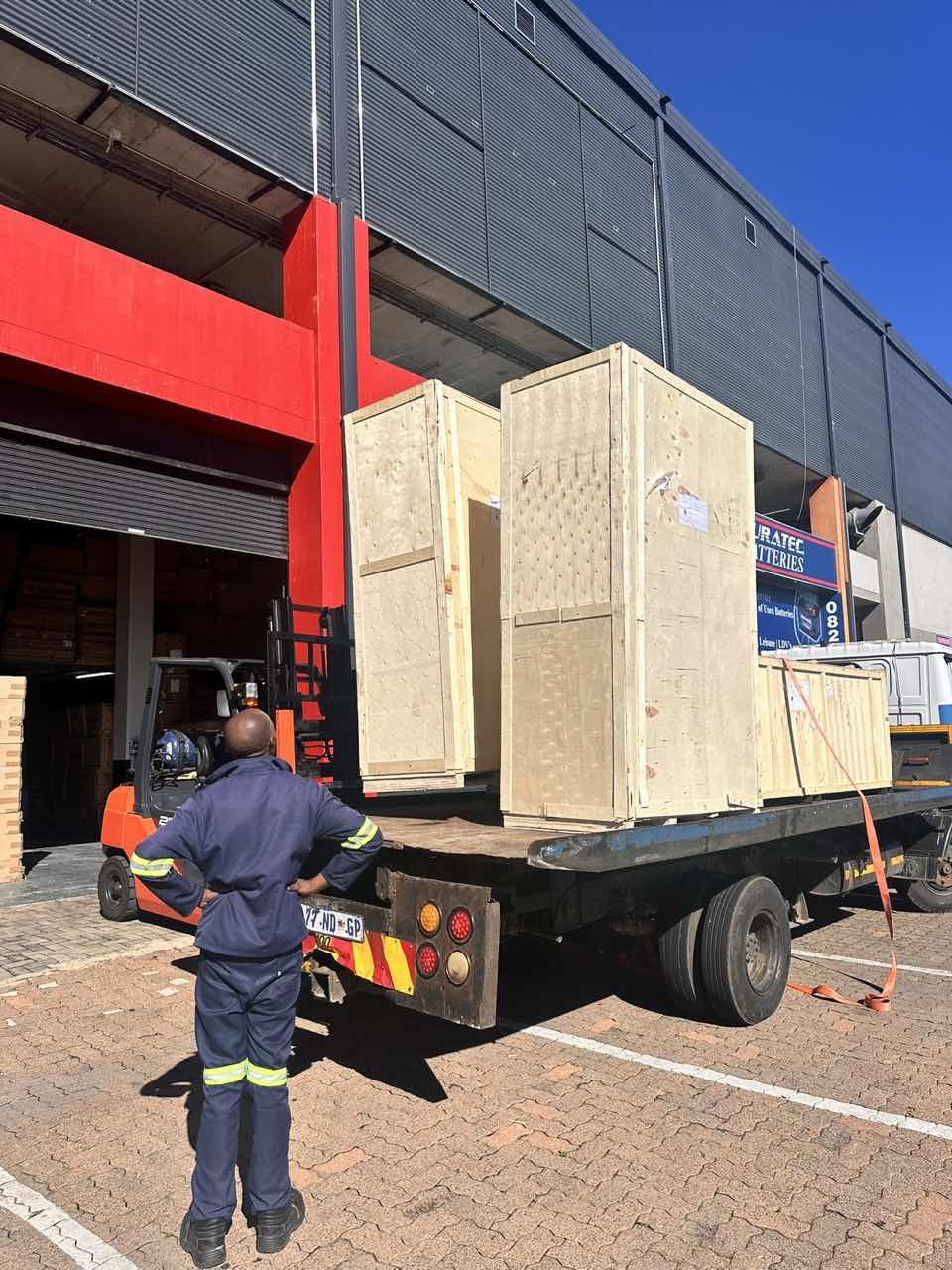
Food Processing Machine
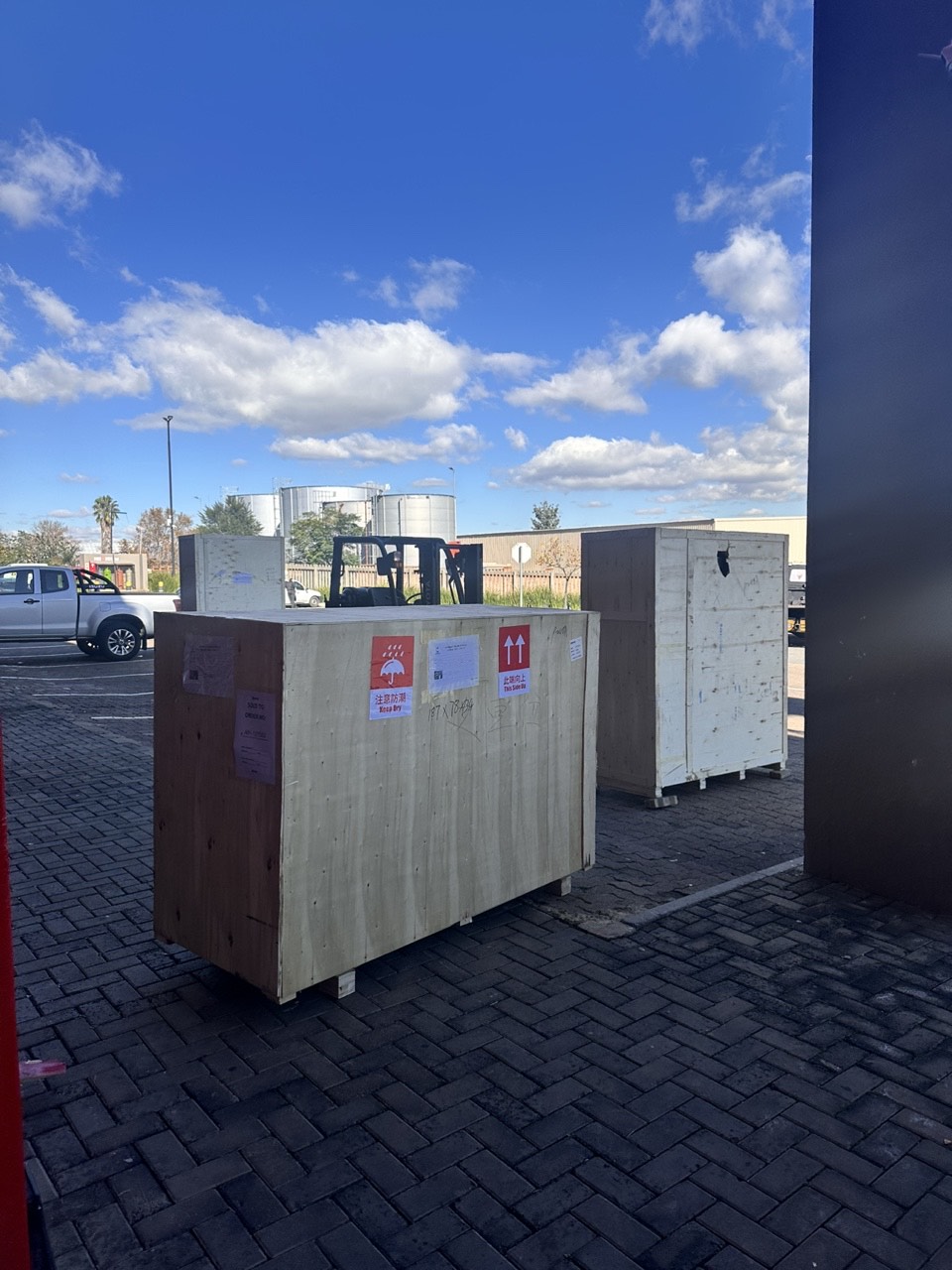
Batch of Orders
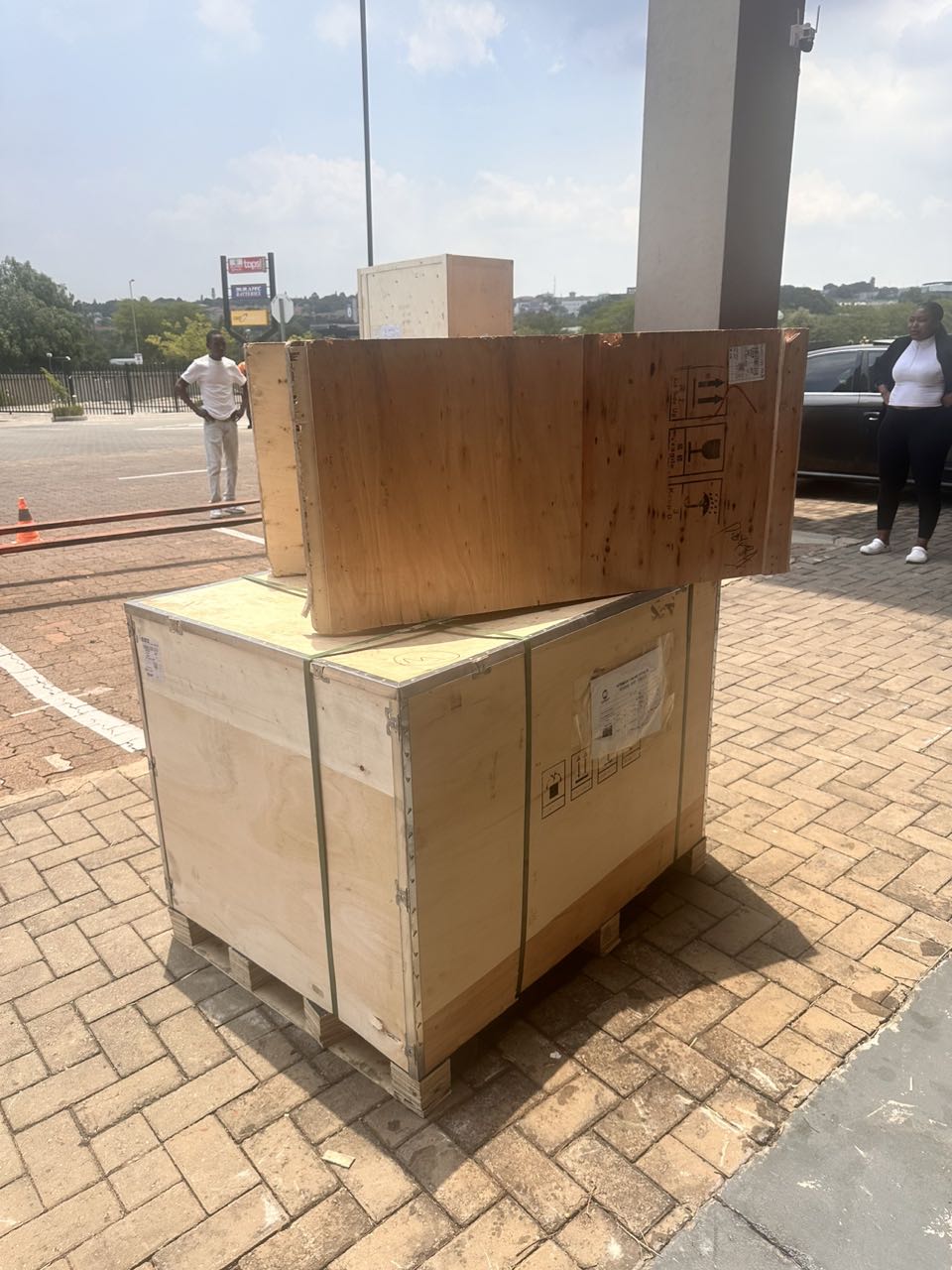
Batch of Orders
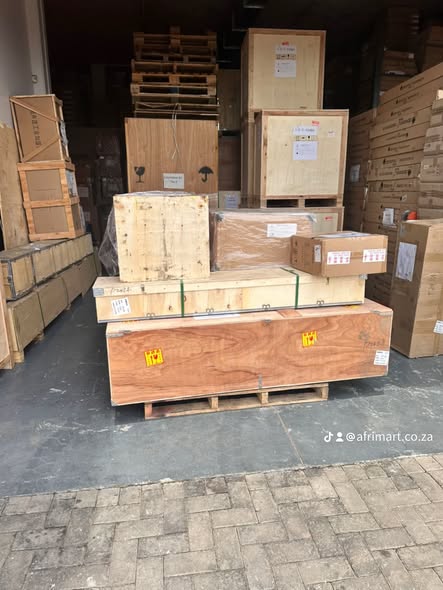
Latest Orders Labelled
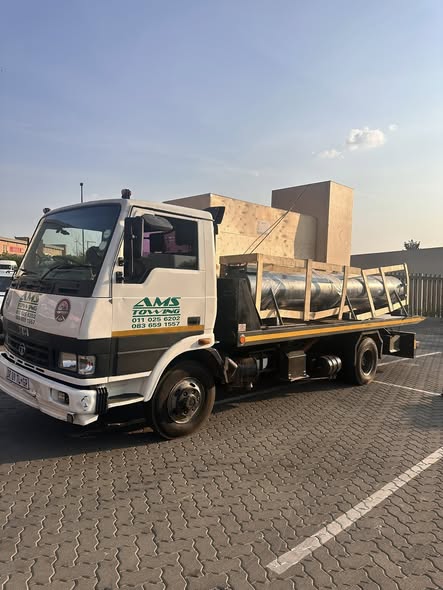
wheel alignment machines
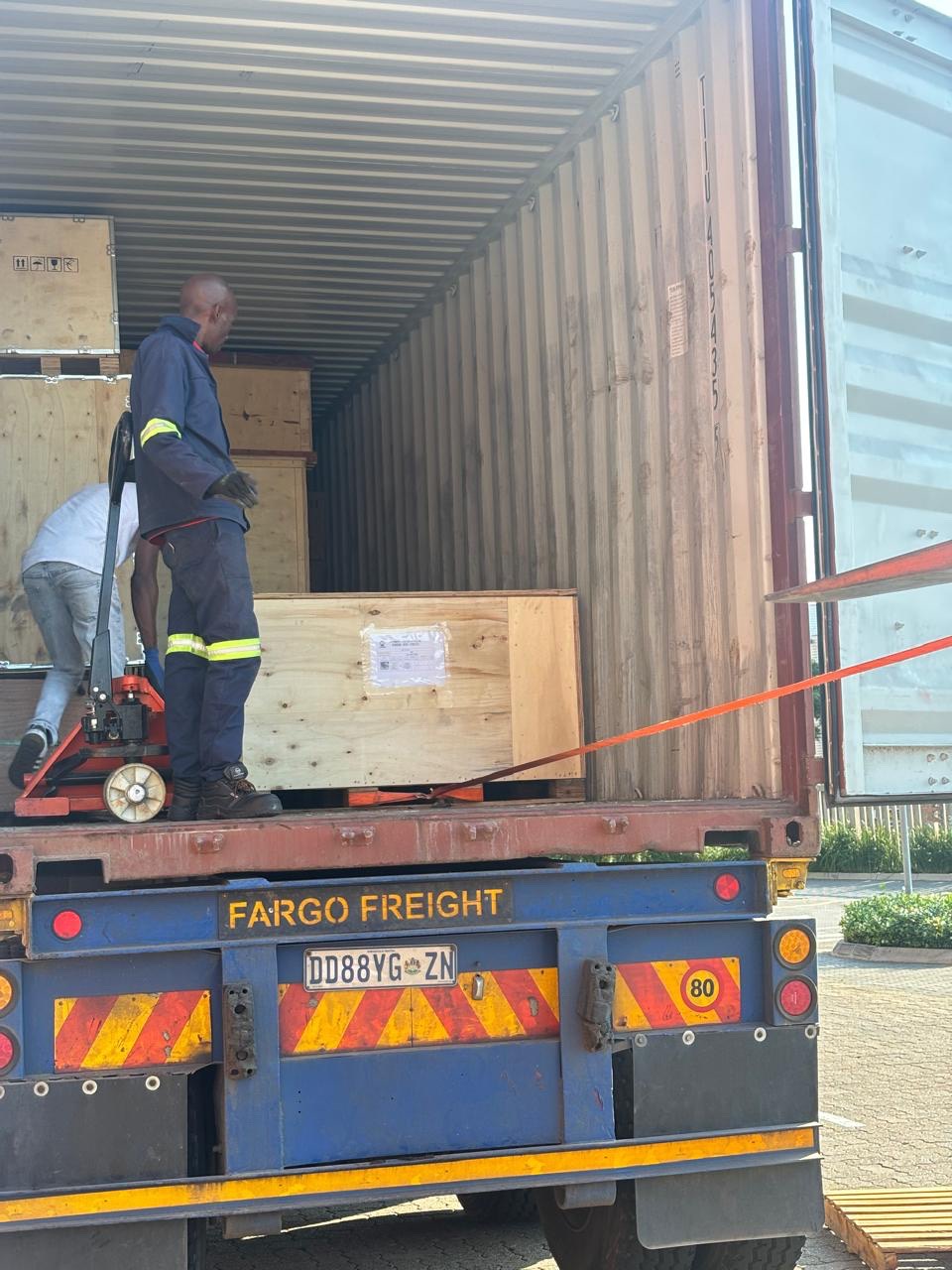
new arrivals
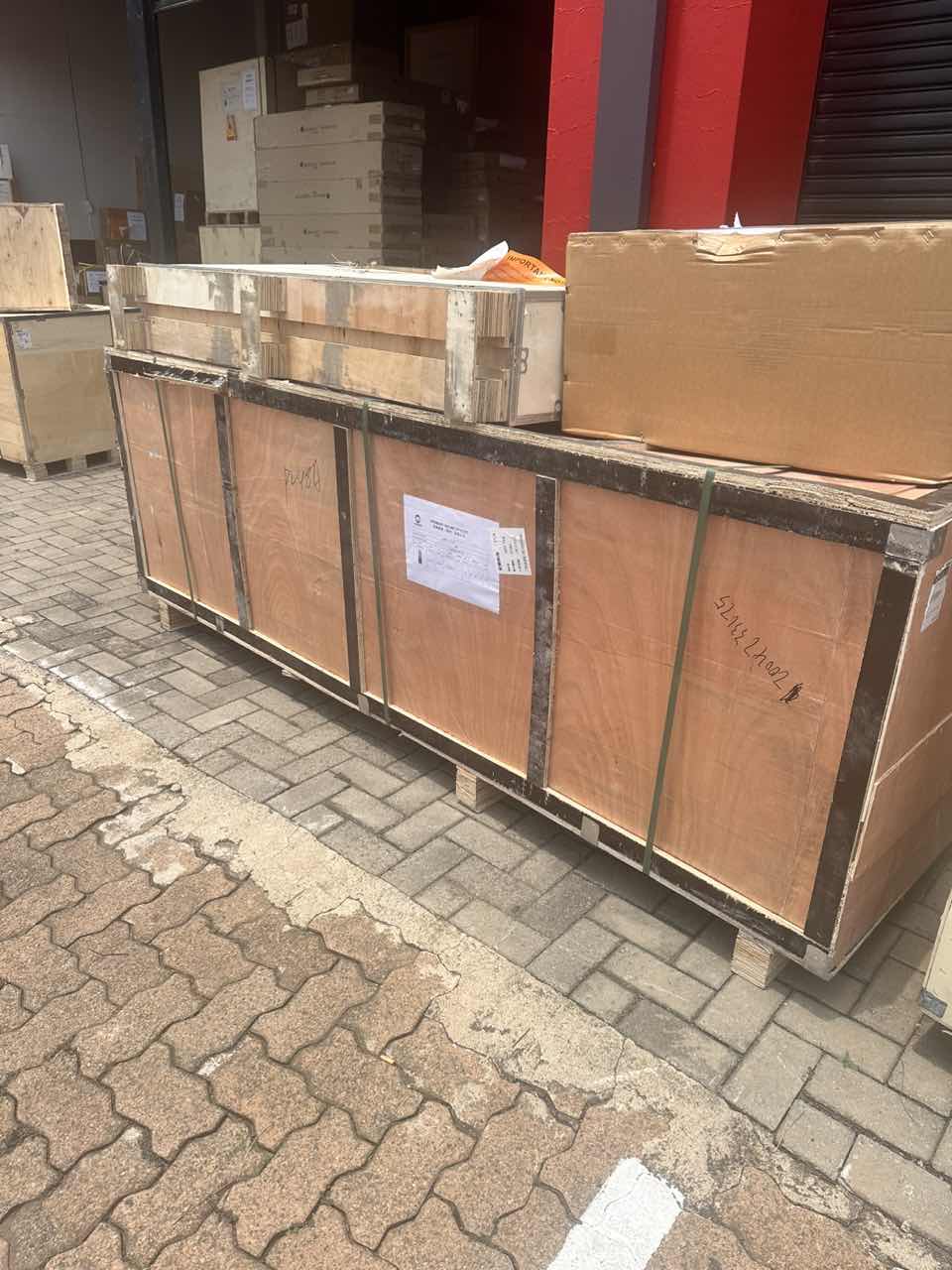
Pre Orders Offloading
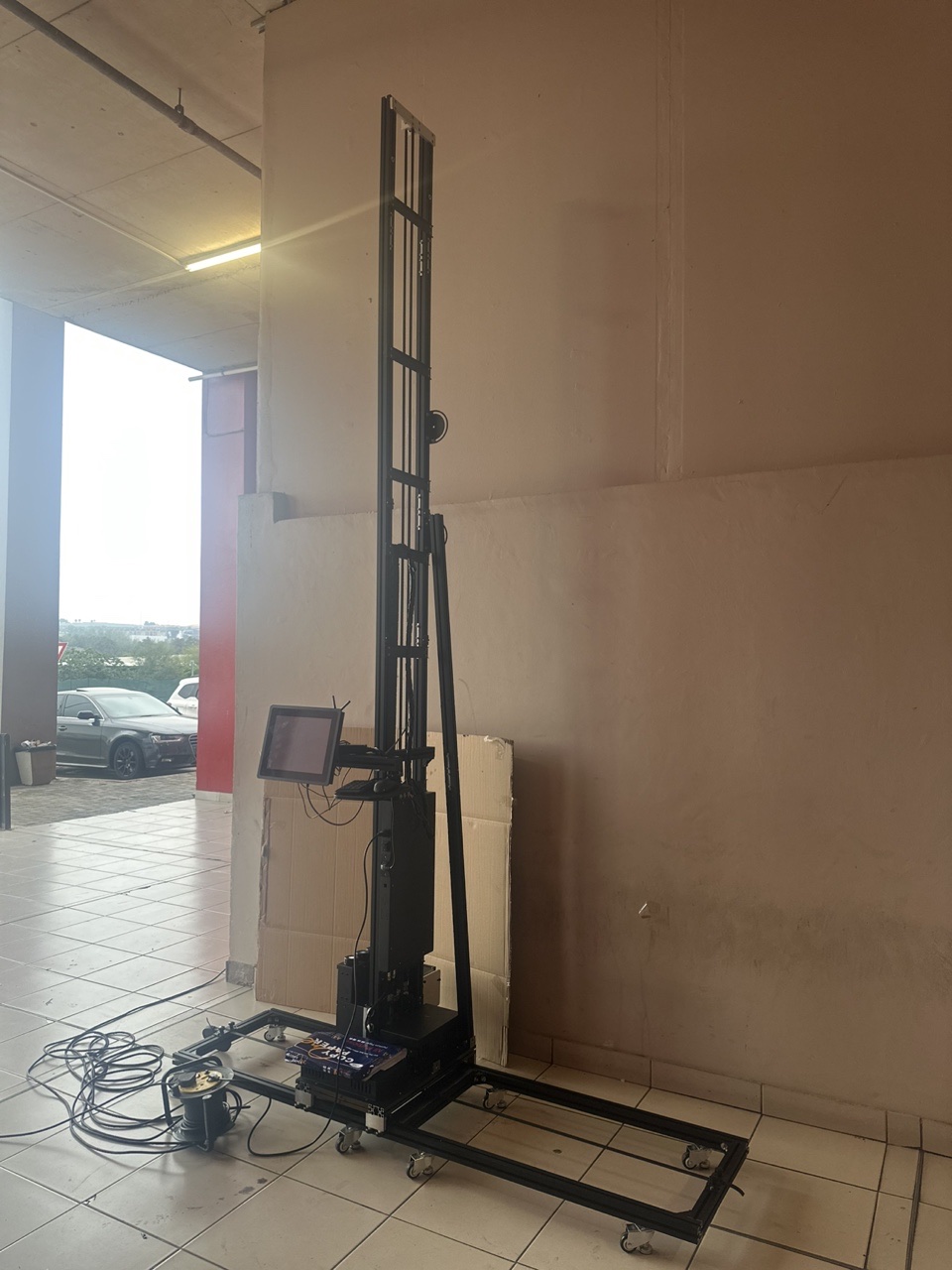
Latest Arrivals
Latest Arrivals
Latest Arrivals
Loading
Toilet paper making machine
Toilet paper making machine
Toilet paper Rewinding Machine
latest arrivals
offloading
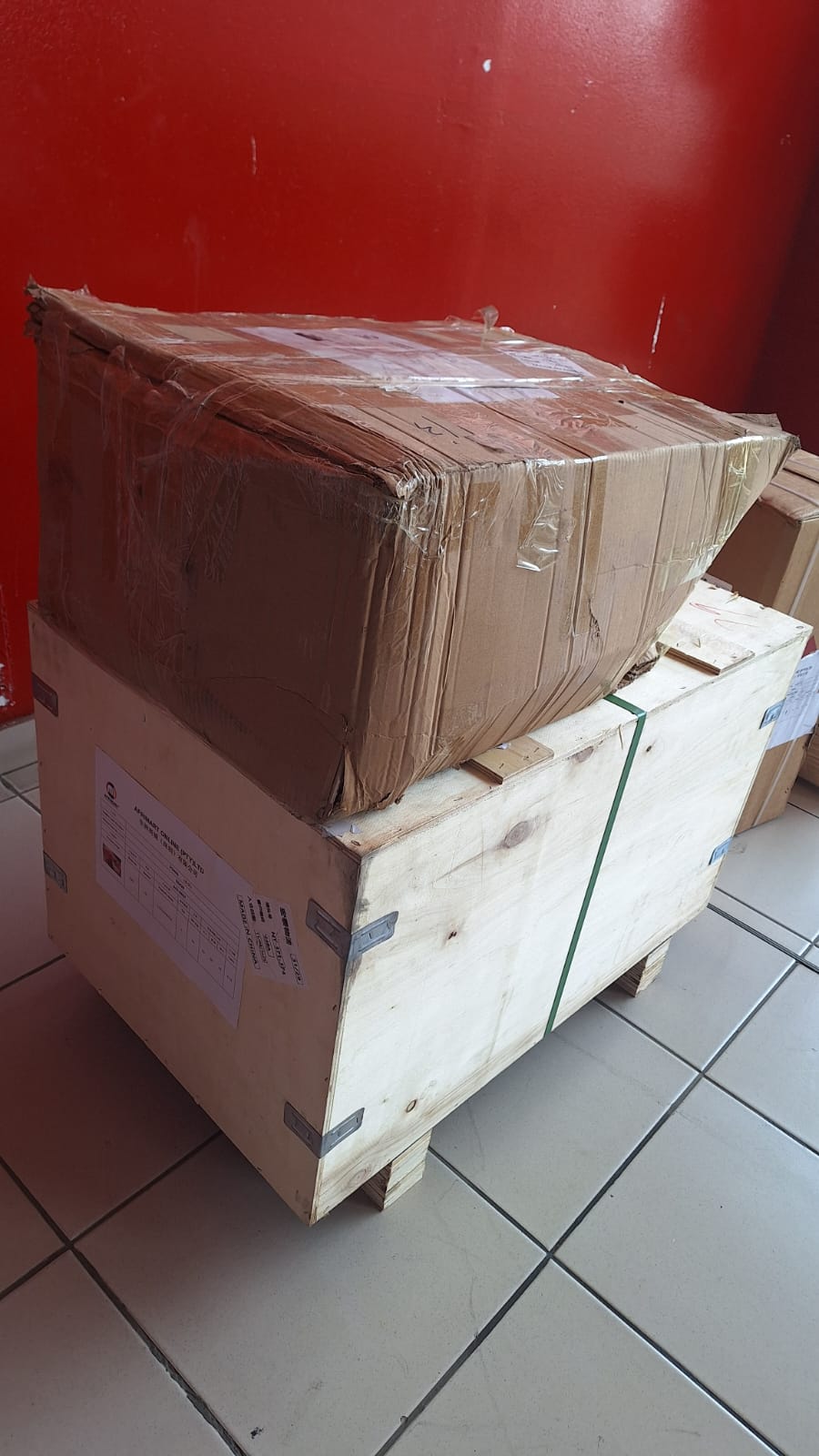
order success
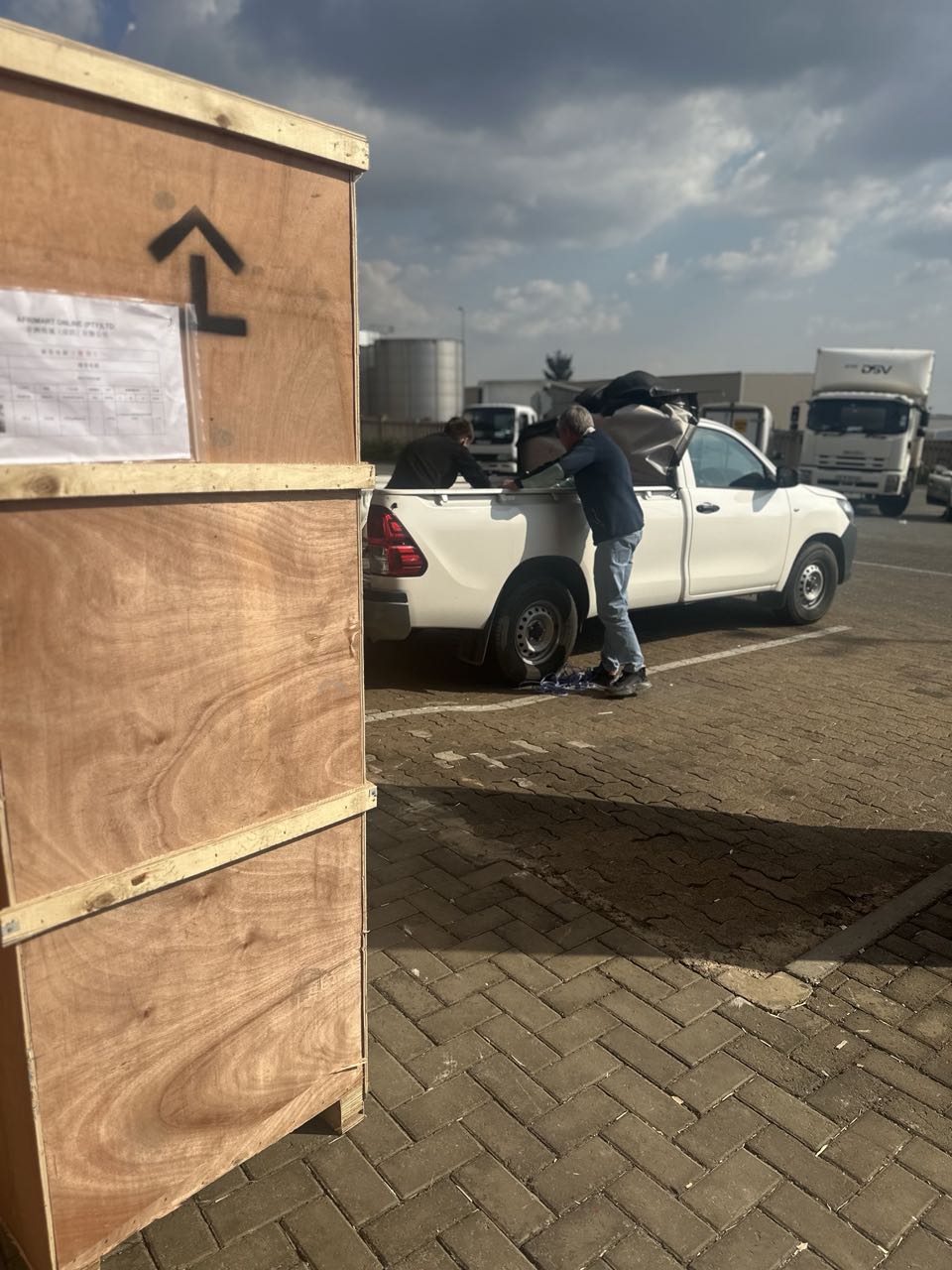
order collection
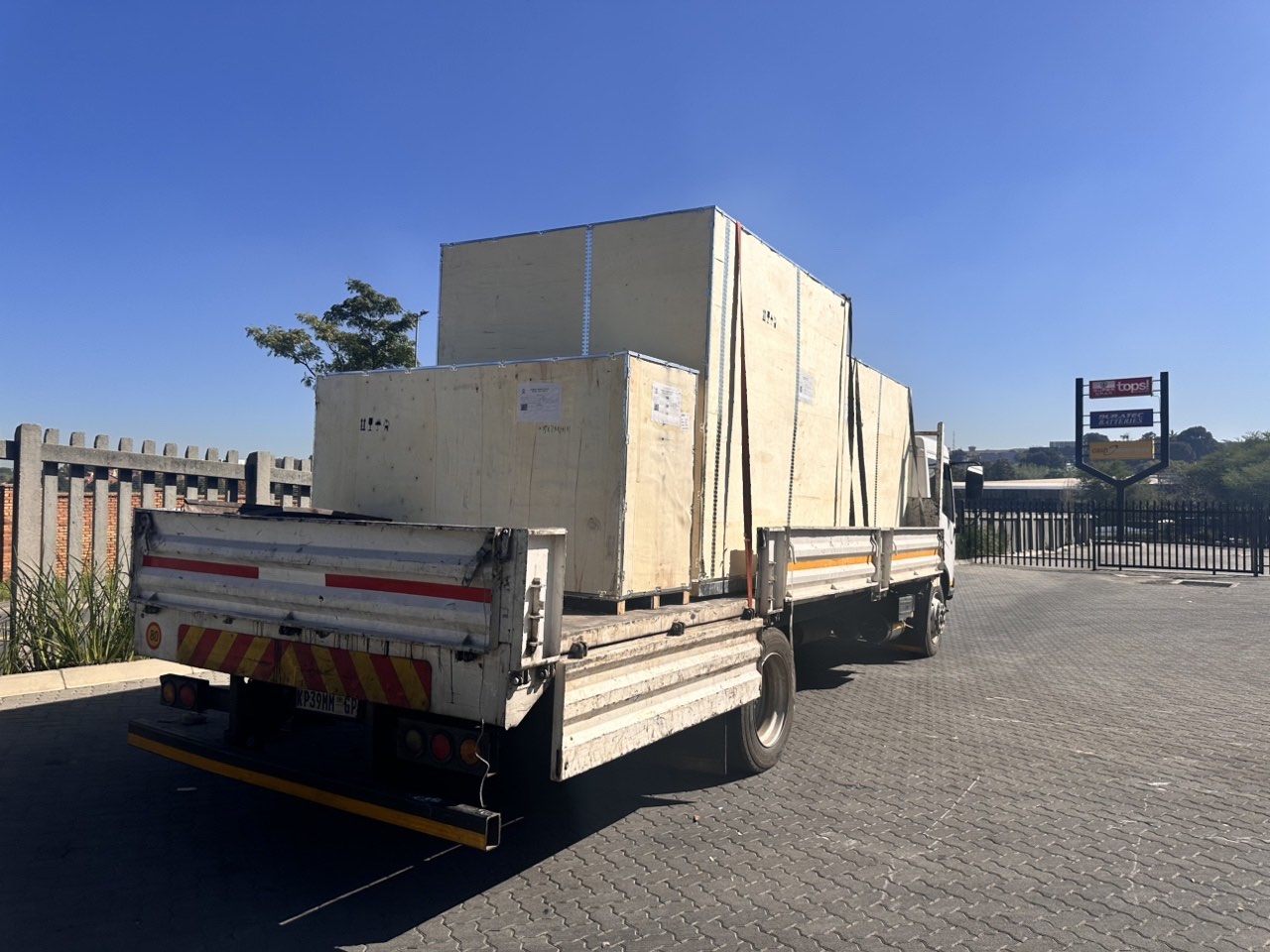
order offloading