B21, China Town Mall, Midrand


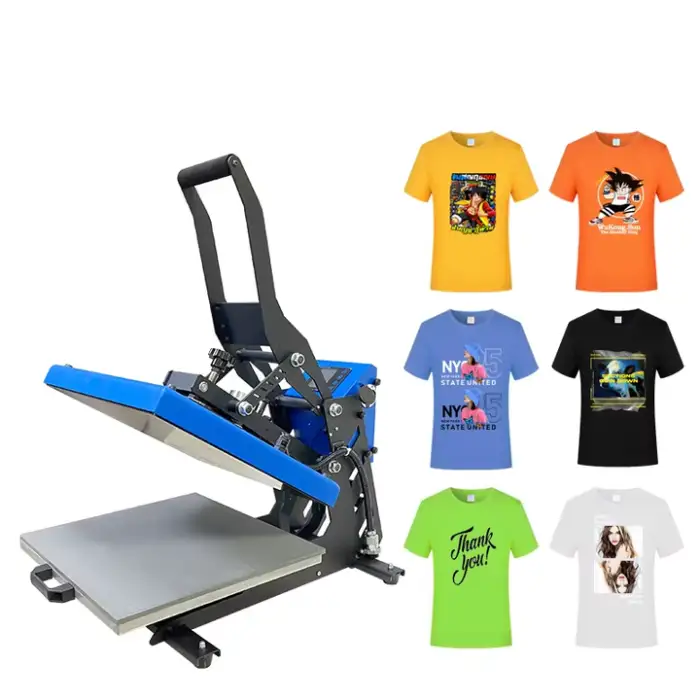
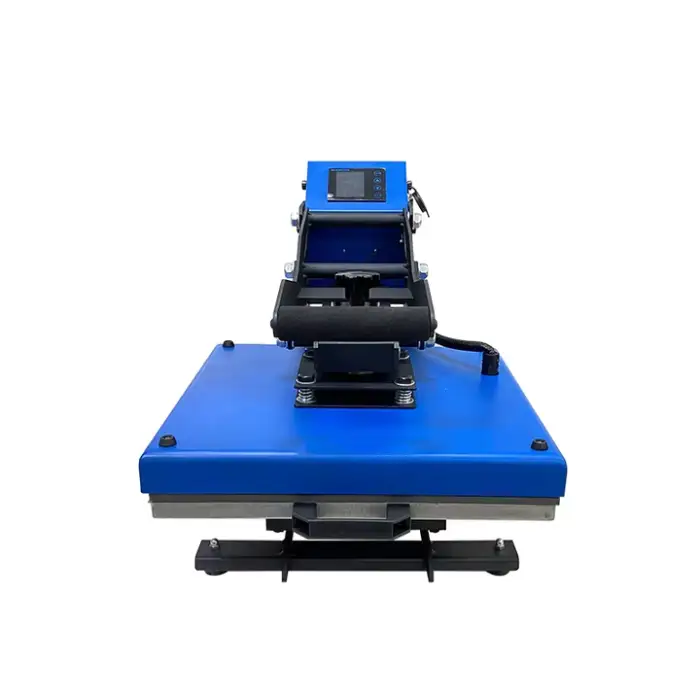
Tshirt Printing Offset Heat Press Machine Magnetic Automatic Opening Core Motor Ironing Equipment

- Section : Machinery
- Category : Apparel & Textile Machinery
- SKU : 1601455810194

Tshirt Printing Offset Heat Press Machine Magnetic Automatic Opening Core Motor Ironing Equipment
The Tshirt Printing Offset Heat Press Machine is a smart and efficient tool for creating vibrant designs on shirts. With its magnetic automatic opening feature, it makes printing easy and fast. This machine is perfect for businesses and hobbyists who want to produce high-quality prints with ease. Whether you are starting a t-shirt business or just want to print custom designs, this heat press machine is a great choice!
Specifications
| Attribute | Details |
|---|---|
| Power (W) | 1.5kw |
| Voltage | 220v |
| Core Components | Motor |
| Weight (kg) | 29.6 |
| Production Capacity | 100% |
| Dimension (L*W*H) | 83.5 x 69 x 50 cm |
| Selling Units | Single item |
| Single Package Size | 85 x 70 x 50 cm |
| Single Gross Weight | 35.000 KG |
Key Features
- Magnetic automatic opening for easy operation.
- High power of 1.5kw for fast heating.
- Compact size for easy storage and handling.
- Durable motor for reliable performance.
- 100% production capacity for maximum efficiency.
Applications
- Printing custom t-shirts for businesses.
- Creating personalized gifts for friends and family.
- Producing promotional items for events.
- Designing unique apparel for sports teams.
- Making creative designs for arts and crafts projects.
Product Info Gallery
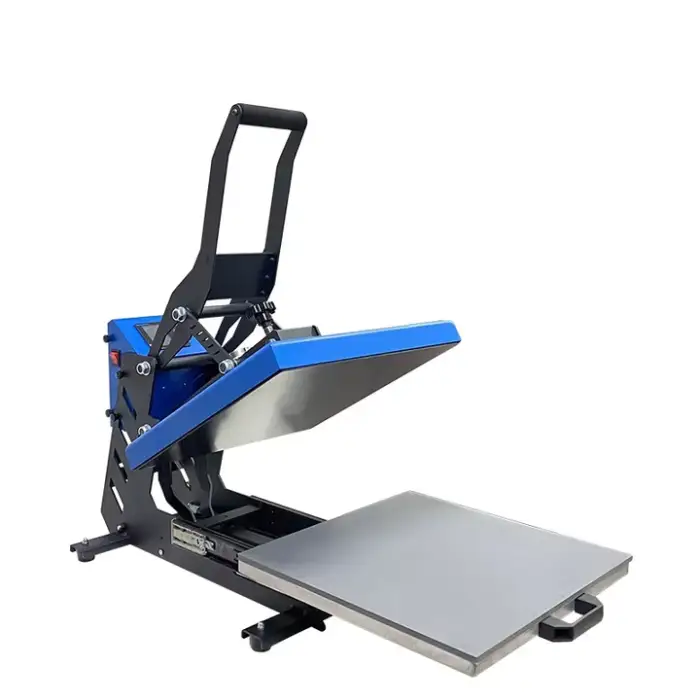
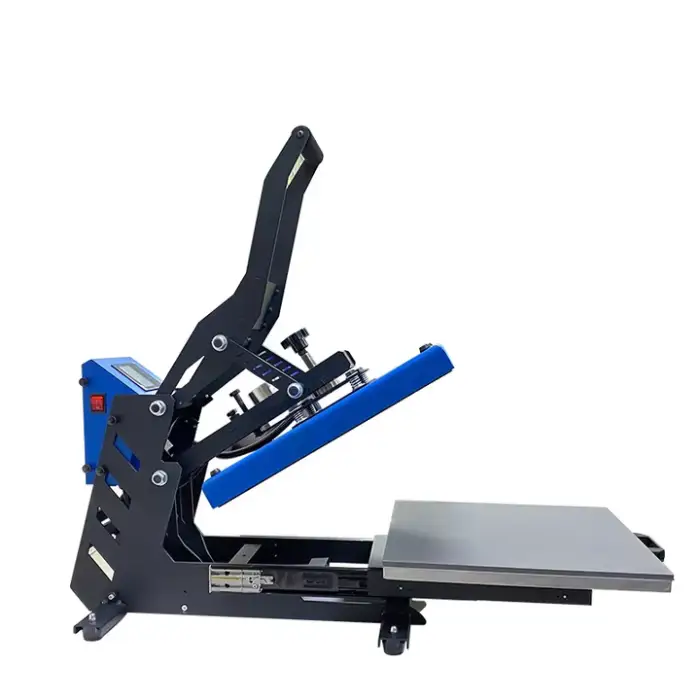
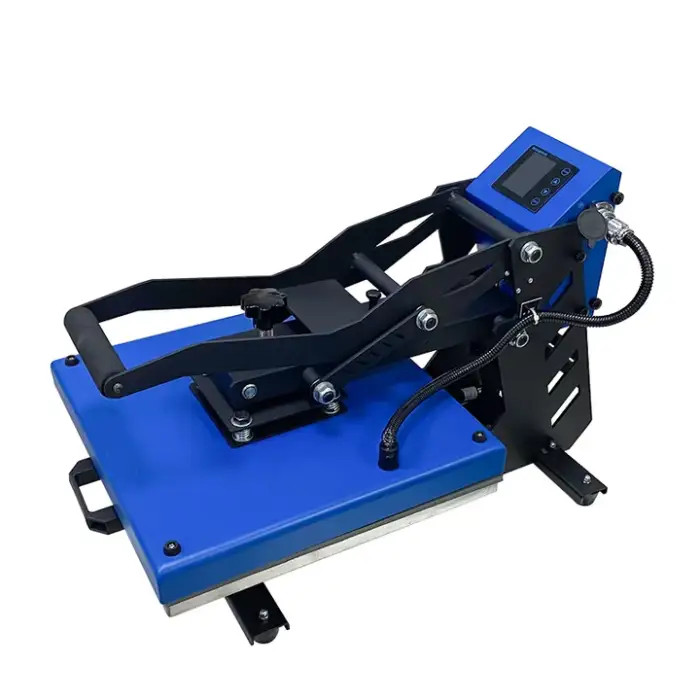
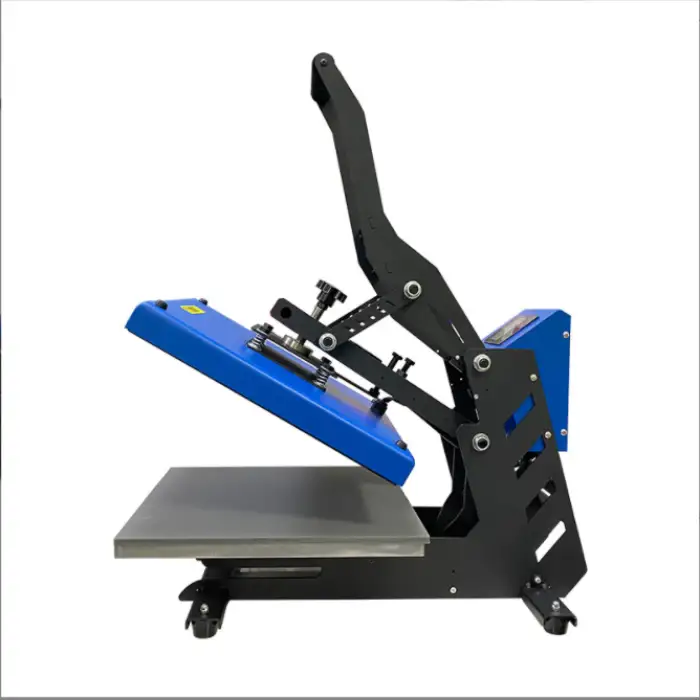
- Shipping Timeframes: All orders are processed within 2-5 business days (excluding weekends and holidays). After your order has been processed, the estimated delivery time is before 03 Aug, 2026, depending on customs, Please note that due to high demand, some items may experience longer shipping times, which will be communicated at order confirmation email.
- Order Processing Time: Please allow 2-5 business days for us to process your order before it is shipped . Orders placed after 16:00 on Fridays, or during weekends and public holidays, will begin processing on the next business day. Processing times may be extended during peak seasons or sales events.
- Manufacturing Time: Some products needs manufacturing time, the manufacturing process will take approximately 10-30 business days depending on the product. This timeframe may vary depending on the complexity of the product and current demand. but this will be communicated with you during order confirmation.
- Returns and Exchanges: We offer a 30-day return policy for most items. If you are not completely satisfied with your purchase, you may return it within 30 days of receipt for a refund or exchange. Items must be unused, in their original packaging, and accompanied by proof of purchase. Return shipping costs are the responsibility of the customer, unless the item was damaged or defective upon arrival.
1. What is the Tshirt Printing Offset Heat Press Machine used for?
This machine is designed to apply heat transfers and heat-applied materials (like heat transfer vinyl, transfer paper and many types of printed transfers) to t-shirts and other flat garments, producing vibrant custom designs for commercial or hobby use.
2. What are the main specifications (power, voltage, weight, dimensions)?
Power is 1.5 kW, rated voltage 220 V, core component is a motor. Net weight is 29.6 kg. Machine dimensions are 83.5 x 69 x 50 cm; single package size is 85 x 70 x 50 cm with a gross weight of about 35 kg.
3. What does 'magnetic automatic opening' mean and how does it help?
Magnetic automatic opening means the press automatically releases/open when the cycle ends using a magnetic release mechanism. This improves speed, reduces manual handling, and helps prevent overexposure of transfers and accidental burns.
4. Is this machine suitable for business-level production?
Yes. The unit is built for high-efficiency use (marketing lists '100% production capacity'), a durable motor, and fast heating (1.5 kW) making it suitable for small-to-medium production runs and many business applications.
5. Which materials and transfer types can I use with this heat press?
Common compatible materials include cotton, cotton blends, polyester (with appropriate transfers), heat transfer vinyl (HTV), and thermal transfer papers. For special processes like dye-sublimation, use high-polyerster substrates and transfer papers designed for sublimation and confirm the material and coating are appropriate.
6. Does the machine print designs by itself or do I need other equipment?
The heat press applies transfers; it does not print artwork. You will need a separate printer (e.g., eco-solvent, sublimation, or laser-based transfer workflow) or a vinyl cutter and a vinyl plotter to produce the transfer material before pressing.
7. What are recommended time and temperature settings?
Time and temperature depend on the transfer material. Follow the transfer supplier's instructions. Typical examples: HTV often around 150–160°C (300–320°F) for 8–15 seconds; dye-sublimation may require higher temperatures (around 180–205°C / 355–400°F) and longer times. Always test on a scrap sample first.
8. Is the machine compatible with 110 V outlets?
The machine is rated for 220 V. Using it on 110 V requires a proper step-up transformer or a model specifically wired for 110 V. Consult the seller or an electrician to avoid damage and safety hazards.
9. What safety precautions should I follow when using the heat press?
Keep hands and flammable materials away from the hot platen, use heat-resistant gloves when needed, operate on a stable surface, ensure proper ventilation for transfer fumes, turn off and unplug when not in use, and follow local electrical safety standards.
10. How do I set up and operate the heat press for the first time?
Place on a stable, level surface, connect to the specified 220 V supply, power on and allow the machine to preheat to your chosen temperature, position the garment and transfer, set time and pressure per transfer instructions, start the cycle, and allow automatic opening when the cycle completes. Read the user manual for model-specific setup steps.
11. What maintenance is required to keep the machine running reliably?
Regularly clean the platen surface (when cool) to remove adhesive residue, inspect and replace Teflon sheets or protective cover as needed, check electrical connections for wear, keep moving parts lightly lubricated per the manual, and service the motor/heating element if performance degrades.
12. How portable is this machine and what are its storage needs?
At about 29.6 kg and compact dimensions (83.5 x 69 x 50 cm), the machine is reasonably portable for a workshop but not a handheld device. It requires stable, clean storage and should be kept in a dry environment to protect electrical components.
13. Are replacement parts and consumables available (platens, Teflon cover, heating element)?
Replacement consumables like Teflon covers and pads are commonly available for heat presses. For specific parts (heating element, motor components), check with the seller or manufacturer for compatible spares and service options.
14. Is training required to operate the machine, and is there a user manual?
No formal certification is required, but basic training is recommended to learn safe operation, pressure adjustment and transfer settings. The machine should come with a user manual; request it from the seller if not included.
15. What warranty or after-sales support is provided?
Warranty and after-sales support vary by seller and region. Contact the vendor or manufacturer to confirm warranty length, coverage for parts and labor, and available service centers before purchase.
Latest Order Arrivals
Discover our latest orders
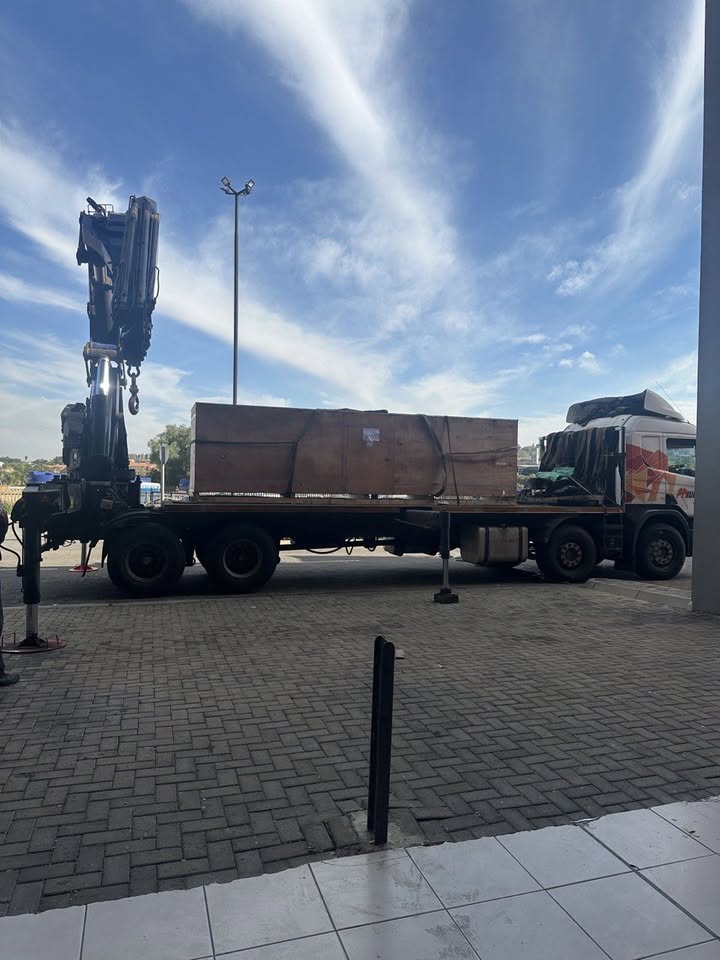
12 Heads Embroidery Machine
Toilet Paper Machine Machine
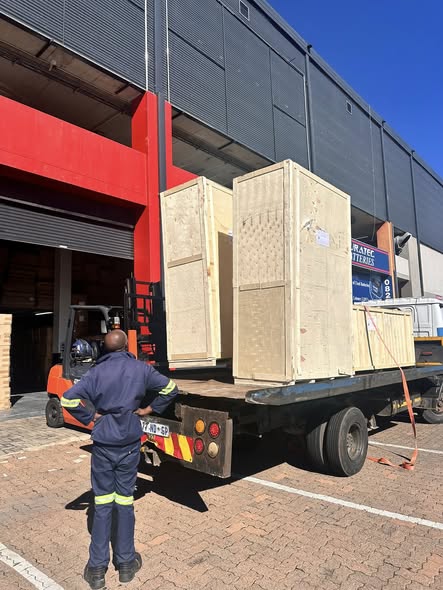
Order Collection
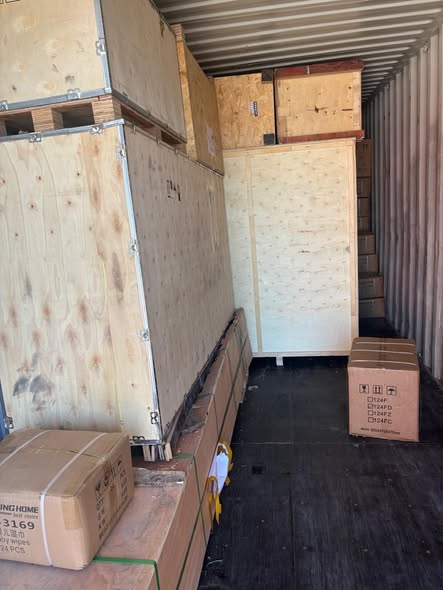
Cross Border Clients
Order cros border countries Collected
Industrial Machine Cllection
Agriculture Processing Machines
Ready for collection
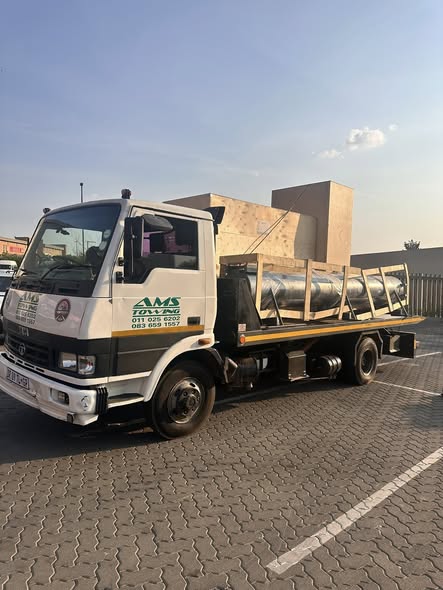
Water Pump Equipment
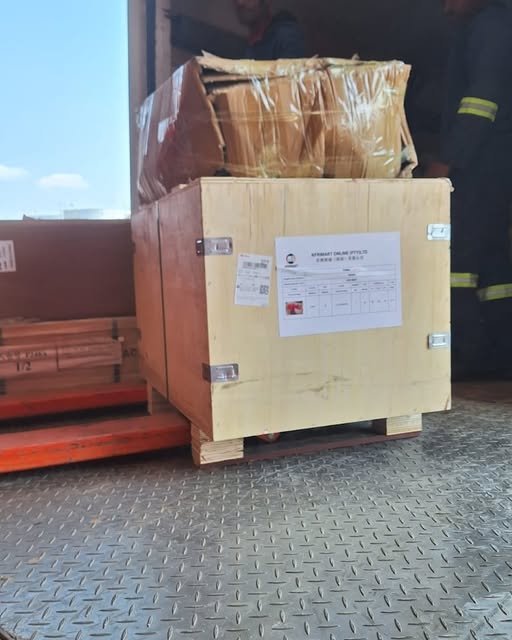
Packaging Machine and accessories
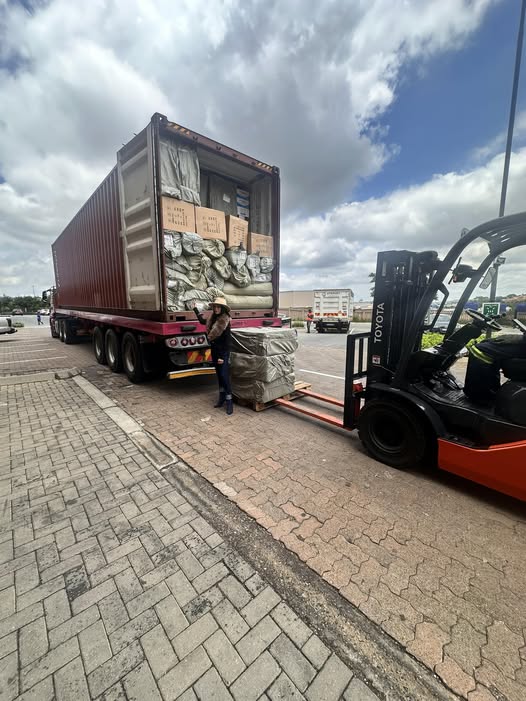
Fabrics Manufacturing Equipment
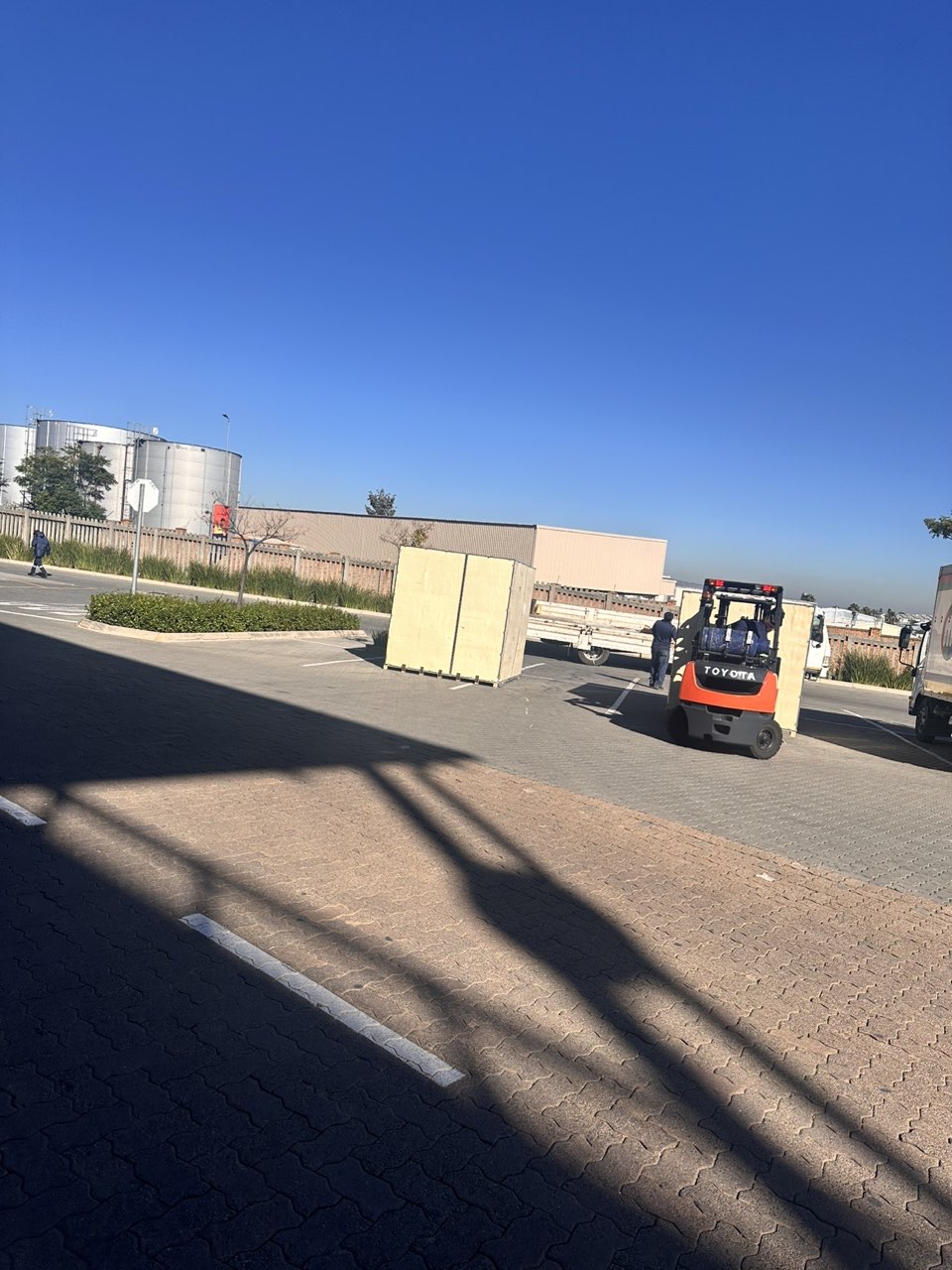
Mining Equipments
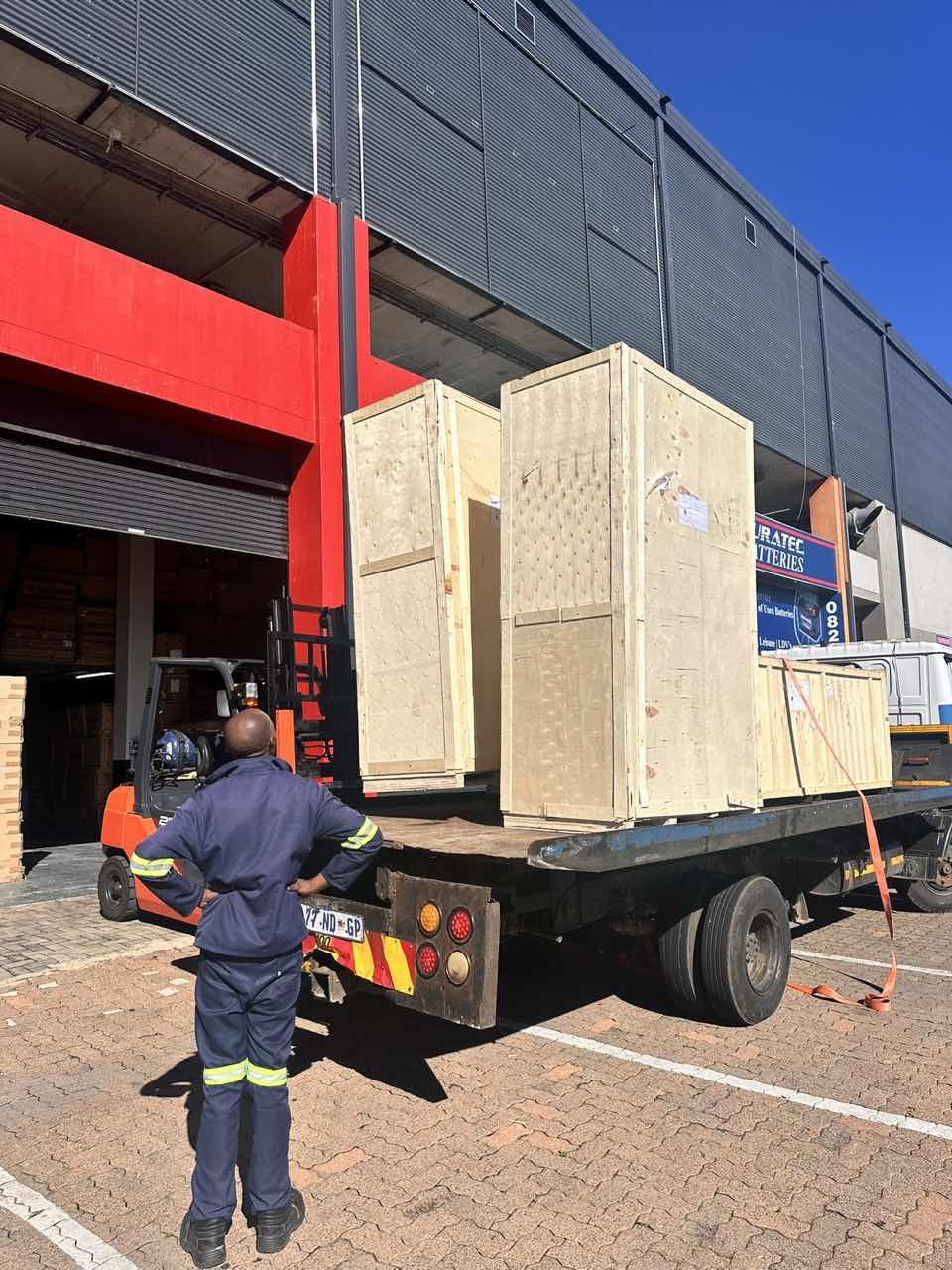
Food Processing Machine
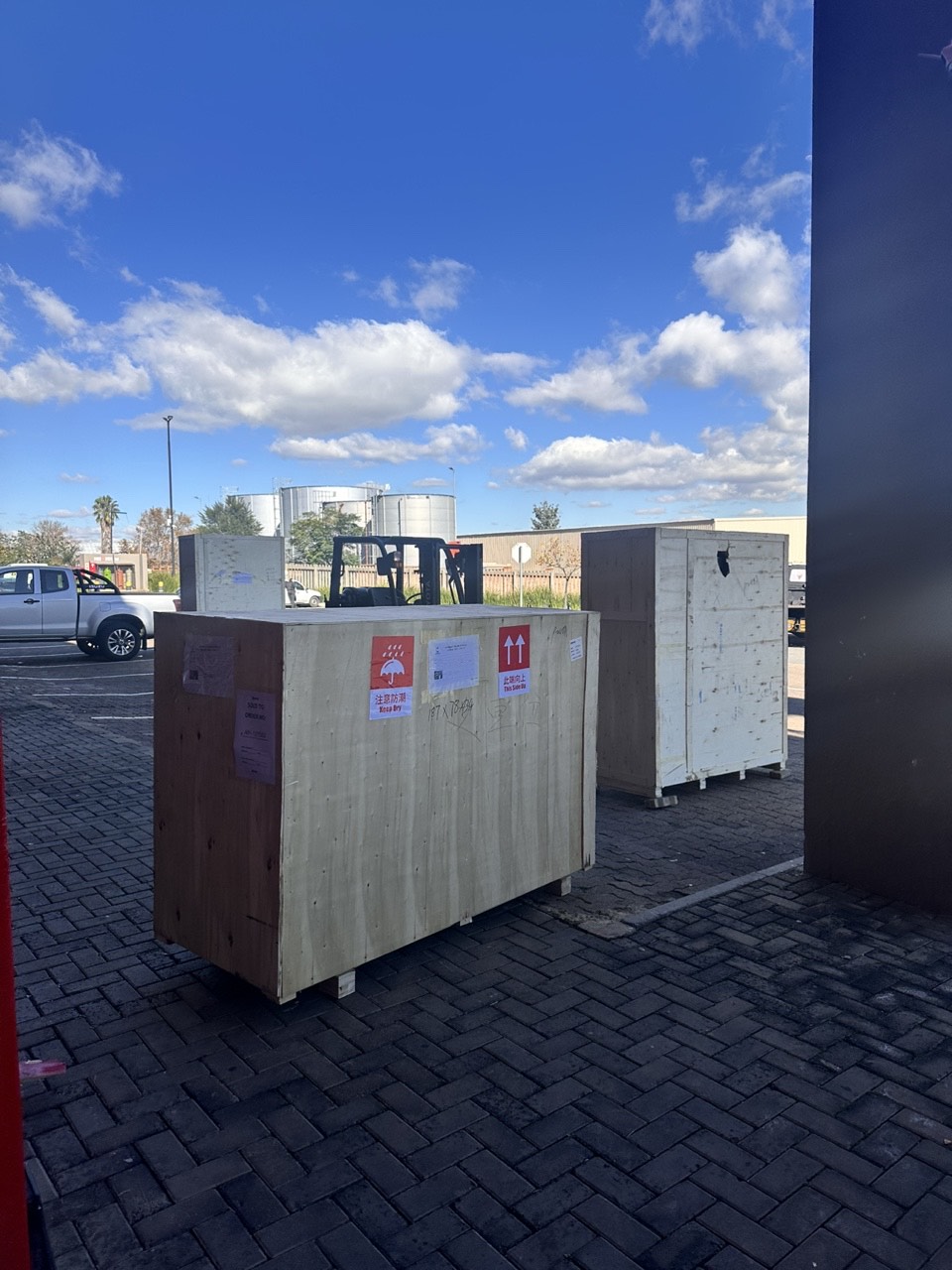
Batch of Orders
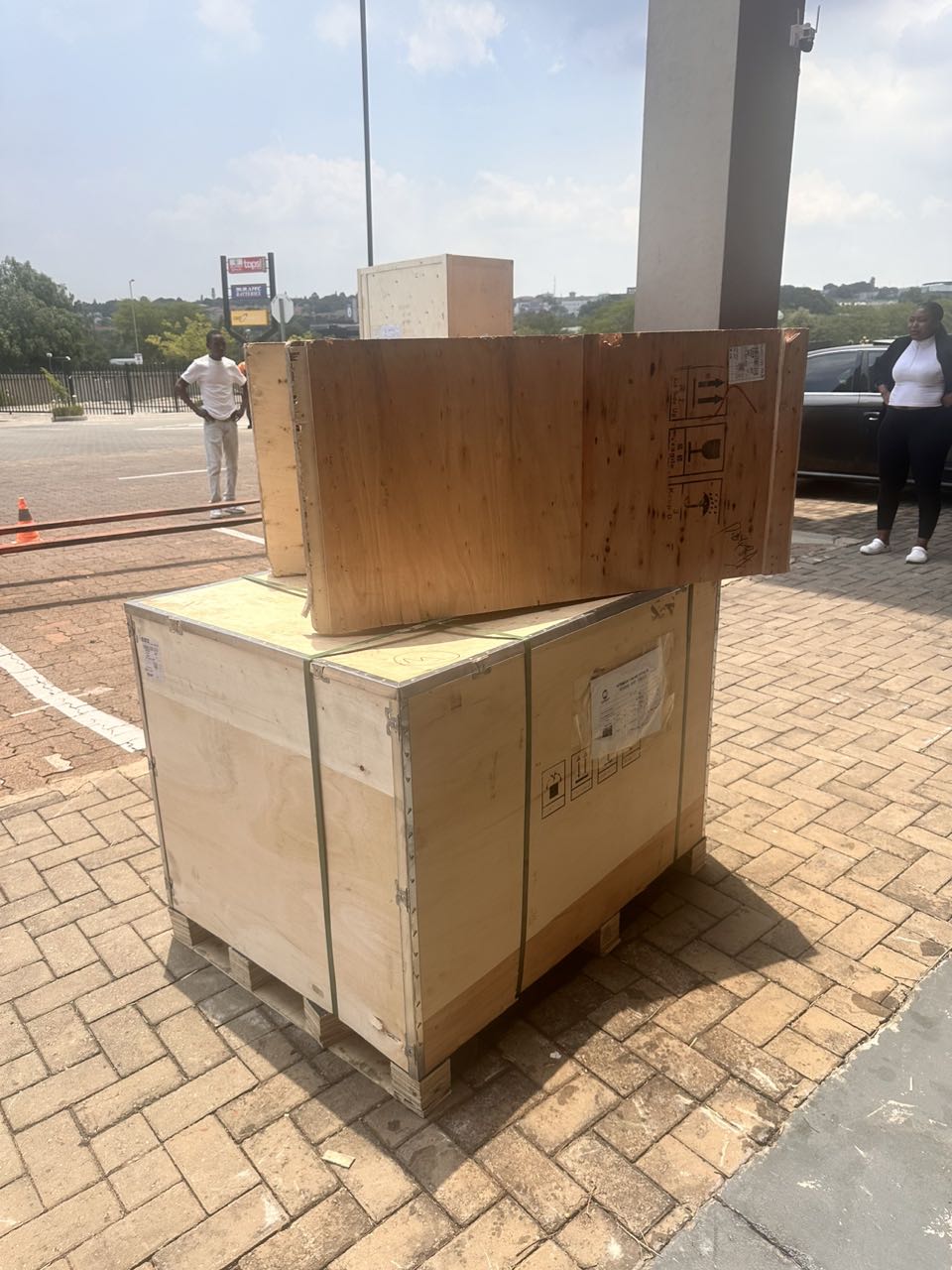
Batch of Orders
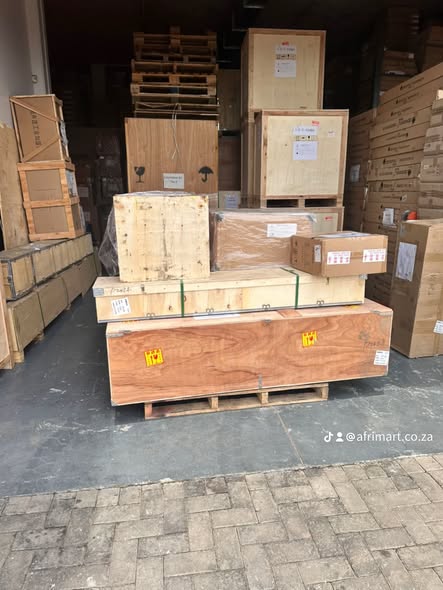
Latest Orders Labelled
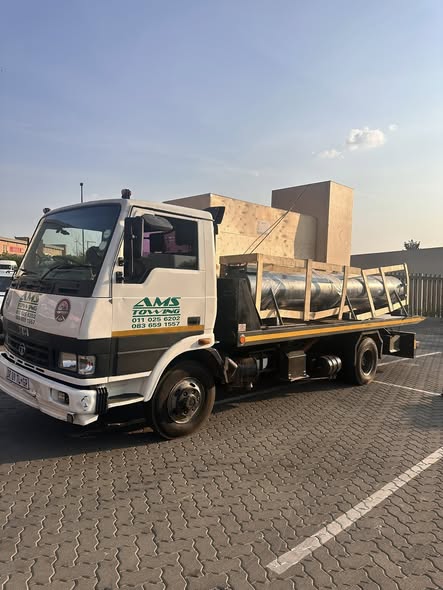
wheel alignment machines
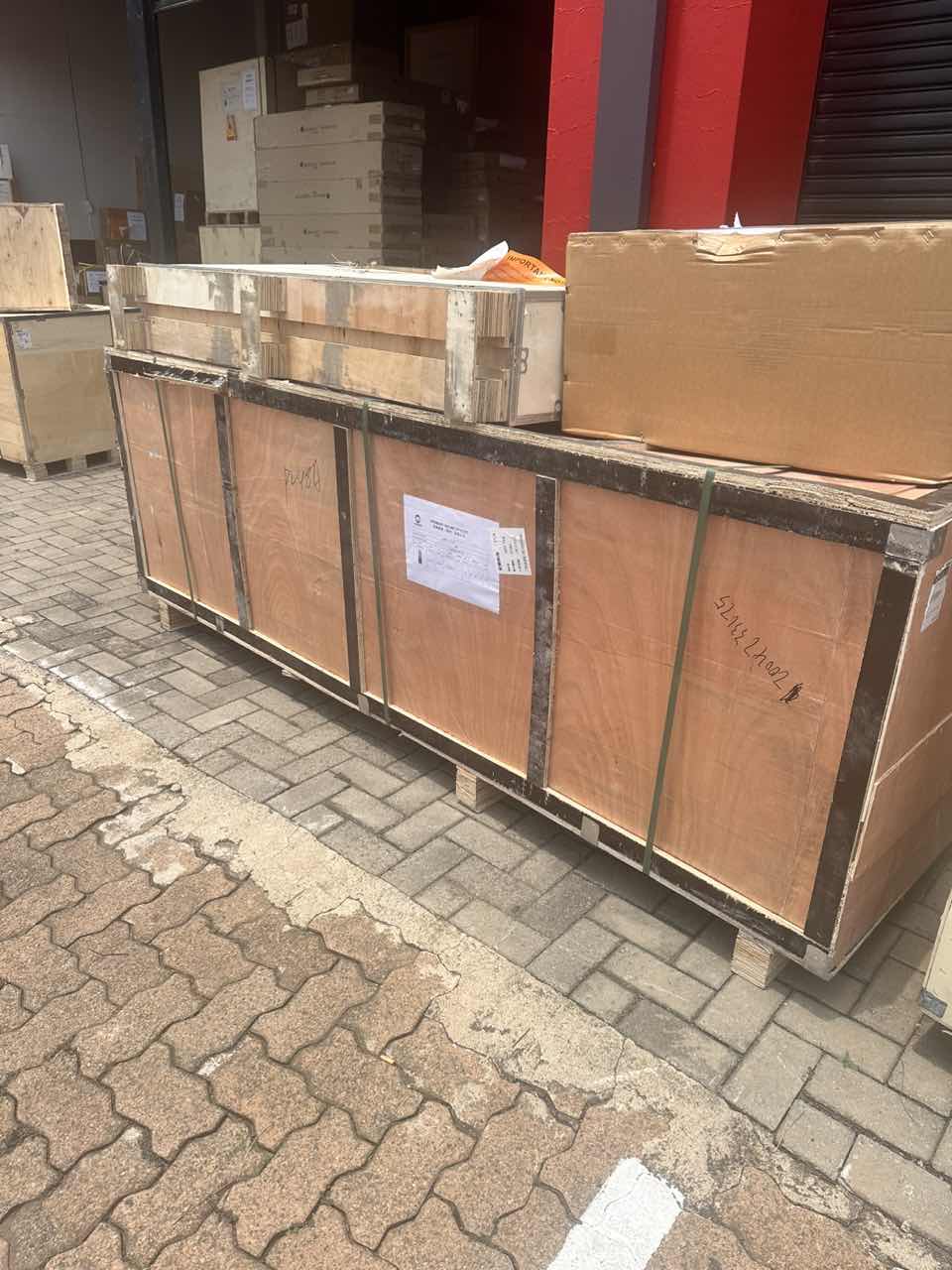
new arrivals
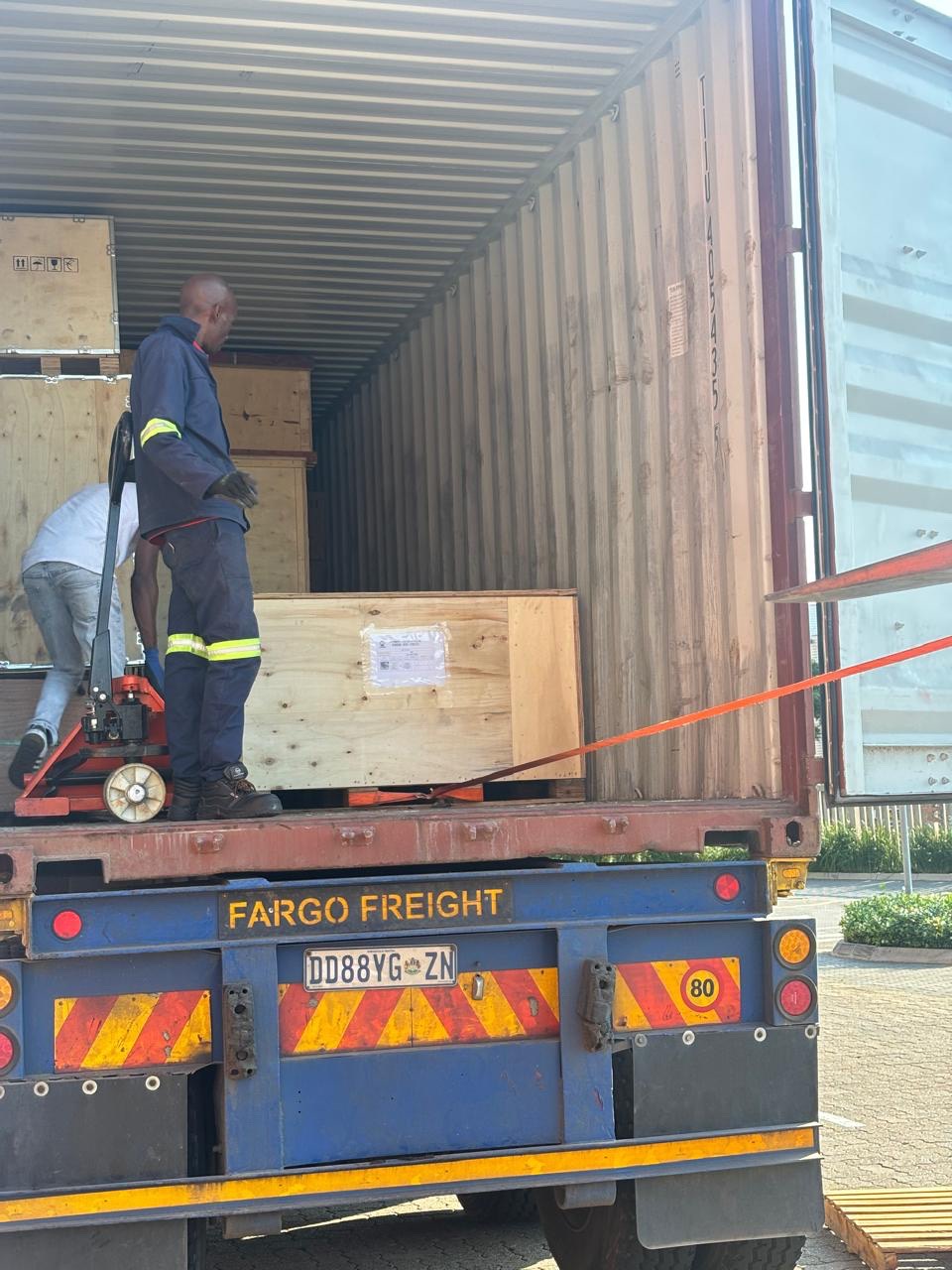
Pre Orders Offloading
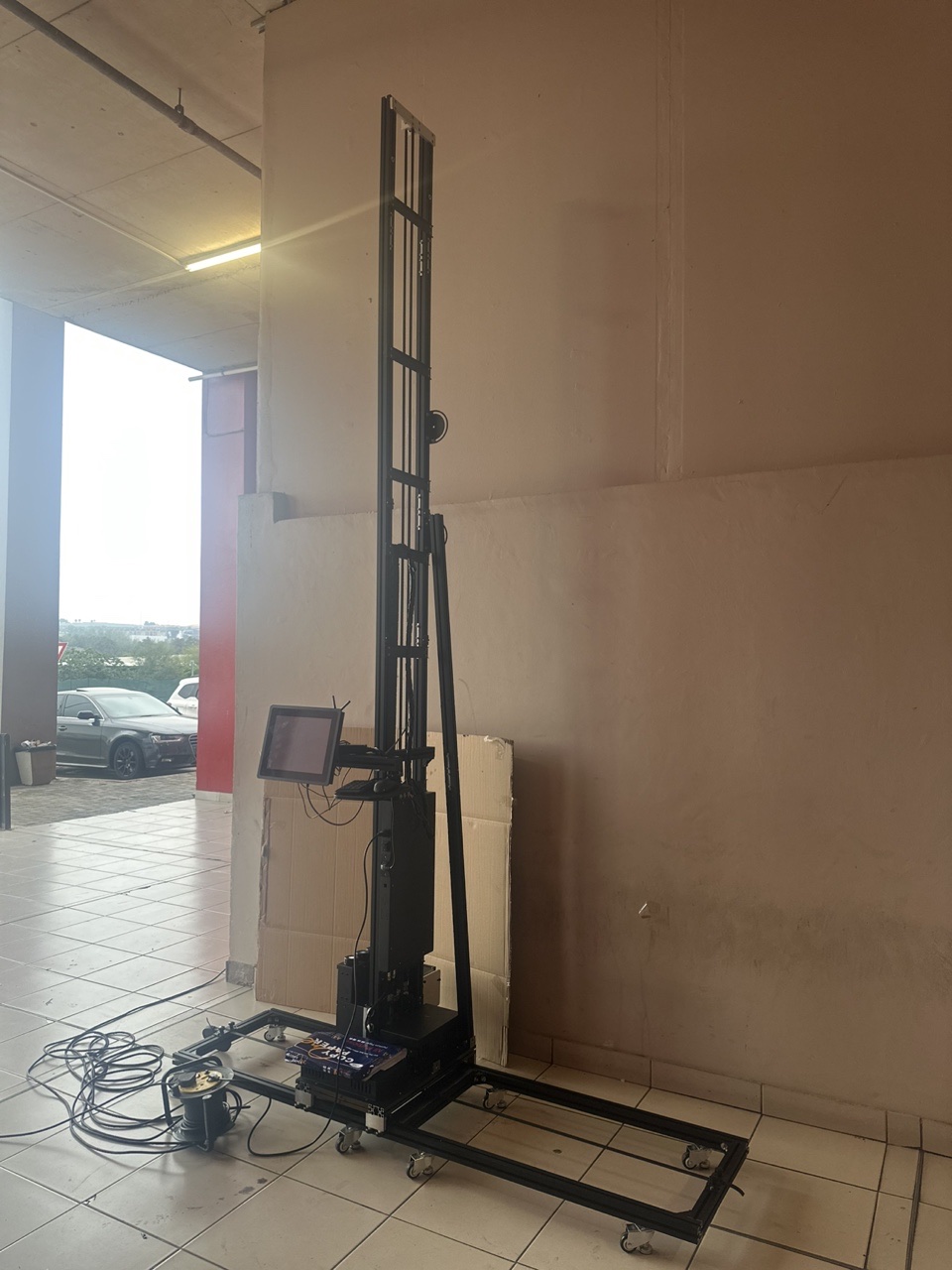
Latest Arrivals
Latest Arrivals
Latest Arrivals
Loading
Toilet paper making machine
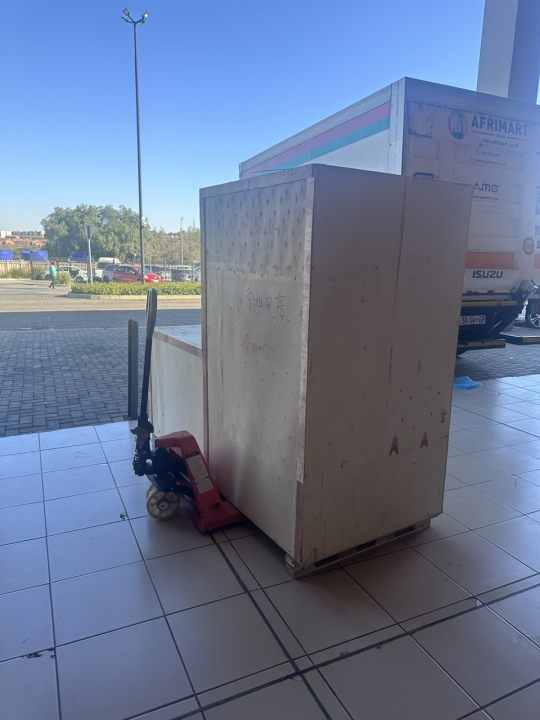
Toilet paper making machine
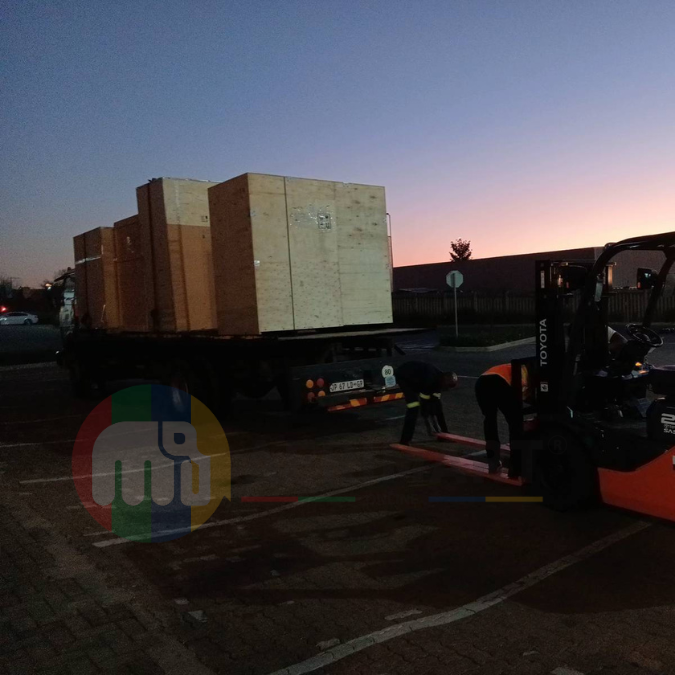
Toilet paper Rewinding Machine
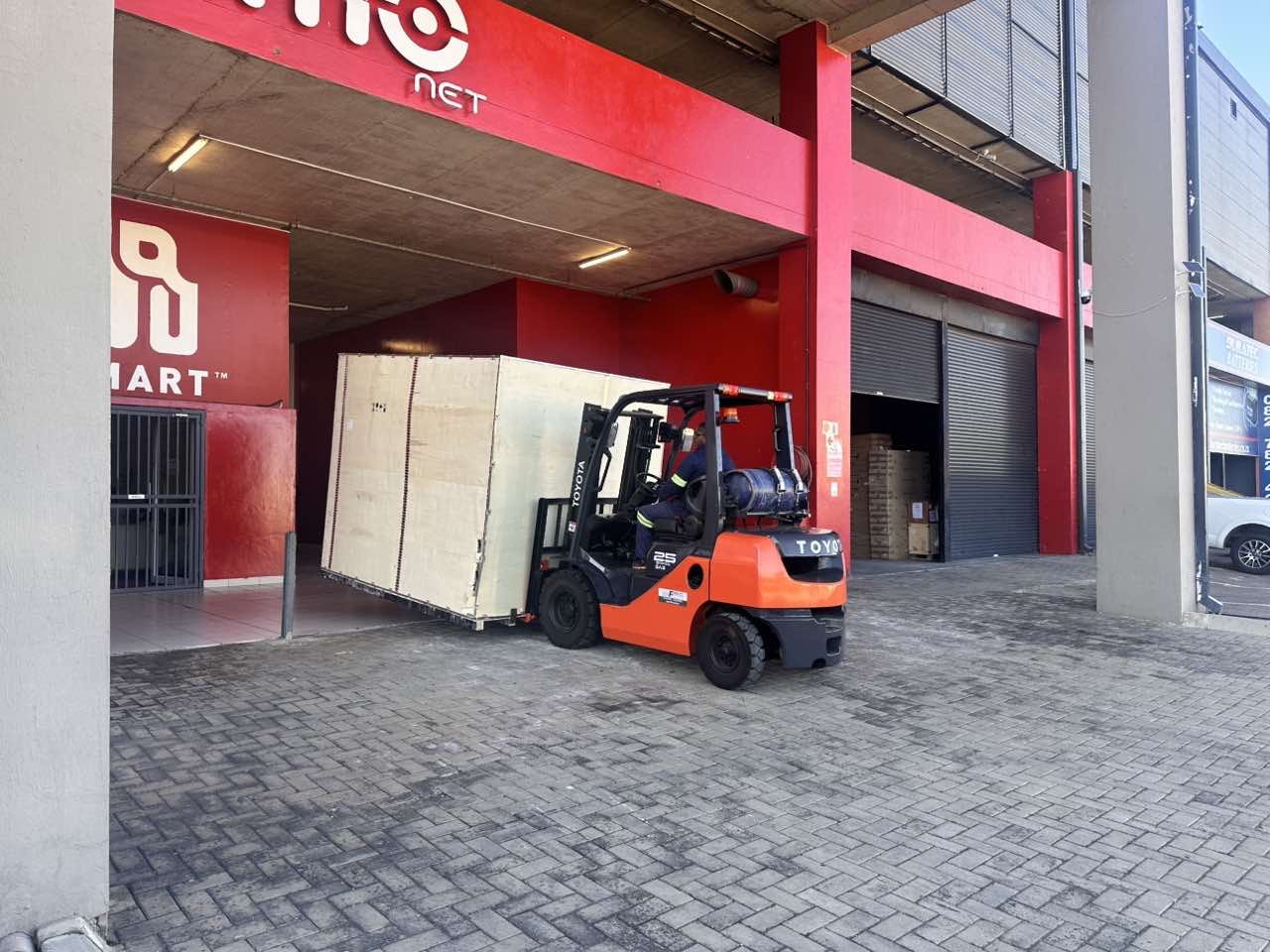
latest arrivals
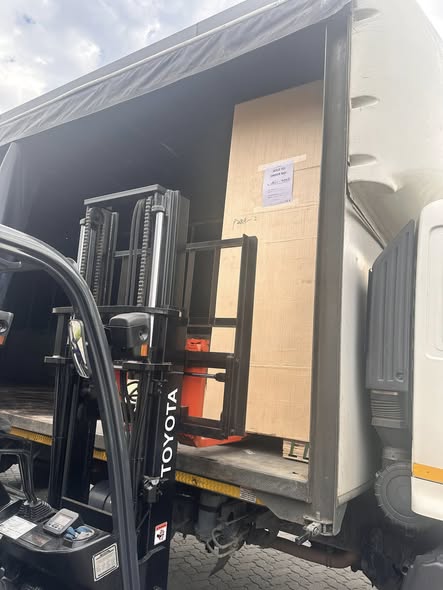
offloading
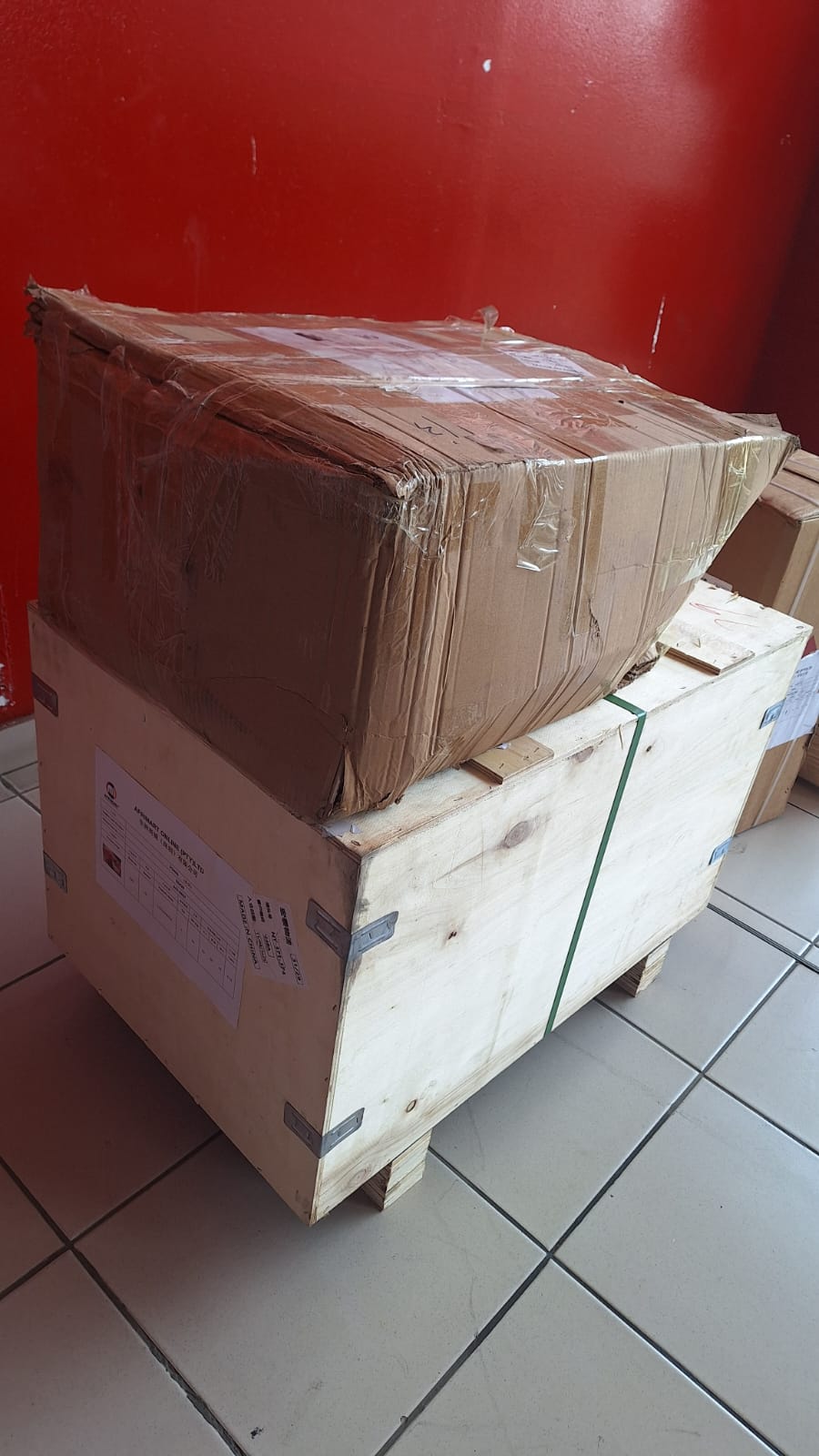
order success
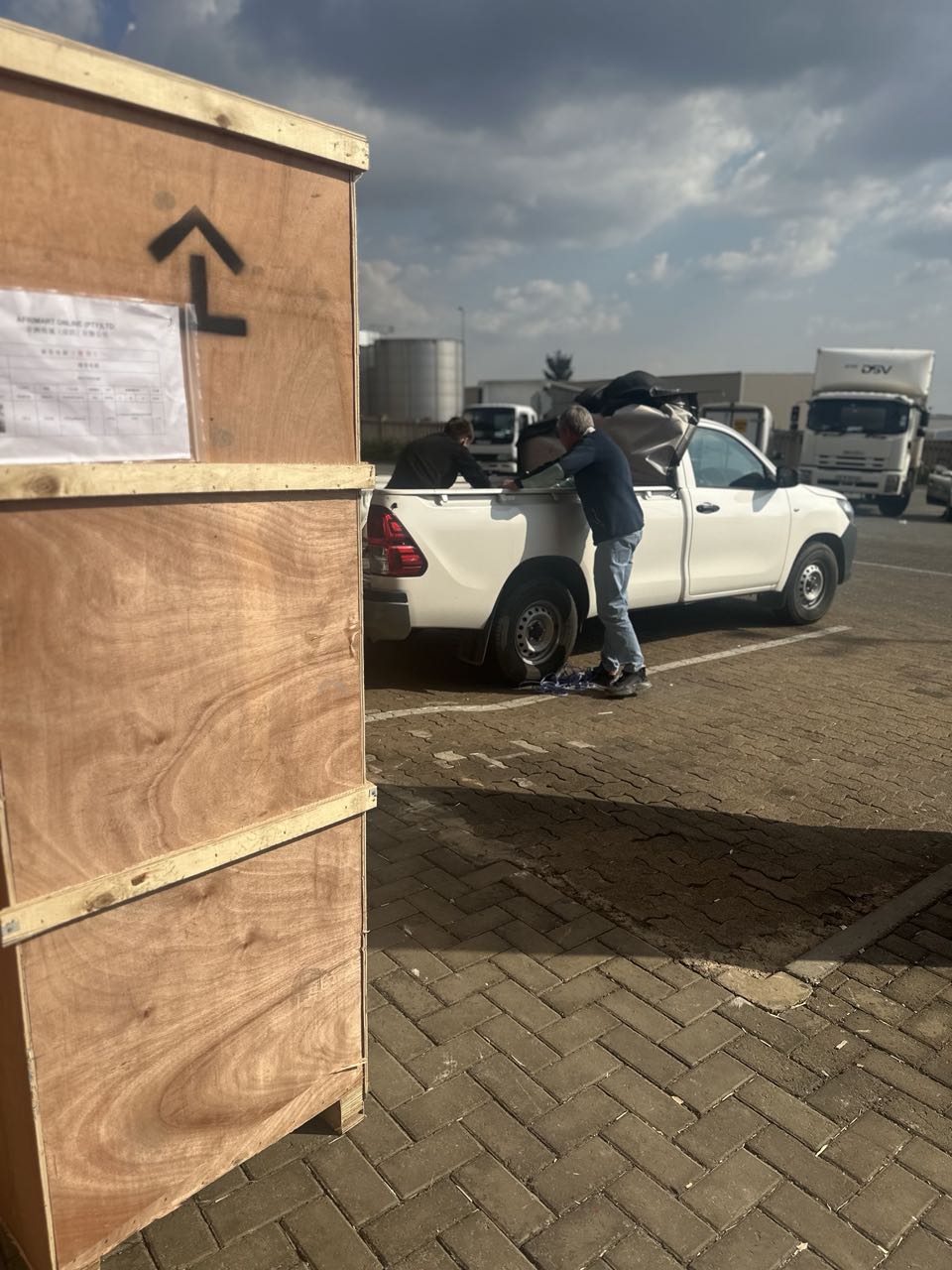
order collection
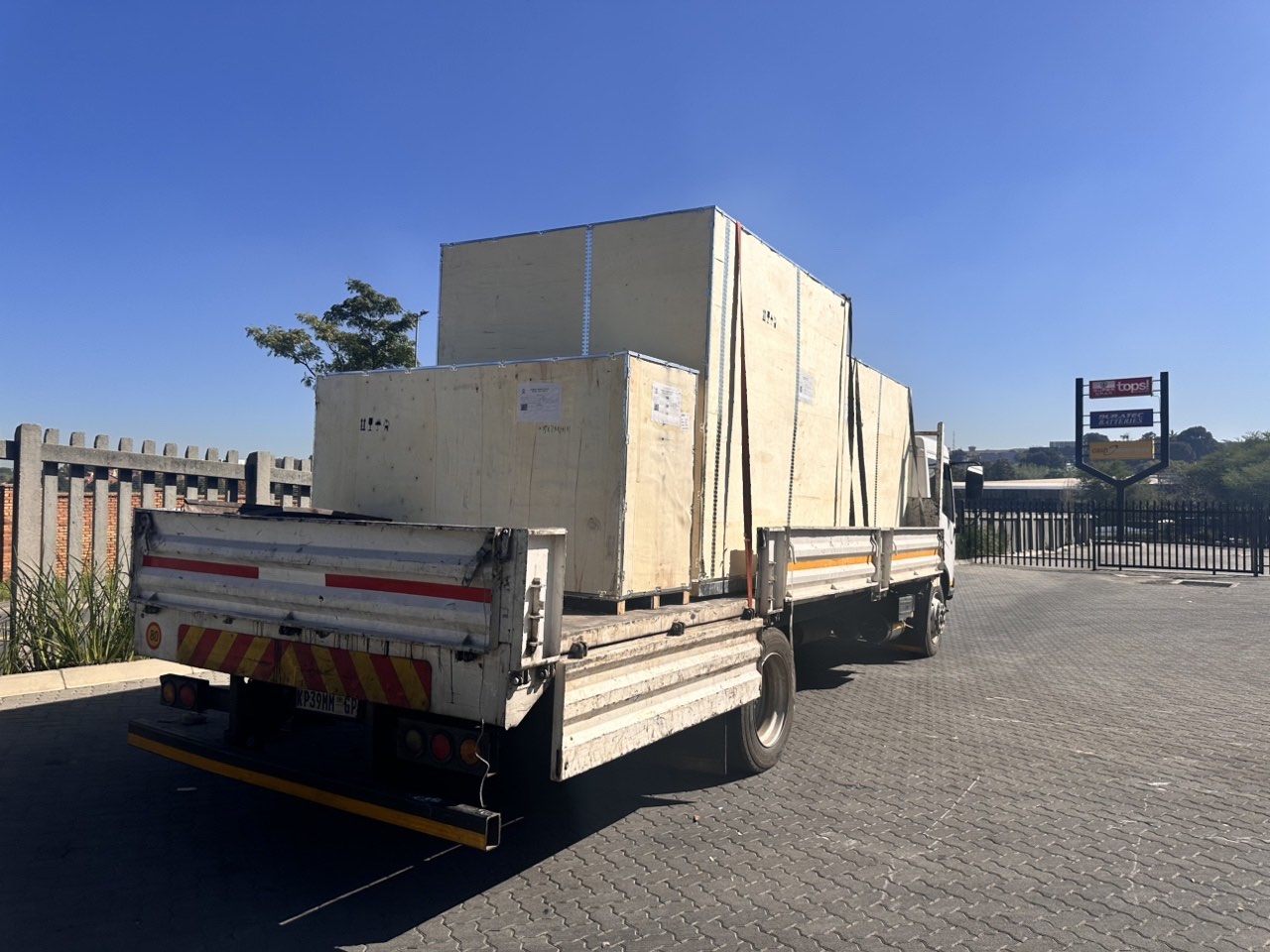
order offloading