B21, China Town Mall, Midrand

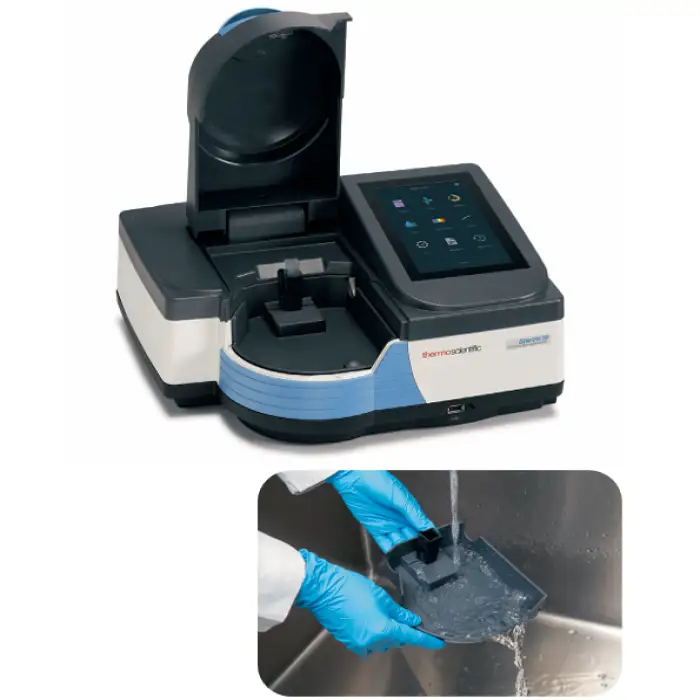
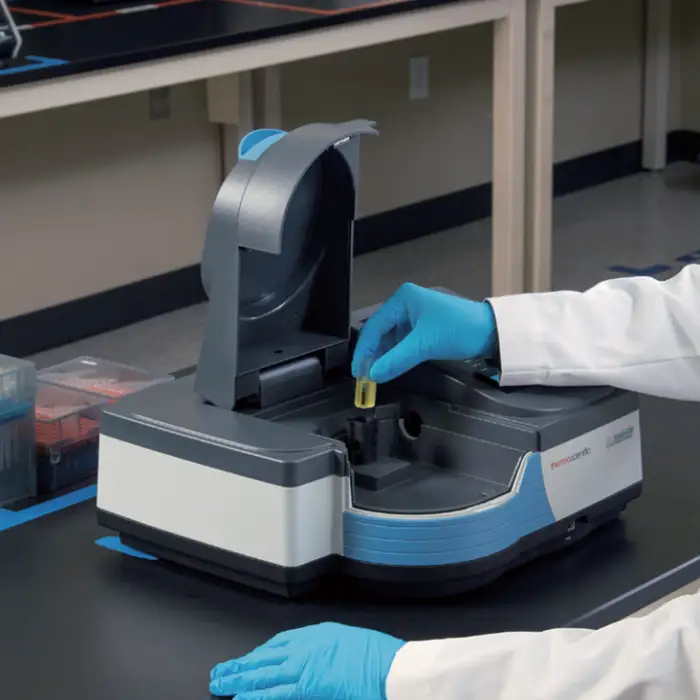
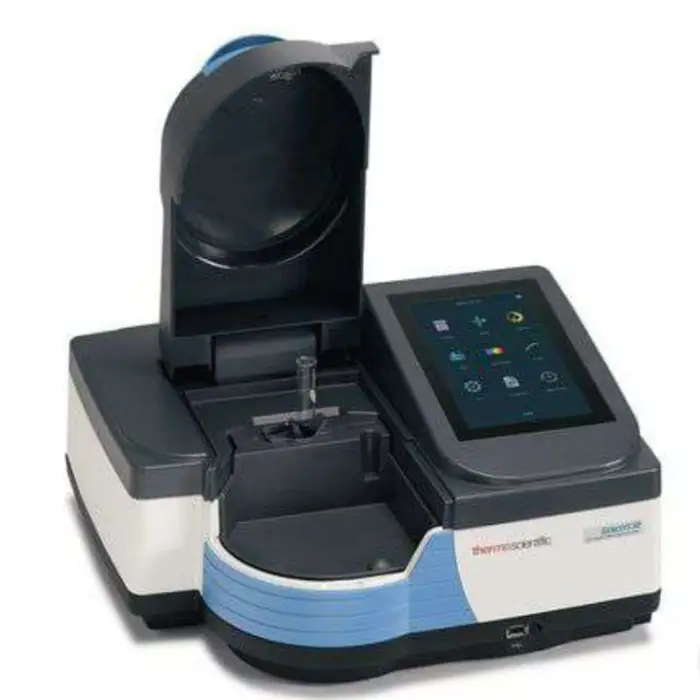
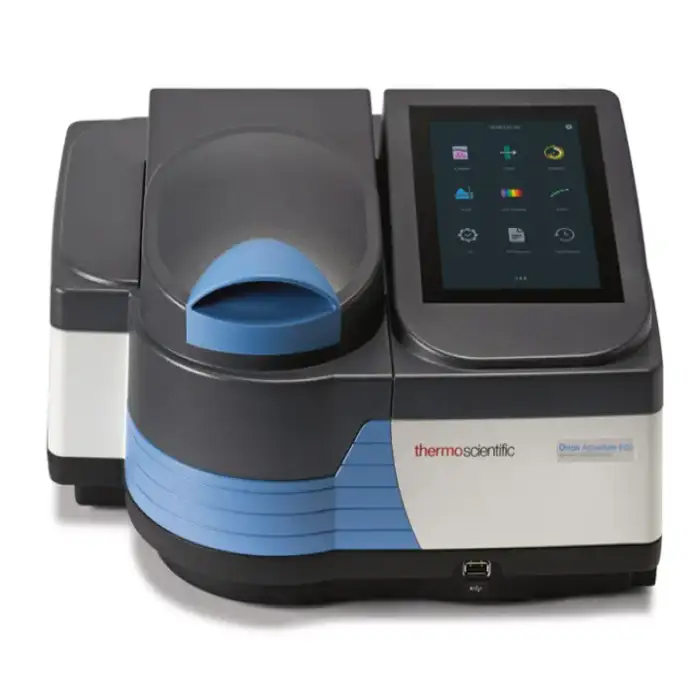
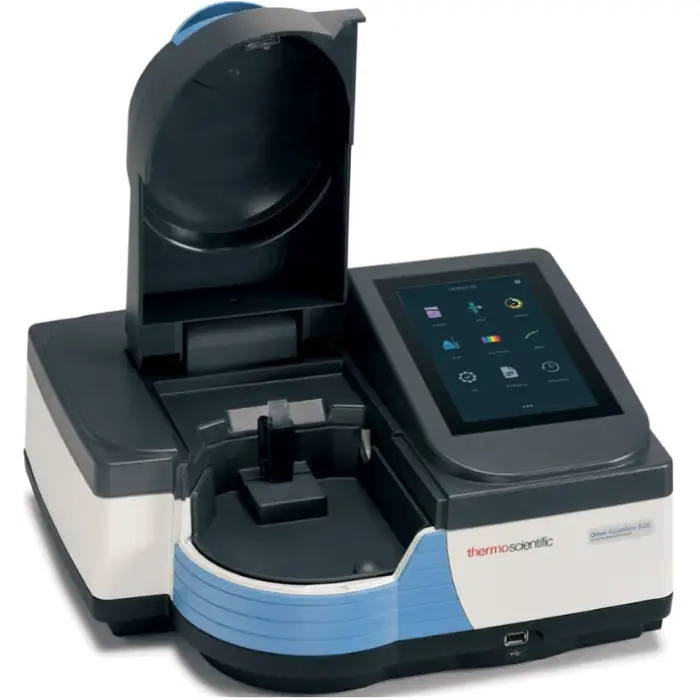
Thermo Fisher GENESY 30/40/50 Clinical Analytical Instruments Vis/UV-Vis Spectrophotometer for Laboratories Water Treatment
Asset finance available
Do you want funding for this equipment?
Afrimart can connect you with trusted funding partners who specialise in asset finance for businesses like yours. Compare options and apply in minutes — final approval is subject to provider review.
Check funding options
Secure & no obligation

- Section : Medical Supplies
- Category : Professional Medical Devices
- SKU : 1601434675022

Thermo Fisher GENESYS 30/40/50 Clinical Analytical Instruments Vis/UV-Vis Spectrophotometer for Laboratories Water Treatment
The Thermo Fisher GENESYS 30/40/50 Vis/UV-Vis Spectrophotometer is a reliable and efficient tool for laboratories focused on water treatment. This instrument is designed to provide accurate measurements with ease of use. It offers a variety of features that make it perfect for clinical analysis and environmental monitoring.
Specifications
| Attribute | Details |
|---|---|
| Service | 2 years Return and Replacement |
| Instrument Classification | Class II |
| Brand Name | Thermo |
| Model Number | GENESYS 30/40/50 |
| Light Source | Tungsten halogen lamp (>1000 hours) |
| Light Source Type | Dual Silicon Photodiodes |
| Repeatability | ±0.001A at 1.0A |
| Drift | <0.0005A/Hr |
| Selling Units | Single item |
Key Features
- High accuracy for reliable results.
- Long-lasting tungsten halogen lamp with over 1000 hours of service life.
- Easy-to-use interface for quick operation.
- Fast and precise measurements, ideal for laboratory settings.
- Two years of service return and replacement guarantee.
Applications
- Water quality analysis in laboratories.
- Environmental monitoring for water treatment facilities.
- Clinical analysis for health-related studies.
- Academic research in chemistry and biology.
- Quality control in industrial processes.
The Thermo Fisher GENESYS 30/40/50 Vis/UV-Vis Spectrophotometer is an essential instrument for any laboratory focused on water treatment and analysis. Its features and reliability make it a top choice for professionals in the field.
Product Info Gallery
- Shipping Timeframes: All orders are processed within 2-5 business days (excluding weekends and holidays). After your order has been processed, the estimated delivery time is before 30 Jun, 2026, depending on customs, Please note that due to high demand, some items may experience longer shipping times, which will be communicated at order confirmation email.
- Order Processing Time: Please allow 2-5 business days for us to process your order before it is shipped . Orders placed after 16:00 on Fridays, or during weekends and public holidays, will begin processing on the next business day. Processing times may be extended during peak seasons or sales events.
- Manufacturing Time: Some products needs manufacturing time, the manufacturing process will take approximately 10-30 business days depending on the product. This timeframe may vary depending on the complexity of the product and current demand. but this will be communicated with you during order confirmation.
- Returns and Exchanges: We offer a 30-day return policy for most items. If you are not completely satisfied with your purchase, you may return it within 30 days of receipt for a refund or exchange. Items must be unused, in their original packaging, and accompanied by proof of purchase. Return shipping costs are the responsibility of the customer, unless the item was damaged or defective upon arrival.
1. What is the Thermo Fisher GENESYS 30/40/50 Vis/UV-Vis Spectrophotometer used for?
It is used for quantitative absorbance and transmittance measurements in laboratories, with common applications in water quality analysis, environmental monitoring of water treatment facilities, clinical analysis, academic research in chemistry and biology, and industrial quality control.
2. What are the key optical specifications of this instrument?
Key performance specs provided are repeatability of ±0.001 A at 1.0 A and drift of <0.0005 A/hr. The light source is a tungsten halogen lamp with >1000 hours service life and detection uses dual silicon photodiodes.
3. What does the model range GENESYS 30/40/50 mean and how do I choose between them?
The GENESYS 30/40/50 denotes models in the same platform family that share core design features. Specific model differences (for example in wavelength range, optics or available accessories) vary by configuration—consult the Thermo Fisher datasheet or sales representative to match model features to your application.
4. What is included in the warranty and service coverage?
The product comes with a two-year return and replacement service. For details on what is covered and how to initiate service, contact Thermo Fisher support with the instrument serial number and purchase information.
5. How long does the light source last and can it be replaced?
The supplied tungsten halogen lamp has a service life of over 1000 hours. The lamp is replaceable; refer to the user manual for replacement procedure and part numbers, or contact Thermo Fisher for authorized replacement and service.
6. What sample containers are compatible with this spectrophotometer?
The instrument accepts standard laboratory cuvettes. For most GENESYS models, standard 10 mm pathlength rectangular or round cuvettes are supported. Check the user manual for optional holders for microcuvettes, test tubes or flow cells.
7. How do I calibrate and validate the instrument?
Perform regular photometric checks using certified neutral density filters or reference standards and wavelength checks with certified holmium oxide or didymium filters, following procedures in the user manual. Maintain a log of calibration and validation results per your lab quality system.
8. What safety precautions should I follow when using this UV-Vis spectrophotometer?
Follow the user manual and your lab's safety procedures. Avoid exposure to direct lamp light (UV can be harmful), ensure the sample compartment is closed during measurements, disconnect power before maintenance, and use appropriate PPE when handling hazardous samples or cleaning solvents.
9. Does the instrument provide data export or connectivity options?
Connectivity and data export options depend on model configuration and software. Many GENESYS instruments support digital output of absorbance/transmittance and accompanying software. Refer to the product datasheet or user manual for available interfaces (USB, RS-232, etc.) and supported file formats.
10. What maintenance is routinely required to keep the spectrophotometer performing accurately?
Routine maintenance includes keeping the sample compartment and cuvette holders clean, replacing the lamp when approaching end of life, periodic photometric and wavelength checks, and following recommended service intervals. Use only approved consumables and follow the service instructions in the manual.
11. Is this instrument suitable for regulated clinical diagnostic testing?
While the instrument is described for clinical analytical and laboratory use, you must verify regulatory and accreditation requirements for your specific diagnostic application. Confirm instrument suitability and any necessary validation/calibration steps with your regulatory body or quality department.
12. What environmental conditions are required for reliable operation?
Specific operating temperature and humidity ranges are provided in the product manual and datasheet. For stable measurements, operate the instrument in a controlled laboratory environment free of excessive dust, vibration and temperature swings, and allow proper warm-up time after power-up.
13. Where can I get training, software updates and technical support?
Thermo Fisher Scientific offers product training, technical support, and software updates through its regional support centers and website. Contact local Thermo Fisher sales or service representatives for training programs, installation assistance and software downloads.
14. What accessories and spare parts are commonly available for this spectrophotometer?
Common accessories include replacement lamps, cuvette holders for different cuvette types, flow cells, calibration standards, and software packages. For a complete list and part numbers, consult the Thermo Fisher accessory catalog or contact customer service.
Latest Order Arrivals
Discover our latest orders
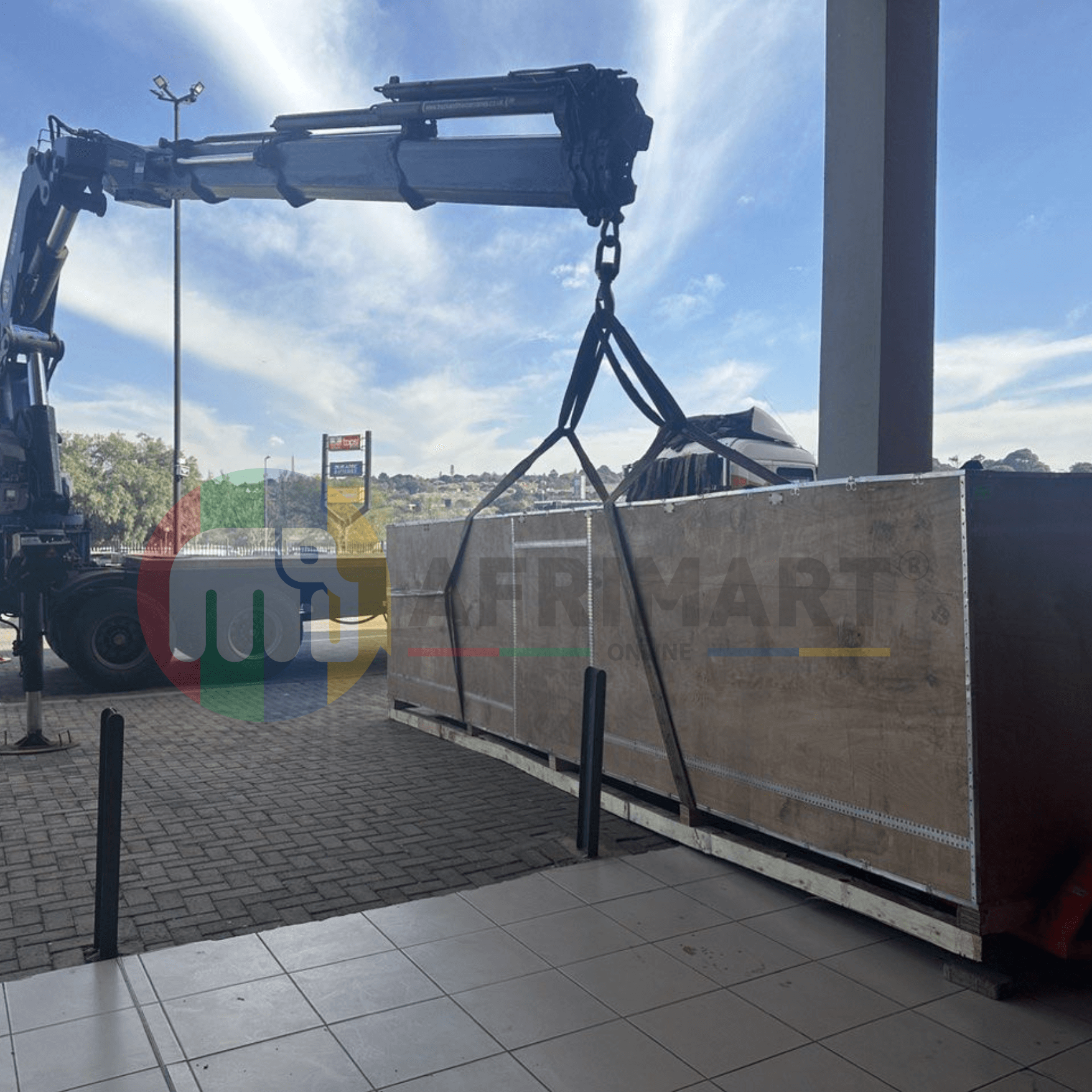
12 Heads Embroidery Machine
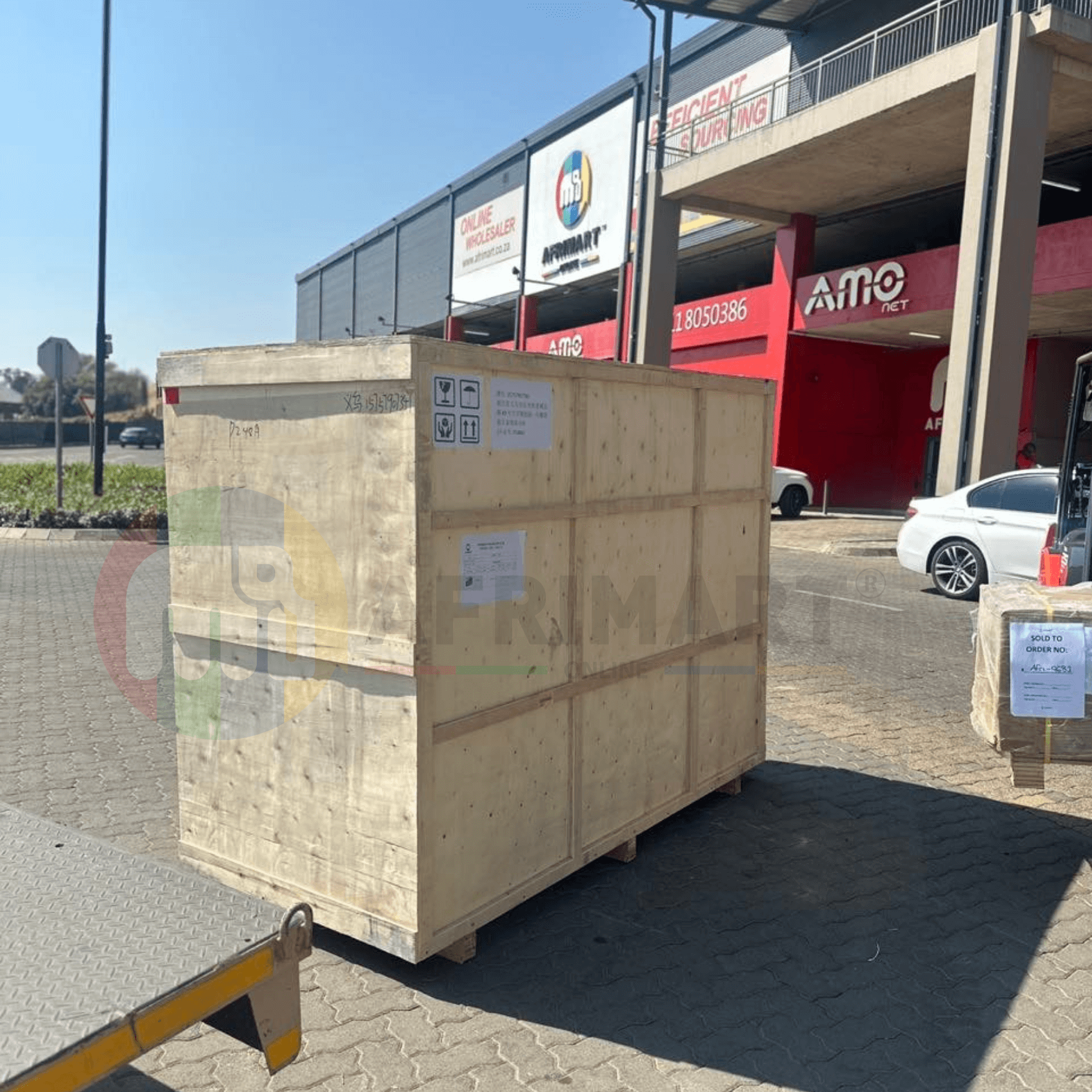
Dewatering Pump Machine
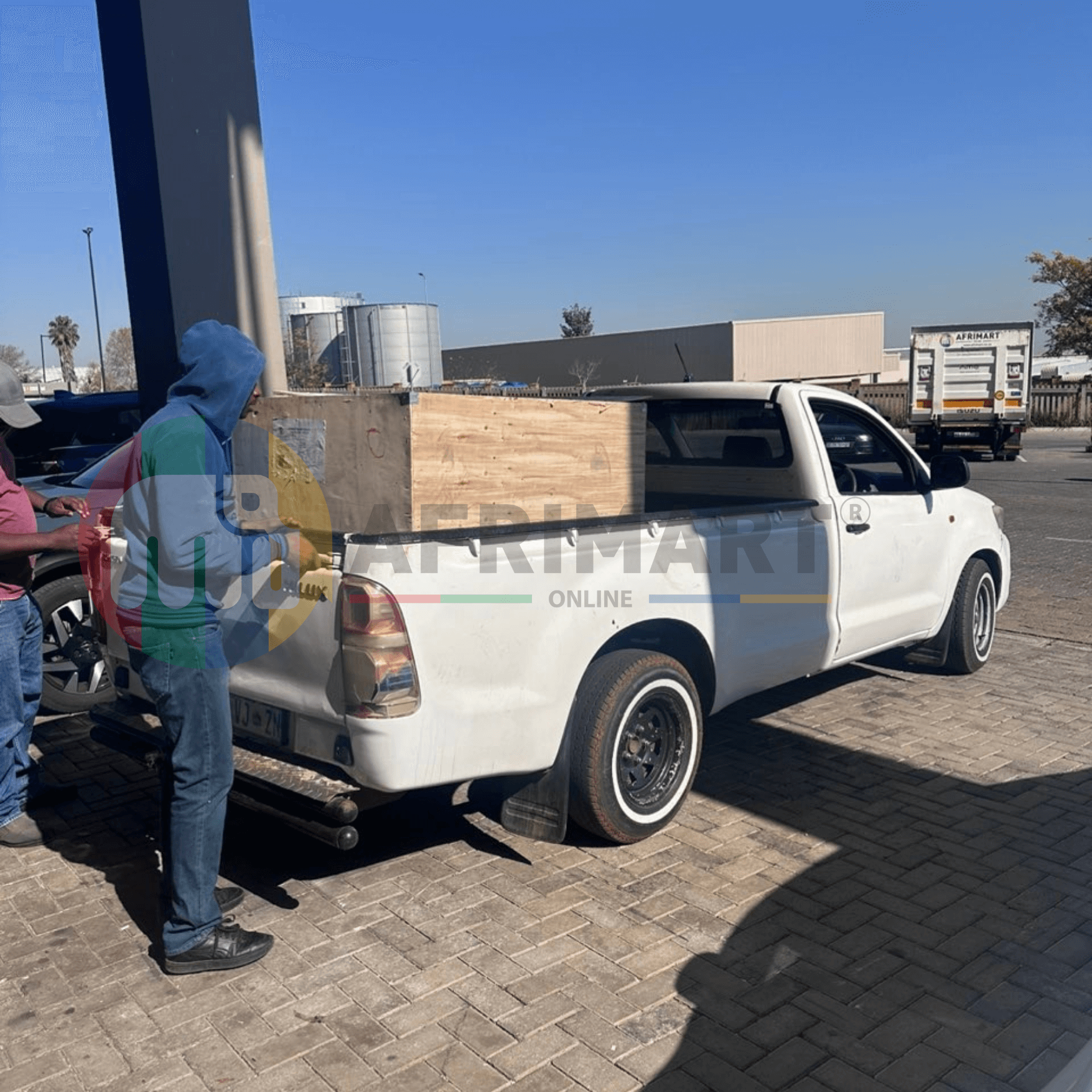
Order Collection
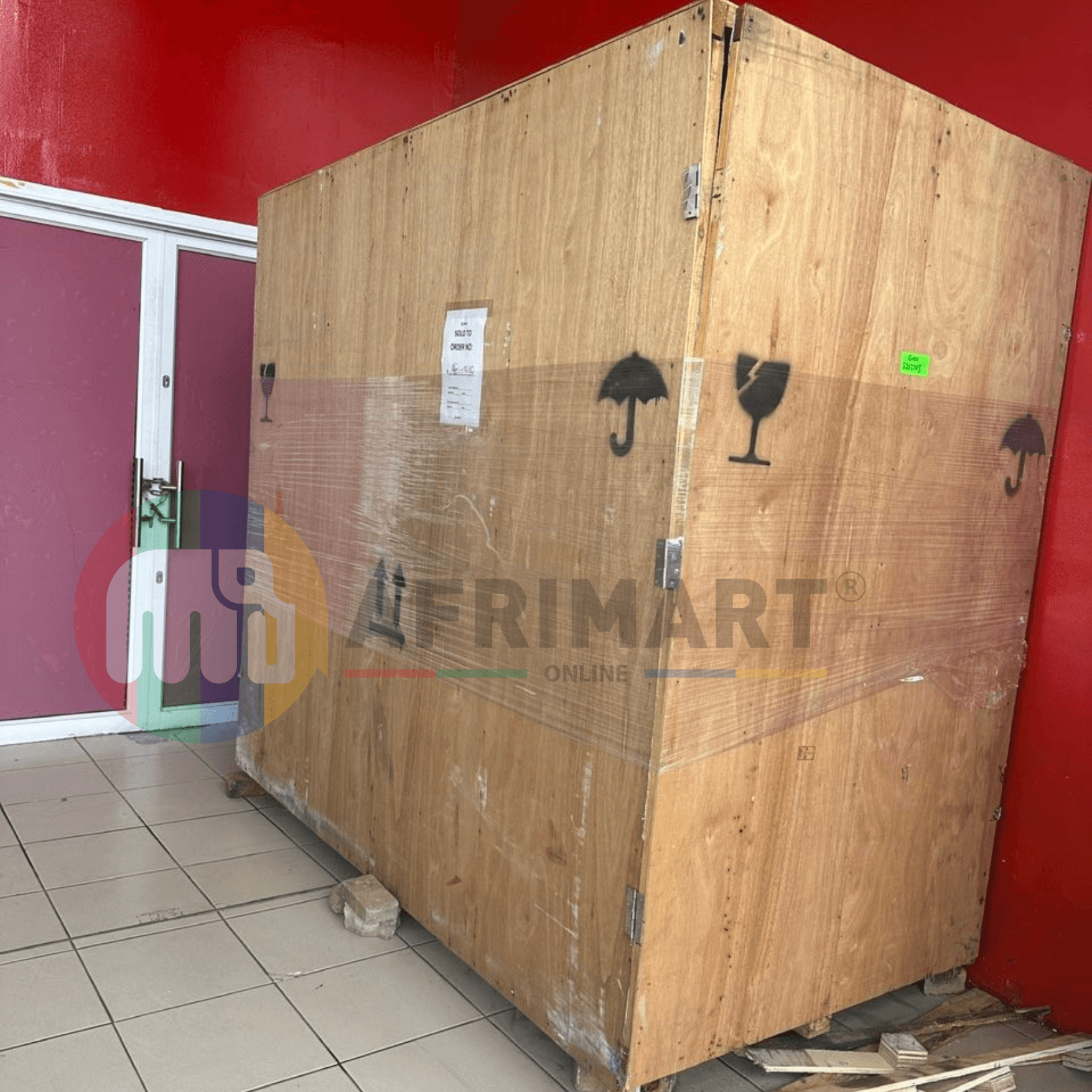
Portable Water Drilling Rig
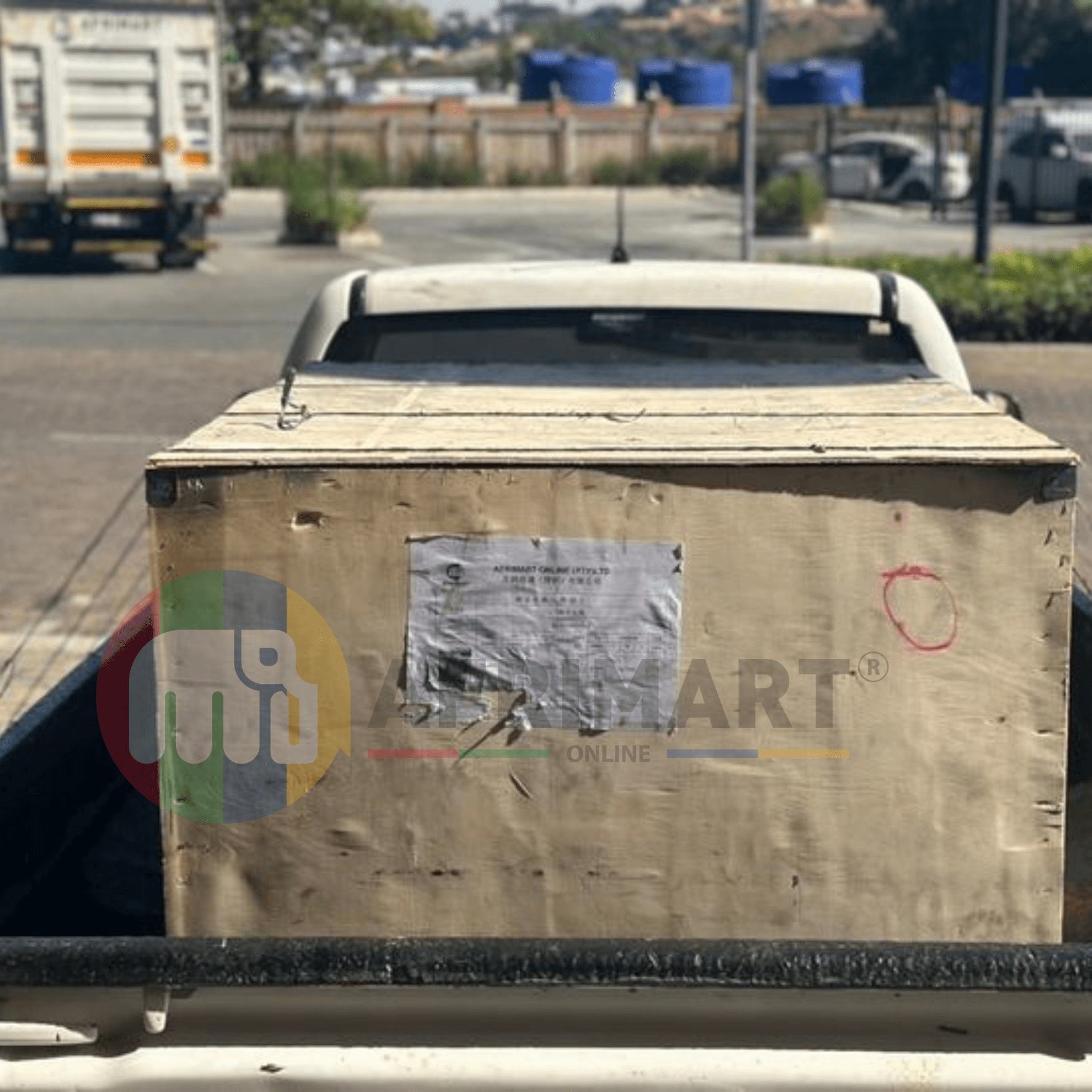
Order Usefully Collected
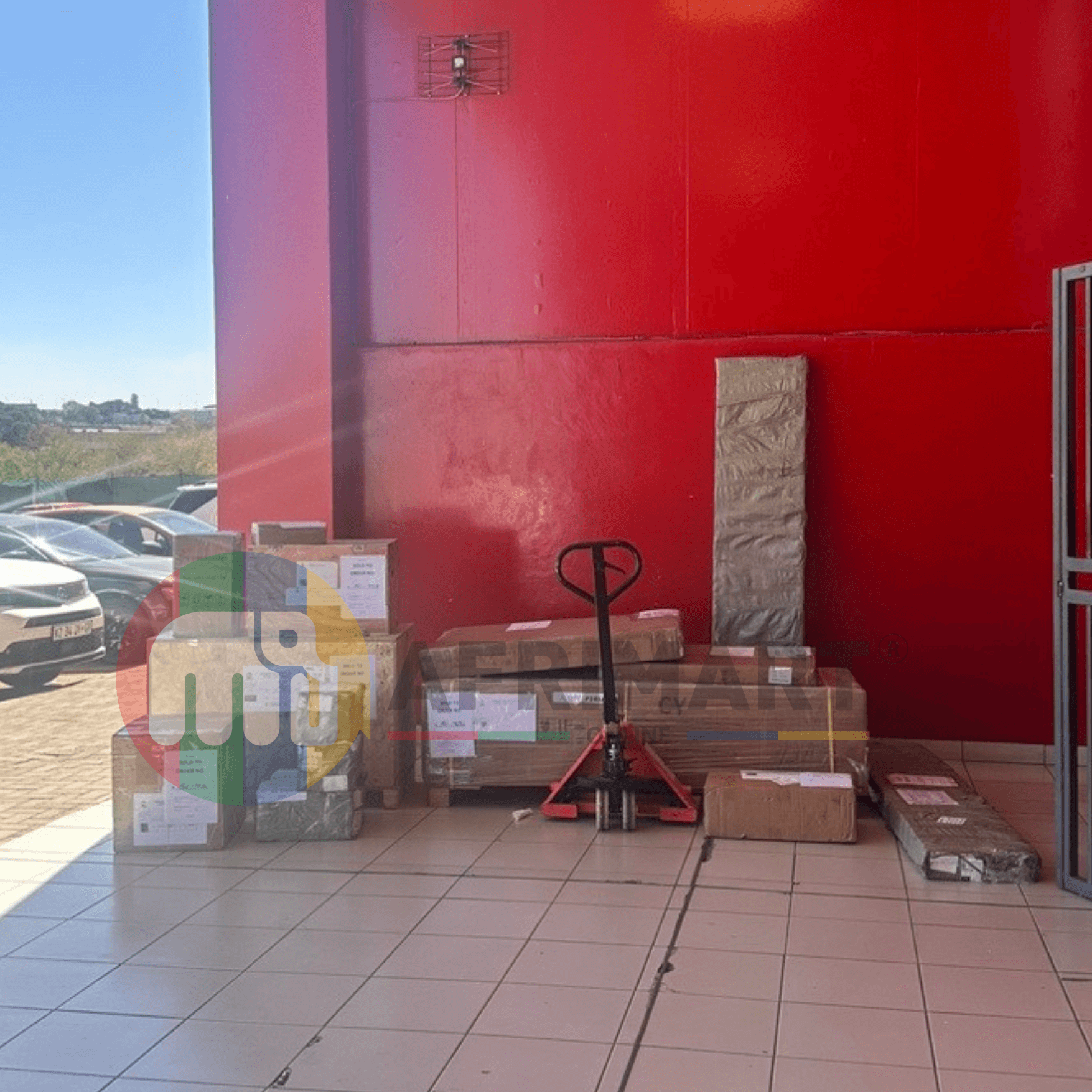
Batch of Orders
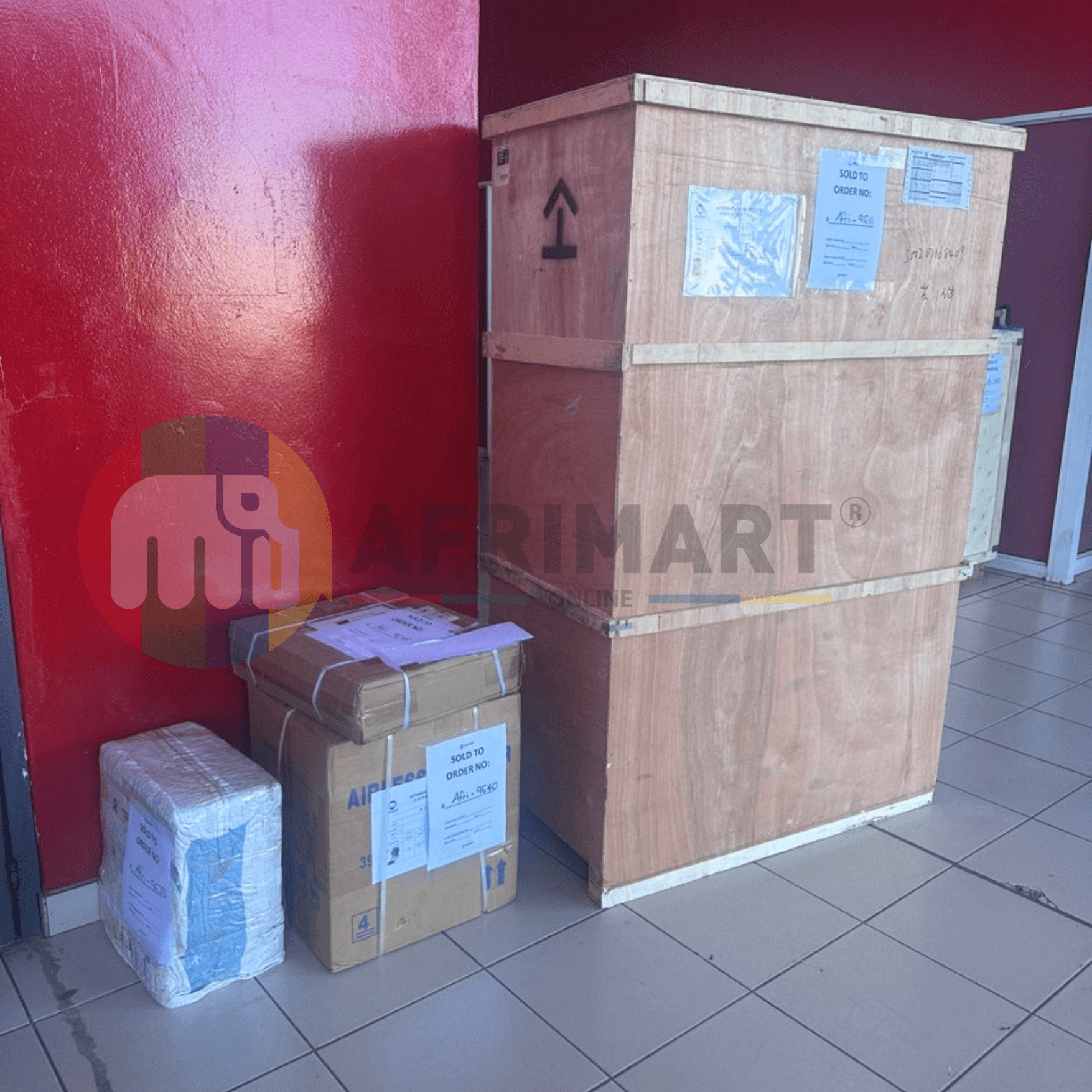
Agriculture Processing Machines
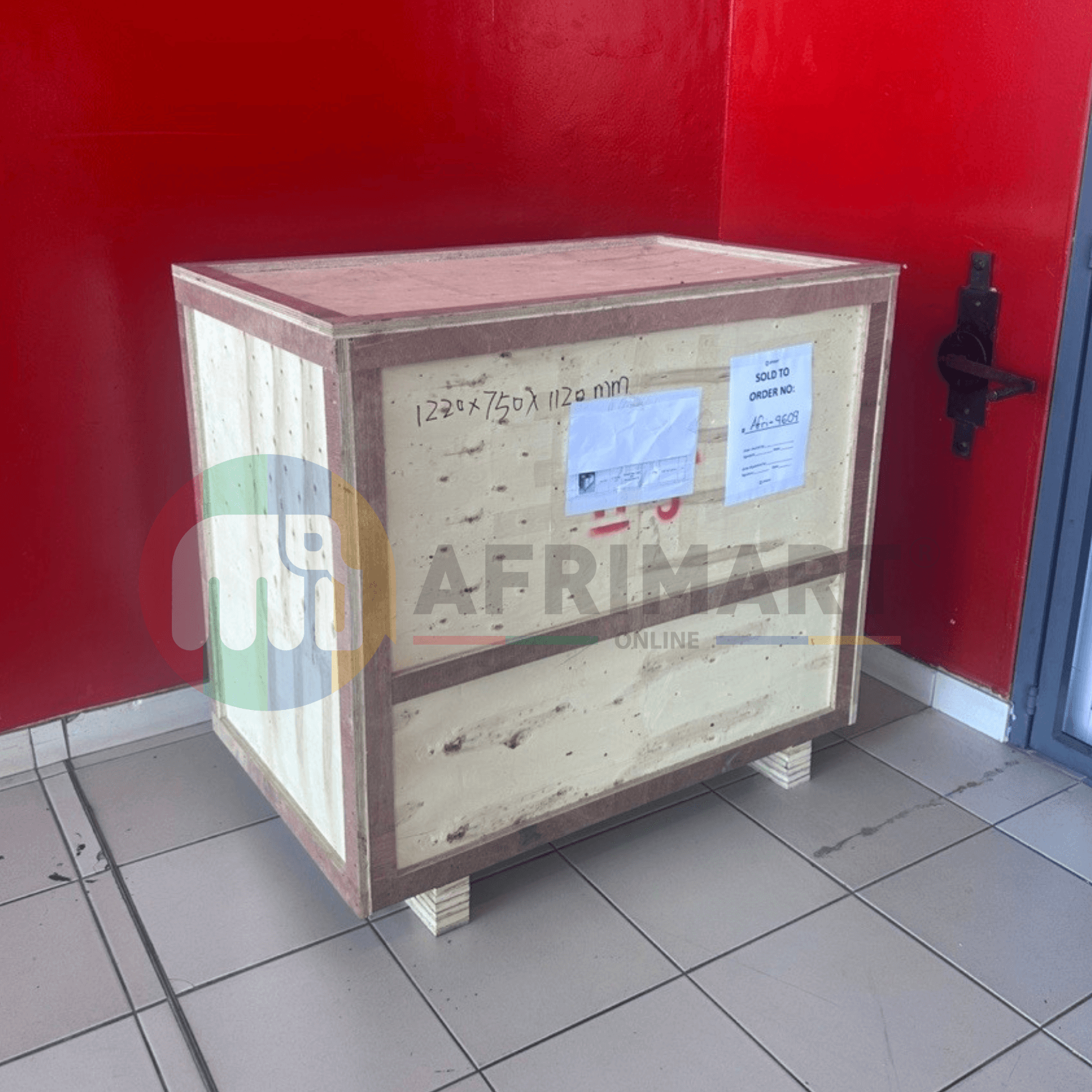
Meat Grinder Machine
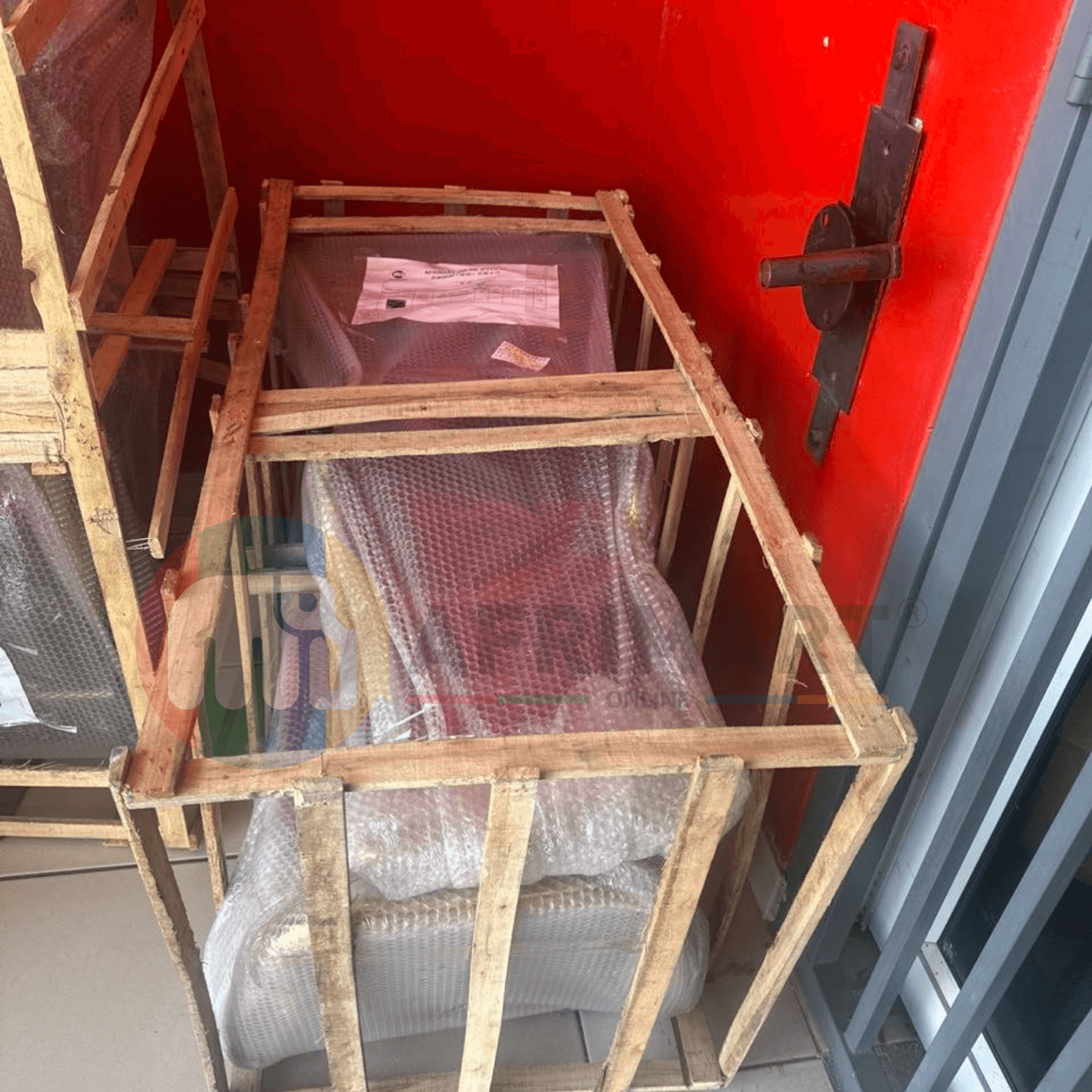
Water Pump Equipment
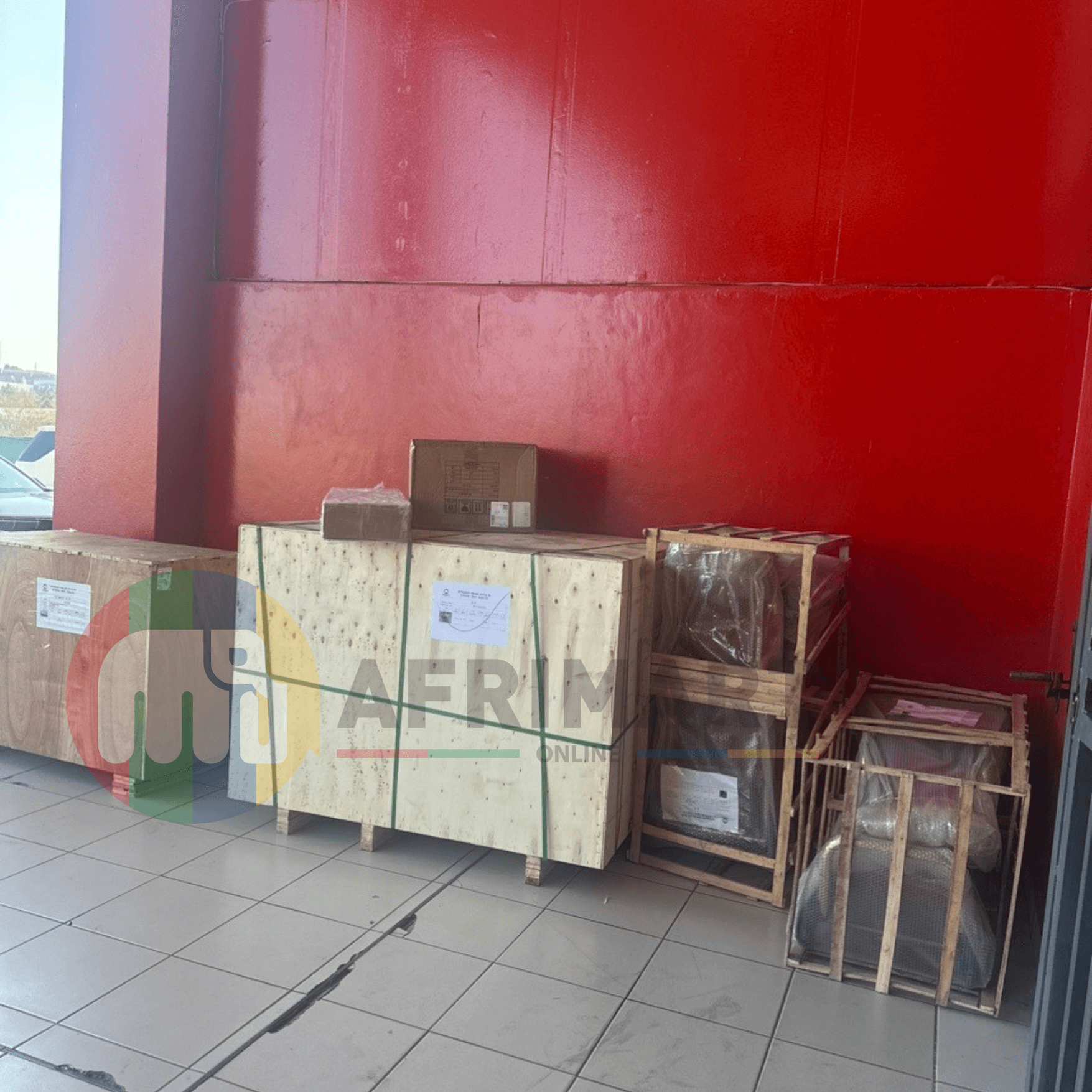
Packaging Machine and accessories

Fabrics Manufacturing Equipment
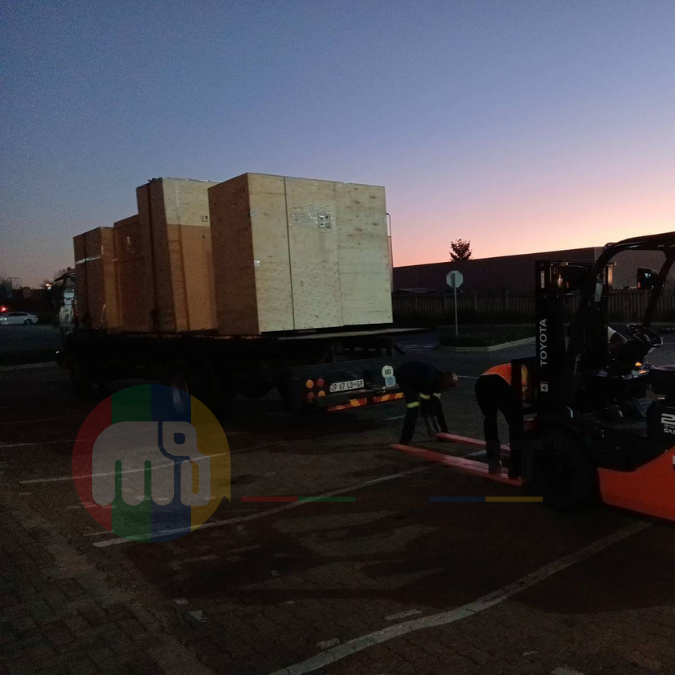
Mining Equipments
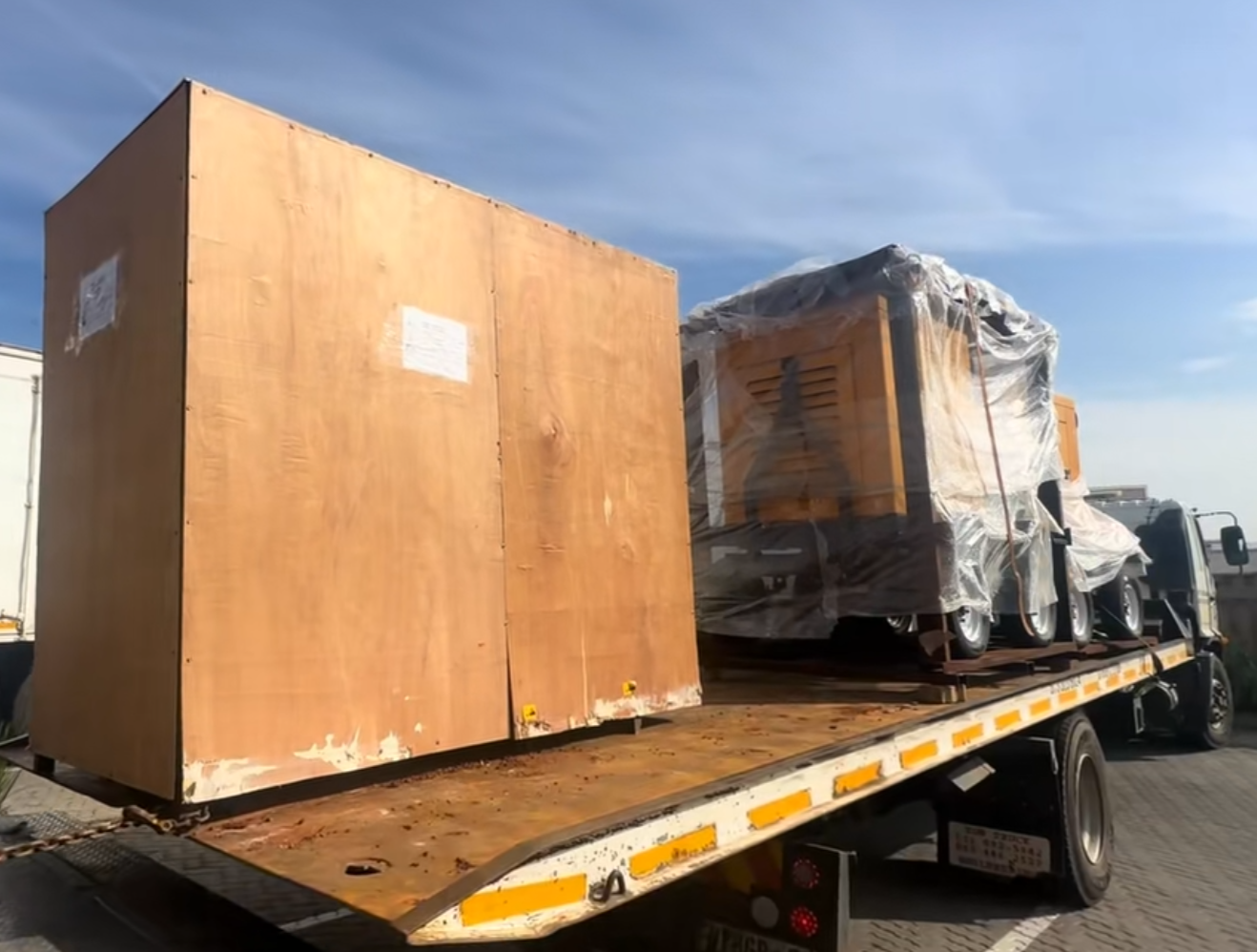
Food Processing Machine
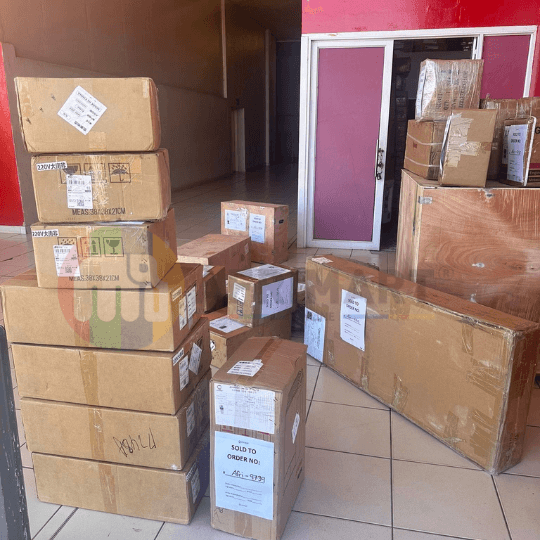
Batch of Orders
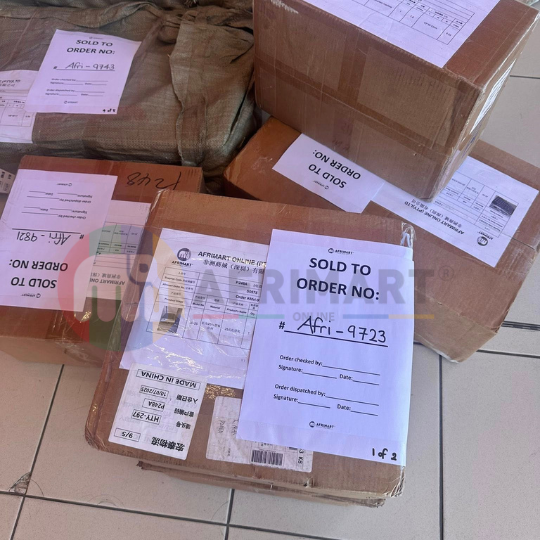
Batch of Orders
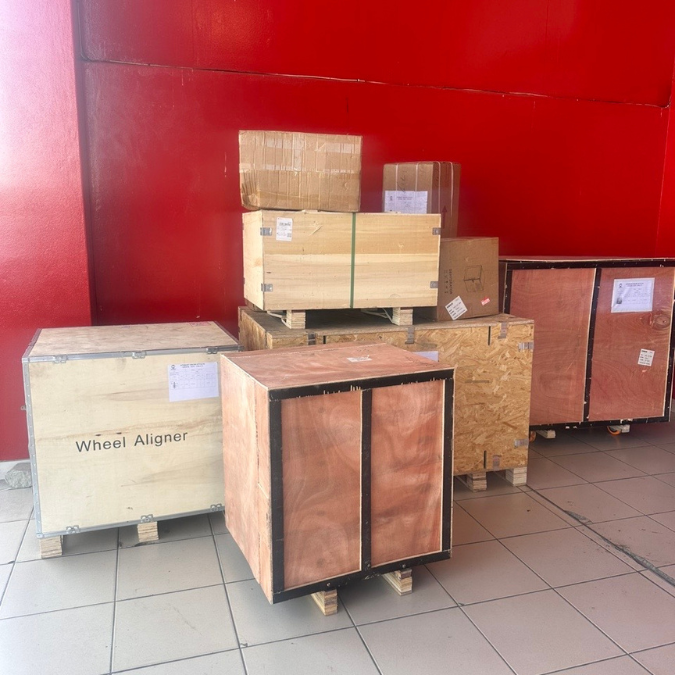
Latest Orders Labelled
wheel alignment machines
new arrivals
Pre Orders Offloading
Latest Arrivals
Latest Arrivals
Latest Arrivals
26 January 2026
Toilet paper making machine
Toilet paper making machine
Toilet paper Rewinding Machine
latest arrivals
offloading
order success
order collection
order offloading