B21, China Town Mall, Midrand


Temperature Controlled Precision Semi-automatic Packaging Machine Suitable for Thermal Sensitive Materials
Asset finance available
Do you want funding for this equipment?
Afrimart can connect you with trusted funding partners who specialise in asset finance for businesses like yours. Compare options and apply in minutes — final approval is subject to provider review.
Check funding options
Secure & no obligation

- Section : Machinery
- Category : Packaging Machines
- SKU : 1601257562560

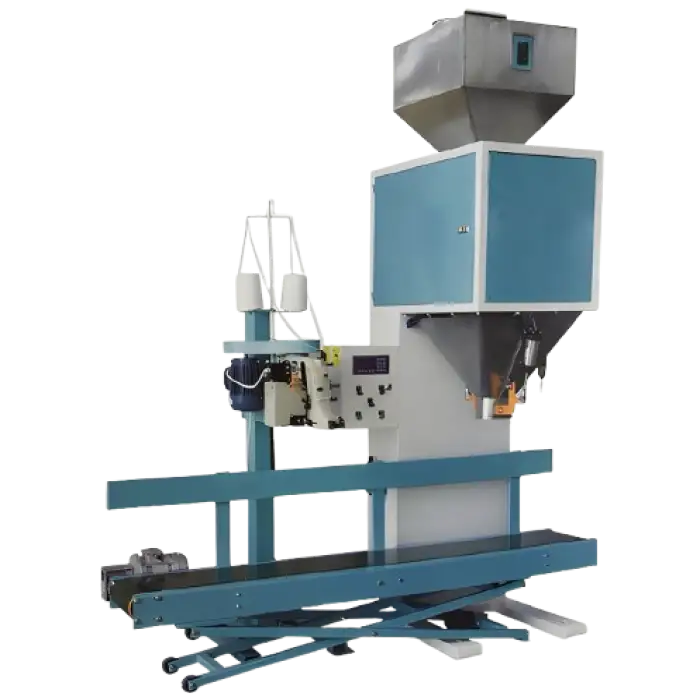
Temperature Controlled Precision Semi-automatic Packaging Machine Suitable for Thermal Sensitive Materials
The Temperature Controlled Precision Semi-automatic Packaging Machine is designed for packaging thermal sensitive materials with accuracy and efficiency. This machine is perfect for businesses that need to package food, commodities, and hardware safely. With its user-friendly features and high productivity, it is a reliable choice for any manufacturing plant.
Specifications
| Attribute | Details |
|---|---|
| Weight (KG) | 250 |
| Power Supply | 2.5KW, AC380V ± 10% 50HZ |
| Compressed Air | 0.5-0.7MPA with a gas consumption of 4 cubic hours |
| Packaging Speed | 450-650 packs/hour |
| Weighing and Packaging Range | 15-60KG bagged products |
| Automatic Grade | Semi-automatic |
| Packaging Type | Bags |
| Packaging Material | Plastic, Paper |
| Drive Type | Electric |
| Core Components | PLC |
Key Features
- Multi-Color Design
- Easy to Operate
- Remote Monitoring
- Low Noise Level
- Energy Saving
- Long Service Life
- Remote Control
- High Accuracy
- High Safety Level
- Flexible Manufacturing
- Competitive Price
- High Rigidity
- Eco-Friendly
- High Productivity
- Multifunctional
- IoT and Digital Capabilities
Applications
- Food Packaging
- Commodity Packaging
- Machinery and Hardware Packaging
- Packaging for Thermal Sensitive Products
- Industrial Manufacturing
Product Info Gallery
- Shipping Timeframes: All orders are processed within 2-5 business days (excluding weekends and holidays). After your order has been processed, the estimated delivery time is before 03 Aug, 2026, depending on customs, Please note that due to high demand, some items may experience longer shipping times, which will be communicated at order confirmation email.
- Order Processing Time: Please allow 2-5 business days for us to process your order before it is shipped . Orders placed after 16:00 on Fridays, or during weekends and public holidays, will begin processing on the next business day. Processing times may be extended during peak seasons or sales events.
- Manufacturing Time: Some products needs manufacturing time, the manufacturing process will take approximately 10-30 business days depending on the product. This timeframe may vary depending on the complexity of the product and current demand. but this will be communicated with you during order confirmation.
- Returns and Exchanges: We offer a 30-day return policy for most items. If you are not completely satisfied with your purchase, you may return it within 30 days of receipt for a refund or exchange. Items must be unused, in their original packaging, and accompanied by proof of purchase. Return shipping costs are the responsibility of the customer, unless the item was damaged or defective upon arrival.
1. What materials is the machine suitable for?
The machine is designed for thermal-sensitive materials and is commonly used for food, commodities, machinery and hardware. It supports packaging in plastic and paper bags; for other materials, confirm compatibility with the supplier.
2. What is the weighing and packaging range?
The machine is specified for bagged products weighing between 15 and 60 kg.
3. What packaging speed can I expect?
Typical throughput is 450–650 packs per hour. Actual speed depends on product characteristics, operator skill, bag size and auxiliary handling.
4. Is the machine fully automatic?
No. The product is semi-automatic, meaning some manual interaction (e.g., bag placement, product feed or bag sealing setup) is required while key functions are automated.
5. What are the electrical power requirements?
Power supply is 2.5 kW, AC 380 V ±10% at 50 Hz. Ensure your facility power matches this specification and has appropriate protective devices installed.
6. What compressed air supply is required?
Compressed air requirement is 0.5–0.7 MPa. The specification lists gas consumption as '4 cubic hours' — please confirm the exact unit (commonly m³/h) with the manufacturer before installation.
7. How does the temperature control work for thermal-sensitive products?
The machine includes temperature-controlled components and PLC-based controls to maintain packing conditions suitable for heat-sensitive products. Specifics (temperature ranges, zones, sensors) vary by configuration — request detailed temperature-control specs from the supplier for your product.
8. Does the machine support remote monitoring and IoT features?
Yes. The machine includes remote monitoring, remote control and IoT/digital capabilities for status monitoring and diagnostics. Network setup and integration with factory systems may be required.
9. What core components are used for control and automation?
The primary control component listed is a PLC (Programmable Logic Controller) which handles sequencing, temperature control, and interfaces for remote monitoring.
10. What safety features does the machine include?
The machine is advertised with a high safety level and low noise operation. Common safety features typically include emergency stop, safety guards/interlocks and operator-friendly controls — ask the manufacturer for a full safety/certification list.
11. What maintenance and cleaning are required?
Regular maintenance includes cleaning contact surfaces, inspecting and replacing wear parts (seals, belts, sensors), lubricating moving parts, and keeping electrical/PLC cabinets dust-free. Follow the manufacturer's maintenance schedule and safety procedures.
12. What are the machine's dimensions and installation requirements?
The specification provides weight (250 kg) but not footprint dimensions. Installation generally requires a level floor, adequate space for operator access, power and compressed air connections, and network access for remote features. Request detailed dimensional and installation drawings from the supplier.
13. How accurate is the weighing/packaging system and how often should it be calibrated?
The machine is described as high accuracy. Calibration frequency depends on production load and regulatory requirements; a common practice is routine checks daily/weekly and full calibration monthly or as part of planned maintenance. Confirm recommended procedures with the manufacturer.
14. Are spare parts and after-sales support available?
Spare parts availability and after-sales support vary by supplier. Typical service items include sensors, seals, belts, actuators and PLC modules. Confirm warranty, spare parts lead times and support options before purchase.
15. Is operator training provided and how user-friendly is the machine?
The product is promoted as user-friendly. Many suppliers offer operator training, user manuals and remote support to help with start-up, operation and troubleshooting. Verify training scope and any additional fees with the vendor.
Latest Order Arrivals
Discover our latest orders
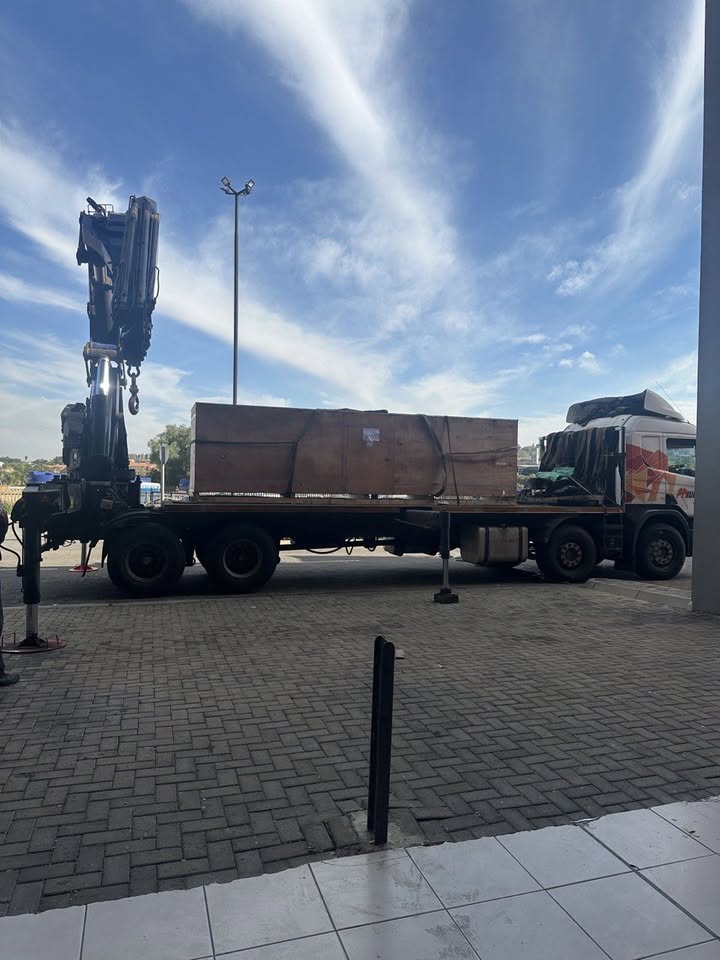
12 Heads Embroidery Machine
Toilet Paper Machine Machine
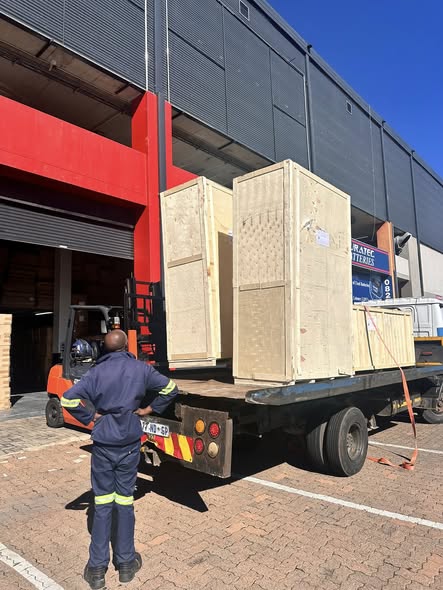
Order Collection
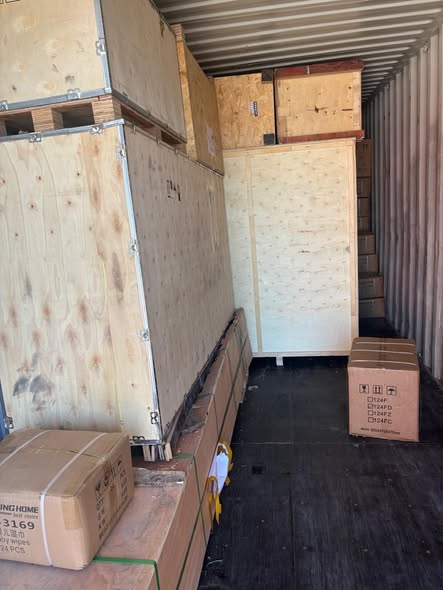
Cross Border Clients
Order cros border countries Collected
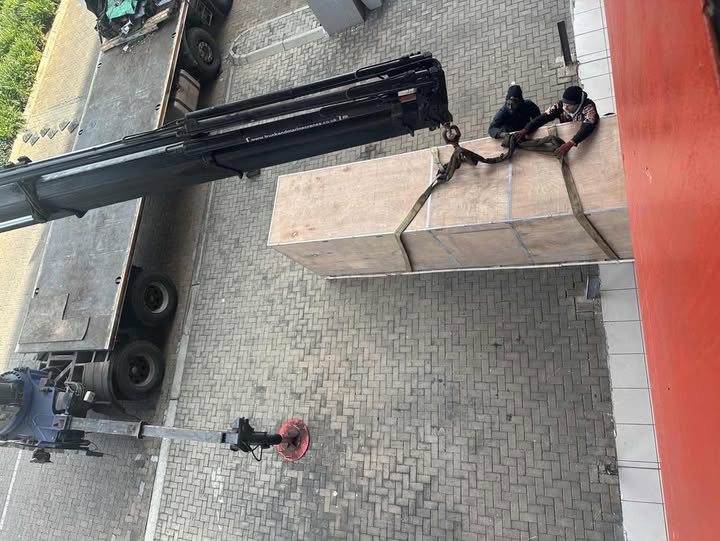
Industrial Machine Cllection
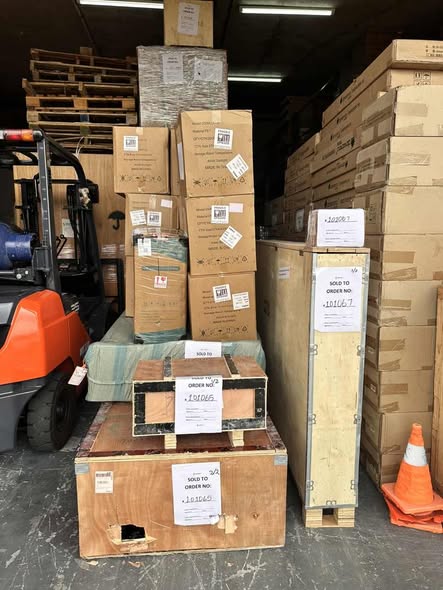
Agriculture Processing Machines
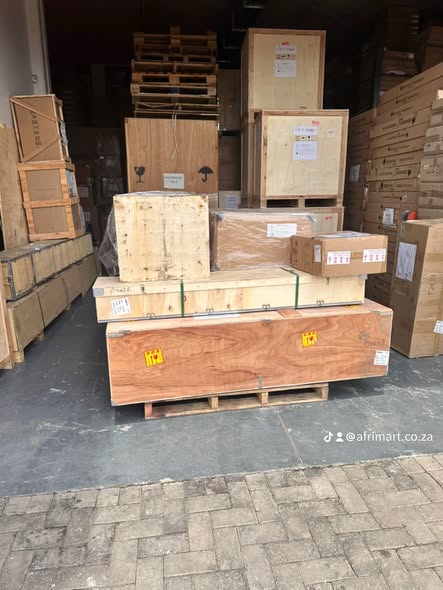
Ready for collection
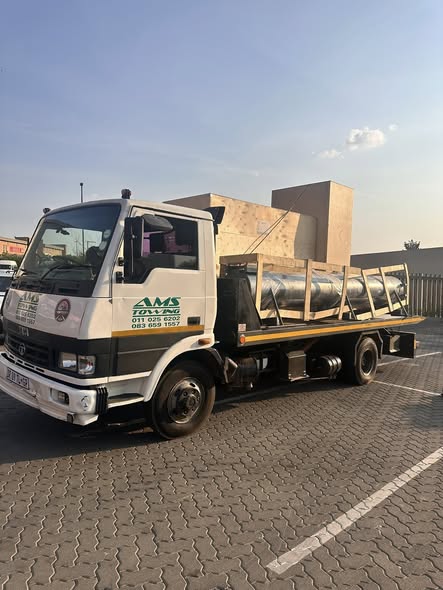
Water Pump Equipment
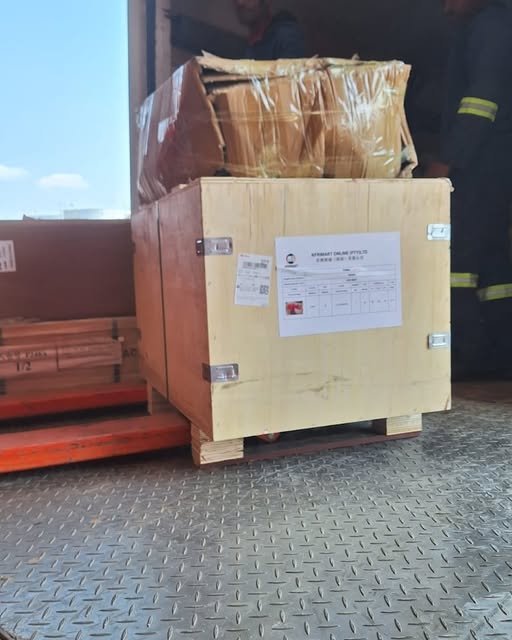
Packaging Machine and accessories
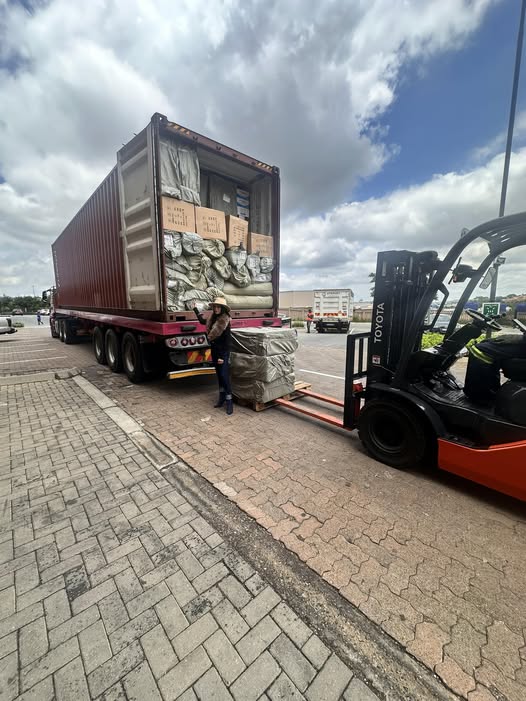
Fabrics Manufacturing Equipment
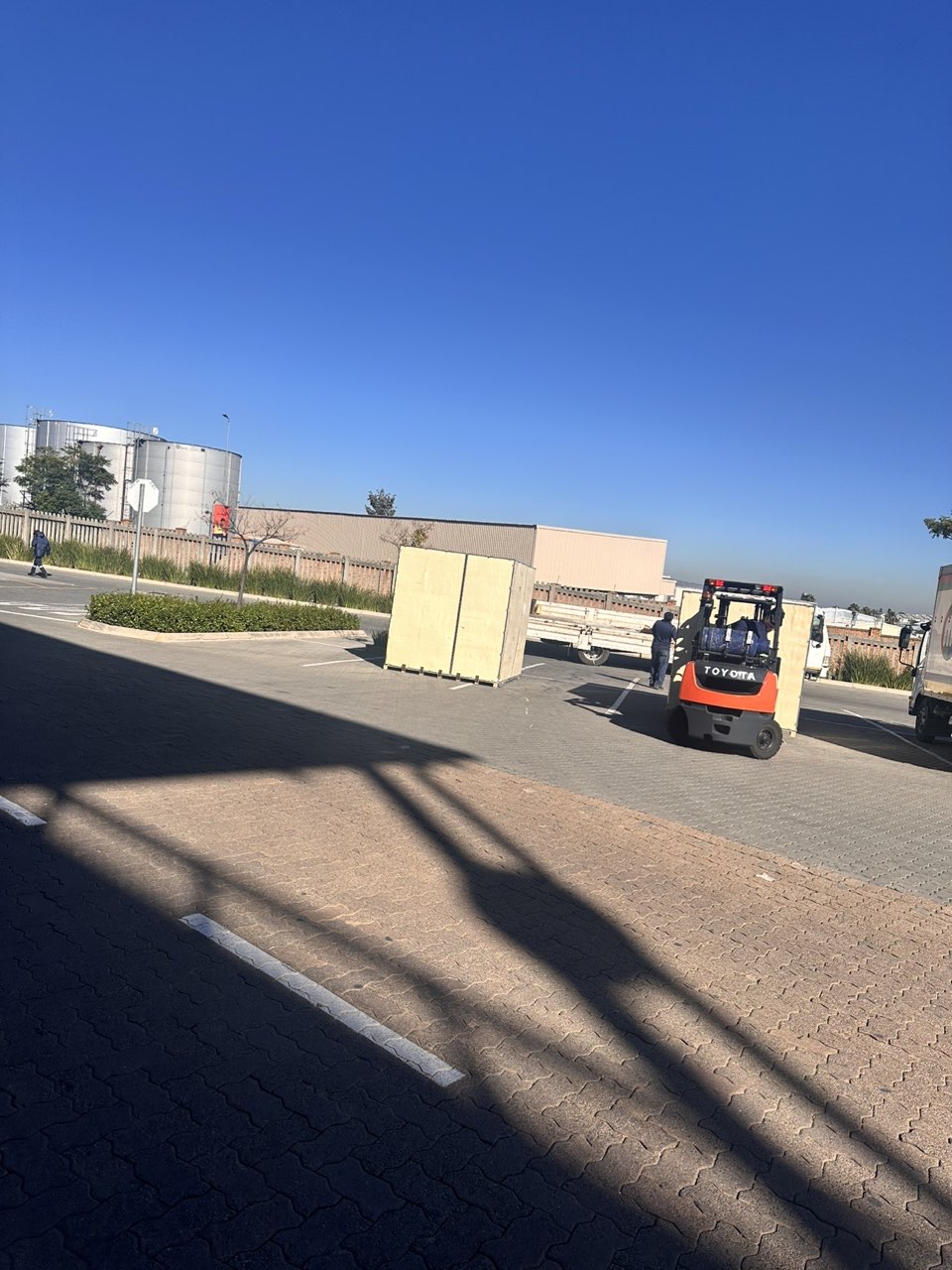
Mining Equipments
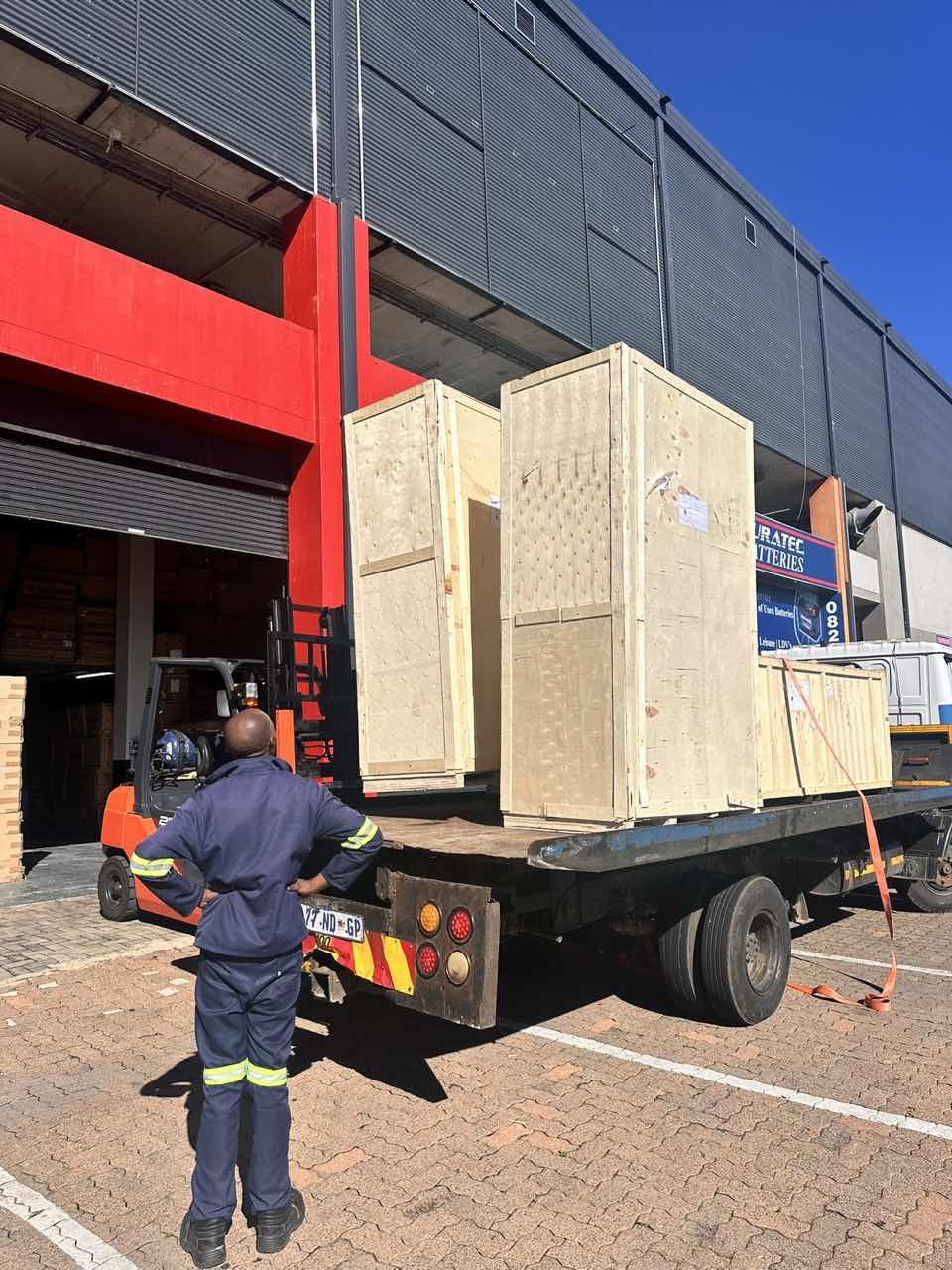
Food Processing Machine
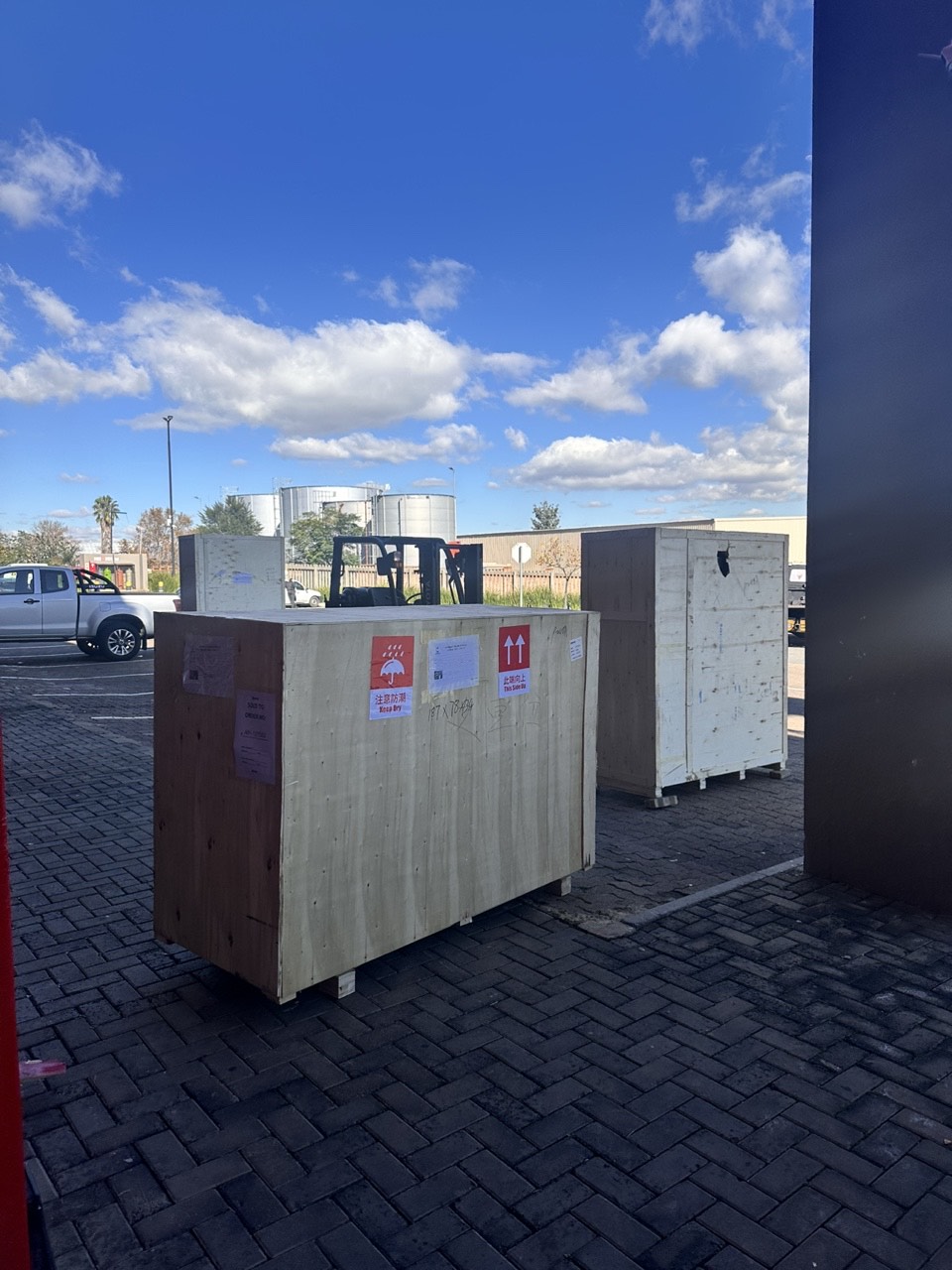
Batch of Orders
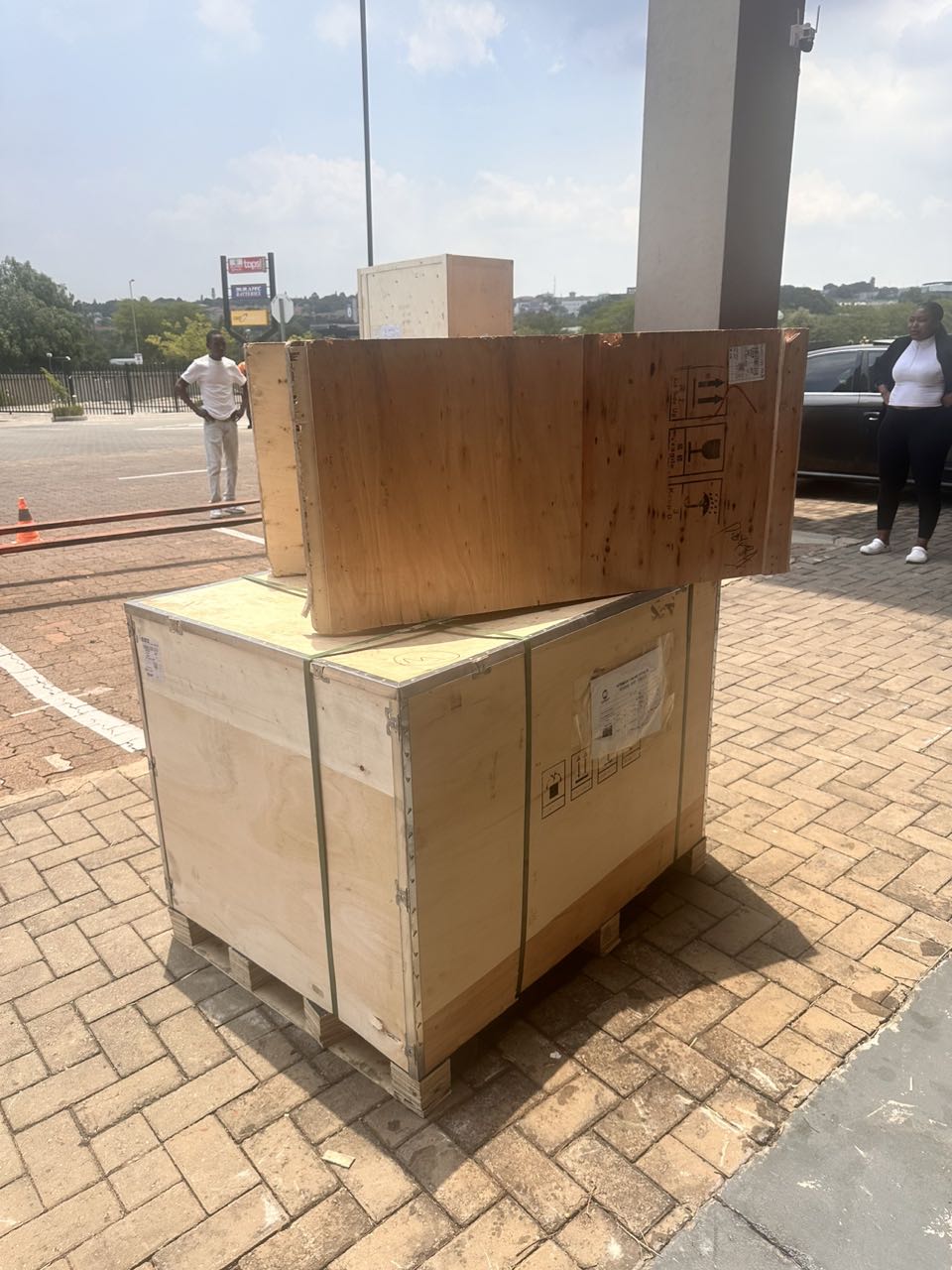
Batch of Orders
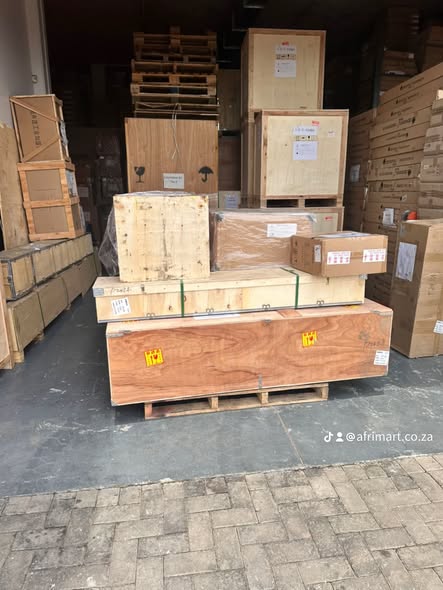
Latest Orders Labelled
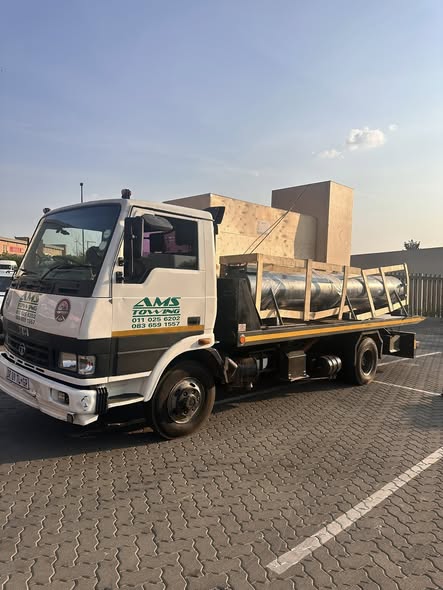
wheel alignment machines
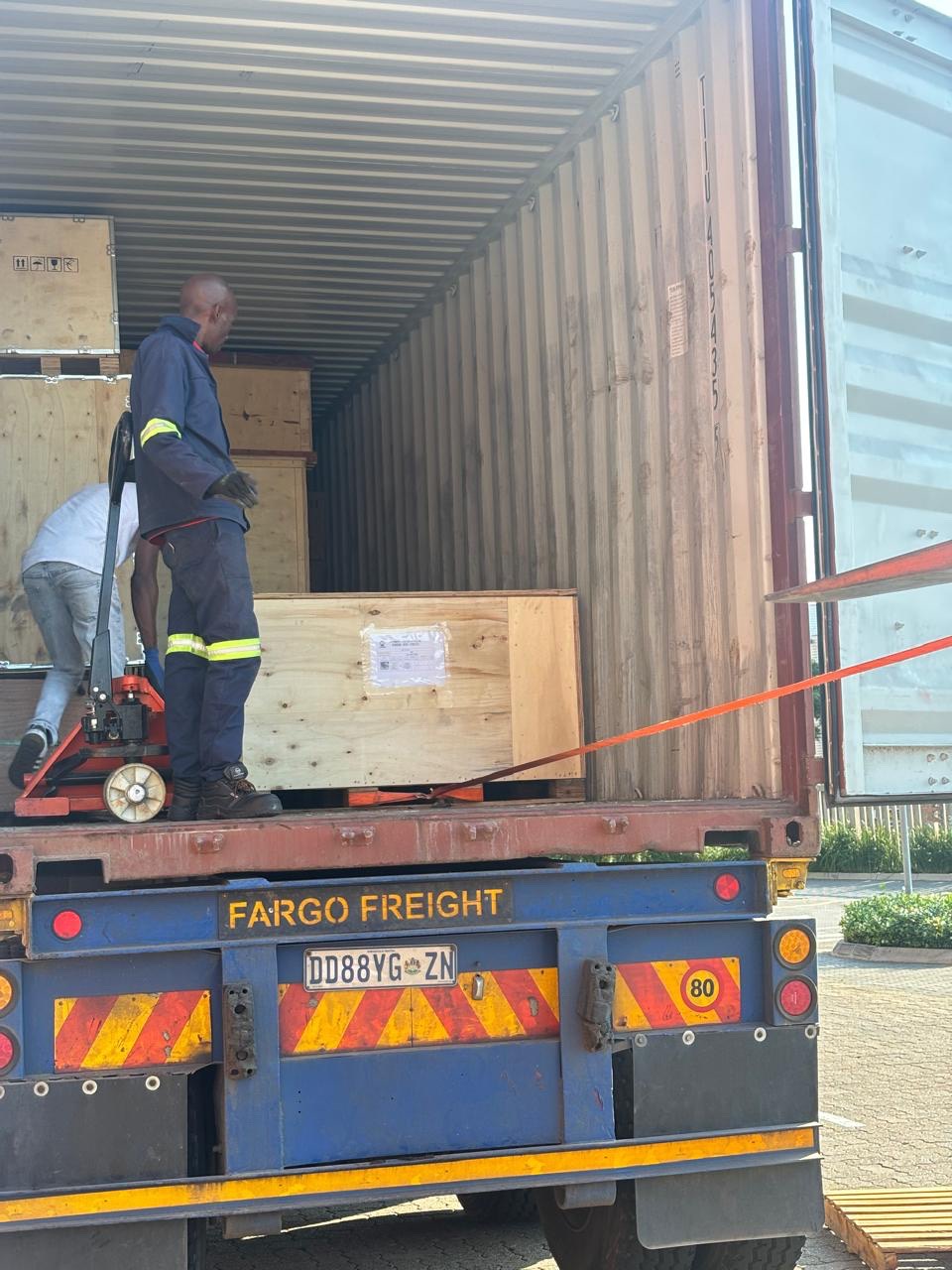
new arrivals
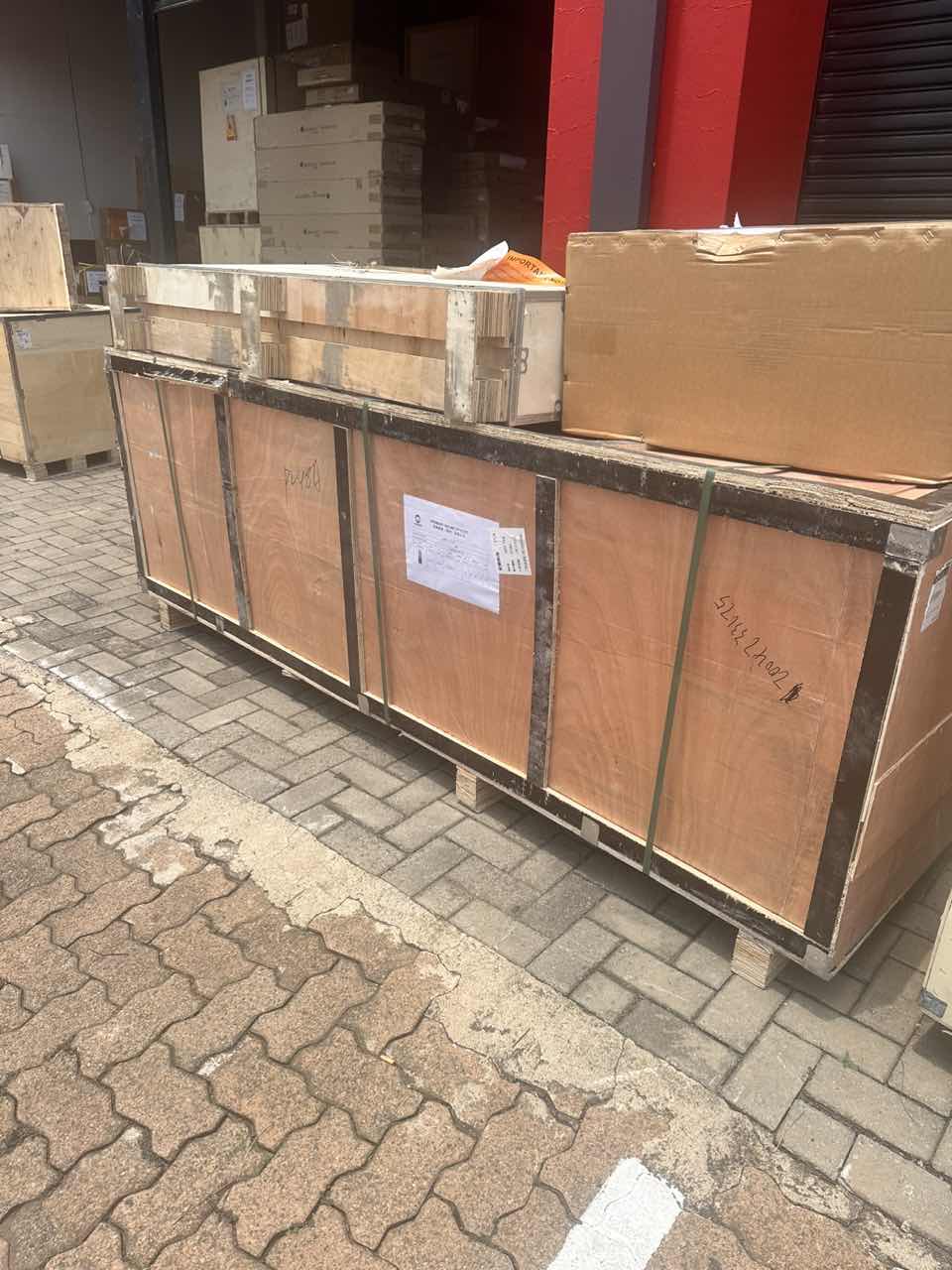
Pre Orders Offloading
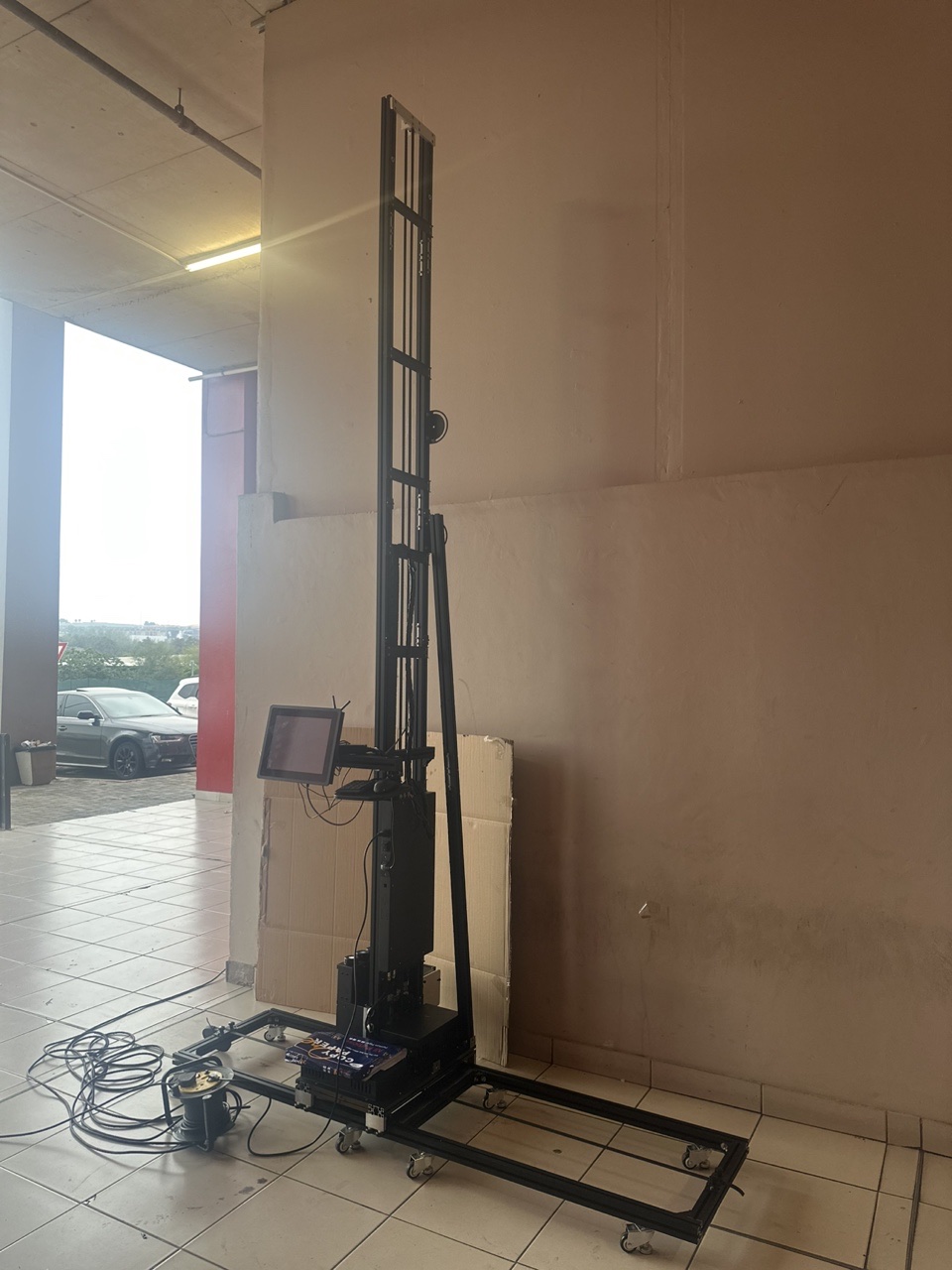
Latest Arrivals
Latest Arrivals
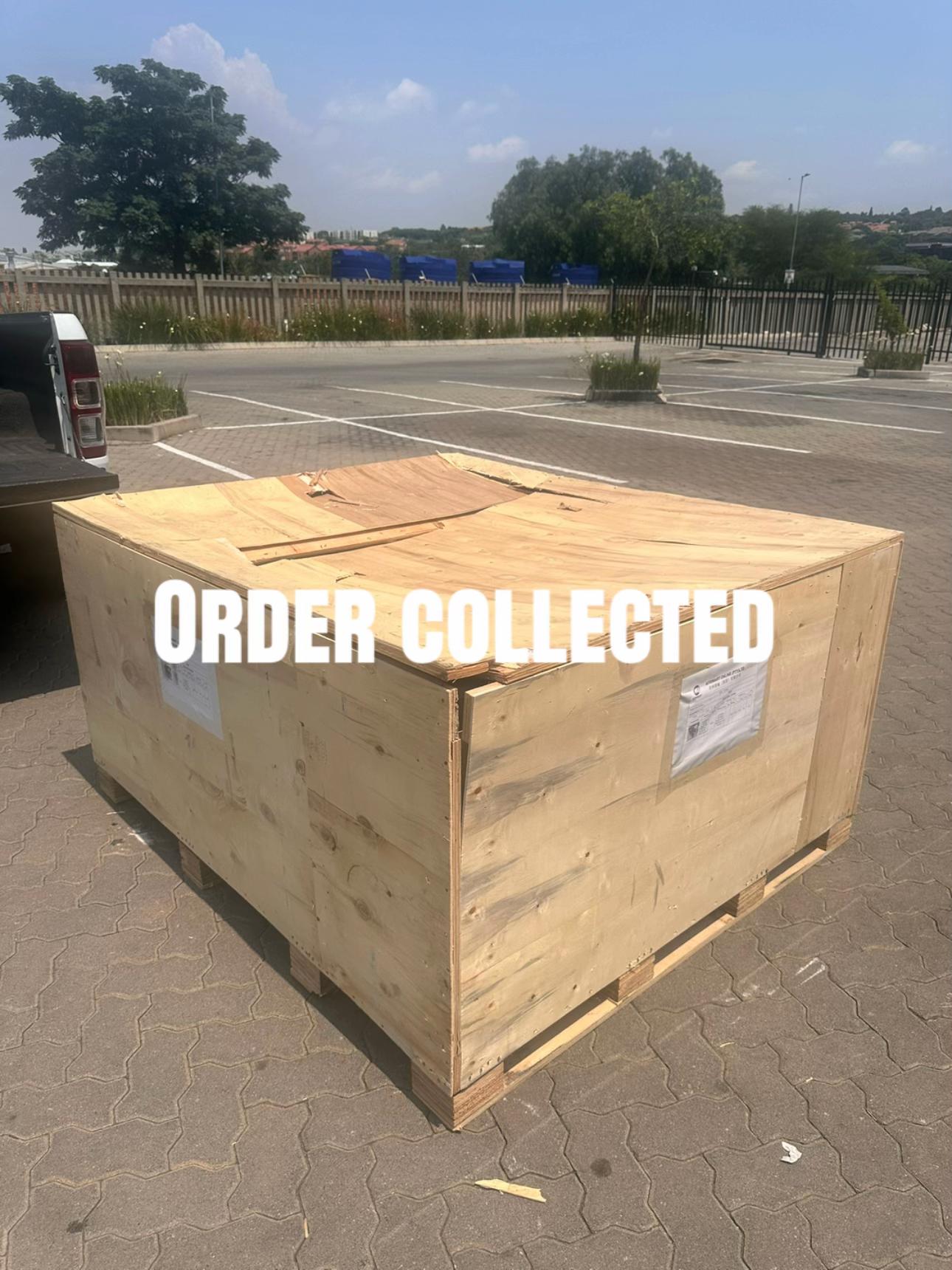
Latest Arrivals
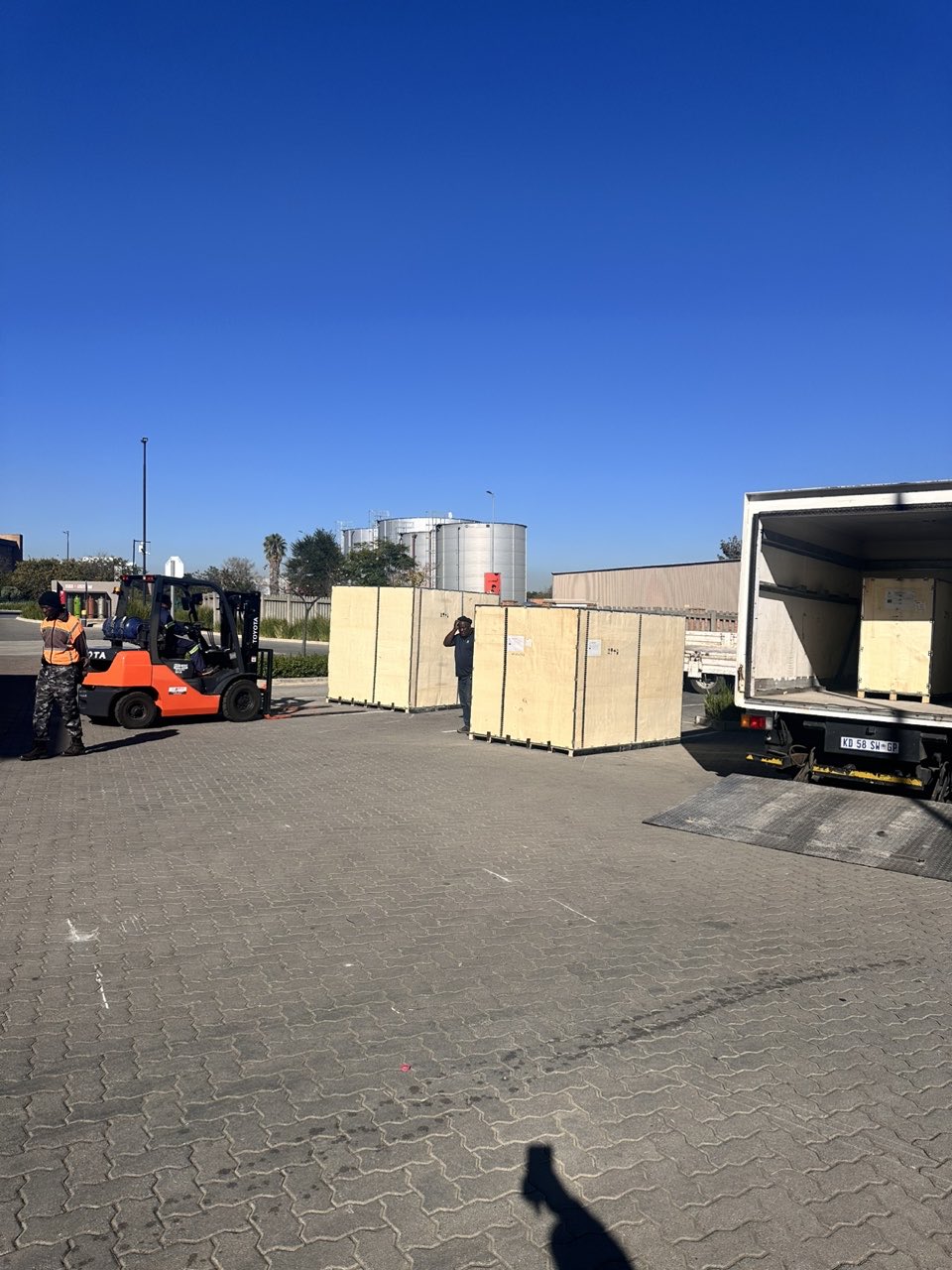
Loading
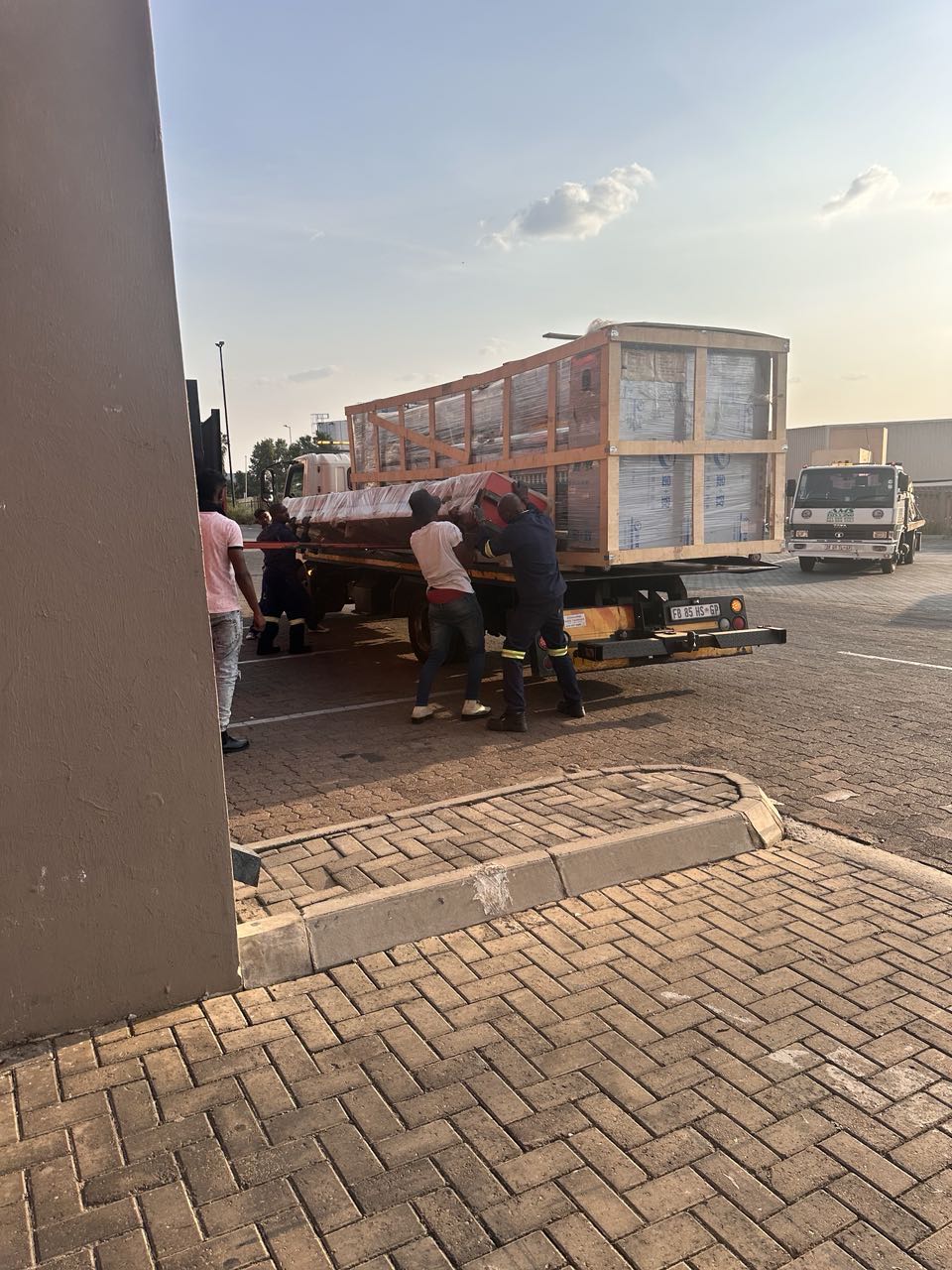
Toilet paper making machine
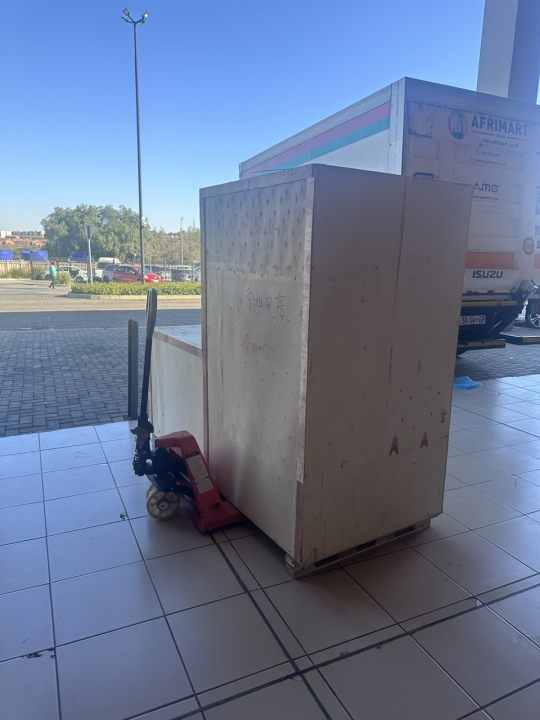
Toilet paper making machine
Toilet paper Rewinding Machine
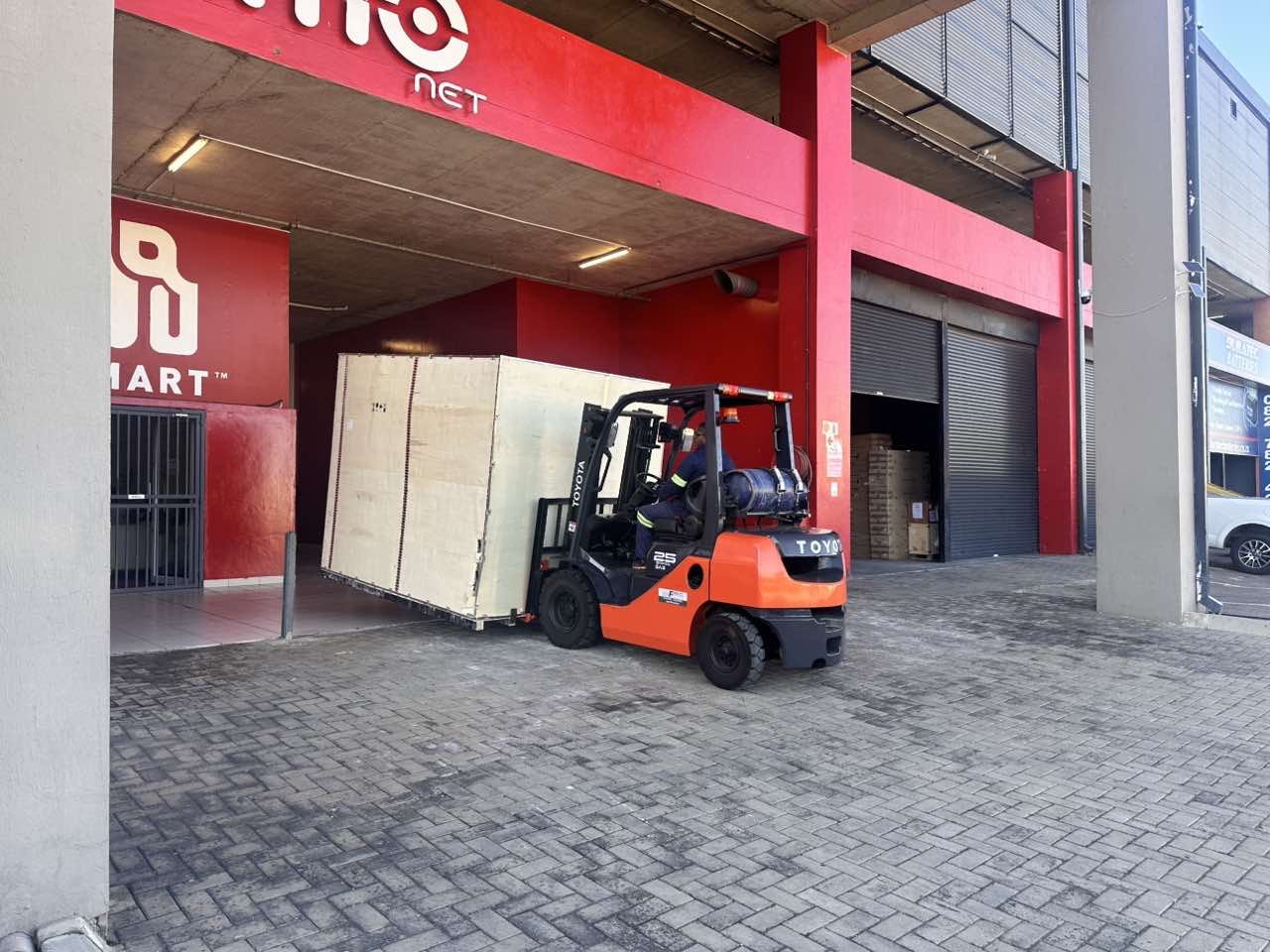
latest arrivals
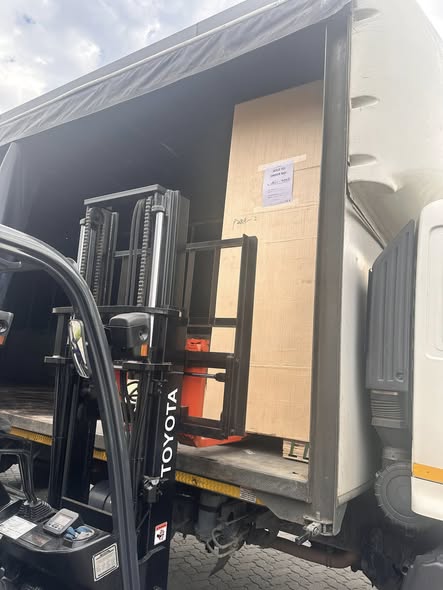
offloading
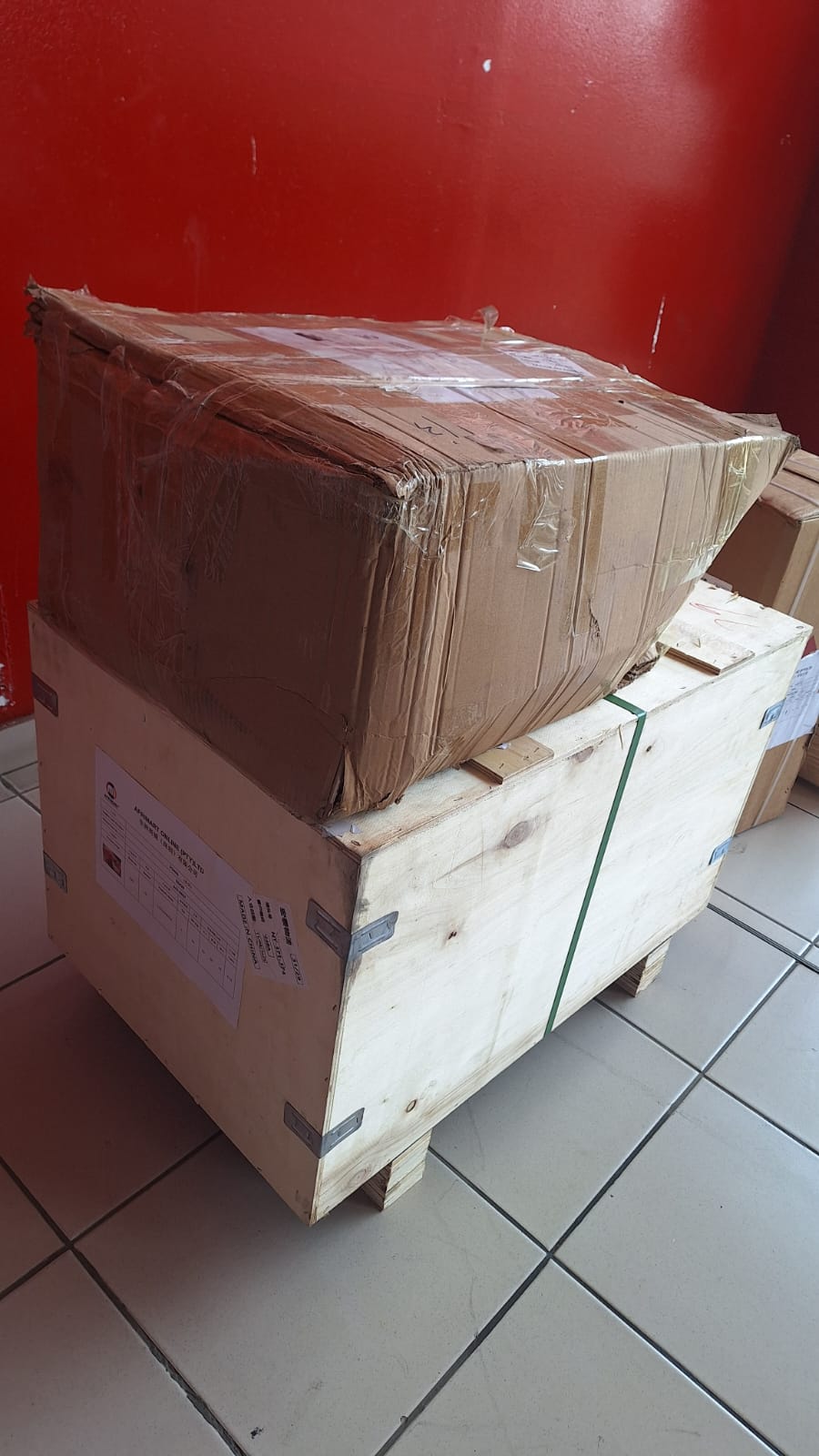
order success
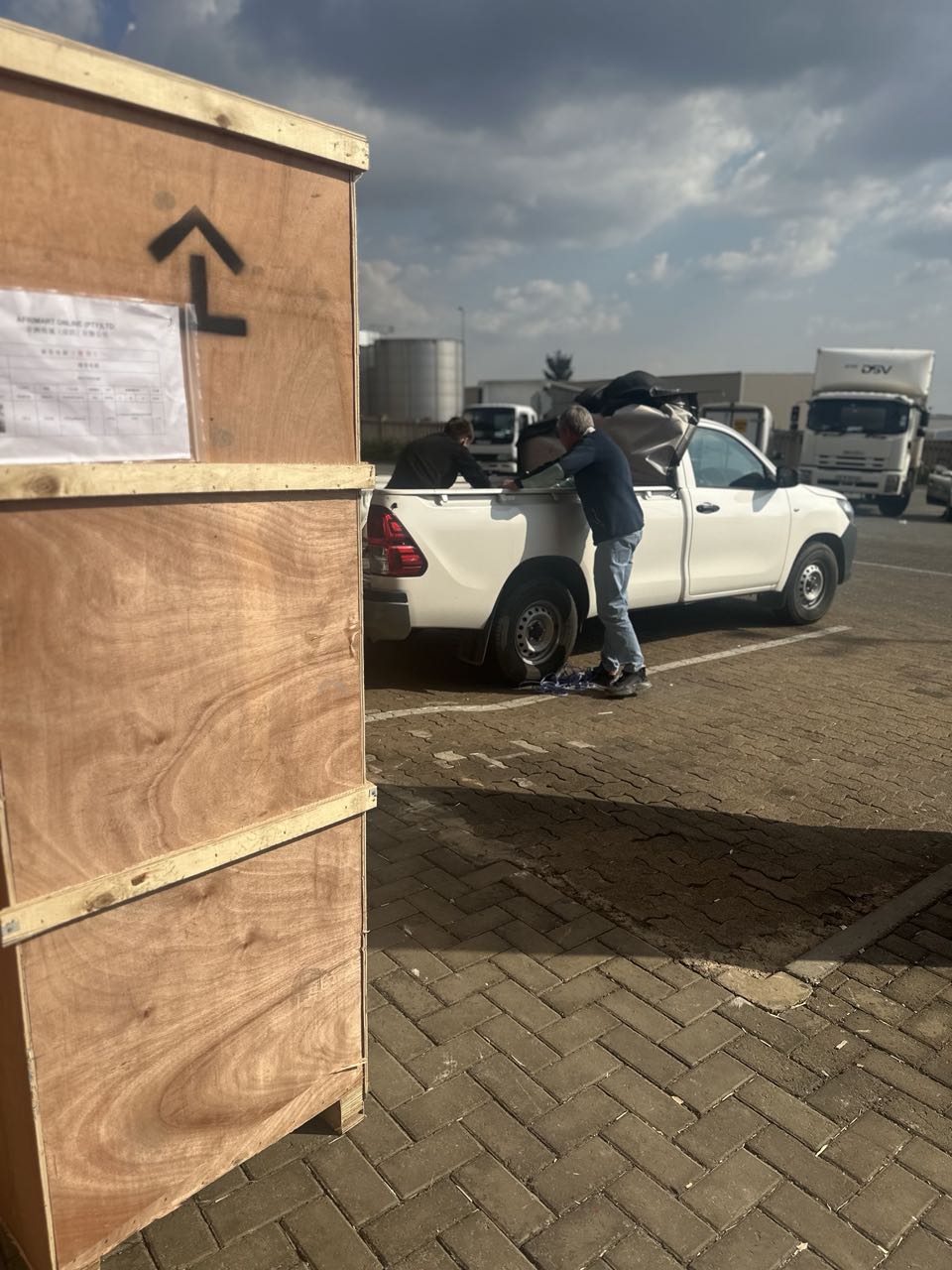
order collection
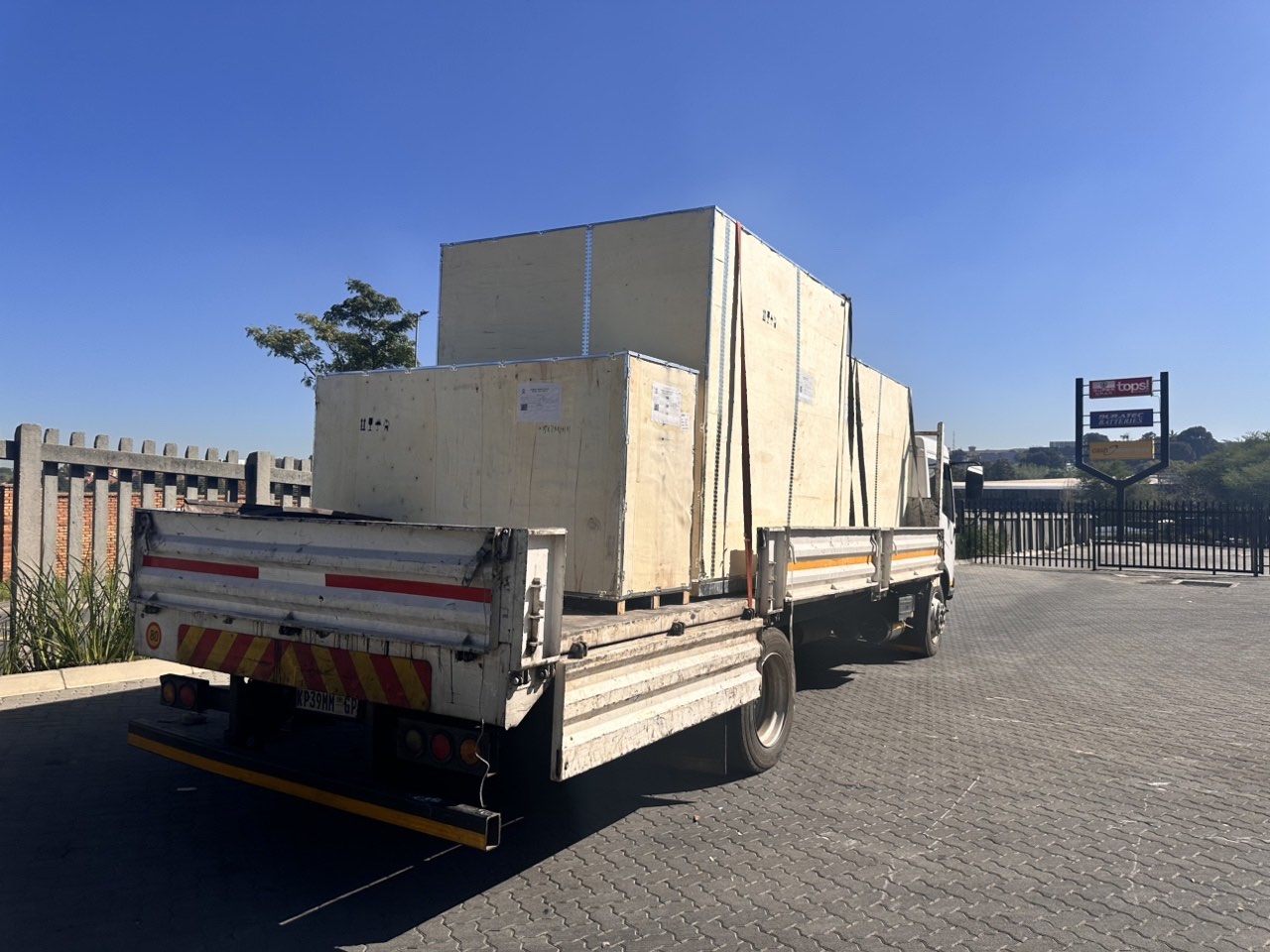
order offloading