B21, China Town Mall, Midrand


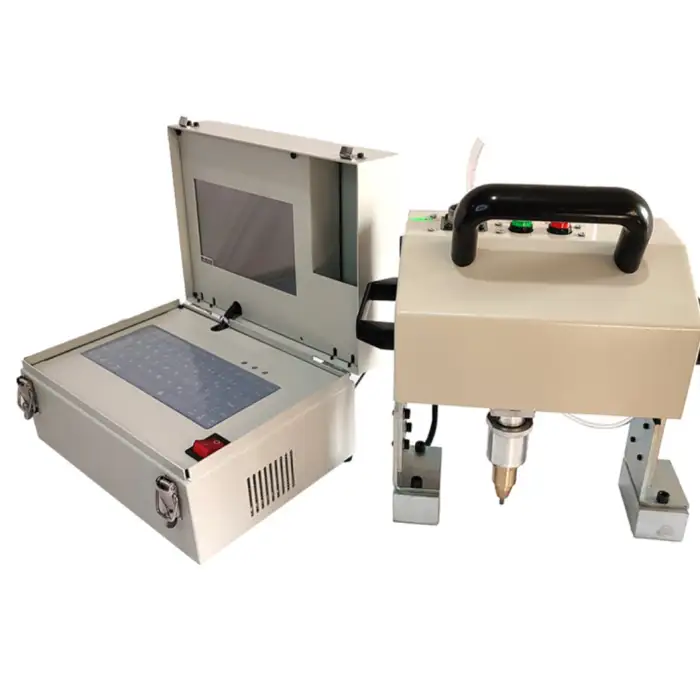
TEBAK SD-4 Rotary Coding Machine Metal/Plastic Nameplate/Date/VIN Number Dot Peen Pin Marking Engraving Marker Machine

- Section : Machinery
- Category : Metal & Metallurgy Machinery
- SKU : 1601254711072

TEBAK SD-4 Rotary Coding Machine
The TEBAK SD-4 Rotary Coding Machine is a powerful tool designed for marking metal and plastic nameplates, dates, and VIN numbers. This easy-to-use dot peen pin marking machine offers precision and speed, making it ideal for various industrial applications. With its robust features and reliable performance, it ensures high-quality engraving every time.
Specifications
| Attribute | Details |
|---|---|
| Machine Type | Dot Peen Pin Marking Machine |
| Marking Depth | 0.01-2mm |
| Working Area | 150mm x 100mm |
| Marking Speed | <=50mm/s |
| Air Pressure | 0.2-0.6Mpa |
| Z-Axis Lifting Range | 0-300 mm or Customized |
| Marking Accuracy | 0.01 mm |
| Pin Hardness | HRC 92 |
| Power Supply | 220V±10%, 50HZ |
| Machine Power | ≤400 W |
| Weight | 60 kg |
| Voltage | 220V |
| Power (kW) | 2 |
Key Features
- Easy to operate with user-friendly controls.
- Fast marking speed for efficient production.
- Adjustable Z-axis for customized marking depth.
- High marking accuracy of 0.01 mm.
- Includes CE certificate for quality assurance.
- Comprehensive machinery test report provided.
Applications
- Marking serial numbers on products.
- Engraving dates on metal parts.
- Labeling automotive VIN numbers.
- Creating identification plates for machinery.
- Customizing plastic and metal nameplates.
Product Info Gallery
- Shipping Timeframes: All orders are processed within 2-5 business days (excluding weekends and holidays). After your order has been processed, the estimated delivery time is before 04 Aug, 2026, depending on customs, Please note that due to high demand, some items may experience longer shipping times, which will be communicated at order confirmation email.
- Order Processing Time: Please allow 2-5 business days for us to process your order before it is shipped . Orders placed after 16:00 on Fridays, or during weekends and public holidays, will begin processing on the next business day. Processing times may be extended during peak seasons or sales events.
- Manufacturing Time: Some products needs manufacturing time, the manufacturing process will take approximately 10-30 business days depending on the product. This timeframe may vary depending on the complexity of the product and current demand. but this will be communicated with you during order confirmation.
- Returns and Exchanges: We offer a 30-day return policy for most items. If you are not completely satisfied with your purchase, you may return it within 30 days of receipt for a refund or exchange. Items must be unused, in their original packaging, and accompanied by proof of purchase. Return shipping costs are the responsibility of the customer, unless the item was damaged or defective upon arrival.
1. What materials can the TEBAK SD-4 mark?
The SD-4 is designed to mark metals and plastics, including nameplates, stamped metal parts, and many engineering plastics. Extremely hard alloys or very soft heat-sensitive plastics may require adjusted settings or special pins—test on samples before production.
2. What is the marking area and maximum marking speed?
The standard working area is 150 mm x 100 mm and the marking speed is up to 50 mm/s (<=50 mm/s).
3. How deep can the SD-4 mark and how accurate is it?
Marking depth is adjustable from 0.01 mm up to 2 mm (depending on material and pin), and marking accuracy is 0.01 mm.
4. What power and air supply does the machine require?
Electrical requirement: 220 V ±10%, 50 Hz. Air pressure required: 0.2–0.6 MPa (a clean, dry compressed air source with regulator is recommended).
5. What is the Z-axis travel and can it be customized?
Standard Z-axis lifting (stroke) is 0–300 mm. Custom Z-axis ranges are available—contact the supplier for custom configurations.
6. What type and hardness of marking pin does the SD-4 use?
The machine uses a high-hardness marking pin with a hardness of approximately HRC 92. Different tip geometries and materials are available for specific applications.
7. Does the SD-4 come with CE certification and test documentation?
Yes. The product includes a CE certificate and a comprehensive machinery test report for quality assurance.
8. What kinds of marks and data can it produce (text, numbers, barcodes, VIN)?
The SD-4 supports serial numbers, dates, text, and VIN-style alphanumeric marks. Many dot-peen controllers also support simple 1D barcodes and sequential numbering; for logo/DXF or 2D code support, confirm the controller/software version with the supplier.
9. Is a rotary attachment included for cylindrical parts?
The product name references rotary coding capability. A rotary attachment may be included or available as an optional accessory—verify with the seller if you need a rotary chuck or roller for cylindrical marking.
10. What consumables and spare parts should I keep on hand?
Common consumables include marking pins/tips, spare o-rings or seals for the pneumatic system, and guide-rail lubricant. Keep a few replacement pins (various tip styles) on hand; pin life depends on material hardness and usage.
11. How much does the machine weigh and what are the shipping considerations?
The machine weight is approximately 60 kg. Shipping packaging dimensions and freight class vary—ask the supplier for shipping weight, crate dimensions, and any export documentation required.
12. What maintenance is required to keep the SD-4 operating reliably?
Regularly clean the marking head and work area, keep guide rails lubricated per the manual, inspect and replace worn pins, check pneumatic lines and filters, and verify electrical grounding. Follow the supplied maintenance schedule in the user manual.
13. What safety measures are recommended when using this machine?
Follow standard machine-safety practices: keep hands clear of the marking area during operation, use proper grounding and electrical protection, secure workpieces with fixtures or clamps, and wear eye protection if chips are possible. The machine meets CE safety requirements, but local safety rules still apply.
14. What software or controller does the SD-4 use and how are marks programmed?
The SD-4 is supplied with a user-friendly controller for creating text, numbers, dates, and simple patterns. Programming typically includes keyboard entry, templates, and serial sequencing. For advanced file import (DXF/logo) or network integration, confirm the exact controller/software package with the vendor.
15. Is there a warranty and can I get a demonstration or sample marking report?
Warranty terms vary by seller—request warranty length and coverage before purchase. The supplier typically provides a machinery test report and can often run sample markings on your material or provide photos/videos upon request.
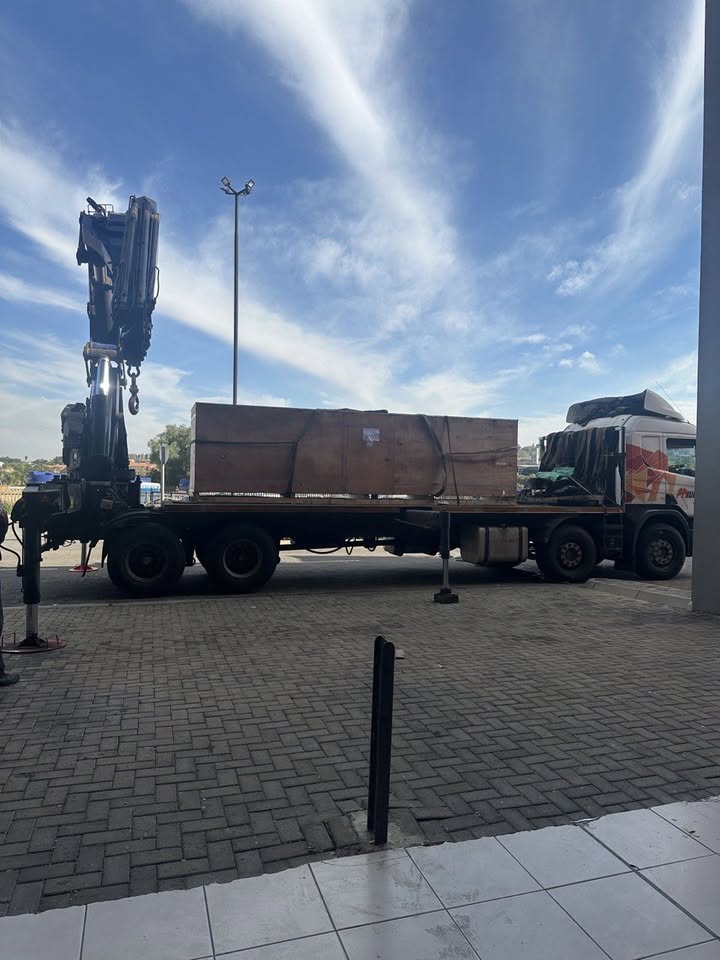
Latest Order Arrivals
Discover our latest orders
12 Heads Embroidery Machine
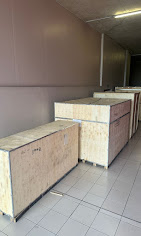
Toilet Paper Machine Machine
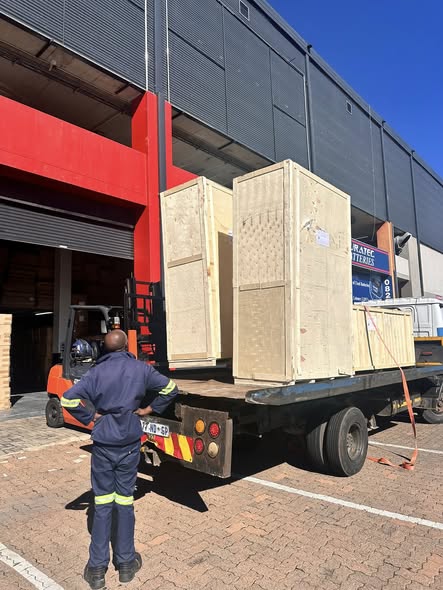
Order Collection
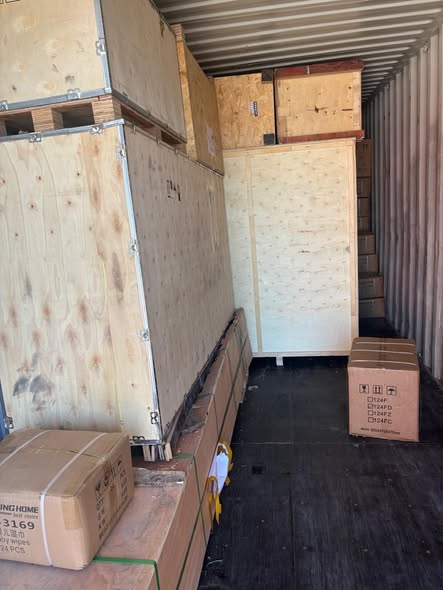
Cross Border Clients
Order cros border countries Collected
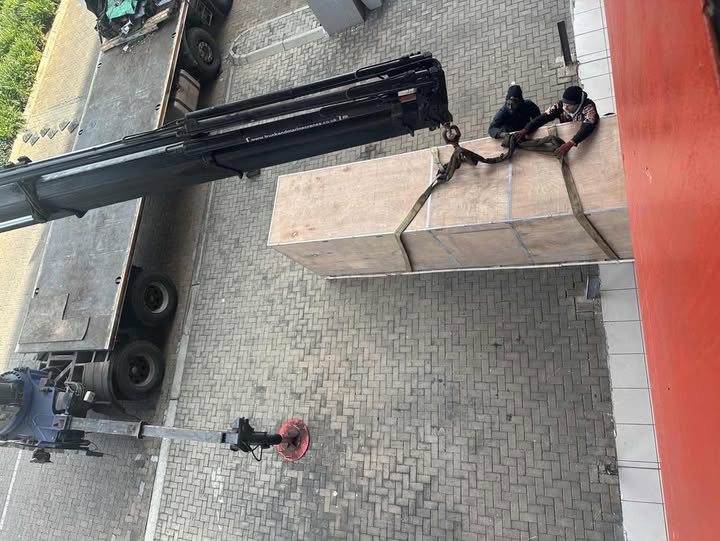
Industrial Machine Cllection
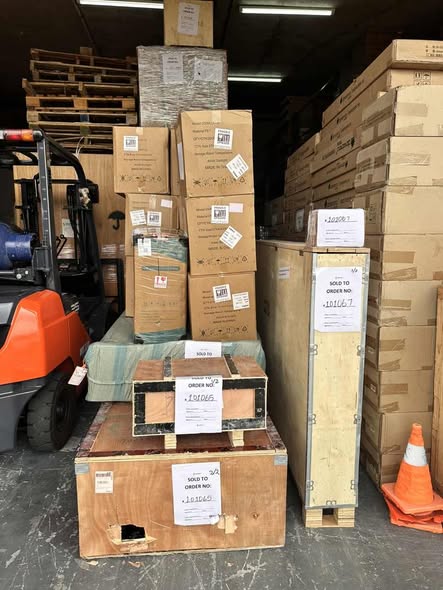
Agriculture Processing Machines
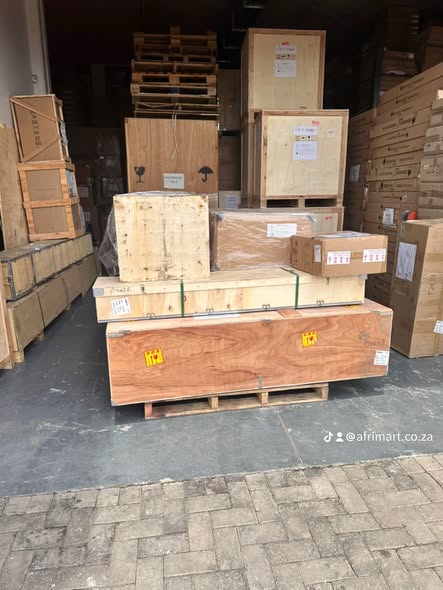
Ready for collection
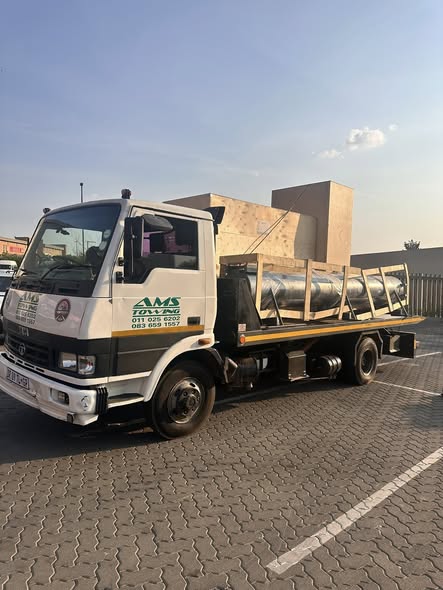
Water Pump Equipment
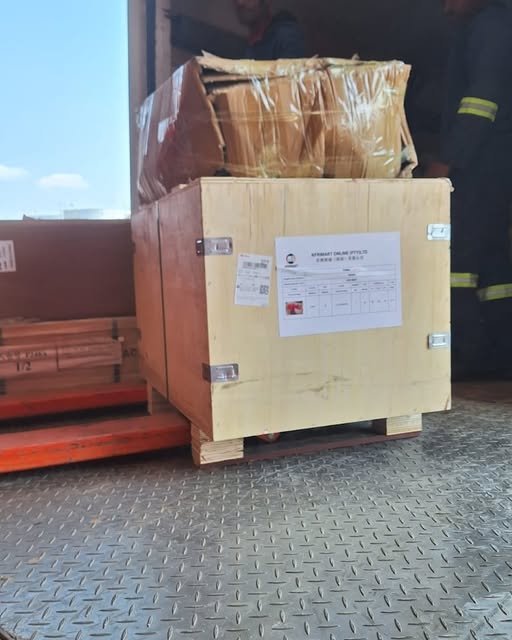
Packaging Machine and accessories
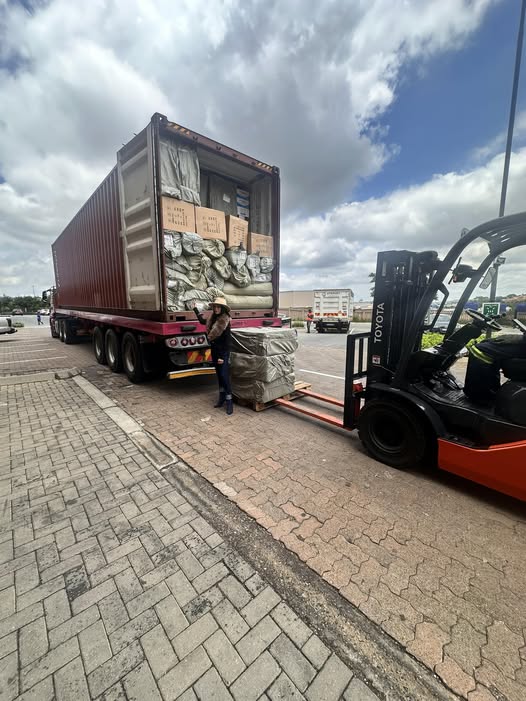
Fabrics Manufacturing Equipment
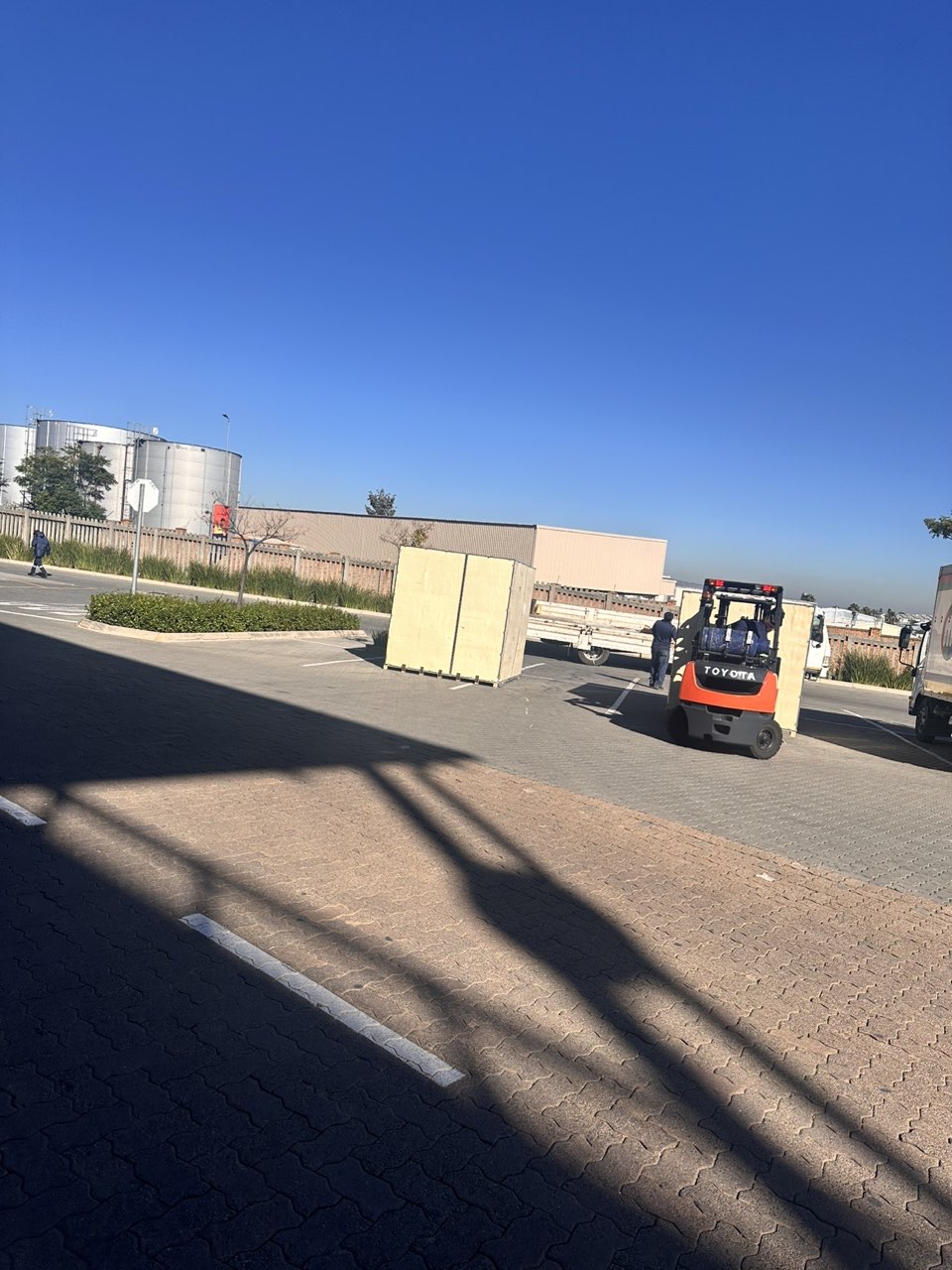
Mining Equipments
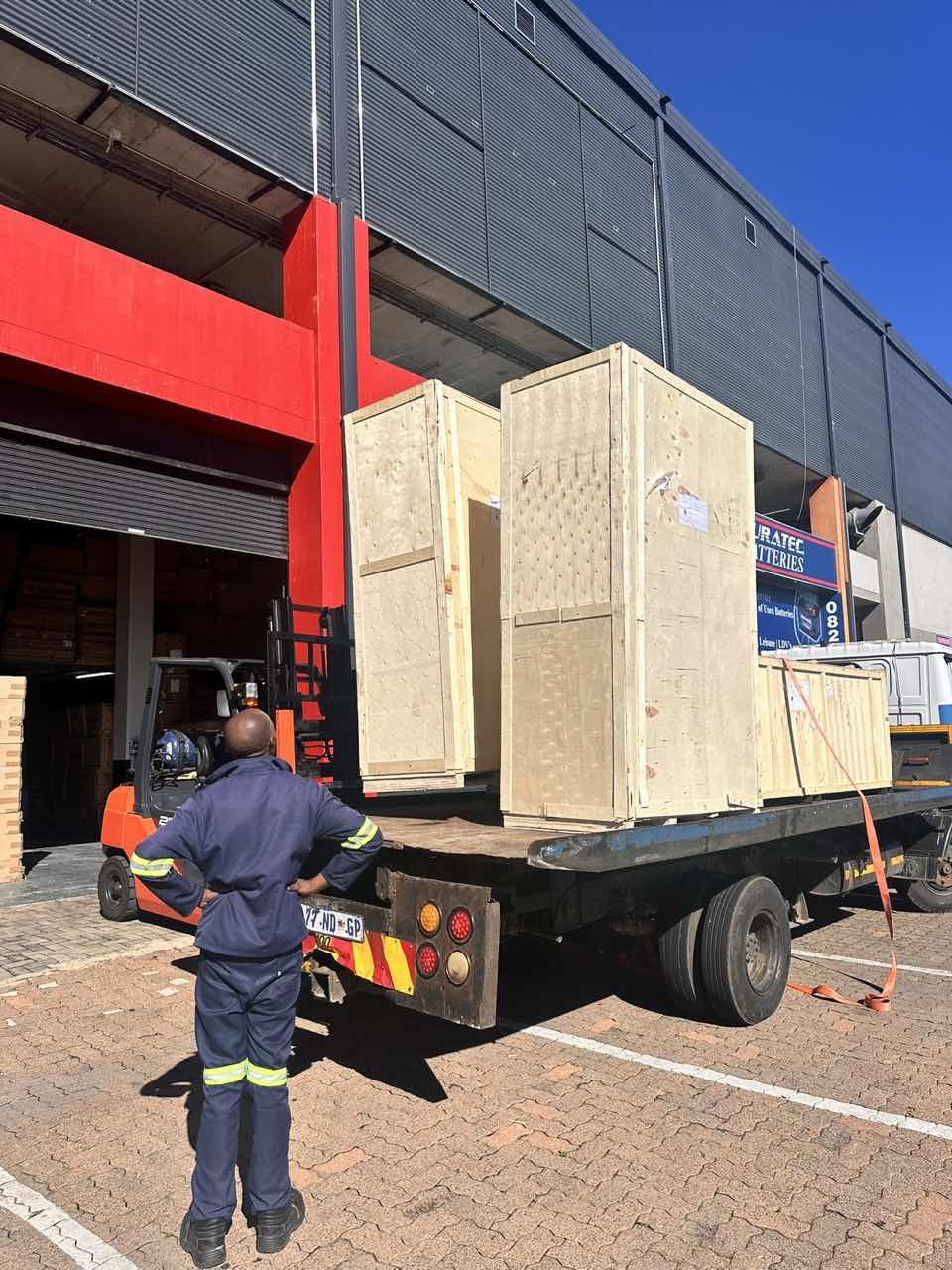
Food Processing Machine
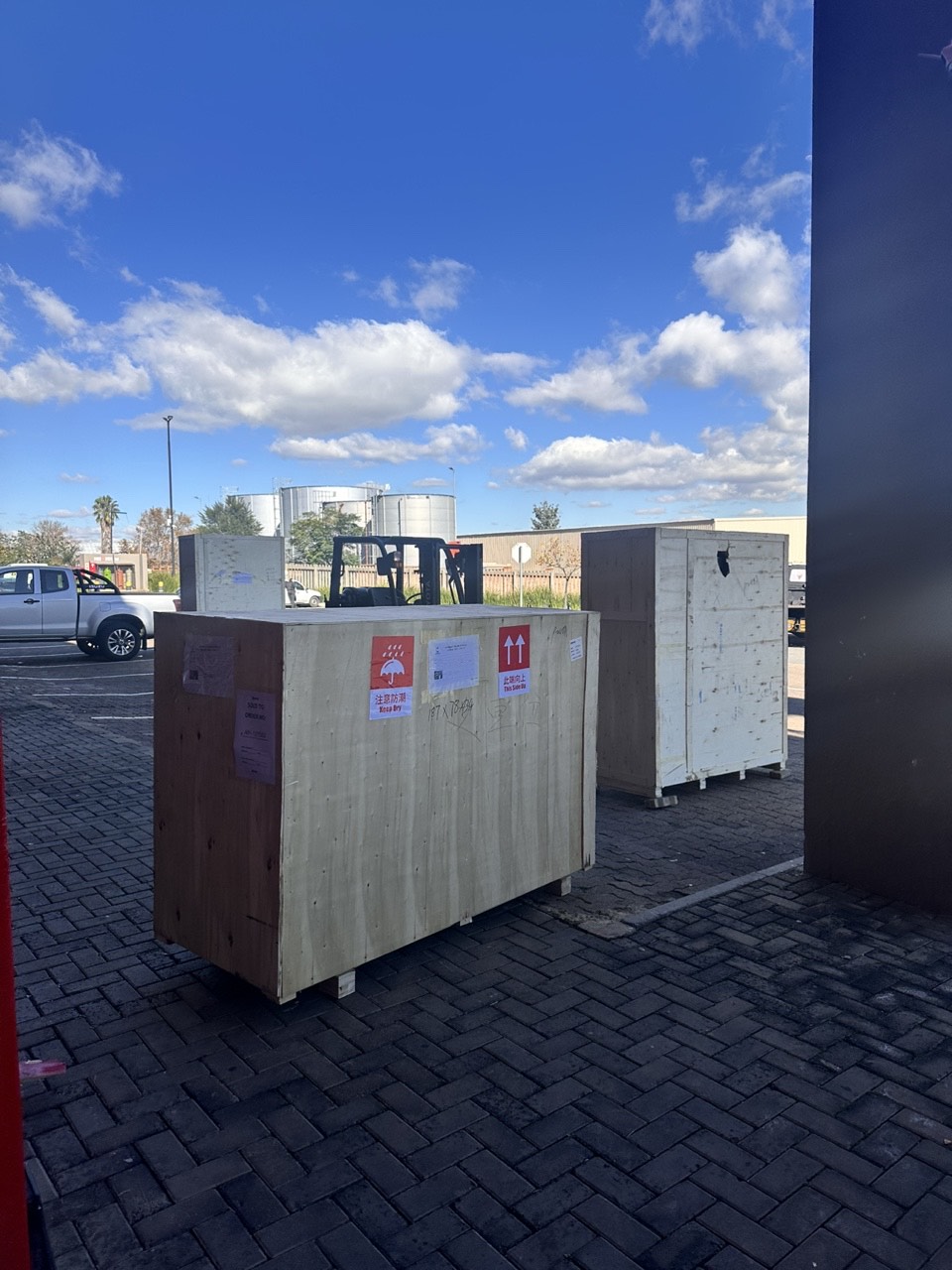
Batch of Orders
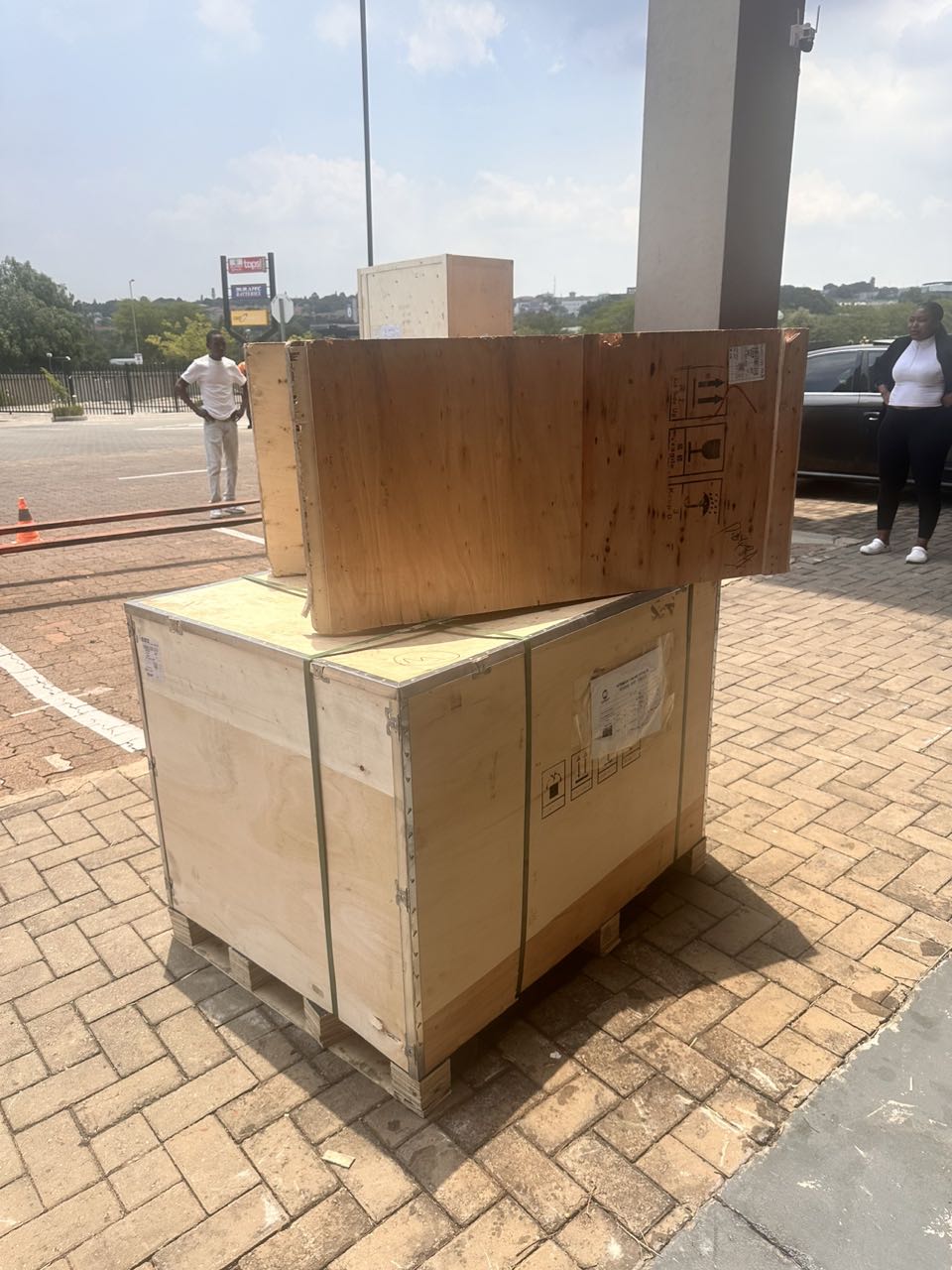
Batch of Orders
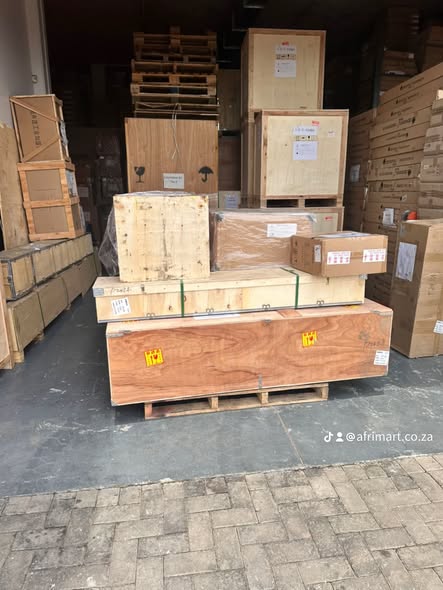
Latest Orders Labelled
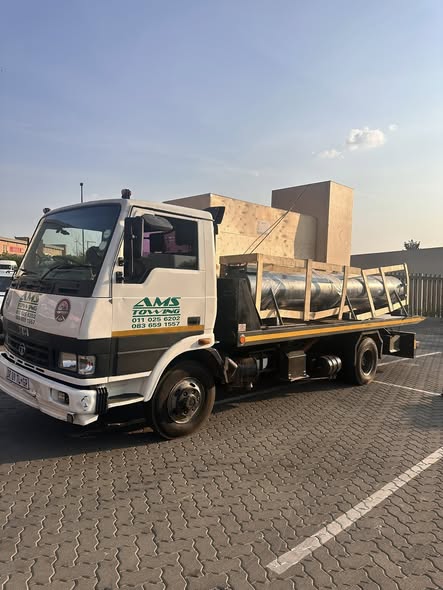
wheel alignment machines
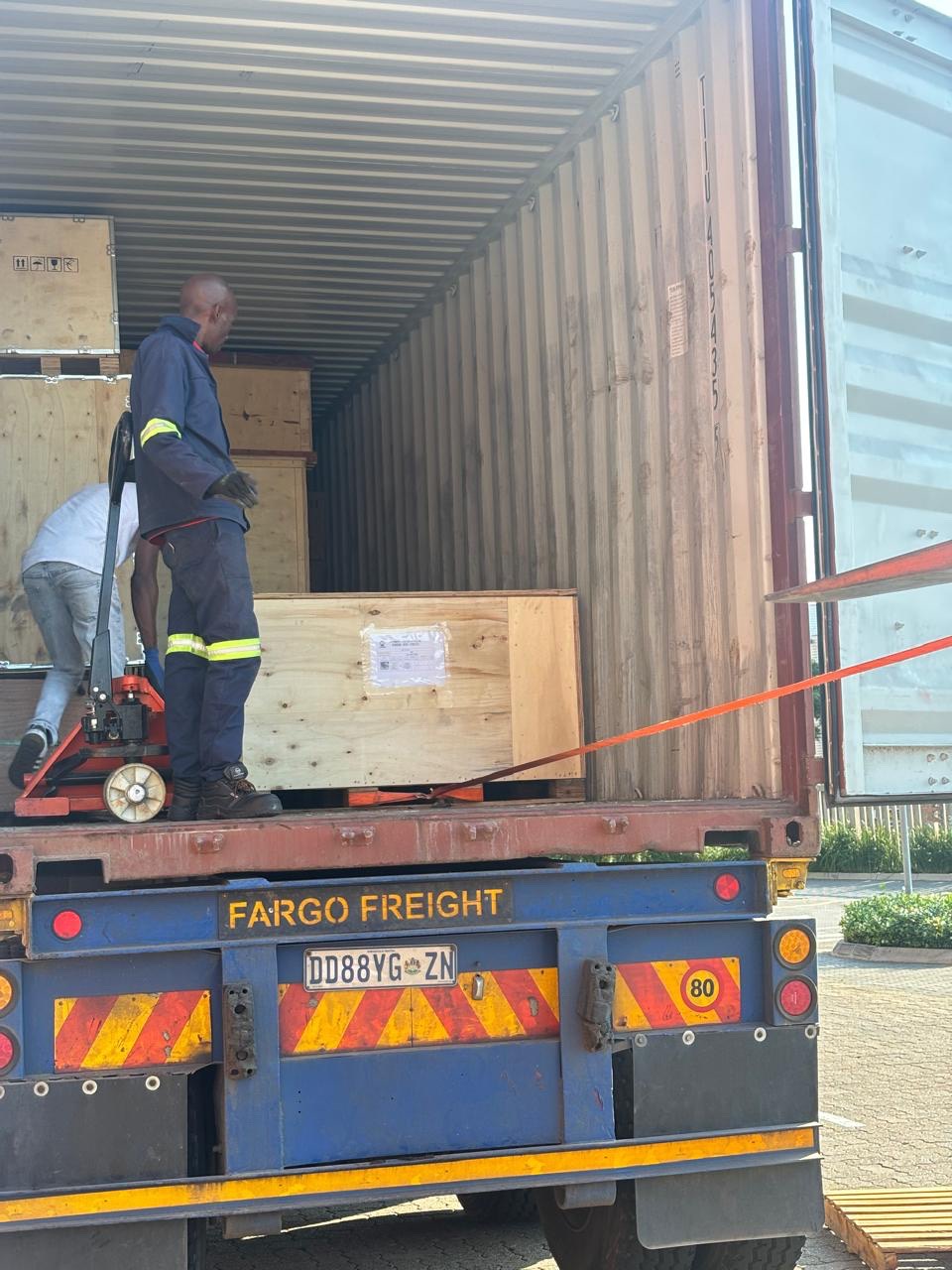
new arrivals
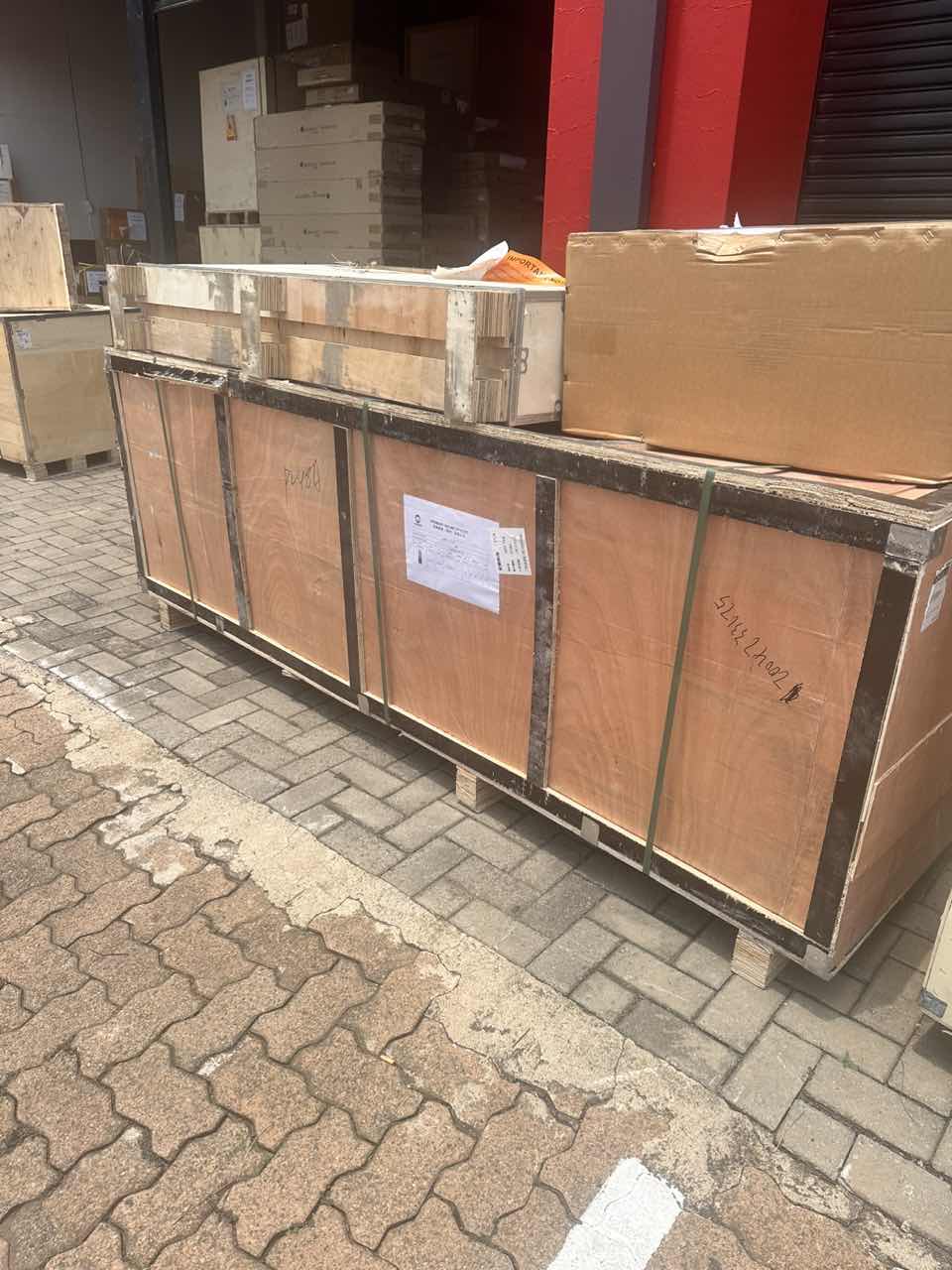
Pre Orders Offloading
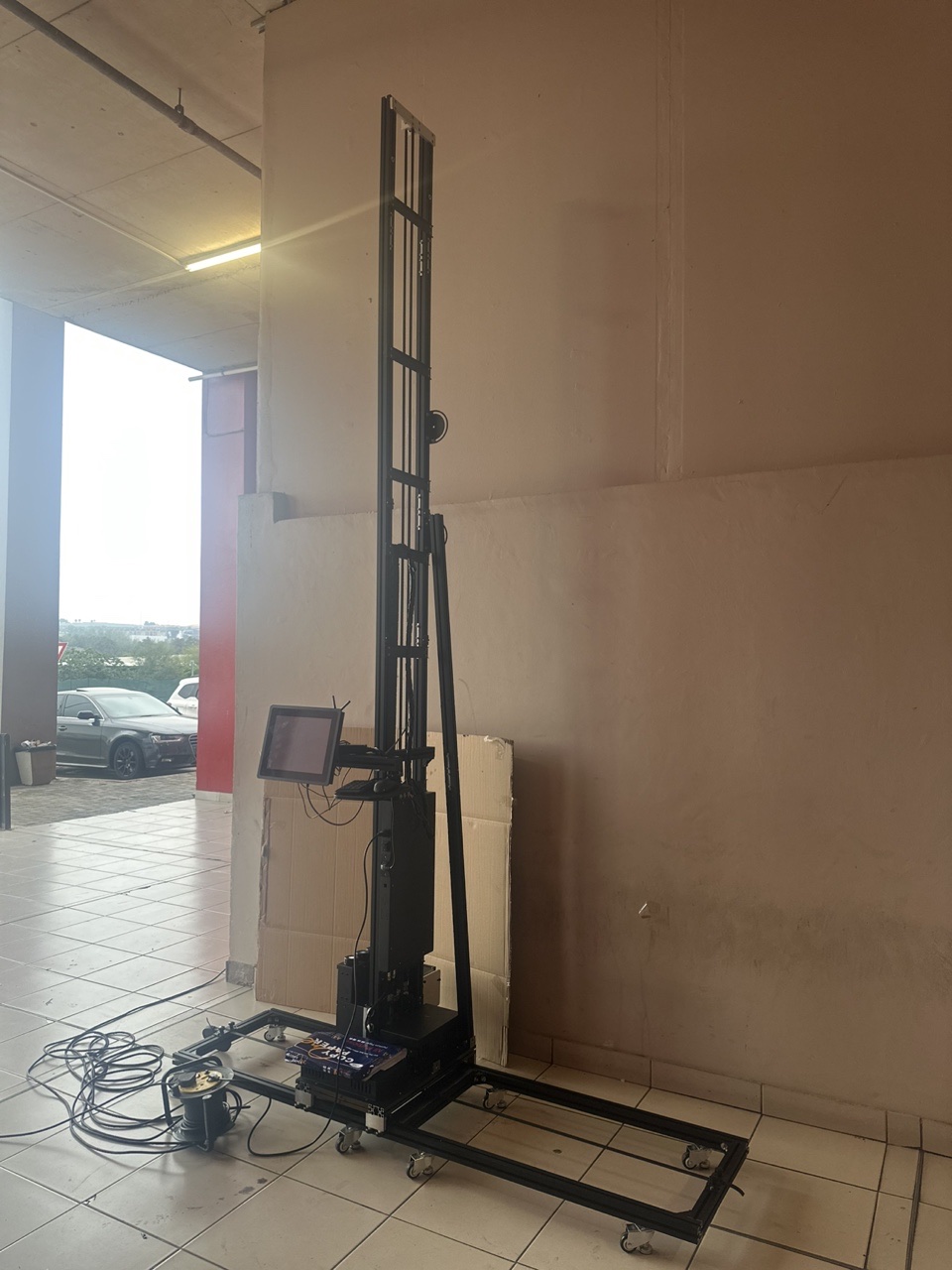
Latest Arrivals
Latest Arrivals
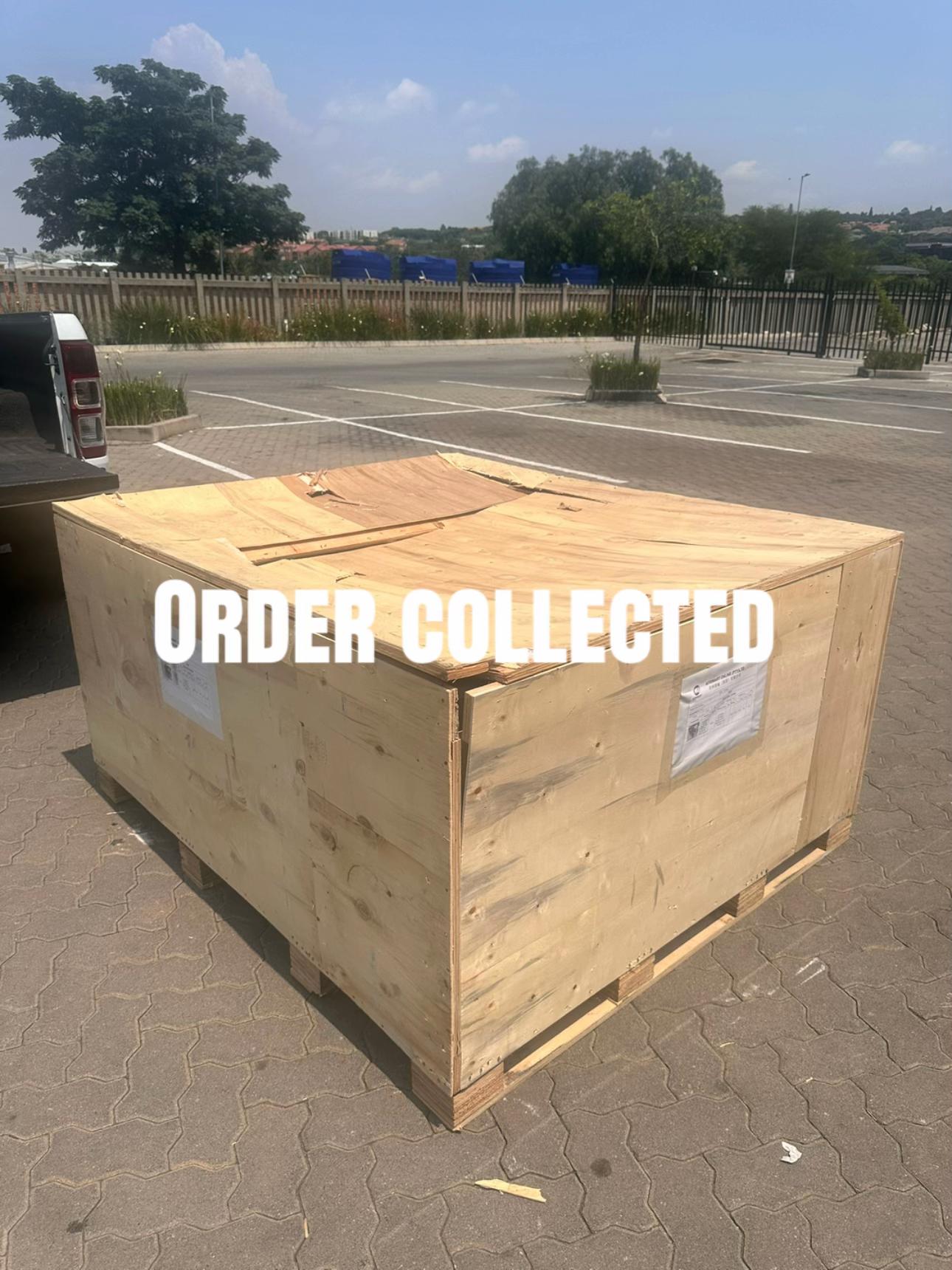
Latest Arrivals
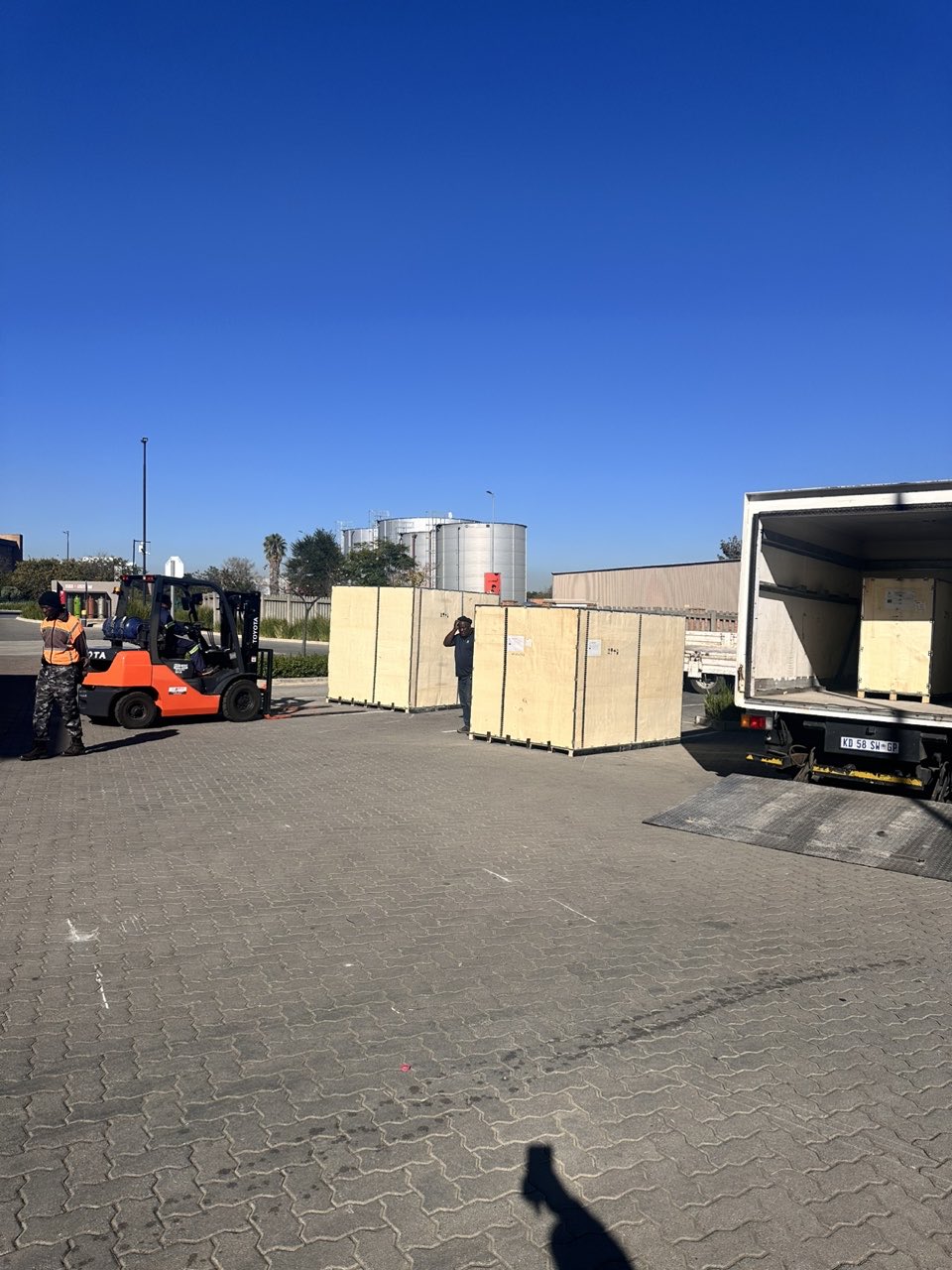
Loading
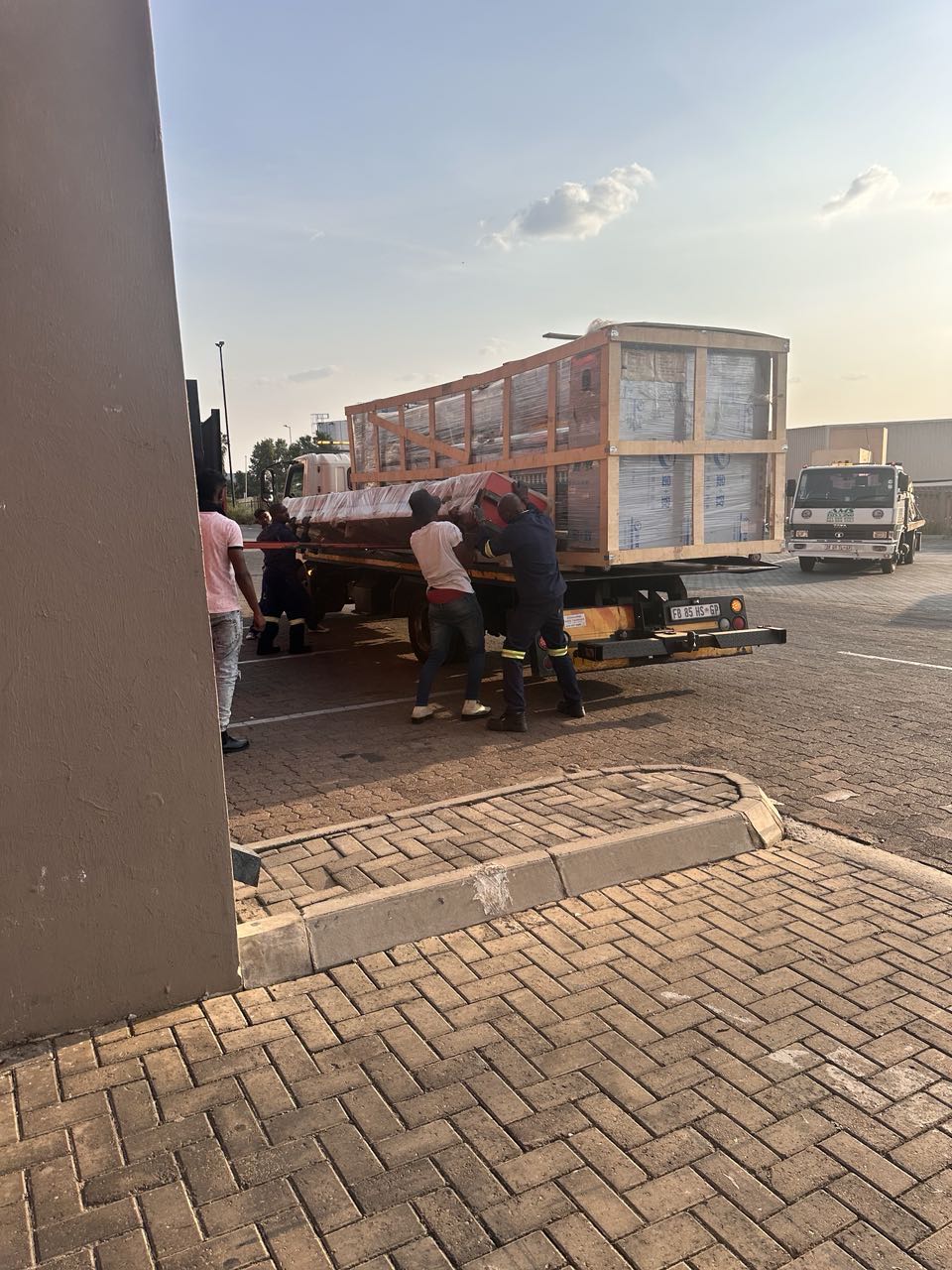
Toilet paper making machine
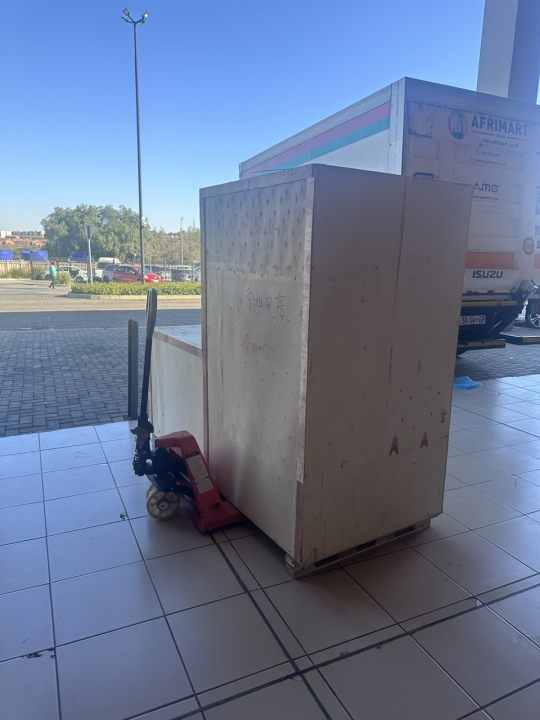
Toilet paper making machine
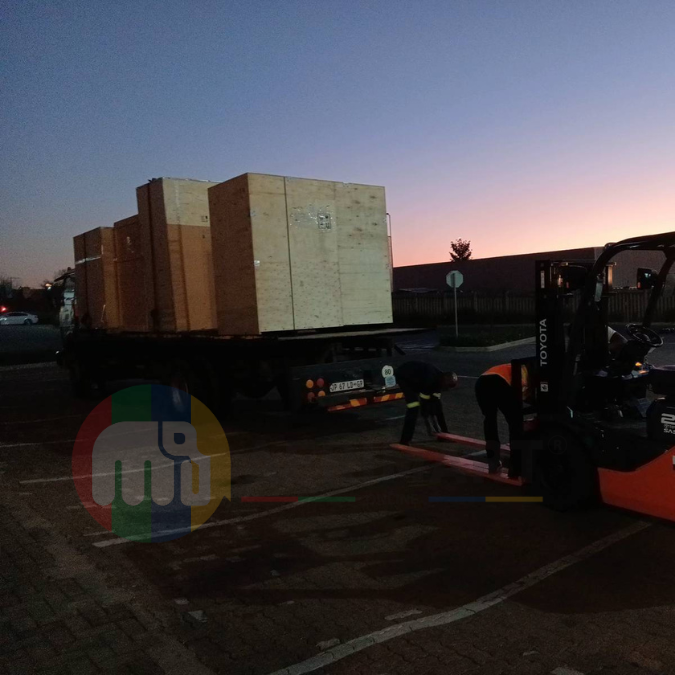
Toilet paper Rewinding Machine
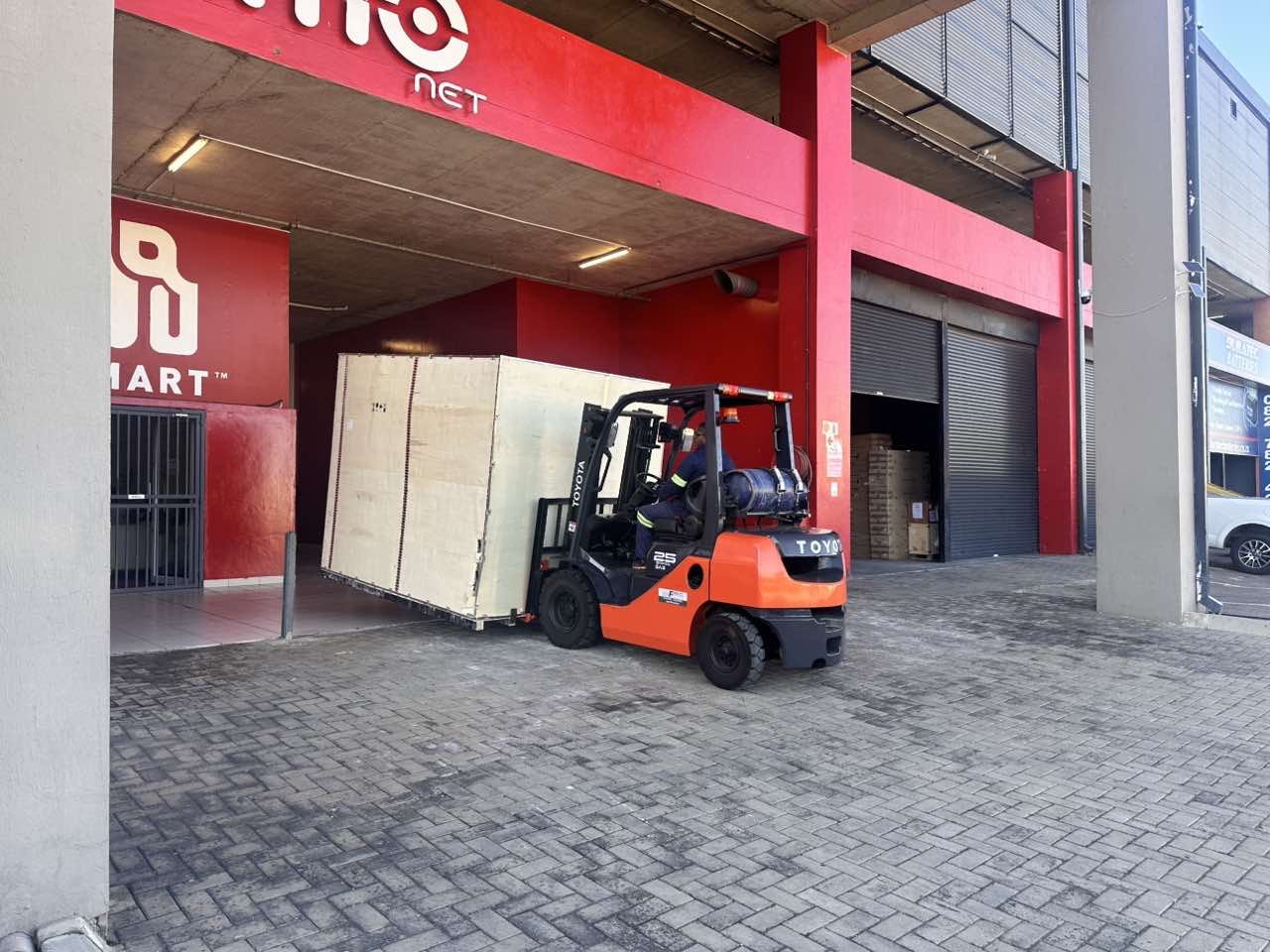
latest arrivals
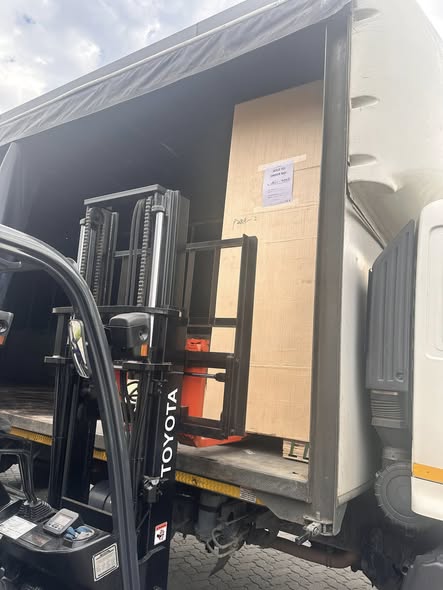
offloading
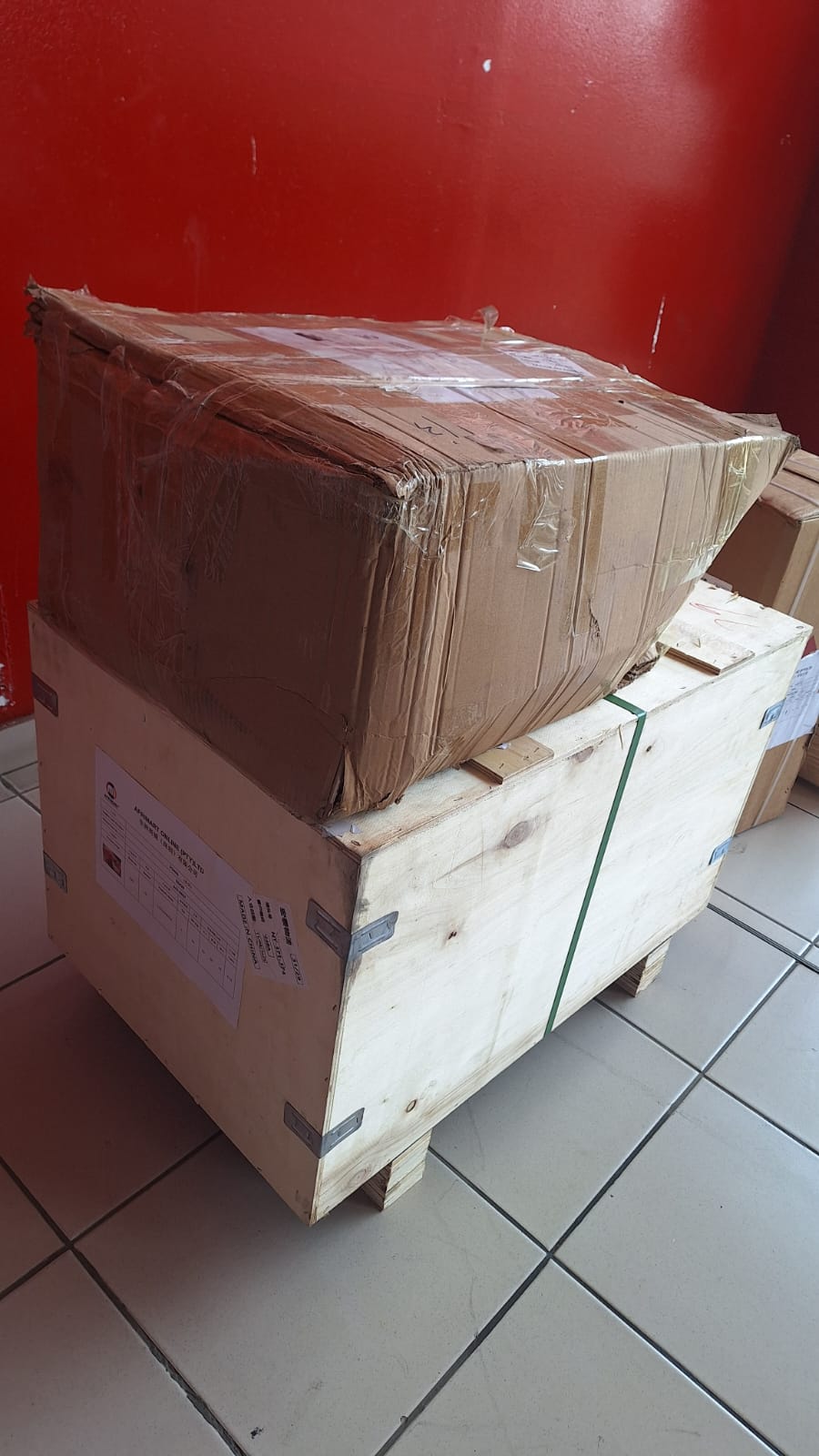
order success
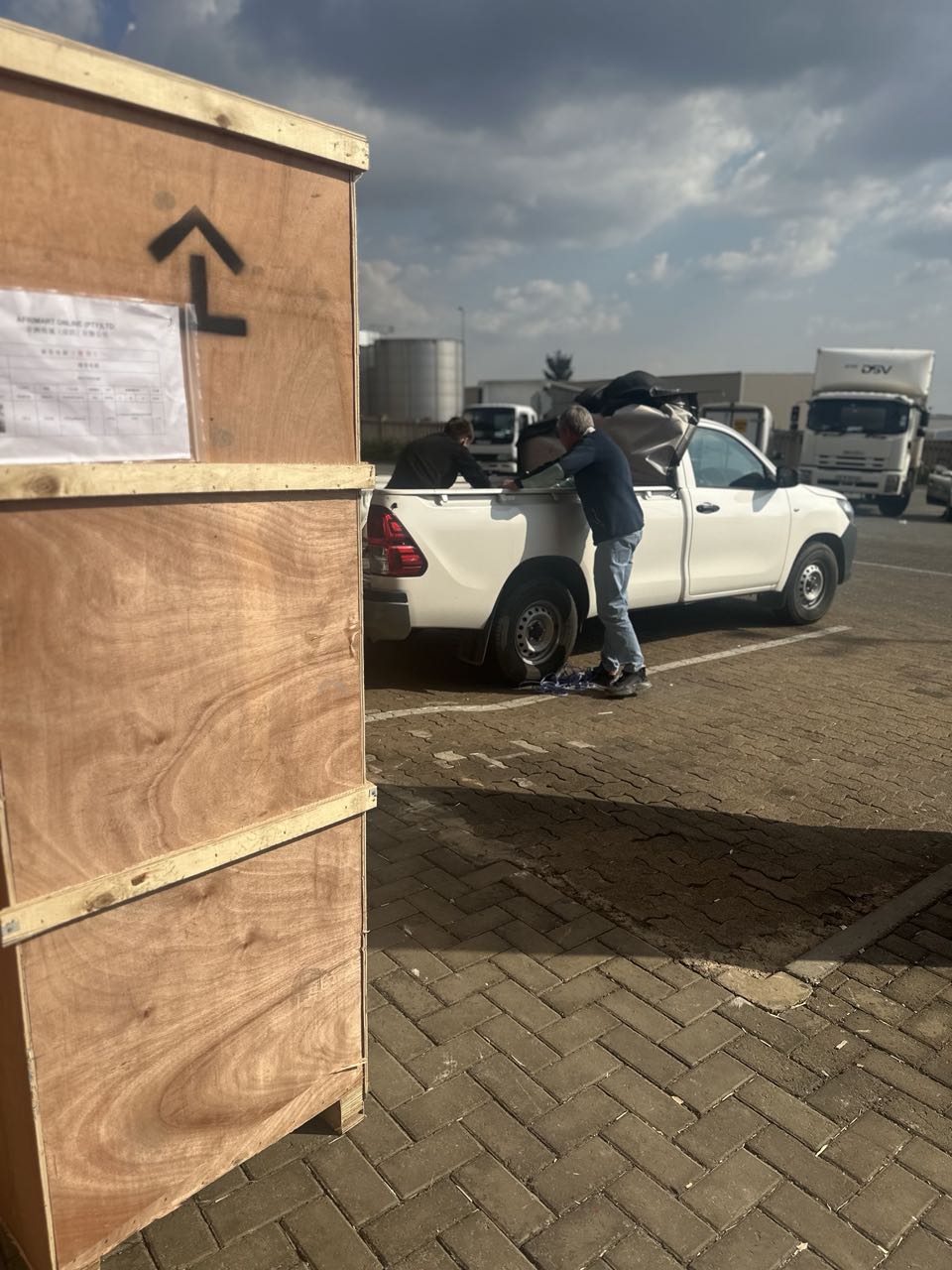
order collection
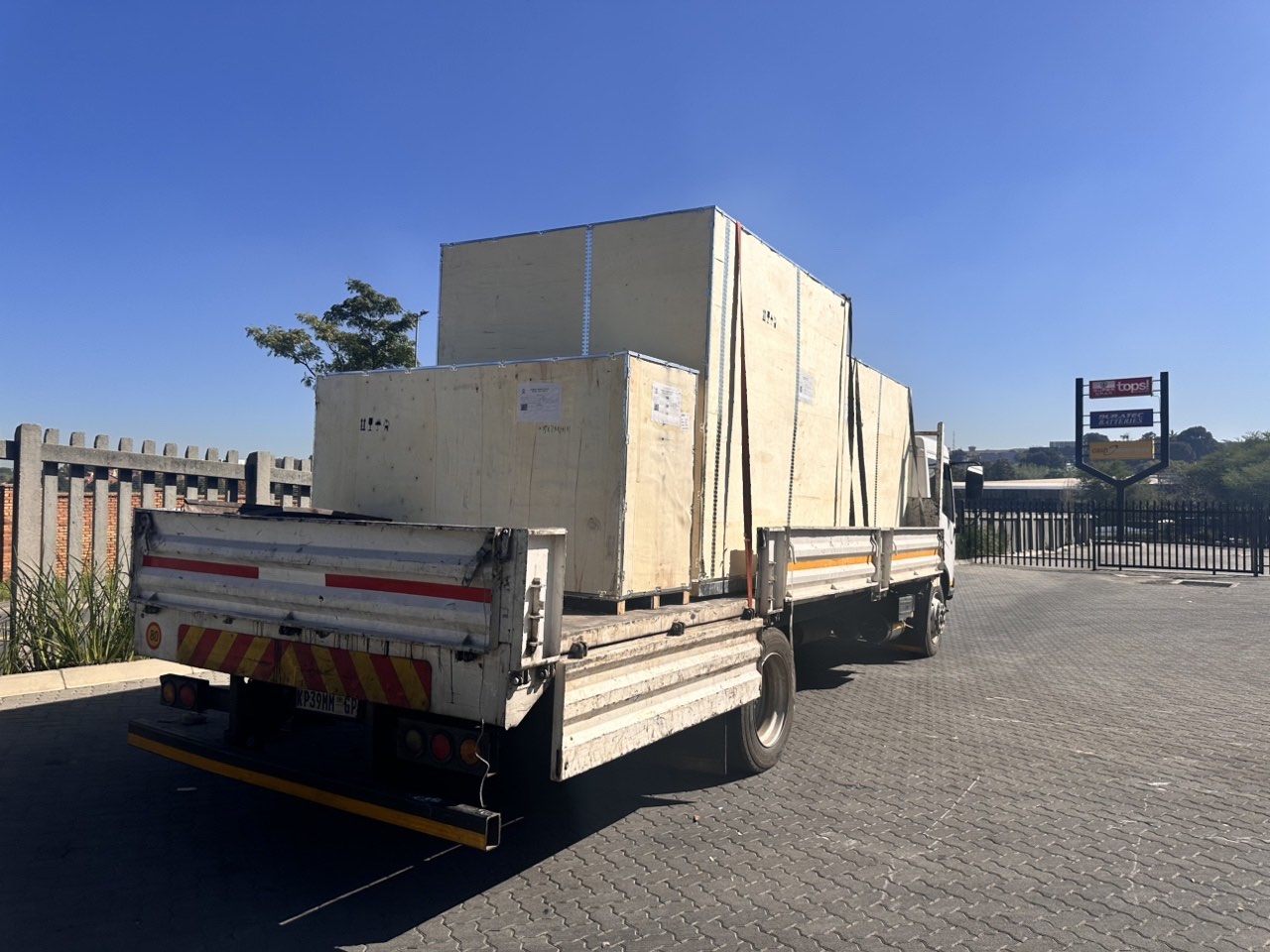
order offloading