B21, China Town Mall, Midrand

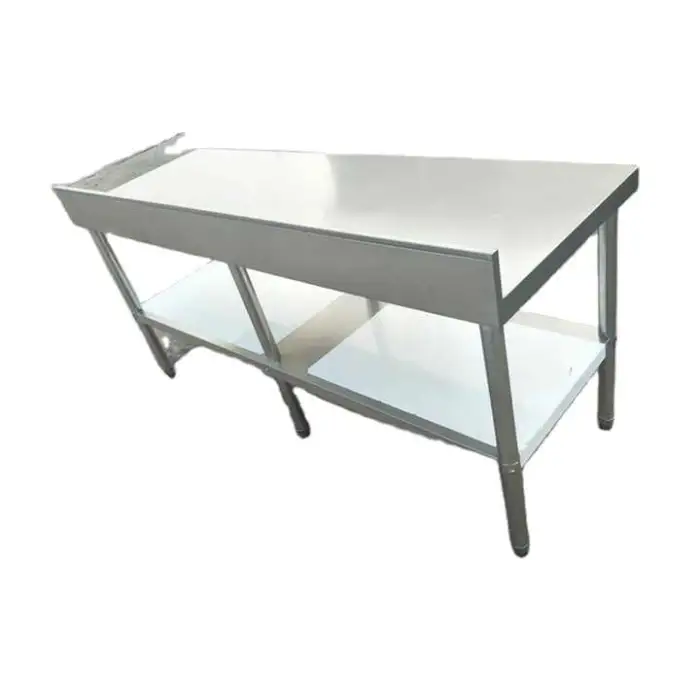
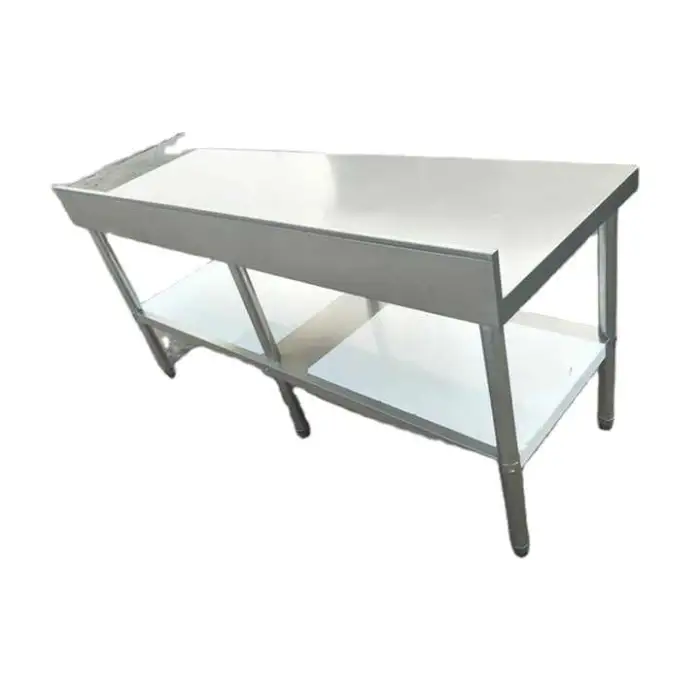
Stainless Steel Kitchen Work Table Restaurant Work Bench for Hotel & Restaurant Supplies

- Section : Machinery
- Category : Other Apparel Machines
- SKU : 62024575686

Stainless Steel Kitchen Work Table Restaurant Work Bench for Hotel & Restaurant Supplies
This Stainless Steel Kitchen Work Table is perfect for busy kitchens in hotels and restaurants. It provides a sturdy and reliable surface for food preparation and cooking tasks. Made from high-quality stainless steel, it is built to last and is easy to clean. This work bench is designed to meet the needs of any commercial kitchen.
Specifications
| Attribute | Details |
|---|---|
| Material | Stainless Steel 304/201/316 |
| Thickness | 0.6-2.0mm |
| Usage | For kitchen |
| Size | Customized Accepted |
| Type | 2 layer |
| Selling Units | Single item |
| Single package size | 122X62X20 cm |
| Single gross weight | 30.000 KG |
Key Features
- Durable stainless steel construction
- Easy to clean and maintain
- Customizable sizes available
- Two-layer design for extra storage
- Perfect for commercial kitchen use
Applications
- Food preparation in restaurants
- Cooking and baking tasks
- Serving food in hotels
- Storing kitchen supplies
- As a workstation for chefs
Product Info Gallery
- Shipping Timeframes: All orders are processed within 2-5 business days (excluding weekends and holidays). After your order has been processed, the estimated delivery time is before 03 Feb, 2026, depending on customs, Please note that due to high demand, some items may experience longer shipping times, which will be communicated at order confirmation email.
- Order Processing Time: Please allow 2-5 business days for us to process your order before it is shipped . Orders placed after 16:00 on Fridays, or during weekends and public holidays, will begin processing on the next business day. Processing times may be extended during peak seasons or sales events.
- Manufacturing Time: Some products needs manufacturing time, the manufacturing process will take approximately 10-30 business days depending on the product. This timeframe may vary depending on the complexity of the product and current demand. but this will be communicated with you during order confirmation.
- Returns and Exchanges: We offer a 30-day return policy for most items. If you are not completely satisfied with your purchase, you may return it within 30 days of receipt for a refund or exchange. Items must be unused, in their original packaging, and accompanied by proof of purchase. Return shipping costs are the responsibility of the customer, unless the item was damaged or defective upon arrival.
1. What materials is this work table made from?
The table is available in stainless steel grades 304, 201, and 316. 304 is the common food‑service grade with good corrosion resistance, 316 offers superior resistance in high‑salt or corrosive environments, and 201 is a more budget‑friendly option with lower corrosion resistance.
2. What thicknesses are available for the tabletop?
Thickness options range from 0.6 mm to 2.0 mm. Thicker tops (closer to 2.0 mm) provide greater stiffness and load capacity for heavy equipment.
3. Are custom sizes available?
Yes — customized sizes are accepted. Contact the supplier with your required length, width and height so they can provide pricing, lead time and any minimum order requirements.
4. What does '2 layer' design mean?
The table includes a main work surface plus a lower shelf (undershelf) for additional storage of pots, pans and supplies. The open shelf design improves ventilation and keeps items accessible.
5. Is this table suitable for commercial kitchens and food preparation?
Yes. The stainless steel surface is hygienic, non‑porous and easy to sanitize, making it suitable for food preparation, cooking stations and general commercial kitchen use.
6. How should I clean and maintain the stainless steel surface?
Clean regularly with warm water and a mild detergent, then rinse and dry with a soft cloth. Avoid abrasive cleaners, steel wool and high‑chloride bleaches that can damage the finish. Use a stainless steel polish if desired and remove spills promptly to prevent staining.
7. Can I cut directly on the tabletop?
It’s best to use a cutting board. Direct cutting will scratch the surface and can damage knives. Using a board preserves the table finish and hygiene.
8. What is the package size and shipping weight?
Single package dimensions are 122 x 62 x 20 cm and the single gross weight is approximately 30.000 KG.
9. How much weight can the table support?
Load capacity depends on the chosen material grade, tabletop thickness and overall dimensions. For specific load requirements (e.g., heavy equipment or appliances), provide your specifications to the supplier so they can confirm structural suitability.
10. Does the table come assembled?
Assembly options vary by supplier. Some tables ship fully assembled while others require simple on‑site assembly. Confirm assembly details and whether adjustable feet or casters are included when ordering.
11. Are there optional accessories or custom features available?
Common optional features include backsplashes, raised edges, sink cutouts, drawers, cabinets, casters, reinforced tops and different edge types. Ask the supplier which customizations they can provide for your order.
12. Is the table suitable for use in coastal or high‑salt environments?
For coastal or high‑salt environments, 316 stainless steel is recommended because it has superior resistance to chloride corrosion. 201 is not recommended for harsh or highly corrosive conditions.
13. Is the stainless steel tabletop heat resistant?
Stainless steel tolerates high temperatures and is suitable for handling hot pans and equipment, but avoid prolonged direct flame contact. Use trivets or heat pads for very hot items and follow safety guidelines.
14. What about warranty, lead time and returns?
Warranty terms, lead times and return policies vary depending on the manufacturer or seller. Confirm warranty coverage, production lead time and the returns process with the supplier before placing an order.
Latest Order Arrivals
Discover our latest orders
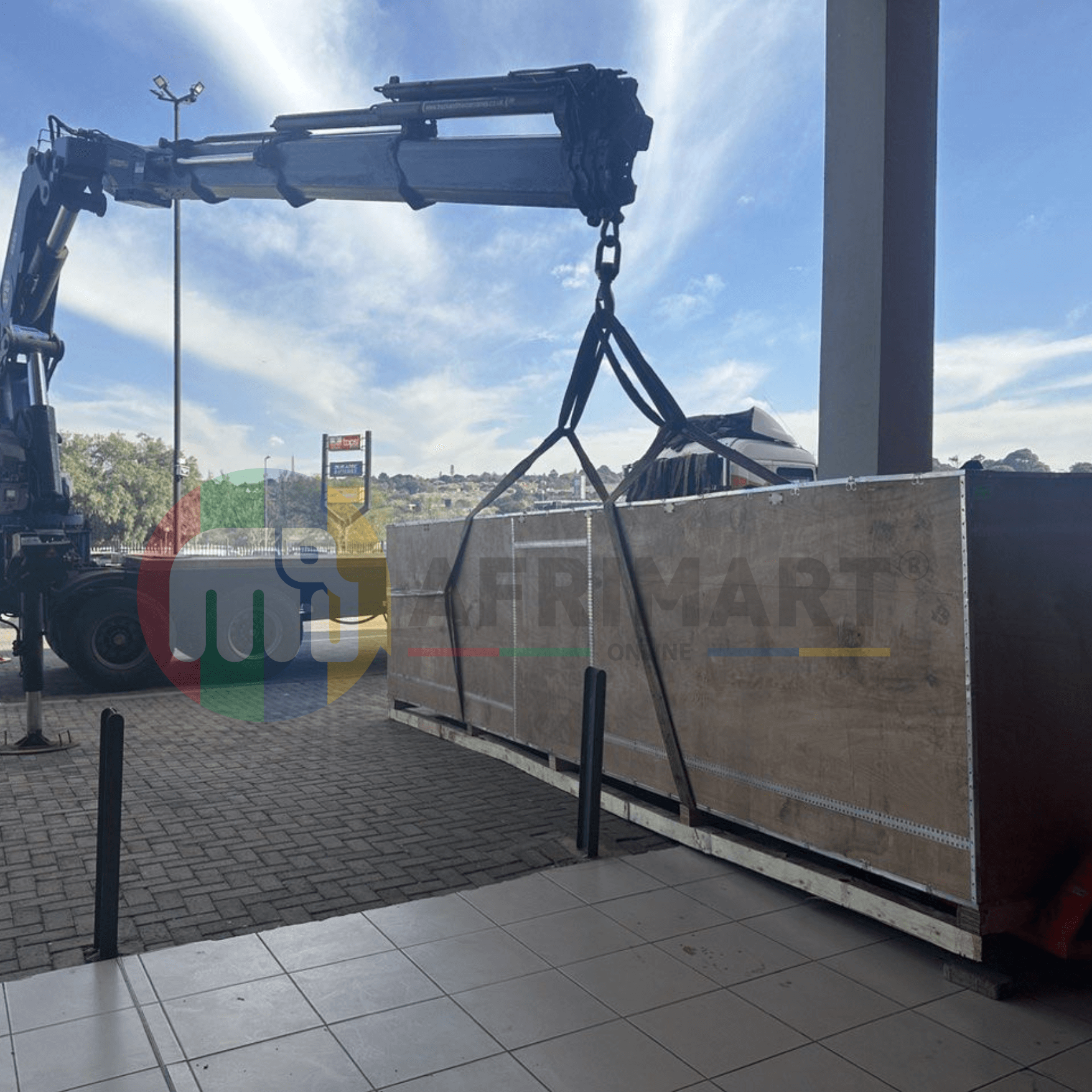
12 Heads Embroidery Machine
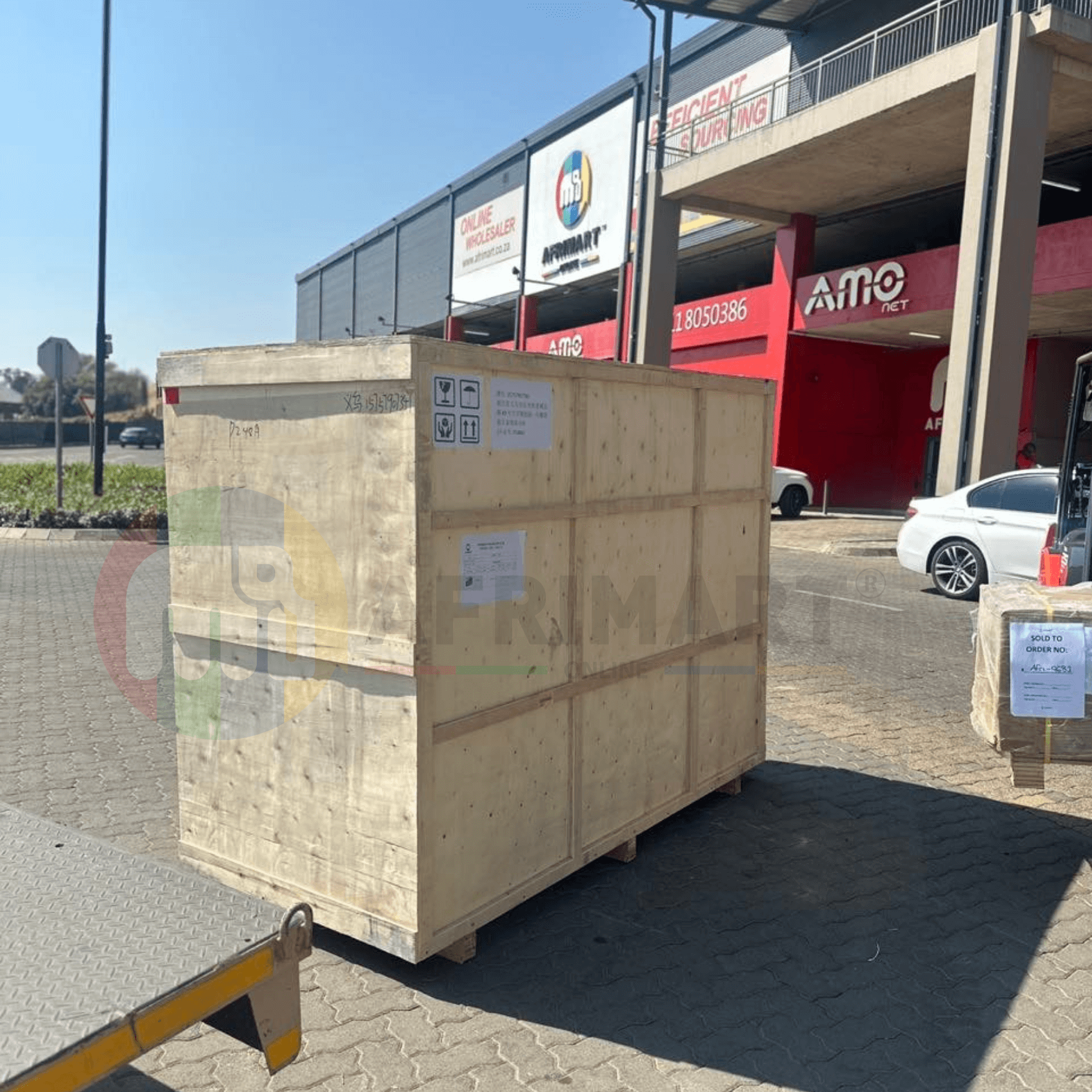
Dewatering Pump Machine
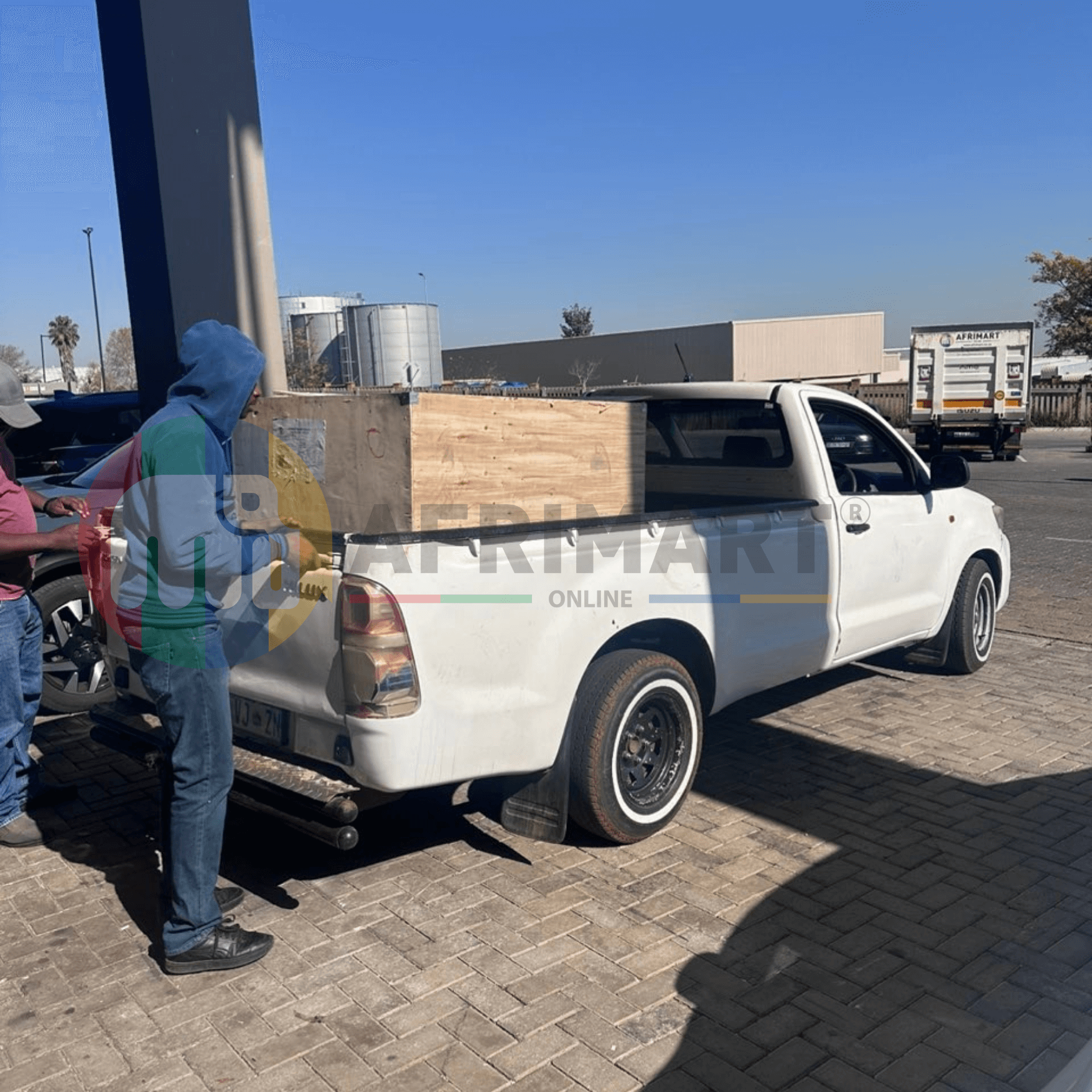
Order Collection
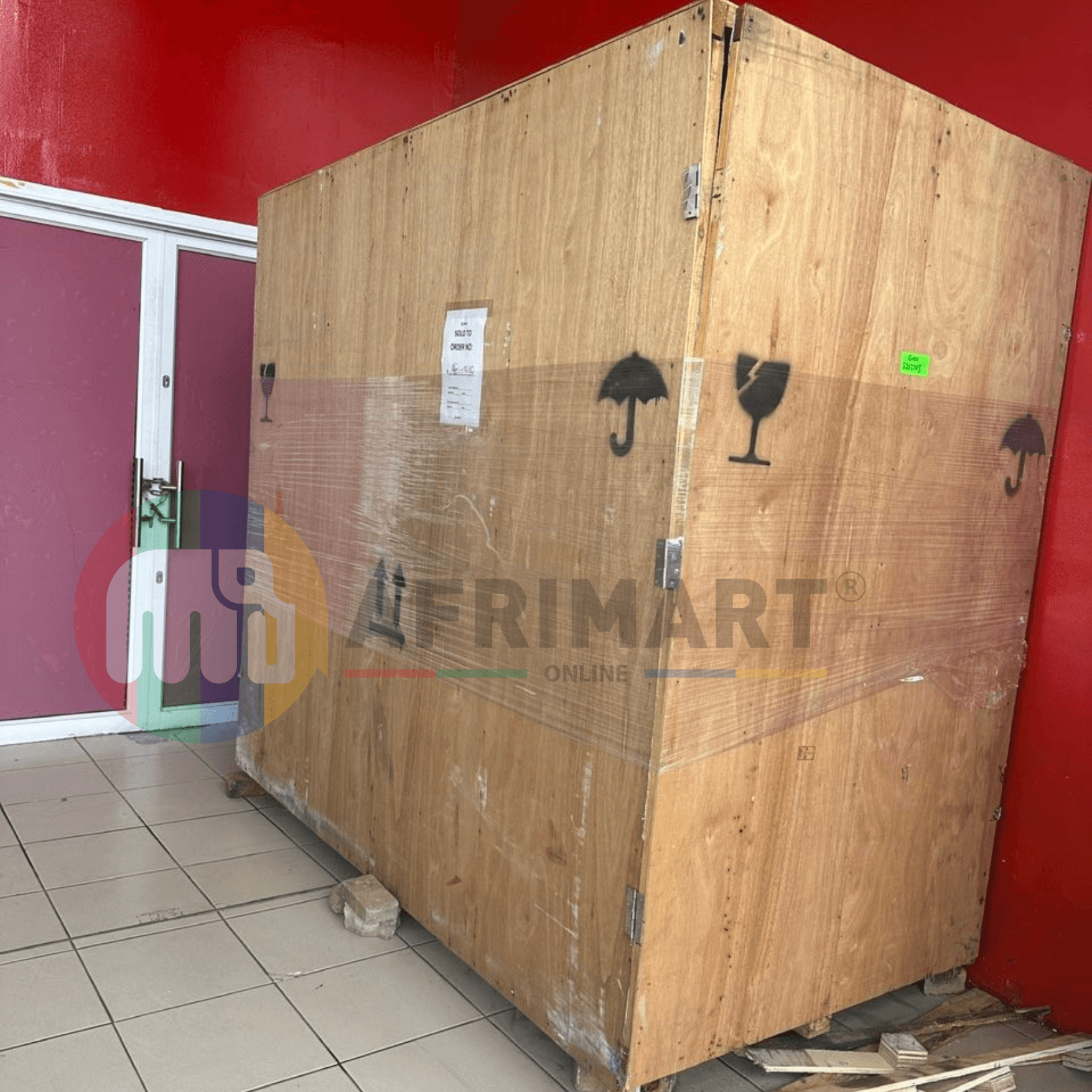
Portable Water Drilling Rig
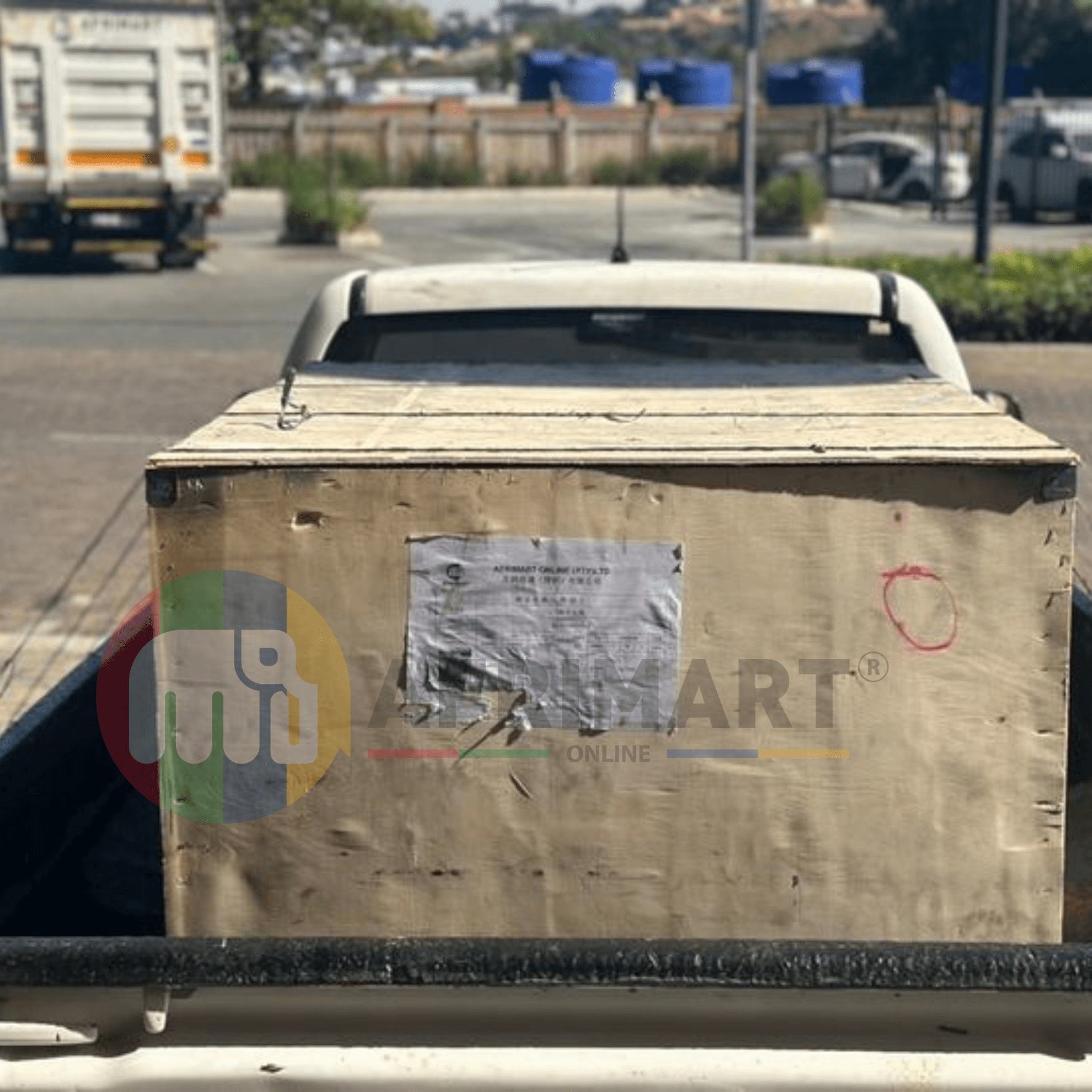
Order Usefully Collected
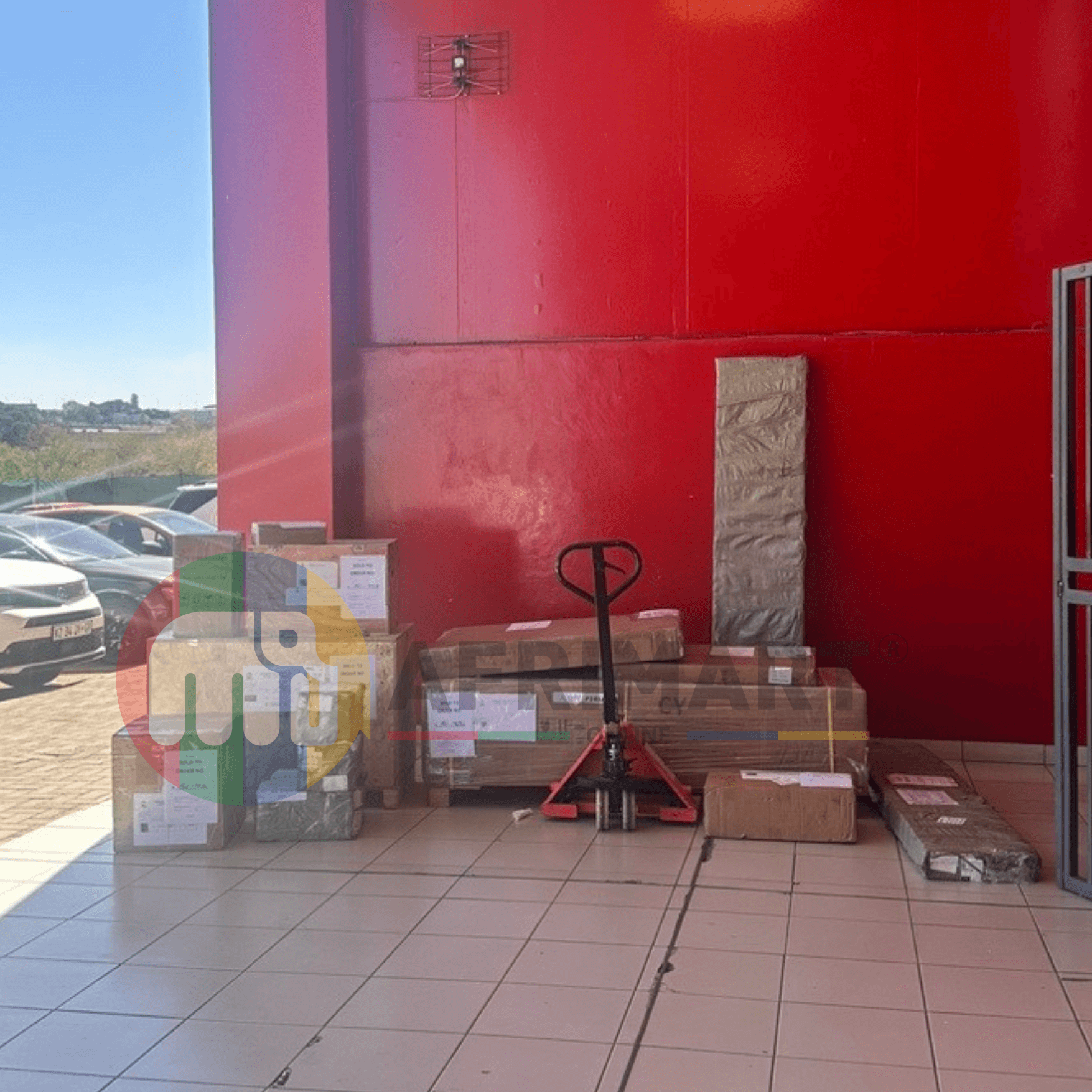
Batch of Orders
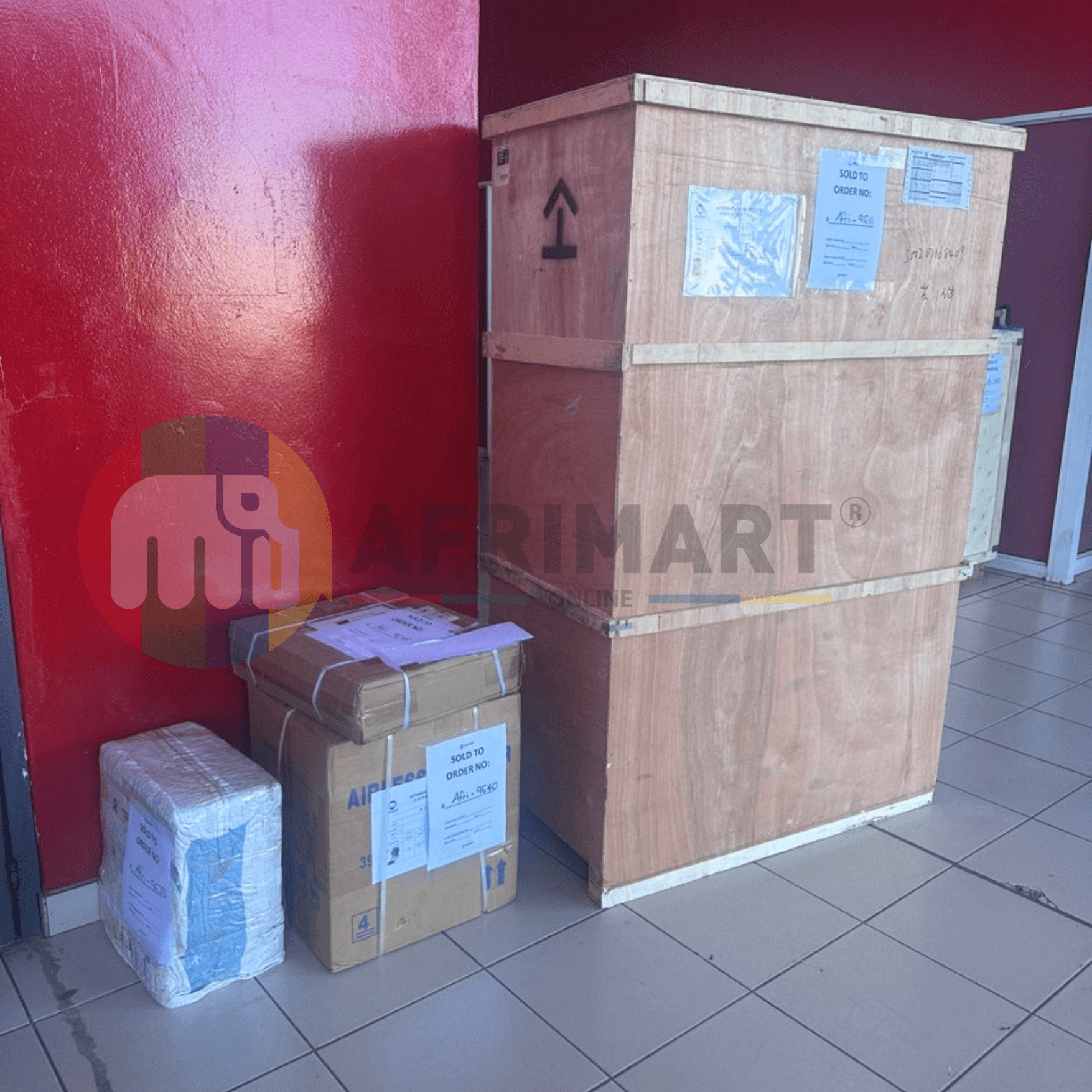
Agriculture Processing Machines
Meat Grinder Machine
Water Pump Equipment
Packaging Machine and accessories
Fabrics Manufacturing Equipment
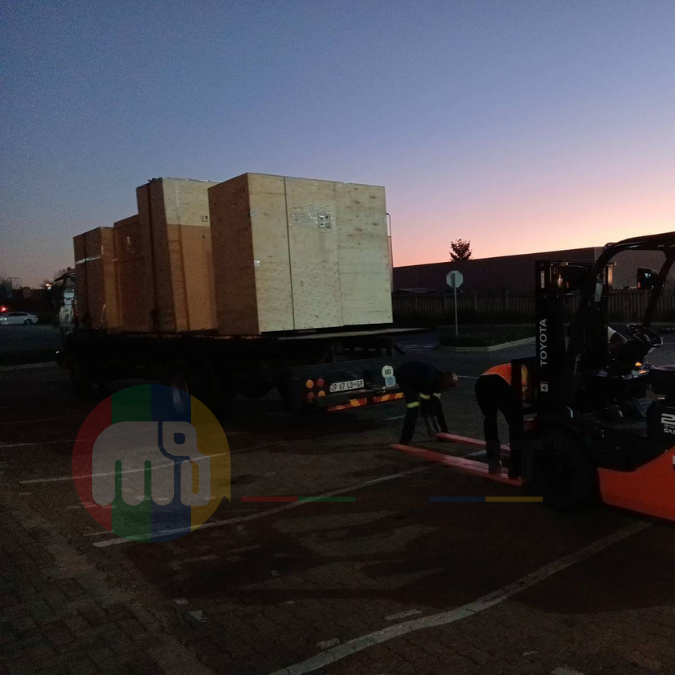
Mining Equipments
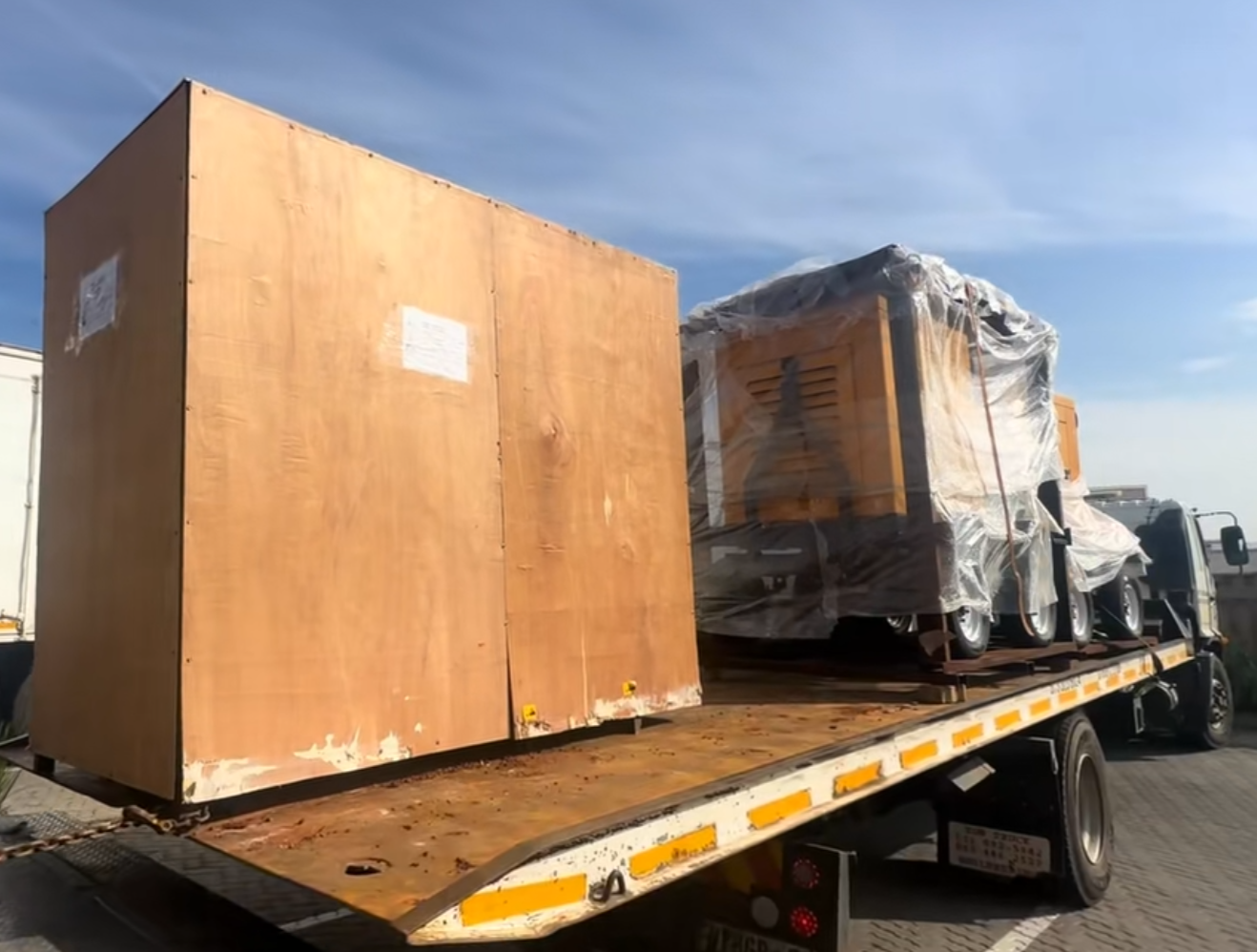
Food Processing Machine
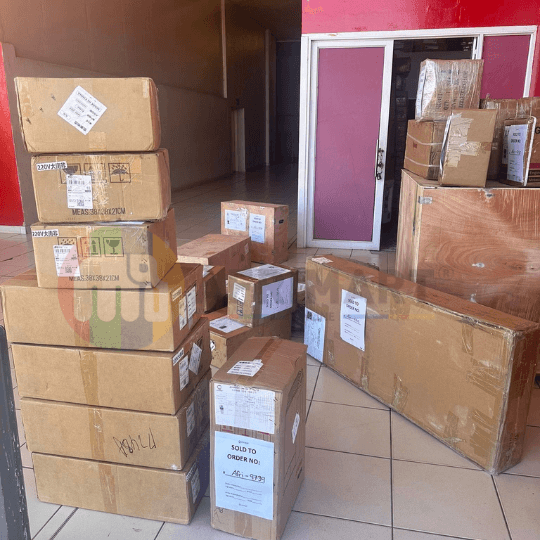
Batch of Orders
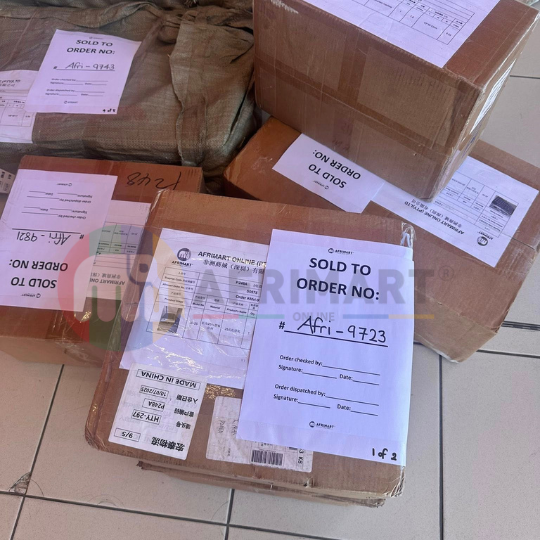
Batch of Orders
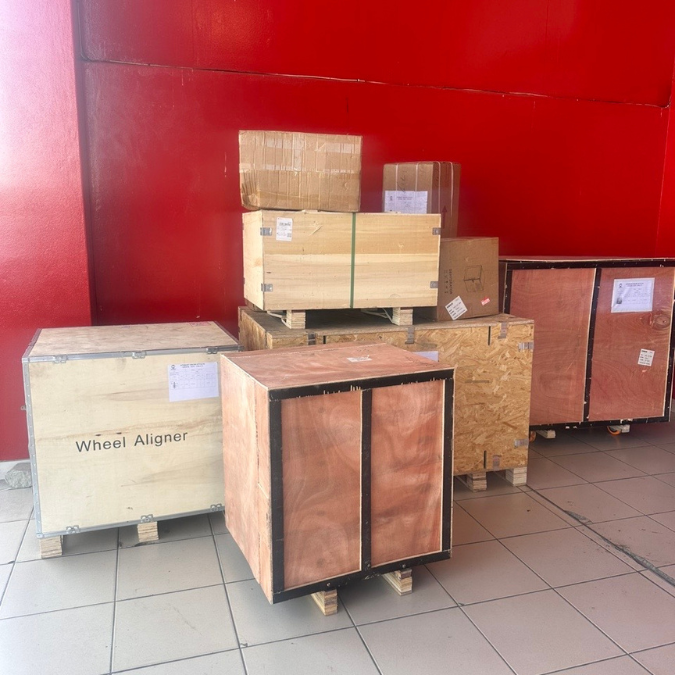
Latest Orders Labelled
wheel alignment machines
new arrivals
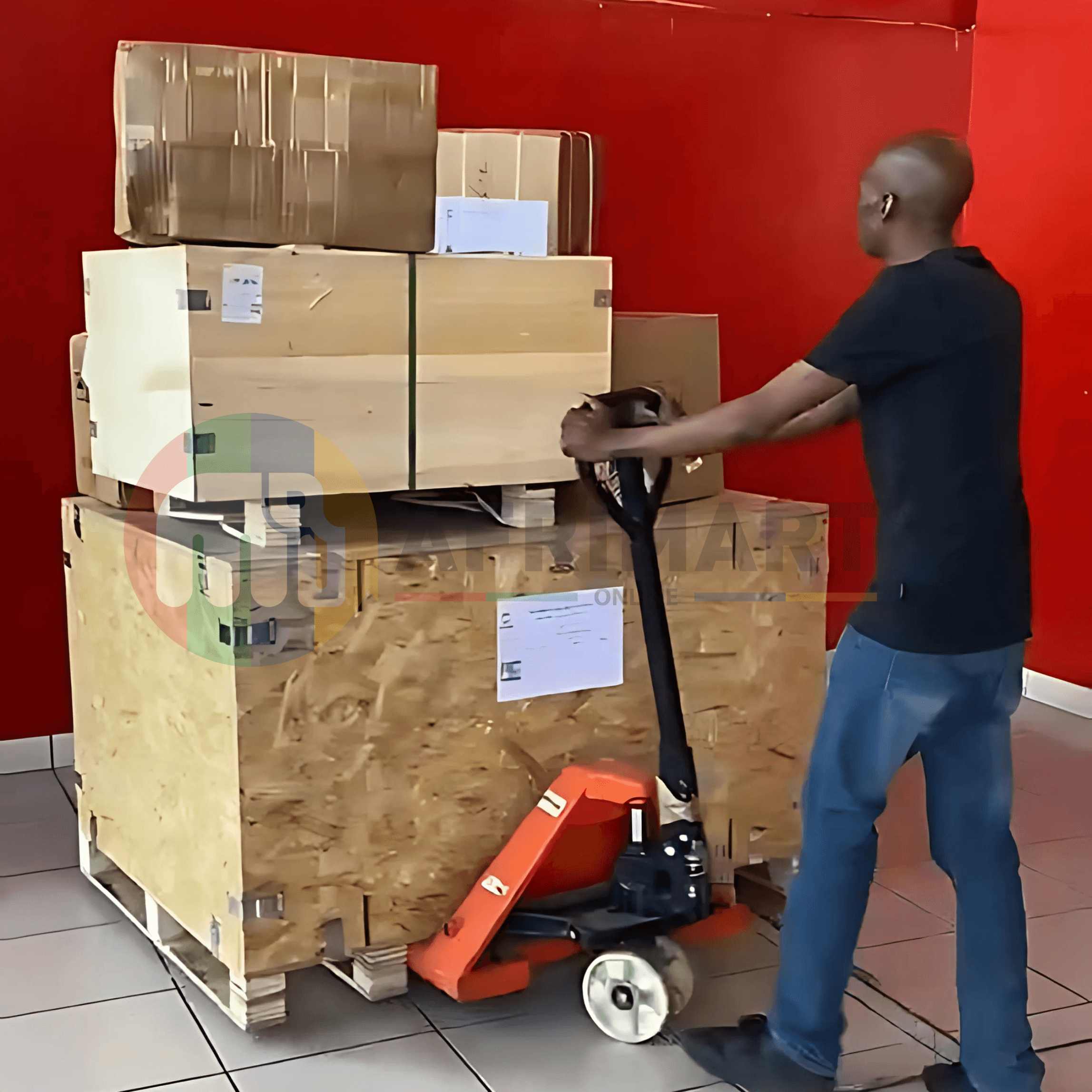
Pre Orders Offloading
Latest Arrivals
Latest Arrivals