B21, China Town Mall, Midrand

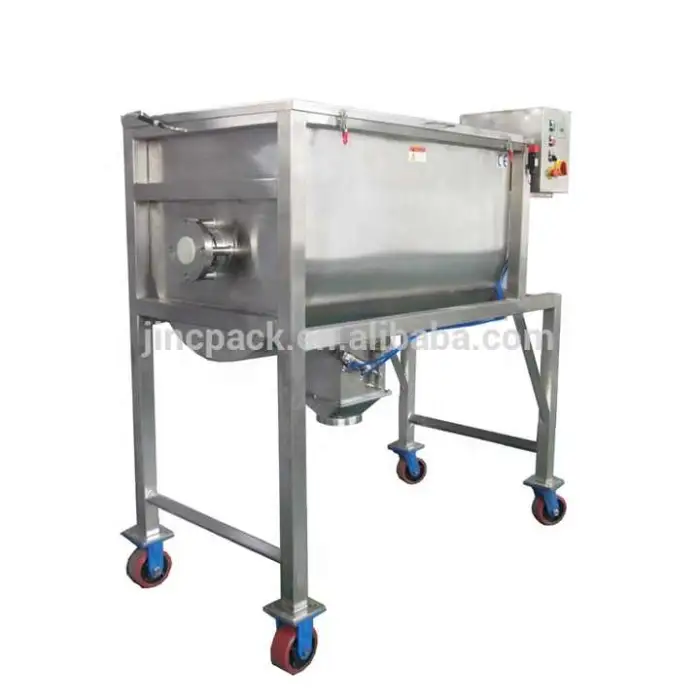
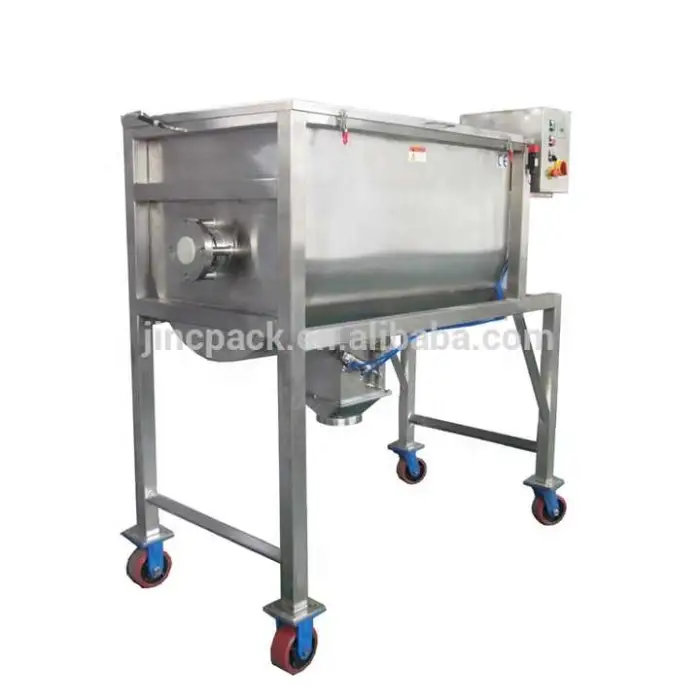
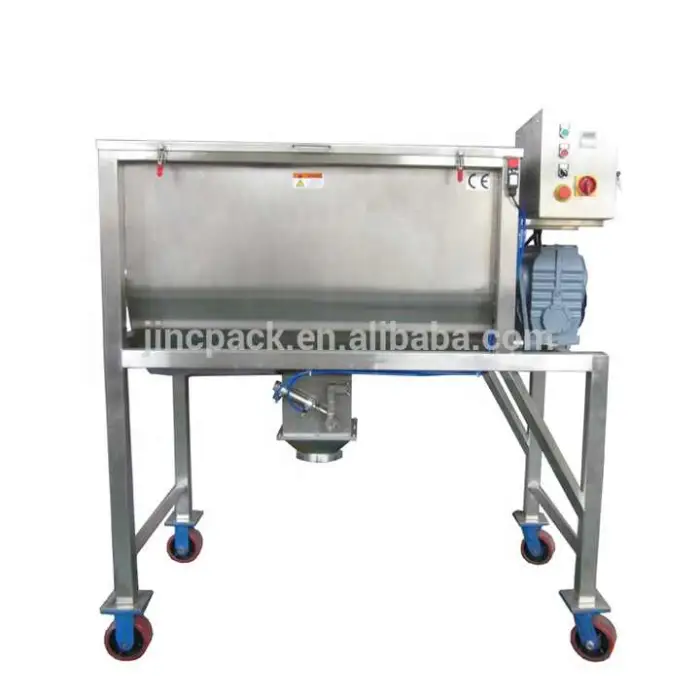
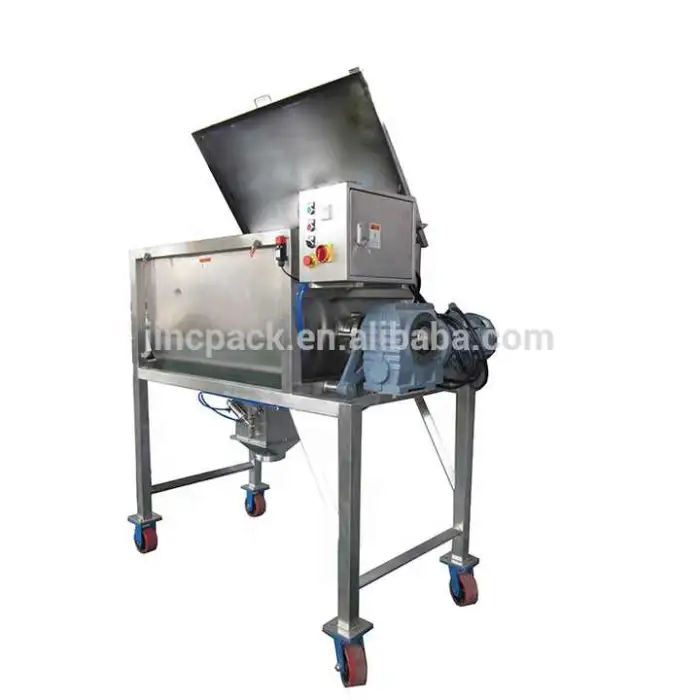
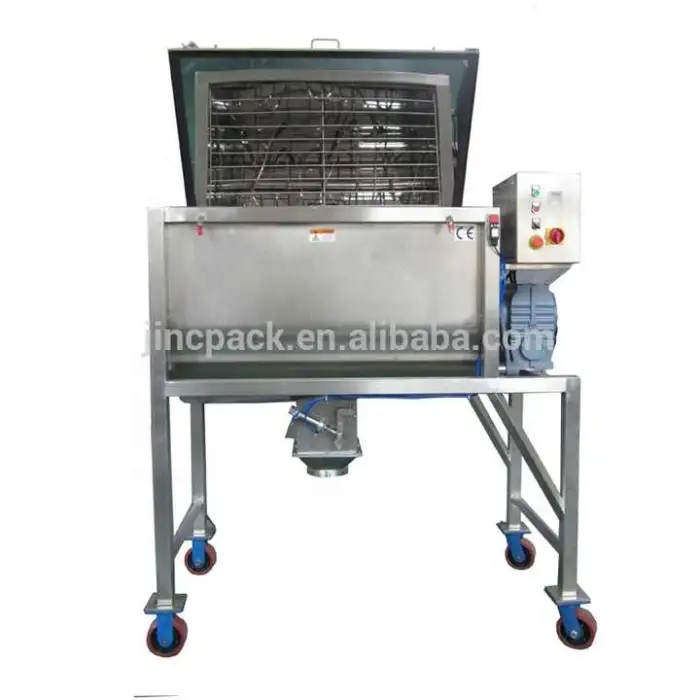
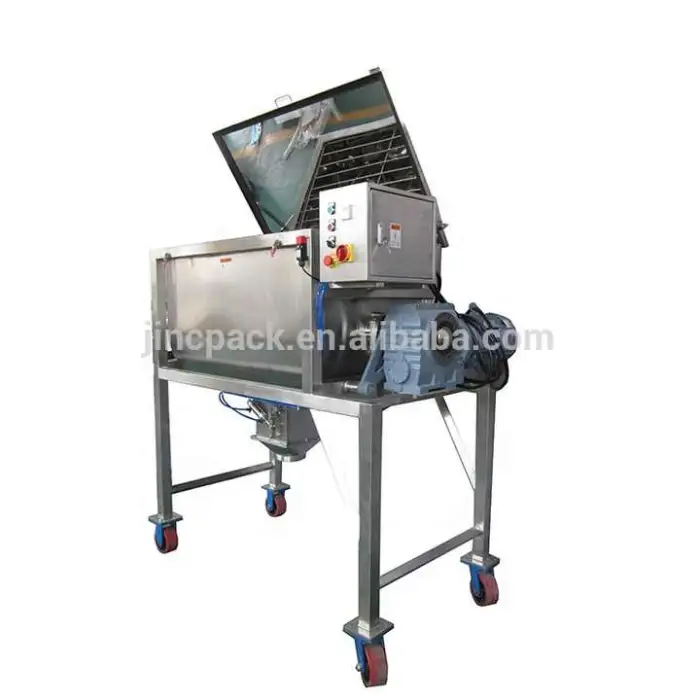
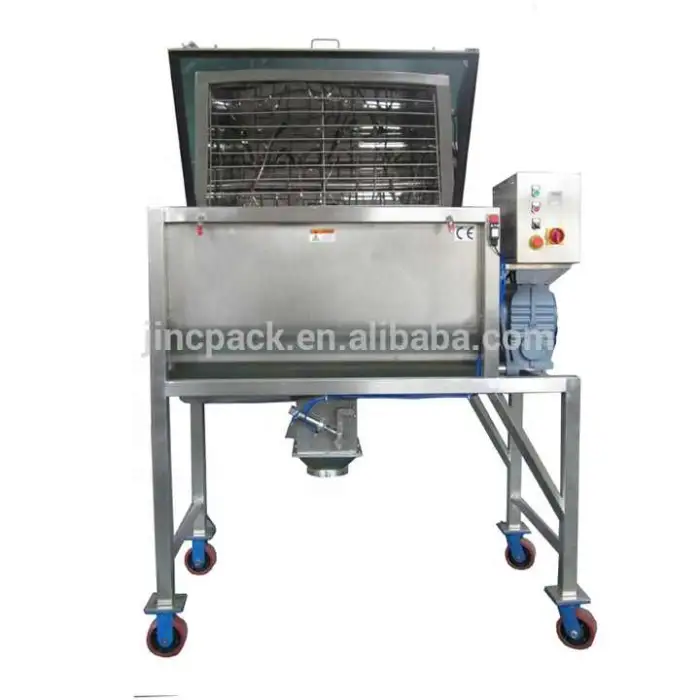
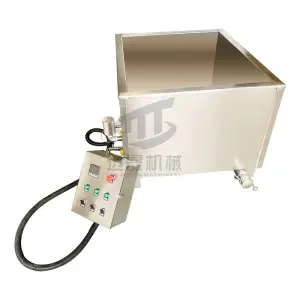
Stainless Steel 500L Ribbon Blender Powder Mixer Detergent Powder Mixing Machine
Asset finance available
Do you want funding for this equipment?
Afrimart can connect you with trusted funding partners who specialise in asset finance for businesses like yours. Compare options and apply in minutes — final approval is subject to provider review.
Check funding options
Secure & no obligation

- Section : Machinery
- Category : Chemical Machinery
- SKU : 62161747931

Stainless Steel 500L Ribbon Blender Powder Mixer Detergent Powder Mixing Machine
The Stainless Steel 500L Ribbon Blender Powder Mixer is a powerful and efficient machine designed for mixing various powders. Ideal for detergent powder and other applications, this mixer combines ease of use with high performance. With a large capacity and durable construction, it is perfect for both small and large-scale operations.
Specifications
| Attribute | Details |
|---|---|
| Material Processed | Plastics, Food |
| Mixer Type | Ribbon |
| Capacity | 1000L |
| Voltage | 220V/380V |
| Product Type | Powder |
| Video Outgoing Inspection | Provided |
| Machinery Test Report | Provided |
| Key Selling Points | Easy to Operate |
| Core Components | Motor, Gear |
| Power (kW) | 7.5 kW |
| Weight (kg) | 500 |
| Selling Units | Single item |
Key Features
- Durable stainless steel construction
- Large 500L mixing capacity
- Efficient ribbon mixing design
- Easy to operate controls
- Suitable for various powder types
Applications
- Mixing detergent powders
- Food powder blending
- Cosmetic powder mixing
- Pharmaceutical powder applications
- Various industrial powder mixing tasks
Product Info Gallery
- Shipping Timeframes: All orders are processed within 2-5 business days (excluding weekends and holidays). After your order has been processed, the estimated delivery time is before 04 Aug, 2026, depending on customs, Please note that due to high demand, some items may experience longer shipping times, which will be communicated at order confirmation email.
- Order Processing Time: Please allow 2-5 business days for us to process your order before it is shipped . Orders placed after 16:00 on Fridays, or during weekends and public holidays, will begin processing on the next business day. Processing times may be extended during peak seasons or sales events.
- Manufacturing Time: Some products needs manufacturing time, the manufacturing process will take approximately 10-30 business days depending on the product. This timeframe may vary depending on the complexity of the product and current demand. but this will be communicated with you during order confirmation.
- Returns and Exchanges: We offer a 30-day return policy for most items. If you are not completely satisfied with your purchase, you may return it within 30 days of receipt for a refund or exchange. Items must be unused, in their original packaging, and accompanied by proof of purchase. Return shipping costs are the responsibility of the customer, unless the item was damaged or defective upon arrival.
1. What is the actual mixing capacity of this machine — 500L or 1000L?
The product name and key features list a 500L mixing capacity, while the specification table shows 1000L. This can indicate the difference between net (working) capacity and gross (vessel) volume. Please confirm with the supplier which number refers to effective batch (working) capacity. Many ribbon blenders are quoted with both gross and usable volumes.
2. What materials can I mix in this ribbon blender?
The machine is designed for powders and powder blends including detergent powders, food powders, cosmetic powders, pharmaceutical powders, and some plastics powders. Check compatibility for moisture-sensitive or heat-sensitive materials and consult the supplier for applications requiring GMP or food-grade finishes.
3. What is the construction and stainless steel grade used?
The mixer is described as stainless steel, but the specific grade (e.g., SS304 or SS316) is not listed. SS304 is typical for general powder processing; SS316 is used when higher corrosion resistance is required. Confirm the grade with the seller if you need a specific material compliance.
4. What motor and power requirements does the machine have?
The listed motor power is 7.5 kW. Voltage options shown are 220V or 380V — confirm the voltage, phase (single or three-phase), and local electrical requirements with the supplier or installer before purchase.
5. How long does a typical mixing cycle take?
Mixing time depends on material properties and batch size. Typical homogeneous blending for powders is often between 5 and 20 minutes. Run a sample trial on your product to determine the optimal cycle time and speed.
6. How is the product discharged from the blender?
The specification doesn't list the discharge type. Ribbon blenders commonly use a bottom discharge outlet with a butterfly valve, slide gate, or pneumatic valve. Confirm the standard discharge configuration and request alternative valve types if needed.
7. Is the mixer easy to clean and does it support CIP (clean-in-place)?
The listing states the machine is easy to operate but does not specify CIP. Standard ribbon blenders often require manual access for cleaning; CIP systems or special sanitary designs can usually be offered as options. Ask the supplier about CIP, access ports, and interior surface finish for your hygiene requirements.
8. Can this machine be used for pharmaceutical or food-grade production?
The machine is used for food and pharmaceutical powders per the description, but pharmaceutical or food production often requires specific sanitary finishes, documentation, and certifications (GMP, FDA-compatible materials, surface finish Ra values). Confirm available hygienic options and compliance documentation with the manufacturer.
9. What documentation and inspections are provided with purchase?
The specifications indicate that a video outgoing inspection and a machinery test report are provided. Ask the seller for additional documents you may need, such as manuals, wiring diagrams, material certificates, FAT reports, and any required compliance certificates.
10. Are customization and optional features available (e.g., jacketed shell, heating/cooling, vacuum)?
Many suppliers offer custom options such as jacketed shells for heating/cooling, vacuum capability, discharge valve types, sanitary polishing, and automated controls. Contact the manufacturer to discuss available options and pricing for the features you require.
11. What safety features are included?
The listing does not detail safety features. Typical safety elements include emergency stop, motor overload protection, guarding around rotating parts, and interlocked access doors. Verify standard and optional safety features to meet your workplace and regulatory requirements.
12. What is the machine's footprint and installation requirements?
Footprint and exact dimensions are not provided in the description. The unit weight is listed as 500 kg. Ask the supplier for dimensional drawings, anchoring/foundation needs, forklift or crane lifting points, and clearance requirements for maintenance and loading/unloading.
13. What after-sales support, spare parts, and warranty come with the machine?
The listing does not specify warranty or after-sales terms. Typical offerings include a limited warranty period, availability of spare parts (motors, gears, seals), technical support, and commissioning services. Confirm warranty length, response times for service, and parts availability before purchase.
Latest Order Arrivals
Discover our latest orders

12 Heads Embroidery Machine

Toilet Paper Machine Machine

Order Collection

Cross Border Clients

Order cros border countries Collected

Industrial Machine Cllection

Agriculture Processing Machines

Ready for collection

Water Pump Equipment

Packaging Machine and accessories

Fabrics Manufacturing Equipment

Mining Equipments

Food Processing Machine

Batch of Orders

Batch of Orders

Latest Orders Labelled

wheel alignment machines

new arrivals

Pre Orders Offloading

Latest Arrivals

Latest Arrivals

Latest Arrivals

Loading

Toilet paper making machine

Toilet paper making machine

Toilet paper Rewinding Machine

latest arrivals

offloading

order success

order collection

order offloading