B21, China Town Mall, Midrand

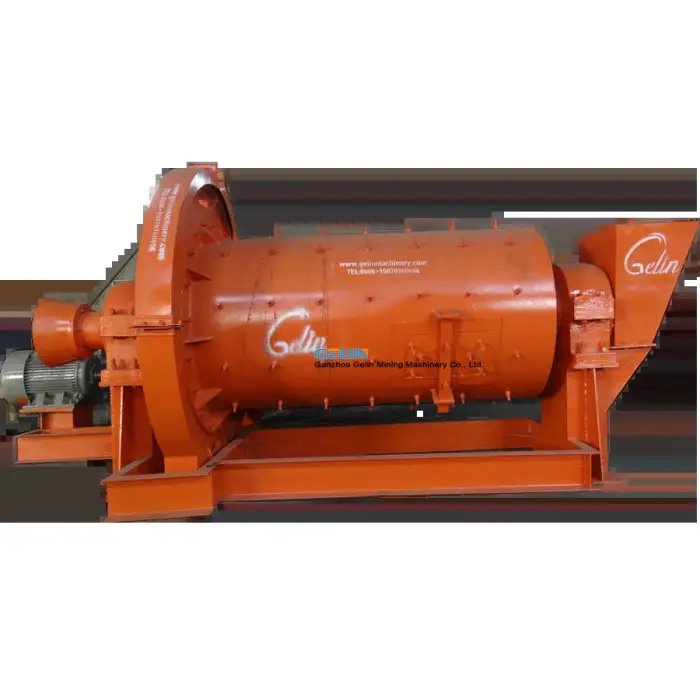
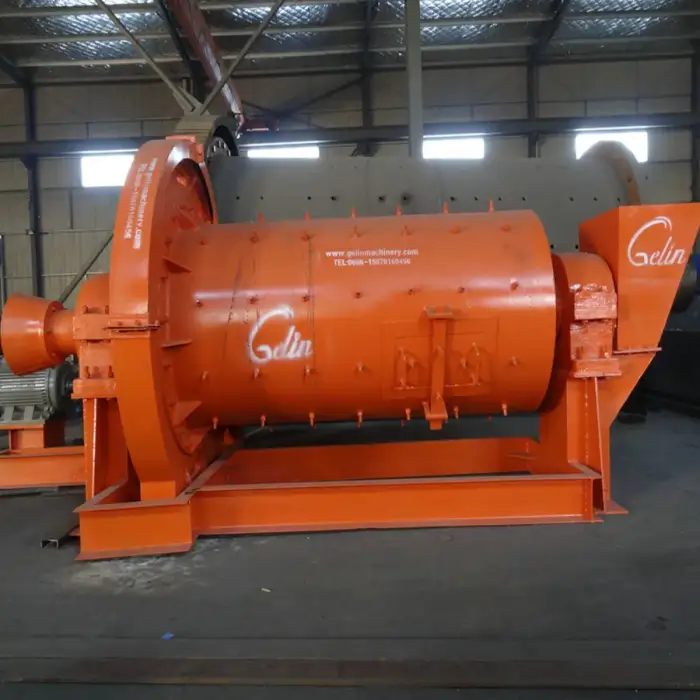
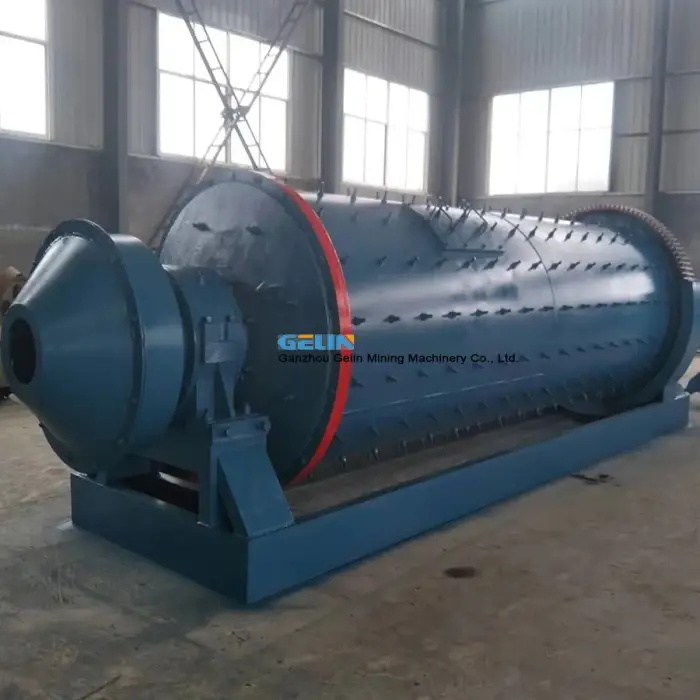
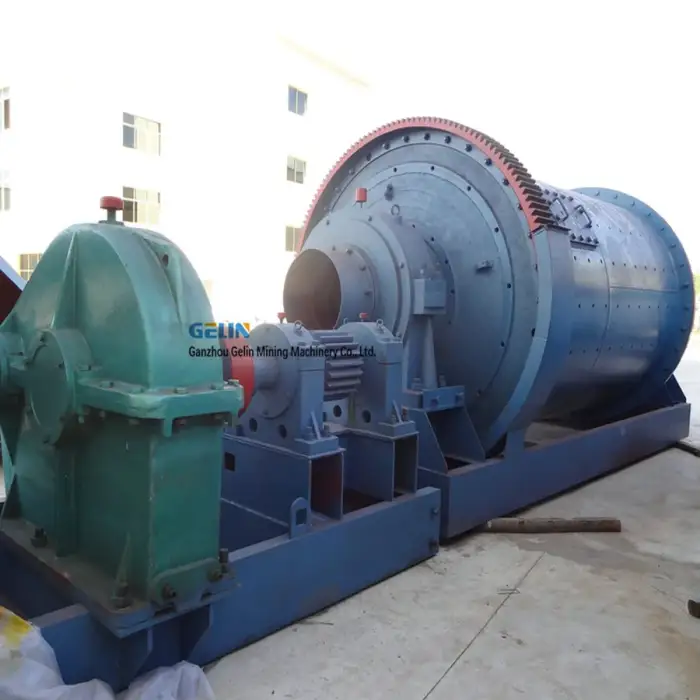
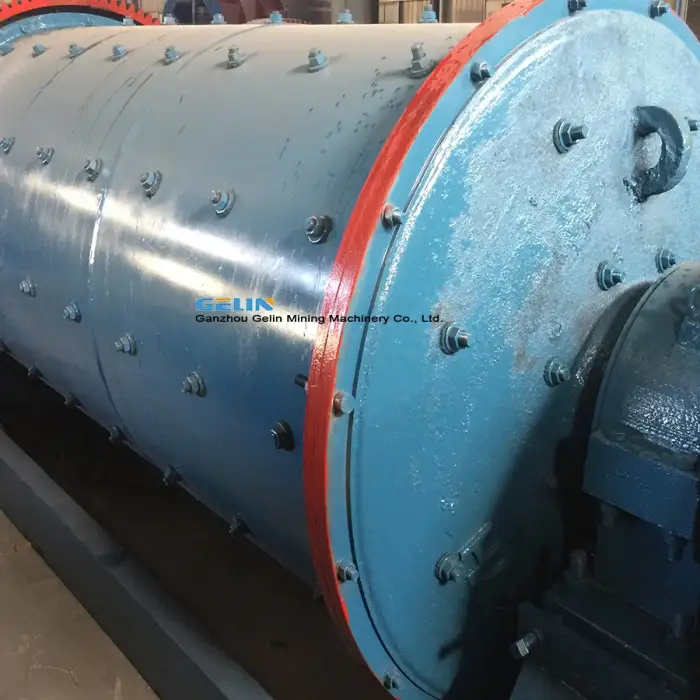
Small ball mill for mini sand rock gold crushing and grinding
Asset finance available
Do you want funding for this equipment?
Afrimart can connect you with trusted funding partners who specialise in asset finance for businesses like yours. Compare options and apply in minutes — final approval is subject to provider review.
Check funding options
Secure & no obligation

- Section : Machinery
- Category : Mining Machinery
- SKU : 60558465459

Products Description
Small ball mill for mini sand rock gold crushing and grinding

Ball mill is a key equipment to grind the crushed materials, and the ball mill is widely used in powder-making production line including cement, silicate, new-type building material, refractory material, fertilizer, ore dressing of ferrous metal and non-ferrous metal, glass ceramics, etc. Besides,it can grind various ores and other materials with dry type and wet type. There are two kinds of ball mill, grate type and overflow type due to different ways of discharging material.

Features
♦ Energy-saving.
♦ Simple structure and split installation
♦ Easy to installing and maintaining
♦ Two types feeders: combined feeder and cylinder feeder
♦ Dry ball mills & wet ball mills for option according to different materials & discharging methods

Working Principle
Ball Mill is a type of ore milling machine used to grind materials into an extremely fine powder, mainly used in the mineral ore processing industry. Ball Mill could grind various ores and other materials either wet or dry, depending on requirements. It consists of a large cylinder which slowly rotates around a horizontal axis. The cylinder is partially filled with the material to be grind, plus the grinding media (steel grinding balls). Inside the cylinder, the media will be lifted to a certain height under the action of centrifugal force and then drop or fall, grinding the ore in between the balls as they interact. Feed material to be ground enters the cylinder via a hopper on one end and after being crushed by the grinding medium is discharged at the other end


Product Parameter
| Model | Shell rotation speed(r/min) | Ball load(t) | Feeding size(mm) | Discharging size(mm) | Capacity(t/h) | Motor power(kw) | Weight(t) |
| Ø900*1800 | 36-38 | 1.5 | <=20 | 0.075-0.89 | 0.65-2 | 18.5 | 4.6 |
| Ø900*3000 | 36 | 2.7 | <=20 | 0.075-0.89 | 1.1-3.5 | 22 | 5.6 |
| Ø1200*2400 | 36 | 3 | <=25 | 0.075-0.6 | 1.5-4.8 | 30 | 12 |
| Ø1200*3000 | 36 | 3.5 | <=25 | 0.074-0.4 | 1.6-5 | 37 | 12.8 |
| Ø1200*4500 | 32.4 | 5 | <=25 | 0.074-0.4 | 1.6-5.8 | 55 | 13.8 |
| Ø1500*3000 | 29.7 | 7.5 | <=25 | 0.074-0.4 | 2-5 | 75 | 15.6 |
| Ø1500*4500 | 27 | 11 | <=25 | 0.074-0.4 | 3-6 | 110 | 21 |
| Ø1500*5700 | 28 | 12 | <=25 | 0.074-0.4 | 3.5-6 | 130 | 24.7 |
| Ø1830*3000 | 25.4 | 11 | <=25 | 0.074-0.4 | 4-10 | 130 | 28 |
| Ø1830*4500 | 25.4 | 15 | <=25 | 0.074-0.4 | 4.5-12 | 155 | 32 |
| Ø1830*6400 | 24.1 | 21 | <=25 | 0.074-0.4 | 6.5-15 | 210 | 34 |
| Ø1830*7000 | 24.1 | 23 | <=25 | 0.074-0.4 | 7.5-17 | 245 | 36 |
| Ø2100*3000 | 23.7 | 15 | <=25 | 0.074-0.4 | 6.5-36 | 155 | 34 |
| Ø2100*4500 | 23.7 | 24 | <=25 | 0.074-0.4 | 8-43 | 245 | 42 |
| Ø2100*7000 | 23.7 | 26 | <=25 | 0.074-0.4 | 8-48 | 280 | 50 |
| Ø2200*4500 | 21.5 | 27 | <=25 | 0.074-0.4 | 9-45 | 280 | 48.5 |
| Ø2200*6500 | 21.7 | 35 | <=25 | 0.074-0.4 | 14-26 | 380 | 52.8 |
| Ø2200*7000 | 21.7 | 35 | <=25 | 0.074-0.4 | 15-28 | 380 | 54 |
| Ø2200*7500 | 21.7 | 35 | <=25 | 0.074-0.4 | 15-30 | 380 | 56 |
| Ø2400*3000 | 21 | 23 | <=25 | 0.074-0.4 | 7-50 | 245 | 54 |
| Ø2400*4500 | 21 | 30 | <=25 | 0.074-0.4 | 8.5-60 | 320 | 65 |
| Ø2700*4000 | 20.7 | 40 | <=25 | 0.074-0.4 | 12-80 | 400 | 94 |
| Ø2700*4500 | 20.7 | 48 | <=25 | 0.074-0.4 | 12-90 | 430 | 102 |
| Ø3200*4500 | 18 | 65 | <=25 | 0.074-0.4 | ----- | 800 | 137 |
Applications
* Mining Industry : Used to grind various kinds of ores.
* Ceramic Industry : Used to finish and grind various kinds of raw materials and cement.
* Smelting Industry : Used to grind various kinds of slag.
* Power generation : Used to grind coal for combustion use.
* Chemical Industry : Used to grind coke, ilmenite, and others.
]

- Shipping Timeframes: All orders are processed within 2-5 business days (excluding weekends and holidays). After your order has been processed, the estimated delivery time is before 03 Aug, 2026, depending on customs, Please note that due to high demand, some items may experience longer shipping times, which will be communicated at order confirmation email.
- Order Processing Time: Please allow 2-5 business days for us to process your order before it is shipped . Orders placed after 16:00 on Fridays, or during weekends and public holidays, will begin processing on the next business day. Processing times may be extended during peak seasons or sales events.
- Manufacturing Time: Some products needs manufacturing time, the manufacturing process will take approximately 10-30 business days depending on the product. This timeframe may vary depending on the complexity of the product and current demand. but this will be communicated with you during order confirmation.
- Returns and Exchanges: We offer a 30-day return policy for most items. If you are not completely satisfied with your purchase, you may return it within 30 days of receipt for a refund or exchange. Items must be unused, in their original packaging, and accompanied by proof of purchase. Return shipping costs are the responsibility of the customer, unless the item was damaged or defective upon arrival.
1. What is a small ball mill used for?
A small ball mill is primarily used for crushing and grinding materials, specifically in the mining and mineral processing industries. It can grind various ores and materials into an extremely fine powder.
2. What materials can be processed in this ball mill?
This ball mill can process a wide range of materials, including ores, cement, silicate, refractory materials, fertilizers, and glass ceramics. It can handle both dry and wet materials.
3. What are the two types of ball mills available?
The two types of ball mills available are grate type and overflow type, which differ based on their material discharging mechanisms.
4. How does the ball mill operate?
The ball mill operates by rotating a large cylinder filled with the material to be ground along with grinding media, like steel balls. As it rotates, the media is lifted and dropped, grinding the material through impact.
5. Is the small ball mill energy-efficient?
Yes, the small ball mill is designed to be energy-saving, optimizing power consumption while achieving effective grinding results.
6. What are the installation requirements for the ball mill?
The ball mill features a simple structure and split installation, making it easy to install and maintain.
7. What is the capacity range of this ball mill?
The capacity of the small ball mill varies depending on the model, ranging from approximately 0.65 to 800 tons per hour.
8. What motor power is required for the ball mill?
The motor power for the ball mill varies by model, with options ranging from about 4.6 kW to 800 kW.
9. Can the ball mill be used for processing gold?
Yes, the small ball mill is suitable for processing gold and can effectively crush and grind gold-bearing ores.
10. What is the feeding and discharging size of the materials?
The feeding size can be up to 200-250 mm depending on the model, while the discharging size typically ranges from 0.4 to 0.89 mm.
11. What industries can benefit from using this ball mill?
Industries such as mining, ceramics, smelting, power generation, and chemicals can all benefit from using this small ball mill.
12. Are there different feeders available for the ball mill?
Yes, the ball mill provides two types of feeders: a combined feeder and a cylinder feeder, allowing for versatility based on material requirements.
13. What are the typical applications of the small ball mill?
Typical applications include grinding ores in the mining industry, finishing raw materials in ceramics, and grinding coal for combustion in power generation.
14. Is maintenance difficult for the small ball mill?
No, maintenance is designed to be straightforward due to the simple structure of the ball mill, making it easier to service and keep operational.
15. Can this ball mill operate in both dry and wet conditions?
Yes, the small ball mill can be operated in both dry and wet conditions, depending on the specific requirements of the materials being processed.
Latest Order Arrivals
Discover our latest orders
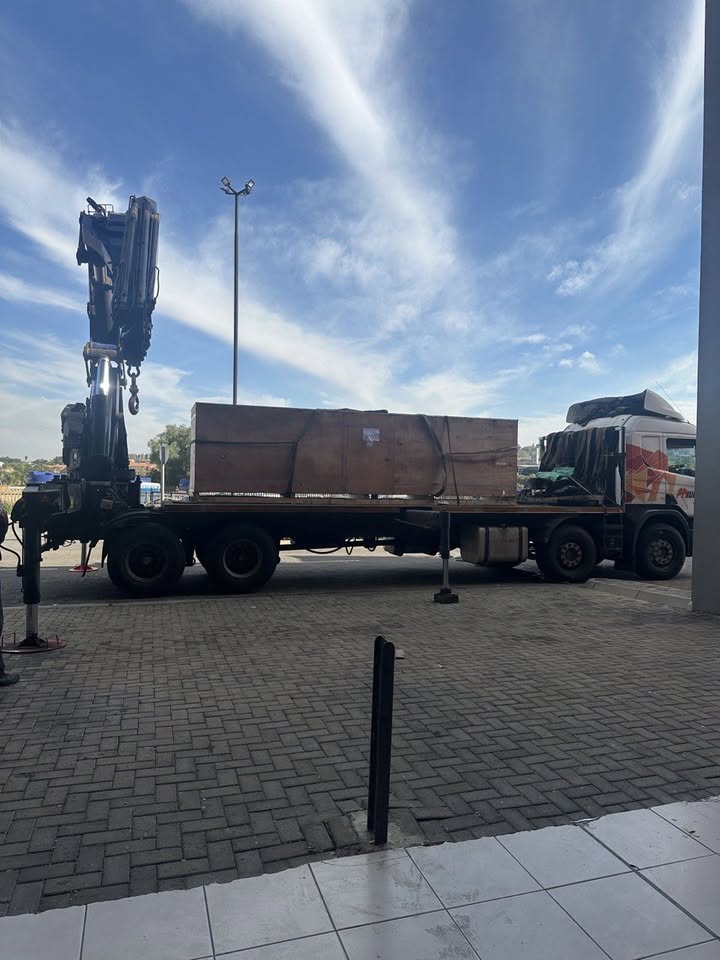
12 Heads Embroidery Machine
Toilet Paper Machine Machine
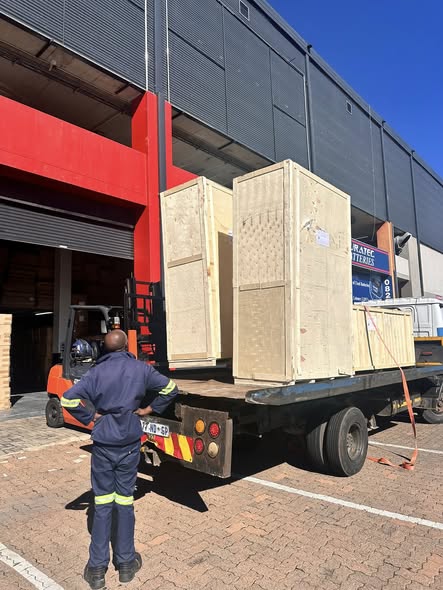
Order Collection
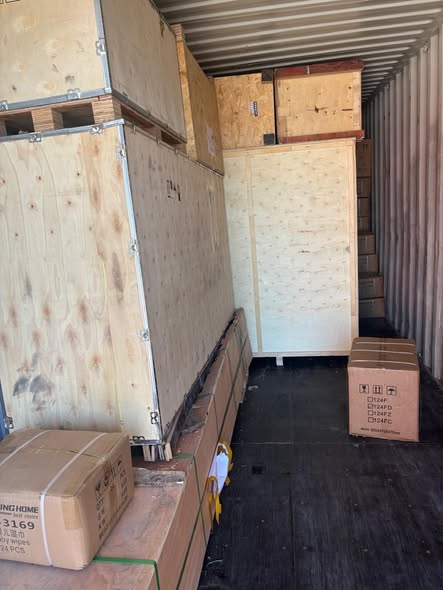
Cross Border Clients
Order cros border countries Collected
Industrial Machine Cllection
Agriculture Processing Machines
Ready for collection
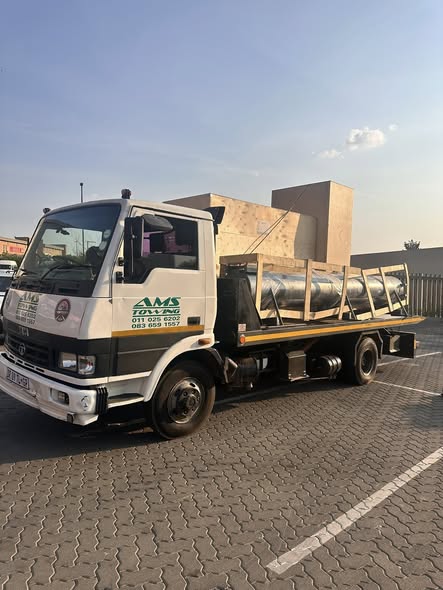
Water Pump Equipment
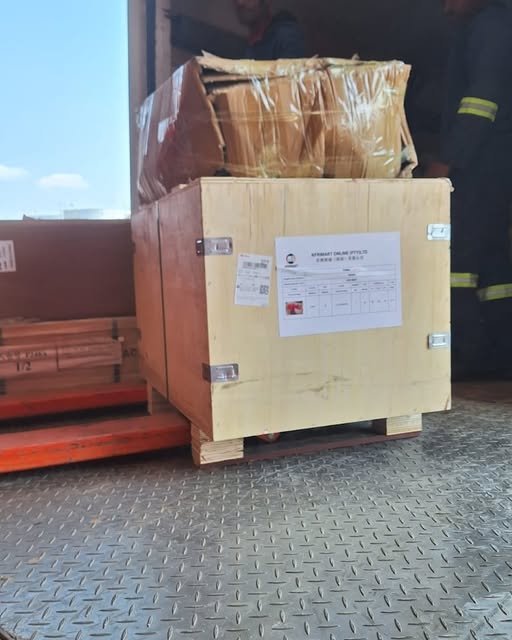
Packaging Machine and accessories
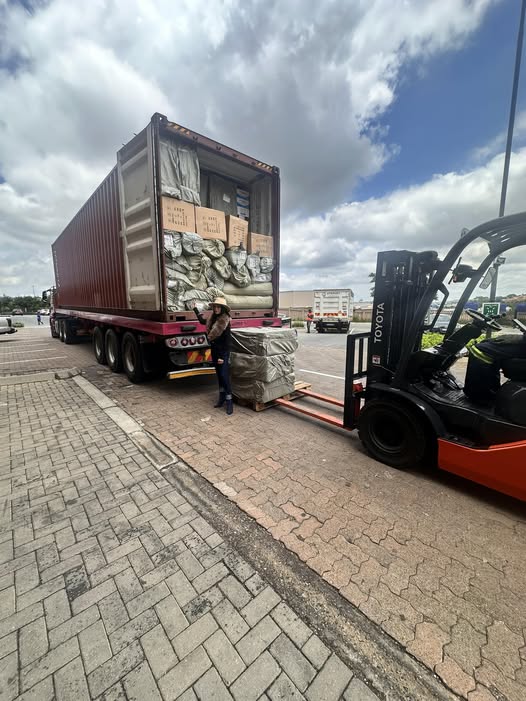
Fabrics Manufacturing Equipment
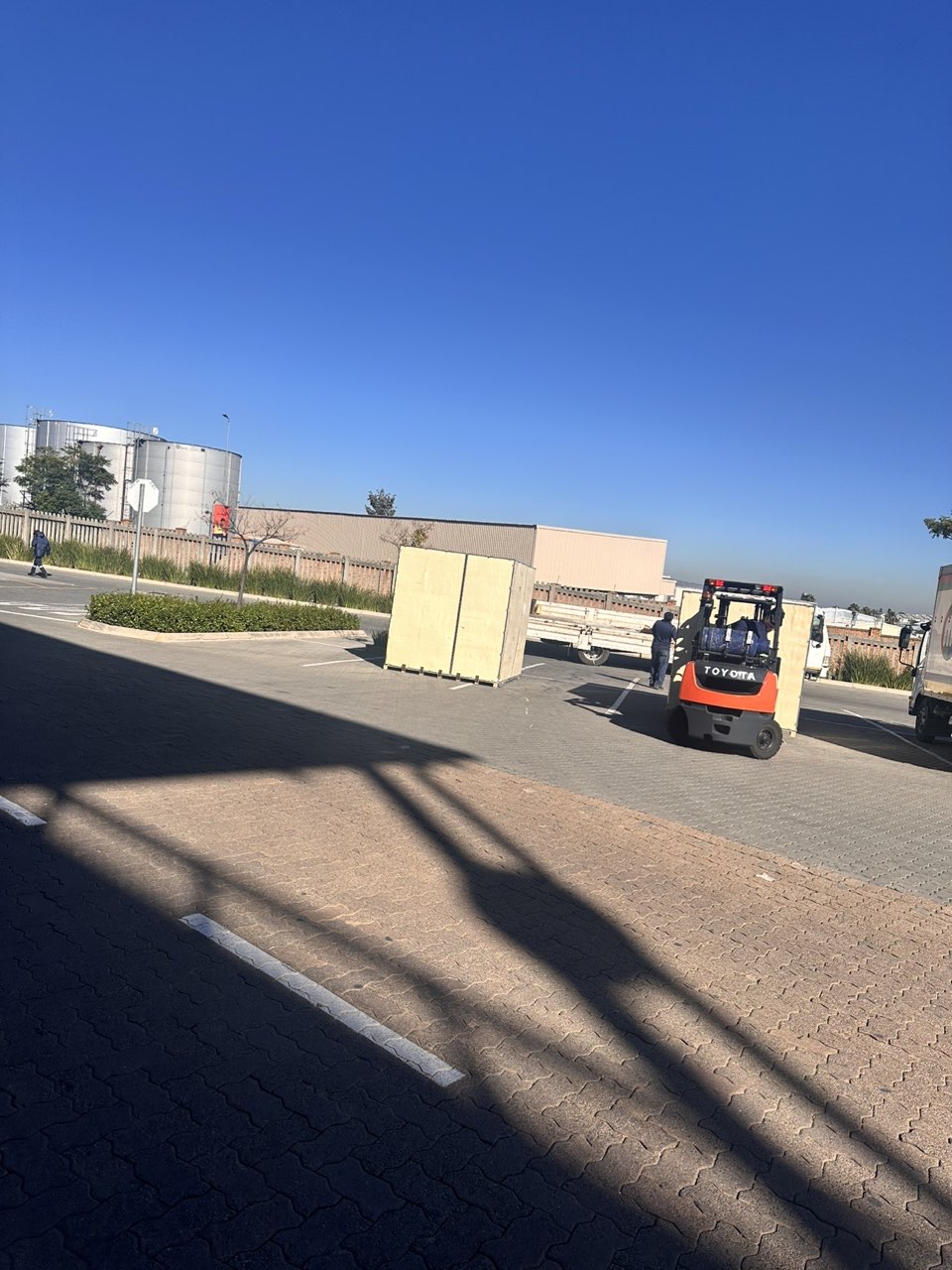
Mining Equipments
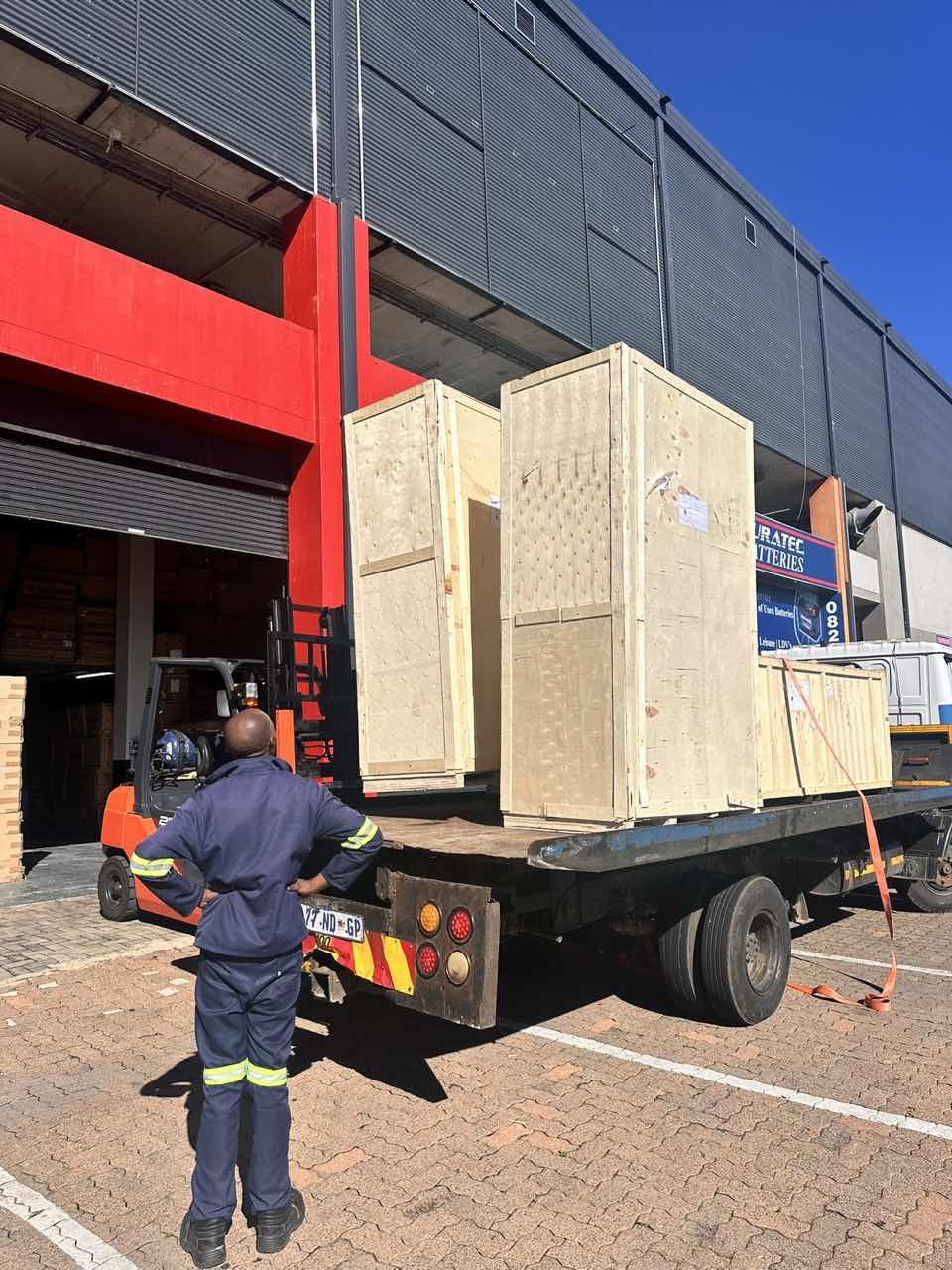
Food Processing Machine
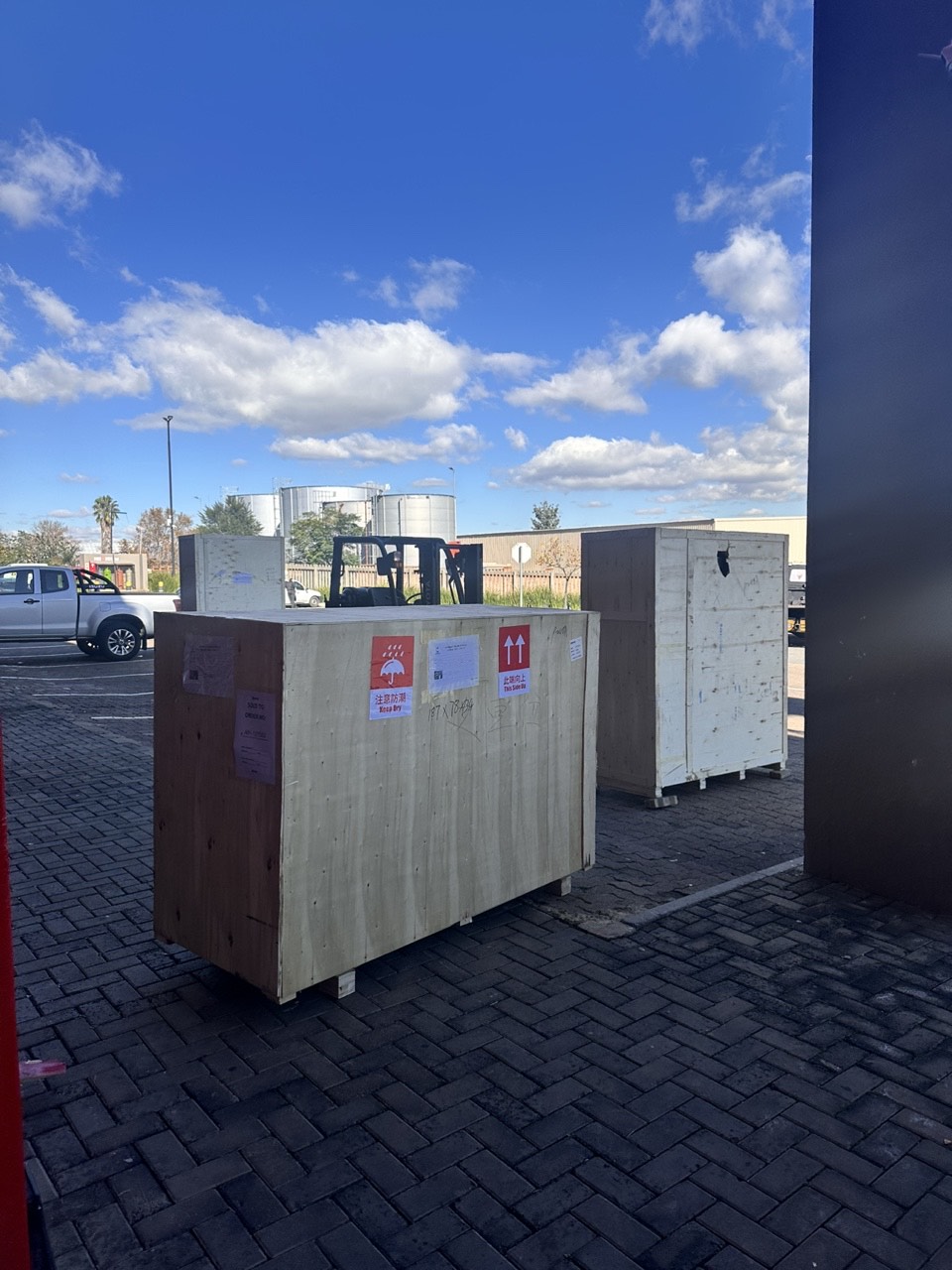
Batch of Orders
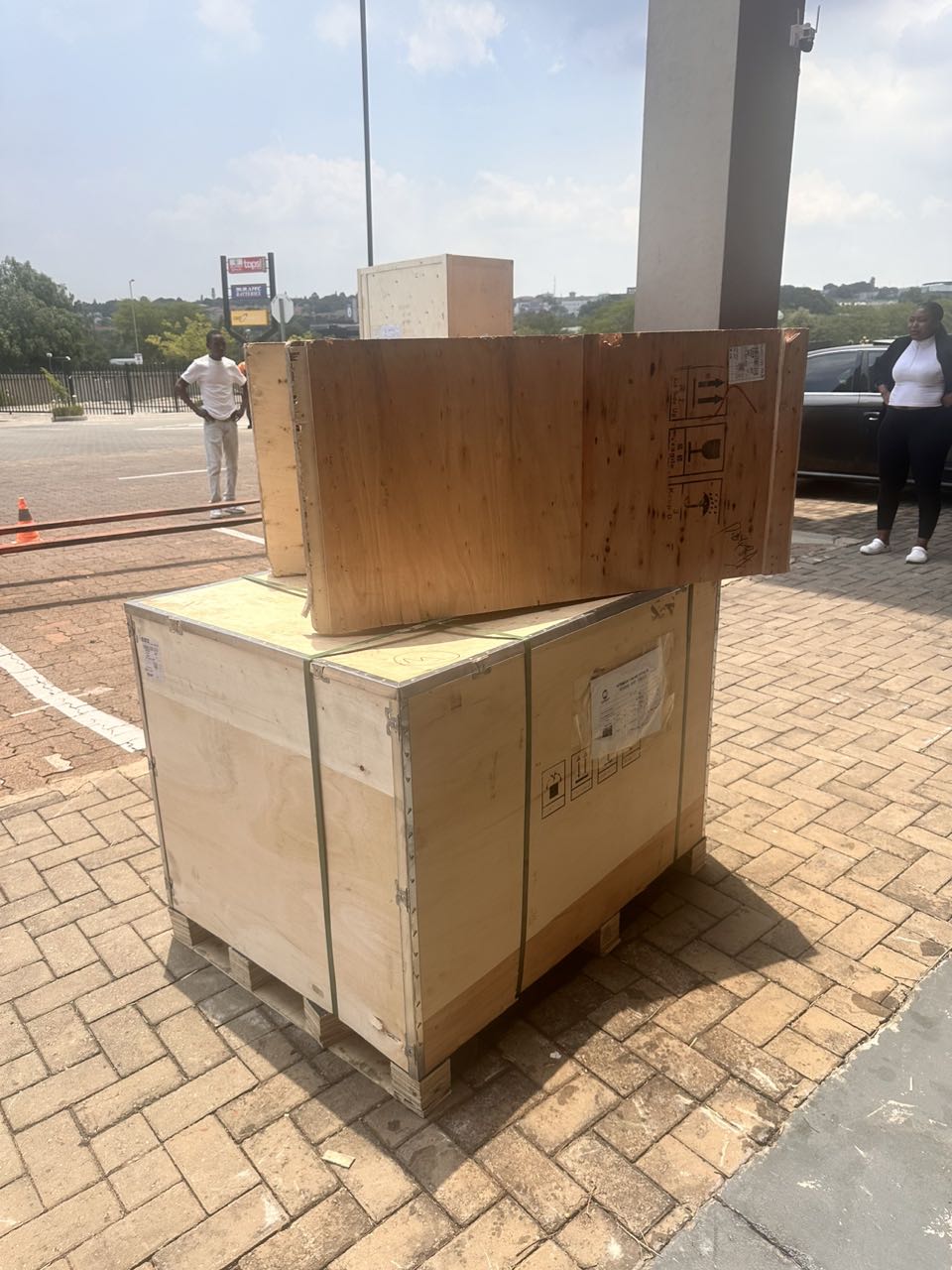
Batch of Orders
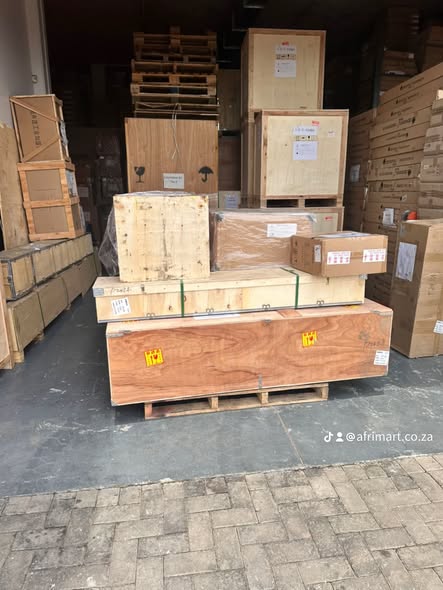
Latest Orders Labelled
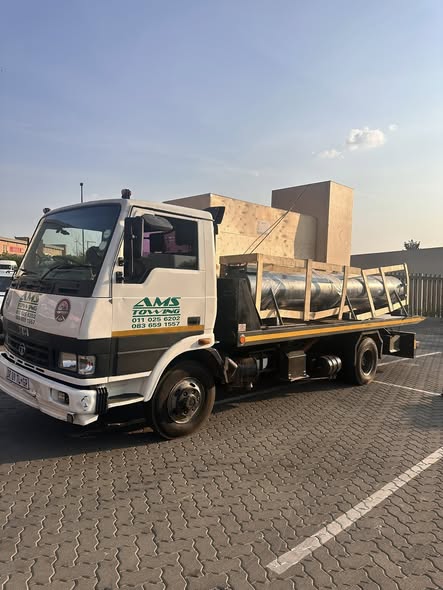
wheel alignment machines
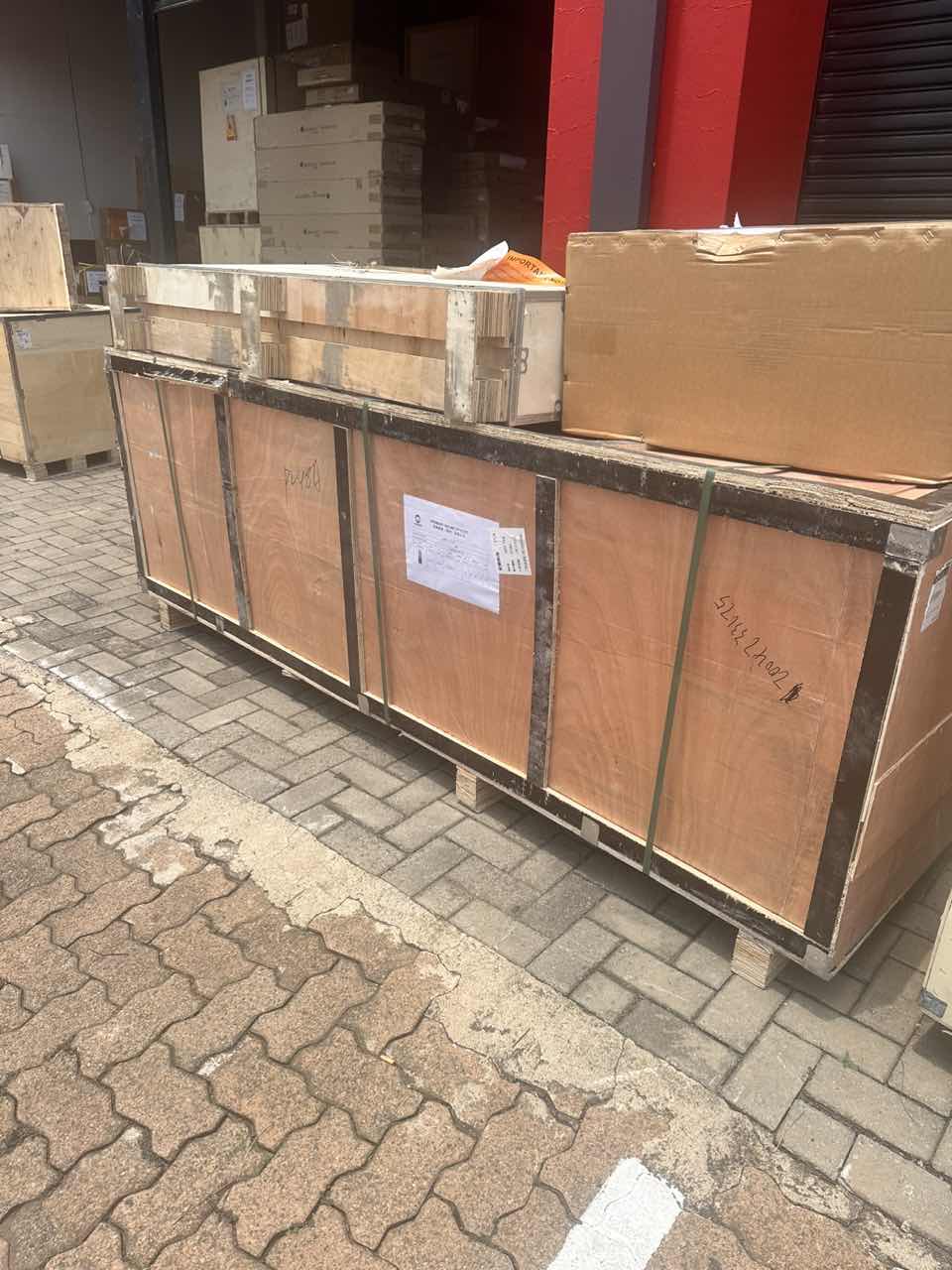
new arrivals
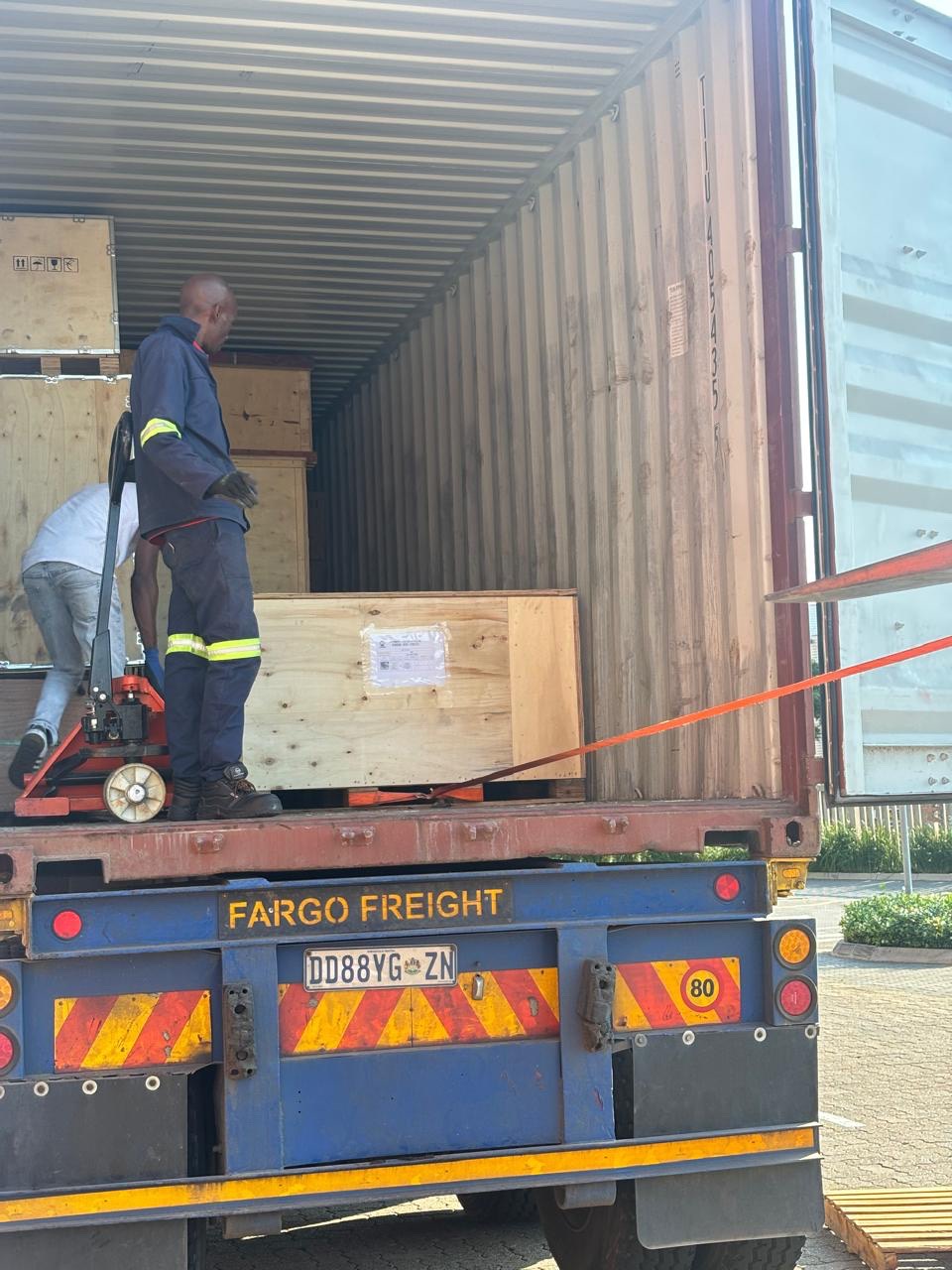
Pre Orders Offloading
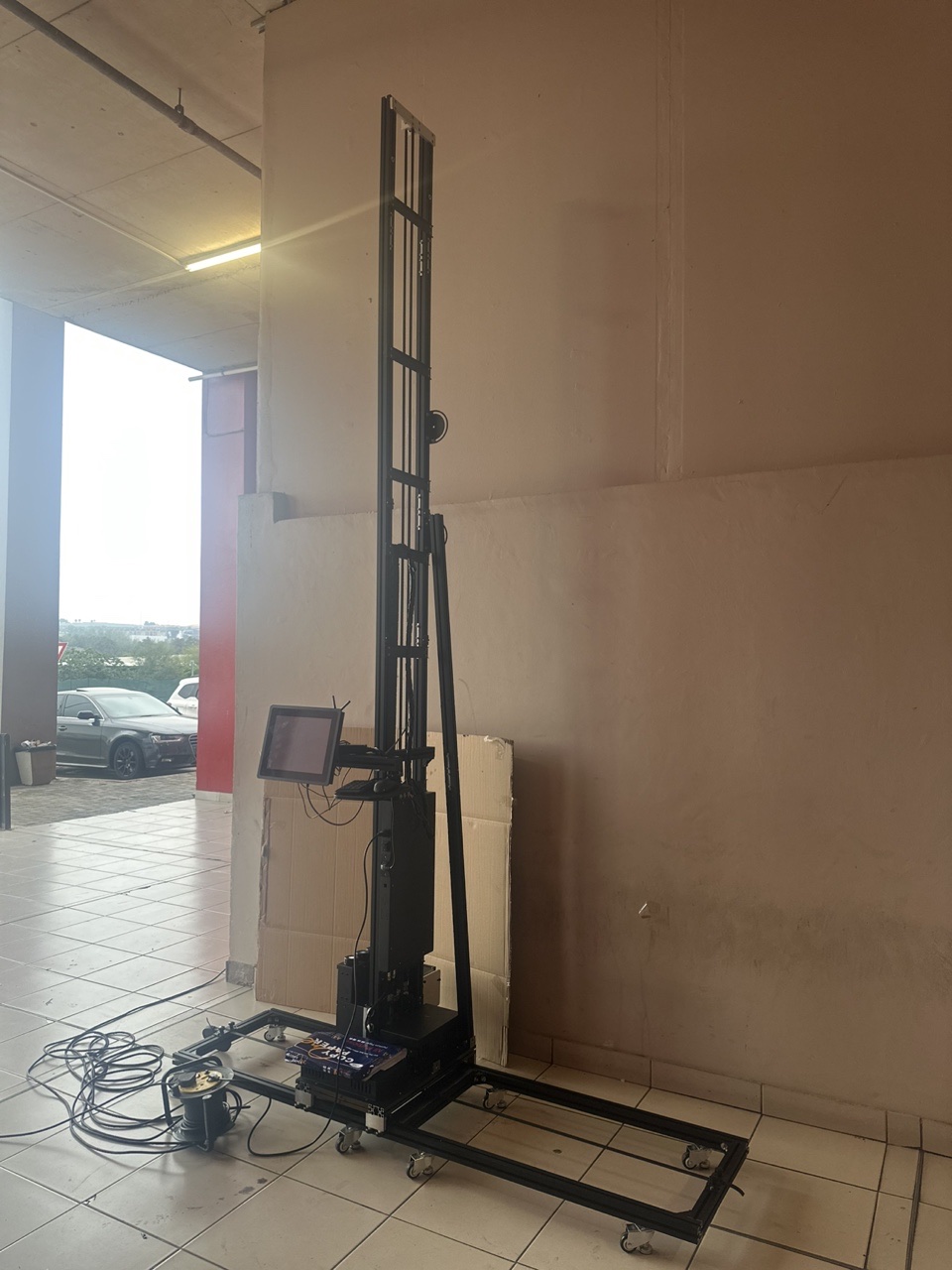
Latest Arrivals
Latest Arrivals
Latest Arrivals
Loading
Toilet paper making machine
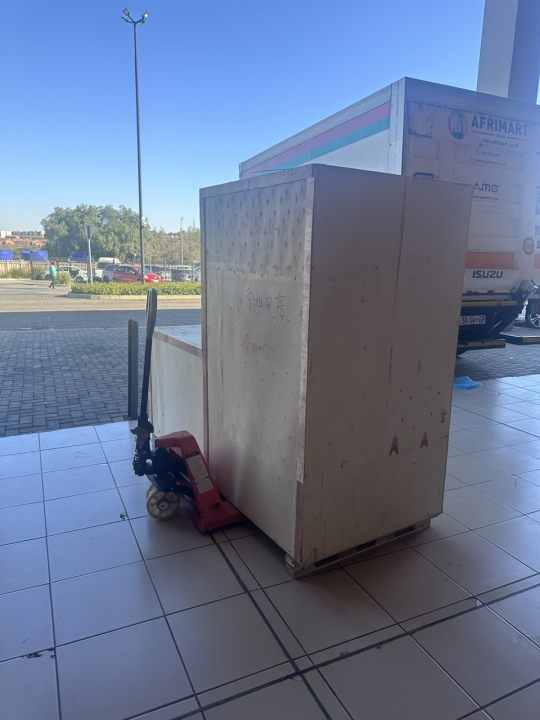
Toilet paper making machine
Toilet paper Rewinding Machine
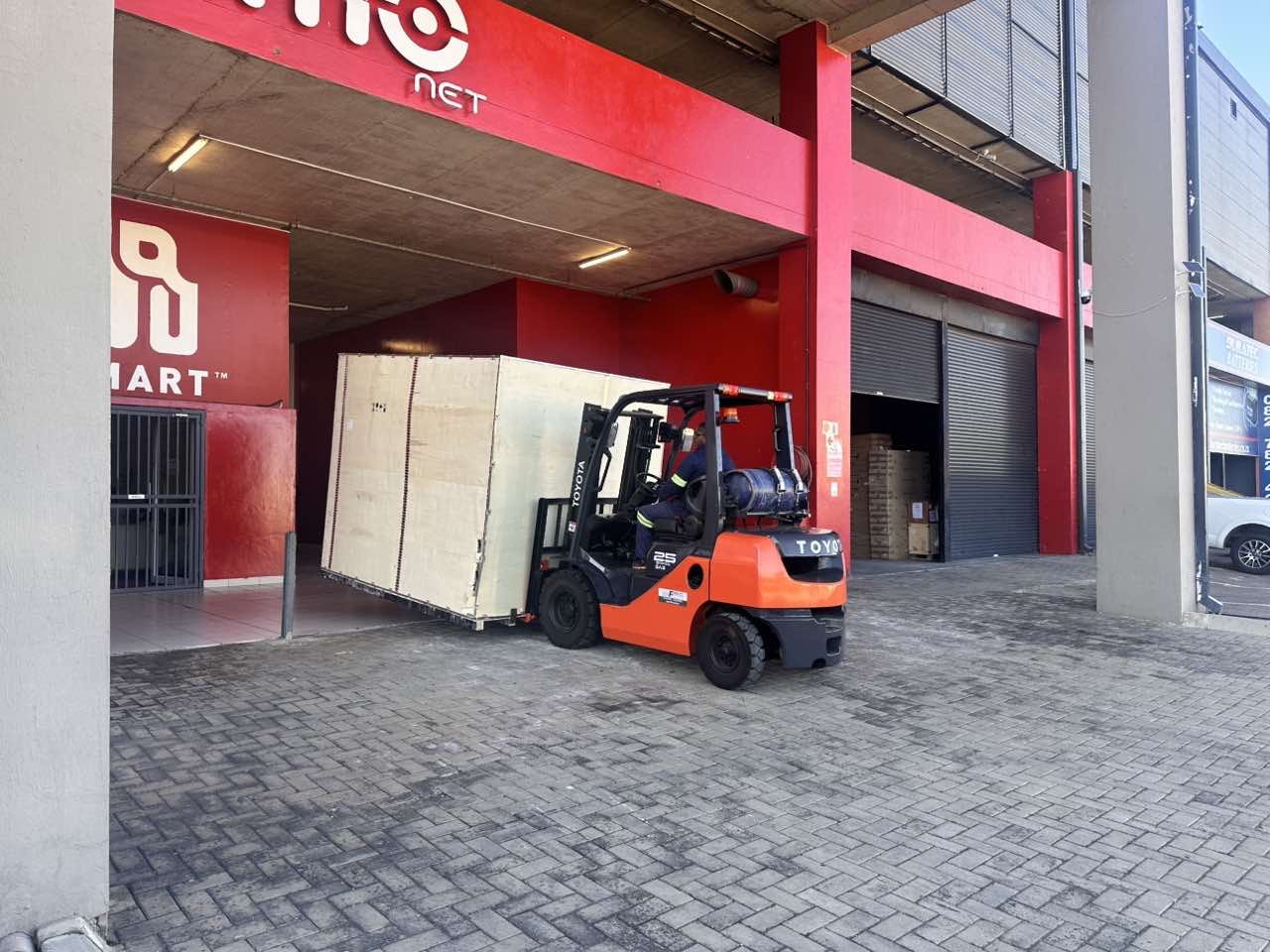
latest arrivals
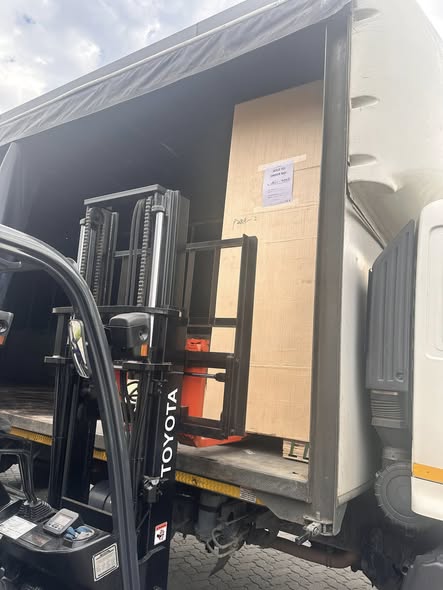
offloading
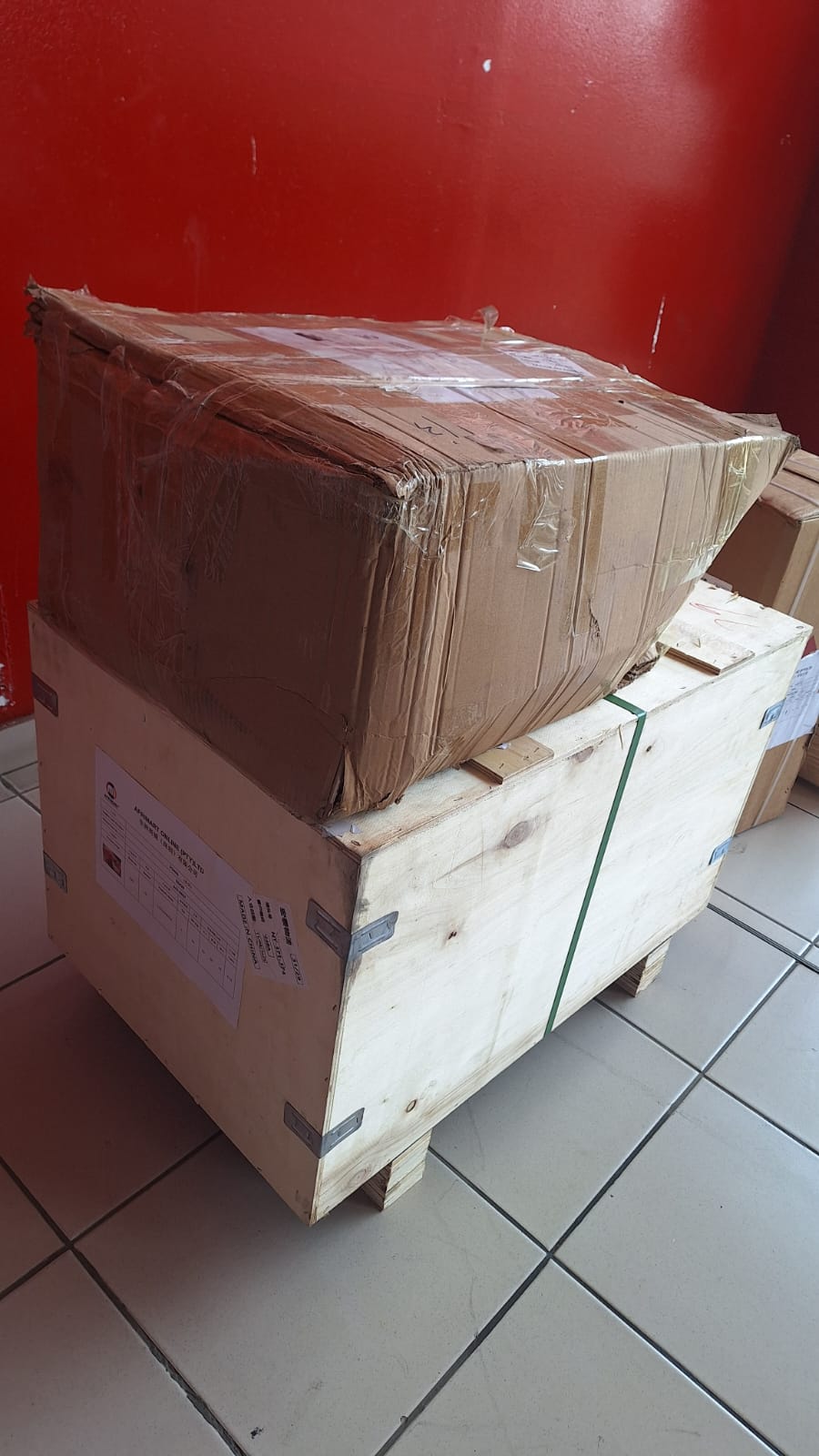
order success
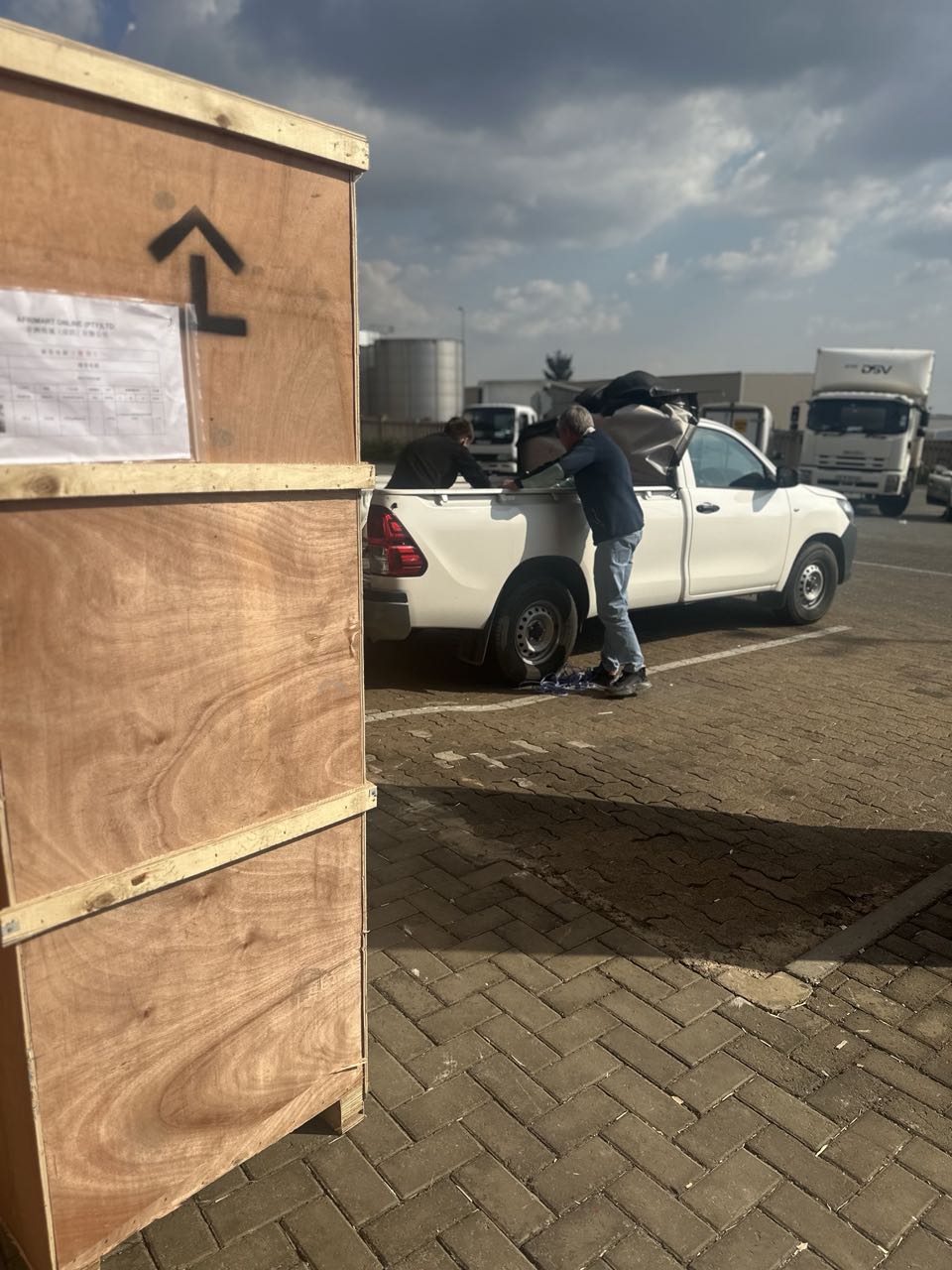
order collection
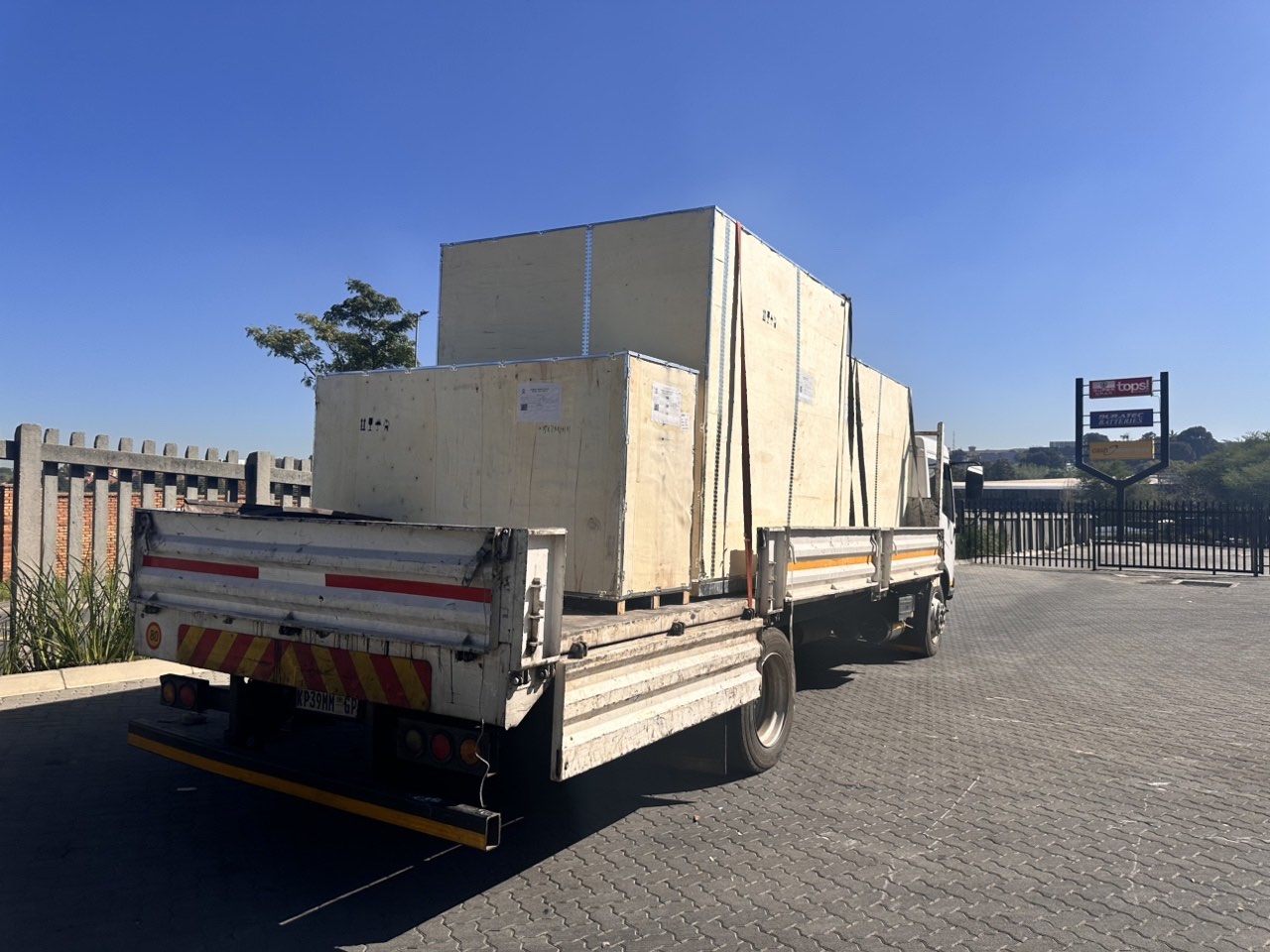
order offloading