B21, China Town Mall, Midrand


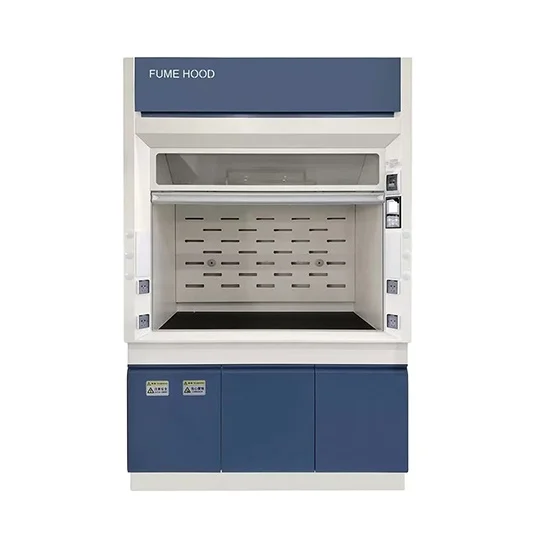
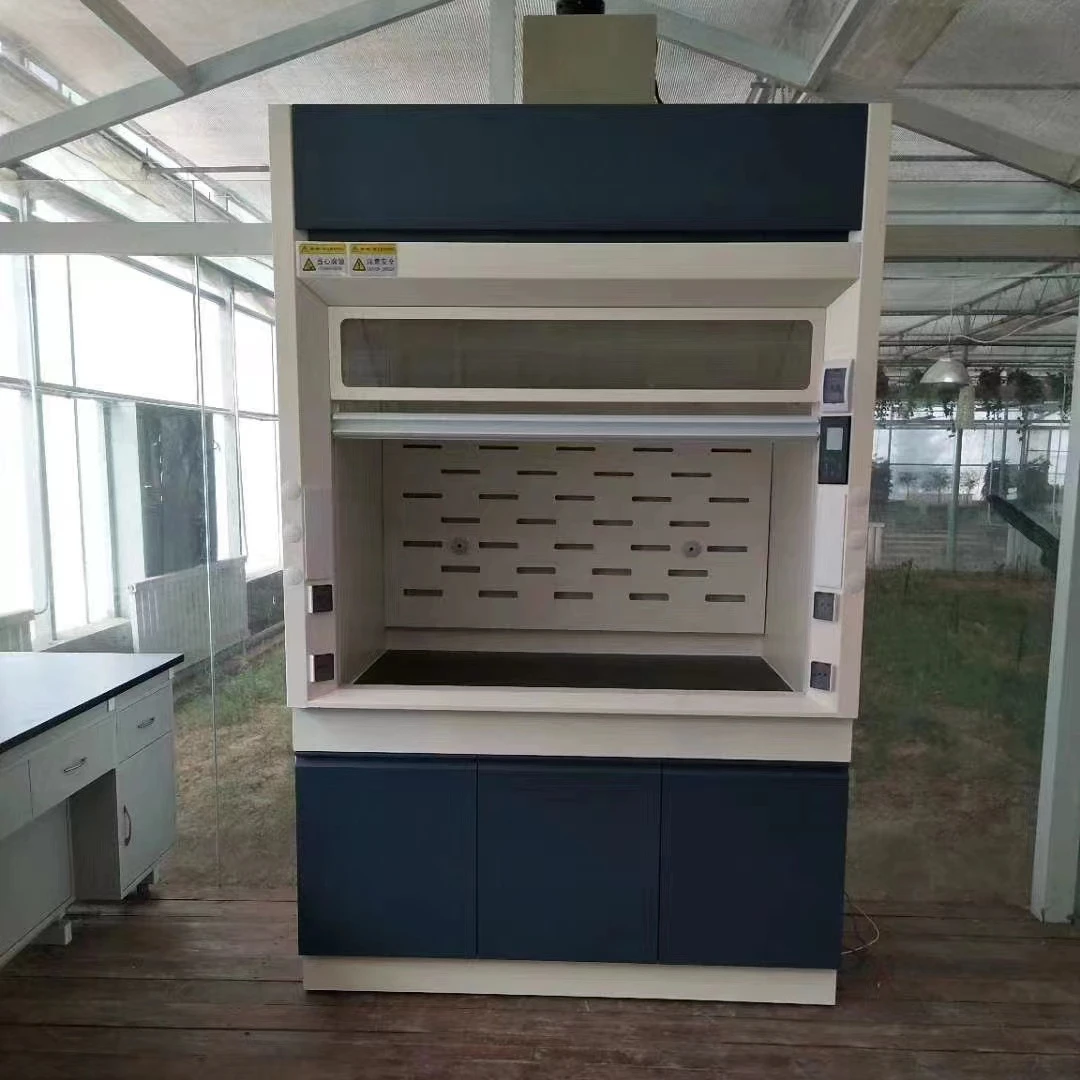
SINO-T1 Chemical Fume Laboratory Cupboard
Asset finance available
Do you want funding for this equipment?
Afrimart can connect you with trusted funding partners who specialise in asset finance for businesses like yours. Compare options and apply in minutes — final approval is subject to provider review.
Check funding options
Secure & no obligation

- Section : Medical Supplies
- Category : Other Lab Supplies
- SKU : 1600933279587

Product Descriptions

- Shipping Timeframes: All orders are processed within 2-5 business days (excluding weekends and holidays). After your order has been processed, the estimated delivery time is before 03 Aug, 2026, depending on customs, Please note that due to high demand, some items may experience longer shipping times, which will be communicated at order confirmation email.
- Order Processing Time: Please allow 2-5 business days for us to process your order before it is shipped . Orders placed after 16:00 on Fridays, or during weekends and public holidays, will begin processing on the next business day. Processing times may be extended during peak seasons or sales events.
- Manufacturing Time: Some products needs manufacturing time, the manufacturing process will take approximately 10-30 business days depending on the product. This timeframe may vary depending on the complexity of the product and current demand. but this will be communicated with you during order confirmation.
- Returns and Exchanges: We offer a 30-day return policy for most items. If you are not completely satisfied with your purchase, you may return it within 30 days of receipt for a refund or exchange. Items must be unused, in their original packaging, and accompanied by proof of purchase. Return shipping costs are the responsibility of the customer, unless the item was damaged or defective upon arrival.
1. What is the SINO-T1 Chemical Fume Laboratory Cupboard used for?
The SINO-T1 is designed to protect laboratory personnel and the environment when handling volatile, odorous or hazardous chemicals by containing and exhausting harmful fumes generated during experiments and chemical processes.
2. What materials is the SINO-T1 constructed from and is it corrosion resistant?
Construction typically uses chemical-resistant materials for the work surface and interior (for example polypropylene, epoxy resin or coated stainless steel) and a robust external frame. Exact materials and corrosion resistance vary by configuration, so check the product datasheet or ask the supplier for the specific build options.
3. What sizes and configurations are available?
The SINO-T1 is commonly offered in multiple widths (single- and multi-bay options), depths and heights to suit different lab layouts. Custom sizes and modular configurations may also be available—confirm available dimensions with the manufacturer or distributor.
4. Is the SINO-T1 a ducted or ductless (recirculating) fume cupboard?
The SINO-T1 can be supplied as a ducted exhaust cabinet or as a ductless/recirculating unit with appropriate filtration modules. Which option is suitable depends on the chemicals used and your facility's ventilation infrastructure.
5. If ductless, what type of filtration is used and how effective is it?
Ductless versions use multi-stage filters—typically particulate pre-filters plus activated carbon or specialty sorbents targeted at specific vapors. Filter effectiveness depends on chemical type, concentration and airflow; verify compatibility and expected service life with the supplier and perform risk assessment before use.
6. What are the airflow and performance specifications I should expect?
Performance is measured by face velocity (commonly 0.4–0.6 m/s for many fume cupboards) and containment testing. Exact performance figures for the SINO-T1 depend on model and ducting; request the manufacturer's performance data and on-site acceptance testing for your installation.
7. What electrical and utility requirements does the SINO-T1 have?
Typical requirements include standard mains power for lighting, fans and any outlets or controls. Some models may need dedicated circuits for blowers or optional equipment. Confirm voltage, current, outlet placement and any plumbing needs with the supplier before installation.
8. What safety features are included?
Common safety features include a sash (sliding or vertical) with catch positions, sash stop/limiters, airflow alarms or indicators, internal lighting, splash/spill containment trays and chemical-resistant surfaces. Optional features may include electrical interlocks, emergency shutoff and monitor systems.
9. How is the SINO-T1 installed and does the supplier provide installation?
Installation typically requires a qualified technician to connect ductwork (for ducted units), secure the cupboard, level it and connect utilities. Many suppliers offer installation and commissioning services—confirm whether this is included or available as an add-on and check local building and exhaust codes.
10. What maintenance is required and how often should filters or components be replaced?
Routine maintenance includes cleaning interior surfaces, checking and replacing pre-filters and sorbent filters (for ductless units), inspecting fans and seals, and verifying airflow performance. Replacement intervals vary widely with use; filter change schedules should be based on manufacturer guidance and monitored by periodic inspections and performance checks.
11. Can the SINO-T1 handle strong acids, bases and organic solvents?
Compatibility depends on the internal materials and filter type. Acid/base-resistant interiors (e.g., polypropylene or certain stainless steels) are suitable for corrosive chemicals. For aggressive or unknown chemistries, choose appropriate construction materials and consult the manufacturer to ensure safe use.
12. What certifications or standards does the SINO-T1 comply with?
Fume cupboards are commonly designed to meet regional safety and manufacturing standards (for example ISO, CE or local ventilation codes). Specific compliance varies by model and market—request certification documents from the supplier for the unit you plan to purchase.
13. Are accessories and customization options available?
Yes. Common options include different worktops, built-in sinks, service fittings (gas, vacuum, water), electrical outlets, extra shelving, specialized filters, and control systems. Discuss your laboratory requirements with the vendor to configure the appropriate options.
14. What warranty and after-sales support are provided?
Warranty terms differ by manufacturer and distributor but generally cover defects in materials and workmanship for a defined period. Many suppliers also offer spare parts, service contracts and technical support. Confirm warranty length, coverage details and available service plans before purchase.
15. How do I order the SINO-T1 and what are typical lead times and shipping considerations?
Contact the manufacturer or authorized distributor with your required configuration and site details. Lead times depend on configuration, customization and location; standard models may ship faster than custom units. Also plan for site access, any crane or door-size constraints and local installation requirements when scheduling delivery.
Latest Order Arrivals
Discover our latest orders
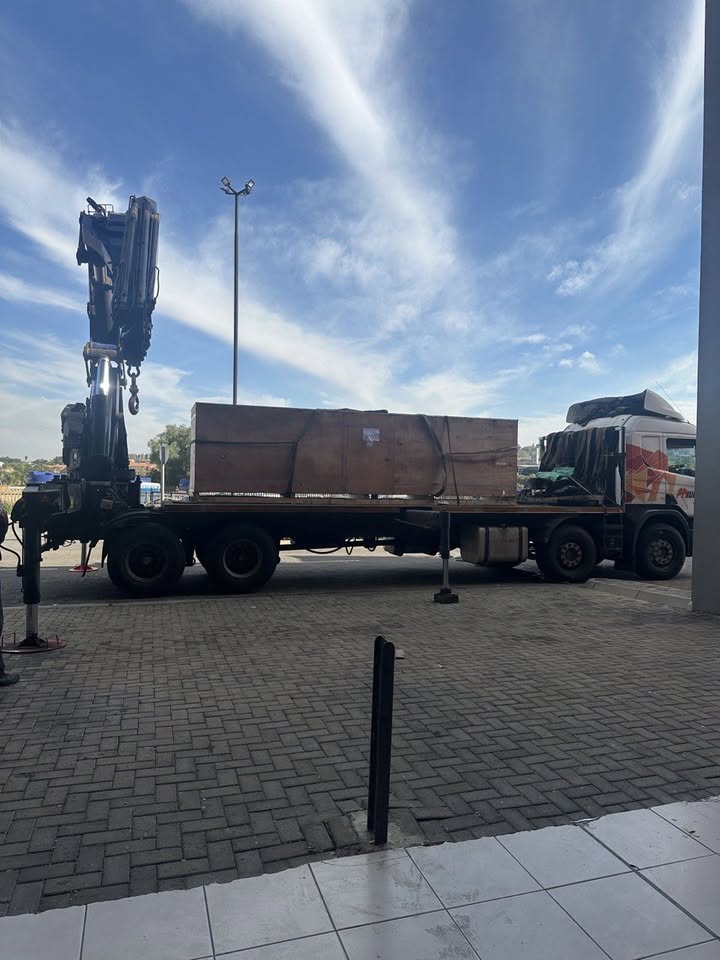
12 Heads Embroidery Machine
Toilet Paper Machine Machine
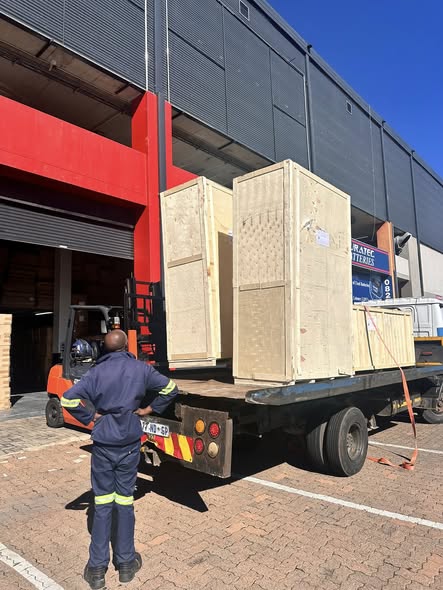
Order Collection
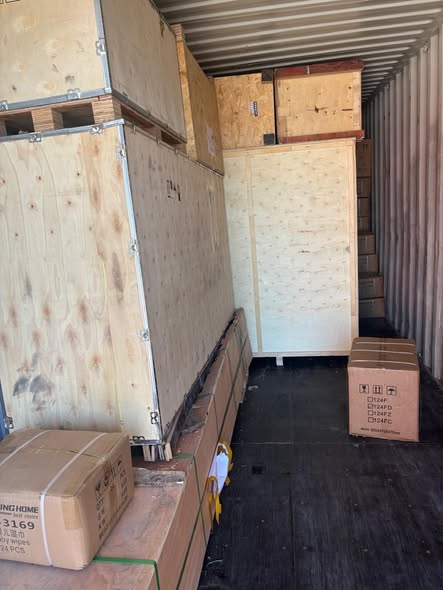
Cross Border Clients
Order cros border countries Collected
Industrial Machine Cllection
Agriculture Processing Machines
Ready for collection
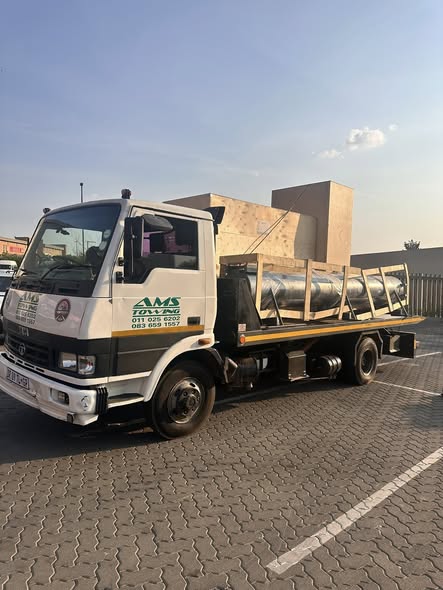
Water Pump Equipment
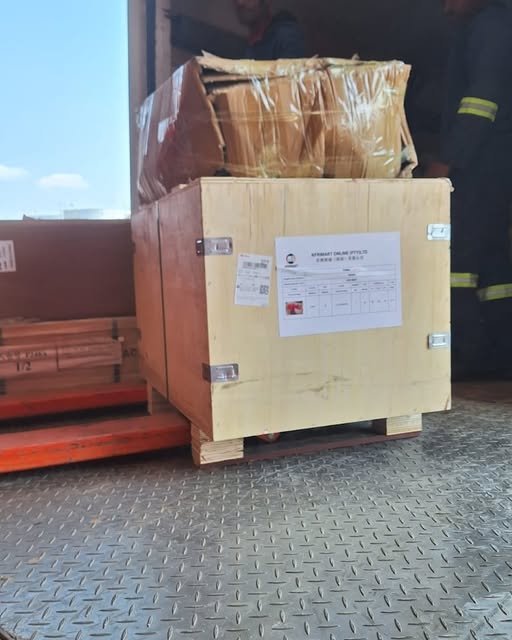
Packaging Machine and accessories
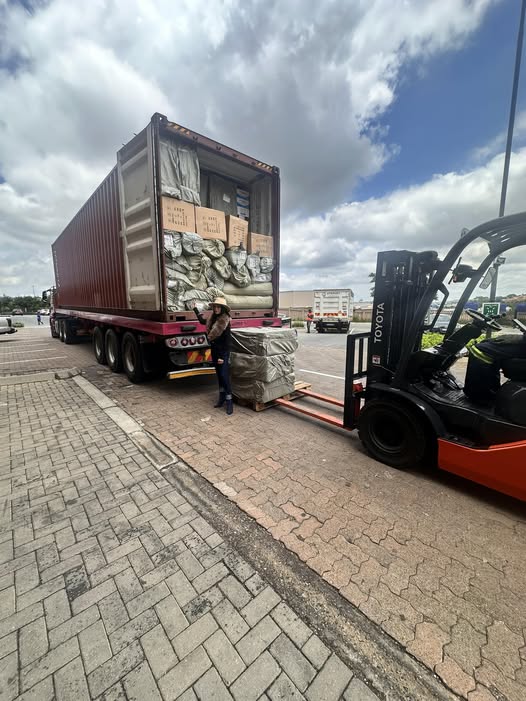
Fabrics Manufacturing Equipment
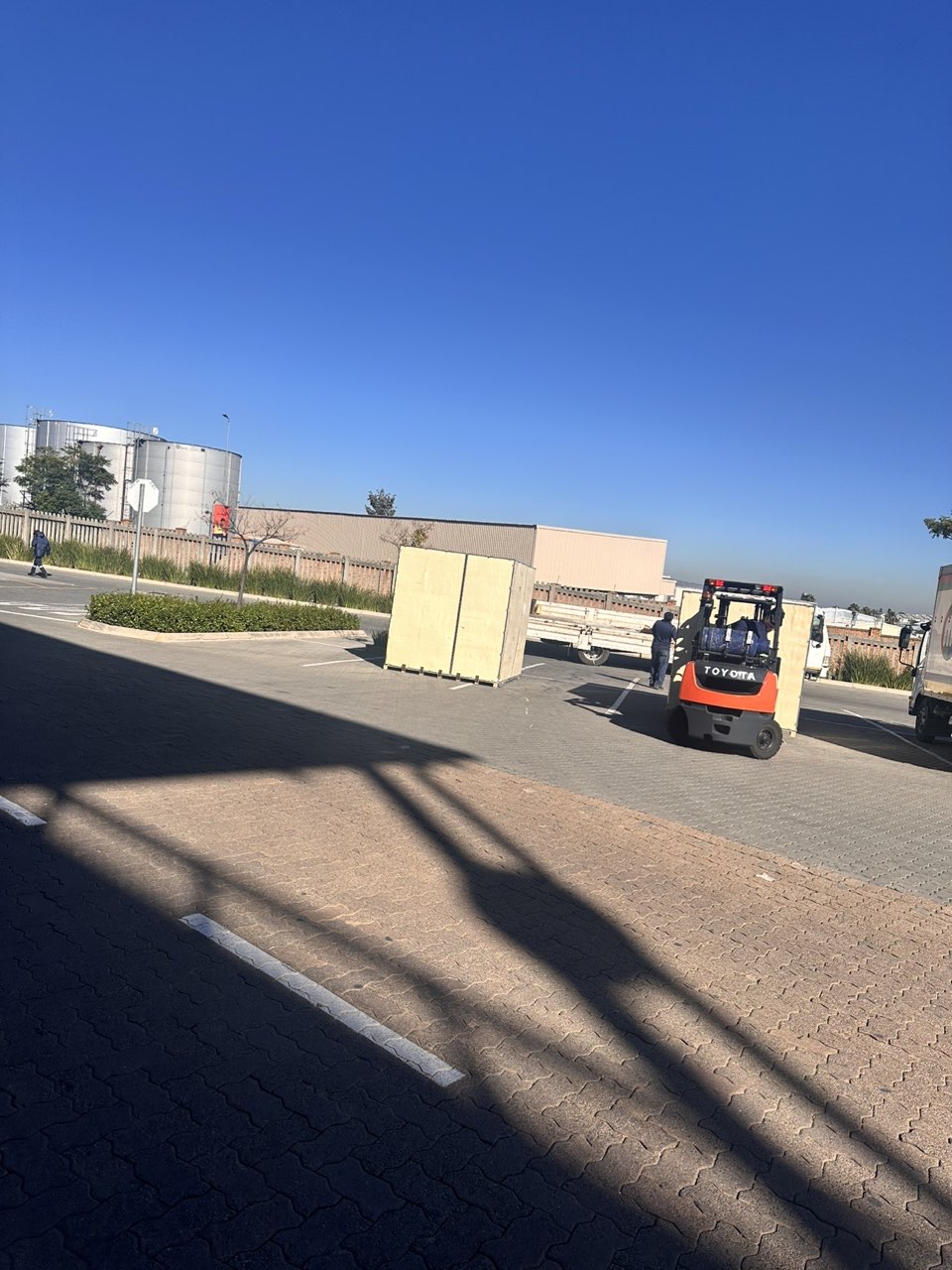
Mining Equipments
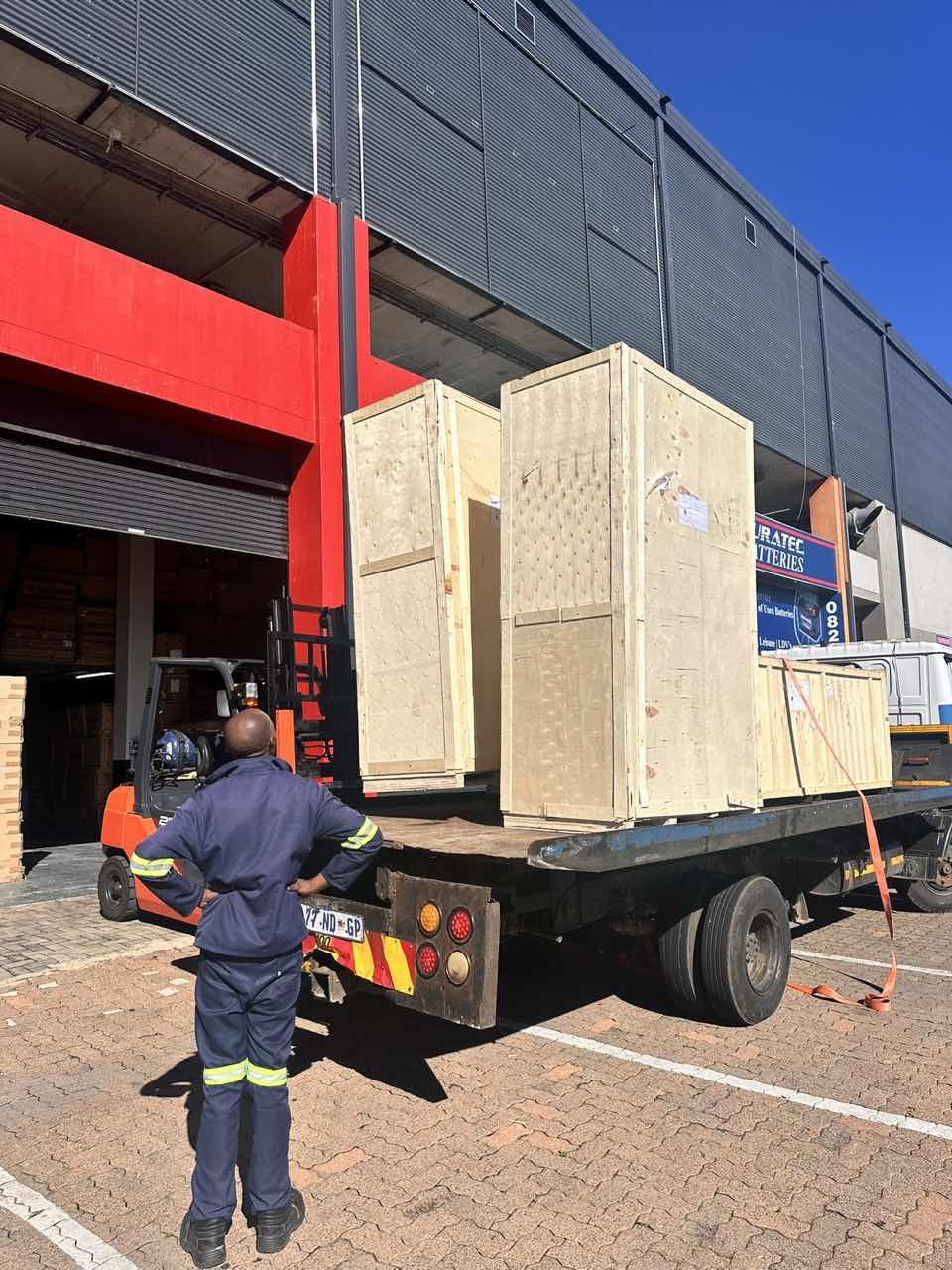
Food Processing Machine
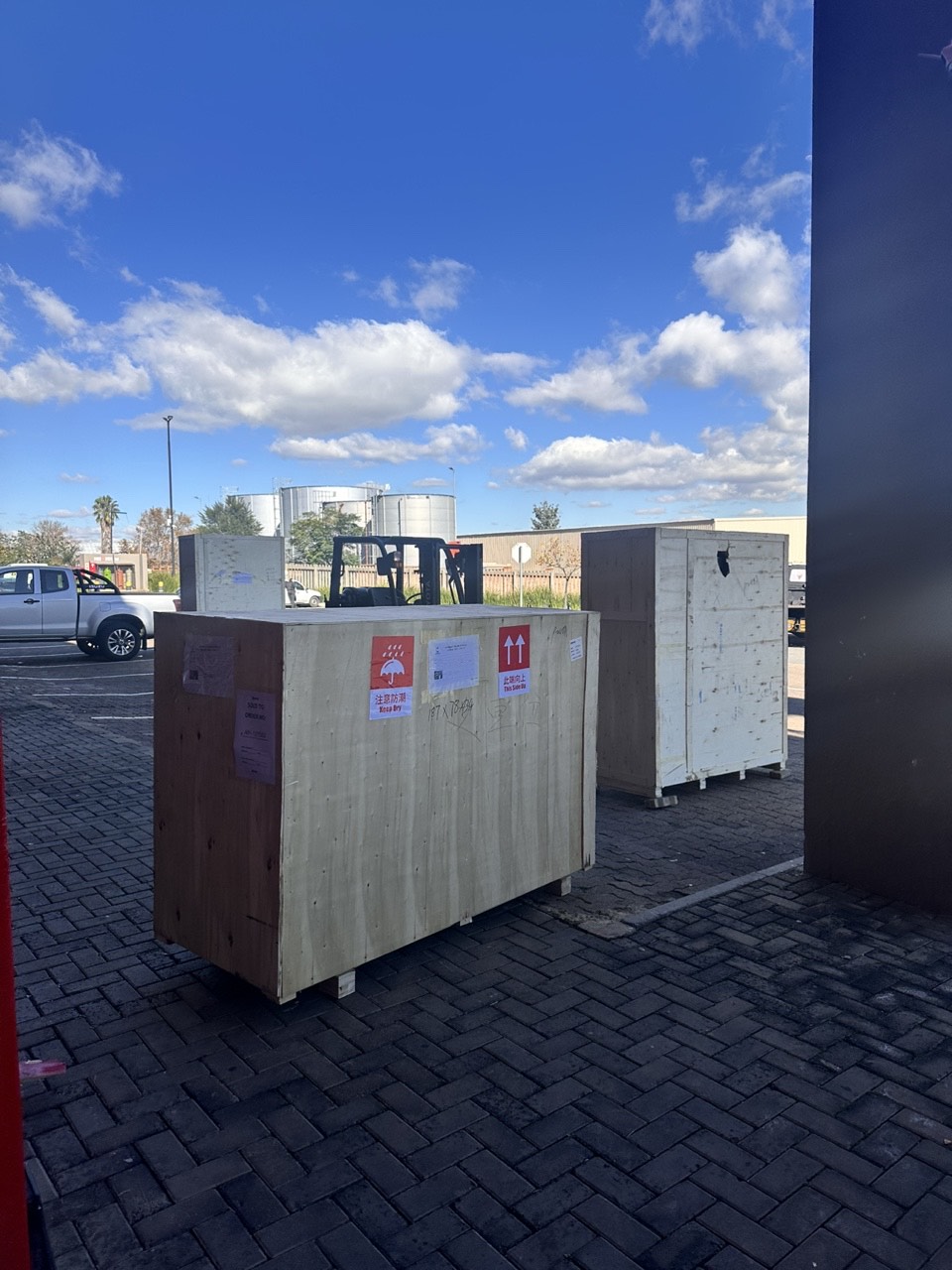
Batch of Orders
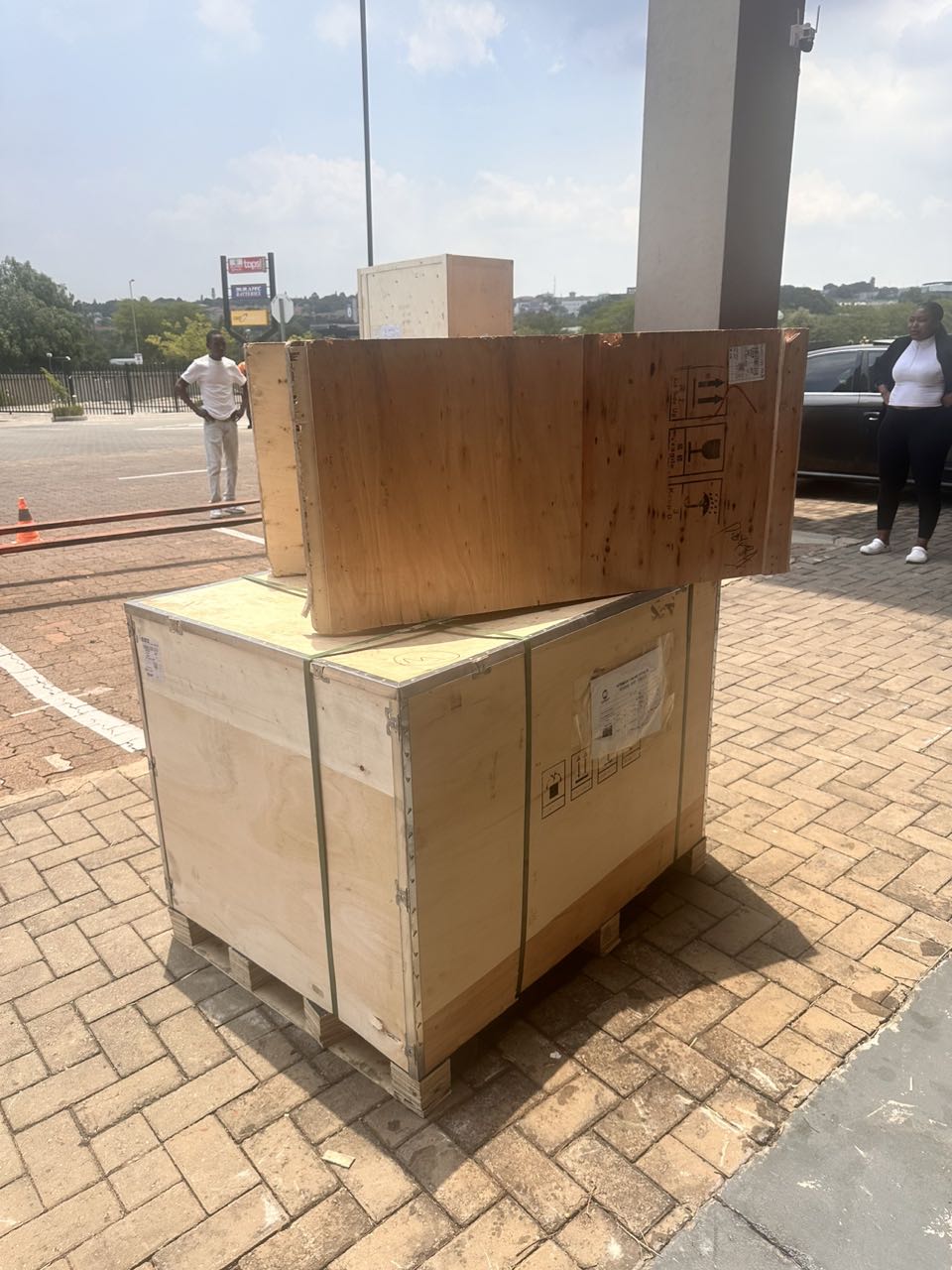
Batch of Orders
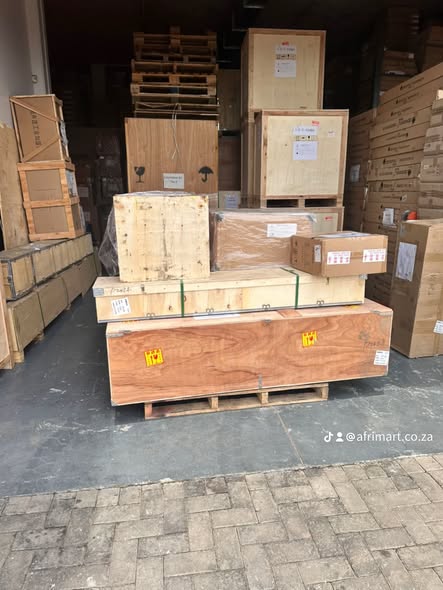
Latest Orders Labelled
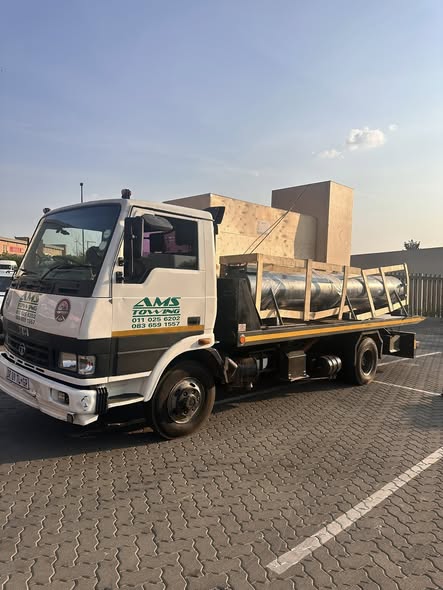
wheel alignment machines
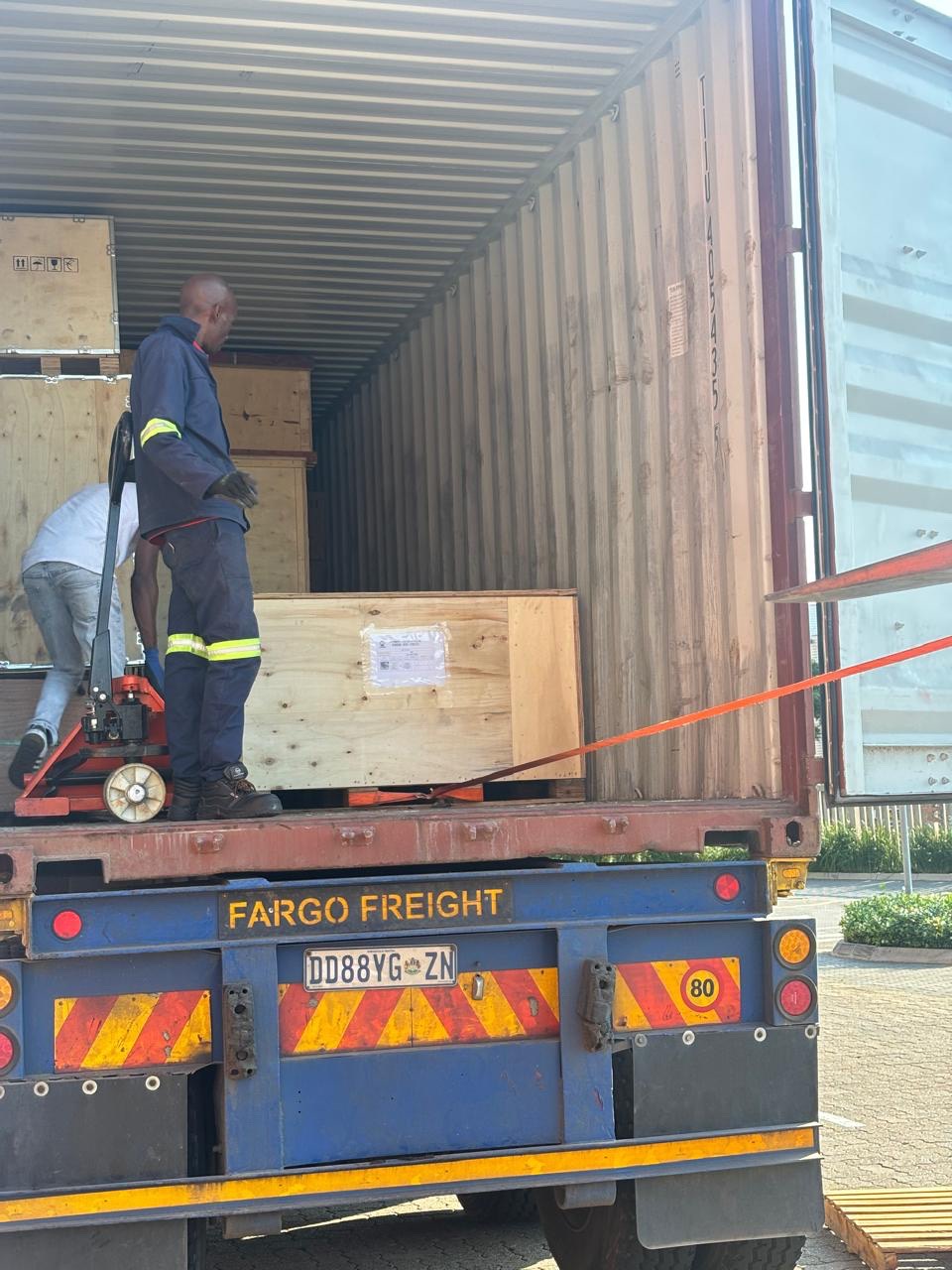
new arrivals
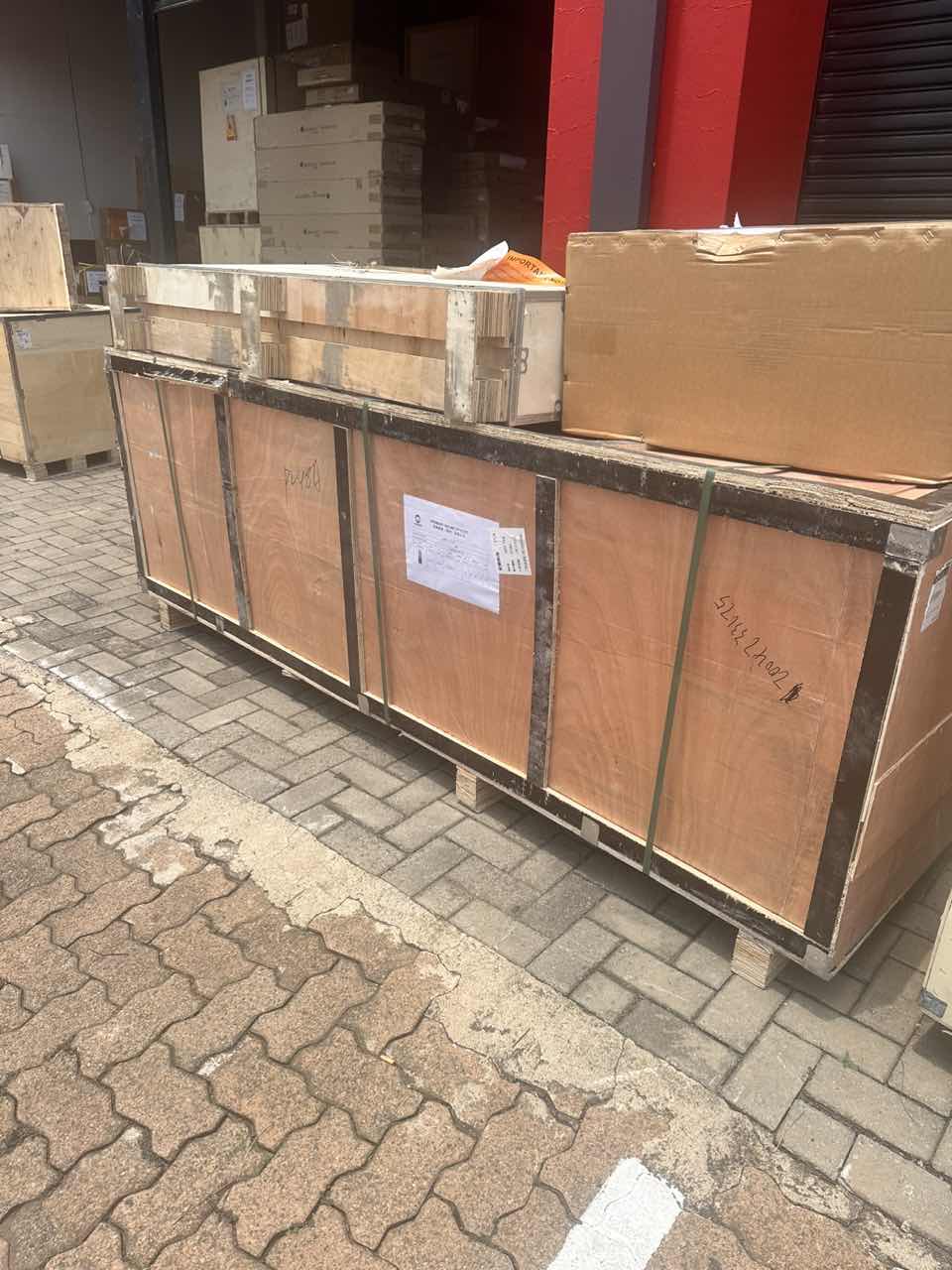
Pre Orders Offloading
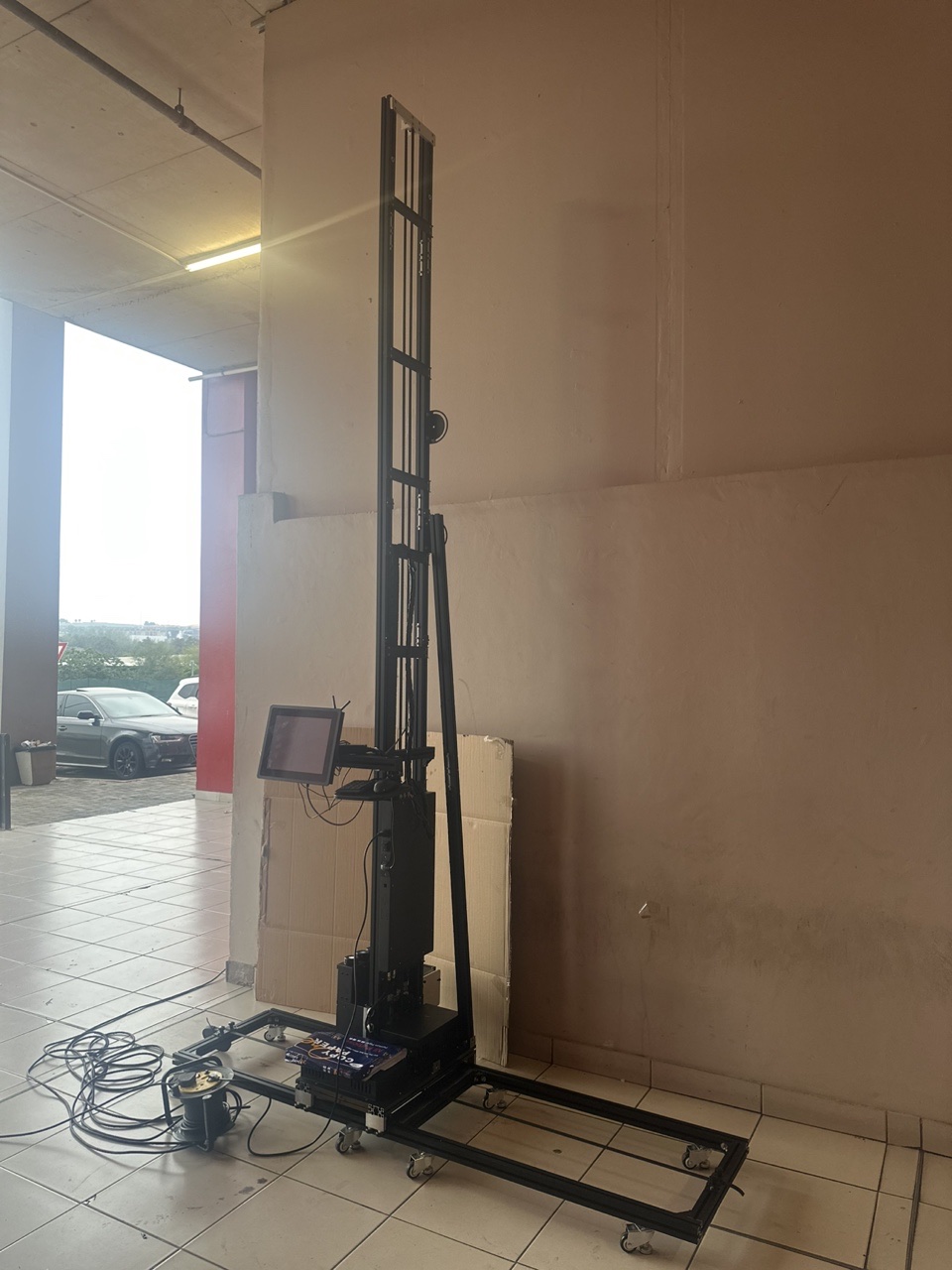
Latest Arrivals
Latest Arrivals
Latest Arrivals
Loading
Toilet paper making machine
Toilet paper making machine
Toilet paper Rewinding Machine
latest arrivals
offloading
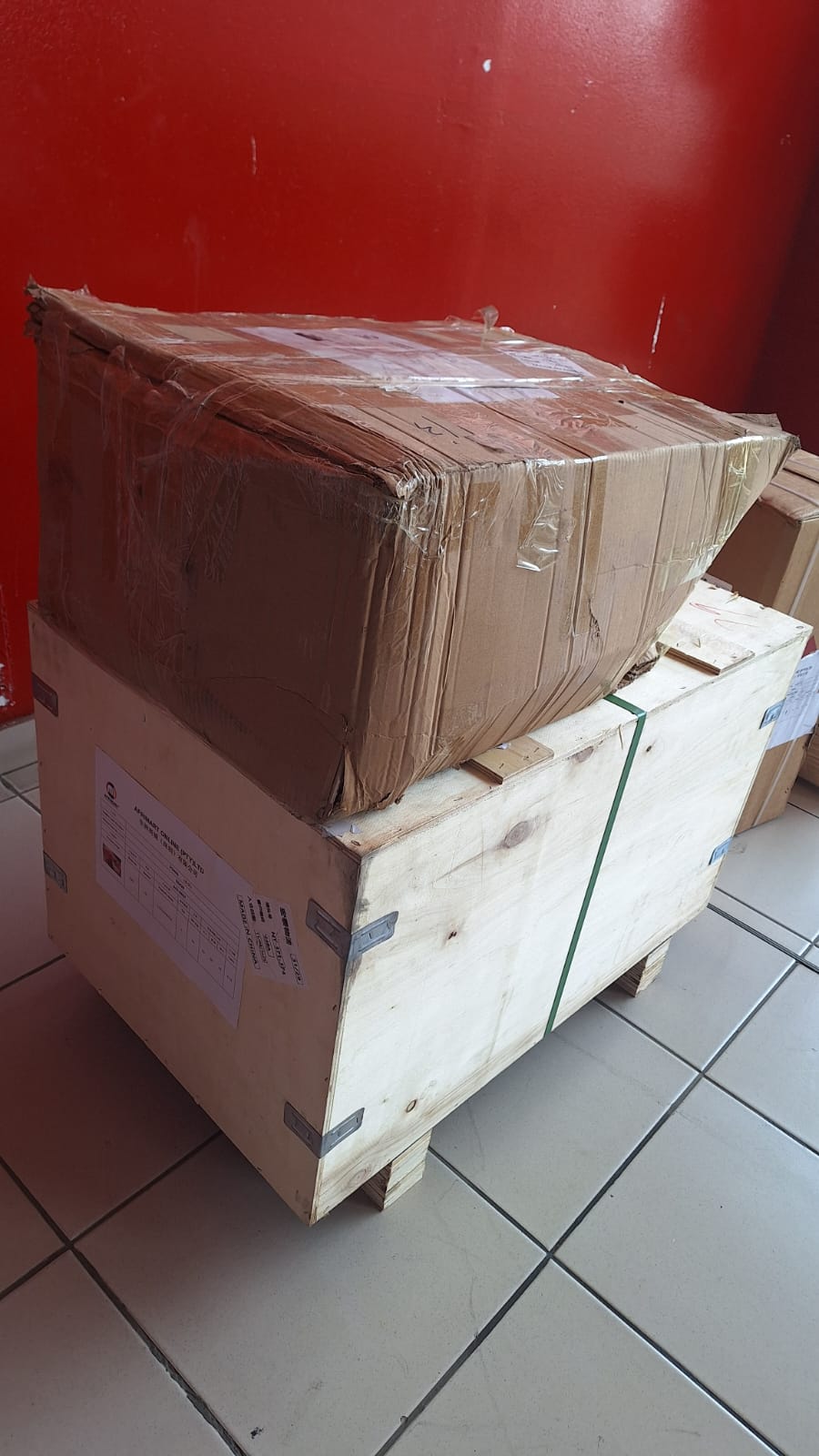
order success
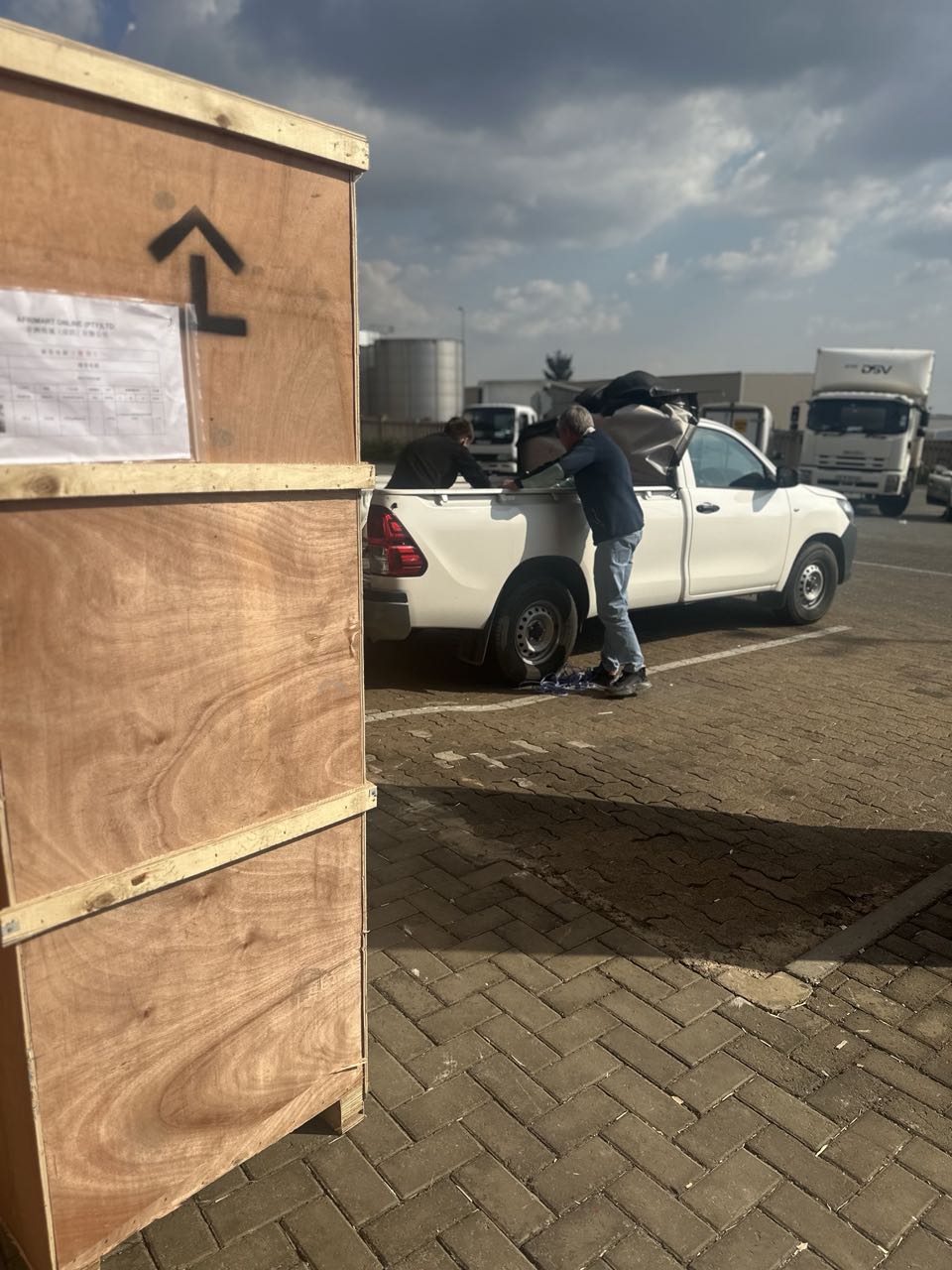
order collection
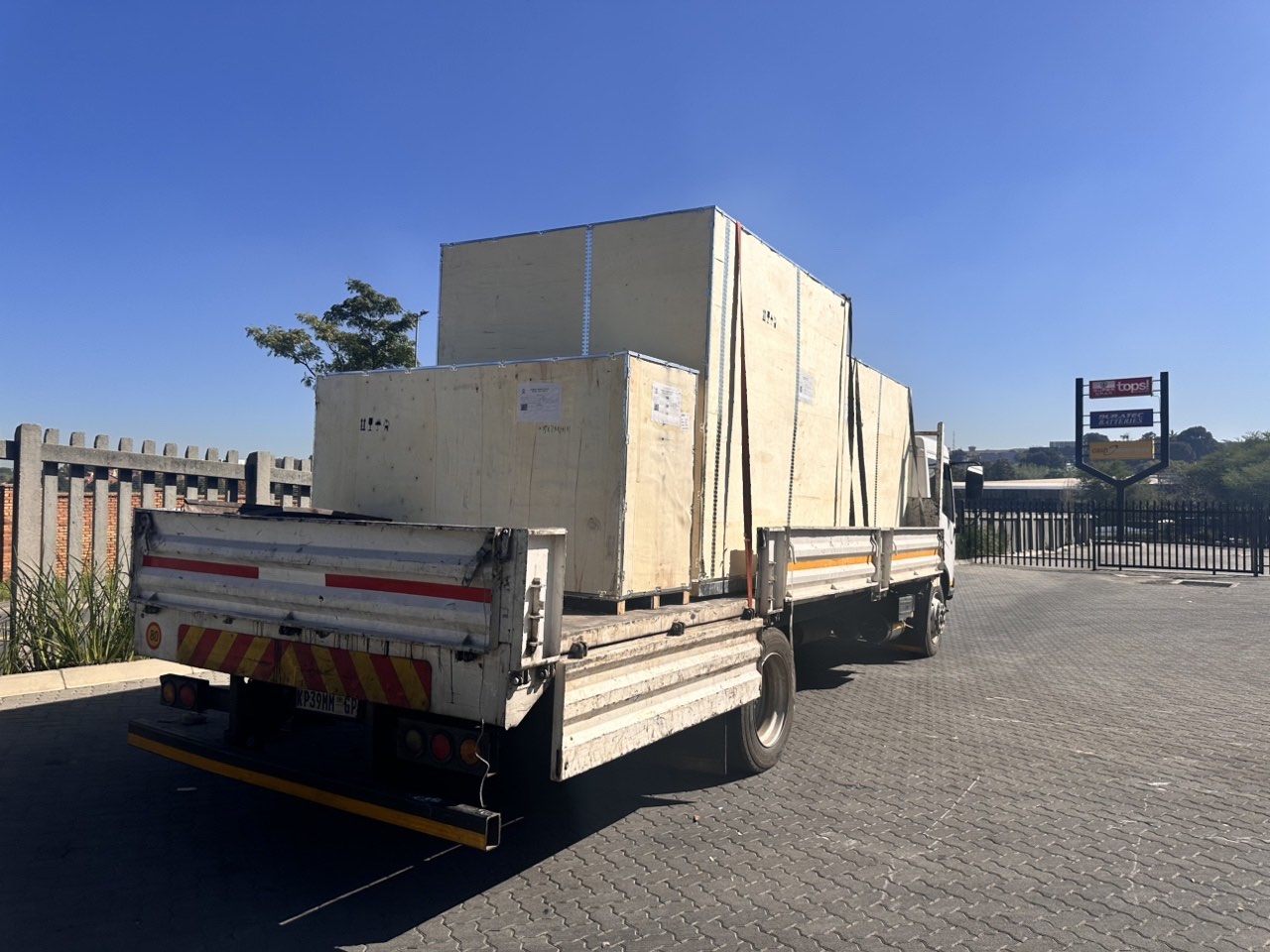
order offloading