B21, China Town Mall, Midrand

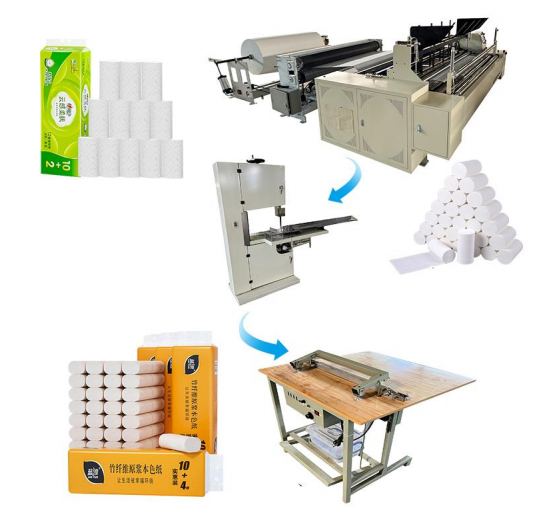
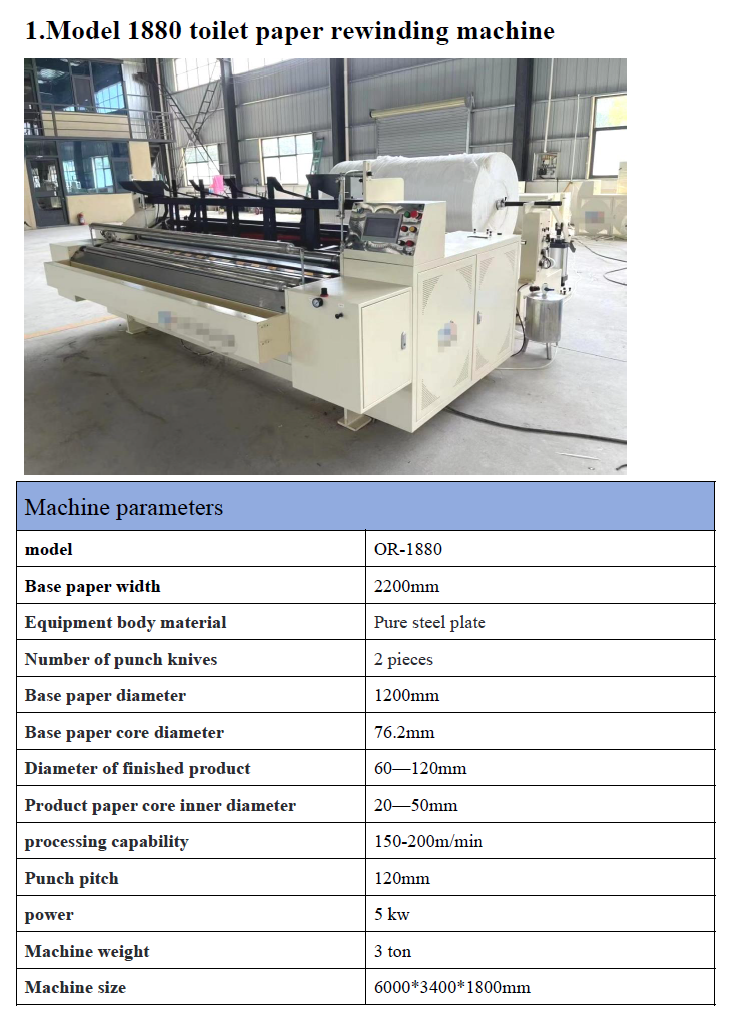
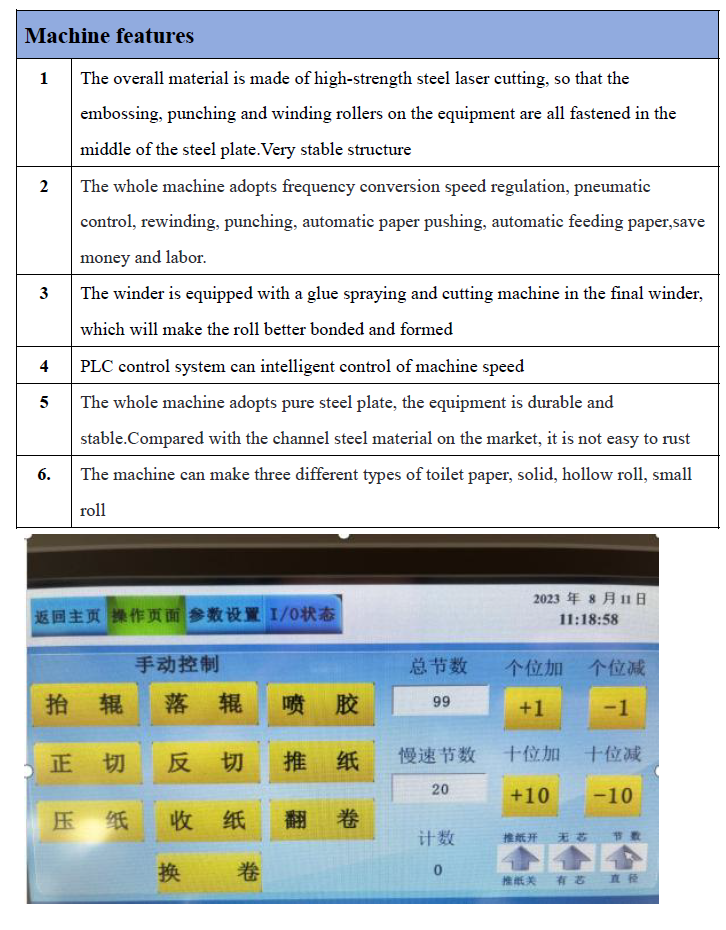
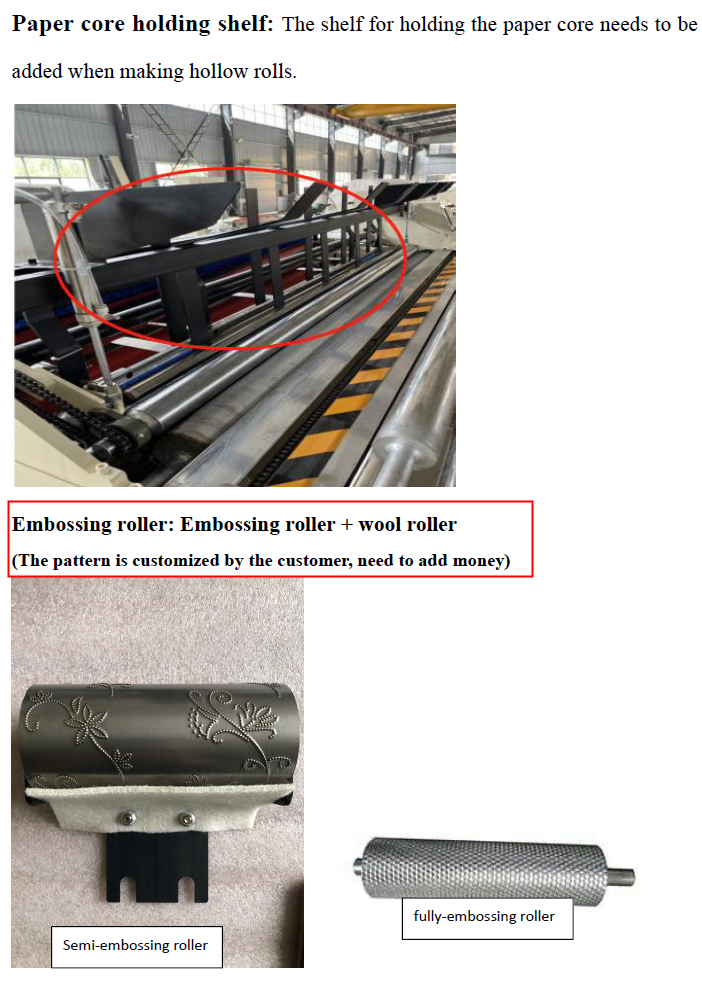
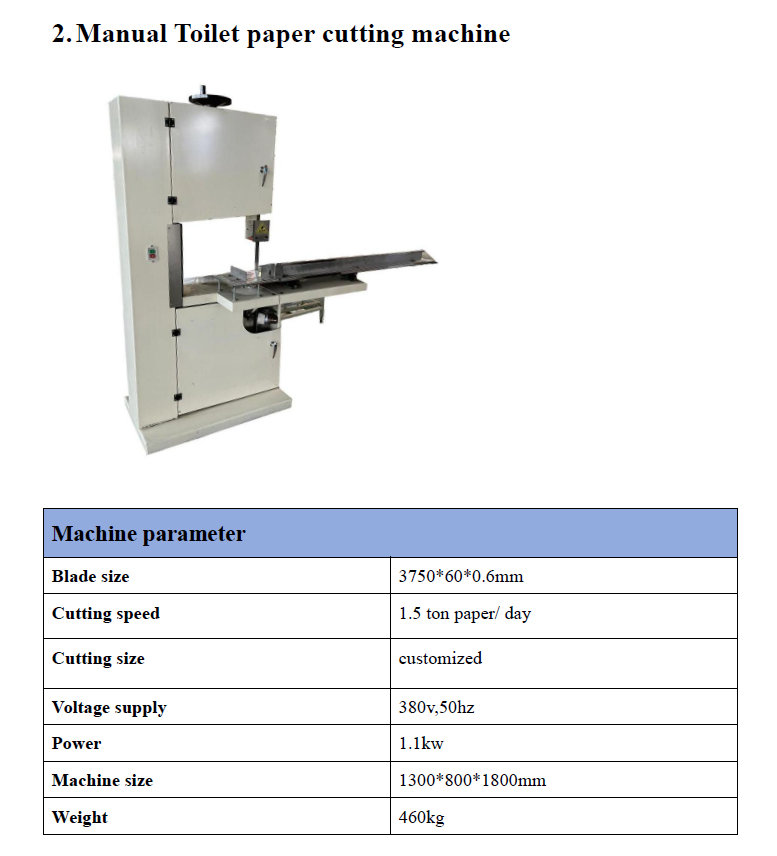
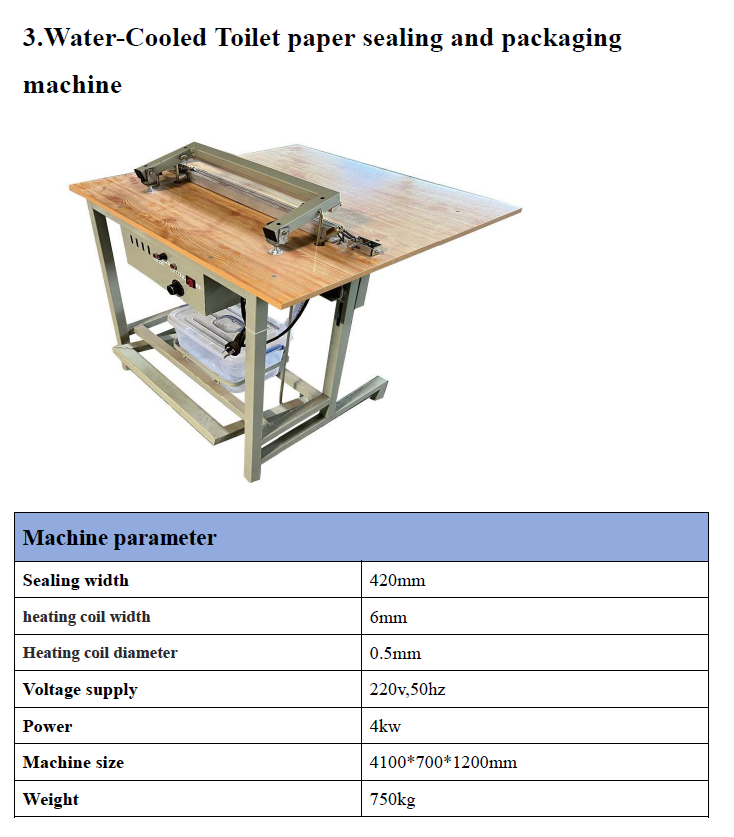
Semi-Automatic high speed toilet paper production line

- Section : Machinery
- Category : Paper Production Machinery
- SKU : 1600955283857

Product Description
- Shipping Timeframes: All orders are processed within 2-5 business days (excluding weekends and holidays). After your order has been processed, the estimated delivery time is before 19 Jul, 2026, depending on customs, Please note that due to high demand, some items may experience longer shipping times, which will be communicated at order confirmation email.
- Order Processing Time: Please allow 2-5 business days for us to process your order before it is shipped . Orders placed after 16:00 on Fridays, or during weekends and public holidays, will begin processing on the next business day. Processing times may be extended during peak seasons or sales events.
- Manufacturing Time: Some products needs manufacturing time, the manufacturing process will take approximately 10-30 business days depending on the product. This timeframe may vary depending on the complexity of the product and current demand. but this will be communicated with you during order confirmation.
- Returns and Exchanges: We offer a 30-day return policy for most items. If you are not completely satisfied with your purchase, you may return it within 30 days of receipt for a refund or exchange. Items must be unused, in their original packaging, and accompanied by proof of purchase. Return shipping costs are the responsibility of the customer, unless the item was damaged or defective upon arrival.
1. What is a semi-automatic high speed toilet paper production line?
A semi-automatic high speed toilet paper production line is a manufacturing setup designed to efficiently produce toilet paper rolls with minimal manual intervention. It combines automated processes with manual controls to ensure high productivity and quality.
2. What are the main components of this production line?
The main components typically include a raw material unwinding section, a paper forming section, a pressing section, a cutting section, and a packaging area. Each component works together to streamline the production of toilet paper.
3. What is the production capacity of this line?
The production capacity can vary, but many semi-automatic high speed toilet paper production lines can produce several tons of toilet paper per day, depending on the specific model and settings.
4. What types of raw materials can be used?
The production line can typically accommodate various raw materials, including recycled paper, virgin pulp, and other cellulose fibers, depending on the desired quality and specifications of the final product.
5. How much space is required for installation?
The space required for installation depends on the specific model, but generally, a semi-automatic high speed toilet paper production line requires a sizable area to accommodate machinery, raw material storage, and finished product storage.
6. Is training provided for operating the production line?
Yes, most manufacturers provide training for operators to ensure they are familiar with the machinery, maintenance, and safety protocols involved in running the semi-automatic high speed toilet paper production line.
7. What are the energy requirements for this production line?
Energy requirements can vary based on the model, but typically, the production line will need a stable power supply, often in the range of several kilowatts, to operate efficiently.
8. How does the semi-automatic function impact production efficiency?
The semi-automatic function allows for a balance between automation and manual operations, enabling flexibility and potentially reducing downtime while still maintaining a high level of efficiency compared to fully manual processes.
9. What maintenance is required for the production line?
Regular maintenance is essential and may include cleaning, lubrication of moving parts, and inspection of electrical systems. Manufacturers often provide a maintenance schedule and guidelines.
10. What is the lifespan of this production line?
The lifespan of a semi-automatic high speed toilet paper production line can vary widely based on usage, maintenance, and quality of components, but with proper care, it can last for several years.
11. Can the production line be customized?
Yes, many manufacturers offer customization options to meet specific production needs, such as different widths, roll sizes, and additional features for packaging or quality control.
12. What safety features are included?
Safety features often include emergency stop buttons, safety guards, and sensors to prevent accidents during operation. Always refer to the manufacturer's specifications for detailed safety features.
13. What is the average lead time for delivery?
The average lead time for delivery can range from a few weeks to several months, depending on the manufacturer, production schedule, and customization options selected.
14. Is technical support available after purchase?
Yes, most manufacturers provide ongoing technical support, including troubleshooting assistance and spare parts availability to ensure the production line operates smoothly.
15. What are the typical costs associated with this production line?
Costs can vary widely based on the features, capacity, and manufacturer, but potential buyers should consider not only the purchase price but also installation, maintenance, and operational costs.
Latest Order Arrivals
Discover our latest orders
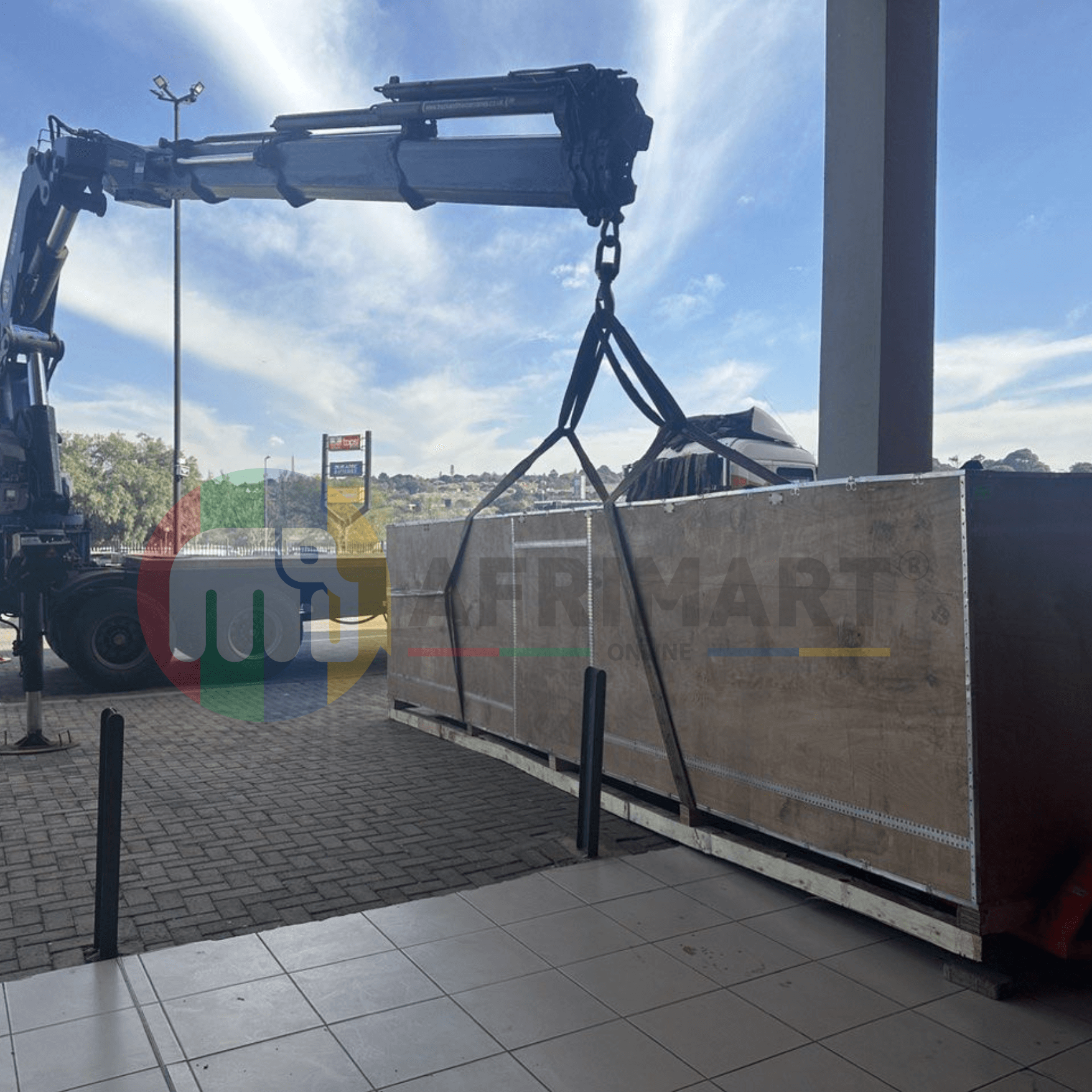
12 Heads Embroidery Machine
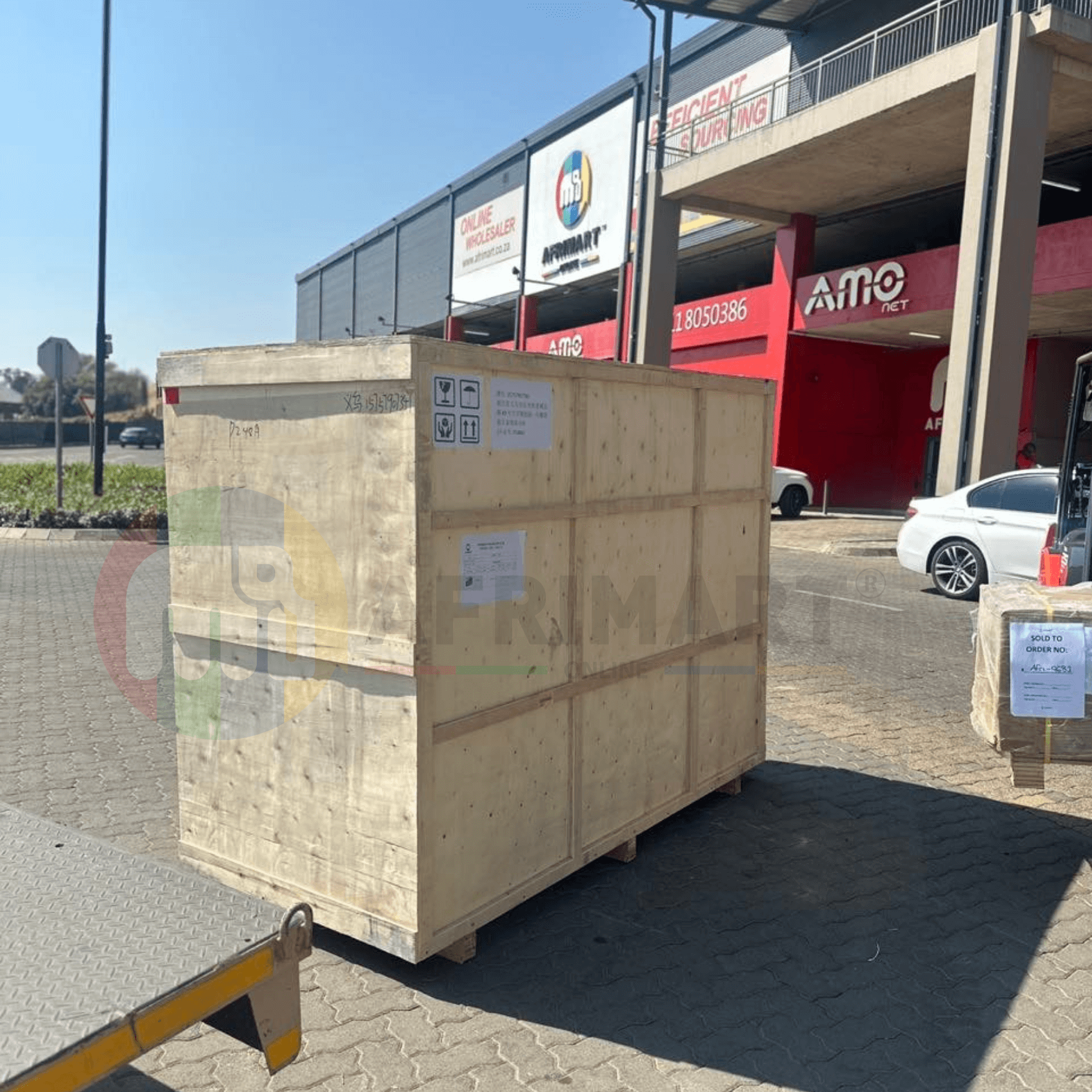
Dewatering Pump Machine
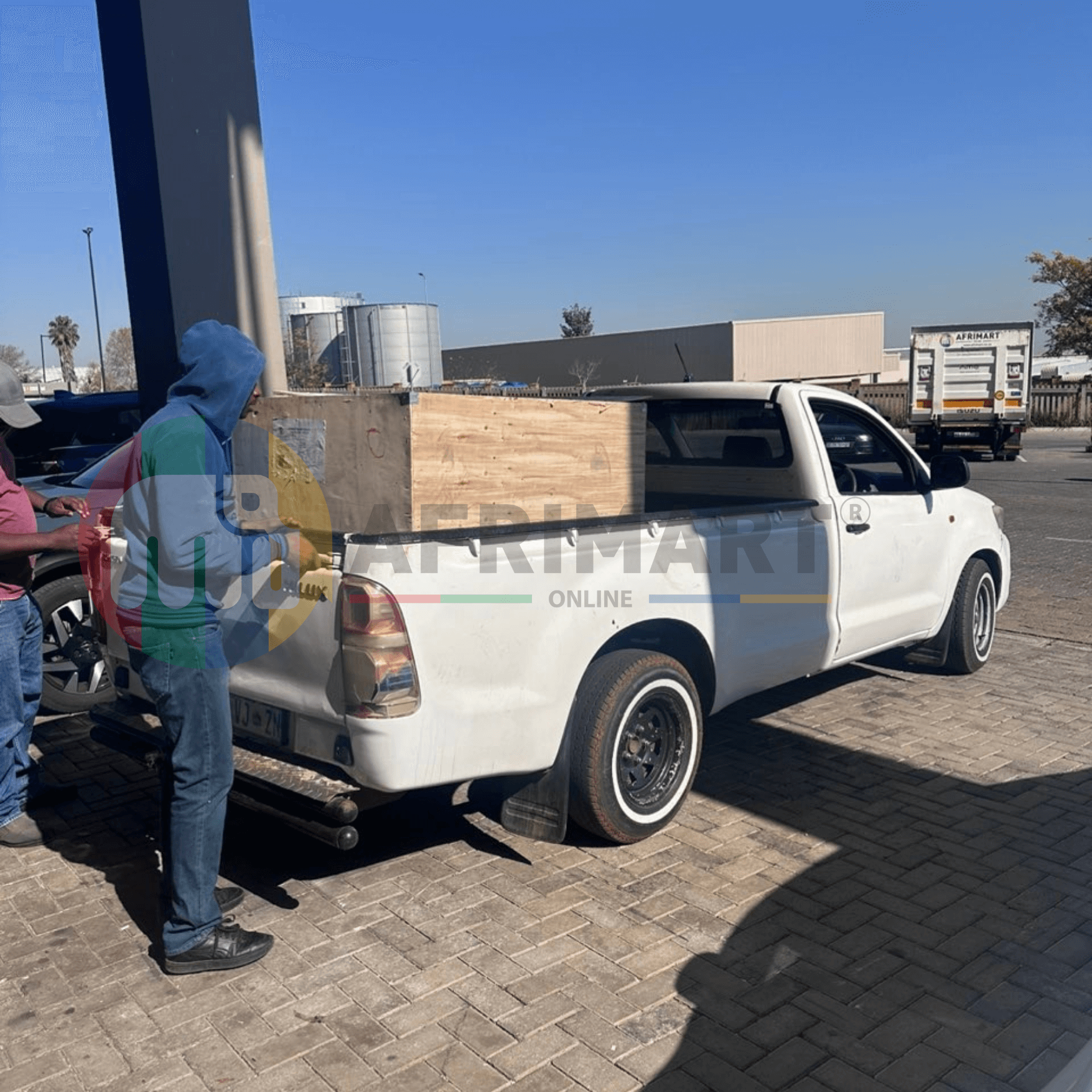
Order Collection
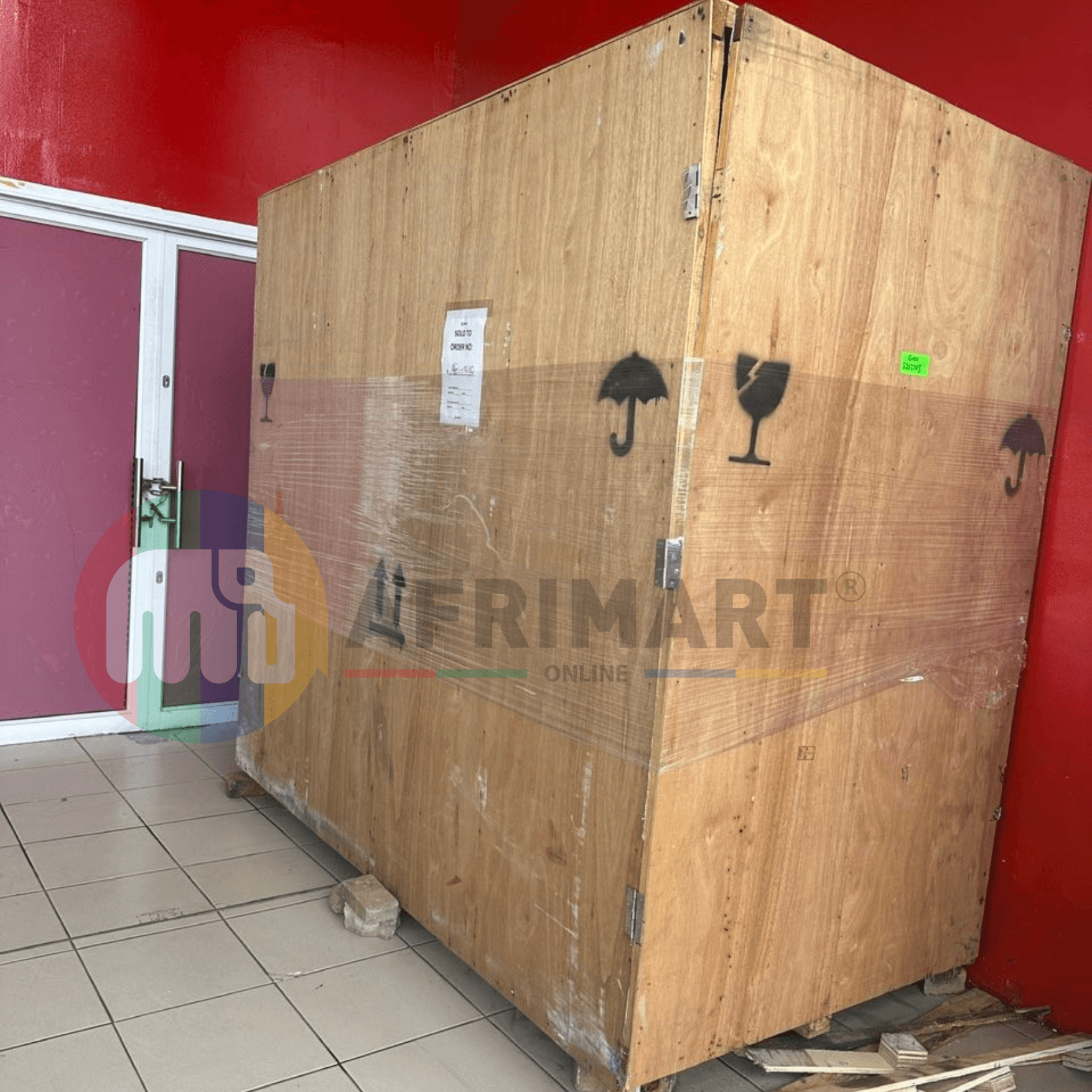
Portable Water Drilling Rig
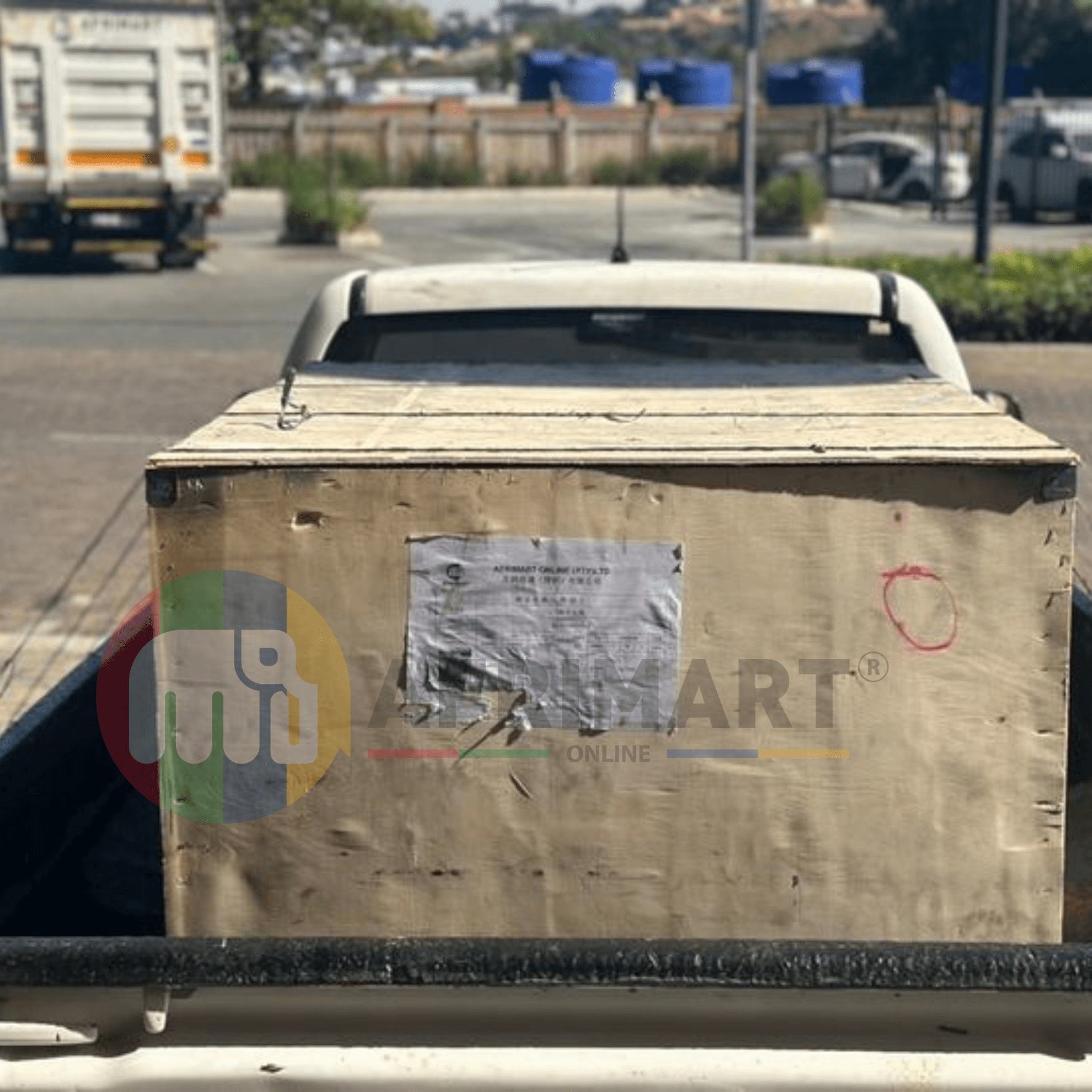
Order Usefully Collected
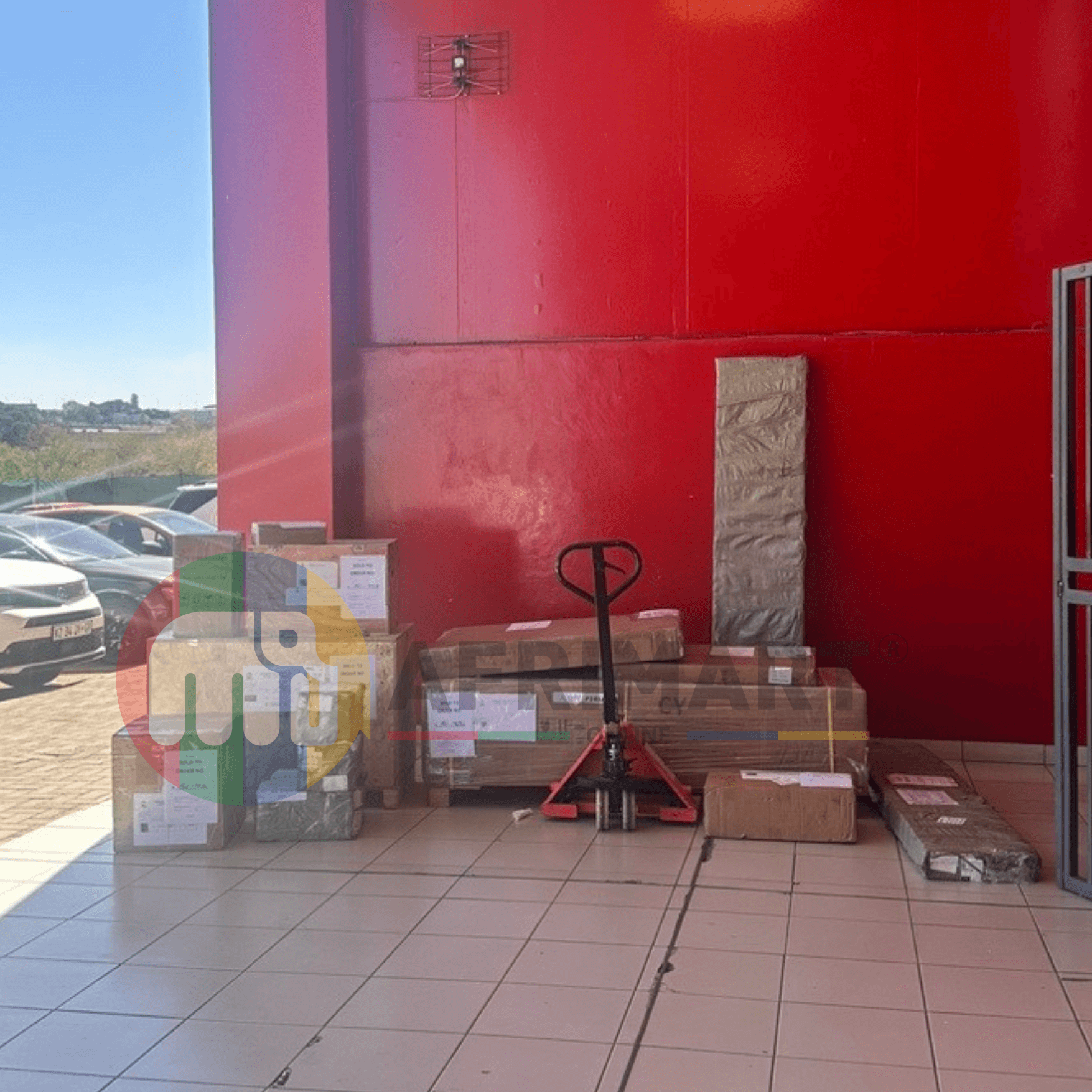
Batch of Orders
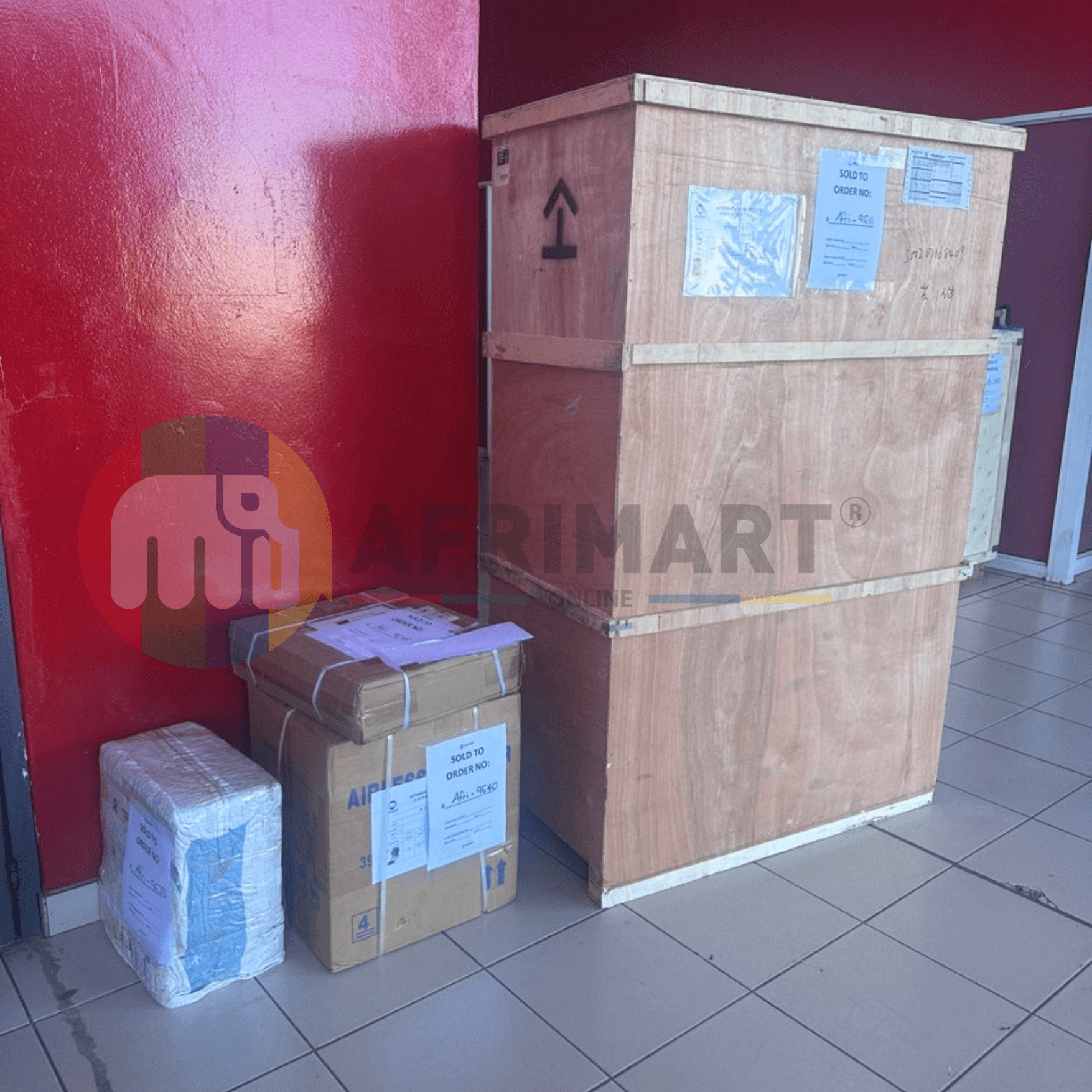
Agriculture Processing Machines
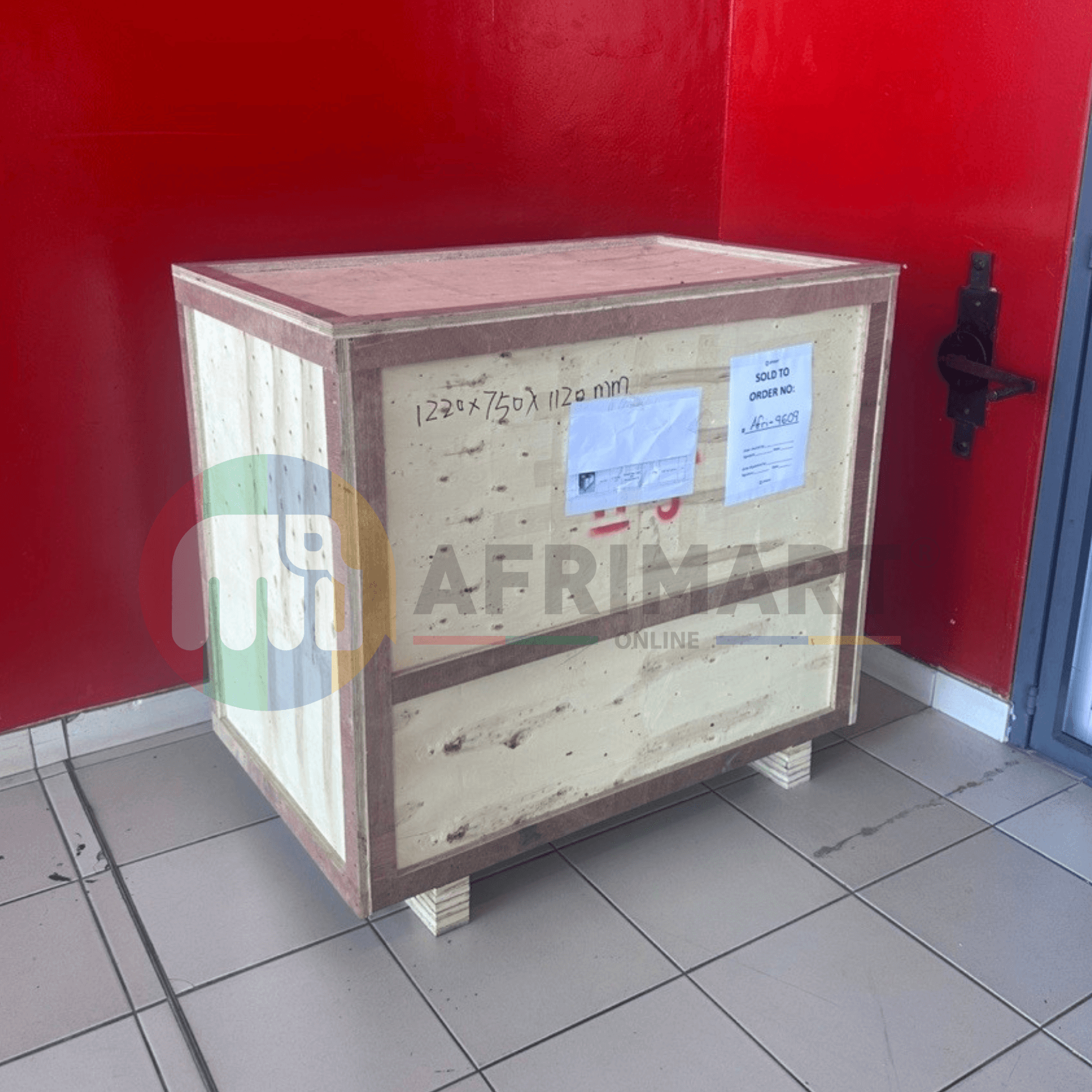
Meat Grinder Machine
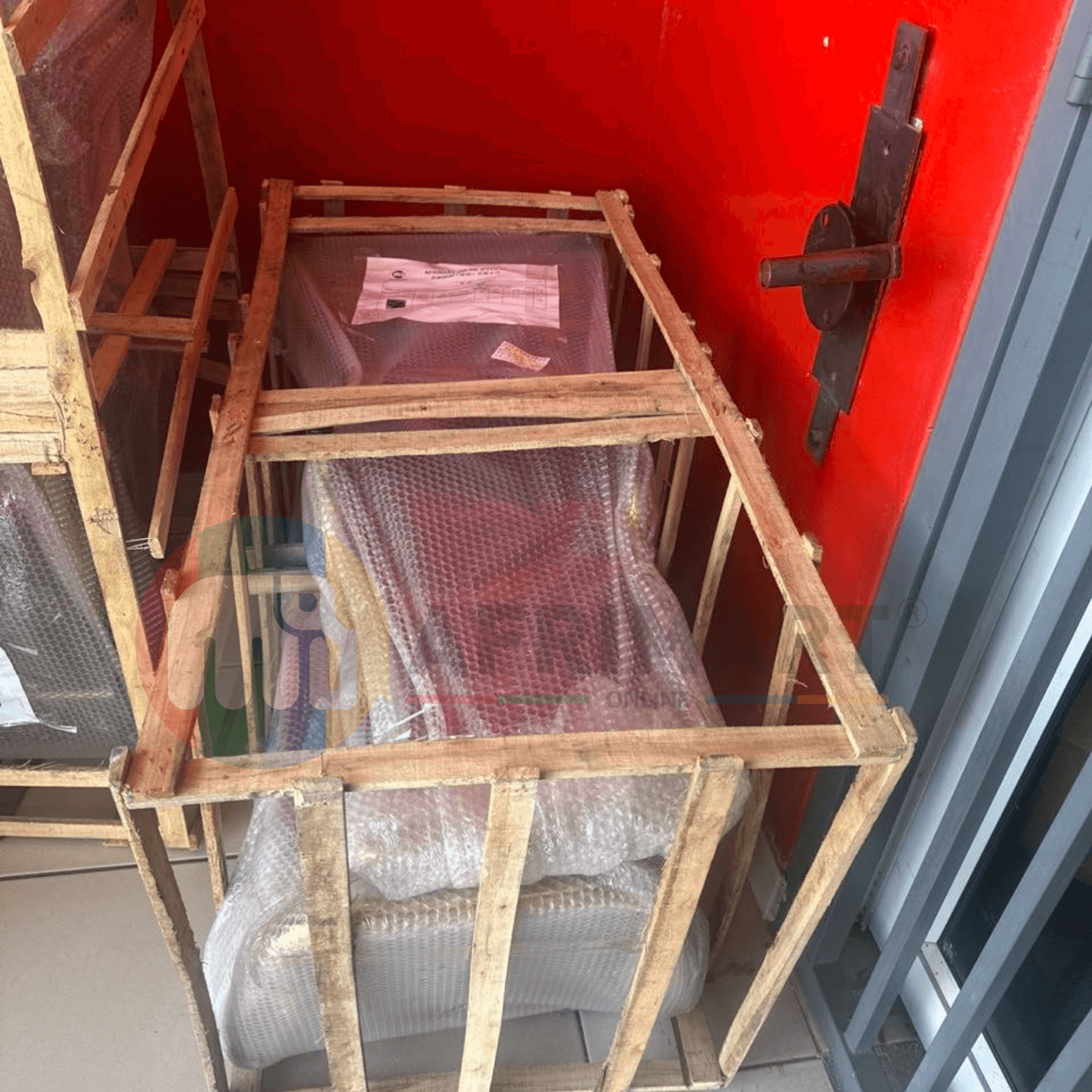
Water Pump Equipment
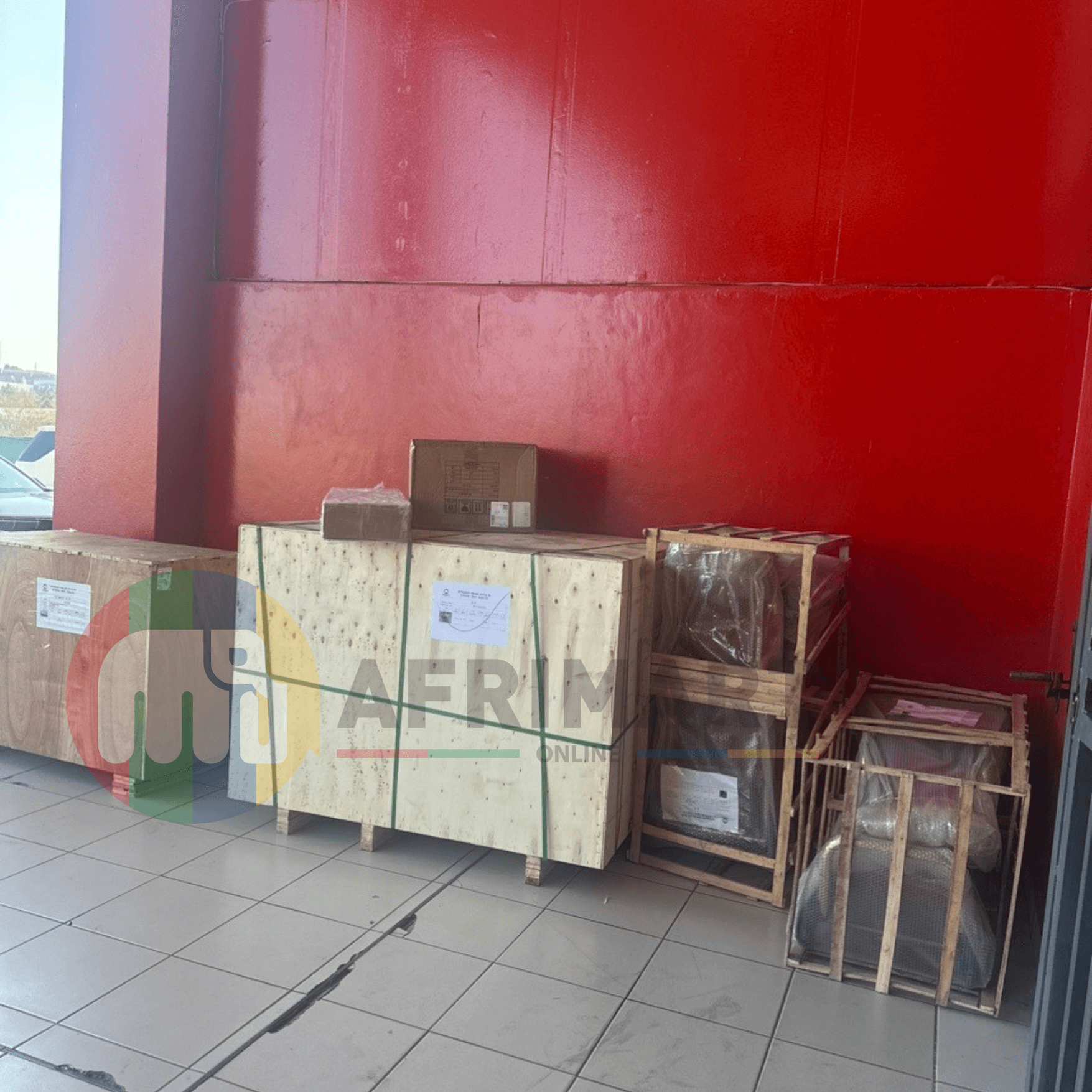
Packaging Machine and accessories
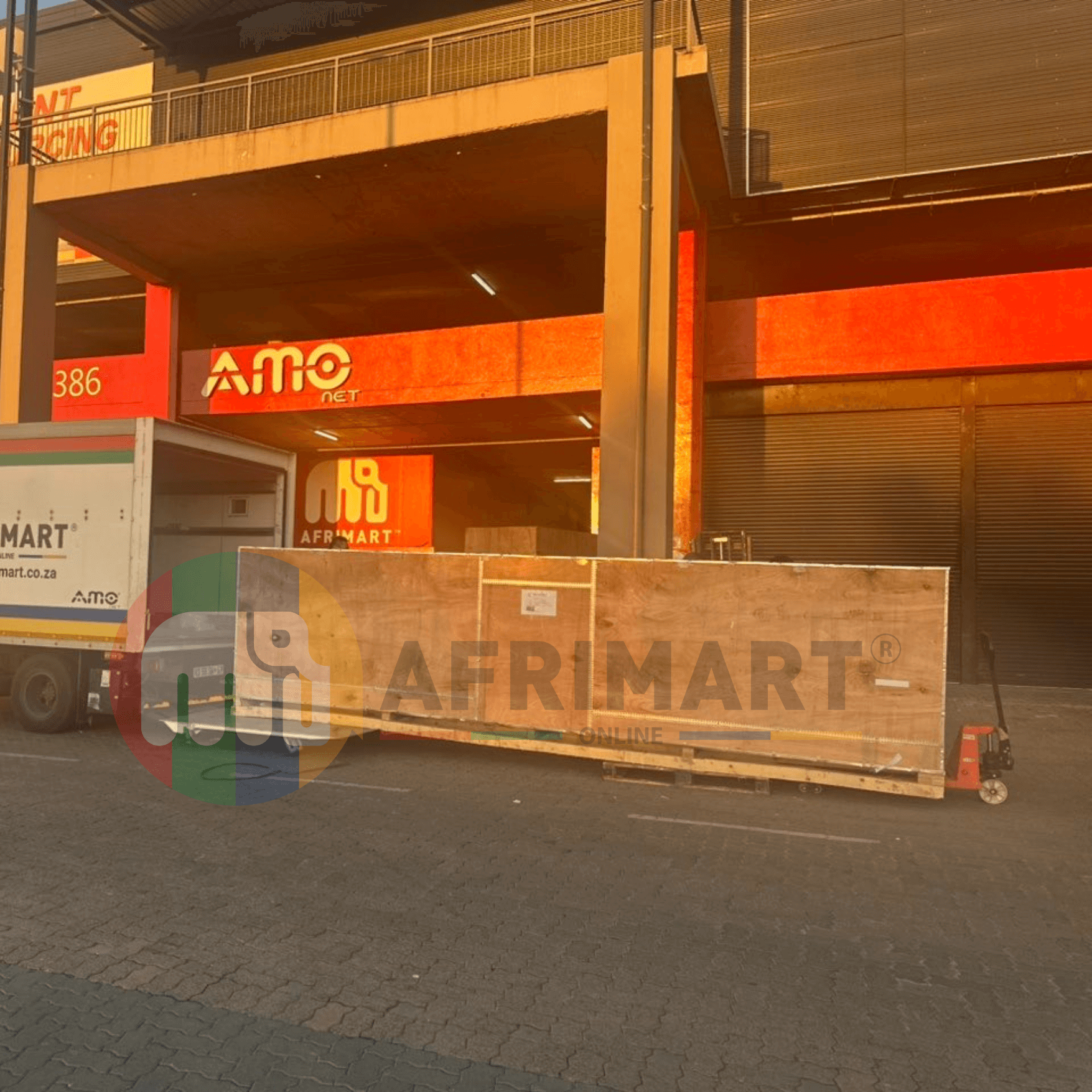
Fabrics Manufacturing Equipment
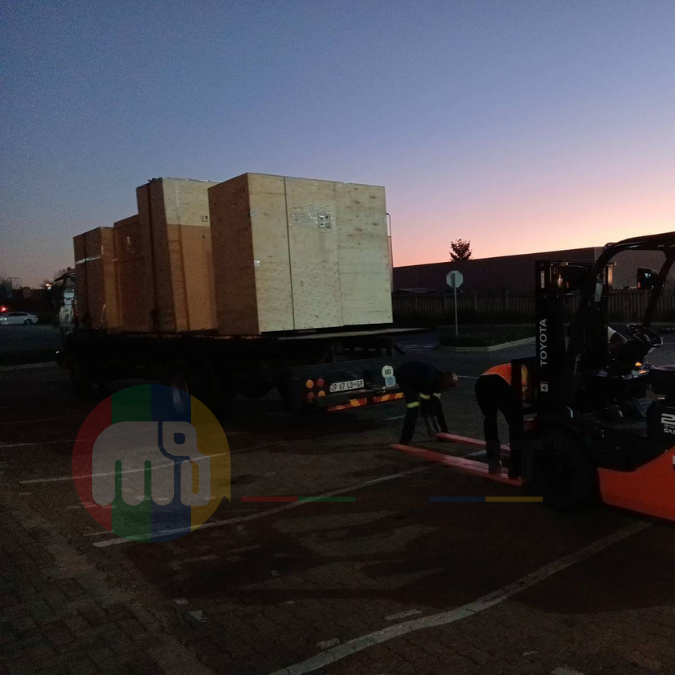
Mining Equipments
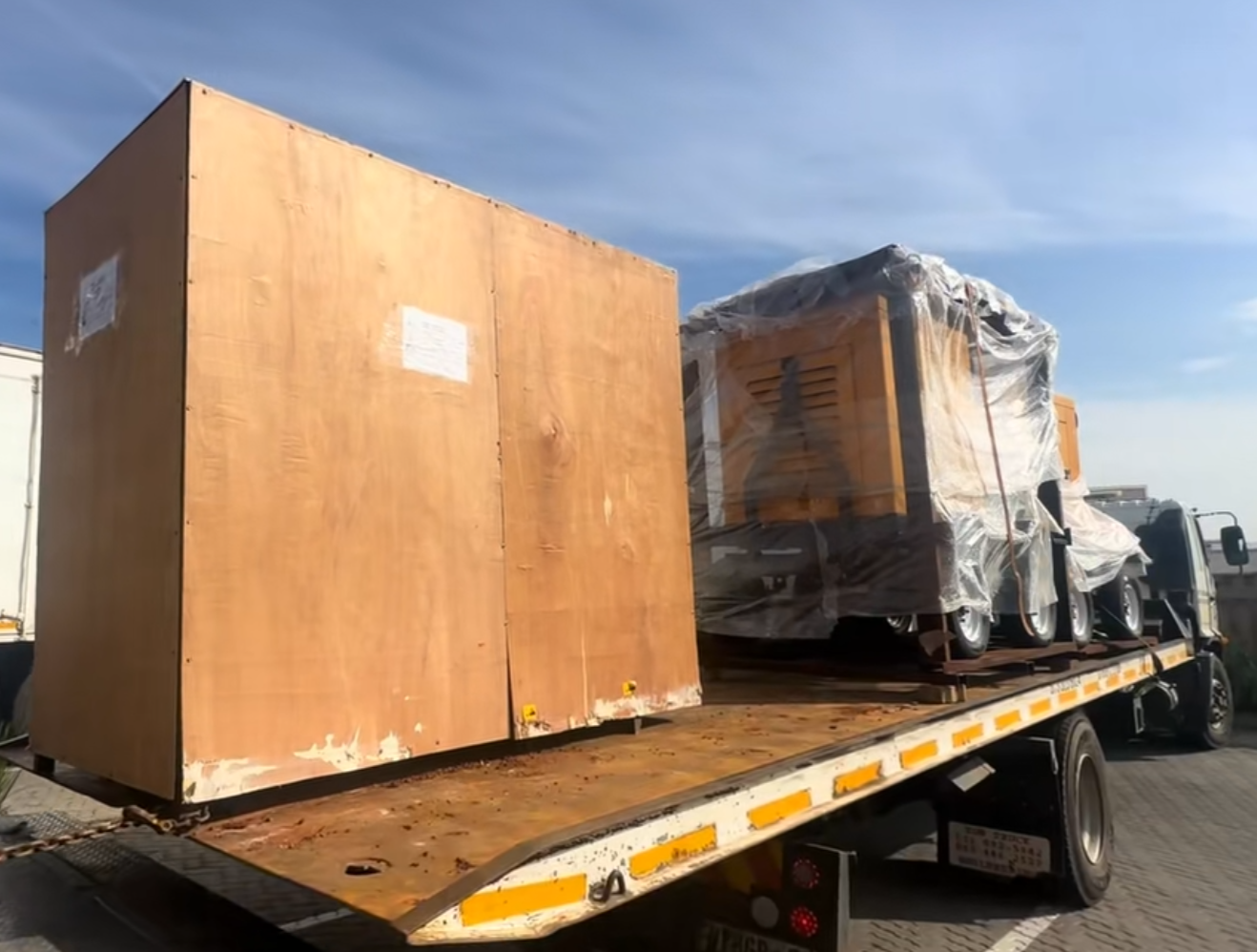
Food Processing Machine
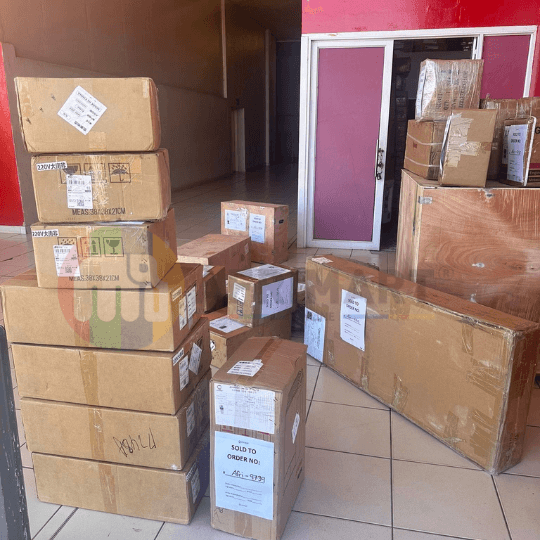
Batch of Orders
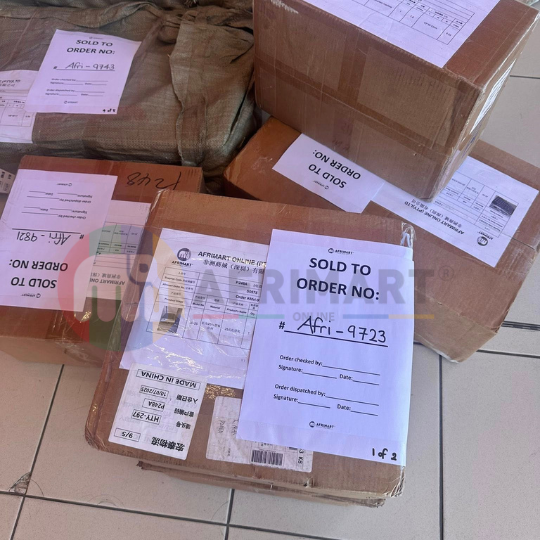
Batch of Orders
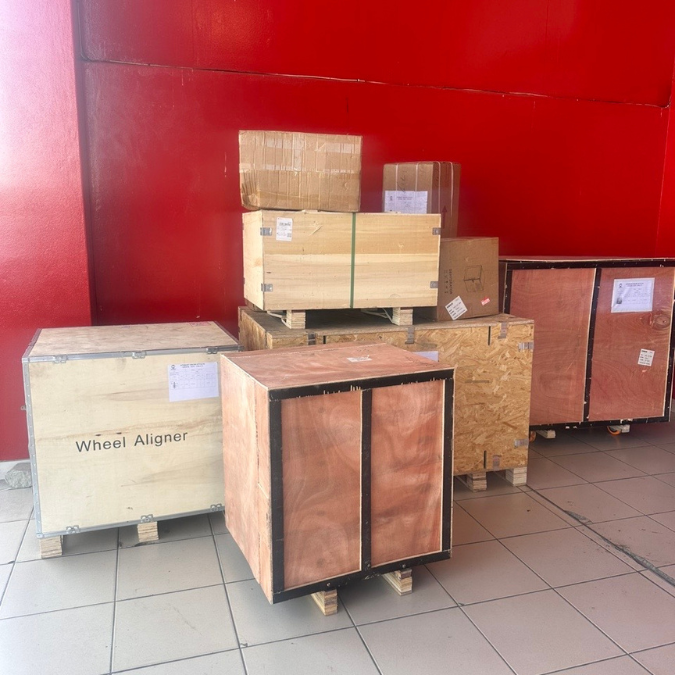
Latest Orders Labelled
wheel alignment machines
new arrivals
Pre Orders Offloading
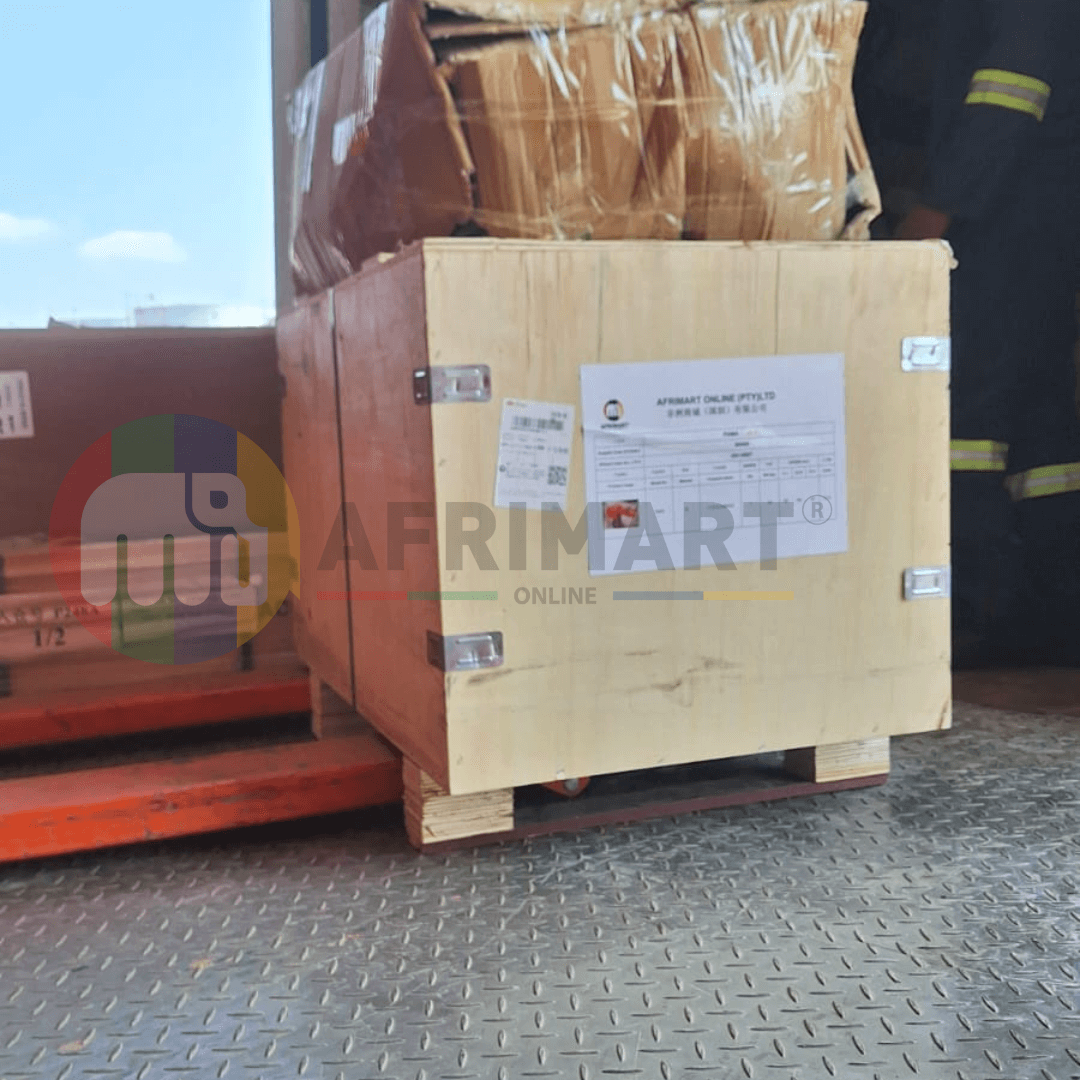
Latest Arrivals
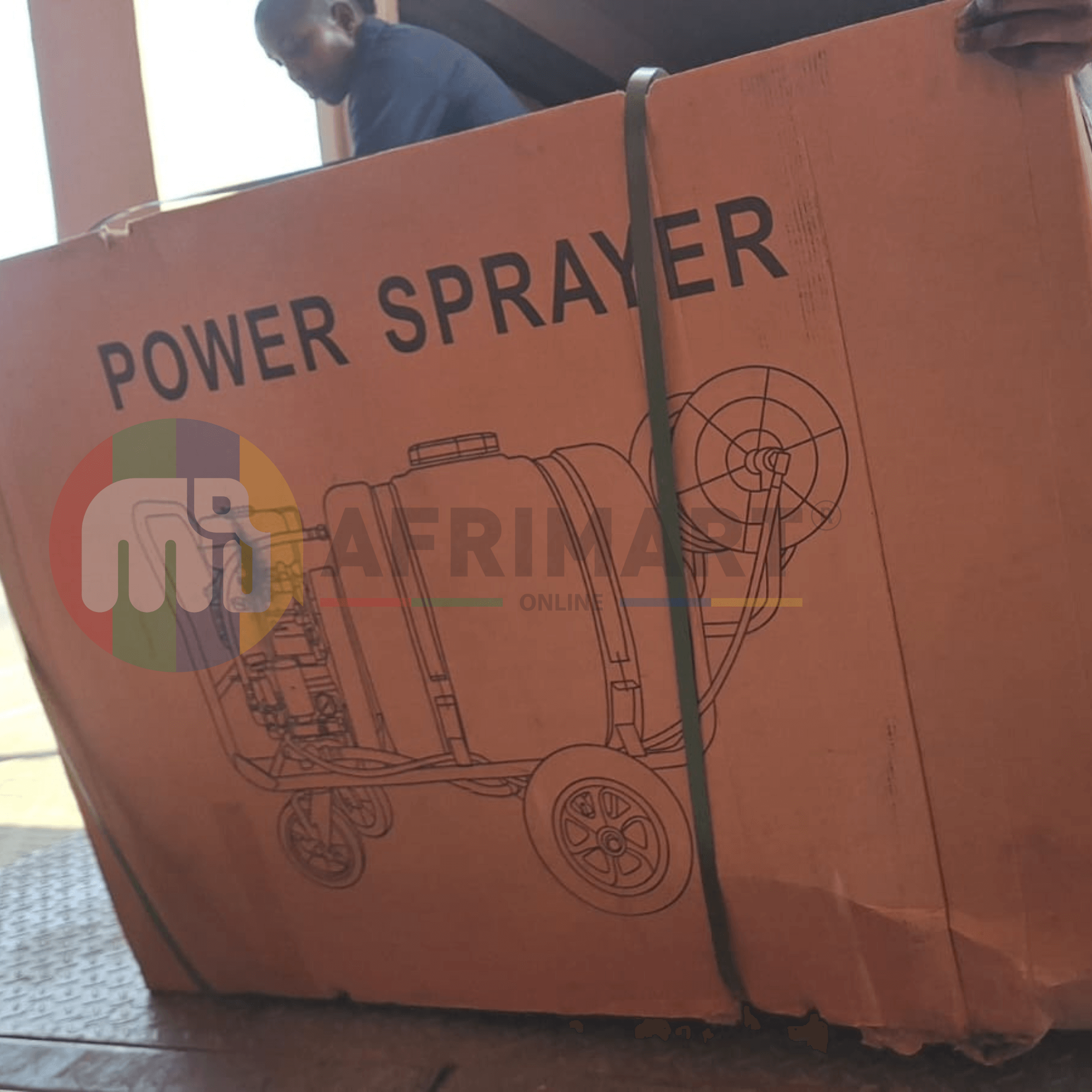
Latest Arrivals
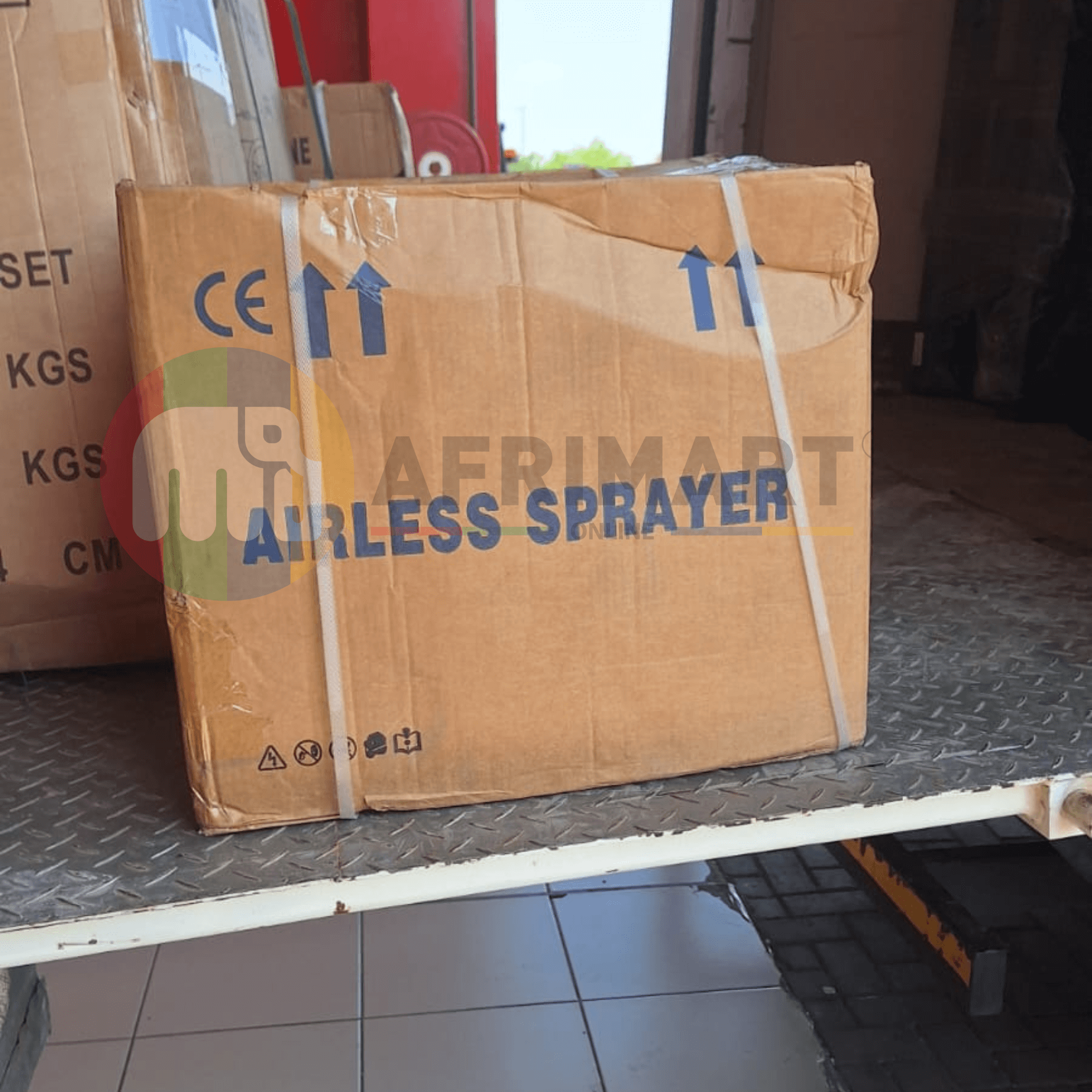
Latest Arrivals
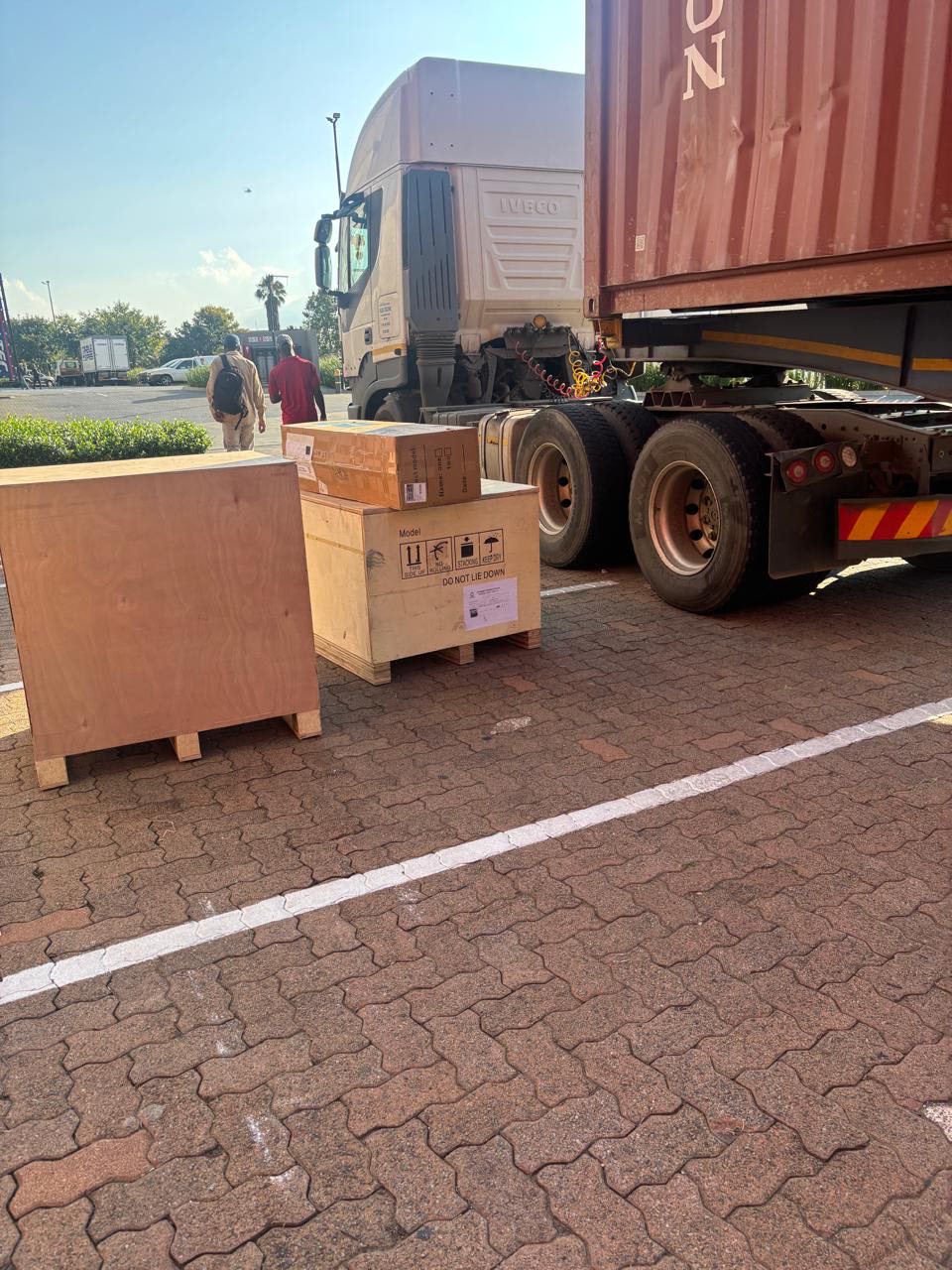
26 January 2026
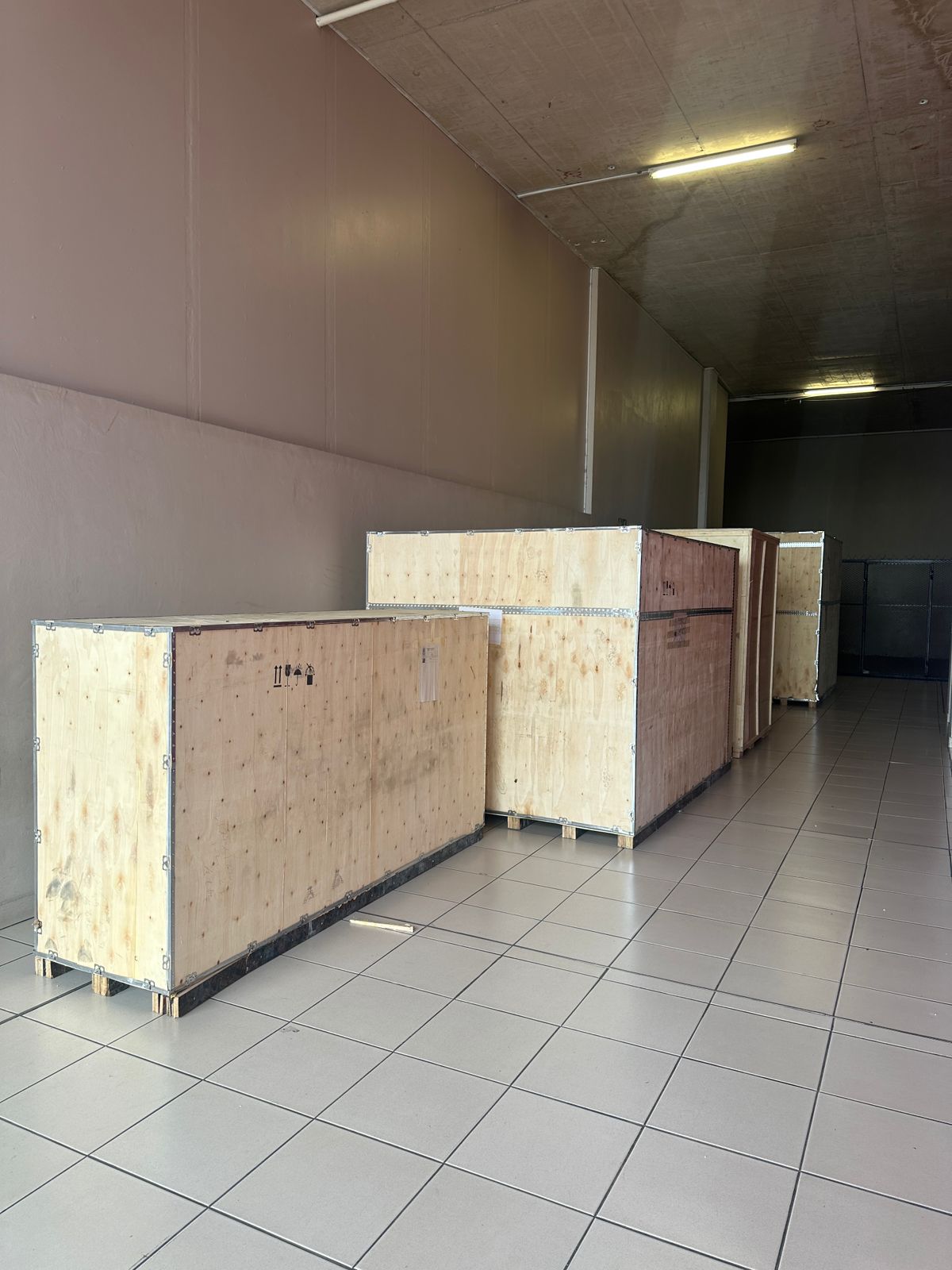
Toilet paper making machine
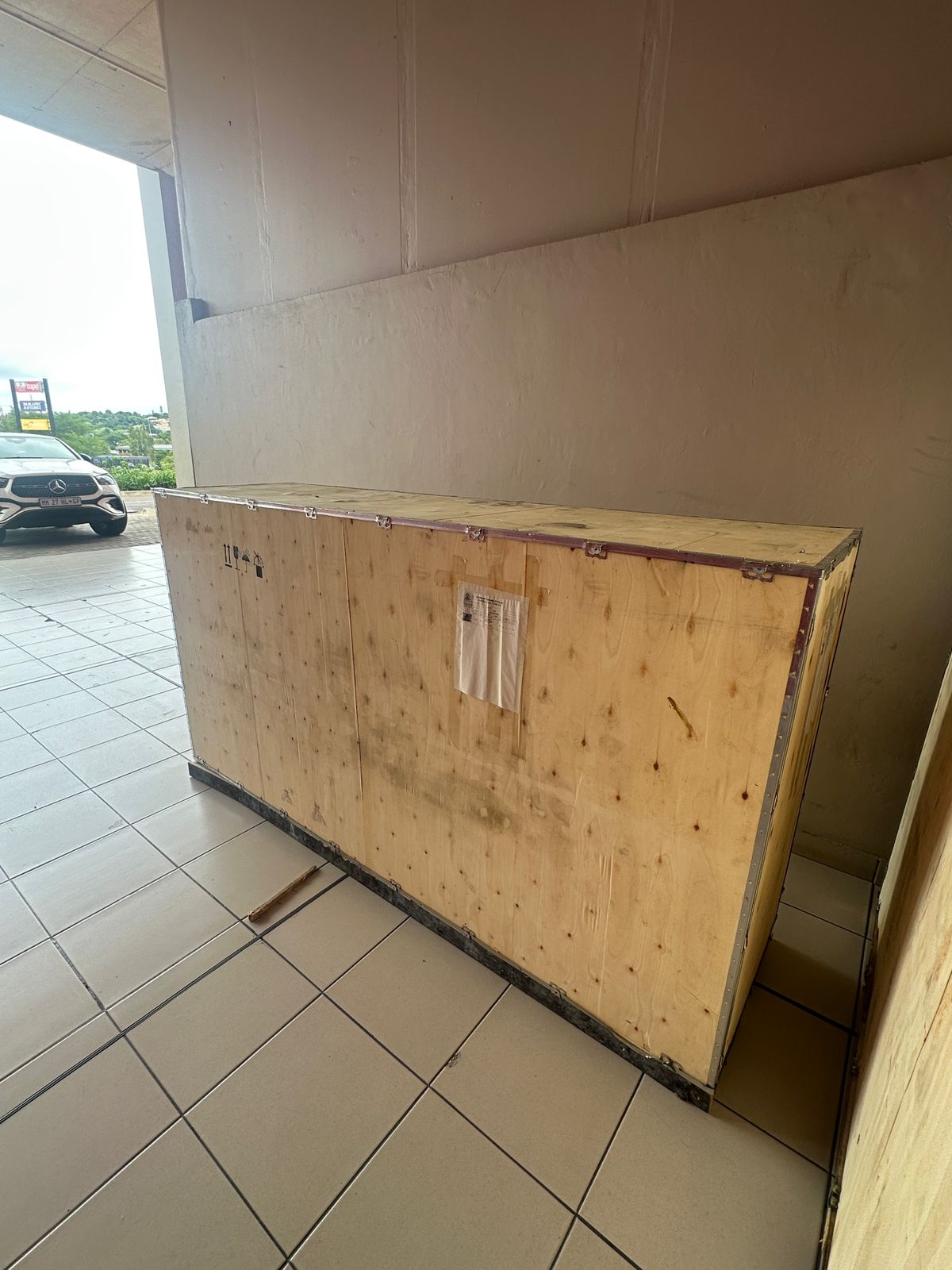
Toilet paper making machine
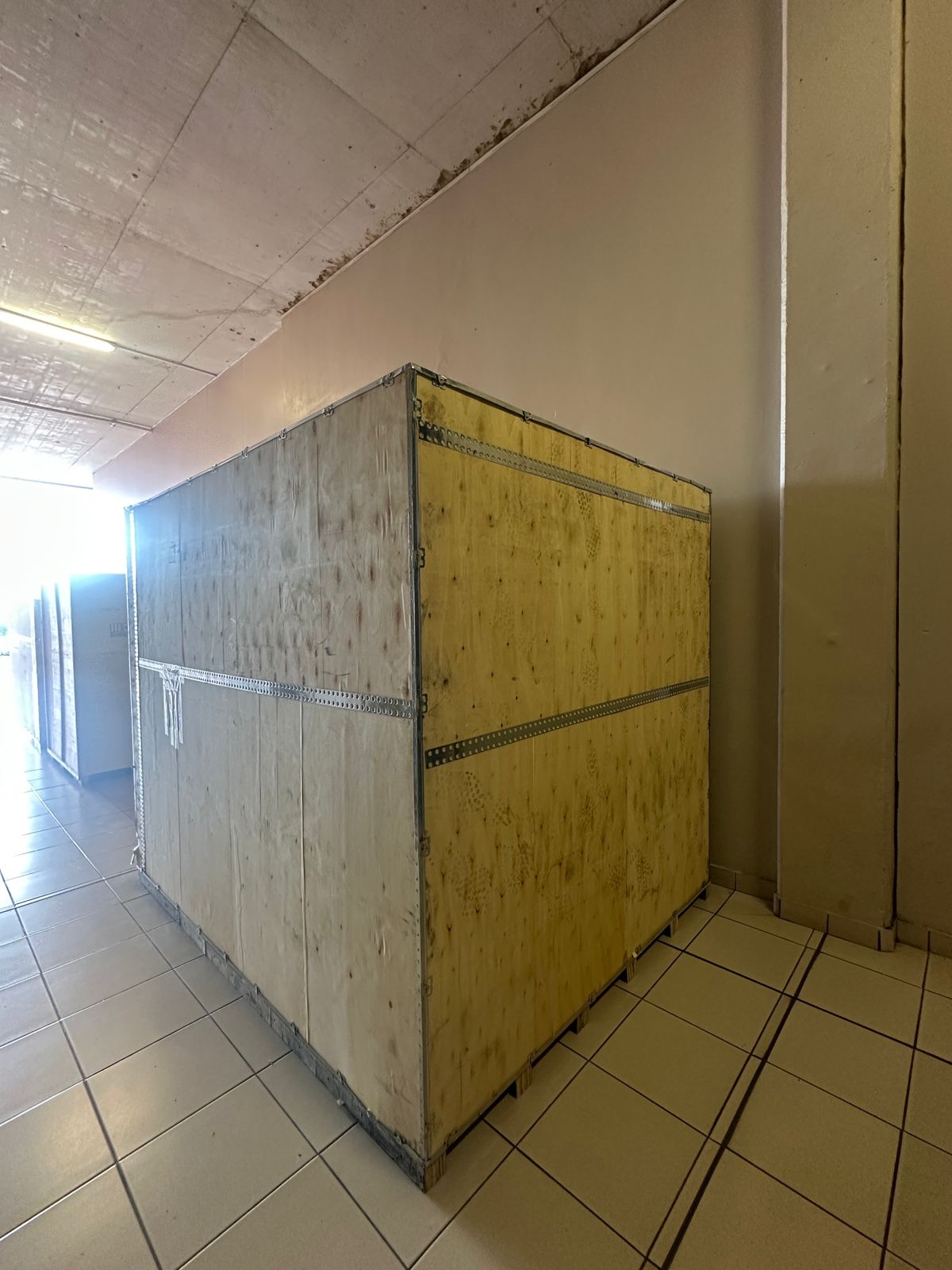
Toilet paper Rewinding Machine
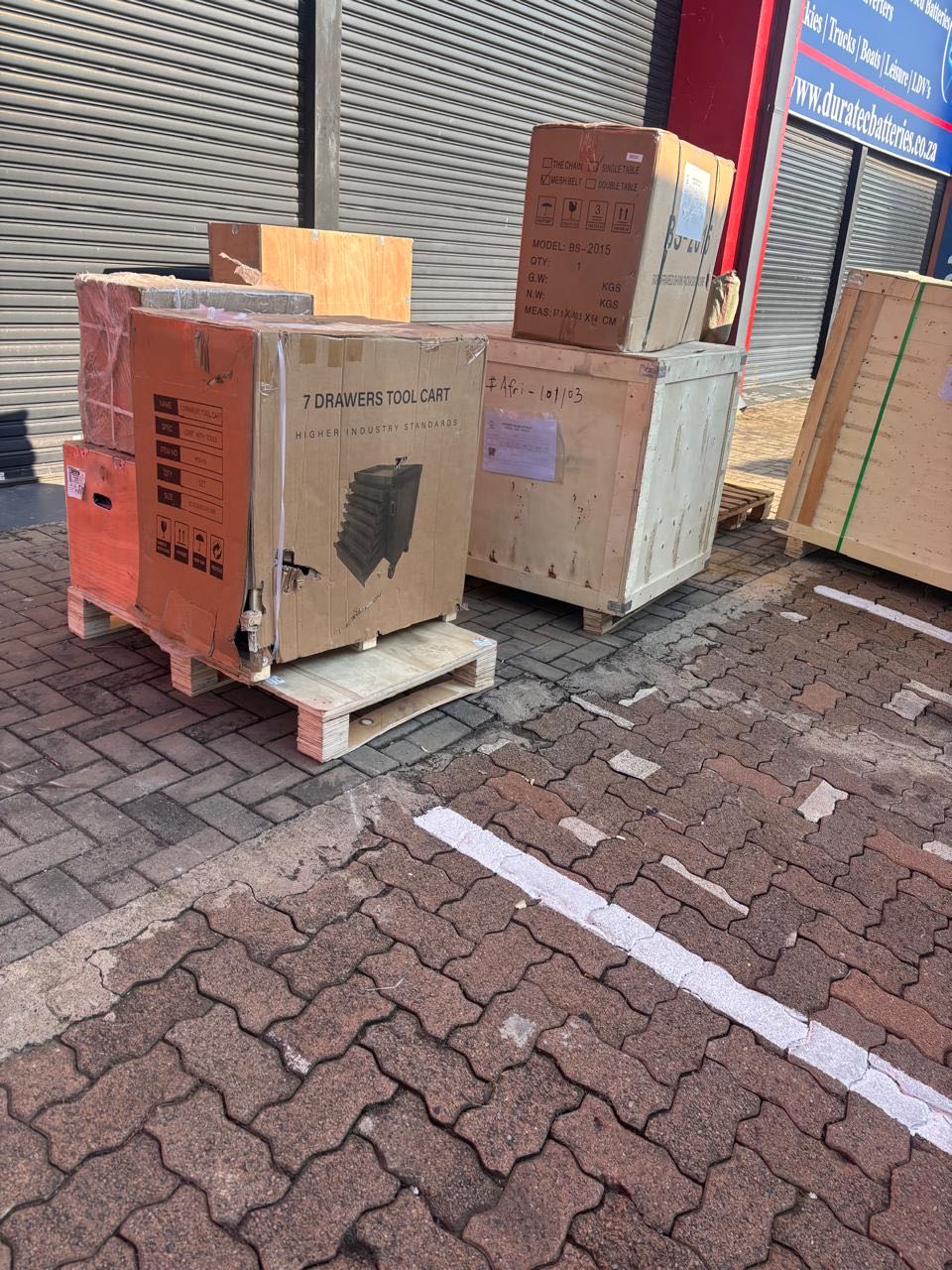
latest arrivals
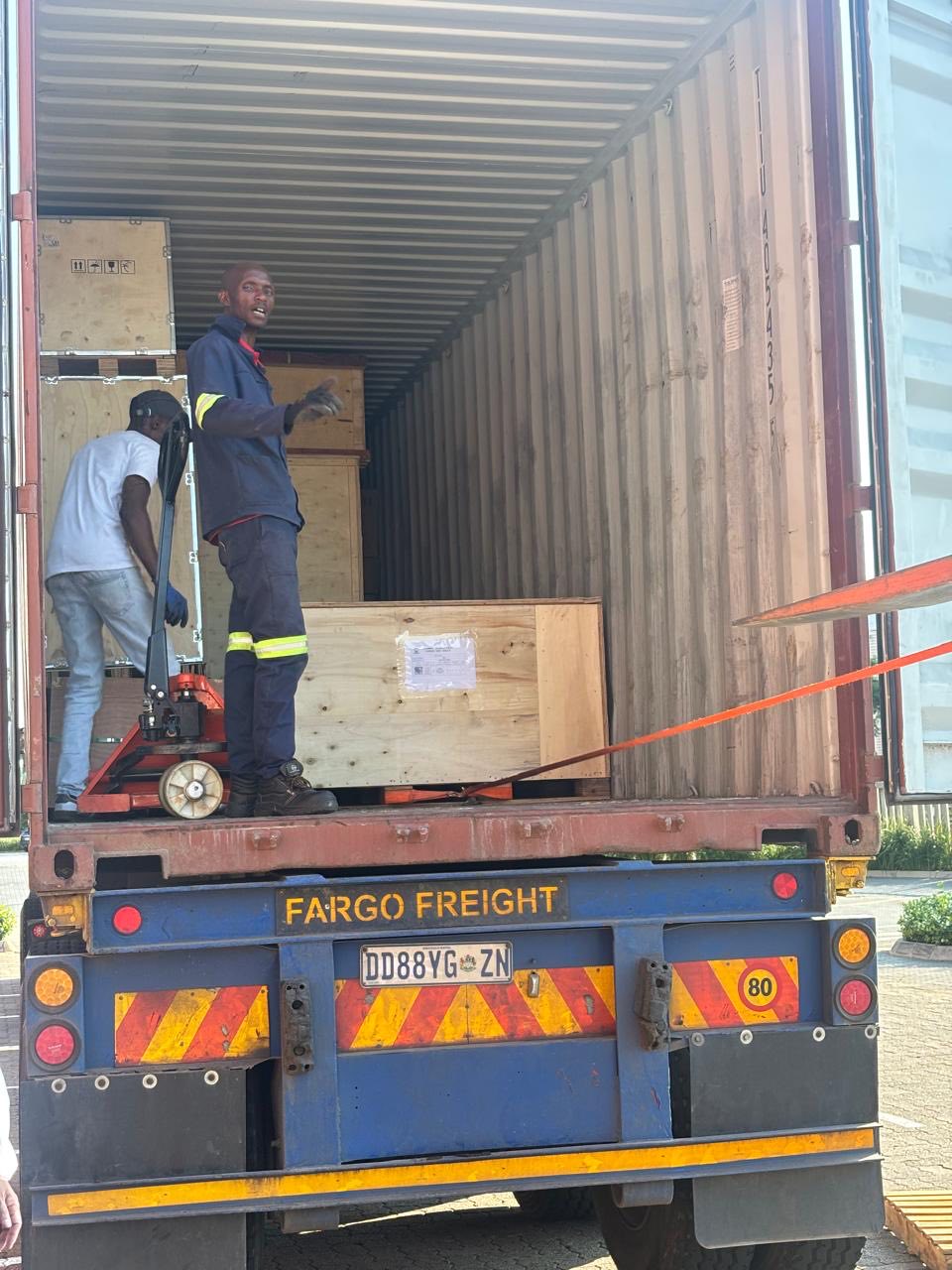
offloading
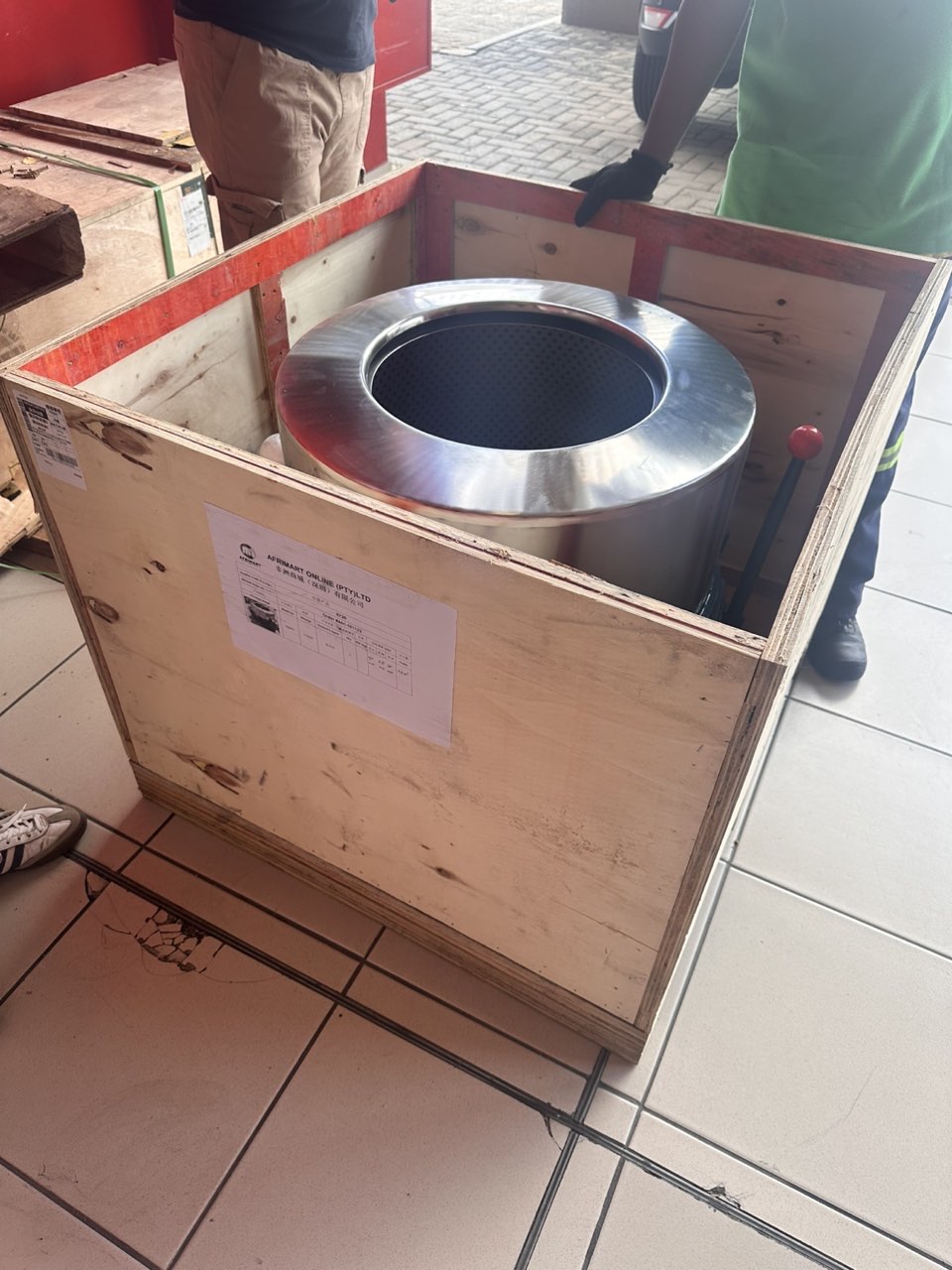
order success
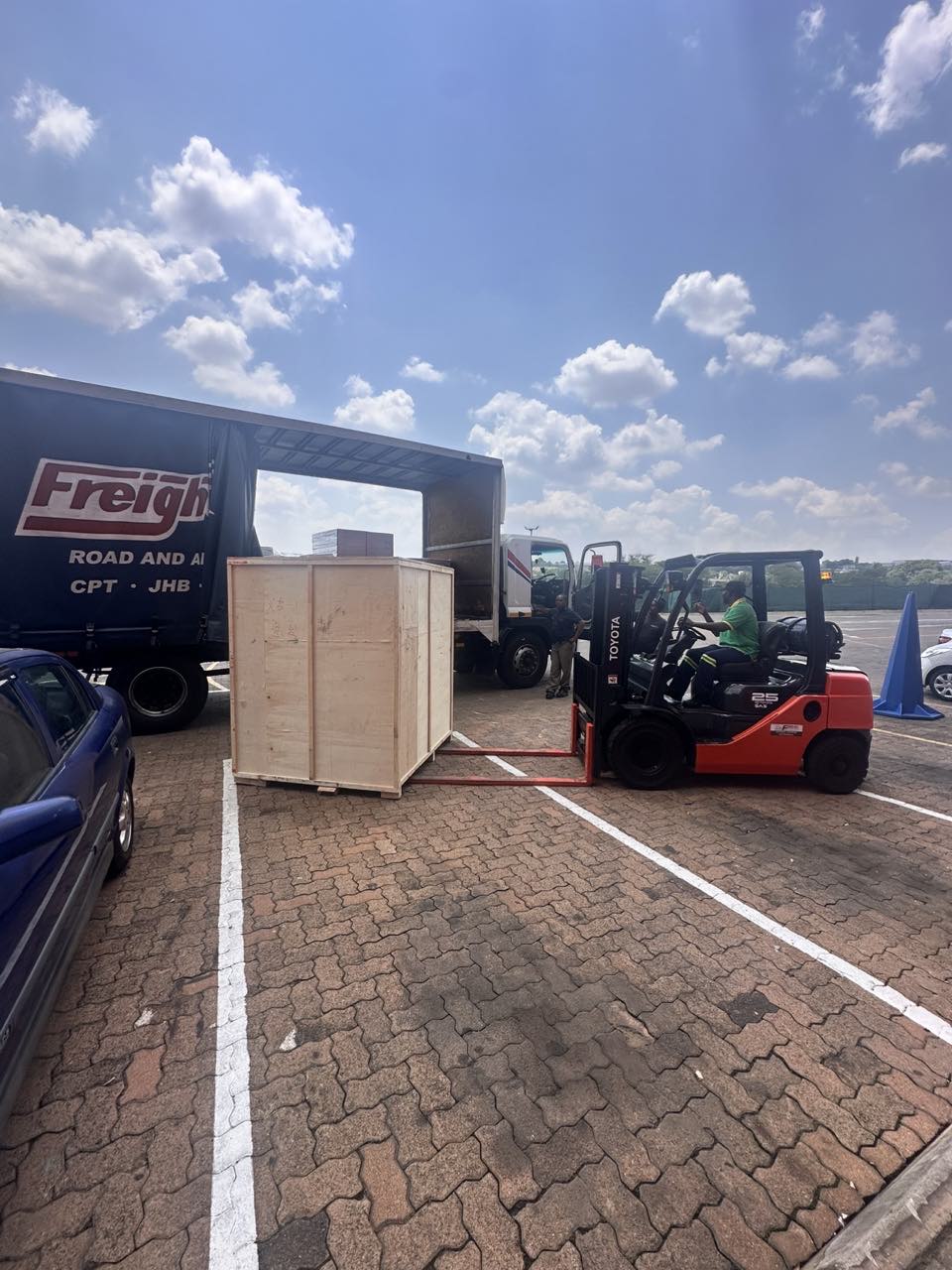
order collection
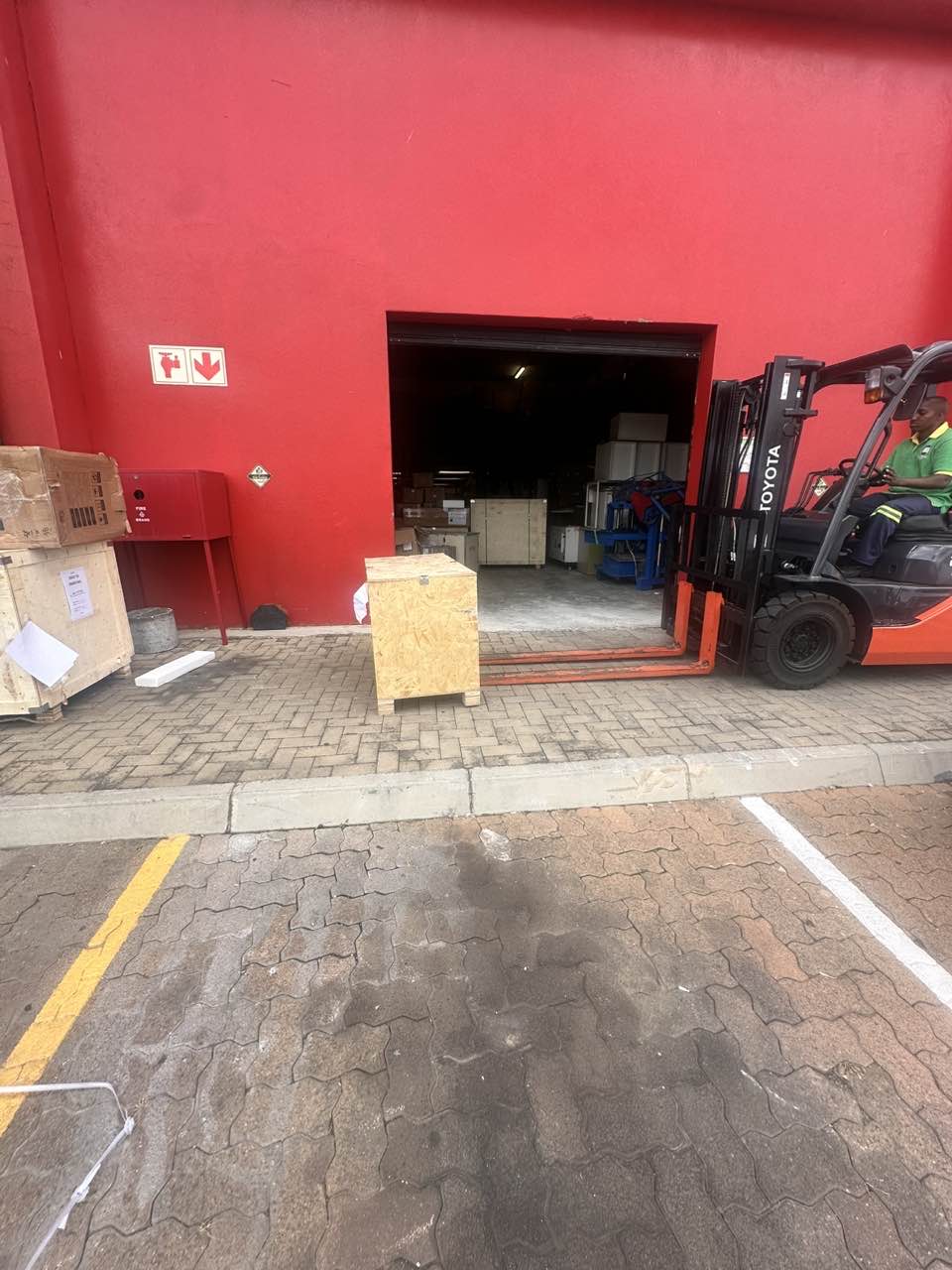
order offloading