B21, China Town Mall, Midrand

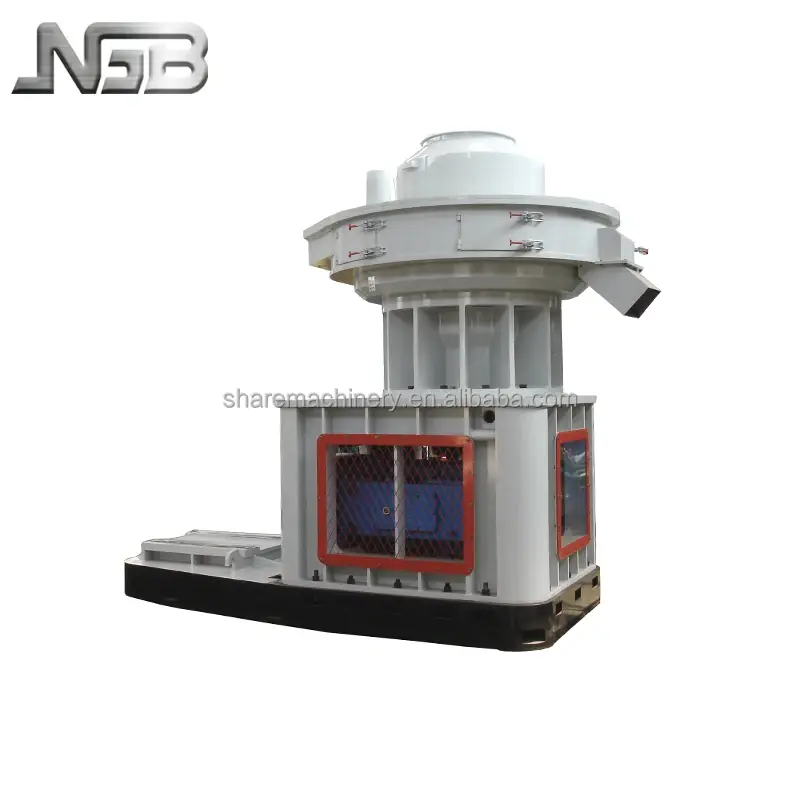
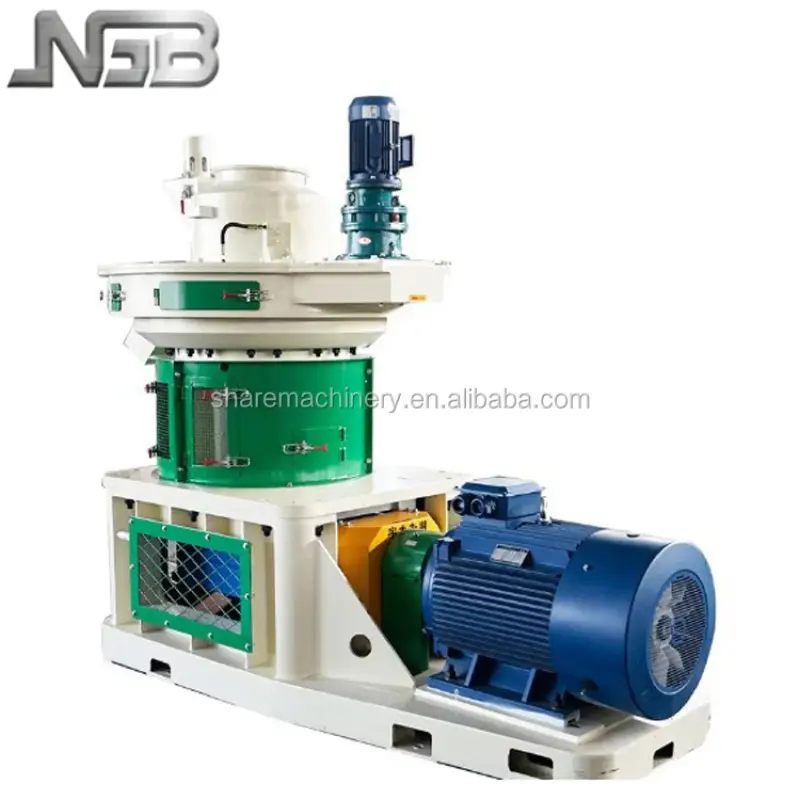
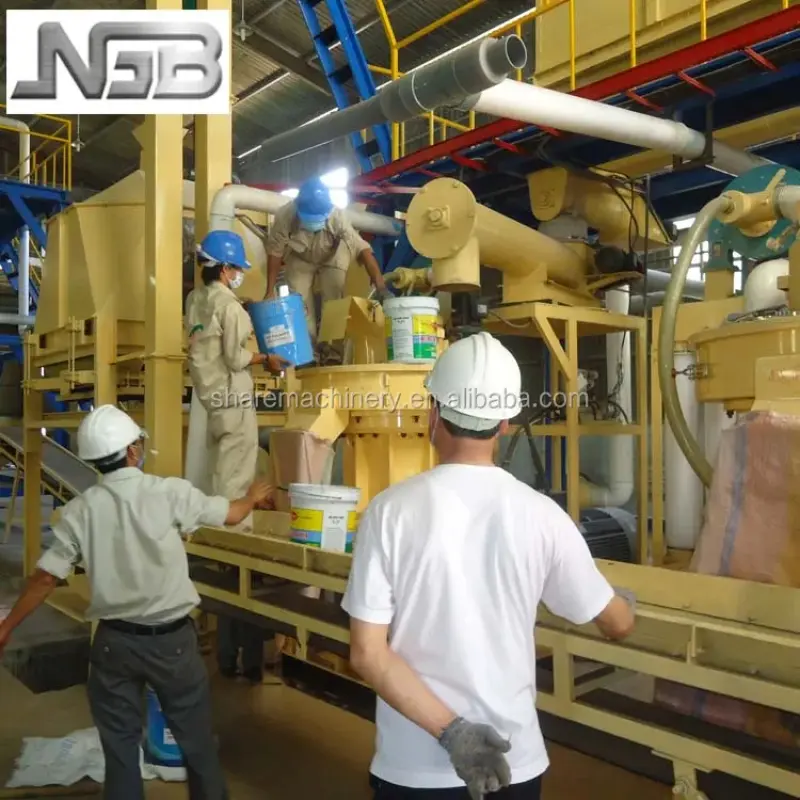
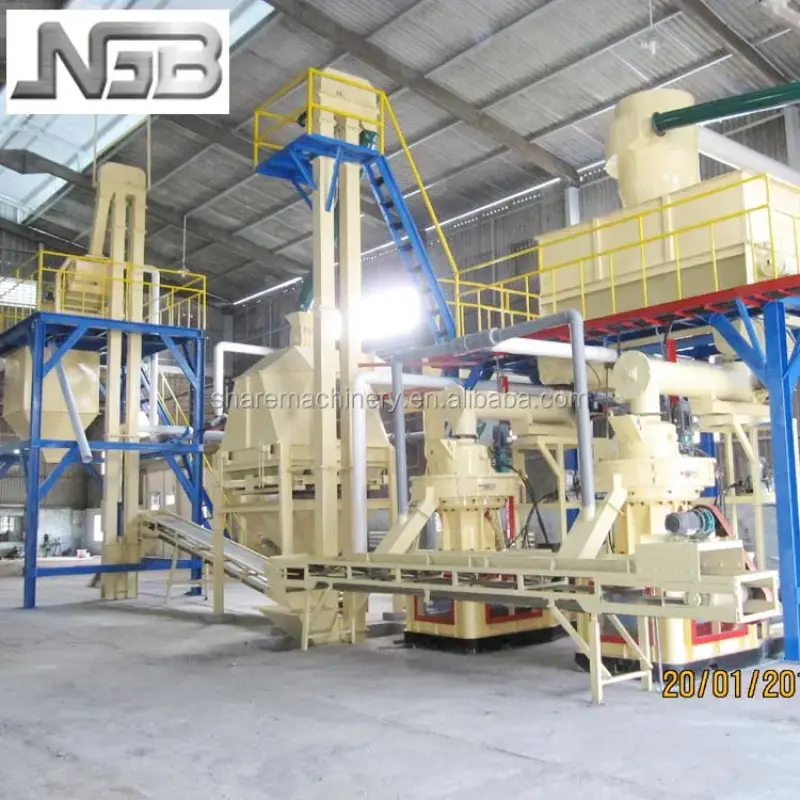
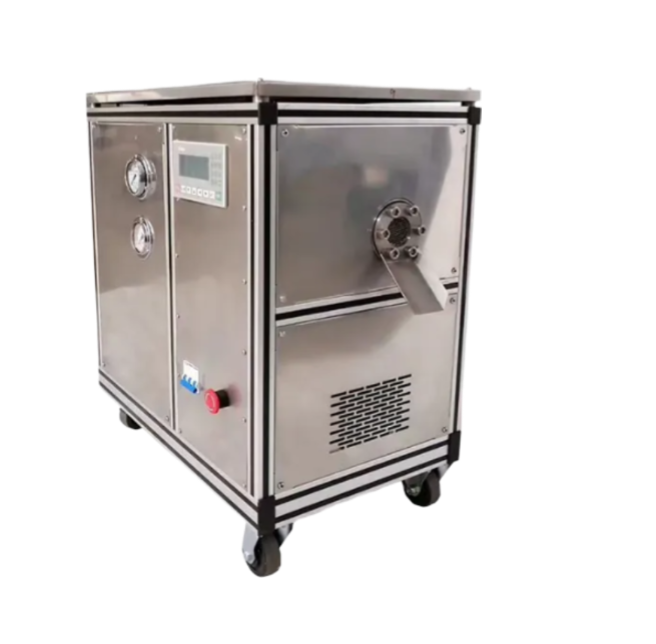
Salt Pellet Machine
Asset finance available
Do you want funding for this equipment?
Afrimart can connect you with trusted funding partners who specialise in asset finance for businesses like yours. Compare options and apply in minutes — final approval is subject to provider review.
Check funding options
Secure & no obligation

- Section : Machinery
- Category : Agriculture Machinery
- SKU : 1600270132197

- Shipping Timeframes: All orders are processed within 2-5 business days (excluding weekends and holidays). After your order has been processed, the estimated delivery time is before 01 Jul, 2026, depending on customs, Please note that due to high demand, some items may experience longer shipping times, which will be communicated at order confirmation email.
- Order Processing Time: Please allow 2-5 business days for us to process your order before it is shipped . Orders placed after 16:00 on Fridays, or during weekends and public holidays, will begin processing on the next business day. Processing times may be extended during peak seasons or sales events.
- Manufacturing Time: Some products needs manufacturing time, the manufacturing process will take approximately 10-30 business days depending on the product. This timeframe may vary depending on the complexity of the product and current demand. but this will be communicated with you during order confirmation.
- Returns and Exchanges: We offer a 30-day return policy for most items. If you are not completely satisfied with your purchase, you may return it within 30 days of receipt for a refund or exchange. Items must be unused, in their original packaging, and accompanied by proof of purchase. Return shipping costs are the responsibility of the customer, unless the item was damaged or defective upon arrival.
1. What is a Salt Pellet Machine?
A Salt Pellet Machine (pellet press/pellet mill) compresses powdered or dusty raw materials — in this case salt — into uniform pellets by forcing the material through a mould (die) using rollers and a press mechanism.
2. How does the pelletizing process work?
Powdered material is fed into the machine where rollers press it against a rotating die (flat or ring type). The pressure compacts the material and forces it through die holes to form pellets; pellet size and shape are determined by the die configuration.
3. What types of pellet presses are available?
There are three main types: ring-die pellet presses, flat-die pellet presses, and combined/efficient models that use a flat-die structure with ring-die advantages. Our product lineup includes classical ring-die models and combined efficient models such as the introduced 700kg series.
4. What capacities and outputs can I expect?
Capacity depends on the model and raw material. For example, our 55 kW ring-die model has client-reported outputs of about 600–800 kg per hour. Other models (such as the 700kg-class combined design) are sized for different throughputs — contact sales for model-specific performance.
5. What power supply is required?
Power requirements depend on the model. The ring-die model described uses a 55 kW motor. Electrical specifications (voltage, phase, frequency) vary by machine and market — confirm required power details when ordering.
6. What pellet sizes can the machine produce?
Pellet diameter and length are determined by the die hole diameter and thickness. We offer different die specifications to produce a range of pellet sizes; provide your target pellet dimensions so we can recommend the correct die.
7. Can the machine pelletize materials other than salt?
Yes. Pellet presses can compress many powdered raw materials into pellets (salts, minerals, some chemical powders, etc.). Suitability depends on material properties such as particle size, moisture content, and abrasiveness.
8. Is the machine resistant to corrosion from salt?
Salt is corrosive, so we recommend corrosion-resistant options (stainless-steel contact parts or anti-corrosion coatings) for long-term durability. Specify corrosion-resistant requirements when ordering.
9. What routine maintenance is required?
Regular maintenance includes cleaning salt residue from the machine, checking and replacing wear parts (dies, rollers), lubricating bearings and moving parts, and monitoring motor and gearbox condition. Following a scheduled maintenance plan extends service life and reduces operating costs.
10. How available and costly are spare parts?
Our classical models use widely available, low-cost wear parts. Because we sell factory-direct, spare parts supply is generally good and competitively priced — contact after-sales for parts lists and lead times.
11. What installation and site requirements are there?
A level, solid foundation (concrete pad), suitable electrical connection sized for the machine, and adequate space for feeding, discharge, and maintenance are required. Our team can provide installation guidance and commissioning support.
12. What common problems affect pellet quality and how are they fixed?
Common issues: poor pellet formation (caused by incorrect moisture content, worn die/rollers, or improper feed rate), low throughput (feed or motor issues), and uneven pellets (die damage). Remedies include adjusting moisture/feed, replacing worn parts, and verifying drive components.
13. What safety and environmental controls are recommended?
Use appropriate guarding, emergency stops, machine grounding, operator PPE, and dust extraction/ventilation to manage salt dust. Follow local safety regulations and best practices for electrical and mechanical safety.
14. Do you provide warranty and after-sales support?
Yes — factory direct sales include after-sales support. Warranty terms and support services vary by model and order; please contact our sales team for specific warranty periods, service packages, and spare-parts support.
15. How do I order or customize a Salt Pellet Machine?
Contact our sales team with desired capacity (kg/h), pellet size, raw material details, power supply, and corrosion-resistance requirements. We can recommend a suitable model (e.g., 55 kW ring-die or 700kg-class combined design), provide a quote, and arrange production and shipping.
Latest Order Arrivals
Discover our latest orders
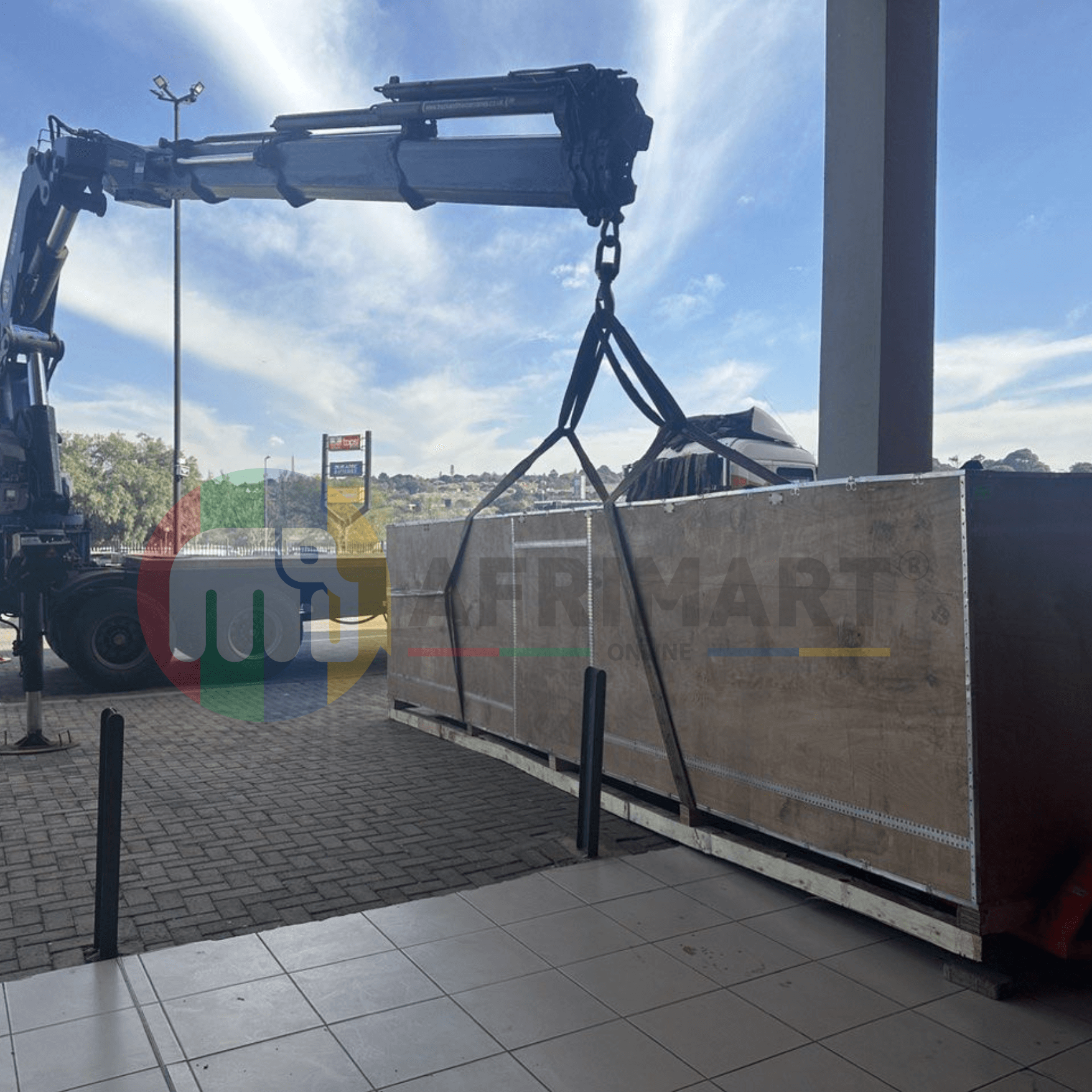
12 Heads Embroidery Machine
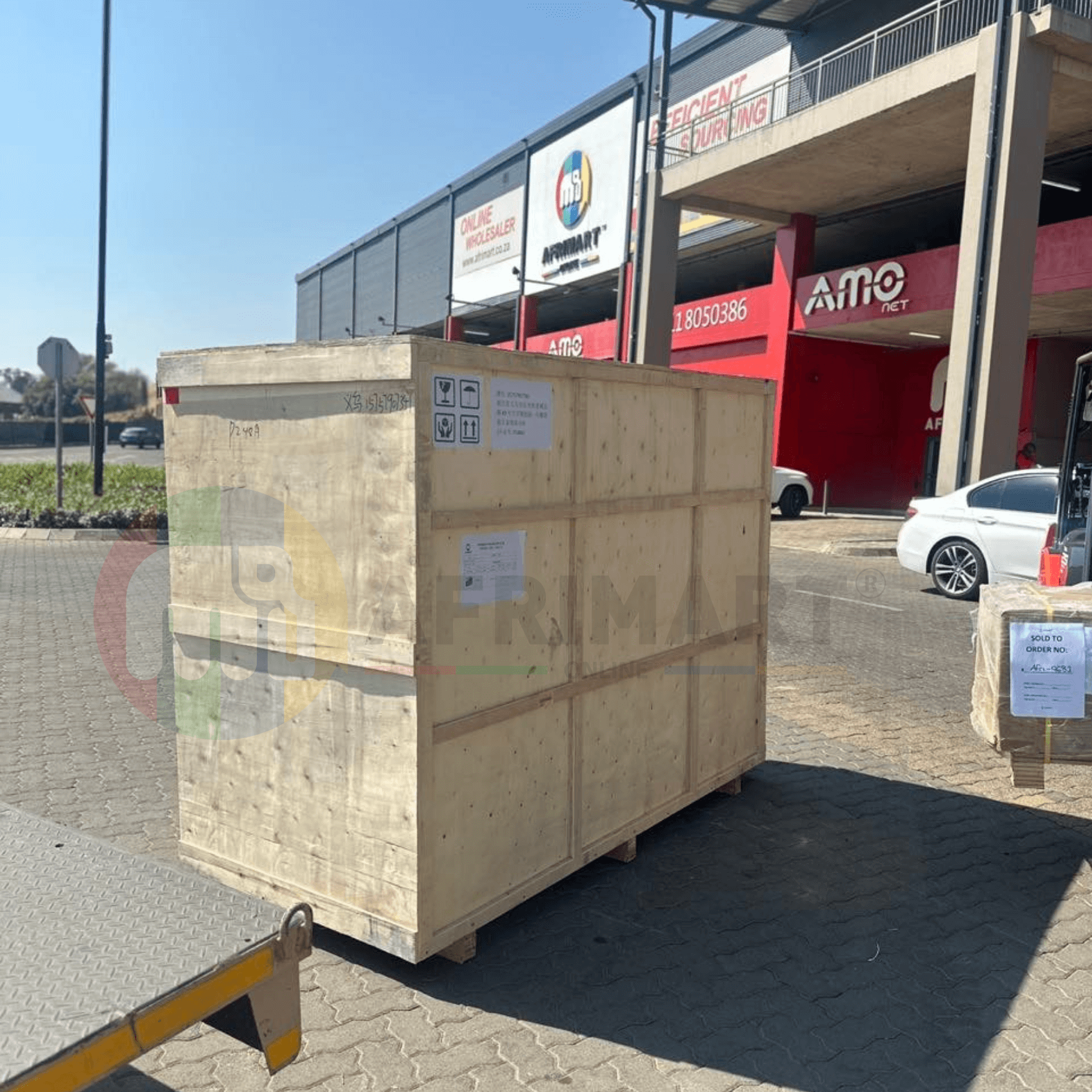
Dewatering Pump Machine
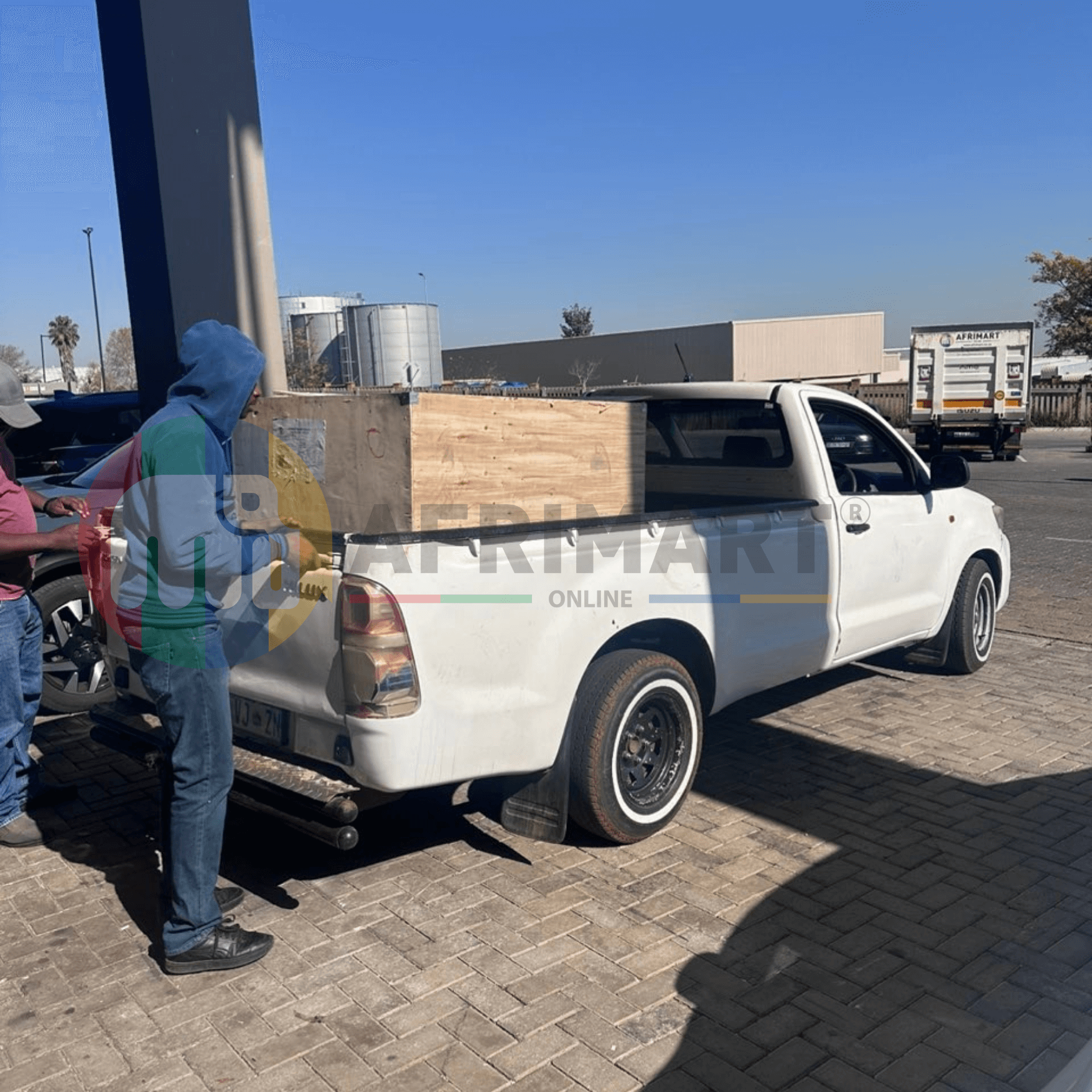
Order Collection
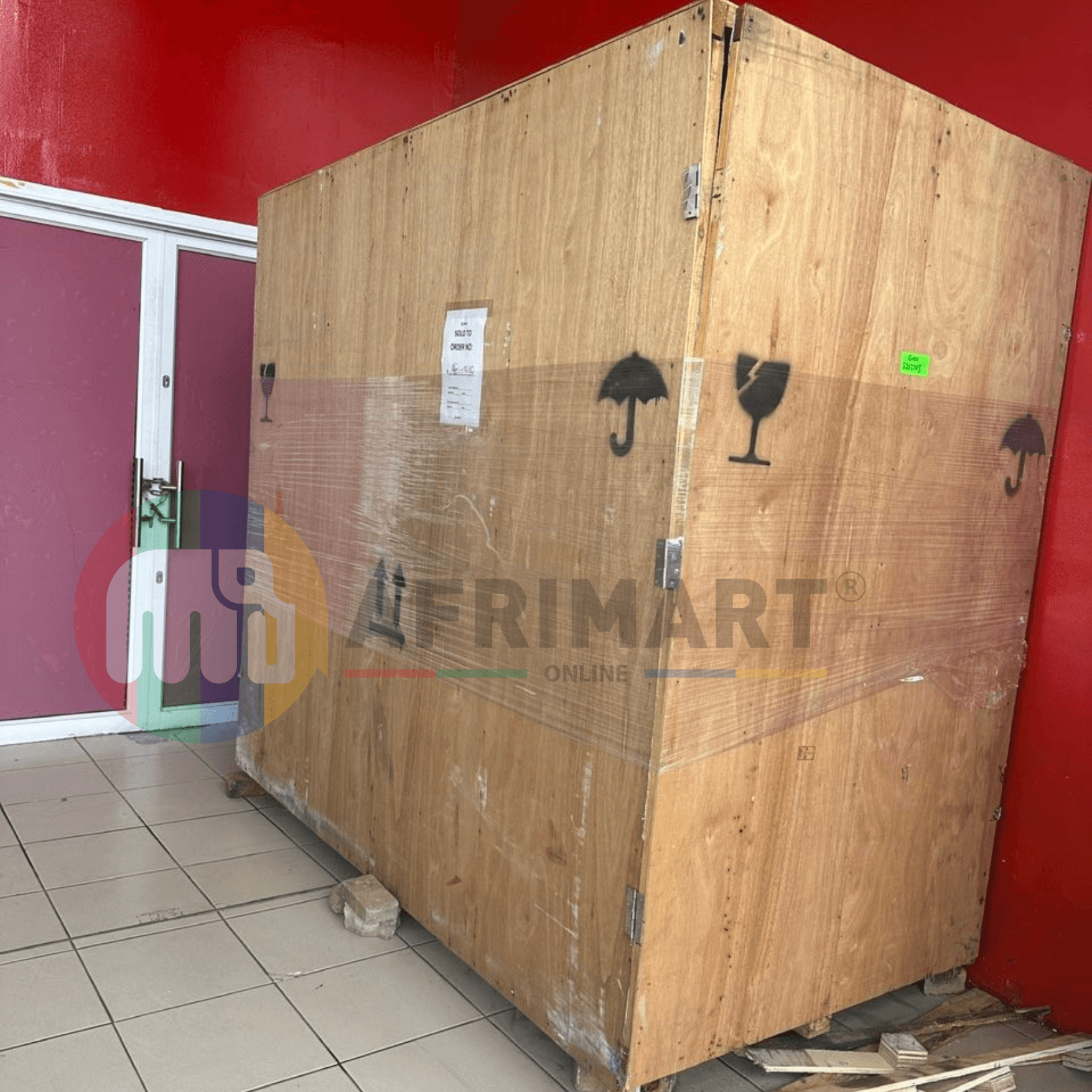
Portable Water Drilling Rig
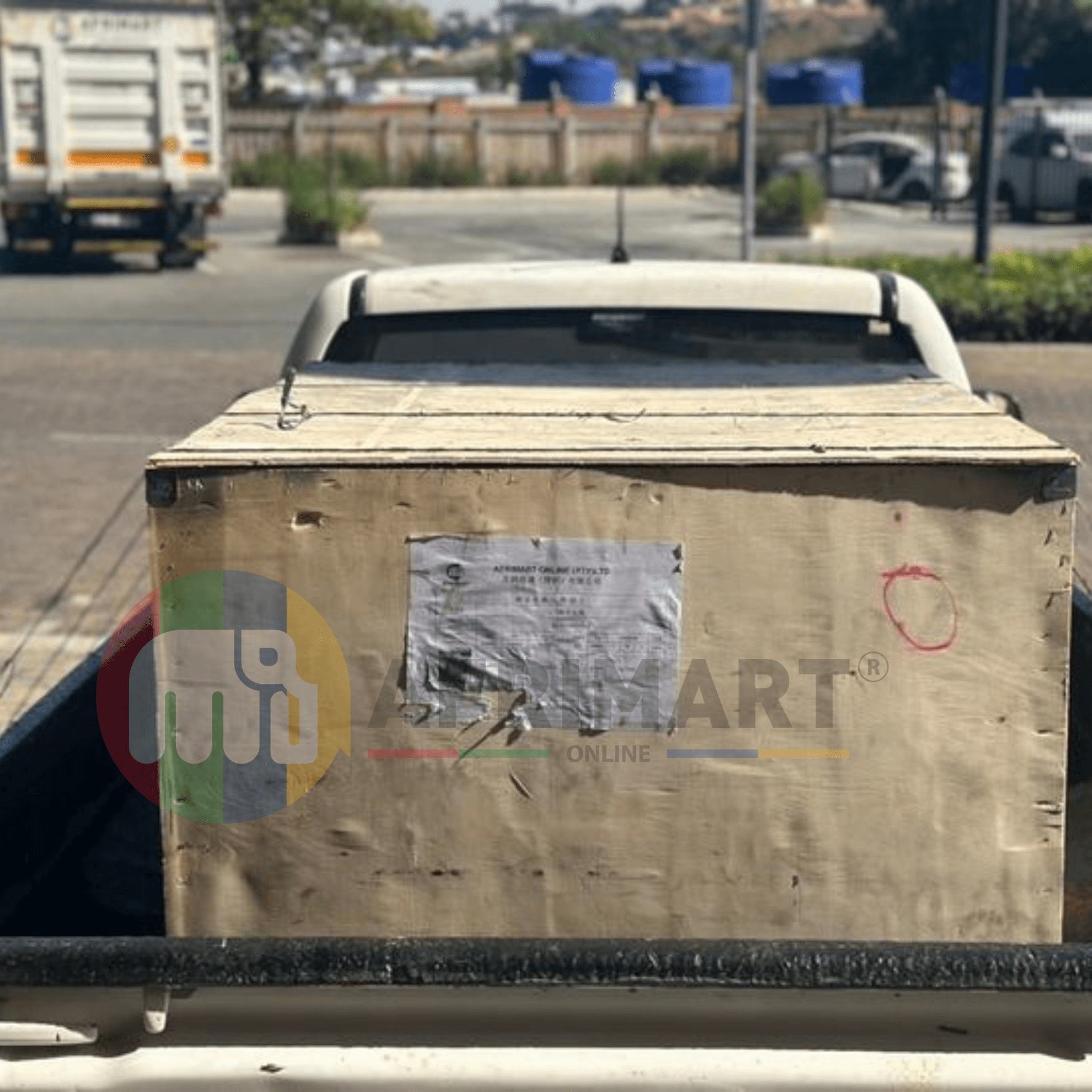
Order Usefully Collected
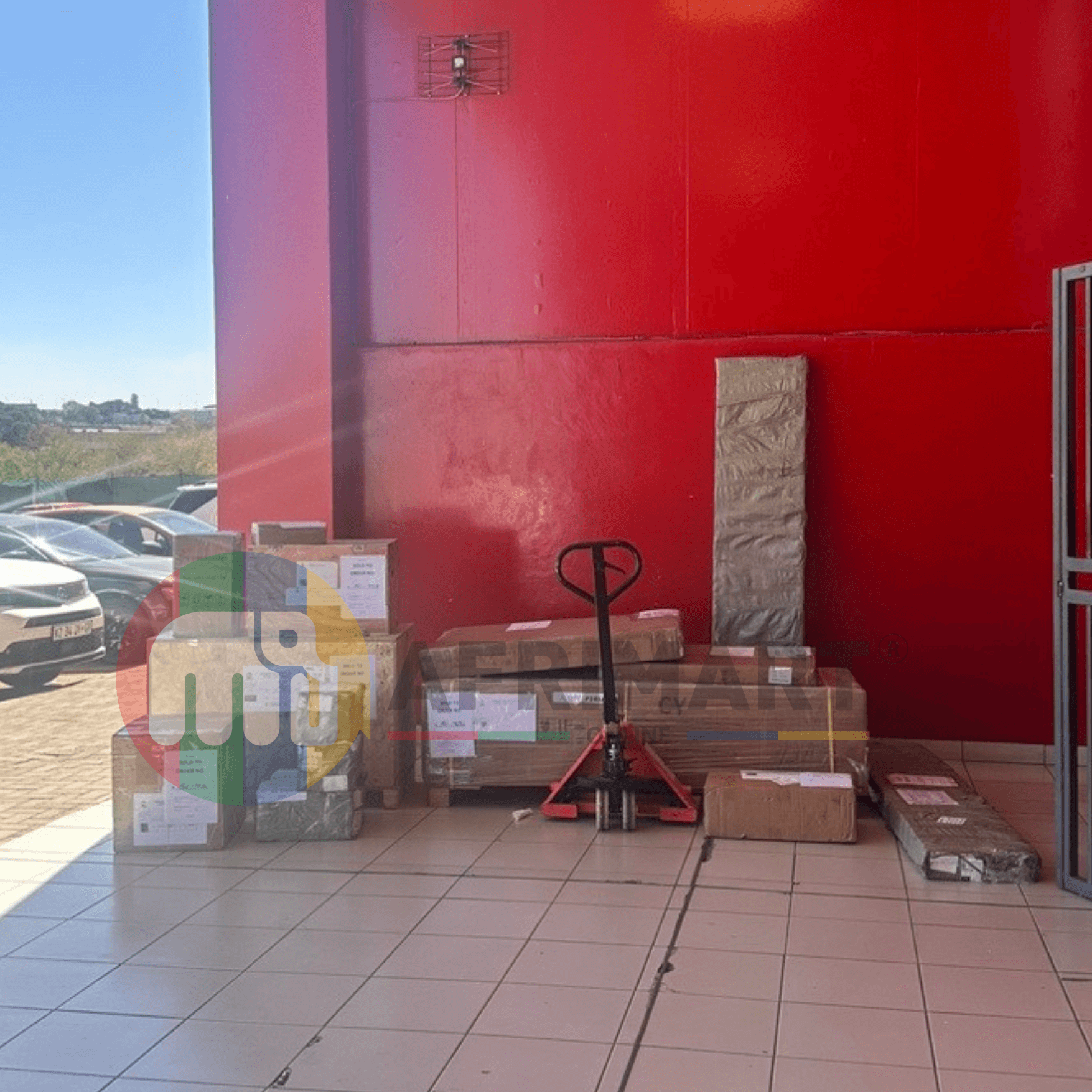
Batch of Orders
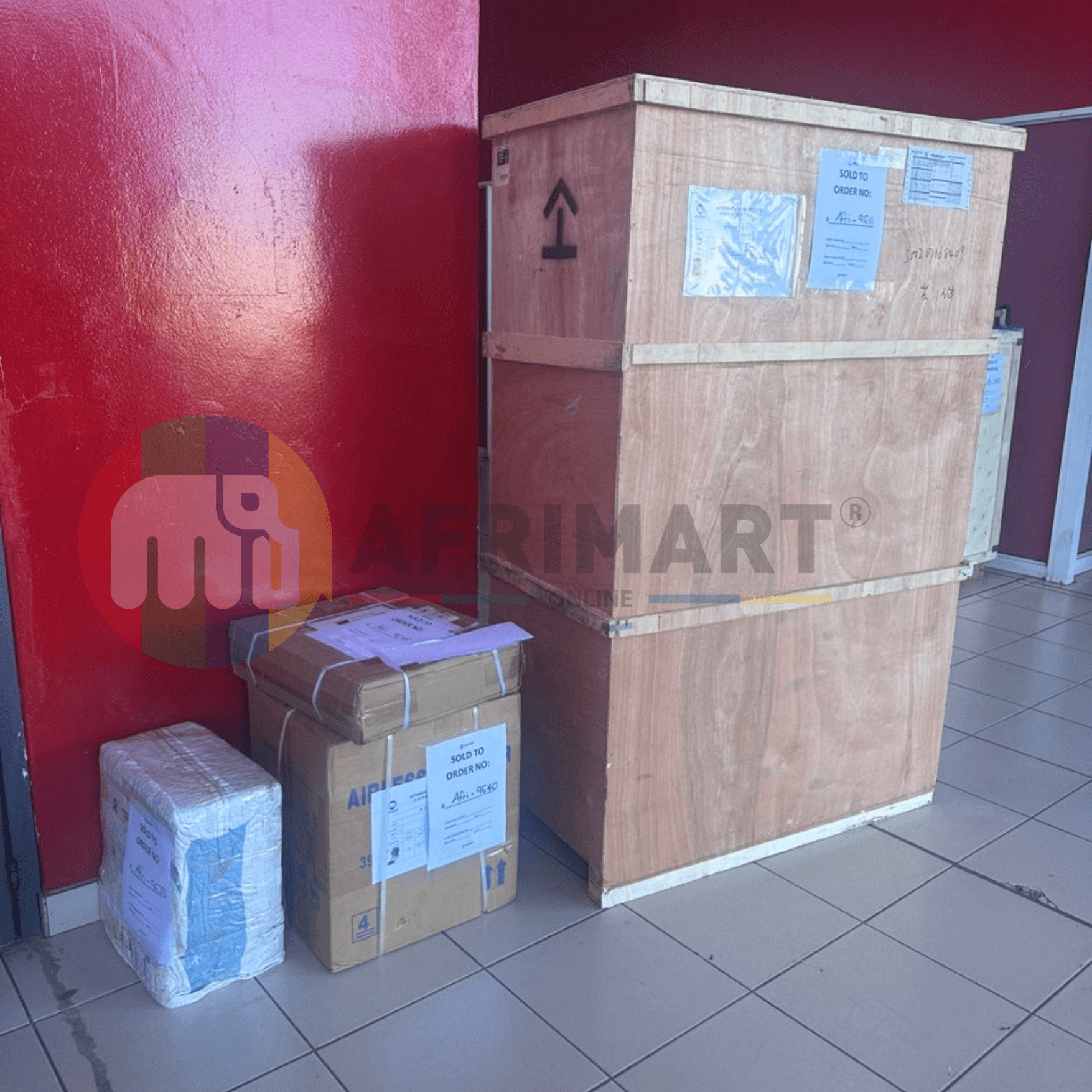
Agriculture Processing Machines
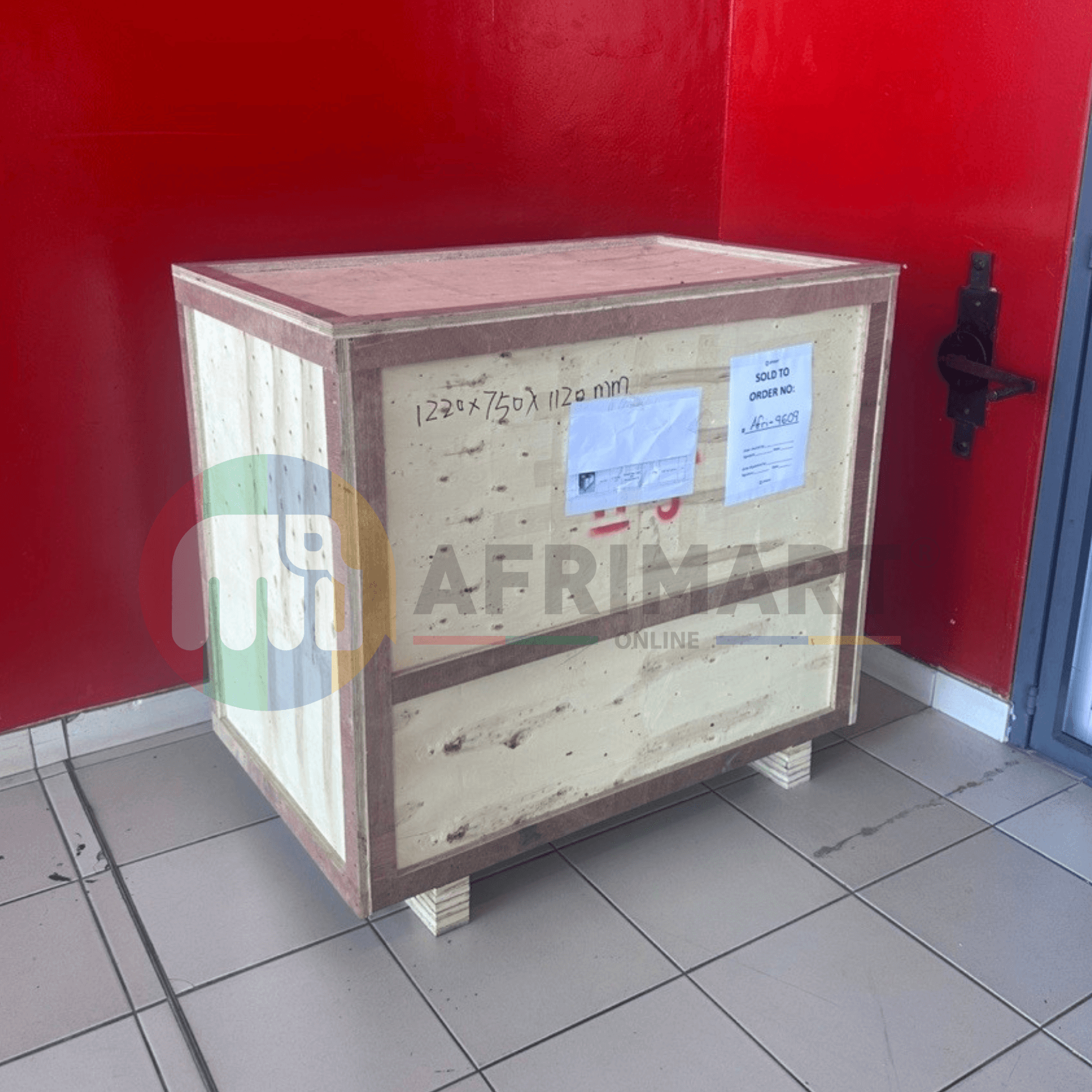
Meat Grinder Machine
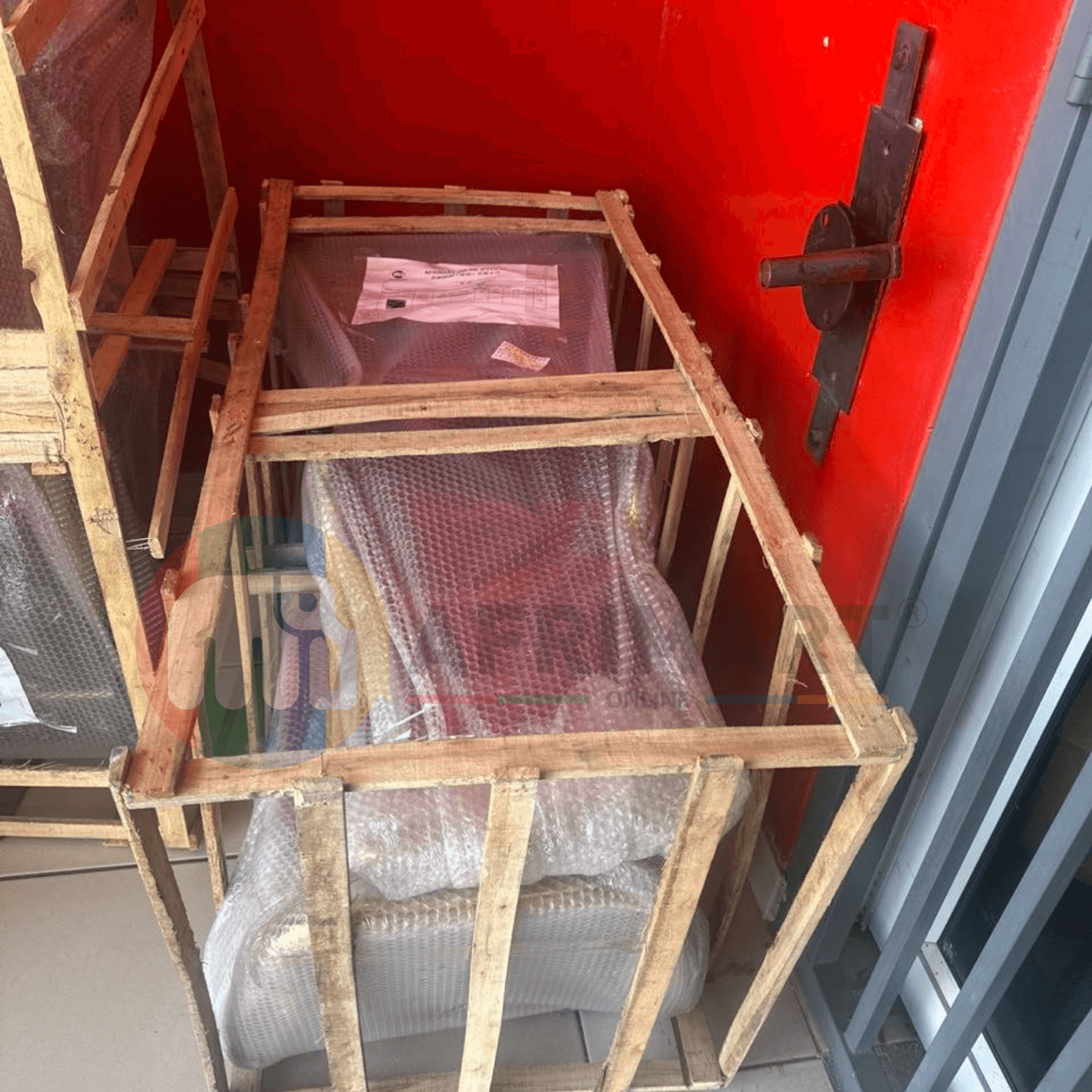
Water Pump Equipment
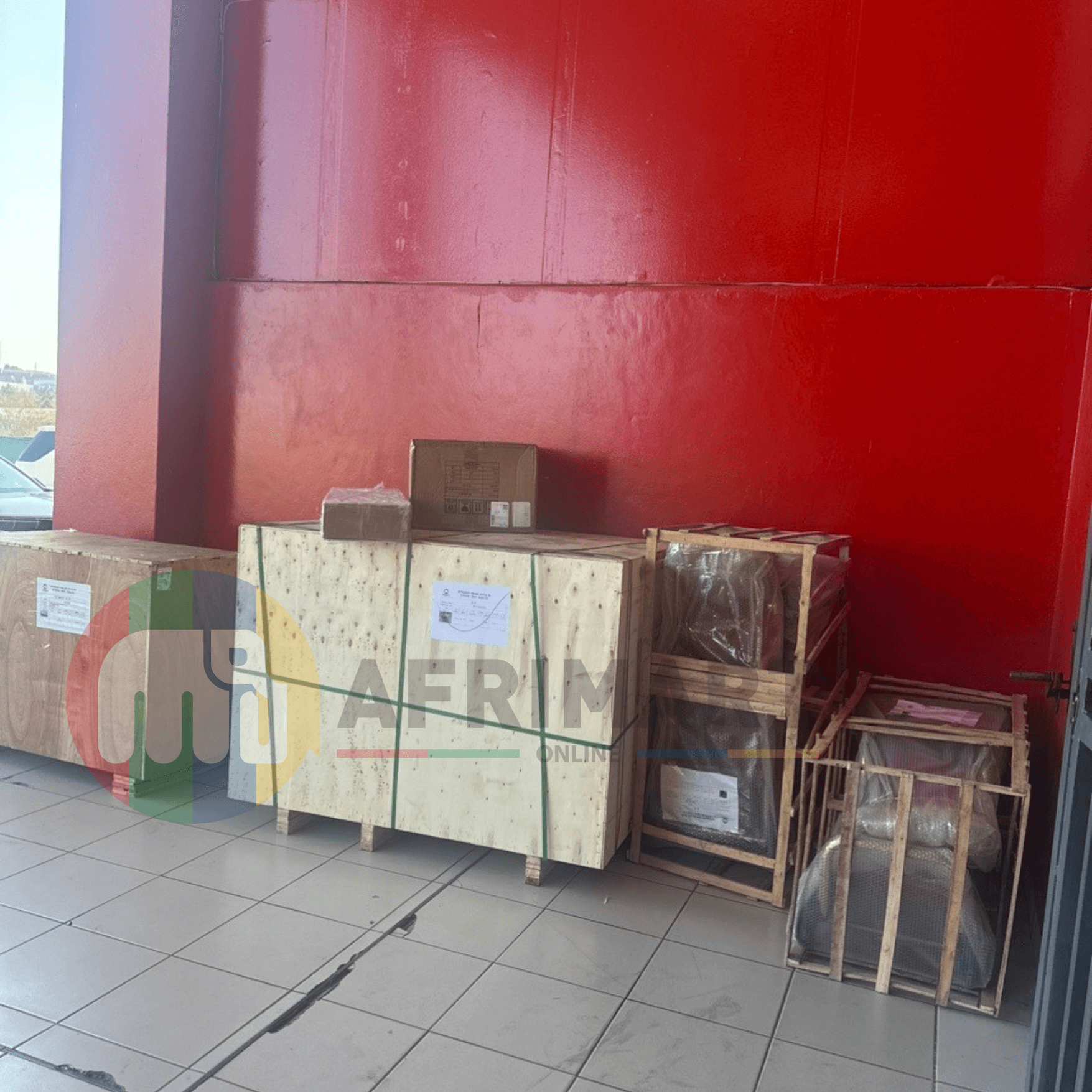
Packaging Machine and accessories
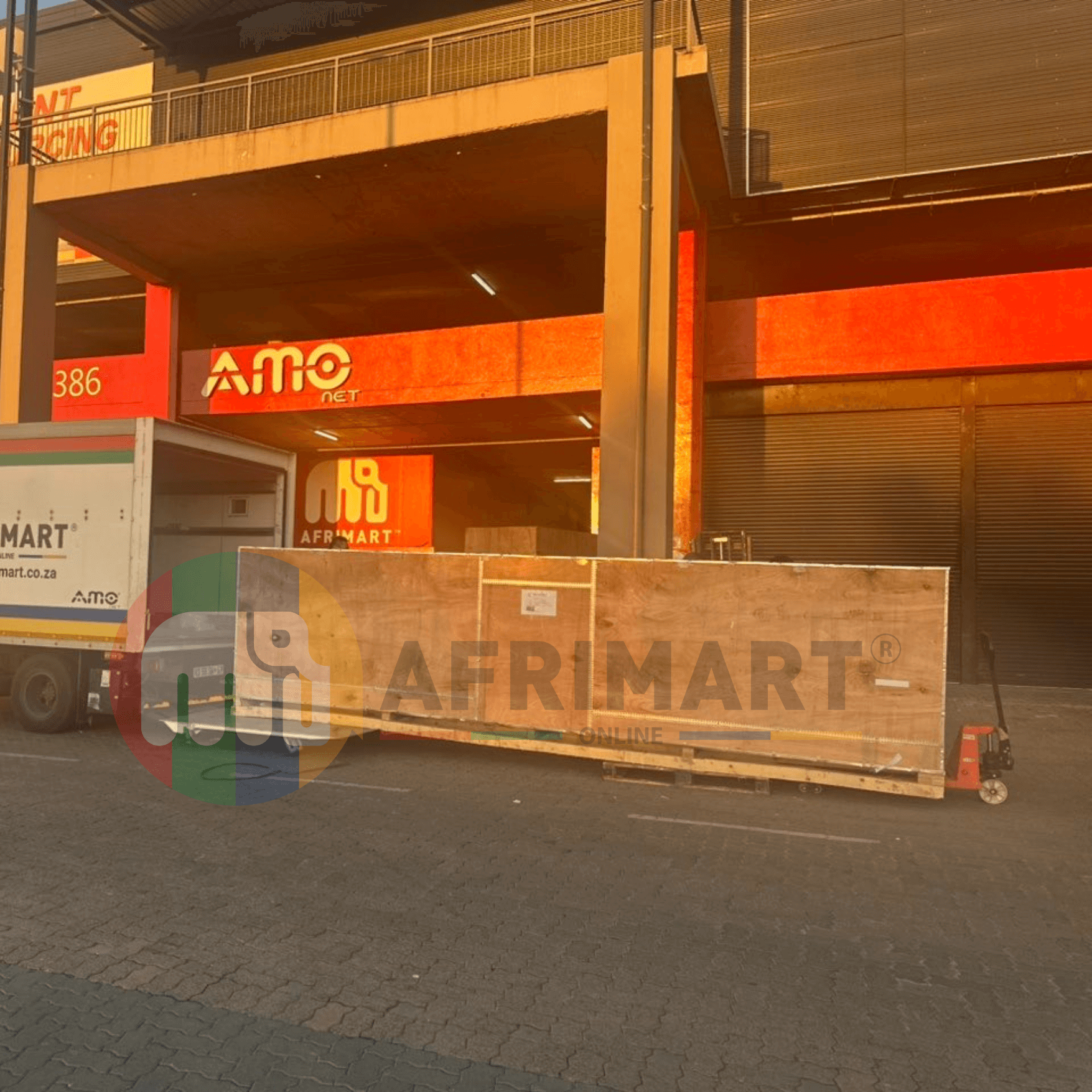
Fabrics Manufacturing Equipment
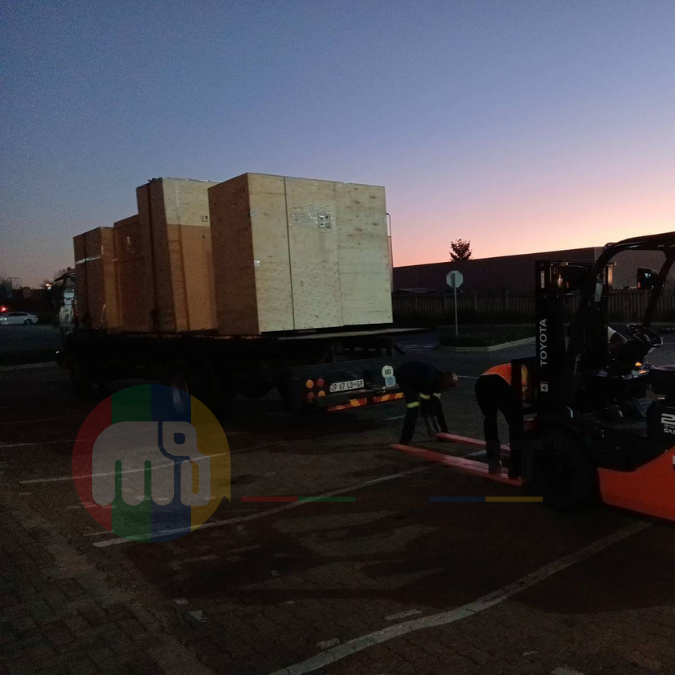
Mining Equipments
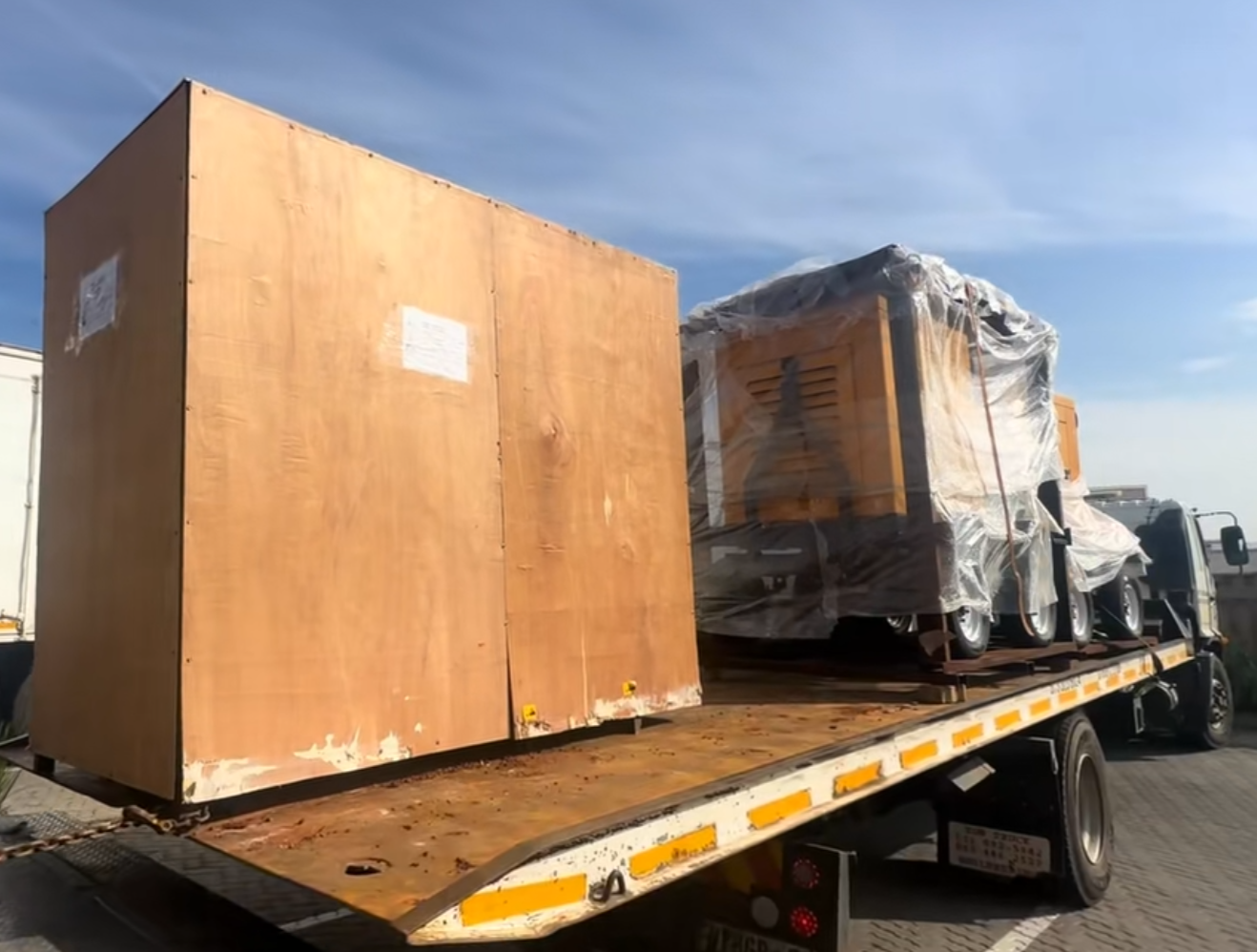
Food Processing Machine
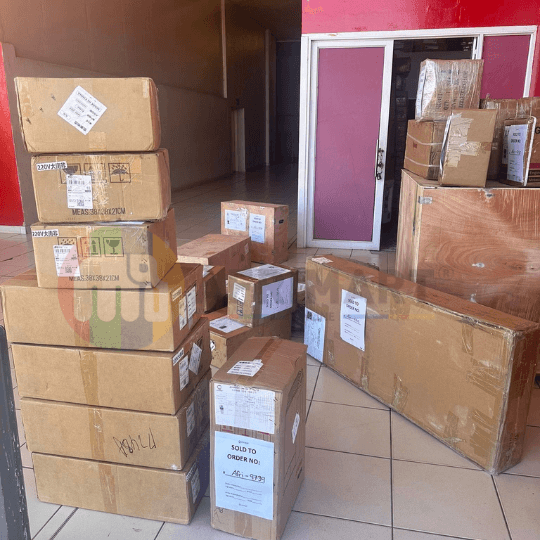
Batch of Orders
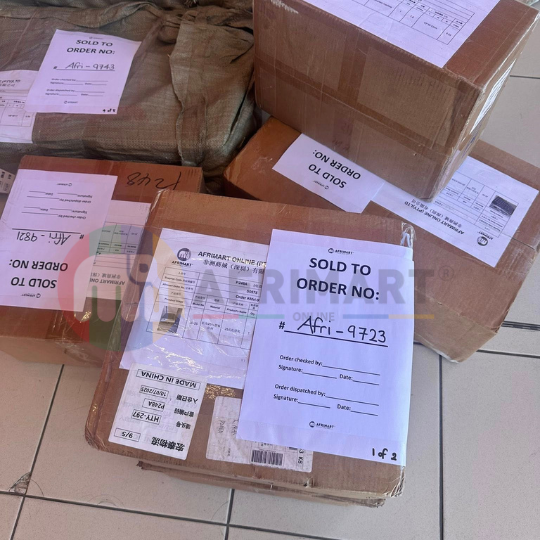
Batch of Orders
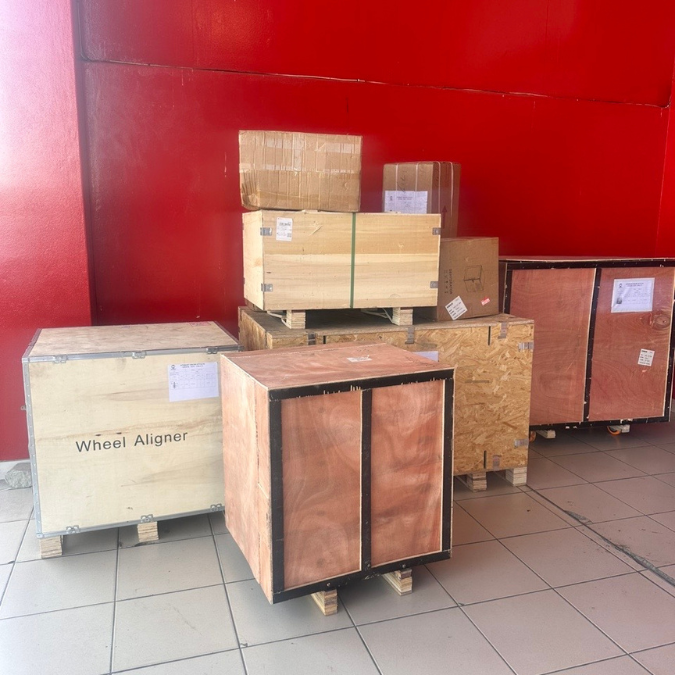
Latest Orders Labelled
wheel alignment machines
new arrivals
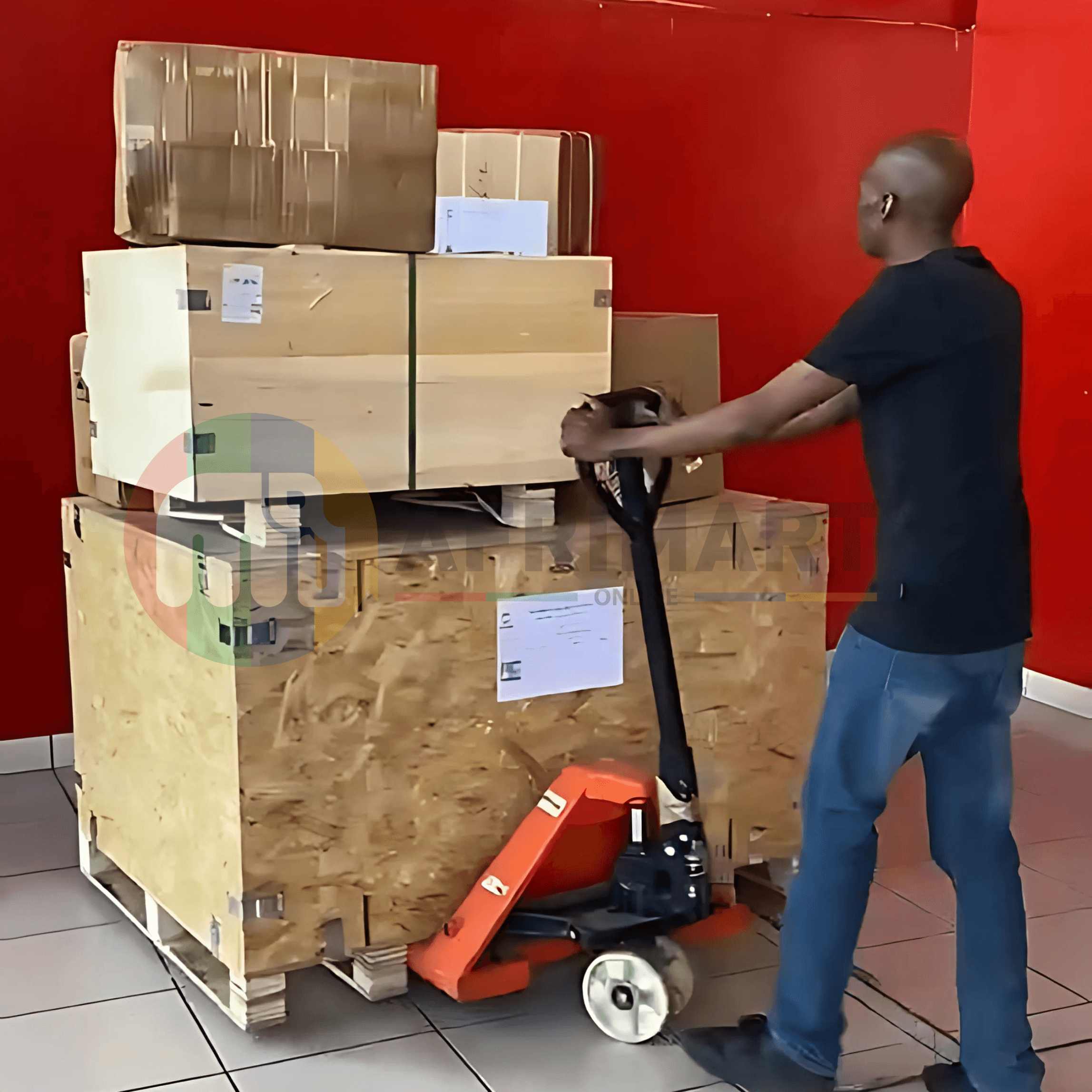
Pre Orders Offloading
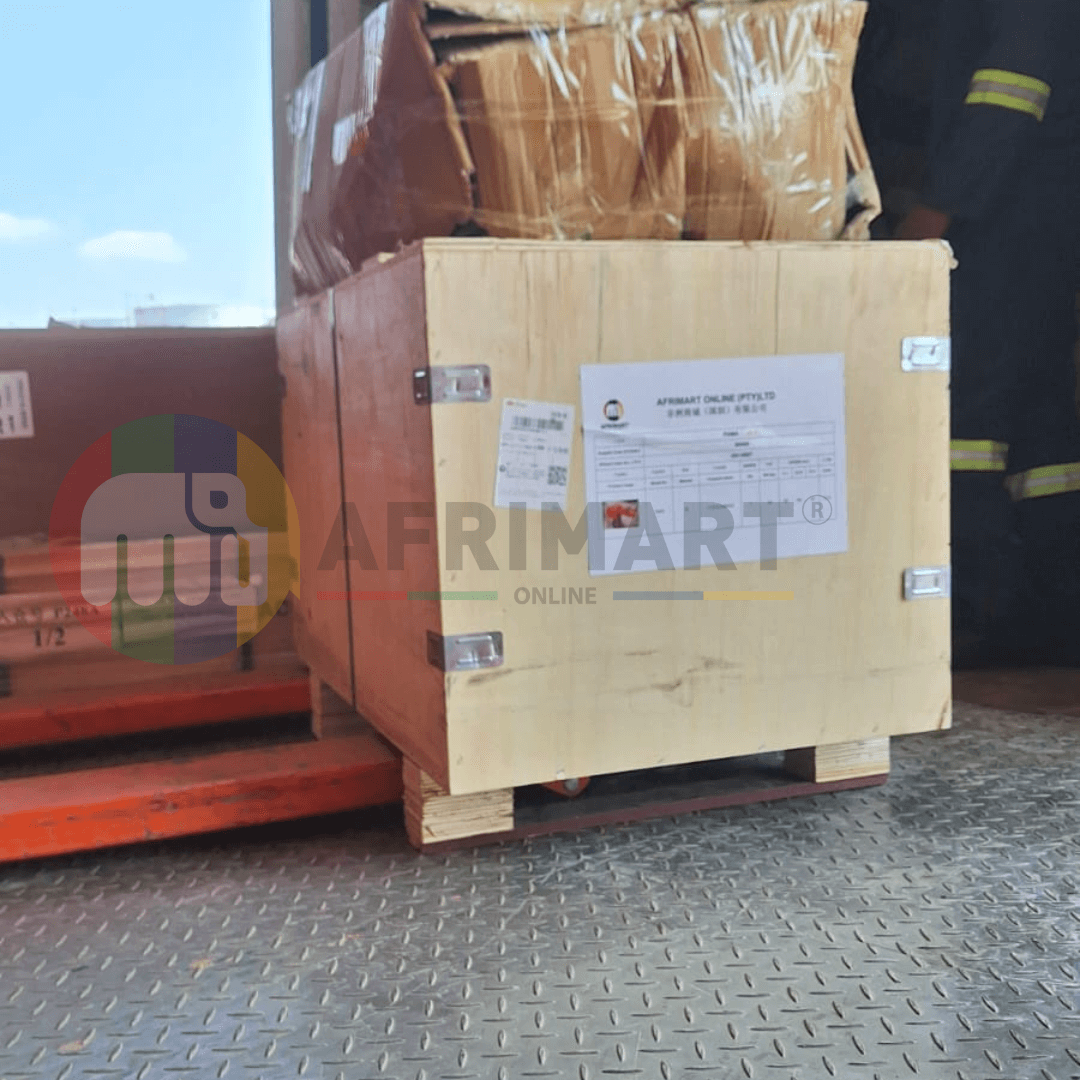
Latest Arrivals
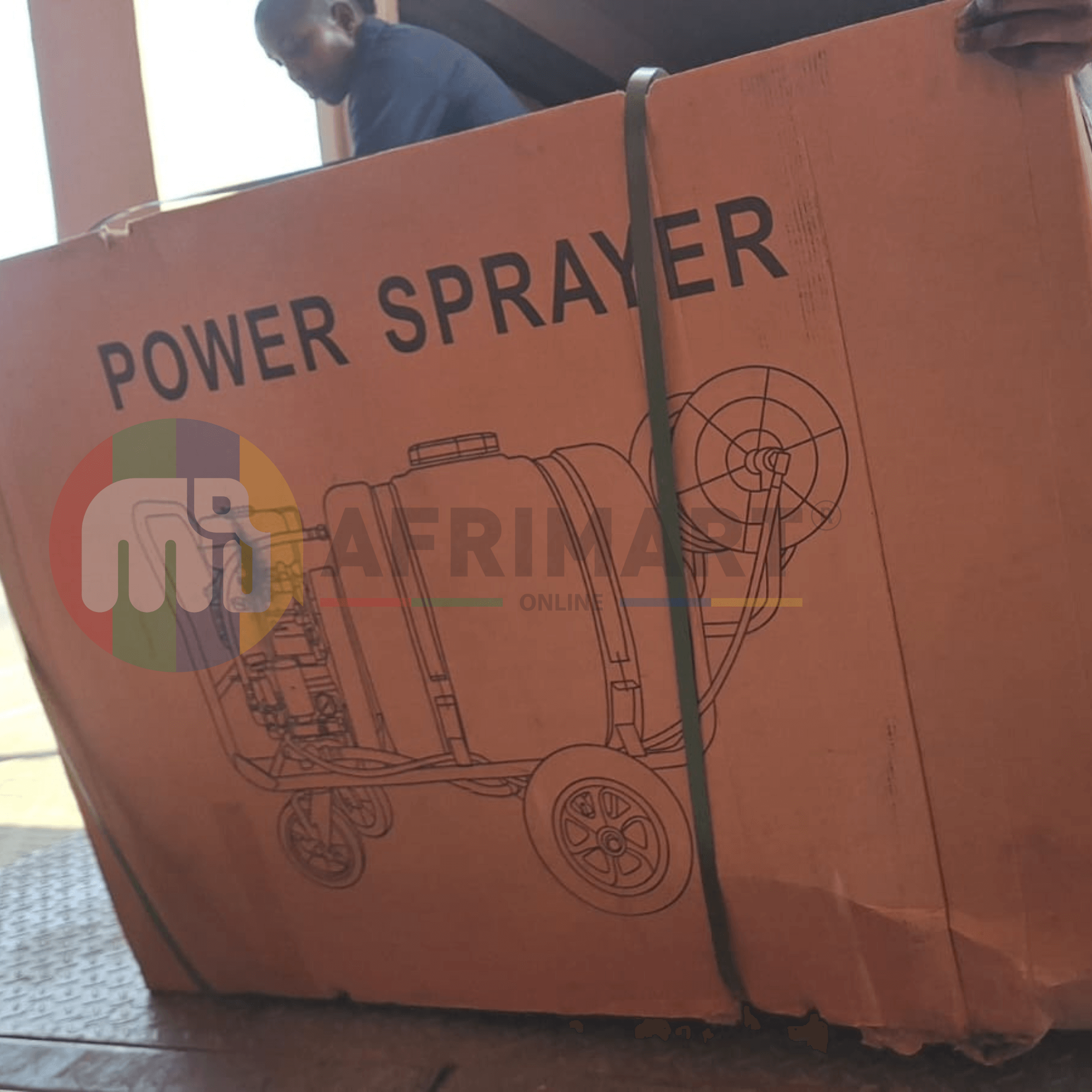
Latest Arrivals
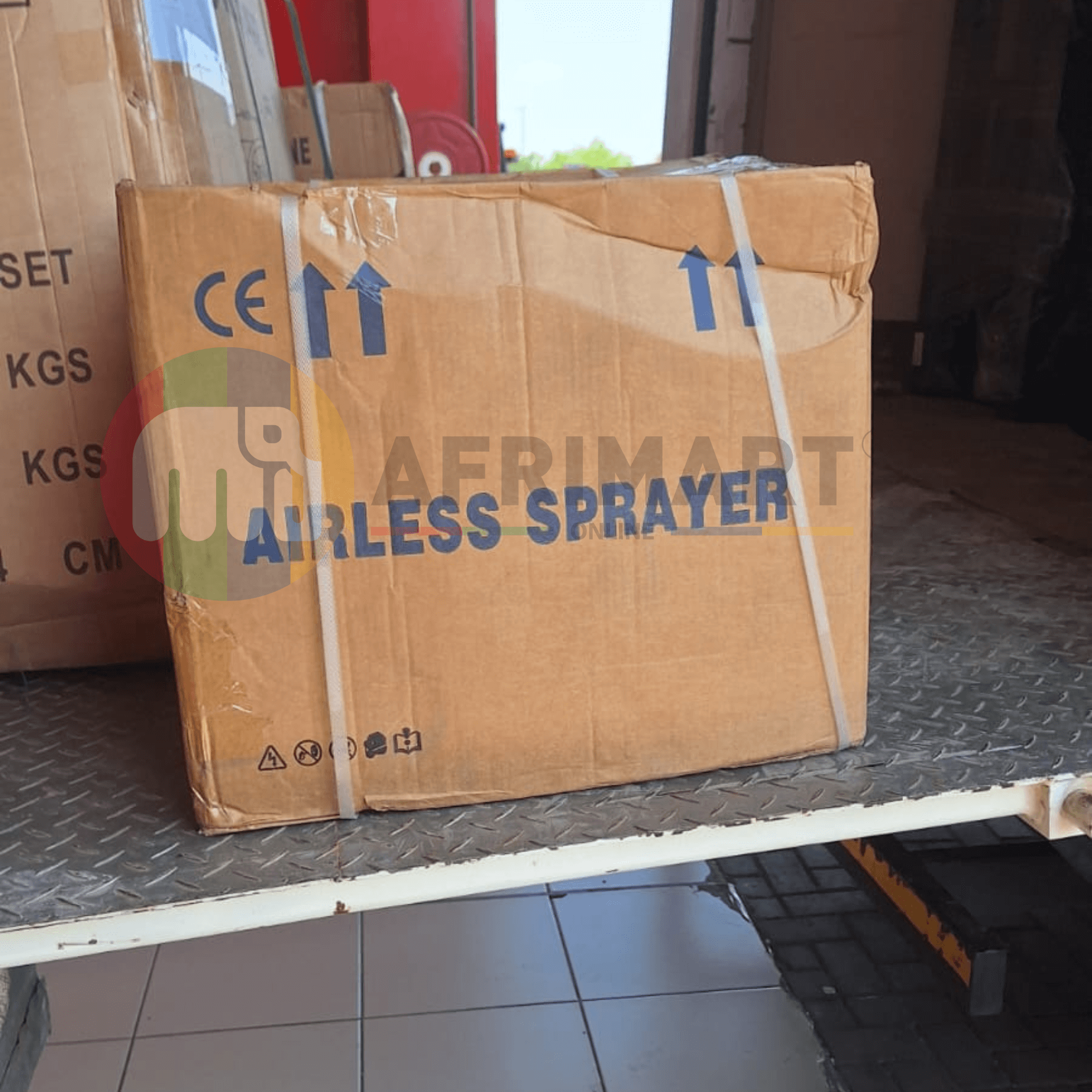
Latest Arrivals
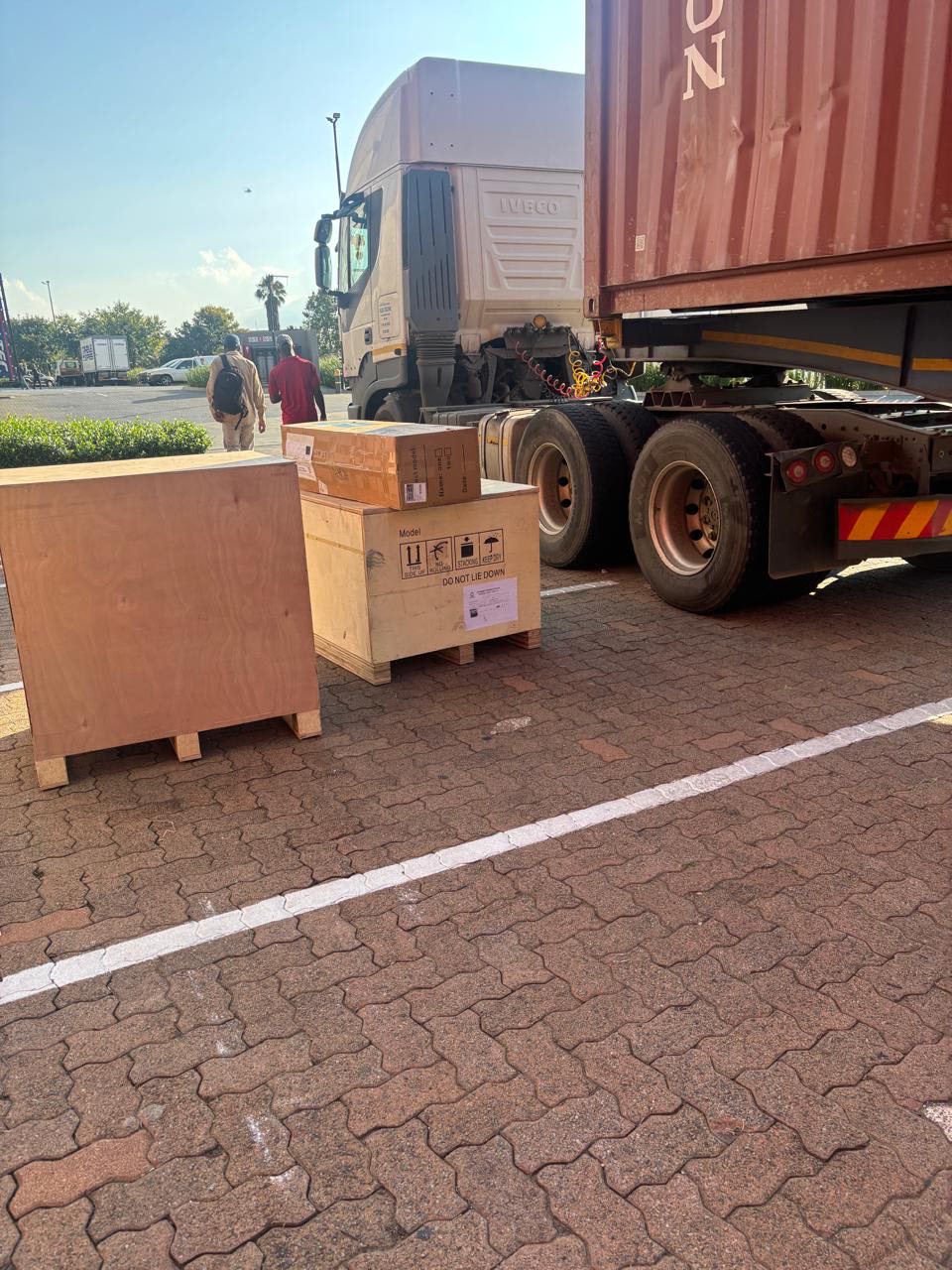
26 January 2026
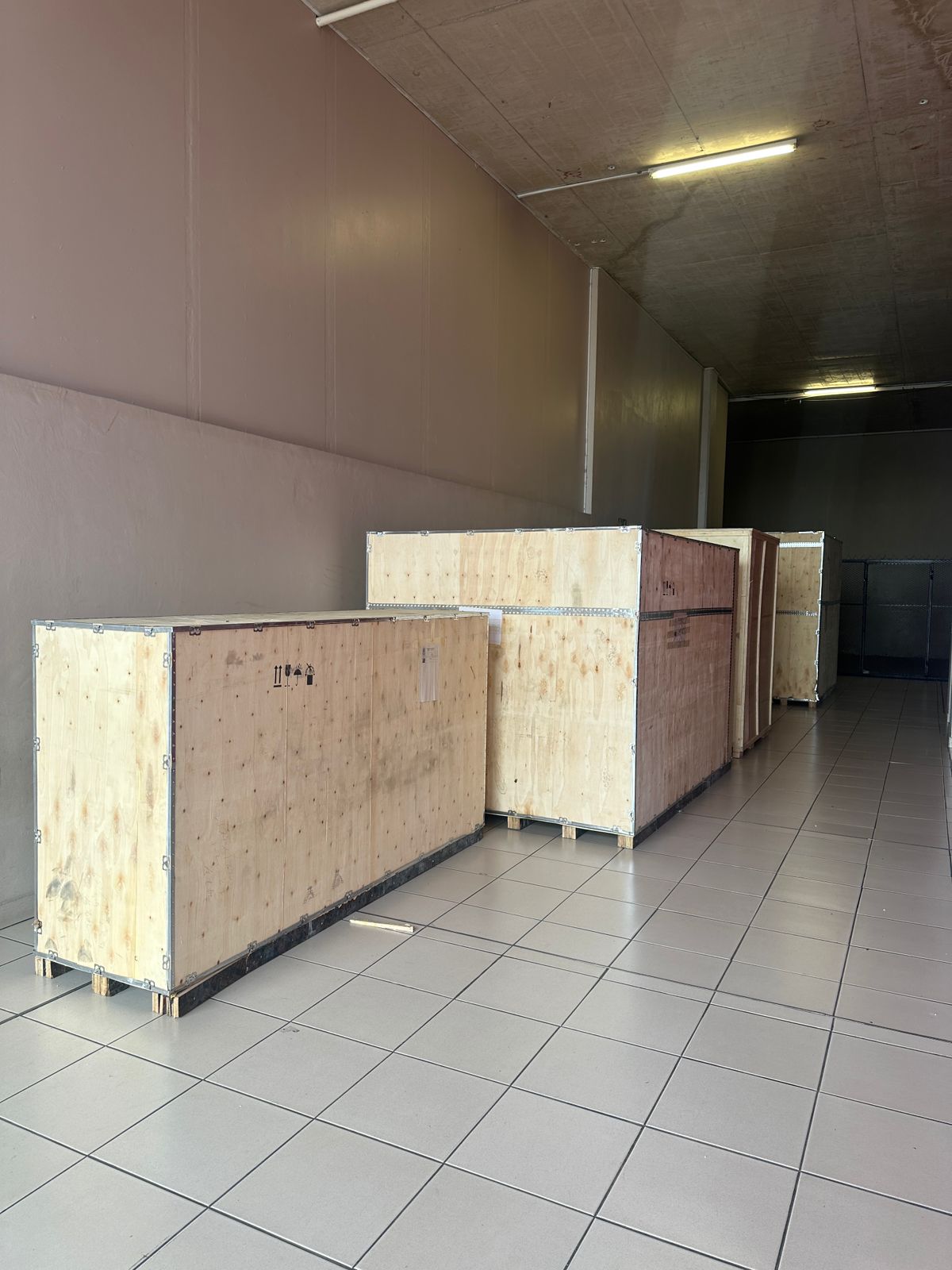
Toilet paper making machine
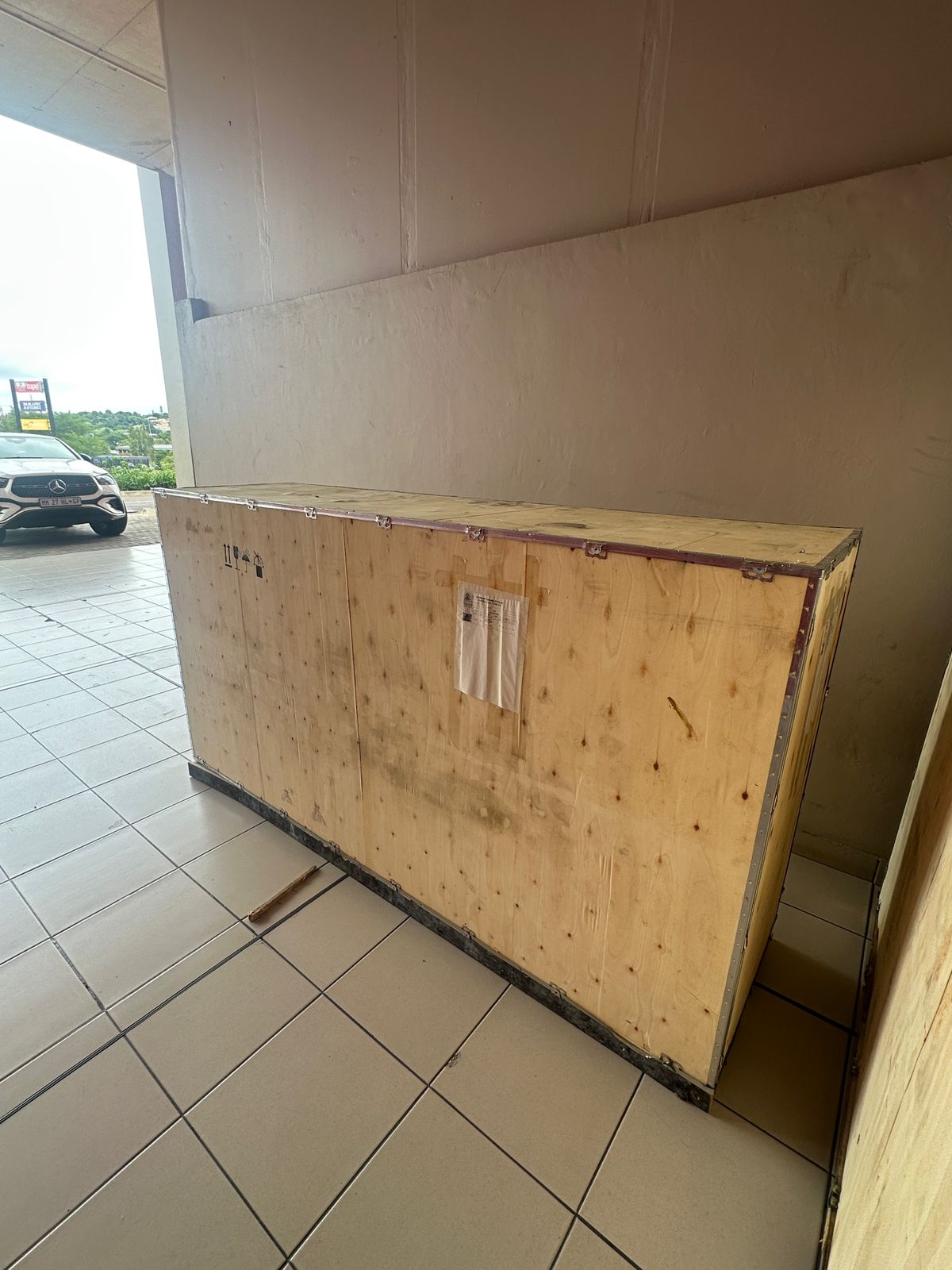
Toilet paper making machine
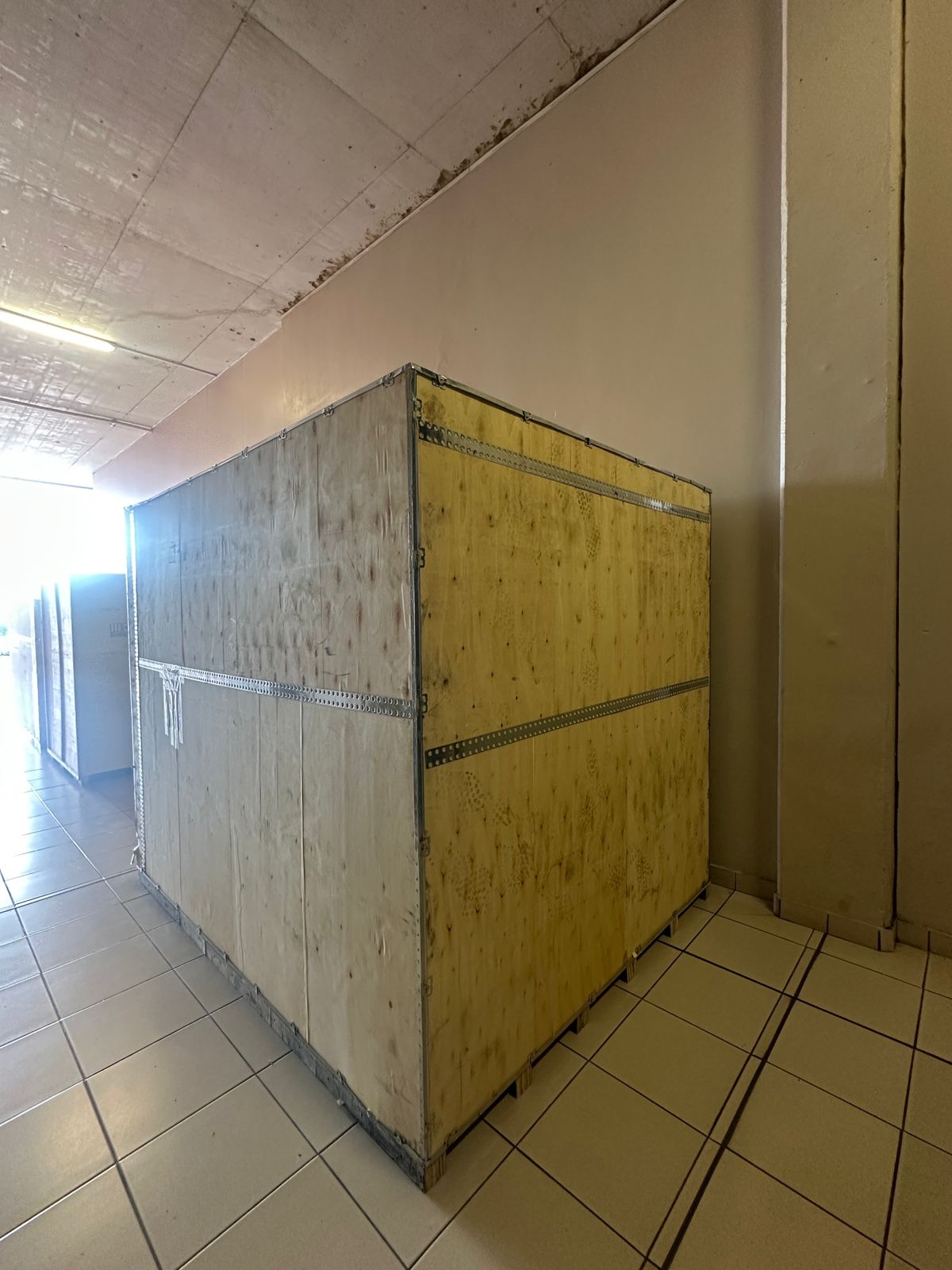
Toilet paper Rewinding Machine
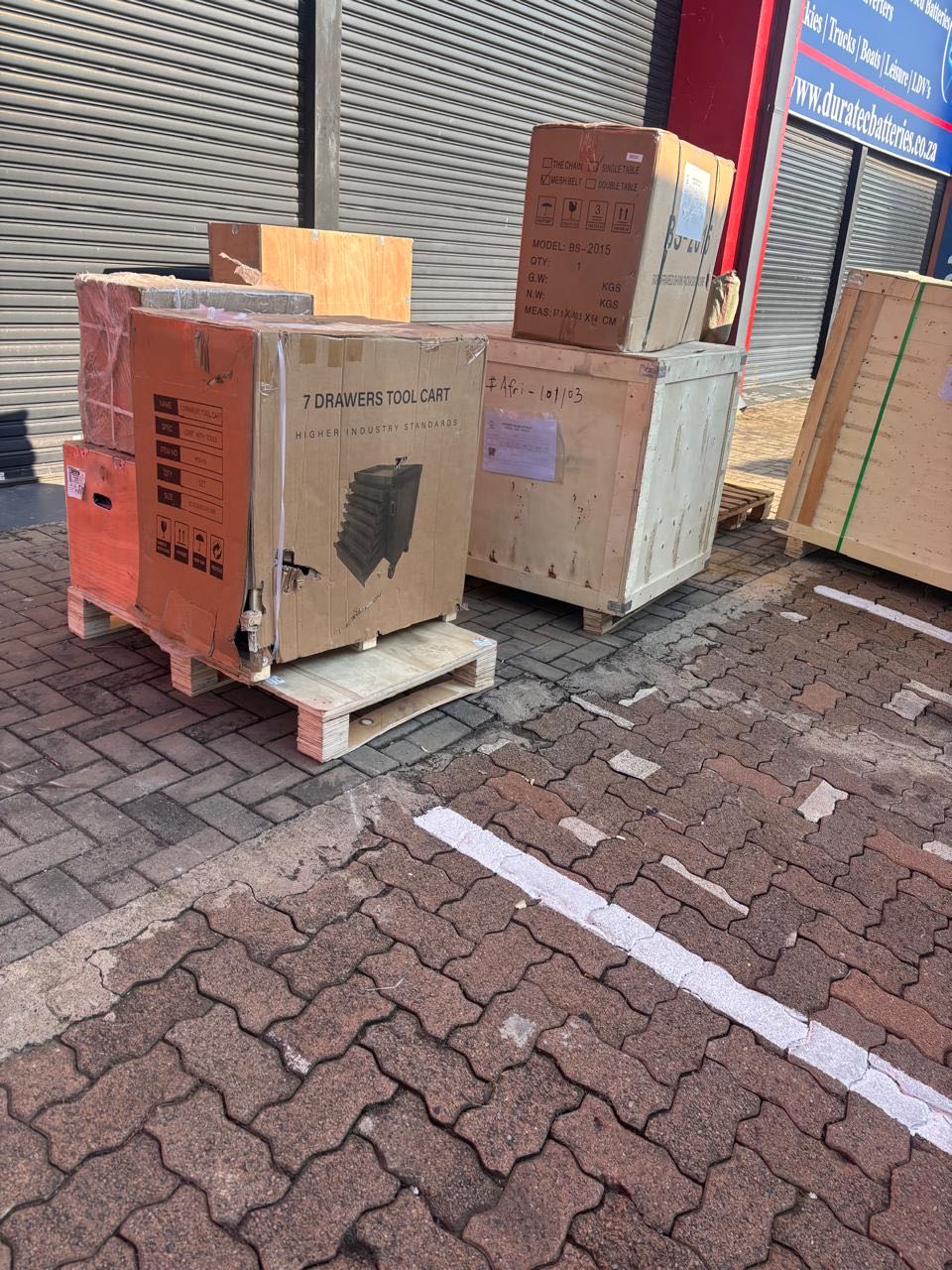
latest arrivals
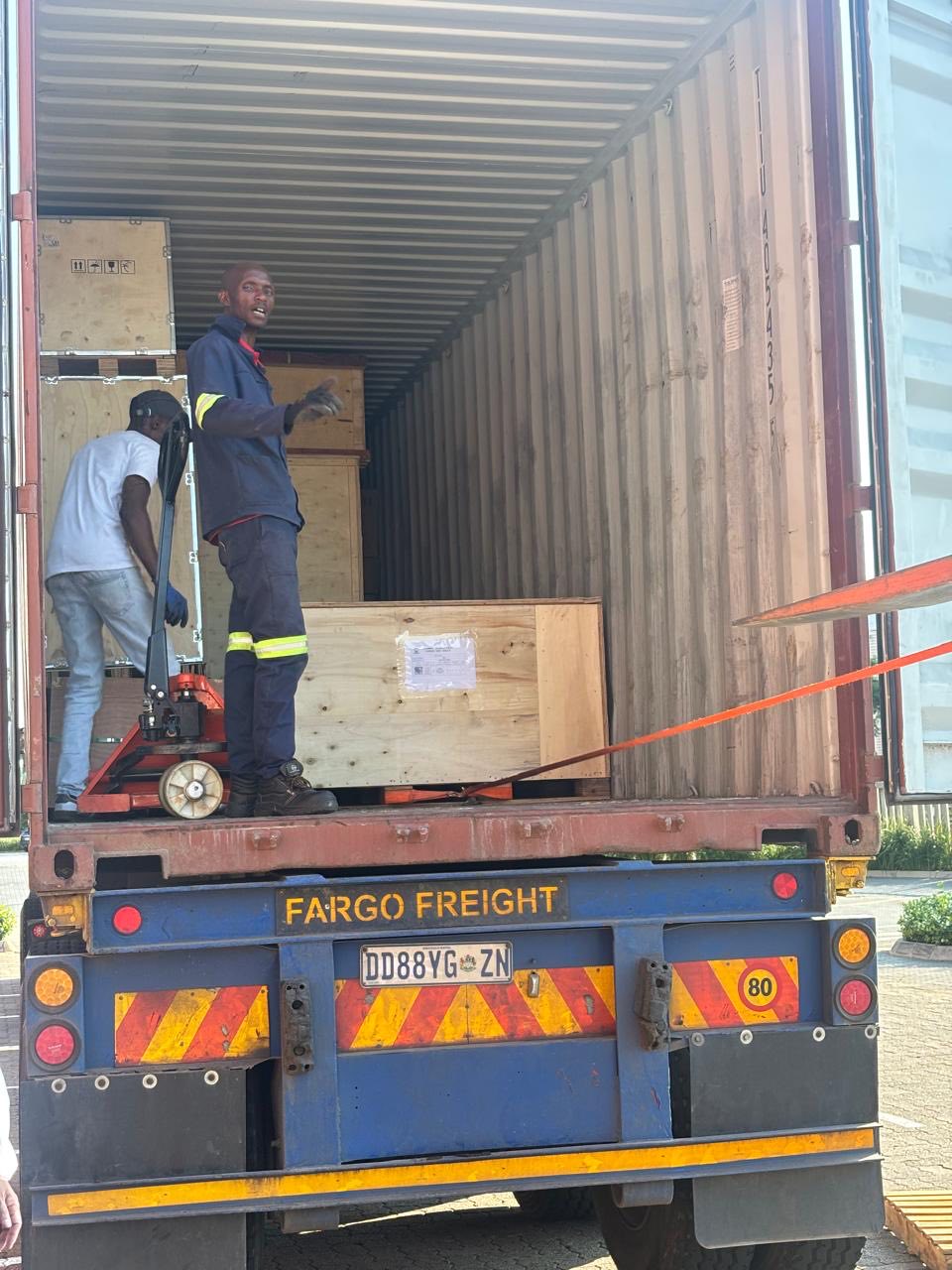
offloading
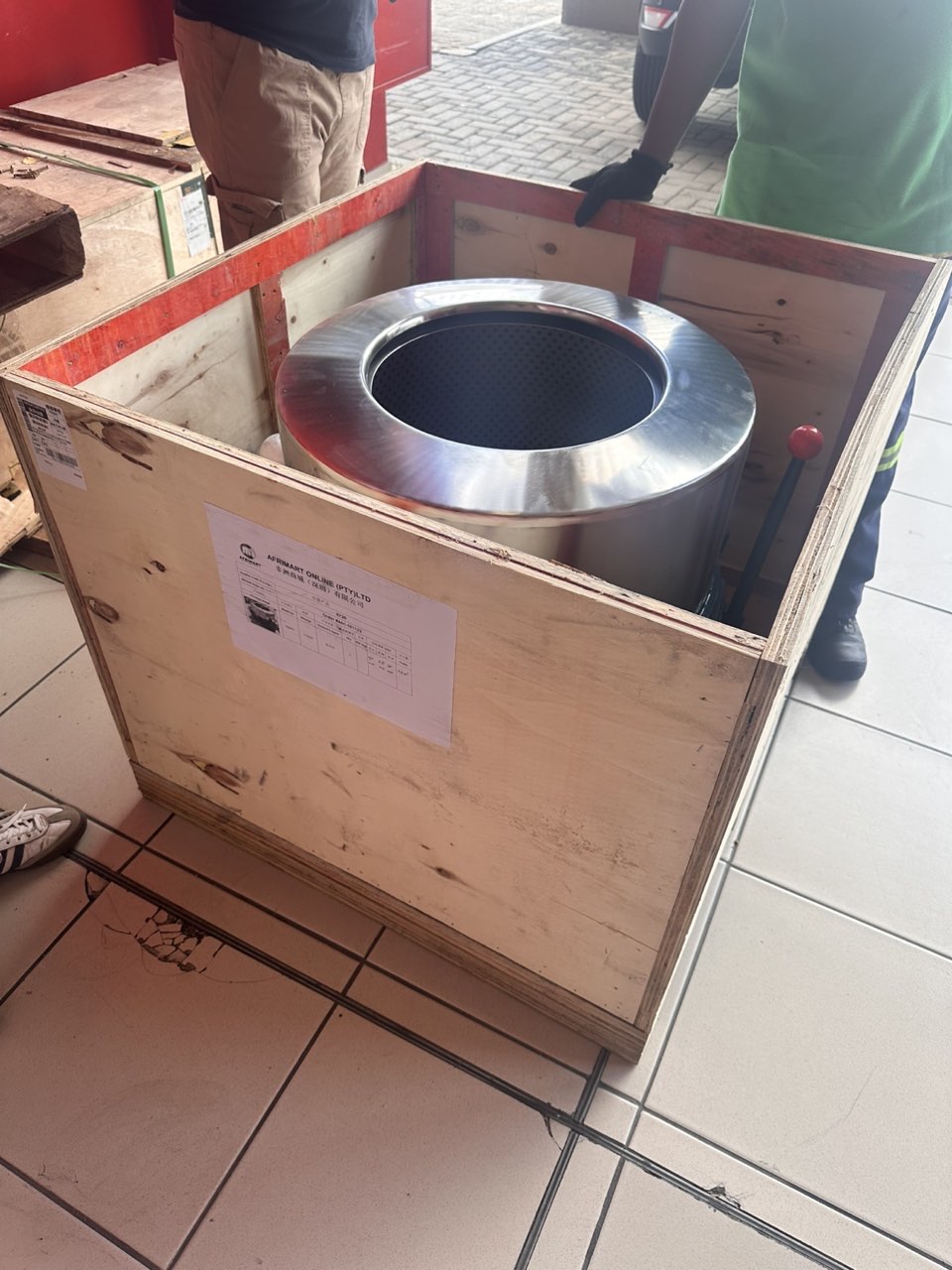
order success
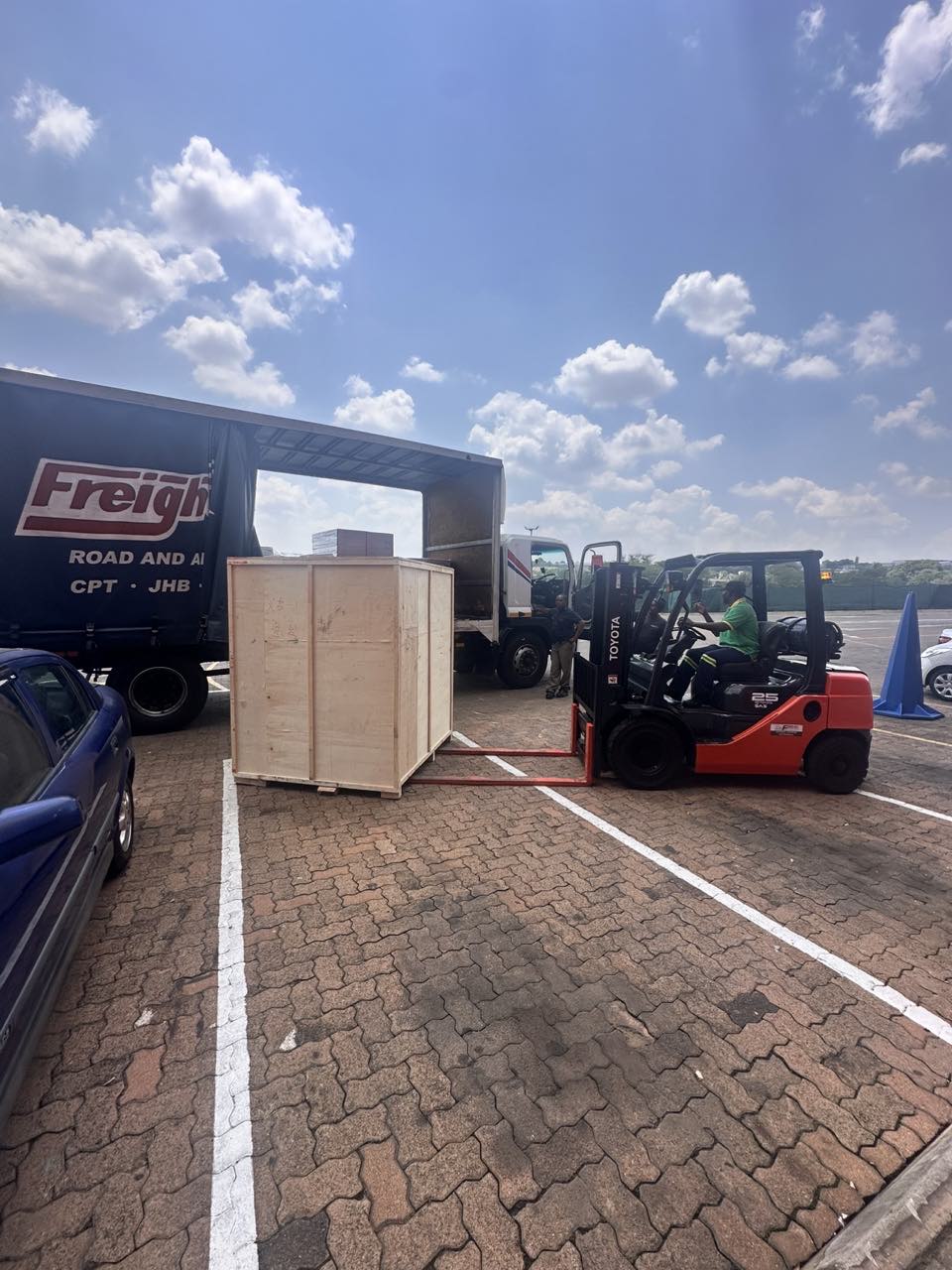
order collection
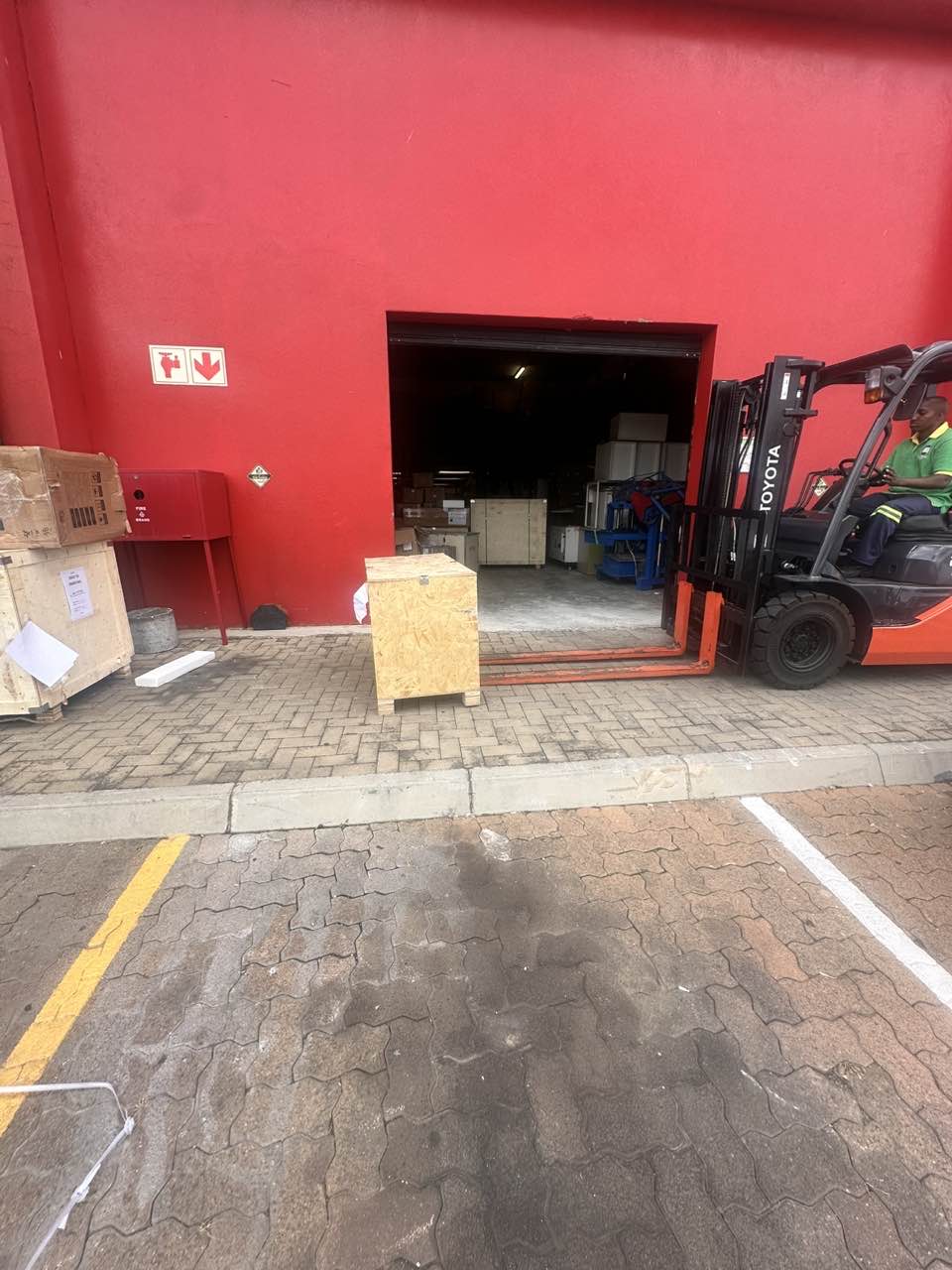
order offloading