B21, China Town Mall, Midrand

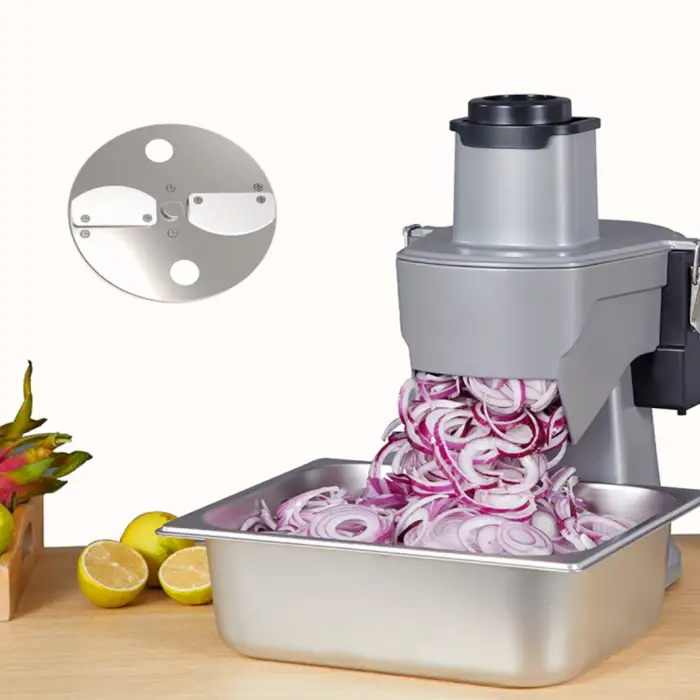
Restaurant Use Commercial Vegetable Slicer

- Section : Machinery
- Category : Food & Beverage Machinery
- SKU : 1600888642398

Restaurant Use Commercial Vegetable Slicer
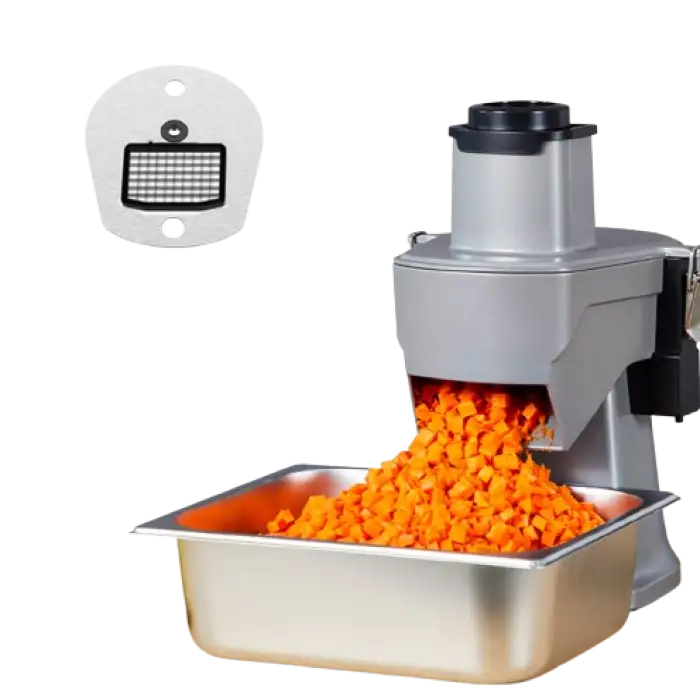
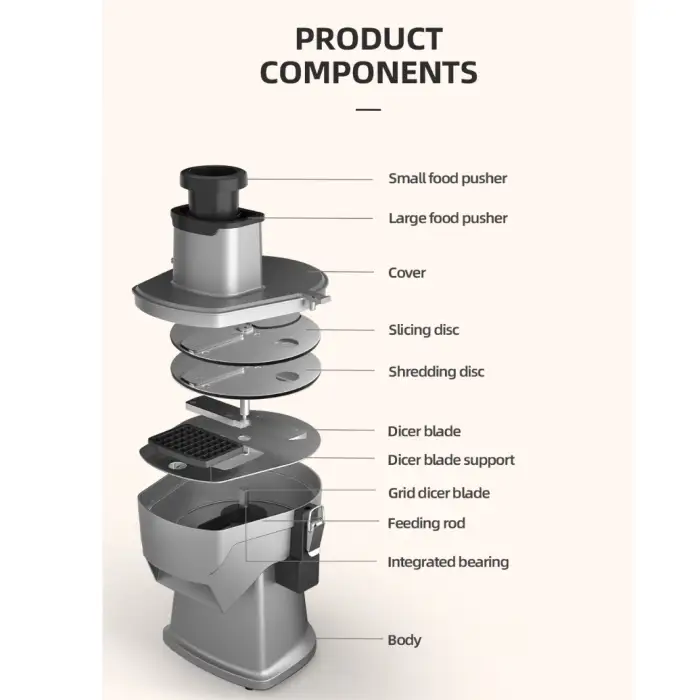
The Restaurant Use Commercial Vegetable Slicer is designed to make your kitchen work easier and faster. This machine is perfect for slicing, dicing, and cutting vegetables and fruits. With its strong motor and multifunctional capabilities, it can handle high volumes of food quickly. It is ideal for busy kitchens in hotels and fast food restaurants, ensuring you serve fresh and perfectly cut ingredients every time.
Specifications
| Attribute | Details |
|---|---|
| Model | GJ817 |
| Power | 200 W |
| Voltage | 100-120 V or 220-240 V |
| Weight | 7 kg |
| Dimensions | 251 x 247 x 387 mm |
| Capacity | 100-300 kg/h |
| Function | Cutting, Slicing, Dicing |
| Noise Level | Lower Noise Level |
Key Features
- Multifunctional: Cuts, slices, and dices fruits and vegetables.
- High Capacity: Processes 100-300 kg of food per hour.
- Low Noise: Operates quietly for a better kitchen environment.
- Compact Design: Fits easily in any kitchen space.
Applications
- Fast Food Restaurants
- Hotels
- Catering Services
- Food Processing Plants
Product Info Gallery
- Shipping Timeframes: All orders are processed within 2-5 business days (excluding weekends and holidays). After your order has been processed, the estimated delivery time is before 25 Dec, 2025, depending on customs, Please note that due to high demand, some items may experience longer shipping times, which will be communicated at order confirmation email.
- Order Processing Time: Please allow 2-5 business days for us to process your order before it is shipped . Orders placed after 16:00 on Fridays, or during weekends and public holidays, will begin processing on the next business day. Processing times may be extended during peak seasons or sales events.
- Manufacturing Time: Some products needs manufacturing time, the manufacturing process will take approximately 10-30 business days depending on the product. This timeframe may vary depending on the complexity of the product and current demand. but this will be communicated with you during order confirmation.
- Returns and Exchanges: We offer a 30-day return policy for most items. If you are not completely satisfied with your purchase, you may return it within 30 days of receipt for a refund or exchange. Items must be unused, in their original packaging, and accompanied by proof of purchase. Return shipping costs are the responsibility of the customer, unless the item was damaged or defective upon arrival.
1. What is the Restaurant Use Commercial Vegetable Slicer designed for?
It’s a heavy-duty cutting machine built for restaurants, cafeterias and other commercial kitchens to quickly slice, dice, julienne and grate vegetables like carrots, potatoes, cucumbers and onions.
2. Which vegetables can this cutter handle?
Common vegetables include carrots, potatoes, cucumbers, onions, cabbage, zucchini and similar firm or semi-firm produce. Very soft or bulky items may not process as well—refer to the model’s guidance.
3. What cutting styles does the machine offer?
Most multi-function commercial models offer slices, dices, julienne strips and grating. Some interchangeable blade sets may also allow crinkle cuts or different thickness settings—check the included blade options.
4. Is this machine suitable for high-volume restaurant use?
Yes. Commercial vegetable cutters are built for continuous use and higher throughput than household devices. Actual suitability depends on the model’s rated capacity—match the specs to your kitchen’s volume.
5. Is the slicer electric or manual?
Commercial models are typically electric for speed and consistency. Product listings will specify single-phase or three-phase motors; manual versions exist but are uncommon for restaurant use.
6. What are the electrical requirements?
Power requirements vary by model and market (e.g., 110–120V, 220–240V, single- or three-phase). Always confirm the specific voltage, frequency and amperage on the product spec sheet or nameplate before purchase or installation.
7. What materials are used in construction?
Commercial units generally feature stainless steel housings and food-grade, corrosion-resistant blades to meet hygiene standards and provide durability in busy kitchens.
8. Are the blades removable and replaceable?
Yes. Blades and cutting plates are usually removable for cleaning and replacement. Spare or alternate blade sets are commonly available from the manufacturer or supplier.
9. How do I clean and sanitize the machine?
Turn off and unplug the unit, disassemble removable parts (blades, trays, pushers) and wash with warm soapy water, rinse and sanitize with a food-safe sanitizer. Never immerse the motor housing; wipe it down with a damp cloth. Follow the manufacturer’s cleaning instructions.
10. What safety features should I expect?
Typical safety features include safety interlocks that prevent operation when covers are open, non-slip feet, a feed pusher to keep hands away from blades and an emergency stop switch on some models. Always follow operator safety procedures.
11. How often does the machine require maintenance?
Daily cleaning and visual inspection are recommended. Periodic maintenance such as blade sharpening/replacement, checking fasteners and inspecting electrical connections should follow the manufacturer’s schedule—often monthly or quarterly depending on use.
12. Can the machine process peeled and unpeeled vegetables?
It can process both, but results depend on the product and desired finish. For best results and to protect blades, many kitchens peel root vegetables before cutting. Follow the manufacturer’s guidance for specific produce.
13. Are spare parts and accessories available?
Yes. Blades, pushers, feed trays and sometimes additional blade sets are usually available as replacement parts or accessories. Purchase through the manufacturer, authorized dealers or trusted parts suppliers.
14. What warranty and after-sales support are provided?
Warranty terms vary by manufacturer and seller; many commercial machines carry a limited warranty (commonly 1 year) on parts and workmanship. Check the product listing or contact the seller for exact warranty, service and parts-support details.
15. How do I choose the right model for my kitchen?
Match the machine to your expected daily volume, desired cutting functions (slice/dice/julienne), available space and electrical supply. Consider build quality (stainless steel), ease of cleaning, availability of spare blades and local service/support before purchasing.
Latest Order Arrivals
Discover our latest orders
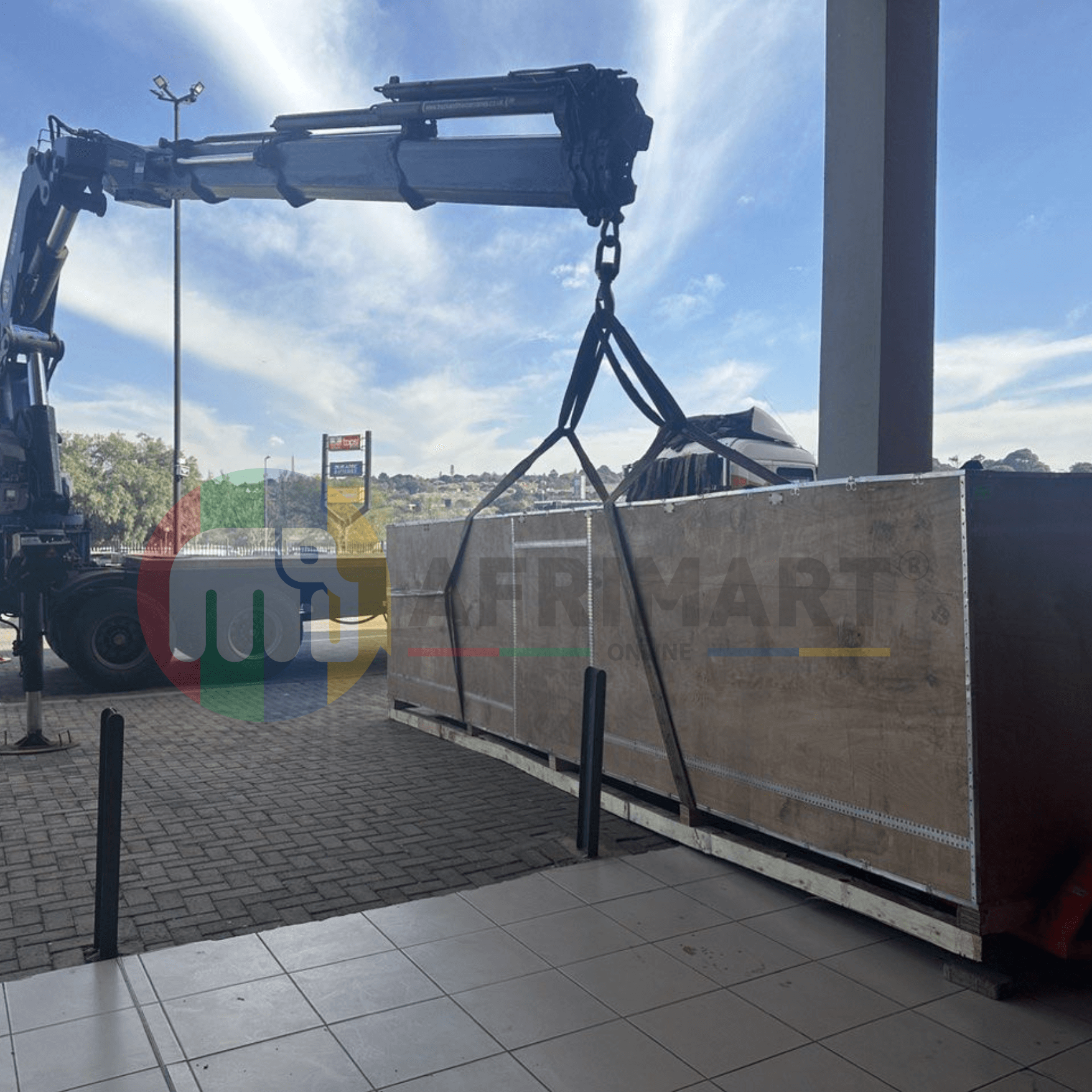
12 Heads Embroidery Machine
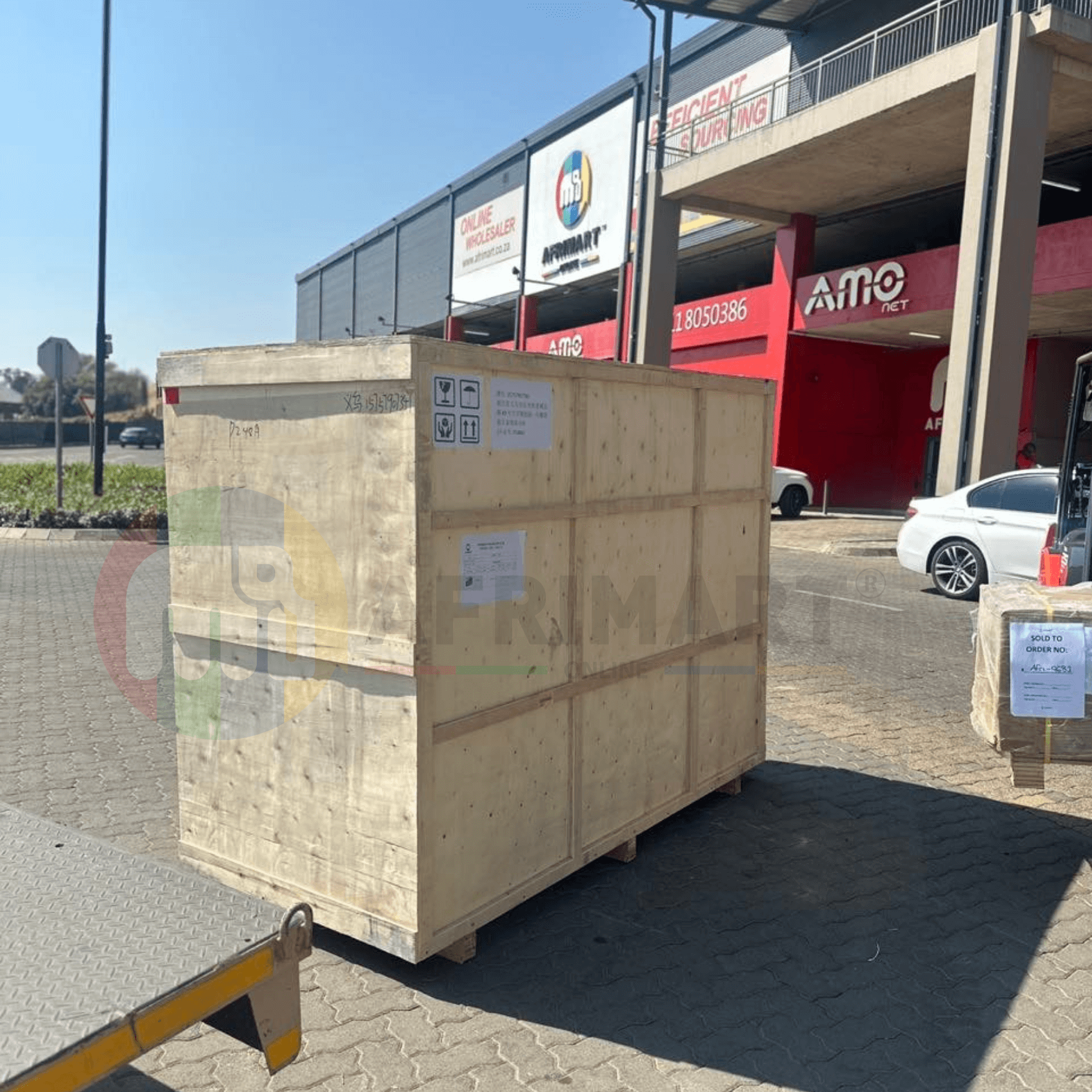
Dewatering Pump Machine

Order Collection
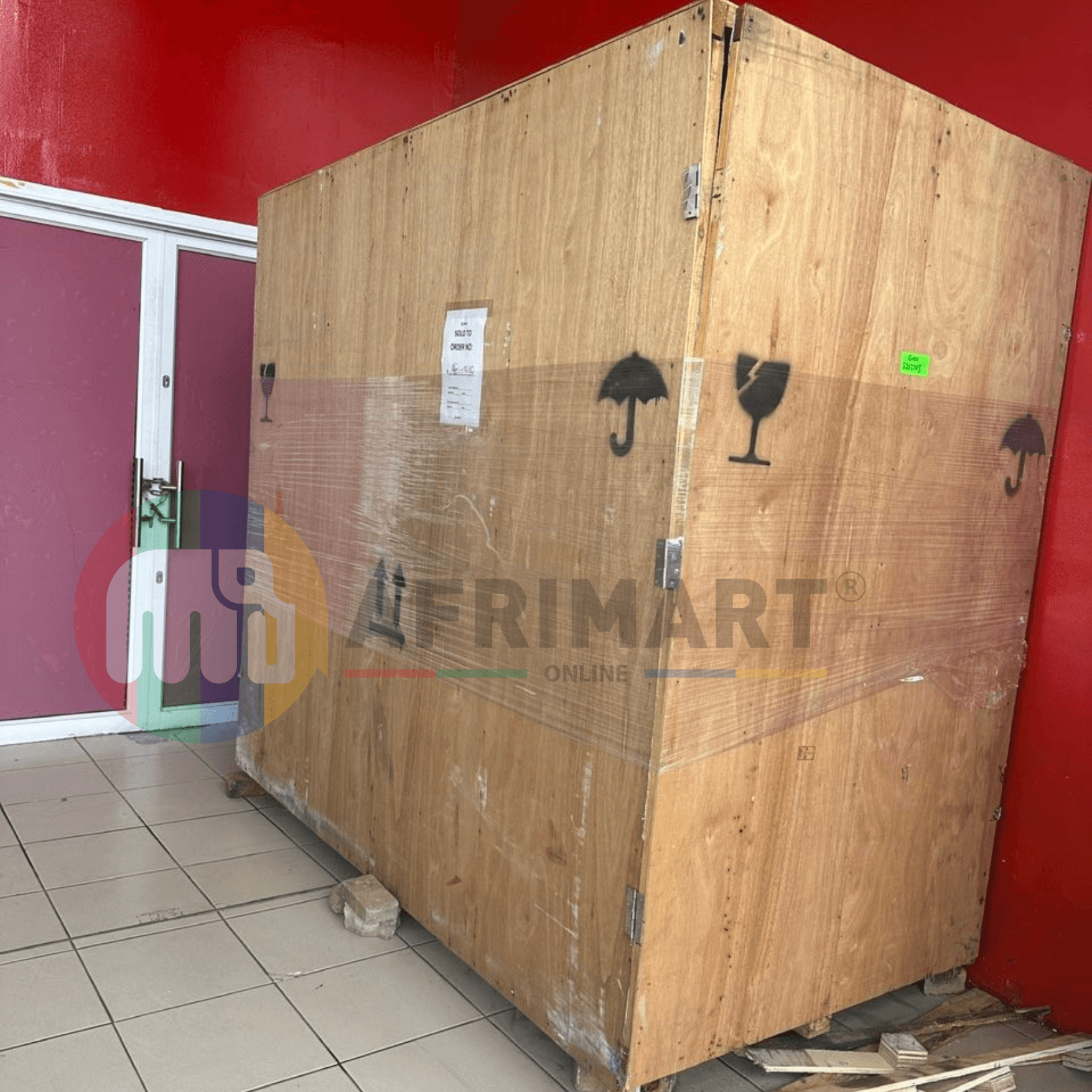
Portable Water Drilling Rig
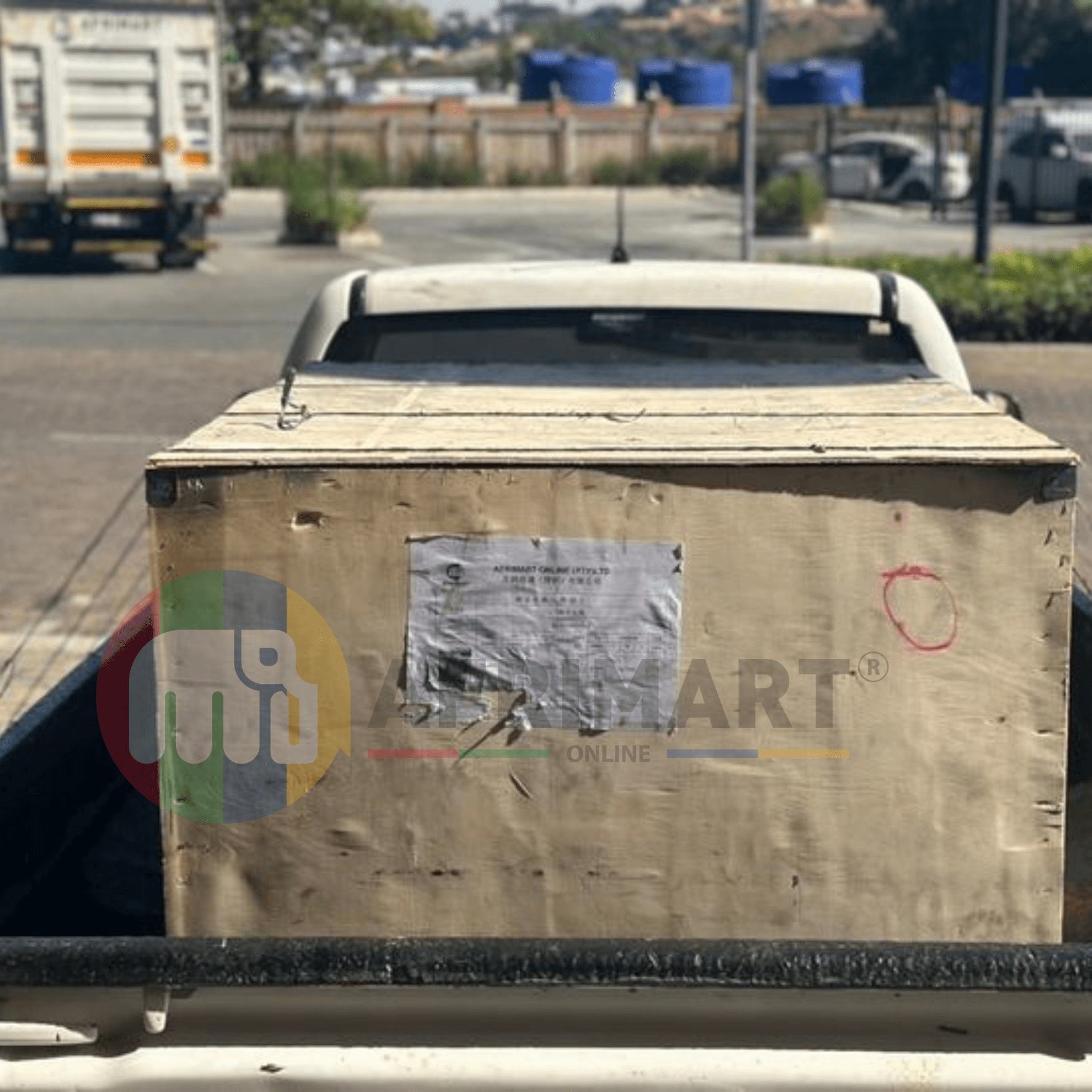
Order Usefully Collected

Batch of Orders
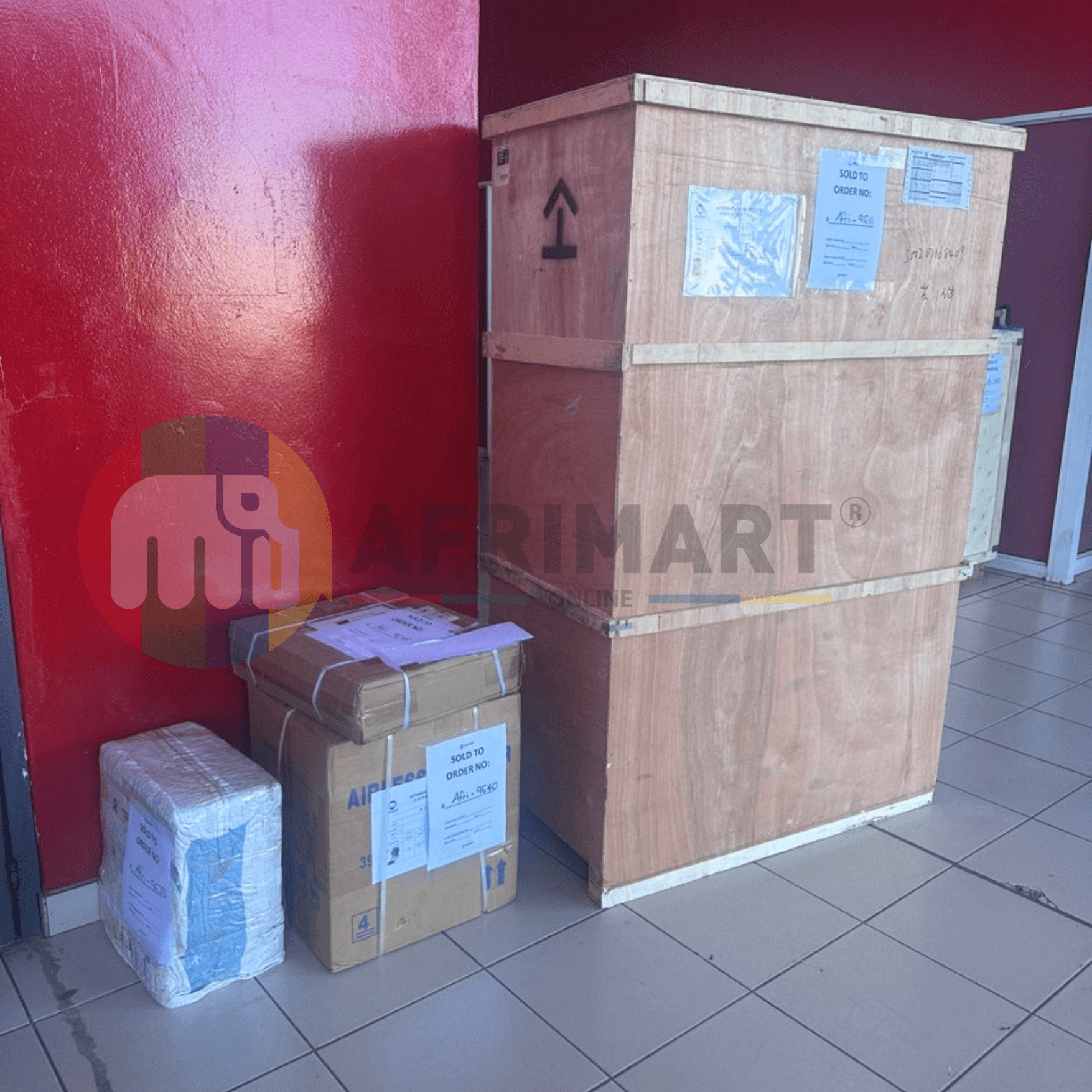
Agriculture Processing Machines
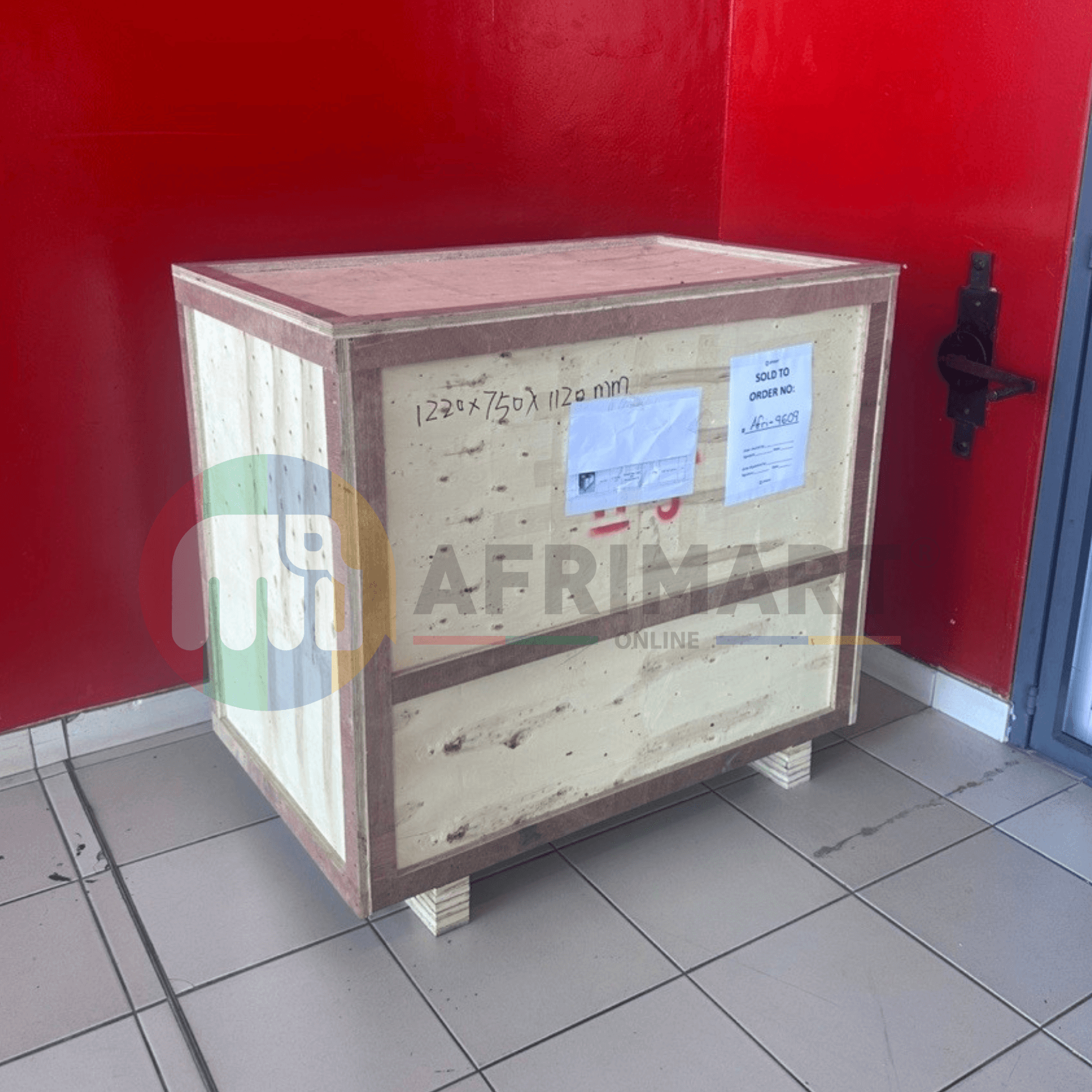
Meat Grinder Machine
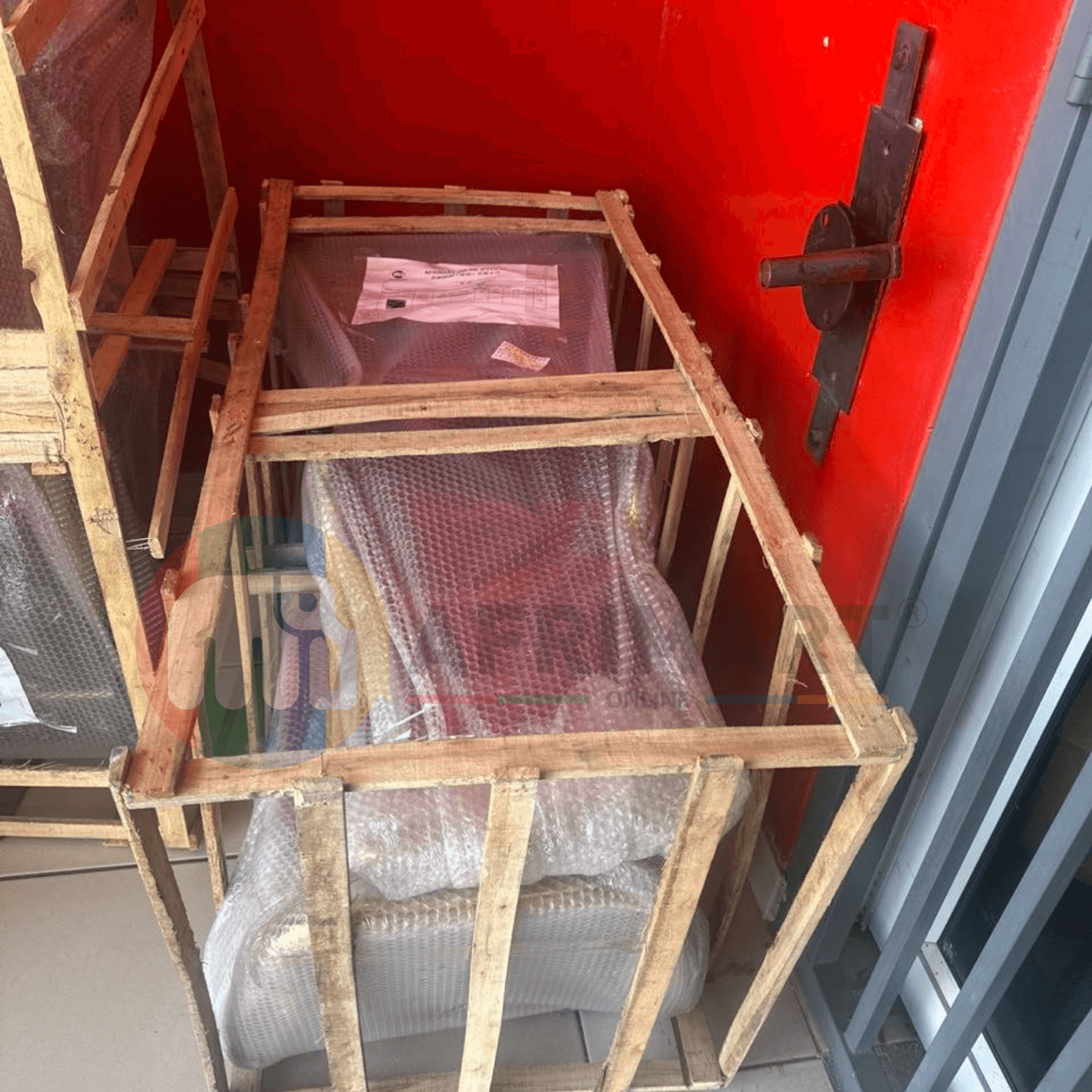
Water Pump Equipment
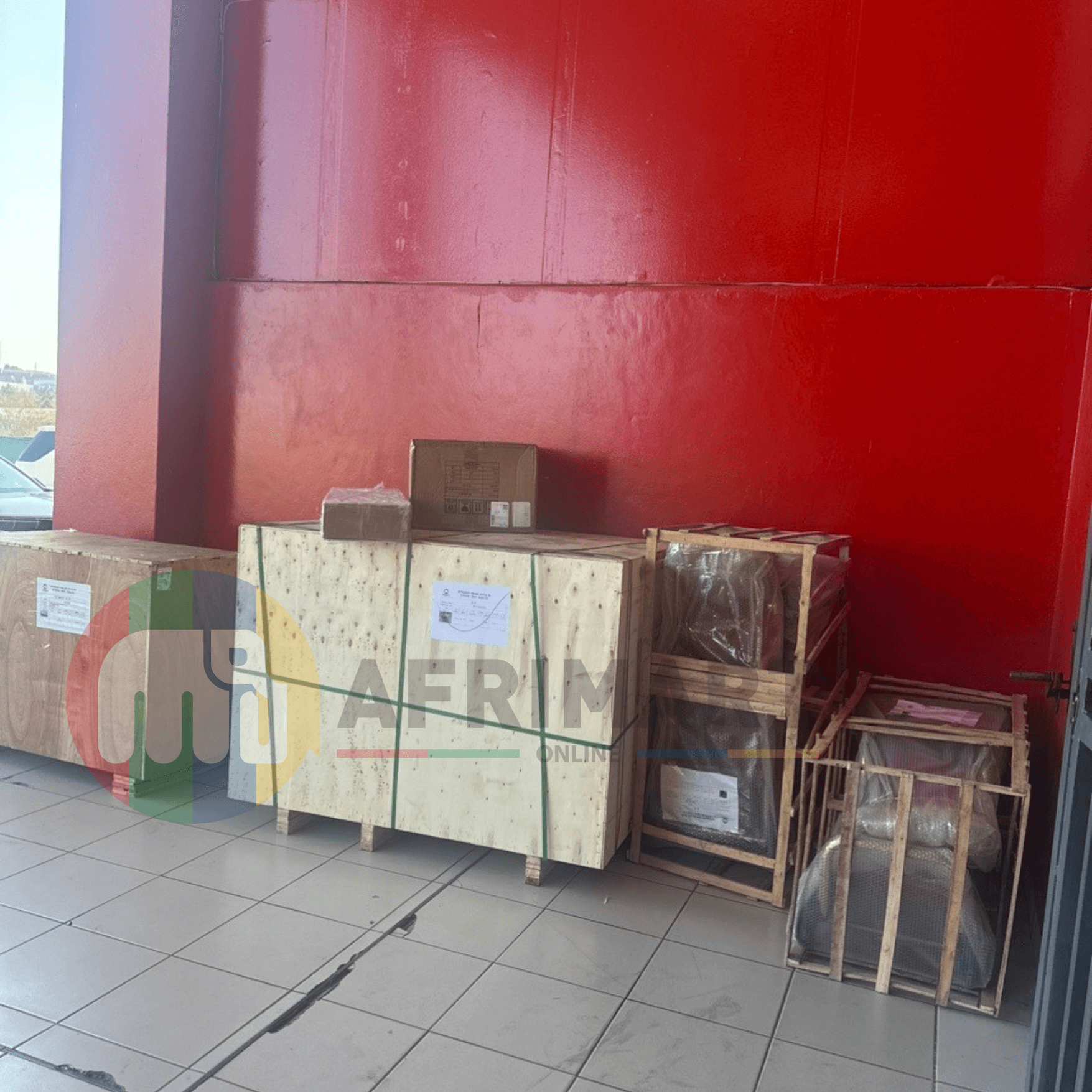
Packaging Machine and accessories
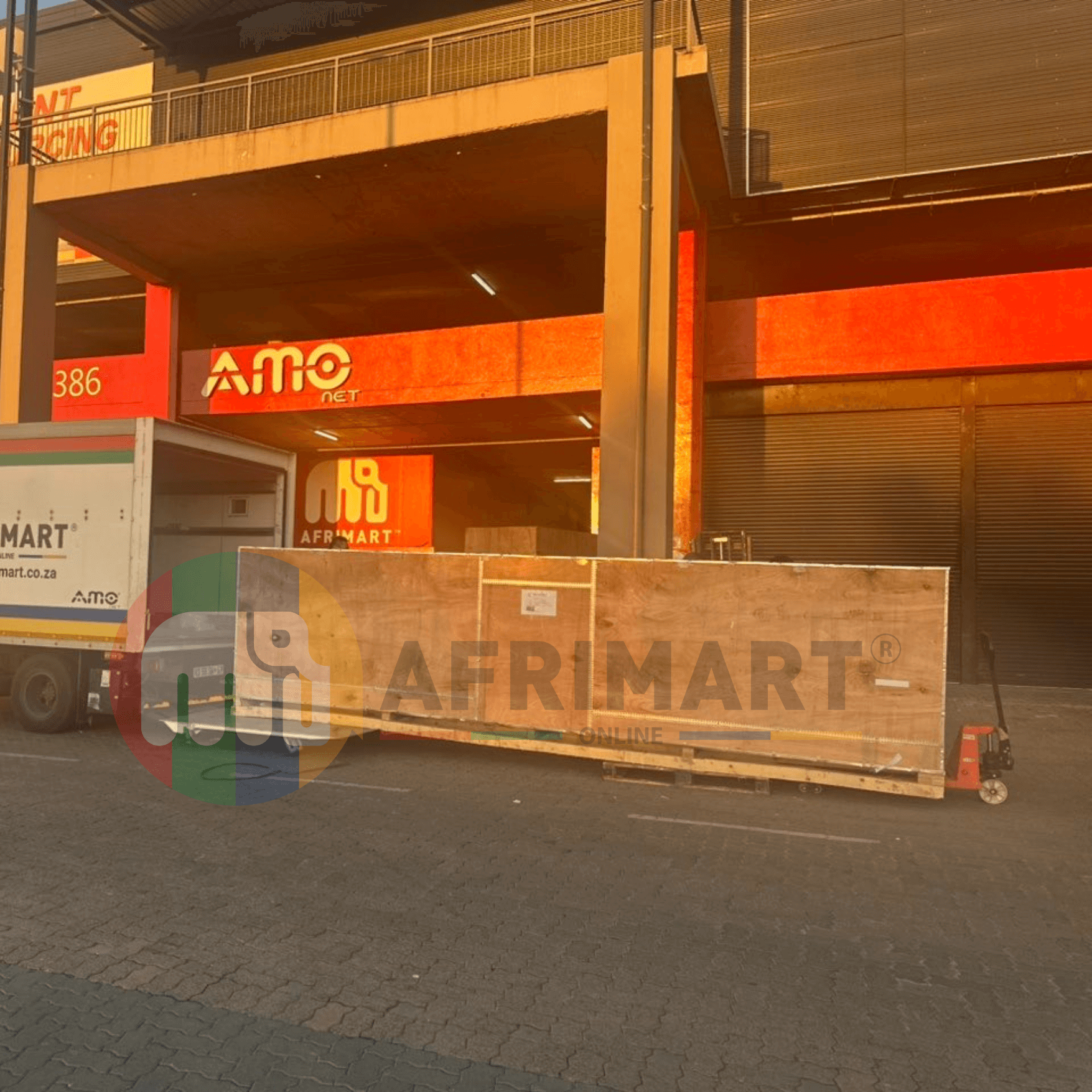
Fabrics Manufacturing Equipment
Mining Equipments

Food Processing Machine
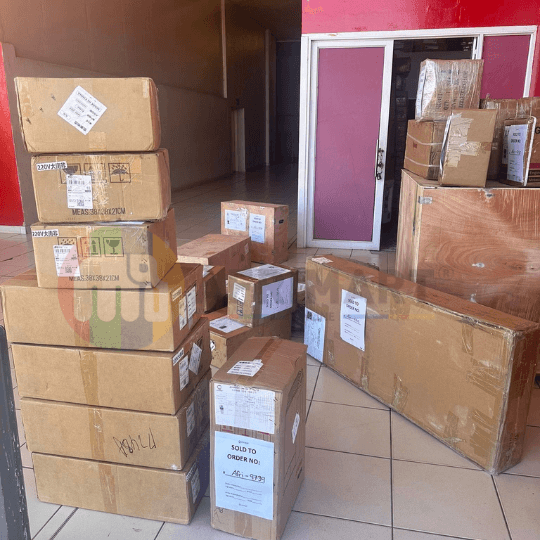
Batch of Orders
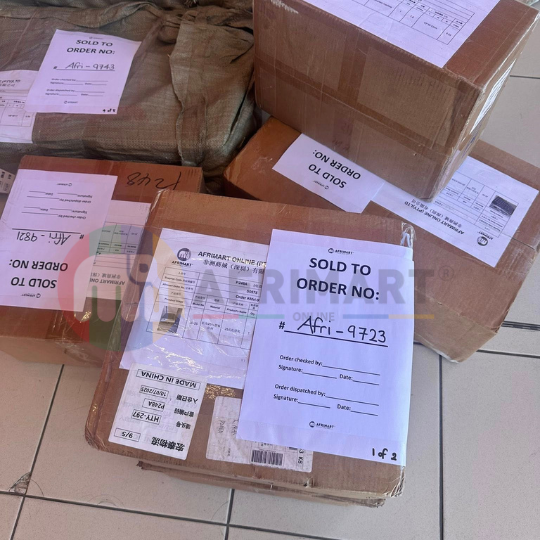
Batch of Orders
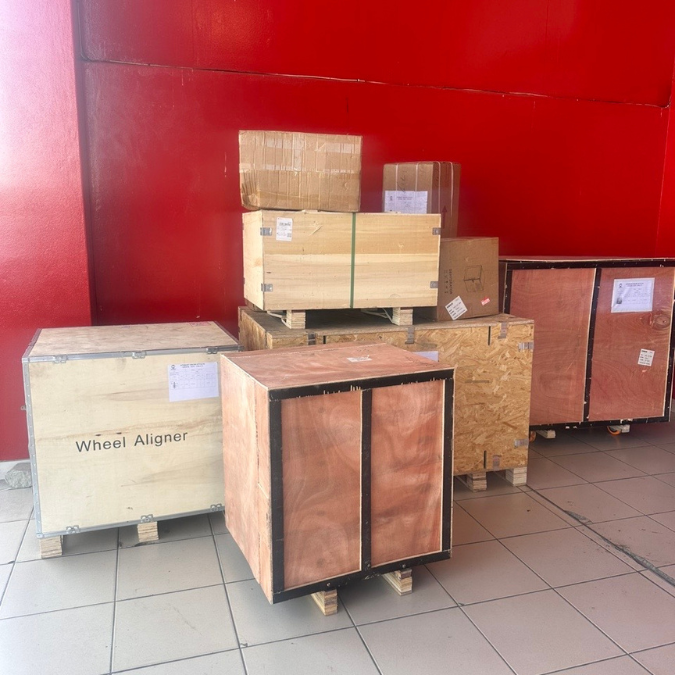
Latest Orders Labelled
wheel alignment machines
new arrivals
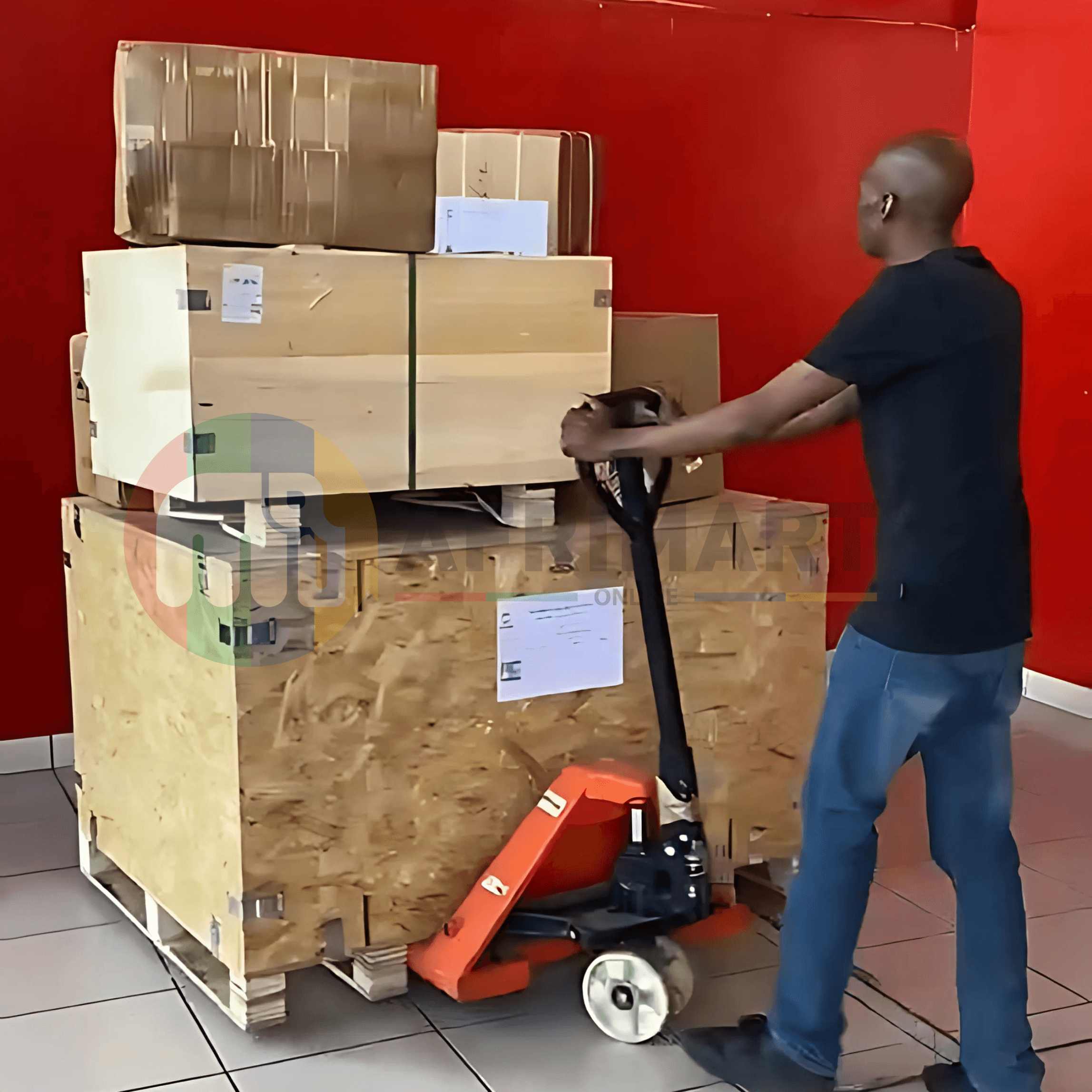
Pre Orders Offloading
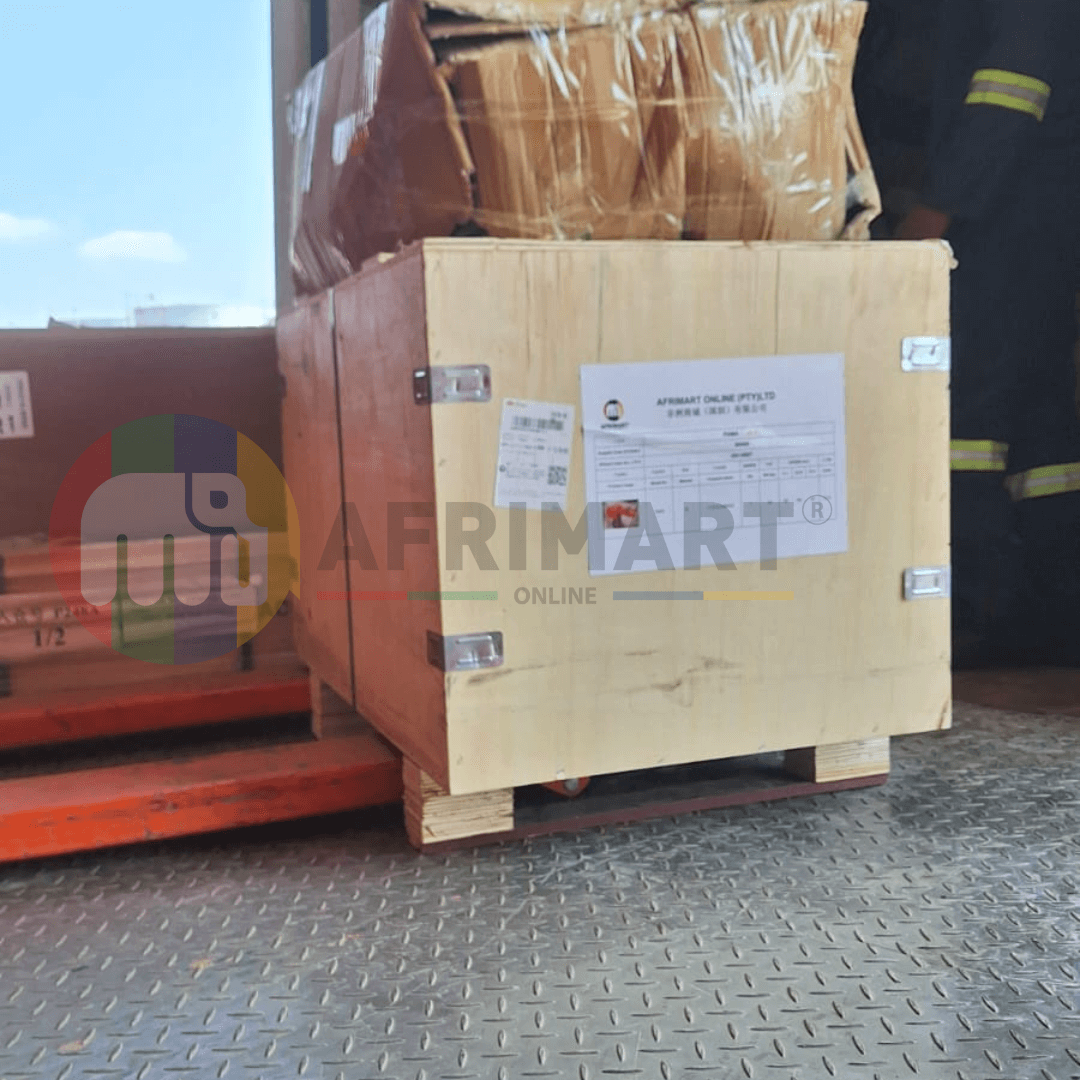
Latest Arrivals
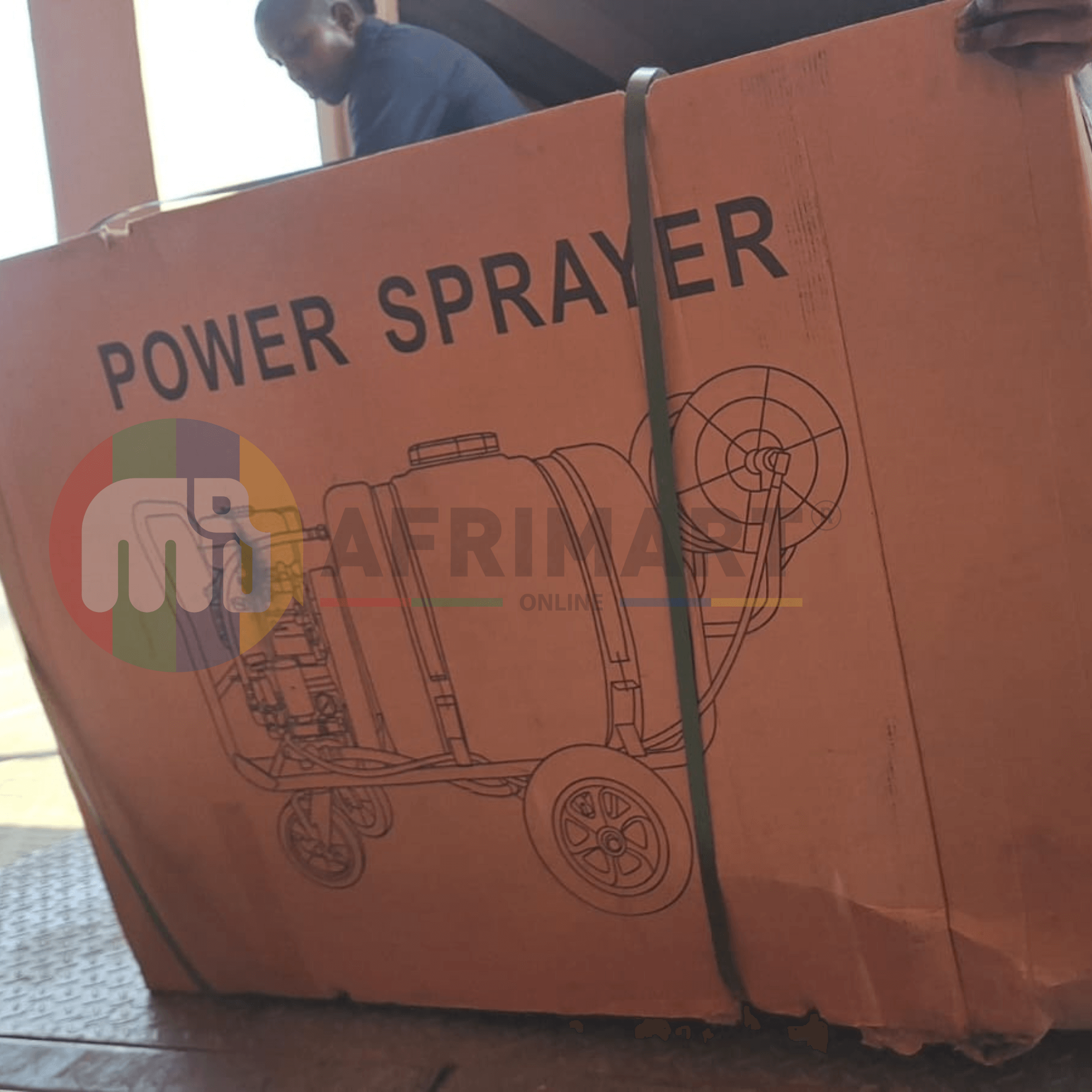
Latest Arrivals