B21, China Town Mall, Midrand


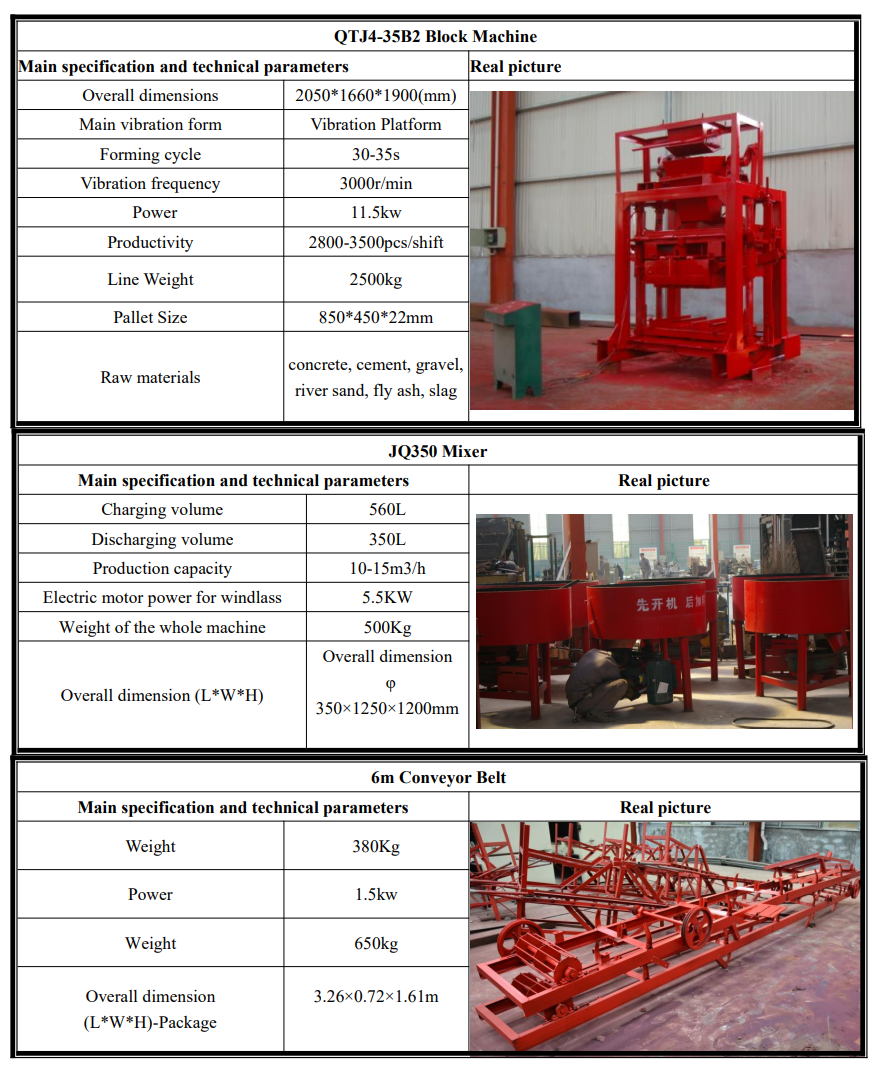
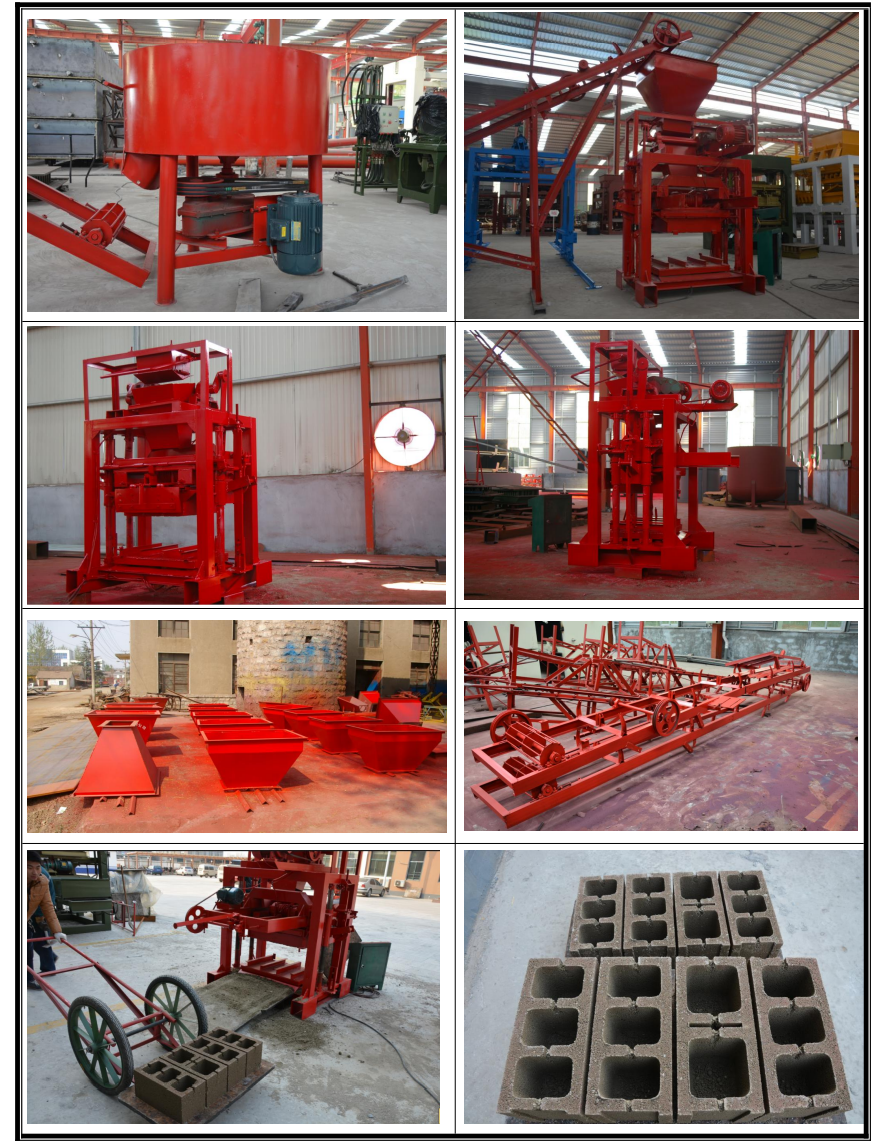
QTJ4-35B2 Brick Line (block machine , JQ350 mixer,6m conveyor bet, and 2sets of trolleys) with 1 Mould
Asset finance available
Do you want funding for this equipment?
Afrimart can connect you with trusted funding partners who specialise in asset finance for businesses like yours. Compare options and apply in minutes — final approval is subject to provider review.
Check funding options
Secure & no obligation
- Section : Machinery
- Category : Brick Making Machinery
- SKU : 62236634485

Product Description
- Shipping Timeframes: All orders are processed within 2-5 business days (excluding weekends and holidays). After your order has been processed, the estimated delivery time is before 02 Sep, 2026, depending on customs, Please note that due to high demand, some items may experience longer shipping times, which will be communicated at order confirmation email.
- Order Processing Time: Please allow 2-5 business days for us to process your order before it is shipped . Orders placed after 16:00 on Fridays, or during weekends and public holidays, will begin processing on the next business day. Processing times may be extended during peak seasons or sales events.
- Manufacturing Time: Some products needs manufacturing time, the manufacturing process will take approximately 10-30 business days depending on the product. This timeframe may vary depending on the complexity of the product and current demand. but this will be communicated with you during order confirmation.
- Returns and Exchanges: We offer a 30-day return policy for most items. If you are not completely satisfied with your purchase, you may return it within 30 days of receipt for a refund or exchange. Items must be unused, in their original packaging, and accompanied by proof of purchase. Return shipping costs are the responsibility of the customer, unless the item was damaged or defective upon arrival.
1. What is included in the QTJ4-35B2 Brick Line package?
The line typically includes the QTJ4-35B2 block machine, a JQ350 pan mixer, a 6 m conveyor belt, two sets of trolleys, and one mould. Accessories such as control panel, hydraulic unit and standard toolkits are normally supplied as well.
2. What is the production capacity of this brick/block line?
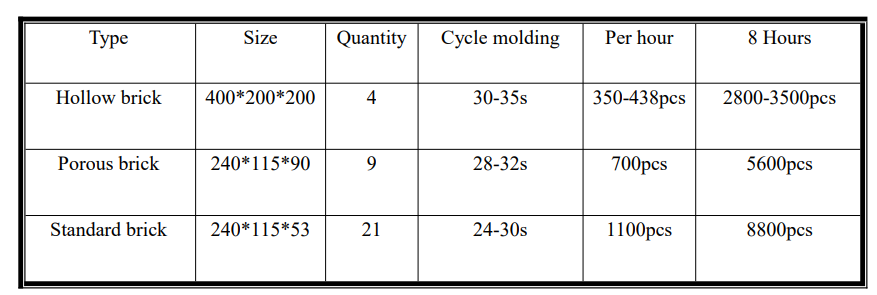
Capacity depends on block size, mould cavity and raw material mix. Typical output ranges from several hundred to a few thousand standard hollow blocks per 8-hour shift. For an accurate rate please provide the required block dimensions and mould configuration.
3. Which block types and sizes can be produced with the supplied mould?
With the supplied mould you can produce the block types and sizes the mould is configured for (e.g., hollow blocks, solid blocks, paver bricks). Moulds are usually custom or changeable — provide the desired block dimensions to confirm feasibility or to request additional moulds.
4. Can I order additional moulds or mould cavities?
Yes. Additional moulds and different cavity configurations are normally available as optional items. Lead time and cost depend on the mould design and complexity.
5. What raw materials are suitable for this brick line?
Common raw materials include cement, sand, crushed stone/aggregates, fly ash and other mineral fillers. Exact mixtures depend on the product being made — your supplier can advise mix designs for target strength and appearance.
6. What are the electrical and power requirements?
Power depends on the exact configuration and local electrical standards. Typical small/medium block lines use a three-phase supply (e.g., 380–415 V, 50/60 Hz). Total installed power is commonly in the range of tens of kilowatts. Ask the supplier for a precise power list for your selected configuration.
7. What are the machine footprint and shipping dimensions?
Footprint varies by layout; a compact line with a 6 m conveyor normally requires a site length of roughly 8–12 m and a width of 2–4 m. Exact dimensions and gross weights will be provided on the technical drawing for the confirmed order.
8. Is installation, commissioning and operator training provided?
Most suppliers offer installation, commissioning and operator training either included or as an optional service. Clarify whether this is included in your quote and whether travel and accommodation costs are additional.
9. What routine maintenance does the block line need?
Routine tasks include daily cleaning, greasing/lubrication of moving parts, checking hydraulic oil and fasteners, inspecting wear parts (mould faces, conveyor belts, mixer blades) and replacing consumables as required. A maintenance schedule is typically supplied.
10. What spare parts are supplied and how available are replacements?
Supplied spare parts often include basic wear items (seals, bearings, mixer blades, belts) and a toolkit. Suppliers commonly stock replacement parts and can ship them; lead times vary by part and location. It’s recommended to keep a small inventory of high-wear parts on site.
11. What warranty and after-sales support is provided?
Standard warranties are typically 12 months from commissioning for manufacturing defects, with lifetime technical support available. Exact warranty terms vary by supplier — request the written warranty and service policy with your quotation.
12. How long is the lead time from order to delivery?
Lead time depends on production schedules, custom requirements and shipping. Typical manufacturing lead times for similar lines range from 2 to 6 weeks; international shipping will add transit time. Ask your supplier for an estimated delivery schedule.
13. What are the typical payment terms and pricing structure?
Common terms are a deposit (for example 30% by T/T) to confirm the order, balance before shipment or against documents. Pricing depends on selected options (extra moulds, installation, spares). Request a formal quotation for exact pricing and negotiated payment terms.
14. Are certifications or quality standards provided?
Many manufacturers can supply equipment that conforms to ISO or CE standards and can provide test certificates on request. Confirm required certifications with the supplier prior to order.
15. Can the line be customized or upgraded later?
Yes. Common customizations include additional or alternative moulds, automation options, larger mixers, extended conveyors, and different trolley configurations. Discuss upgrade paths and modular options with the supplier when ordering.
Latest Order Arrivals
Discover our latest orders
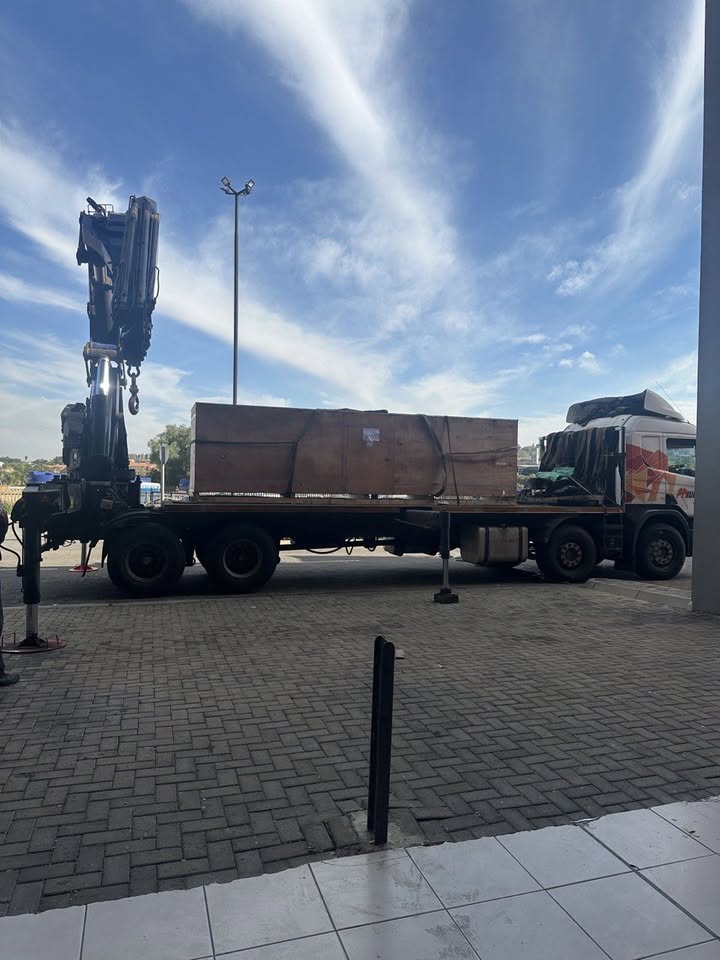
12 Heads Embroidery Machine
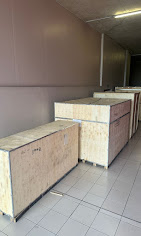
Toilet Paper Machine Machine
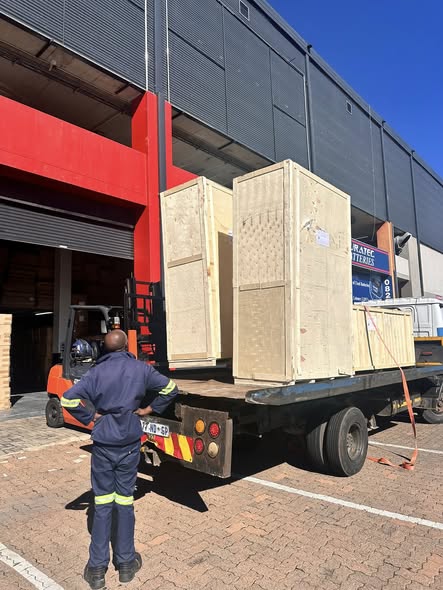
Order Collection
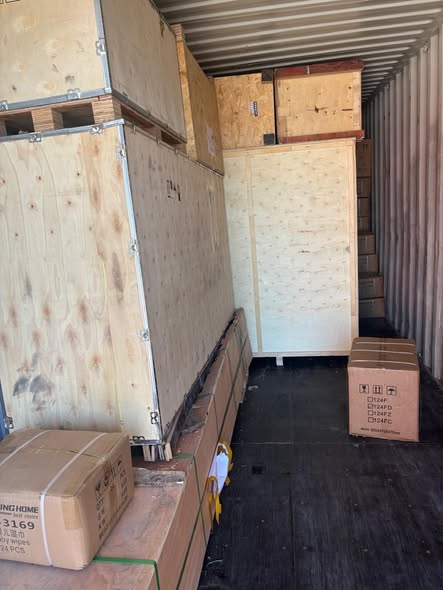
Cross Border Clients
Order cros border countries Collected
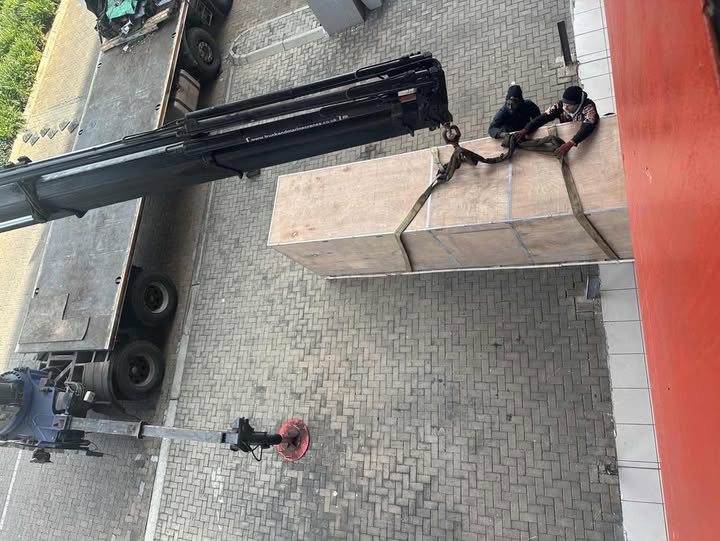
Industrial Machine Cllection
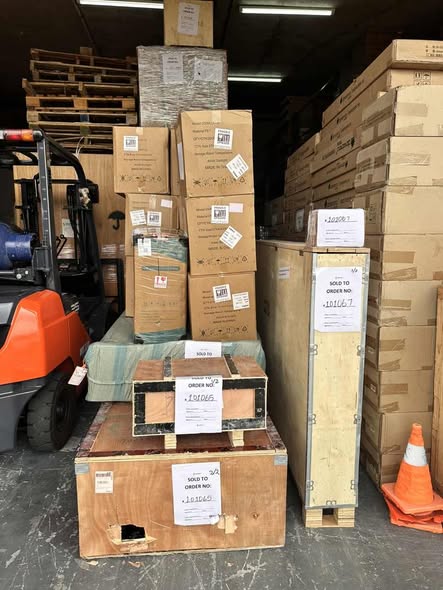
Agriculture Processing Machines
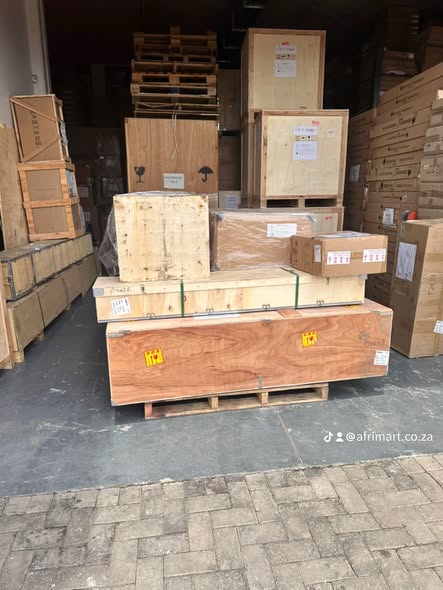
Ready for collection
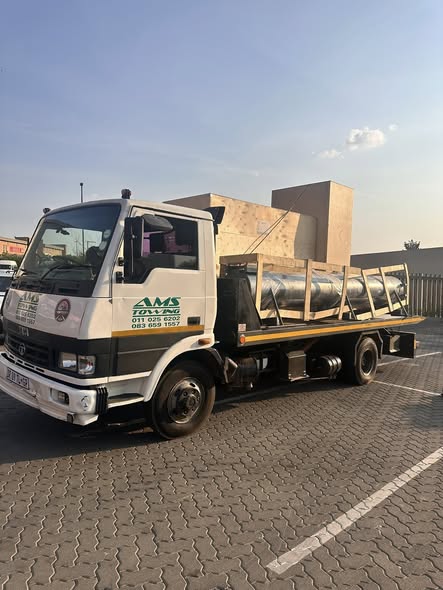
Water Pump Equipment
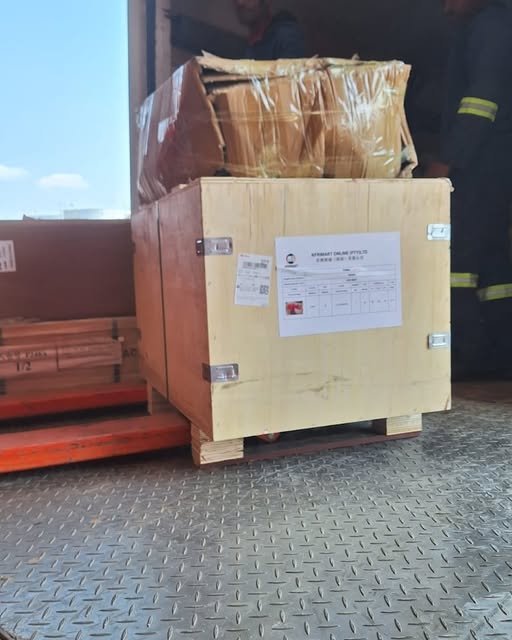
Packaging Machine and accessories
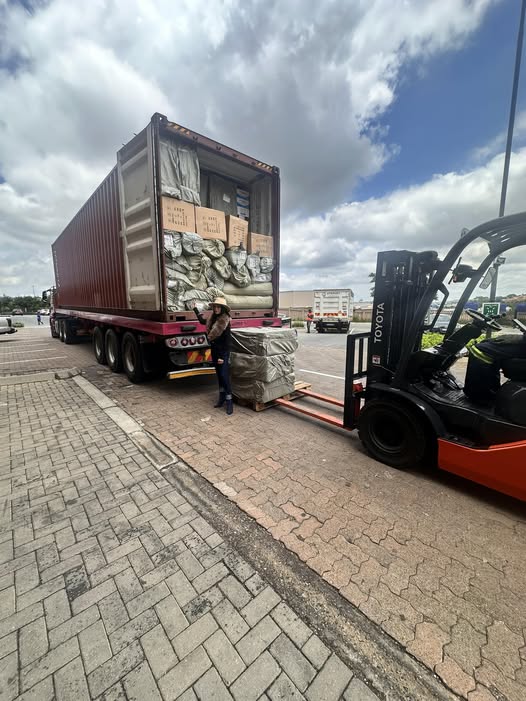
Fabrics Manufacturing Equipment
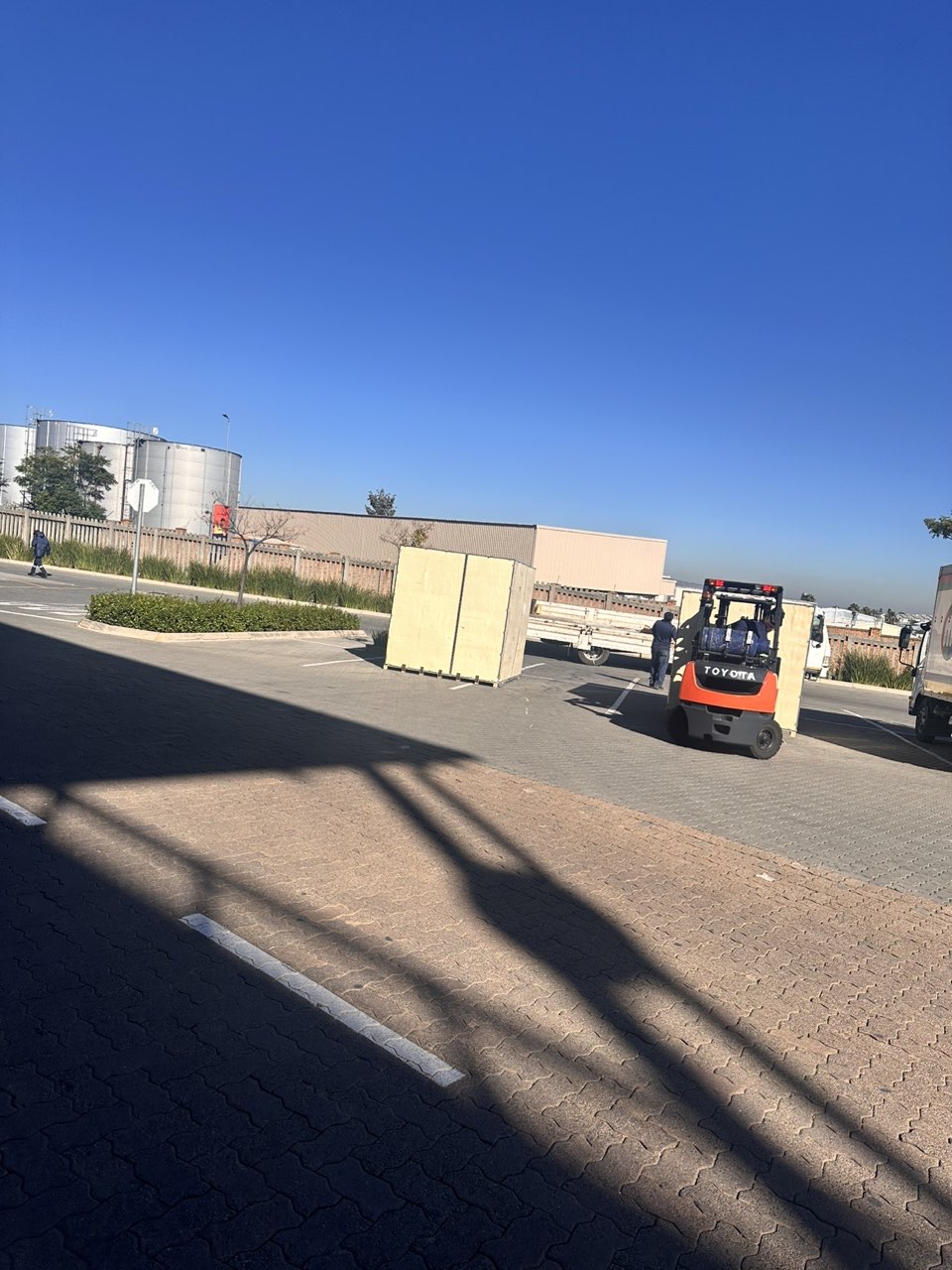
Mining Equipments
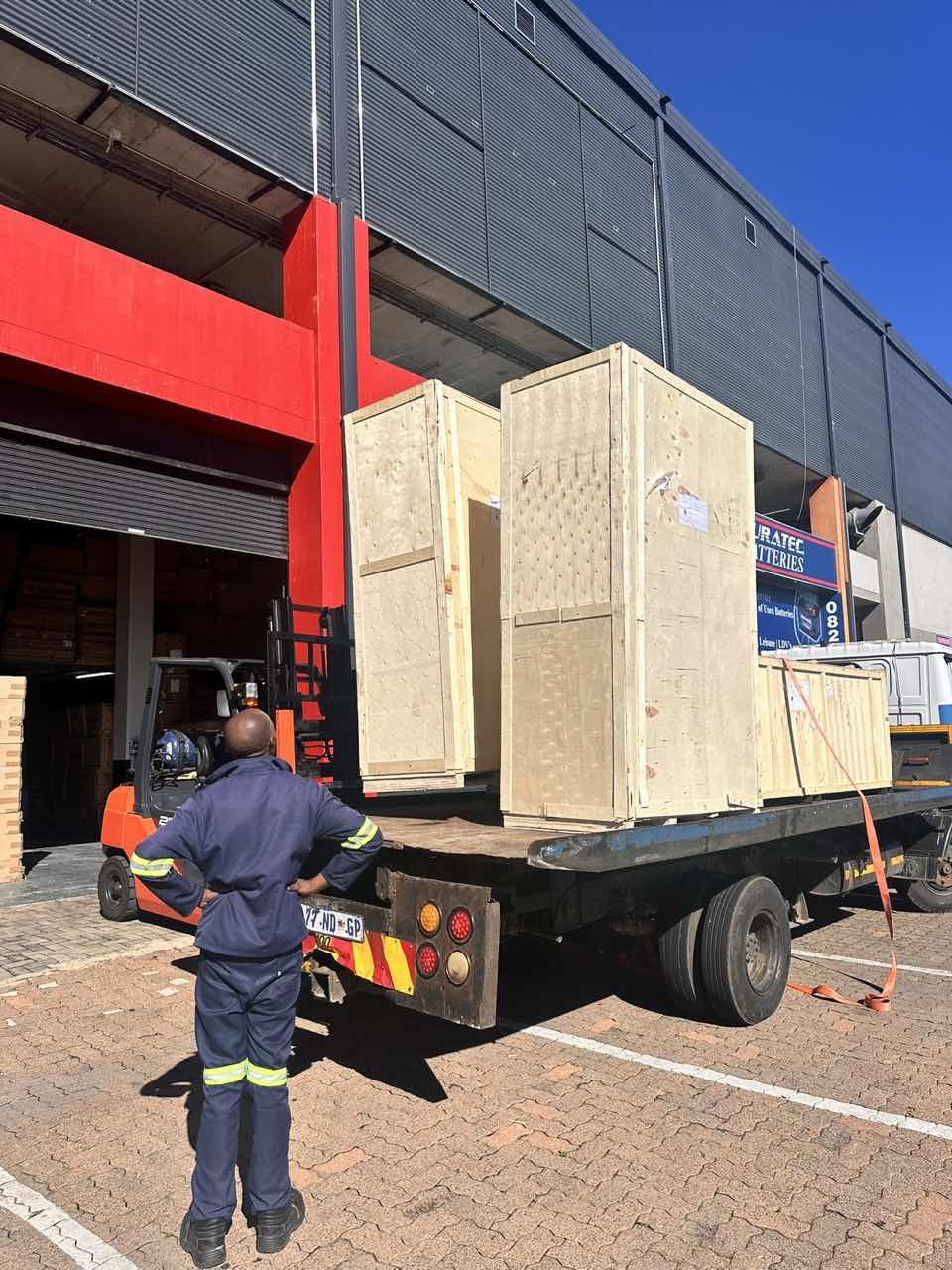
Food Processing Machine
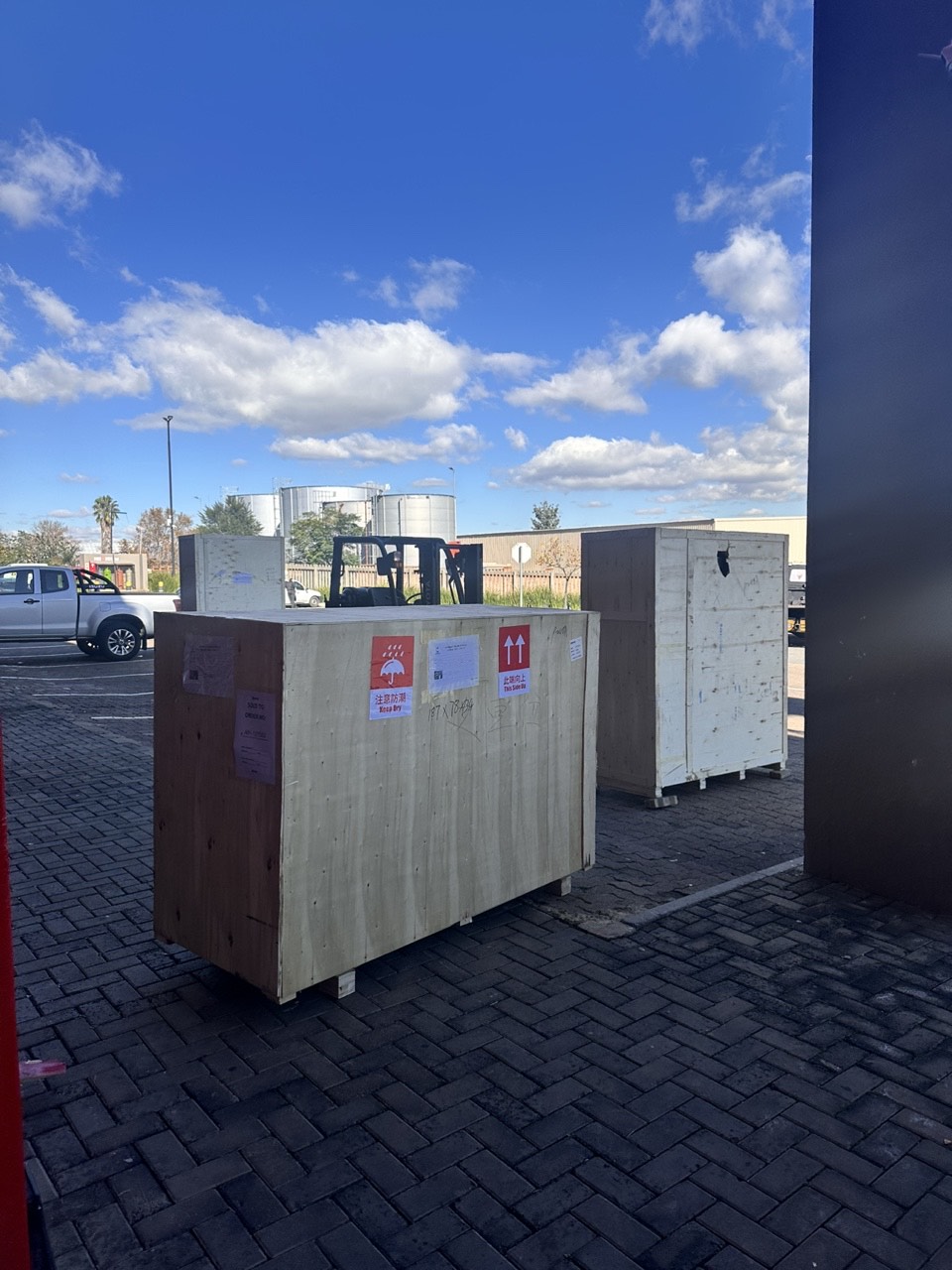
Batch of Orders
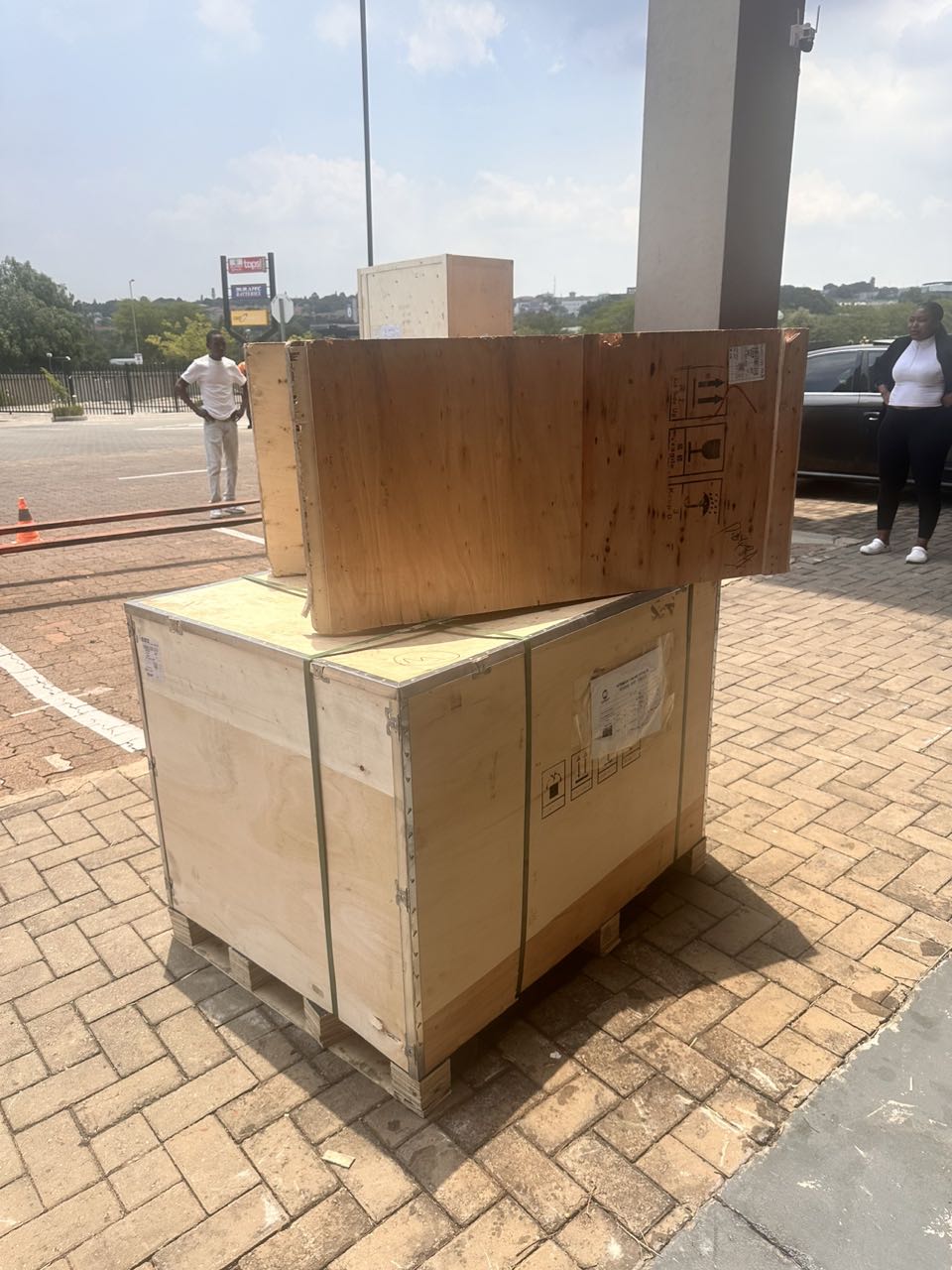
Batch of Orders
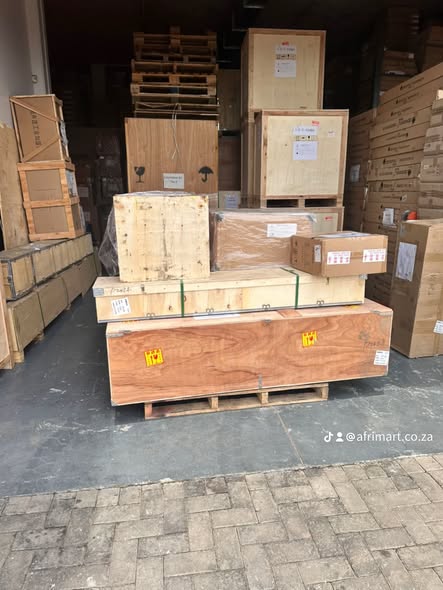
Latest Orders Labelled
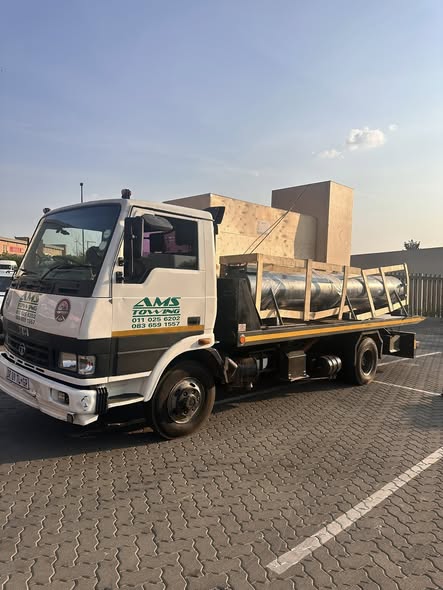
wheel alignment machines
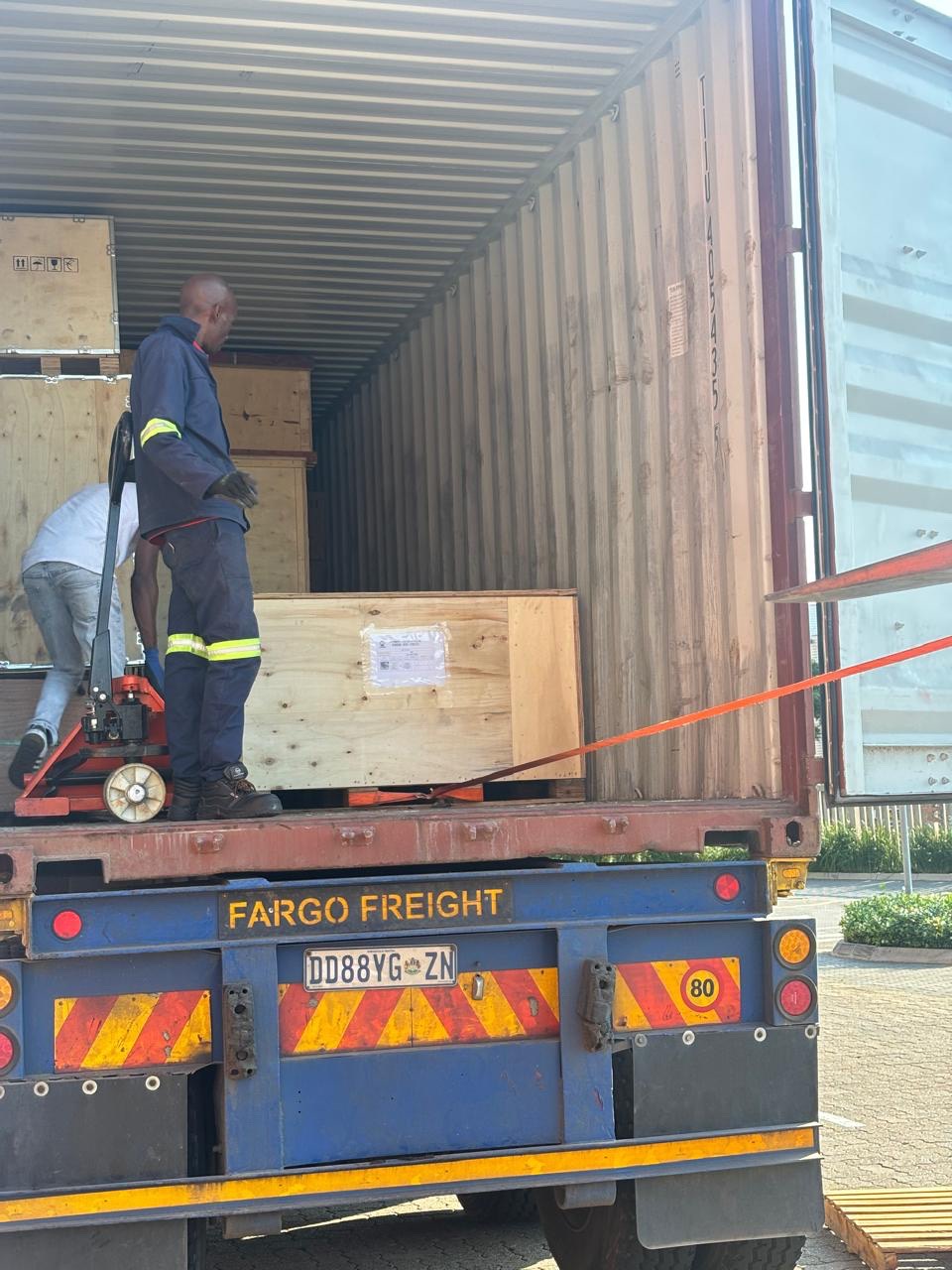
new arrivals
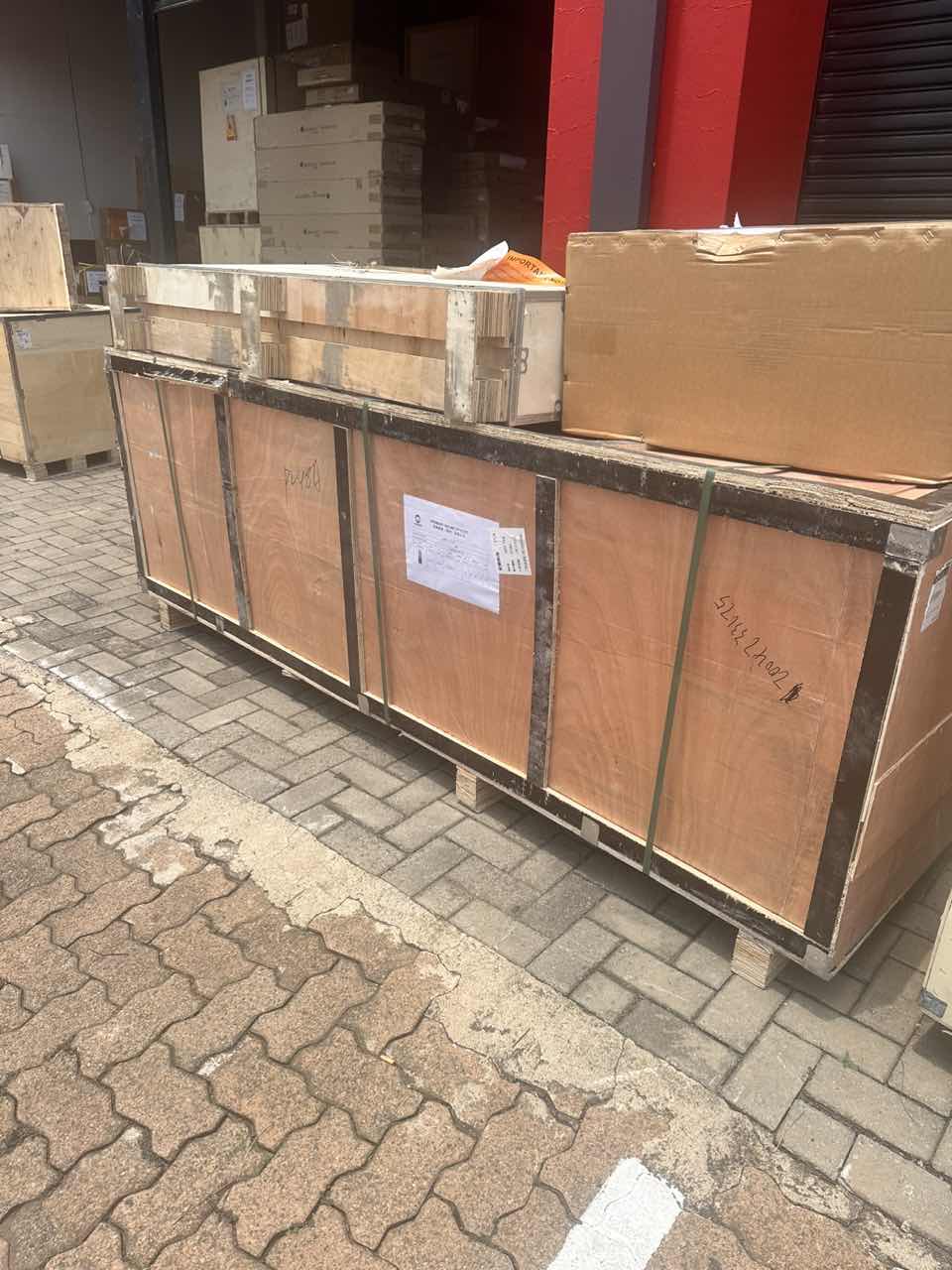
Pre Orders Offloading
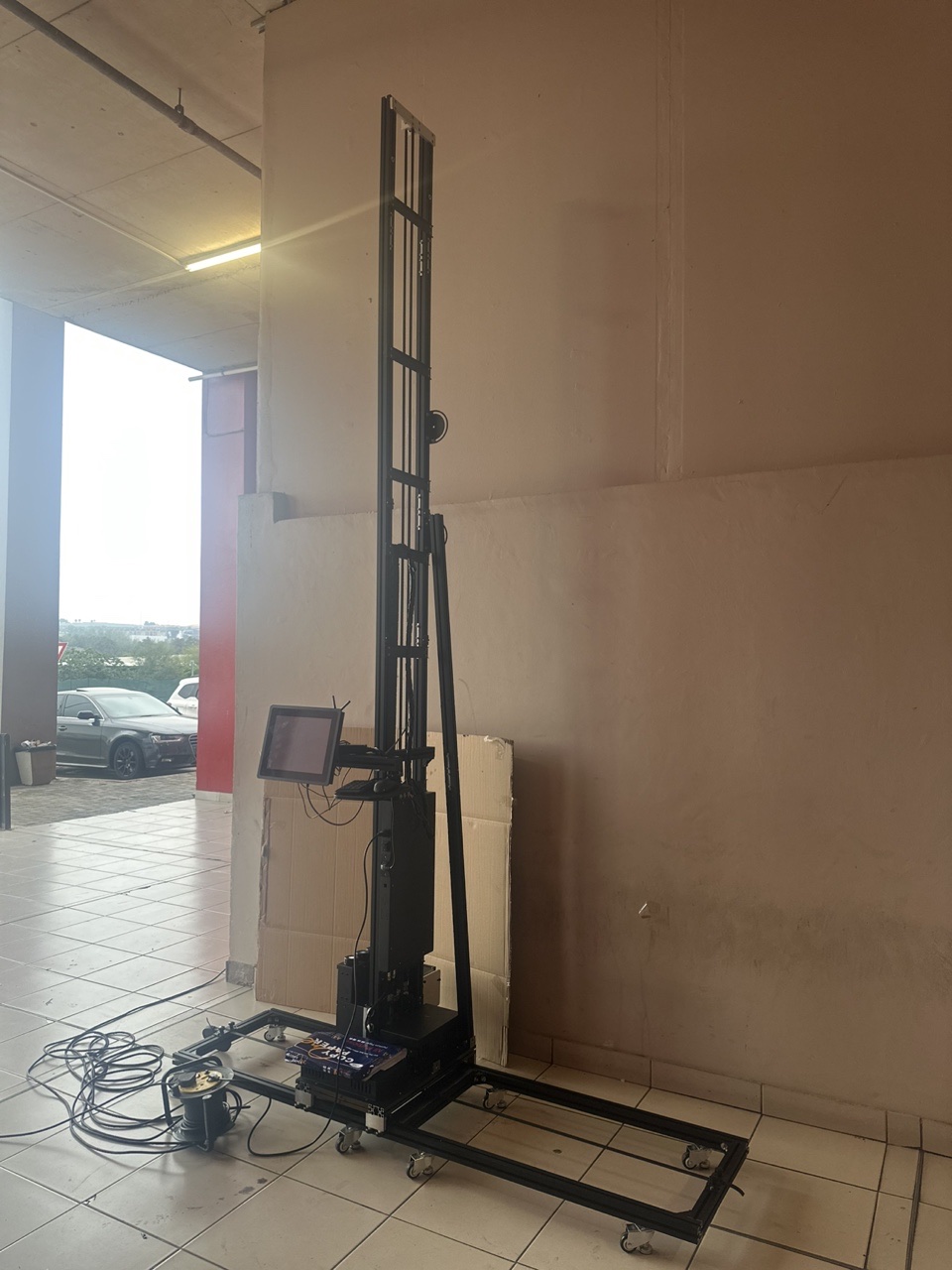
Latest Arrivals
Latest Arrivals
Latest Arrivals
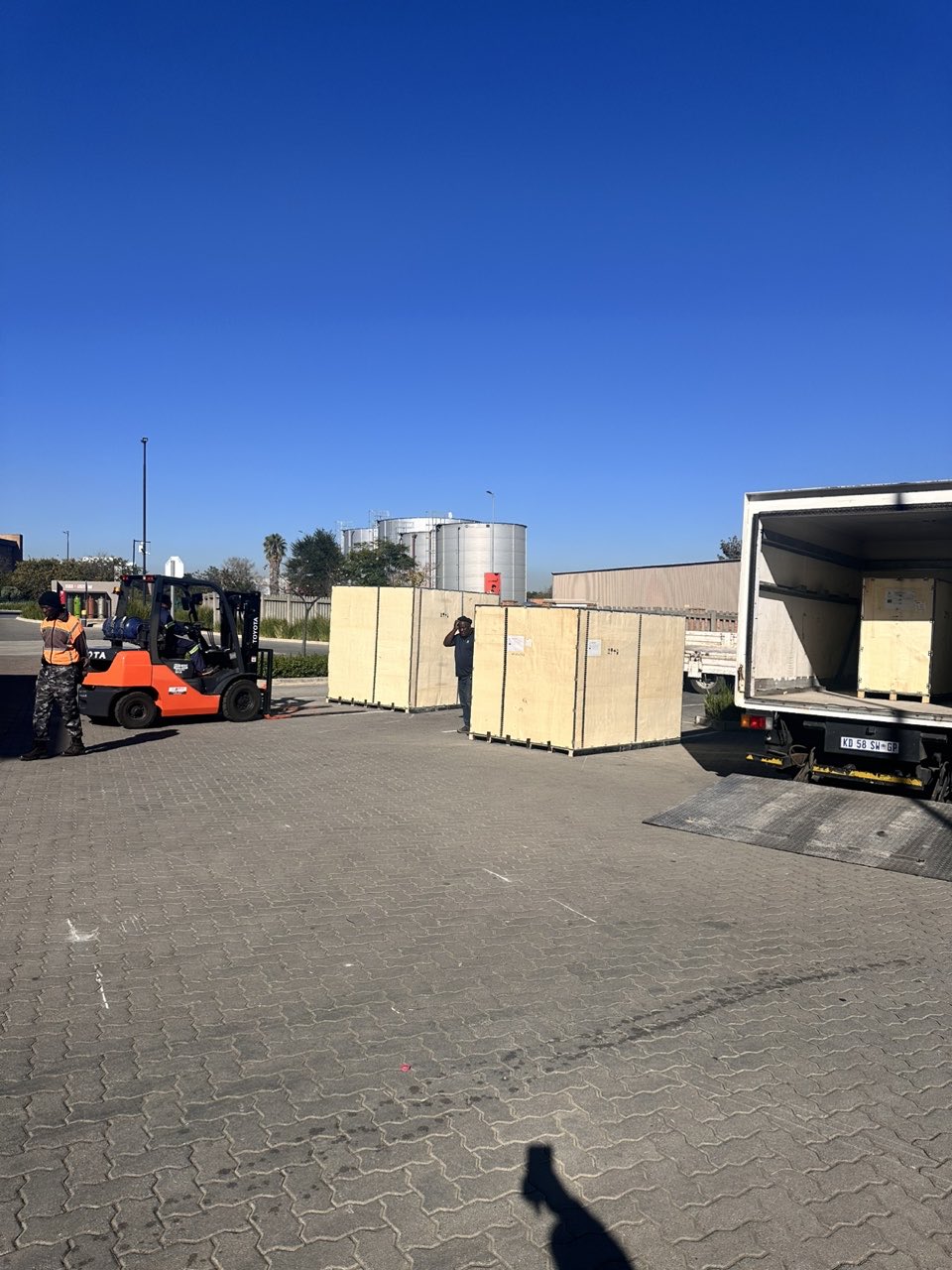
Loading
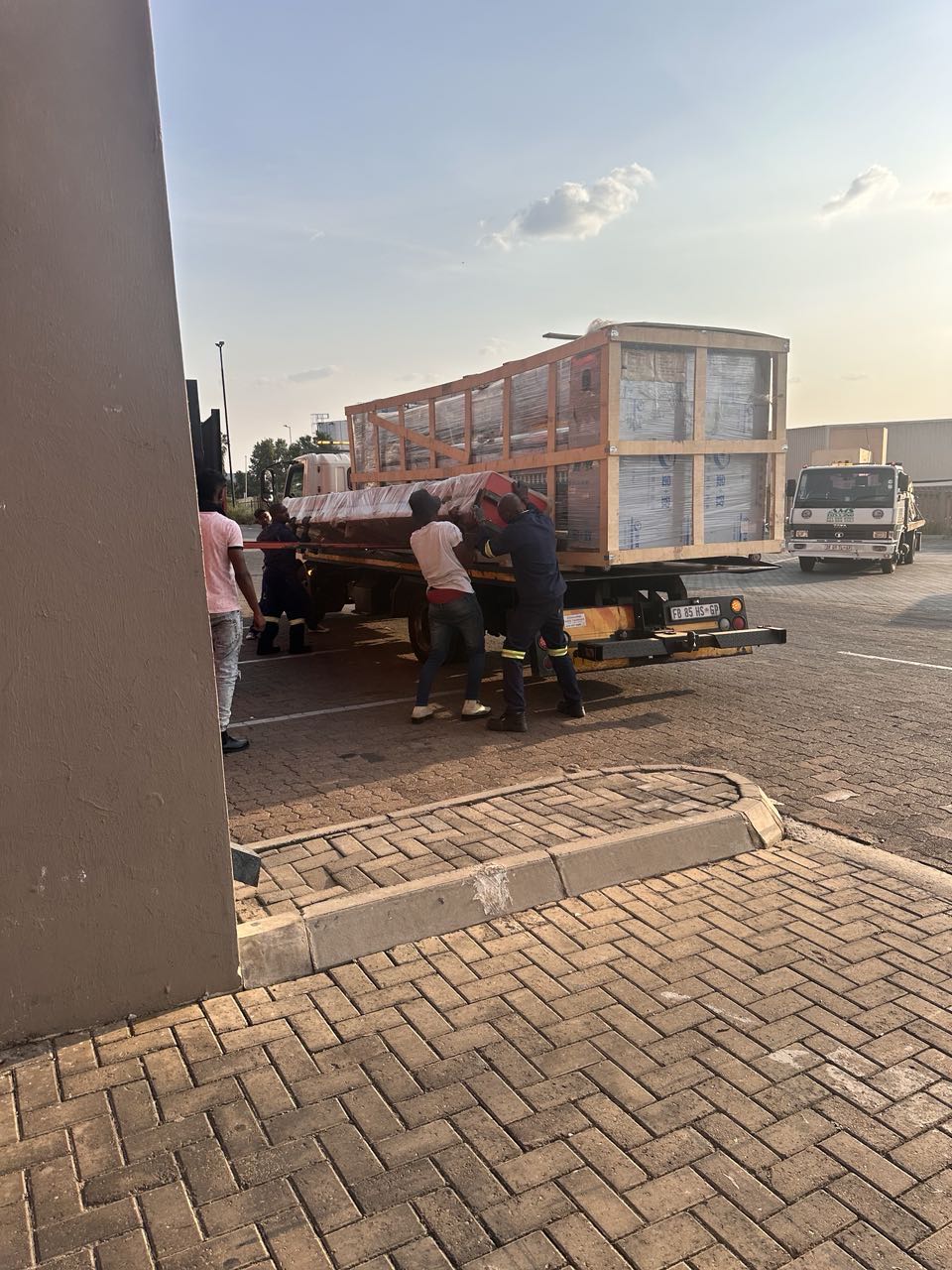
Toilet paper making machine
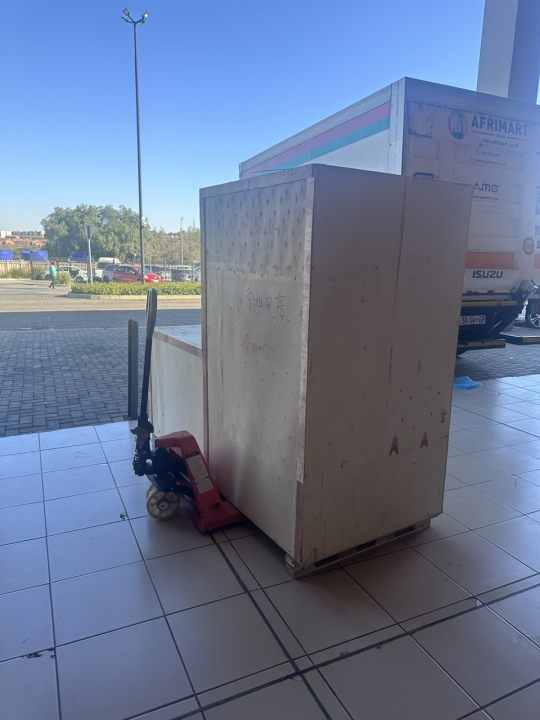
Toilet paper making machine
Toilet paper Rewinding Machine
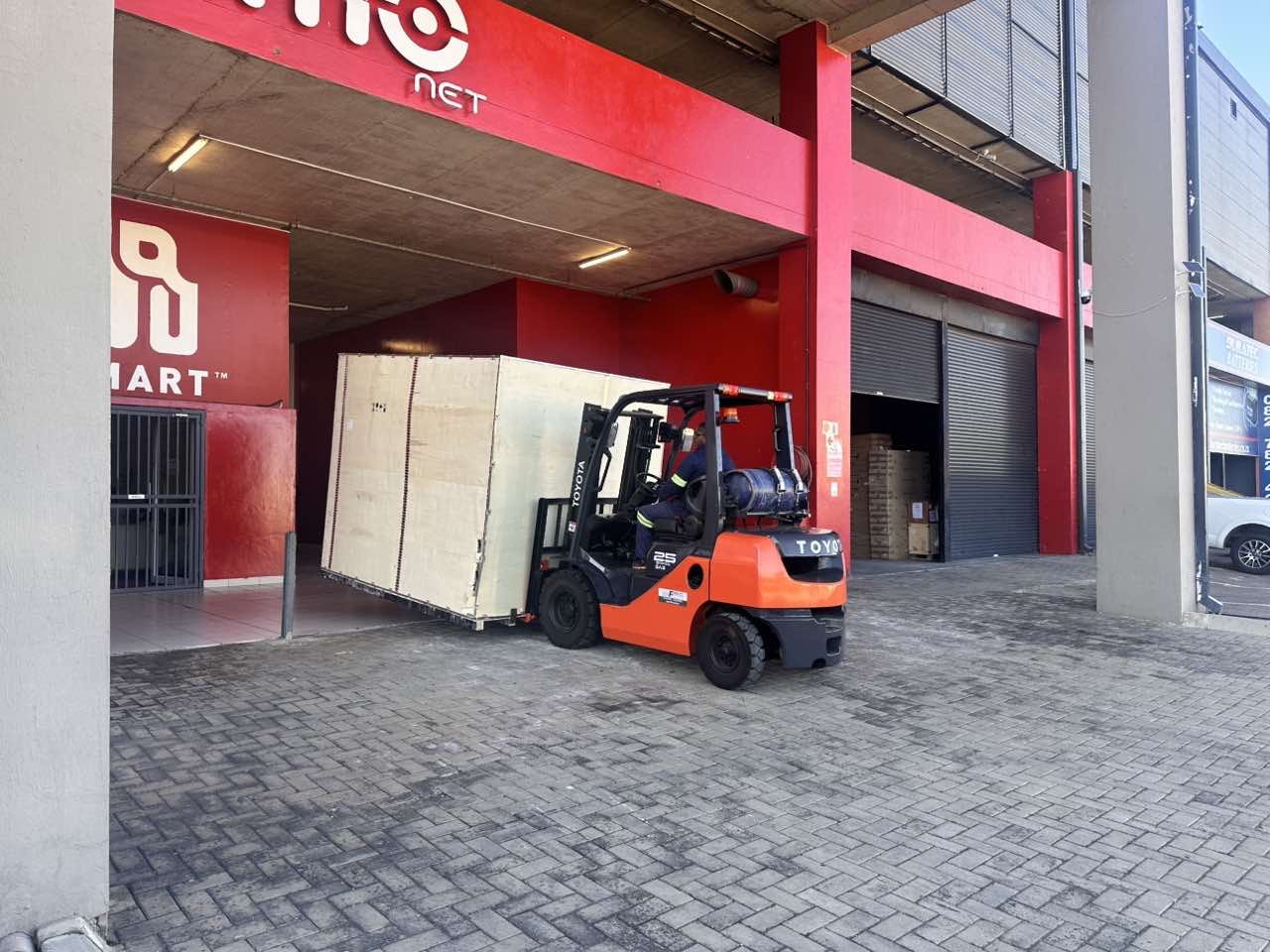
latest arrivals
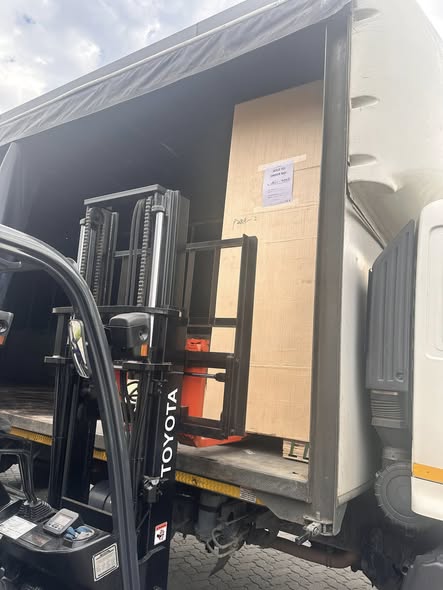
offloading
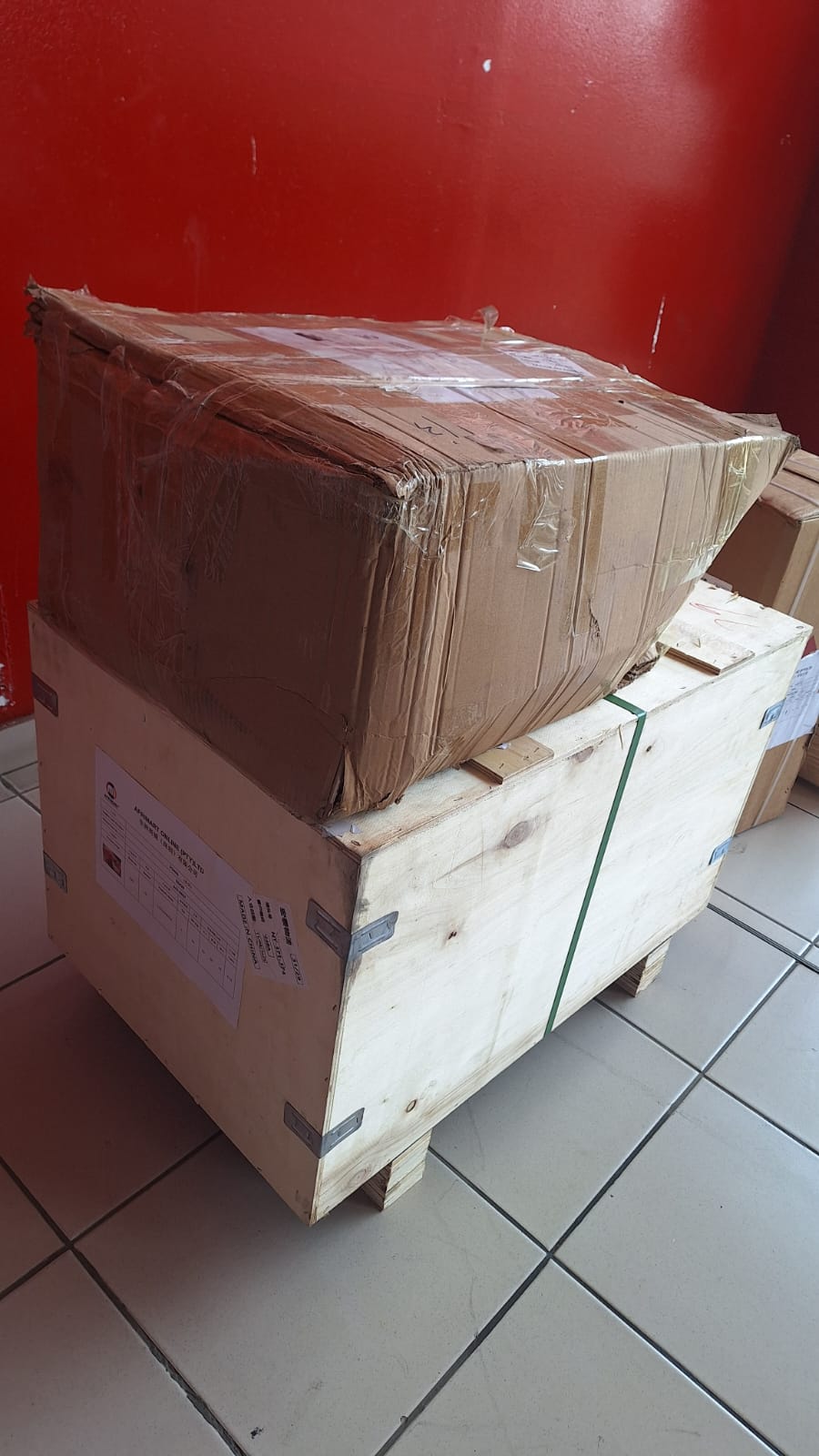
order success
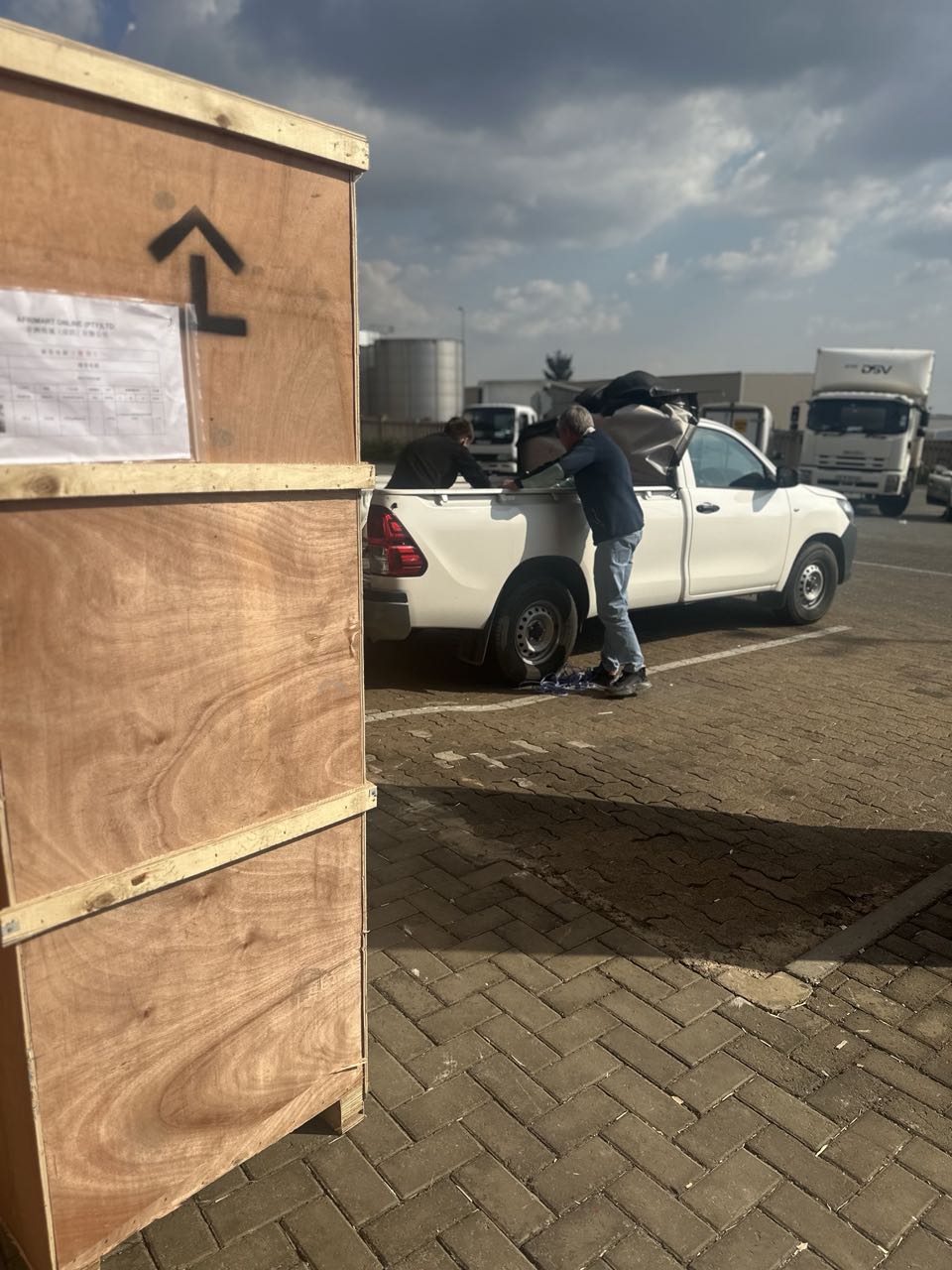
order collection
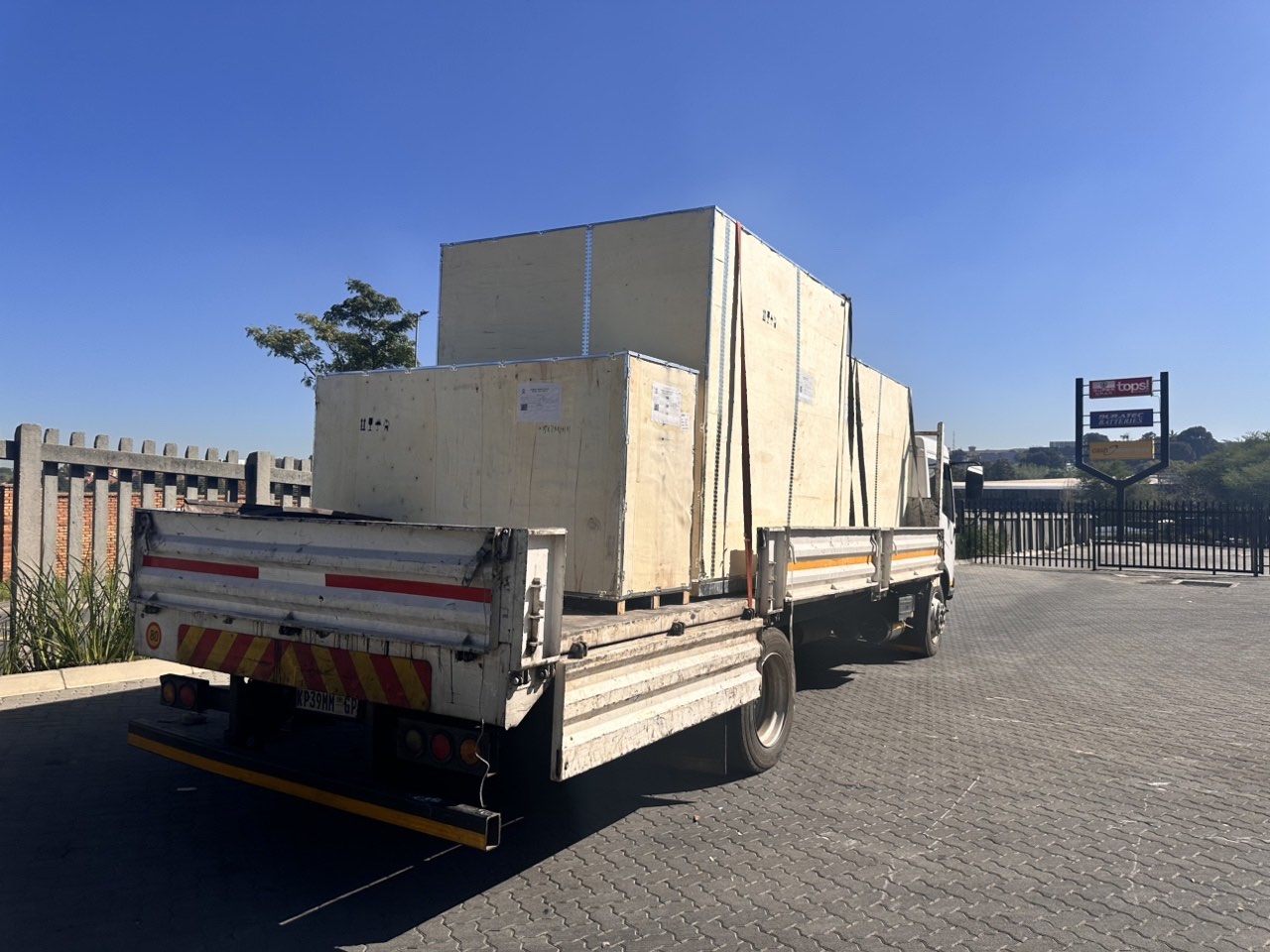
order offloading