B21, China Town Mall, Midrand


Precast Concrete tilting table for external wall panel
Asset finance available
Do you want funding for this equipment?
Afrimart can connect you with trusted funding partners who specialise in asset finance for businesses like yours. Compare options and apply in minutes — final approval is subject to provider review.
Check funding options
Secure & no obligation

- Section : Machinery
- Category : Machine Tool Equipment
- SKU : 60553962816

Product Description
1.This precast formwork can produce precast bay window, precast plank, sandwich wall panel, precast ribbed wall, precast fascade etc.One formwork can produce different length, width and height precast element.
2.Design concept origins from Europe, higher autoamtic level.
3. Each set precast formwork is an independent equipment. It can put wires(or steel mesh), feeding concrete ,vibration, heating and hydraulic tilting all can be done on the formwork. You can also connect several sets of formwork togather to produce bigger element. When one mold break,it will not influence the whole production line.
4.The biggest size of the mold is 4mx9m,and we can do any size according to the customer's request.
Precast concrete tilting table Molds Production line:
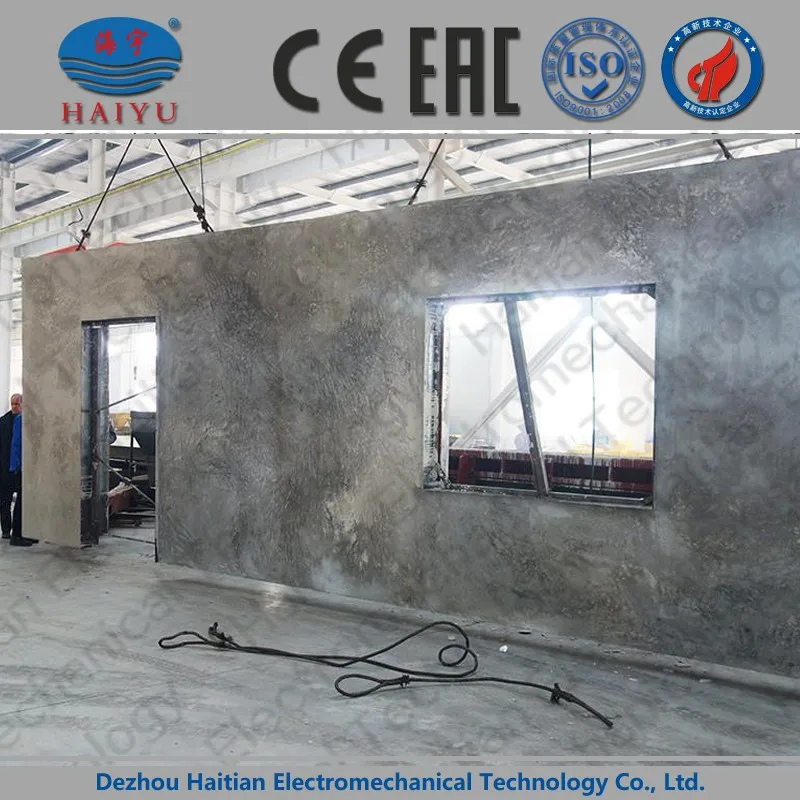
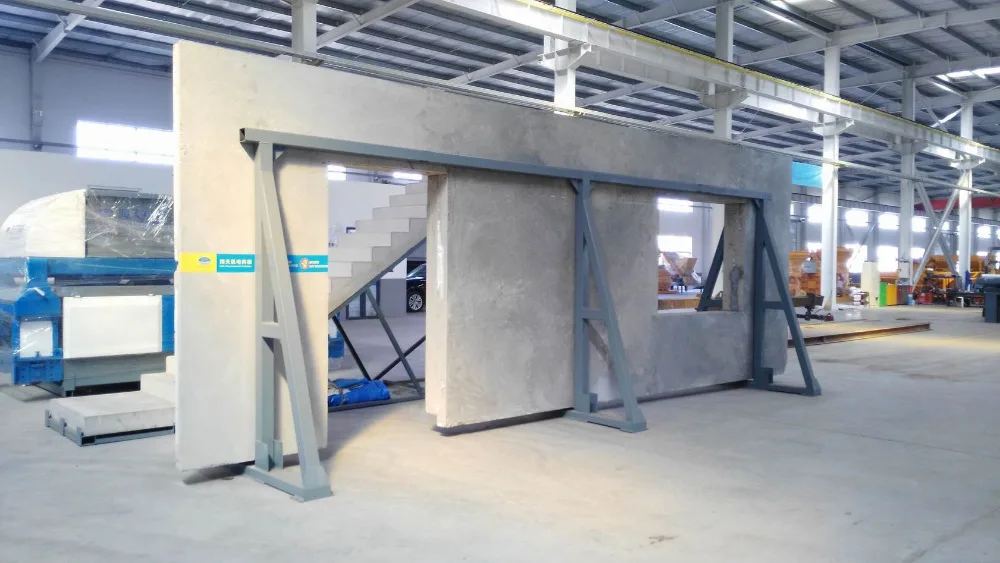
fast and easy concrete houses/concrete wall formwork
- Shipping Timeframes: All orders are processed within 2-5 business days (excluding weekends and holidays). After your order has been processed, the estimated delivery time is before 03 Aug, 2026, depending on customs, Please note that due to high demand, some items may experience longer shipping times, which will be communicated at order confirmation email.
- Order Processing Time: Please allow 2-5 business days for us to process your order before it is shipped . Orders placed after 16:00 on Fridays, or during weekends and public holidays, will begin processing on the next business day. Processing times may be extended during peak seasons or sales events.
- Manufacturing Time: Some products needs manufacturing time, the manufacturing process will take approximately 10-30 business days depending on the product. This timeframe may vary depending on the complexity of the product and current demand. but this will be communicated with you during order confirmation.
- Returns and Exchanges: We offer a 30-day return policy for most items. If you are not completely satisfied with your purchase, you may return it within 30 days of receipt for a refund or exchange. Items must be unused, in their original packaging, and accompanied by proof of purchase. Return shipping costs are the responsibility of the customer, unless the item was damaged or defective upon arrival.
1. What is a precast concrete tilting table for external wall panels?
A tilting table is a precast formwork system designed to cast, cure and demold large external wall panels (sandwich panels, ribbed walls, facades, bay windows, planks, etc.). The table supports placement of reinforcement, concrete pouring, vibration, heating/curing and hydraulic tilting to remove finished panels.
2. What sizes of panels can this tilting table produce?
Standard maximum mold size is 4 m x 9 m, and the system can be supplied in other sizes on request. One formwork can produce different lengths, widths and heights by using interchangeable molds and accessories.
3. Which precast element types can be produced on this equipment?
It can produce precast bay windows, planks, sandwich wall panels, ribbed walls, façade panels and similar external wall elements — essentially a wide range of solid and sandwich panel geometries.
4. What automated functions are integrated into each tilting table?
Each set is an independent unit equipped to place reinforcement (wire or mesh), accept concrete feeding, apply vibration, provide heating/curing and perform hydraulic tilting/demolding. The design emphasizes higher automation levels inspired by European concepts.
5. Can I connect multiple tilting tables together for larger elements or higher throughput?
Yes. Several sets can be linked to produce larger elements or to increase production capacity. Because each set is independent, a failure of one mold will not stop the rest of the production line.
6. How does the hydraulic tilting/demolding process work?
After curing, hydraulic cylinders tilt the formwork to the required angle to demold the panel safely. The system includes locking devices and controlled hydraulic sequencing to ensure smooth, reliable release and reduce panel damage.
7. What reinforcement types and concrete mixes are supported?
The table accepts standard reinforcement such as welded wire mesh, rebar cages or prestressing inserts as required by the element design. It is compatible with normal weight and lightweight concrete mixes, and with typical admixtures used in precast production. Specific mix recommendations should come from your concrete supplier or structural engineer.
8. What is the typical production cycle time and daily output?
Cycle time depends on panel size, thickness and curing method. Typical cycles range from about 6–24 hours (steam or accelerated curing at the short end, ambient cure at the long end). Output will therefore vary; consult us with your panel dimensions and curing plan for an estimated daily throughput.
9. How is heating and curing applied on the table?
The formwork can be equipped with integrated heating/steam systems or electrical heating mats and insulation to accelerate curing. Options depend on required cycle times and local utilities; the equipment supports both ambient and accelerated curing regimes.
10. What site and foundation preparations are required for installation?
A level, reinforced concrete foundation or base slab is normally required to support the table and hydraulic loads. Adequate crane access, drainage, and space for concrete trucks, storage and demolding operations are also needed. Exact foundation drawings will be provided during project planning.
11. What are the electrical and hydraulic power requirements?
Requirements depend on the chosen configuration (vibrators, heaters, hydraulic power pack, automation). Typical systems need three-phase electrical supply and a hydraulic power unit. Exact voltage, power and hydraulic flow/pressure specs are provided with the technical datasheet for each configuration.
12. What safety features are included?
Standard safety features include emergency stop circuits, lockout guards, mechanical locks for tilting, safety interlocks on access doors, pressure relief for hydraulics and guarded moving parts. Additional site-specific safety measures can be integrated on request.
13. Can molds and formwork be customized for special panel shapes or finishes?
Yes. Molds can be customized in size, shape and surface finish to achieve architectural textures, reveals or integrated insulation cavities. The equipment is designed to accommodate a variety of interchangeable molds to meet project-specific requirements.
14. What maintenance, after-sales service and spare parts support are provided?
Routine maintenance includes lubrication, hydraulic fluid checks, inspection of seals and vibration equipment, and periodic calibration of controls. Manufacturers typically provide spare parts kits, service manuals and optional maintenance contracts. We recommend an annual service visit and keep critical spares on-site to minimize downtime.
15. What are the lead times, training and warranty provisions?
Lead time depends on customization and order backlog; typical delivery ranges from weeks to a few months. Manufacturers usually provide operator and maintenance training during commissioning. Warranty terms vary by supplier — contact the manufacturer or dealer for exact warranty coverage, training packages and delivery times.
Latest Order Arrivals
Discover our latest orders
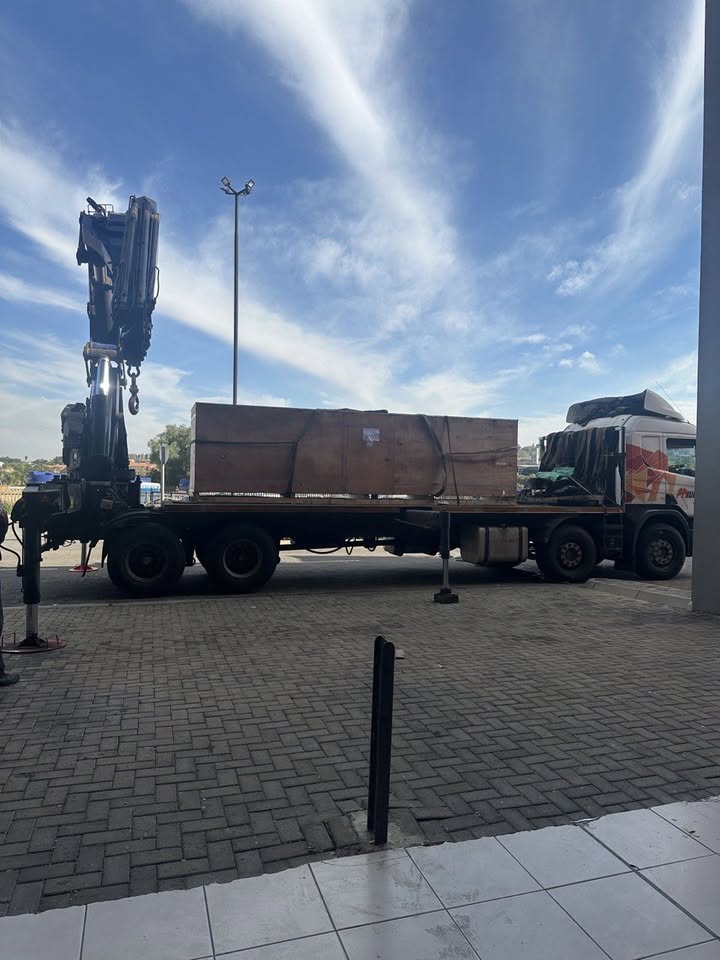
12 Heads Embroidery Machine
Toilet Paper Machine Machine
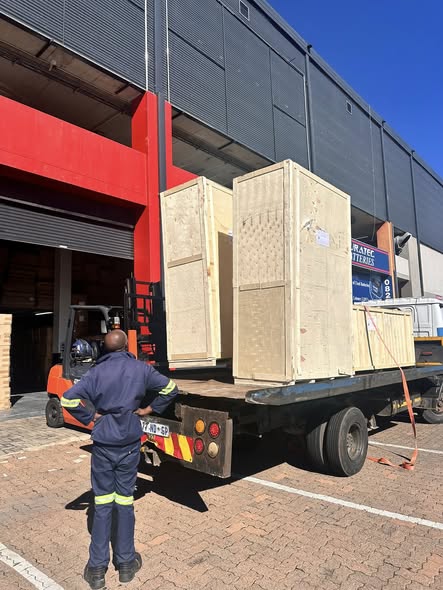
Order Collection
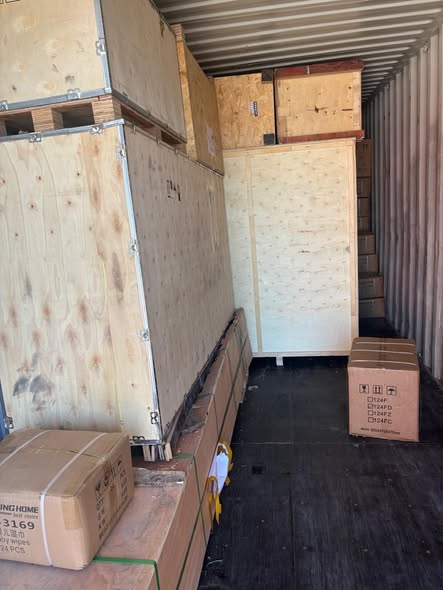
Cross Border Clients
Order cros border countries Collected
Industrial Machine Cllection
Agriculture Processing Machines
Ready for collection
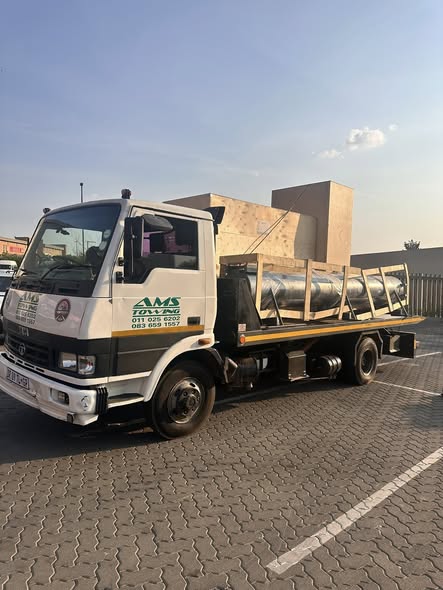
Water Pump Equipment
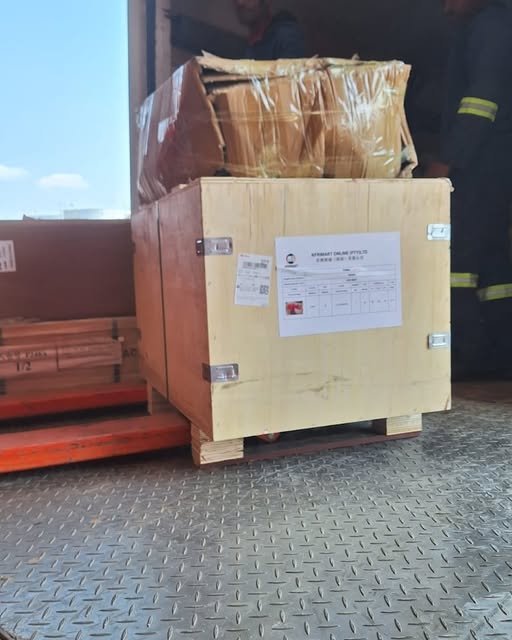
Packaging Machine and accessories
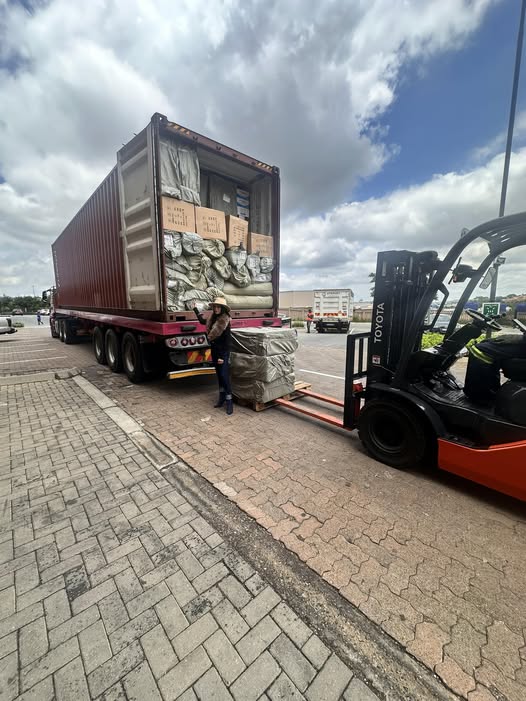
Fabrics Manufacturing Equipment
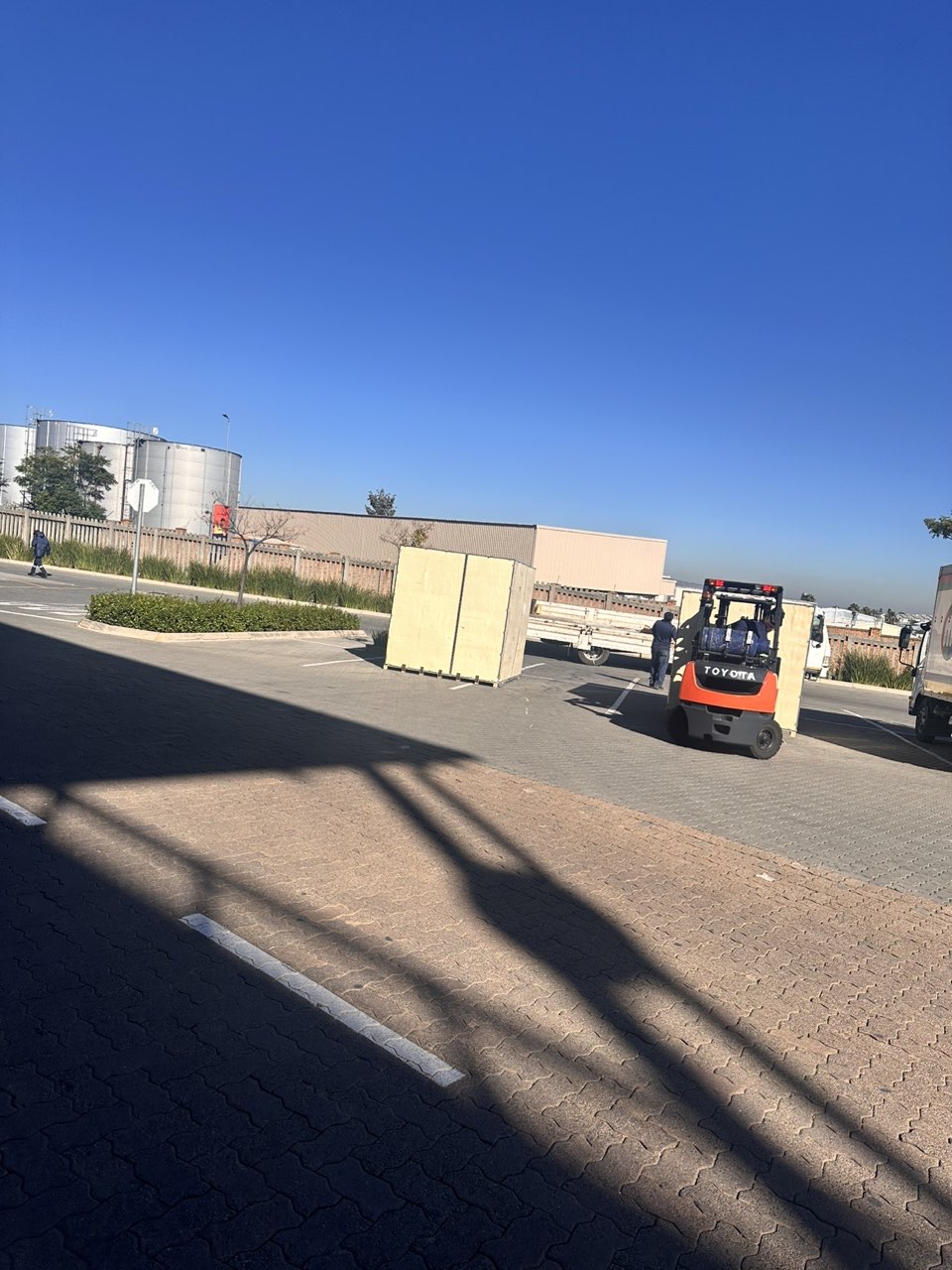
Mining Equipments
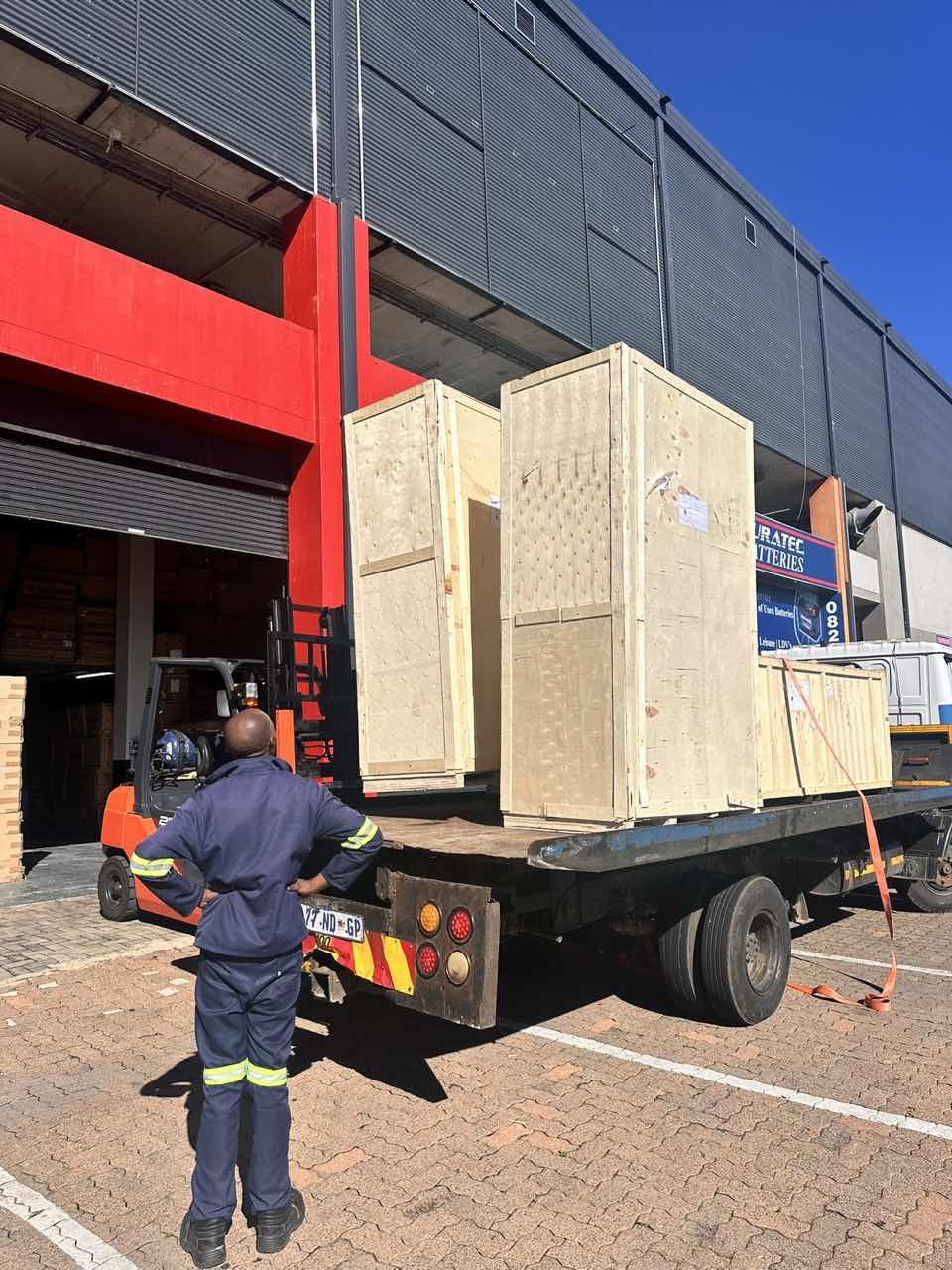
Food Processing Machine
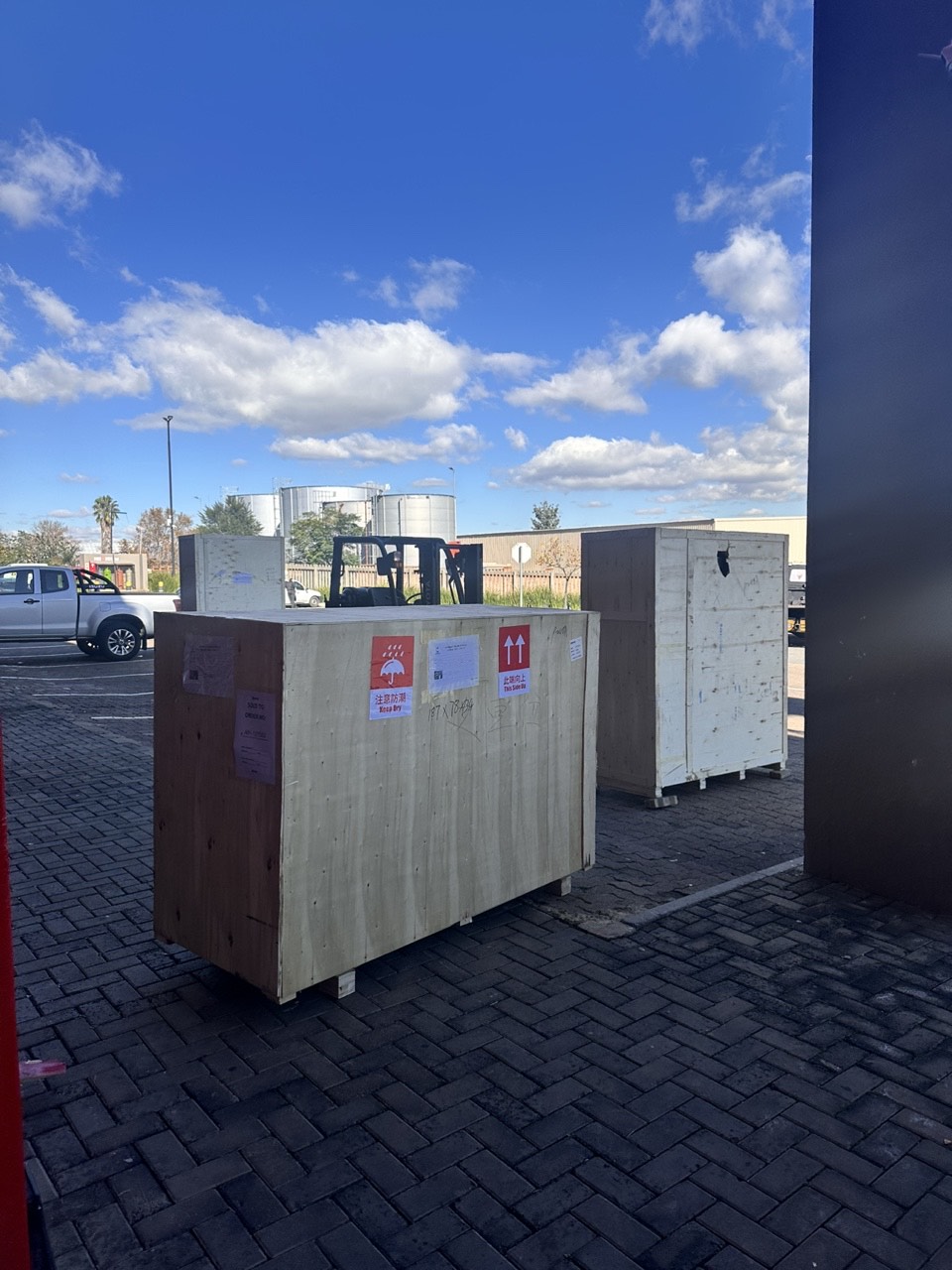
Batch of Orders
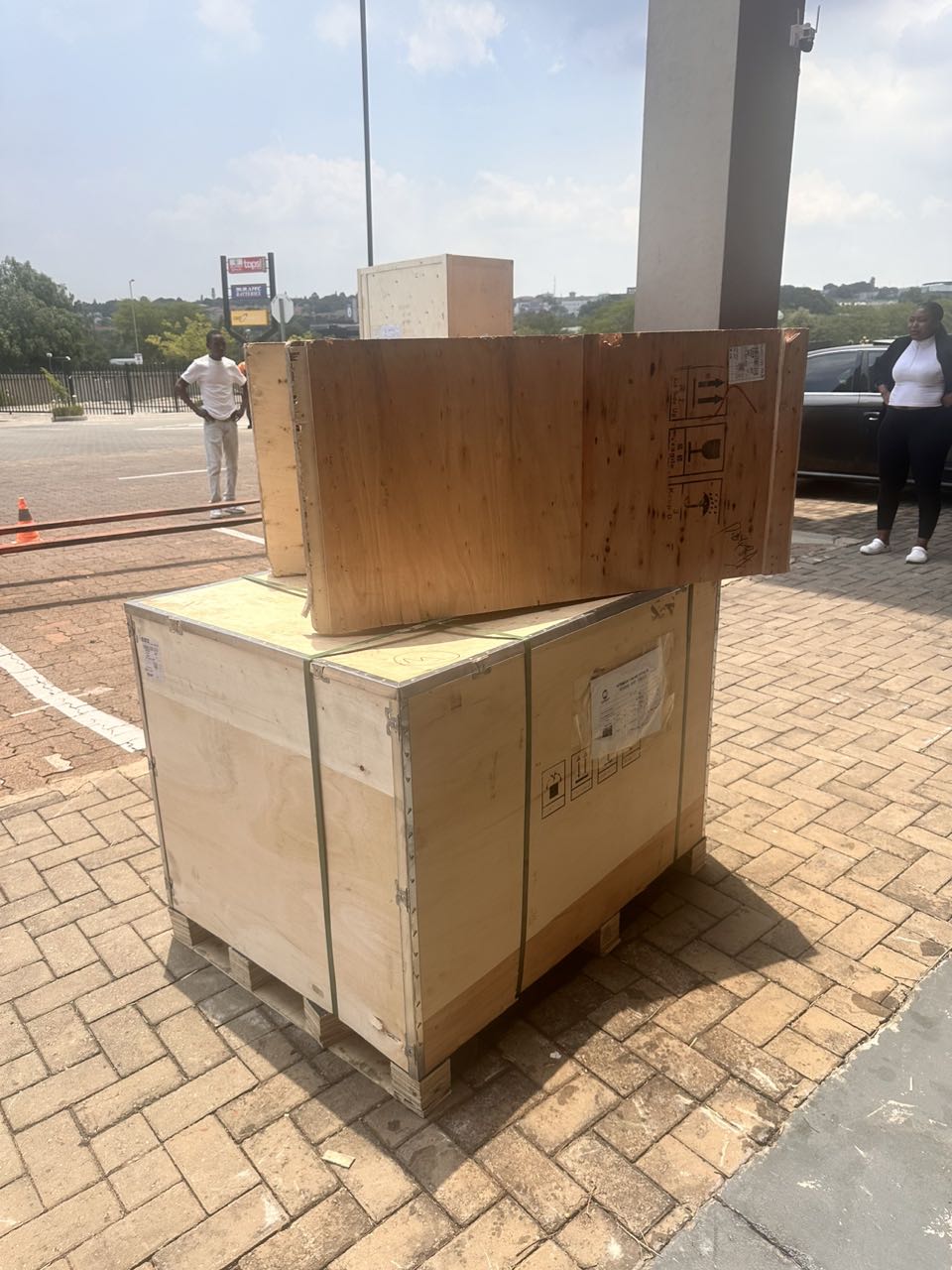
Batch of Orders
Latest Orders Labelled
wheel alignment machines
new arrivals
Pre Orders Offloading
Latest Arrivals
Latest Arrivals
Latest Arrivals
Loading
Toilet paper making machine
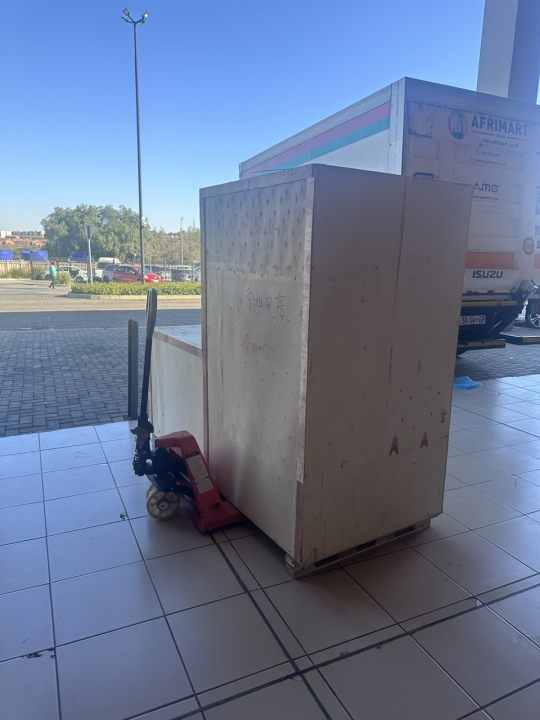
Toilet paper making machine
Toilet paper Rewinding Machine
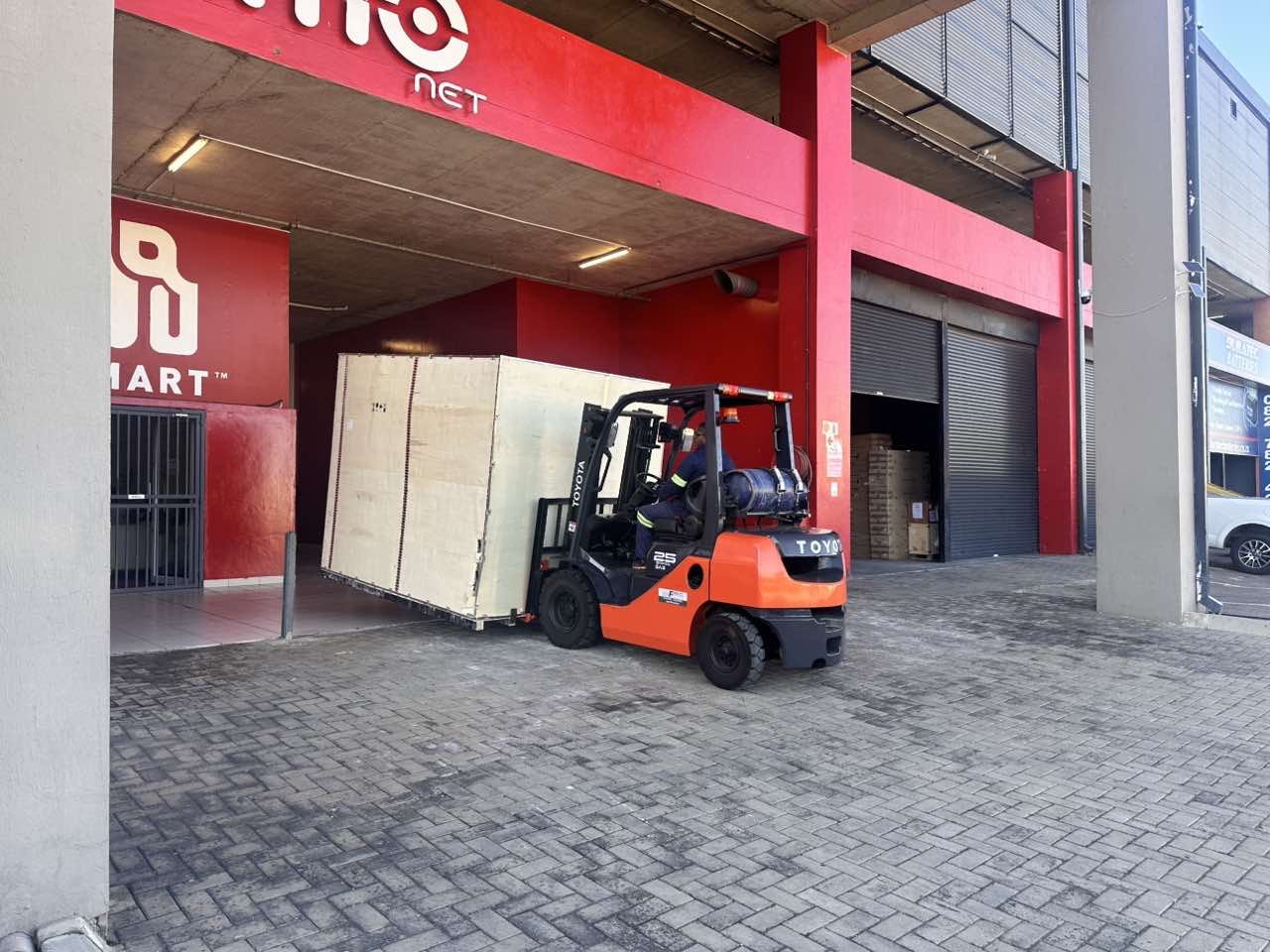
latest arrivals
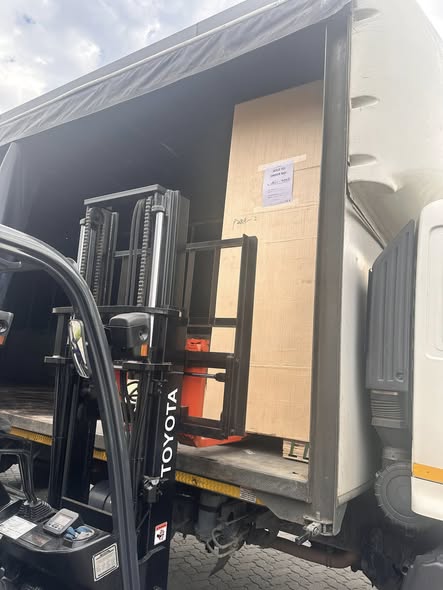
offloading
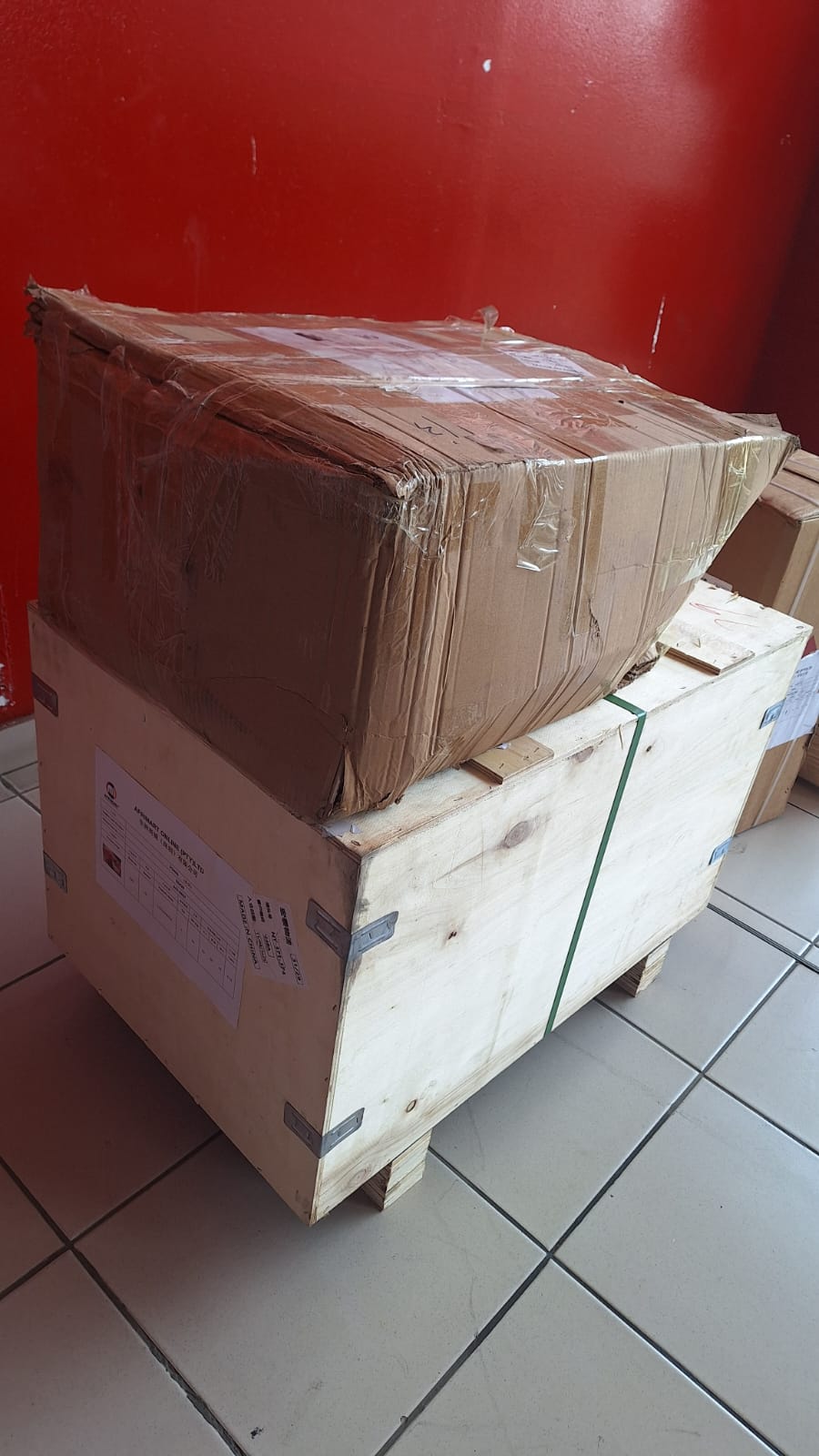
order success
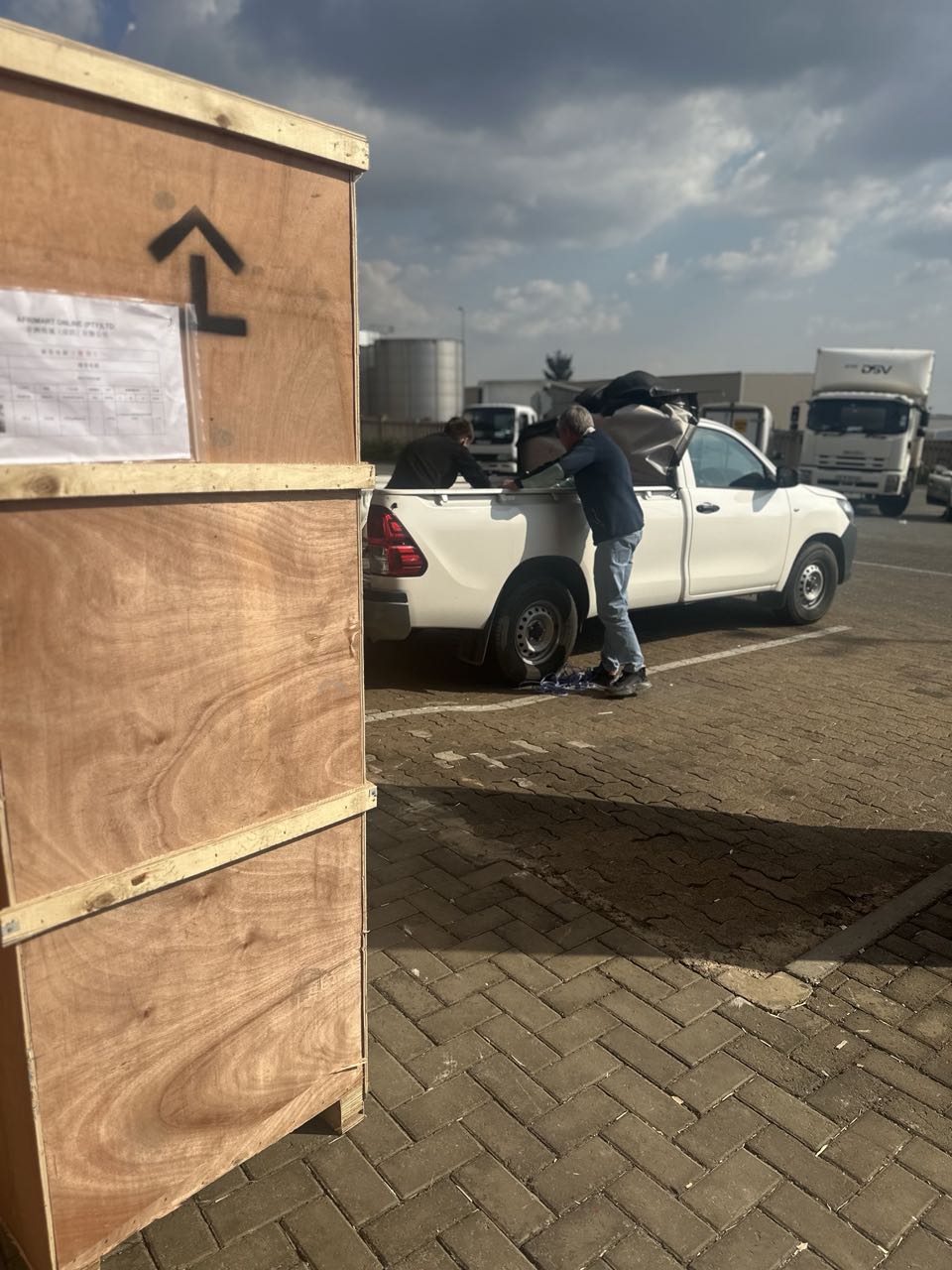
order collection
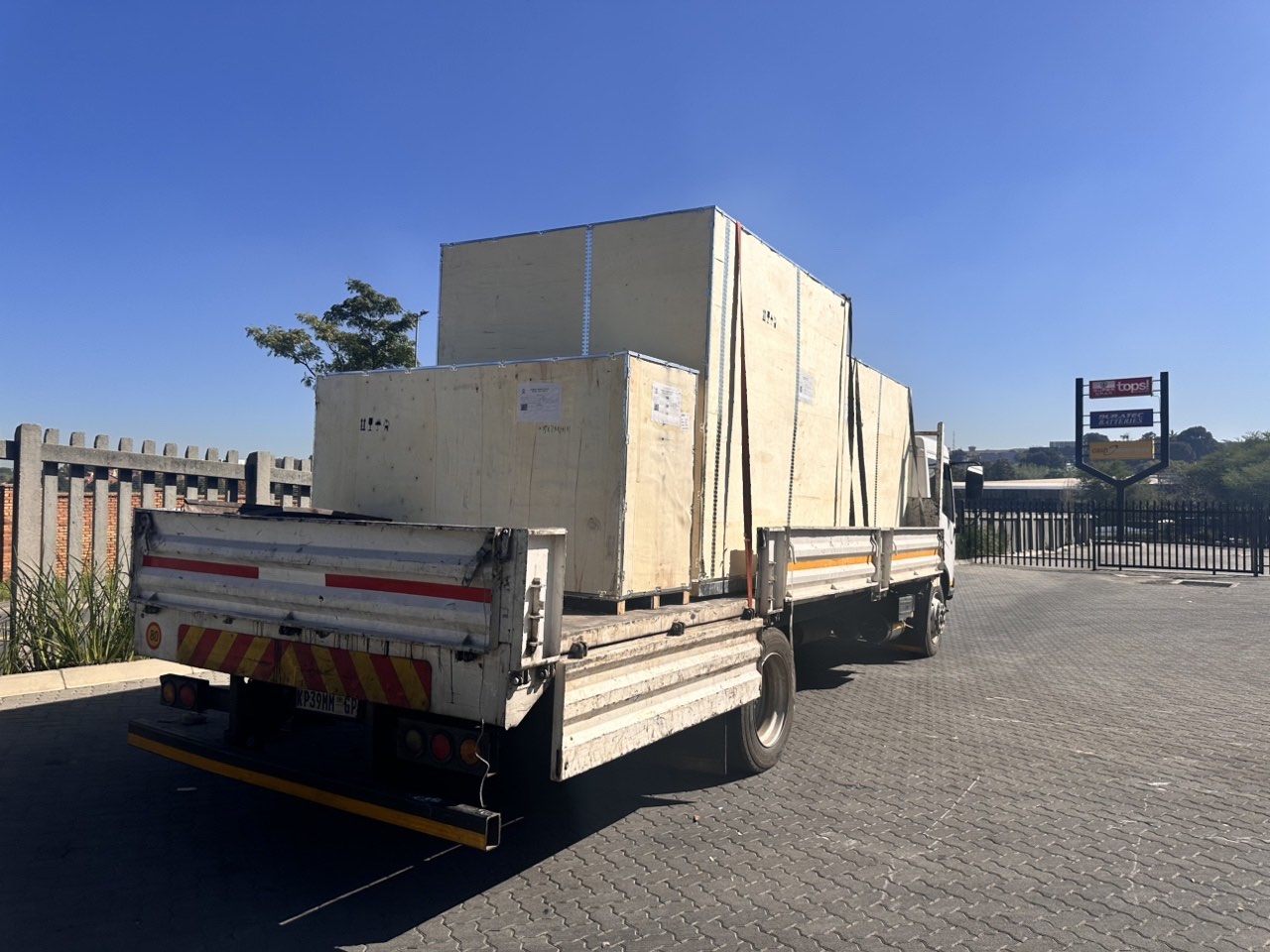
order offloading