B21, China Town Mall, Midrand

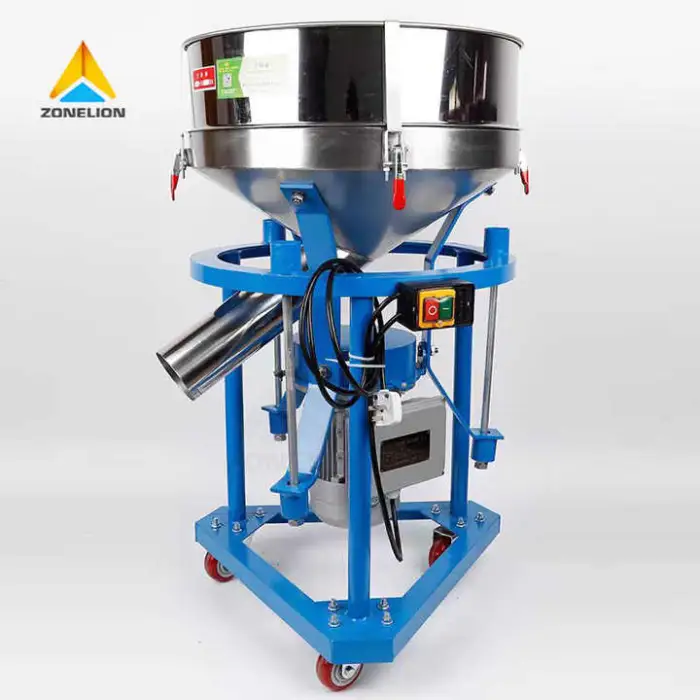
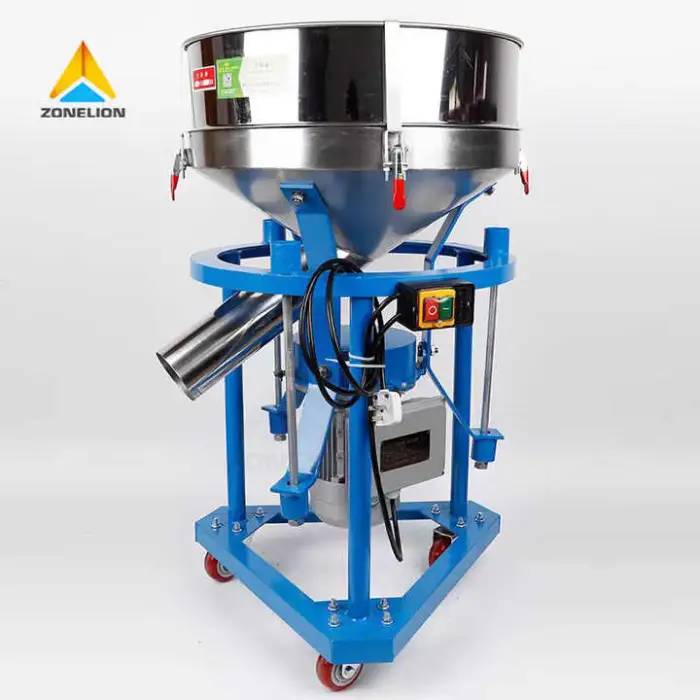
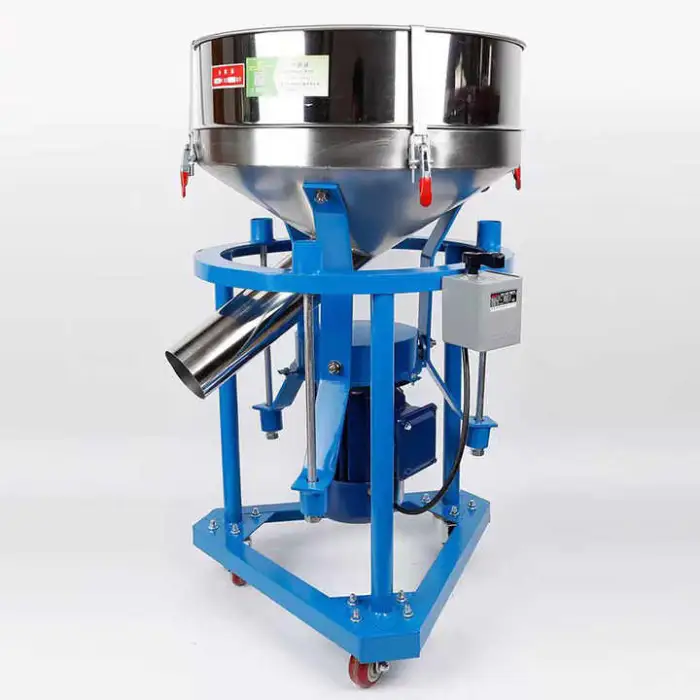
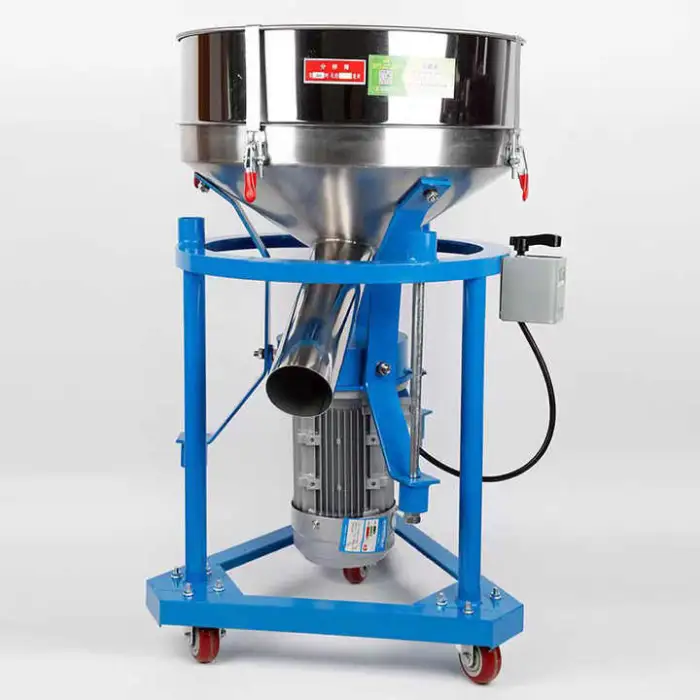
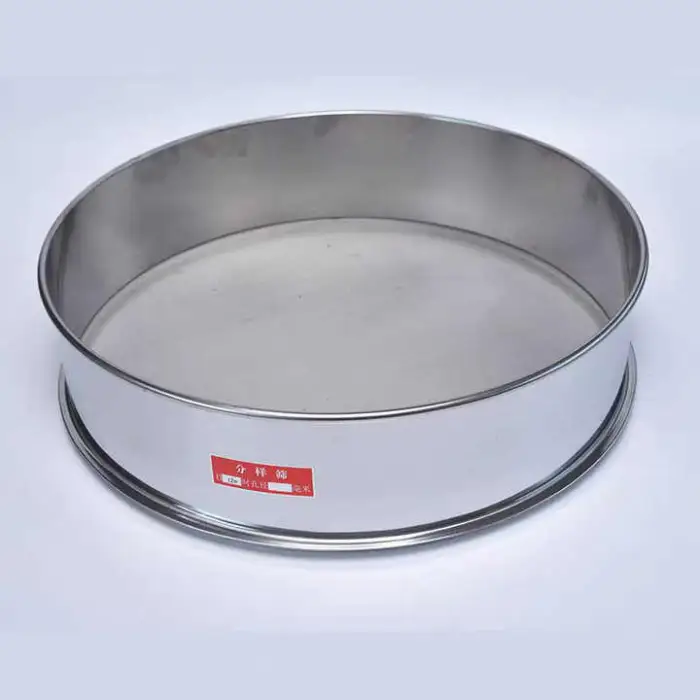
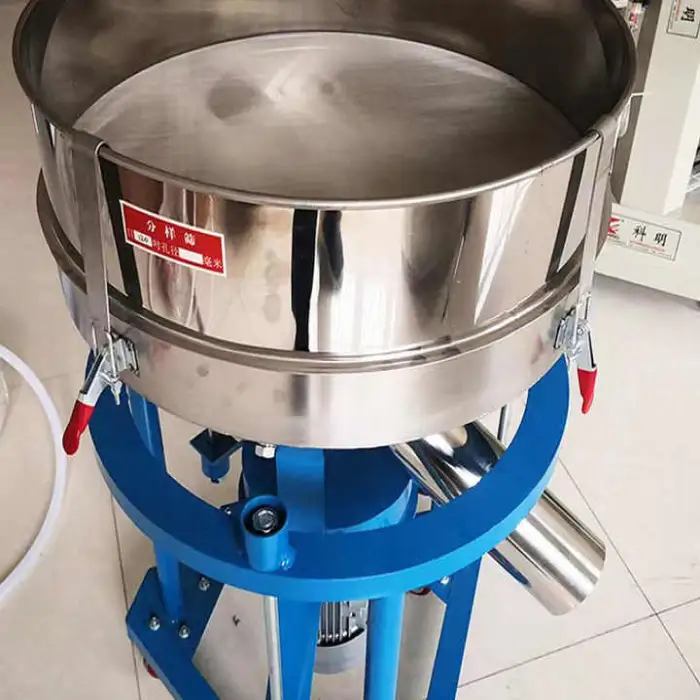
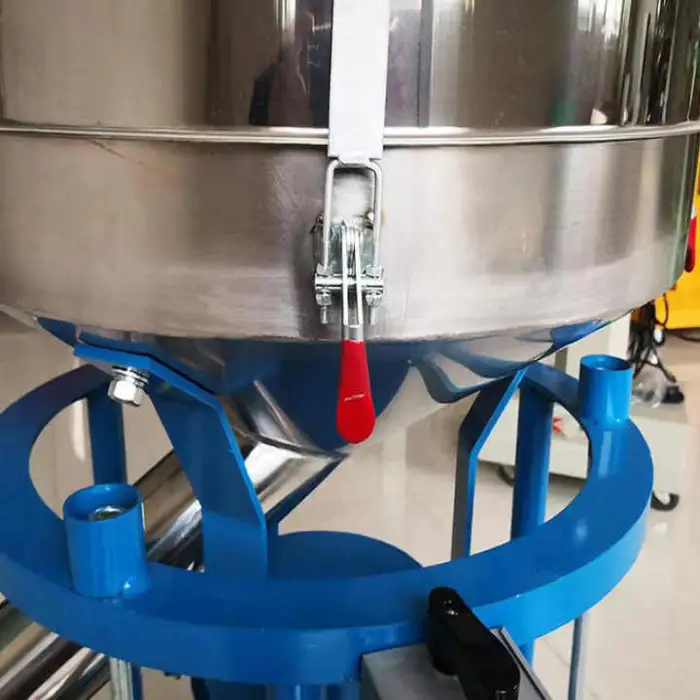
Portable Small Mini Circle Liquid Vibration Screen Machine

- Section : Machinery
- Category : Mining Machinery
- SKU : 1601082745135

Portable Small Mini Circle Liquid Vibration Screen Machine
The Portable Small Mini Circle Liquid Vibration Screen Machine is a powerful and efficient tool designed for screening, separation, sorting, and sieving various materials. This compact machine is perfect for use in the chemical industry and guarantees high sieving precision. Its lightweight design makes it easy to transport and set up, making it an ideal choice for businesses looking to enhance their processing capabilities.
Specifications
| Attribute | Details |
|---|---|
| Type | Circular |
| Voltage | 220V/320V |
| Core Components | Engine, Bearing |
| Weight | 17 KG |
| Video Outgoing Inspection | Provided |
| Machinery Test Report | Provided |
| Application | Chemicals |
| Keyword | Rotary Vibrating Separator |
| Motor | Electric Motor |
| Function | Screening, Separation, Sorting, Sieving |
| Advantage | High Sieving Precision |
| Selling Units | Single item |
Key Features
- Compact and portable design for easy transport.
- High sieving precision for effective material separation.
- Electric motor for reliable operation.
- Dual voltage options: 220V and 320V.
- Durable components including a high-quality engine and bearing.
Applications
- Ideal for chemical processing and manufacturing.
- Perfect for sorting and sieving liquids and powders.
- Useful in laboratories for material testing and analysis.
- Applicable in food processing for ingredient separation.
- Great for recycling operations to sort materials.
Product Info Gallery
- Shipping Timeframes: All orders are processed within 2-5 business days (excluding weekends and holidays). After your order has been processed, the estimated delivery time is before 04 Aug, 2026, depending on customs, Please note that due to high demand, some items may experience longer shipping times, which will be communicated at order confirmation email.
- Order Processing Time: Please allow 2-5 business days for us to process your order before it is shipped . Orders placed after 16:00 on Fridays, or during weekends and public holidays, will begin processing on the next business day. Processing times may be extended during peak seasons or sales events.
- Manufacturing Time: Some products needs manufacturing time, the manufacturing process will take approximately 10-30 business days depending on the product. This timeframe may vary depending on the complexity of the product and current demand. but this will be communicated with you during order confirmation.
- Returns and Exchanges: We offer a 30-day return policy for most items. If you are not completely satisfied with your purchase, you may return it within 30 days of receipt for a refund or exchange. Items must be unused, in their original packaging, and accompanied by proof of purchase. Return shipping costs are the responsibility of the customer, unless the item was damaged or defective upon arrival.
1. What is the Portable Small Mini Circle Liquid Vibration Screen Machine used for?
It is used for screening, separation, sorting and sieving of liquids and powders—commonly in chemical processing, laboratories, food ingredient separation and small recycling operations.
2. What are the key specifications of the machine?
Type: circular; Voltage options: 220V or 320V; Core components: engine and bearing; Weight: 17 kg; Motor: electric motor; Function: screening, separation, sorting, sieving.
3. How portable is the machine?
At 17 kg with a compact circular design, it is lightweight and easy to transport and set up by one or two people for small-scale operations and lab use.
4. Is the machine suitable for both liquids and powders?
Yes. It is designed to handle both liquids and powders; final suitability depends on particle size, viscosity and required mesh—consult manufacturer for specific material compatibility.
5. What voltages does the machine support?
The machine is available in two voltage options: 220V and 320V. Select the appropriate model for your local power supply.
6. What level of sieving precision can I expect?
The machine is described as having high sieving precision. Actual precision depends on chosen mesh/screen size and process parameters; provide material details to the supplier for recommended specifications.
7. Does the product come with test documentation or media?
Yes. A machinery test report and a video of outgoing inspection are provided with the machine.
8. How do I install and set up the machine?
Place the machine on a stable, level surface, connect the power to the selected voltage, secure inlet/outlet as needed, and ensure proper grounding. Refer to the supplier's user manual for step-by-step setup and safety precautions.
9. What maintenance is required?
Regularly check and tighten fasteners, inspect and lubricate bearings per the manual, keep the screen clean, and periodically inspect the motor and electrical connections. Replace worn screens and bearings as needed.
10. How do I clean the machine after use?
Disassemble accessible screening parts according to the manual, remove residue, flush or wipe with appropriate cleaning agents compatible with the processed material, dry thoroughly before reassembly. Follow any chemical-specific cleaning protocols.
11. Is this machine safe for use with flammable or hazardous chemicals?
Standard models use a conventional electric motor and may not be explosion-proof. For flammable or hazardous environments, request an explosion-proof or specially certified version and consult the manufacturer about safe handling and compliance.
12. Can I change the screen mesh size?
Yes. Screen/mesh size is typically configurable to meet different sieving requirements. Contact the supplier with your target particle size or separation goal to select the appropriate mesh.
13. What is the throughput or capacity of the machine?
Throughput depends on material type, mesh size, feed rate and viscosity. The exact capacity should be determined with sample testing or by consulting the manufacturer with your material specifications.
14. Are spare parts and after-sales support available?
Spare parts such as screens, bearings and motor components are typically available—contact the supplier or manufacturer for parts, lead times and after-sales service options.
15. How do I order, and are customizations available?
Order through the supplier or distributor. Customizations—such as different mesh sizes, voltage options, or special materials/finishes—are often available; discuss your application requirements with the manufacturer to obtain a quote.
Latest Order Arrivals
Discover our latest orders
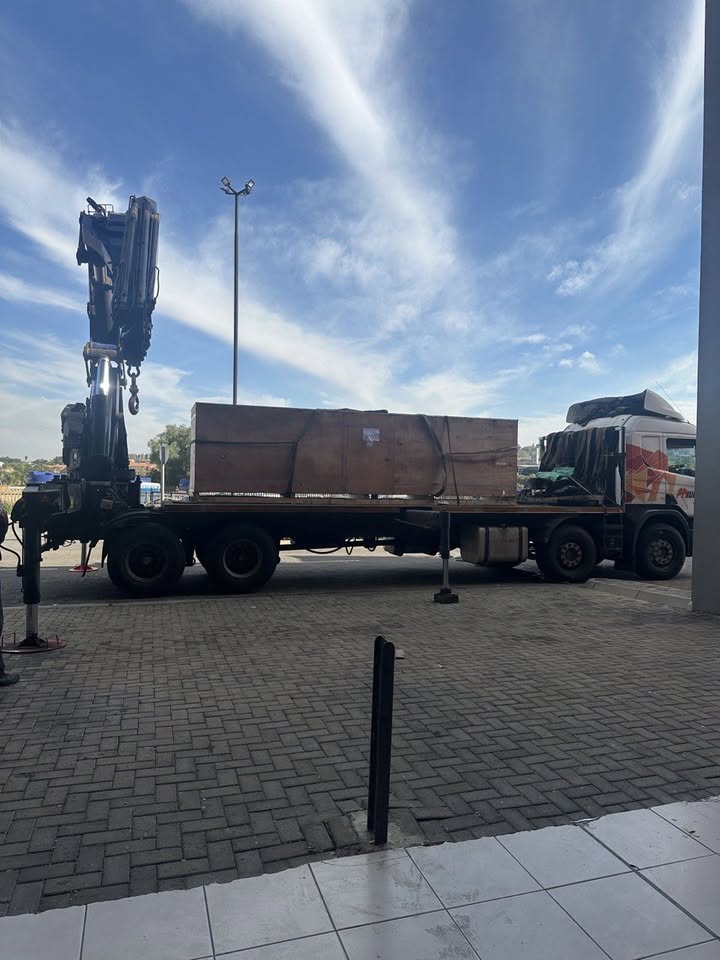
12 Heads Embroidery Machine
Toilet Paper Machine Machine
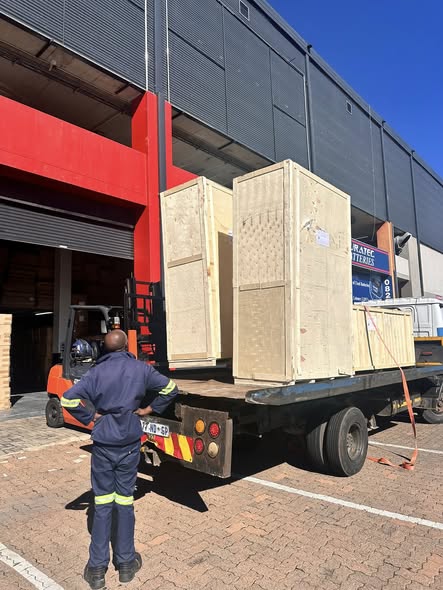
Order Collection
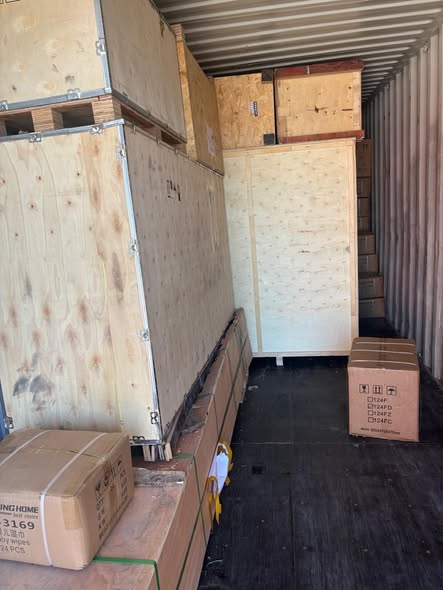
Cross Border Clients
Order cros border countries Collected
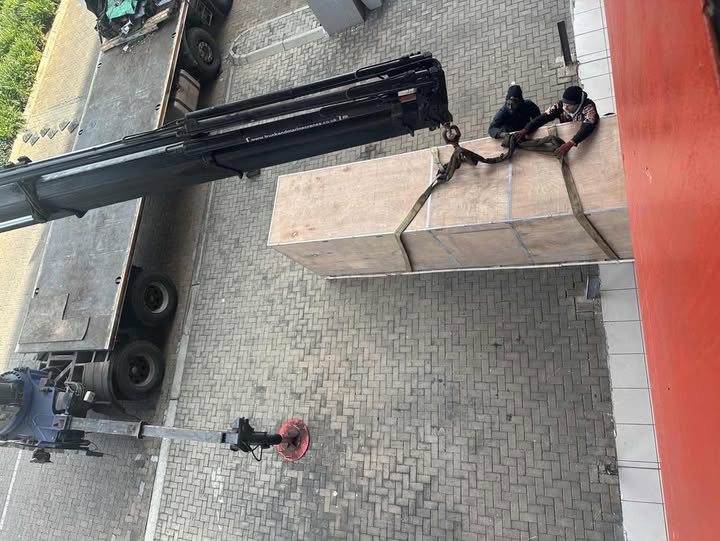
Industrial Machine Cllection
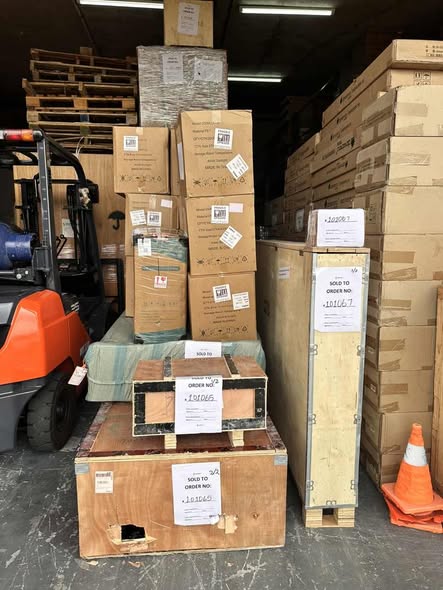
Agriculture Processing Machines
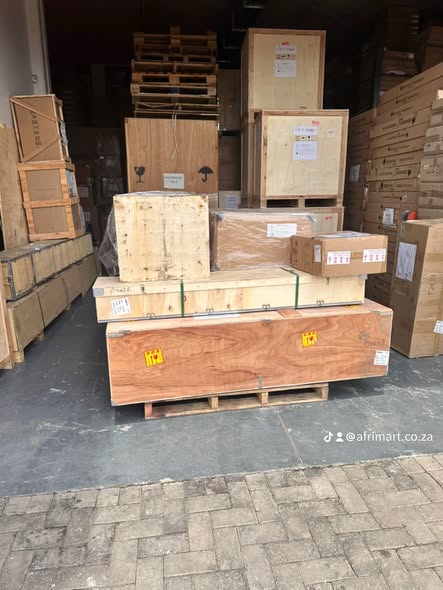
Ready for collection
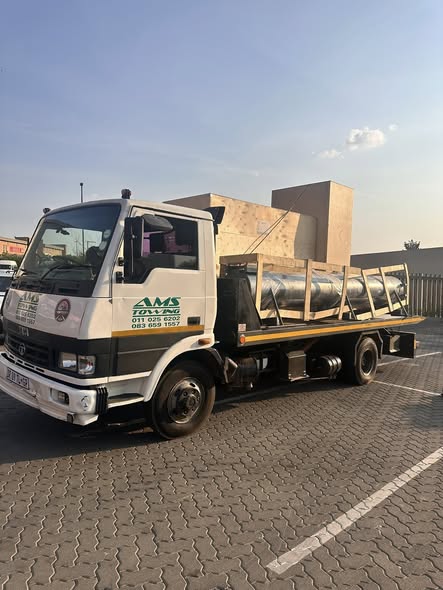
Water Pump Equipment
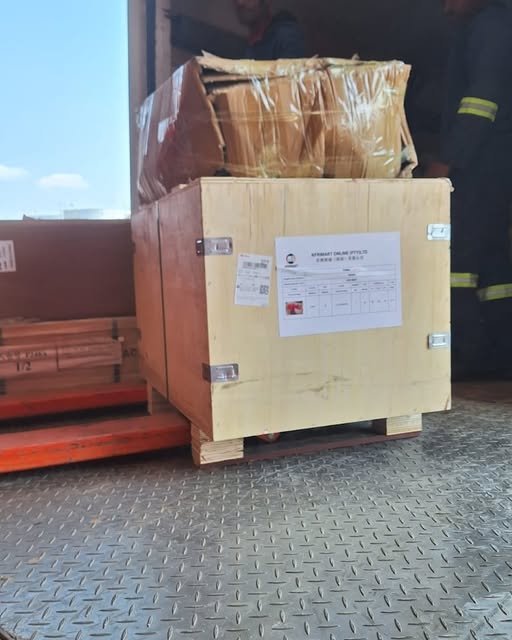
Packaging Machine and accessories
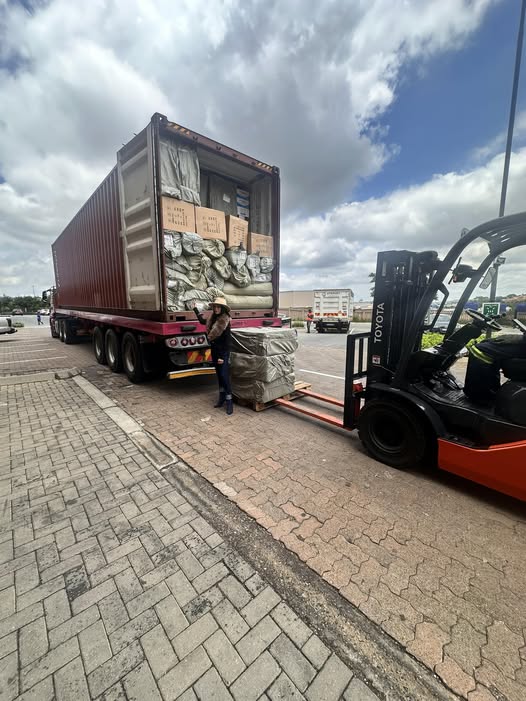
Fabrics Manufacturing Equipment
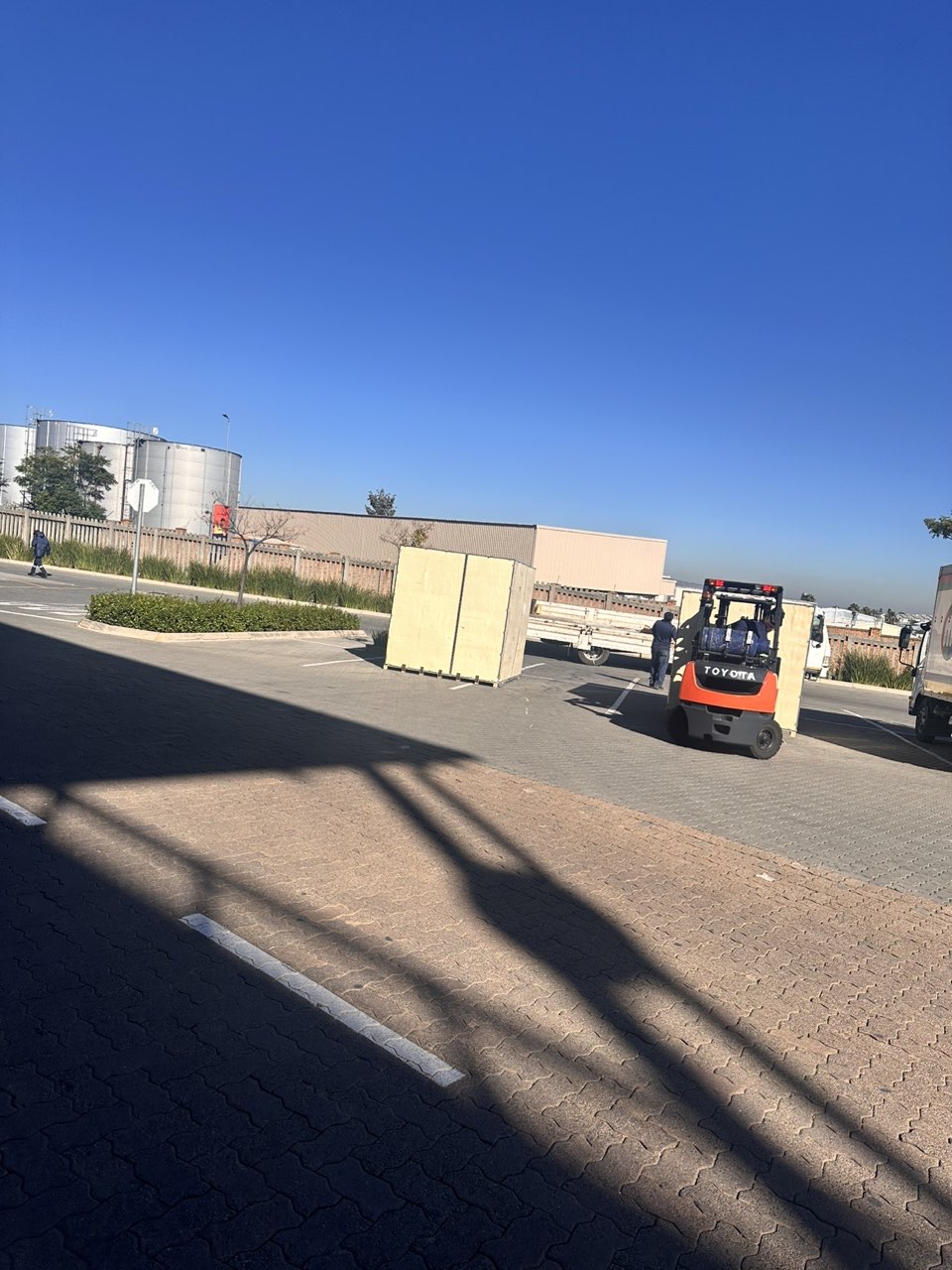
Mining Equipments
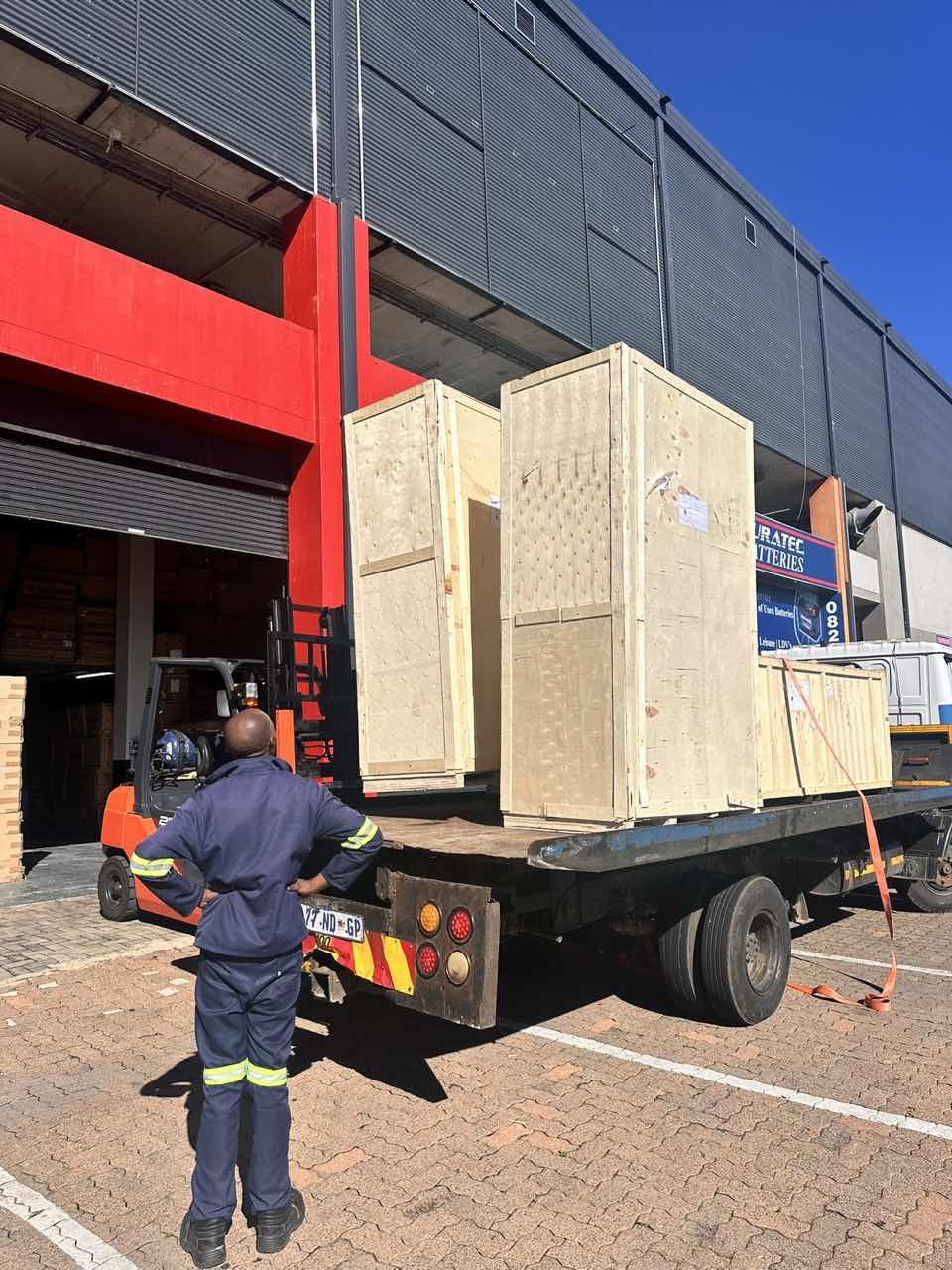
Food Processing Machine
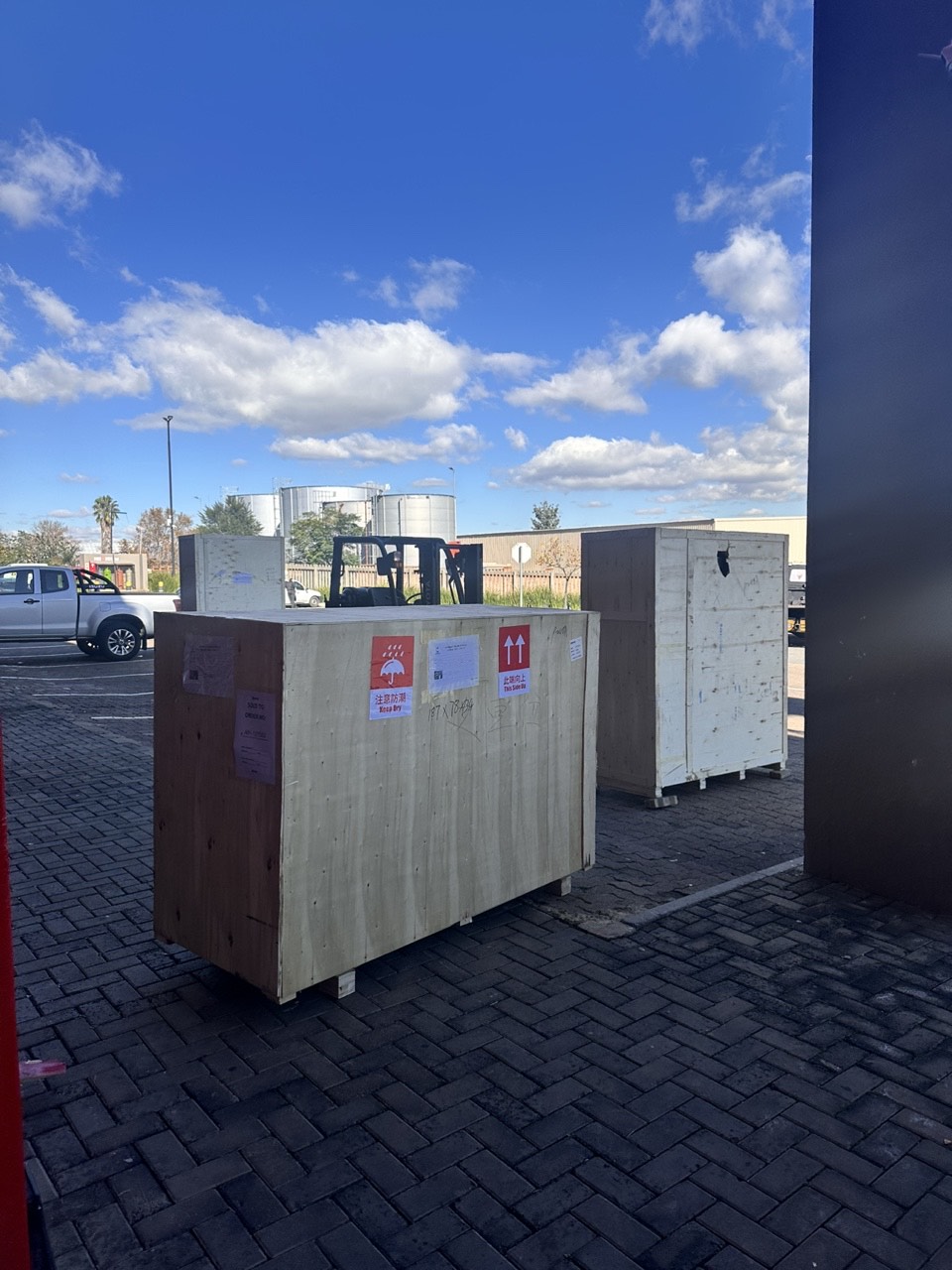
Batch of Orders
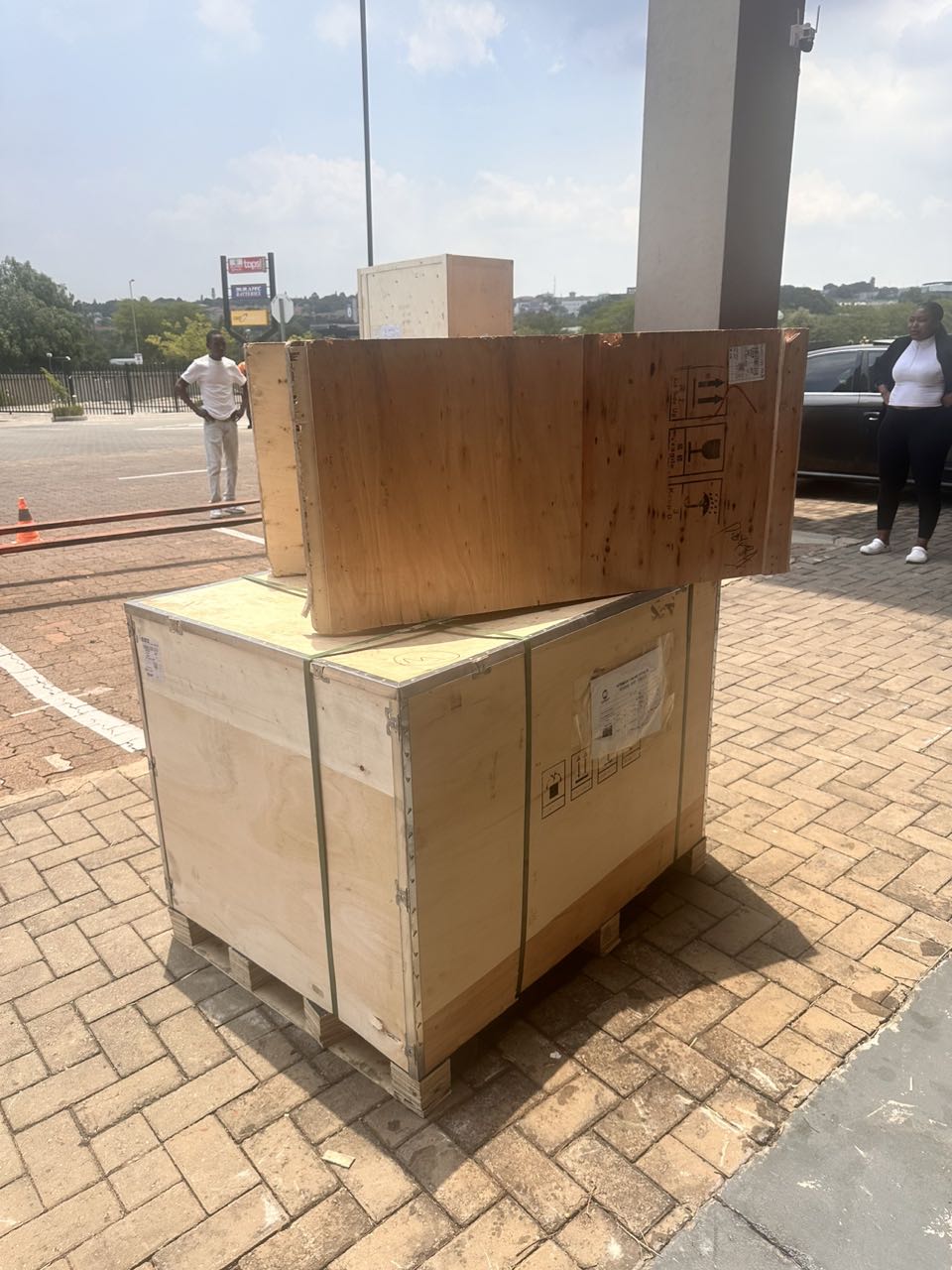
Batch of Orders
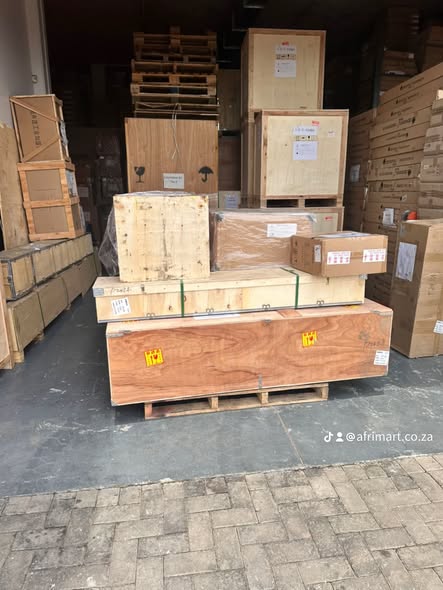
Latest Orders Labelled
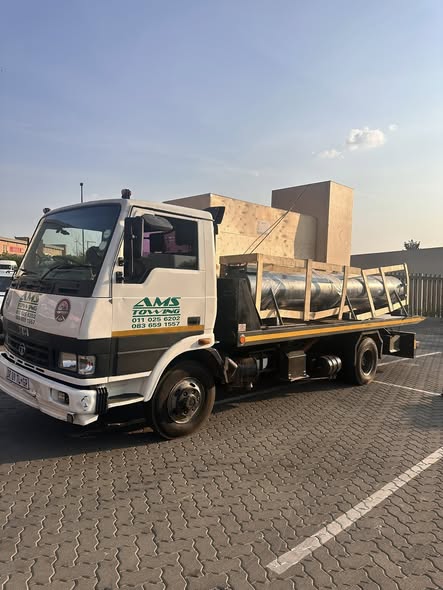
wheel alignment machines
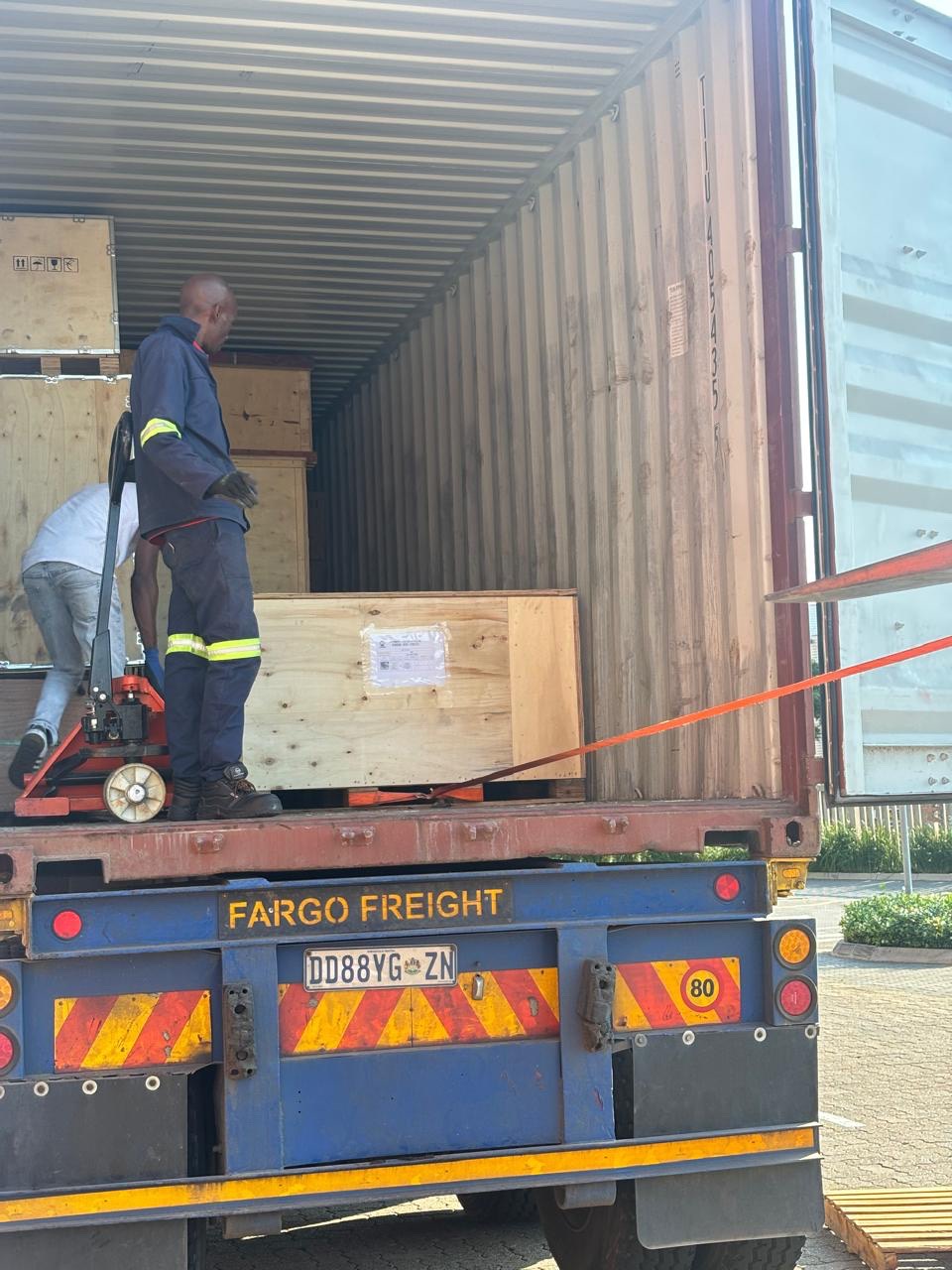
new arrivals
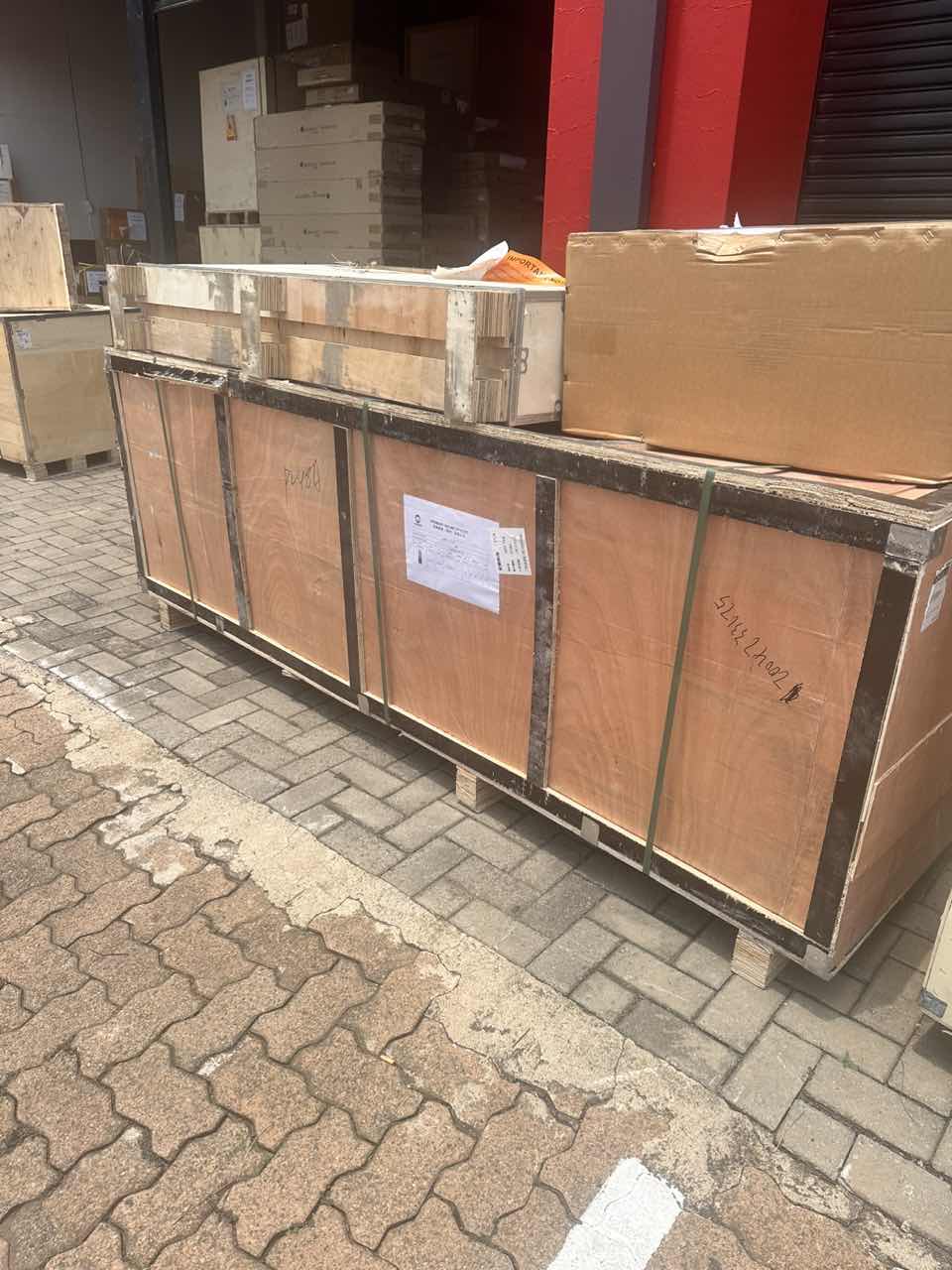
Pre Orders Offloading
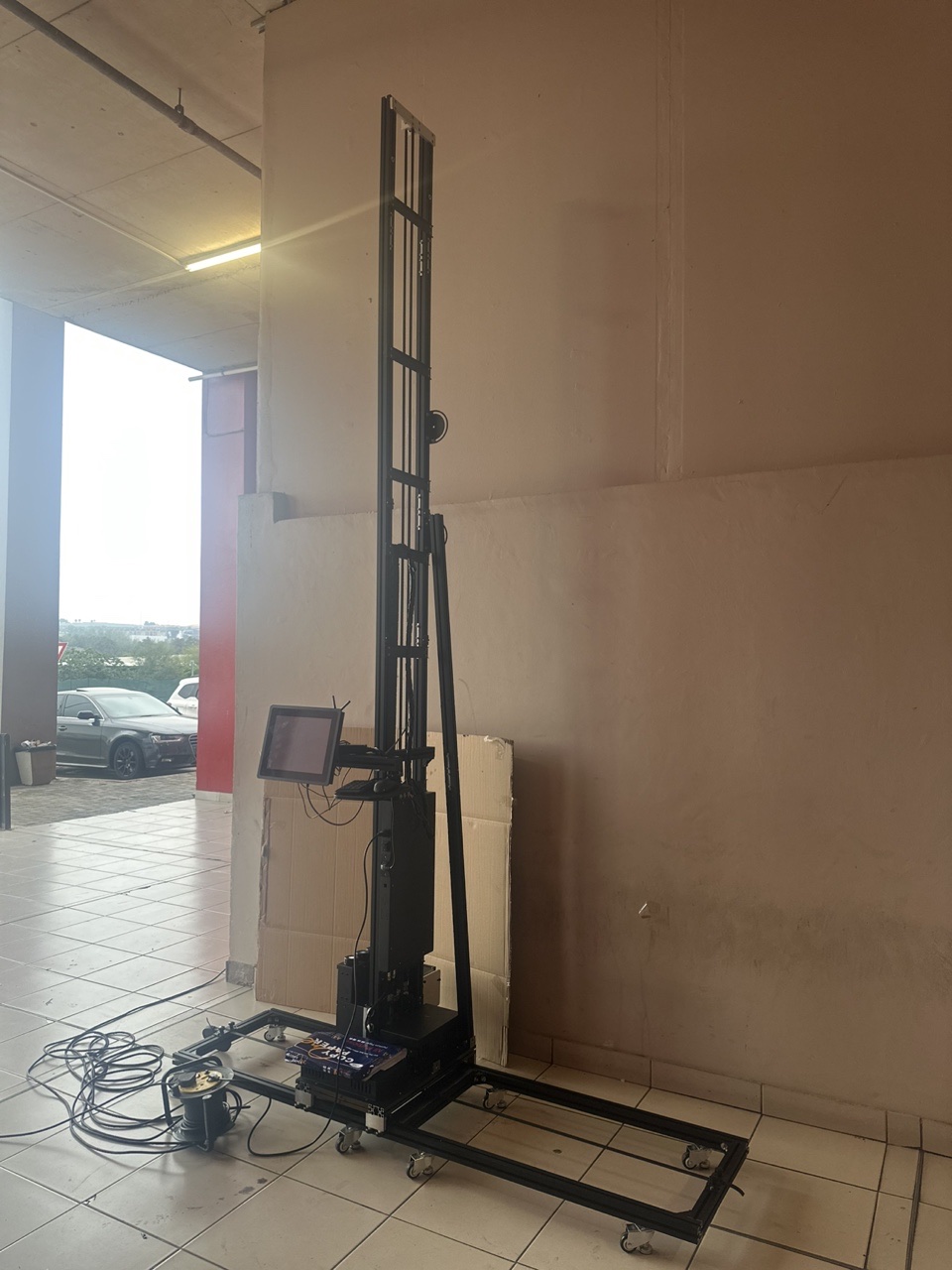
Latest Arrivals
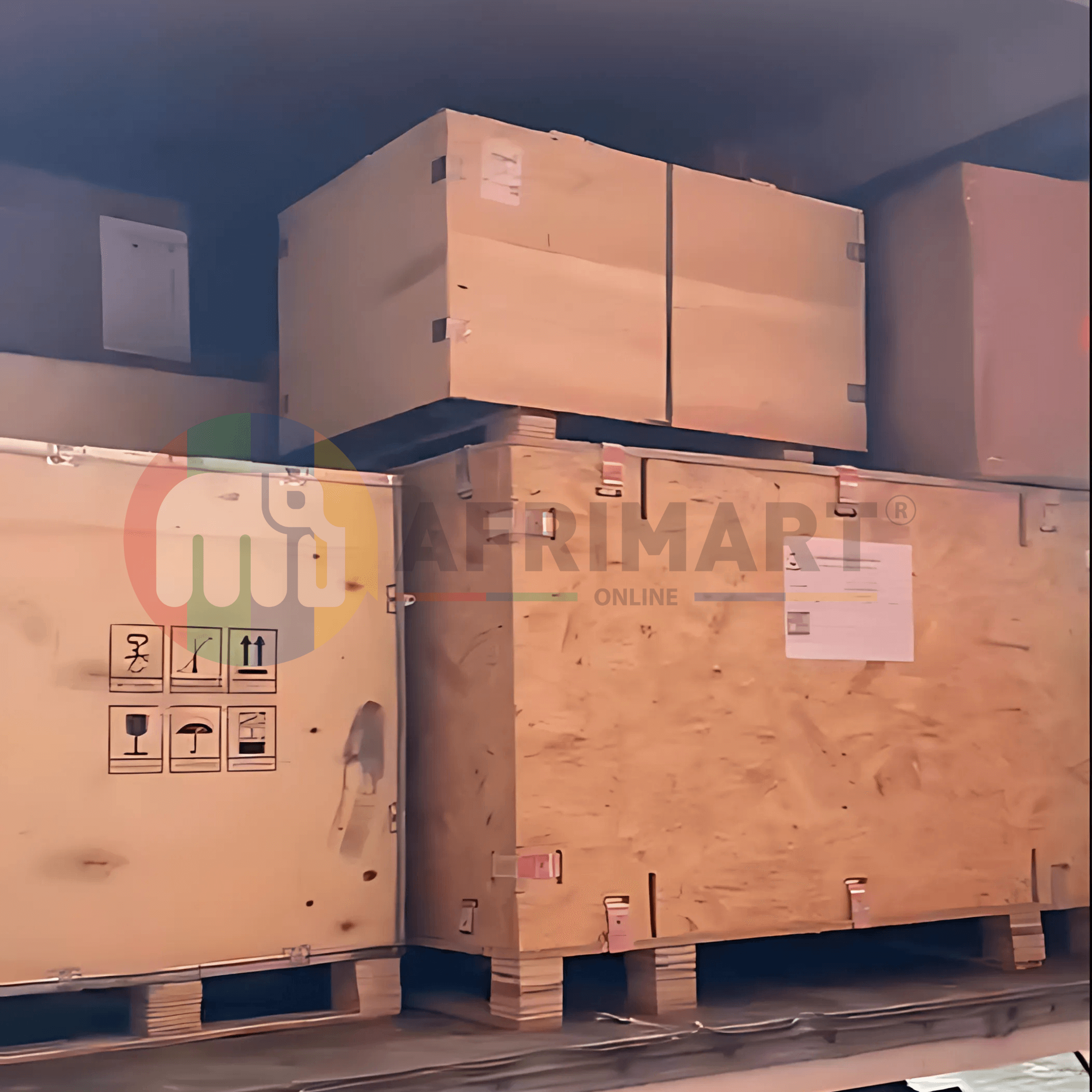
Latest Arrivals
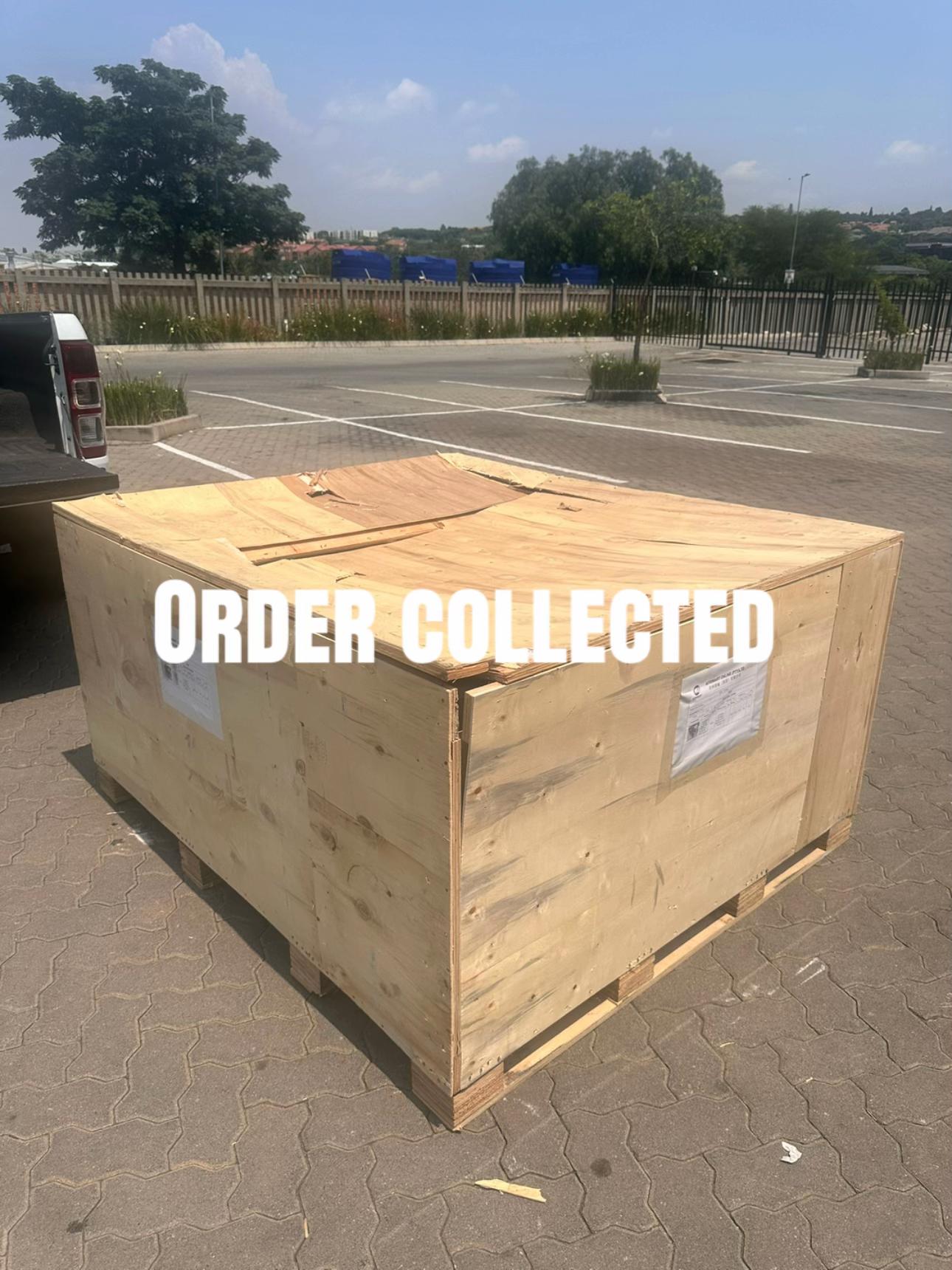
Latest Arrivals
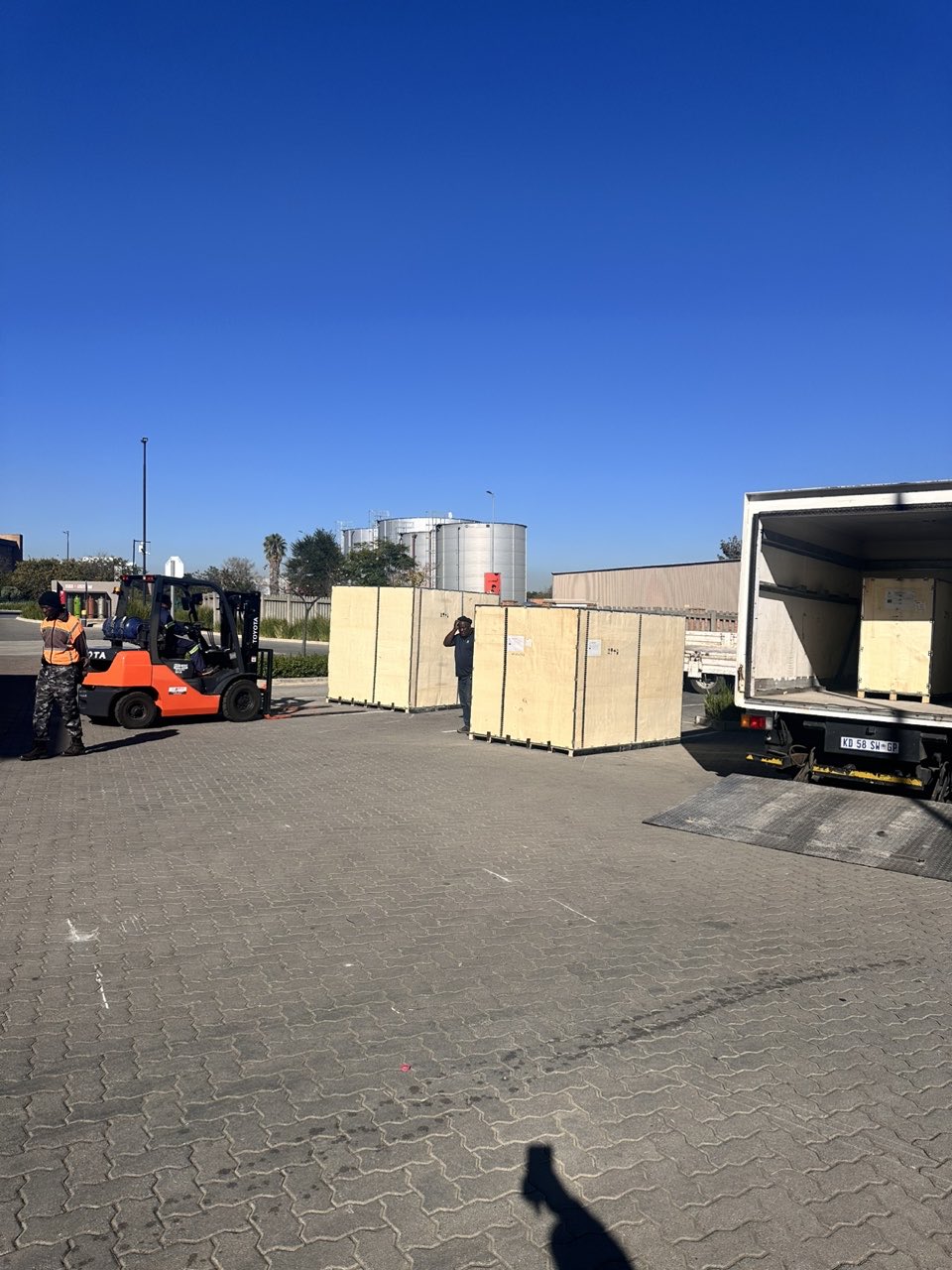
Loading
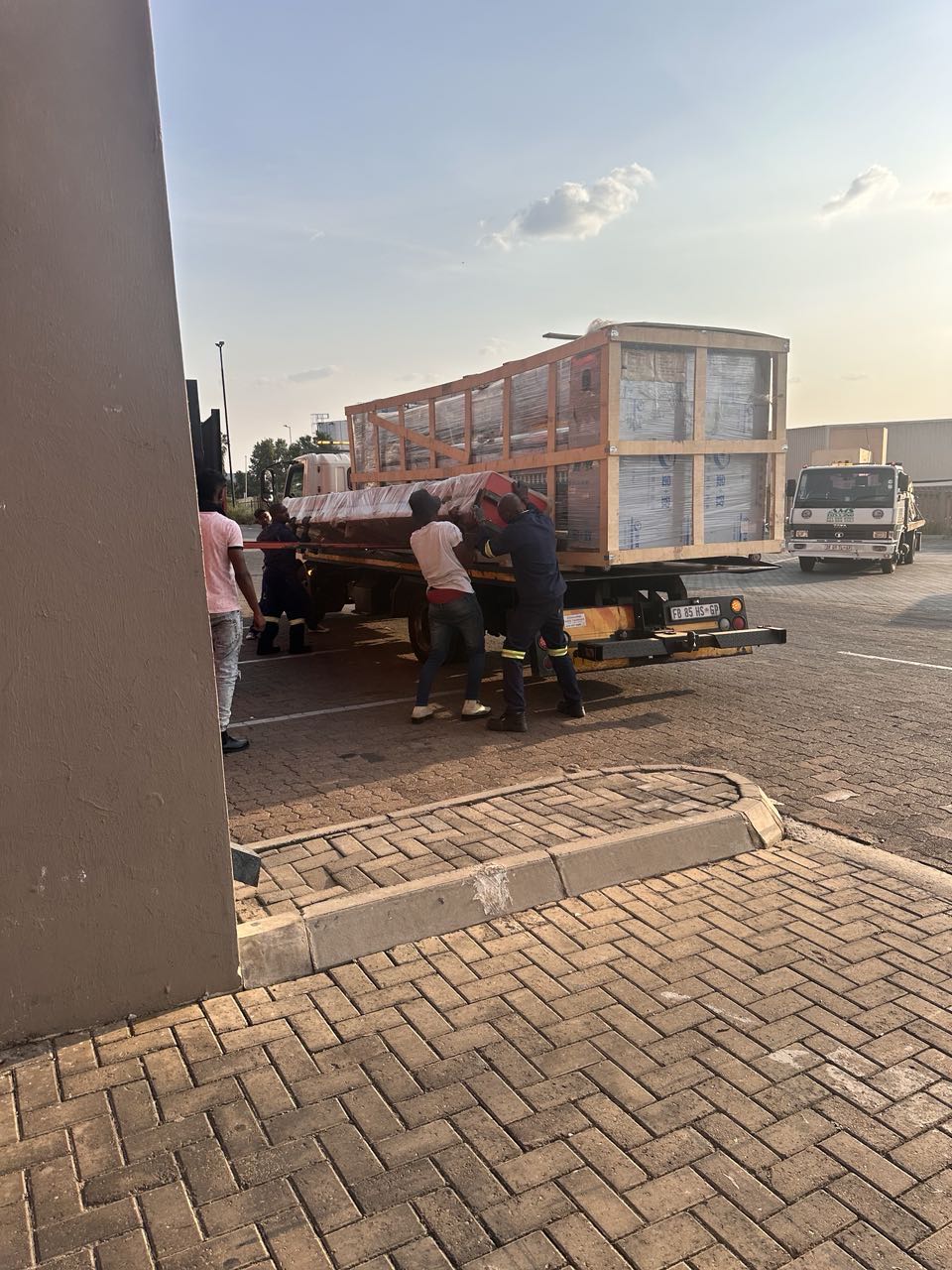
Toilet paper making machine
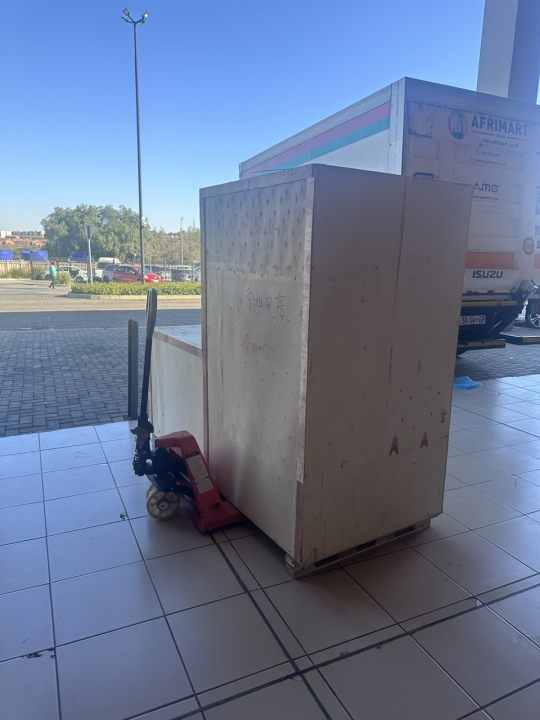
Toilet paper making machine
Toilet paper Rewinding Machine
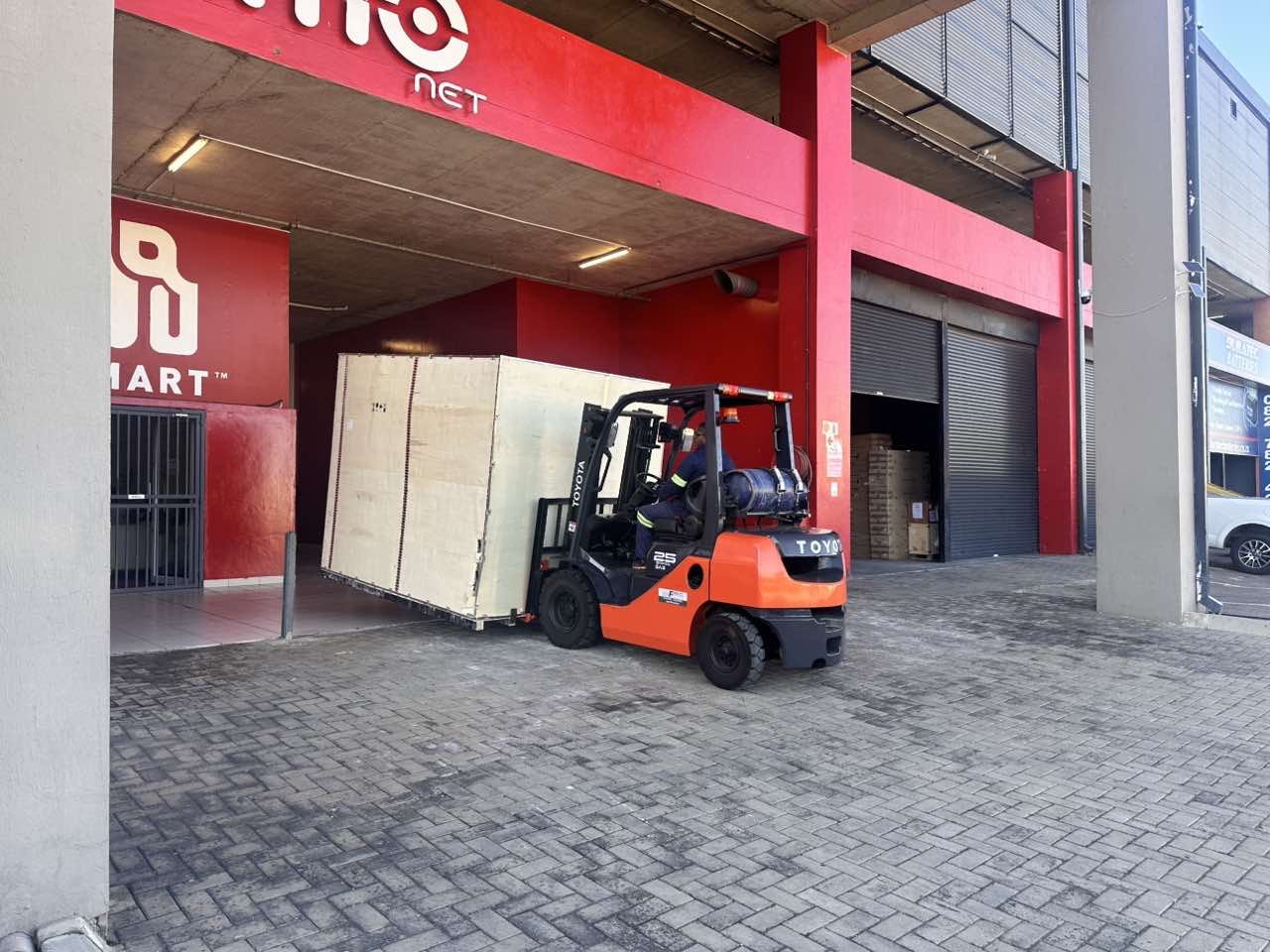
latest arrivals
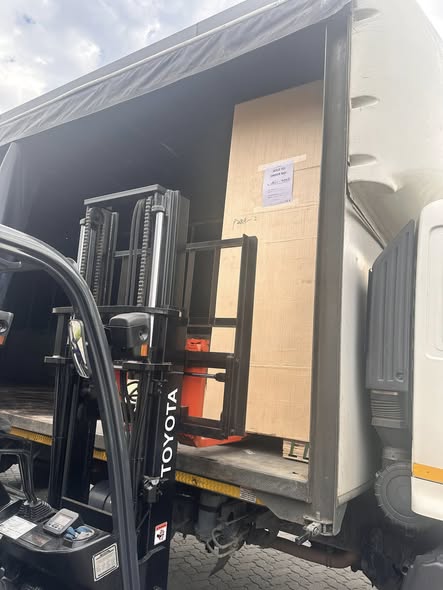
offloading
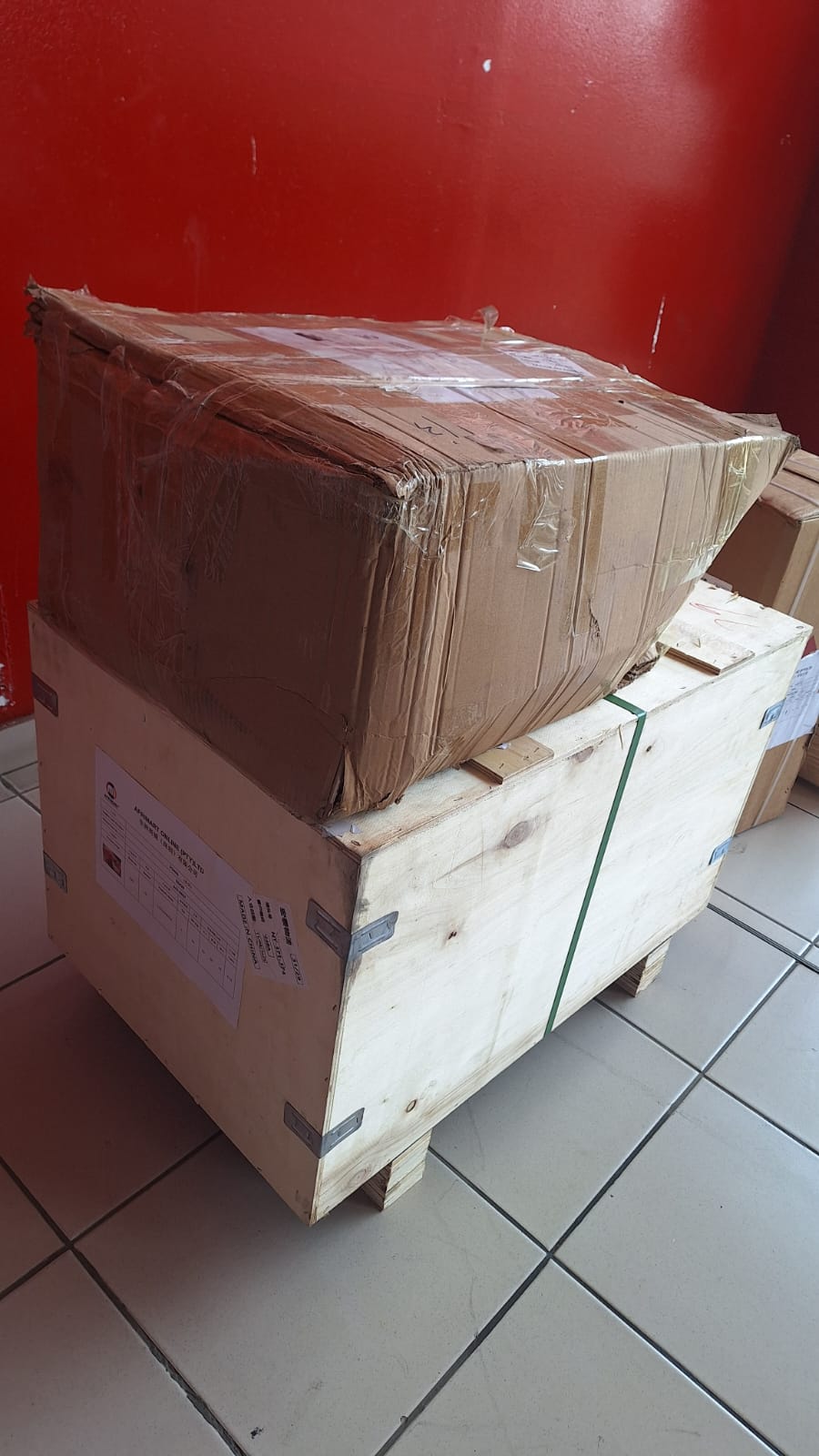
order success
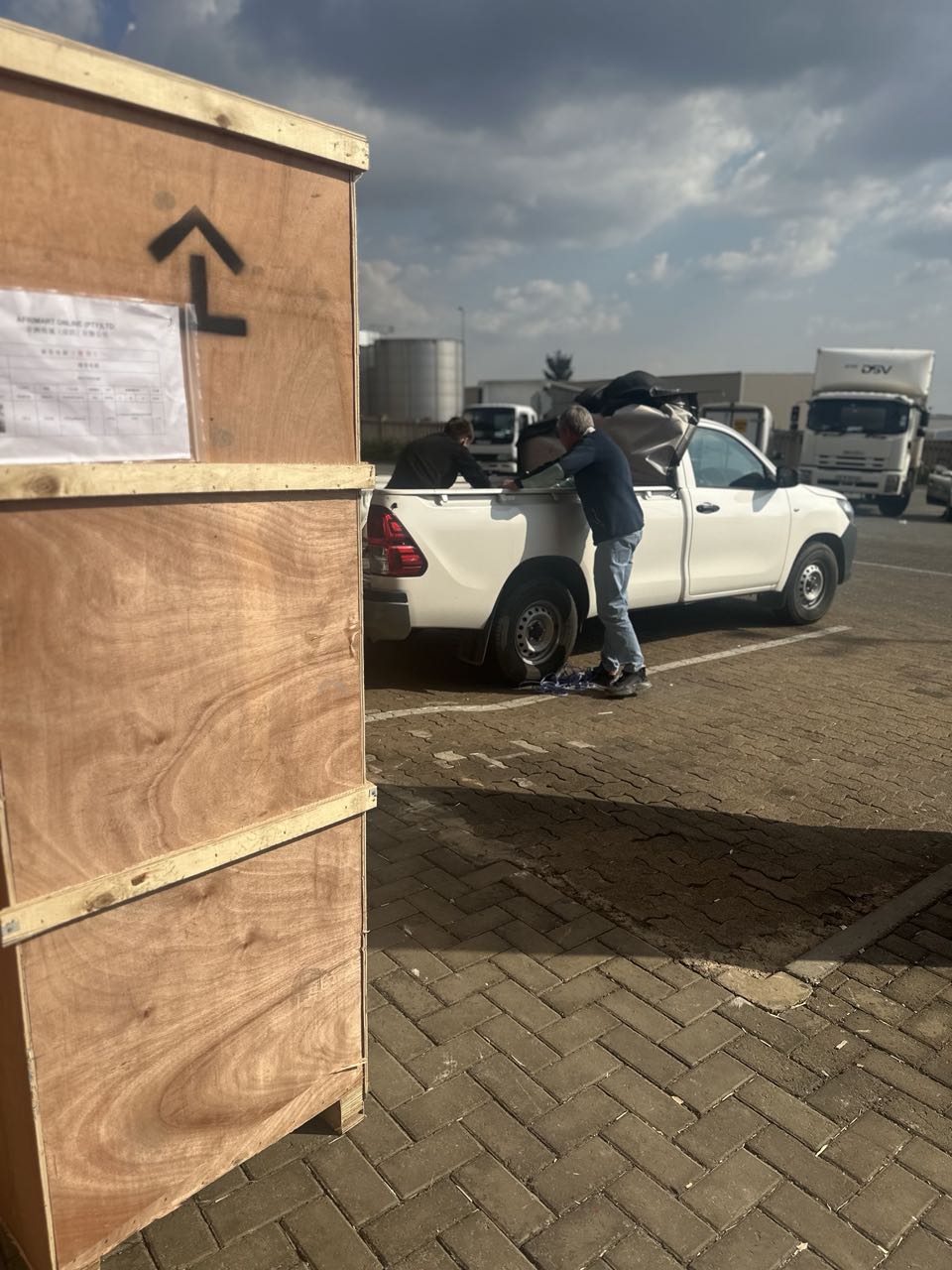
order collection
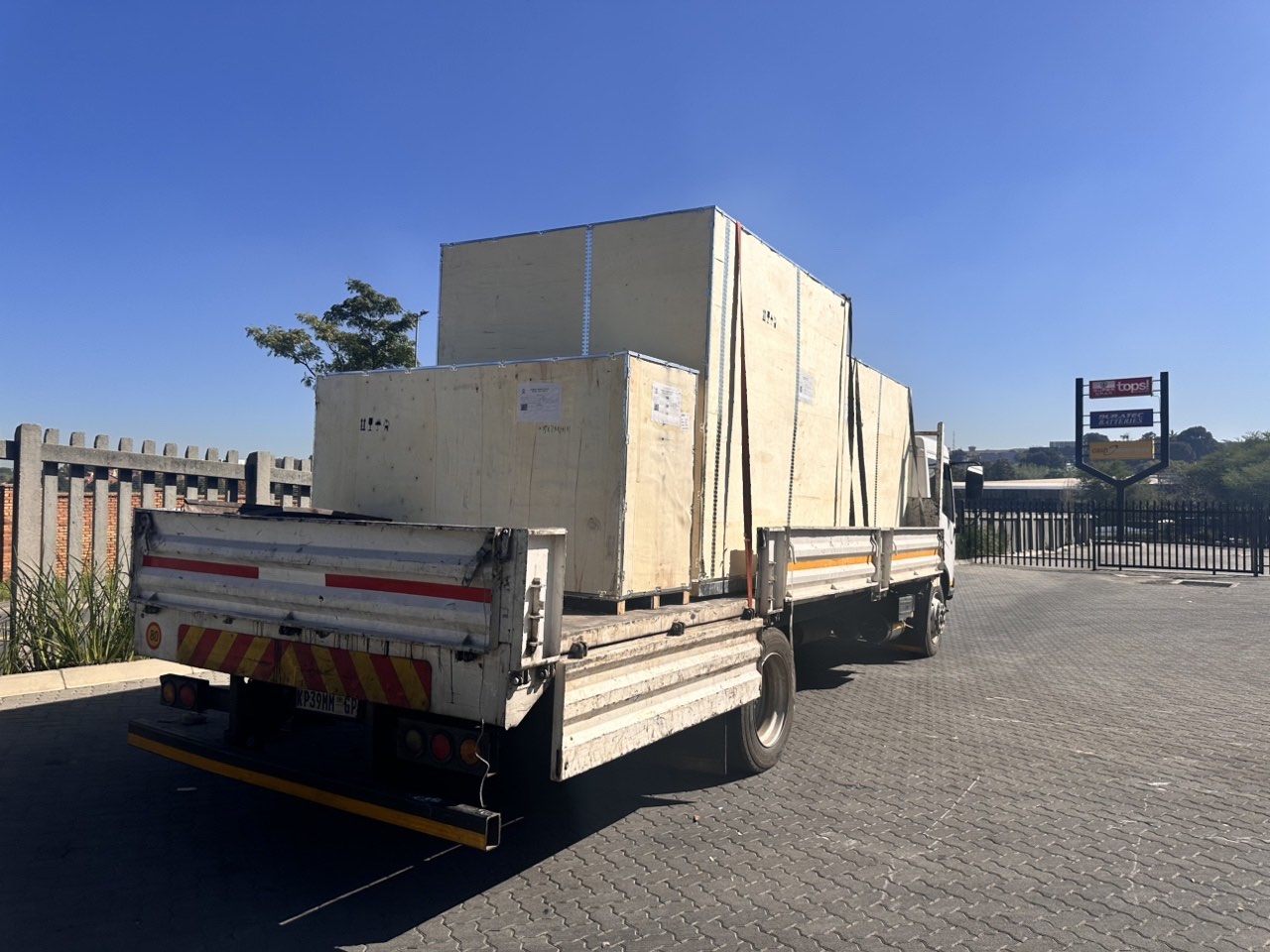
order offloading