B21, China Town Mall, Midrand

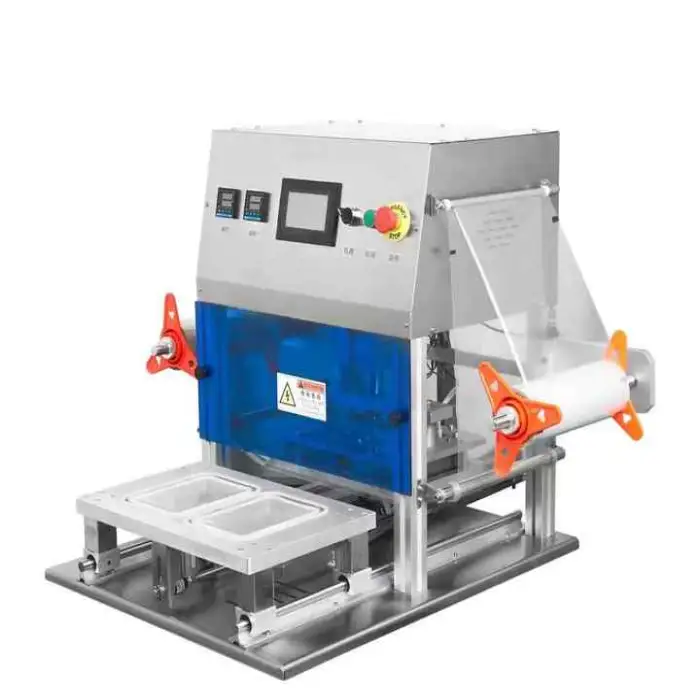
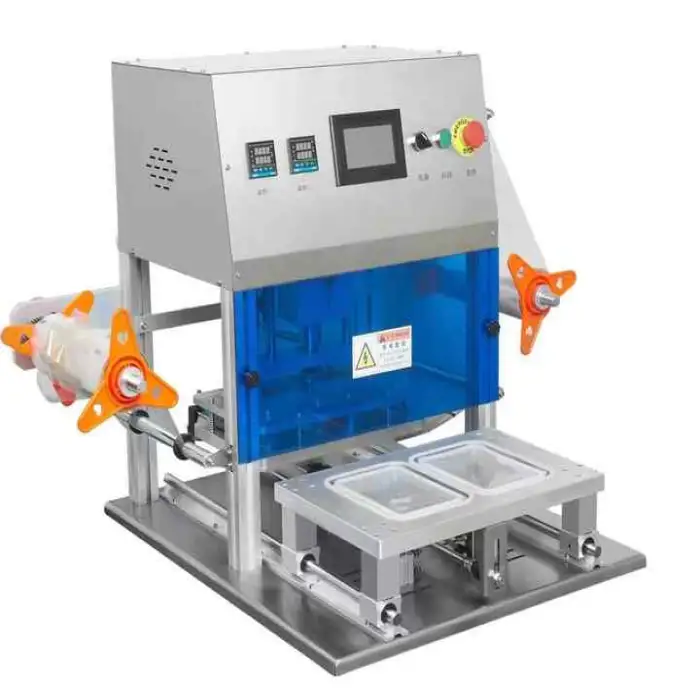
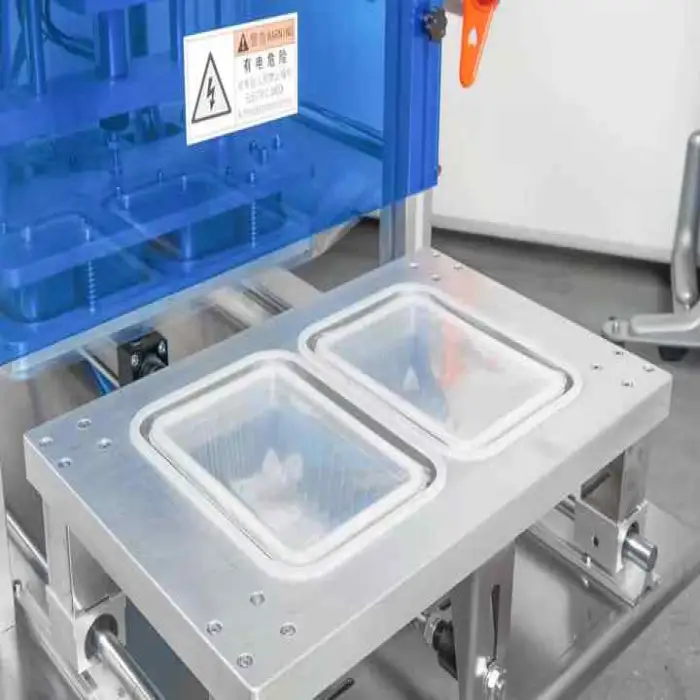
Plastic Box Tray Sealing Machine Fill Nitrogen and Vacuum Take Away Fast Food Lunch Box Sealer
Asset finance available
Do you want funding for this equipment?
Afrimart can connect you with trusted funding partners who specialise in asset finance for businesses like yours. Compare options and apply in minutes — final approval is subject to provider review.
Check funding options
Secure & no obligation

- Section : Machinery
- Category : Packaging Machines
- SKU : 1600426533574

Plastic Box Tray Sealing Machine: Fill Nitrogen and Vacuum Take Away Fast Food Lunch Box Sealer
The Plastic Box Tray Sealing Machine is the perfect solution for sealing take-away fast food lunch boxes. This semi-automatic machine helps keep food fresh and safe by using nitrogen and vacuum sealing. It is easy to operate and can package various items like cans, bottles, and foil. With a maximum speed of 150 pieces per minute, this machine is efficient and reliable for your food and beverage needs.
Specifications
| Attribute | Details |
|---|---|
| Driven Type | Manual |
| Packaging Type | CANS, Bottles, Film, Foil, Capsule |
| Voltage | 220V |
| Automatic Grade | Semi-automatic |
| Packaging Material | Paper, Wood |
| Application | Food, Beverage |
| Max Speed | 150 pcs/min |
| Brand Name | OEM |
Key Features
- Easy to operate for quick sealing.
- Suitable for various packaging types.
- High speed of up to 150 pieces per minute.
- Manual operation for better control.
- Supports nitrogen and vacuum sealing for freshness.
Applications
- Fast food restaurants for lunch boxes.
- Catering services for food packaging.
- Food delivery services for safe transport.
- Retail food packaging for various products.
- Home use for preserving food items.
Product Info Gallery
- Shipping Timeframes: All orders are processed within 2-5 business days (excluding weekends and holidays). After your order has been processed, the estimated delivery time is before 25 Jun, 2026, depending on customs, Please note that due to high demand, some items may experience longer shipping times, which will be communicated at order confirmation email.
- Order Processing Time: Please allow 2-5 business days for us to process your order before it is shipped . Orders placed after 16:00 on Fridays, or during weekends and public holidays, will begin processing on the next business day. Processing times may be extended during peak seasons or sales events.
- Manufacturing Time: Some products needs manufacturing time, the manufacturing process will take approximately 10-30 business days depending on the product. This timeframe may vary depending on the complexity of the product and current demand. but this will be communicated with you during order confirmation.
- Returns and Exchanges: We offer a 30-day return policy for most items. If you are not completely satisfied with your purchase, you may return it within 30 days of receipt for a refund or exchange. Items must be unused, in their original packaging, and accompanied by proof of purchase. Return shipping costs are the responsibility of the customer, unless the item was damaged or defective upon arrival.
1. What is the Plastic Box Tray Sealing Machine used for?
It's a semi-automatic sealer for take-away lunch boxes and similar containers that uses vacuum and nitrogen flushing to extend freshness and provide tamper-evident packaging for food and beverage items.
2. How do the nitrogen and vacuum functions work?
Nitrogen flushing replaces oxygen in the package to slow oxidation and spoilage; the vacuum function removes air from the package. The machine can perform either or both depending on your packaging needs.
3. Do I need an external nitrogen tank or additional equipment?
Yes — nitrogen flushing requires an external food‑grade nitrogen cylinder and regulator. For vacuum performance, the machine uses an internal pump (confirm pump specs with the supplier).
4. What packaging types and materials are compatible?
Compatible with trays, film, foil and some films used to seal cans, bottles and capsules as listed. Use heat-sealable films or lidding foils recommended by the supplier. Verify compatibility with your specific tray material (plastic/paper/wood) before purchase.
5. What is the maximum production speed?
The machine is rated up to 150 pieces per minute. Actual throughput depends on tray size, operator skill, and chosen sealing mode (vacuum vs nitrogen).
6. Is the machine fully automatic?
No — it is semi-automatic/manual driven. An operator places the tray and starts the cycle; the machine performs the sealing/vacuum/nitrogen process automatically.
7. What are the electrical requirements?
The unit is specified for 220V. Check with the supplier for phase (single/three phase), frequency, and local electrical compliance before installation.
8. What tray sizes and shapes can it seal?
Tray size and tooling are not specified in the listing. Contact the supplier with your tray dimensions and shape so they can confirm compatibility or provide custom tooling.
9. How easy is it to operate and train staff?
The machine is designed for simple operation: load tray, align film, start cycle. Basic operator training (safety, loading, changeover, simple maintenance) is normally sufficient and often provided by the supplier.
10. What routine maintenance is required?
Daily cleaning of food-contact areas, regular inspection and replacement of sealing rubbers/gaskets, checking vacuum pump oil (if applicable), and periodic inspection of gas connections. Follow the manufacturer's maintenance schedule.
11. Is the machine safe for food packaging?
Yes, when used with food‑grade films and food‑grade nitrogen and following hygienic cleaning procedures. Always verify materials and cleaning protocols meet local food-safety regulations.
12. Can it seal cans and bottles directly?
The machine is primarily for tray/lidding operations. The listing mentions cans and bottles as application areas (likely for packaging film or foil operations), but you should confirm specific use cases with the supplier before assuming direct can/bottle sealing capability.
13. What spare parts, service and certifications are available?
Parts and service availability vary by OEM/distributor. Ask the supplier for spare parts lists, service agreements, lead times, and any certifications (e.g., CE, food-safety documentation) you require.
14. How does product size affect sealing speed and quality?
Larger or irregular trays typically reduce cycle speed and may require different tooling or settings. Sealing quality can be affected by tray wrinkles, uneven rims, or incompatible film—proper setup and tooling optimize both speed and seal integrity.
15. What should I check before buying?
Confirm compatibility with your tray dimensions and materials, vacuum and nitrogen requirements, electrical supply, required throughput, available spare parts/service, and requested food-safety certifications. Ask for a demo or video with sample trays if possible.
Latest Order Arrivals
Discover our latest orders

12 Heads Embroidery Machine

Toilet Paper Machine Machine

Order Collection

Cross Border Clients

Order cros border countries Collected

Industrial Machine Cllection

Agriculture Processing Machines

Ready for collection

Water Pump Equipment

Packaging Machine and accessories

Fabrics Manufacturing Equipment

Mining Equipments

Food Processing Machine

Batch of Orders

Batch of Orders

Latest Orders Labelled

wheel alignment machines

new arrivals

Pre Orders Offloading

Latest Arrivals

Latest Arrivals

Latest Arrivals

Loading

Toilet paper making machine

Toilet paper making machine

Toilet paper Rewinding Machine

latest arrivals

offloading

order success

order collection

order offloading