B21, China Town Mall, Midrand

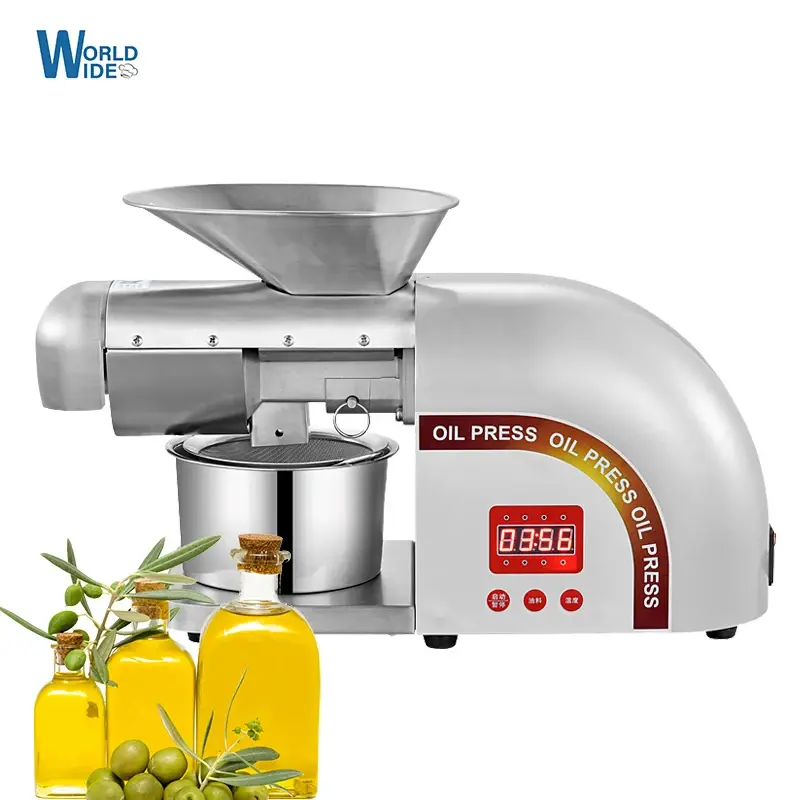
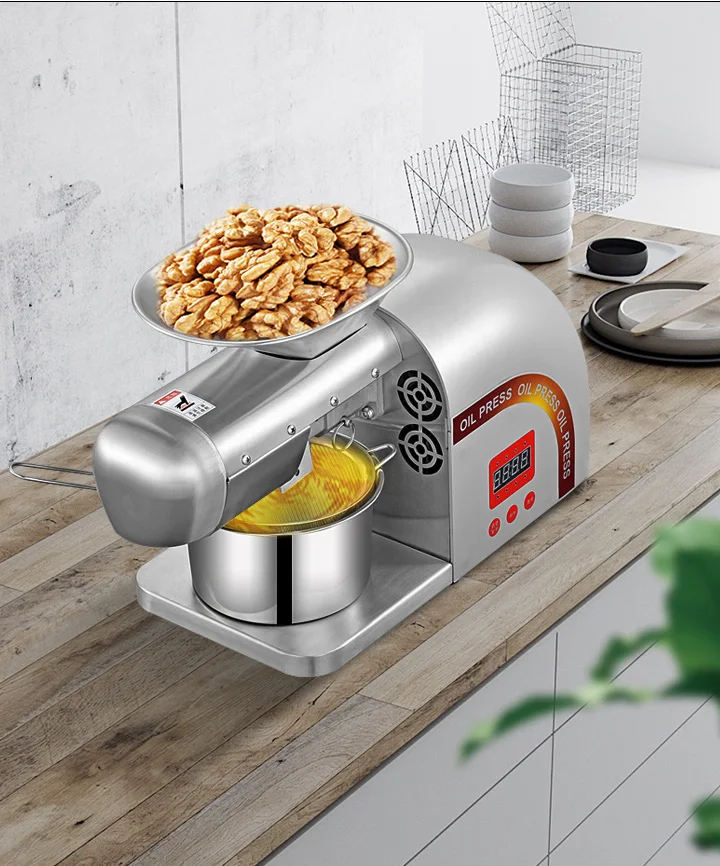
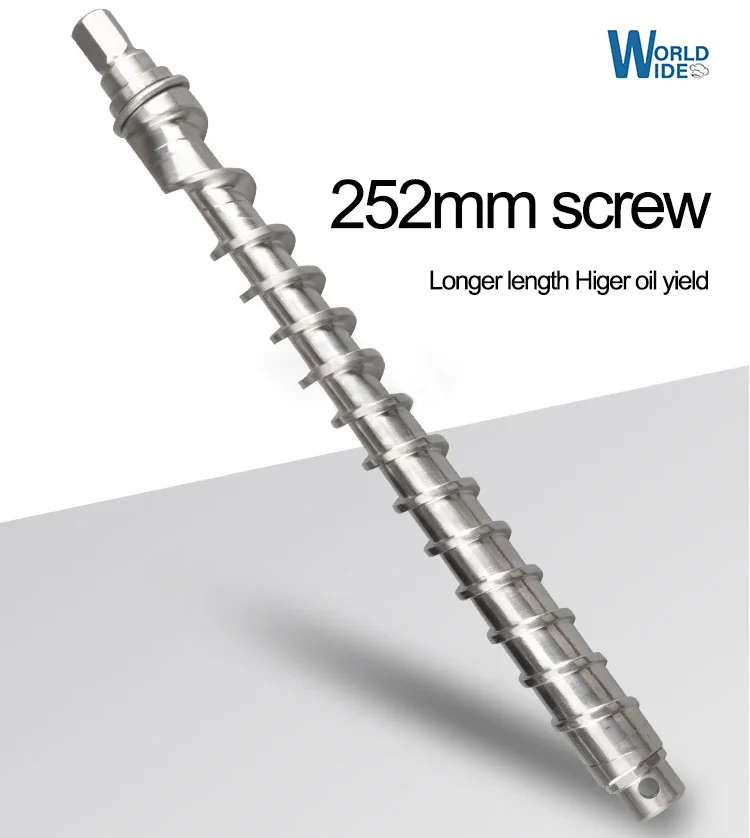
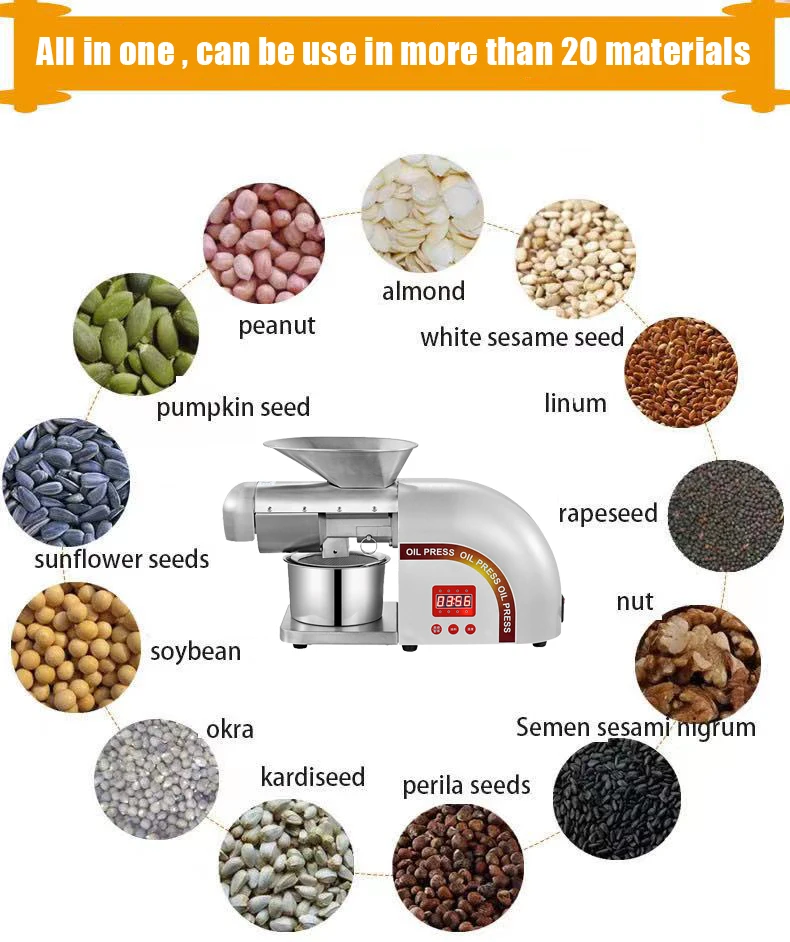
Oil extracting screw olive oil making machine press

- Section : Machinery
- Category : Agriculture Machinery
- SKU : 1600325442447

Products Description
- Shipping Timeframes: All orders are processed within 2-5 business days (excluding weekends and holidays). After your order has been processed, the estimated delivery time is before 03 Feb, 2026, depending on customs, Please note that due to high demand, some items may experience longer shipping times, which will be communicated at order confirmation email.
- Order Processing Time: Please allow 2-5 business days for us to process your order before it is shipped . Orders placed after 16:00 on Fridays, or during weekends and public holidays, will begin processing on the next business day. Processing times may be extended during peak seasons or sales events.
- Manufacturing Time: Some products needs manufacturing time, the manufacturing process will take approximately 10-30 business days depending on the product. This timeframe may vary depending on the complexity of the product and current demand. but this will be communicated with you during order confirmation.
- Returns and Exchanges: We offer a 30-day return policy for most items. If you are not completely satisfied with your purchase, you may return it within 30 days of receipt for a refund or exchange. Items must be unused, in their original packaging, and accompanied by proof of purchase. Return shipping costs are the responsibility of the customer, unless the item was damaged or defective upon arrival.
1. What is an oil extracting screw olive oil making machine press?
It is a mechanical press that uses a rotating screw (auger) to continuously compress olive paste and separate oil from solids and water. Screw presses are used for small- to medium-scale olive oil production and are valued for continuous operation and relatively simple maintenance.
2. How does a screw olive oil press work?
Olives are crushed into a paste (or fed as pits+pulps), then conveyed by a rotating screw through a tapered cage. Compression forces oil and liquid through the cage screens while solids (cake) are discharged at the end. Liquid is then separated into oil and water by decantation or centrifugation.
3. What capacity options are available?
Capacities vary by model. Typical screw presses for olive oil production range from about 50 kg/h for small units up to 1,000+ kg/h for larger industrial models. Exact capacity depends on screw size, motor power, and olive characteristics.
4. What oil yield can I expect?
Yield depends mainly on olive variety, ripeness, pre-treatment and process settings. Olives generally contain roughly 12–25% oil by weight; a well-operated screw press can recover around 80–95% of the oil present in the paste, with the higher end achieved after good paste preparation and optimization.
5. Can this machine produce cold-pressed extra virgin olive oil?
Yes. Cold pressing is possible if process temperatures are kept below recommended limits (often <27°C/80°F) and olives/paste are processed without heating. Temperature control, quick processing, and hygienic handling are essential to achieving high-quality extra virgin oil.
6. What pre-treatment of olives is required?
Olives should be cleaned (to remove leaves, stones, and debris) and crushed or milled into a homogeneous paste before feeding the screw press. Some setups pit the olives beforehand or use hammer mills or disc crushers for milling. Proper paste consistency improves extraction efficiency.
7. What materials is the machine made from?
Parts in contact with olives and oil are typically stainless steel (304 or 316) to meet food safety and corrosion resistance requirements. Other structural components may use painted steel or alloy steels depending on the model.
8. What power and utility requirements does it have?
Power depends on capacity; motors commonly range from a few kilowatts for small units up to tens of kW for larger presses. Machines usually operate on three-phase power (e.g., 380–480V) but can be supplied for local voltages. Water is needed for cleaning; some installations require a small amount for paste conditioning.
9. How easy is cleaning and maintenance?
Screw presses are designed for relatively straightforward cleaning and maintenance. Daily cleaning of screens and paste-contact surfaces is recommended. Periodic inspection of the screw, cage, seals and bearings and timely replacement of wear parts will prolong service life. Many models allow partial disassembly without special tools.
10. What spare parts and wear components should I expect to replace?
Common wear parts include the screw/auger, cage/screens, seals, bearings and drive belts. Filters and hoses may also require periodic replacement. It's advisable to stock key spares or ensure rapid access from the supplier.
11. Does the machine include oil/water separation and filtration?
Basic screw presses separate liquid from solids; the output is a mixture of oil and vegetation water. For quality oil, you will typically use a decanter centrifuge or settling tanks and filter presses or cloth/filter cartridges for polishing. Some suppliers offer integrated separation/filtration units as part of a complete system.
12. What are the installation and footprint requirements?
Installation requires a level, sturdy floor (concrete) and space for the press, paste preparation equipment, and downstream separation/filtration. Footprint depends on capacity—small units can fit in a compact room, while larger lines need a production area and material handling space. Proper drainage and waste handling for pomace and vegetation water are also needed.
13. What safety features should I expect?
Safety features commonly include emergency stop buttons, guards over moving parts, overload protection on the drive, and interlocks that prevent operation when access panels are open. Safe electrical wiring and operator training are important to prevent accidents.
14. What certifications and food-safety standards apply?
Look for food-grade materials (stainless steel), compliance with local electrical and machine-safety standards, and, where applicable, CE marking for European markets. Suppliers may also provide documentation to support HACCP, GMP, or other food-safety systems.
15. What warranty, delivery time and after-sales support can I expect?
Warranty terms vary by manufacturer but commonly cover 12 months for mechanical and electrical defects. Delivery time depends on model availability and customization; typical lead times range from 2–8 weeks. Good suppliers provide installation support, operator training, spare parts supply and technical service—confirm these details before purchase.
Latest Order Arrivals
Discover our latest orders
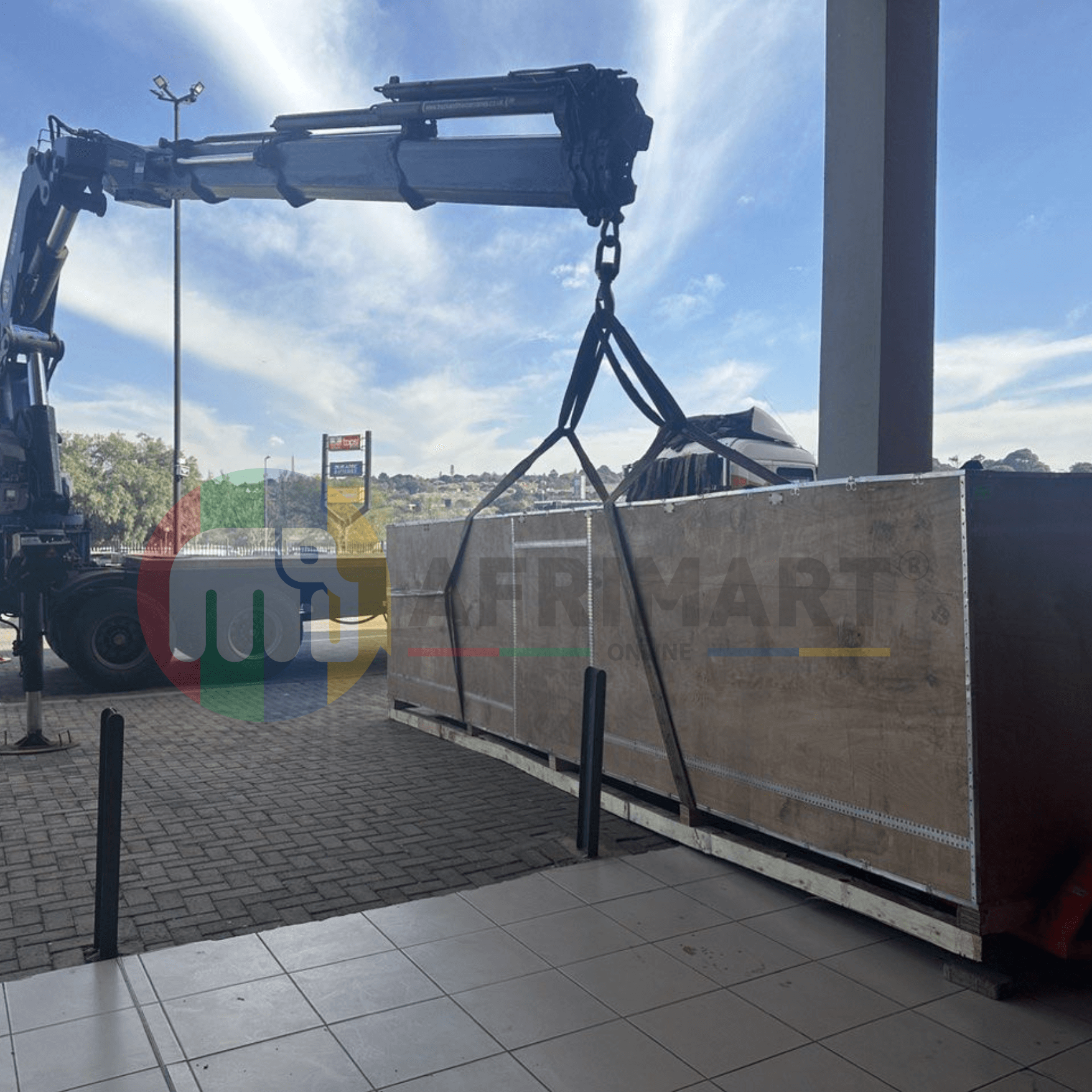
12 Heads Embroidery Machine
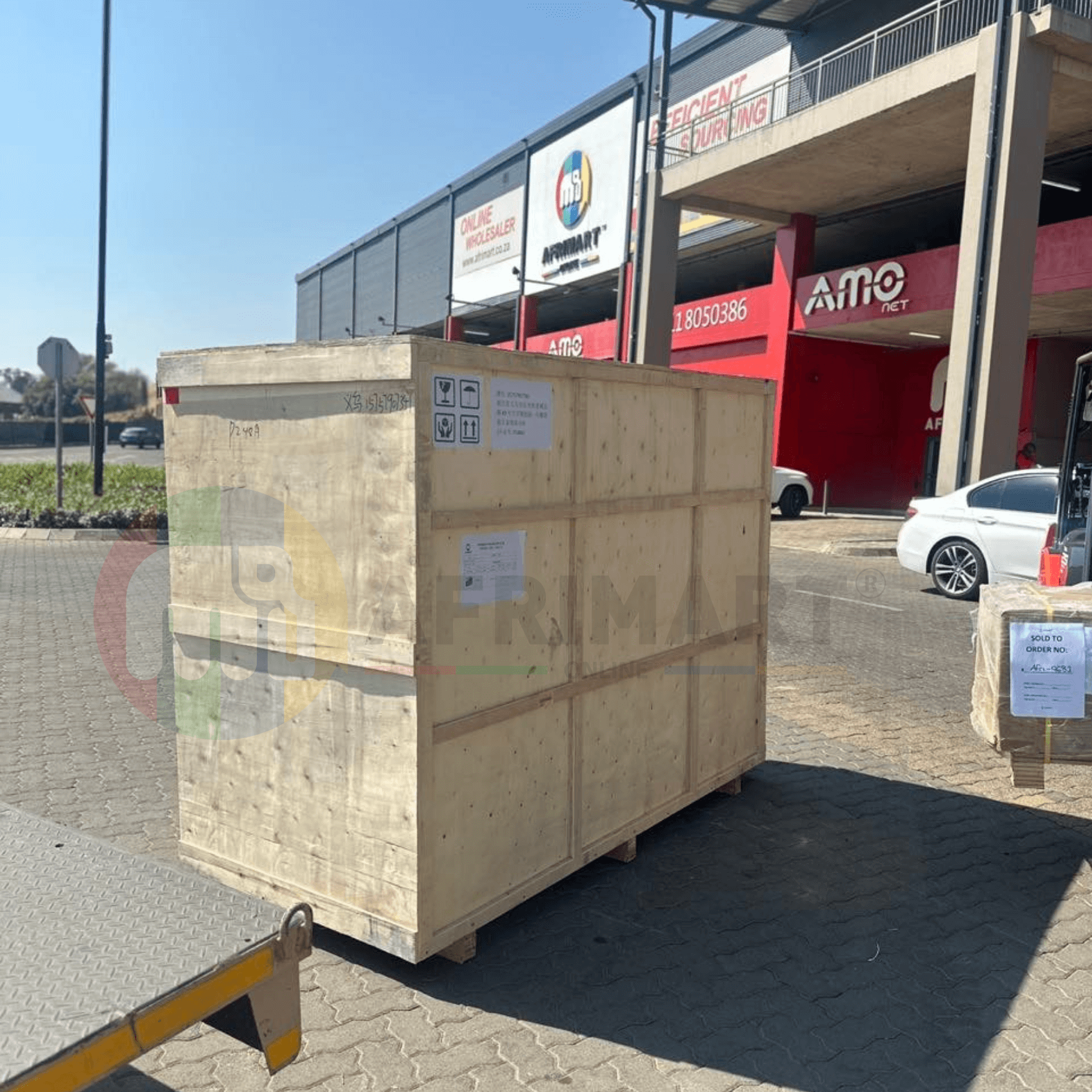
Dewatering Pump Machine
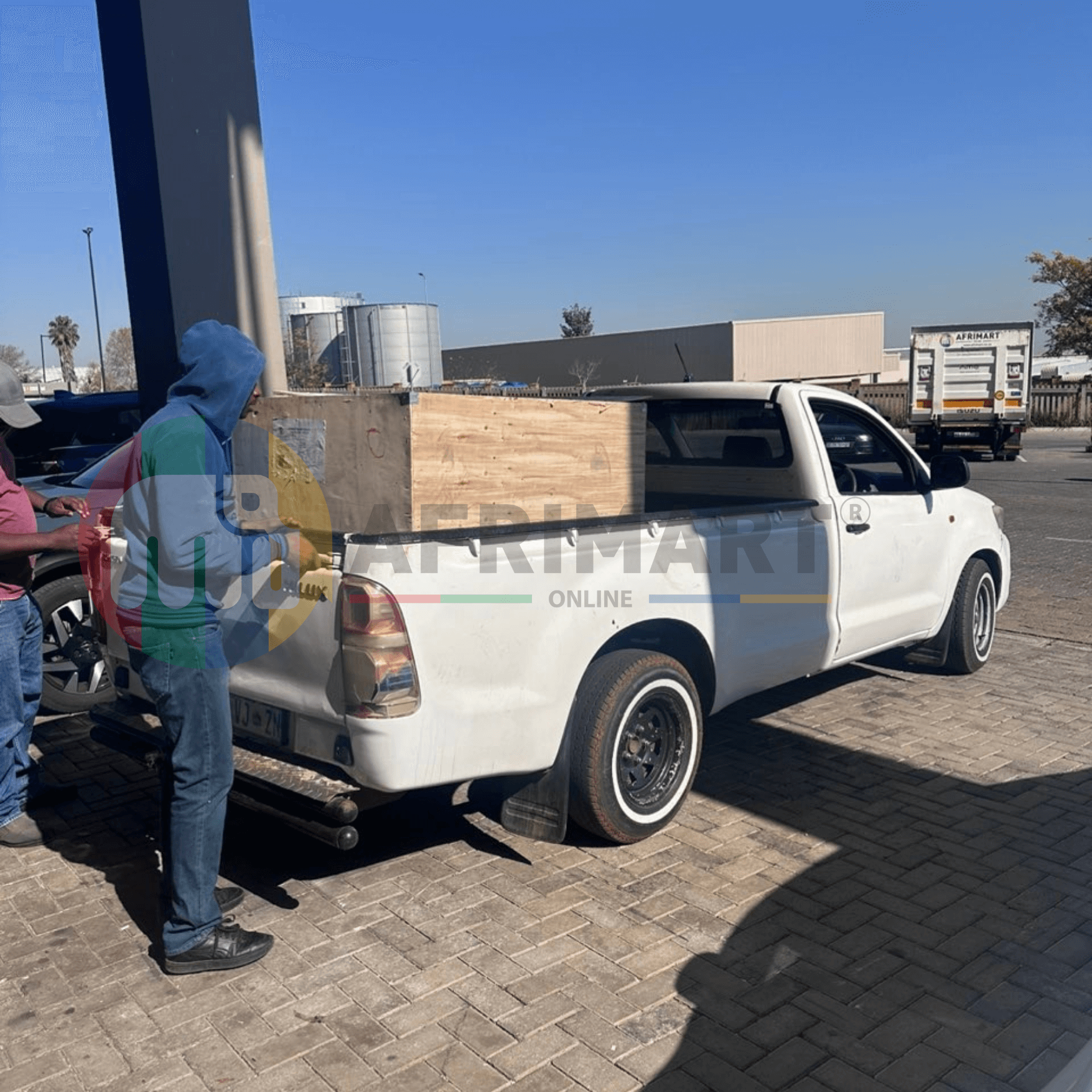
Order Collection
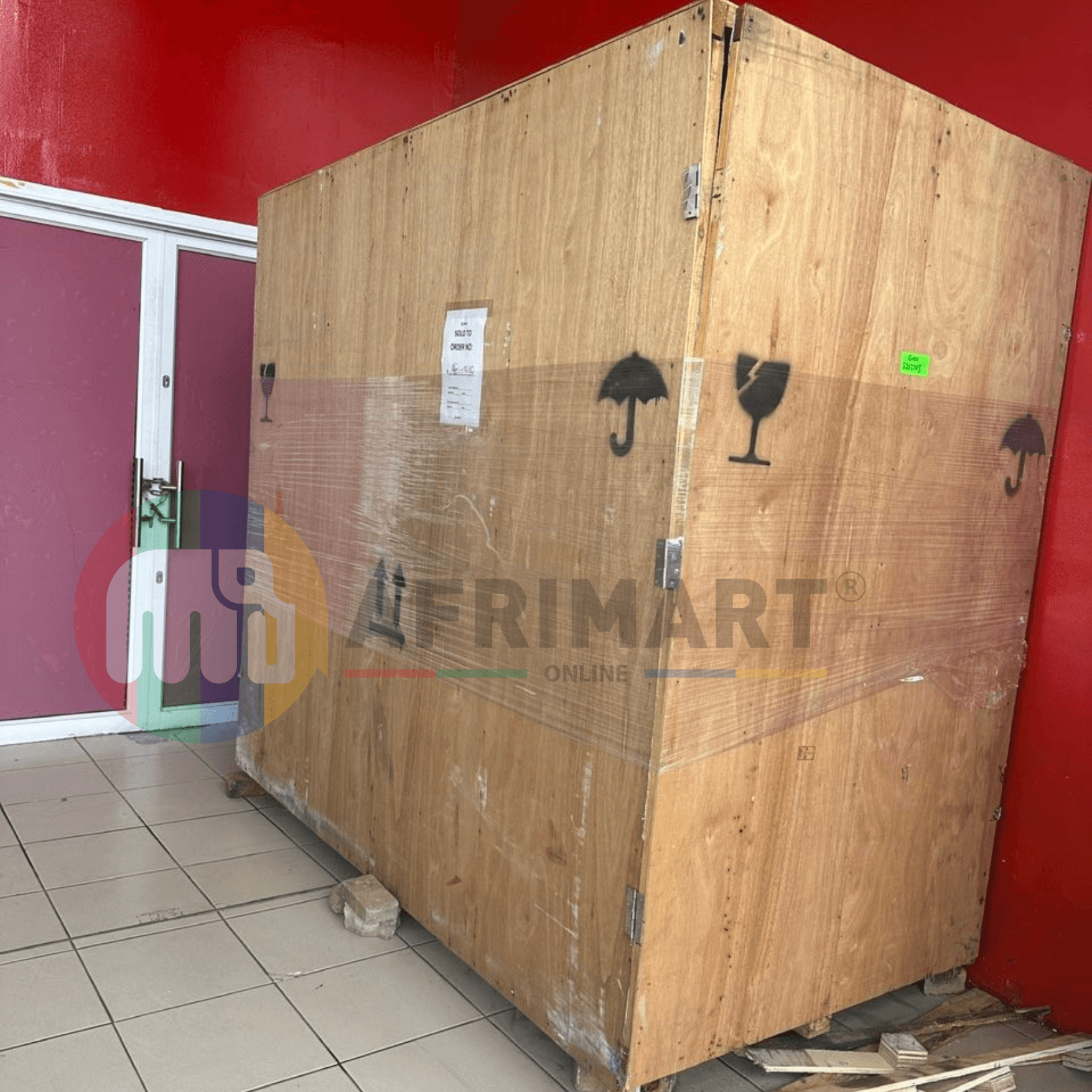
Portable Water Drilling Rig
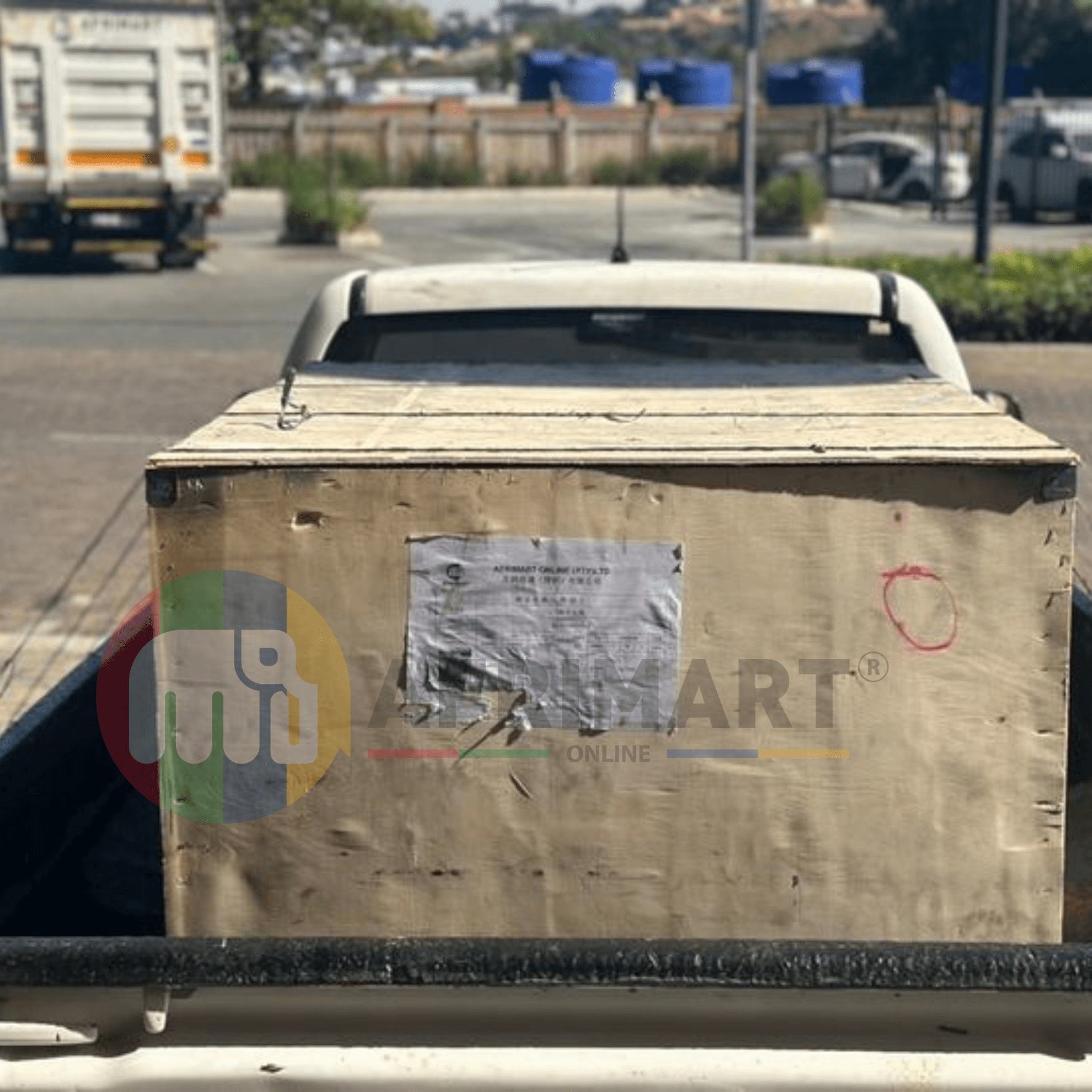
Order Usefully Collected
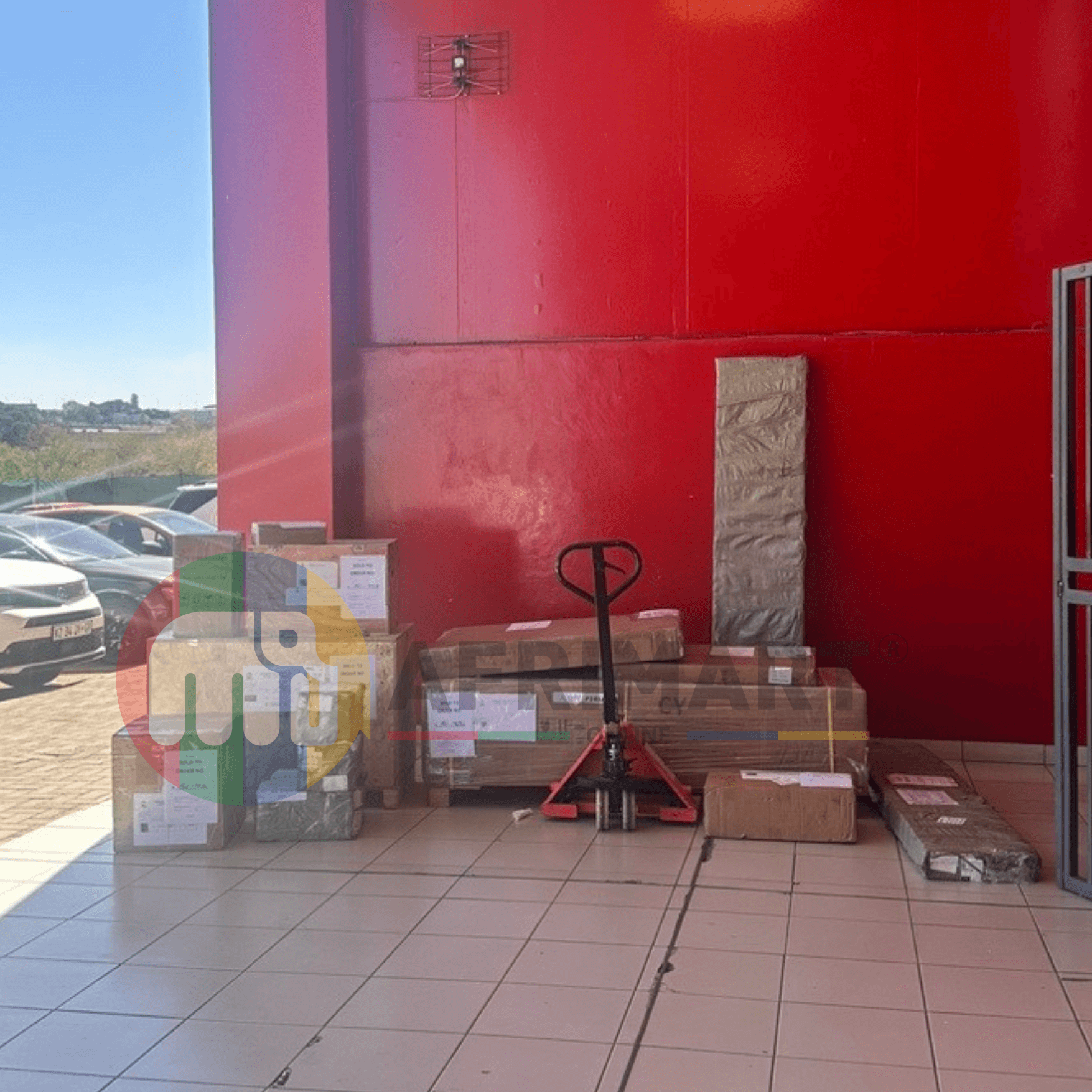
Batch of Orders
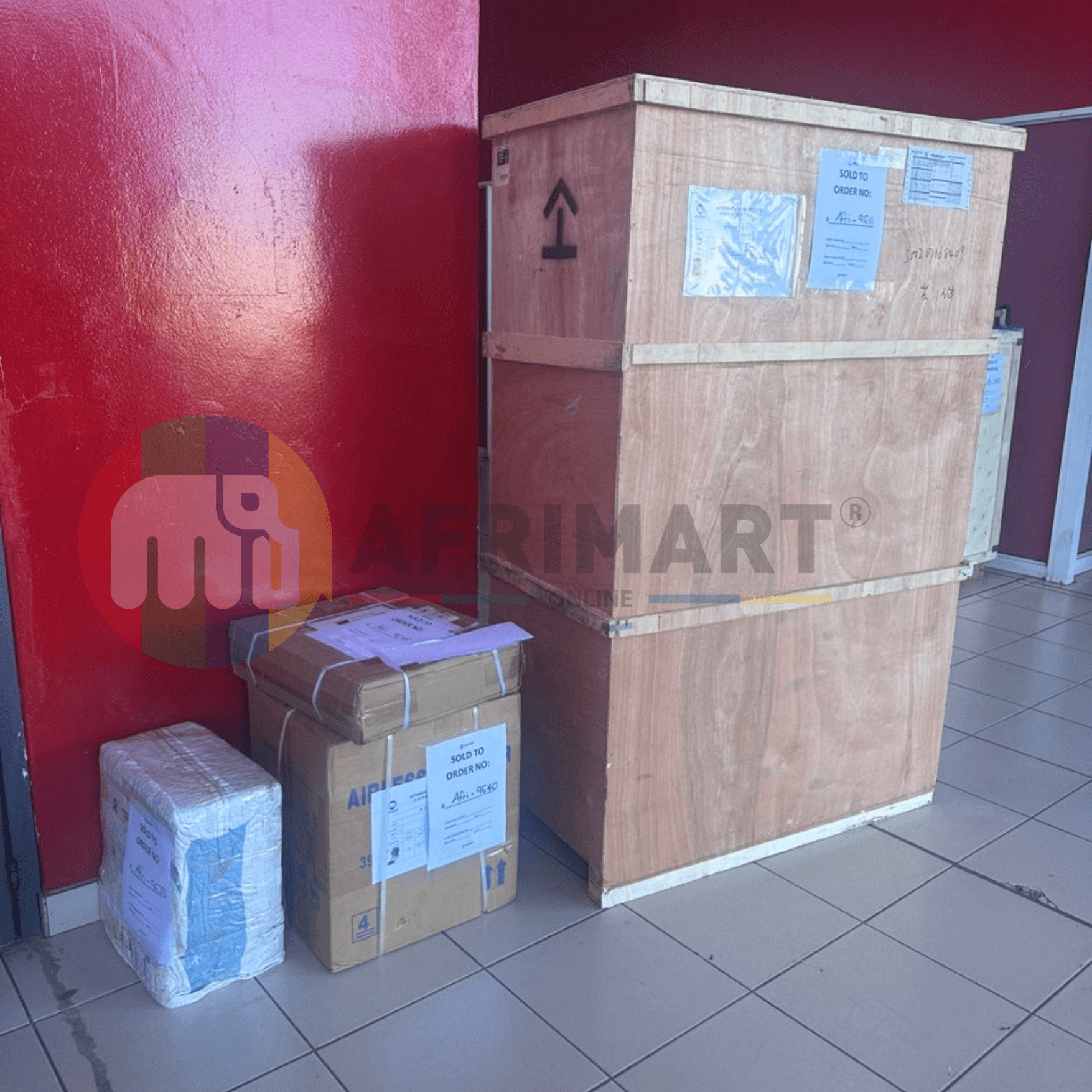
Agriculture Processing Machines
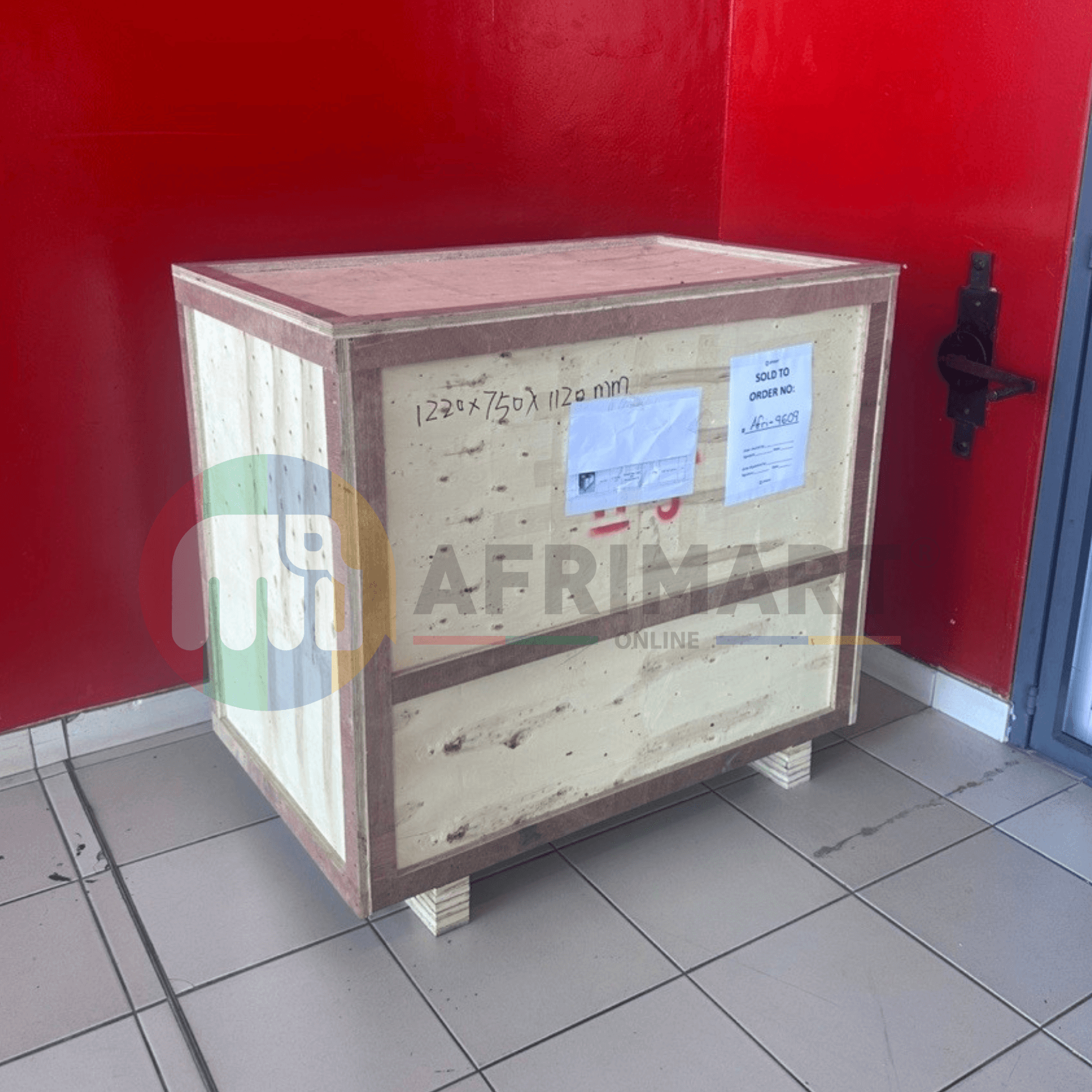
Meat Grinder Machine
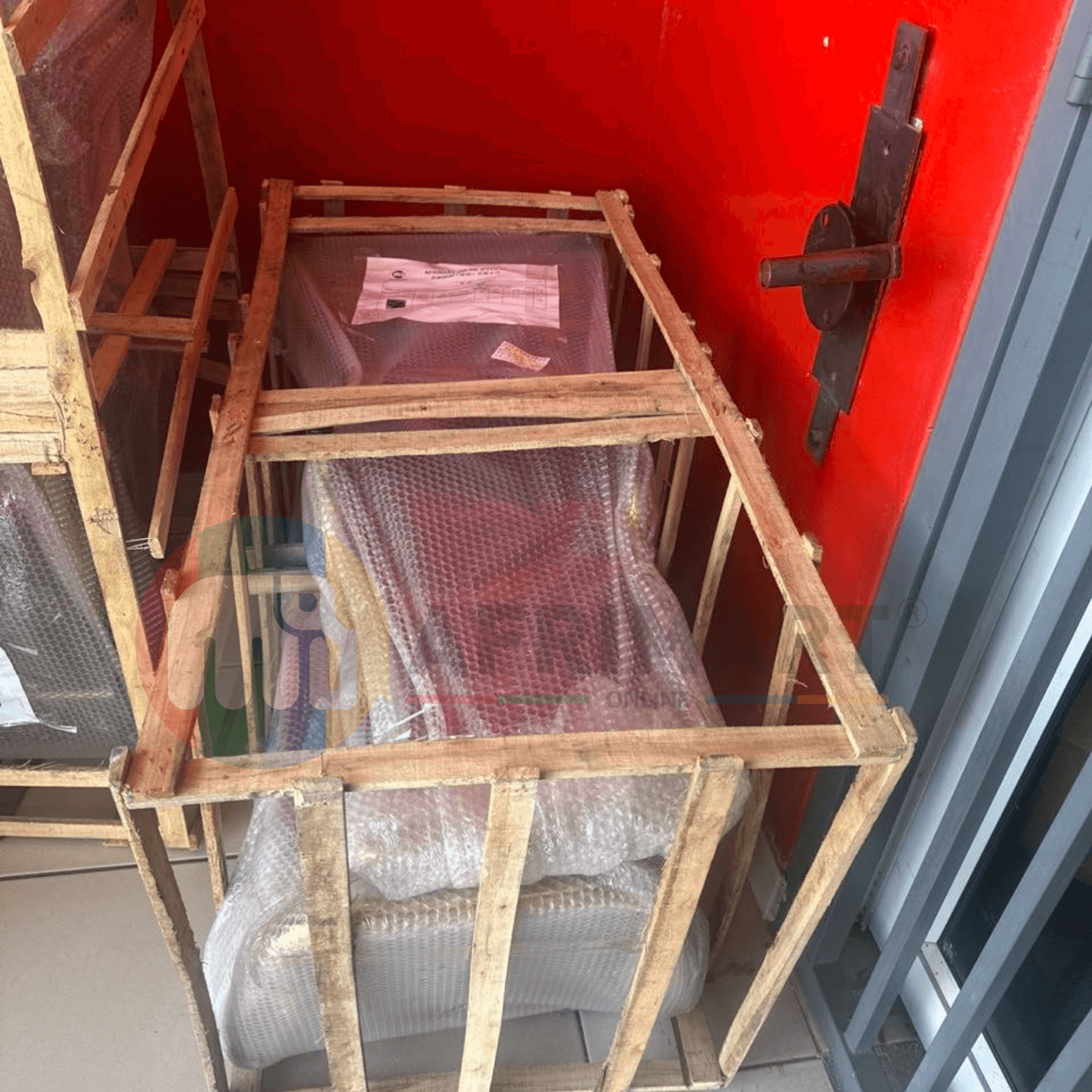
Water Pump Equipment
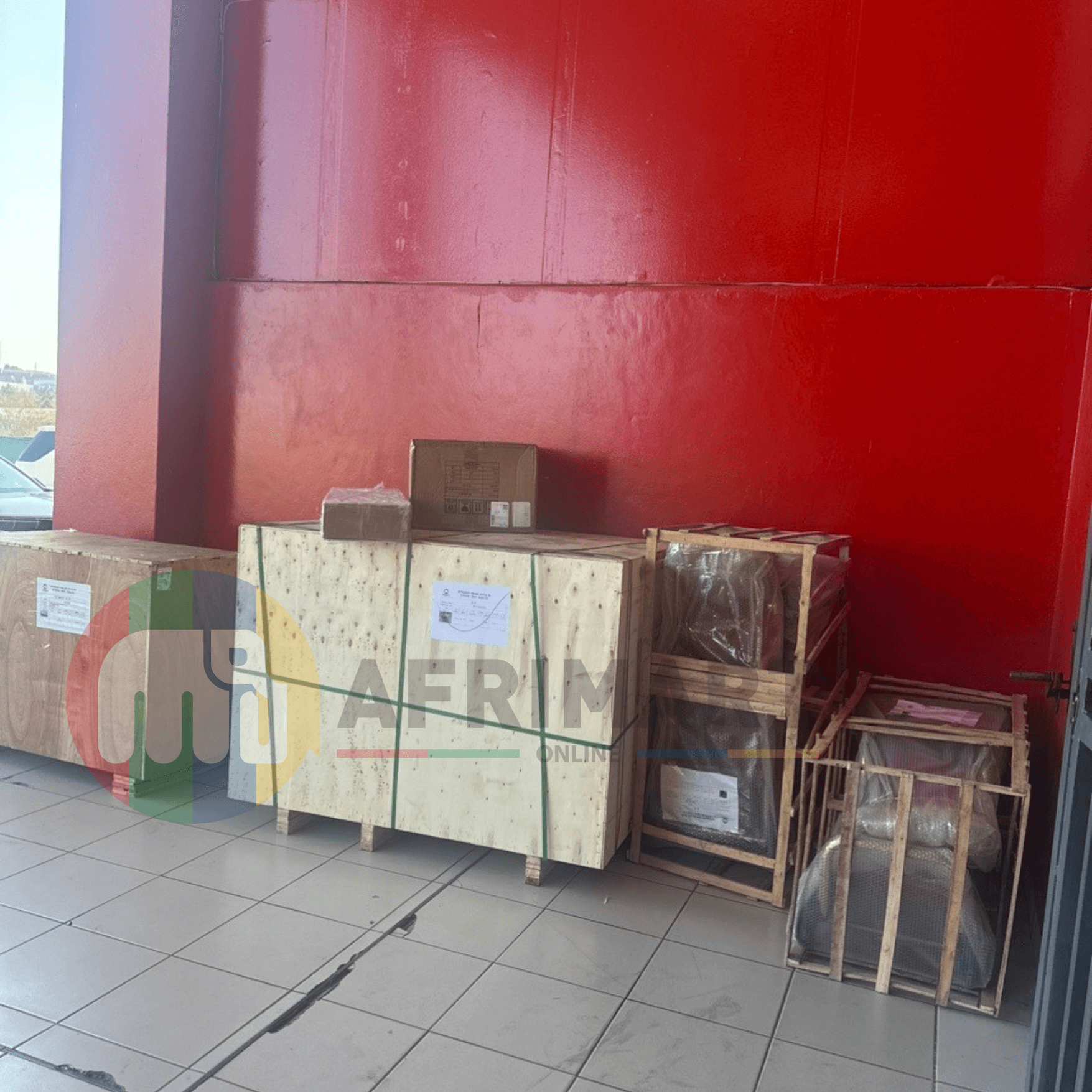
Packaging Machine and accessories
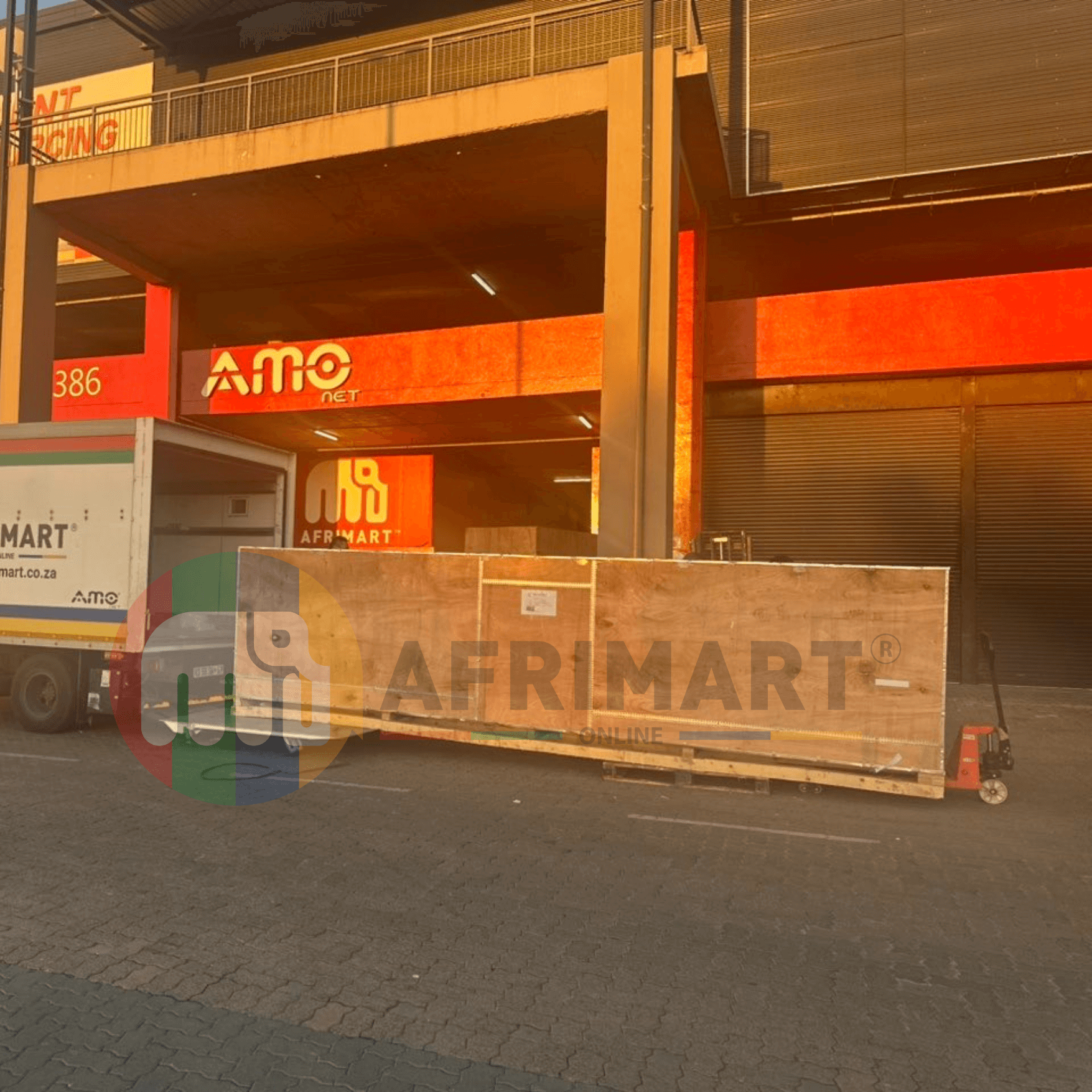
Fabrics Manufacturing Equipment
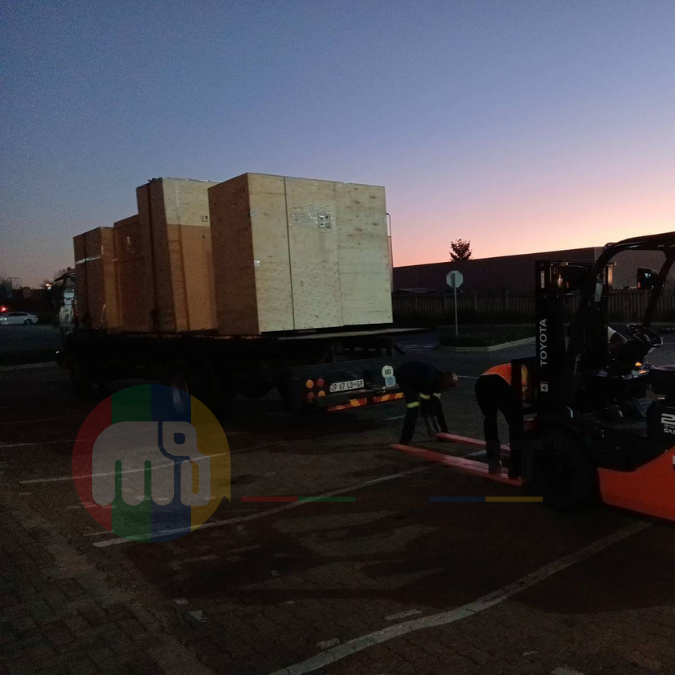
Mining Equipments
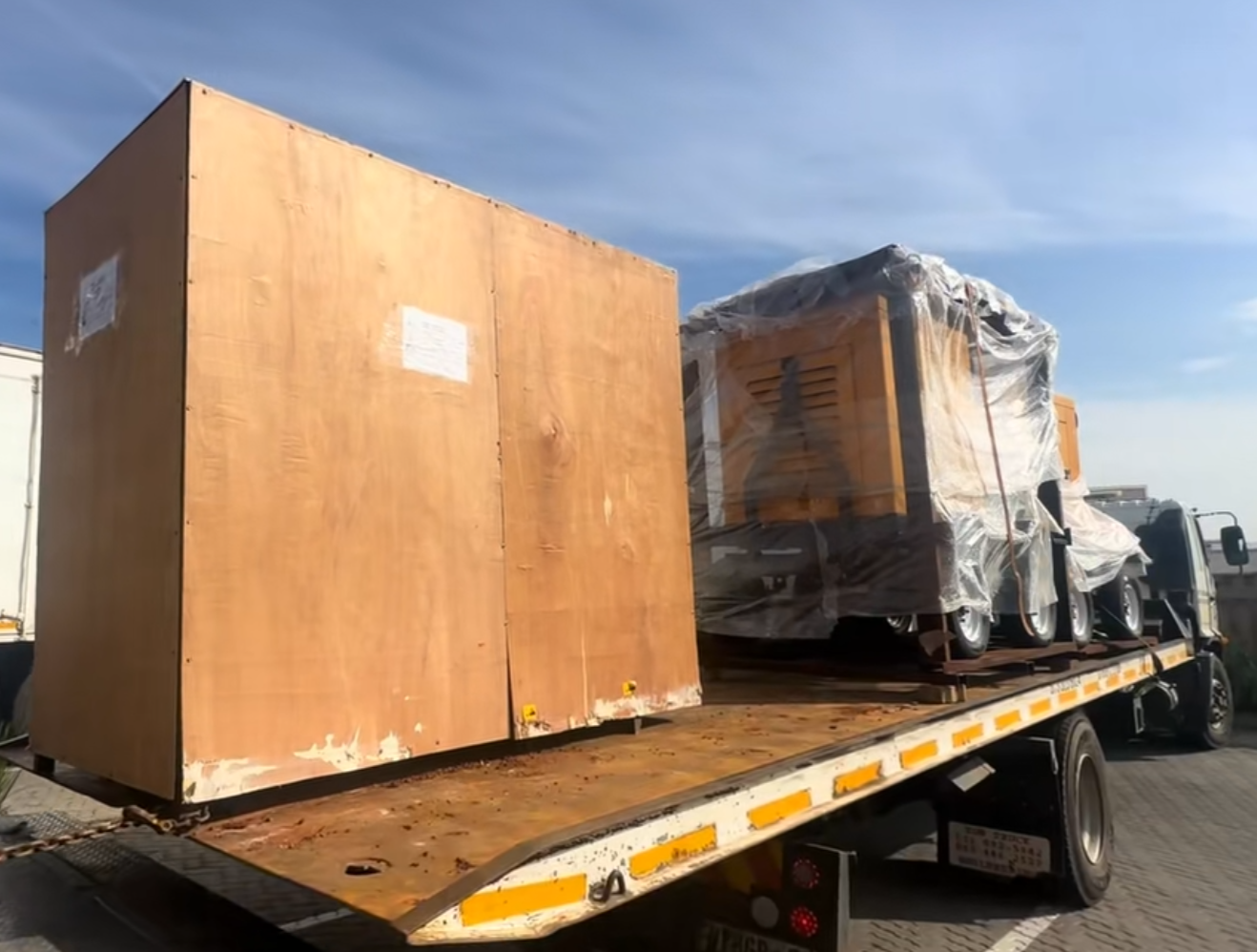
Food Processing Machine
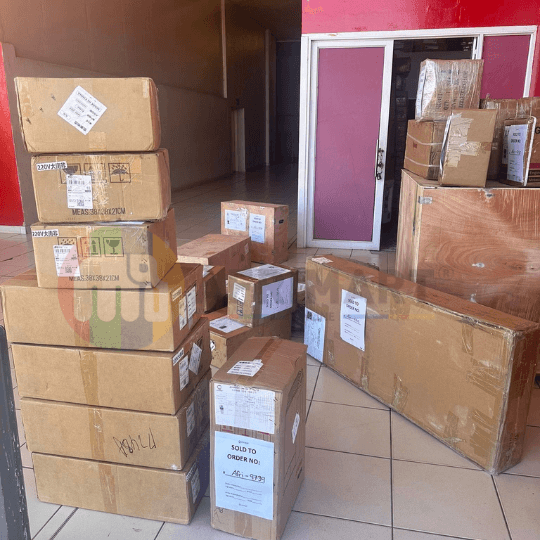
Batch of Orders
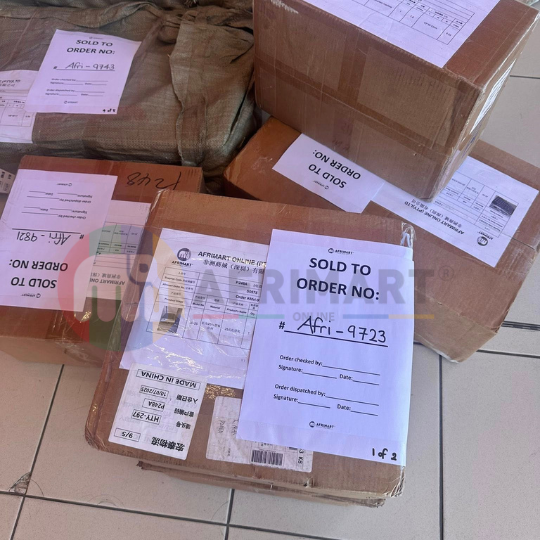
Batch of Orders
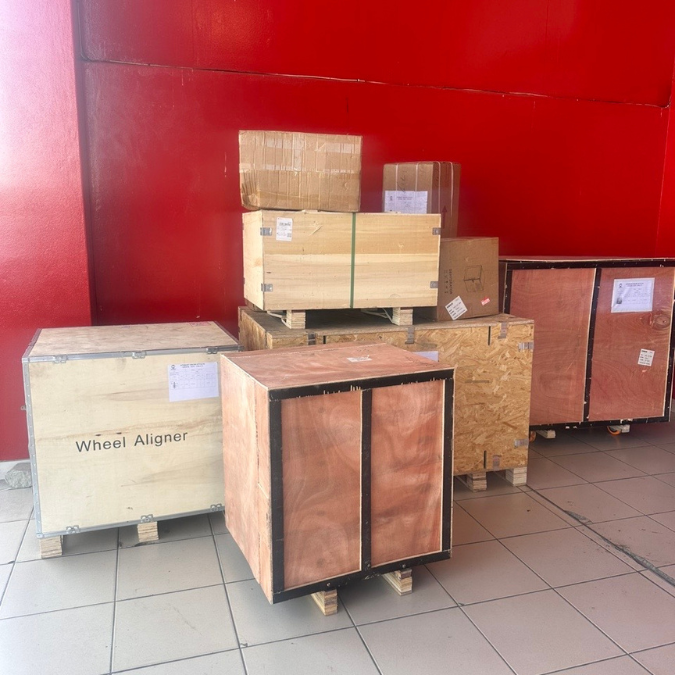
Latest Orders Labelled
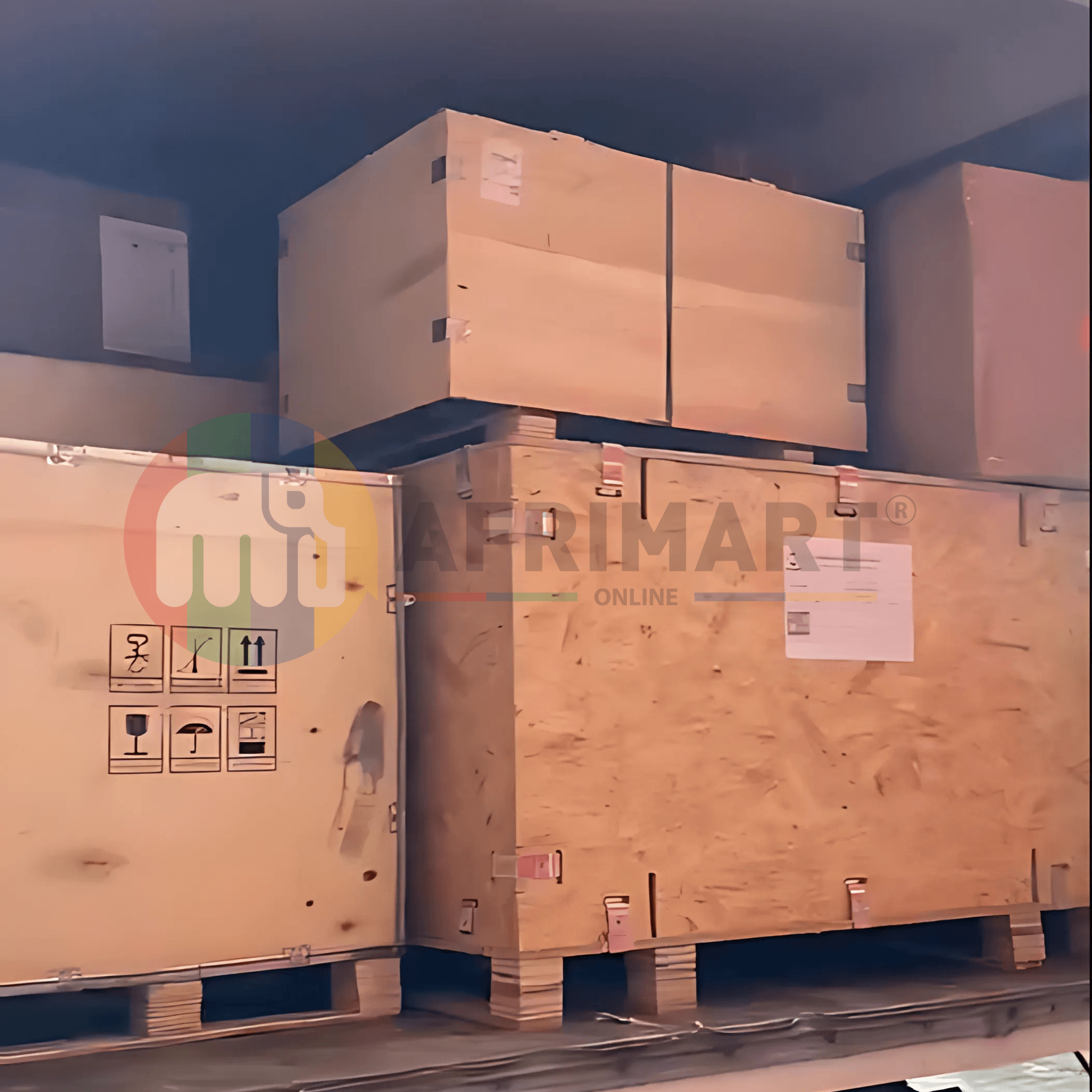
wheel alignment machines
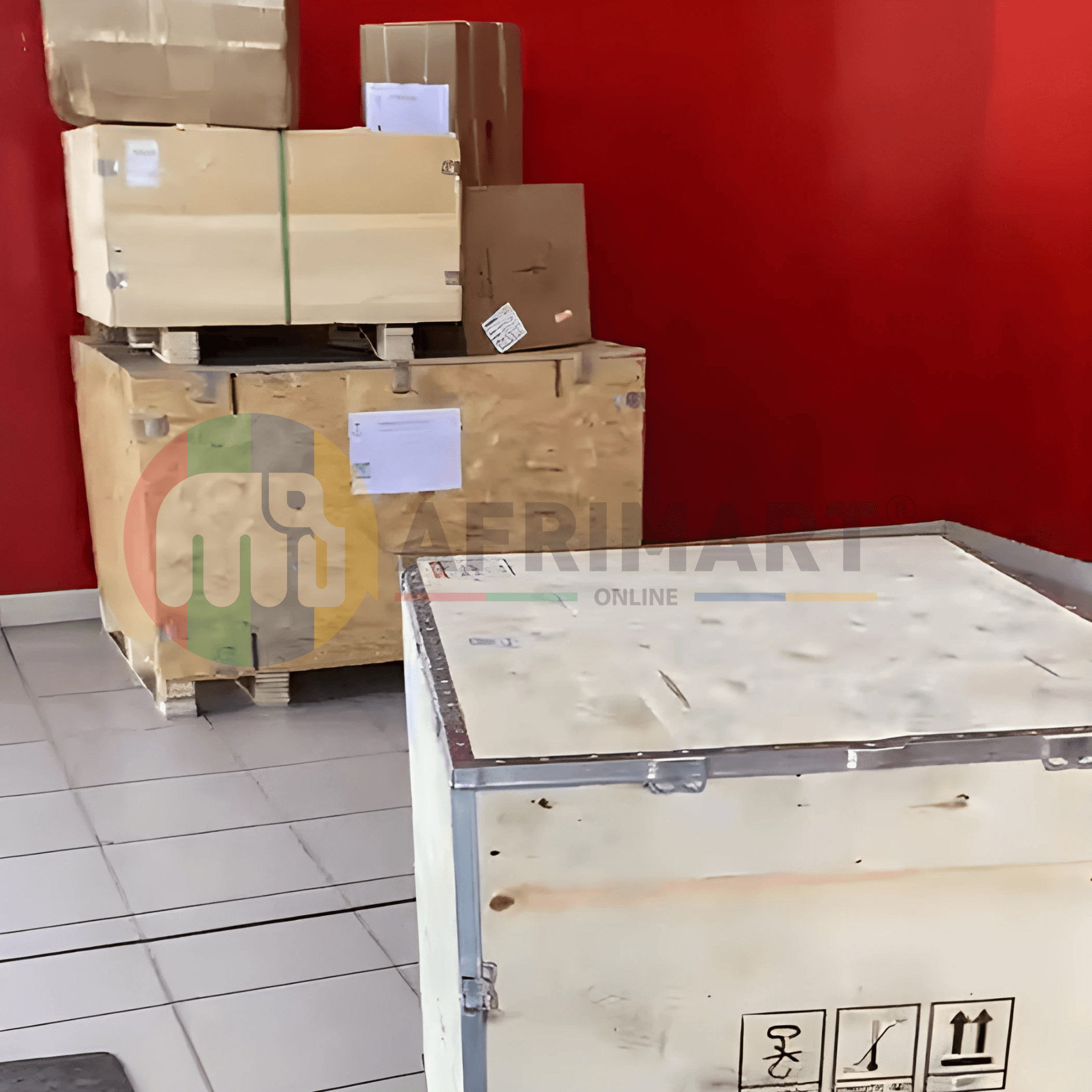
new arrivals
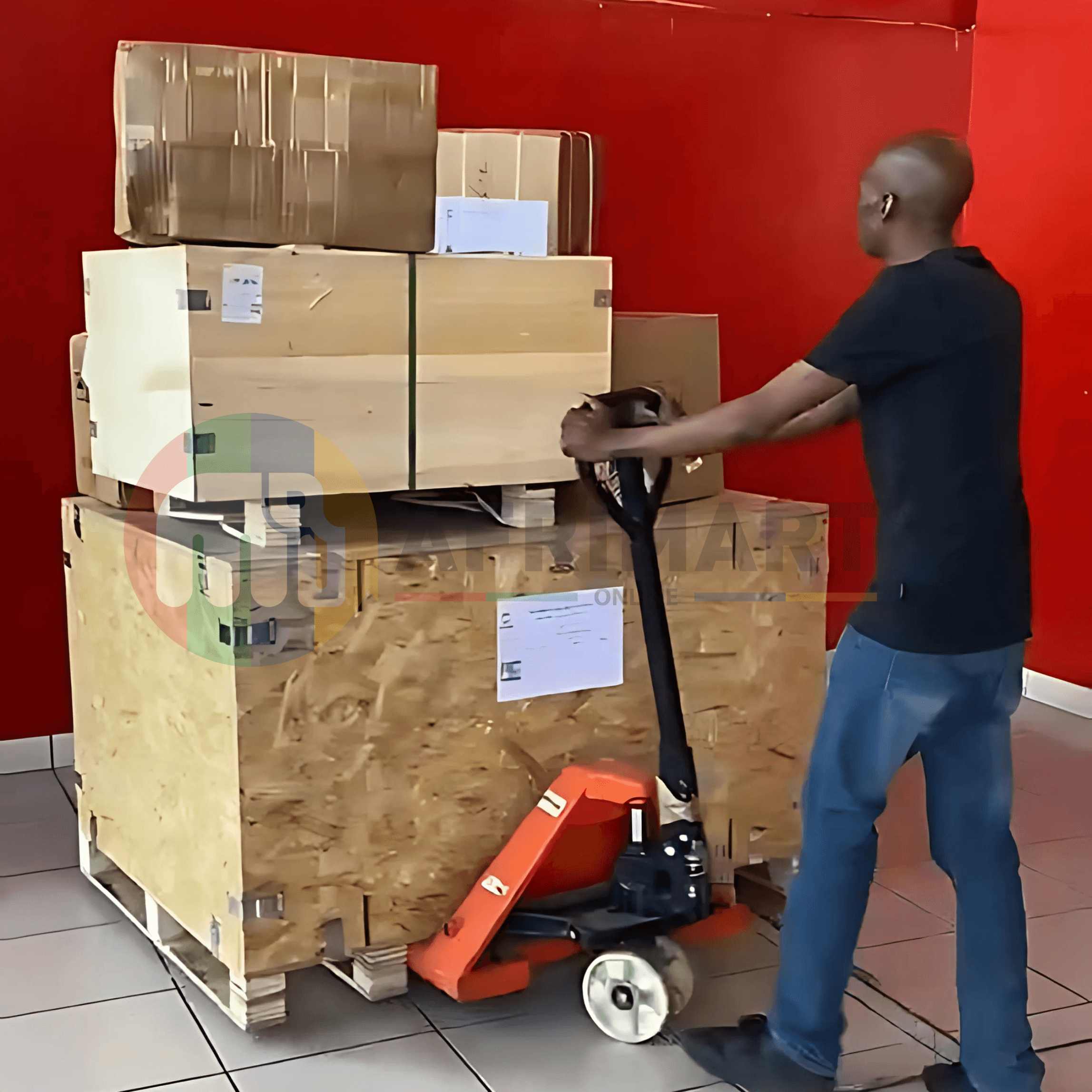
Pre Orders Offloading
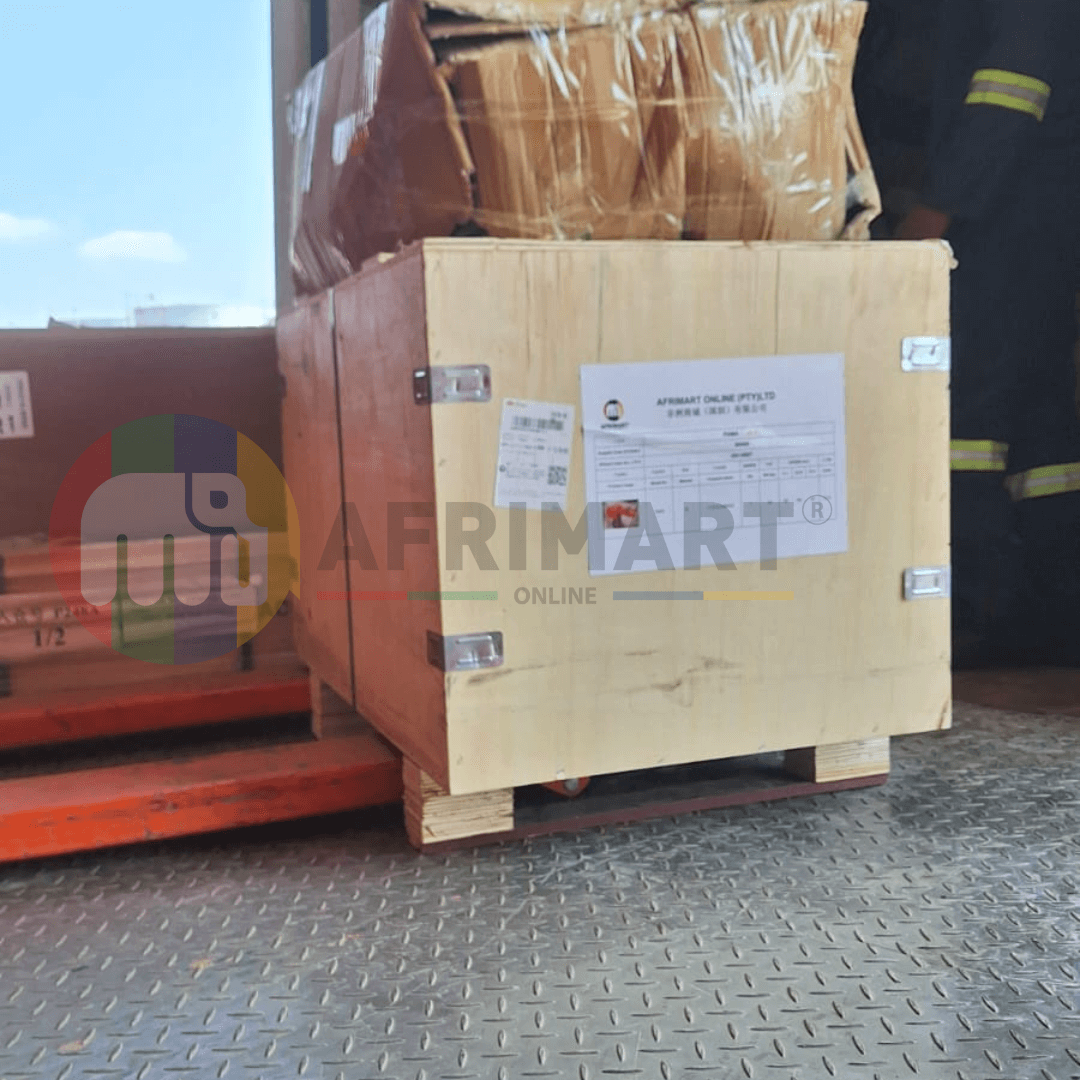
Latest Arrivals
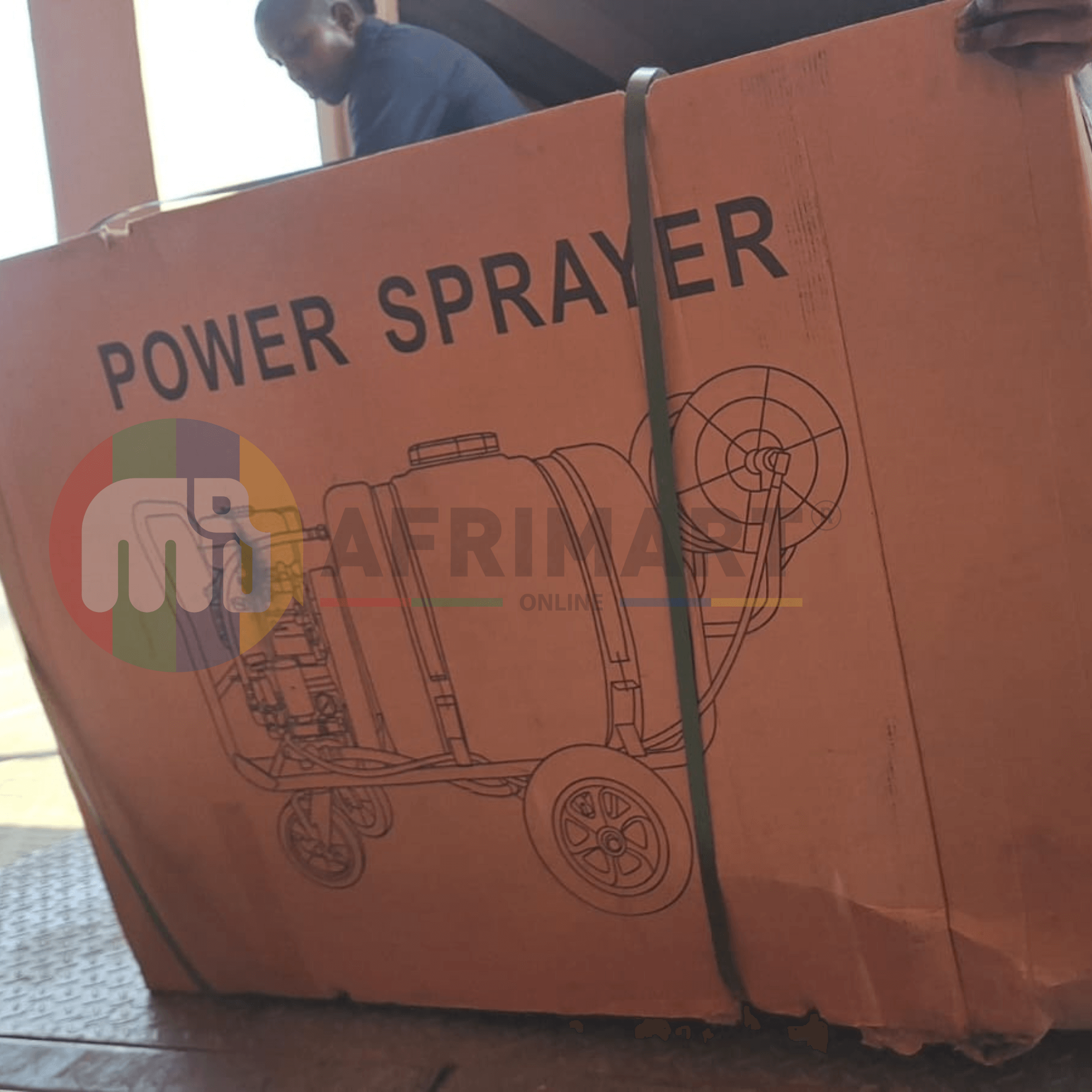
Latest Arrivals