B21, China Town Mall, Midrand


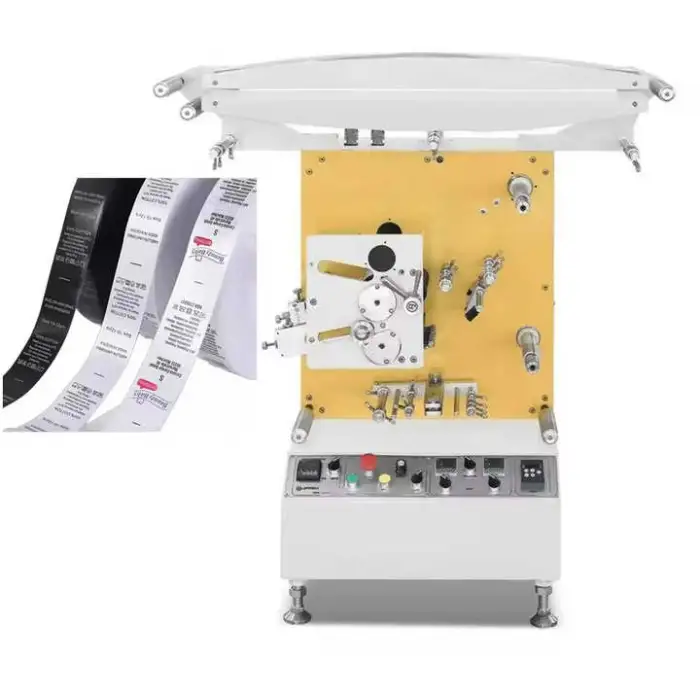
Narrow Fabric Label, Paper High Speed Fully Automatic Flexographic Printing Machine
Asset finance available
Do you want funding for this equipment?
Afrimart can connect you with trusted funding partners who specialise in asset finance for businesses like yours. Compare options and apply in minutes — final approval is subject to provider review.
Check funding options
Secure & no obligation

- Section : Machinery
- Category : Counting Machines
- SKU : 1601447835794

Narrow Fabric Label, Paper High Speed Fully Automatic Flexographic Printing Machine
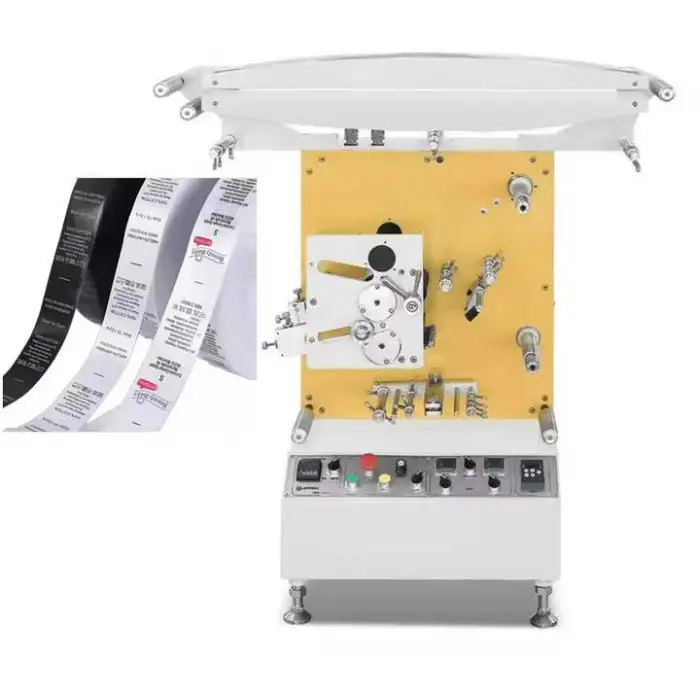
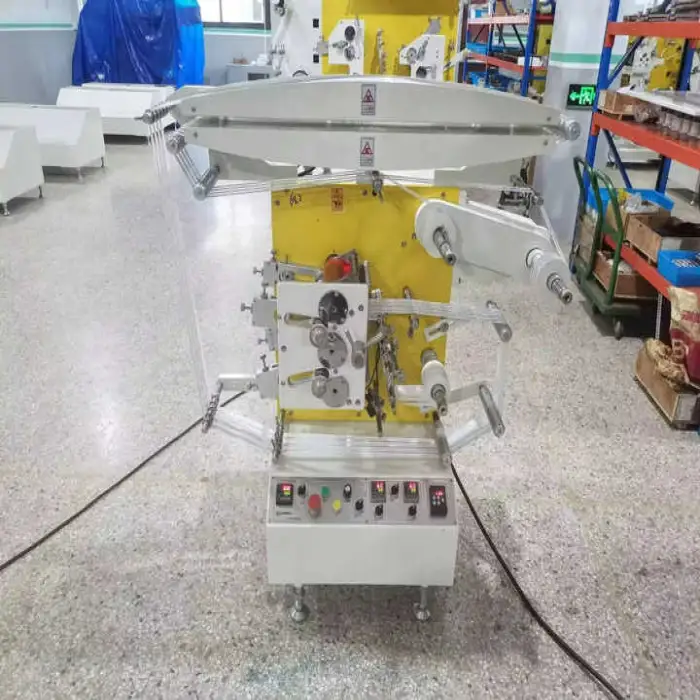
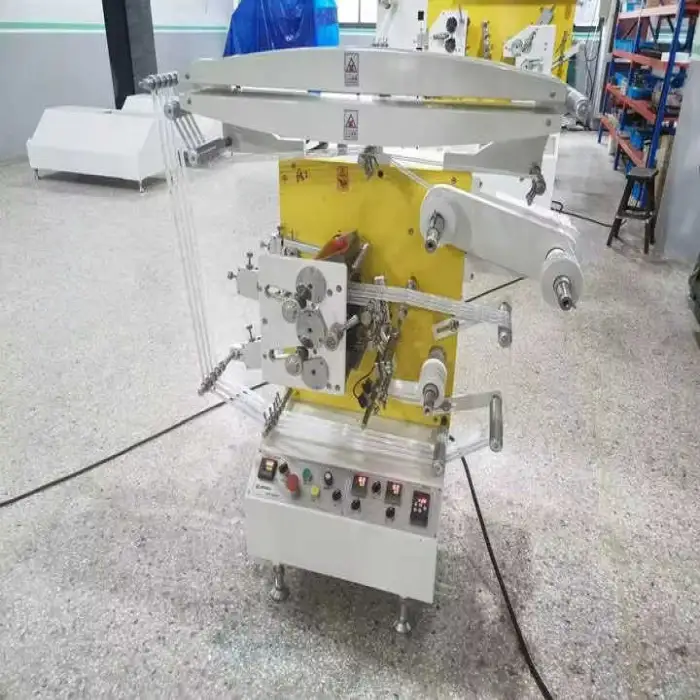
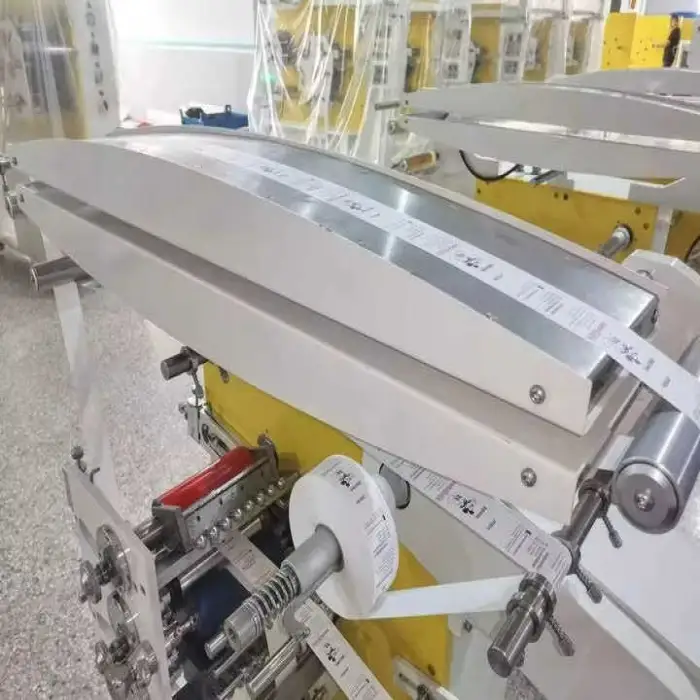
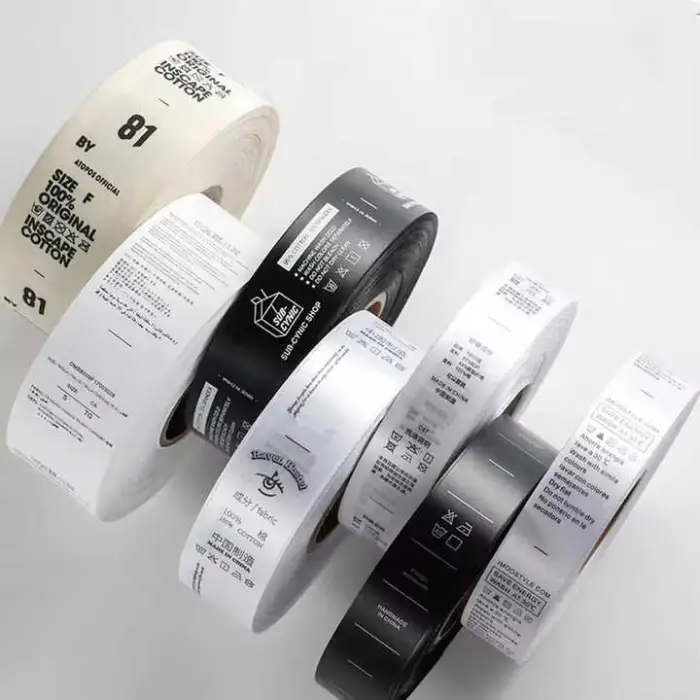
The Narrow Fabric Label, Paper High Speed Fully Automatic Flexographic Printing Machine is designed for efficiency and quality. This machine is perfect for printing labels on various materials like cotton tape and polyester satin. With a high speed of 60 meters per minute, it ensures you can meet your production needs quickly and effectively.
Specifications
| Attribute | Details |
|---|---|
| Automatic Grade | Automatic |
| Type | Flexographic Printer |
| Usage | Paper Printer, Label Printer, Cloths Printer, Fabric Label Printer |
| Condition | New |
| Color & Page | Two Colors |
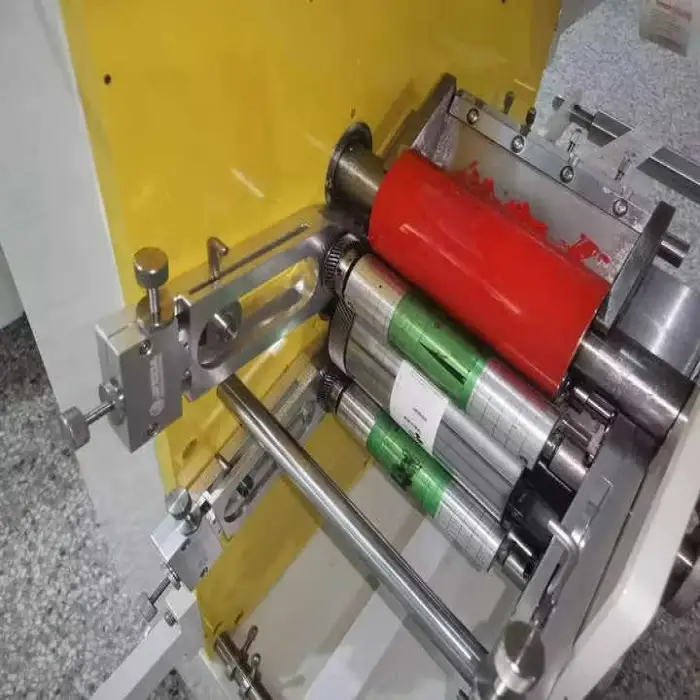
| Plate Type | Letterpress |
| Control Type/Print Speed | 60 m/min |
| Number of Colors | 2-color |
| Voltage | 220V |
| Dimensions (L*W*H) | 110*65*130 cm |
| Weight | 350 kg |
| Structure | CI |
| Service Provided | Engineers available to service machinery overseas |
| Application | Garment labels |
| Machine Type | Letterpress Printing Machine |
| Model | JR-1502 |
| Printing Material | Cotton tape, Polyester satin |
Key Features
- High-speed printing at 60 meters per minute.
- Automatic operation for ease of use.
- Prints in two colors for vibrant designs.
- Compatible with various materials like cotton and polyester.
- Compact design for easy placement and operation.
Applications
- Ideal for printing garment labels.
- Perfect for creating fabric labels for clothing.
- Useful for producing labels for various textile products.
- Can be used in the production of custom labels.
Product Info Gallery
- Shipping Timeframes: All orders are processed within 2-5 business days (excluding weekends and holidays). After your order has been processed, the estimated delivery time is before 03 Aug, 2026, depending on customs, Please note that due to high demand, some items may experience longer shipping times, which will be communicated at order confirmation email.
- Order Processing Time: Please allow 2-5 business days for us to process your order before it is shipped . Orders placed after 16:00 on Fridays, or during weekends and public holidays, will begin processing on the next business day. Processing times may be extended during peak seasons or sales events.
- Manufacturing Time: Some products needs manufacturing time, the manufacturing process will take approximately 10-30 business days depending on the product. This timeframe may vary depending on the complexity of the product and current demand. but this will be communicated with you during order confirmation.
- Returns and Exchanges: We offer a 30-day return policy for most items. If you are not completely satisfied with your purchase, you may return it within 30 days of receipt for a refund or exchange. Items must be unused, in their original packaging, and accompanied by proof of purchase. Return shipping costs are the responsibility of the customer, unless the item was damaged or defective upon arrival.
1. What materials can the machine print on?
The machine is designed to print on narrow fabric label materials such as cotton tape and polyester satin. For other substrates or special blends, consult the manufacturer to confirm compatibility.
2. What is the maximum printing speed?
Rated printing speed is 60 meters per minute. Actual achievable speed may vary depending on material, design complexity, ink type and production settings.
3. Is this machine fully automatic?
Yes. The JR-1502 is a high-speed, fully automatic flexographic printing machine intended for automated label production. For details on which operations are automated (e.g., feeding, tension control, etc.), check the equipment specification sheet or ask the supplier.
4. How many colors can it print?
This model prints in two colors (2-color configuration).
5. What type of printing plate does it use?
The machine uses letterpress-style plates suitable for its flexographic/letterpress configuration. Consult your supplier for recommended plate materials and thicknesses.
6. What are the physical dimensions and weight of the machine?
Machine dimensions are 110 × 65 × 130 cm (L × W × H) and the weight is approximately 350 kg. Allow additional clearance for operation and maintenance.
7. What power supply is required?
The machine is specified for 220V. Confirm phase (single- or three-phase), frequency, and local electrical requirements with the supplier or installer before purchase.
8. What does 'CI structure' mean?
CI refers to a Central Impression (or Continuous Impression) cylinder structure commonly used in label presses, which helps provide stable registration and consistent print quality for roll-fed substrates.
9. Is this machine suitable for printing garment labels?
Yes. It is specifically recommended for garment labels and other narrow fabric label applications such as clothing tags and textile trims.
10. Are engineers available for overseas service and installation?
Yes. The product listing states that engineers are available to service machinery overseas. Confirm travel, installation, commissioning and service terms with the supplier.
11. What inks and consumables should I use?
Use flexographic inks compatible with textile label applications and the substrates you intend to print (e.g., water-based or pigment inks suitable for cotton or polyester). For optimal adhesion, washfastness and color fastness, consult ink suppliers and the machine manufacturer for recommended consumables.
12. How easy is it to change designs or replace printing plates?
Design changes typically require plate replacement or plate re-mounting and re-registration. The machine is automatic, but plate change and registration should be performed by trained operators or technicians to ensure accurate color registration and minimal downtime.
13. What maintenance is required and how often?
Routine maintenance includes cleaning plates and cylinders, checking tension and alignment, lubricating moving parts, and inspecting drive components. Service intervals depend on usage; follow the manufacturer's maintenance schedule and contact their service team for support.
14. Are there any special installation or floor requirements?
Allow adequate space beyond the machine footprint (110 × 65 × 130 cm) for loading, operation and maintenance. The machine weighs about 350 kg, so ensure a stable, level floor and appropriate lifting/handling equipment for installation. Verify electrical and ventilation requirements with the supplier.
15. What warranty and lead-time information is available?
Warranty terms and lead time are not specified in the basic product description. Contact the supplier or sales representative for current lead times, delivery options and warranty/service contract details.
Latest Order Arrivals
Discover our latest orders

12 Heads Embroidery Machine

Toilet Paper Machine Machine

Order Collection

Cross Border Clients

Order cros border countries Collected

Industrial Machine Cllection

Agriculture Processing Machines

Ready for collection

Water Pump Equipment

Packaging Machine and accessories

Fabrics Manufacturing Equipment

Mining Equipments

Food Processing Machine

Batch of Orders

Batch of Orders

Latest Orders Labelled

wheel alignment machines

new arrivals

Pre Orders Offloading

Latest Arrivals

Latest Arrivals

Latest Arrivals

Loading

Toilet paper making machine

Toilet paper making machine

Toilet paper Rewinding Machine

latest arrivals

offloading

order success

order collection

order offloading