B21, China Town Mall, Midrand


Modern Excavator Mini Skid Steer Loader Lifting Fork Pallet For Hnadling

- Section : Sports & Entertainment
- Category : Vehicle Parts & Accessories
- SKU : 1600059507468

Product Description
Skid Steer Loader Attachments—Pallet Fork


Application:
1. RAY Skid Steer/Excavator Fork can equip with excavator for 1~40 tons. The user can flexible choose it.
2. One machine has multiple utilizations. The skid steer/excavator can be used as forklift.
3. The skid steer/excavator can load/upload and deliveries the goods in different kinds of terrain and occasions.
Details Lmages


Feature:
1. According to customer needs, we can provide forks of various special specifications.2. It is widely used in warehousing, papermaking, packaging, printing, tobacco, household appliances, wine and beverages, wool and cotton textiles, ports, railways, automobile manufacturing, steel smelting, chemical and construction industries.3. The fork attachment is equivalent to the manipulator hung on the forklift, making the fork a multi-purpose material handling tool, which can fork, clamp, push, pull, and side almost any imaginable handling object. Move and rotate operations, thereby improving logistics efficiency, reducing production costs, avoiding product damage, and saving storage space.
Specification
CARRIER—SKID STEER
| Model | Unit | RPF-12 | RPF-15 | ||
| Load | kg | 3000 | 5000 | ||
| Fork Length | mm | 1200 | 1500 | ||
| Length | mm | 1300 | 1600 | ||
| Width | mm | 1100 | 1200 | ||
| Height | mm | 900 | 900 | ||
| Weight | kg | 320 | 350 | ||
CARRIER—EXCAVATOR
| Model | Carrier(T) | Length(mm) | Max Loading weight(kg) | Weight(kg) |
| RF10 | 3 | 1000 | 1 | 160 |
| RF20 | 5 | 1200 | 1.5-2.5 | 255 |
| RF25 | 8 | 1200 | 1.5-2.5 | 260 |
| RF30 | 12-15 | 1582 | 3 | 400 |
| RF40 | 20 | 1200 | 5-6 | 750 |
- Shipping Timeframes: All orders are processed within 2-5 business days (excluding weekends and holidays). After your order has been processed, the estimated delivery time is before 03 Aug, 2026, depending on customs, Please note that due to high demand, some items may experience longer shipping times, which will be communicated at order confirmation email.
- Order Processing Time: Please allow 2-5 business days for us to process your order before it is shipped . Orders placed after 16:00 on Fridays, or during weekends and public holidays, will begin processing on the next business day. Processing times may be extended during peak seasons or sales events.
- Manufacturing Time: Some products needs manufacturing time, the manufacturing process will take approximately 10-30 business days depending on the product. This timeframe may vary depending on the complexity of the product and current demand. but this will be communicated with you during order confirmation.
- Returns and Exchanges: We offer a 30-day return policy for most items. If you are not completely satisfied with your purchase, you may return it within 30 days of receipt for a refund or exchange. Items must be unused, in their original packaging, and accompanied by proof of purchase. Return shipping costs are the responsibility of the customer, unless the item was damaged or defective upon arrival.
1. What is the Modern Excavator Mini Skid Steer Loader Lifting Fork Pallet used for?
It is a pallet fork attachment for skid steer loaders and excavators that converts the carrier into a forklift-style handler for loading, unloading and moving palletized and irregular loads across a variety of terrains and work sites.
2. Which machines is this pallet fork compatible with?
The RAY pallet fork series is designed for many skid steer loaders and excavators. Excavator-mounted versions can be fitted to carriers from about 1 to 40 tons; specific skid-steer models include the RPF-12 and RPF-15. Compatibility depends on the carrier's quick coupler or pin dimensions—confirm model fit with the manufacturer or supplier.
3. What are the rated load capacities for the skid-steer models?
Skid-steer models shown: RPF-12 is rated at 3,000 kg and RPF-15 is rated at 5,000 kg. Choose the model that matches your machine's lift capacity and stability limits.
4. What are the key dimensions and weights for the RPF-12 and RPF-15?
RPF-12: fork length 1,200 mm, overall length 1,300 mm, width 1,100 mm, height 900 mm, weight ~320 kg. RPF-15: fork length 1,500 mm, overall length 1,600 mm, width 1,200 mm, height 900 mm, weight ~350 kg.
5. What loading capacities are available for excavator-mounted models?
Excavator-mounted models are offered in a range of capacities depending on carrier size and model; sample models in the range have maximum loading weights from roughly 1,100 kg up to about 6,750 kg. Exact capacities depend on the selected model and the excavator's rated lift—confirm with supplier.
6. How is the fork attachment mounted to a skid steer or excavator?
Mounting method depends on the carrier: skid-steer versions use the machine's quick-attach plate or custom brackets; excavator versions are fitted to the excavator boom via pinned brackets or quick couplers. Proper pin sizes and coupler compatibility must be checked and secured per manufacturer instructions.
7. Does this fork require hydraulic connections to operate?
Basic pallet fork tines are mechanical and do not require hydraulics. If you order options such as hydraulic clamp, rotation or side-shift, those features will require hydraulic lines and control valves—confirm required hydraulic flow/pressure when ordering.
8. Can the forks be customized?
Yes. The manufacturer can provide forks with special specifications on request (different fork lengths, carriage widths, load ratings, mounting brackets, hydraulic options and special coatings). Provide machine make/model and intended use when requesting customization.
9. Which industries and applications are these forks suitable for?
They are widely used in warehousing, paper, packaging, printing, tobacco, household appliances, beverage and wine, textiles, ports, railways, auto manufacturing, steel, chemical and construction industries for pallet handling, lifting, pushing, pulling, clamping and rotating loads.
10. What safety precautions should operators follow?
Always confirm the fork and machine rated capacity, secure loads properly, keep loads low while traveling, avoid sudden turns or slopes with elevated loads, ensure forks are fully engaged under the load, inspect mounting pins and welds before use, and follow the machine manufacturer's safety guidelines.
11. What routine maintenance is recommended?
Inspect forks, carriage and welds regularly for cracks or deformation, check and grease pivot points and pins, tighten mounting hardware, remove debris from the carriage, and replace worn or bent tines. Address any damage promptly to avoid safety and load issues.
12. What materials and construction are used?
Forks and carriage are manufactured from high-strength steel with welded construction; tines are typically heat-treated or reinforced to resist bending and wear. Surface treatments (paint or corrosion-resistant coatings) may be applied depending on options.
13. Are spare parts and service available?
Yes. Common spare parts include replacement tines, carriage components, pins and mounting brackets. Contact the supplier or manufacturer for part numbers, availability and service support.
14. What are the typical lead times, shipping and warranty information?
Lead times depend on model and customization—typically consult the supplier for current delivery estimates (commonly a few weeks). Shipping and packaging options vary by destination. Warranty and certifications (CE/ISO or others) depend on the manufacturer and can be confirmed at time of purchase.
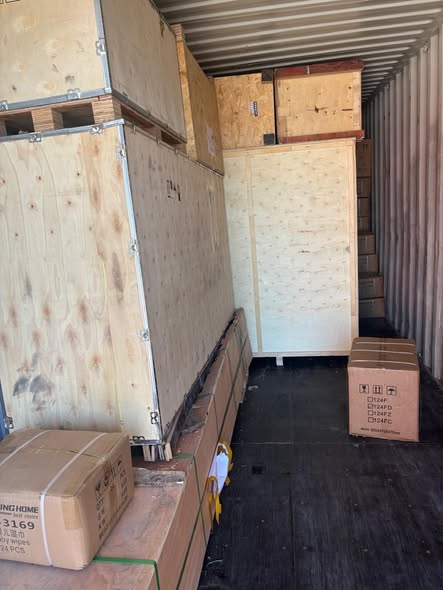
Latest Order Arrivals
Discover our latest orders
12 Heads Embroidery Machine
Toilet Paper Machine Machine
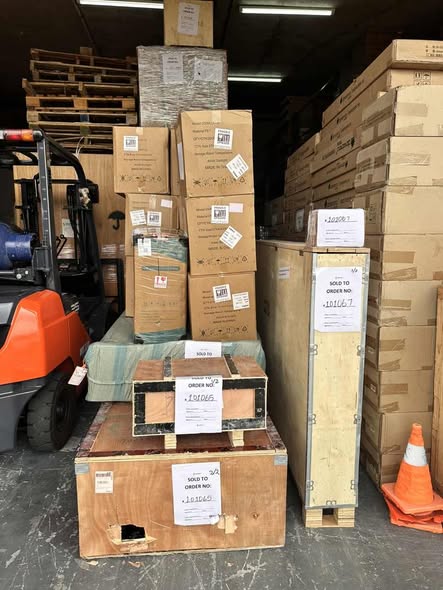
Order Collection
Cross Border Clients
Order cros border countries Collected
Industrial Machine Cllection
Agriculture Processing Machines
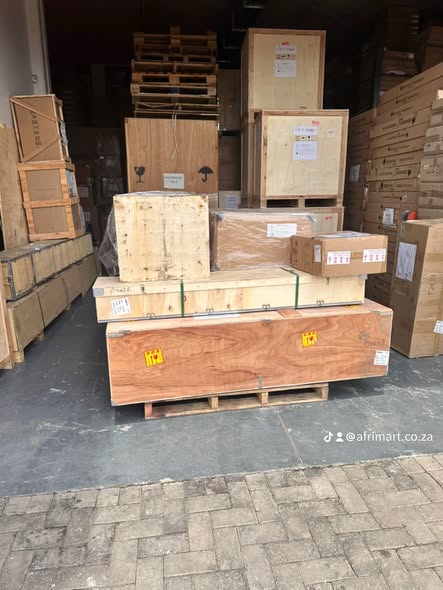
Ready for collection
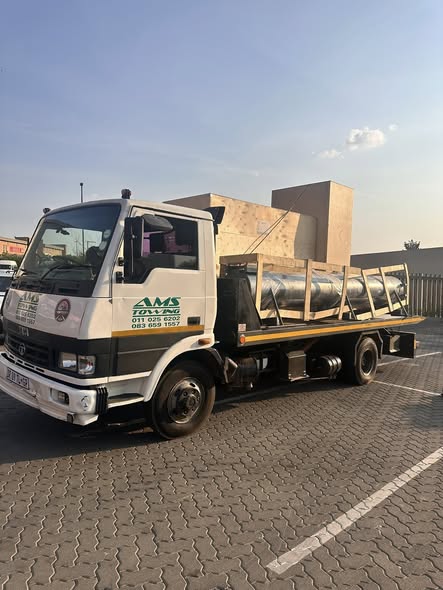
Water Pump Equipment
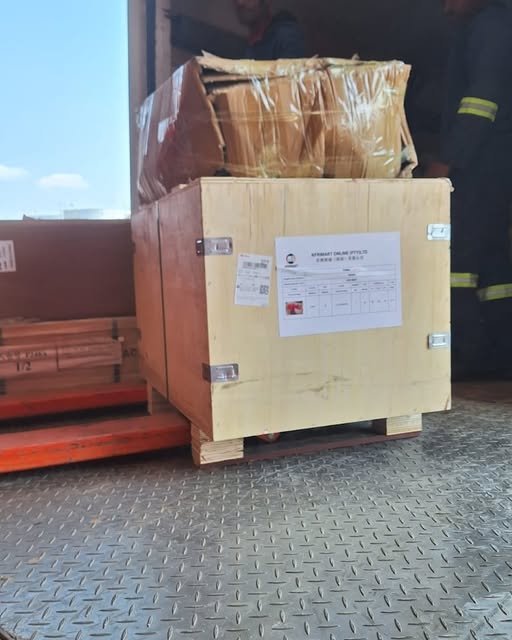
Packaging Machine and accessories
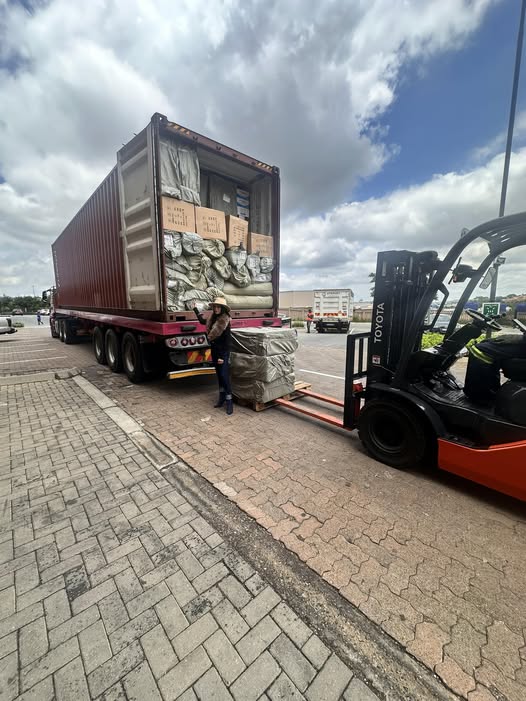
Fabrics Manufacturing Equipment
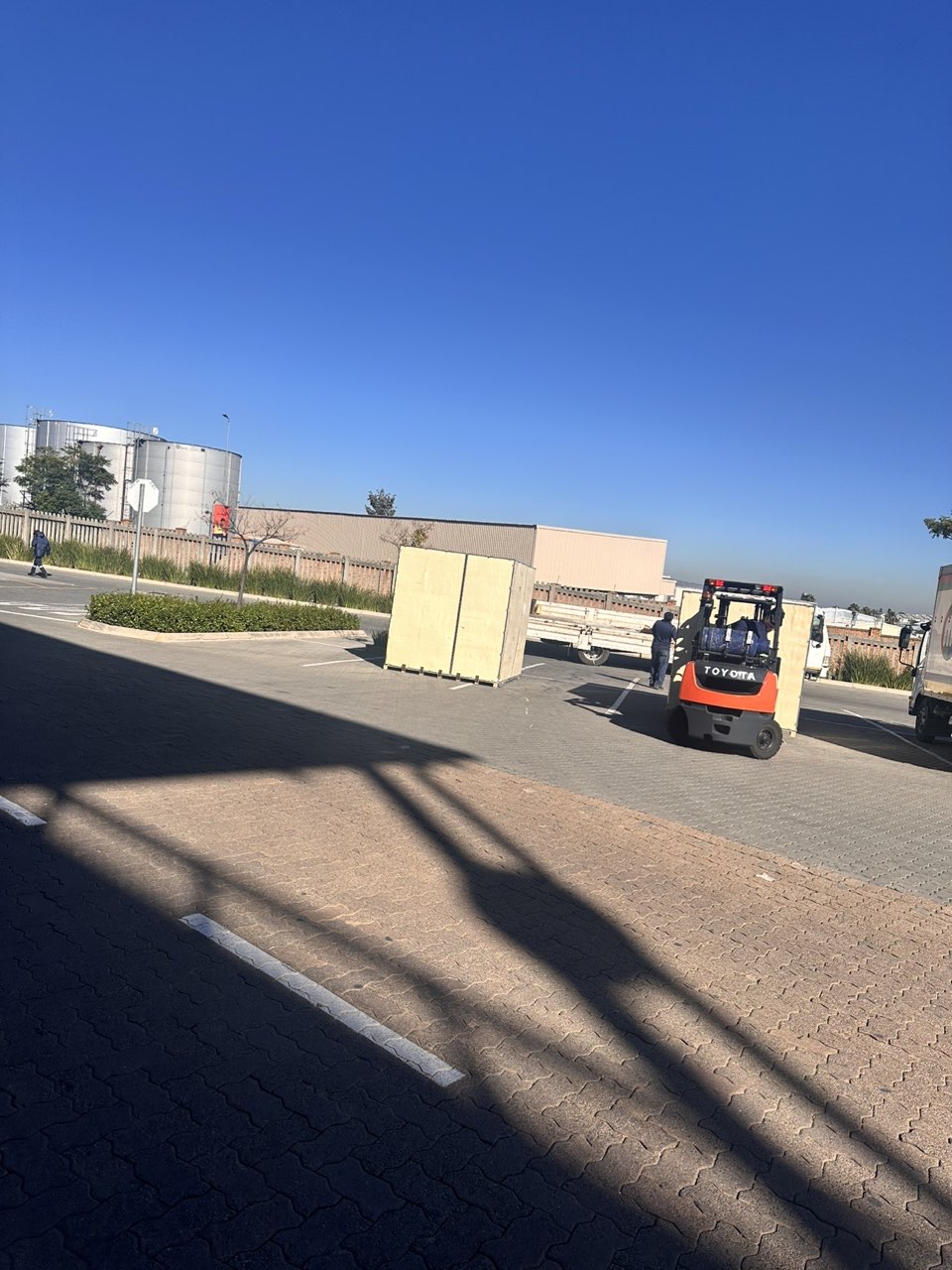
Mining Equipments
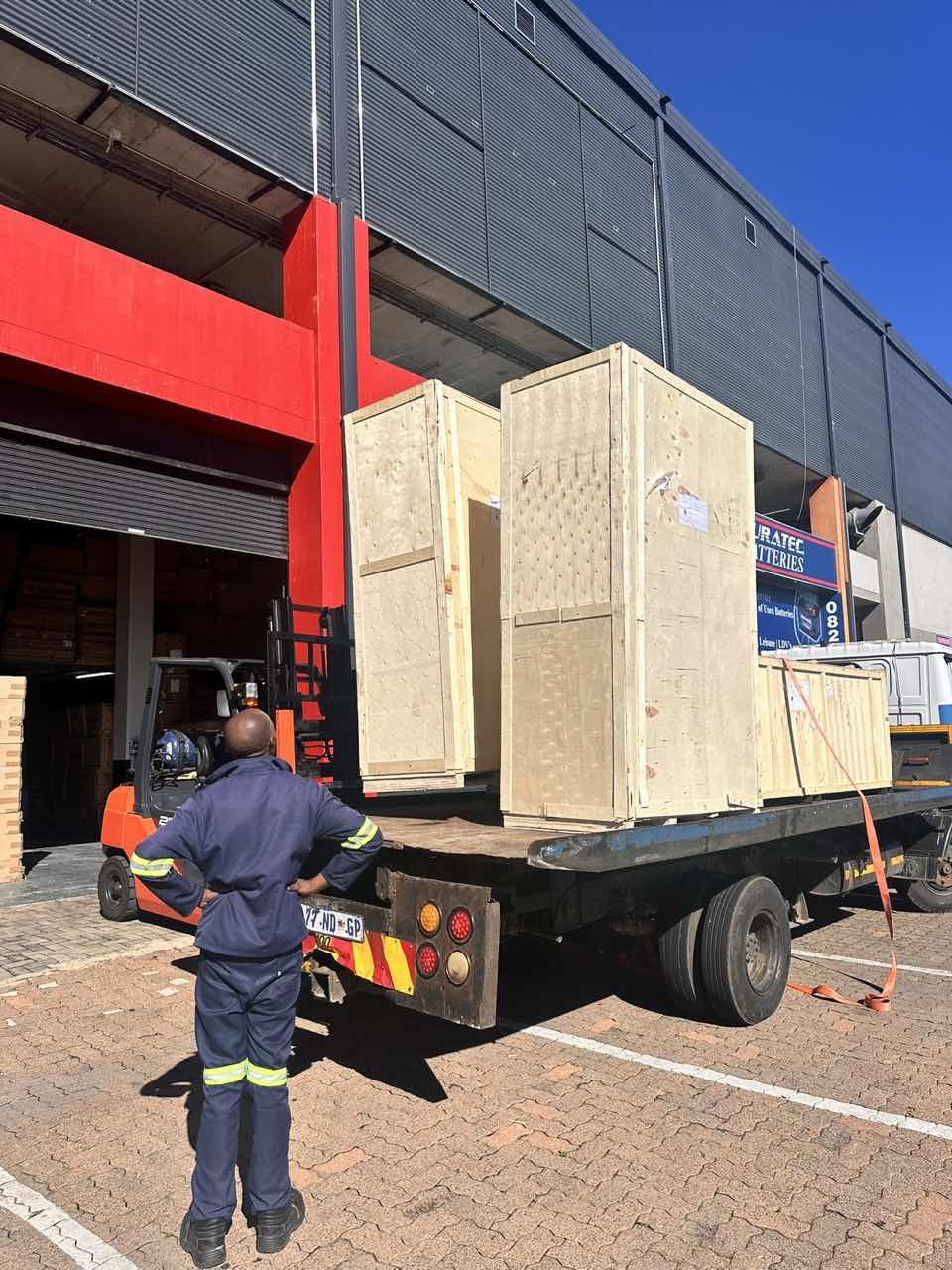
Food Processing Machine
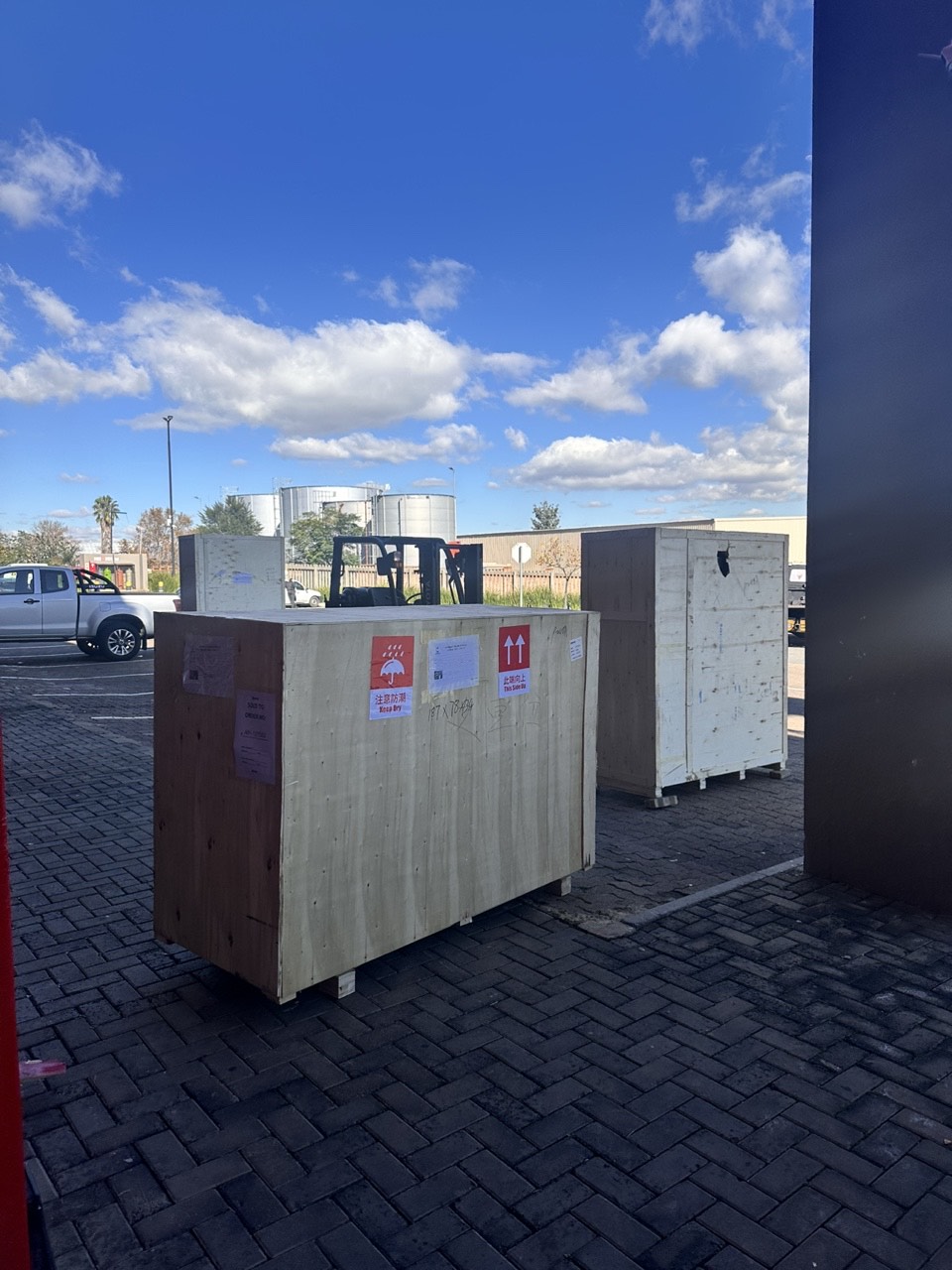
Batch of Orders
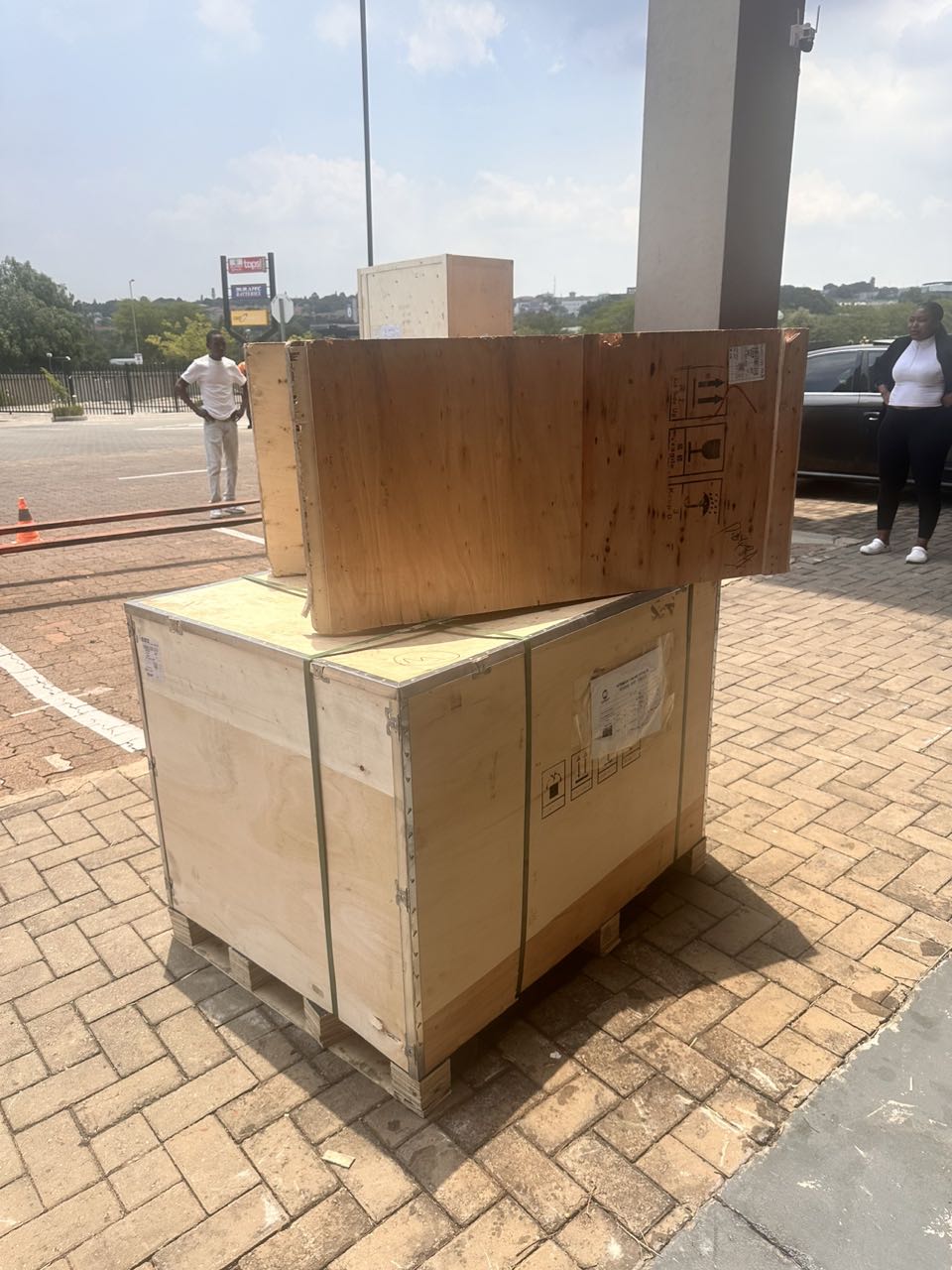
Batch of Orders
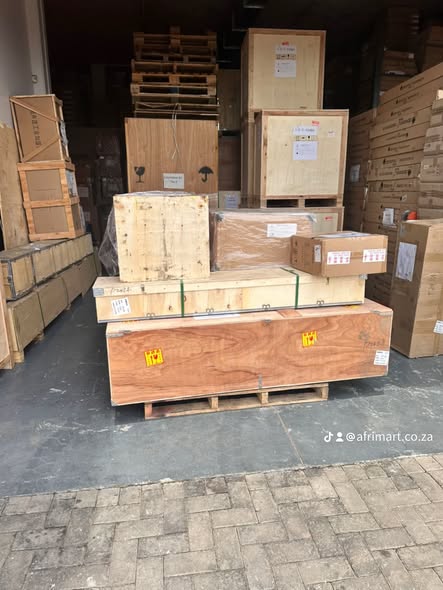
Latest Orders Labelled
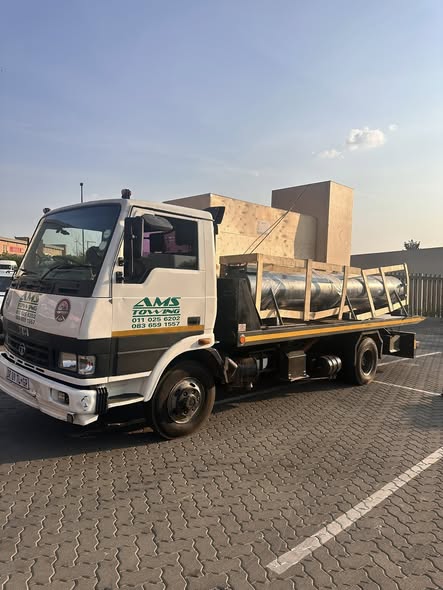
wheel alignment machines
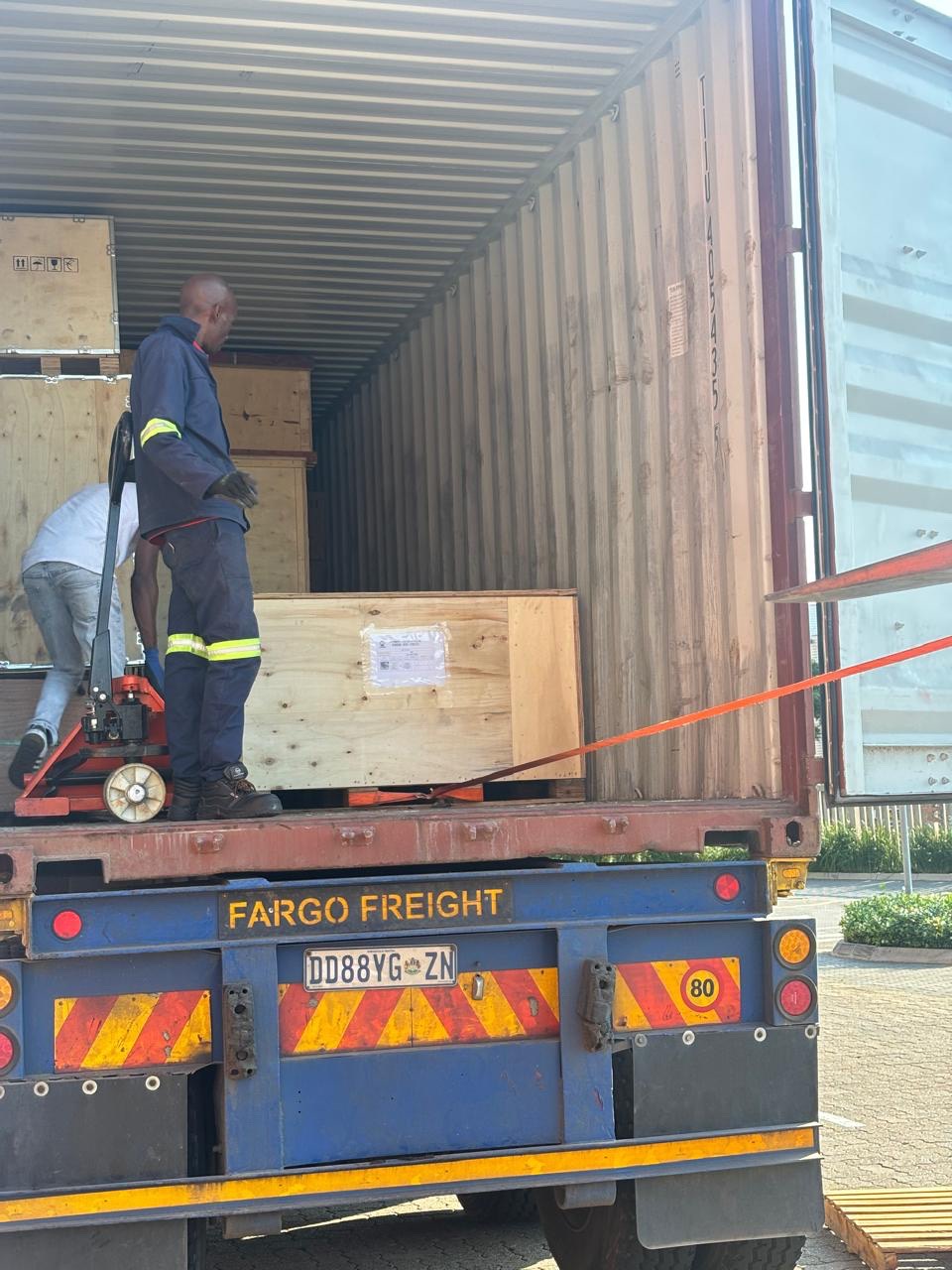
new arrivals
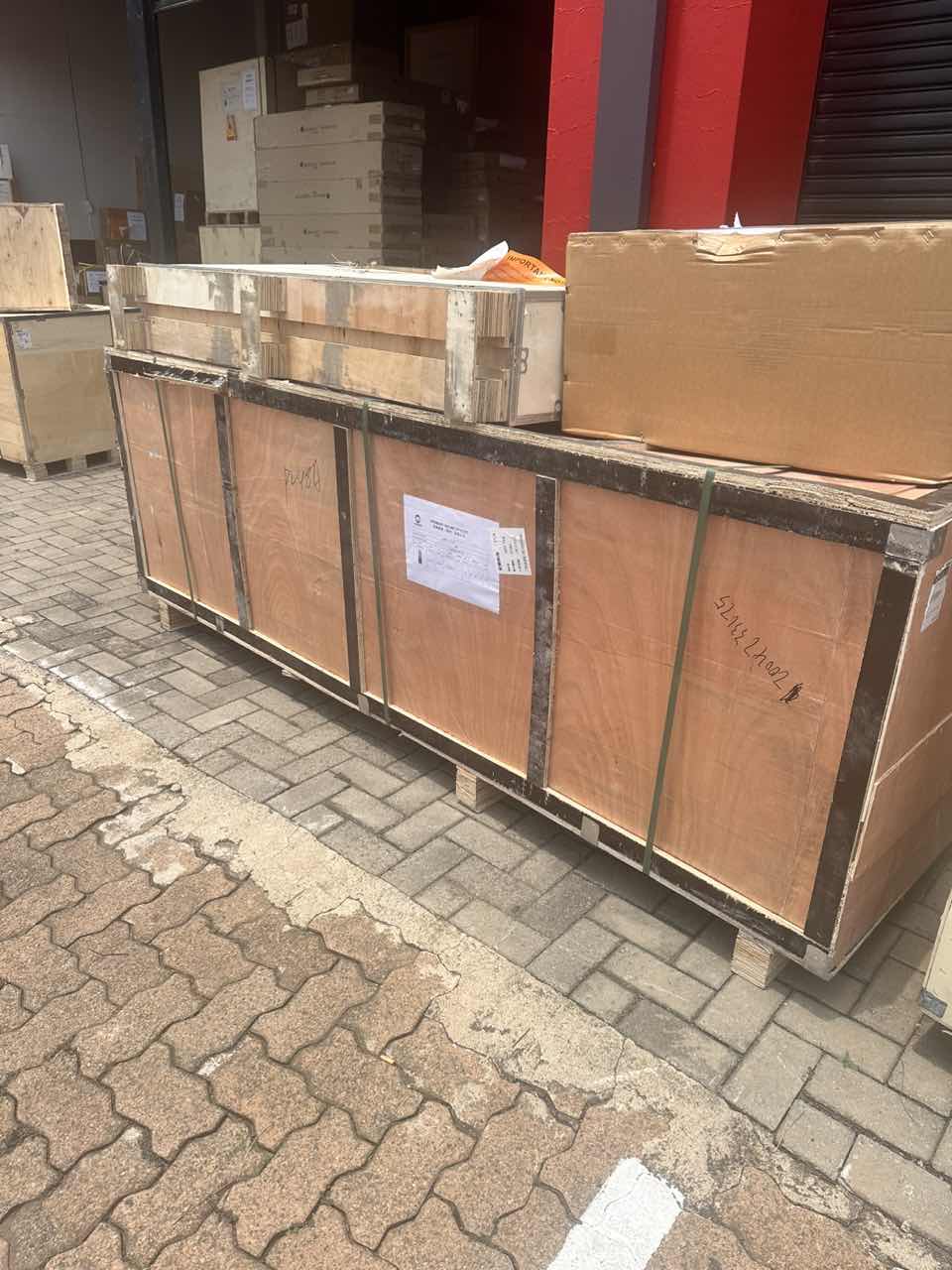
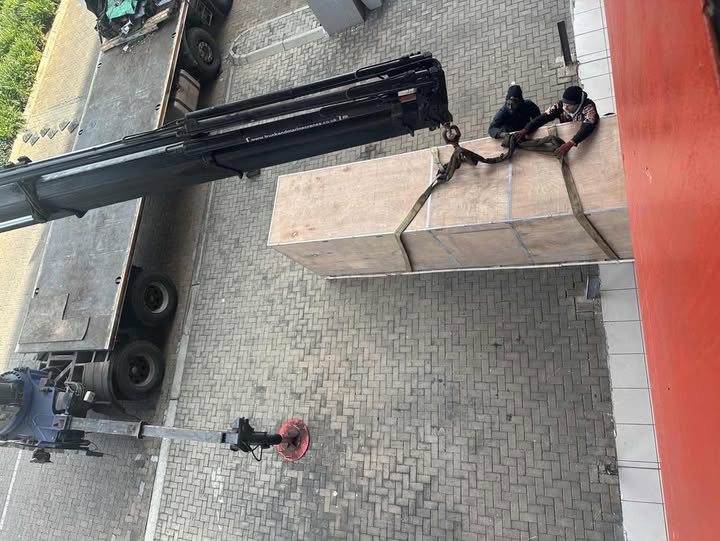
Pre Orders Offloading
Latest Arrivals
Latest Arrivals
Latest Arrivals
Loading
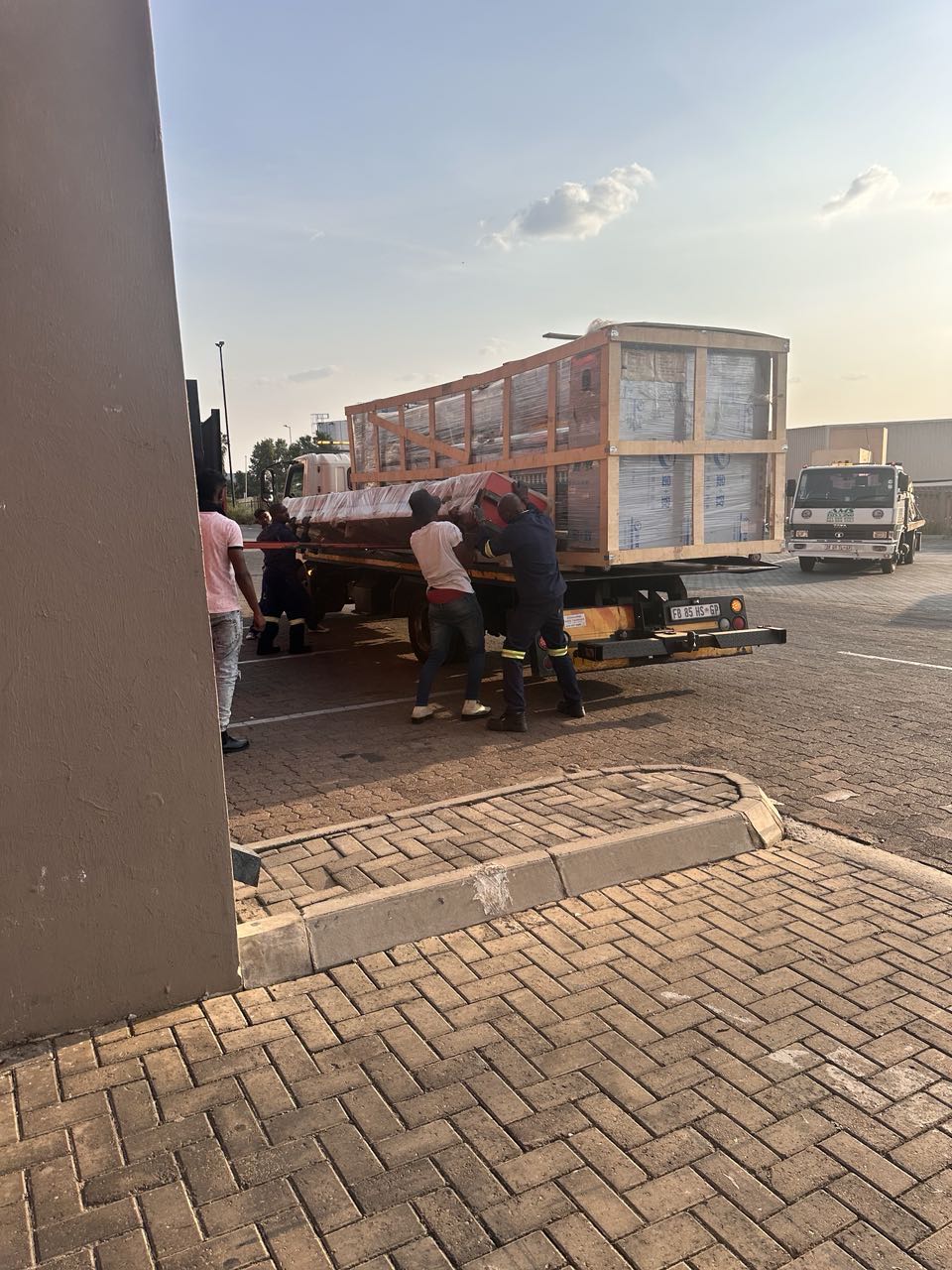
Toilet paper making machine
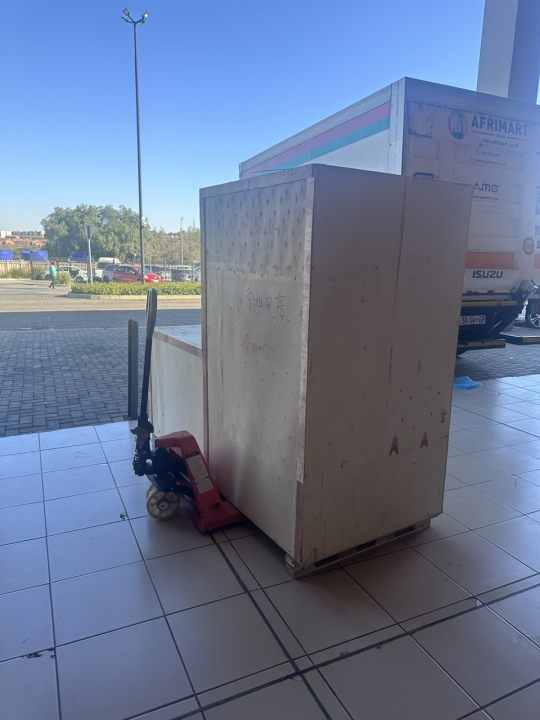
Toilet paper making machine
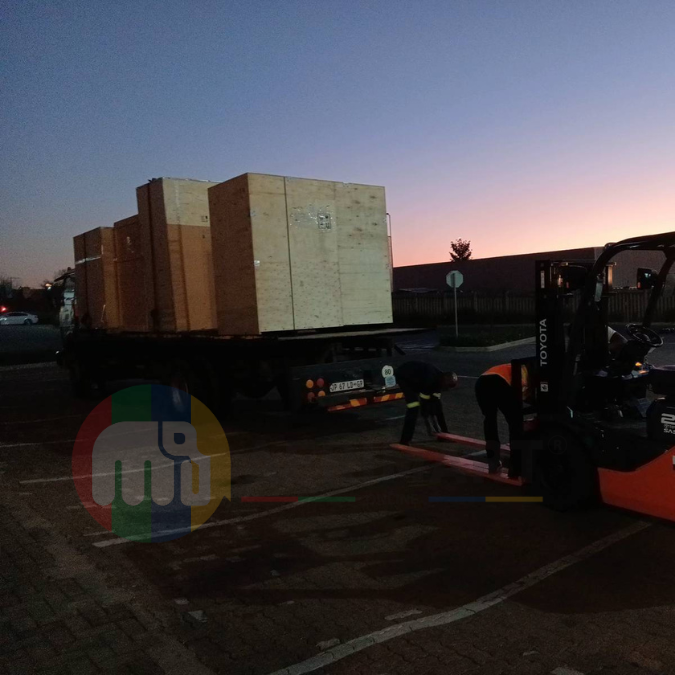
Toilet paper Rewinding Machine
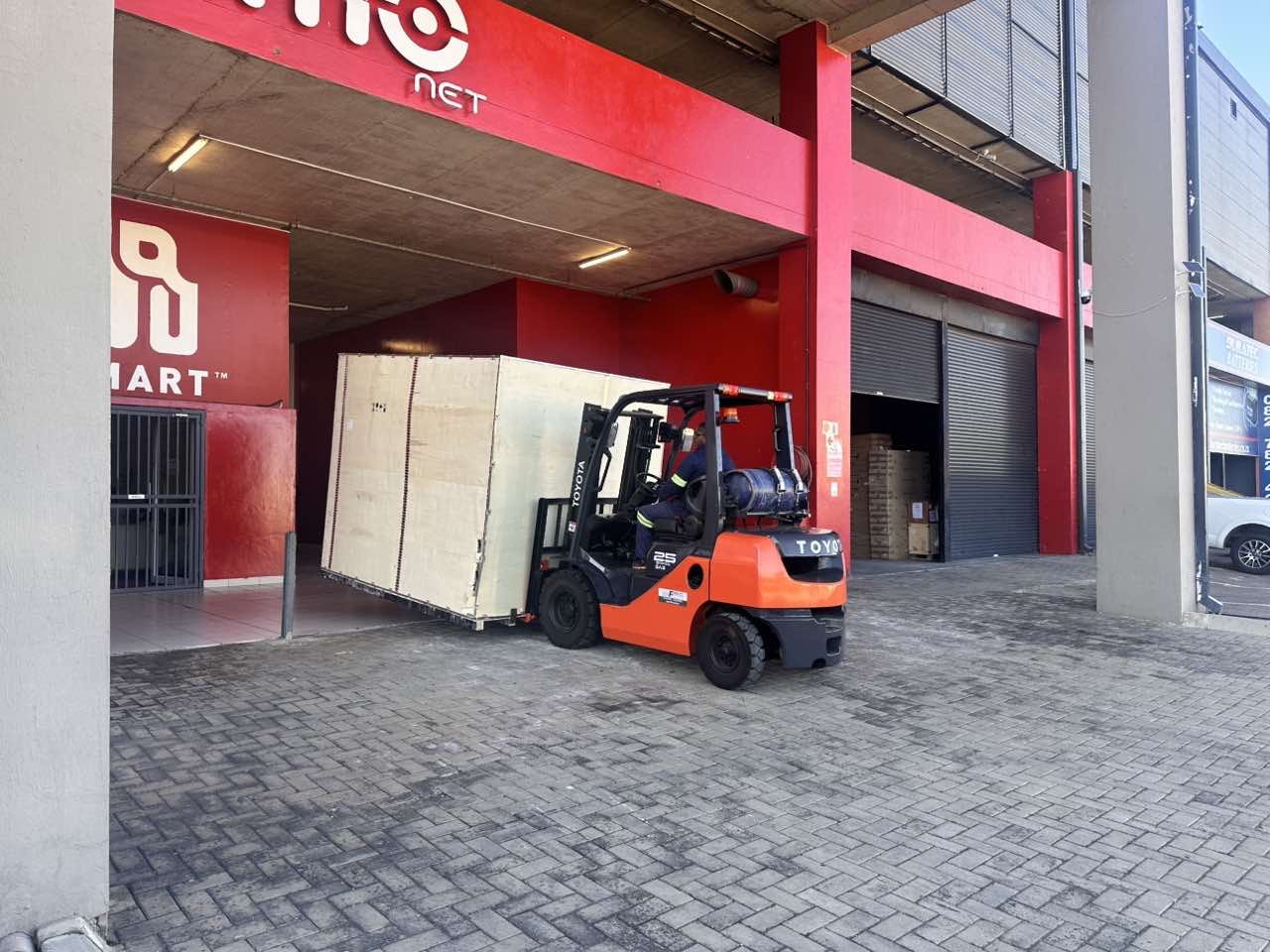
latest arrivals
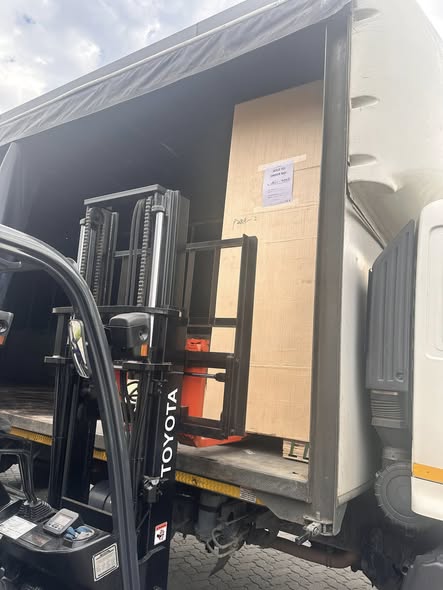
offloading
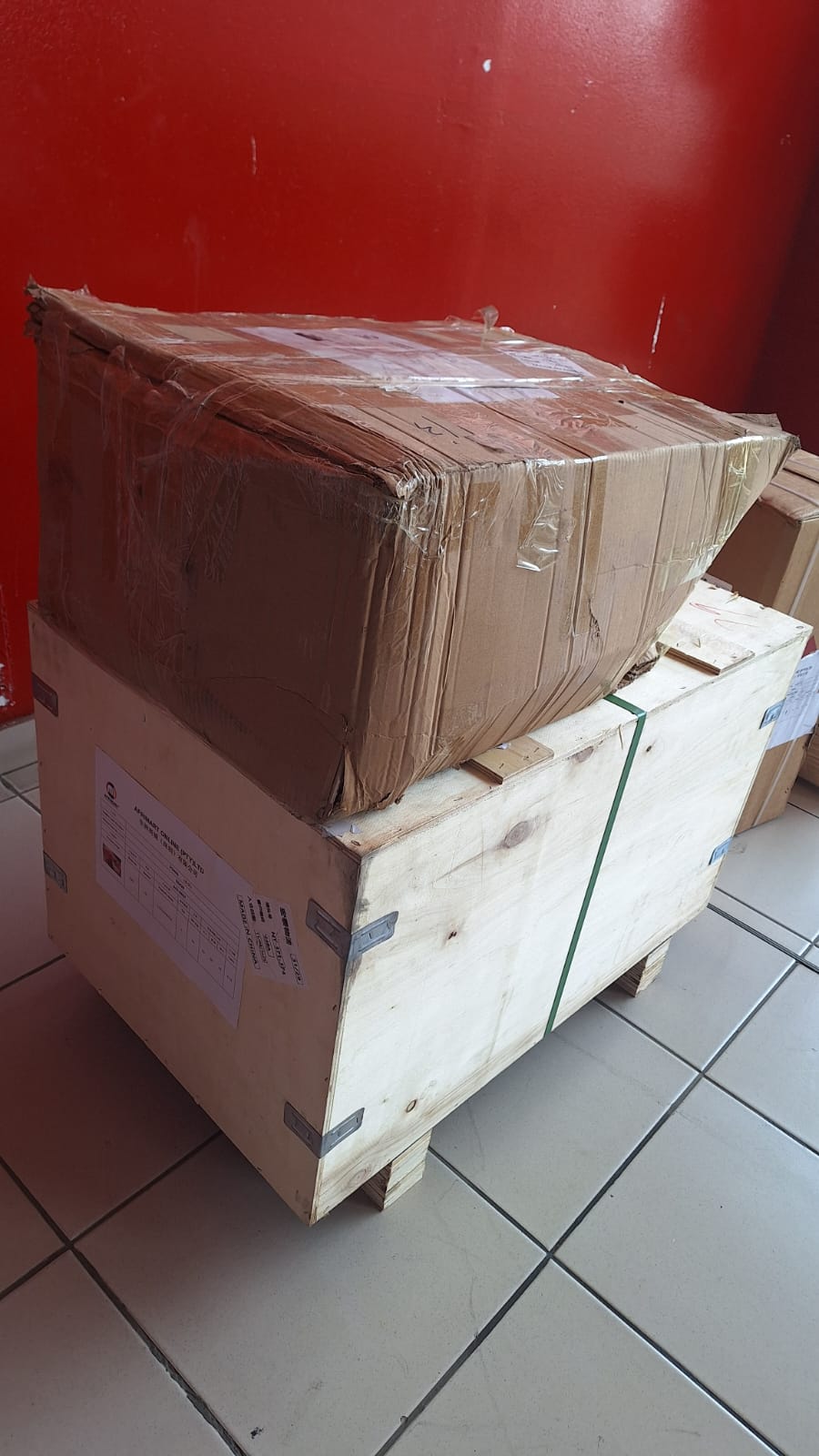
order success
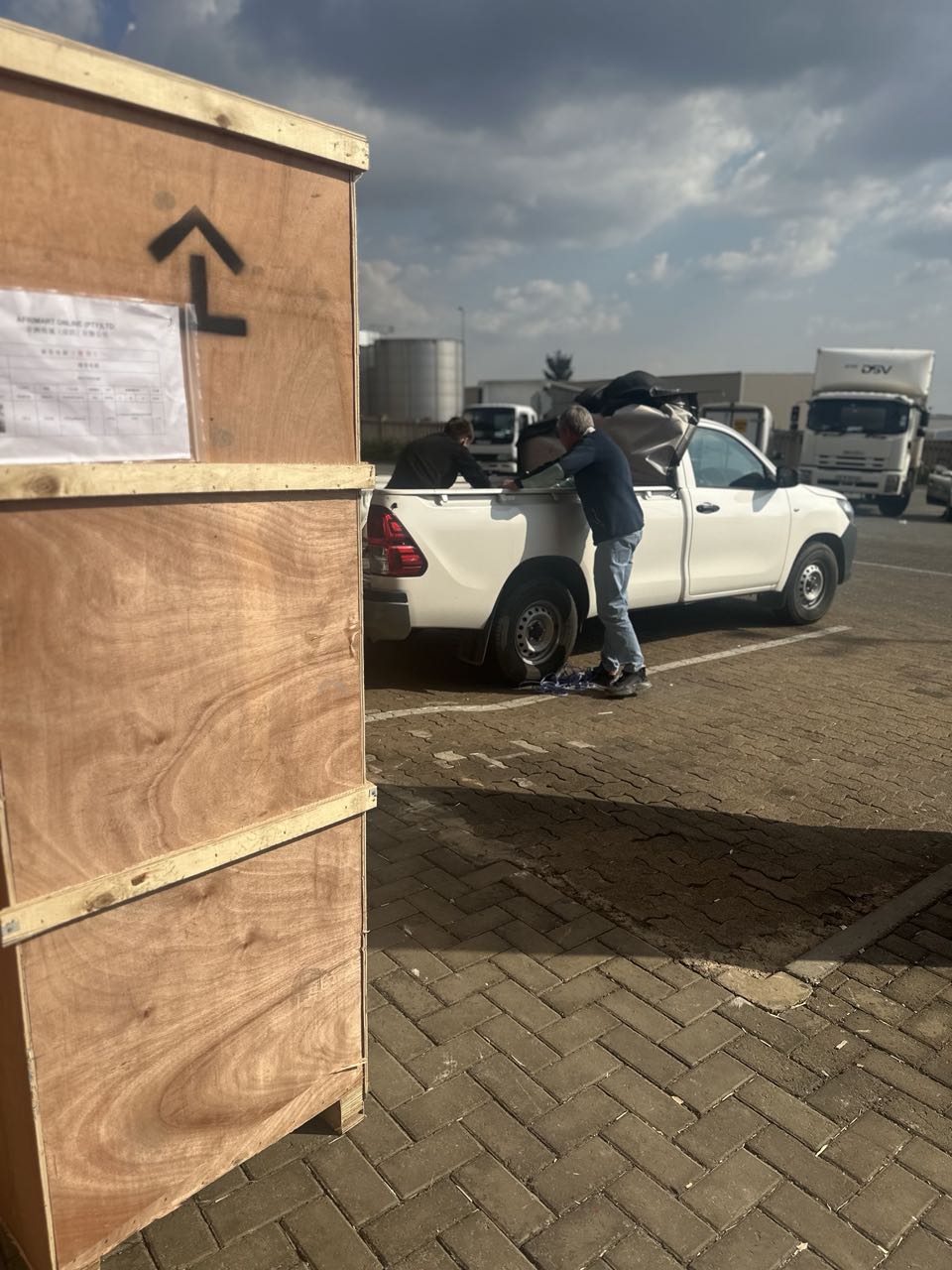
order collection
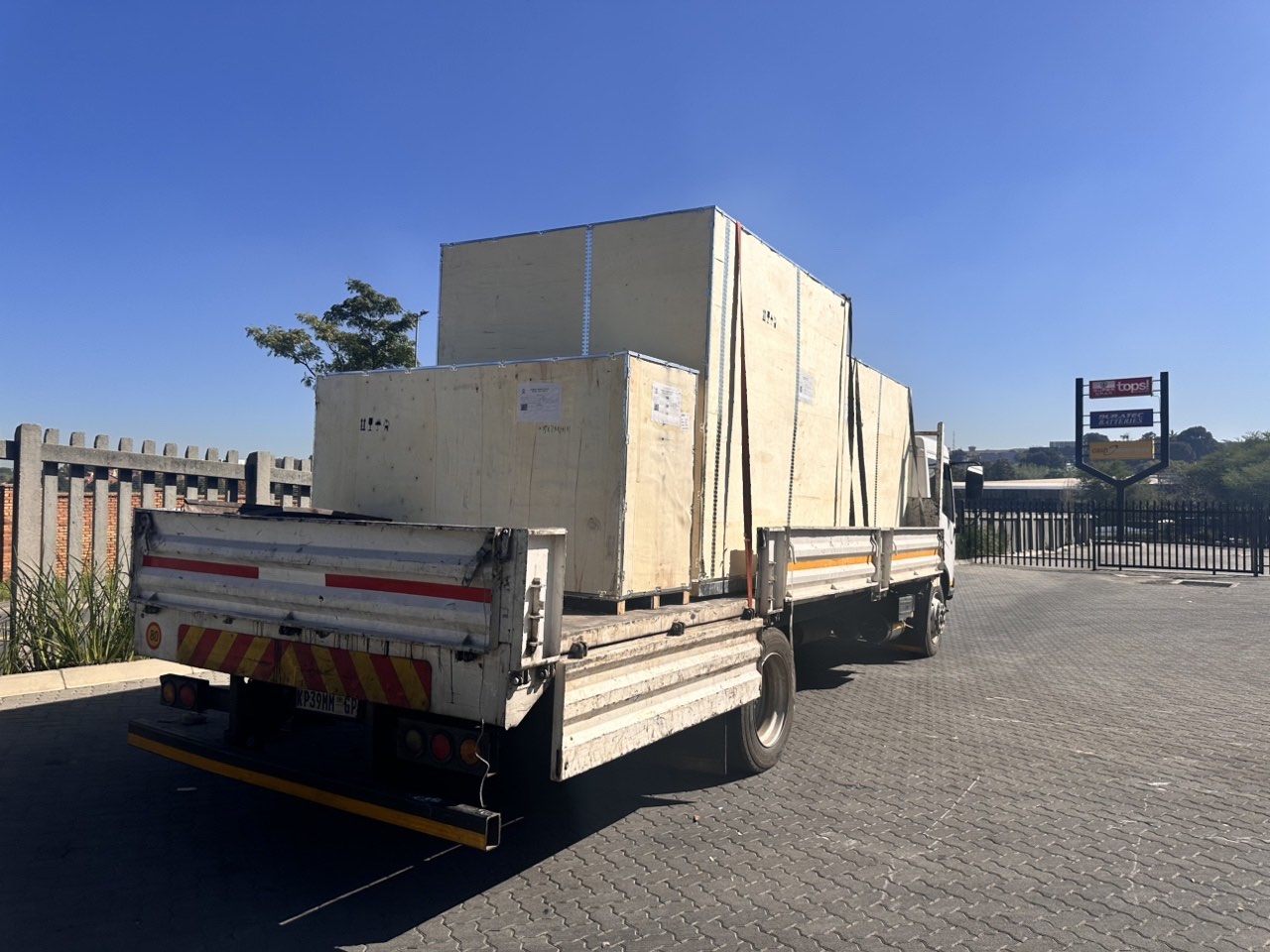
order offloading