B21, China Town Mall, Midrand


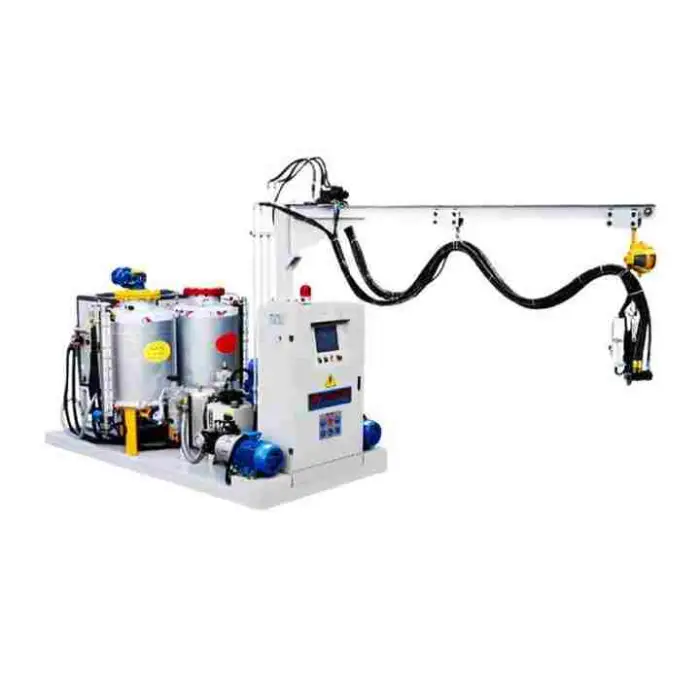
Mixing Head Arrival Source Manufacturers High Pressure Foaming Machine
Asset finance available
Do you want funding for this equipment?
Afrimart can connect you with trusted funding partners who specialise in asset finance for businesses like yours. Compare options and apply in minutes — final approval is subject to provider review.
Check funding options
Secure & no obligation

- Section : Machinery
- Category : Plastic & Rubber Processing Machinery
- SKU : 1601408496251

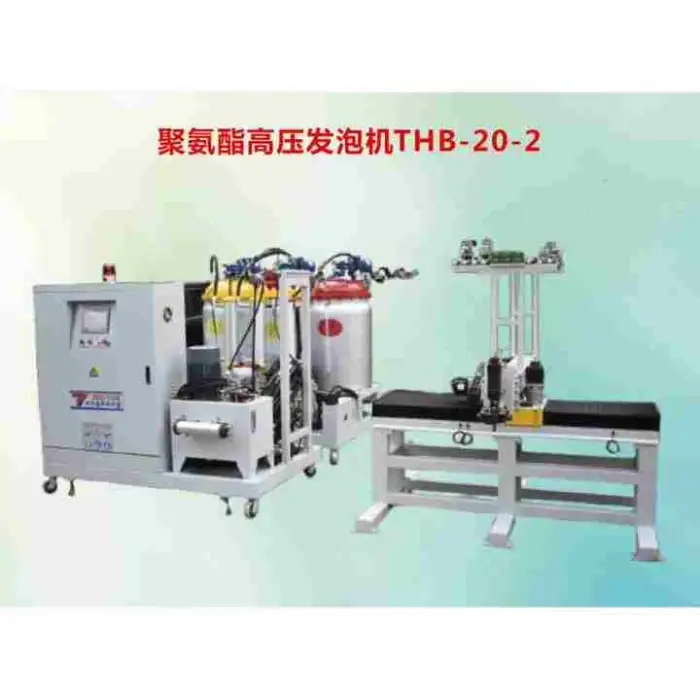
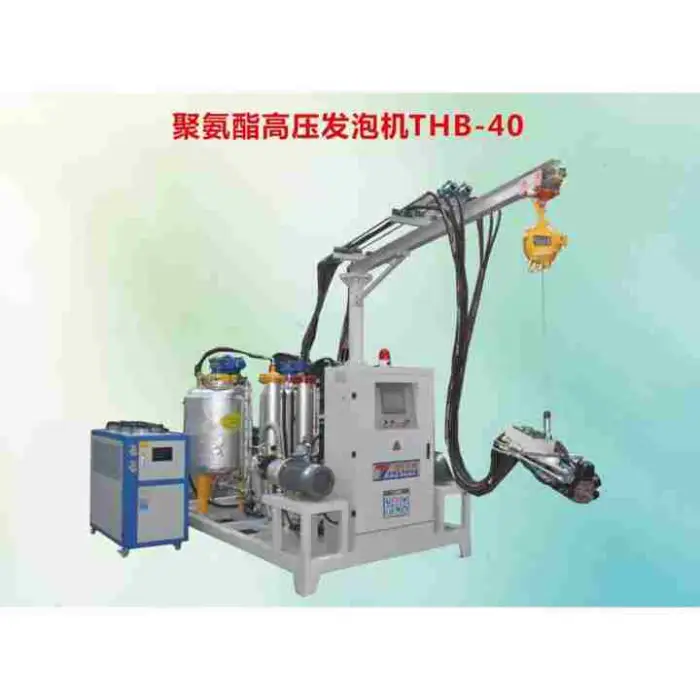
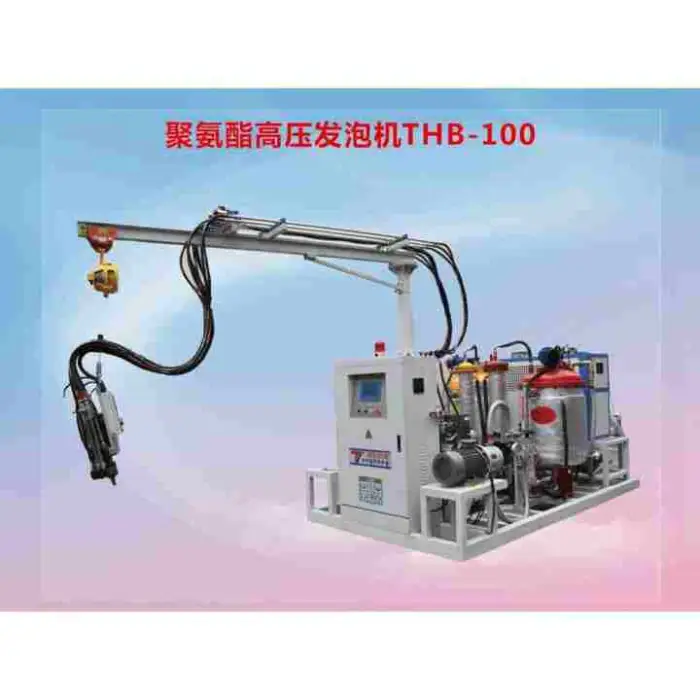
Mixing Head Arrival Source Manufacturers High Pressure Foaming Machine
The Mixing Head Arrival Source Manufacturers High Pressure Foaming Machine is a powerful tool designed for efficient mixing in various foam applications. With robust features and a high-performance build, this machine is perfect for those who need reliable results in foam production. It combines strength and technology to deliver exceptional performance.
Specifications
| Attribute | Details |
|---|---|
| Voltage | 380V |
| Weight | 3000 kg |
| Power | 55 kW |
| Selling Units | Single item |
Key Features
- High pressure capability for efficient foaming.
- Durable design with a weight of 3000 kg.
- Powerful motor with 55 kW for strong performance.
- Operates on standard voltage of 380V.
- Ideal for various mixing needs in foam production.
Applications
- Used in construction for making insulation foam.
- Ideal for furniture manufacturing with foam products.
- Perfect for automotive industries needing foam components.
- Applicable in packaging for protective foam materials.
- Useful in the production of various types of molded foam.
Product Info Gallery
- Shipping Timeframes: All orders are processed within 2-5 business days (excluding weekends and holidays). After your order has been processed, the estimated delivery time is before 03 Aug, 2026, depending on customs, Please note that due to high demand, some items may experience longer shipping times, which will be communicated at order confirmation email.
- Order Processing Time: Please allow 2-5 business days for us to process your order before it is shipped . Orders placed after 16:00 on Fridays, or during weekends and public holidays, will begin processing on the next business day. Processing times may be extended during peak seasons or sales events.
- Manufacturing Time: Some products needs manufacturing time, the manufacturing process will take approximately 10-30 business days depending on the product. This timeframe may vary depending on the complexity of the product and current demand. but this will be communicated with you during order confirmation.
- Returns and Exchanges: We offer a 30-day return policy for most items. If you are not completely satisfied with your purchase, you may return it within 30 days of receipt for a refund or exchange. Items must be unused, in their original packaging, and accompanied by proof of purchase. Return shipping costs are the responsibility of the customer, unless the item was damaged or defective upon arrival.
1. What is the Mixing Head Arrival Source Manufacturers High Pressure Foaming Machine used for?
It is used for high-pressure mixing and dispensing of foam formulations, primarily for polyurethane foam production used in construction insulation, furniture cushioning, automotive components, packaging protection, and molded foam parts.
2. What are the key technical specifications of this machine?
Key specifications are: operating voltage 380V, motor power 55 kW, and machine weight 3000 kg. Other process parameters (flow rates, ratio range, cycle time) depend on configuration — request the detailed spec sheet from the manufacturer.
3. What kinds of foam materials are compatible with this high-pressure mixing head?
It is designed for high-pressure two-component foam systems, typically polyurethane (polyol/isocyanate) formulations. Compatibility with specialty chemistries should be verified with the supplier and raw material provider.
4. What electrical supply is required to operate the machine?
The machine operates on 380V. This typically means a three-phase industrial power supply; confirm required amperage and wiring details with the manufacturer and your electrical engineer prior to installation.
5. What site preparations are required before delivery and installation?
Because the machine weighs approximately 3000 kg, you will need adequate floor load capacity or a prepared foundation, sufficient clearances for maintenance and material handling, proper 380V three-phase electrical connections, and appropriate ventilation and exhaust for processing fumes. A forklift or crane is usually needed for placement.
6. How is the machine maintained and cleaned?
Regular maintenance includes inspecting and replacing seals and filters, checking pumps and hoses, cleaning the mixing head and flow paths according to manufacturer procedures, and following scheduled lubrication and electrical checks. Use only cleaning agents and procedures recommended by the manufacturer to prevent damage.
7. How often should mixing head components be replaced?
Service life depends on usage, materials processed, and maintenance. High-wear parts like seals, stators/rotors, and check valves may need periodic replacement. The manufacturer can provide recommended service intervals based on your process.
8. Does the machine come with training and technical support?
Most manufacturers include or offer installation, commissioning, and operator training as part of the purchase or as an add-on service. Confirm the scope and duration of training and after-sales support with the supplier.
9. What safety measures should be followed when operating this high-pressure foaming machine?
Follow the manufacturer's safety manual. Typical precautions include using appropriate PPE (gloves, eye protection, respirators as needed), ensuring proper ventilation, lockout/tagout for maintenance, pressure relief and emergency stop systems, and training personnel on safe handling of raw materials.
10. Can the machine be customized for specific formulations or production rates?
Yes — many high-pressure foaming machines can be configured for different mix ratios, flow rates, heating systems, metering pumps, and control options. Discuss your target formulations and production throughput with the manufacturer to specify the right configuration.
11. What spare parts should I keep on hand?
Common spare parts include seals and o-rings, filters, check valves, pump components, mixing head replaceable elements, and electrical fuses. The manufacturer can provide a recommended spare parts kit tailored to your usage.
12. Are there environmental or regulatory considerations when using this equipment?
Yes. Handling and disposal of isocyanates, solvents, and other chemicals must comply with local regulations. Adequate ventilation, emissions controls, and waste management procedures should be implemented. Consult material safety data sheets (MSDS) and local regulatory guidance.
13. What is the expected noise level during operation?
Noise level depends on specific components and site installation. High-pressure pumps and motors can generate significant noise; noise mitigation (enclosures, isolation pads) may be recommended. Request measured noise data from the supplier for your chosen configuration.
14. How is the machine shipped and what lead time can I expect?
Shipping method and lead time vary by manufacturer, customization level, and destination. Due to its weight (~3000 kg), it is typically shipped on a skid or crate via freight carrier. Confirm estimated lead times, delivery terms, and on-site installation services with the supplier.
15. What certifications or quality standards does the machine meet?
Certification availability (CE, ISO, UL, etc.) depends on the manufacturer and model. Ask the supplier for certificates of conformity, quality assurance documentation, and compliance with applicable industry standards for your market.
Latest Order Arrivals
Discover our latest orders
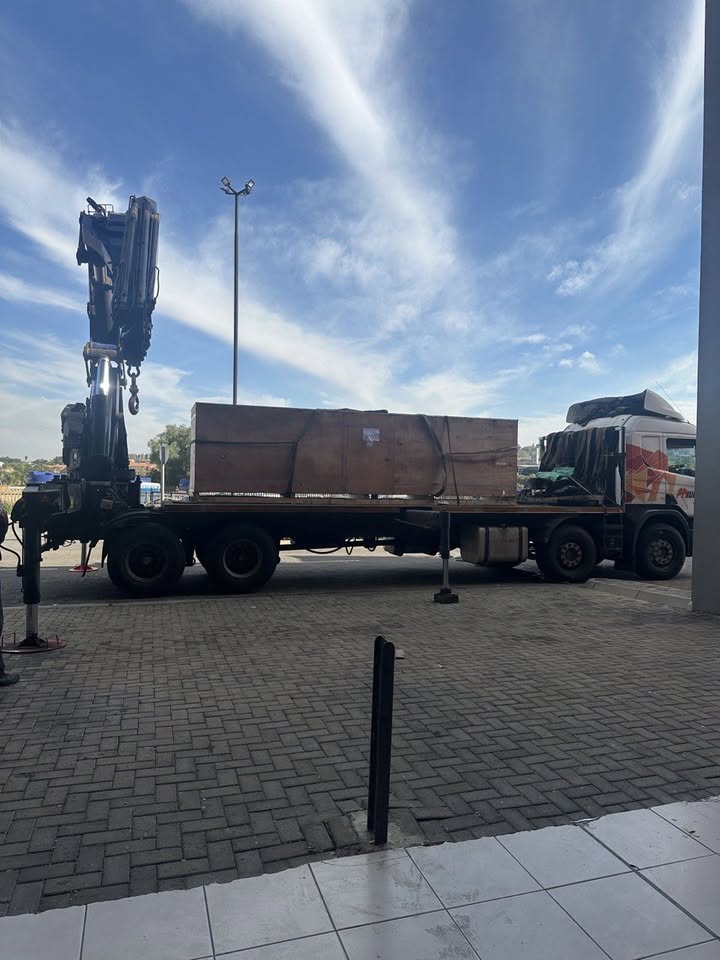
12 Heads Embroidery Machine
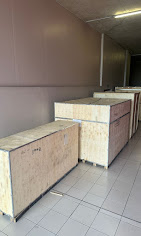
Toilet Paper Machine Machine
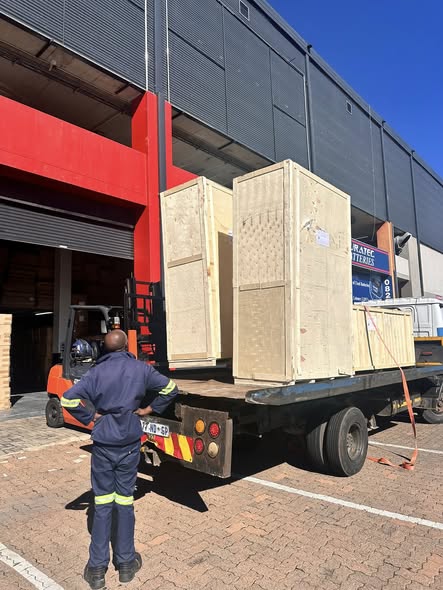
Order Collection
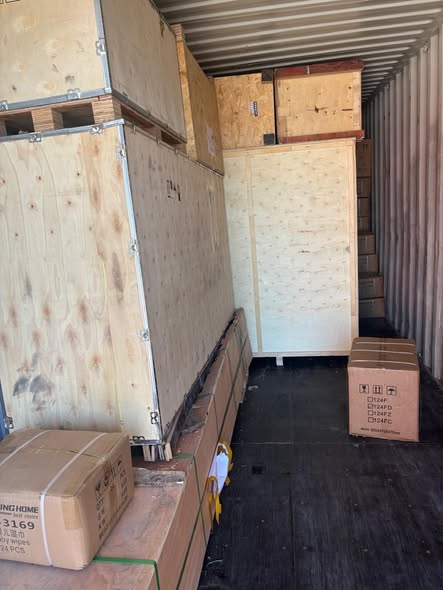
Cross Border Clients
Order cros border countries Collected
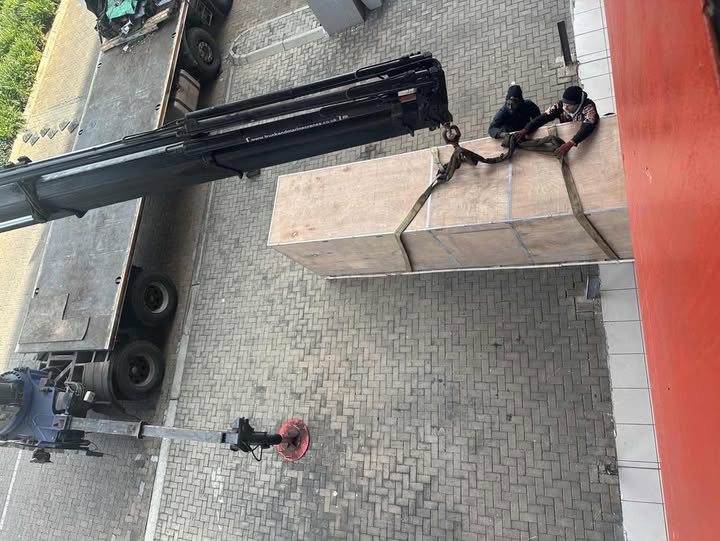
Industrial Machine Cllection
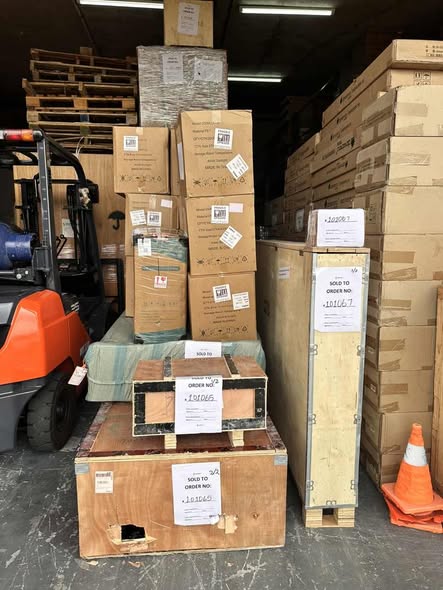
Agriculture Processing Machines
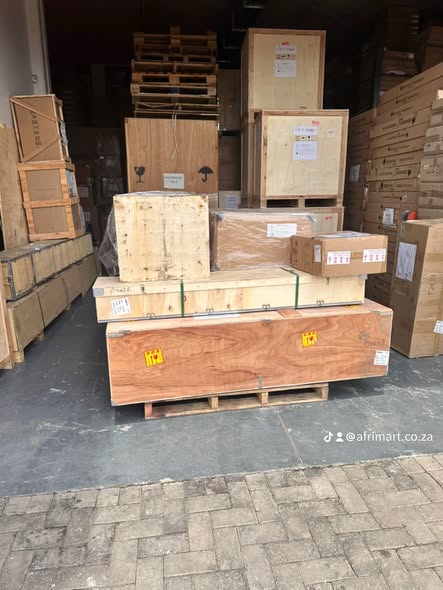
Ready for collection
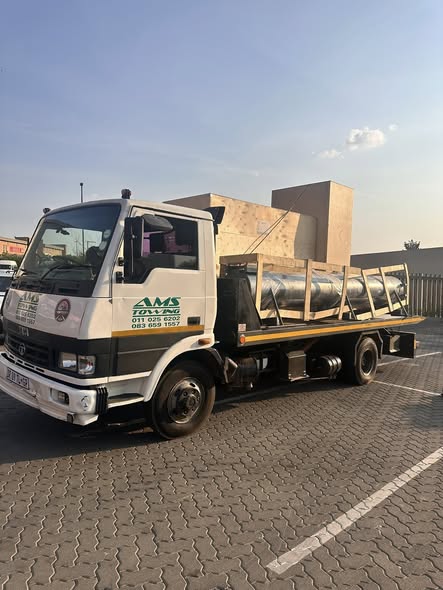
Water Pump Equipment
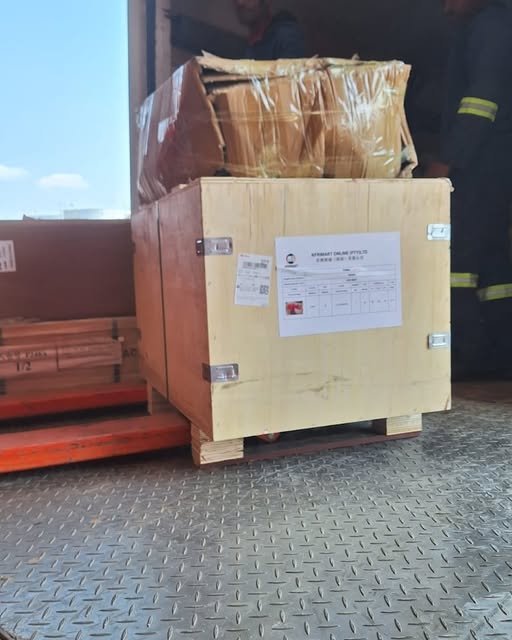
Packaging Machine and accessories
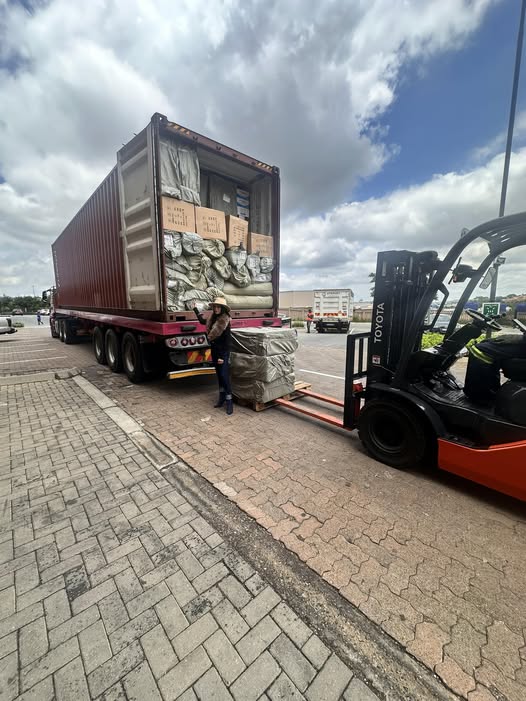
Fabrics Manufacturing Equipment
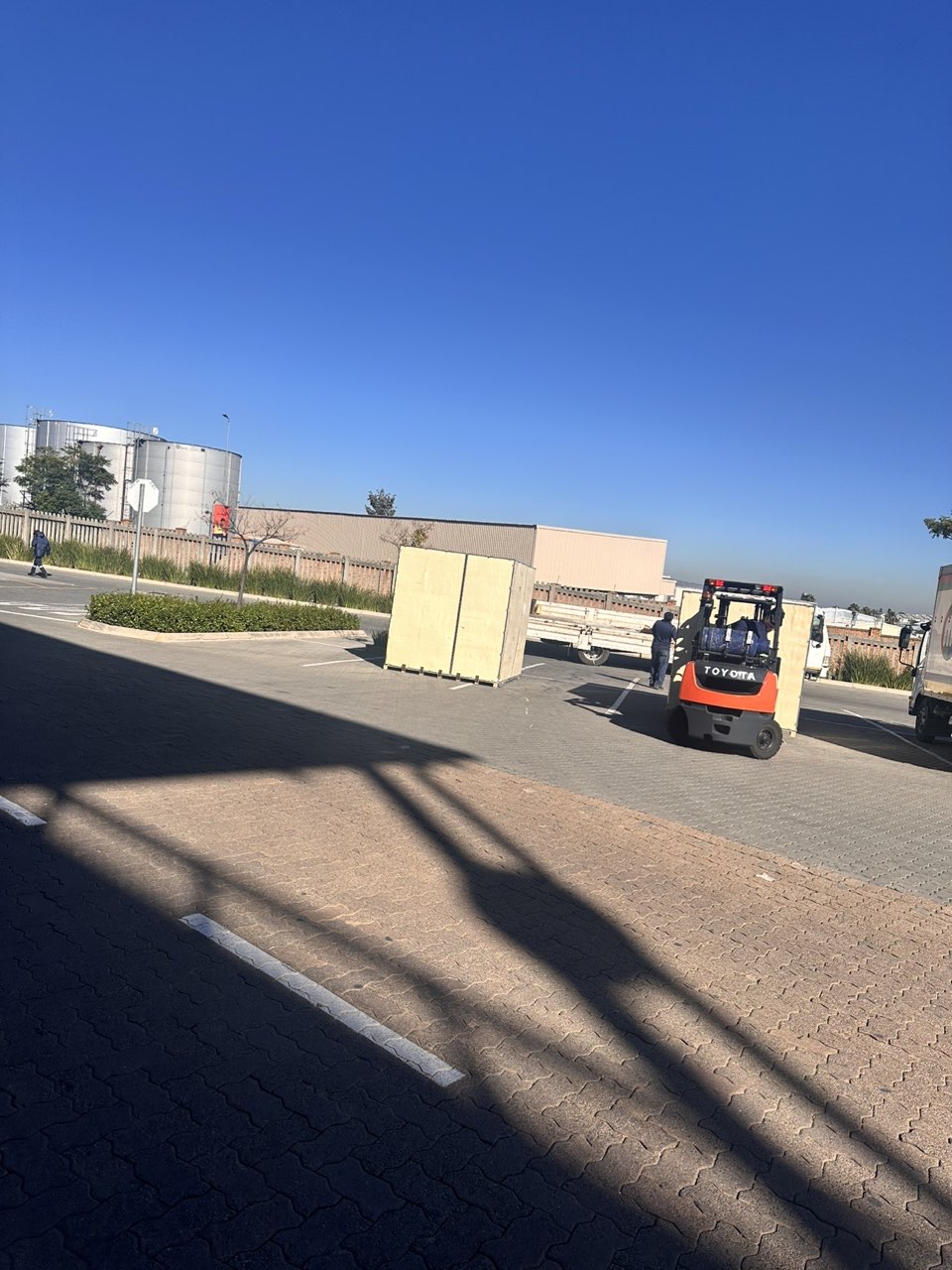
Mining Equipments
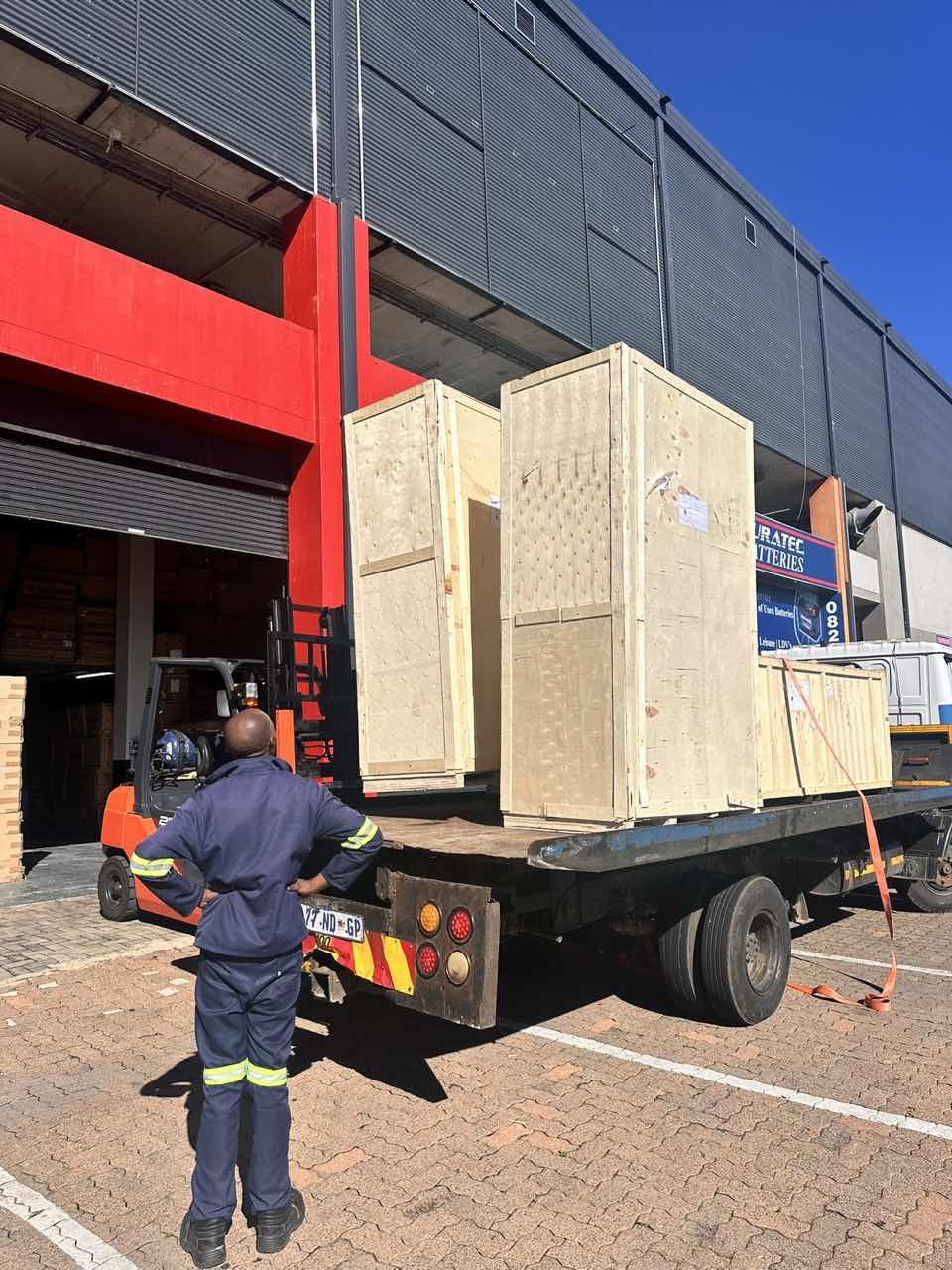
Food Processing Machine
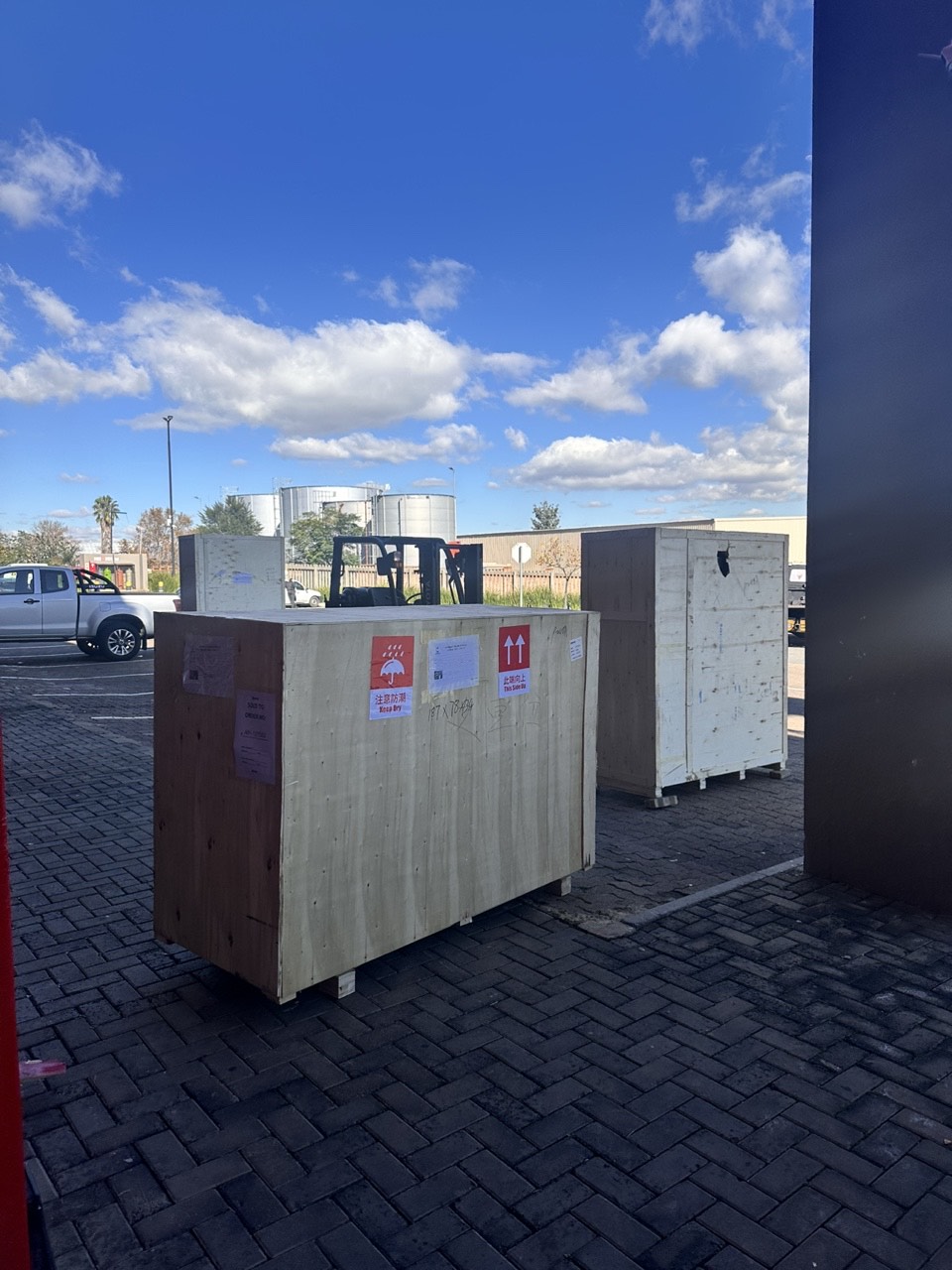
Batch of Orders
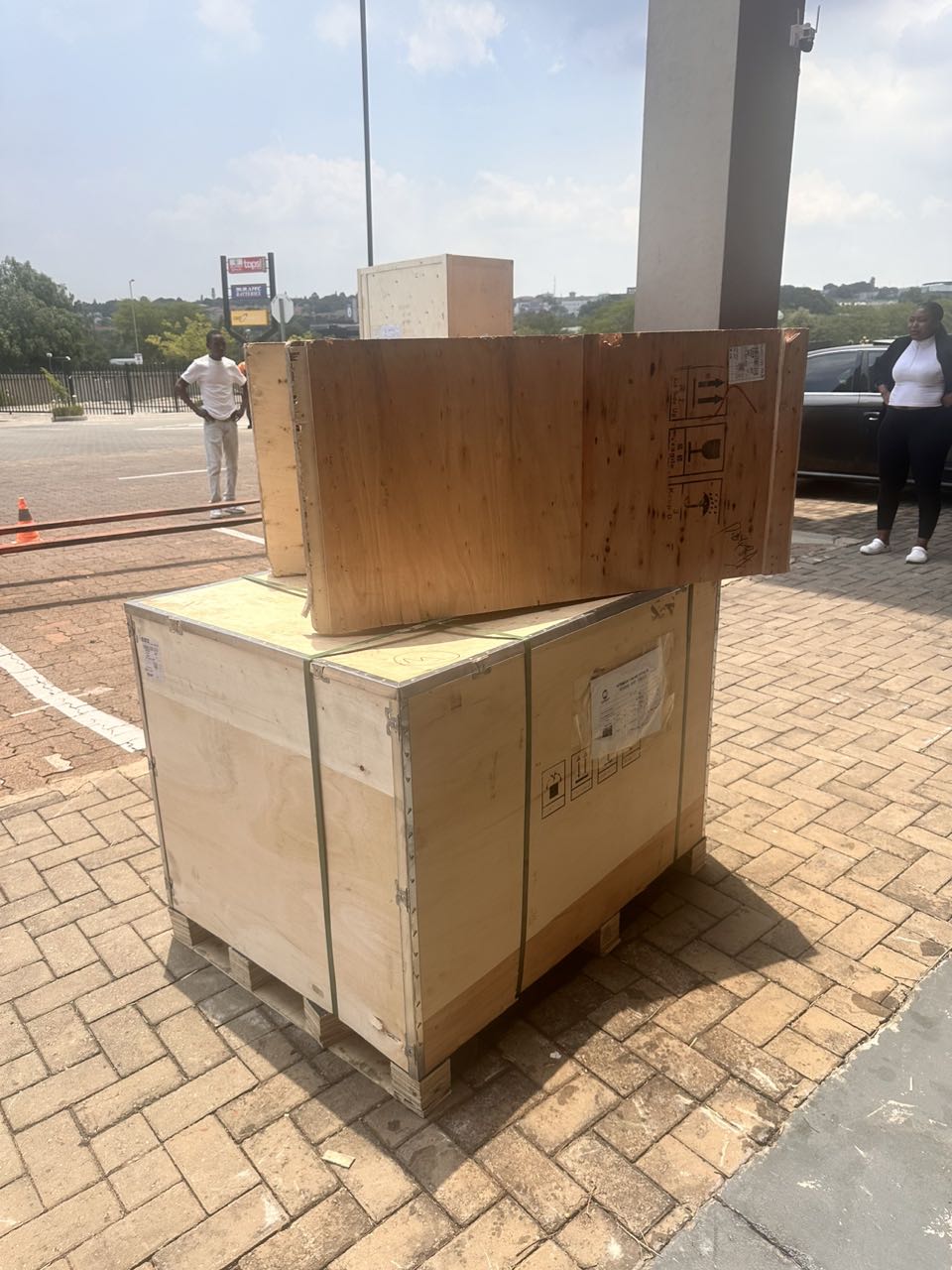
Batch of Orders
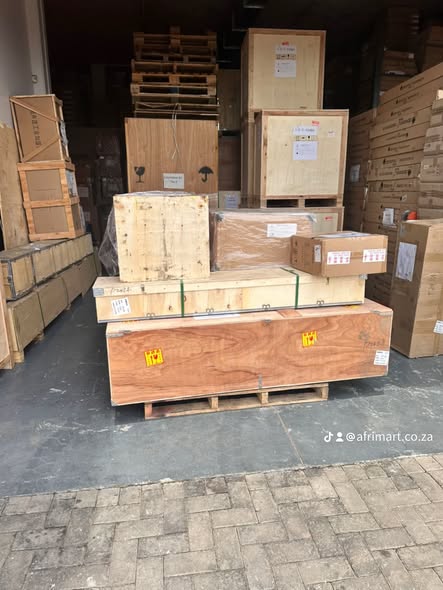
Latest Orders Labelled
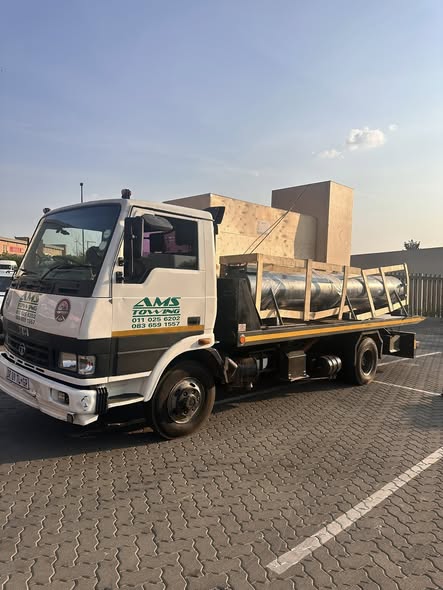
wheel alignment machines
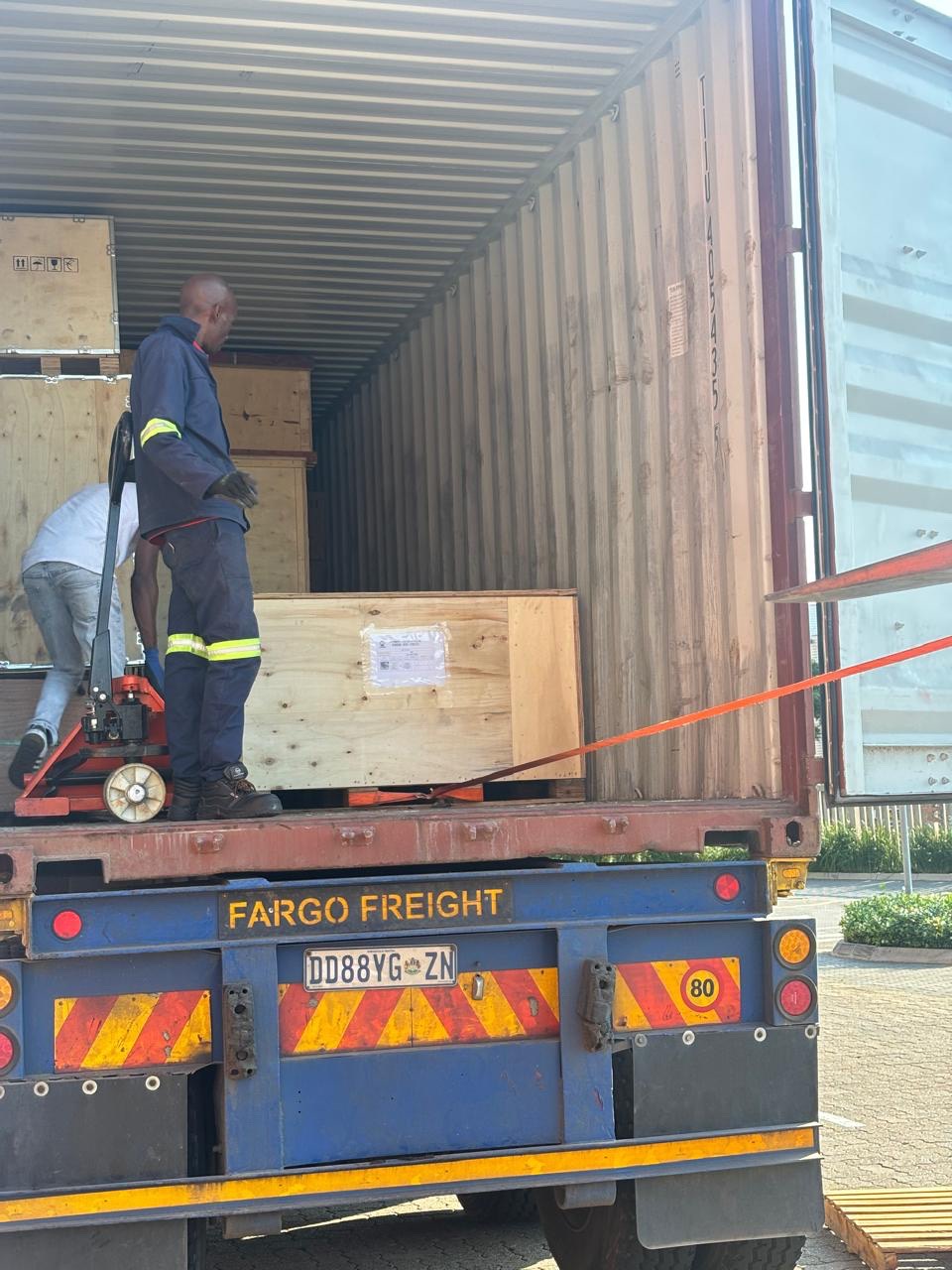
new arrivals
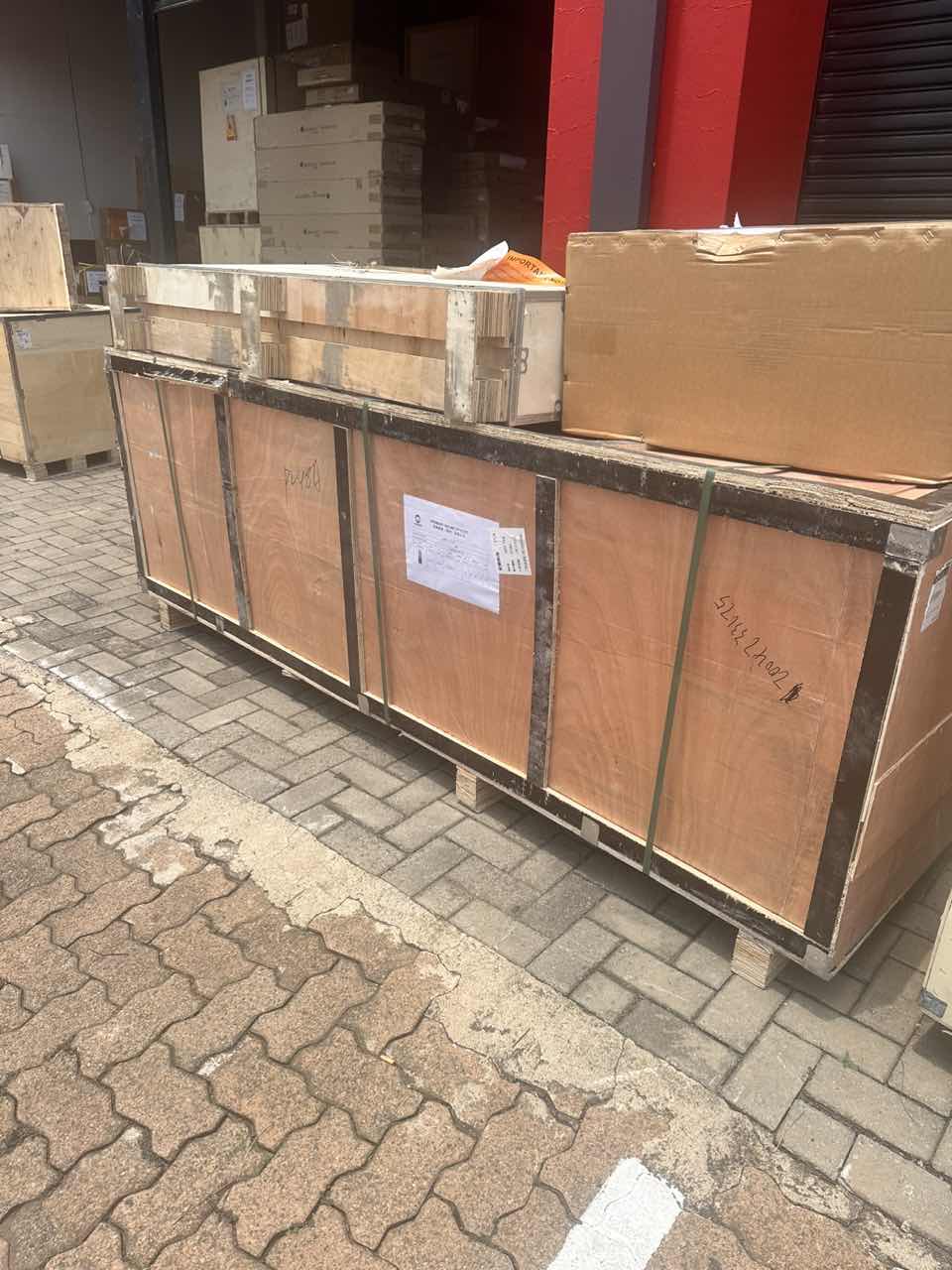
Pre Orders Offloading
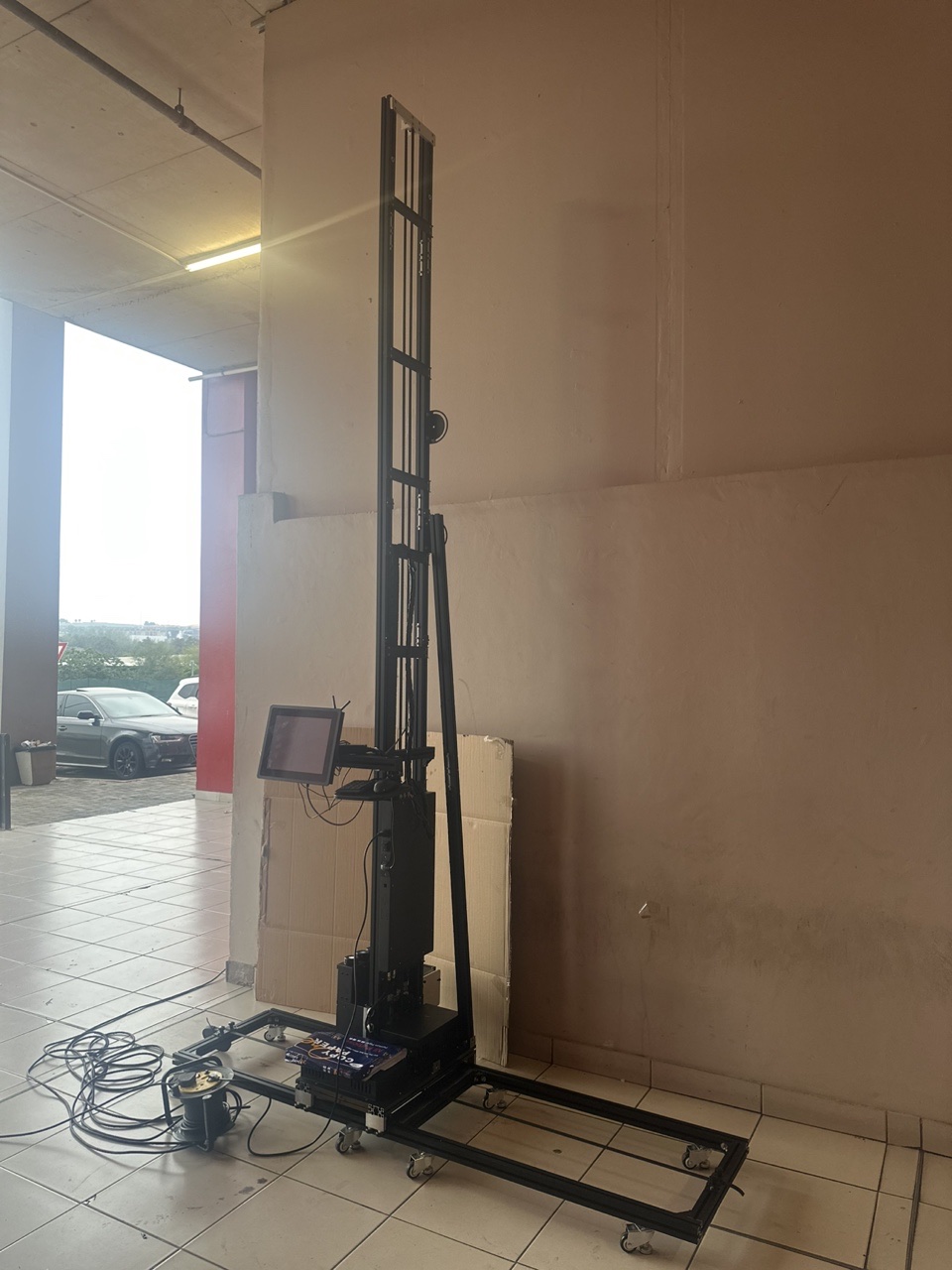
Latest Arrivals
Latest Arrivals
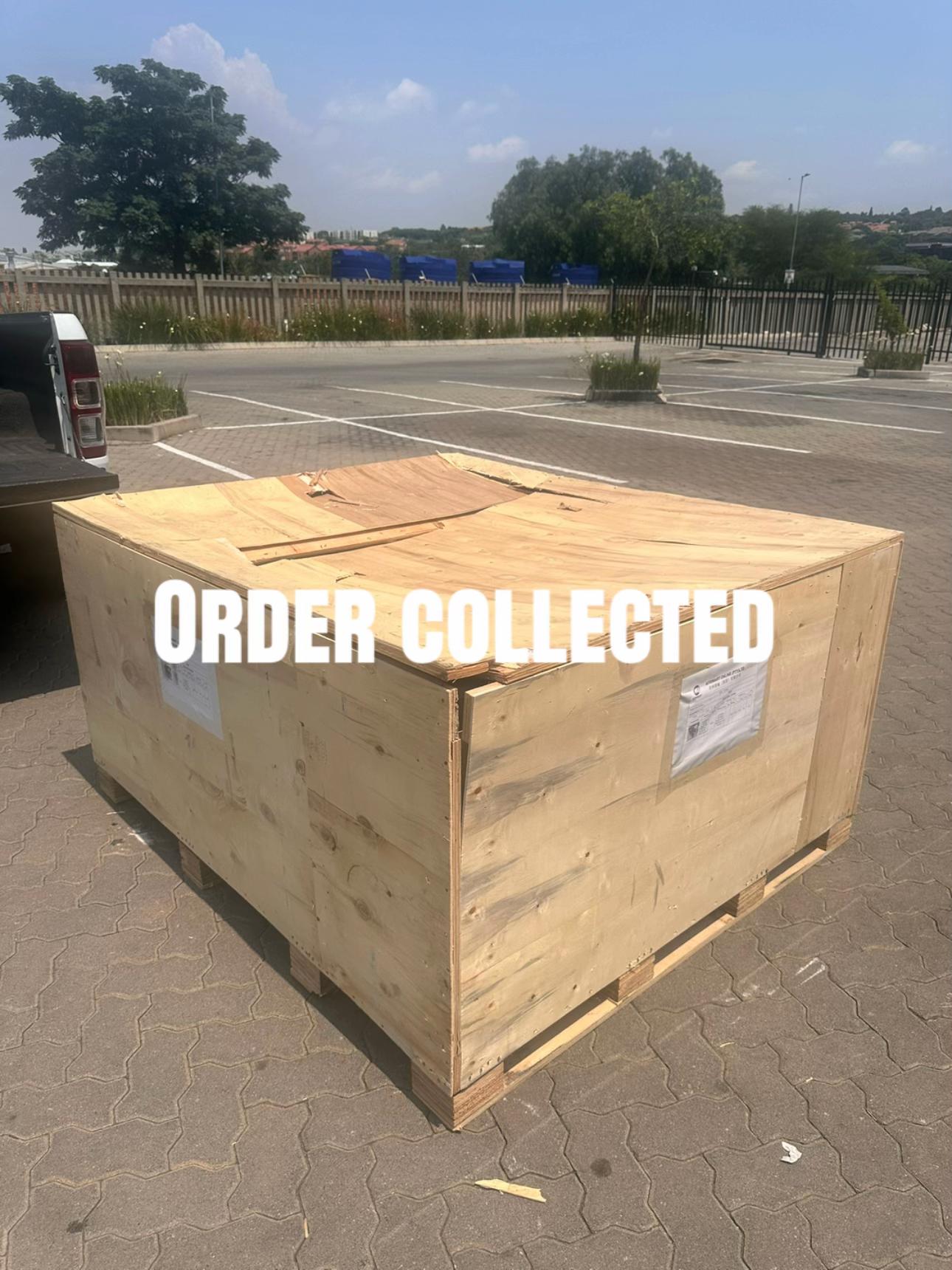
Latest Arrivals
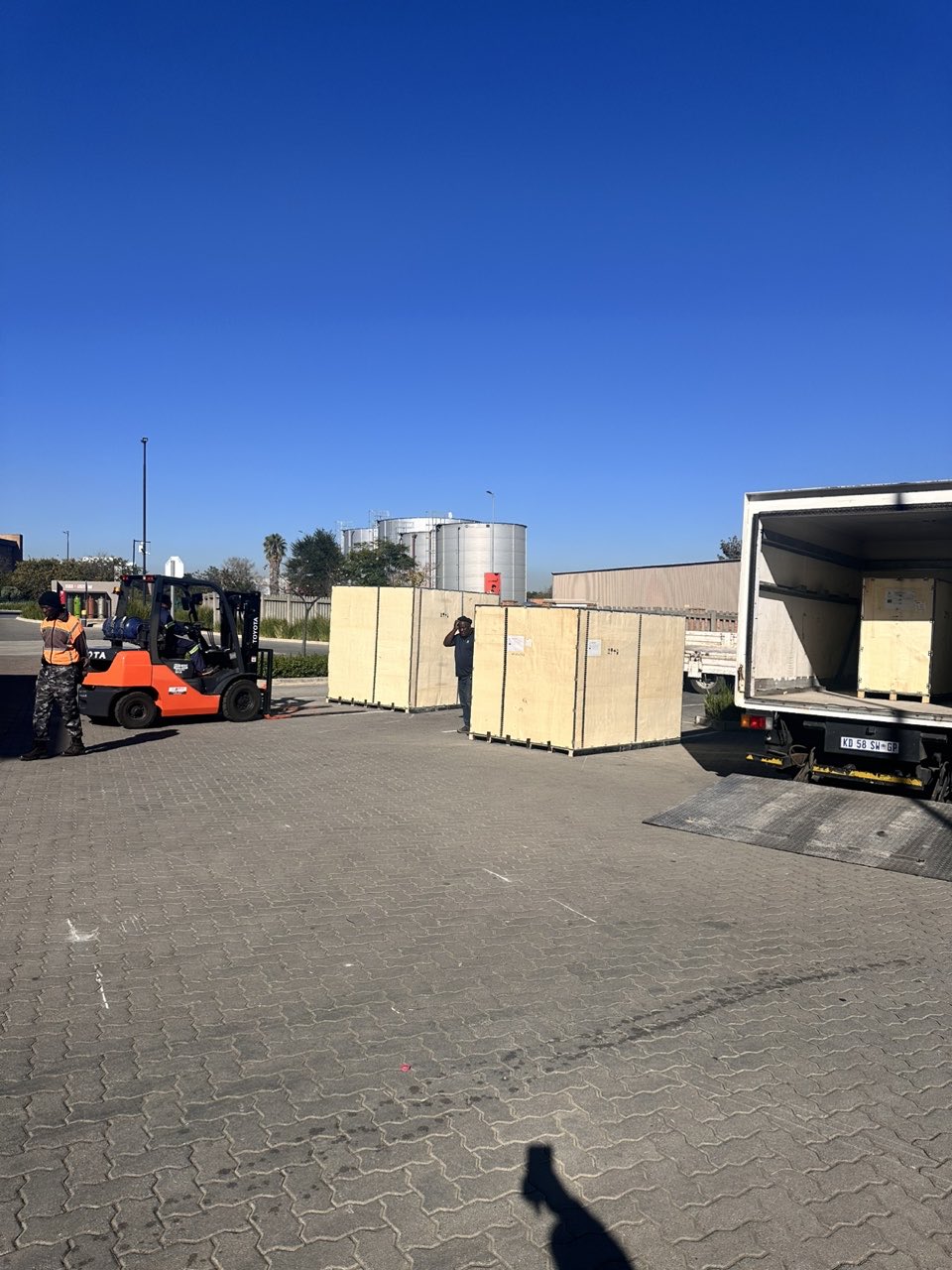
Loading
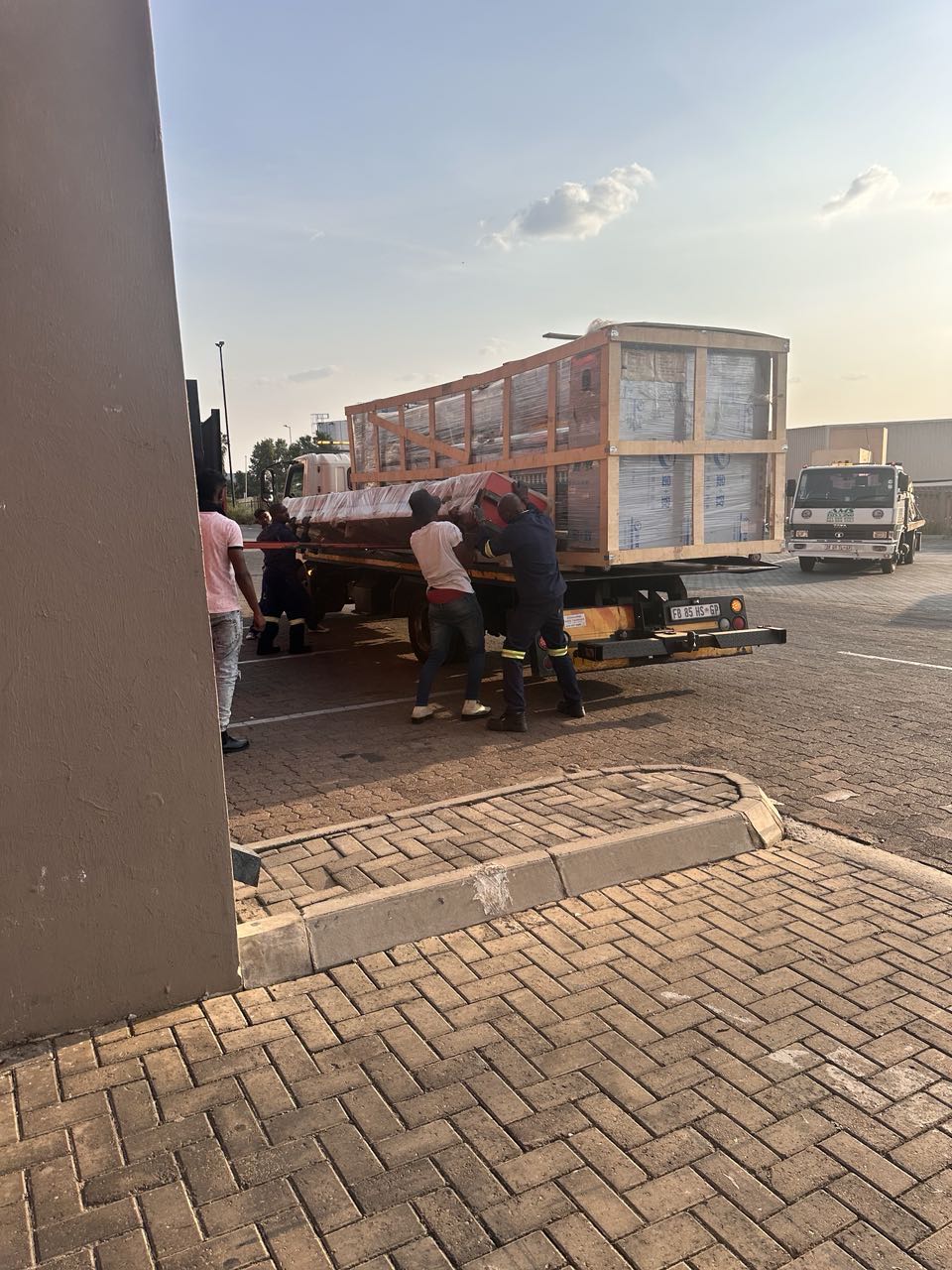
Toilet paper making machine
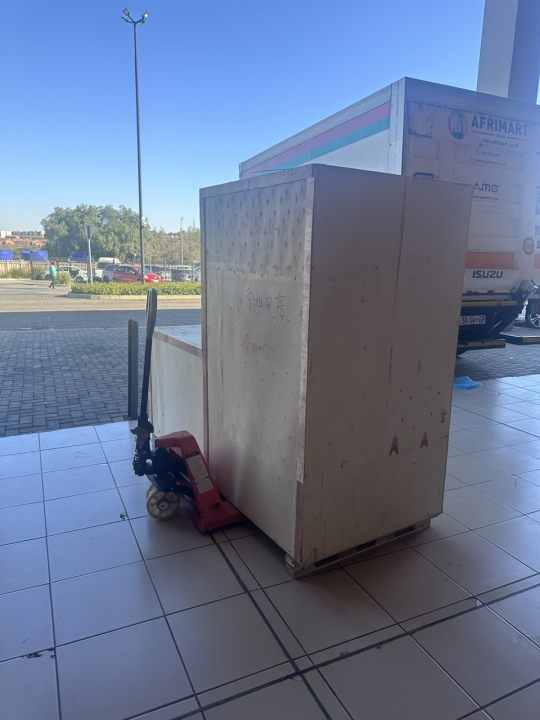
Toilet paper making machine
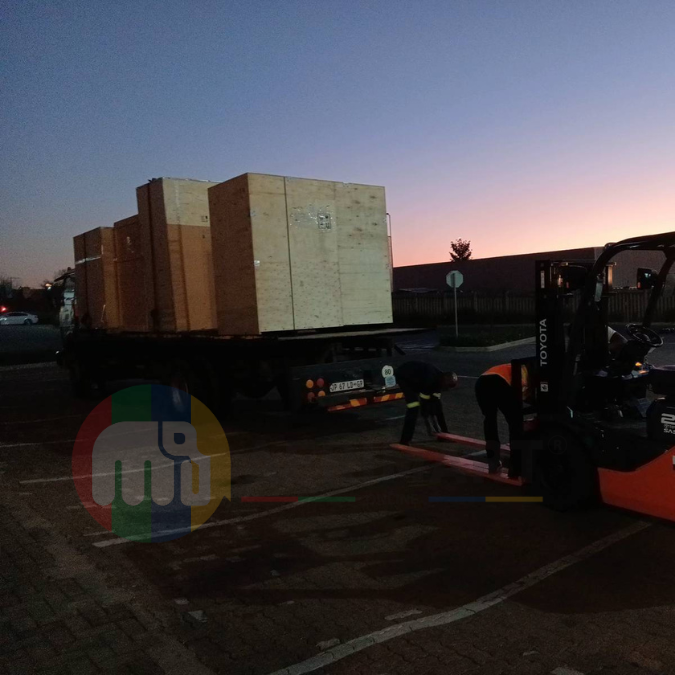
Toilet paper Rewinding Machine
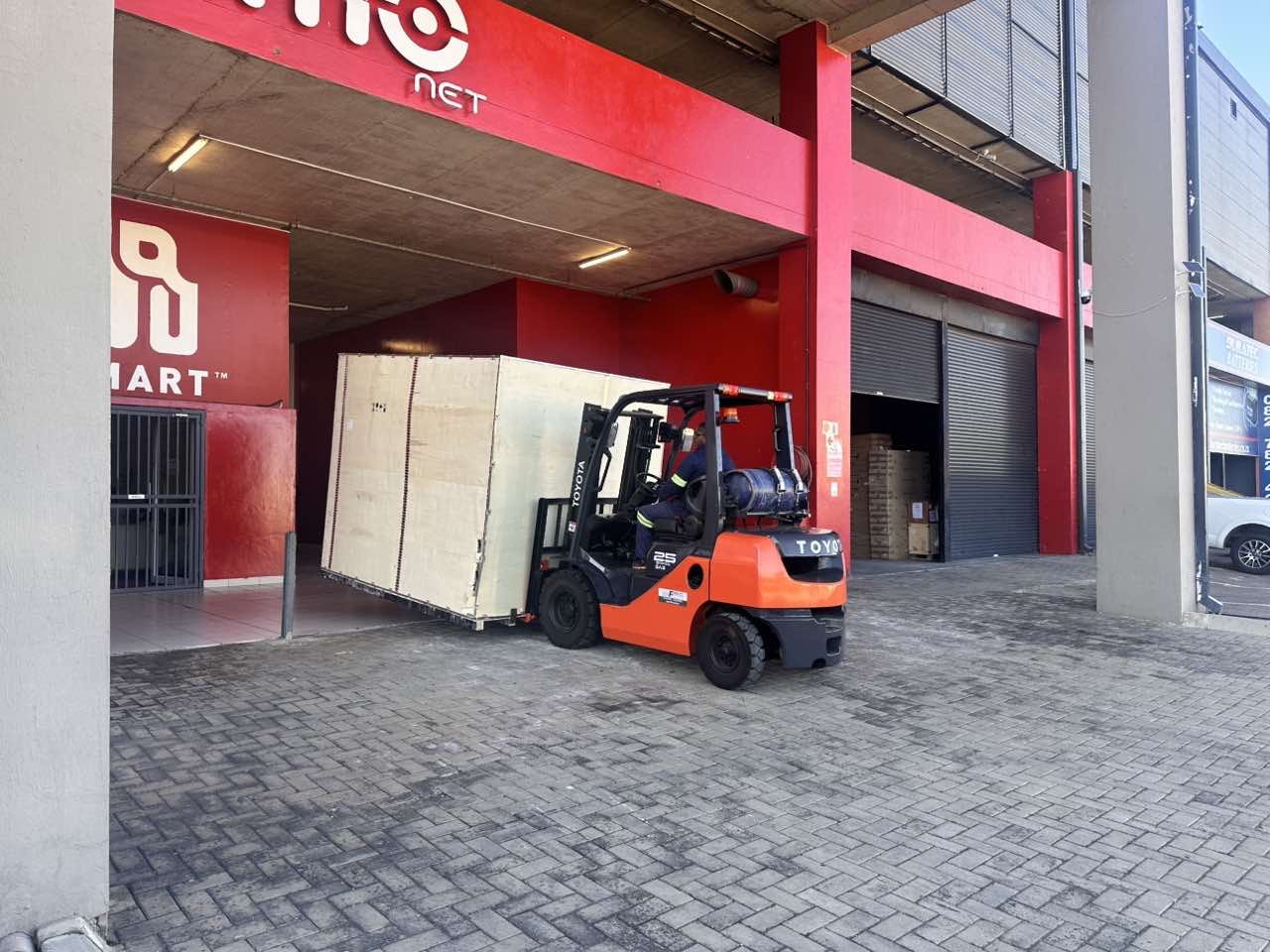
latest arrivals
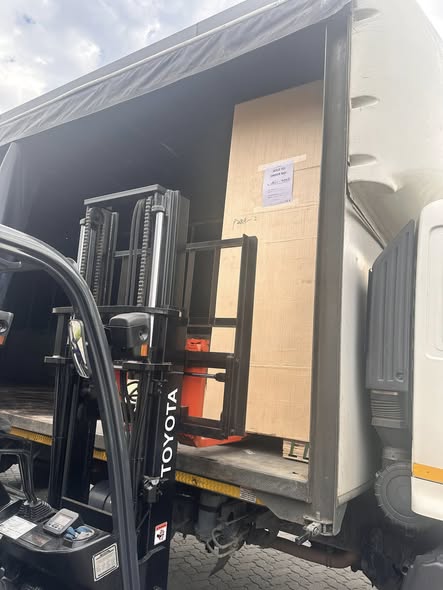
offloading
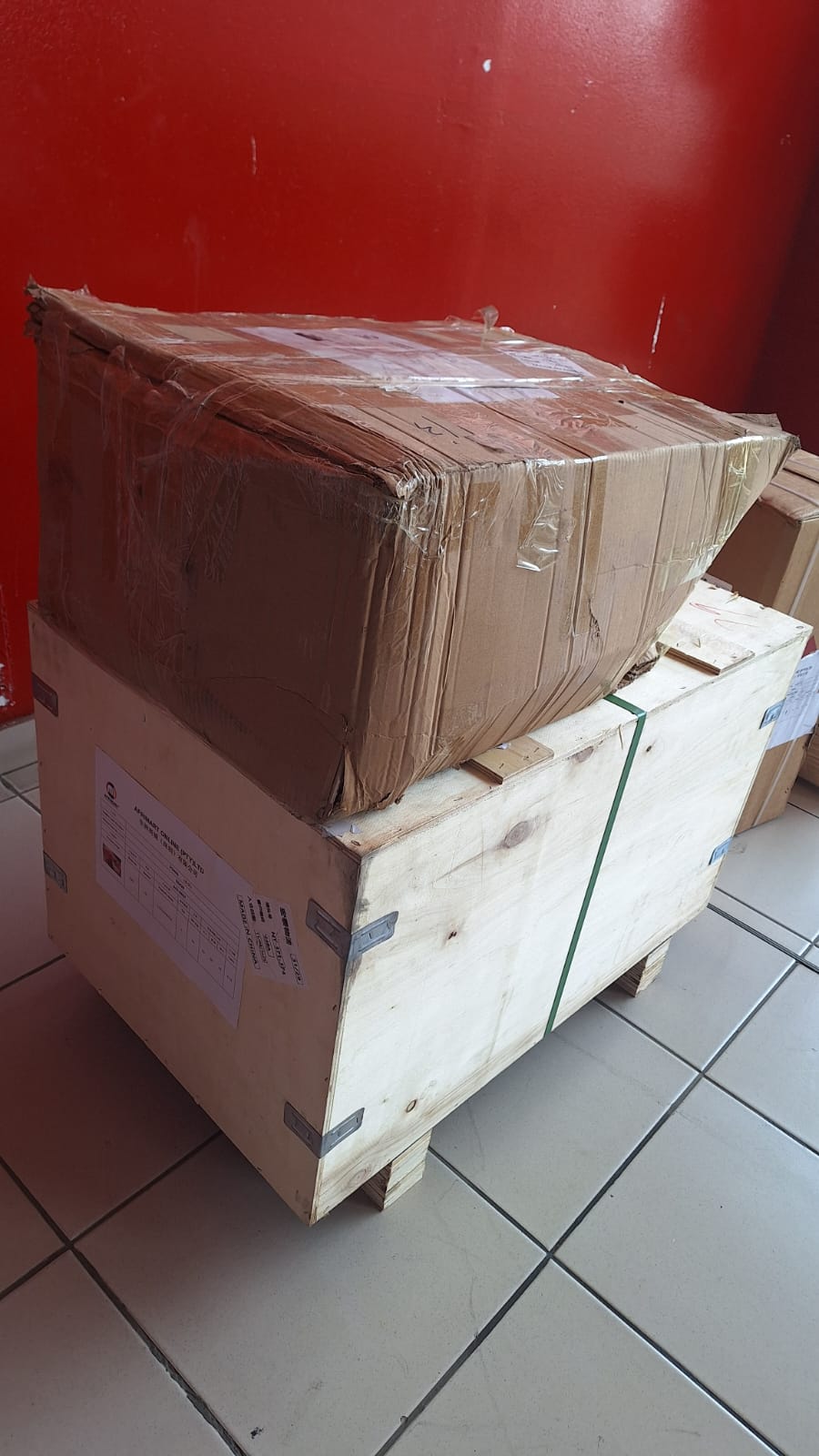
order success
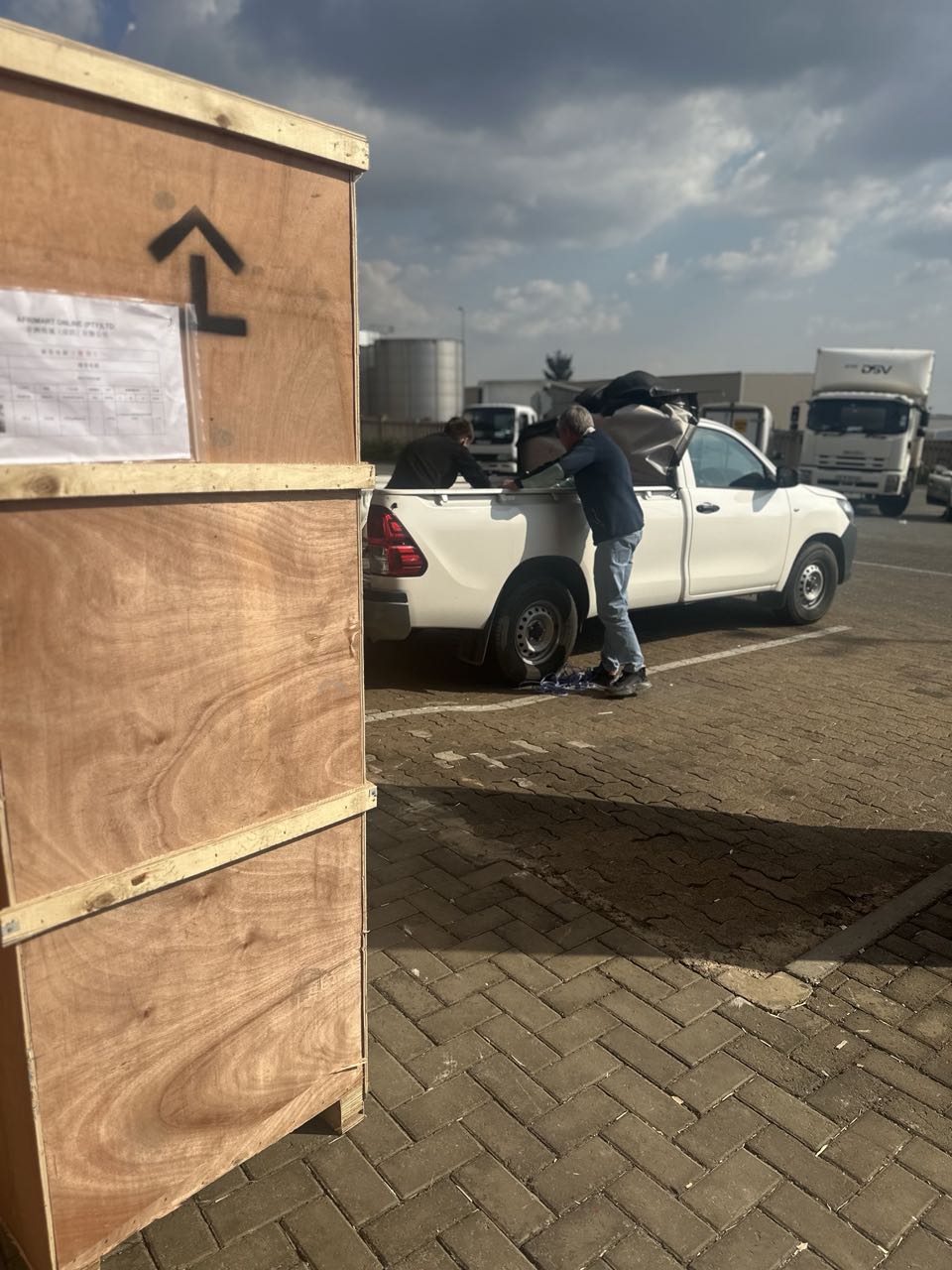
order collection
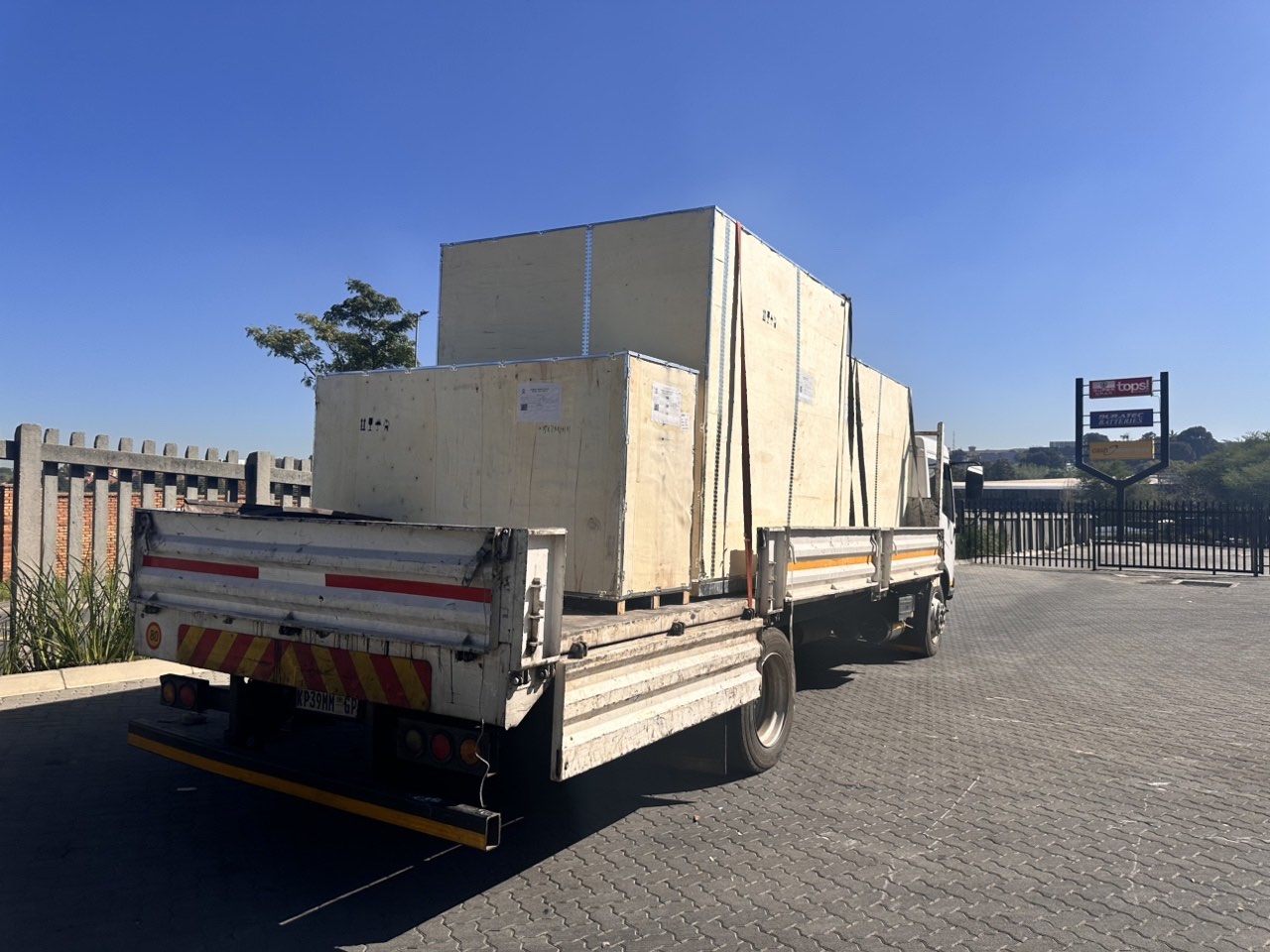
order offloading