B21, China Town Mall, Midrand

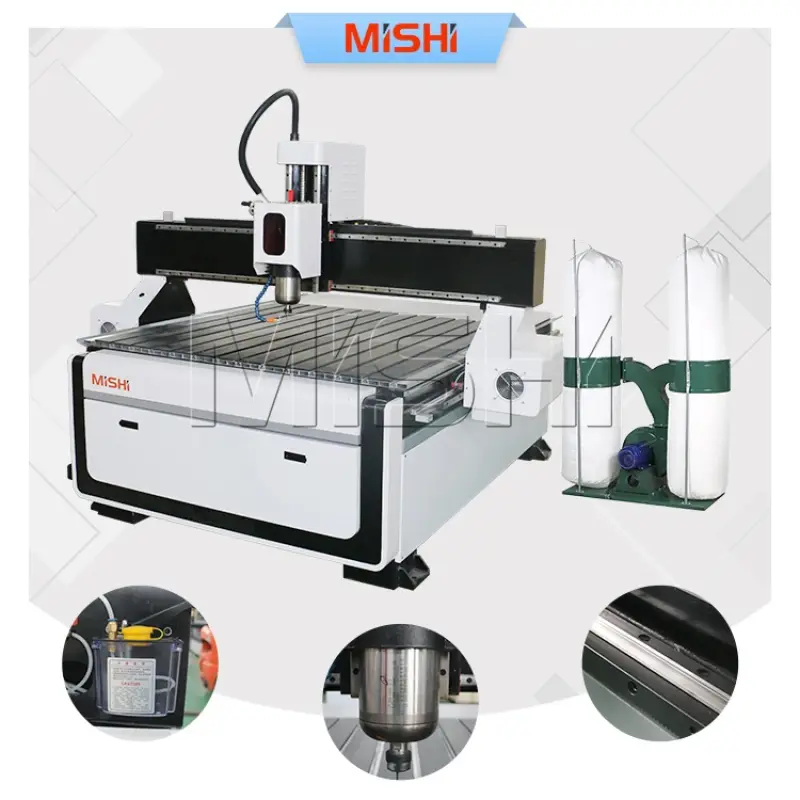
MISHI 1325 CNC Router Wood Carving Machine
Asset finance available
Do you want funding for this equipment?
Afrimart can connect you with trusted funding partners who specialise in asset finance for businesses like yours. Compare options and apply in minutes — final approval is subject to provider review.
Check funding options
Secure & no obligation

- Section : Machinery
- Category : CNC industrial Machinery
- SKU : 1600889662387

CNC Router Wood Carving Machine by MISHI
Introducing the CNC Router Wood Carving Machine by MISHI, your ultimate solution for high-quality engraving and cutting. Designed for versatility, this machine excels in working with a variety of materials, including foam, MDF, wood, acrylic, and aluminum.
Key Features:
- Three-Axis Operation: This CNC router operates on three axes, allowing for intricate designs and precision cuts.
- High-Speed Spindle: With a spindle speed range of 1 to 24,000 RPM, it ensures efficient and effective engraving on various materials.
- Powerful Performance: The machine features a 20 kW power output, with a spindle motor power of 9 kW, ensuring robust performance.
- Positioning Accuracy: Achieve precise results with a positioning accuracy of 0.02 mm and repeatability of 0.01 mm across the axes.
- Spacious Working Area: The travel dimensions are 1250 mm on the X-axis and 2500 mm on the Y-axis, providing ample space for large projects.
- Advanced Components: Equipped with high-quality motors, drivers, and a Taiwan Hiwin Square Guide Rail for smooth operation.
- Vacuum Combined T-Slot Table: This feature allows for secure clamping of materials during operation, enhancing stability.
- Compatible Software: The machine works seamlessly with popular software such as Ucancam, ArtCam, and TYPE3 for user-friendly design.
In conclusion, the CNC Router Wood Carving Machine by MISHI combines high productivity with versatility, making it an essential tool for any workshop. Whether you're working with wood, plastic, or metal, this machine delivers quality results every time.
Product Info Gallery


Technical Parameters
| CNC Router Woodworking Machine | |
| Machine Type | 1212/1325/1625/1825/1530/2040 CNC Router |
| Table Size | 1300*2500/1600*2500/1800*2500/1500*3000/2000*4000mm |
| Countertop Structure | Aluminum Profile Counter Top (Option: Vacuum Table) |
| Bed Structure | Welded Steel |
| XYZ Transmission | X,Y Rack & Pinion Driver, Z ball Screw Transmission |
| Guide | 20 Square Rail |
| Maximum Empty Travel Speed | 17000mm/min |
| Working Speed | 15000mm/min |
| Spindle Power | 3/3.2/5.5/7.5kw JST/HQD/HSD Water Cooling spindle (Option: 3.5/6KW JST/HQD/HSD Air Cooling Spindle) |
| Spindle Speed | 0-24000rmp(18000rmp) |
| Driver And Motor | Stepper/ Hybrid-servo/Servo(Leadshine /Delta /YASKAWA) |
| Operating Voltage | AC220V/380V, 50HZ/60HZ |
| Run Command | G Code |
| Operating System | DSP/NC Studio/ NK105 / Mach 3 |
| Distribution Cabinet | Independent Cabinet / Inner Cabinet |
| Support Software | Type 3,Artcam,JD |
| Assist | Dust Hood, Dust Tube |
| *The size, color, configuration and design can all be customized according to customer's requirements. |
Detailed Images


Application

- Shipping Timeframes: All orders are processed within 2-5 business days (excluding weekends and holidays). After your order has been processed, the estimated delivery time is before 01 Jul, 2026, depending on customs, Please note that due to high demand, some items may experience longer shipping times, which will be communicated at order confirmation email.
- Order Processing Time: Please allow 2-5 business days for us to process your order before it is shipped . Orders placed after 16:00 on Fridays, or during weekends and public holidays, will begin processing on the next business day. Processing times may be extended during peak seasons or sales events.
- Manufacturing Time: Some products needs manufacturing time, the manufacturing process will take approximately 10-30 business days depending on the product. This timeframe may vary depending on the complexity of the product and current demand. but this will be communicated with you during order confirmation.
- Returns and Exchanges: We offer a 30-day return policy for most items. If you are not completely satisfied with your purchase, you may return it within 30 days of receipt for a refund or exchange. Items must be unused, in their original packaging, and accompanied by proof of purchase. Return shipping costs are the responsibility of the customer, unless the item was damaged or defective upon arrival.
1. What materials can the MISHI 1325 CNC Router work with?
The machine is designed to cut and engrave foam, MDF, wood, acrylic (PMMA), and aluminum. Cutting depth and feed rates will vary by material and tooling.
2. What is the working area / travel size of the 1325 model?
The typical travel for the 1325 configuration is approximately X = 1250 mm and Y = 2500 mm (many spec sheets list a 1300 x 2500 mm table). Multiple table sizes are available across the product family (e.g., 1212, 1325, 1625, 1825, 1530, 2040). Confirm exact travel when ordering.
3. What spindle speeds and spindle power options are available?
Spindle speed range is 0–24,000 RPM (some variants 18,000 RPM). Standard spindle power options in the technical specs include 3 / 3.2 / 5.5 / 7.5 kW (water-cooled). Optional spindles include 3.5 / 6 kW air-cooled units. Configurations can be customized — confirm available spindle package with the seller.
4. What positioning accuracy and repeatability does the machine achieve?
Positioning accuracy is specified as 0.02 mm with a repeatability of 0.01 mm on the axes.
5. Which control systems and software does it support?
The router can run G-code and supports control systems such as DSP, NC Studio, NK105 and Mach3. It is compatible with common CAM/CAD packages including Type3, ArtCAM, Ucancam and JDAssist (confirm exact compatibility for your workflow).
6. What drive and motor options are offered?
X/Y transmission is rack & pinion and Z is ball screw. Motor/driver options include stepper, hybrid-servo or full servo systems from vendors such as Leadshine, Delta and YASKAWA—selectable based on performance needs.
7. Does the machine have a vacuum table or other clamping options?
Yes — the machine can be equipped with a vacuum-combined T-slot table which allows vacuum hold-down plus mechanical clamping for secure fixturing of panels and irregularly shaped workpieces.
8. What are the maximum travel and working speeds?
Maximum empty travel (rapid) speed is 17,000 mm/min and typical cutting/working speeds are up to 15,000 mm/min, depending on material, tooling and cutting strategy.
9. What are the electrical requirements?
The machine supports AC 220V or 380V at 50Hz/60Hz. Final electrical configuration (single- or three-phase) will depend on the selected motors and spindle — verify with your supplier and installer.
10. How is dust extraction and spindle cooling handled?
The machine can be fitted with a dust hood and dust extraction tube to connect to a dust collector. Spindle cooling options include water-cooled spindles (standard in many configs) and air-cooled spindle options.
11. Is the machine customizable?
Yes. Size, color, configuration and design are customizable according to customer requirements (different table sizes, spindle choices, control systems, motor packages and vacuum / fixturing options).
12. What routine maintenance does the MISHI 1325 require?
Regular maintenance includes keeping rails and screws clean and lubricated, checking belt/gear tensions and fasteners, inspecting and balancing the spindle, replacing worn tooling, and ensuring the dust extraction system is clear. Follow the supplier’s maintenance schedule for best results.
13. What tooling/collets should I use?
The machine accepts standard CNC router cutters; exact collet type/size depends on the installed spindle (confirm ER collet size with the supplier). Use carbide end mills and bits matched to the material (e.g., compression or down-cut bits for cabinetry, aluminum-specific cutters for non-ferrous metals).
14. Does the purchase include installation, training and after-sales support?
Typically suppliers offer installation, commissioning and operator training as part of the purchase or as an add-on service. Warranty and spare parts/service policies vary — confirm these details with your vendor before buying.
15. How do I choose between stepper, hybrid-servo and servo configurations?
Choose based on required speed, precision and budget: steppers are lower cost and suitable for many woodworking tasks; hybrid-servo offers improved speed/torque for heavier cuts; full servo systems provide the best high-speed precision and repeatability for demanding production or aluminum work. Discuss your production needs with the supplier to select the right package.
Latest Order Arrivals
Discover our latest orders
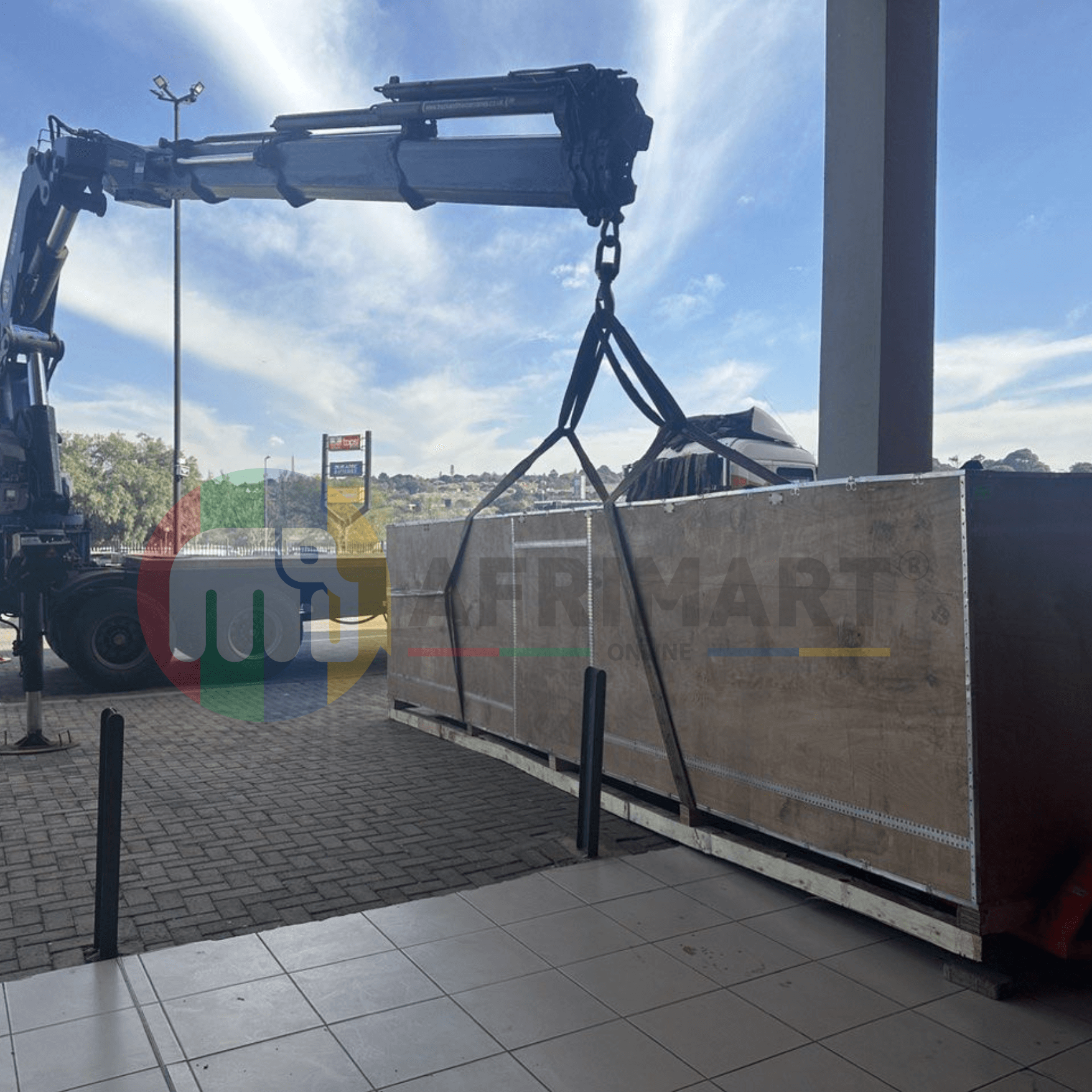
12 Heads Embroidery Machine
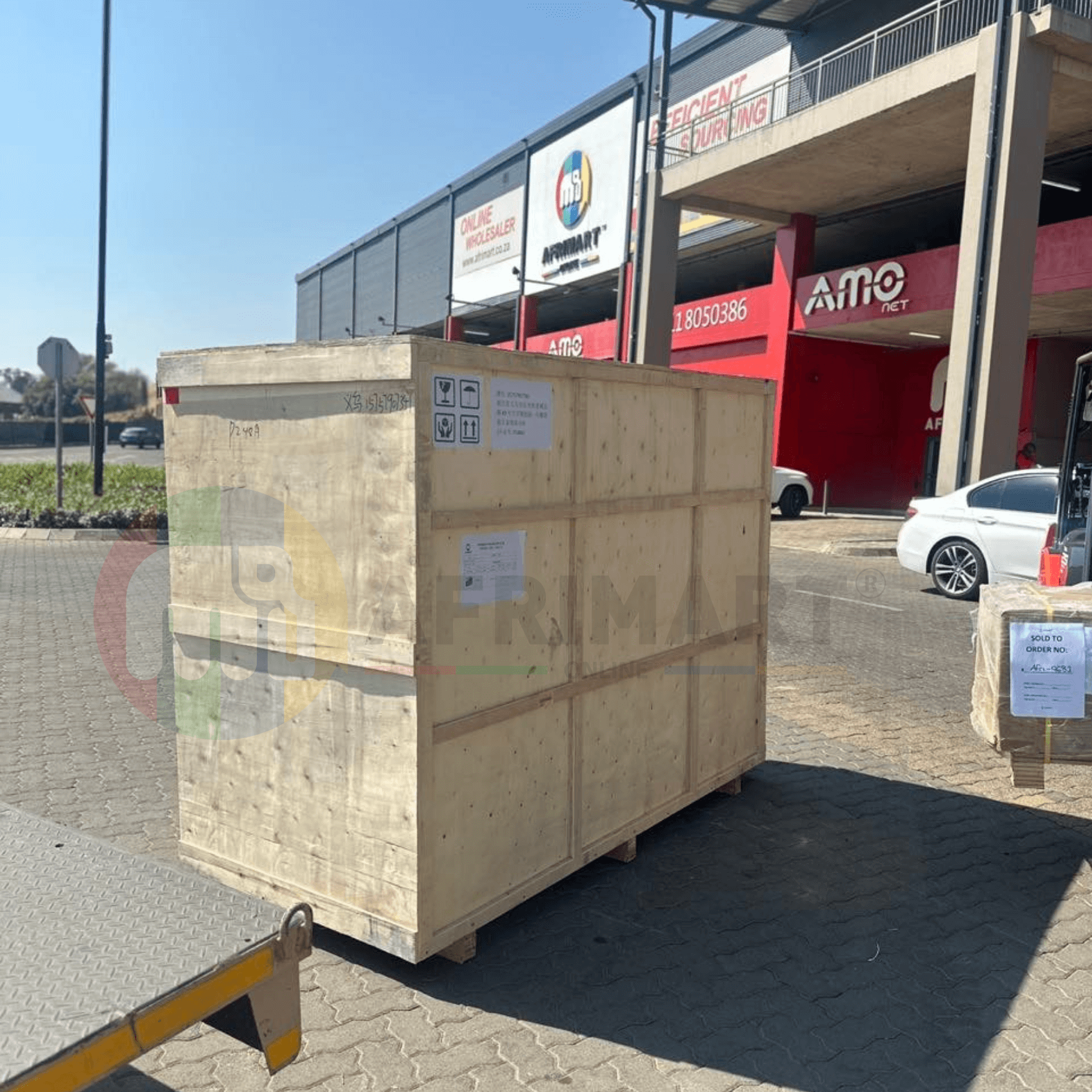
Dewatering Pump Machine
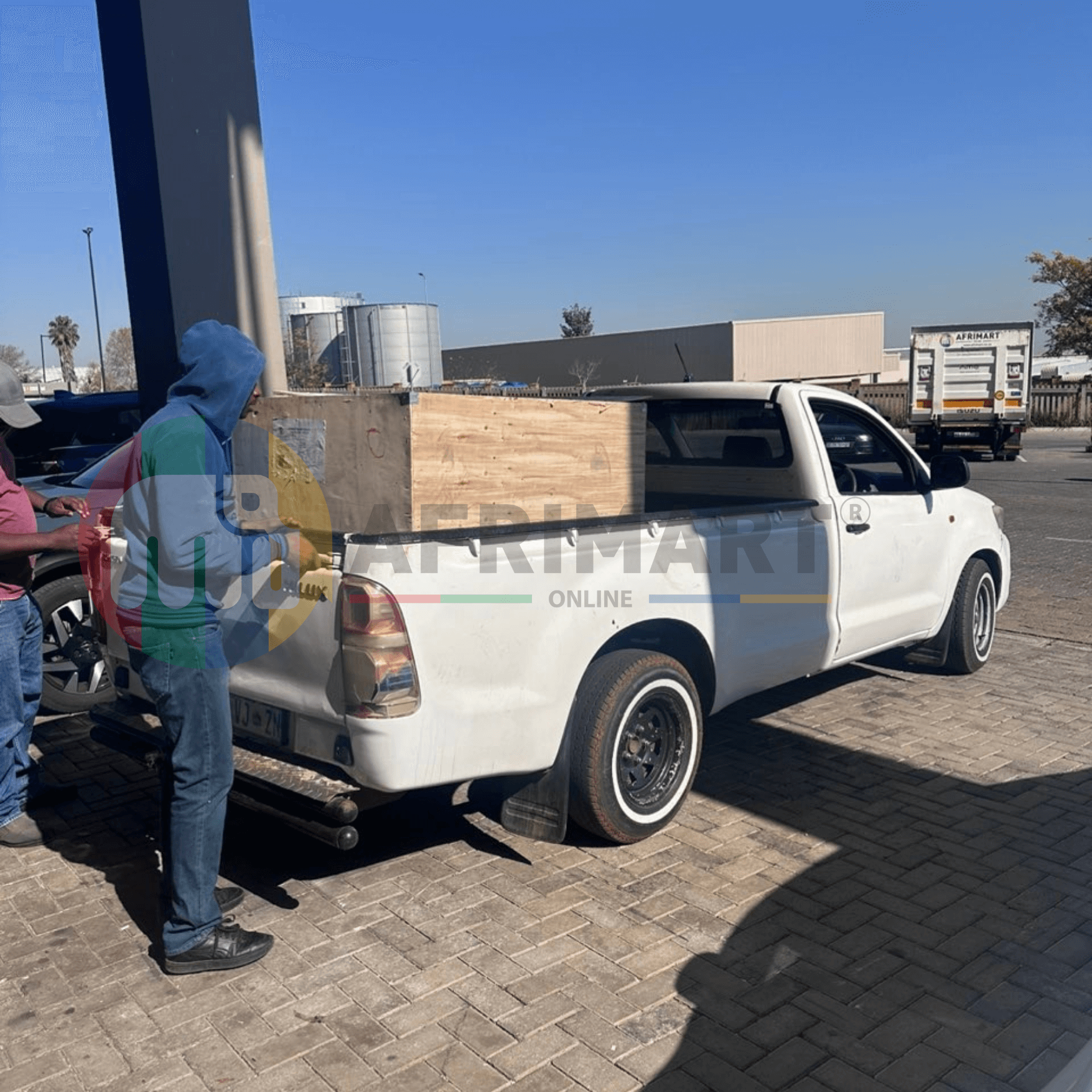
Order Collection
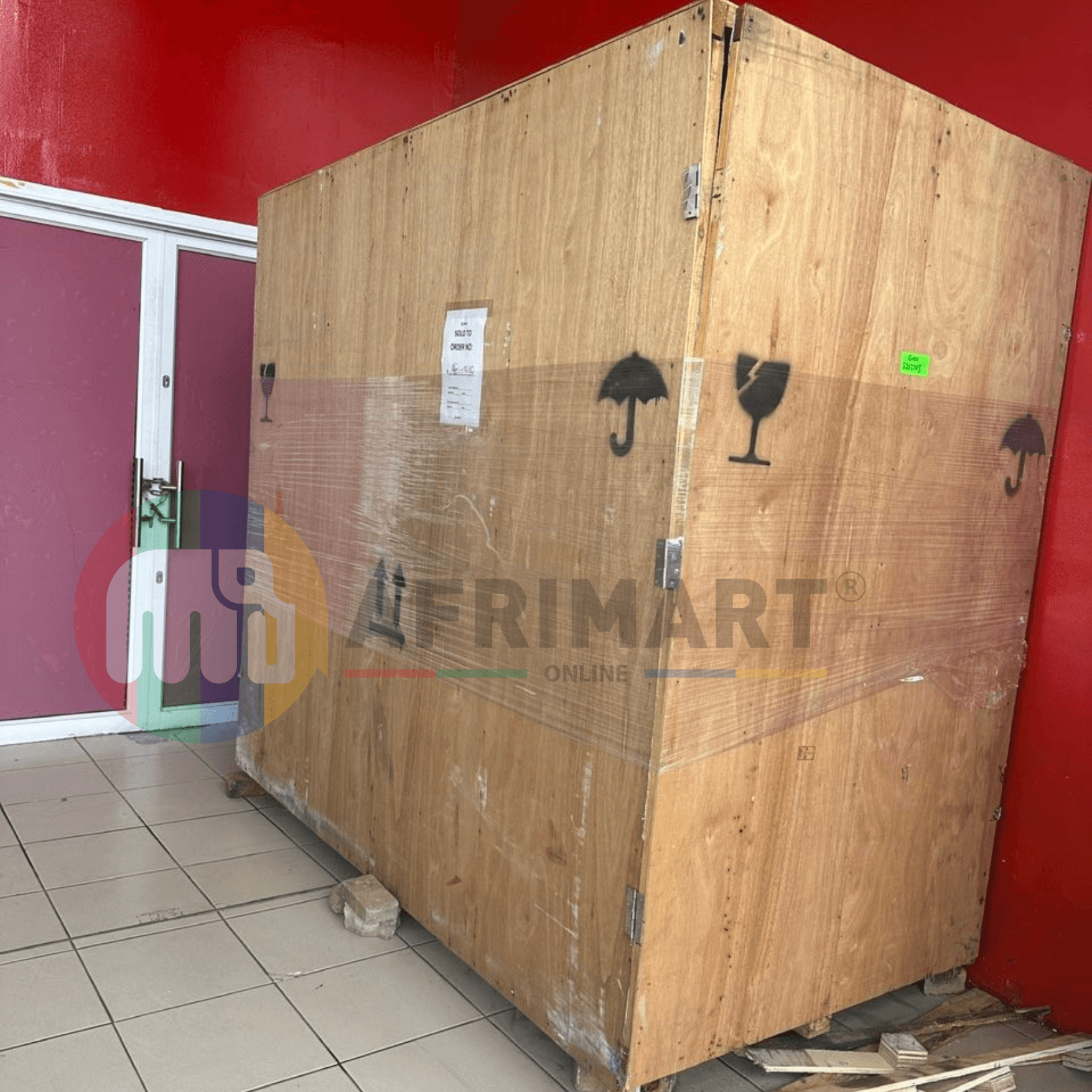
Portable Water Drilling Rig
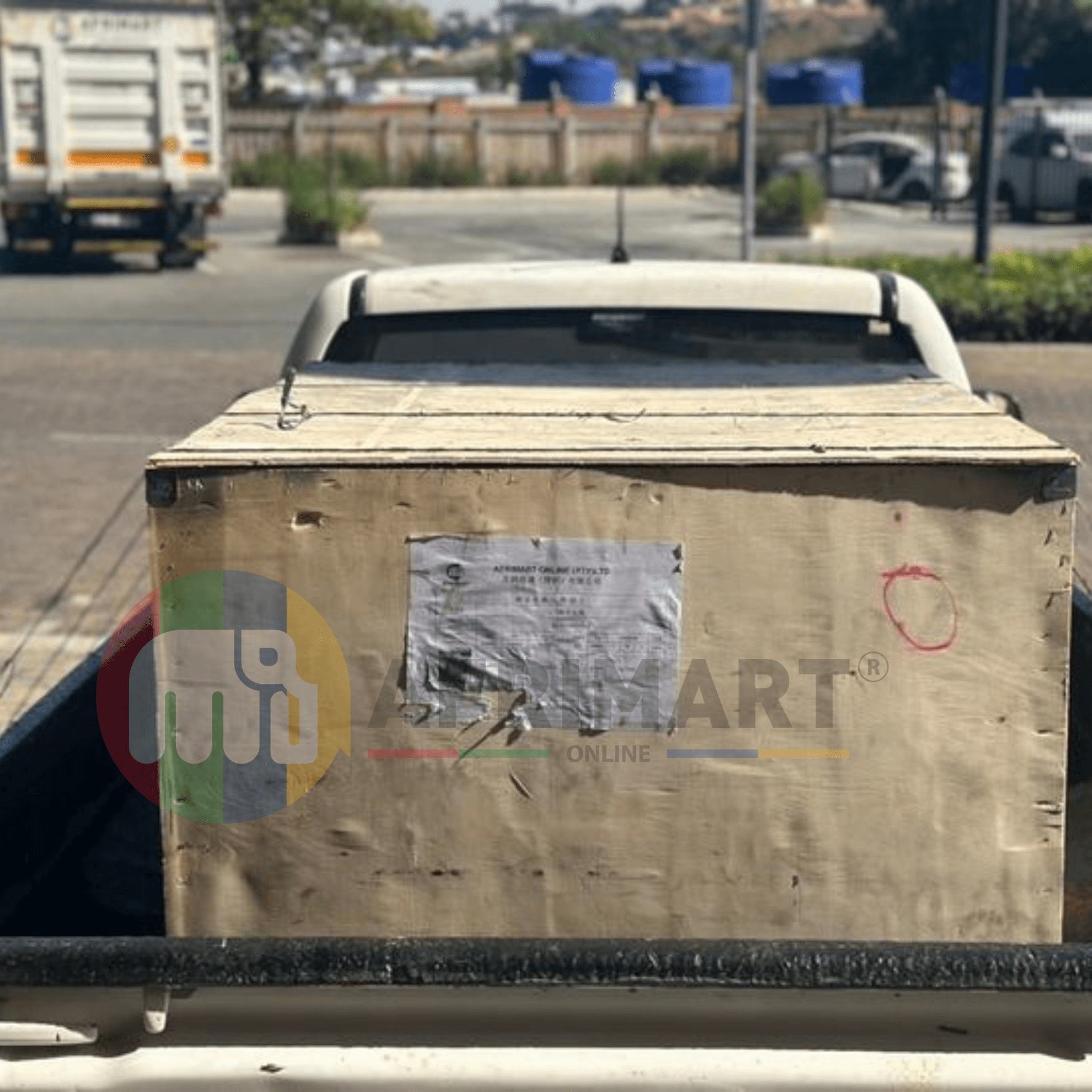
Order Usefully Collected
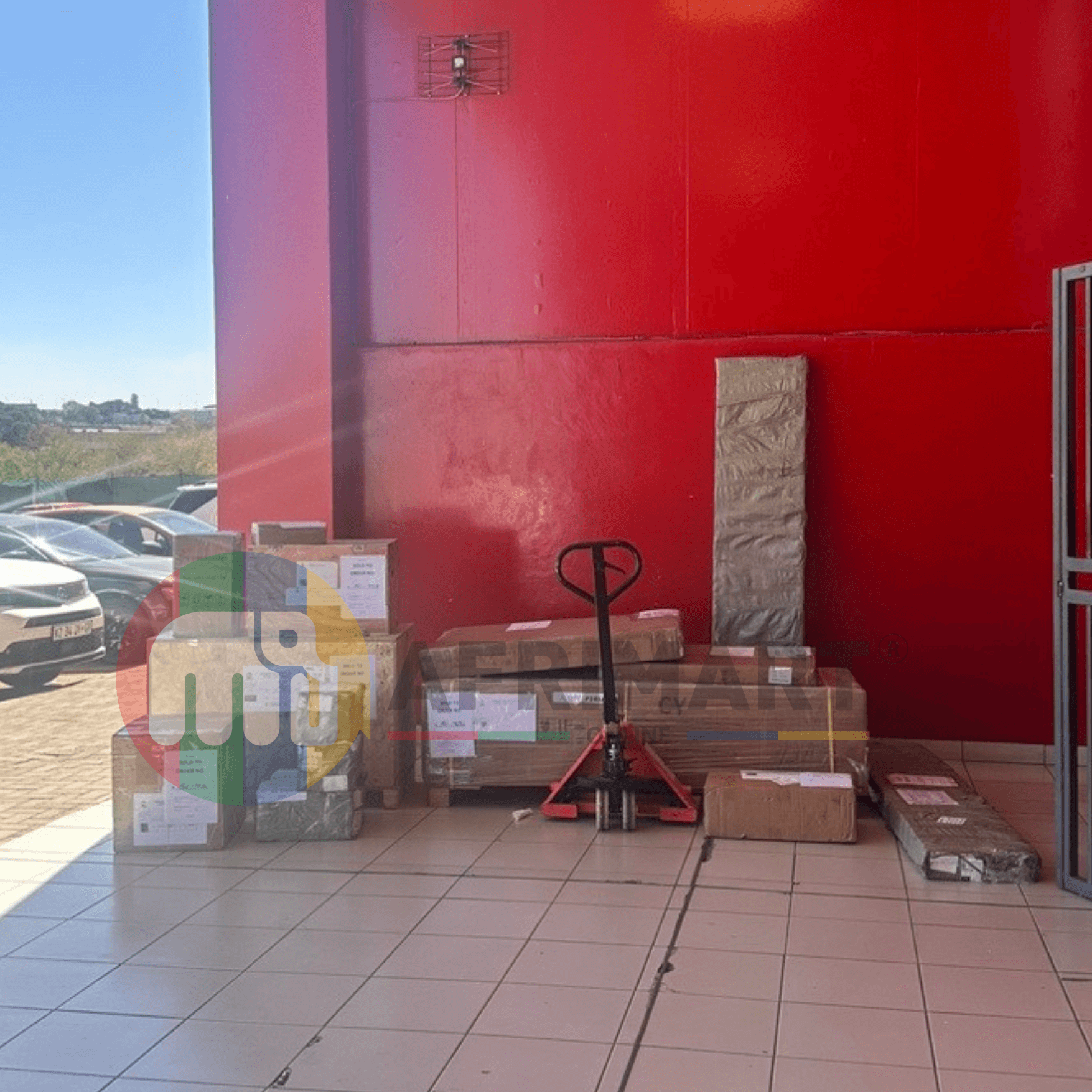
Batch of Orders
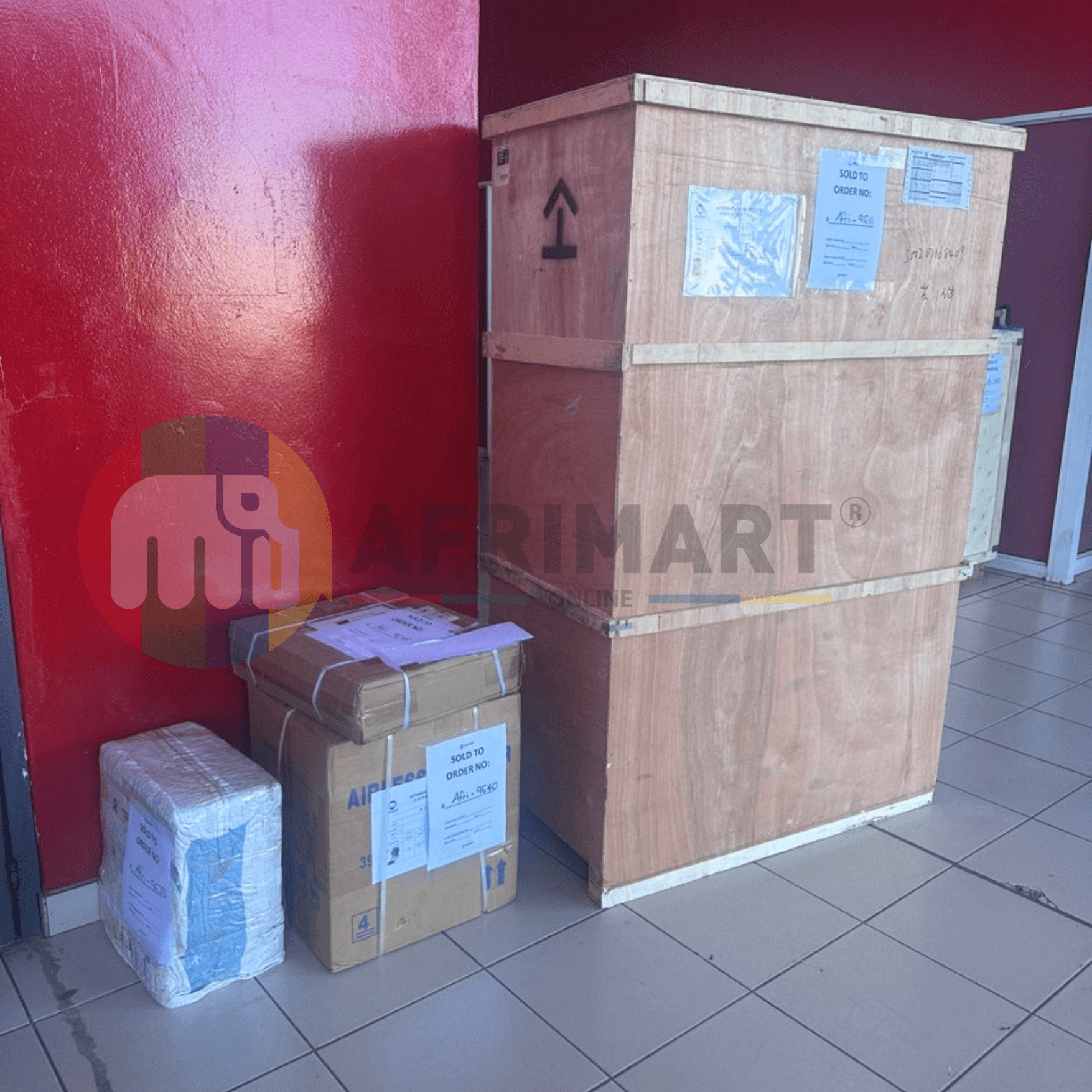
Agriculture Processing Machines
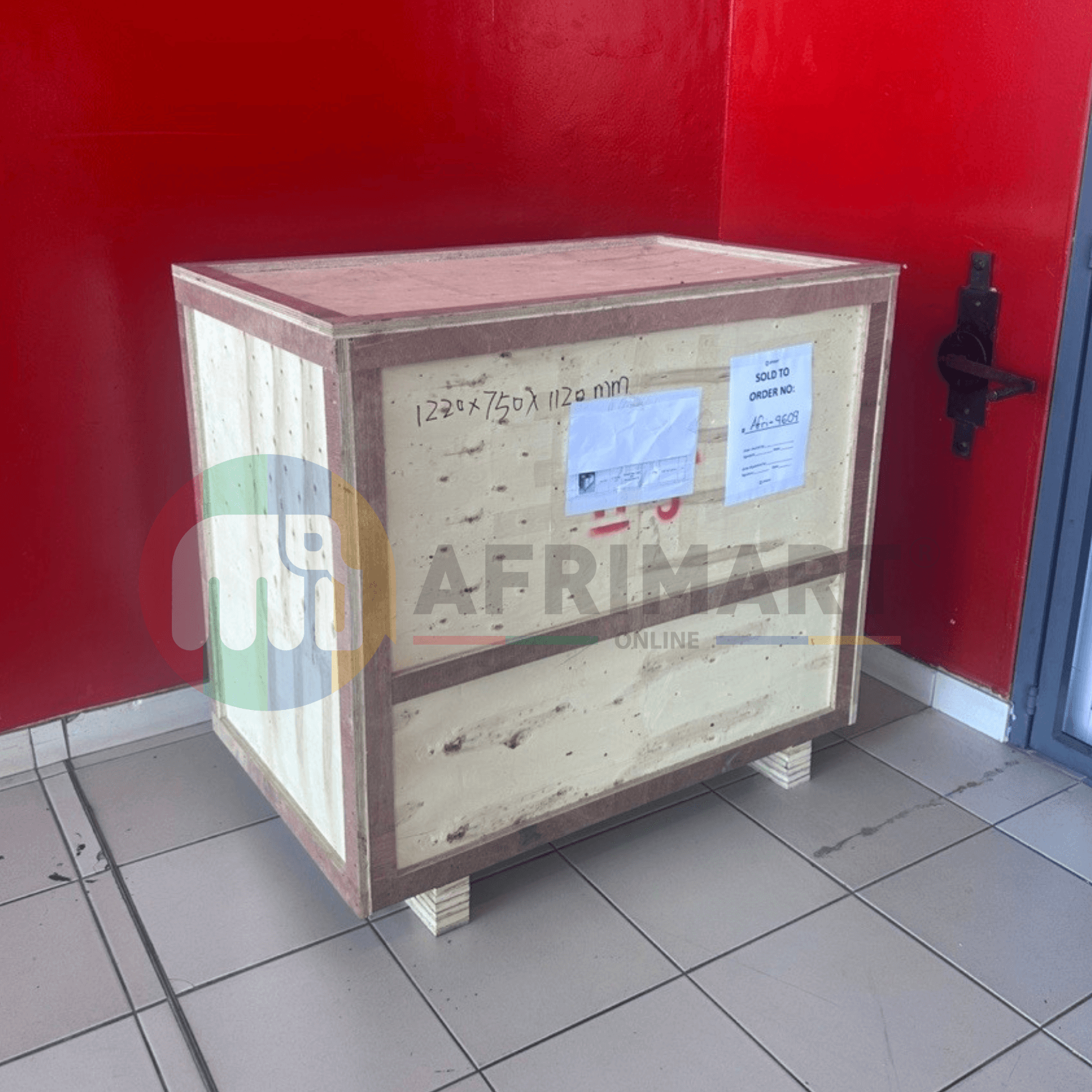
Meat Grinder Machine
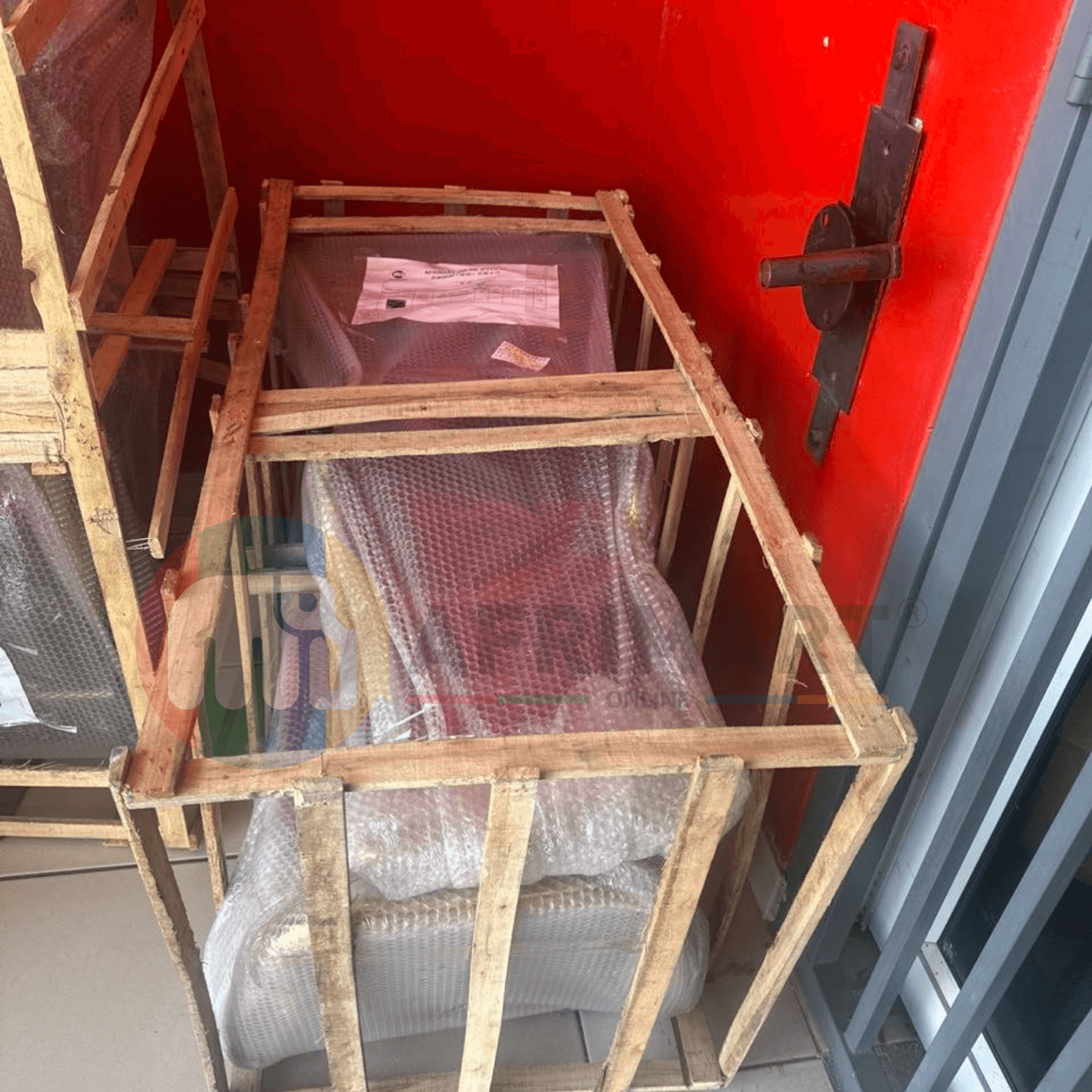
Water Pump Equipment
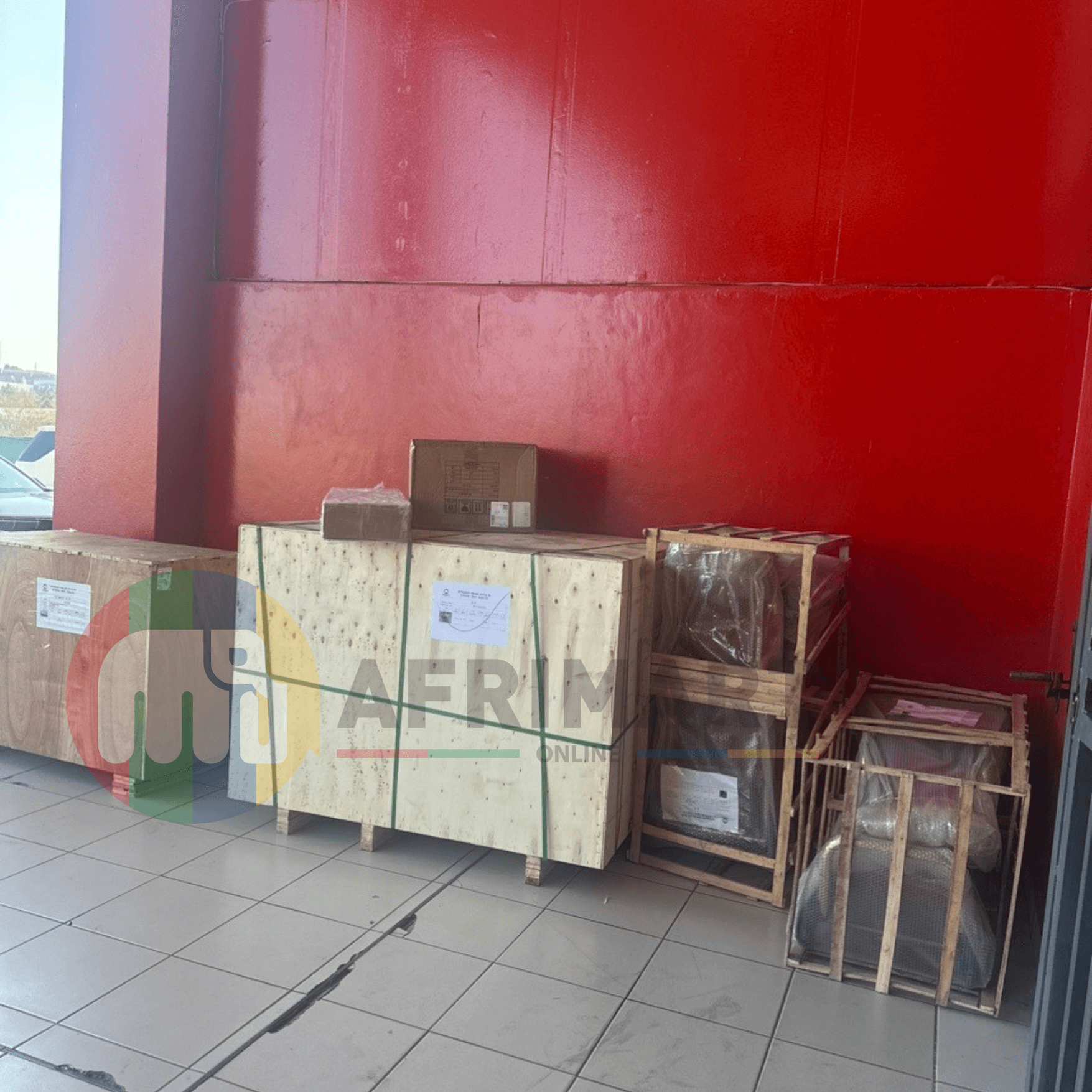
Packaging Machine and accessories
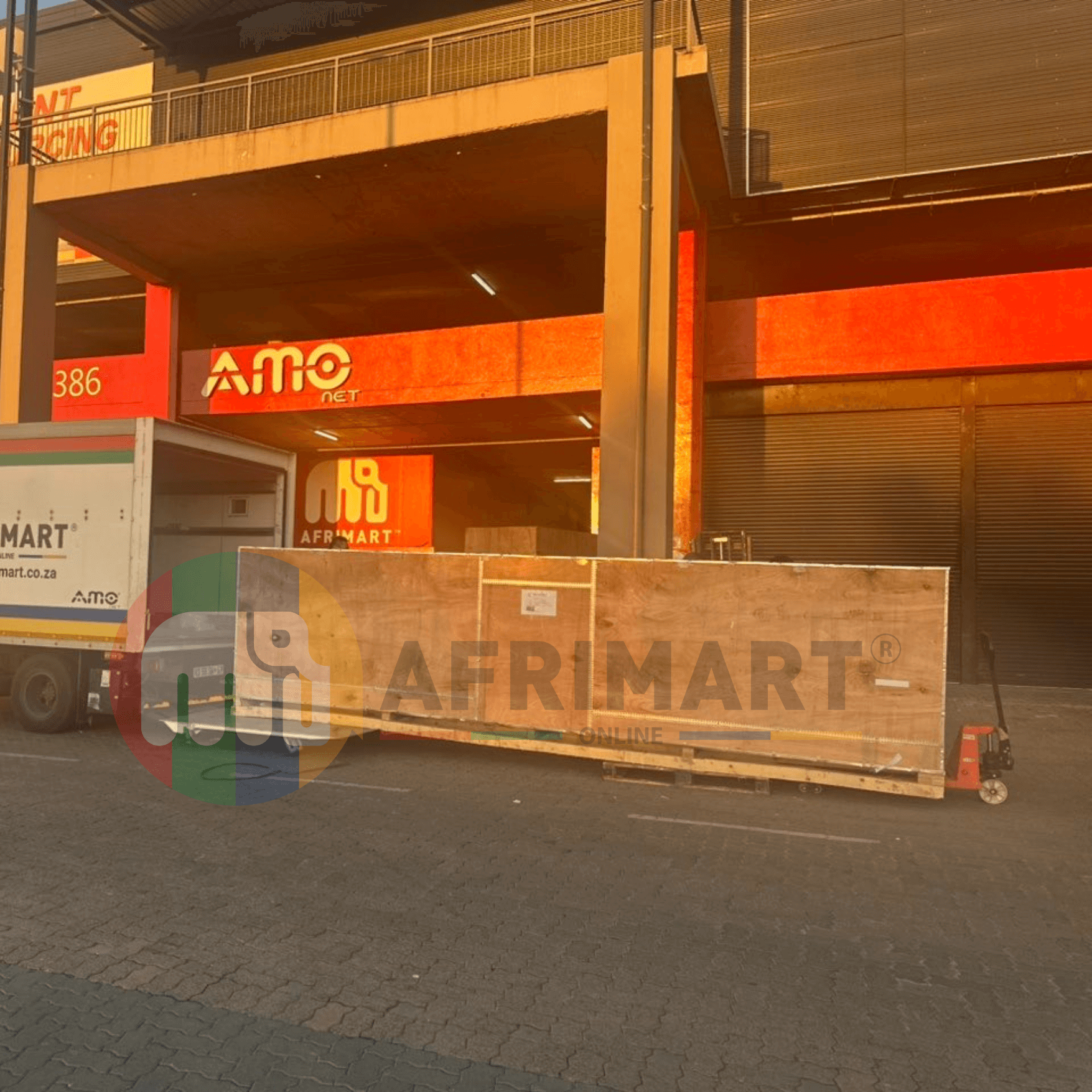
Fabrics Manufacturing Equipment
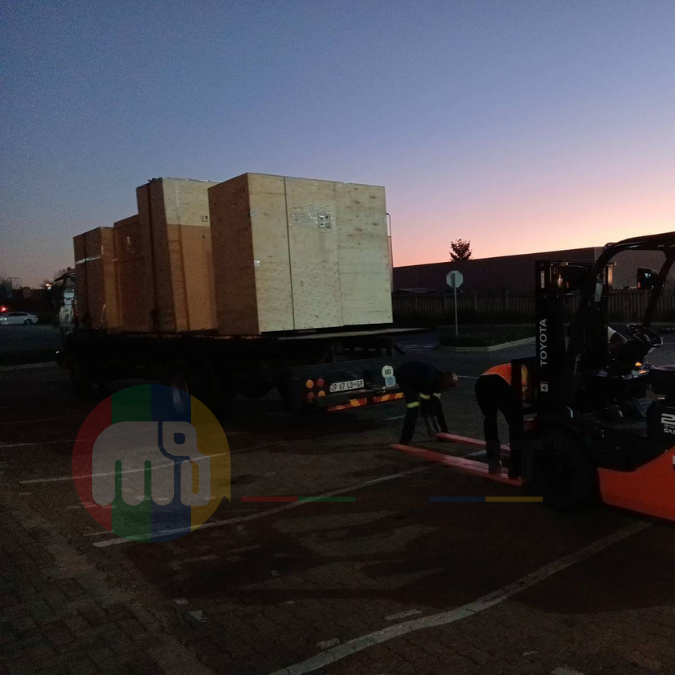
Mining Equipments
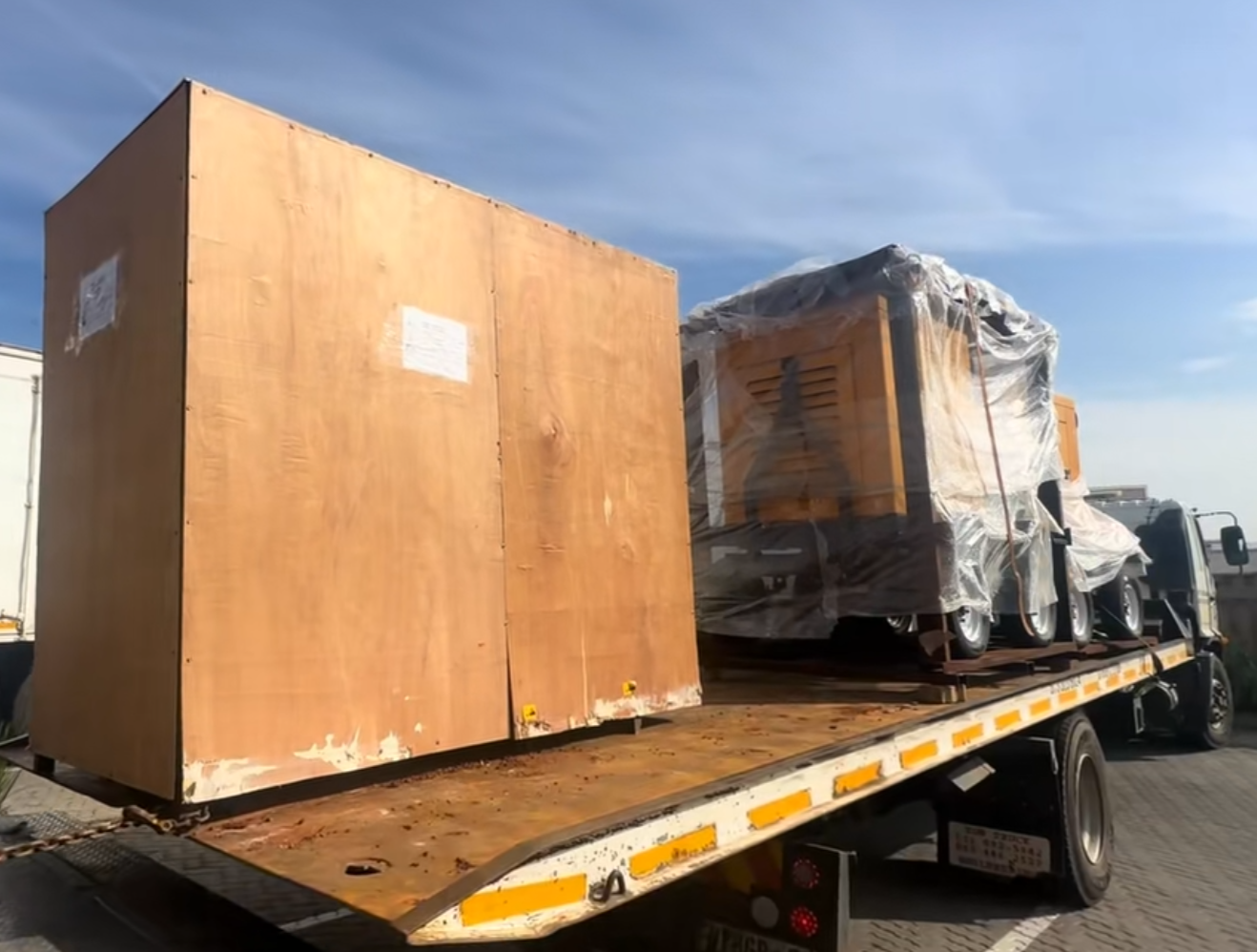
Food Processing Machine
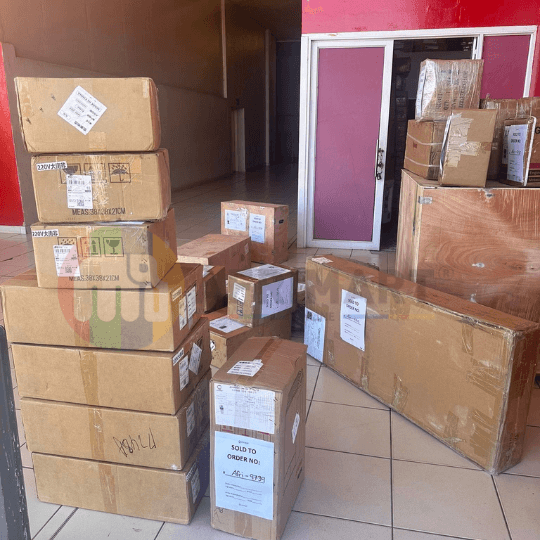
Batch of Orders
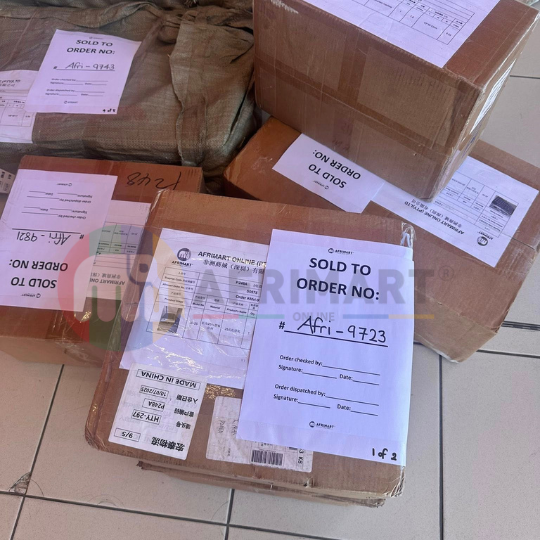
Batch of Orders
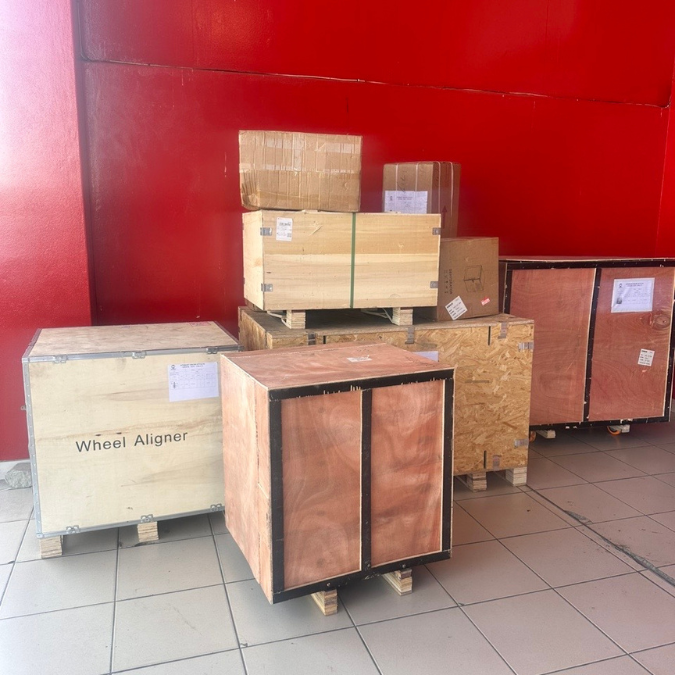
Latest Orders Labelled
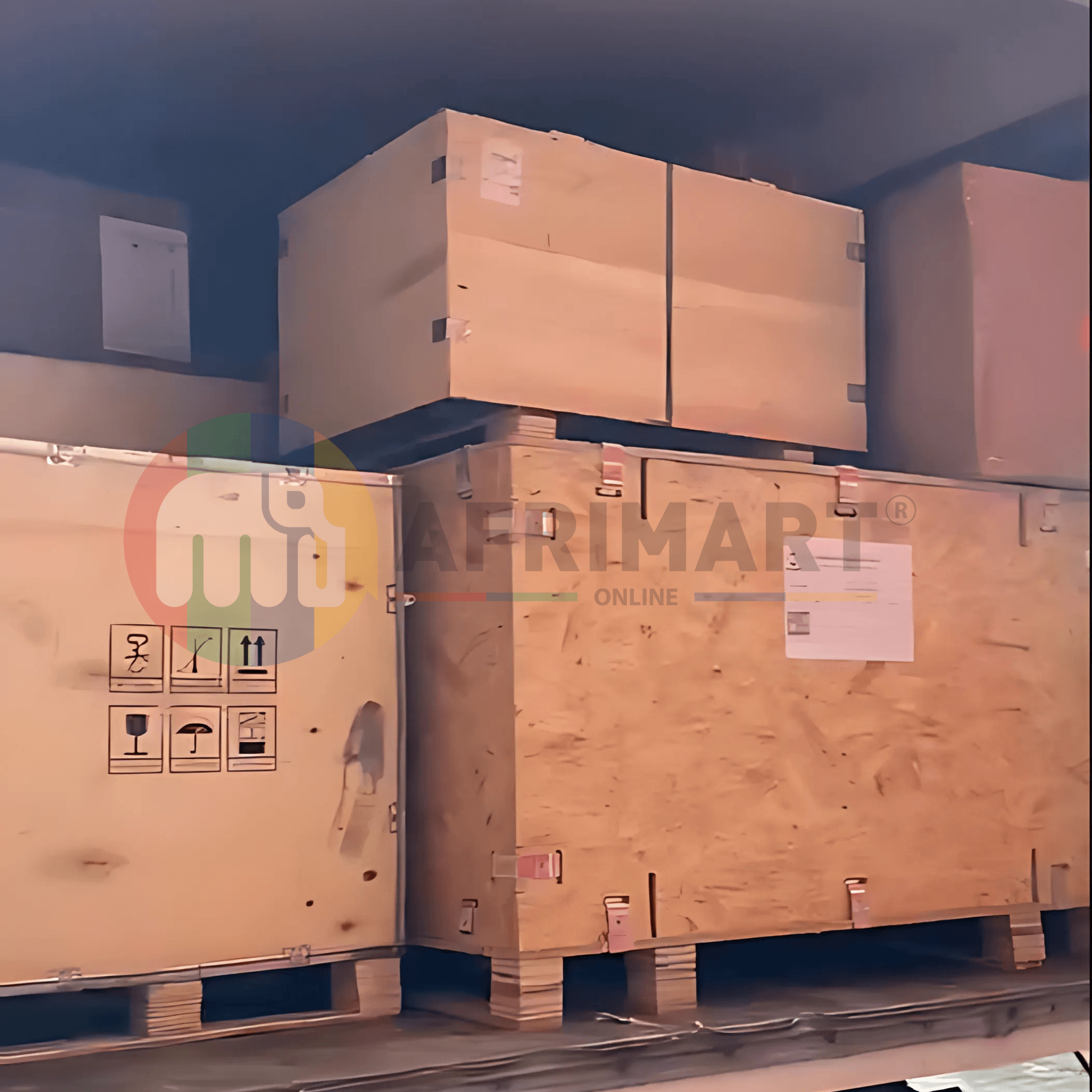
wheel alignment machines
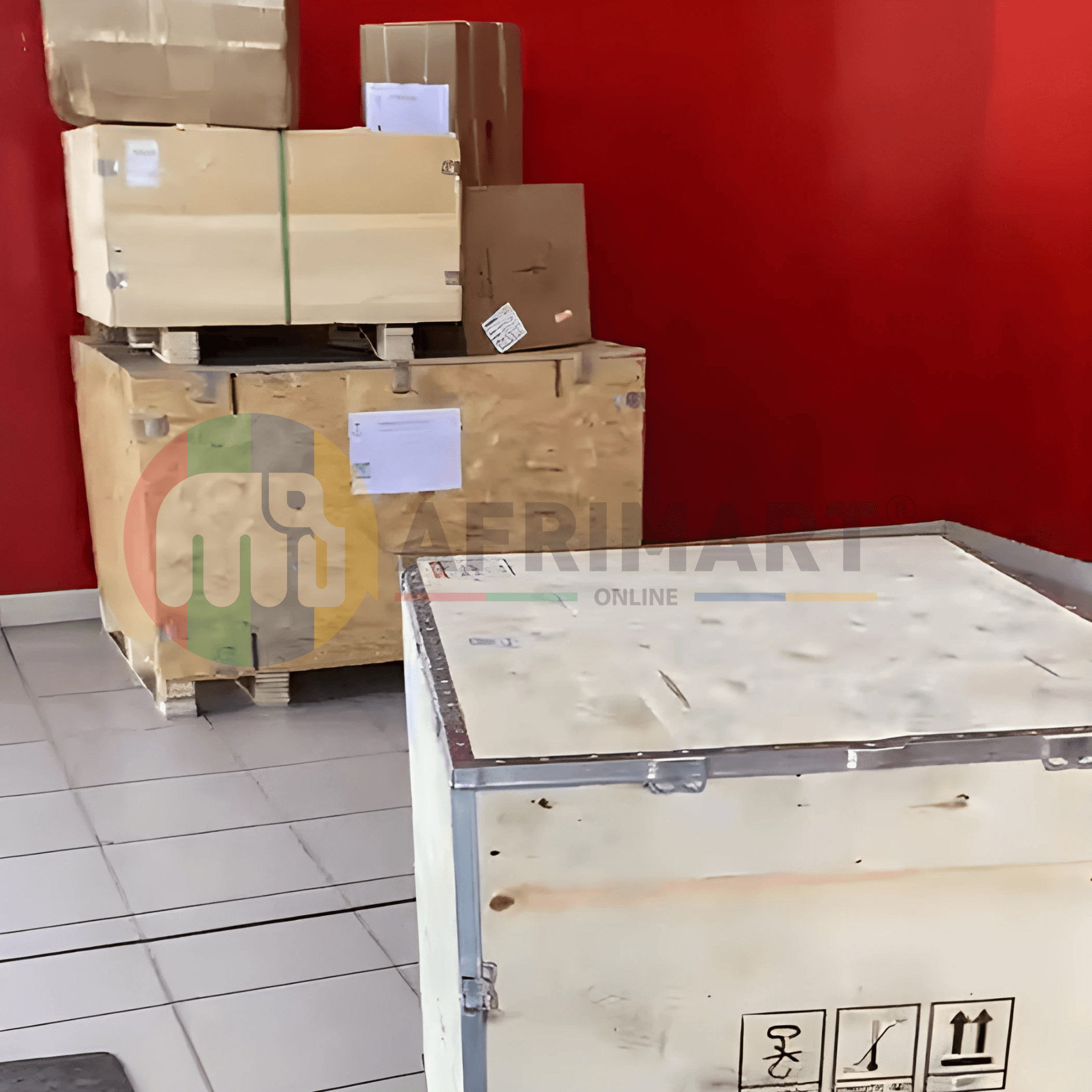
new arrivals
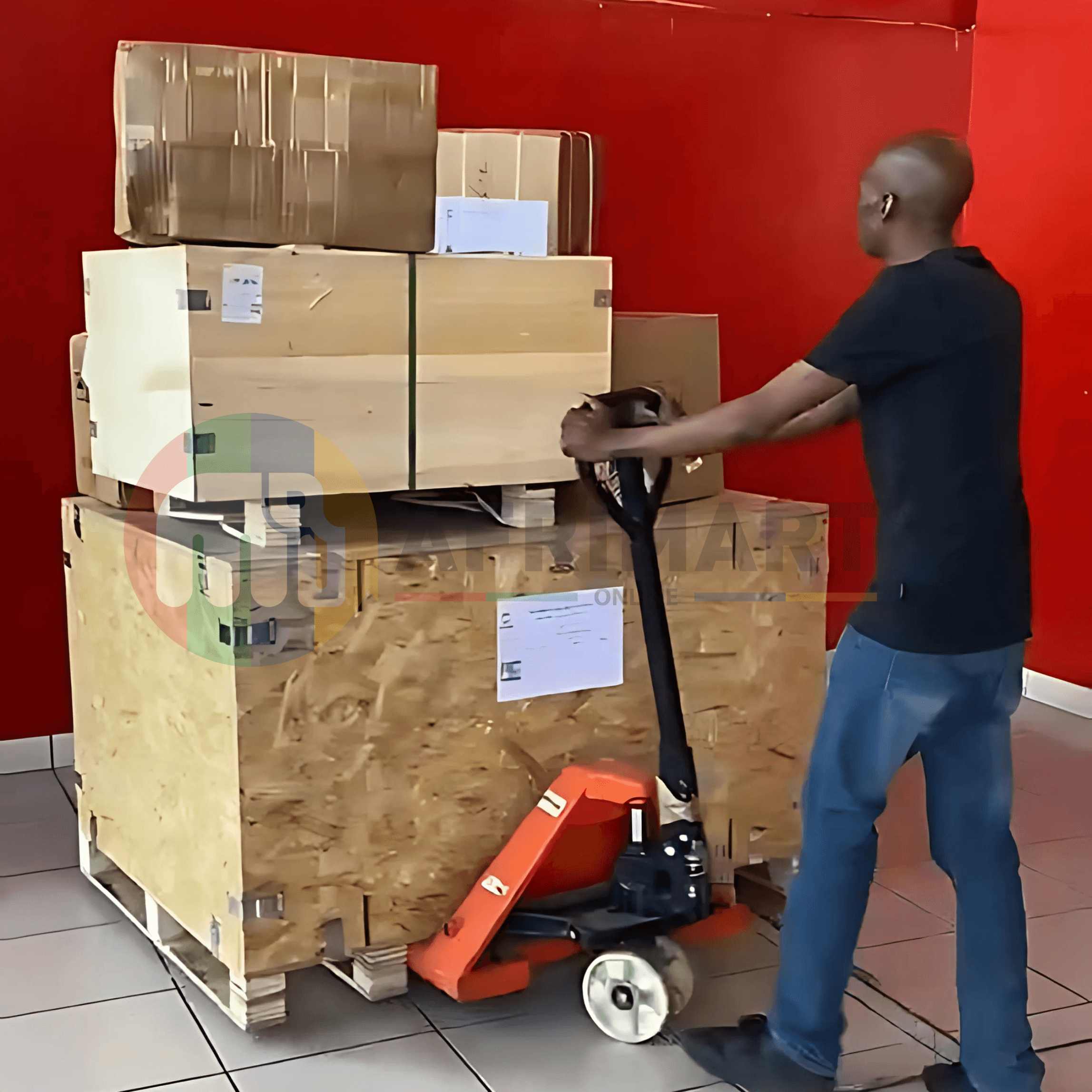
Pre Orders Offloading
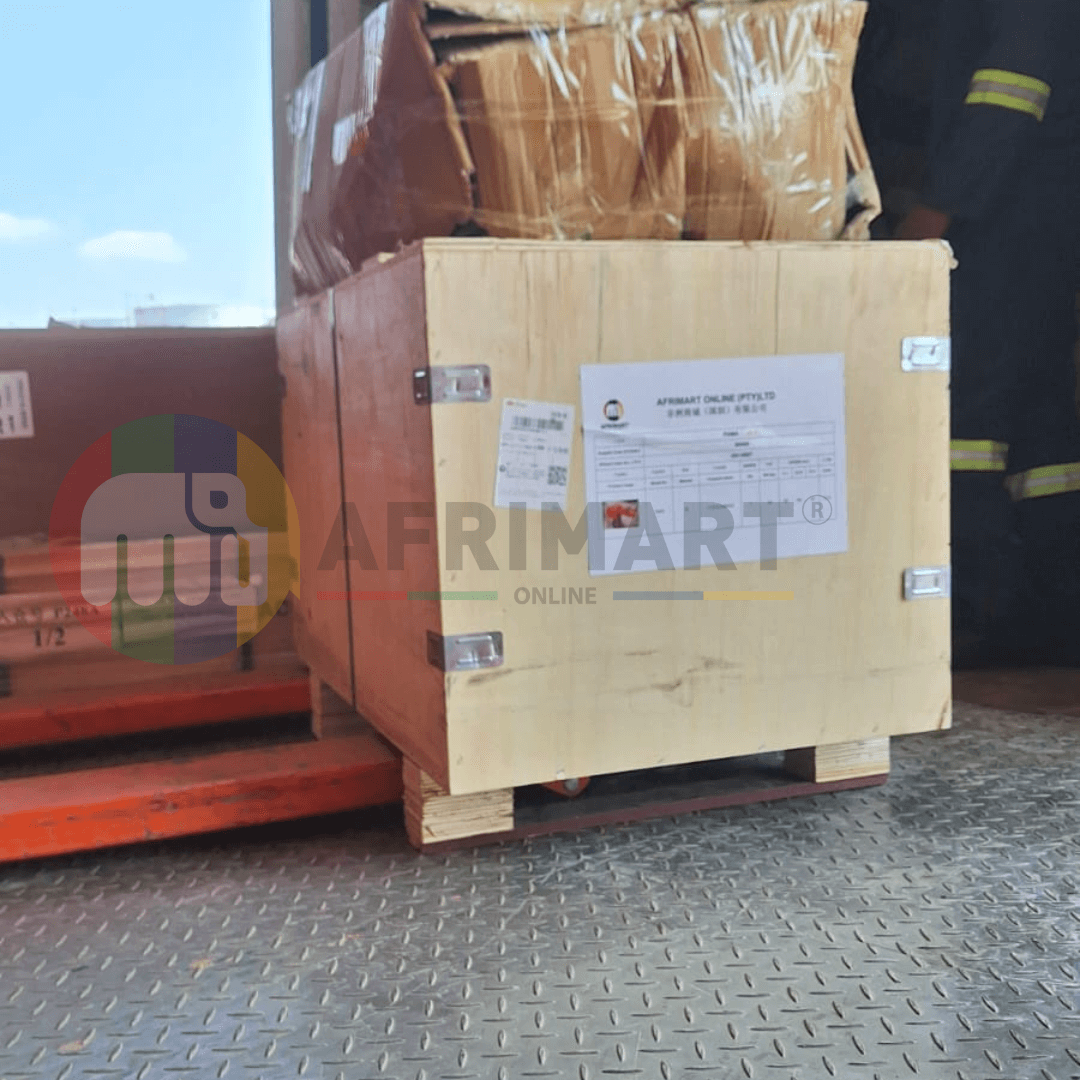
Latest Arrivals
Latest Arrivals
Latest Arrivals
26 January 2026
Toilet paper making machine
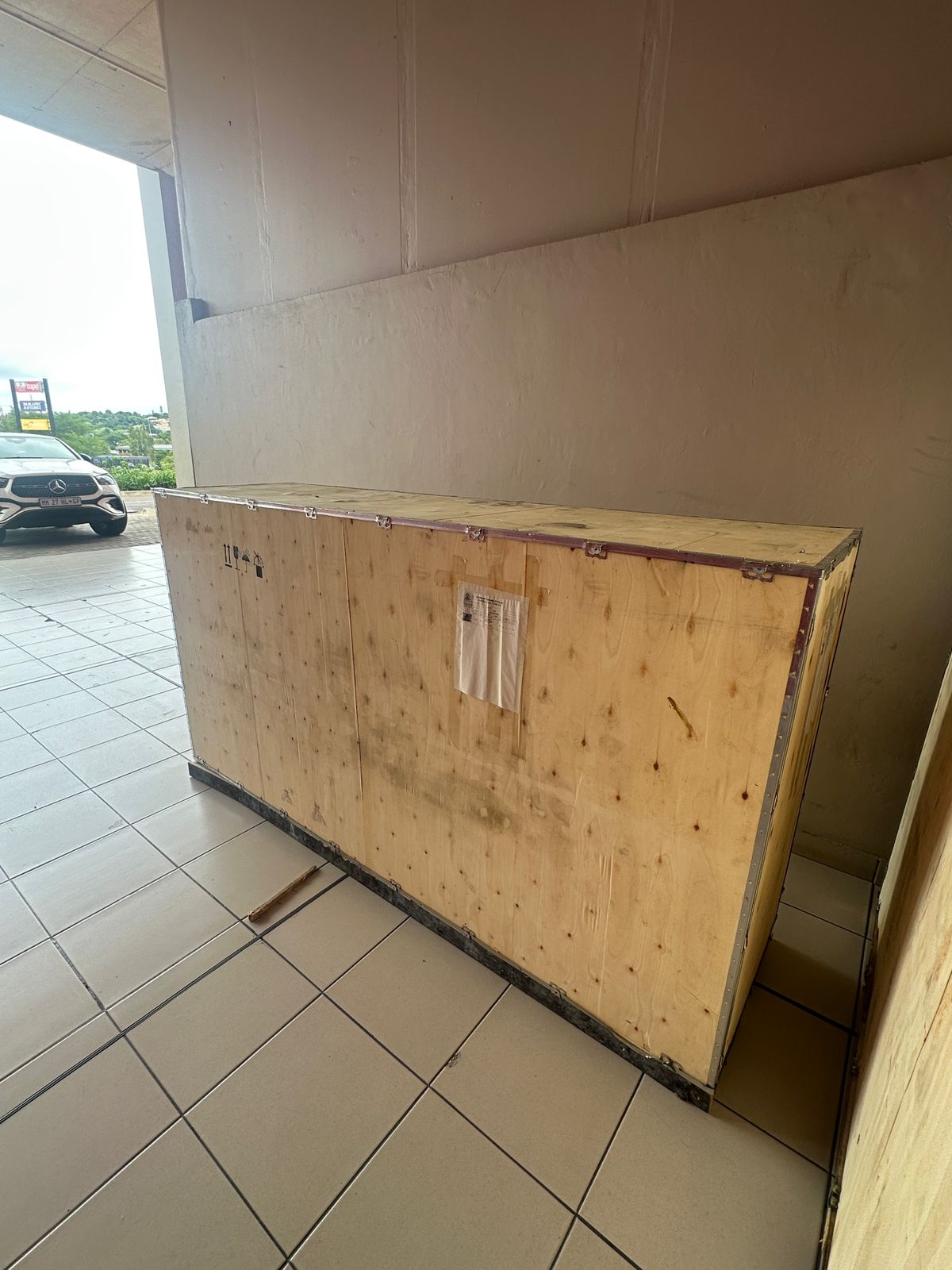
Toilet paper making machine
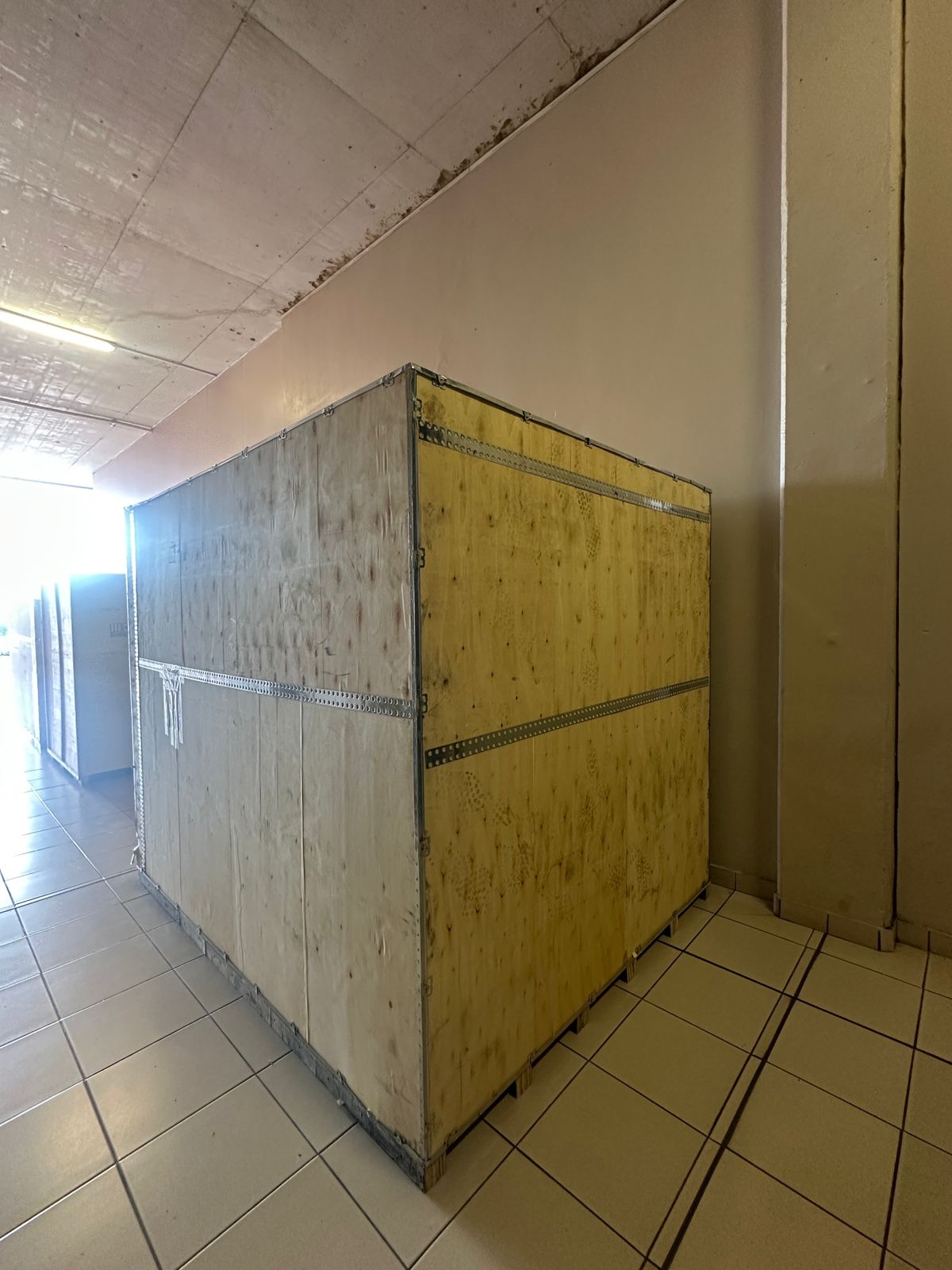
Toilet paper Rewinding Machine
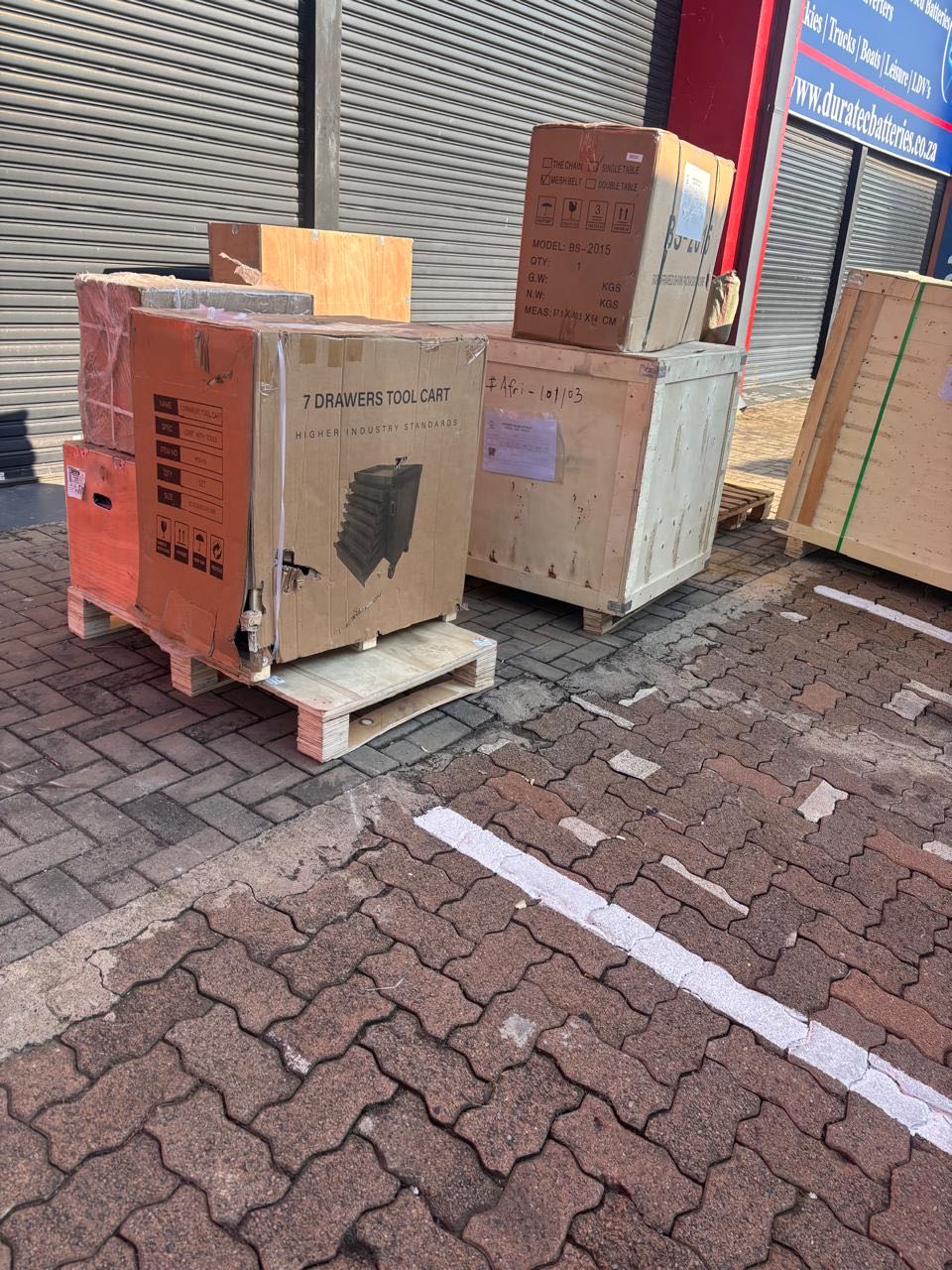
latest arrivals
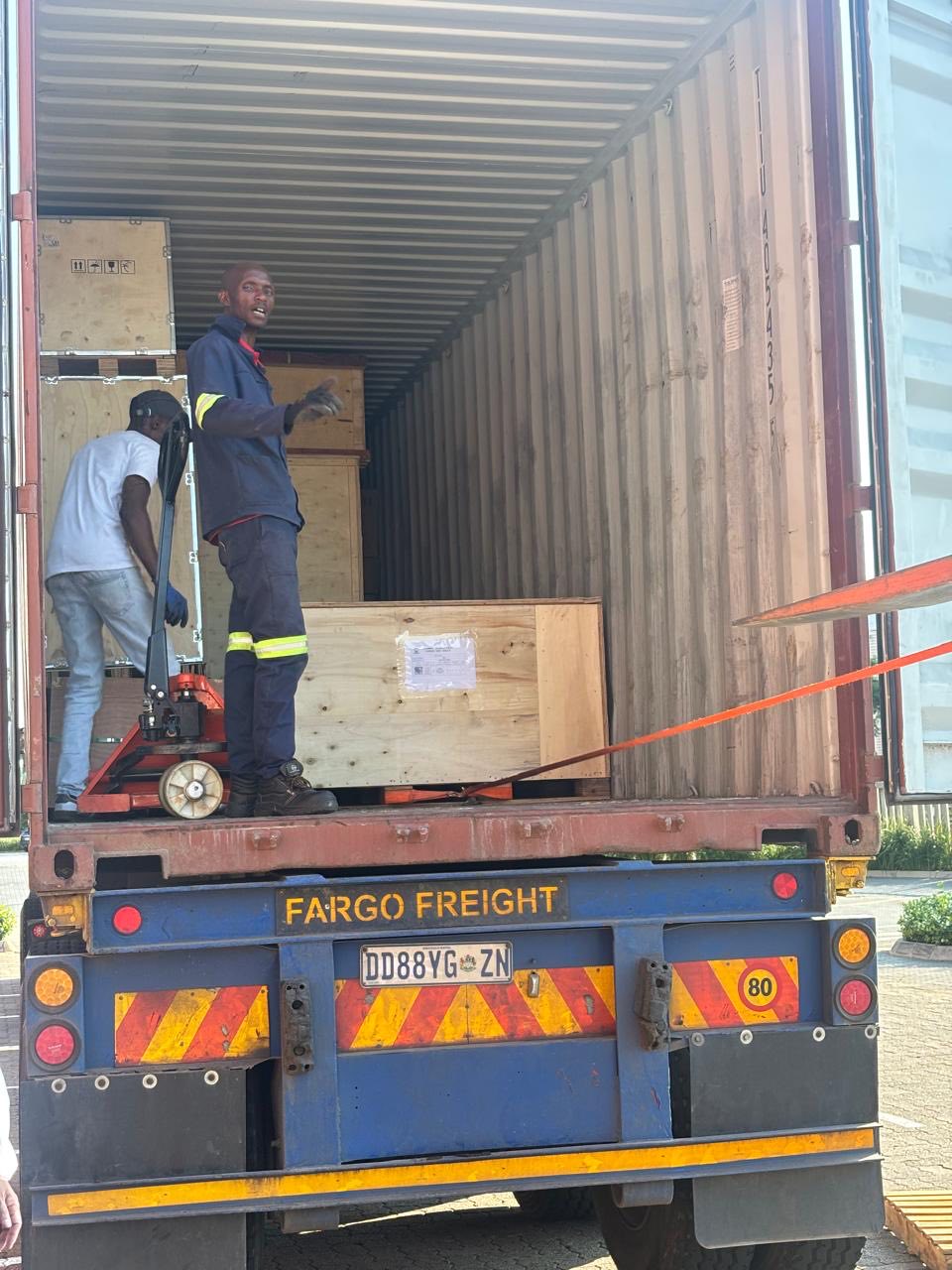
offloading
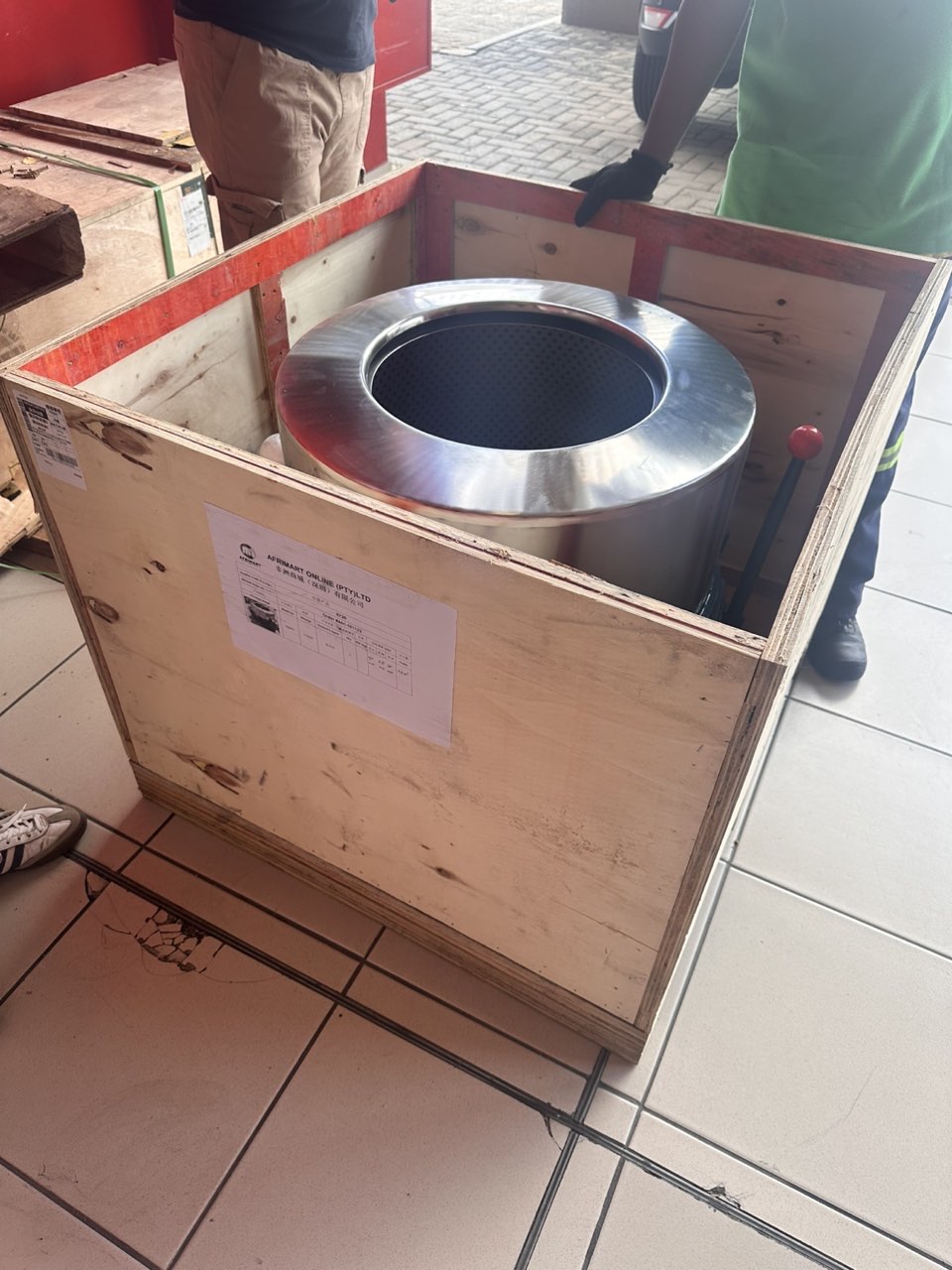
order success
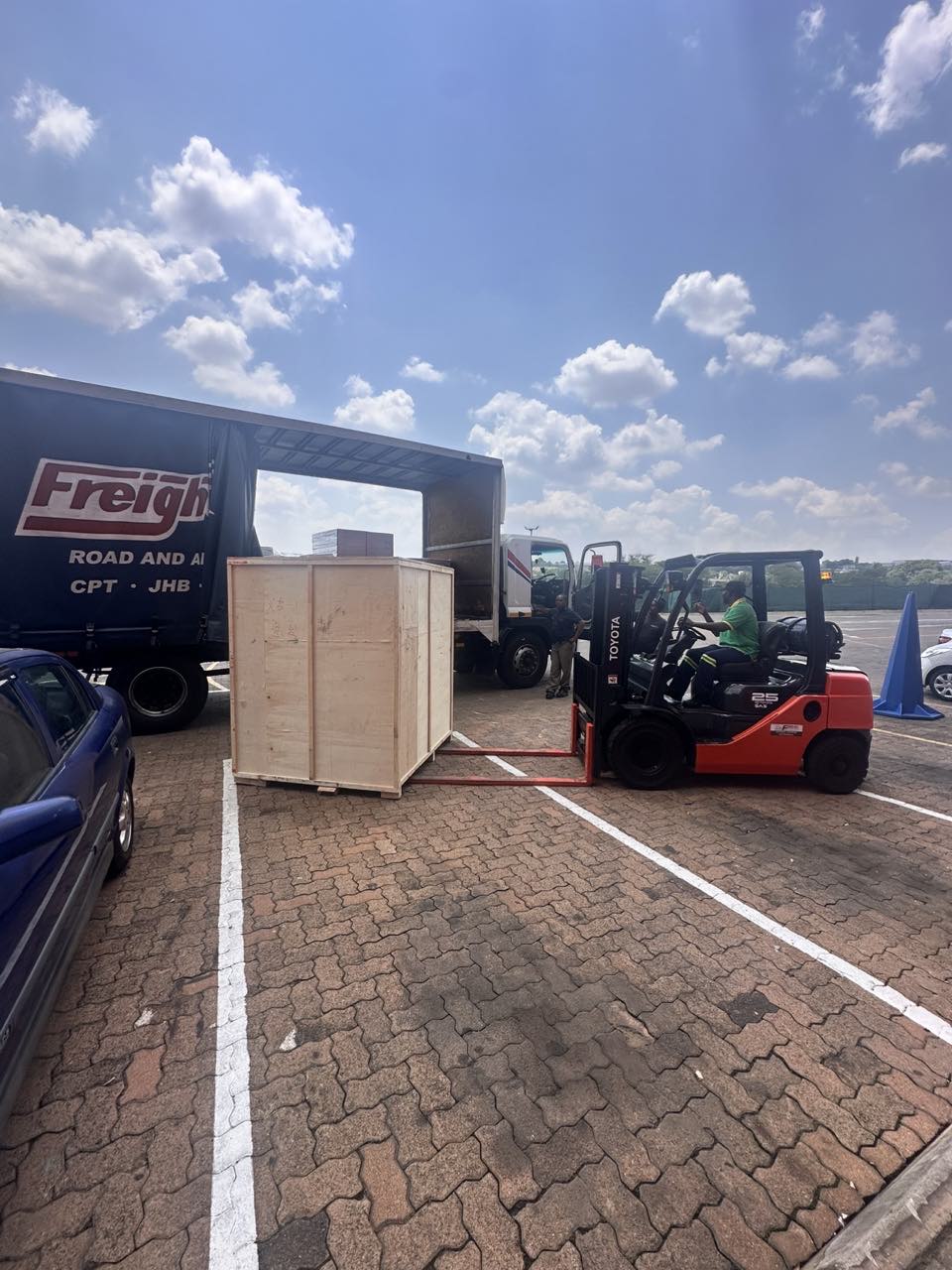
order collection
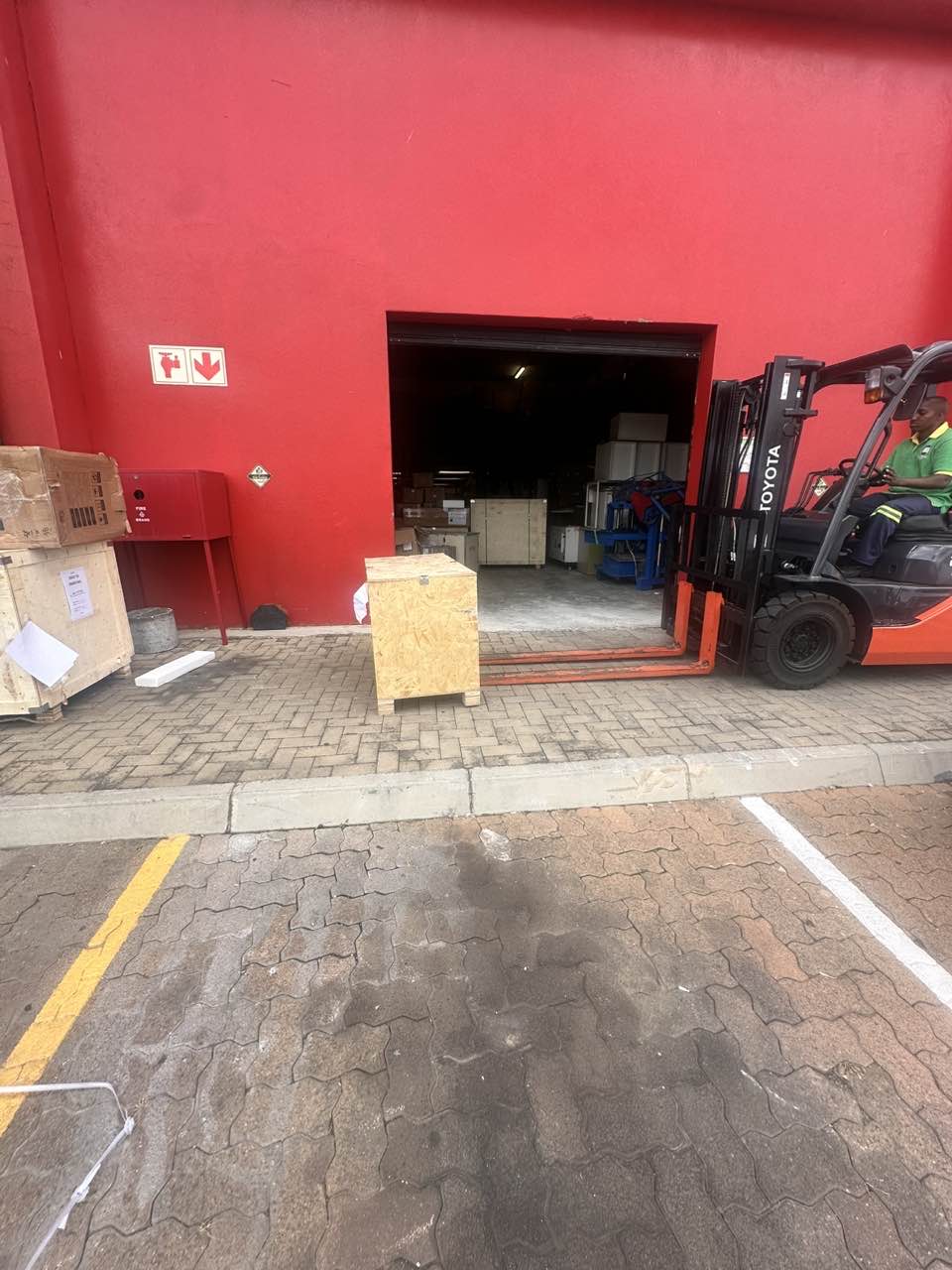
order offloading