B21, China Town Mall, Midrand


Mining Rotary Gold Gravel Trommel Drum Screen for Sandstone Mineral Equipment
Asset finance available
Do you want funding for this equipment?
Afrimart can connect you with trusted funding partners who specialise in asset finance for businesses like yours. Compare options and apply in minutes — final approval is subject to provider review.
Check funding options
Secure & no obligation

- Section : Machinery
- Category : Mining Machinery
- SKU : 1600334572120

Product Description
1.Introduction of rotary screen separator
Trommel screen is widely used in classifying the solid materials in coal,mining,electric power,light
industry and other industries,screening the wet materials in metallurgy,construction industry and
chemical industry ,too.With a high screen transmittance,it is particularly suitable for the screening of
wet and sticky materials.The screening pores can never be blocked,and this product is widely used
for the screening and griding of coal,gravel and other materials in electric power,minging,metallurgy,
building materials,chemical and other industries.
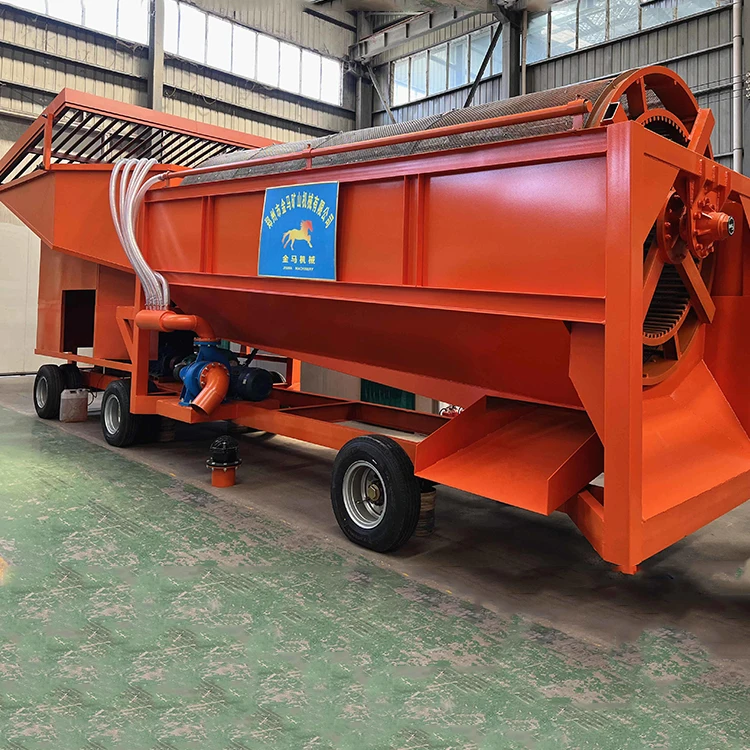
2.Features of rotary screen separator
♦ screen is not to be blocked
♦ Simple structure, easy to mainntaince
♦ Stable operation, low noise, lang operating time
♦ The high reliability, less one-time investment.
♦ Using special screen, large screening efficiency
♦ It is with wheel type chassis, can be driven by vehicles and move easily.
3.Technical paraments of rotary screen separator
| Model | Capacity
(t/h) | Power
(kw) | Drum
diameter (mm) | Drum
length (mm) | Feed size
(mm) | Discharge
size(mm) | Dimension
(L*W*H) (mm) | Weight
(kg)
|
| GTS1015 | 50 | 3.0 | 1000 | 1500 | ≤300 | 0-100 | 2600*1400*1700 | 2200 |
| GTS1020 | 100 | 4.0 | 1000 | 2000 | ≤300 | 0-100 | 3390*1400*2140 | 2800 |
| GTS1225 | 160 | 5.5 | 1200 | 2500 | ≤300 | 0-100 | 4146*1600*2680 | 4200 |
| GTS1530 | 250 | 7.5 | 1500 | 3000 | ≤300 | 0-100 | 4460*1900*2820 | 5100 |
| GTS1545 | 350 | 11 | 1500 | 4500 | ≤400 | 0-100 | 5960*1900*3080 | 6000 |
| GTS1848 | 450 | 15 | 1800 | 4800 | ≤400 | 0-100 | 6500*2350*4000 | 7500 |
| GTS2055 | 600 | 22 | 2000 | 5500 | ≤400 | 0-100 | 7500*2550*4800 | 9600 |
| GTS2265 | 800 | 30 | 2200 | 6500 | ≤400 | 0-100 | 8500*2750*5000 | 12800 |
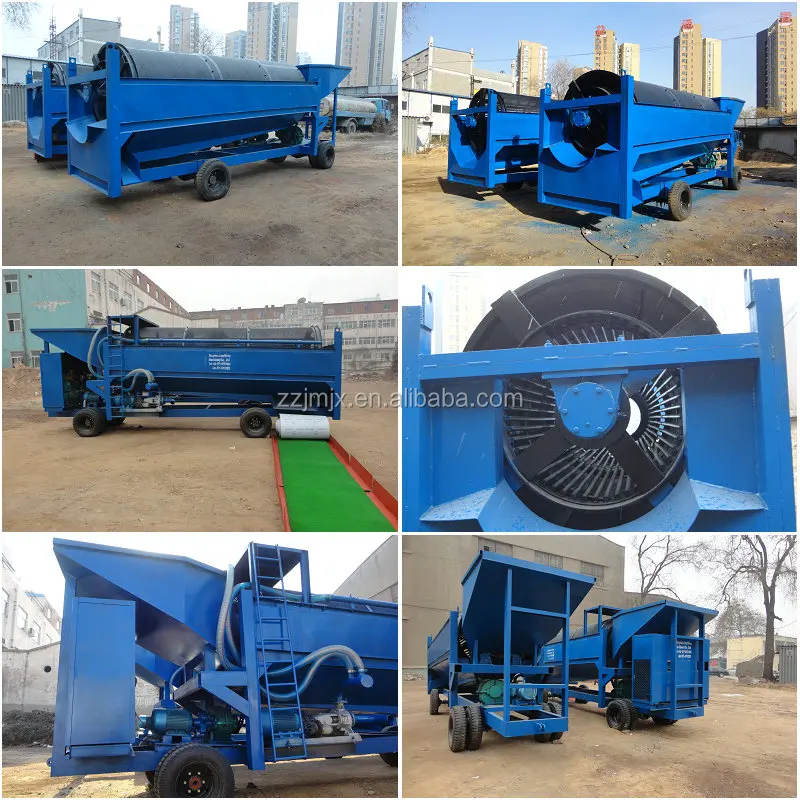
4.Pictures of rotary screen separator
1>.The rotary sand screening machine with three discharge siz

- Shipping Timeframes: All orders are processed within 2-5 business days (excluding weekends and holidays). After your order has been processed, the estimated delivery time is before 03 Aug, 2026, depending on customs, Please note that due to high demand, some items may experience longer shipping times, which will be communicated at order confirmation email.
- Order Processing Time: Please allow 2-5 business days for us to process your order before it is shipped . Orders placed after 16:00 on Fridays, or during weekends and public holidays, will begin processing on the next business day. Processing times may be extended during peak seasons or sales events.
- Manufacturing Time: Some products needs manufacturing time, the manufacturing process will take approximately 10-30 business days depending on the product. This timeframe may vary depending on the complexity of the product and current demand. but this will be communicated with you during order confirmation.
- Returns and Exchanges: We offer a 30-day return policy for most items. If you are not completely satisfied with your purchase, you may return it within 30 days of receipt for a refund or exchange. Items must be unused, in their original packaging, and accompanied by proof of purchase. Return shipping costs are the responsibility of the customer, unless the item was damaged or defective upon arrival.
1. What is a rotary gold gravel trommel drum screen?
A rotary gold gravel trommel drum screen is a specialized equipment used for classifying solid materials, particularly in industries like mining, coal, and construction. It effectively screens wet and sticky materials, ensuring that the screening pores do not get blocked.
2. What industries benefit from using this trommel screen?
This trommel screen is beneficial in various industries including coal, mining, electric power, light industry, metallurgy, construction, and chemical industries.
3. What are the key features of this trommel screen?
Key features include: non-blocking screen, simple structure, easy maintenance, stable operation with low noise, high reliability, and a wheel-type chassis for mobility.
4. What is the capacity range of the trommel screen?
The trommel screen has different models with capacities ranging from 15 to 220 tons per hour depending on the model selected.
5. What power requirements should I expect?
The power requirements vary by model, ranging from 3 kW to 55 kW.
6. Can the trommel screen handle wet materials?
Yes, the trommel screen is specifically designed to handle wet and sticky materials with high screening efficiency.
7. How does the trommel screen improve operational efficiency?
The trommel screen improves operational efficiency by providing a high screening transmittance, ensuring that materials are effectively sorted without blockages.
8. What are the dimensions of the trommel screen?
Dimensions vary by model, with lengths ranging from 1,000 mm to 2,500 mm, widths from 1,400 mm to 2,550 mm, and heights from 1,700 mm to 4,800 mm.
9. How does the trommel screen reduce maintenance costs?
The trommel screen's simple structure and high reliability contribute to lower maintenance costs, along with its durable design that ensures long operating times.
10. Is the trommel screen portable?
Yes, the trommel screen features a wheel-type chassis, making it easy to move and adaptable to various locations.
11. What is the discharge size of the trommel screen?
The discharge size varies by model, typically ranging from 0-100 mm depending on the specific application and material being processed.
12. What materials can be screened with this trommel screen?
It can screen a variety of materials including coal, gravel, sand, and other solid materials commonly found in mining and construction settings.
13. How is the trommel screen powered?
The trommel screen is powered by an electric motor, with specific power requirements defined for each model.
14. What safety features are included with the trommel screen?
While specific safety features may vary, the design incorporates stability and low noise operation to enhance user safety during operation.
15. How can I determine which model is right for my needs?
Choosing the right model depends on your specific capacity requirements, material type, and operational environment. Consulting with a specialist can help you make the best choice.
Latest Order Arrivals
Discover our latest orders
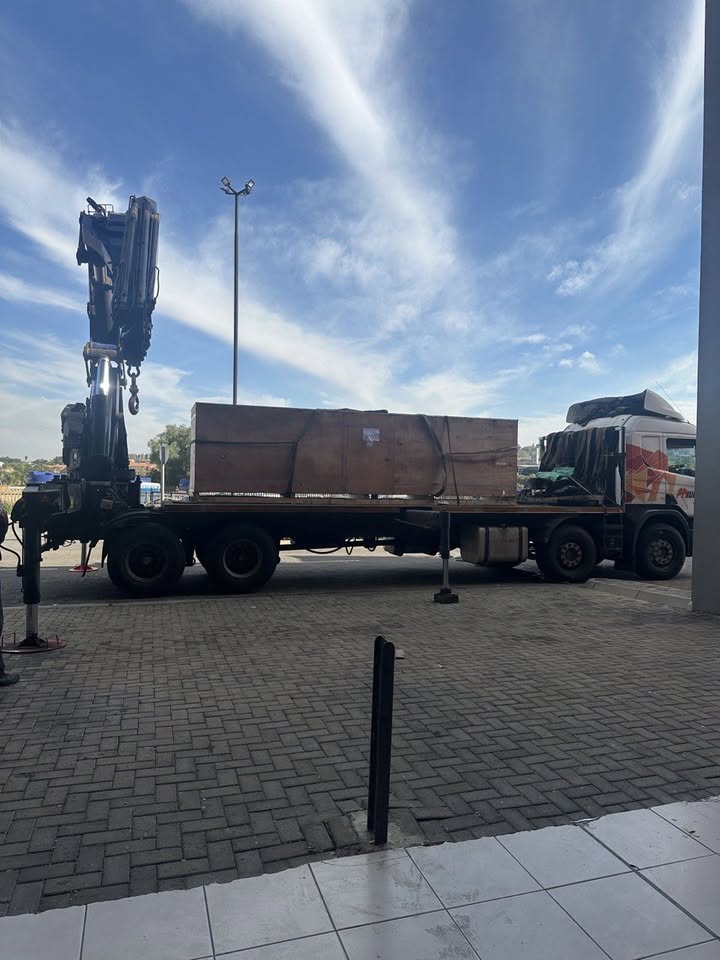
12 Heads Embroidery Machine
Toilet Paper Machine Machine
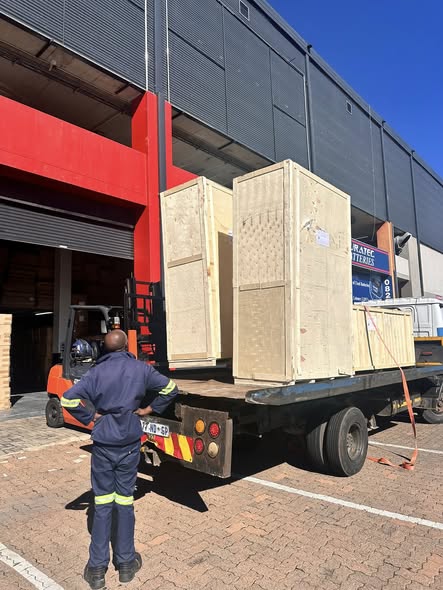
Order Collection
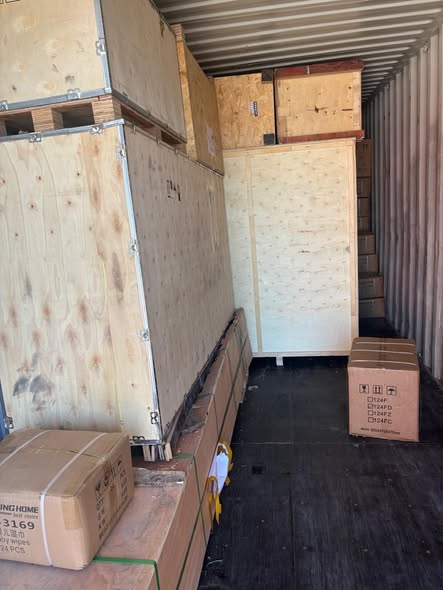
Cross Border Clients
Order cros border countries Collected
Industrial Machine Cllection
Agriculture Processing Machines
Ready for collection
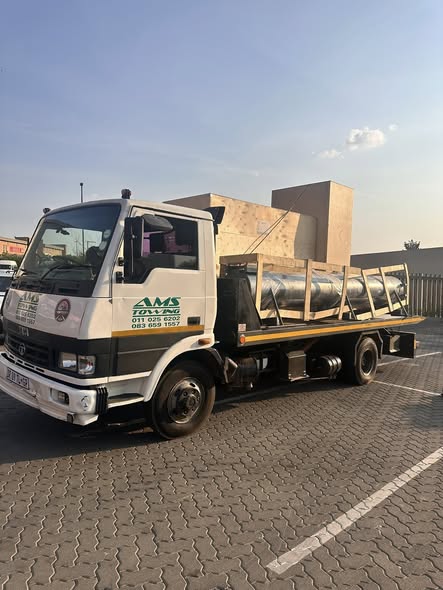
Water Pump Equipment
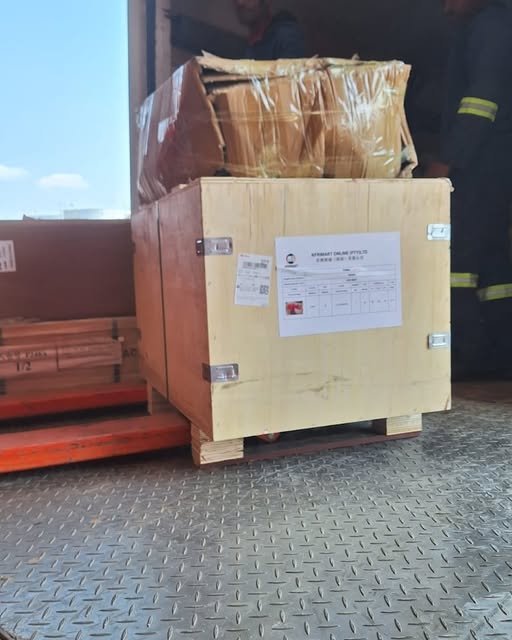
Packaging Machine and accessories
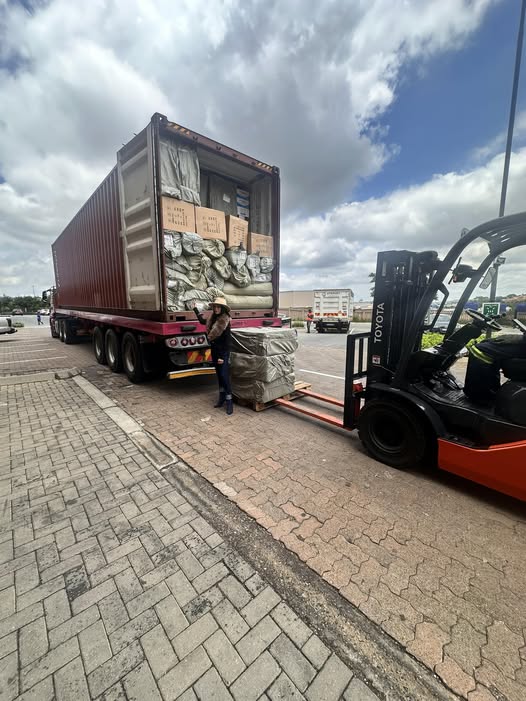
Fabrics Manufacturing Equipment
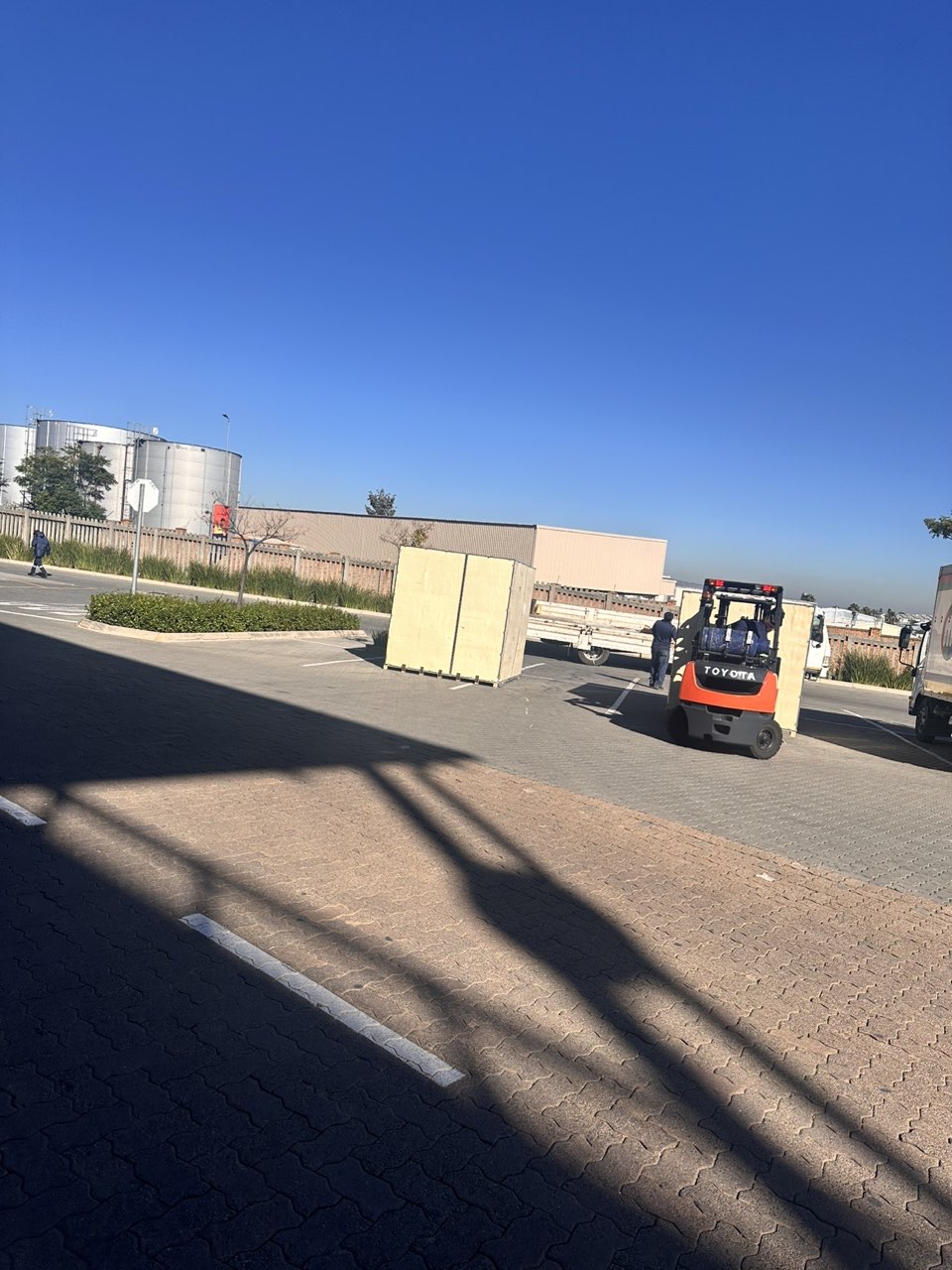
Mining Equipments
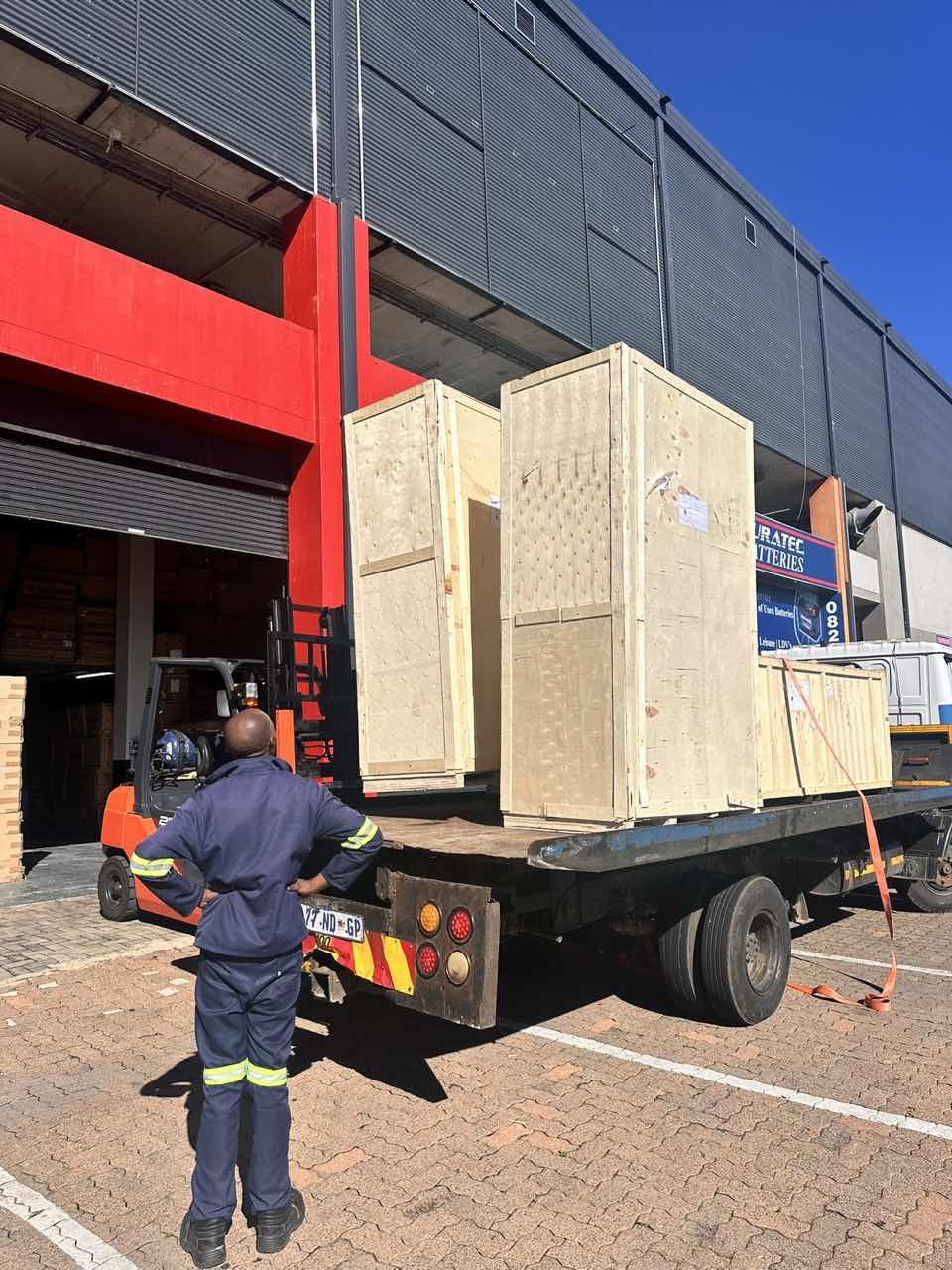
Food Processing Machine
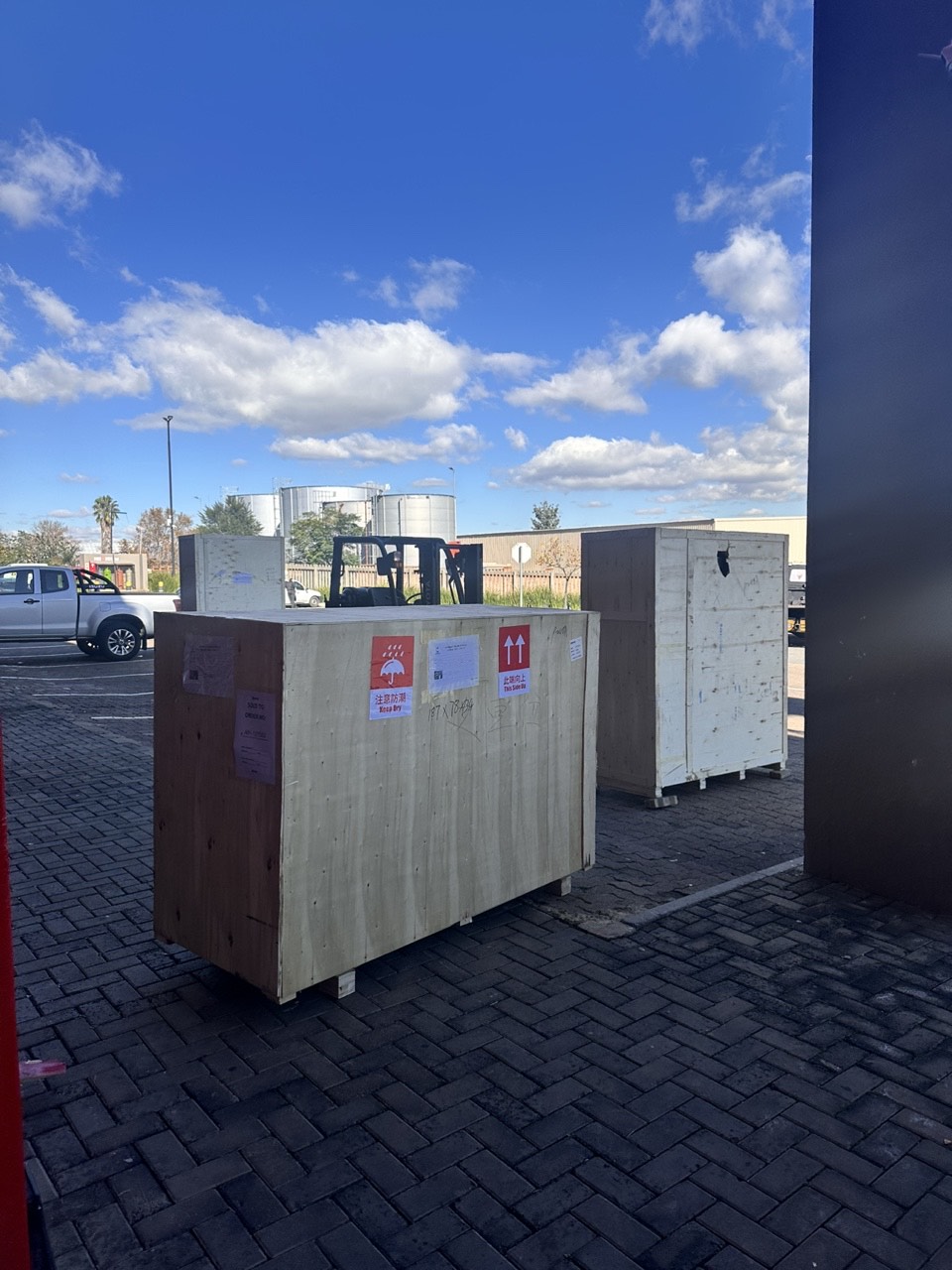
Batch of Orders
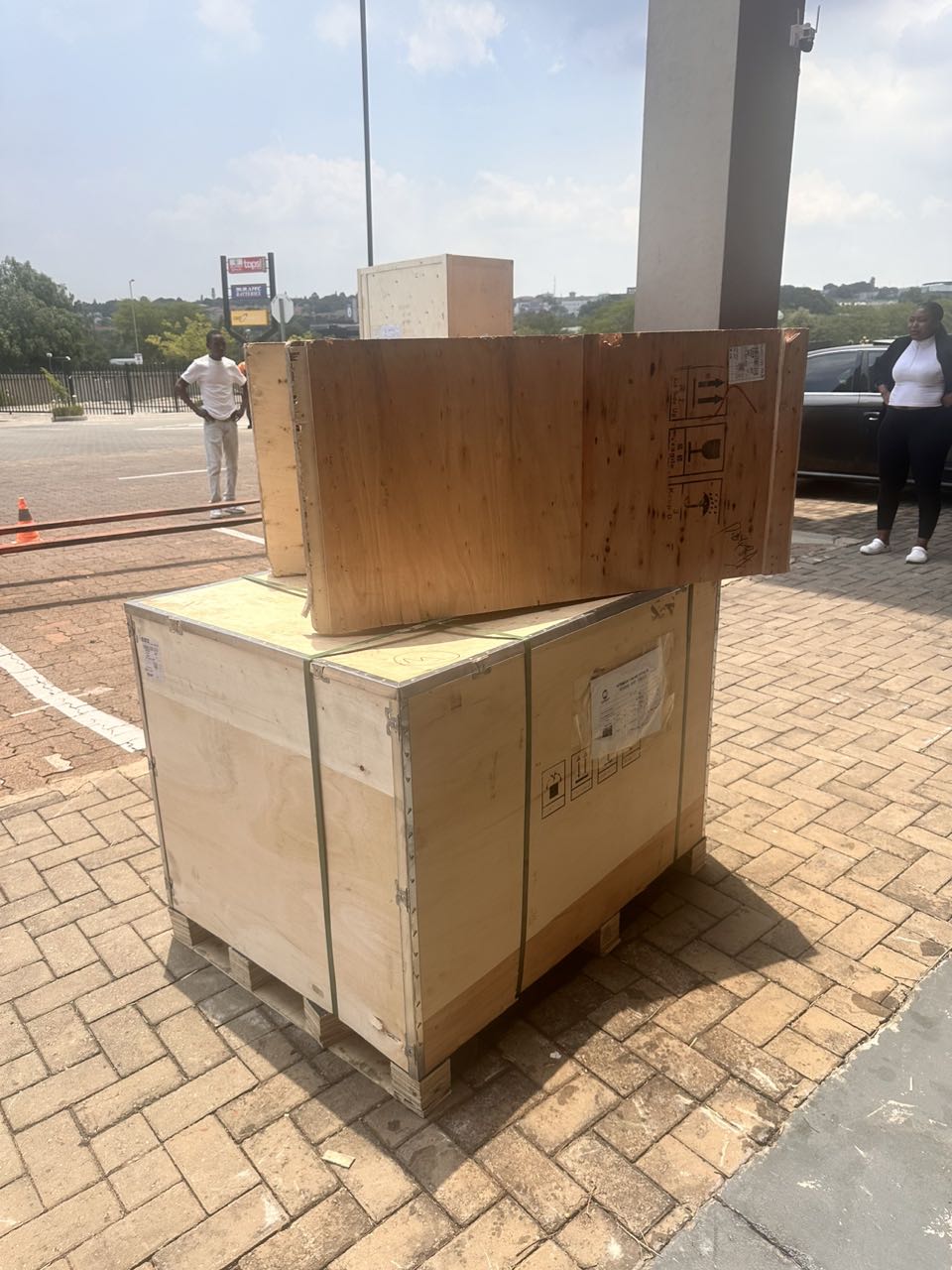
Batch of Orders
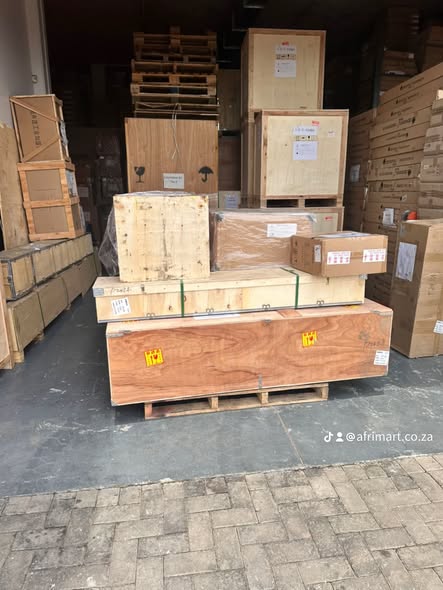
Latest Orders Labelled
wheel alignment machines
new arrivals
Pre Orders Offloading
Latest Arrivals
Latest Arrivals
Latest Arrivals
Loading
Toilet paper making machine
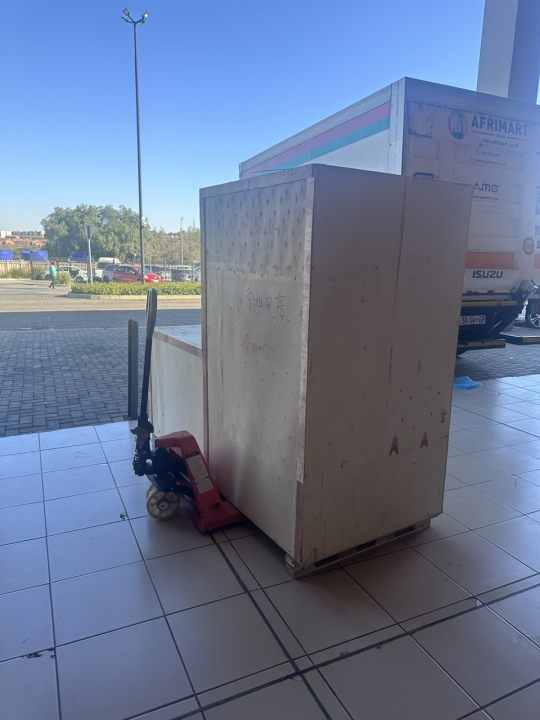
Toilet paper making machine
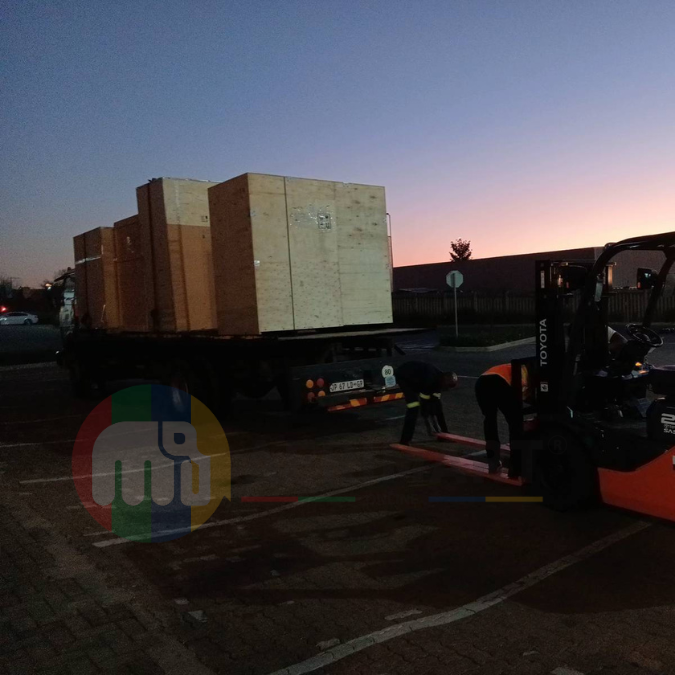
Toilet paper Rewinding Machine
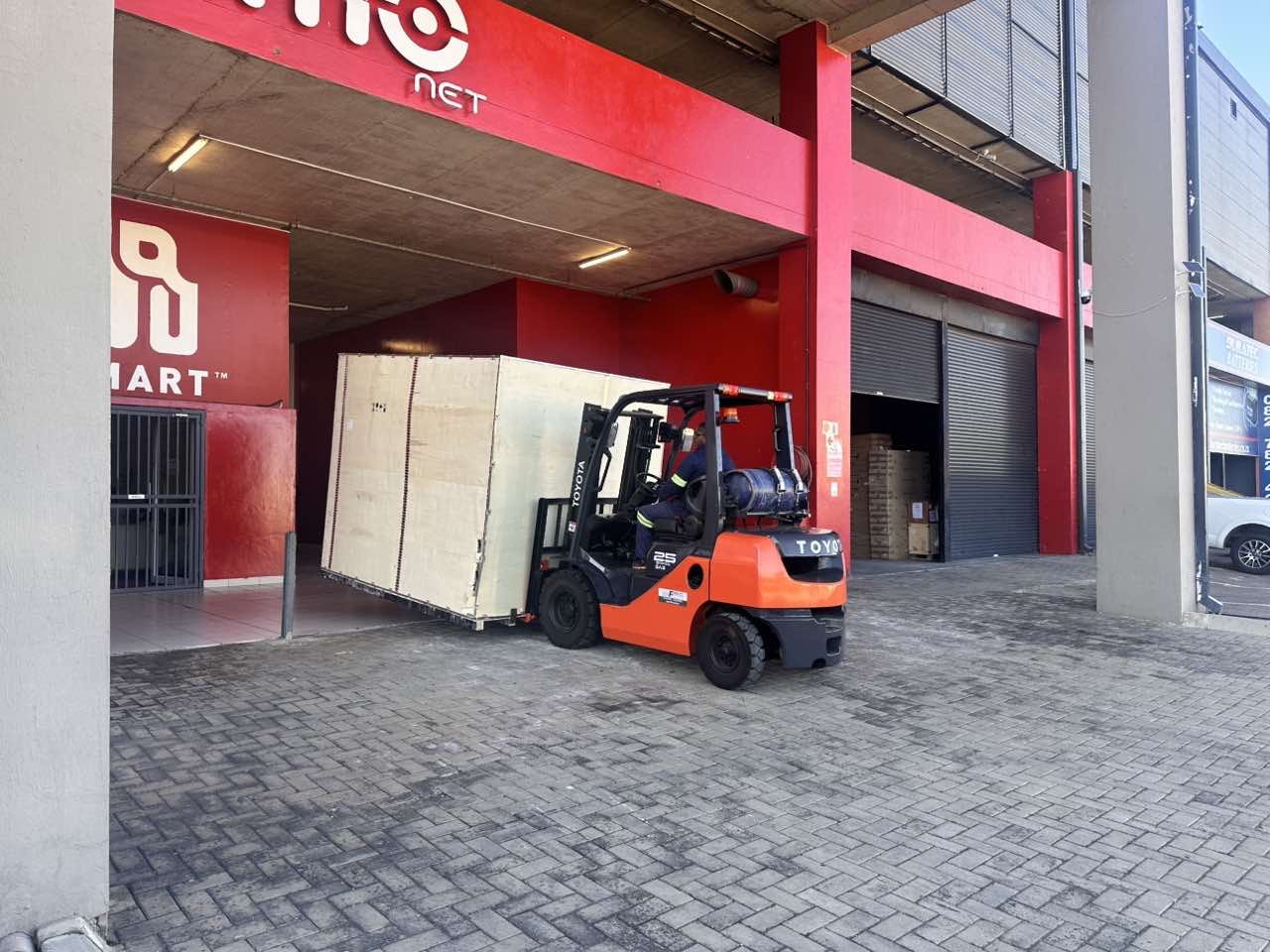
latest arrivals
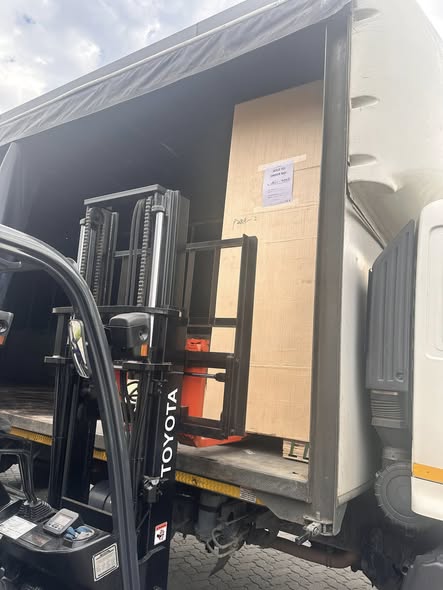
offloading
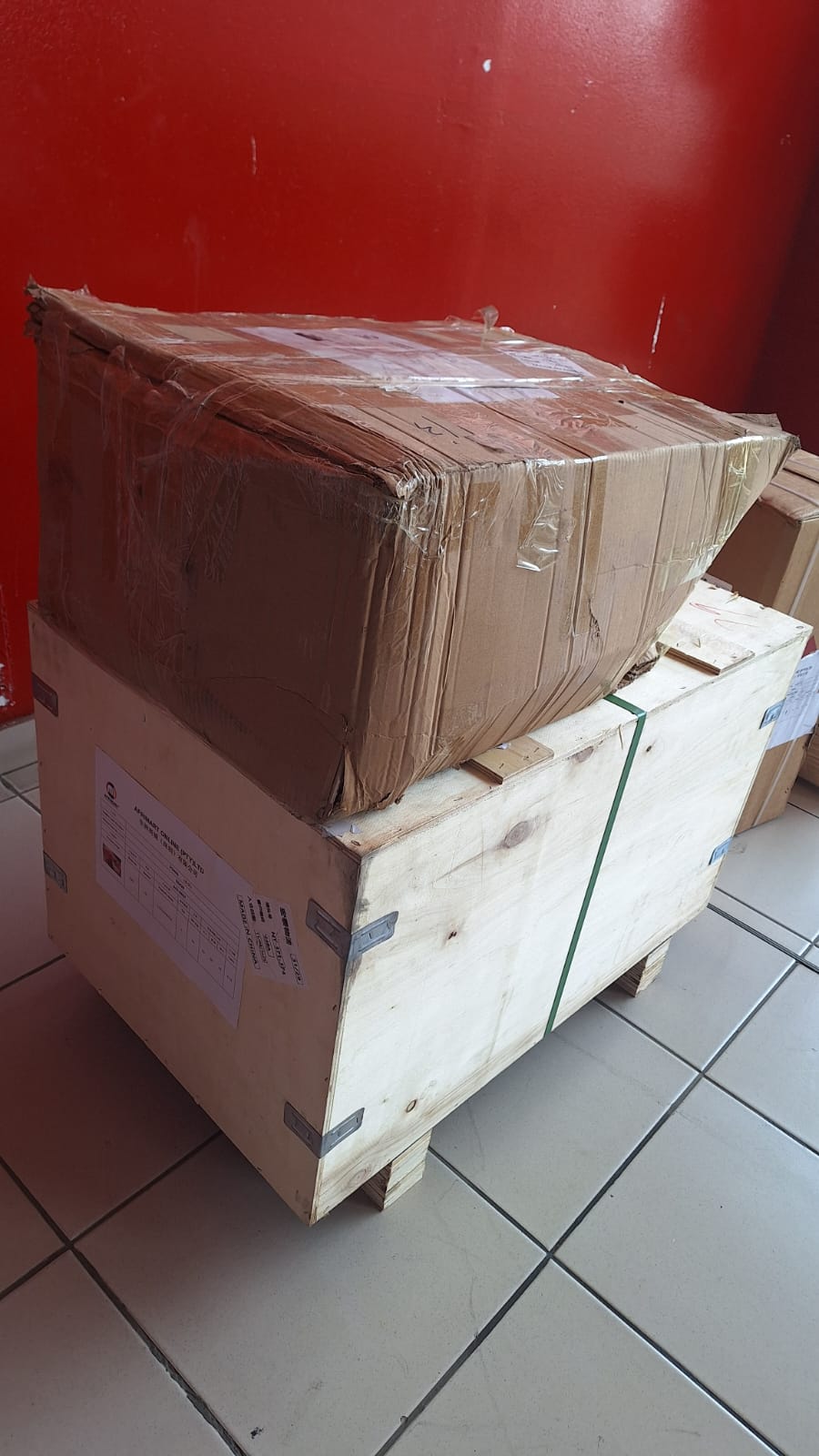
order success
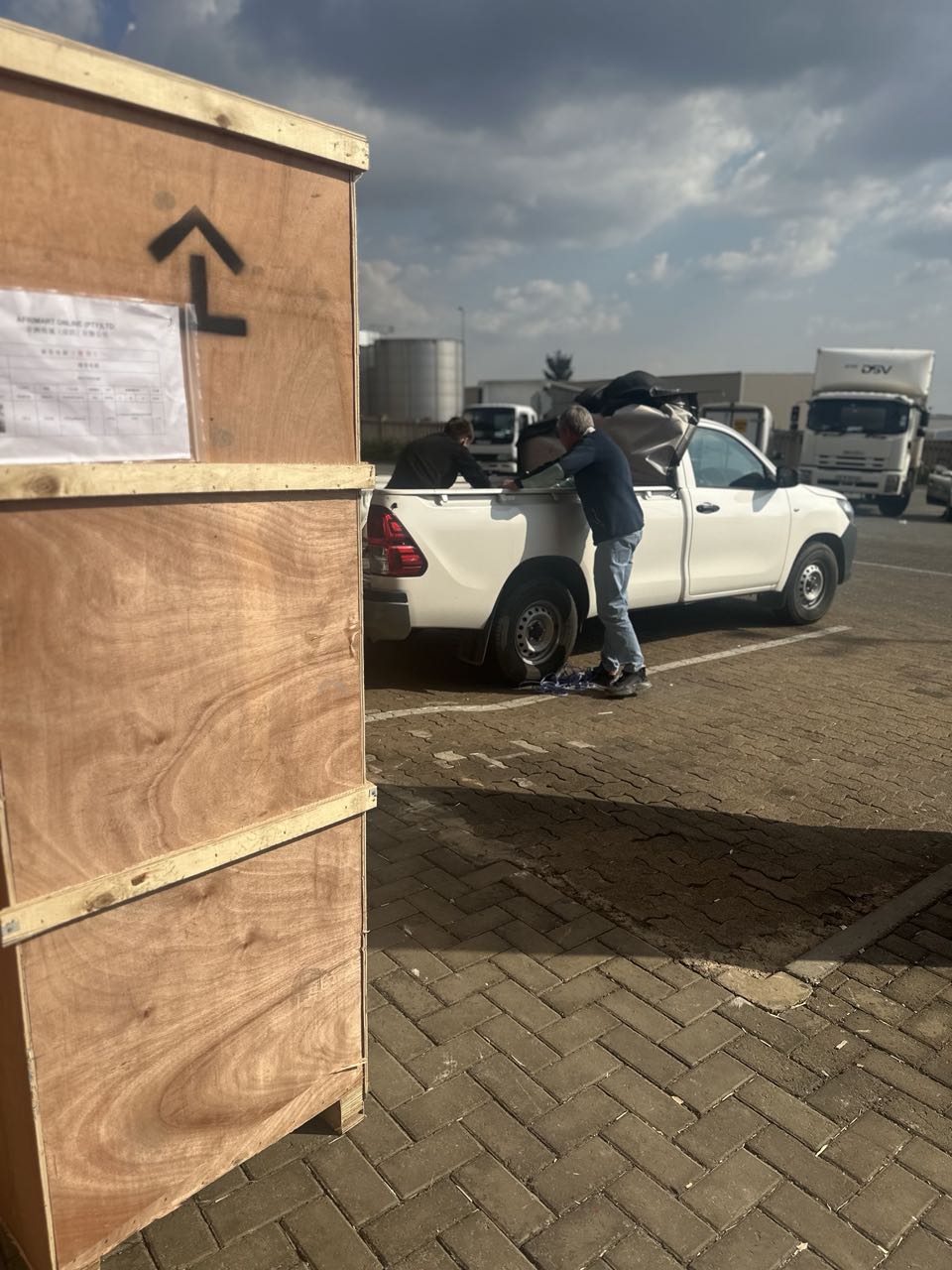
order collection
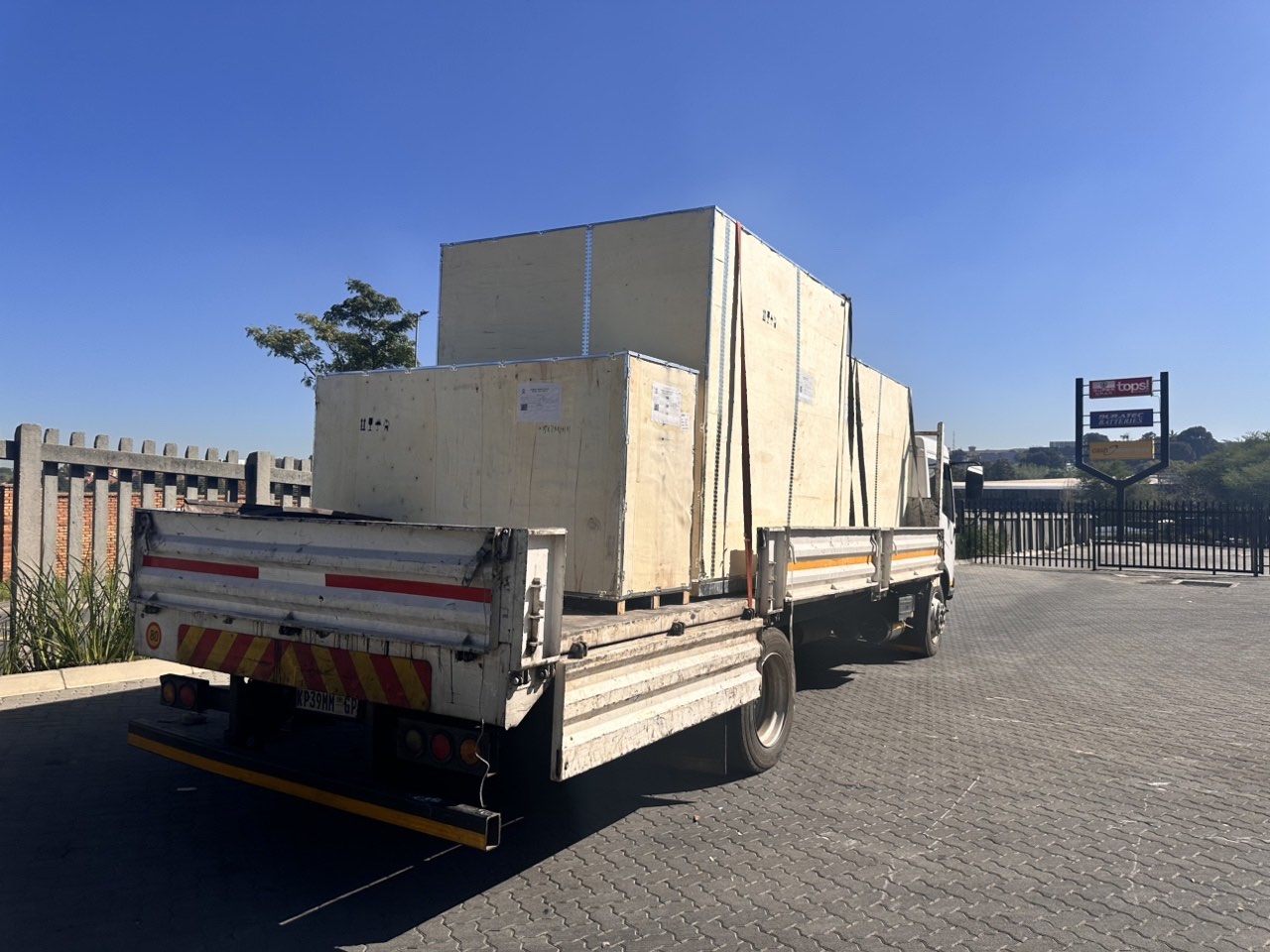
order offloading