B21, China Town Mall, Midrand


Mining Industrial Overflowing Type Mineral Grinding Ball Mill
Asset finance available
Do you want funding for this equipment?
Afrimart can connect you with trusted funding partners who specialise in asset finance for businesses like yours. Compare options and apply in minutes — final approval is subject to provider review.
Check funding options
Secure & no obligation

- Section : Machinery
- Category : Mining Machinery
- SKU : 60519327629

Description
Ball mill can divide into 2 types, wet ball mill and dry ball mill. Ball mill is a mineral processing machine for milling the materials into powders after they are crushed. It is widely applied to the production of cements, silicate products, building materials, fireproof materials, fertilizers, glass, ceramics as well as nonferrous and ferrous metal processing industries.
Features
1. Ball Mill use Allis Chalmers design;
2. Jack-up device, easy maintenance;
3. The hydrostatic and hydrodynamic bearings ensure the smooth operation;
4. Low speed transmission is easy for starting and maintenance;
5. The oil-mist lubrication device guarantees reliable performance of bearings;
6. The gas clutch adopts the flexible start-up model.
Application
1.Energy-Saving Ball Mill are generally used to grind material 1/4 inch and finer, down to the particle size of 20 to 75 microns.
2.To achieve a reasonable efficiency with ball mills, they must be operated in a closed system, with oversize material continuously being recirculated back into the mill to be reduced.
3.Various classifiers, such as screens, spiral classifiers, cyclones and air classifiers are used for classifying the discharge from ball mills.
4.Ball mill is an efficient tool for grinding many materials into fine powder.
5.The ball mill is used to grind many kinds of mine and other materials, or to select the mine.
6.Ball mill is widely used in mining industry, chemical industry, etc.
7.There are two ways of grinding: the dry process and the wet process.
8.It can be divided into tabular type and flowing type according to different forms of discharging material.
Working Principle
1.The Energy-Saving Ball Mill is a horizontal rotating device transmitted by the outer gear.
2.The materials are transferred to the grinding chamber from ball mill through the quill shaft uniformly.
3.There are ladder liner and ripple liner and different specifications of steel balls in the chamber.
4.The centrifugal force caused by rotation of barrel brings the steel balls to a certain height and impact and grind the materials.
5.The ground materials are discharged through the discharging board thus the grinding process is finished.
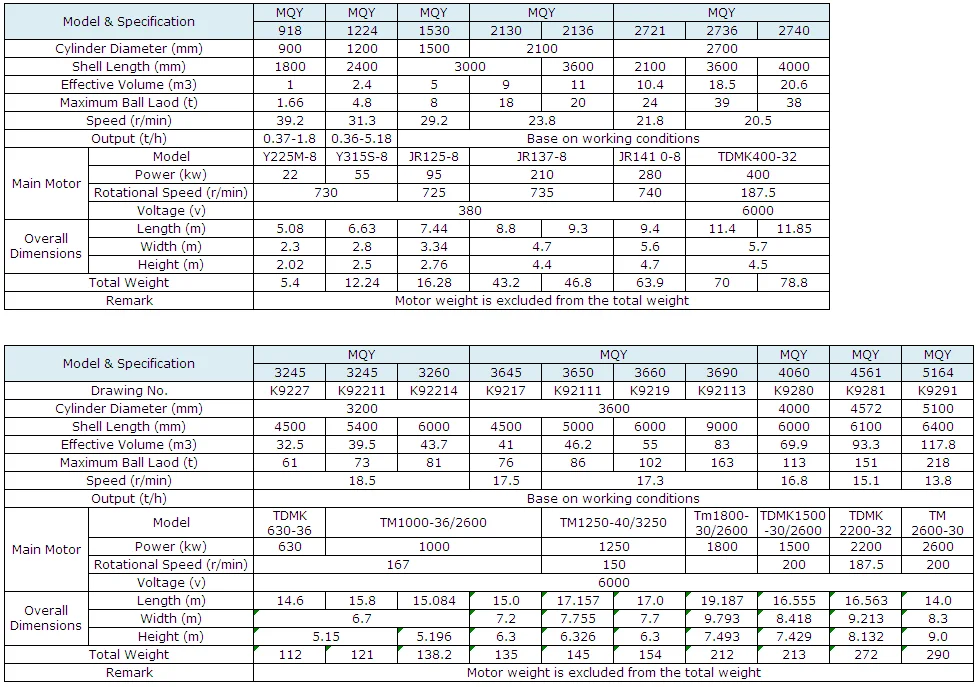
Technical Parameters

- Shipping Timeframes: All orders are processed within 2-5 business days (excluding weekends and holidays). After your order has been processed, the estimated delivery time is before 03 Aug, 2026, depending on customs, Please note that due to high demand, some items may experience longer shipping times, which will be communicated at order confirmation email.
- Order Processing Time: Please allow 2-5 business days for us to process your order before it is shipped . Orders placed after 16:00 on Fridays, or during weekends and public holidays, will begin processing on the next business day. Processing times may be extended during peak seasons or sales events.
- Manufacturing Time: Some products needs manufacturing time, the manufacturing process will take approximately 10-30 business days depending on the product. This timeframe may vary depending on the complexity of the product and current demand. but this will be communicated with you during order confirmation.
- Returns and Exchanges: We offer a 30-day return policy for most items. If you are not completely satisfied with your purchase, you may return it within 30 days of receipt for a refund or exchange. Items must be unused, in their original packaging, and accompanied by proof of purchase. Return shipping costs are the responsibility of the customer, unless the item was damaged or defective upon arrival.
1. What are the main types of ball mills available?
There are two main types of ball mills: wet ball mills and dry ball mills, each suited for different applications.
2. What industries commonly use the Mining Industrial Overflowing Type Mineral Grinding Ball Mill?
This ball mill is widely used in mining, chemical, cement, silicate products, ceramics, and various metal processing industries.
3. How does the ball mill achieve energy-saving efficiency?
The Energy-Saving Ball Mill operates in a closed system, allowing for the continuous recirculation of oversize material to enhance grinding efficiency.
4. What are the key features of this ball mill?
Key features include an Allis Chalmers design, easy maintenance jack-up device, smooth operation through hydrostatic and hydrodynamic bearings, low-speed transmission, and reliable oil-mist lubrication.
5. What particle size can the ball mill produce?
The ball mill can grind materials down to a particle size of 20 to 75 microns.
6. What is the working principle of the ball mill?
The ball mill is a horizontal rotating device where materials are transferred to the grinding chamber. Steel balls inside the chamber grind the materials through impact and friction.
7. Is the ball mill suitable for both wet and dry processes?
Yes, the ball mill can be operated in both dry and wet processes, making it versatile for various applications.
8. What types of classifiers can be used with the ball mill?
Common classifiers include screens, spiral classifiers, cyclones, and air classifiers for classifying the discharge from the ball mill.
9. How is maintenance performed on the ball mill?
Maintenance is facilitated by the jack-up device which allows easy access to the internal components for servicing.
10. What materials can be processed in the ball mill?
The ball mill can process a variety of materials including ores, minerals, and other materials used in industrial applications.
11. What are the benefits of using hydrostatic and hydrodynamic bearings?
These bearings ensure smooth operation and reduce friction, leading to improved performance and longevity of the equipment.
12. What is the role of the gas clutch in the ball mill?
The gas clutch adopts a flexible start-up model that enhances the ease of starting the mill and improves operational stability.
13. Can the ball mill be used for small-scale operations?
Yes, the ball mill can be adapted for small-scale operations, especially when operated in a closed system to maintain efficiency.
14. What is the maximum size of material that can be fed into the ball mill?
The ball mill is typically used to grind material that is 1/4 inch in size or finer.
15. What should I consider when selecting a ball mill for my operation?
Consider factors such as the type of material to be processed, the desired particle size, and whether you require a wet or dry milling process.
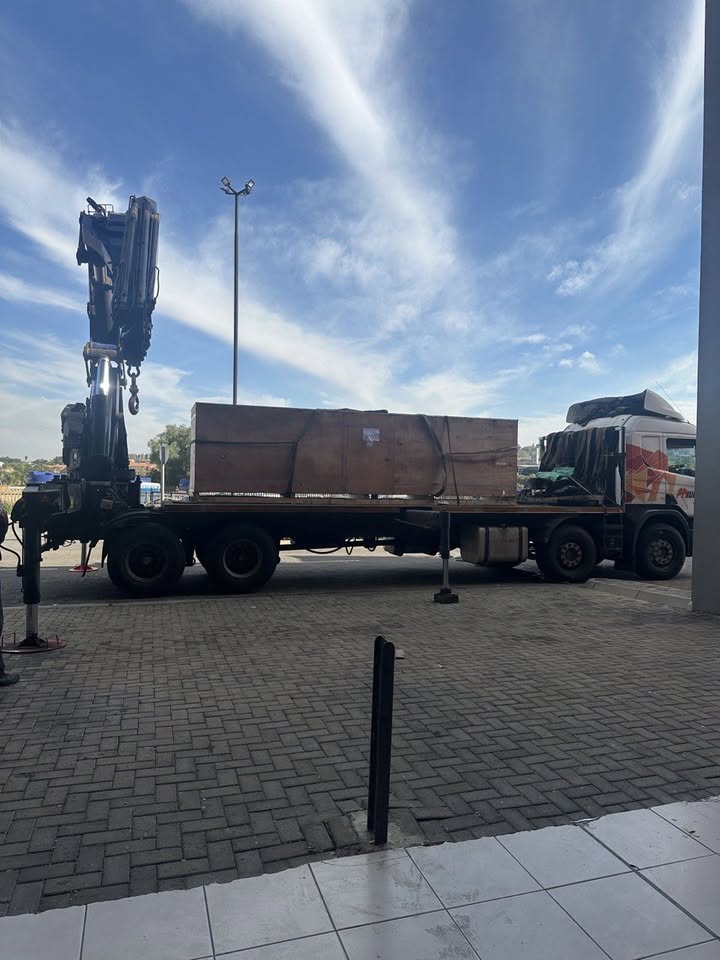
Latest Order Arrivals
Discover our latest orders
12 Heads Embroidery Machine
Toilet Paper Machine Machine
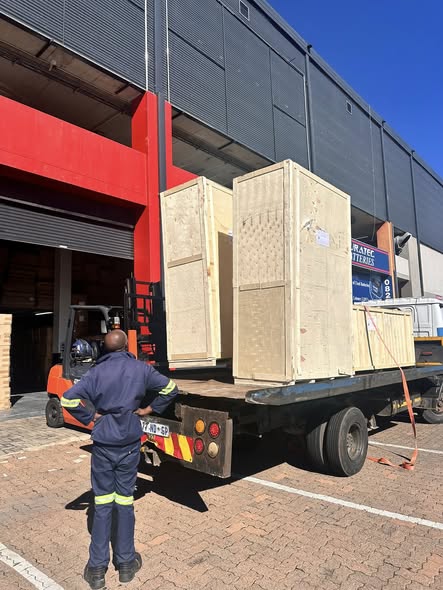
Order Collection
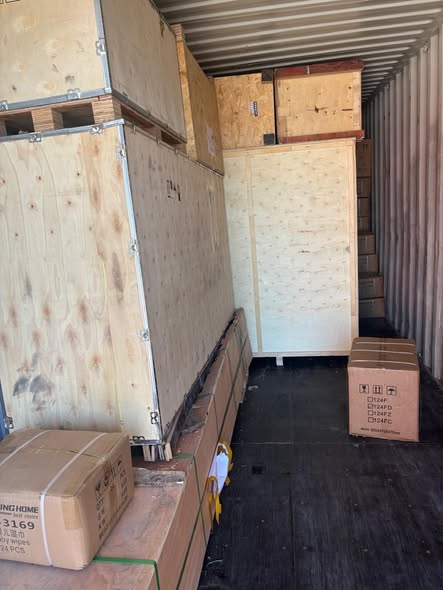
Cross Border Clients
Order cros border countries Collected
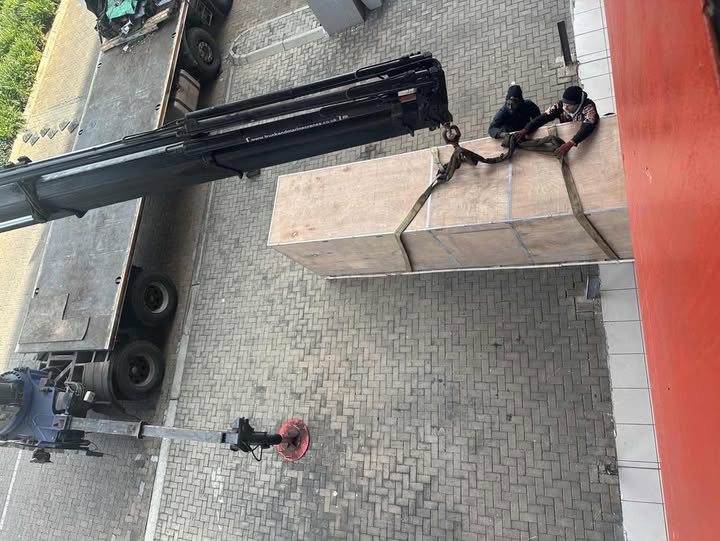
Industrial Machine Cllection
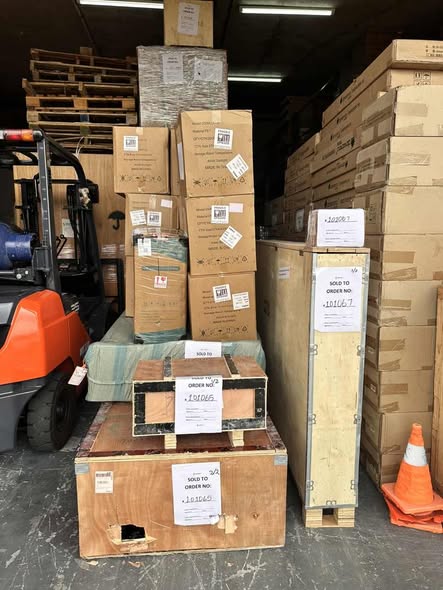
Agriculture Processing Machines
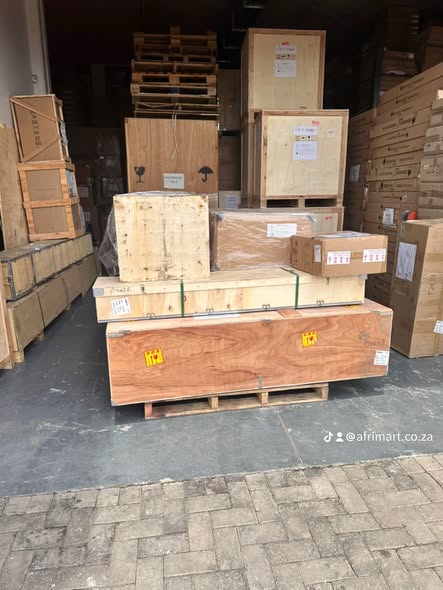
Ready for collection
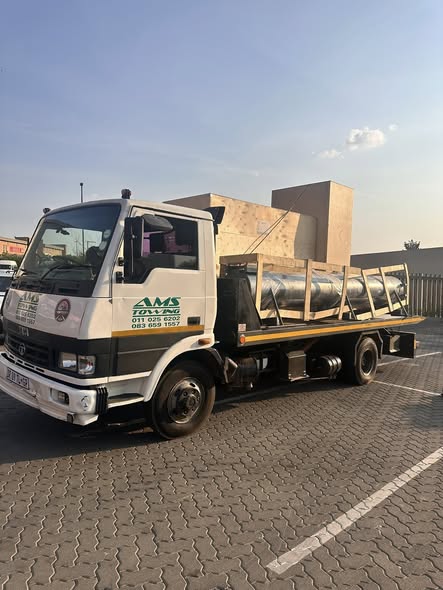
Water Pump Equipment
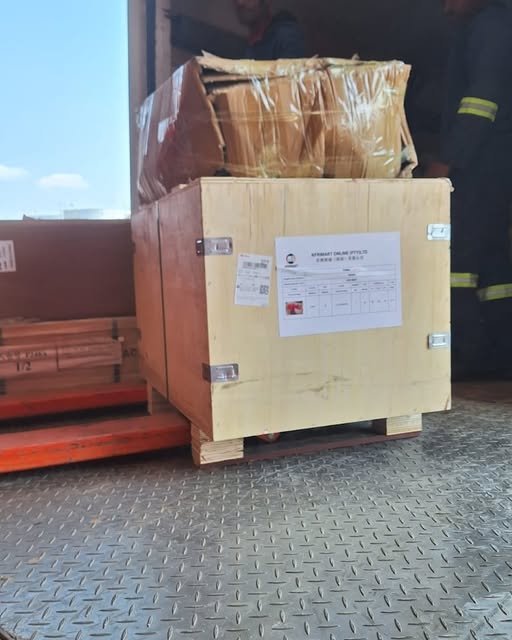
Packaging Machine and accessories
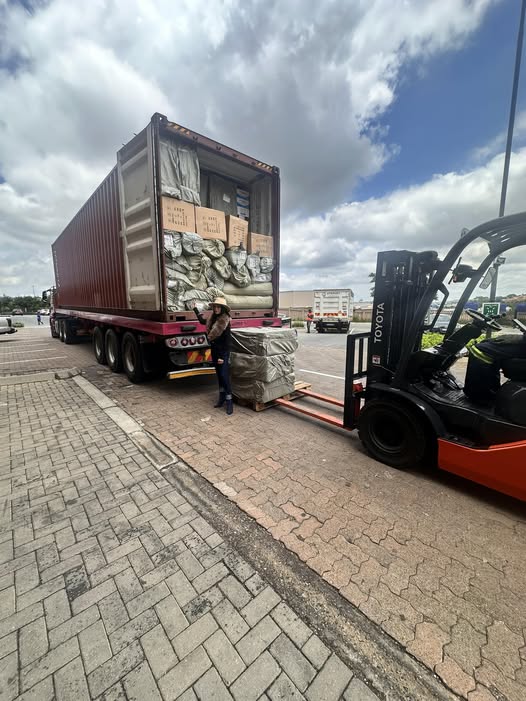
Fabrics Manufacturing Equipment
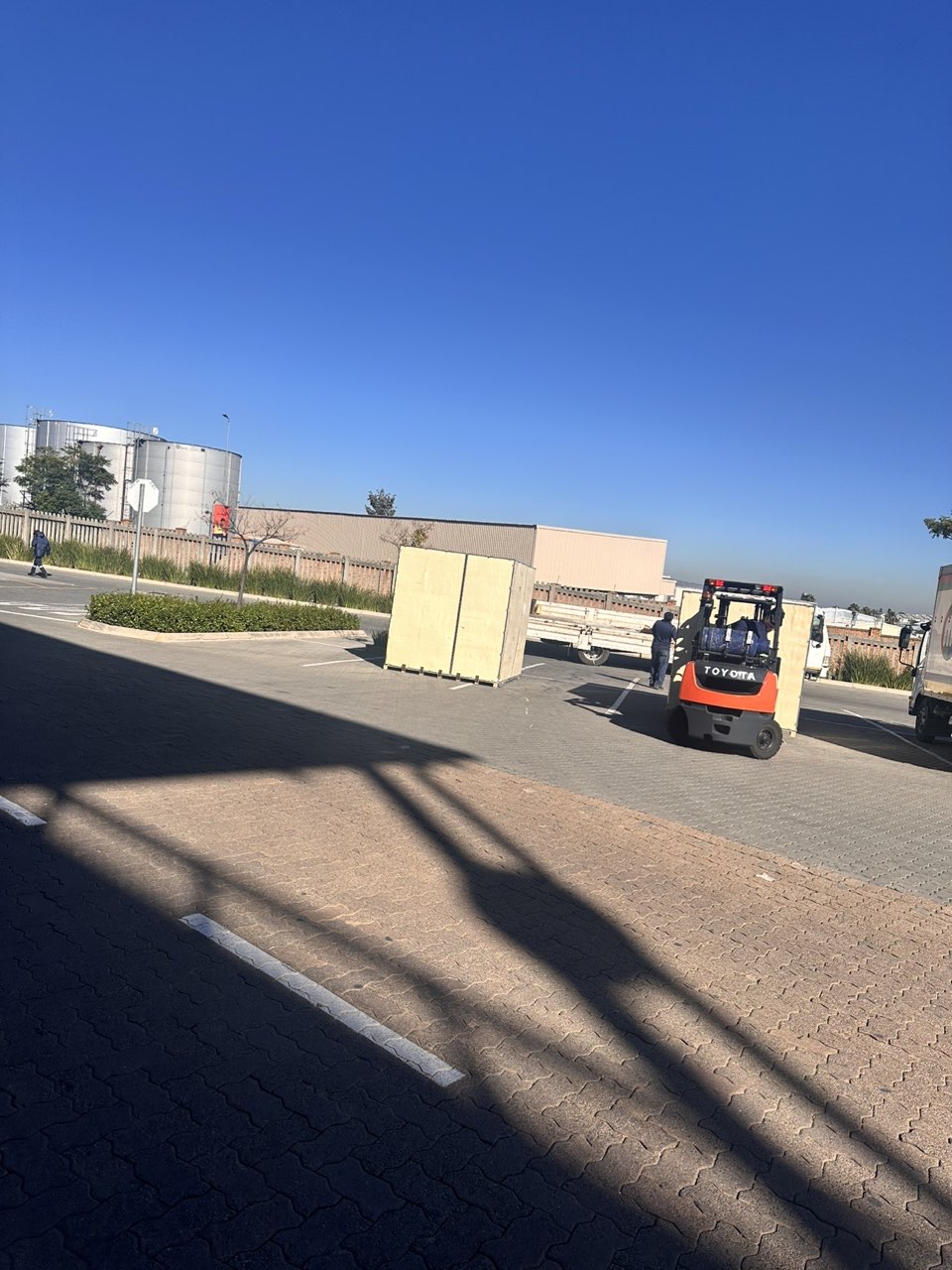
Mining Equipments
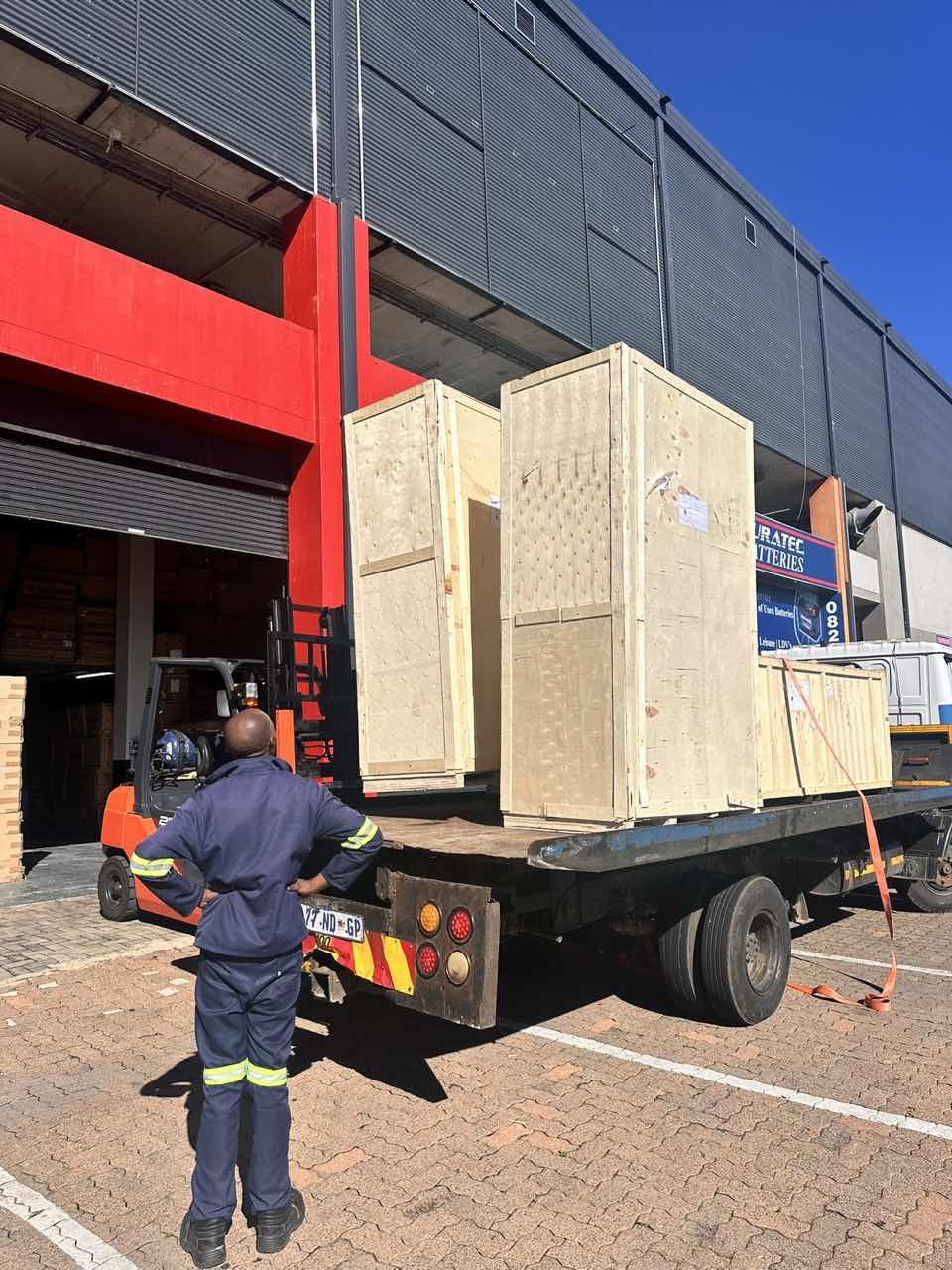
Food Processing Machine
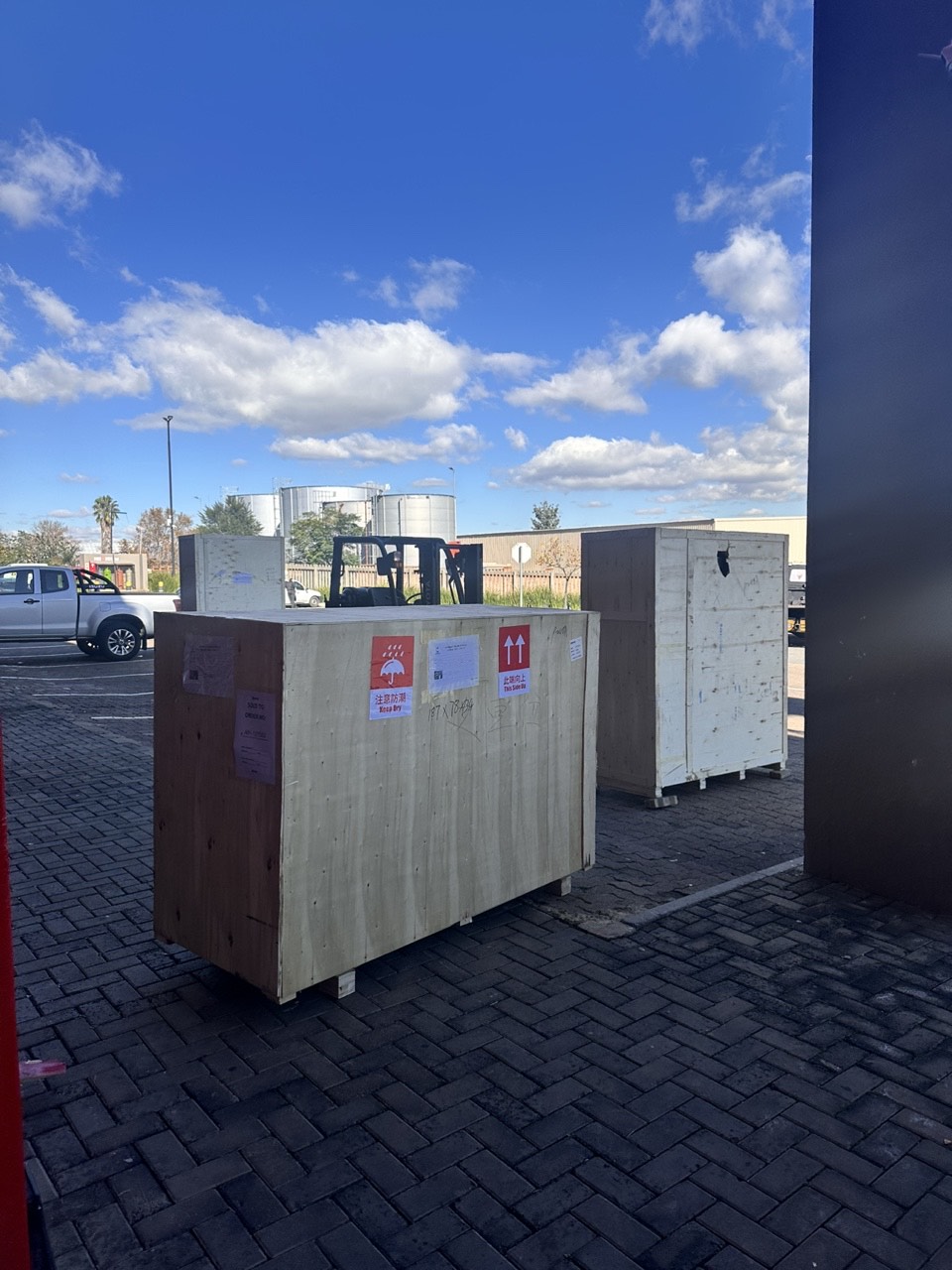
Batch of Orders
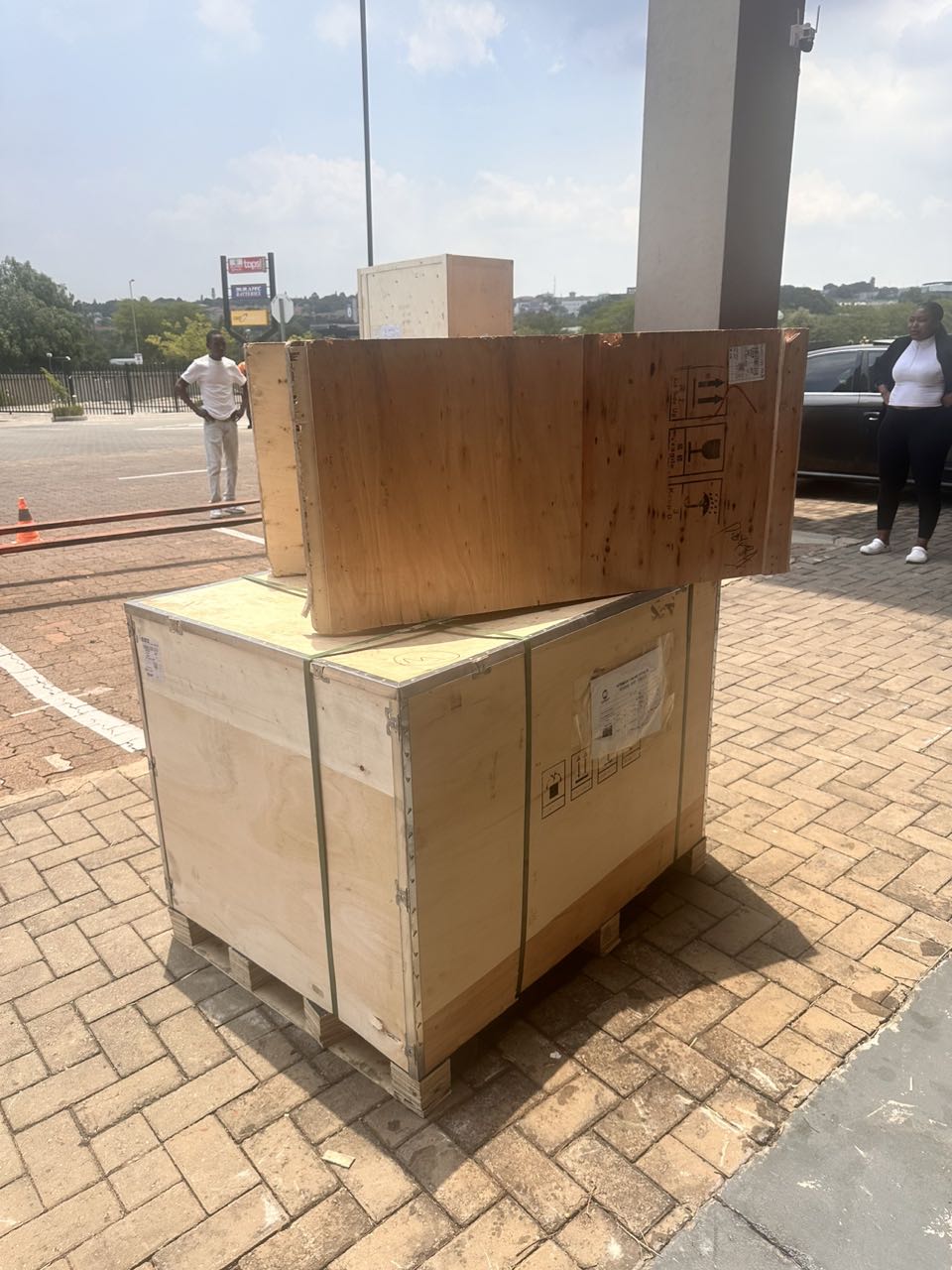
Batch of Orders
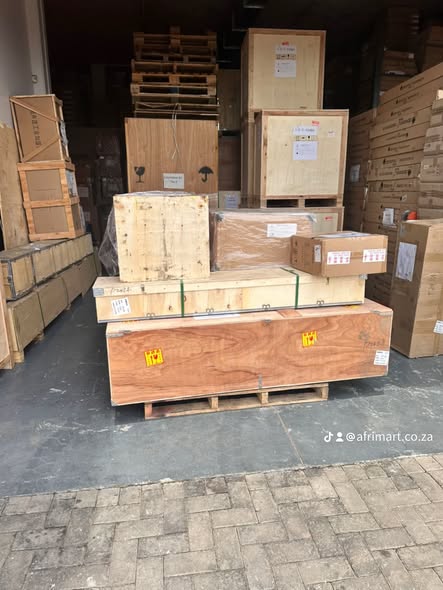
Latest Orders Labelled
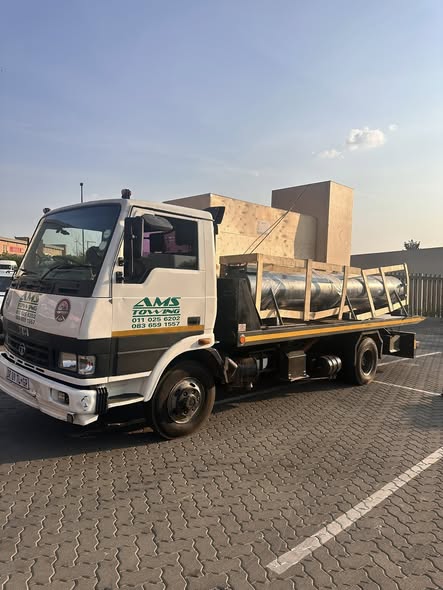
wheel alignment machines
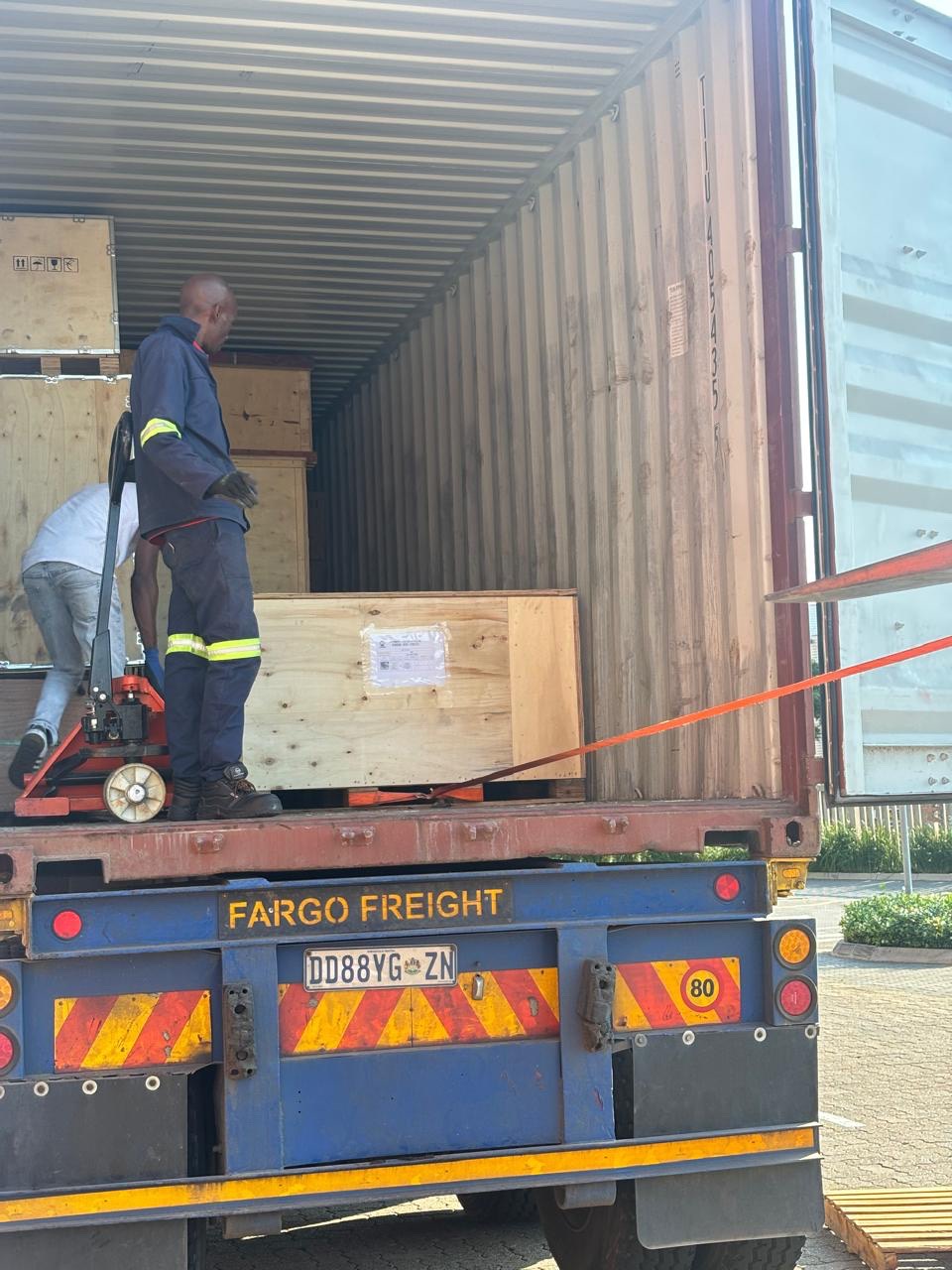
new arrivals
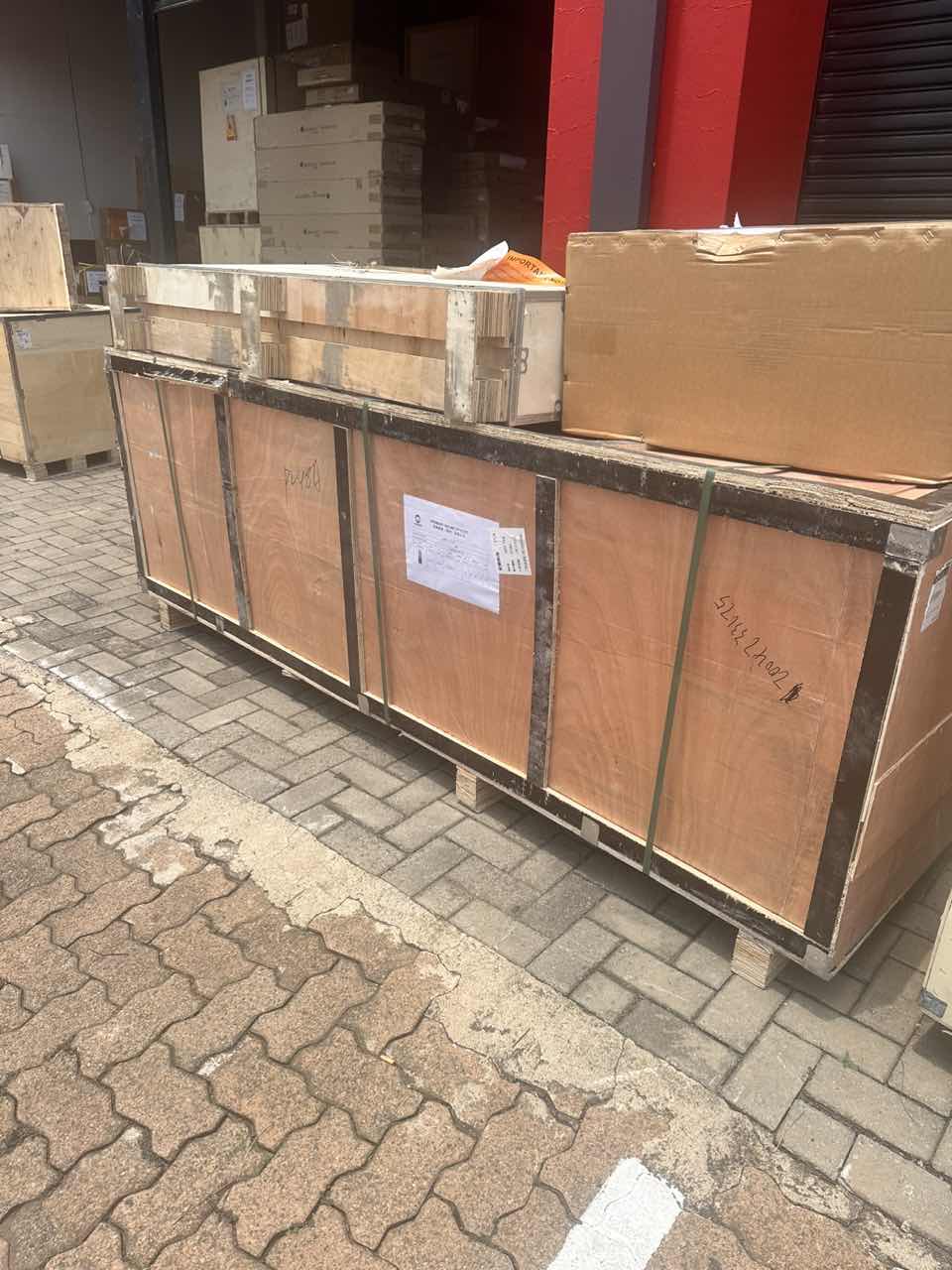
Pre Orders Offloading
Latest Arrivals
Latest Arrivals
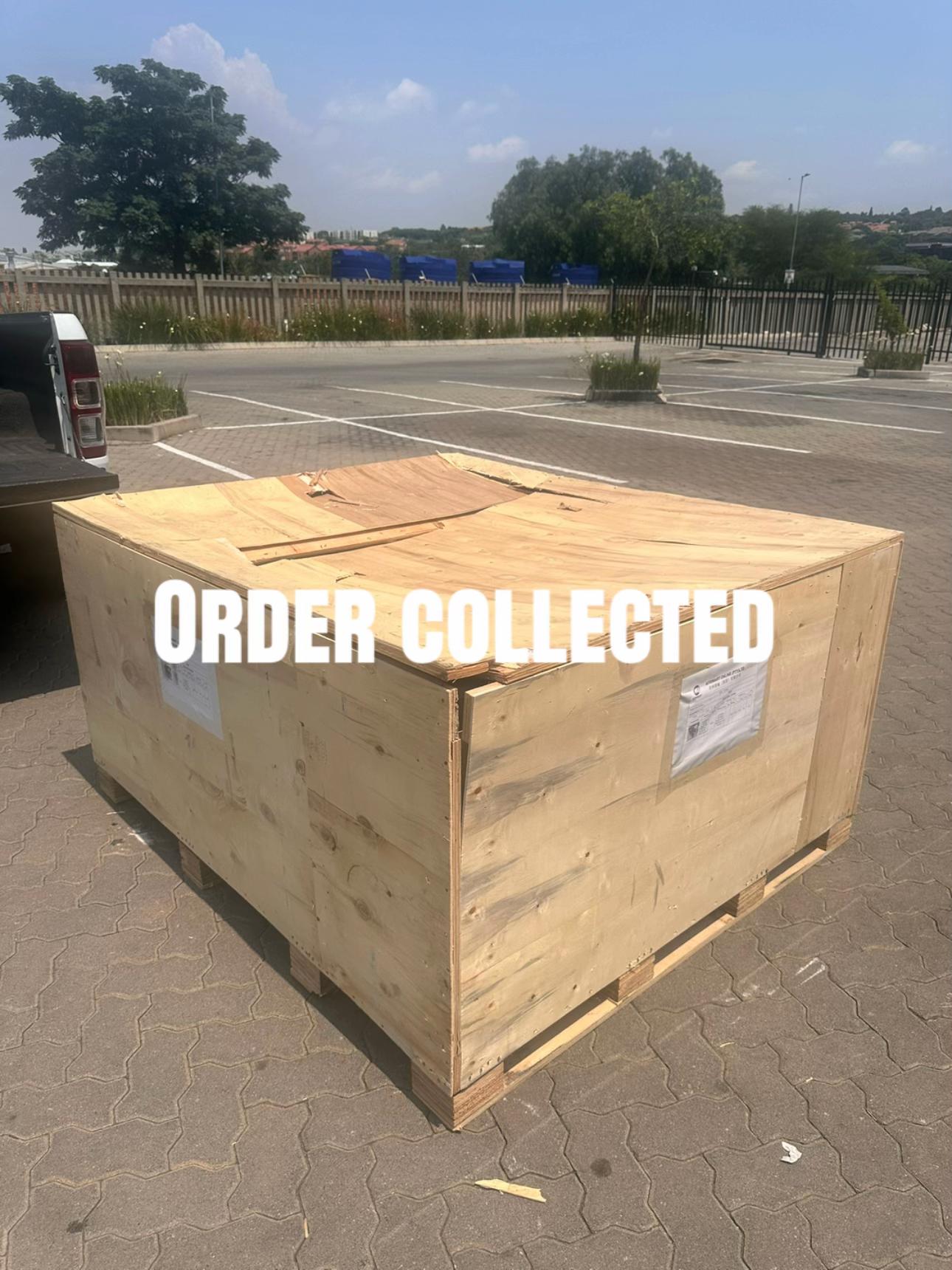
Latest Arrivals
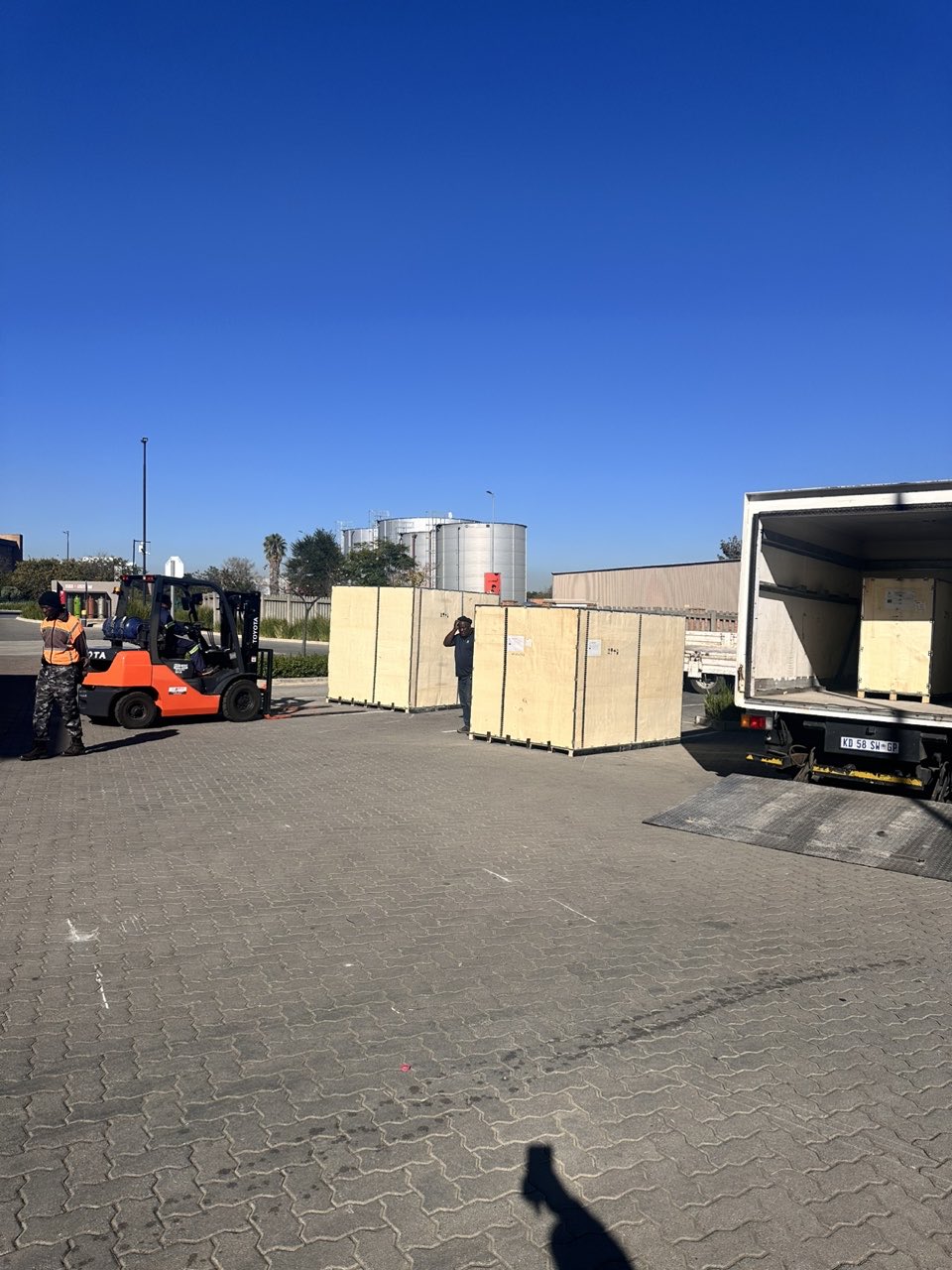
Loading
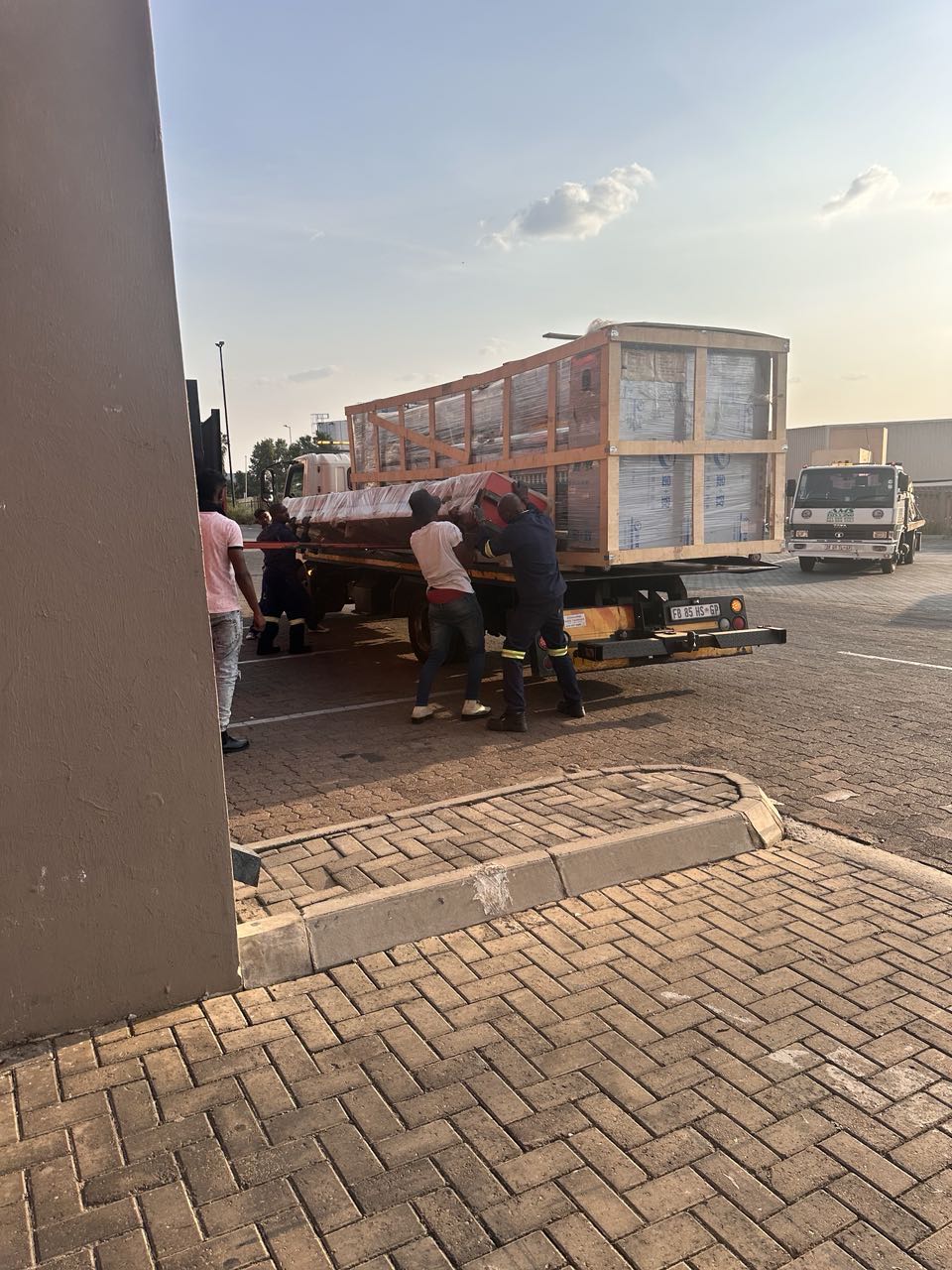
Toilet paper making machine
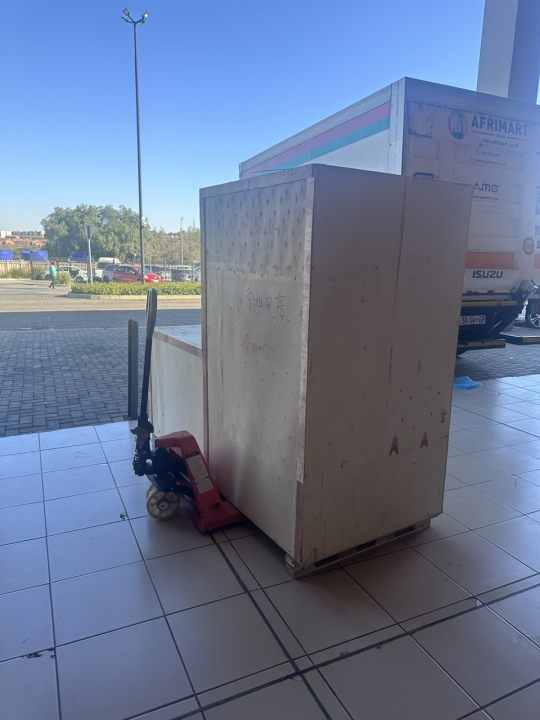
Toilet paper making machine
Toilet paper Rewinding Machine
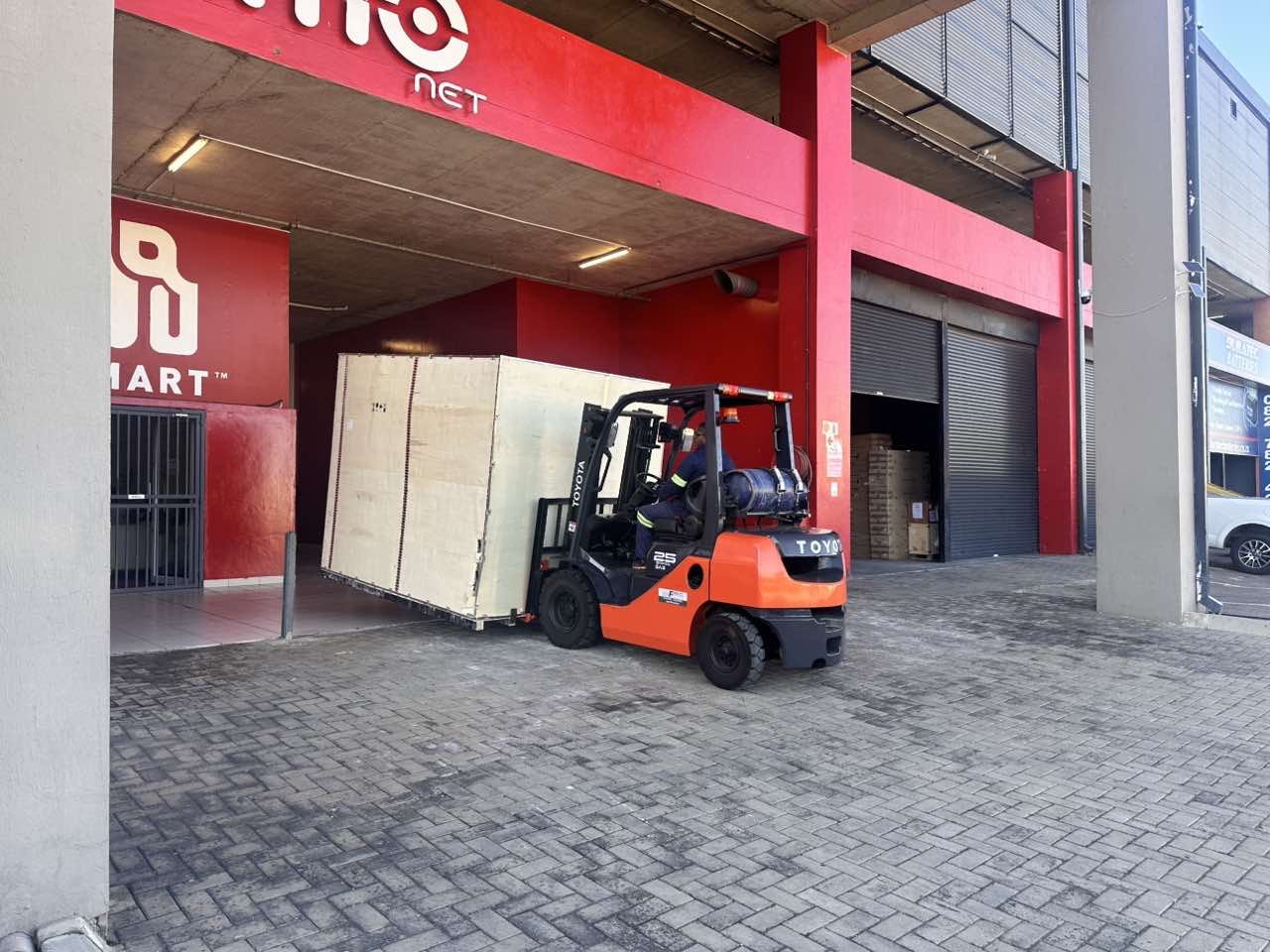
latest arrivals
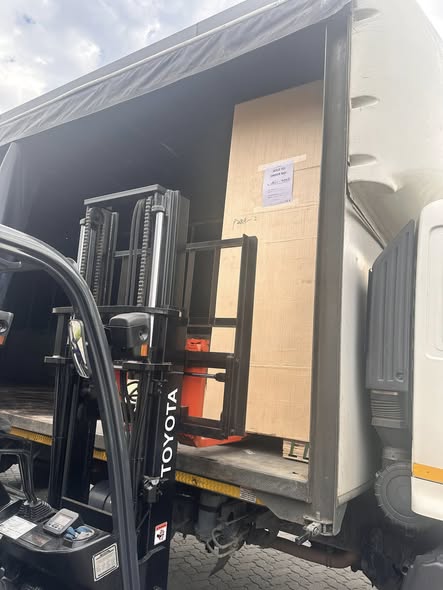
offloading
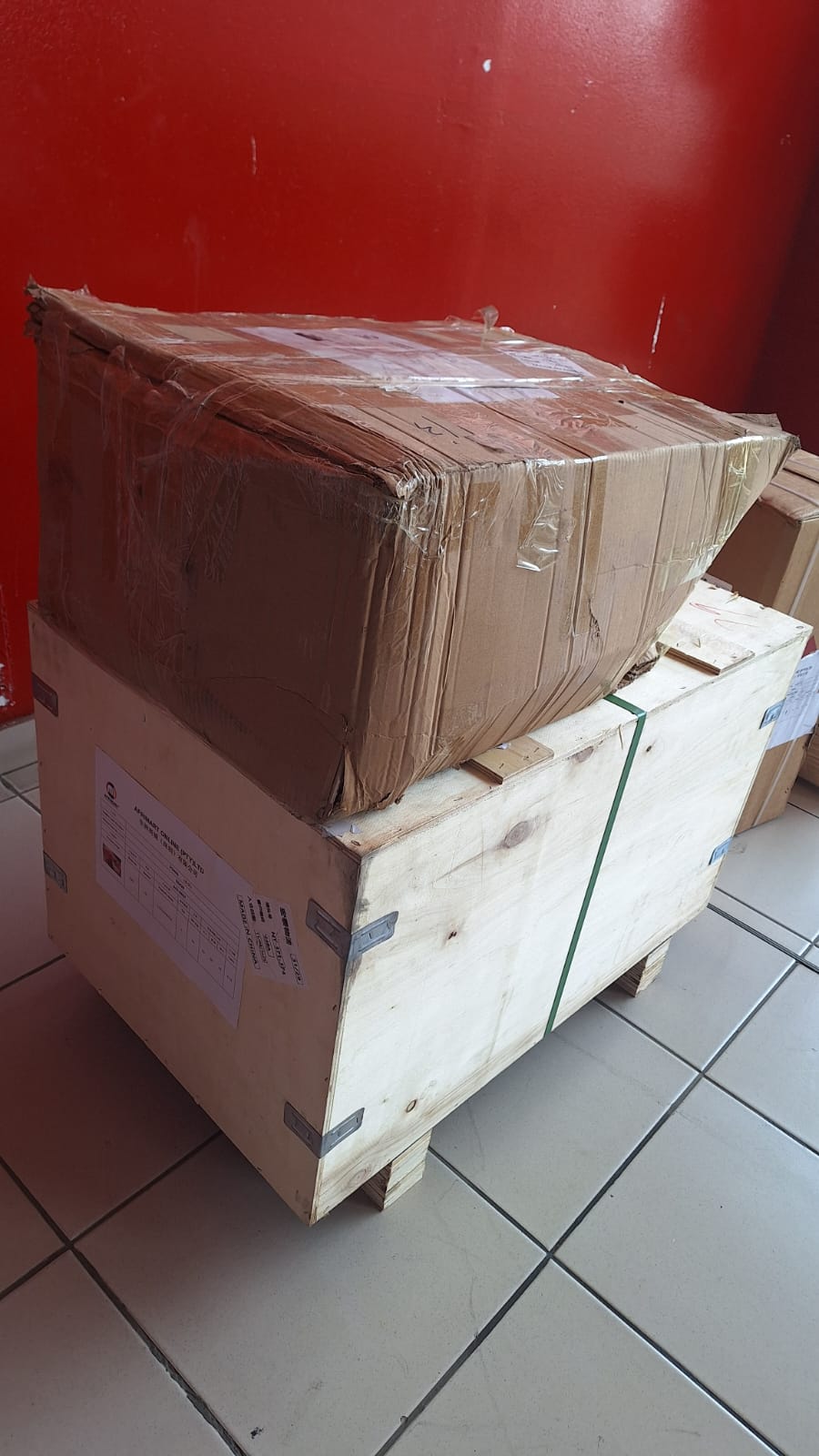
order success
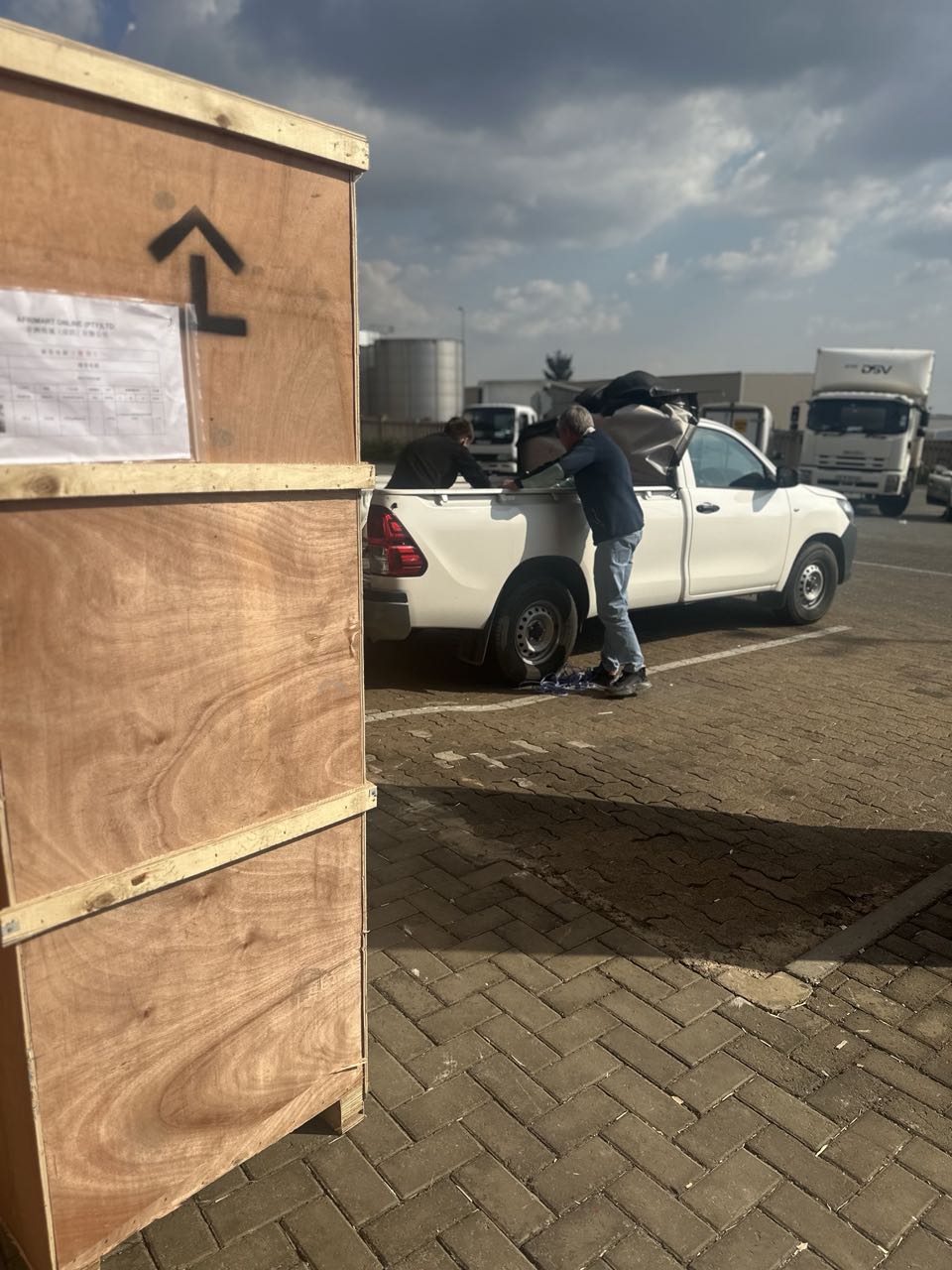
order collection
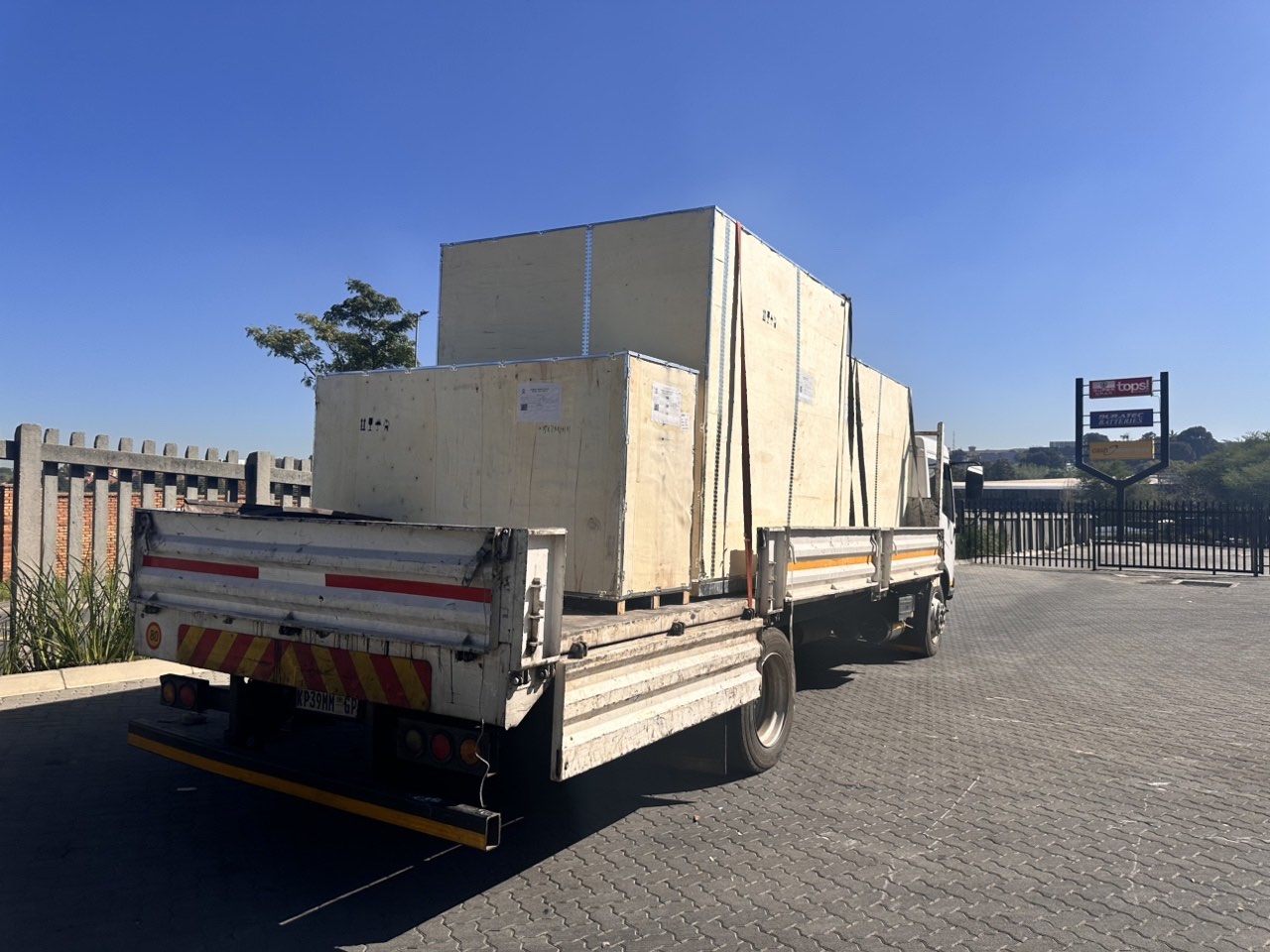
order offloading