B21, China Town Mall, Midrand

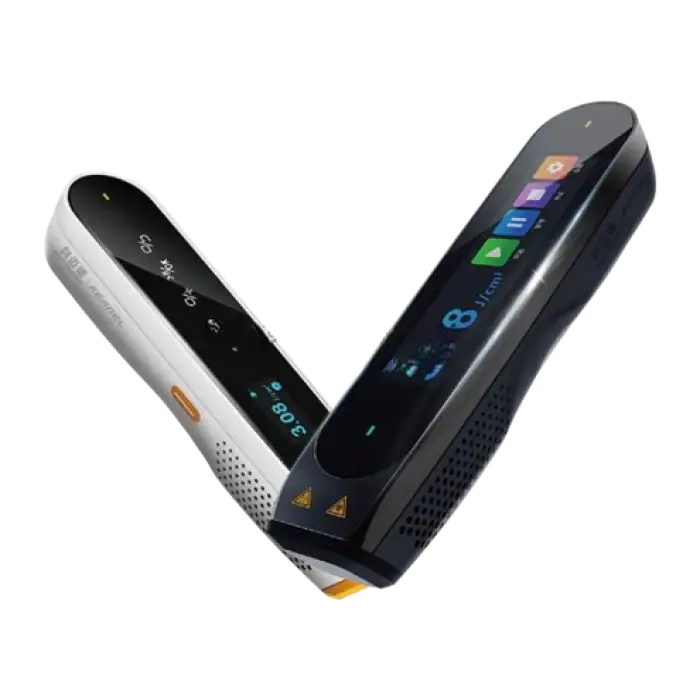
Mini Portable Psoriasis Vitiligo Treatment Lamp Uv 311nm Excimer Laser 308nm Uvb Led Phototherapy 308 nm Vitiligo Lamp

- Section : Beauty & Personal Care
- Category : Beauty Equipment
- SKU : 1601308476931

Mini Portable Psoriasis Vitiligo Treatment Lamp UV 311nm Excimer Laser 308nm UVB LED Phototherapy 308 nm Vitiligo Lamp
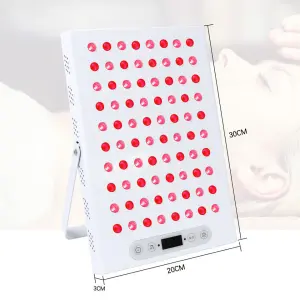
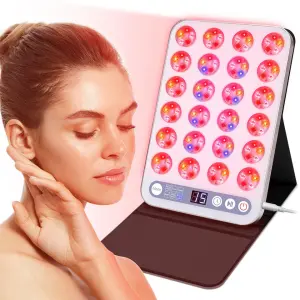
The Mini Portable Psoriasis Vitiligo Treatment Lamp is a powerful tool designed for effective home therapy. This lamp uses advanced UV light technology to help treat skin conditions like psoriasis and vitiligo. With a compact design, it is easy to use and perfect for daily treatment. Enjoy healthy skin with this innovative device!
Specifications
| Attribute | Details |
|---|---|
| Instrument Classification | Class II |
| Feature | Durable |
| Power | 48W |
| Application | For Home Use |
| Weight | 0.2 KG |
| Light Source | LED |
| Wavelengths | 308nm |
| Model Number | CN-308P1 |
| Selling Units | Single item |
| Single Package Size | 30X24X10 cm |
| Single Gross Weight | 1.500 KG |
Key Features
- Compact and portable design for easy use.
- Effective UV light treatment for psoriasis and vitiligo.
- Durable construction for long-lasting use.
- 48W power for efficient performance.
- LED light source for safe and effective therapy.
Applications
- Treating psoriasis at home.
- Managing vitiligo symptoms effectively.
- Daily skin care routine for better skin health.
- Convenient therapy for busy lifestyles.
- Safe for all skin types with proper use.
Product Info Gallery
- Shipping Timeframes: All orders are processed within 2-5 business days (excluding weekends and holidays). After your order has been processed, the estimated delivery time is before 03 Feb, 2026, depending on customs, Please note that due to high demand, some items may experience longer shipping times, which will be communicated at order confirmation email.
- Order Processing Time: Please allow 2-5 business days for us to process your order before it is shipped . Orders placed after 16:00 on Fridays, or during weekends and public holidays, will begin processing on the next business day. Processing times may be extended during peak seasons or sales events.
- Manufacturing Time: Some products needs manufacturing time, the manufacturing process will take approximately 10-30 business days depending on the product. This timeframe may vary depending on the complexity of the product and current demand. but this will be communicated with you during order confirmation.
- Returns and Exchanges: We offer a 30-day return policy for most items. If you are not completely satisfied with your purchase, you may return it within 30 days of receipt for a refund or exchange. Items must be unused, in their original packaging, and accompanied by proof of purchase. Return shipping costs are the responsibility of the customer, unless the item was damaged or defective upon arrival.
1. What is the Mini Portable Psoriasis Vitiligo Treatment Lamp used for?
This device is designed for home phototherapy treatment of skin conditions such as psoriasis and vitiligo. It applies targeted UV light (308 nm LED) to affected areas to help reduce inflammation, modulate local immune response, and encourage repigmentation in vitiligo under appropriate clinical guidance.
2. What wavelength and light source does this lamp use?
The lamp uses a 308 nm LED light source according to the product specifications. (Note: the product name references 311 nm and “excimer laser,” but the listed technical spec indicates a 308 nm LED device.)
3. Is this an excimer laser or an LED phototherapy device?
According to the specification sheet, this model is an LED phototherapy device emitting 308 nm. It is not a medical-grade excimer laser. If you specifically require an excimer laser, verify with the seller before purchase.
4. How do I use the lamp safely at home?
Basic safe-use steps: clean and dry the treatment area, wear proper eye protection, position the lamp perpendicular to the lesion at the distance and settings specified in the user manual, start with short exposures, and follow the exposure schedule prescribed by a dermatologist. Always follow the included manual and your clinician’s instructions.
5. How long and how often should I use it?
Treatment duration and frequency depend on diagnosis, lesion size, skin type, and prior phototherapy history. Do not rely on generic timing—consult a dermatologist for a tailored dose plan. If no clinician guidance is available, start conservatively and seek medical advice before escalating sessions.
6. What safety precautions and side effects should I know about?
Possible side effects include redness, dryness, itching, blistering, hyperpigmentation or temporary tanning. Avoid overexposure. Do not use on recently sunburned skin or on areas treated with photosensitizing medications. Stop use and seek medical attention if severe irritation or blistering occurs.
7. Do I need eye protection during treatment?
Yes. Protect eyes from direct UV exposure with appropriate goggles or shields for both the patient and anyone nearby. Never look directly at the light source.
8. Can I use the lamp on the face, neck, or sensitive areas?
It may be used on many body sites, but extra caution is needed for the face and sensitive areas. Avoid treating mucous membranes (lips, eyes, genitals) unless under direct medical supervision. Consult your dermatologist for safe approaches to facial lesions.
9. Is it safe for children and pregnant or breastfeeding people?
Use in children, pregnant or breastfeeding people should only be done under medical supervision. A dermatologist will weigh benefits versus risks and may recommend alternative treatments.
10. Can it be used on all skin types?
Phototherapy can be effective across many skin types, but dosing and risk of pigmentary changes vary. A dermatologist should assess skin type and adjust treatment parameters to reduce risk of burns or undesired pigmentation.
11. Do I need a prescription or medical supervision to use this lamp?
While some over-the-counter phototherapy devices are sold for home use, medical supervision is strongly recommended—especially for psoriasis or vitiligo—so treatments are safe and effective. Consult a dermatologist before starting home phototherapy.
12. How do I clean and maintain the device?
Unplug the device before cleaning. Wipe the exterior and light window with a soft, dry or lightly damp cloth and a mild disinfectant recommended in the manual. Do not immerse in liquid or use abrasive cleaners. Store in a cool, dry place. Follow the user manual for any maintenance schedules.
13. What are the device specifications for power and portability?
Specifications list a 48W power rating, LED light source, model CN-308P1, instrument classification Class II, and a device weight of approximately 0.2 kg (single package gross weight listed as 1.5 kg). The unit is described as compact and portable for home use.
14. Are there any medications or topical products I should avoid while using this lamp?
Yes—avoid concurrent use of known photosensitizing oral or topical medications (e.g., certain antibiotics, retinoids, and other agents) or discuss them with your physician. Some topical psoriasis treatments (for example, coal tar or certain sensitizing agents) may interact with UV therapy—confirm with your provider.
15. How long until I see results and what should I expect?
Response time varies by condition and individual. Some users may notice improvement after a few weeks of regular therapy, while others take longer. Psoriasis often shows lesion clearing with repeated sessions; vitiligo repigmentation can be gradual and variable. A dermatologist can provide an expected timeline and monitor progress.
Latest Order Arrivals
Discover our latest orders

12 Heads Embroidery Machine
Dewatering Pump Machine

Order Collection
Portable Water Drilling Rig
Order Usefully Collected
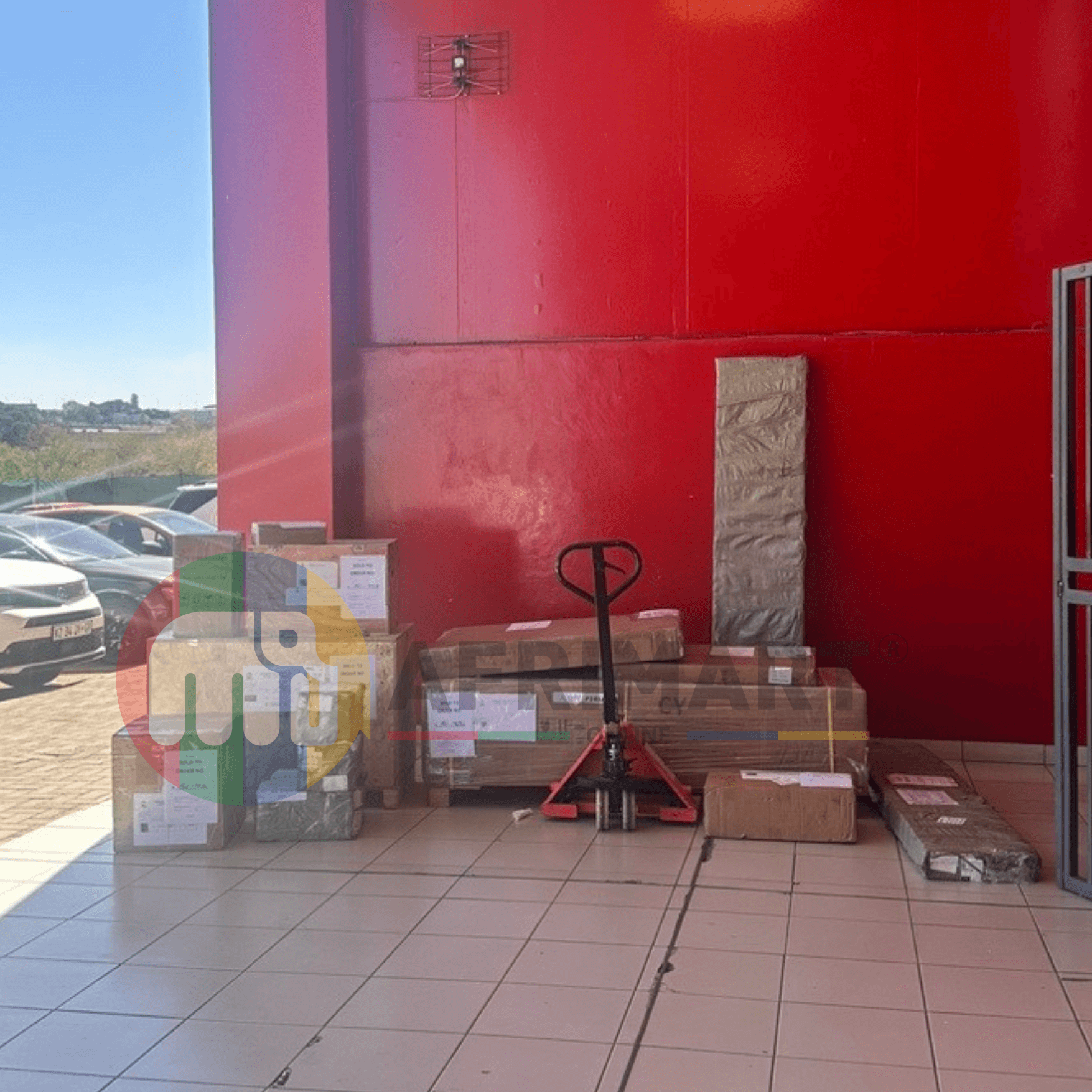
Batch of Orders
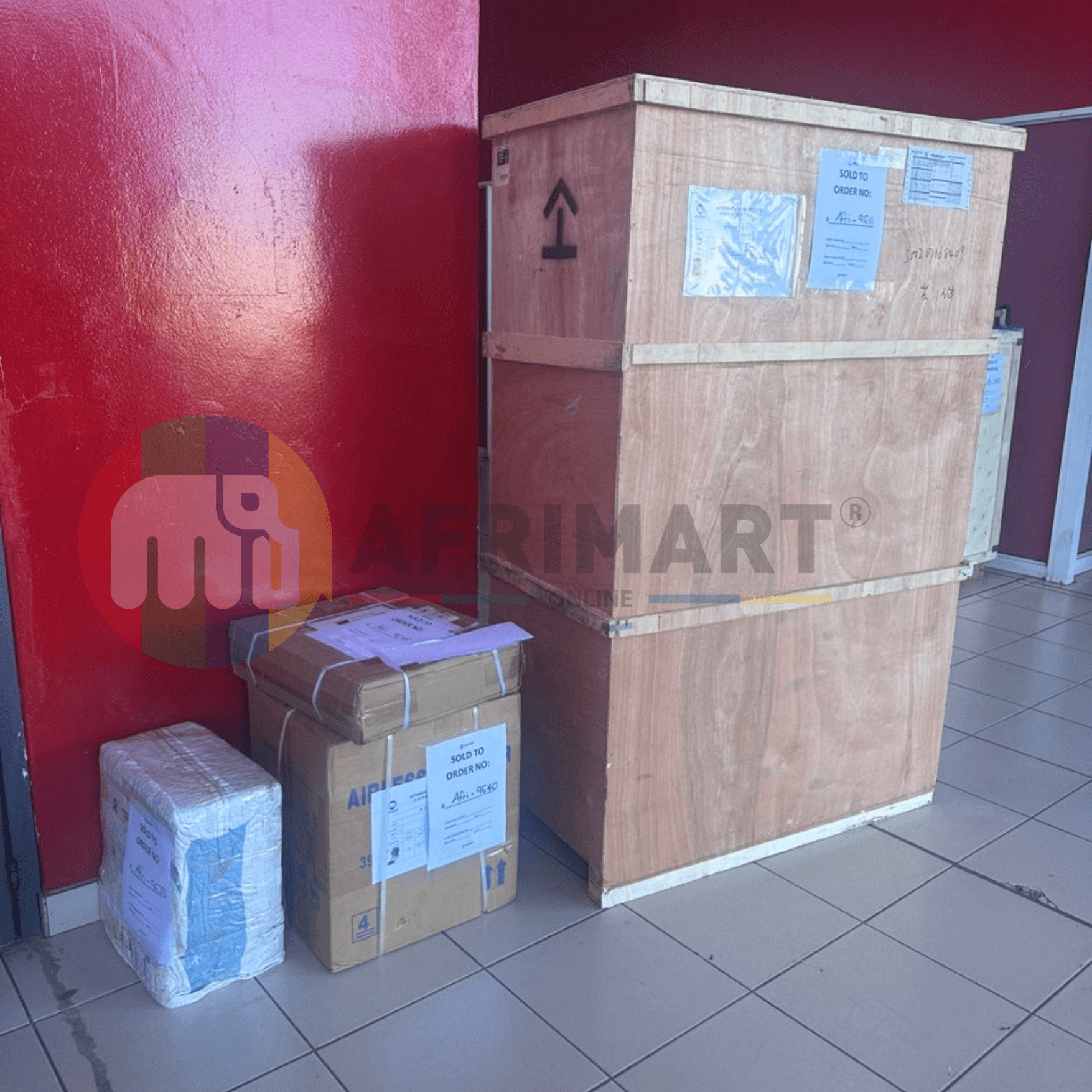
Agriculture Processing Machines
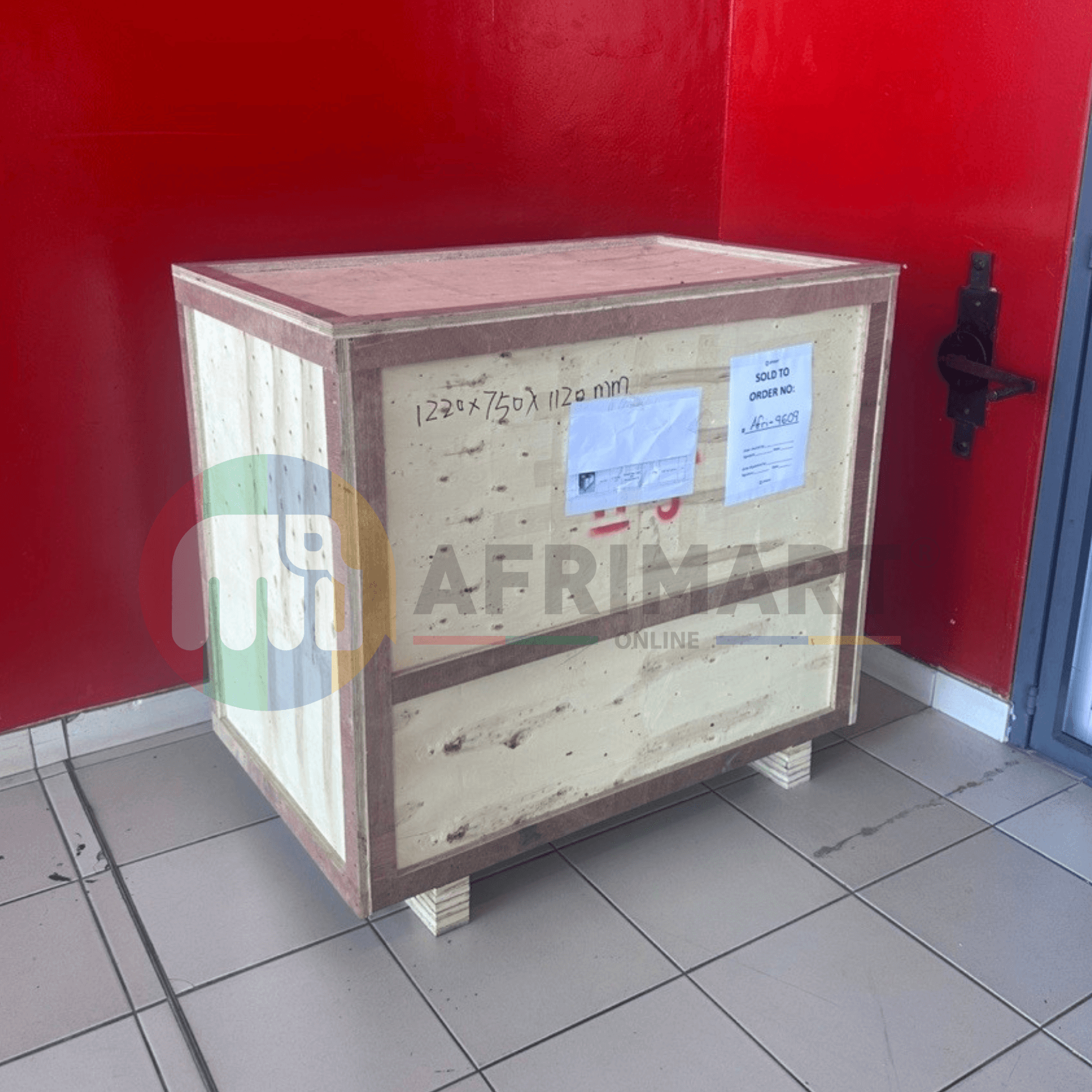
Meat Grinder Machine
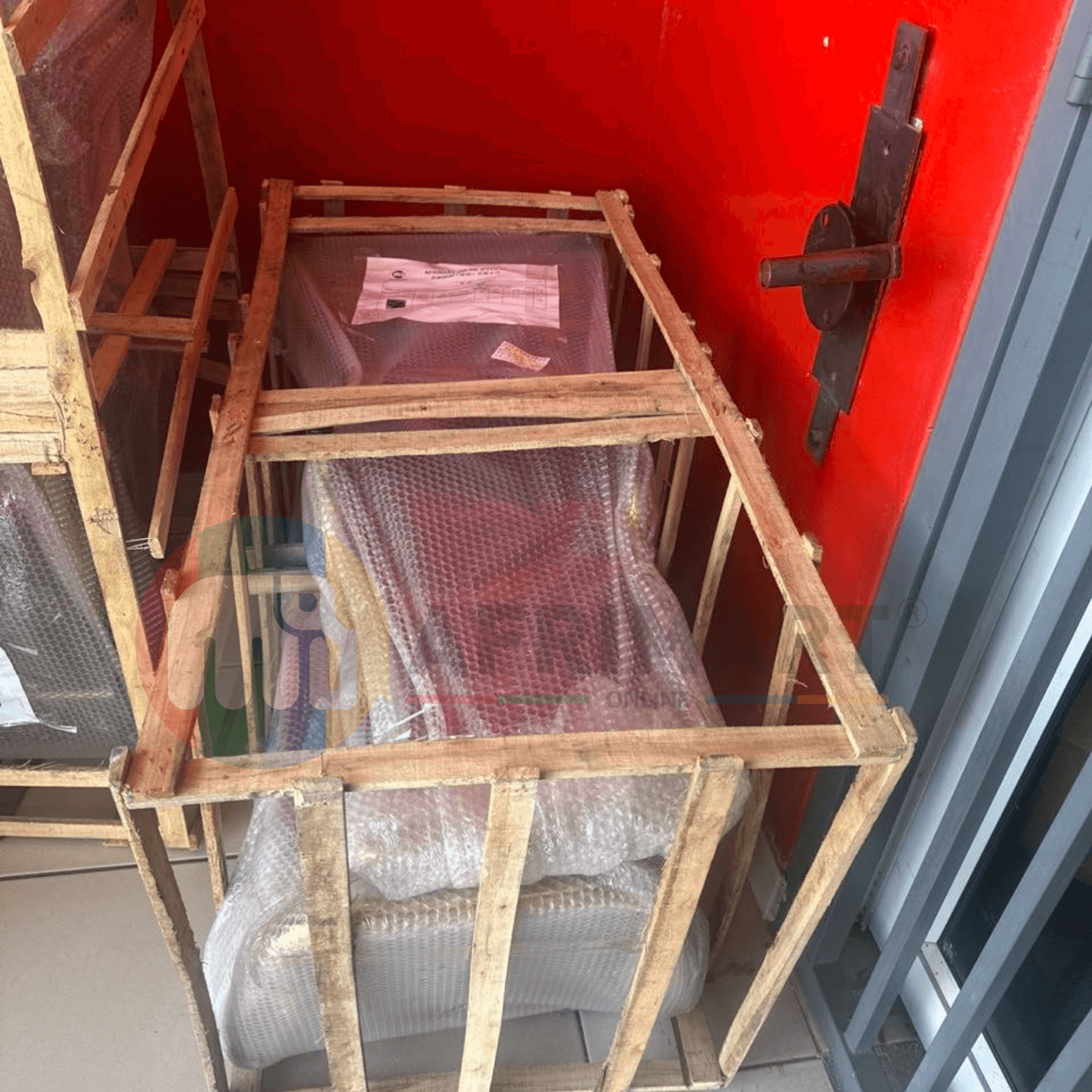
Water Pump Equipment
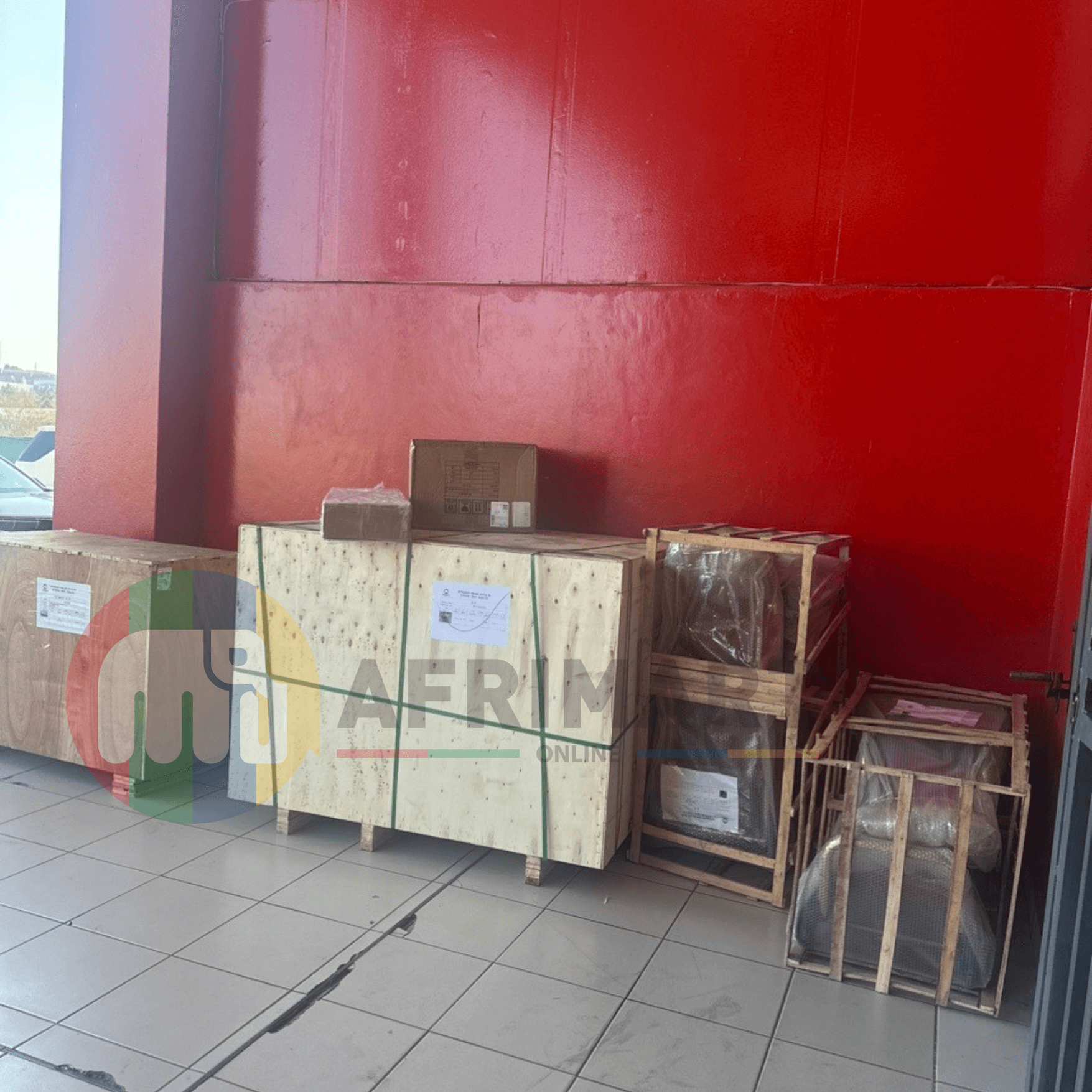
Packaging Machine and accessories

Fabrics Manufacturing Equipment

Mining Equipments

Food Processing Machine
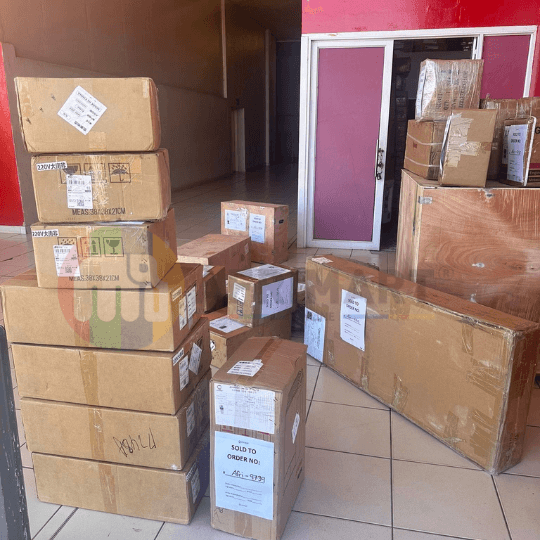
Batch of Orders
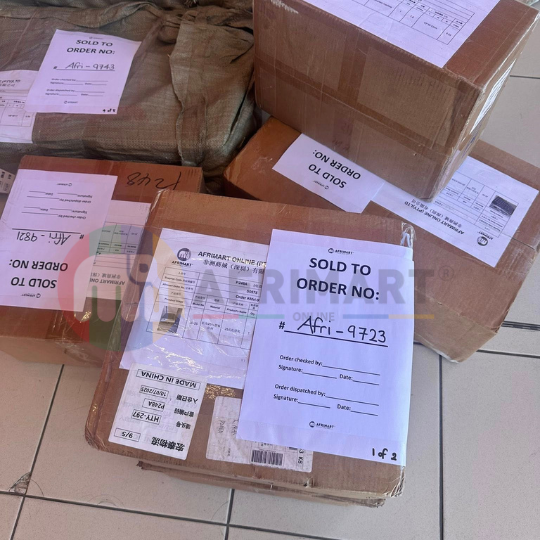
Batch of Orders
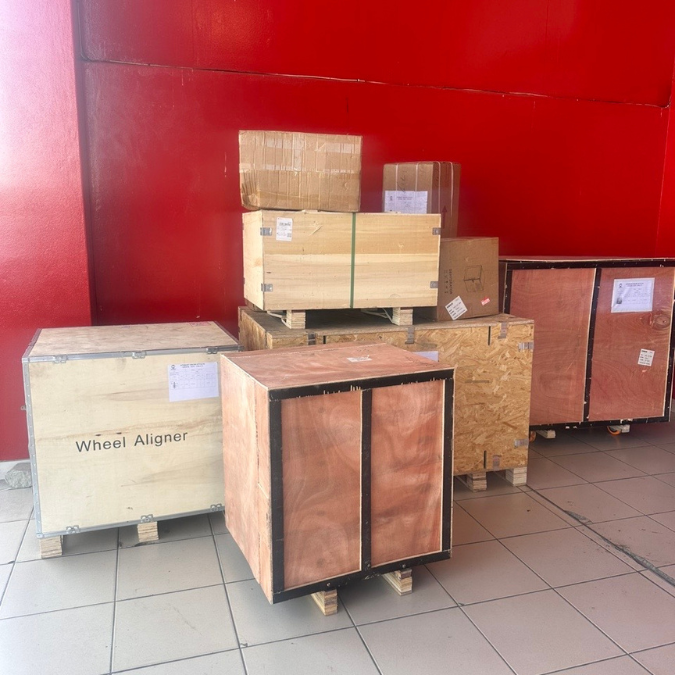
Latest Orders Labelled

wheel alignment machines
new arrivals
Pre Orders Offloading
Latest Arrivals
Latest Arrivals