B21, China Town Mall, Midrand


Medical Compressed Air Station Supplier
Asset finance available
Do you want funding for this equipment?
Afrimart can connect you with trusted funding partners who specialise in asset finance for businesses like yours. Compare options and apply in minutes — final approval is subject to provider review.
Check funding options
Secure & no obligation

- Section : Medical Supplies
- Category : Emergency & Clinics Apparatuses
- SKU : 1600736544138

Product Description
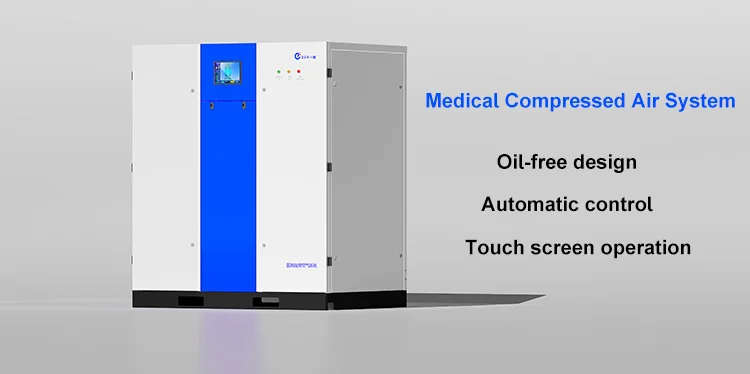
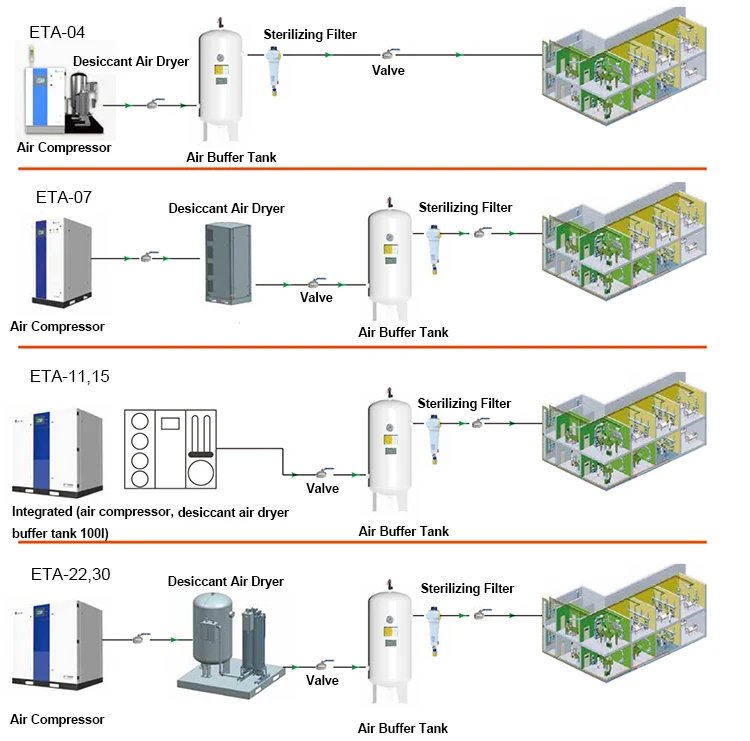
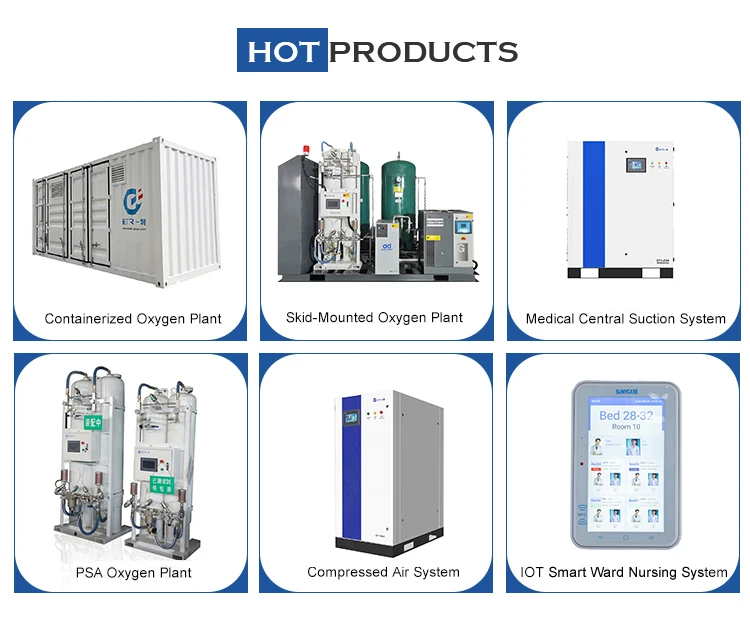
The medical compressed air system is for produce and supplying medical level medical air to to ward and medical devices,it is composed of air compressor, desiccant air dryer, air buffer tank, sterilizing filter, pressure regulator, valve, Dew point monitoring, electrical control system, pipeline and terminal.
The compressed air is generated by the air compressor, removes impurities, and moisture in the compressed air through the desiccant air dryer, and then enters the air buffer tank, through sterilizing filter and then is regulated by the pressure reducer. Compressed air ducts are used in medical equipment such as operating rooms and ICUs.
Advantage
1,Reduce the probability of system failure and save cost;
2,Oil-free design ensure for qualified medical level air;
3,Prevent oxidation of pipeline, inhibit bacteria breeding;
4,Dry clean compressed air can prevent the damage of medical device;
5,Modular and compacted design, easy for installation and operation;
6,Automatic control, touch screen operation, high degree of intelligence;
7,24 hours intelligent monitoring and recording by Mobile phone APP, with messages alarm in case of failure.
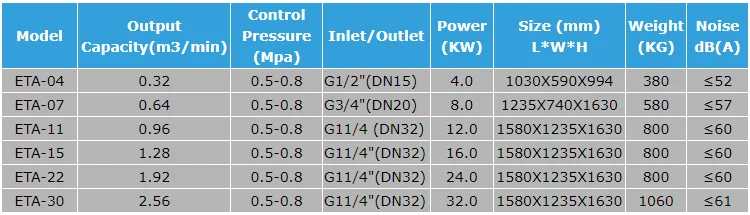
Model Select
- Shipping Timeframes: All orders are processed within 2-5 business days (excluding weekends and holidays). After your order has been processed, the estimated delivery time is before 04 Aug, 2026, depending on customs, Please note that due to high demand, some items may experience longer shipping times, which will be communicated at order confirmation email.
- Order Processing Time: Please allow 2-5 business days for us to process your order before it is shipped . Orders placed after 16:00 on Fridays, or during weekends and public holidays, will begin processing on the next business day. Processing times may be extended during peak seasons or sales events.
- Manufacturing Time: Some products needs manufacturing time, the manufacturing process will take approximately 10-30 business days depending on the product. This timeframe may vary depending on the complexity of the product and current demand. but this will be communicated with you during order confirmation.
- Returns and Exchanges: We offer a 30-day return policy for most items. If you are not completely satisfied with your purchase, you may return it within 30 days of receipt for a refund or exchange. Items must be unused, in their original packaging, and accompanied by proof of purchase. Return shipping costs are the responsibility of the customer, unless the item was damaged or defective upon arrival.
1. What is a medical compressed air station?
A medical compressed air station is a system designed to produce and supply medical-grade air for use in healthcare settings, ensuring the air is clean, dry, and free from contaminants.
2. What components are included in the medical compressed air system?
The system includes an air compressor, desiccant air dryer, air buffer tank, sterilizing filter, pressure regulator, valves, dew point monitoring, an electrical control system, and necessary pipelines.
3. How does the system ensure the air quality meets medical standards?
The system employs an oil-free design, uses a desiccant air dryer to remove moisture, and includes a sterilizing filter to eliminate impurities, ensuring air quality meets medical standards.
4. What are the advantages of using a medical compressed air station?
Advantages include reduced probability of system failure, cost savings, prevention of oxidation in pipelines, inhibition of bacterial growth, protection for medical devices, ease of installation, and intelligent monitoring.
5. Can the air compressor be operated automatically?
Yes, the system features automatic control with a touch screen interface for easy operation and monitoring.
6. Is the system easy to install and operate?
Yes, the medical compressed air station has a modular and compact design, making it straightforward to install and operate.
7. How does the 24-hour monitoring work?
The system includes intelligent monitoring that can be accessed via a mobile phone app, allowing users to receive alerts in case of any failures or issues.
8. What kind of medical devices can use this compressed air?
The compressed air produced can be used in various medical devices including those in operating rooms and intensive care units (ICUs).
9. What is the importance of dew point monitoring in this system?
Dew point monitoring is crucial as it ensures the air remains dry, preventing moisture-related damage to medical equipment.
10. How does the system prevent bacteria from breeding in the pipelines?
The oil-free design and sterilizing filter inhibit the growth of bacteria and other contaminants within the pipelines.
11. What maintenance is required for the medical compressed air station?
Regular maintenance includes checking and replacing filters, monitoring system performance, and ensuring the air compressor and dryer are functioning optimally.
12. Is the compressed air suitable for all medical applications?
The compressed air is designed specifically for medical applications that require high-quality, clean air, making it suitable for a wide range of medical devices.
13. What happens if there is a failure in the system?
In case of a system failure, the intelligent monitoring system will send alerts to the mobile app, allowing for prompt attention and resolution.
14. Are there different models available for the medical compressed air station?
Yes, there are various models available to suit different healthcare facility needs and requirements.
15. Can this system save costs in the long run?
Yes, by reducing the likelihood of system failures and protecting medical devices, the system can lead to significant cost savings over time.
Latest Order Arrivals
Discover our latest orders

12 Heads Embroidery Machine

Toilet Paper Machine Machine

Order Collection

Cross Border Clients

Order cros border countries Collected

Industrial Machine Cllection

Agriculture Processing Machines

Ready for collection

Water Pump Equipment

Packaging Machine and accessories

Fabrics Manufacturing Equipment

Mining Equipments

Food Processing Machine

Batch of Orders

Batch of Orders

Latest Orders Labelled

wheel alignment machines

new arrivals

Pre Orders Offloading

Latest Arrivals

Latest Arrivals

Latest Arrivals

Loading

Toilet paper making machine

Toilet paper making machine

Toilet paper Rewinding Machine

latest arrivals

offloading

order success

order collection

order offloading