B21, China Town Mall, Midrand

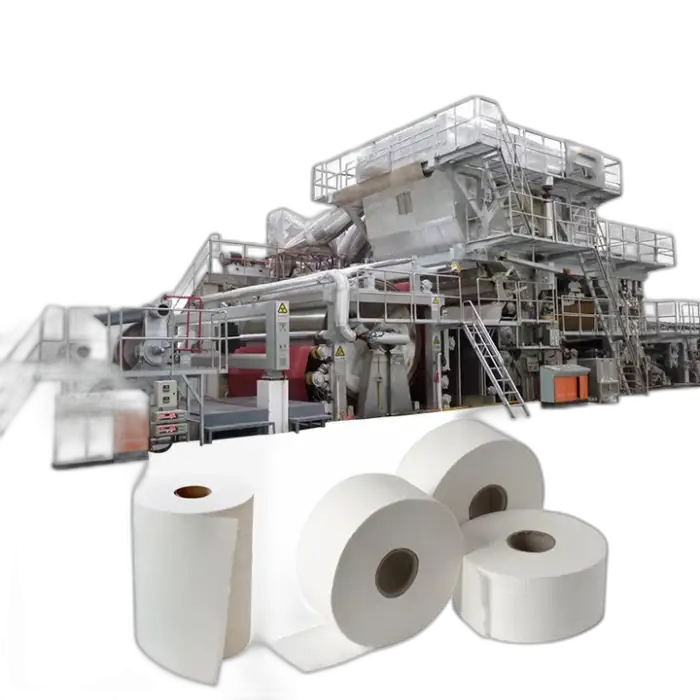
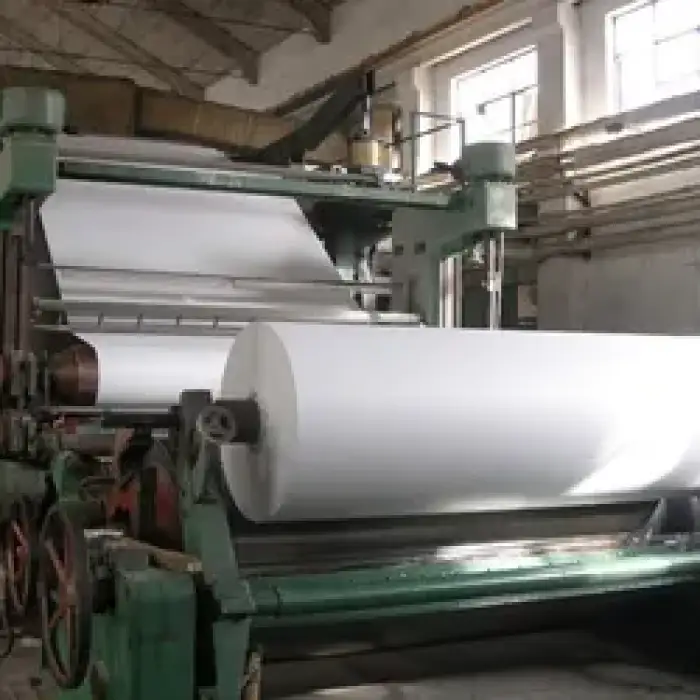
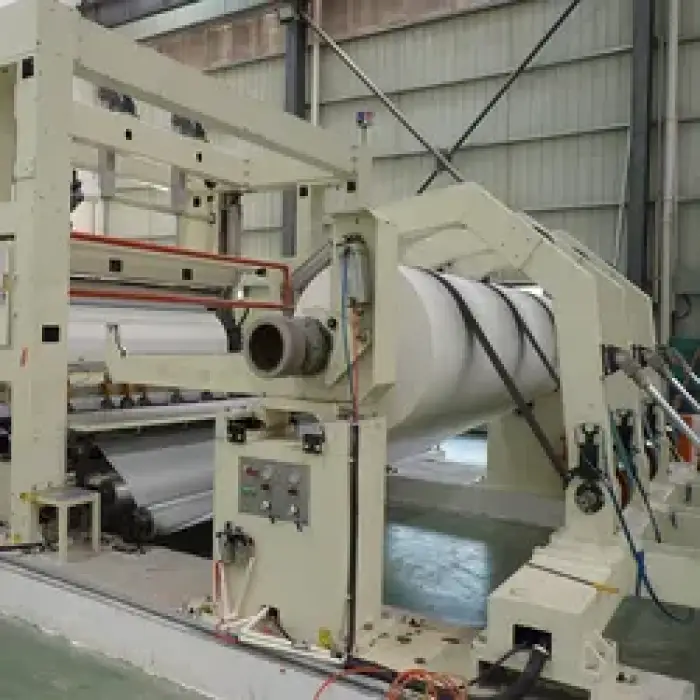
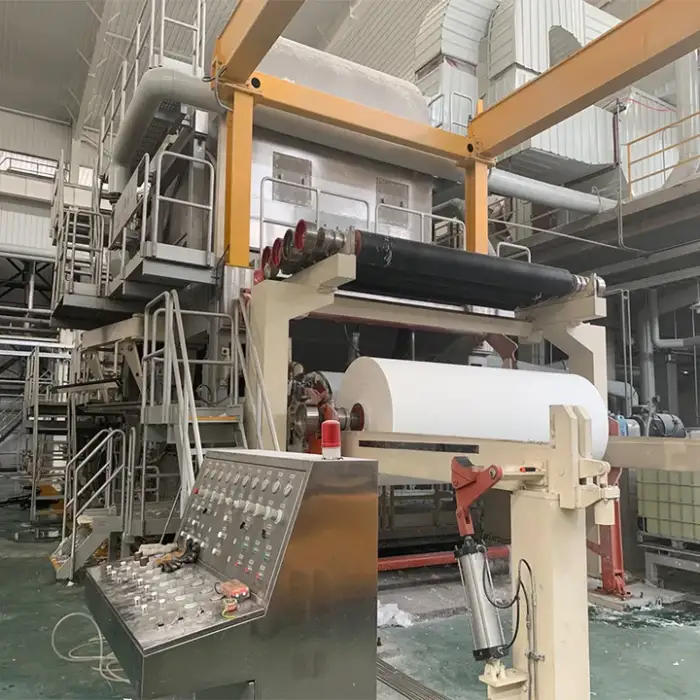
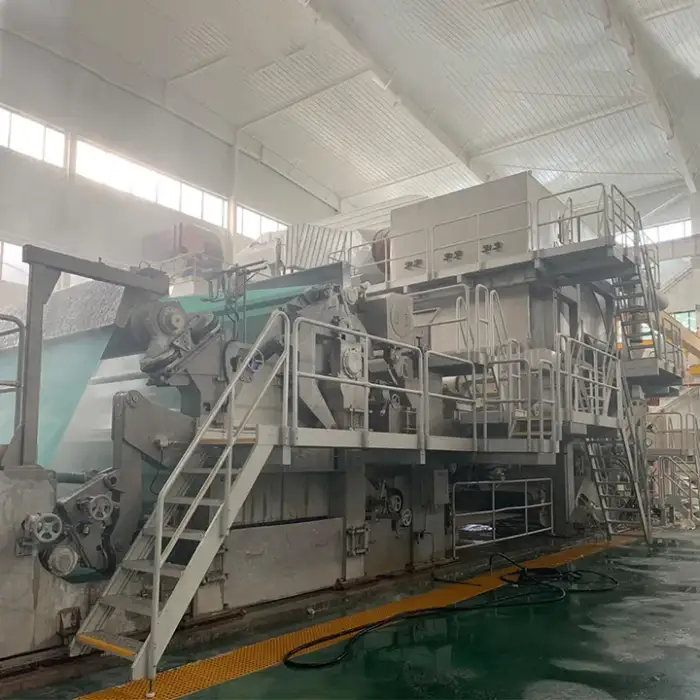
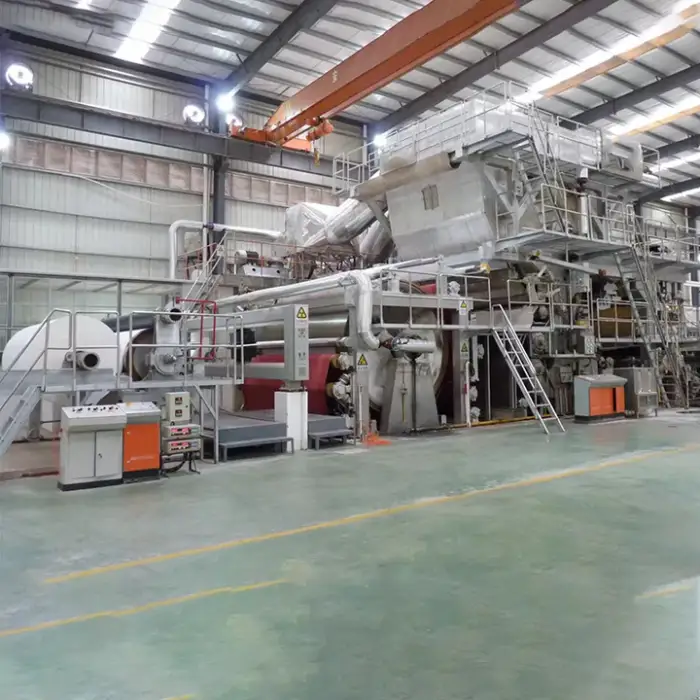
Manufacturing Plant 1575 Model Tissue Toilet Paper Making Machine
Asset finance available
Do you want funding for this equipment?
Afrimart can connect you with trusted funding partners who specialise in asset finance for businesses like yours. Compare options and apply in minutes — final approval is subject to provider review.
Check funding options
Secure & no obligation

- Section : Machinery
- Category : Paper Production Machinery
- SKU : 1601237992075

Manufacturing Plant 1575 Model Tissue Toilet Paper Making Machine
The Manufacturing Plant 1575 Model Tissue Toilet Paper Making Machine is designed for efficiency and high-quality production. This machine produces toilet tissue at a remarkable speed of 150 meters per minute. It is perfect for businesses looking to enhance their production capabilities with reliable and consistent results.
Specifications
| Attribute | Details |
|---|---|
| Brand Name | YUGONG |
| Production Capacity | 150 m/min |
| Voltage | 1880 mm |
| Core Components | Engine, Motor, Pump, Bearing |
| Max. Workable Width | 3600 mm |
| Weight | 25000 kg |
| Dimensions (L*W*H) | 3500X1500X700 cm |
| Power (W) | 250000 kg |
| Processing Type | Other |
Key Features
- High consistency cleaner for better quality.
- Video outgoing inspection for quality assurance.
- Machinery test report provided.
- Double disc refiner for efficient processing.
- Low consistency cleaner for optimal performance.
Applications
- Manufacturing toilet tissue for commercial use.
- Production of tissue towels and related products.
- Suitable for medium to large scale operations.
- Ideal for businesses in the paper goods industry.
Product Info Gallery
- Shipping Timeframes: All orders are processed within 2-5 business days (excluding weekends and holidays). After your order has been processed, the estimated delivery time is before 03 Aug, 2026, depending on customs, Please note that due to high demand, some items may experience longer shipping times, which will be communicated at order confirmation email.
- Order Processing Time: Please allow 2-5 business days for us to process your order before it is shipped . Orders placed after 16:00 on Fridays, or during weekends and public holidays, will begin processing on the next business day. Processing times may be extended during peak seasons or sales events.
- Manufacturing Time: Some products needs manufacturing time, the manufacturing process will take approximately 10-30 business days depending on the product. This timeframe may vary depending on the complexity of the product and current demand. but this will be communicated with you during order confirmation.
- Returns and Exchanges: We offer a 30-day return policy for most items. If you are not completely satisfied with your purchase, you may return it within 30 days of receipt for a refund or exchange. Items must be unused, in their original packaging, and accompanied by proof of purchase. Return shipping costs are the responsibility of the customer, unless the item was damaged or defective upon arrival.
1. What is the production speed of the Manufacturing Plant 1575 Model?
The machine is rated at 150 meters per minute, which equals 9,000 meters per hour (150 m/min × 60 min). Actual output will vary with roll length, perforation settings, number of plies and downtime.
2. What tissue products can this machine produce?
It is designed to produce toilet tissue and related tissue towels. With appropriate tooling and settings it can typically handle different ply counts and convert tissue grades used for commercial toilet paper and towel products.
3. What are the key physical specifications?
According to the provided specs: maximum workable width 3,600 mm; machine weight 25,000 kg; dimensions listed as 3500 × 1500 × 700 cm. Note: some listed units appear inconsistent (see electrical/power entries below) — confirm exact dimensional units with the supplier before site planning.
4. What are the electrical and power requirements?
The product description contains inconsistent entries for voltage and power (e.g., 'Voltage1880 mm' and 'Power (W)250000 kg'), so the precise electrical supply and total power draw are not reliably stated. Before purchase, obtain the machine's electrical datasheet (voltage, phase, frequency, full-load kW and starting current) from the manufacturer or vendor to size transformers, breakers and cabling.
5. What are the machine's core components and quality features?
Core components listed include engine, motor, pump and bearings. Quality and processing features include a double-disc refiner, low-consistency and high-consistency cleaners, video outgoing inspection for quality assurance, and a provided machinery test report.
6. How do I estimate the number of toilet rolls produced per hour?
Calculate: (machine speed in m/min × 60) ÷ roll length (meters) = rolls per hour. Example: at 150 m/min = 9,000 m/hr; if each roll is 20 m, then 9,000 ÷ 20 = 450 rolls per hour. Adjust for core diameter, perforation length and production losses.
7. What installation and commissioning requirements should I plan for?
Typical requirements: reinforced foundation and floor loading design for a ~25,000 kg machine, crane or forklift for placement, correct electrical supply and cabling, water and (if needed) steam or compressed air connections, piping for effluent, and on-site commissioning by qualified technicians. Expect several days to a few weeks for full commissioning depending on site readiness and complexity.
8. What maintenance and cleaning routines are recommended?
Daily: visual inspection, cleanings of conveyors and cutters, check bearings and lubrication points. Weekly: inspect belts, pumps, filters and safety interlocks. Monthly: check rollers, refiner condition, alignment and motor coupling, change lubricants as needed. Annual: full inspection, overhaul of critical components, and alignment checks. Follow the manufacturer's maintenance manual for intervals and part numbers.
9. Are spare parts and service support available?
The description does not list spare-part policy. Confirm with the supplier about availability of critical spares (bearings, blades, refiner disks, pumps, electrical components), recommended spare inventory, lead times, and whether on-site service or service contracts are offered.
10. What operator qualifications are required?
Operators should have mechanical aptitude and experience with paper converting equipment. Technicians for maintenance should be qualified electricians/mechanics familiar with rotating machinery, pumps and control systems. Ask the vendor about operator and maintenance training included with purchase.
11. Can the machine be customized for different widths or features?
Many tissue machines can be customized (different working widths, additional plies, embossing/printing or rewinding configurations). Confirm with the manufacturer what custom options, upgrade paths and tooling changes are available for the 1575 model.
12. What quality assurance documentation is provided?
The spec lists a machinery test report and video outgoing inspection for quality assurance. Request the factory acceptance test (FAT) documentation and video, along with test certificates for critical components before shipment.
13. What are shipping and site-preparation considerations?
With a shipping weight around 25,000 kg, plan heavy-transport logistics, appropriate crating, lifting gear, and customs/permits if importing. Prepare a reinforced foundation, adequate access for cranes and trucks, and space for installation and spare parts storage. Confirm machine footprint and exact packed dimensions with the supplier.
14. What environmental and utility impacts should I consider?
Consider electrical power consumption (confirm kW rating), water usage for pulp processing/cleaners, effluent handling/treatment, and compressed air requirements. Noise and dust controls may be necessary. Request the vendor's utility consumption figures and environmental control recommendations.
15. What should I confirm with the manufacturer before purchase?
Confirm: exact electrical requirements (voltage, phase, frequency, full-load kW), validated machine dimensions and footprint with units, foundation loading diagram, production guarantees (speed vs. product type), warranty terms, spare-part list and lead times, training/commissioning scope, and delivery/installation schedule.
Latest Order Arrivals
Discover our latest orders
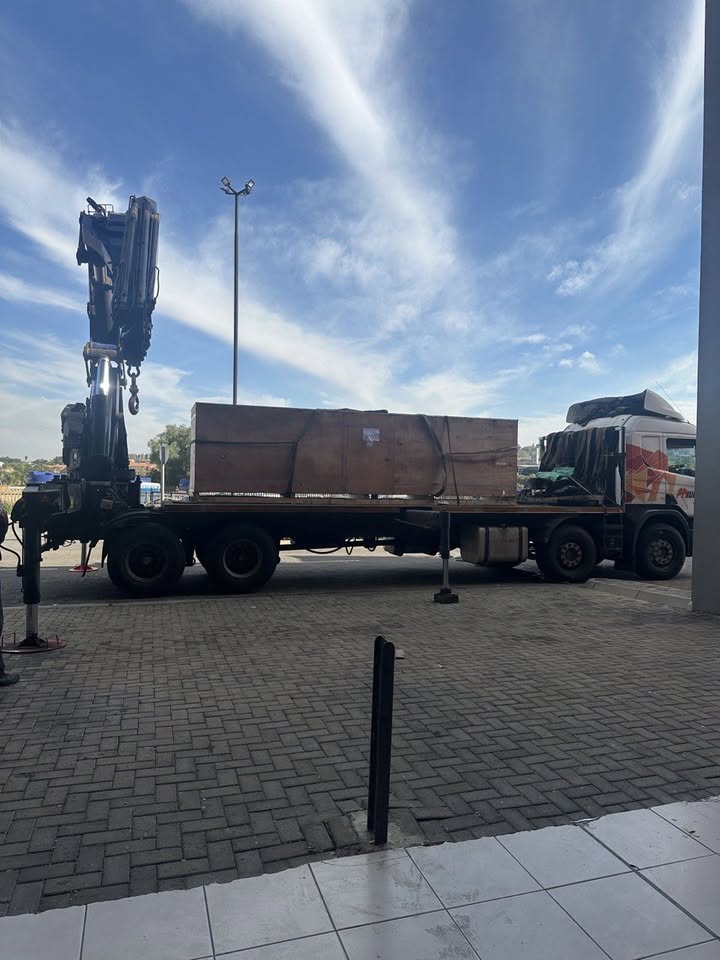
12 Heads Embroidery Machine
Toilet Paper Machine Machine
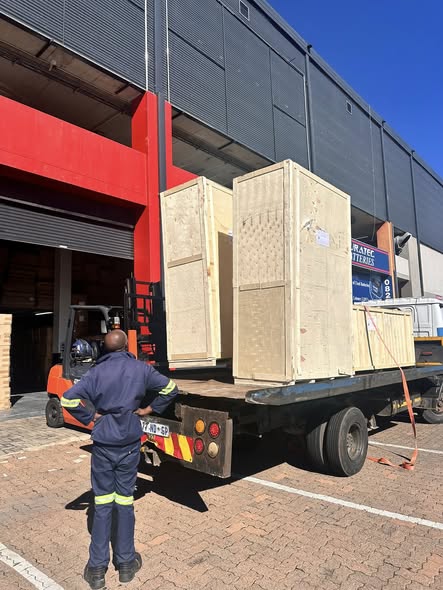
Order Collection
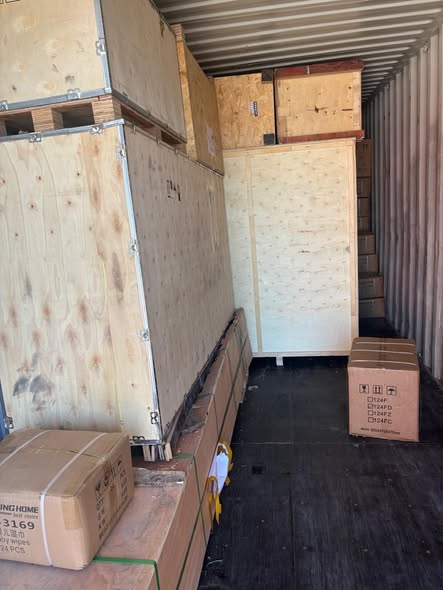
Cross Border Clients
Order cros border countries Collected
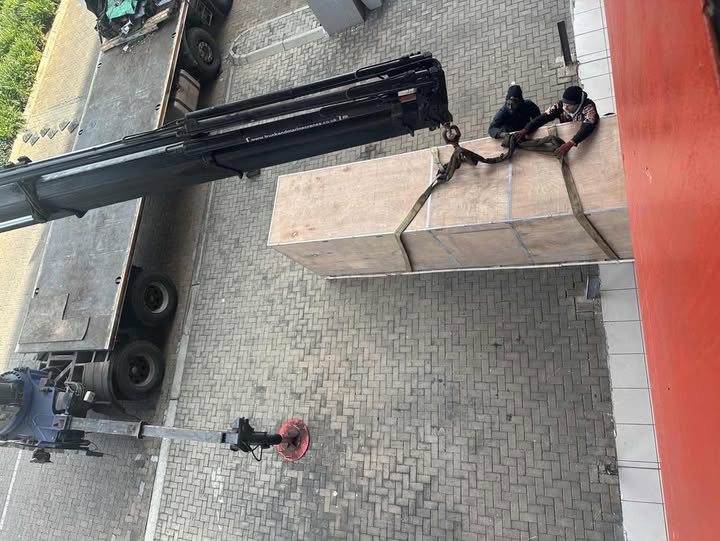
Industrial Machine Cllection
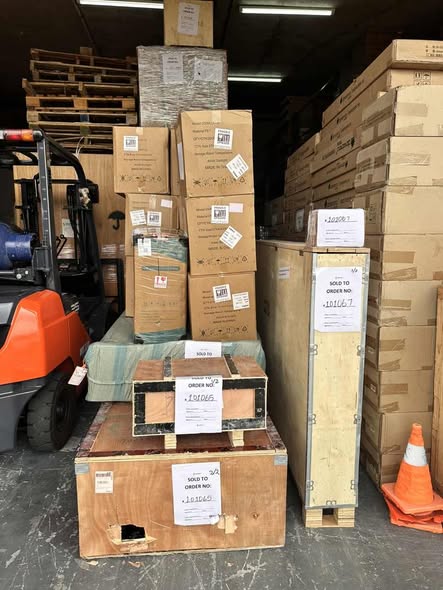
Agriculture Processing Machines
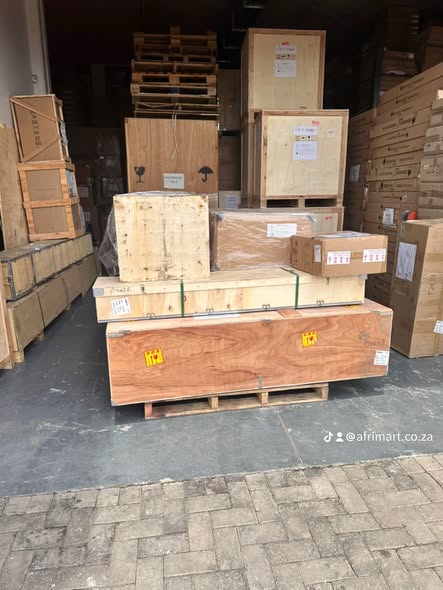
Ready for collection
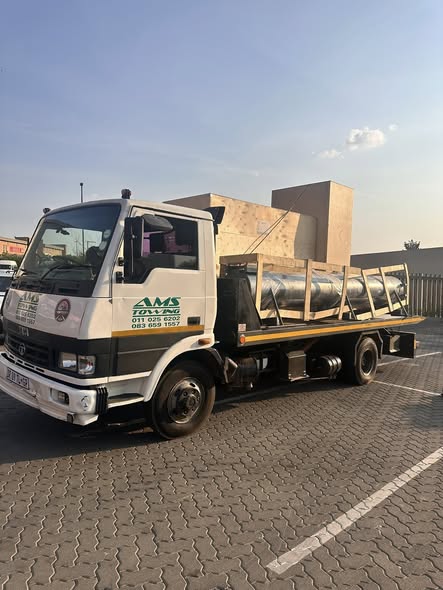
Water Pump Equipment
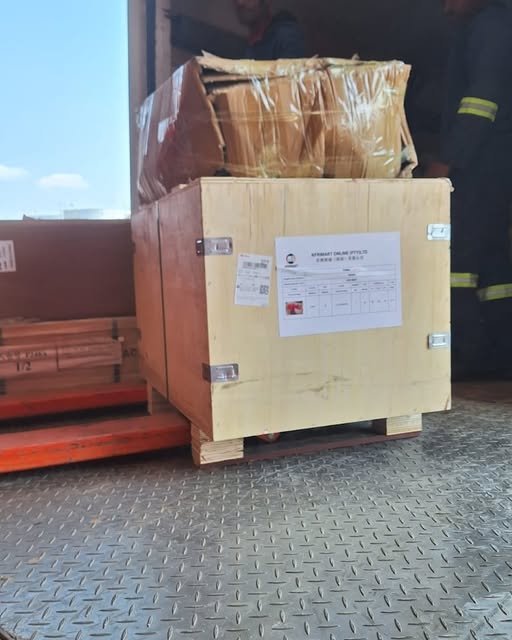
Packaging Machine and accessories
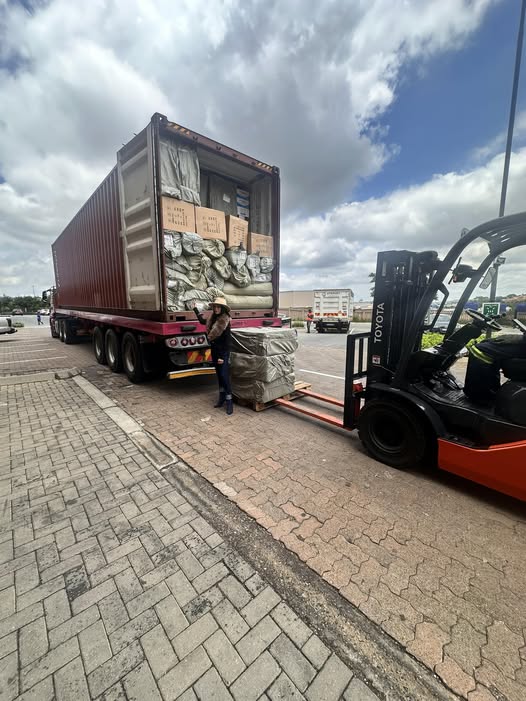
Fabrics Manufacturing Equipment
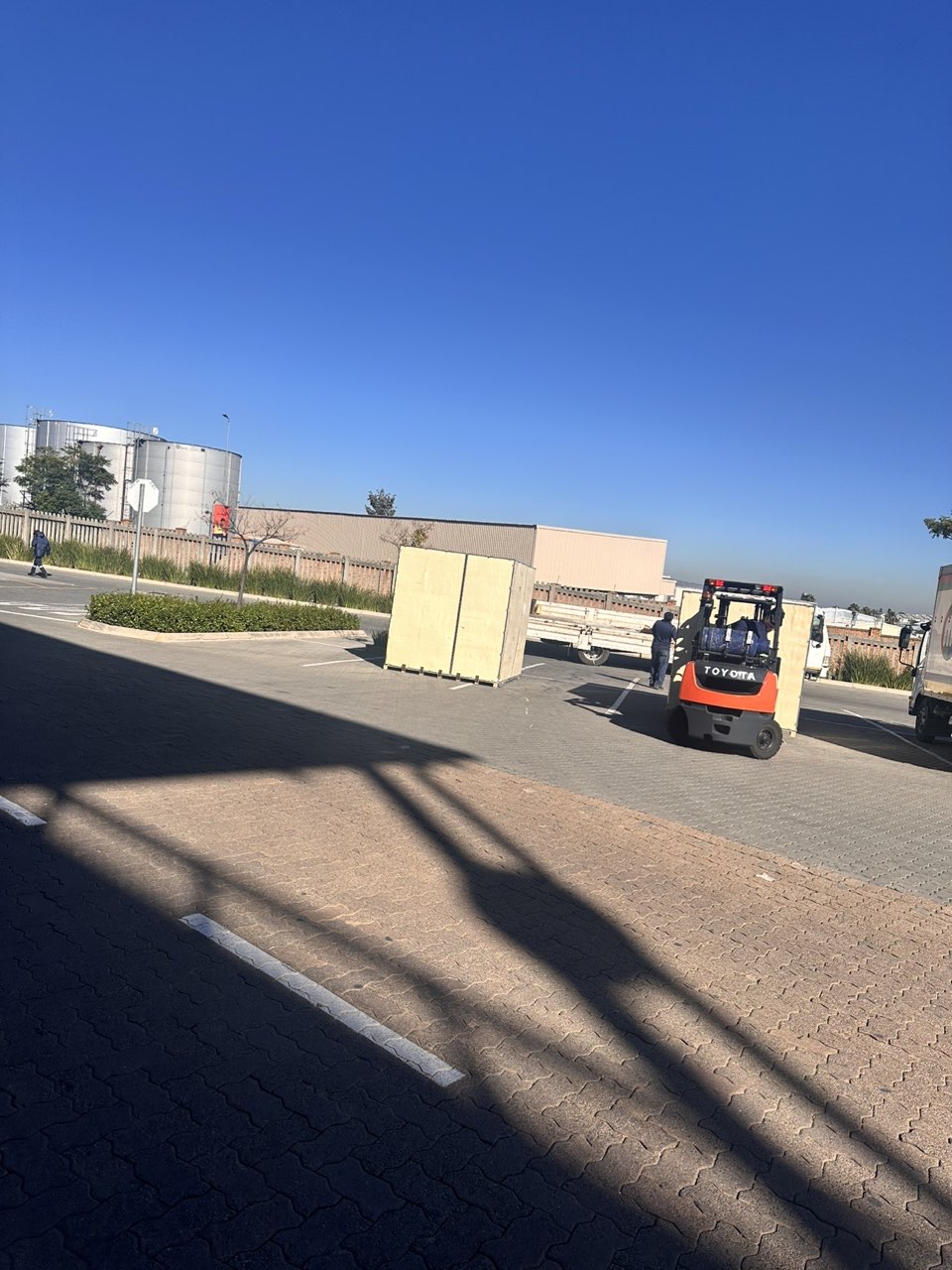
Mining Equipments
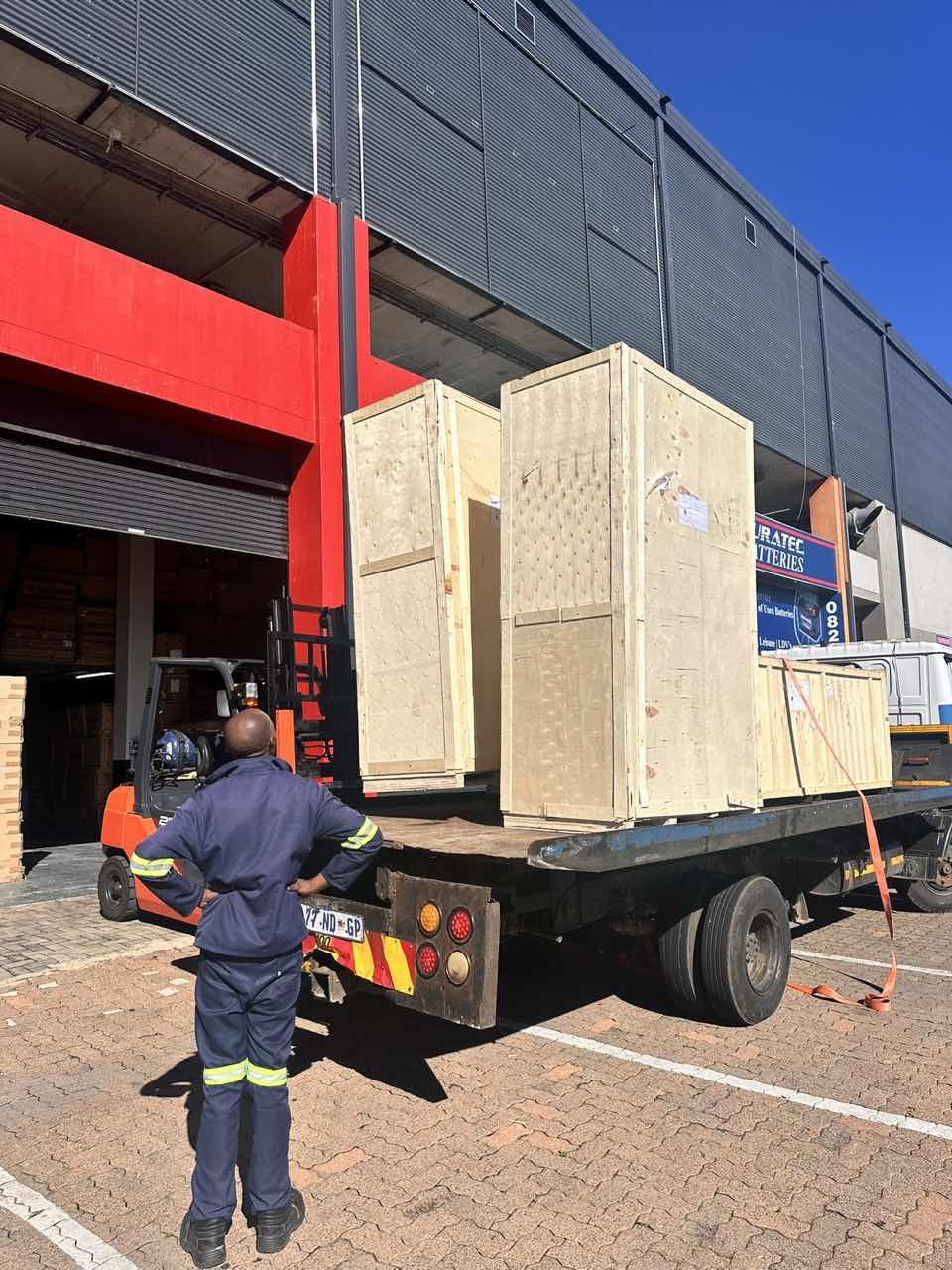
Food Processing Machine
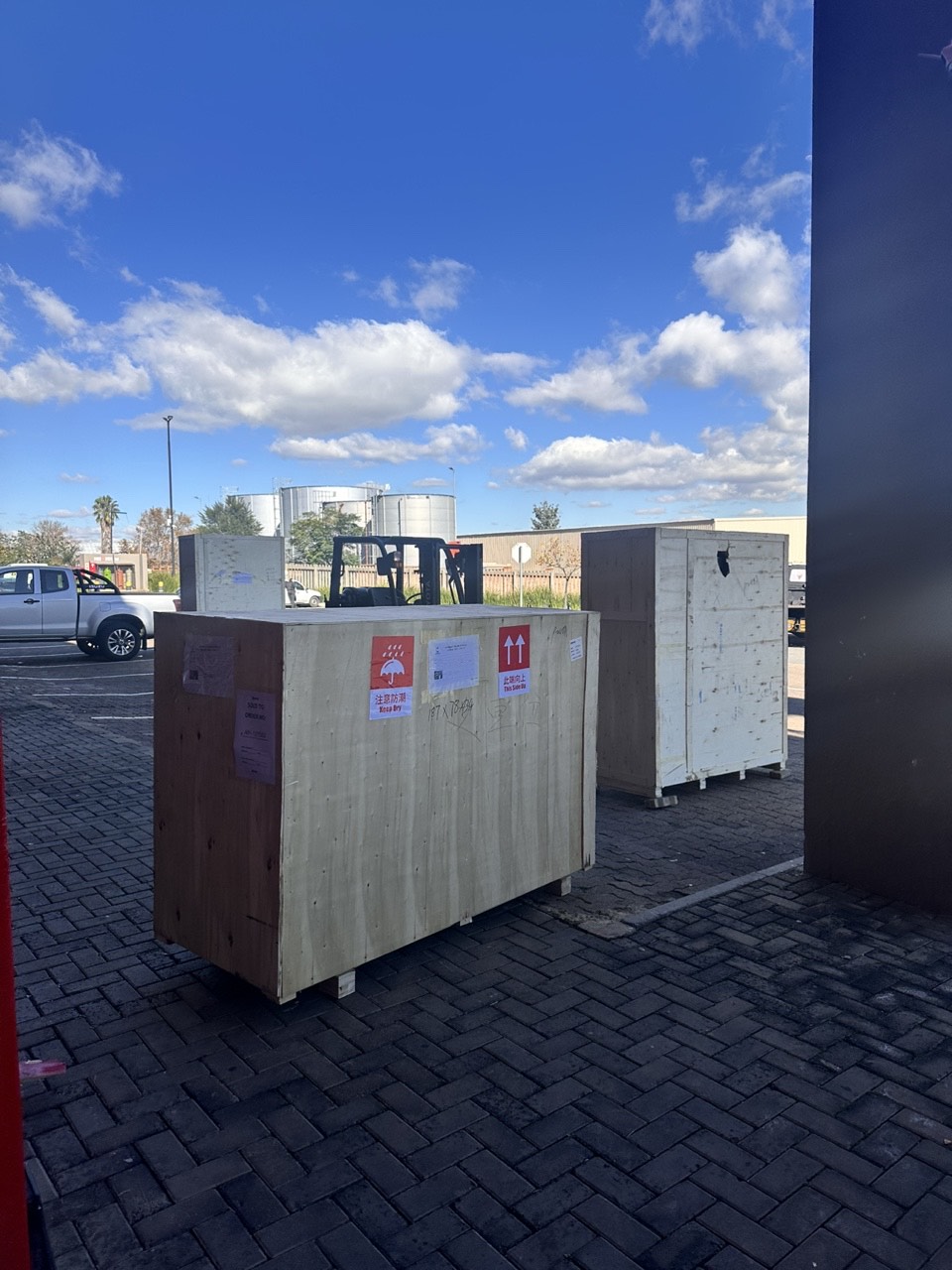
Batch of Orders
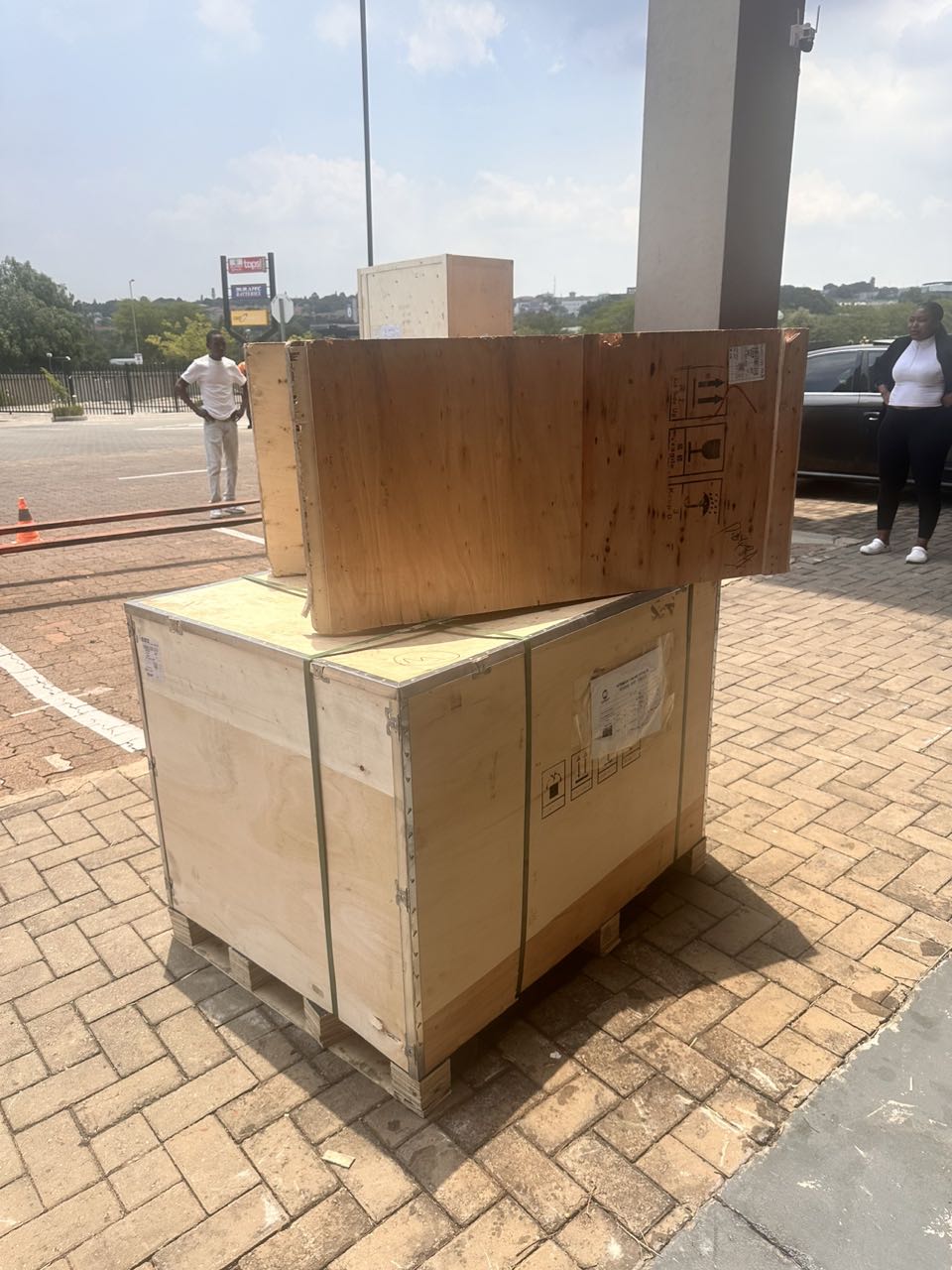
Batch of Orders
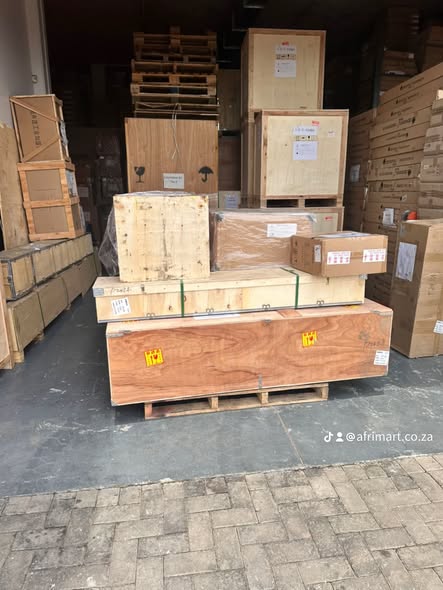
Latest Orders Labelled
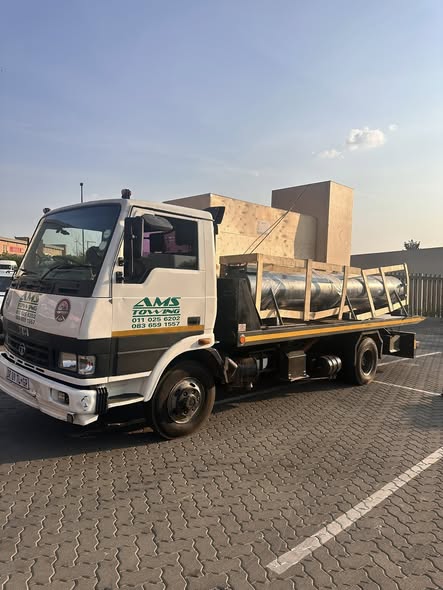
wheel alignment machines
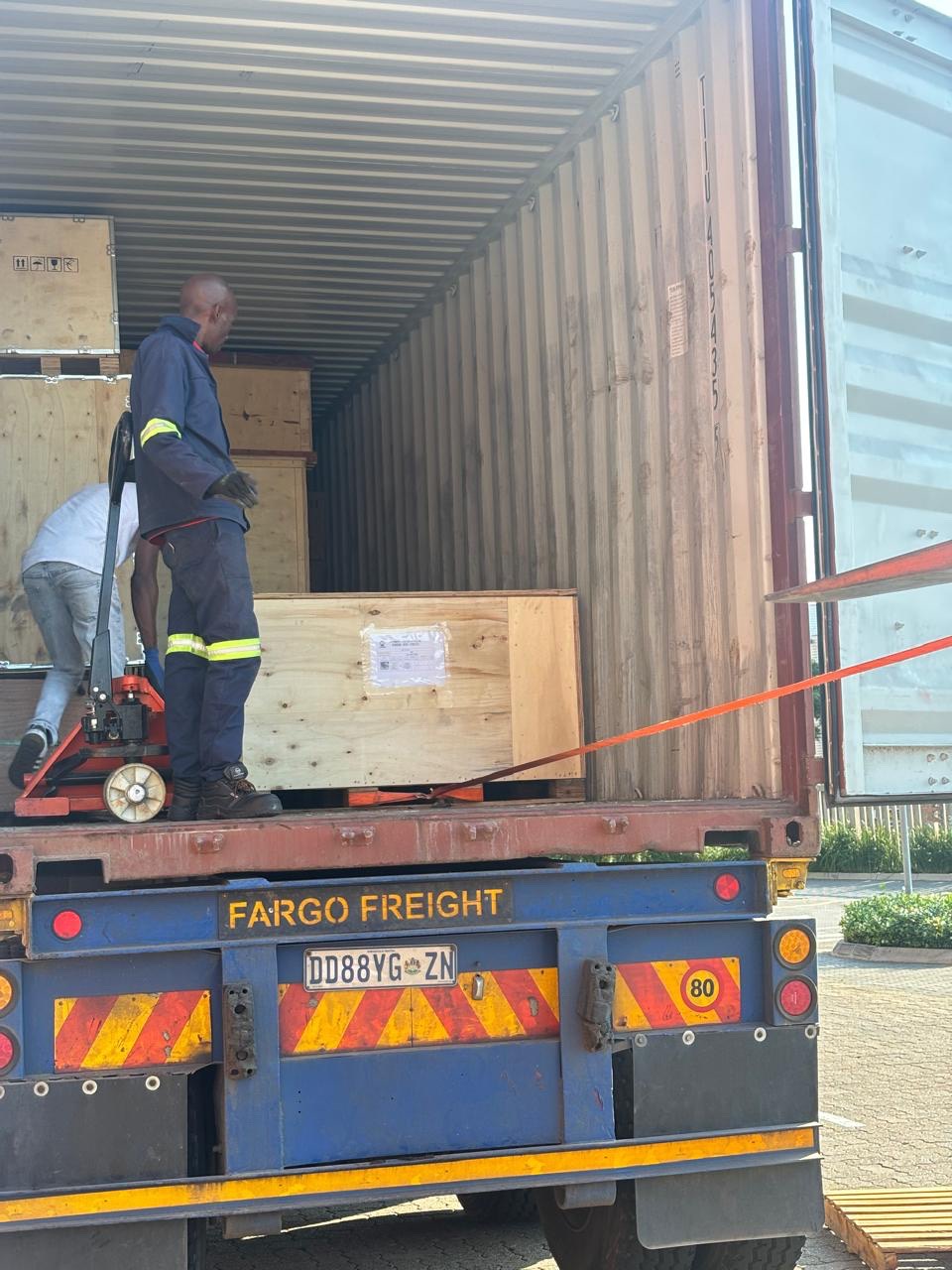
new arrivals
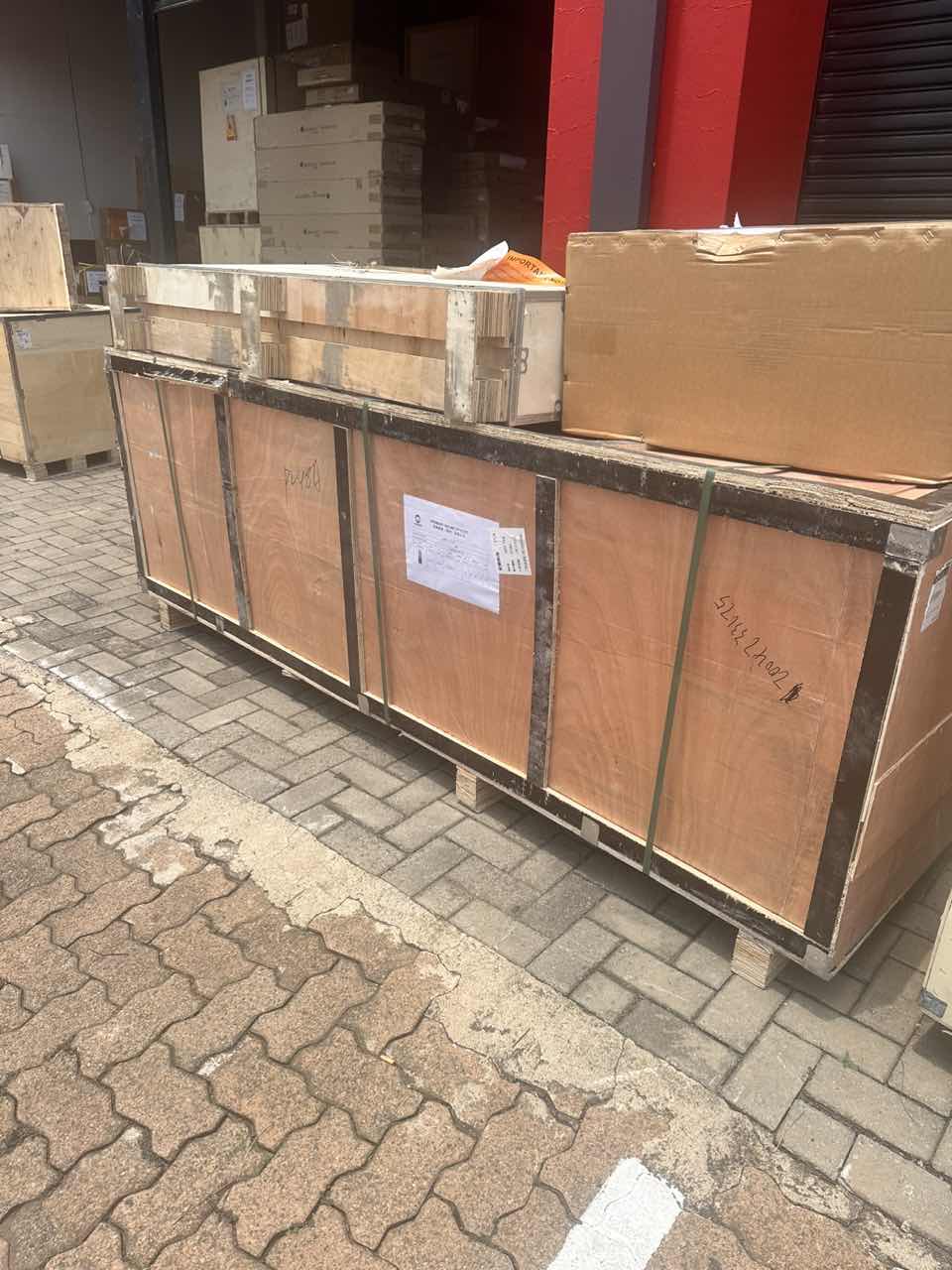
Pre Orders Offloading
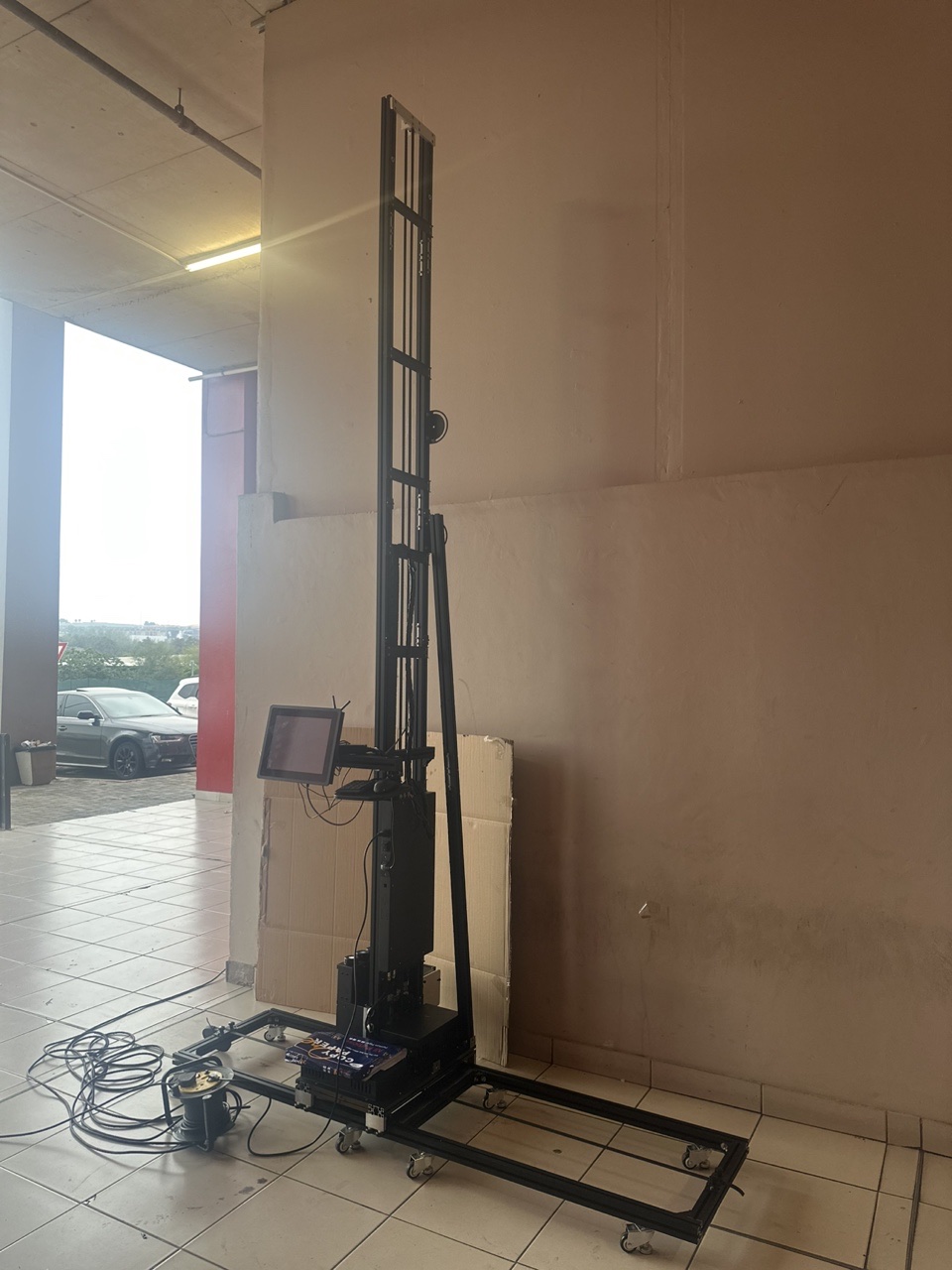
Latest Arrivals
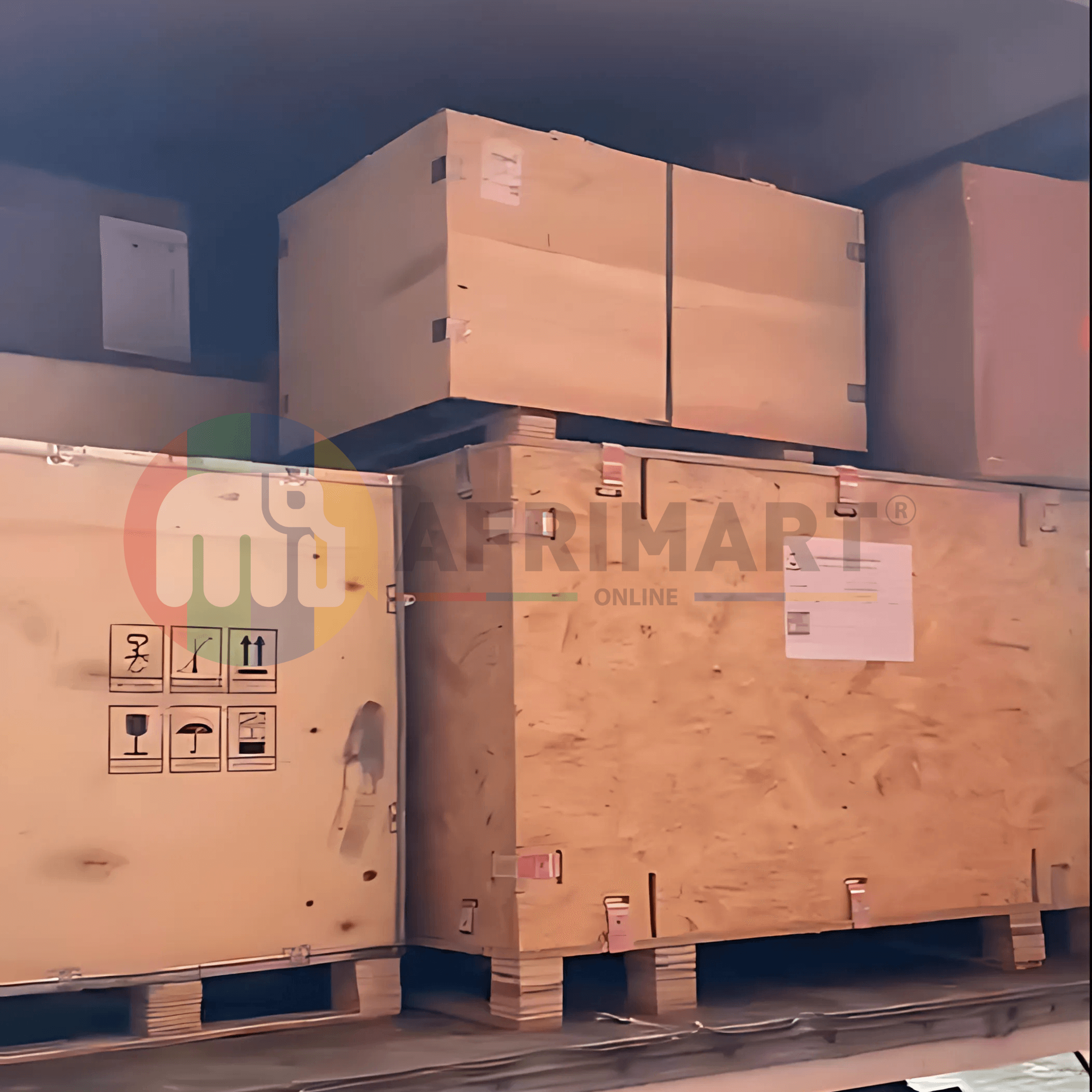
Latest Arrivals
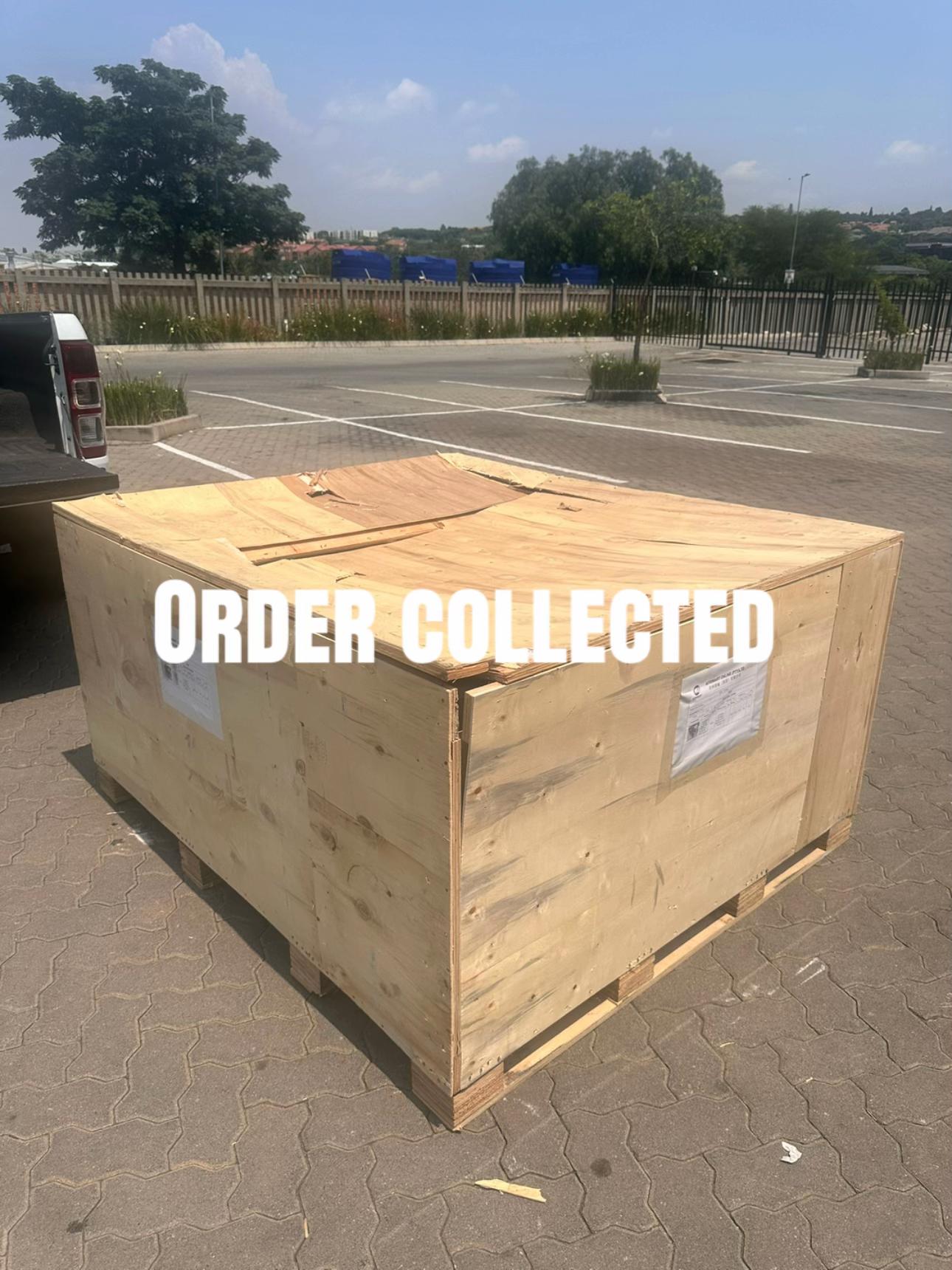
Latest Arrivals
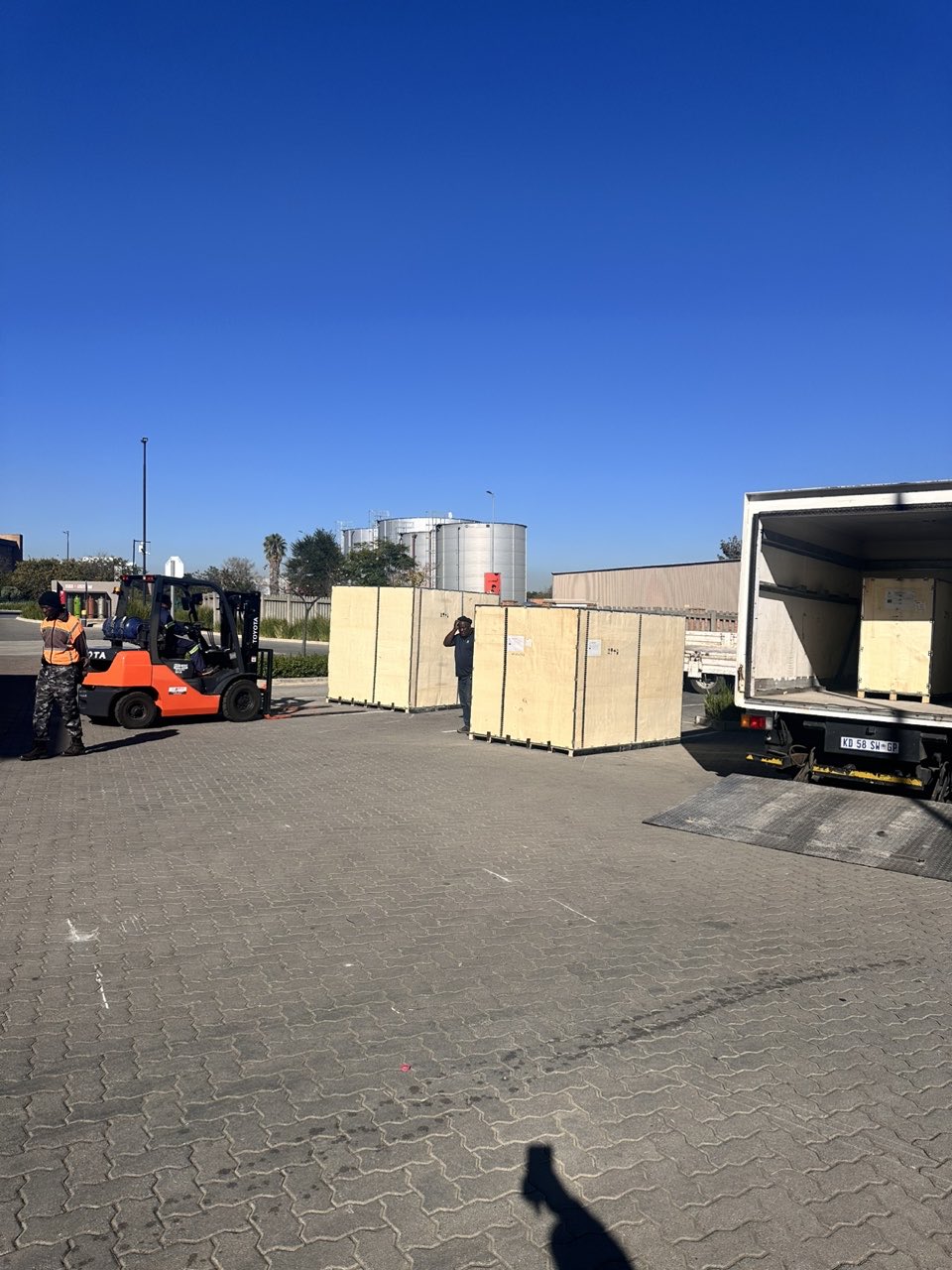
Loading
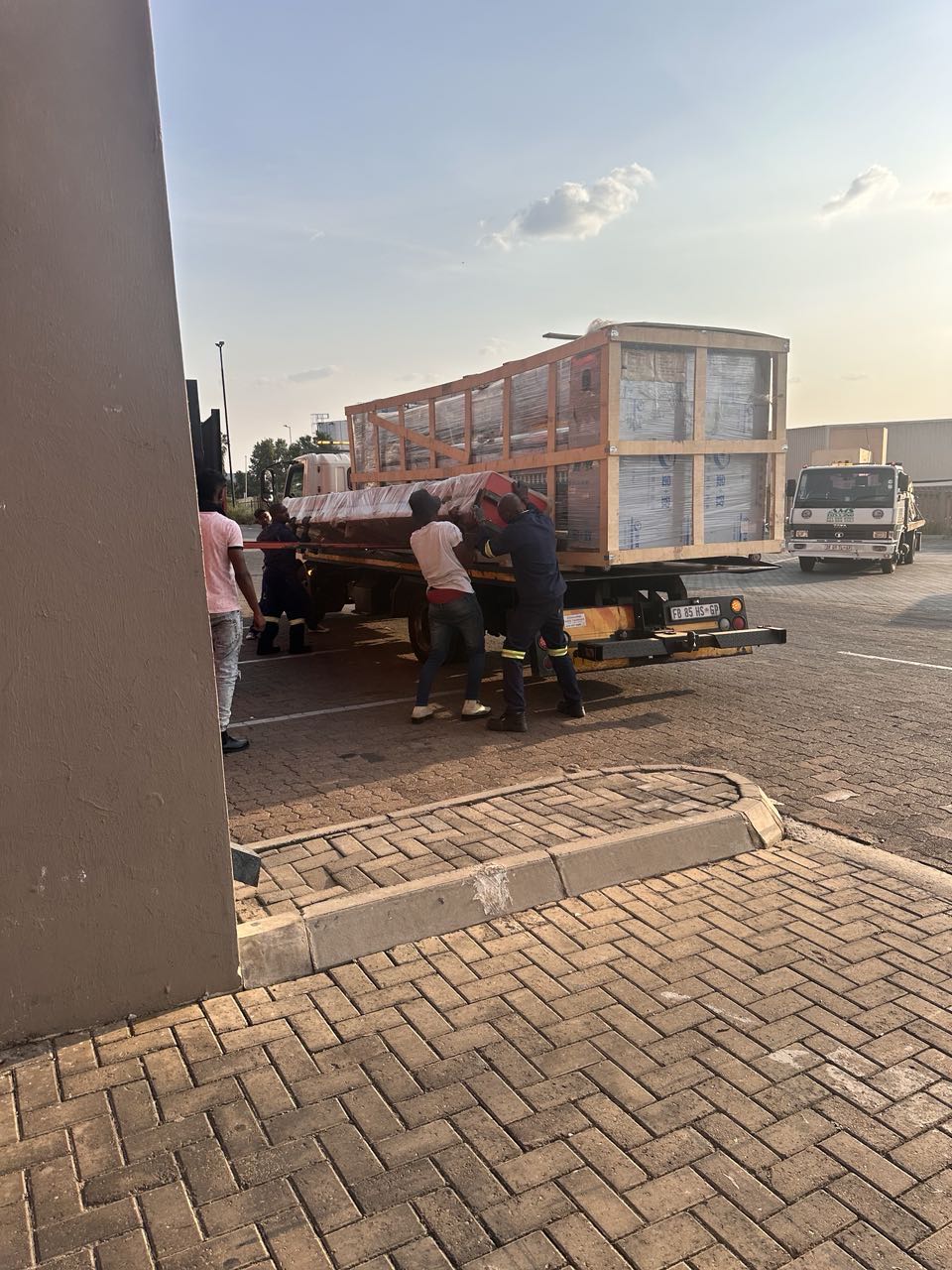
Toilet paper making machine
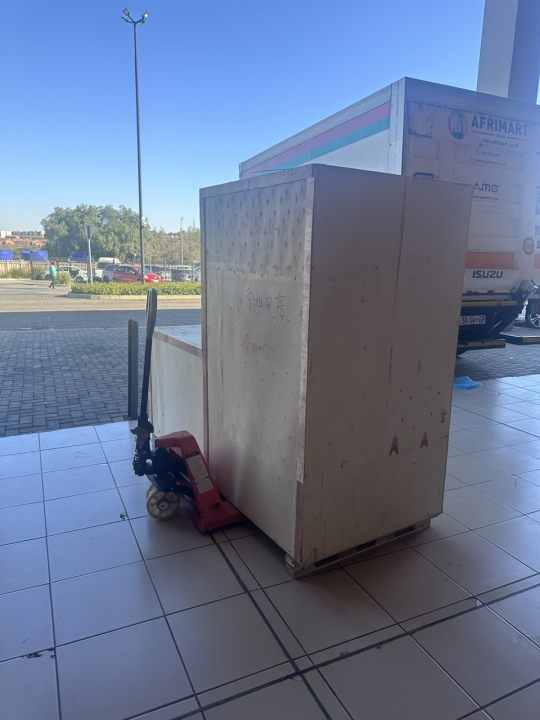
Toilet paper making machine
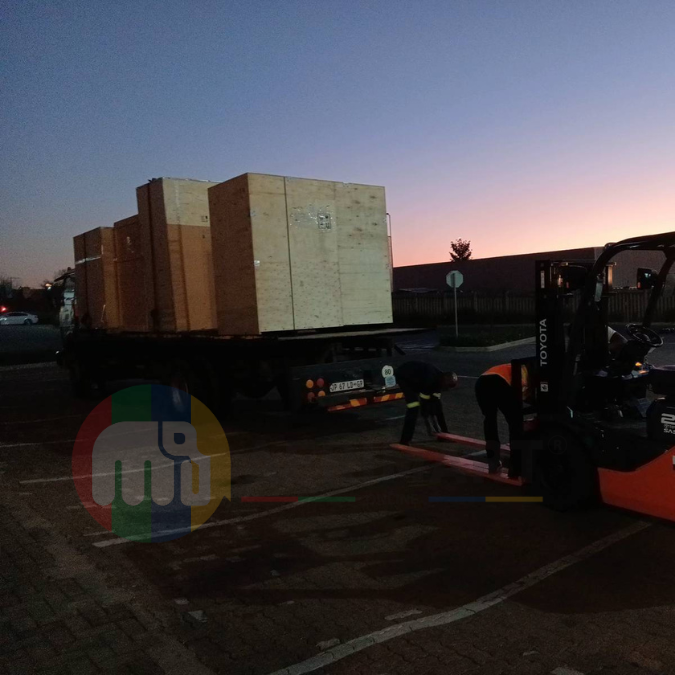
Toilet paper Rewinding Machine
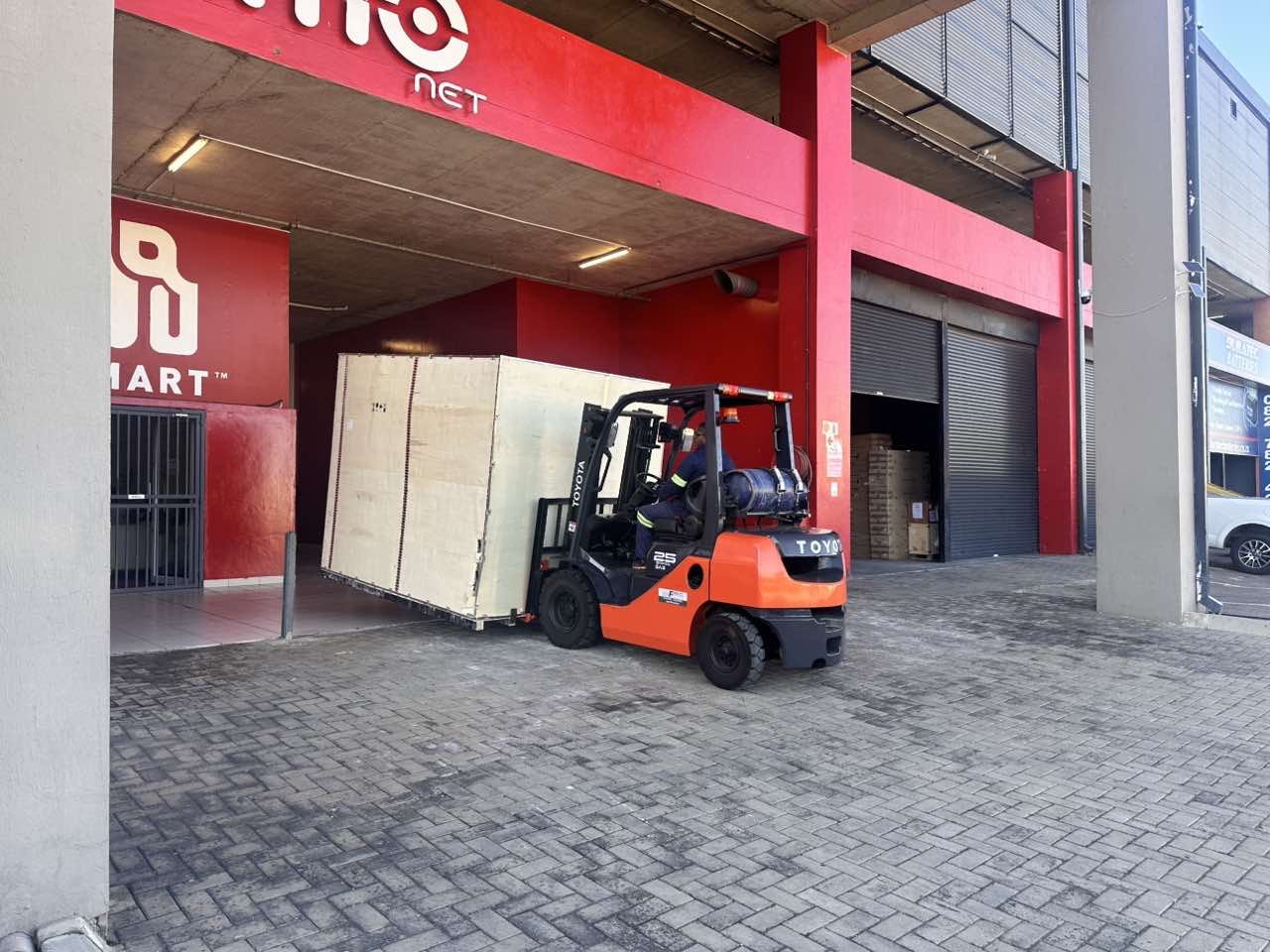
latest arrivals
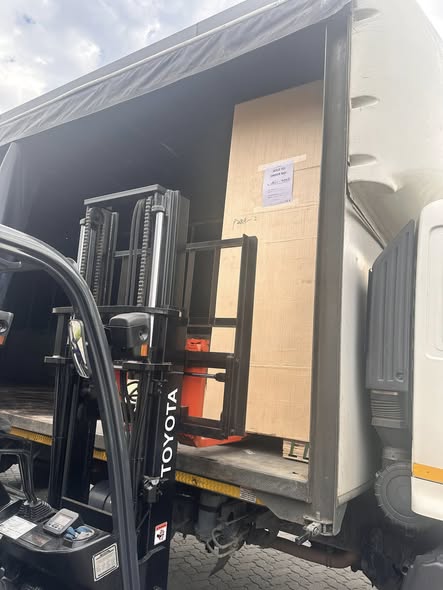
offloading
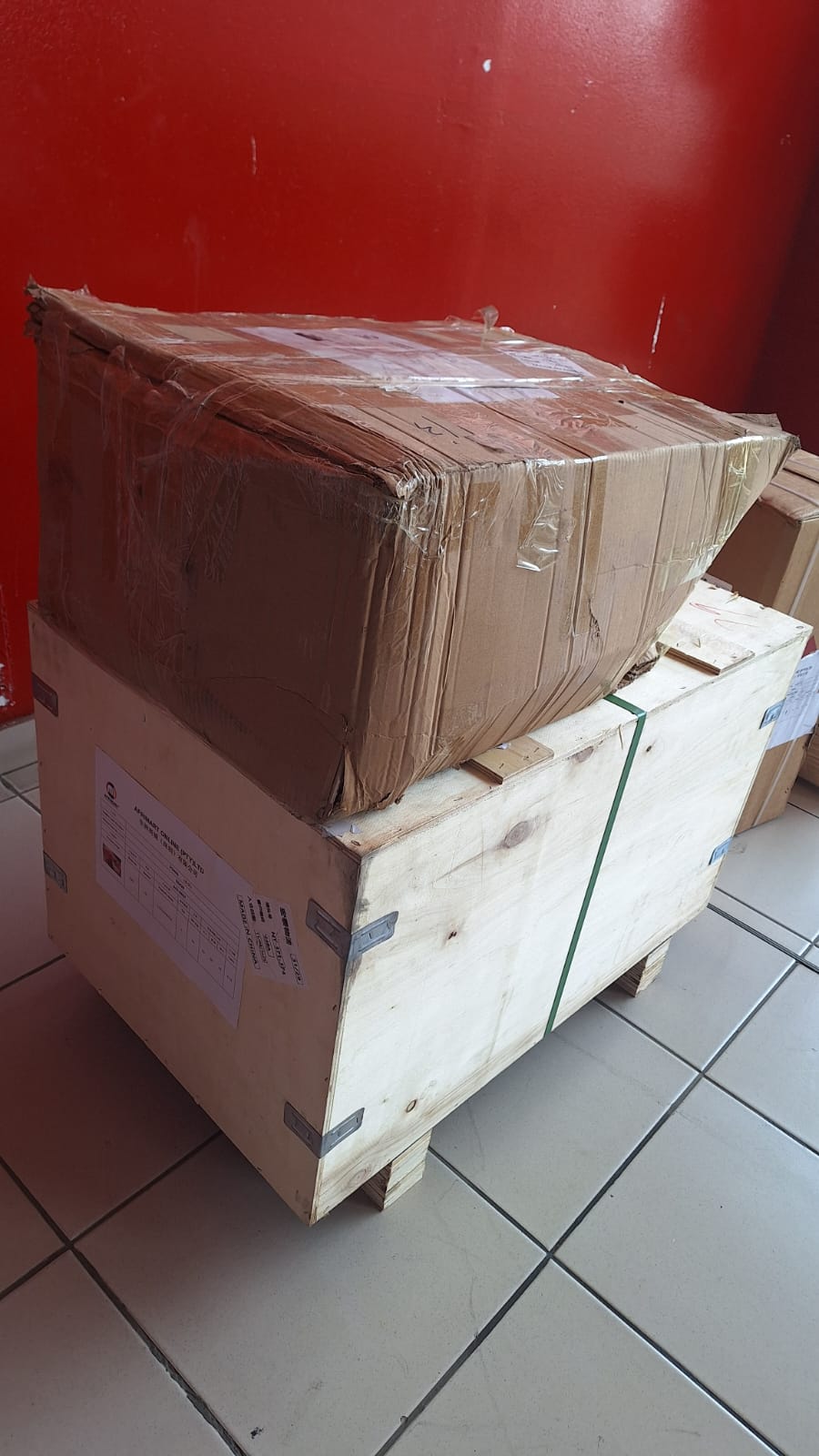
order success
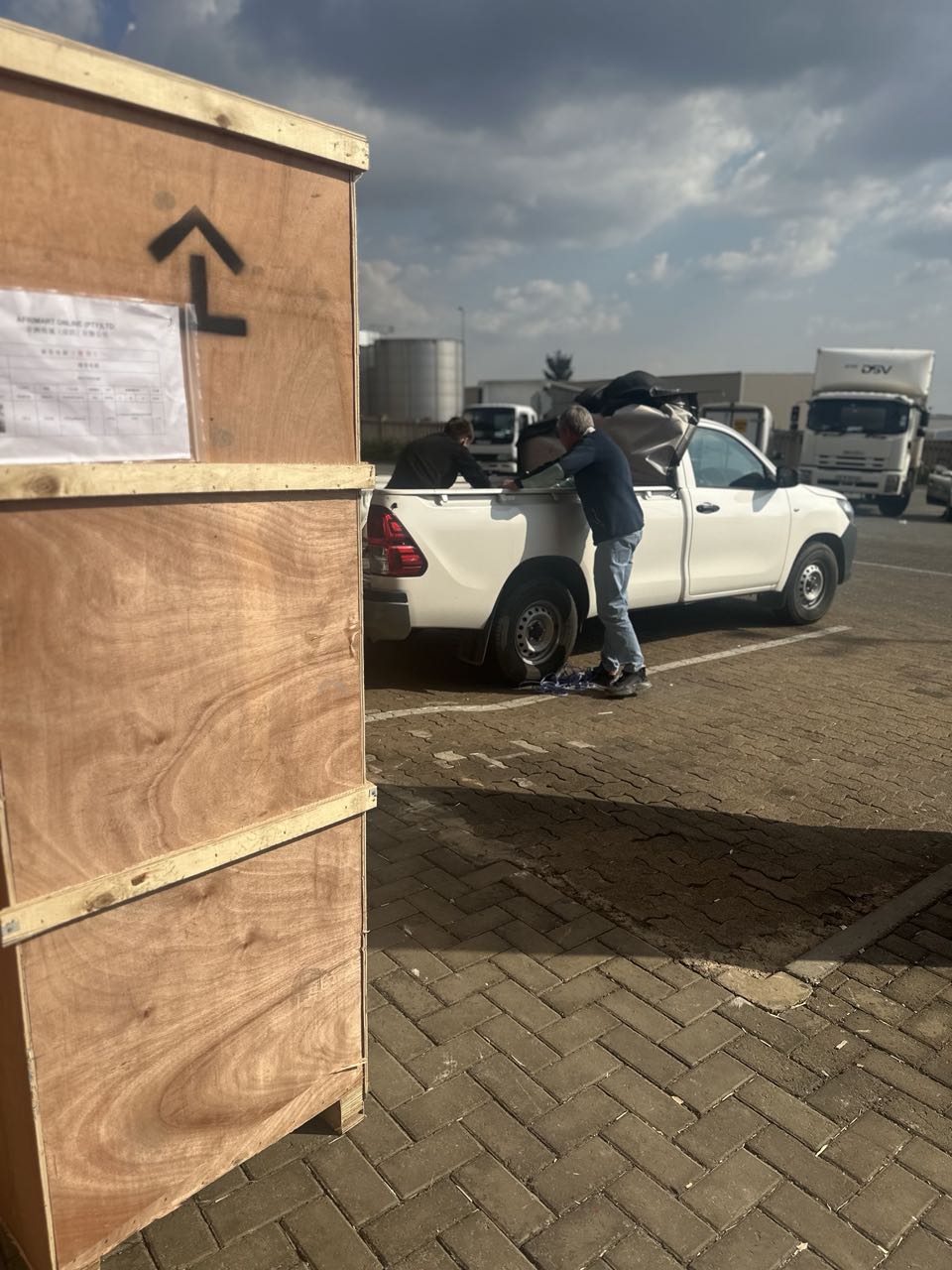
order collection
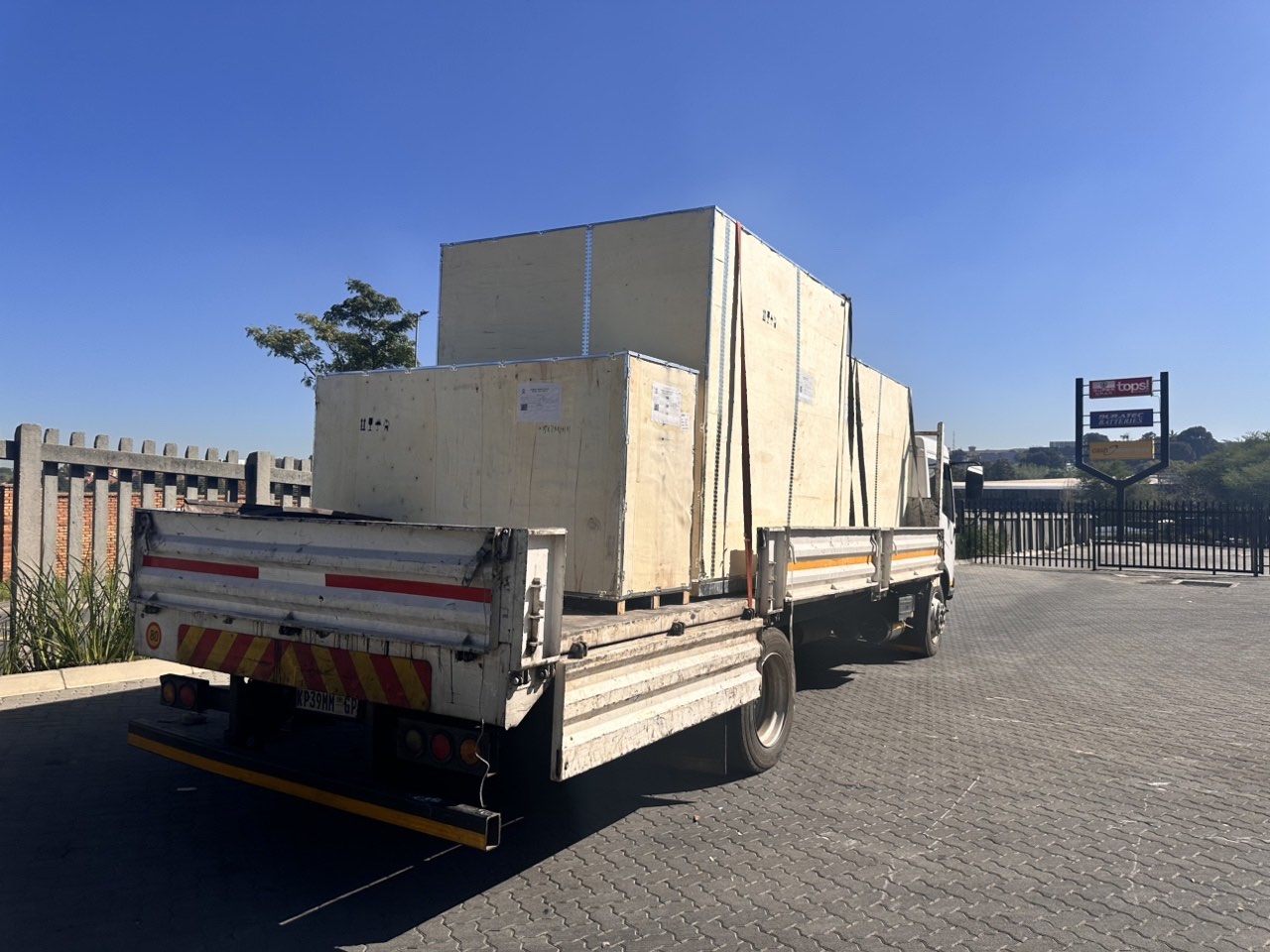
order offloading