B21, China Town Mall, Midrand


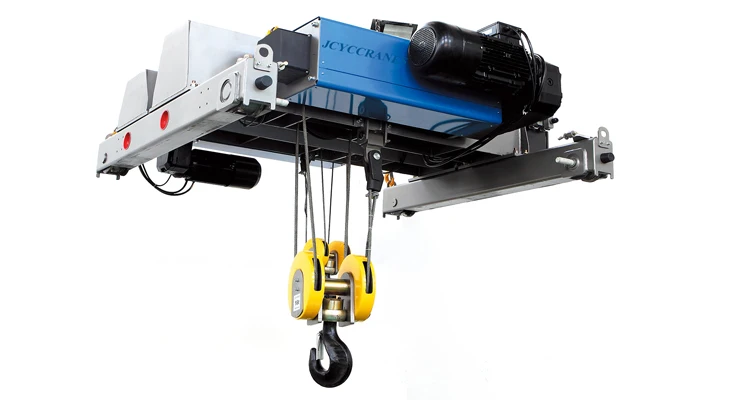
Luxury Lifting Equipment Type M5 15ton Travelling Electric Wire Rope Hoist
Asset finance available
Do you want funding for this equipment?
Afrimart can connect you with trusted funding partners who specialise in asset finance for businesses like yours. Compare options and apply in minutes — final approval is subject to provider review.
Check funding options
Secure & no obligation

- Section : Machinery
- Category : Hoists
- SKU : 1600853107991

Luxury Lifting Equipment Type M5 15ton Travelling Electric Wire Rope Hoist
Overview

Product Description

| Capacity ton | Lifting height m | Lifting speed m/min | Lifting motor kw | Traveling speed m/min | Traveling motor kw | Lifting System FEM/ISO | Traveling System FEM/ISO | ||
| 3.2t | 6/9/12/15/18 | 5/0.8 | 3.2/0.42 | 5/20 | 0.25x2 | 2M | M5 | 2M | M5 |
| 5t | 6/9/12/15/18 | 5/0.8 | 6.1/1 | 5/20 | 0.37x2 | 2M | M5 | 2M | M5 |
| 6.3t | 6/9/12/15/18 | 5/0.8 | 6.1/1 | 5/20 | 0.37x2 | 2M | M5 | 2M | M5 |
| 8t | 6/9/12/15/18 | 5/0.8 | 9.5/1.5 | 5/20 | 0.37x2 | 2M | M5 | 2M | M5 |
| 10t | 6/9/12/15/18 | 5/0.8 | 9.5/1.5 | 5/20 | 0.37x2 | 2M | M5 | 2M | M5 |
| 12.5t | 6/9/12/15/18 | 5/0.8 | 12.5/2 | 5/20 | 0.55x2 | 1AM | M4 | 2M | M5 |
| 16t | 6/9/12/15/18 | 4/0.6 | 16/2.6 | 5/20 | 0.55x2 | 2M | M5 | 2M | M5 |
| 20t | 6/9/12/15/18 | 4/0.6 | 16/2.6 | 5/20 | 0.55x2 | 1Am | M4 | 2M | M5 |
| 25t | 6/9/12/15/18 | 3.3/0.8 | 20/5 | 5/20 | 0.75x2 | 3M | M6 | 2M | M5 |
| 32t | 6/9/12/15/18 | 3.3/0.8 | 20/5 | 5/20 | 1.1x2 | 2M | M5 | 2M | M5 |
| 40t | 6/9/12/15/18 | 0-4 | 38 | 5/20 | 1.5x2 | 1Am | M4 | 2M | M5 |
| 50t | 6/9/12/15/18 | 0-3 | 38 | 5/20 | 1.5x2 | 2M | M5 | 2M | M5 |
| 50t | 6/9/12/15/18 | 0-3 | 38 | 5/20 | 1.5x2 | 2M | M5 | 2M | M5 |

- Shipping Timeframes: All orders are processed within 2-5 business days (excluding weekends and holidays). After your order has been processed, the estimated delivery time is before 03 Aug, 2026, depending on customs, Please note that due to high demand, some items may experience longer shipping times, which will be communicated at order confirmation email.
- Order Processing Time: Please allow 2-5 business days for us to process your order before it is shipped . Orders placed after 16:00 on Fridays, or during weekends and public holidays, will begin processing on the next business day. Processing times may be extended during peak seasons or sales events.
- Manufacturing Time: Some products needs manufacturing time, the manufacturing process will take approximately 10-30 business days depending on the product. This timeframe may vary depending on the complexity of the product and current demand. but this will be communicated with you during order confirmation.
- Returns and Exchanges: We offer a 30-day return policy for most items. If you are not completely satisfied with your purchase, you may return it within 30 days of receipt for a refund or exchange. Items must be unused, in their original packaging, and accompanied by proof of purchase. Return shipping costs are the responsibility of the customer, unless the item was damaged or defective upon arrival.
1. What is the rated capacity of the Luxury Lifting Equipment Type M5 hoist?
The standard model referenced is a 15‑ton (15 t) travelling electric wire rope hoist. Other capacity variants in the M5 family are available — confirm the exact model when ordering.
2. What lifting height can this 15‑ton travelling hoist achieve?
Lifting height is configurable to meet your application requirements. Typical factory offerings cover common crane hook heights, but custom lifting heights (short or very tall) can be supplied — specify required lifting height when requesting a quote.
3. What are the lifting and travelling speeds of the hoist?
Speeds depend on the selected gearing and motor configuration. Typical lifting speeds for M5 wire rope hoists are offered in single‑ or dual‑speed configurations (examples in the product family range from around 0.3 m/min up to approximately 9–10 m/min for lifting). Travelling speeds are commonly configurable up to about 20 m/min. Exact speeds for the 15 t unit are supplied on the datasheet for the configured unit.
4. What electrical supply and motor type does the hoist use?
The hoist uses three‑phase electric drive motors sized to the chosen capacity and speed configuration. Standard industrial supply (e.g., 380–415 V, 50/60 Hz) is typical; however, motors and electrical supply can be adapted for local voltages and frequency. Motors are industrial grade with thermal protection and are selected per the final specification.
5. Which standards and certifications does the Type M5 hoist comply with?
The Type M5 range is designed to meet FEM and ISO crane/hoist classification and manufacturing guidelines. CE marking and other regional certifications can be provided where applicable — confirm required certification with sales before purchase.
6. What type and size of wire rope and drum are used for the 15 t hoist?
Wire rope diameter and drum specifications depend on the final configuration (lifting height, reeving, etc.). For 15 t class M5 hoists, manufacturers commonly use heavy‑duty multi‑part wire ropes and appropriately sized drums; the exact rope diameter and drum bore are listed on the supplied datasheet for your ordered configuration.
7. What control options are available for operating the hoist?
Control options typically include a pendant (pushbutton) station, radio (wireless) remote control, and/or cabin controls when integrated into an overhead crane. Control logic (contactors or VFD/inverter drives) and safety interlocks are selectable per application.
8. What built‑in safety features does the hoist include?
Standard safety features include an emergency stop, upper and lower limit switches, mechanical braking system, overload protection (electrical and/or mechanical), motor thermal protection, and optional features such as anti‑collision devices, load limiting/load cells, and anti‑sway systems.
9. What are the installation requirements for the travelling hoist?
Installation must be performed by qualified technicians. Requirements include a suitable crane runway and supporting structure rated for the hoist and crane loads, correct electrical supply and grounding, clearances for travel and maintenance, and commissioning checks such as alignment, lubrication, and load testing.
10. What routine maintenance is required to keep the hoist in good working order?
Recommended maintenance includes daily visual inspections, regular lubrication of bearings and gearboxes, frequent inspection of wire rope condition (wear, kinking, broken wires), periodic brake checks and adjustments, electrical system checks, and scheduled preventive maintenance per the manufacturer's manual. Replace wire rope when wear exceeds guidelines or any damage is found.
11. Is a load test performed prior to delivery or commissioning?
Yes — prior to handover or during commissioning the hoist should be load‑tested to the applicable standard (proof/test load) and a test certificate issued. Factory acceptance testing can also be arranged on request.
12. Are spare parts and service support available?
Yes. Genuine spare parts (gears, brakes, motors, rope, controllers, etc.) and technical/service support are available. We recommend stocking critical spares and arranging a spare parts agreement for fast turnaround in production‑critical applications.
13. Can the Type M5 15‑ton hoist be customized for special applications?
Yes. The M5 series is commonly customized for different lifting heights, reeving arrangements, speeds, control systems, power supplies, and additional safety or automation features. Discuss your application requirements with sales/engineering to receive a tailored configuration and quotation.
14. What is the typical lead time and delivery process?
Lead time depends on configuration, certification requirements, and current production schedules. Typical lead times for configured M5 hoists range from several weeks to a few months. Delivery is normally by sea or road in crated or skidded form; installation and commissioning services can be provided or supervised.
15. What warranty is provided with the hoist?
Warranty terms vary by supplier and contract but commonly include a manufacturer warranty covering defects in materials and workmanship for a defined period (often 12 months from commissioning). Warranty scope, exclusions, and extended warranty options should be confirmed in the sales agreement.
Latest Order Arrivals
Discover our latest orders
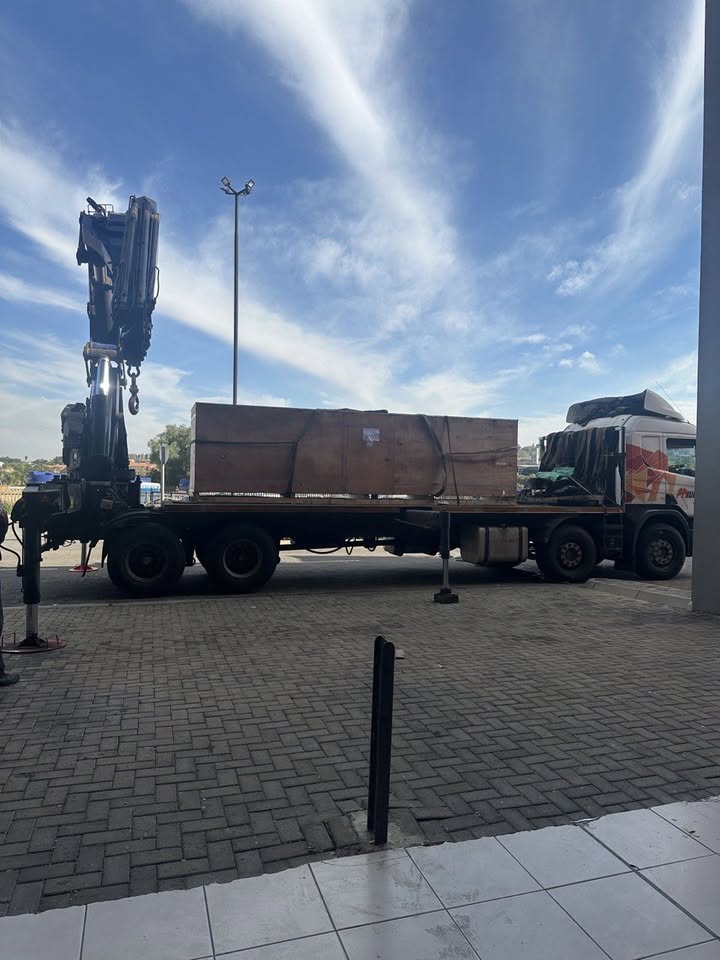
12 Heads Embroidery Machine
Toilet Paper Machine Machine
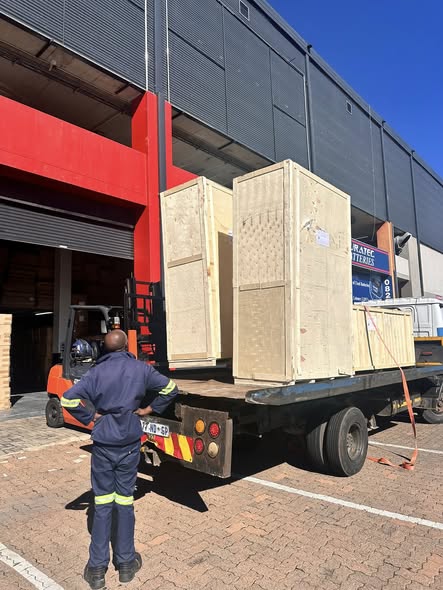
Order Collection
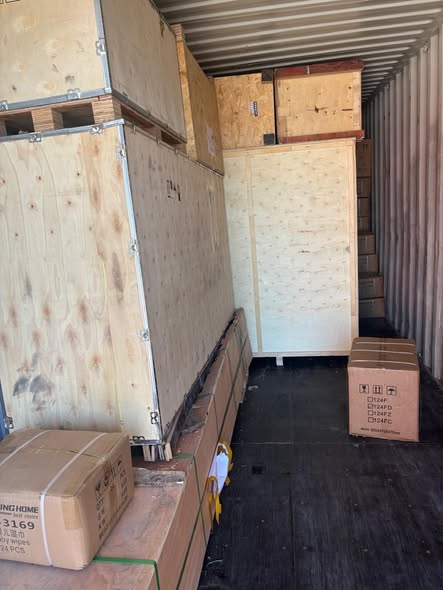
Cross Border Clients
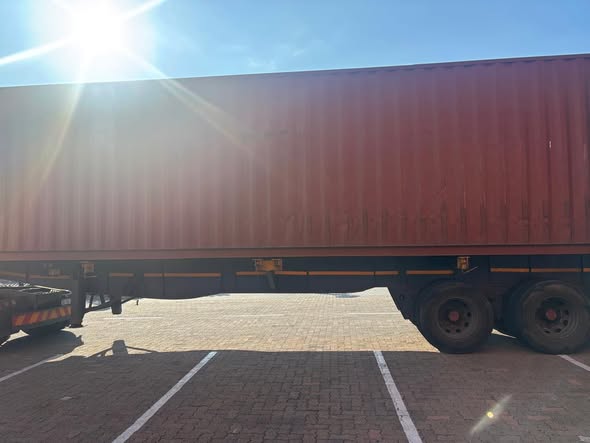
Order cros border countries Collected
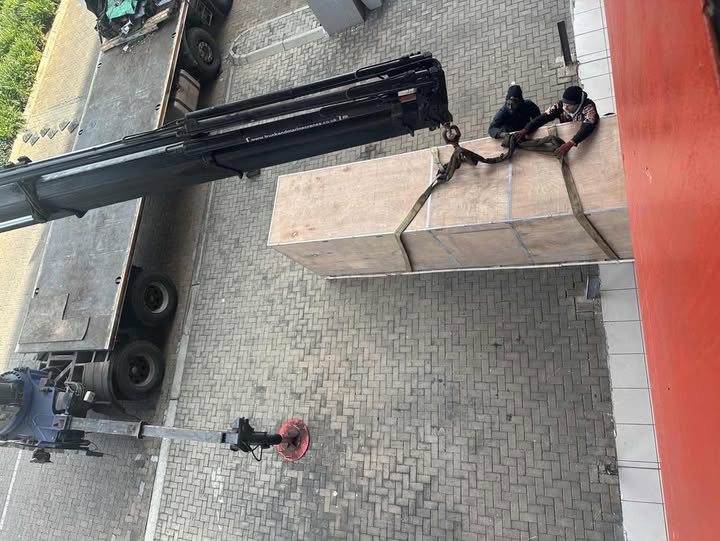
Industrial Machine Cllection
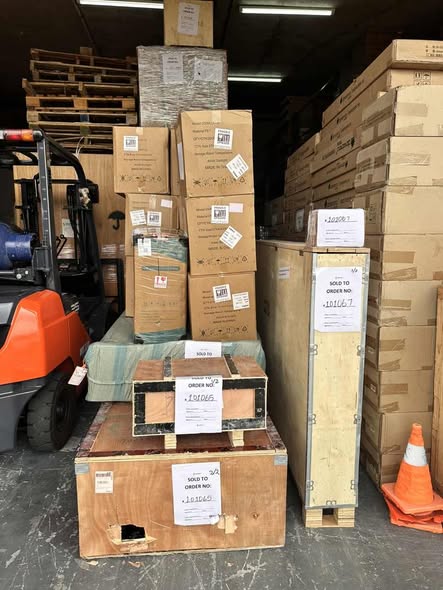
Agriculture Processing Machines
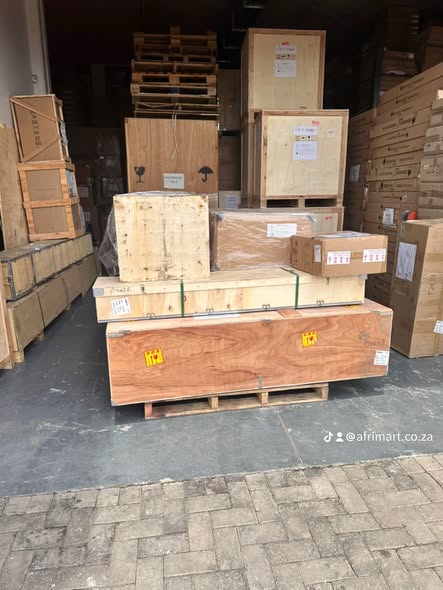
Ready for collection
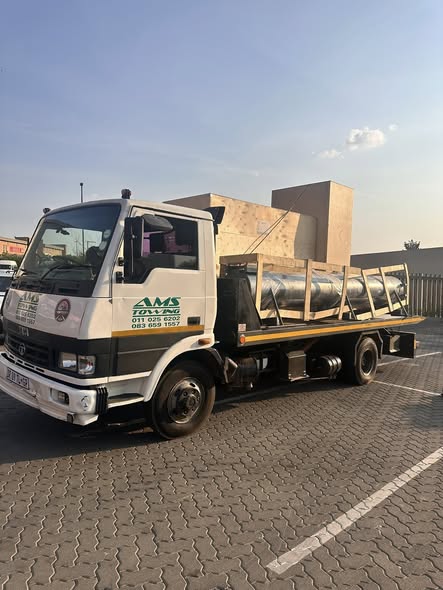
Water Pump Equipment
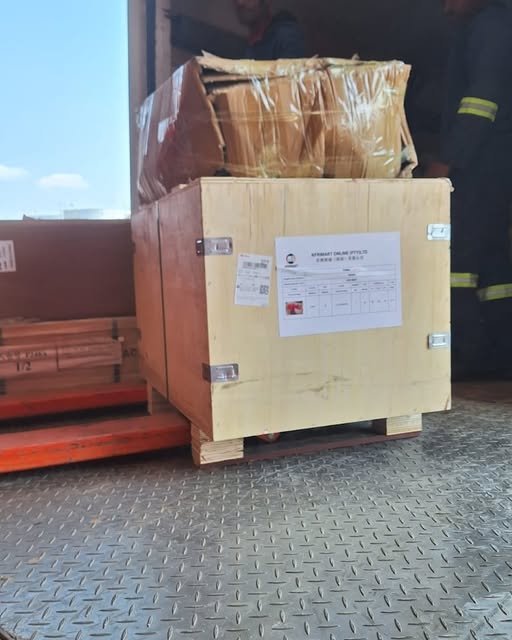
Packaging Machine and accessories
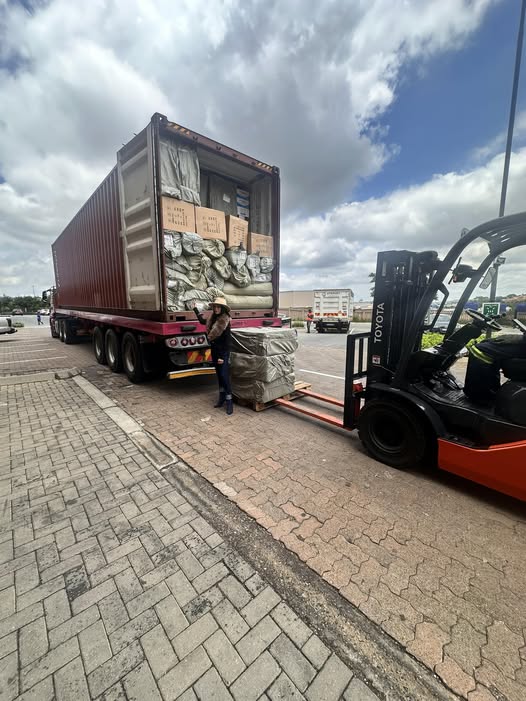
Fabrics Manufacturing Equipment
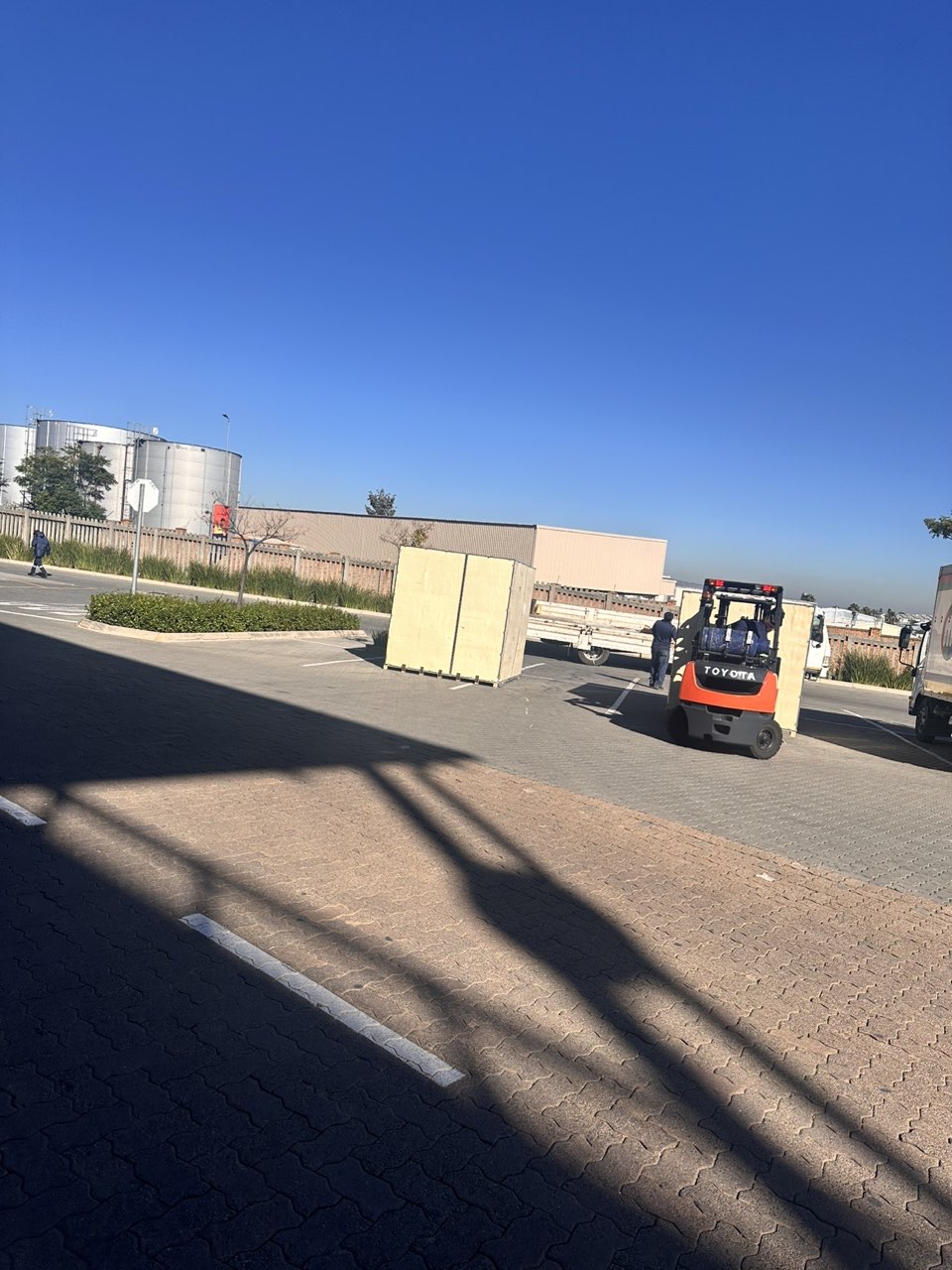
Mining Equipments
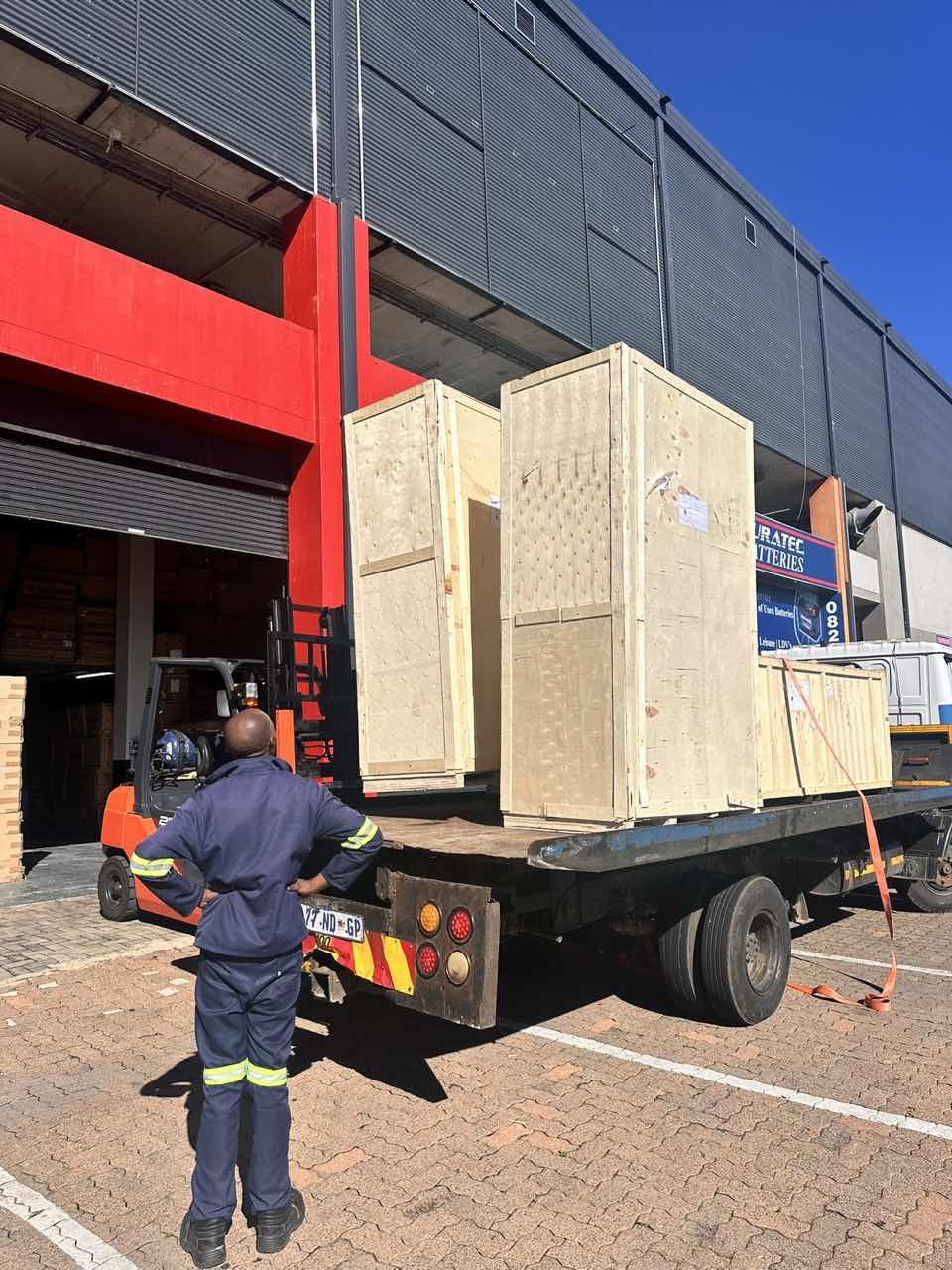
Food Processing Machine
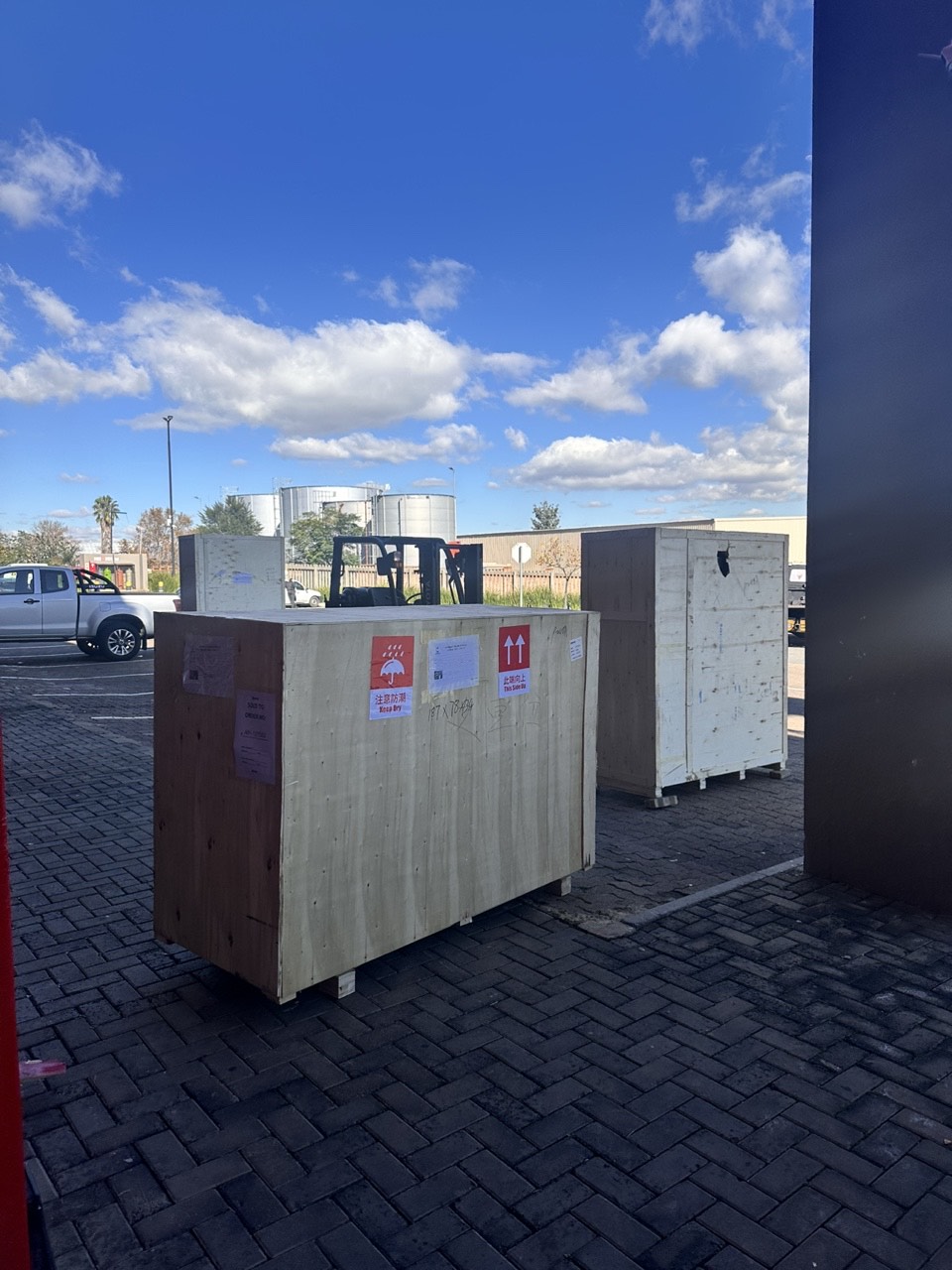
Batch of Orders
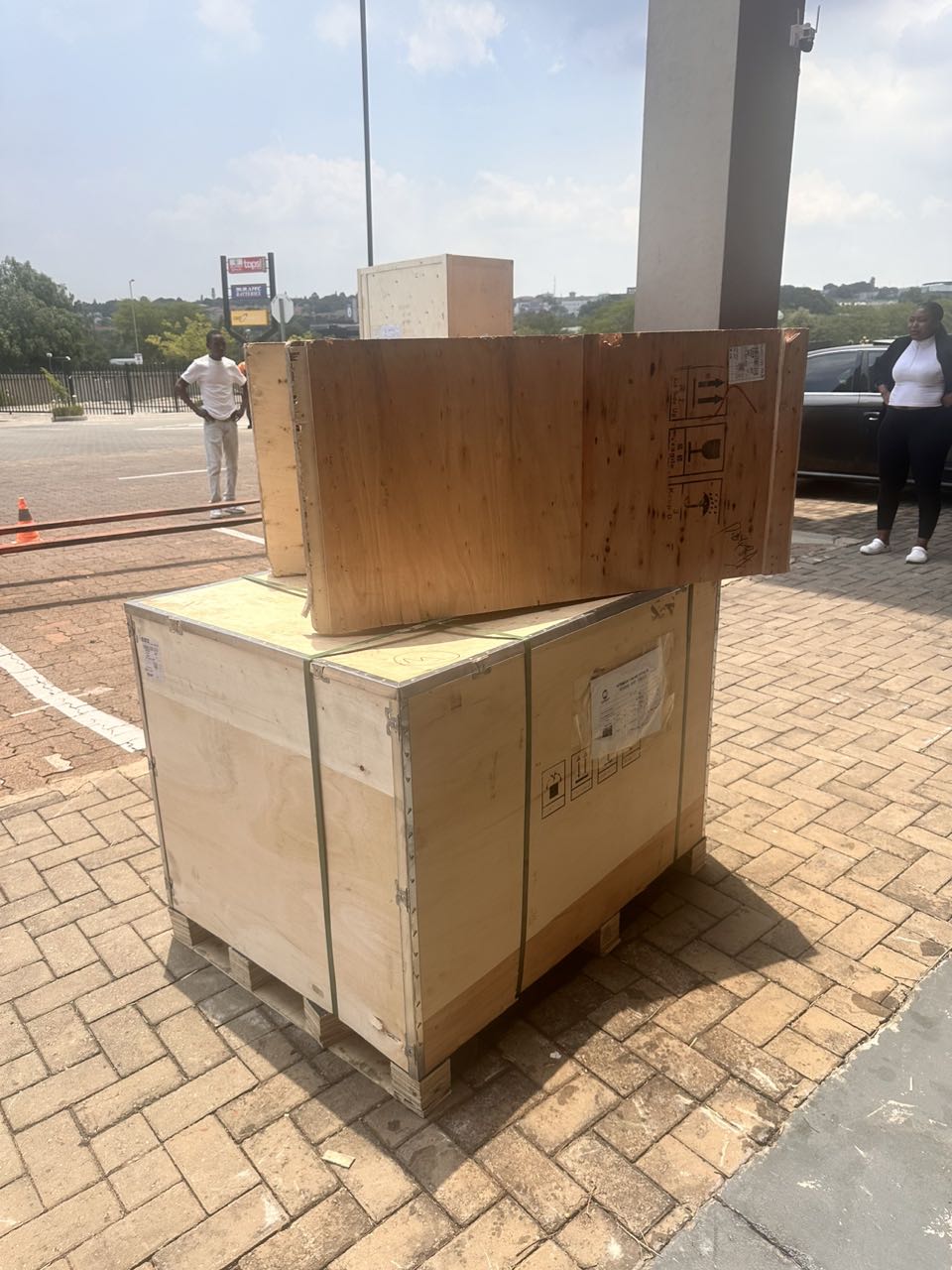
Batch of Orders
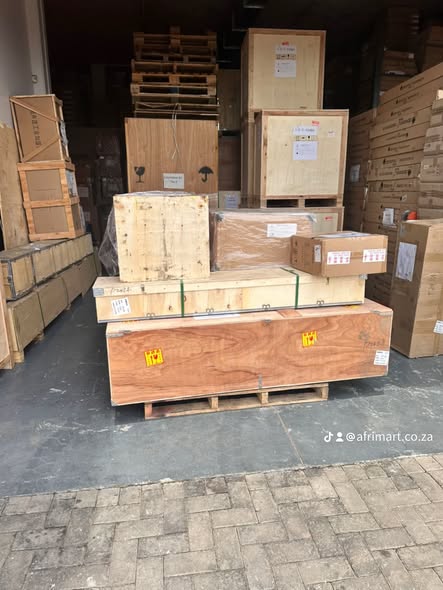
Latest Orders Labelled
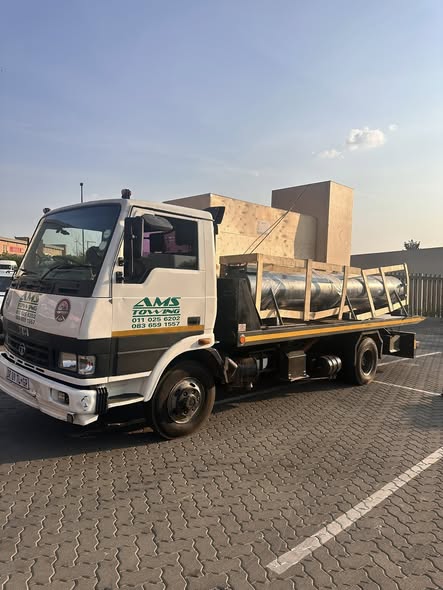
wheel alignment machines
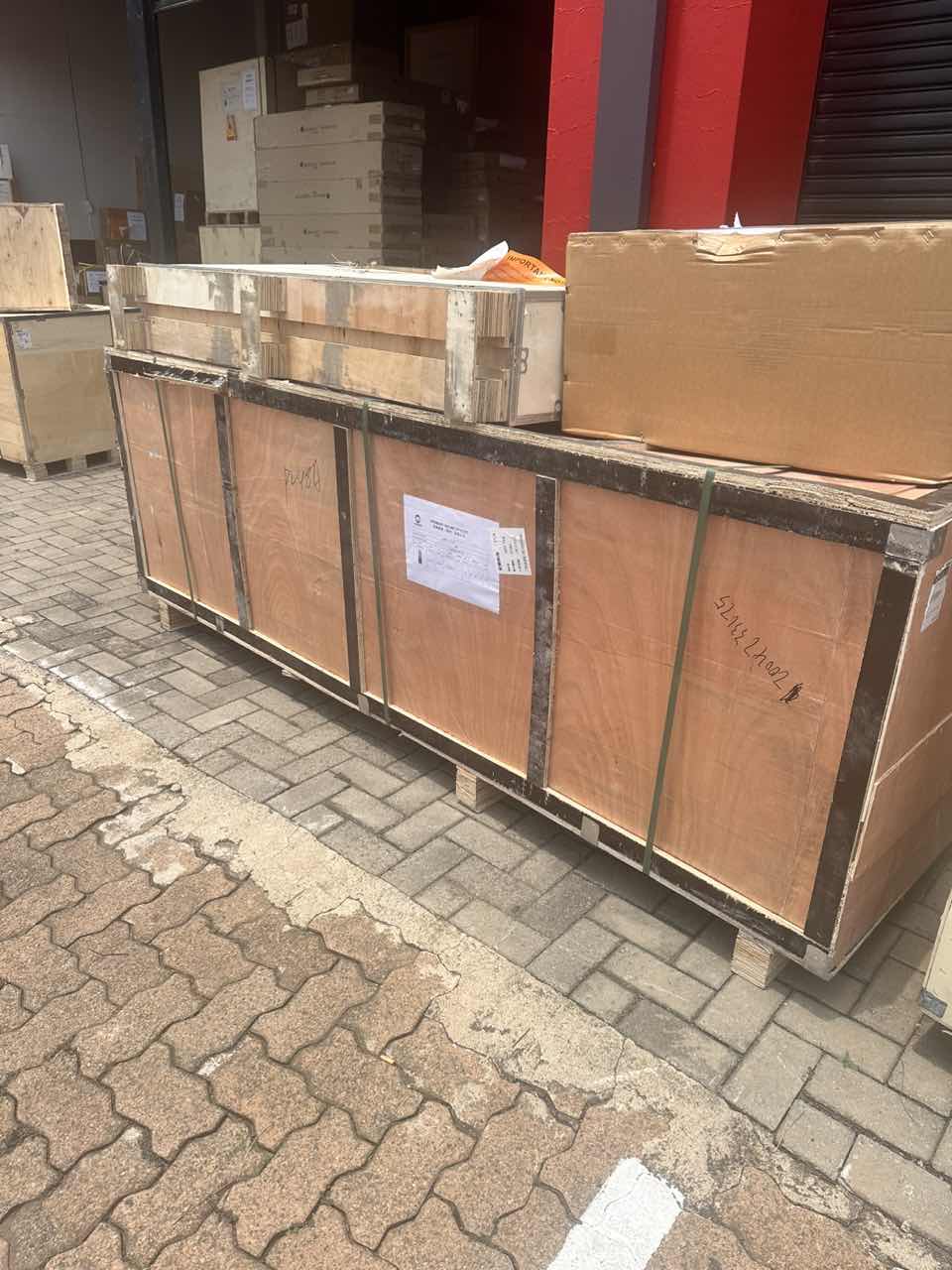
new arrivals
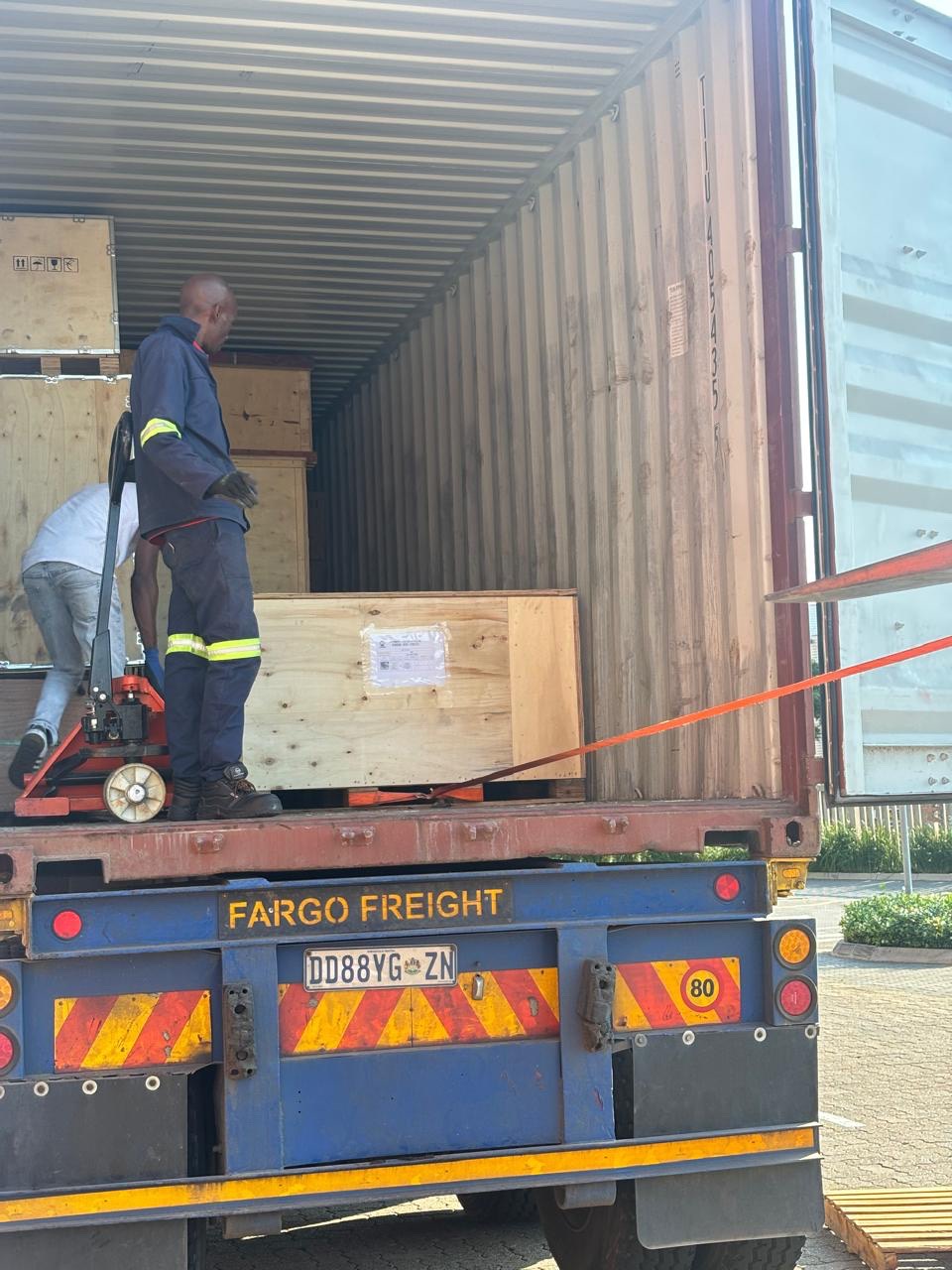
Pre Orders Offloading
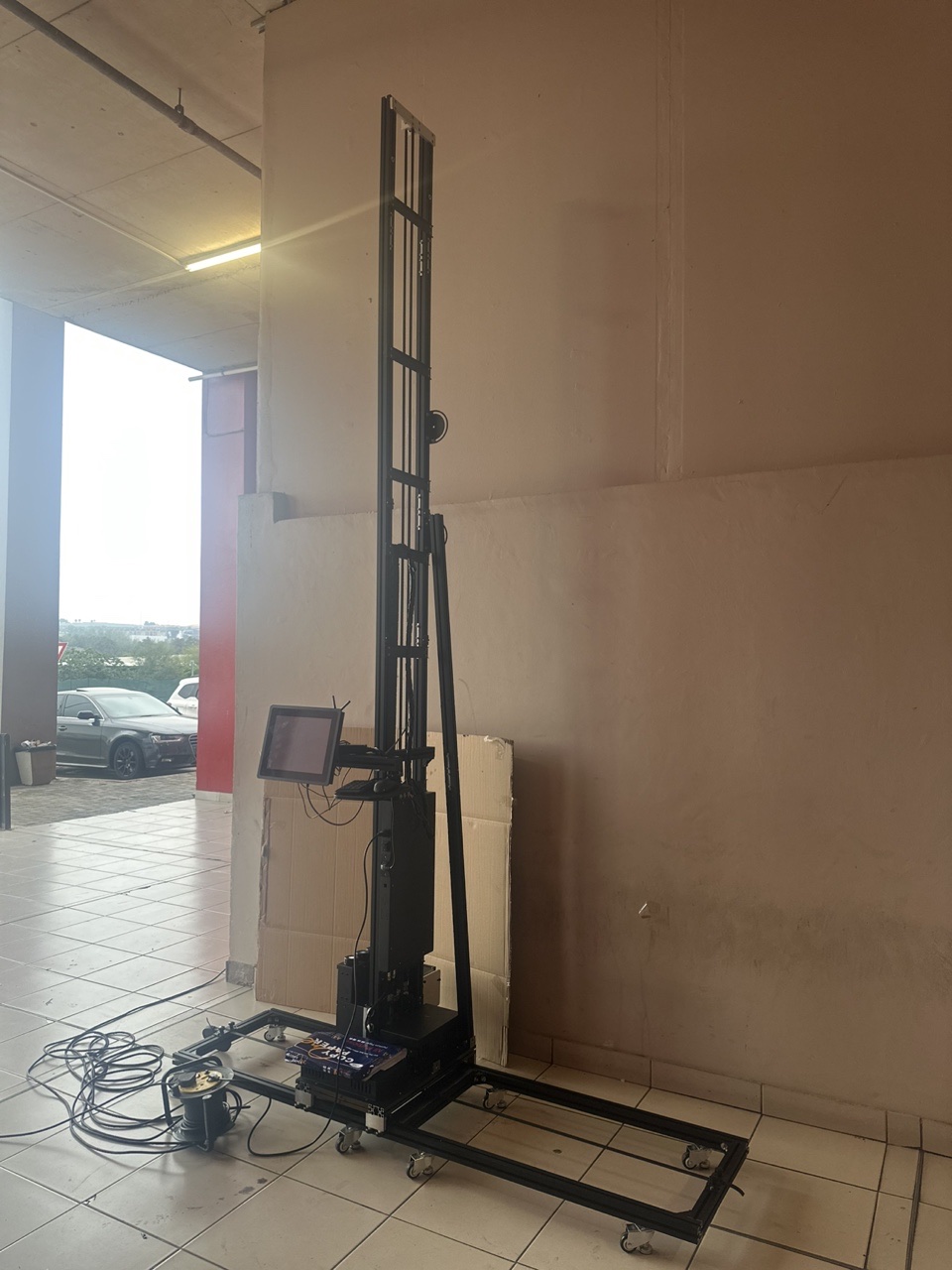
Latest Arrivals
Latest Arrivals
Latest Arrivals
Loading
Toilet paper making machine
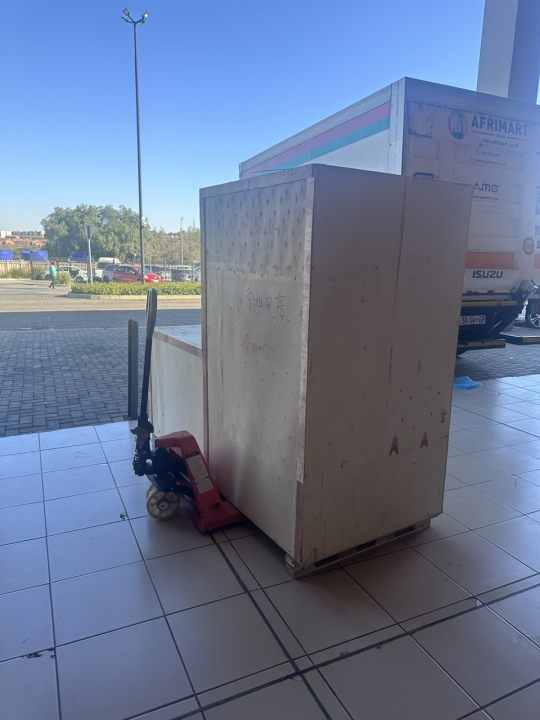
Toilet paper making machine
Toilet paper Rewinding Machine
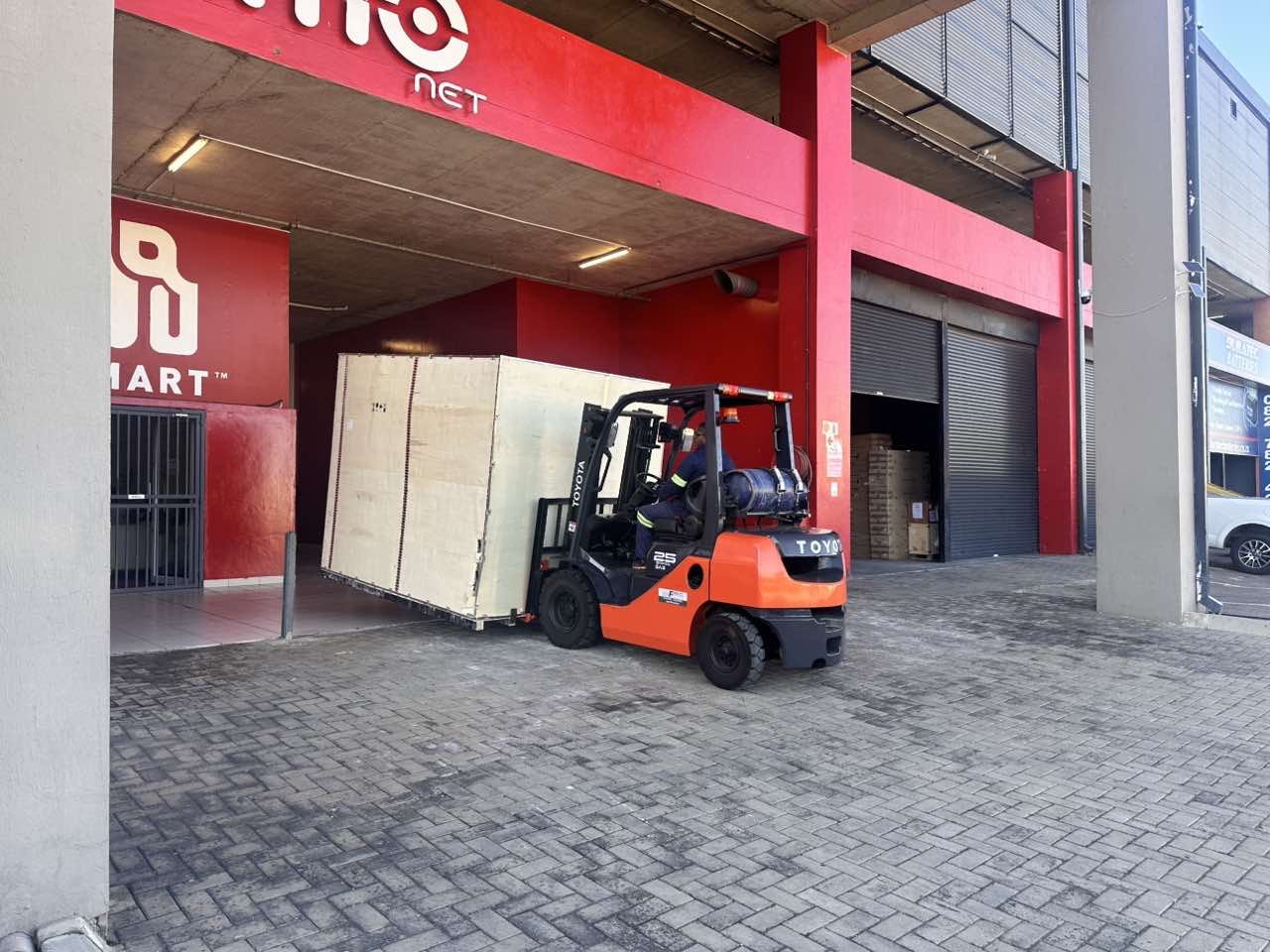
latest arrivals
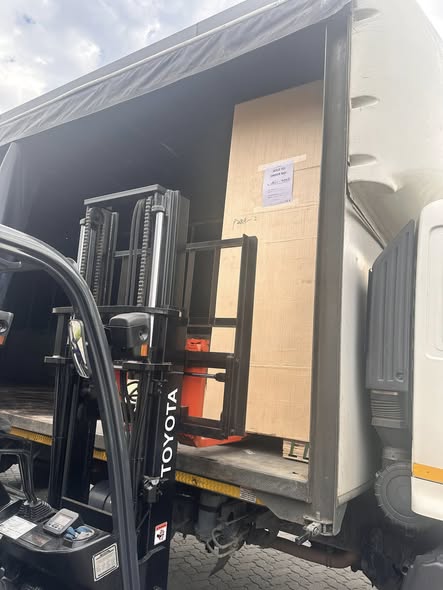
offloading
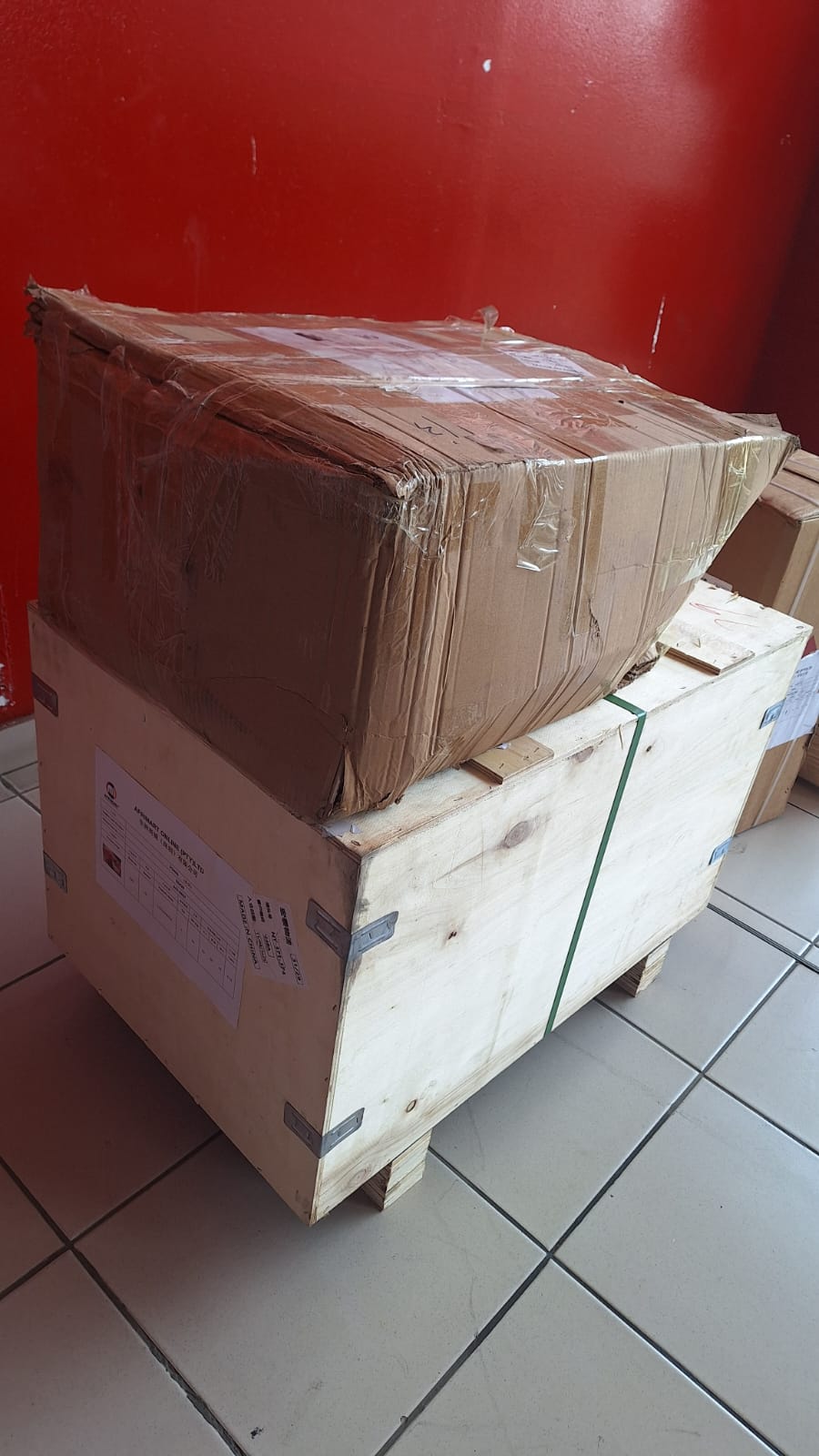
order success
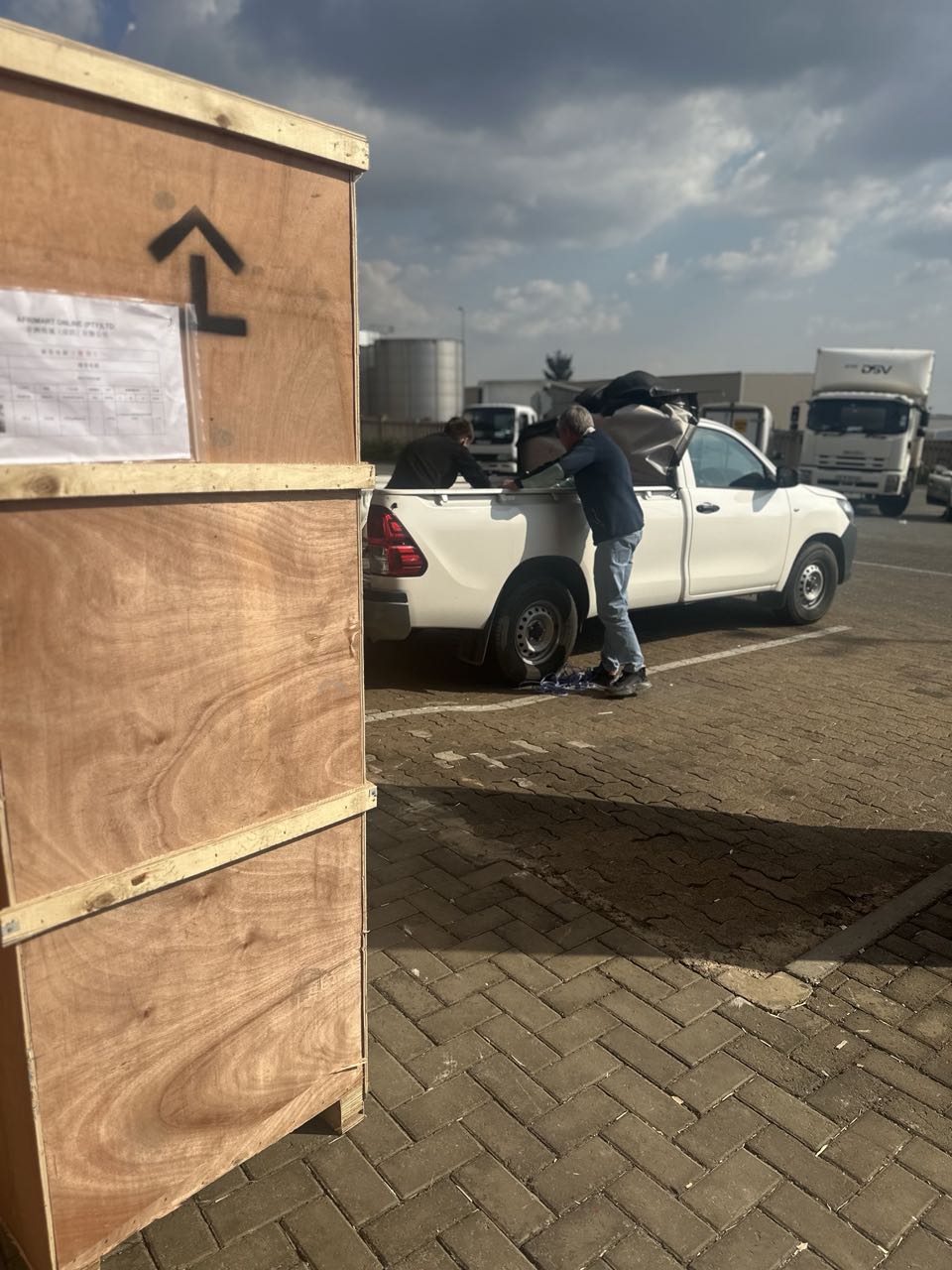
order collection
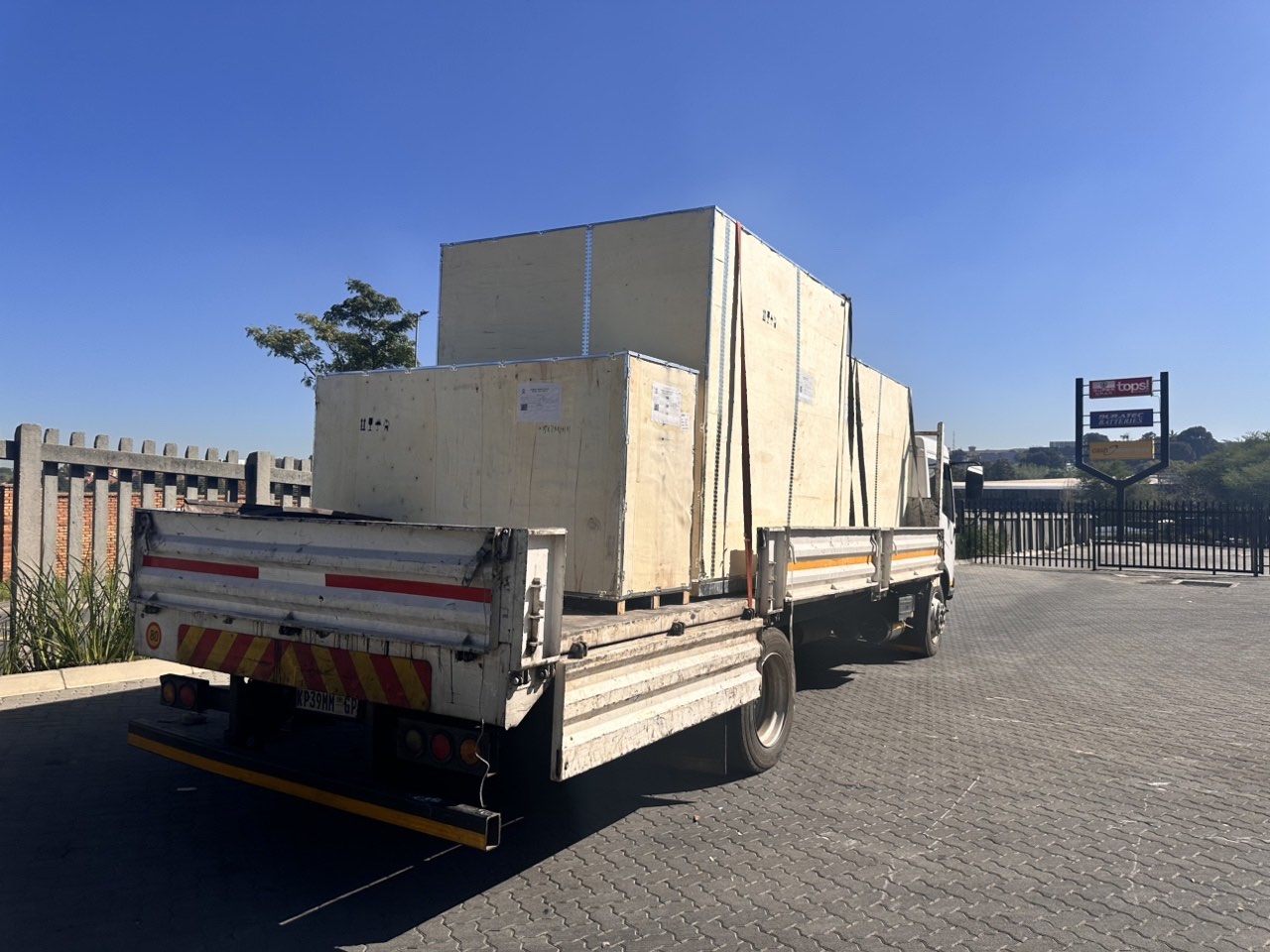
order offloading