B21, China Town Mall, Midrand

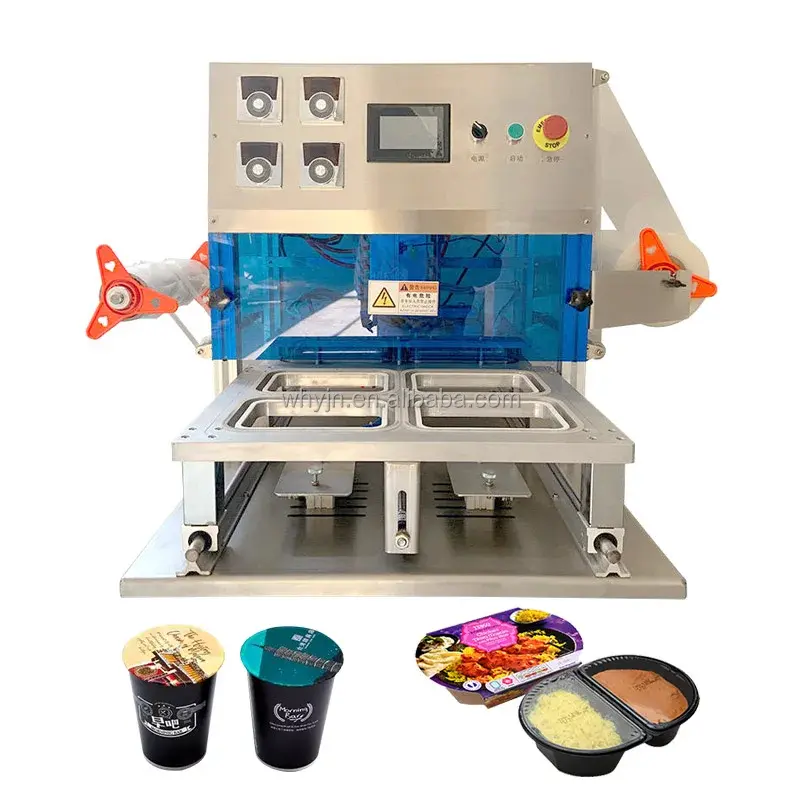
LG-F201 Easy To Operate Tray Sealer Packaging Machine
Asset finance available
Do you want funding for this equipment?
Afrimart can connect you with trusted funding partners who specialise in asset finance for businesses like yours. Compare options and apply in minutes — final approval is subject to provider review.
Check funding options
Secure & no obligation
- Section : Machinery
- Category : Sealing Machines
- SKU : 1600887165285

- Shipping Timeframes: All orders are processed within 2-5 business days (excluding weekends and holidays). After your order has been processed, the estimated delivery time is before 02 Jul, 2026, depending on customs, Please note that due to high demand, some items may experience longer shipping times, which will be communicated at order confirmation email.
- Order Processing Time: Please allow 2-5 business days for us to process your order before it is shipped . Orders placed after 16:00 on Fridays, or during weekends and public holidays, will begin processing on the next business day. Processing times may be extended during peak seasons or sales events.
- Manufacturing Time: Some products needs manufacturing time, the manufacturing process will take approximately 10-30 business days depending on the product. This timeframe may vary depending on the complexity of the product and current demand. but this will be communicated with you during order confirmation.
- Returns and Exchanges: We offer a 30-day return policy for most items. If you are not completely satisfied with your purchase, you may return it within 30 days of receipt for a refund or exchange. Items must be unused, in their original packaging, and accompanied by proof of purchase. Return shipping costs are the responsibility of the customer, unless the item was damaged or defective upon arrival.
1. What is the LG-F201 Easy To Operate Tray Sealer Packaging Machine?
The LG-F201 is a semi-automatic tray/cup sealing machine designed for easy operation and flexible packaging of cups, trays and similar containers. It supports customized molds and optional modules (feeding, filling, printing, UV sterilization, etc.) to match production needs.
2. What production speeds can I expect?
Speed depends on the chosen model/option. The provided model variants (LG-GF300-2/4/6/9) cover ranges from about 300–960 cups/h up to 1200–1900 cups/h. Final throughput depends on container size, lid type and optional automation modules.
3. Which container shapes and sizes does it support?
The machine uses a customizable mold, so it can be adapted to most cup and tray shapes and sizes. Provide your container dimensions and a sample if possible to have a mold designed to fit.
4. What optional functions are available?
Optional functions include automatic cup feeding, cup cleaning, cup filling, date/lot code printing, pre-cut lid dropping, cup capping, UV sterilization, discharge to conveyor belt, hopper heating and others on request.
5. What power and electrical requirements does the machine need?
The listed variants use between 3.5 kW and 5 kW power. Standard voltage is 380 V / 50 Hz. Confirm electrical requirements for your local supply before ordering; other voltages may be available on request.
6. What temperature range does the sealer support?
The sealing temperature range is 0–300 °C, allowing compatibility with a wide range of film types and sealing conditions.
7. What are the machine dimensions and weight?
Machine footprint varies by model: examples shown are 690×620×750 mm up to 690×1200×750 mm. Package weights range from about 80 kg to 140 kg depending on the configuration and model.
8. Which brands of main components are used?
Main accessory brands can be selected according to requirement; common options listed include Siemens, Schneider and Airtac. You can specify preferred brands for PLCs, sensors, relays and pneumatic components.
9. Is the LG-F201 fully automatic?
No. The LG-F201 is described as semi-automatic. It requires some manual intervention unless you order optional automation modules (automatic feeding, filling, capping, etc.) to increase automation level.
10. What materials and film types can it seal?
It seals common sealing films used for cups/trays (plastic films, foil-laminated films, etc.). Final compatibility depends on film thickness and sealing temperature — these should be tested during sample trials.
11. How easy is mold changeover and how long does it take?
The machine is designed for relatively fast mold changes, but actual time depends on mold complexity and operator experience. Typical semi-automatic machines allow changeover in minutes to an hour; discuss quick-release or multi-mold solutions if frequent changes are required.
12. What maintenance and cleaning are required?
Routine maintenance includes cleaning sealing areas, inspecting and replacing sealing jaws and Teflon, checking heating elements, pneumatic lines and lubrication where required. Optional cup-cleaning and UV modules will have their own maintenance schedules.
13. Are spare parts and after-sales support available?
Yes. Spare parts for major components (heating elements, molds, sensors, pneumatic parts) are available. Suppliers typically offer technical support, training, and spare parts packages—confirm service terms at purchase.
14. What certifications and safety features does the machine have?
Standard safety features include emergency stop, safety guards and compliant electrical enclosures. Certification availability (CE, UL, etc.) depends on the factory configuration and can typically be provided upon request.
15. What is the lead time, packaging and shipping options?
Lead time varies with customization level and quantity—standard lead times may range from a few weeks to longer for custom molds or optional modules. Machines are packaged according to weight/size (example package weights 80–140 kg) and can be shipped by sea or air; confirm with the supplier for exact schedules and shipping quotes.
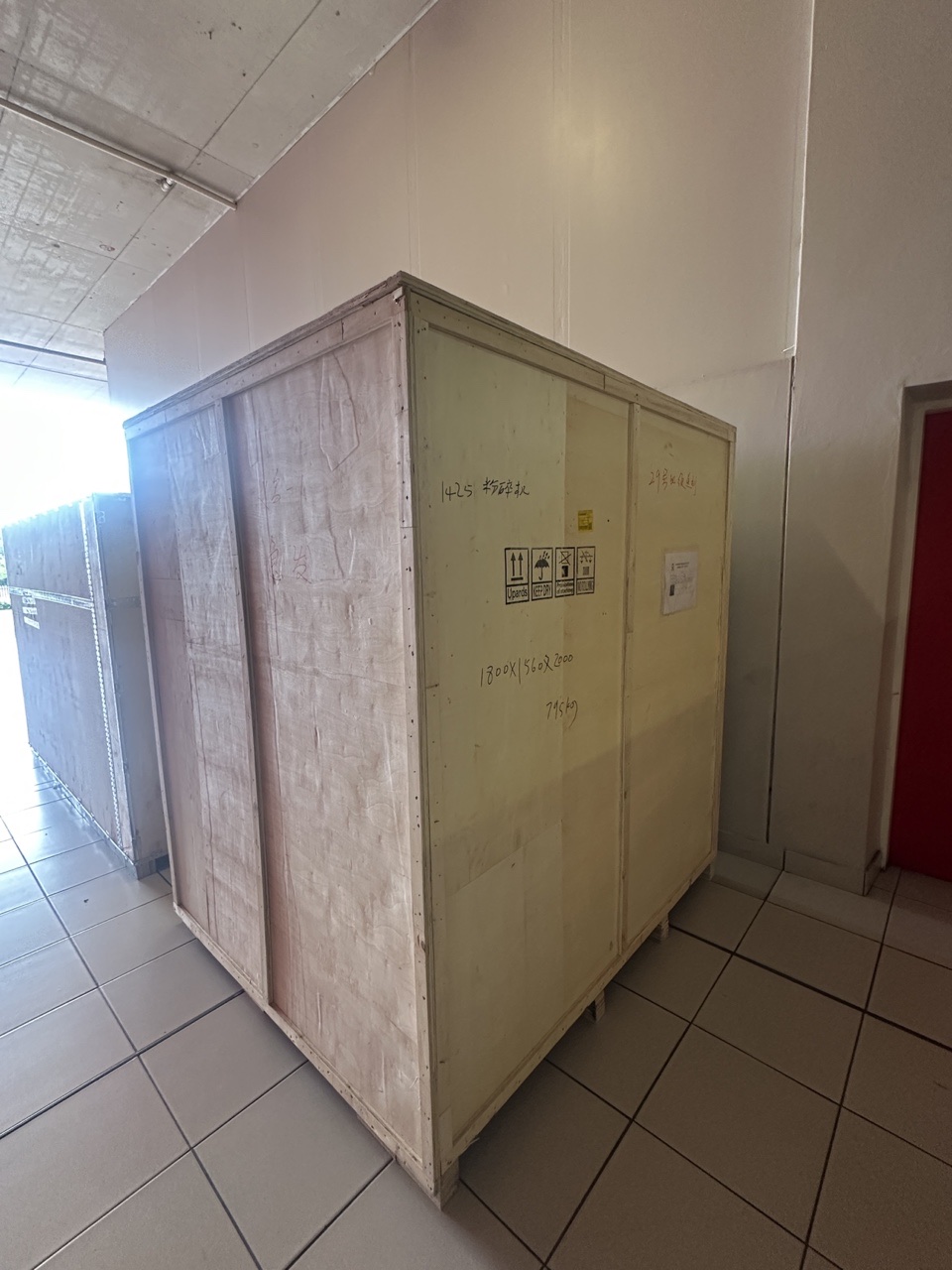
Latest Order Arrivals
Discover our latest orders
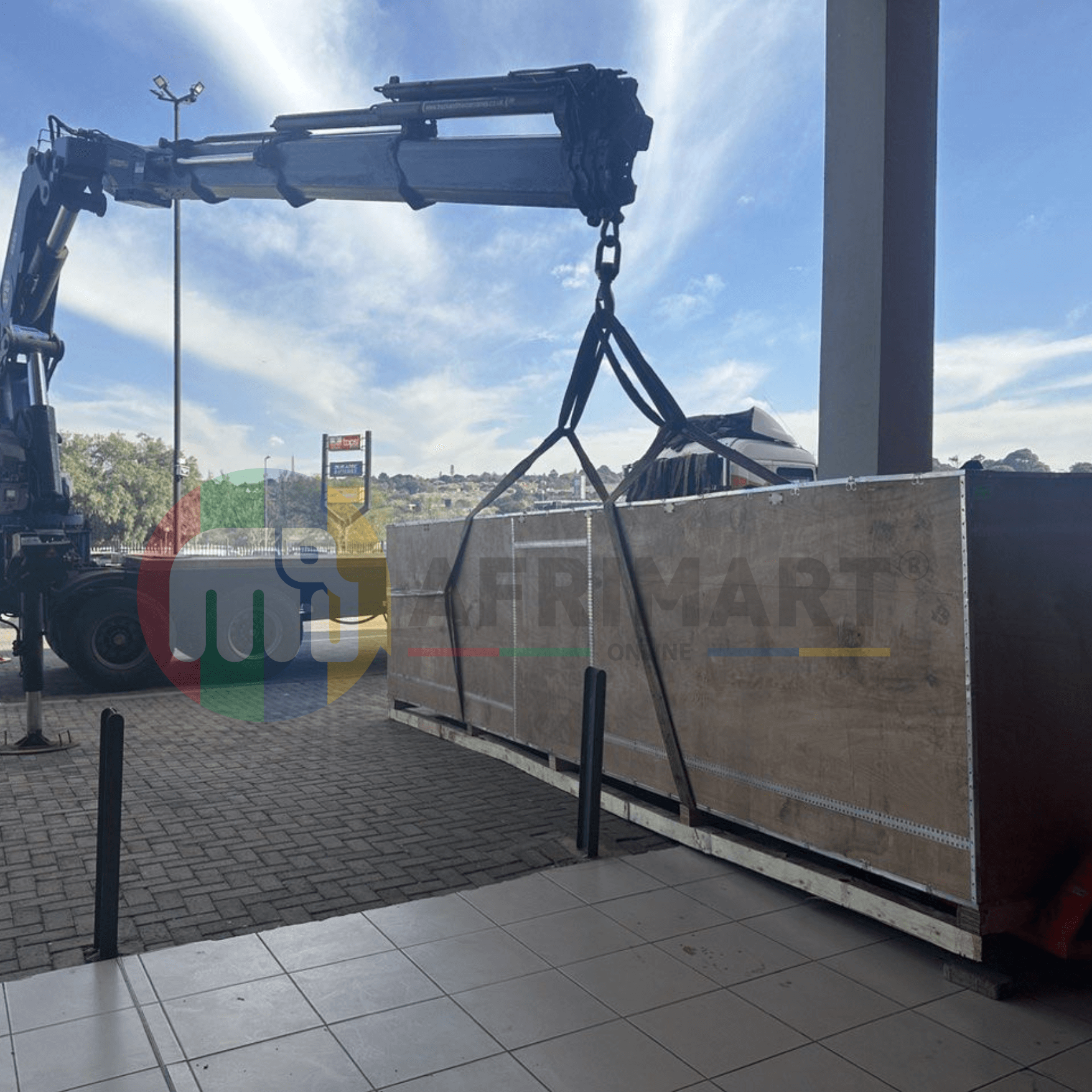
12 Heads Embroidery Machine
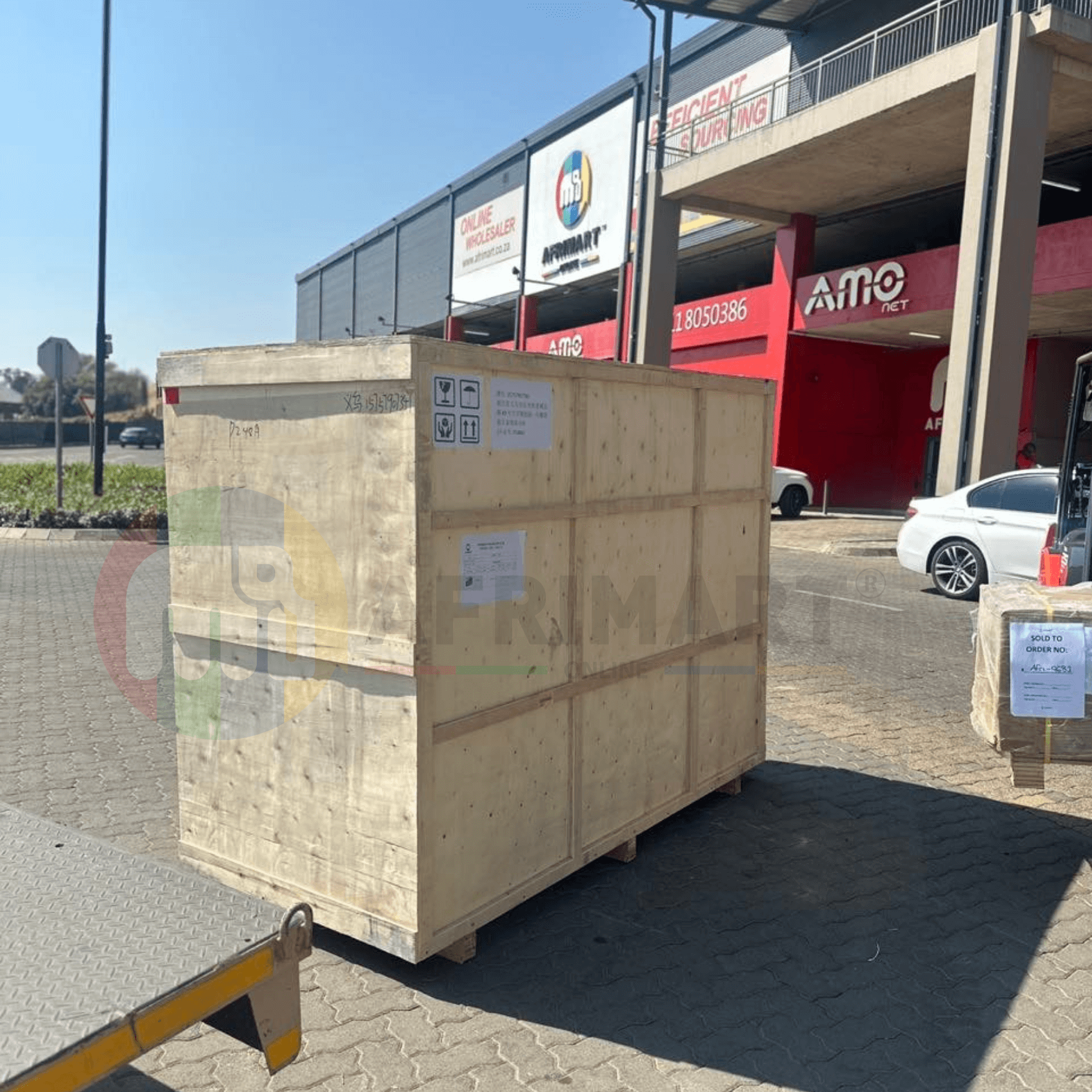
Dewatering Pump Machine
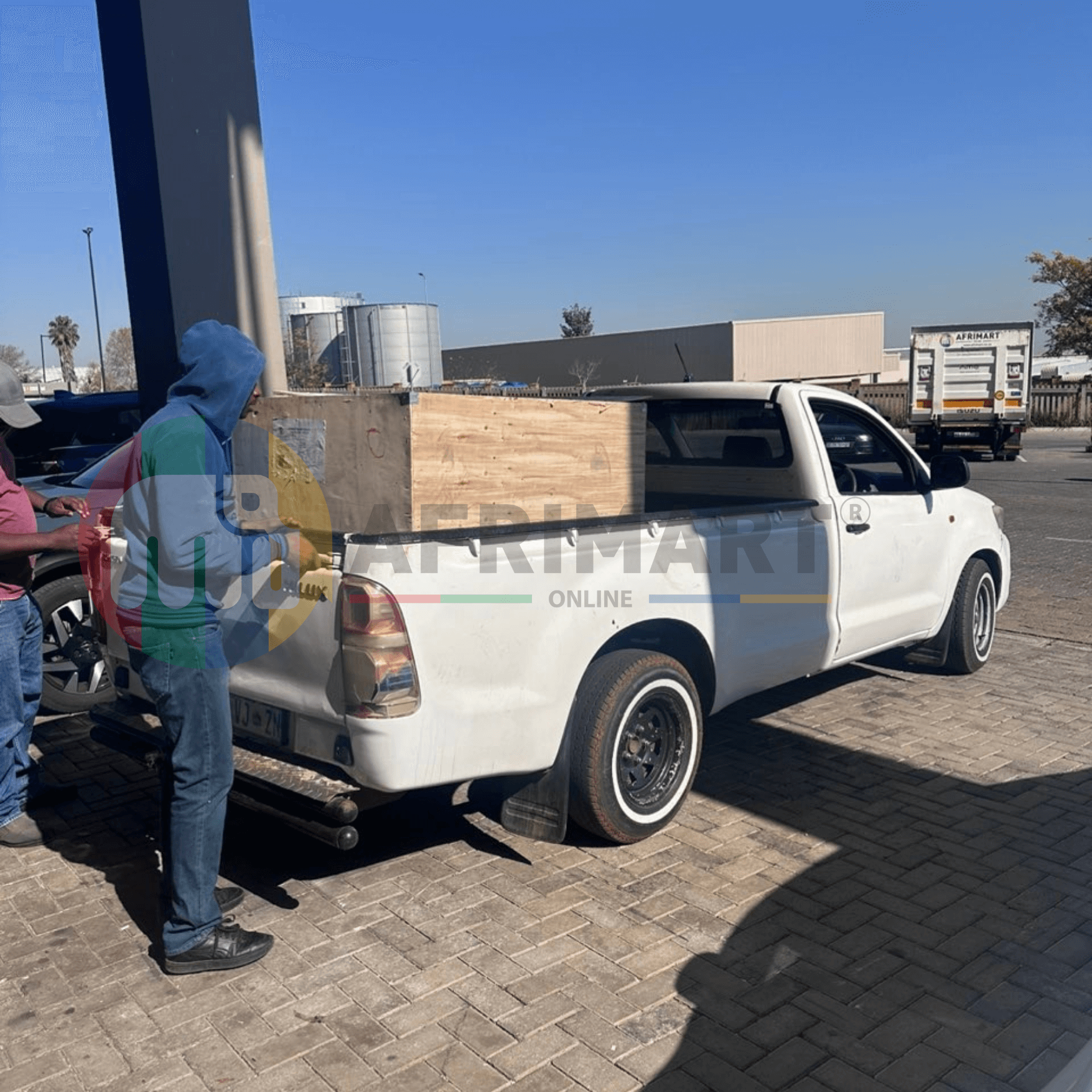
Order Collection
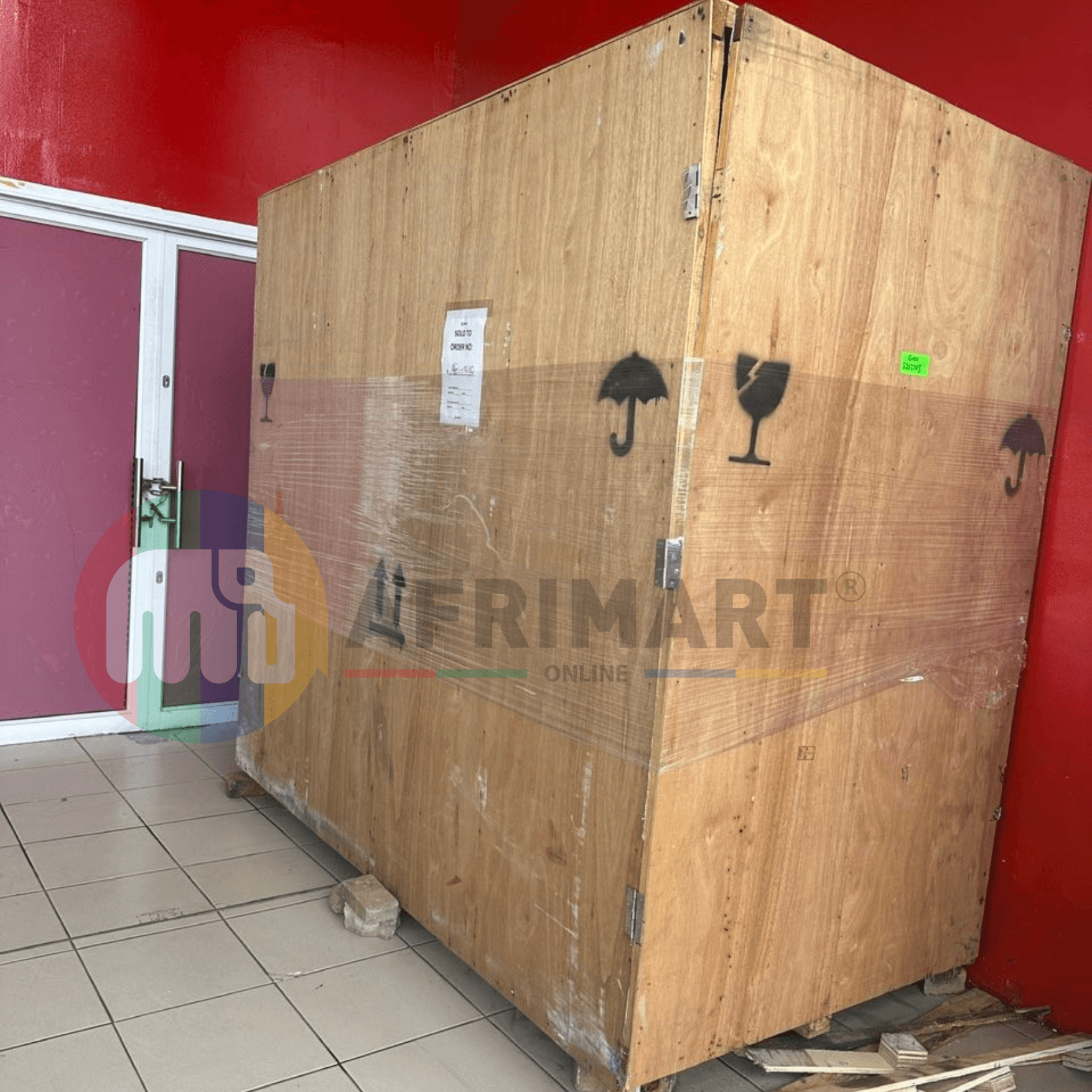
Portable Water Drilling Rig
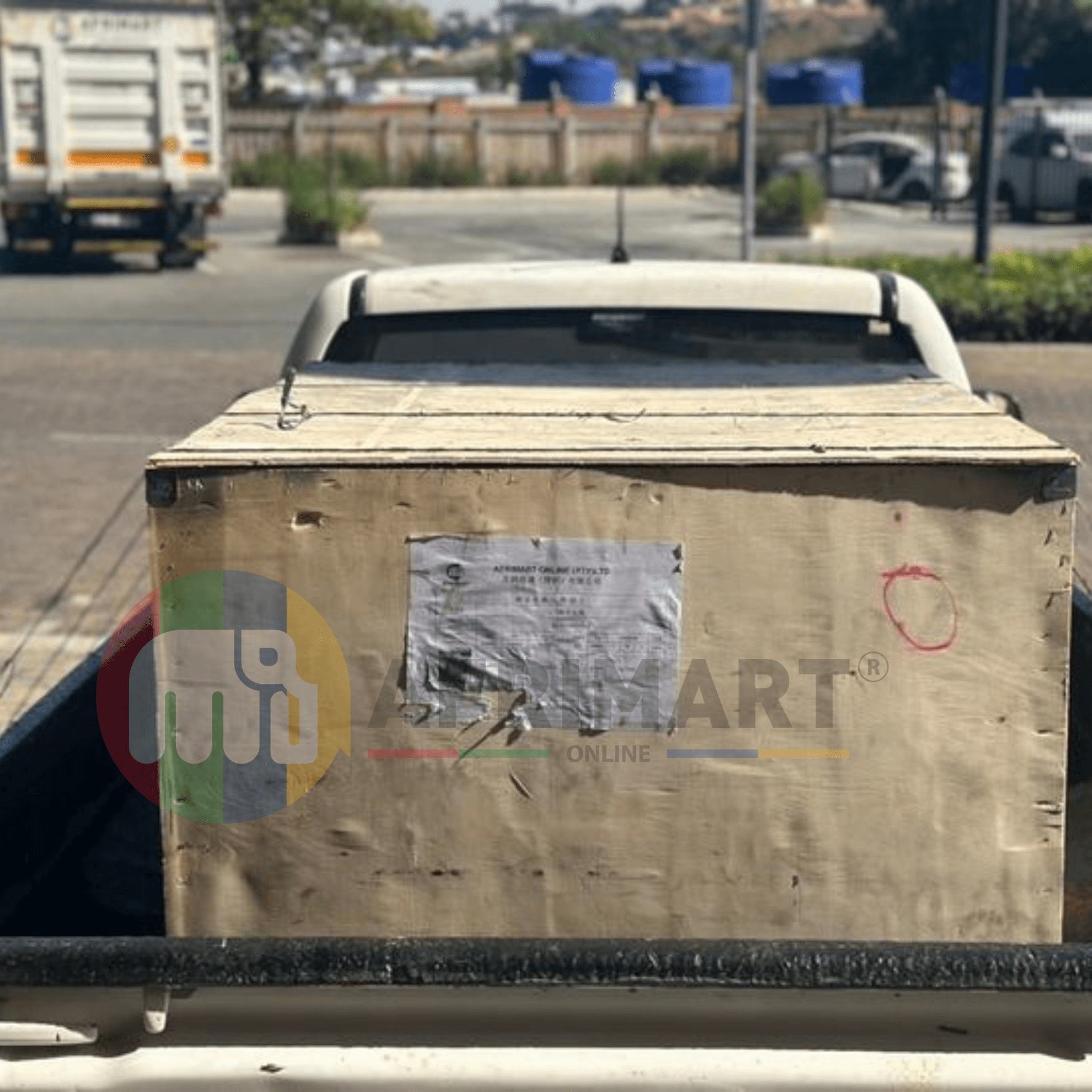
Order Usefully Collected
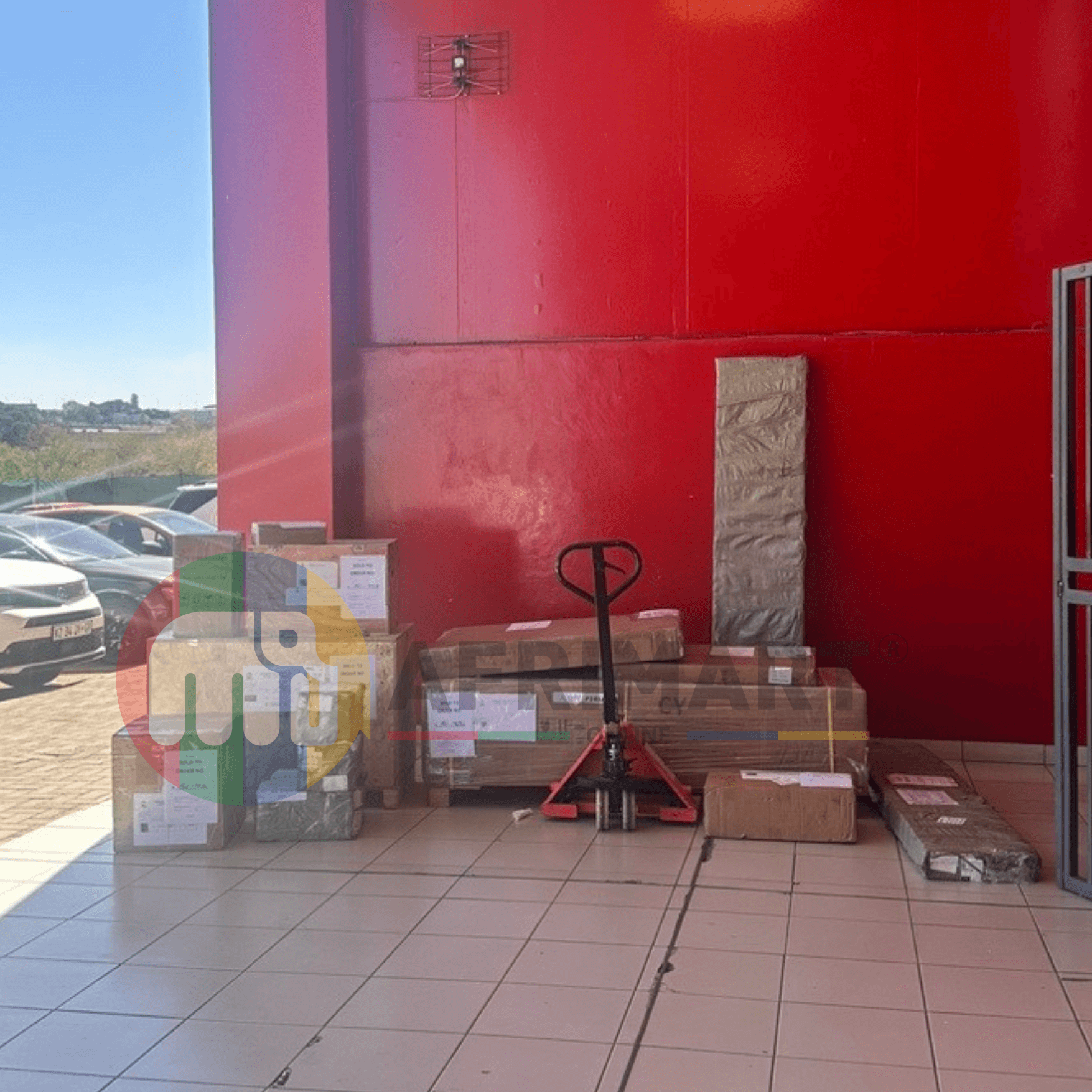
Batch of Orders
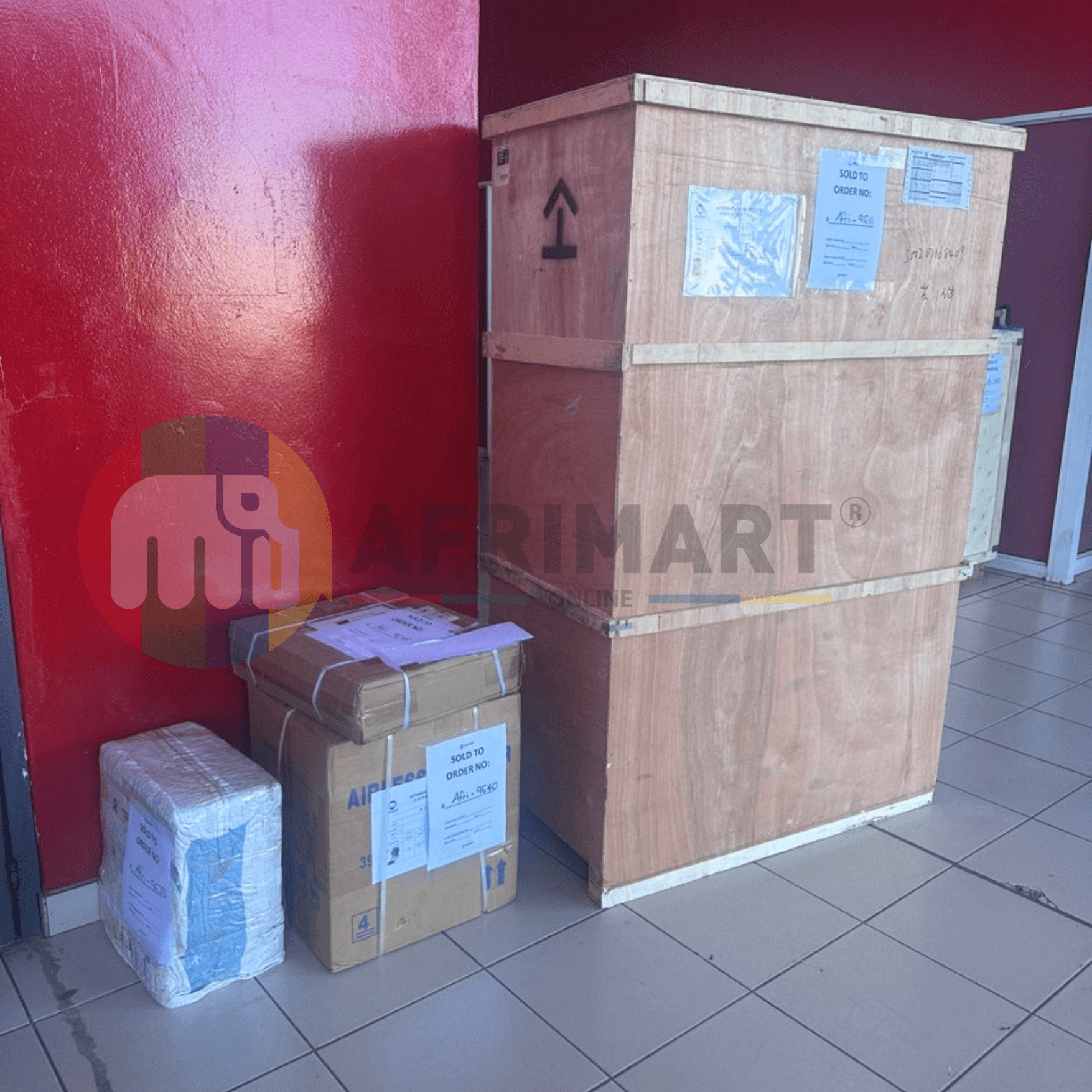
Agriculture Processing Machines
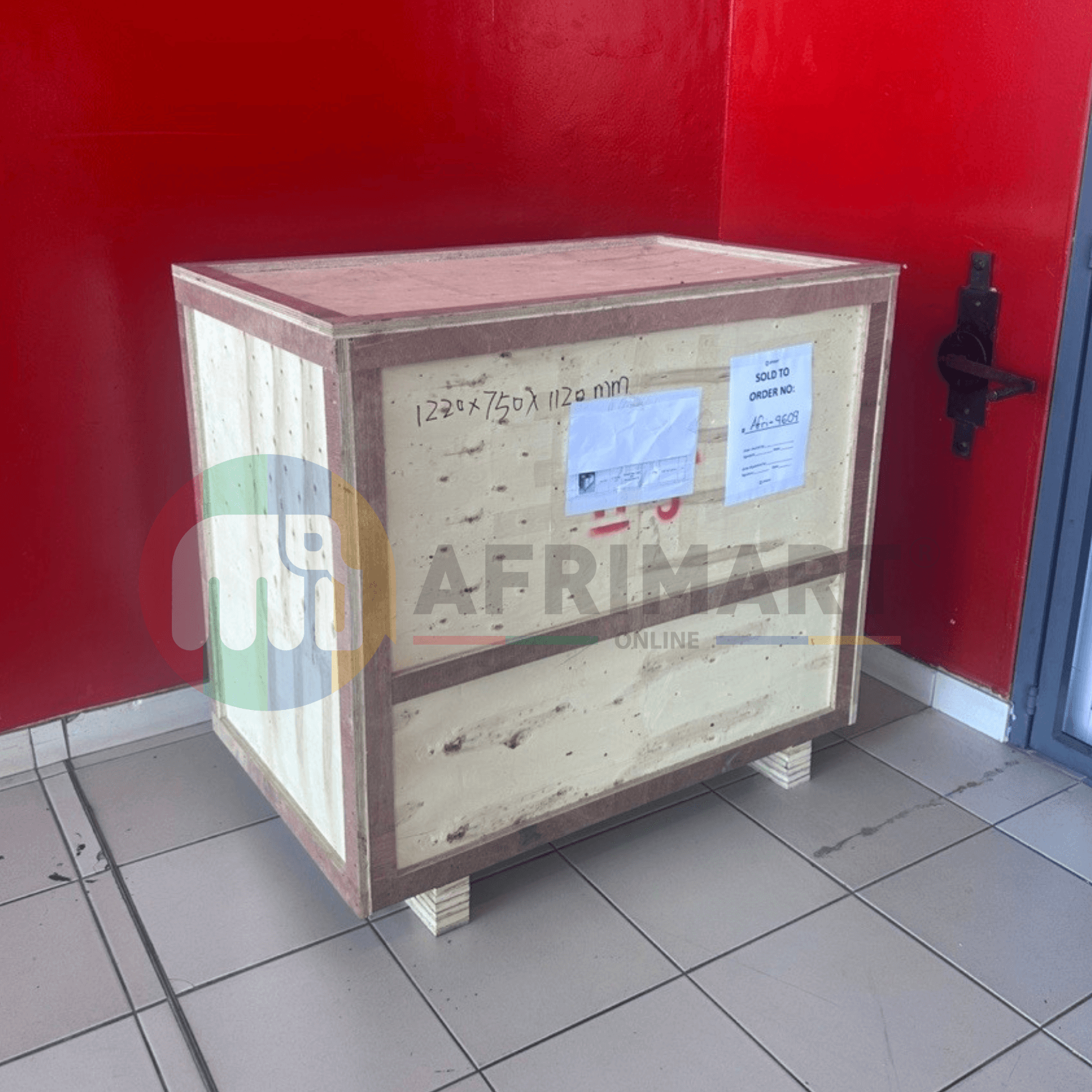
Meat Grinder Machine
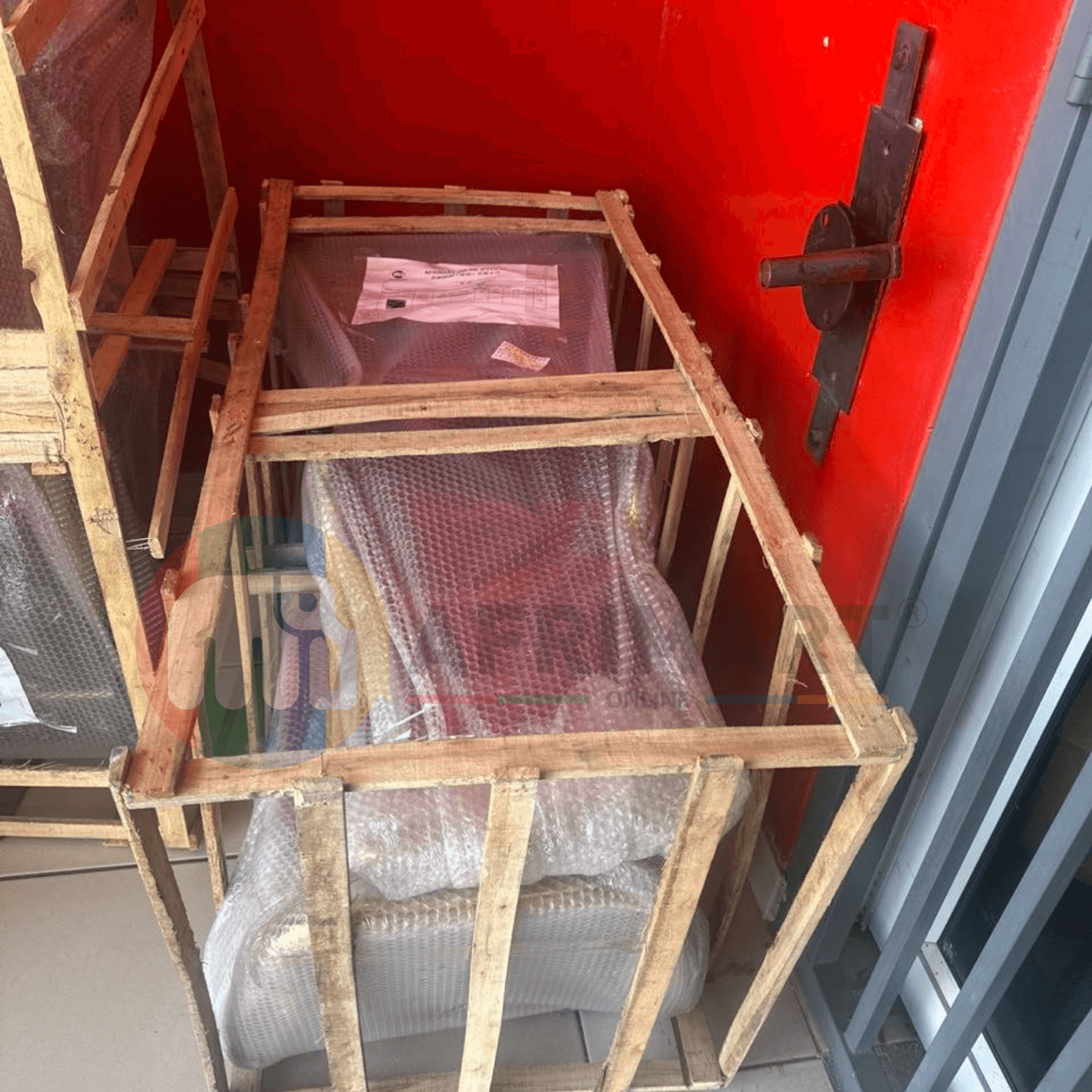
Water Pump Equipment
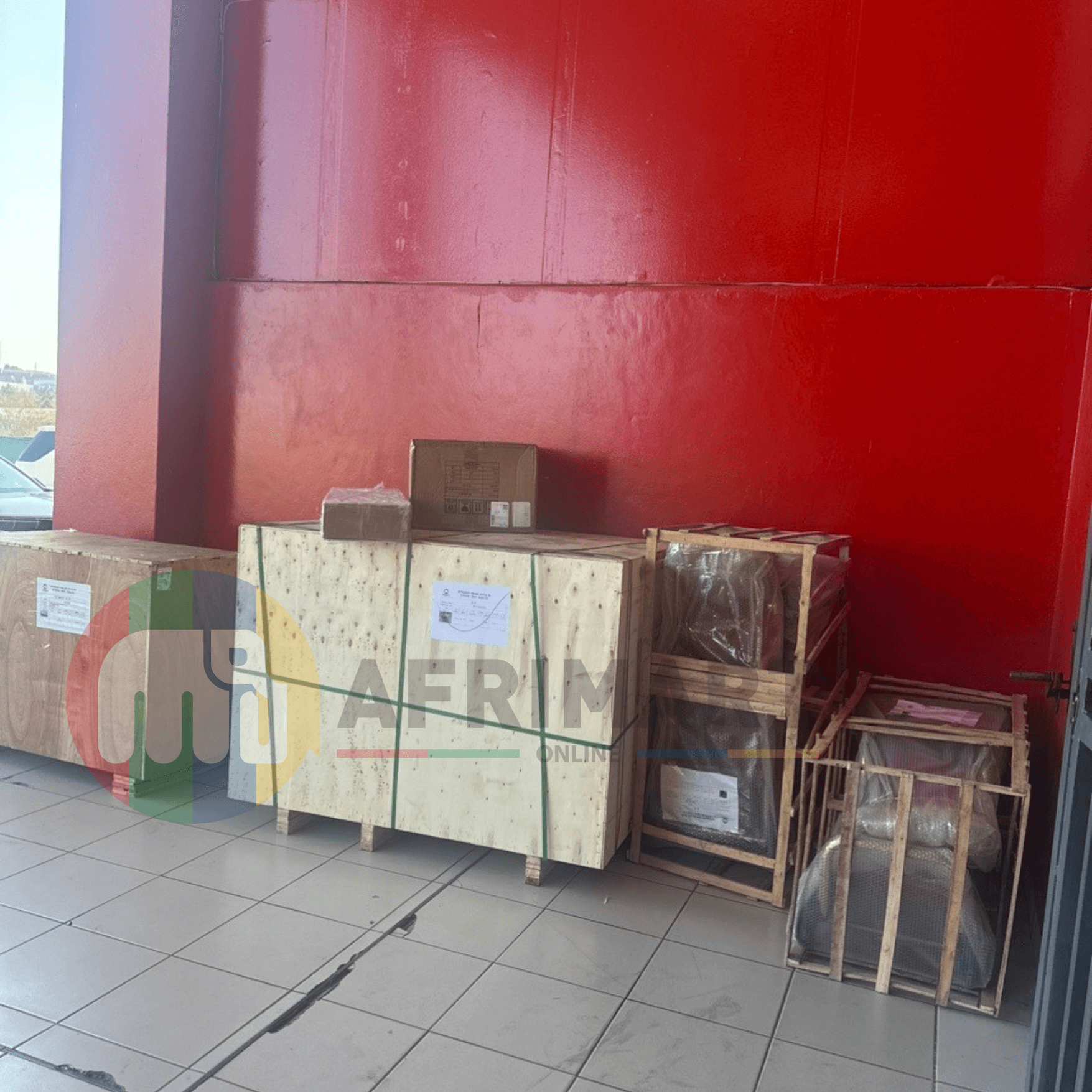
Packaging Machine and accessories
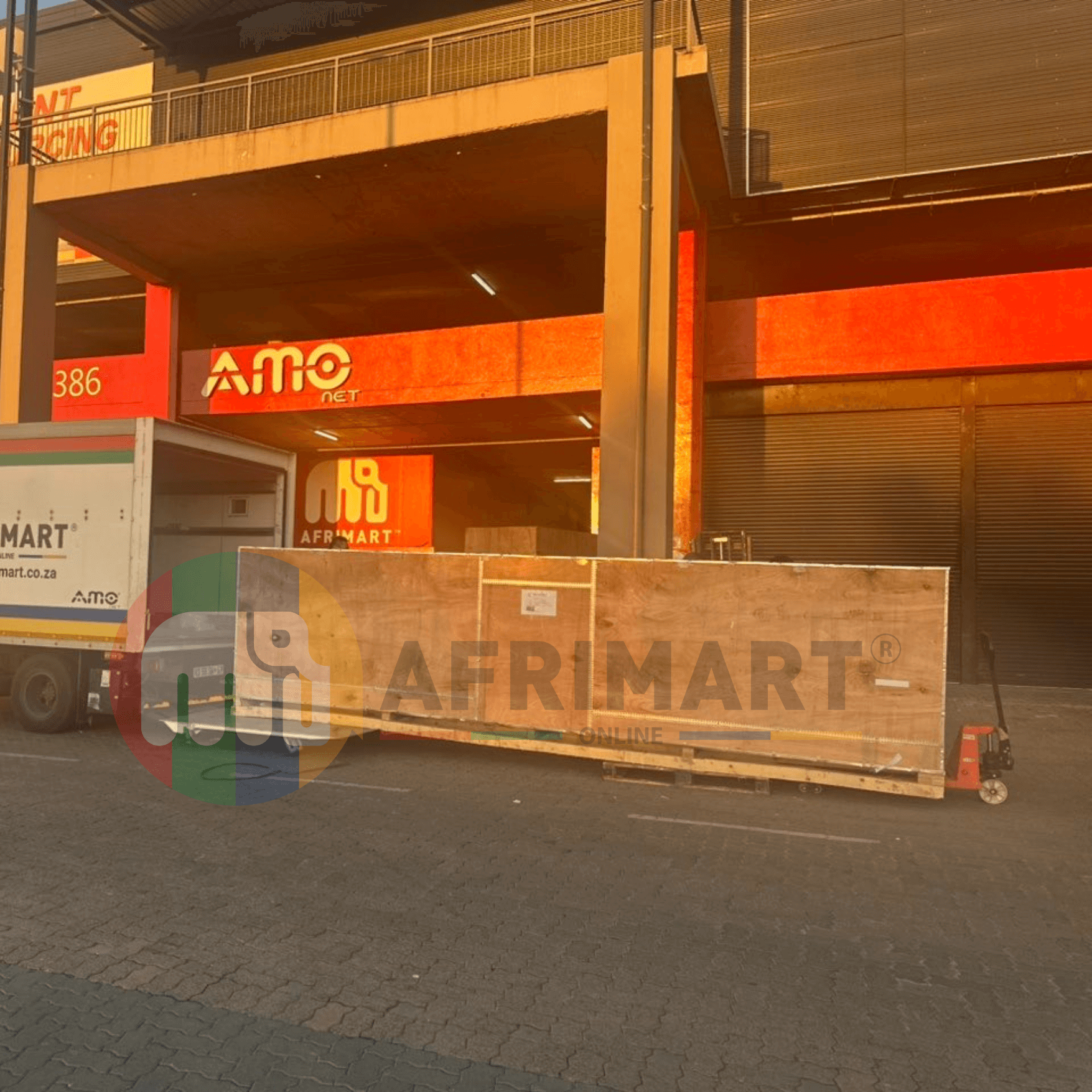
Fabrics Manufacturing Equipment
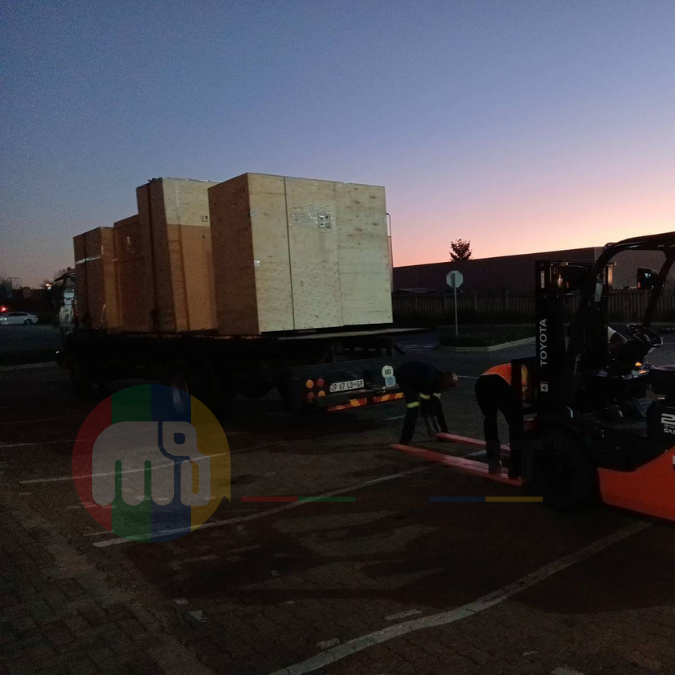
Mining Equipments
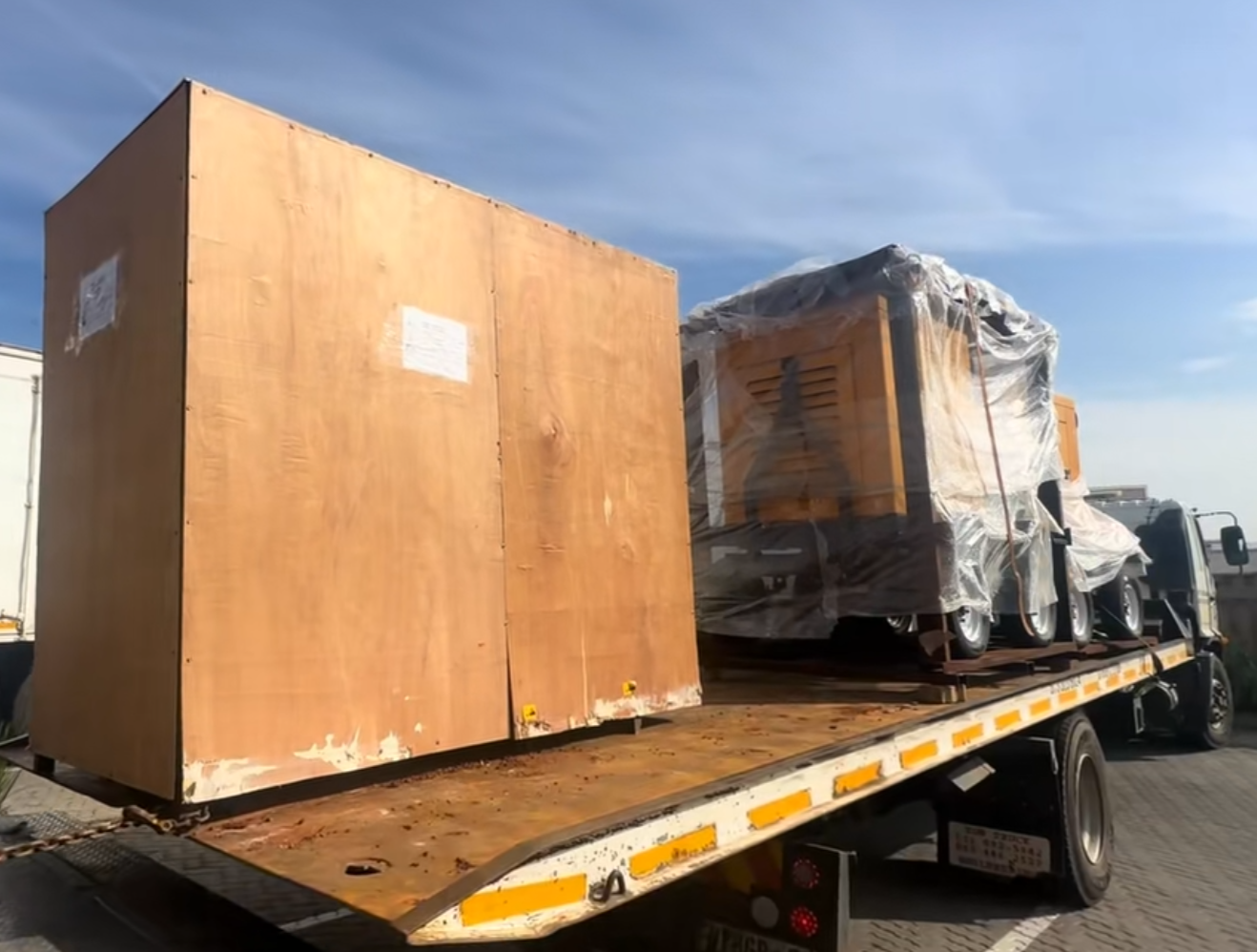
Food Processing Machine
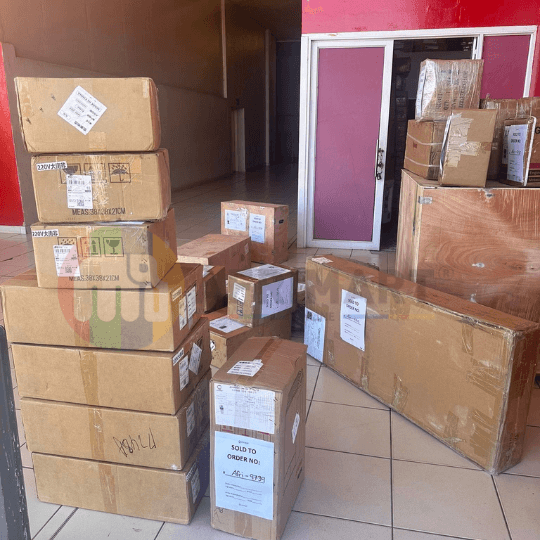
Batch of Orders
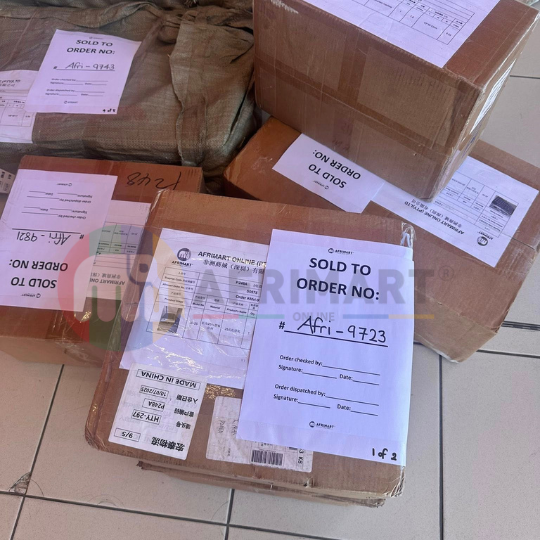
Batch of Orders
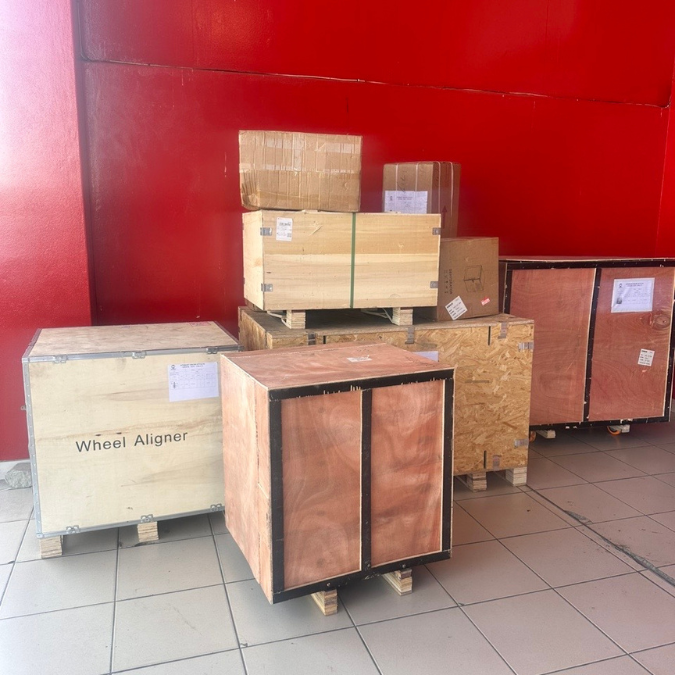
Latest Orders Labelled
wheel alignment machines
new arrivals
Pre Orders Offloading
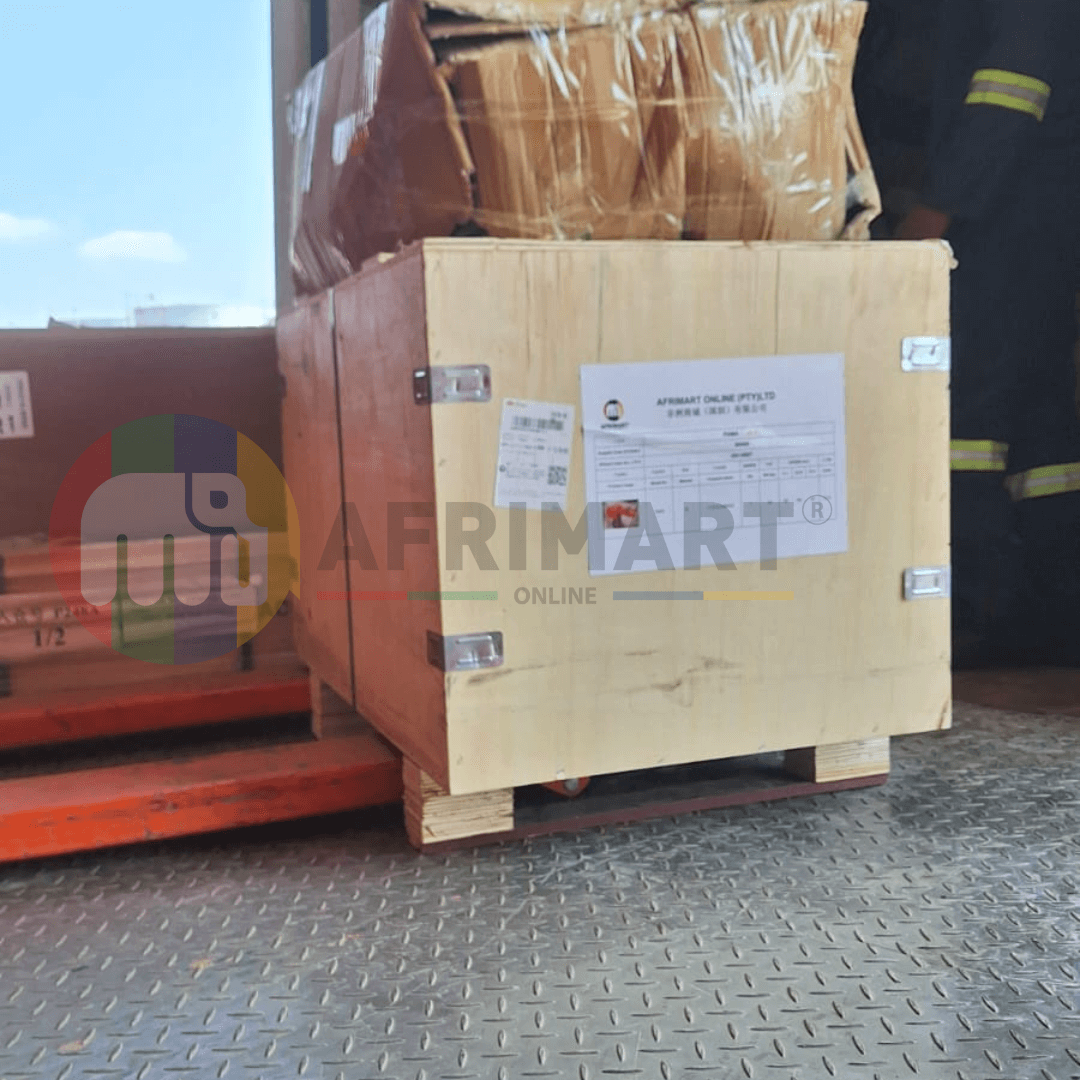
Latest Arrivals
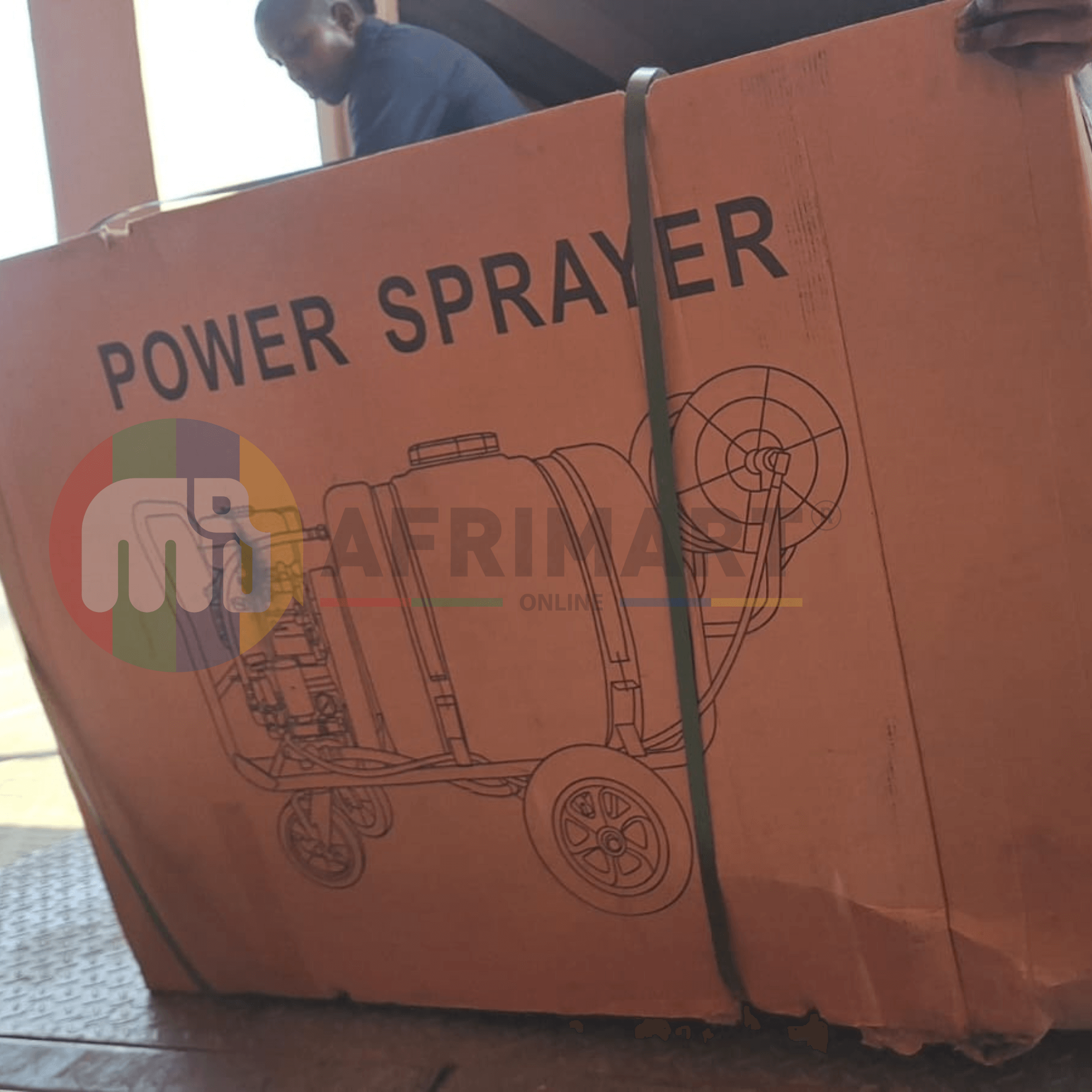
Latest Arrivals
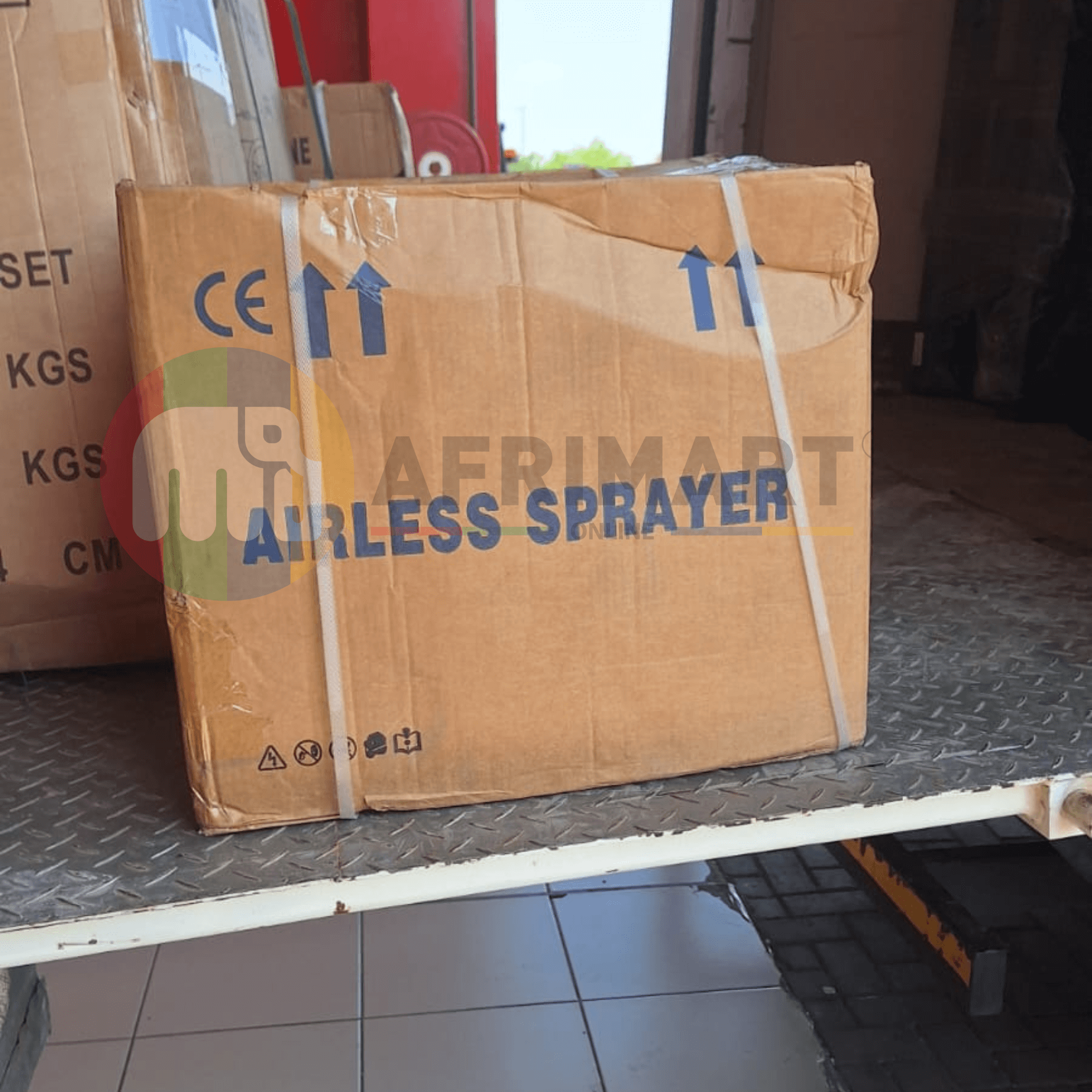
Latest Arrivals
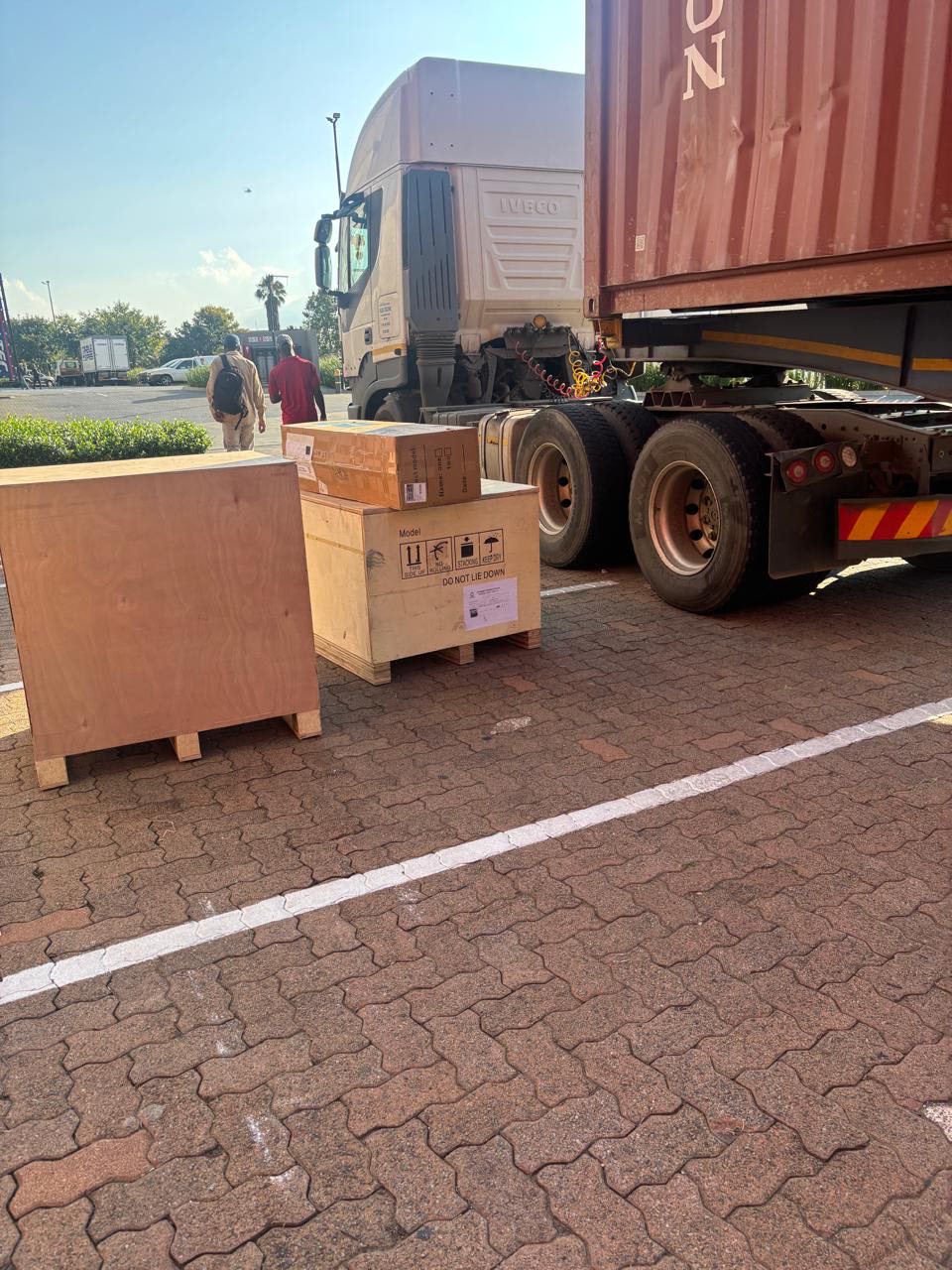
26 January 2026
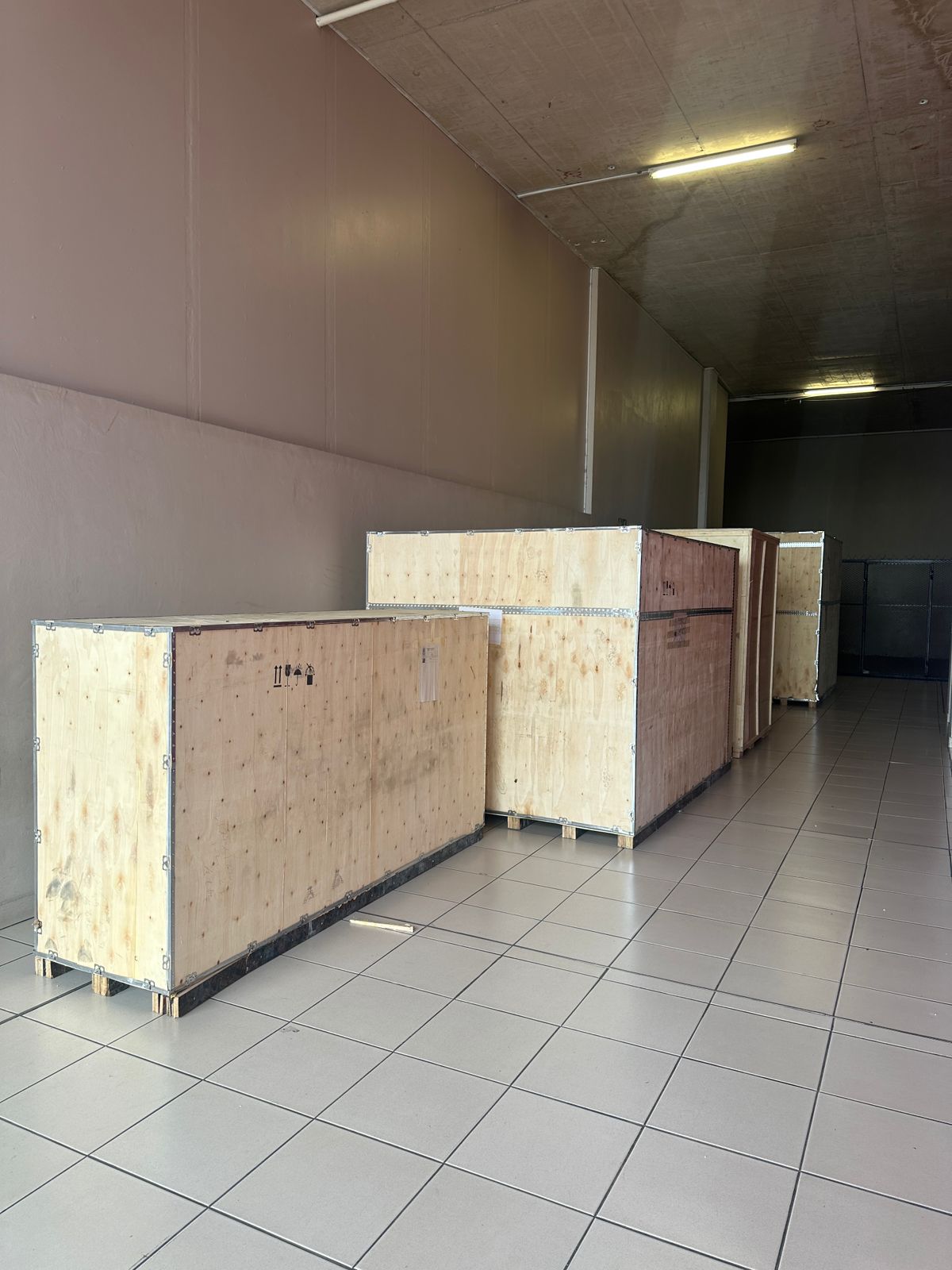
Toilet paper making machine
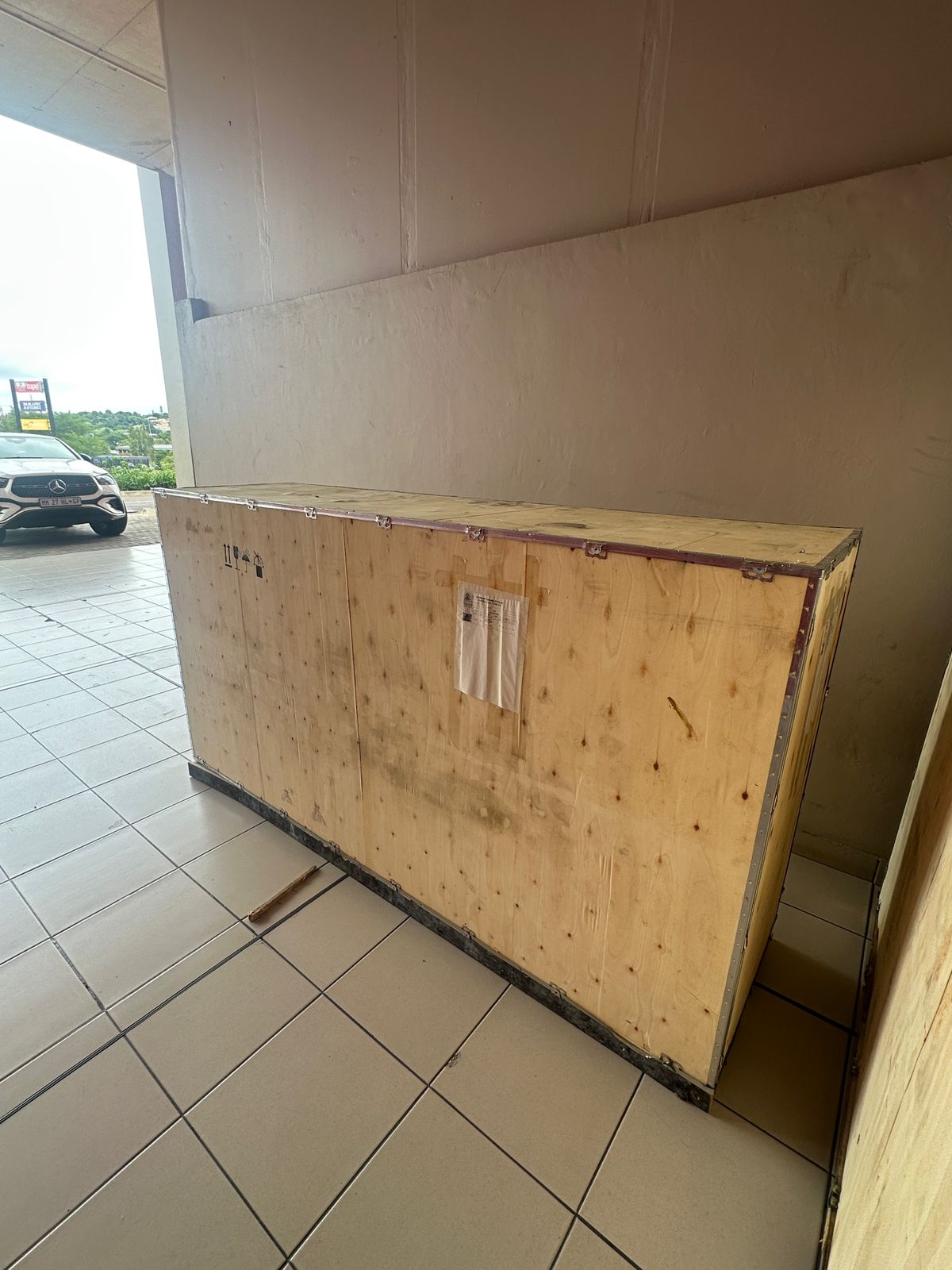
Toilet paper making machine
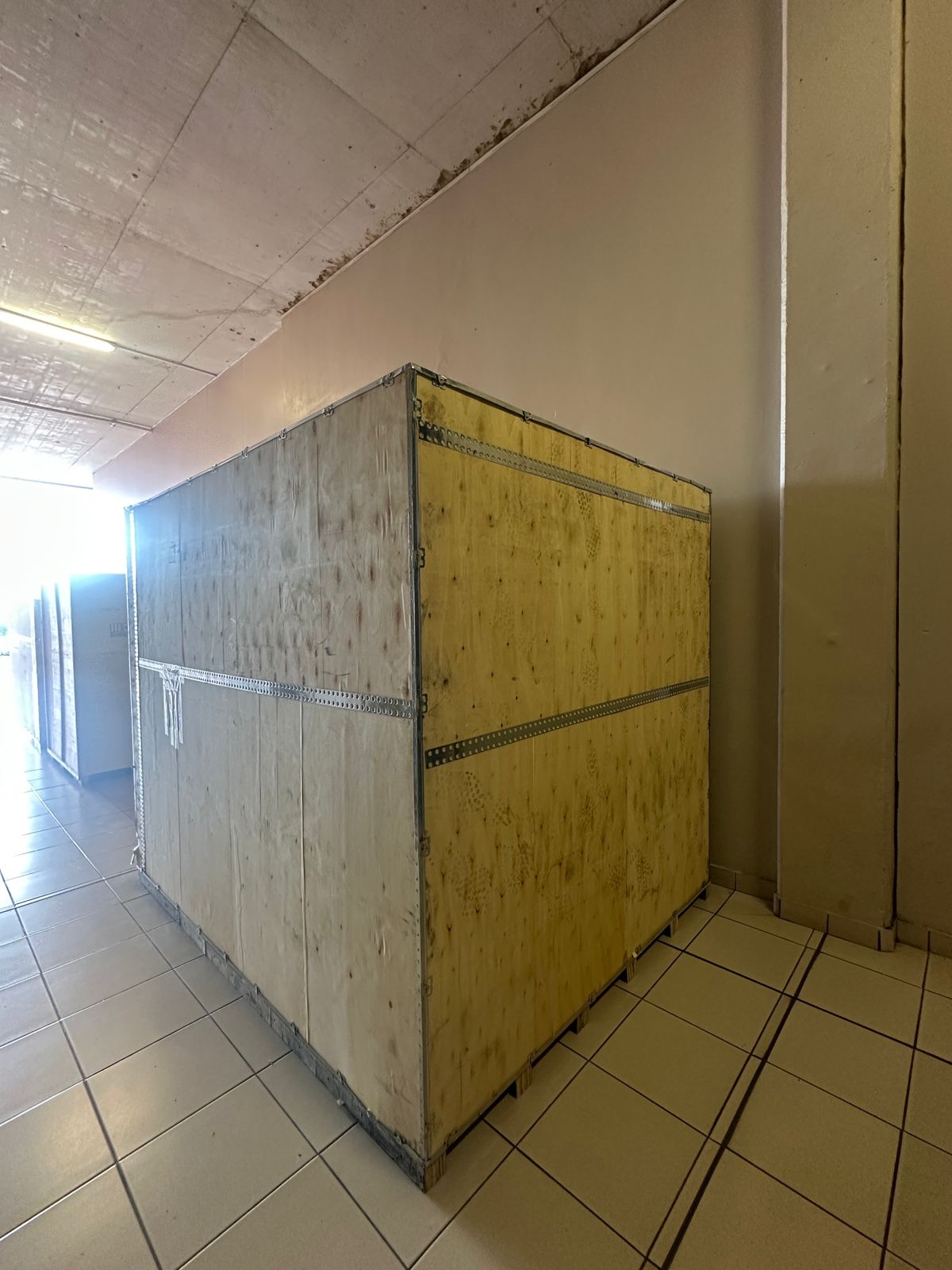
Toilet paper Rewinding Machine
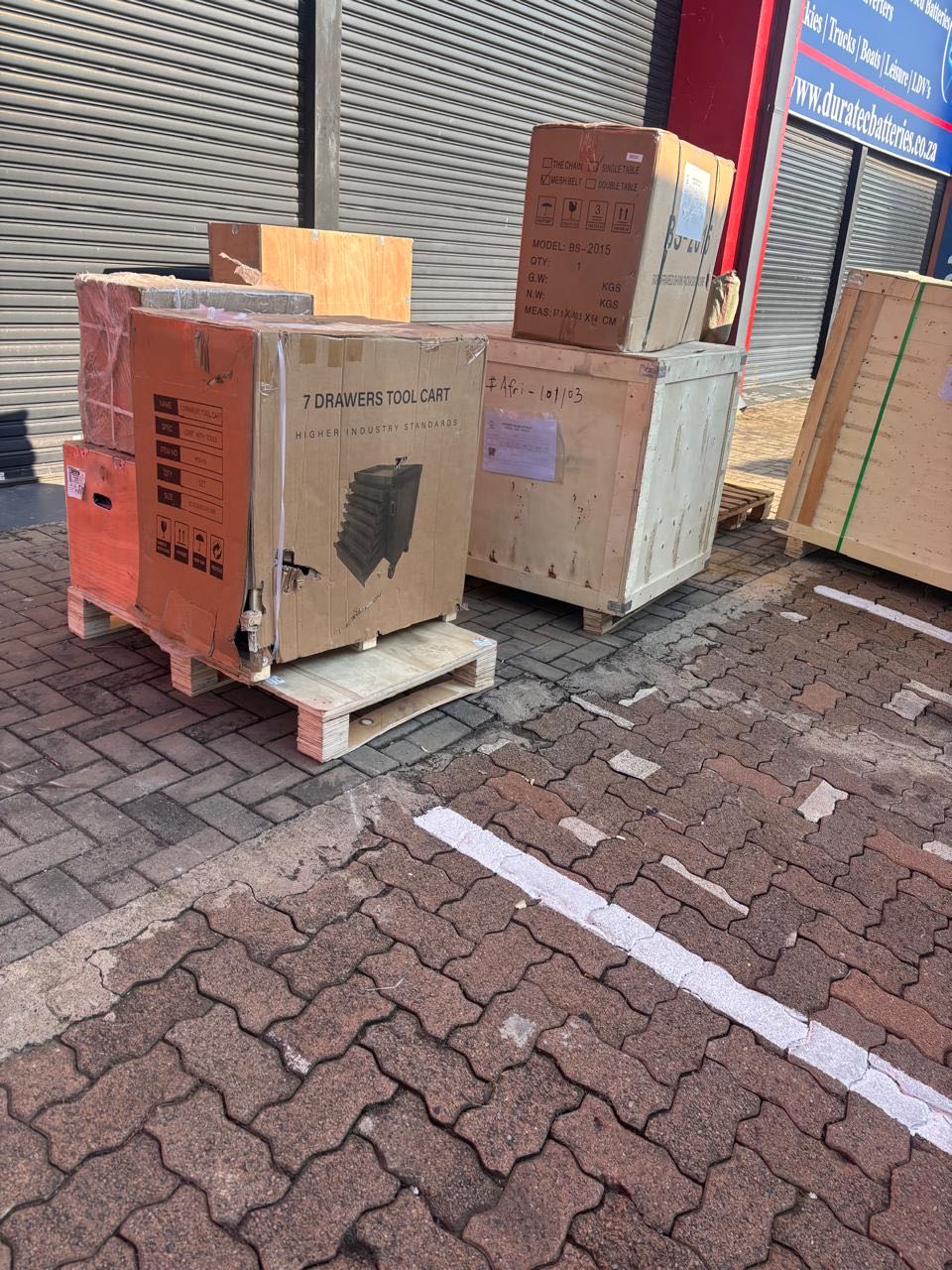
latest arrivals
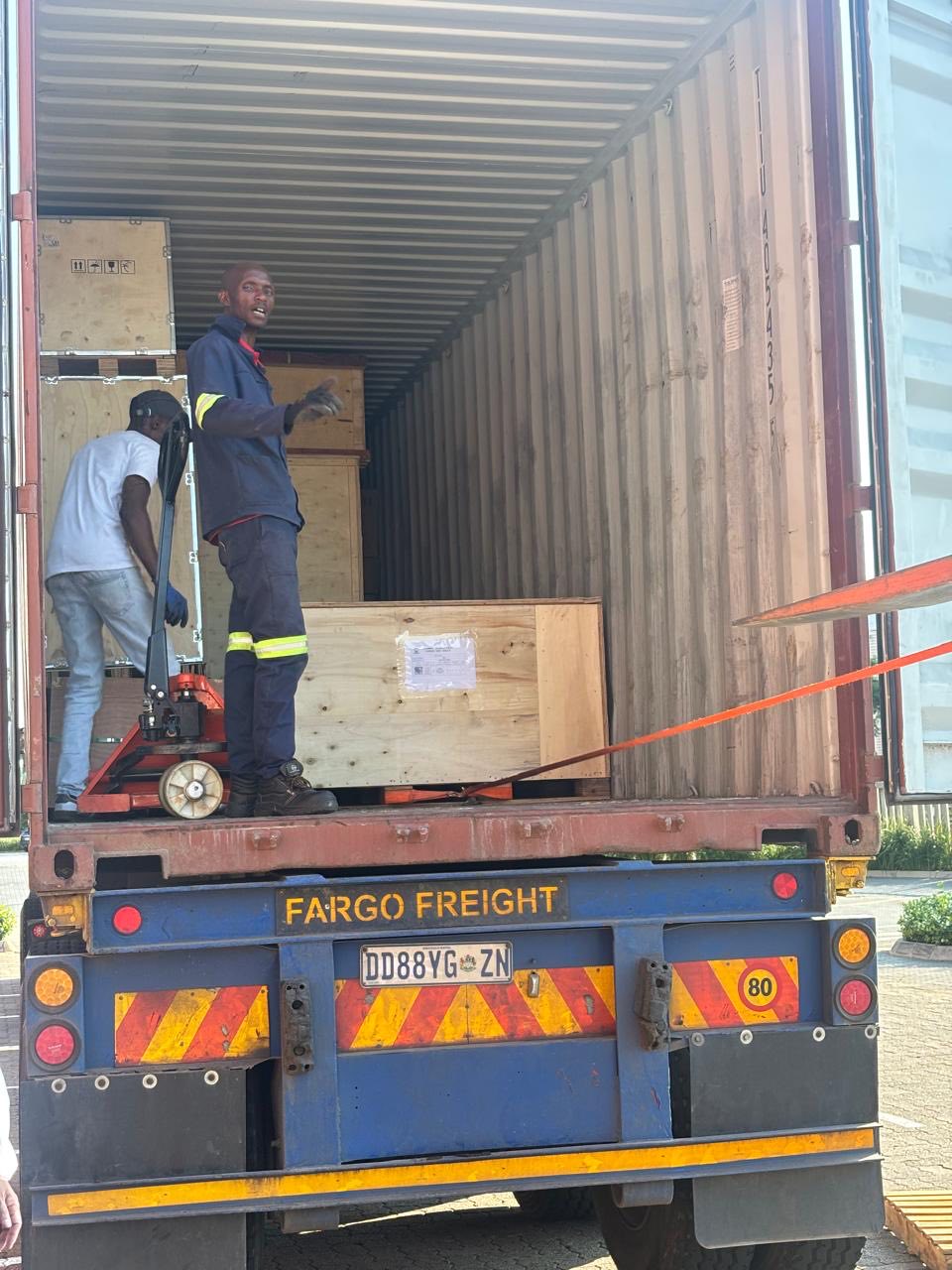
offloading
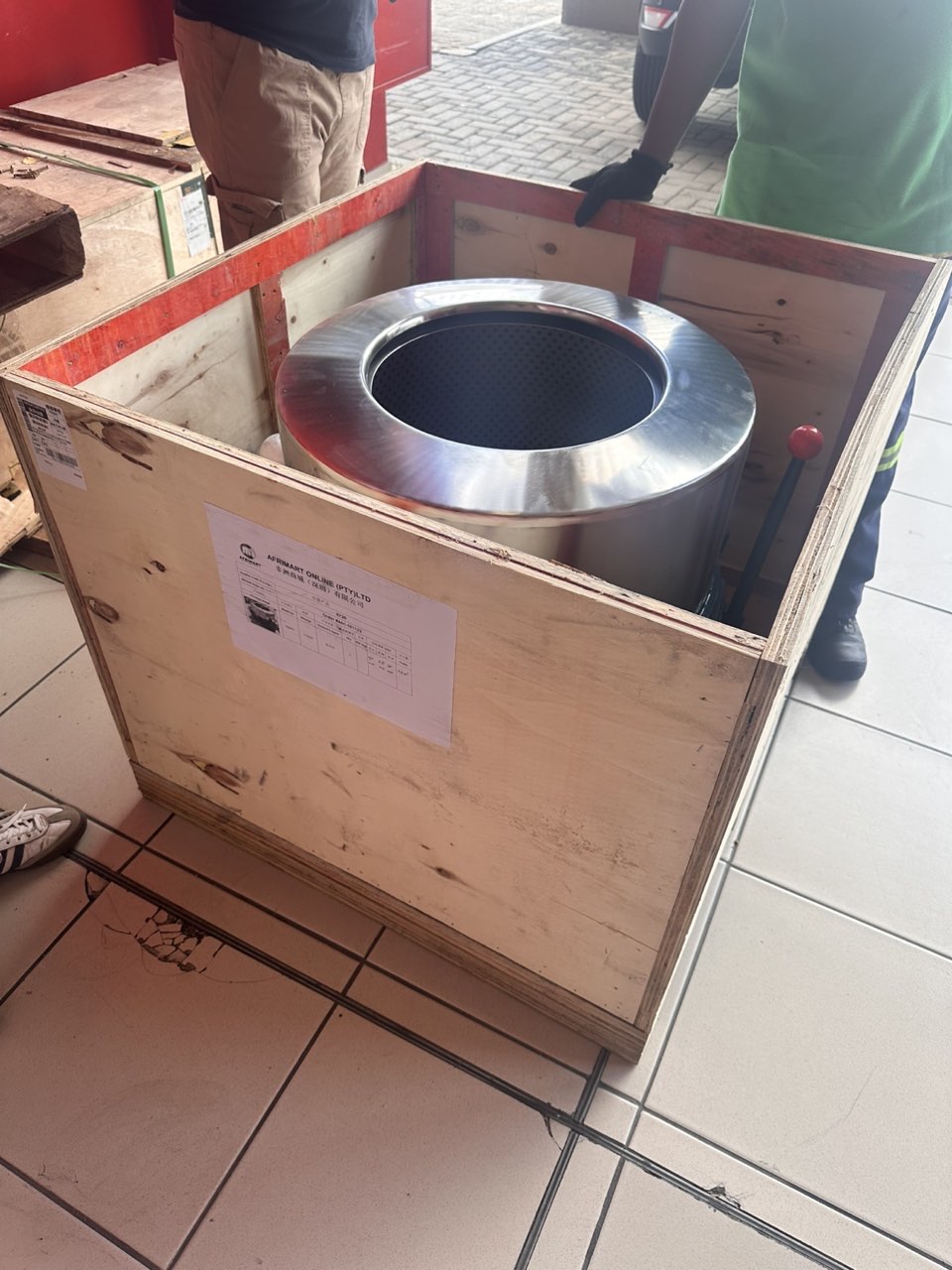
order success
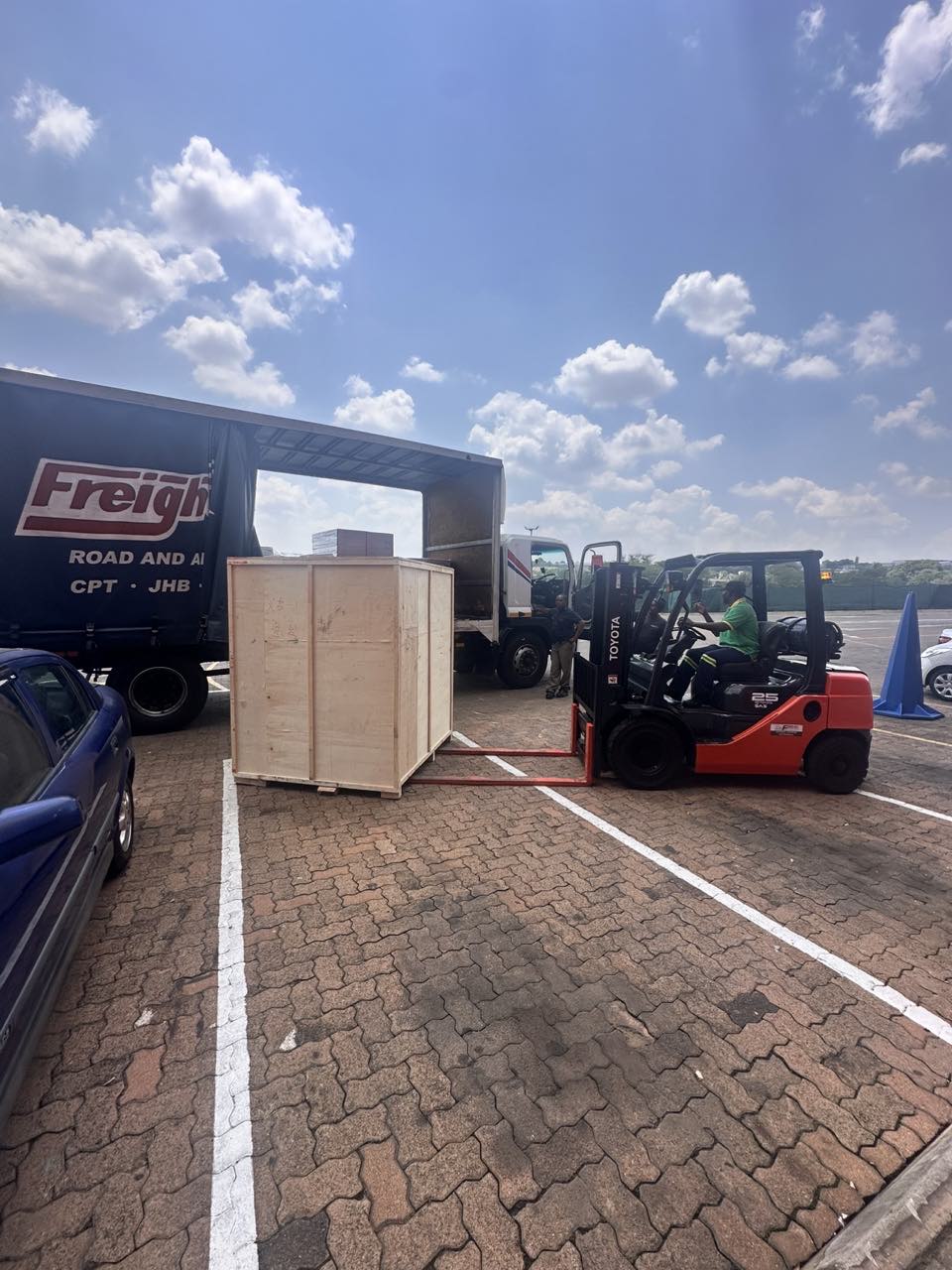
order collection
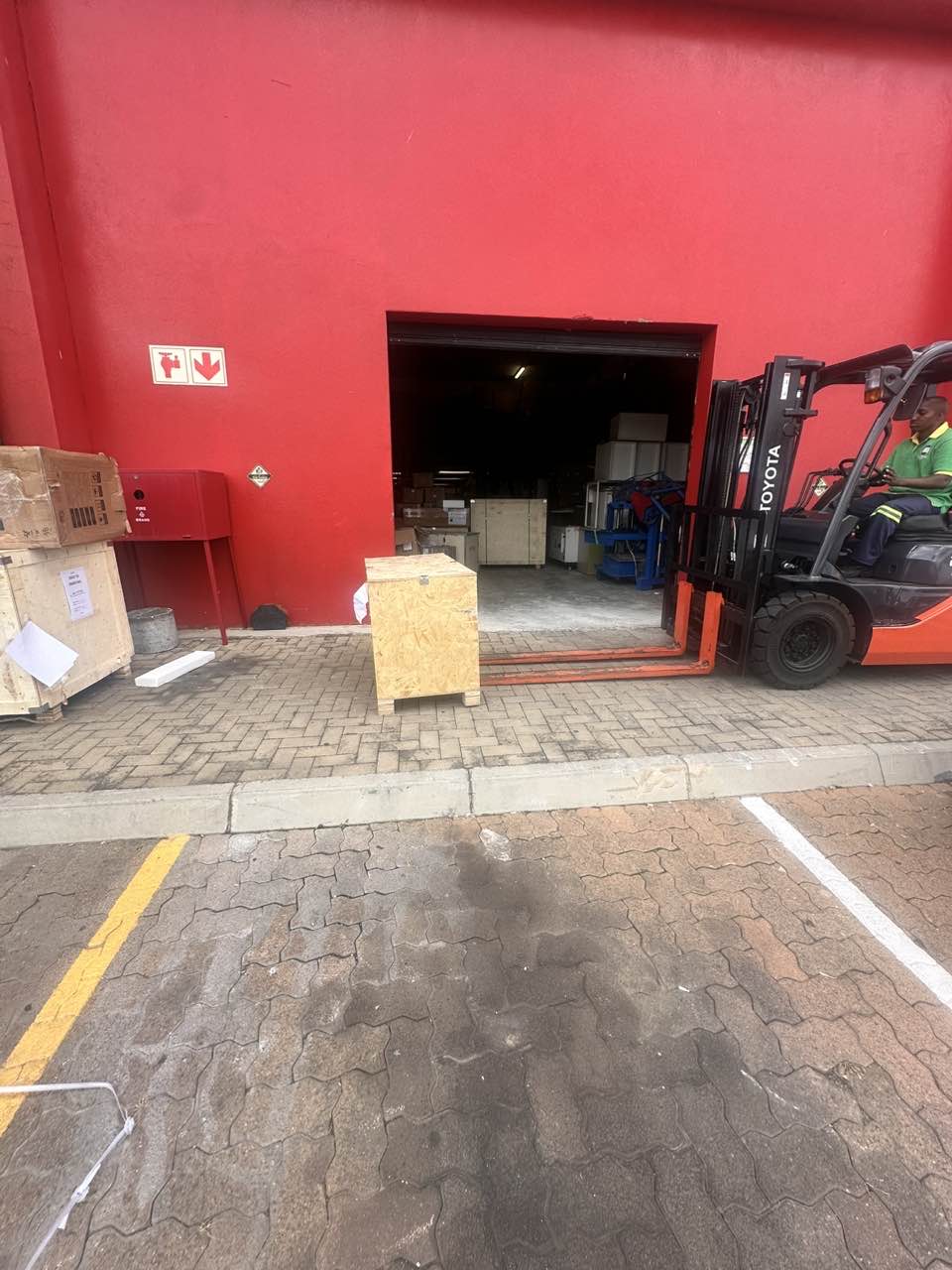
order offloading