B21, China Town Mall, Midrand

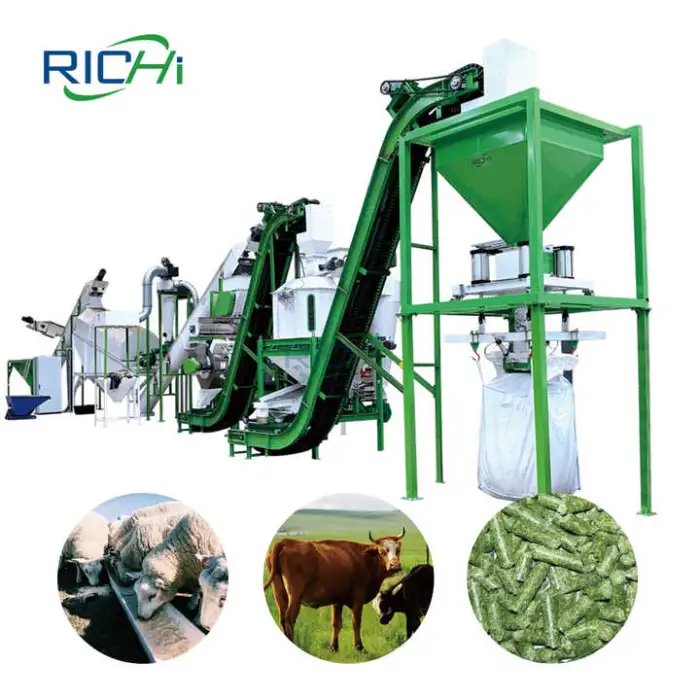
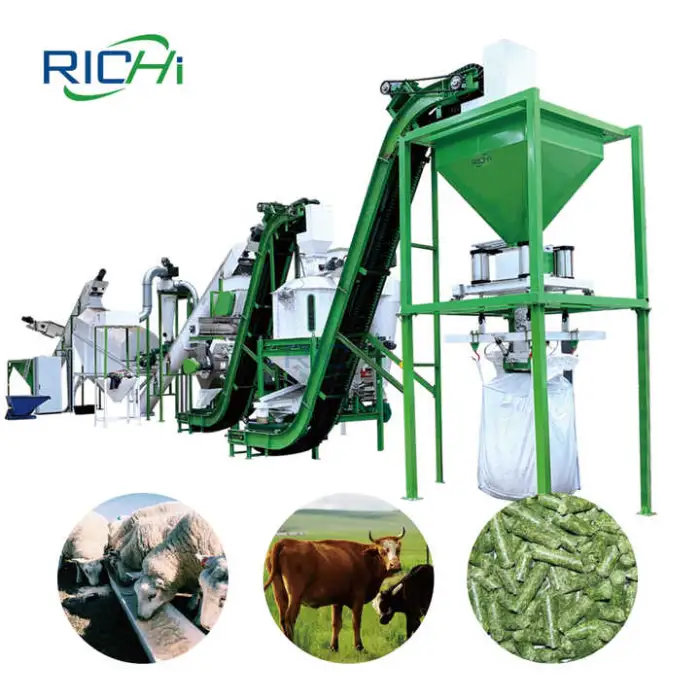
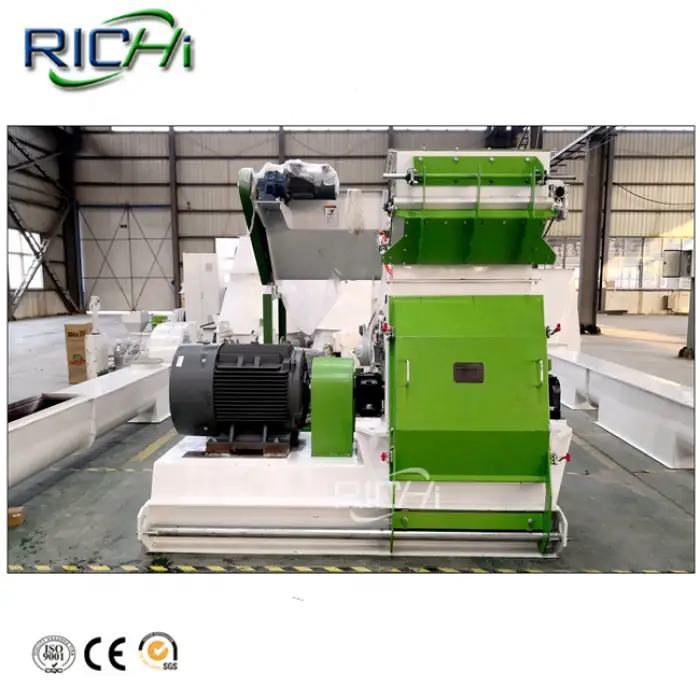
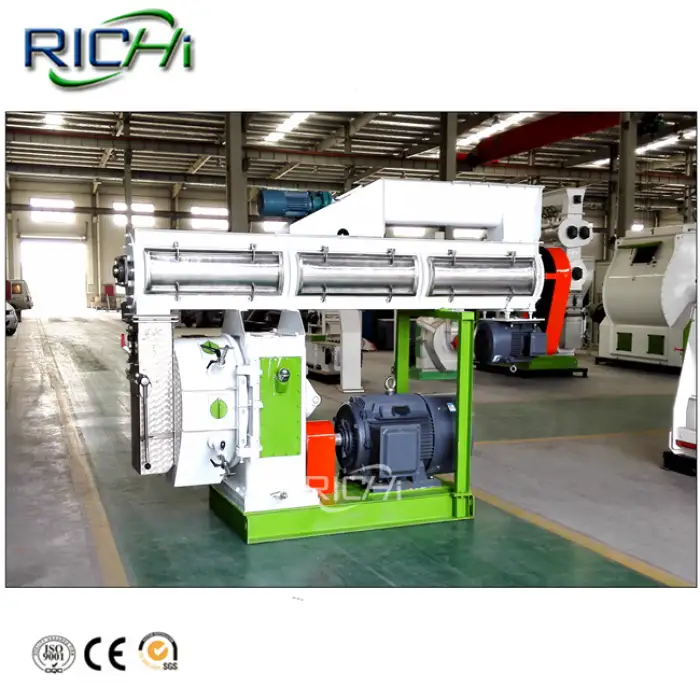
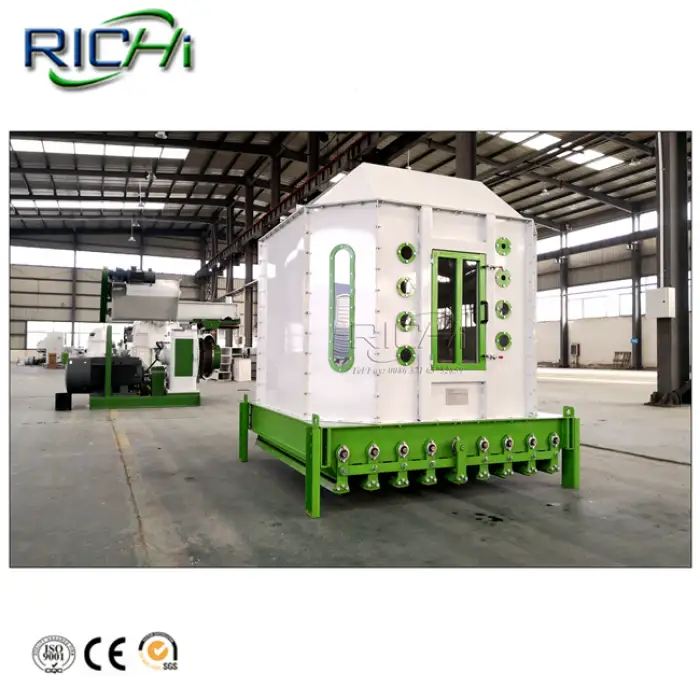
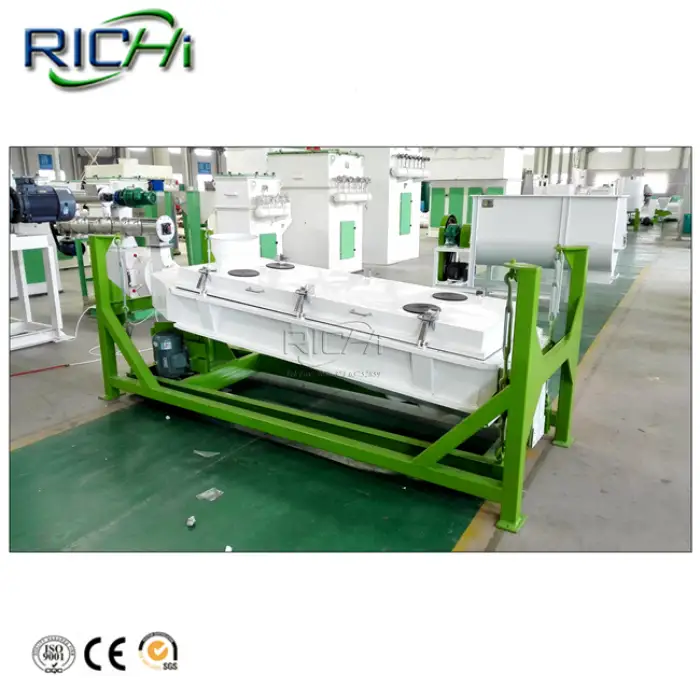
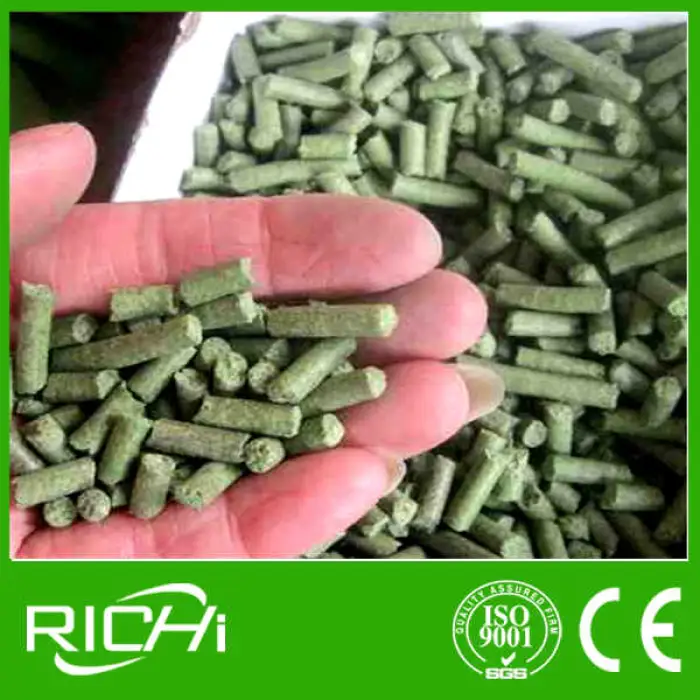
Large Farms Use 1-6 T/H Hemp Alfalfa Grass Production Line for Animal Feed Pellet

- Section : Machinery
- Category : Other Food Processing Machinery
- SKU : 1600395254043

Large Farms Use 1-6 T/H Hemp Alfalfa Grass Production Line for Animal Feed Pellet
The Large Farms Use 1-6 T/H Hemp Alfalfa Grass Production Line is a powerful machine designed for producing animal feed pellets. This production line can handle a variety of raw materials, making it perfect for large farms looking to streamline their feed production. With a capacity of 1 to 6 tons per hour, this new and efficient machine helps ensure your animals get the best nutrition possible.
Specifications
| Attribute | Details |
|---|---|
| Brand Name | RICHI |
| Condition | New |
| Capacity | 1-6 T/H |
| Weight | 11000 kg |
| Voltage | 380V / 415V / 440V |
| Dimension (L*W*H) | According to specific design |
| Raw Material | Hemp Alfalfa Grass |
| Selling Units | Single item |
| Supply Ability | 300 sets per month |
Key Features
- High-capacity production line designed for large farms.
- Efficient processing of hemp alfalfa grass into animal feed pellets.
- Famous brand PLC for reliable operation.
- New and advanced technology for optimal performance.
- Customizable dimensions based on specific requirements.
Applications
- Production of high-quality animal feed pellets.
- Suitable for livestock farming and large-scale animal husbandry.
- Can be used in feed mills and agricultural processing plants.
- Ideal for mixing various feed ingredients.
- Perfect for enhancing animal nutrition with hemp alfalfa grass.
Product Info Gallery
- Shipping Timeframes: All orders are processed within 2-5 business days (excluding weekends and holidays). After your order has been processed, the estimated delivery time is before 19 Jun, 2026, depending on customs, Please note that due to high demand, some items may experience longer shipping times, which will be communicated at order confirmation email.
- Order Processing Time: Please allow 2-5 business days for us to process your order before it is shipped . Orders placed after 16:00 on Fridays, or during weekends and public holidays, will begin processing on the next business day. Processing times may be extended during peak seasons or sales events.
- Manufacturing Time: Some products needs manufacturing time, the manufacturing process will take approximately 10-30 business days depending on the product. This timeframe may vary depending on the complexity of the product and current demand. but this will be communicated with you during order confirmation.
- Returns and Exchanges: We offer a 30-day return policy for most items. If you are not completely satisfied with your purchase, you may return it within 30 days of receipt for a refund or exchange. Items must be unused, in their original packaging, and accompanied by proof of purchase. Return shipping costs are the responsibility of the customer, unless the item was damaged or defective upon arrival.
1. What is the production capacity of this hemp alfalfa grass pellet production line?
The production line is rated for 1–6 tons per hour (T/H), depending on raw material properties, pellet specification and final configuration.
2. Which raw materials can this production line process?
It is designed for hemp, alfalfa and grass feedstocks and can also handle many other fibrous forage materials commonly used in animal feed.
3. What are the electrical requirements for the machine?
Standard supply options are 380V, 415V, or 440V. Exact power requirements depend on the selected configuration; final electrical specifications are provided with the quotation and installation documents.
4. What is included in a typical production line configuration?
A typical large-farm line includes feed pre-processing (grinder/hammer mill), drying (if required), batching/mixing, pellet mill(s) with dies, cooling, sieving, and optional packaging. Exact components are customized to your needs.
5. What pellet sizes and hardness can I produce?
Pellet diameter is set by the die and is customizable. Common diameters for animal feed are in the 2–8 mm range for small livestock and up to 8–12 mm for larger animals. Pellet hardness is influenced by formulation, moisture, die design and conditioning.
6. What are the recommended raw material moisture and pre-treatment requirements?
For efficient pelleting, target raw material moisture is typically around 12–15% (may vary with formulation). Pre-processing like grinding to suitable particle size and drying (if raw material is moist) is often required.
7. How large is the machine and how much does it weigh?
Weight for the referenced production line is approximately 11,000 kg. Overall dimensions are customized according to the chosen layout and site requirements and will be provided in the design drawings.
8. Is the machine automated and what control system does it use?
Yes, the line uses a PLC control system from a reputable brand for reliable automated operation. Human-machine interface and automation scope (fully or semi-automatic) are configurable.
9. What after‑sales support, spare parts and training are available?
Standard support includes commissioning assistance, operator training and availability of spare/wear parts. Specific warranty terms, spare parts lists and training scope are provided by the supplier at purchase.
10. How long is the lead time and what is the supplier's monthly capacity?
Lead time depends on customization and order size. The supplier's stated supply ability is up to 300 sets per month; typical lead times are provided in the sales offer based on your required configuration.
11. What are the routine maintenance requirements?
Routine maintenance includes daily cleaning, regular lubrication of bearings and moving parts, inspection of die and rollers for wear, tightening of fittings, and scheduled replacement of wear parts. A maintenance schedule is provided with the equipment.
12. Can the production line handle high-fiber hemp material without clogging?
Yes—the line is designed for fibrous materials like hemp and alfalfa, but correct grinding, conditioning and die selection are important to avoid plugging and ensure consistent throughput.
13. Are there environmental or legal considerations when processing hemp?
Yes. The equipment processes plant material; you must ensure the hemp feedstock complies with local laws (THC limits and licensing). The supplier does not assume regulatory responsibility—check local regulations before operation.
14. Can the line be customized for my farm layout and feed formulation?
Yes. Dimensions, component selection, control features and pellet specifications can be customized to match your facility space, feed recipes and production targets.
15. How do I get a quote and what information should I provide?
Contact sales with desired capacity (T/H), target pellet diameter, raw material types and moisture, available power supply/voltage, site layout constraints and any automation or packaging preferences. The supplier will respond with a tailored quotation and lead time.
Latest Order Arrivals
Discover our latest orders
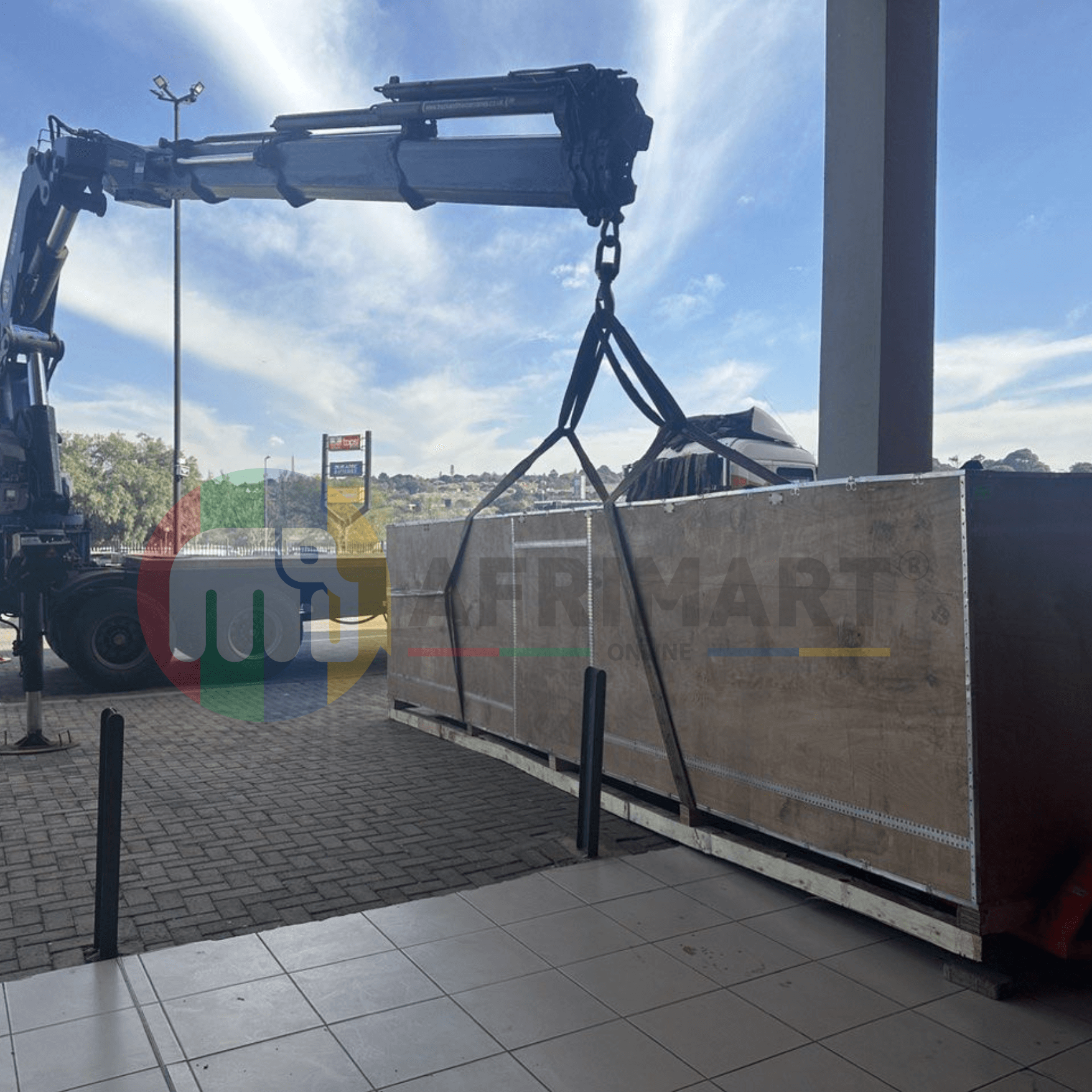
12 Heads Embroidery Machine
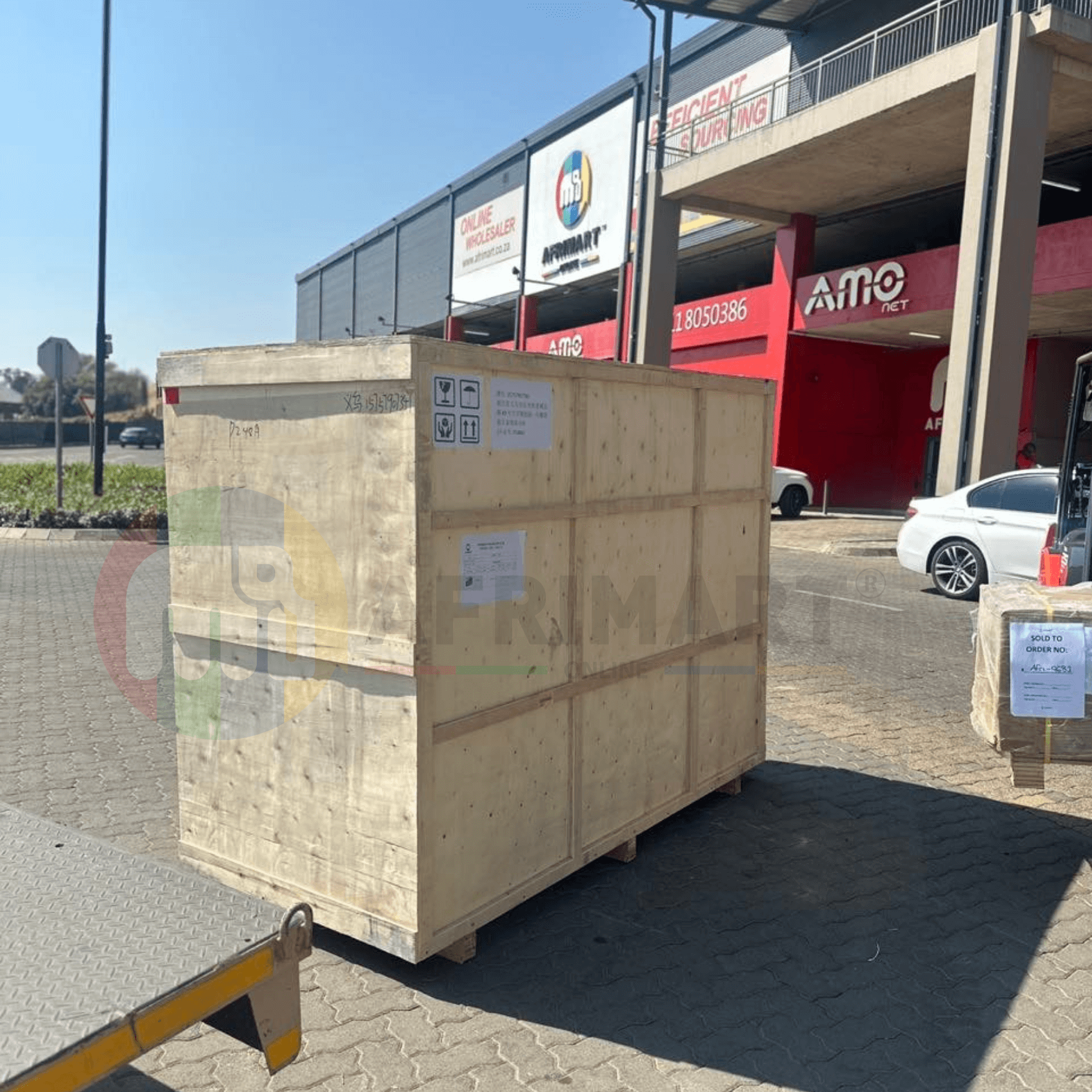
Dewatering Pump Machine
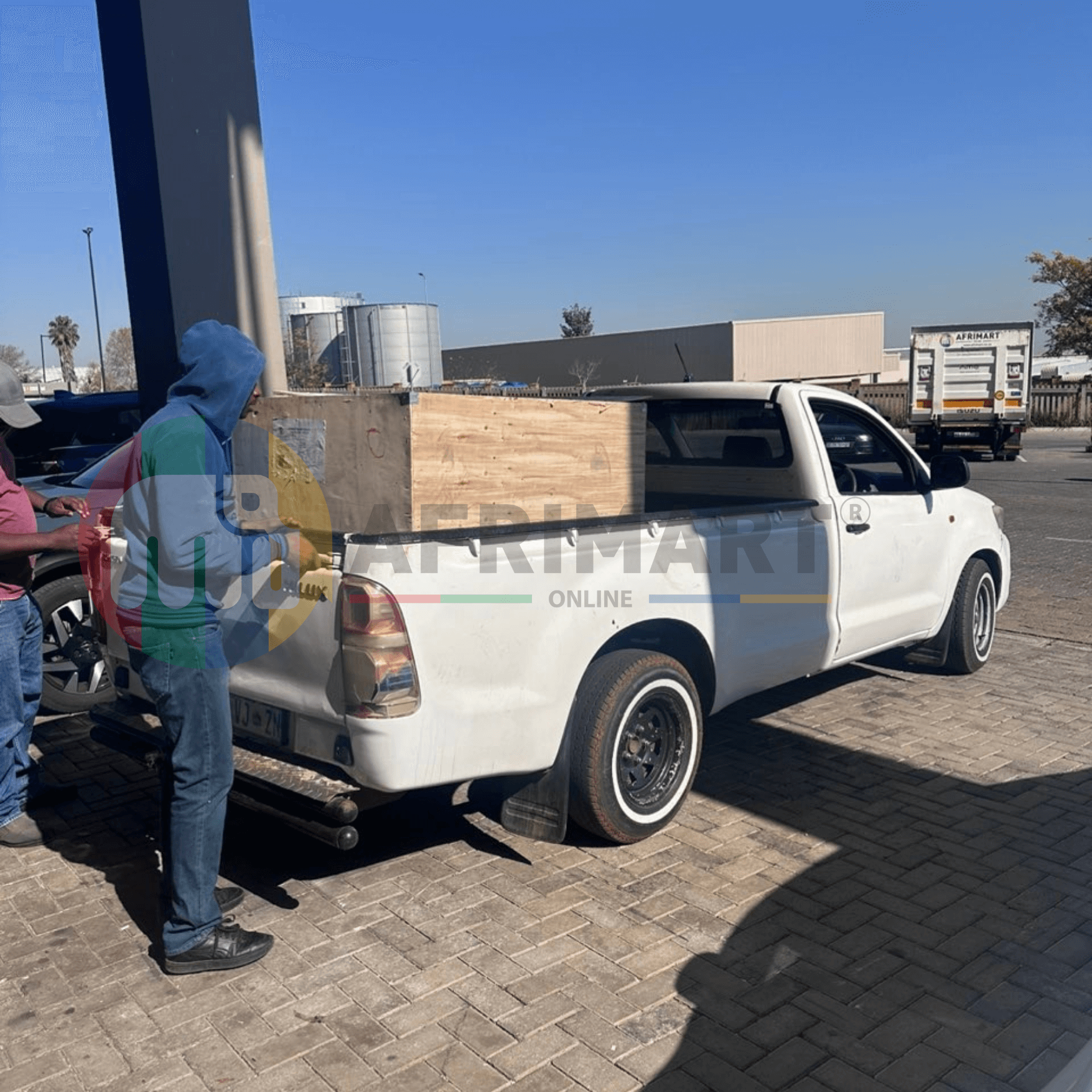
Order Collection
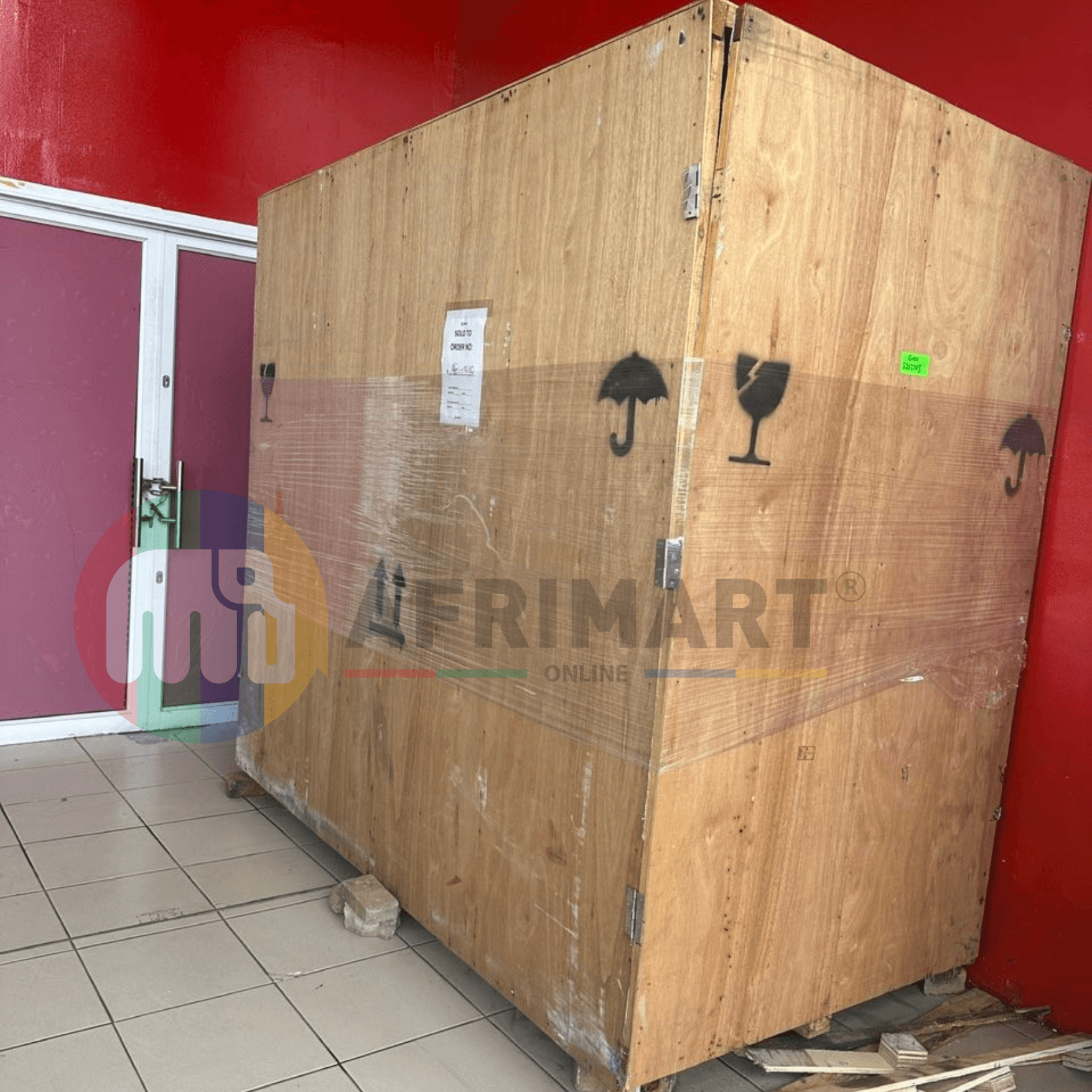
Portable Water Drilling Rig
Order Usefully Collected
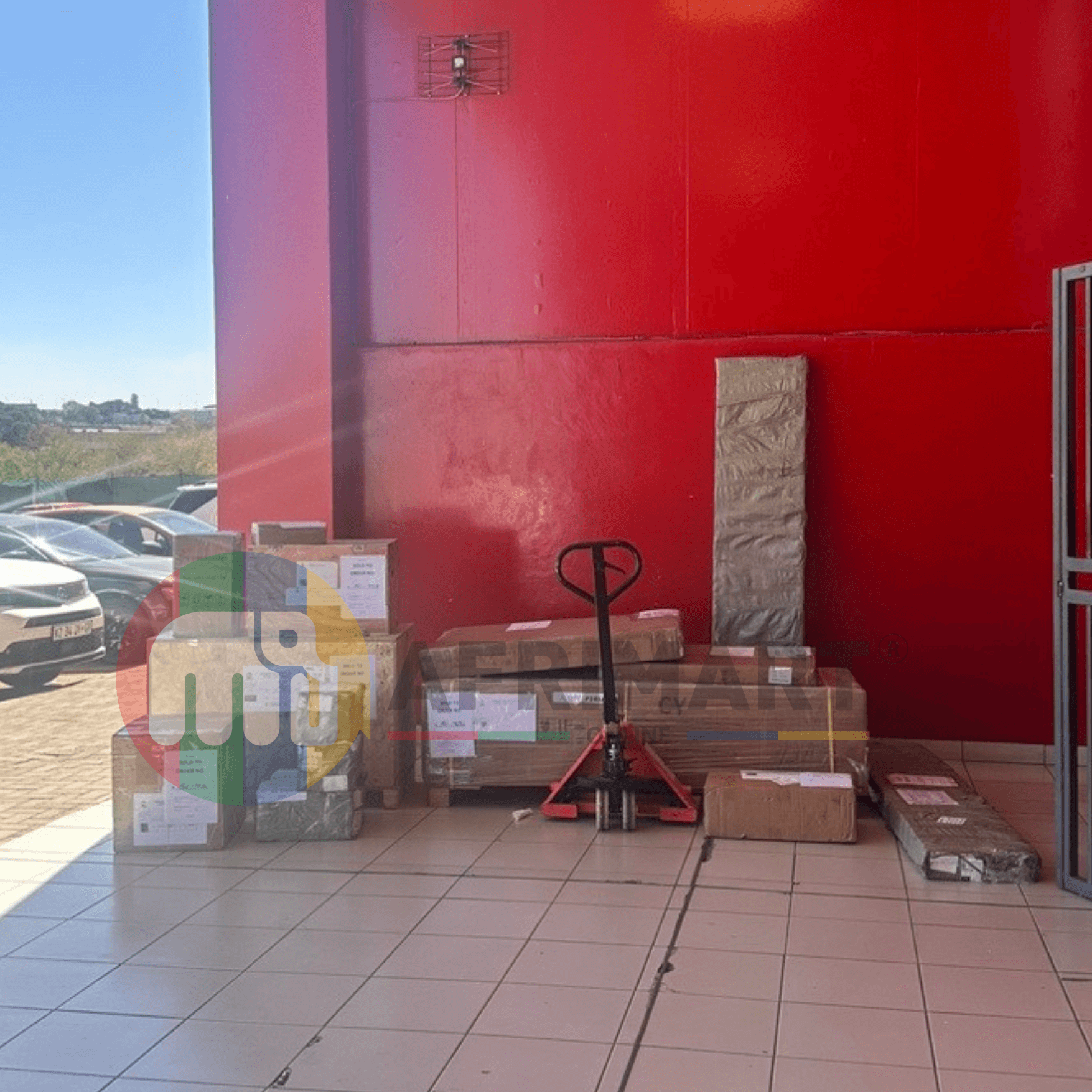
Batch of Orders
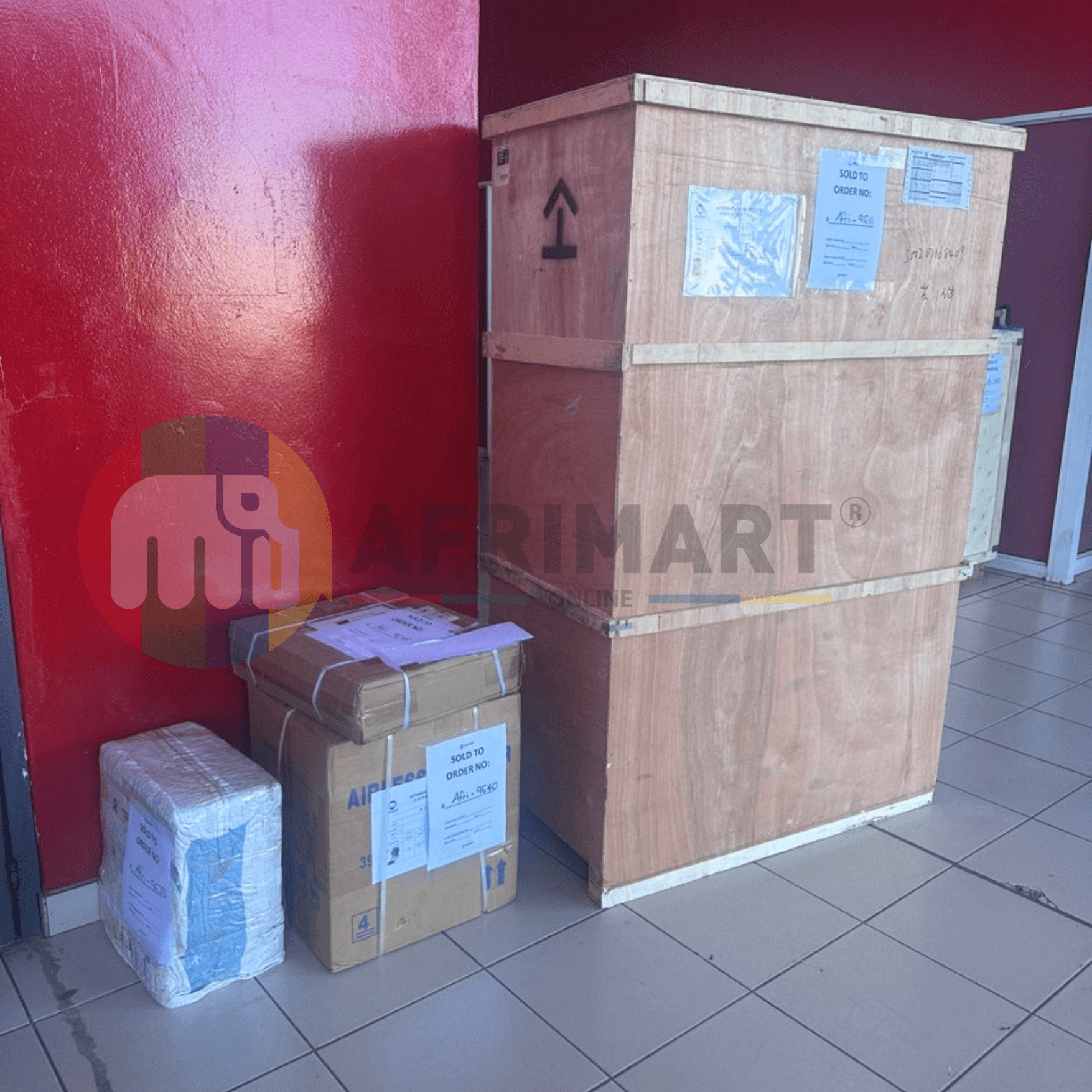
Agriculture Processing Machines
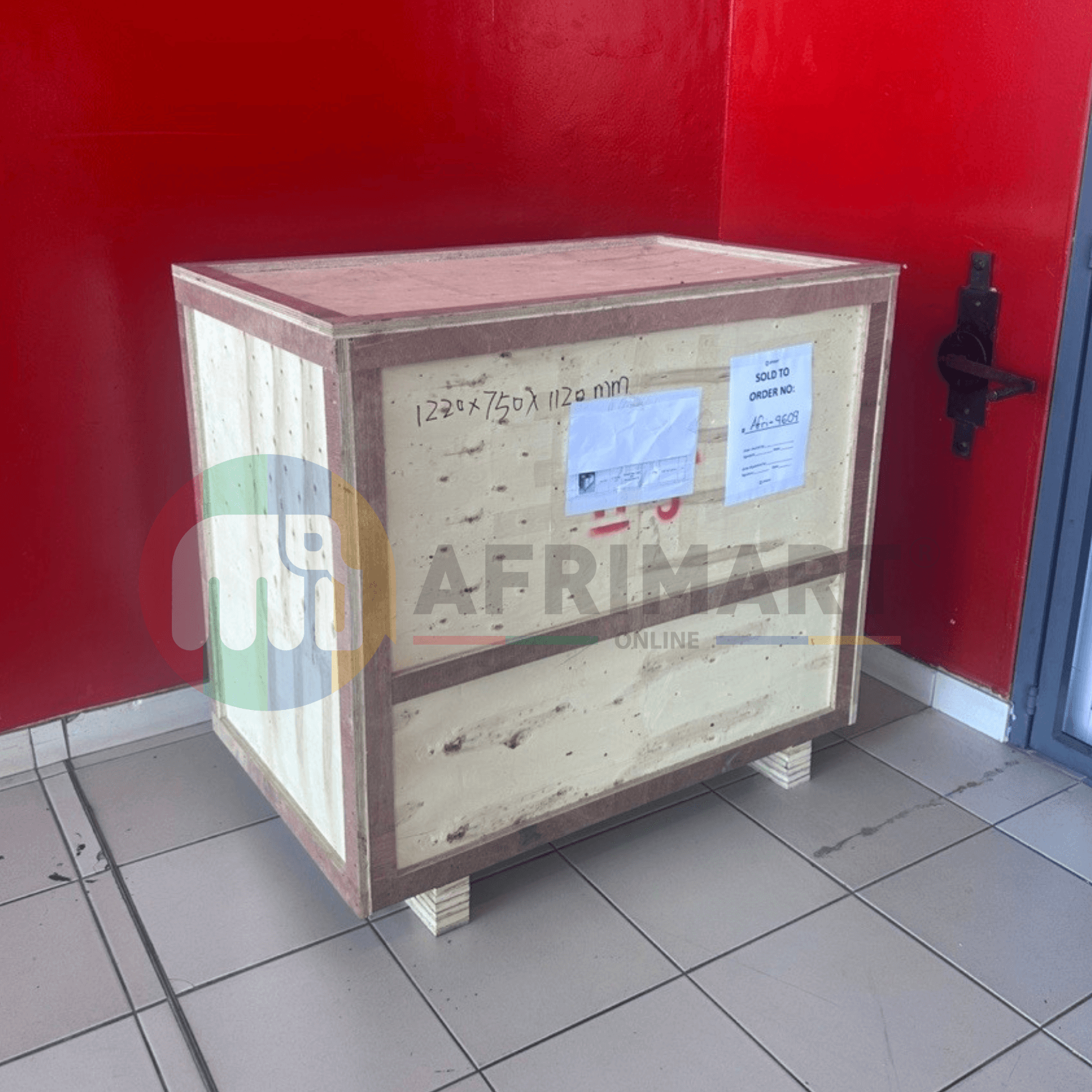
Meat Grinder Machine
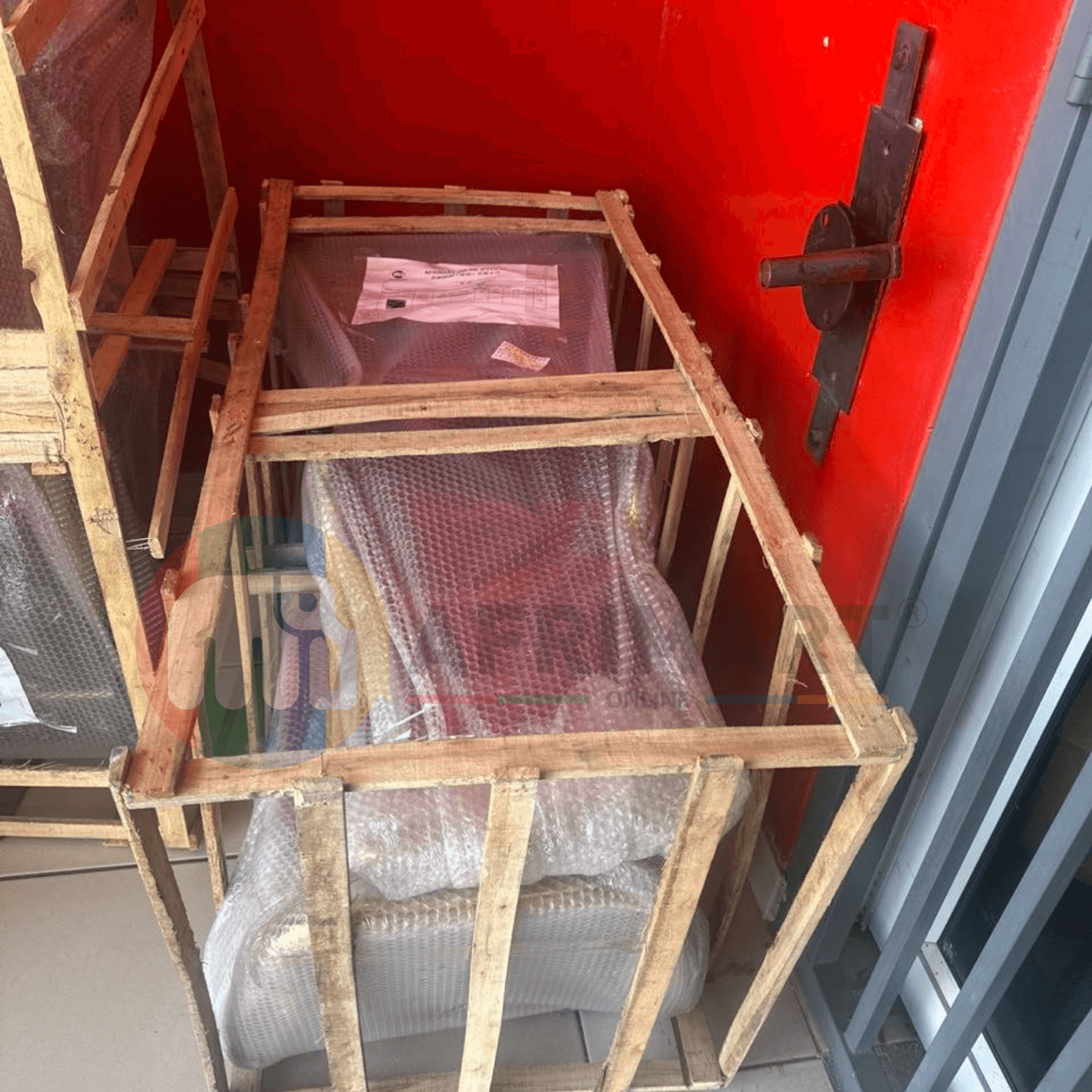
Water Pump Equipment
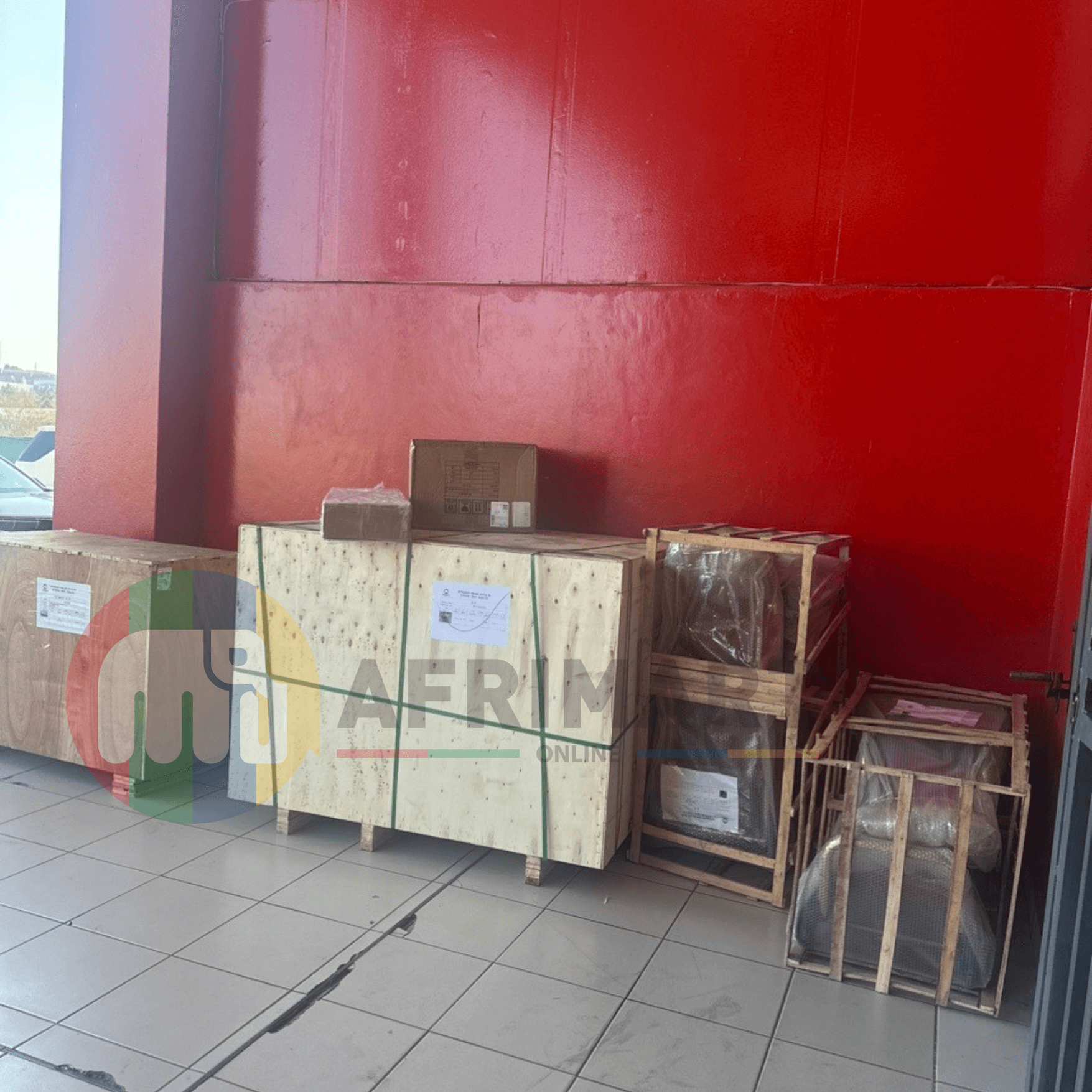
Packaging Machine and accessories
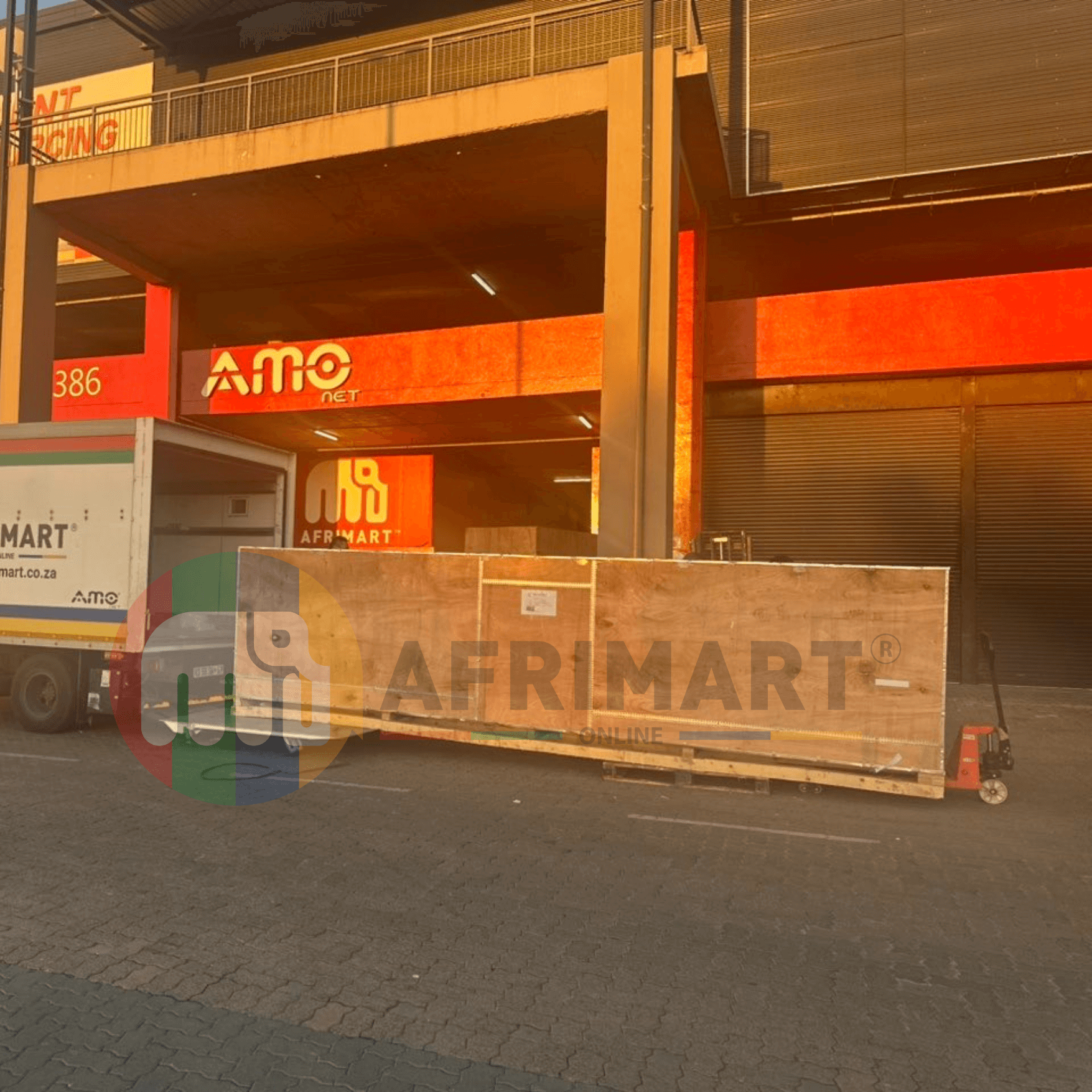
Fabrics Manufacturing Equipment
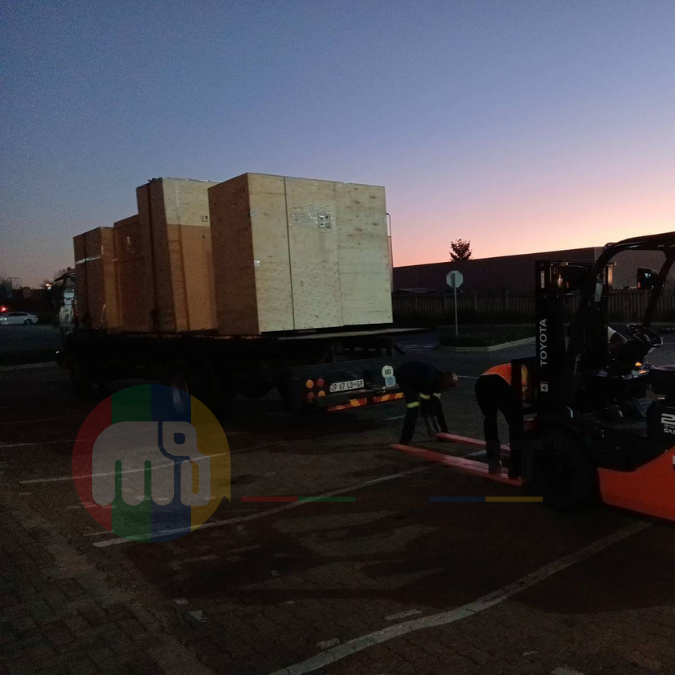
Mining Equipments
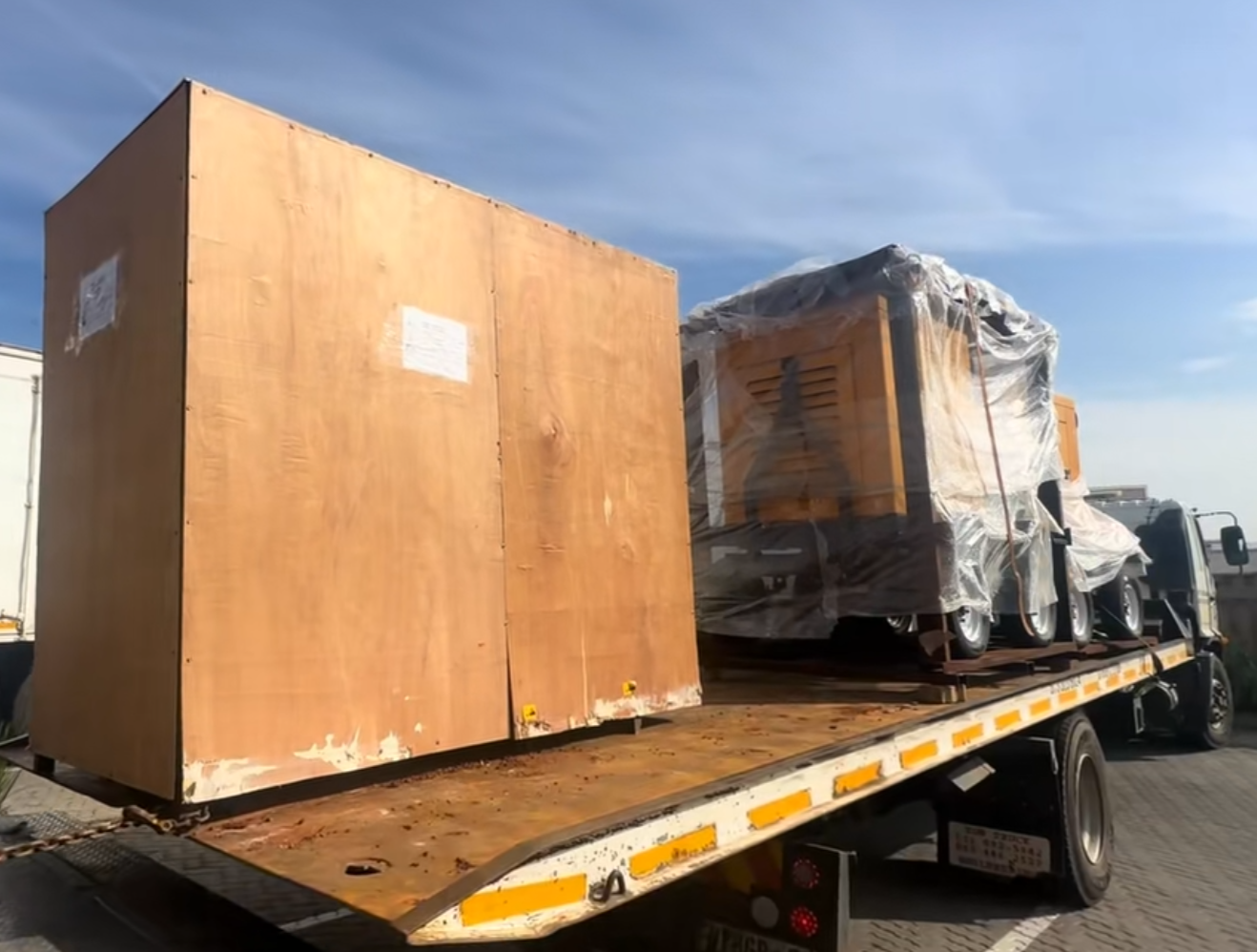
Food Processing Machine
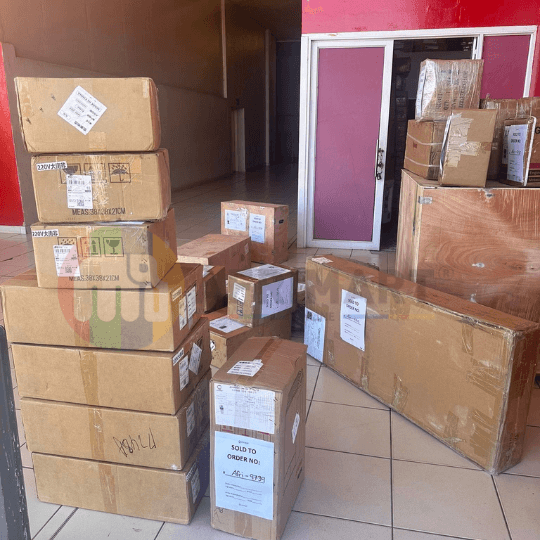
Batch of Orders
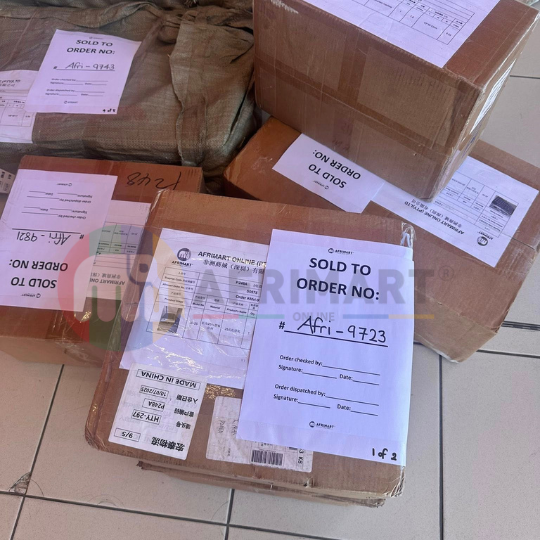
Batch of Orders
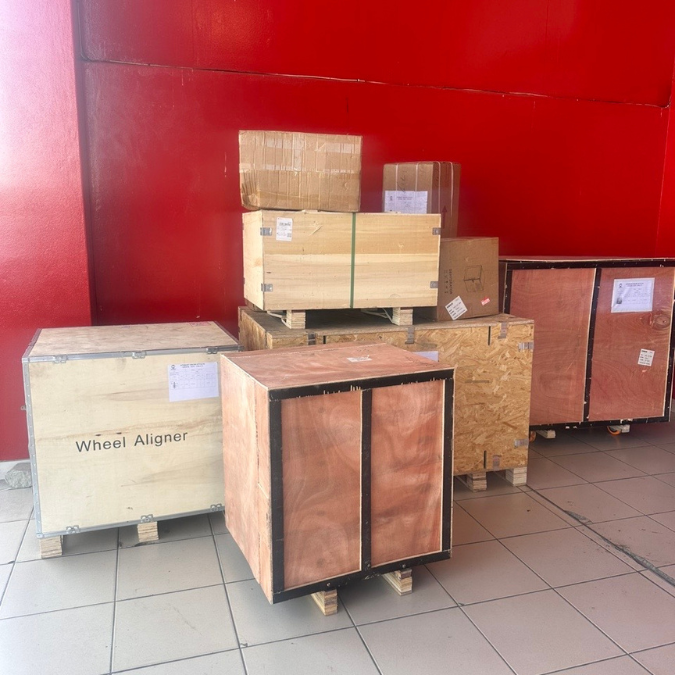
Latest Orders Labelled
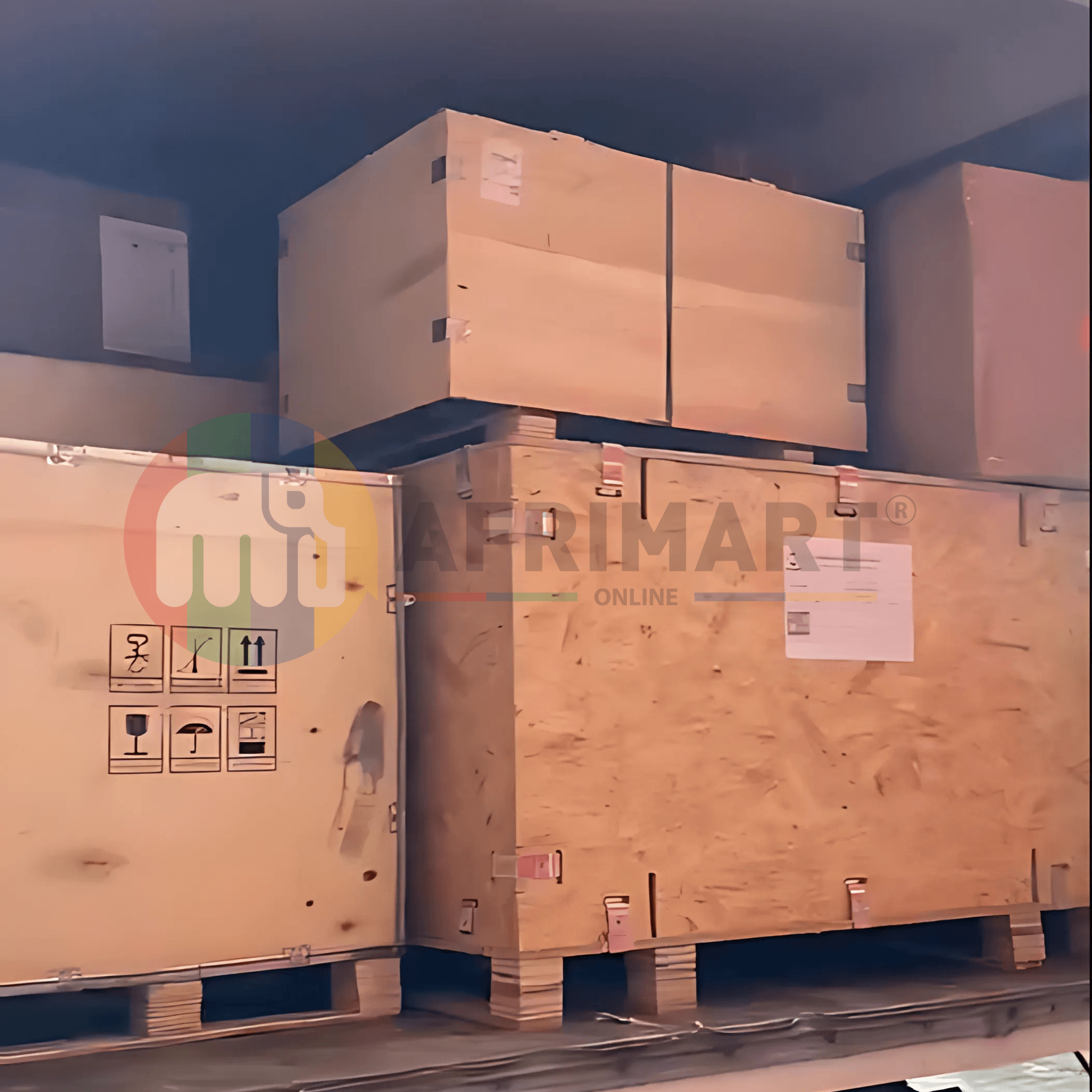
wheel alignment machines
new arrivals
Pre Orders Offloading
Latest Arrivals
Latest Arrivals
Latest Arrivals
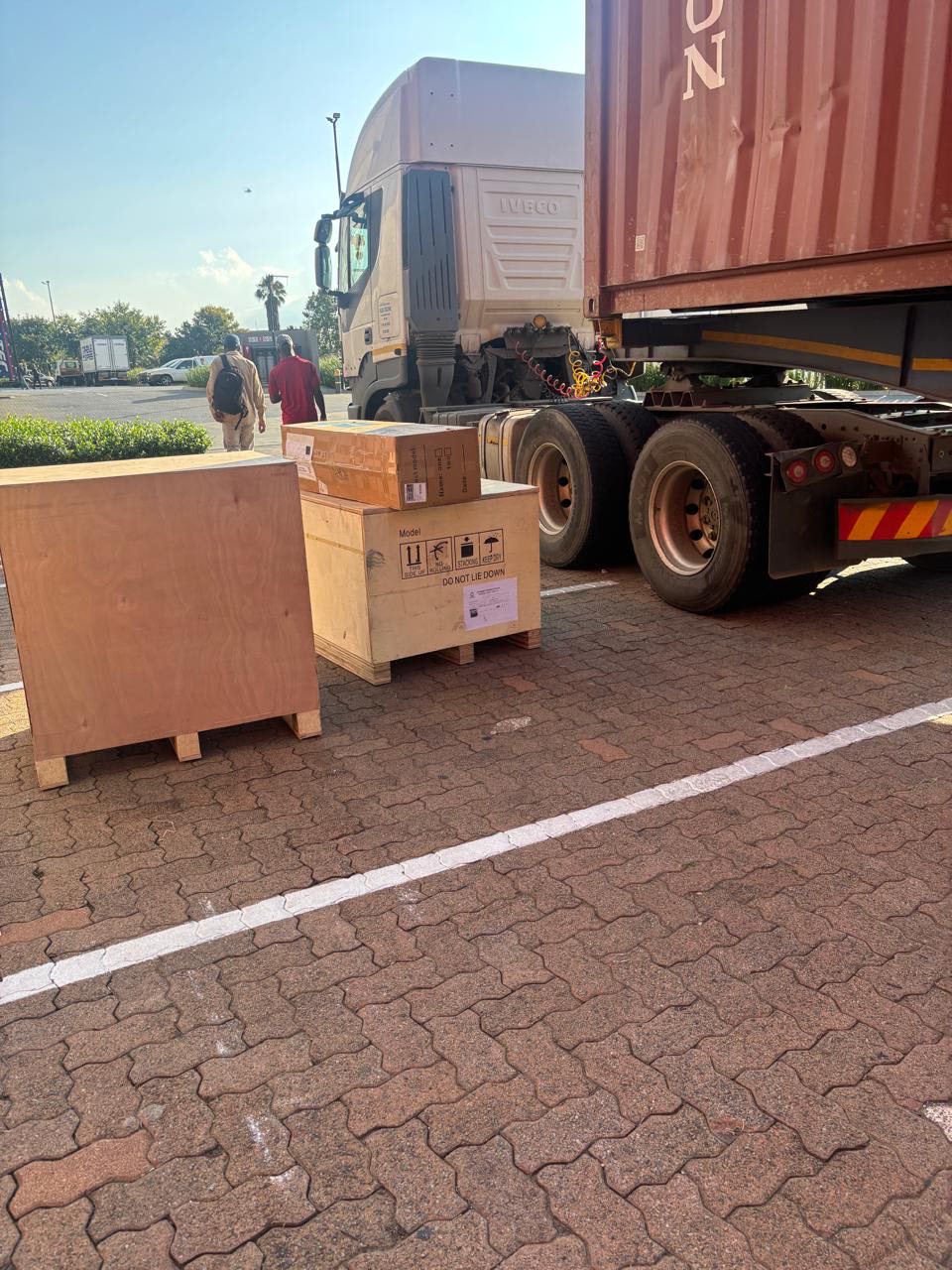
26 January 2026
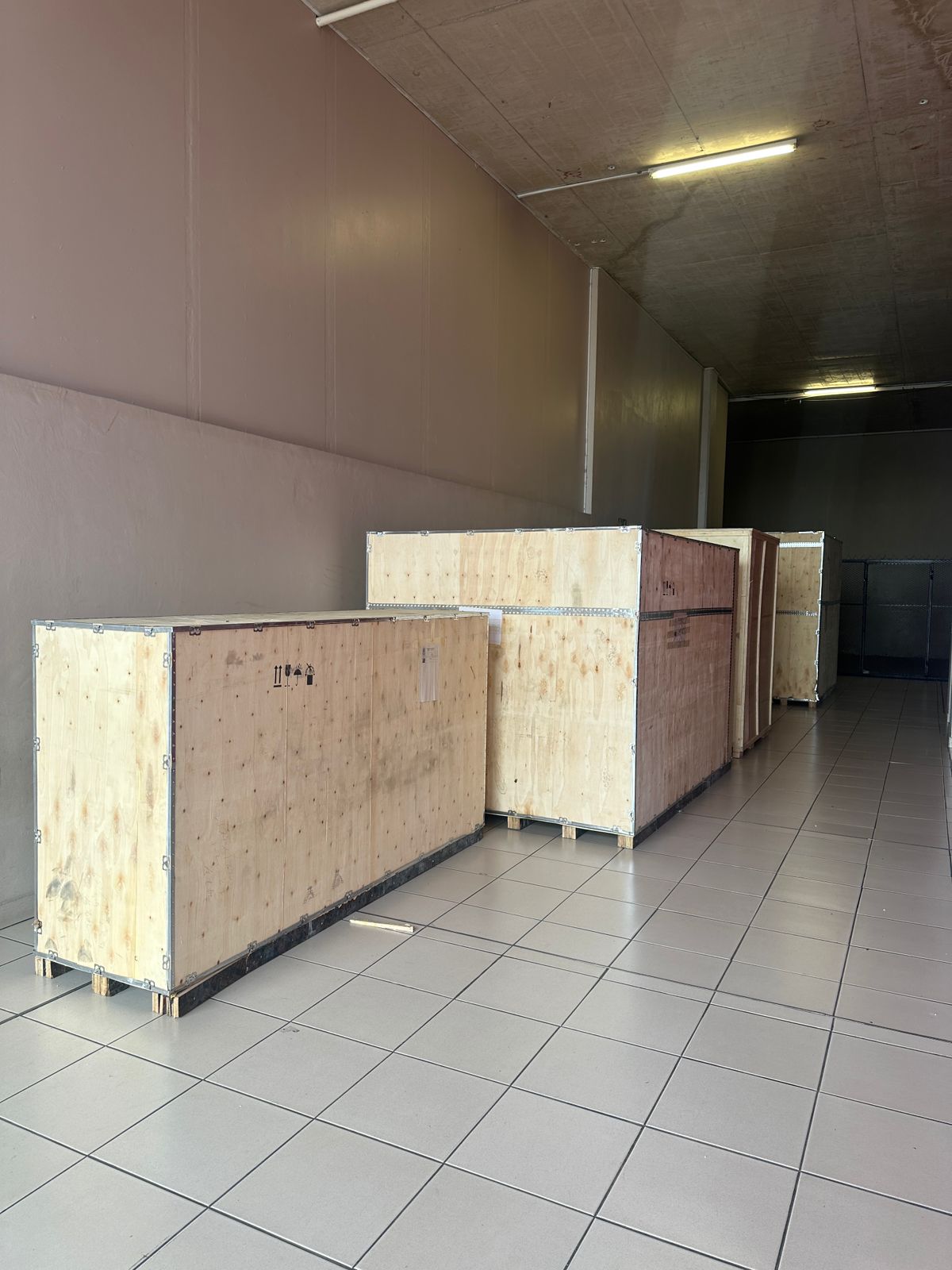
Toilet paper making machine
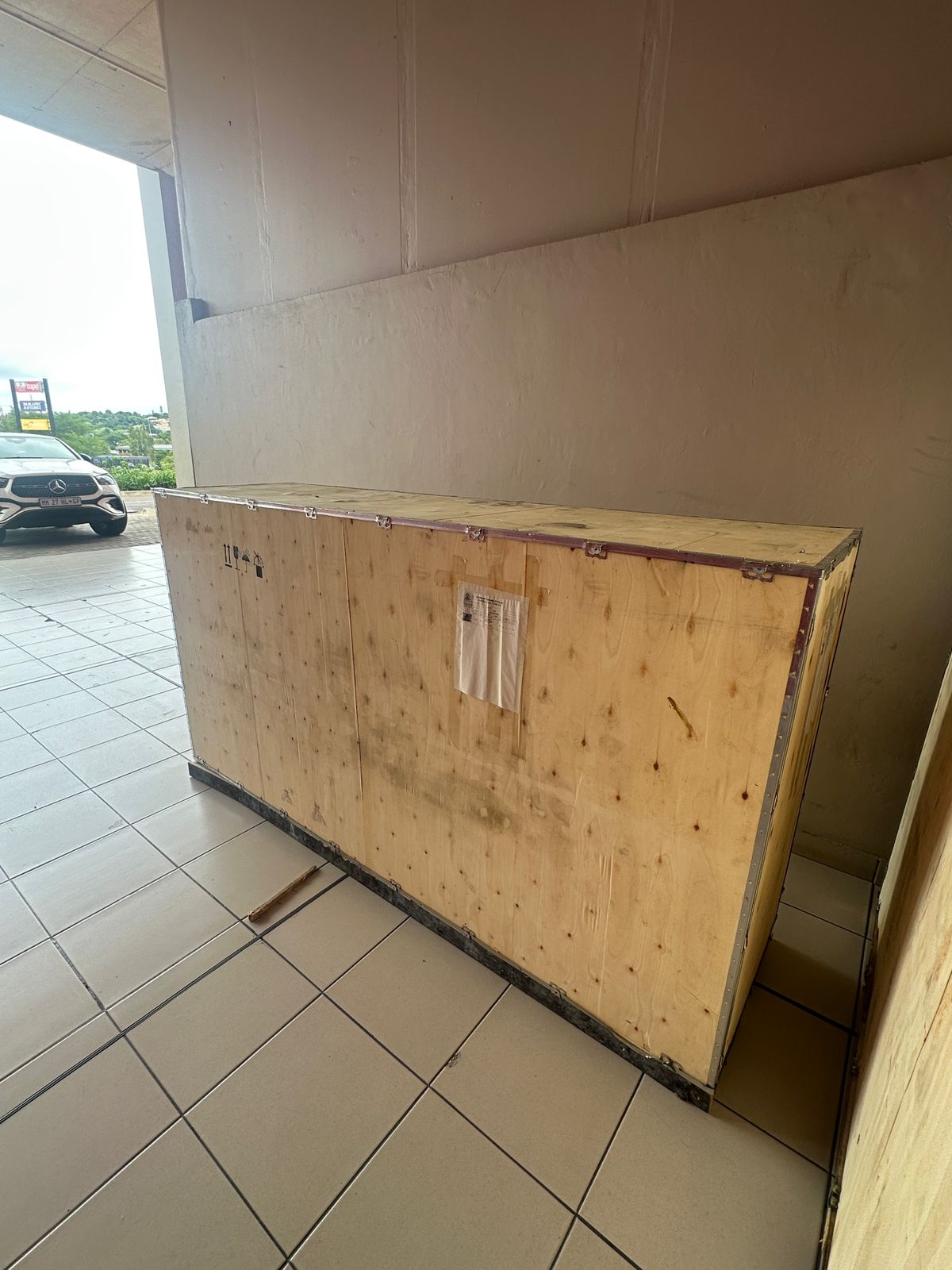
Toilet paper making machine
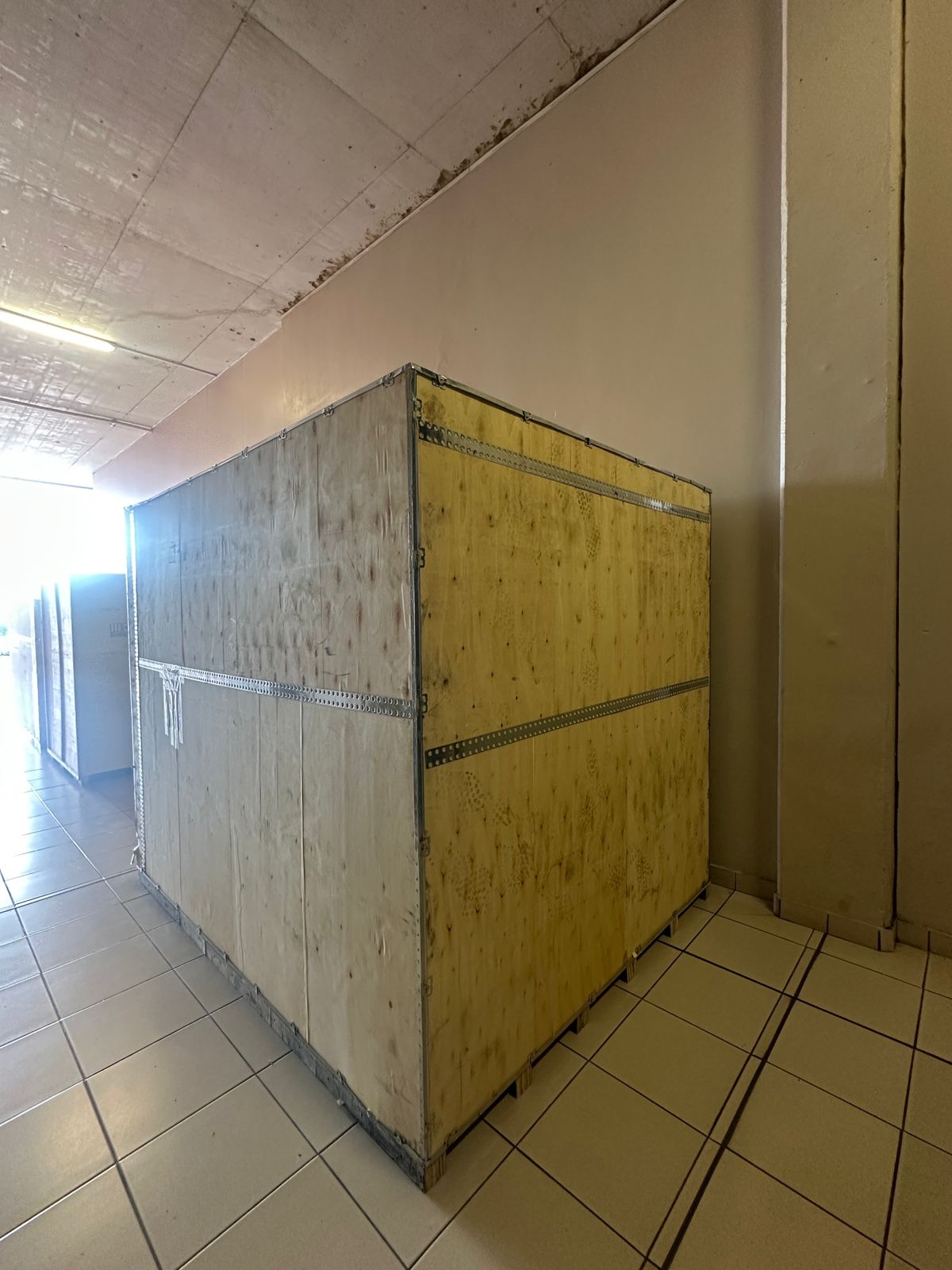
Toilet paper Rewinding Machine
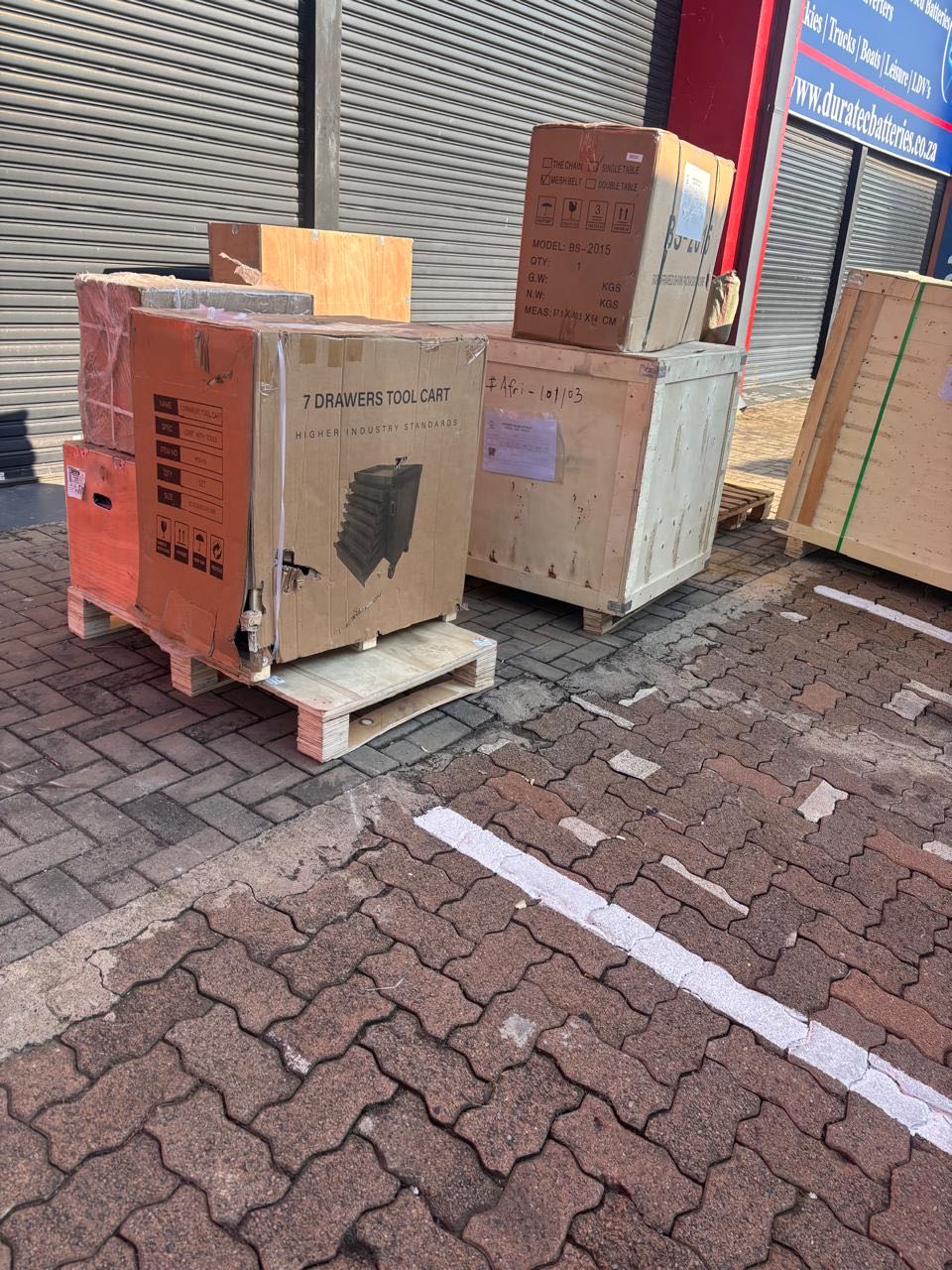
latest arrivals
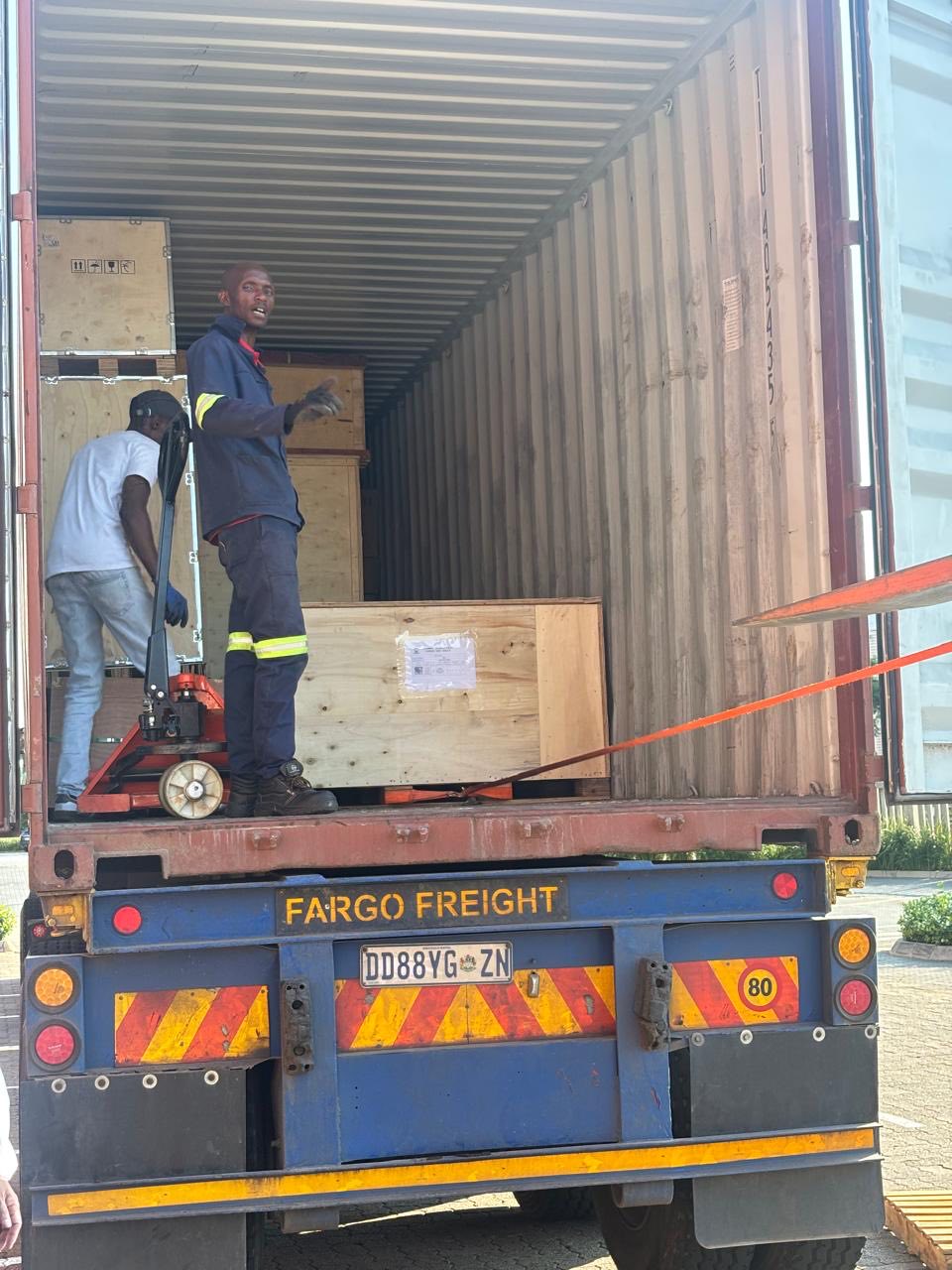
offloading
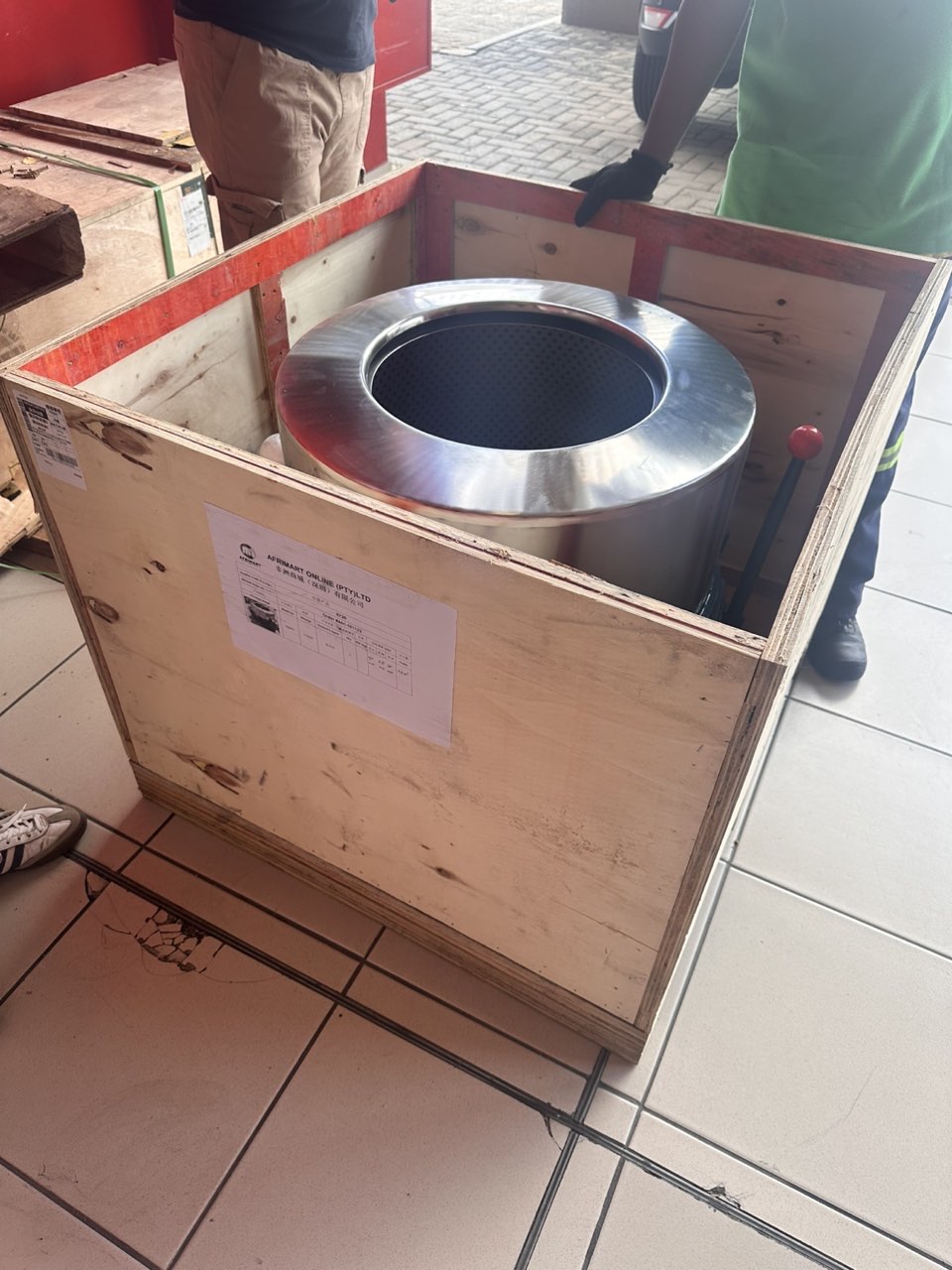
order success
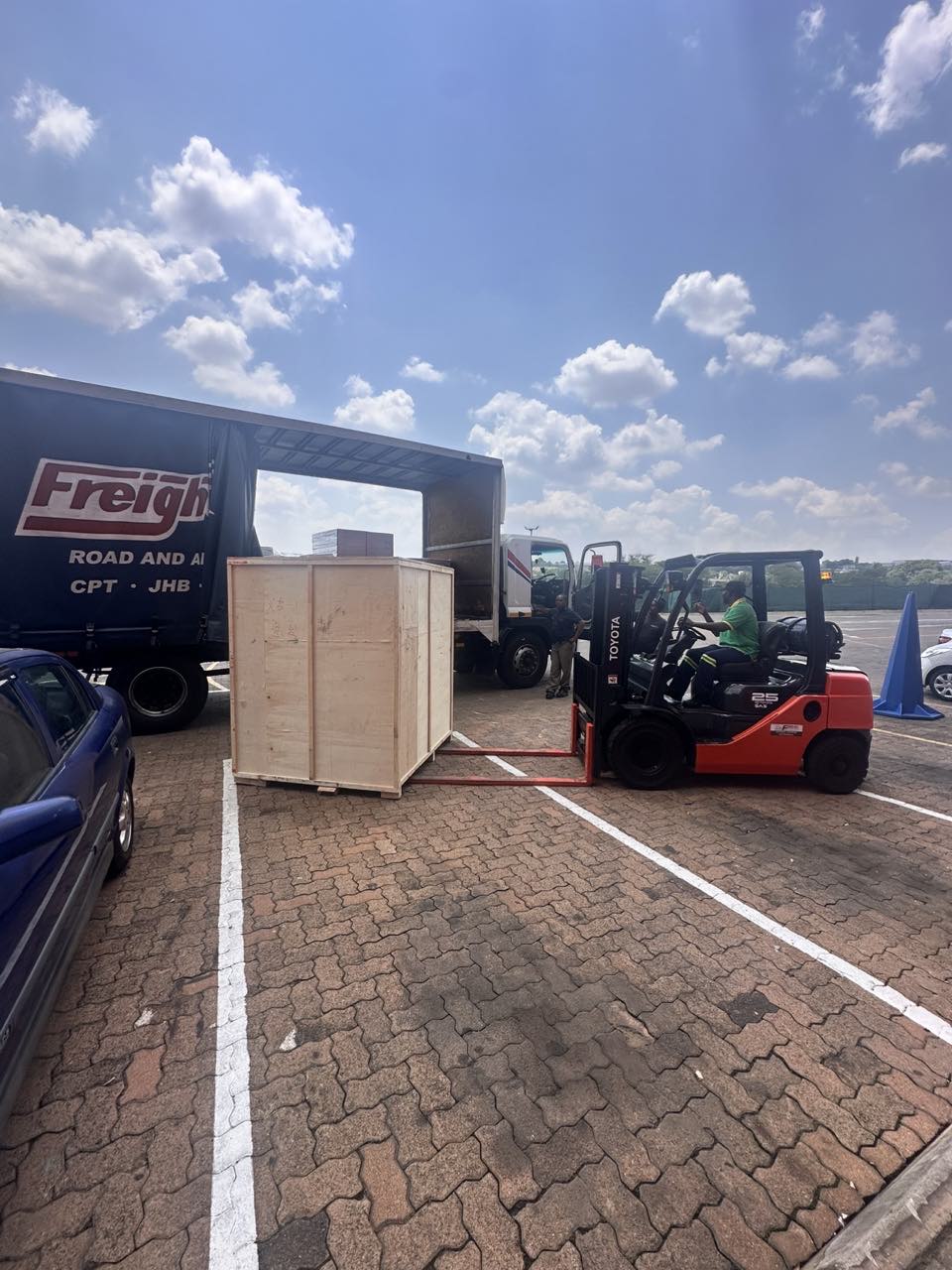
order collection
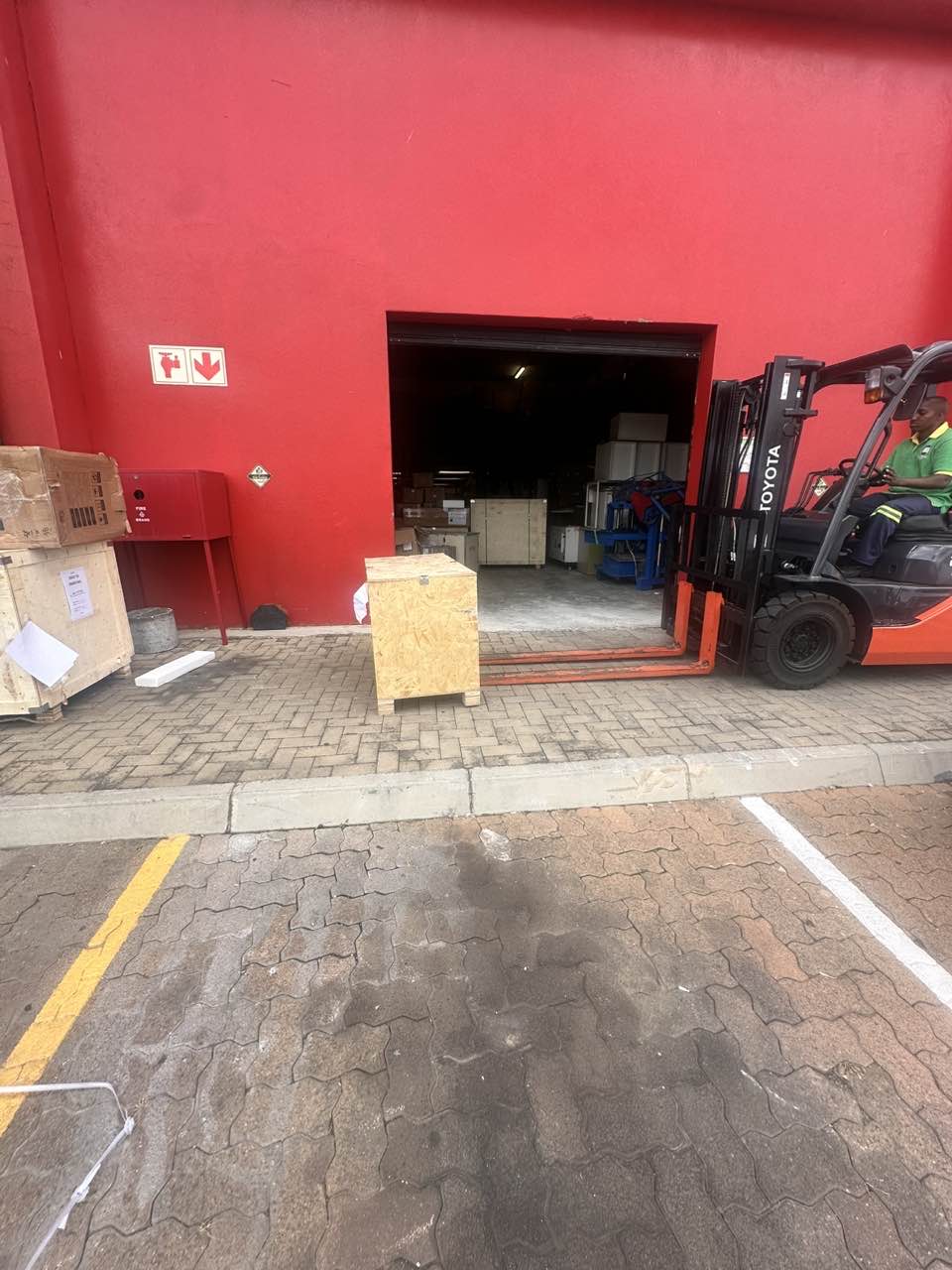
order offloading