B21, China Town Mall, Midrand

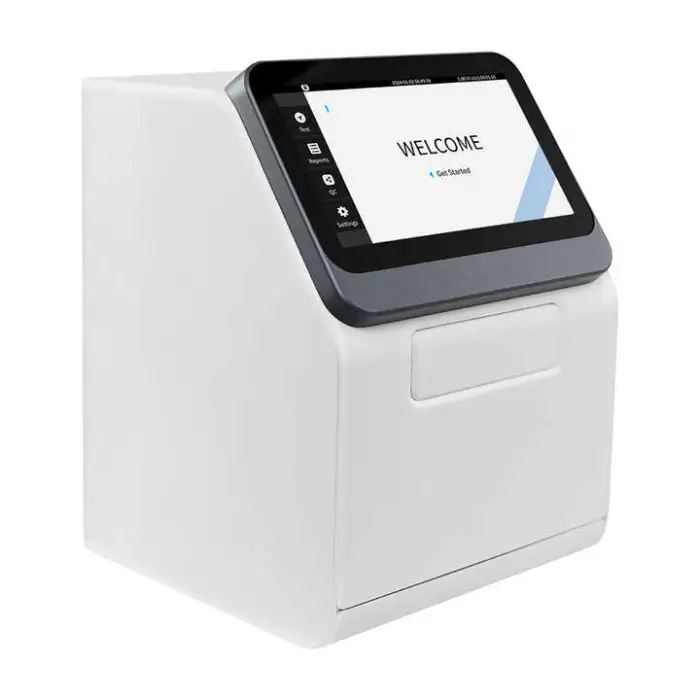
Lab Equipment Seamaty Closed System Full Automatic Dry Chemical Analyzer Machine for Human
Asset finance available
Do you want funding for this equipment?
Afrimart can connect you with trusted funding partners who specialise in asset finance for businesses like yours. Compare options and apply in minutes — final approval is subject to provider review.
Check funding options
Secure & no obligation

- Section : Appliances
- Category : Food Processors
- SKU : 1601488495842

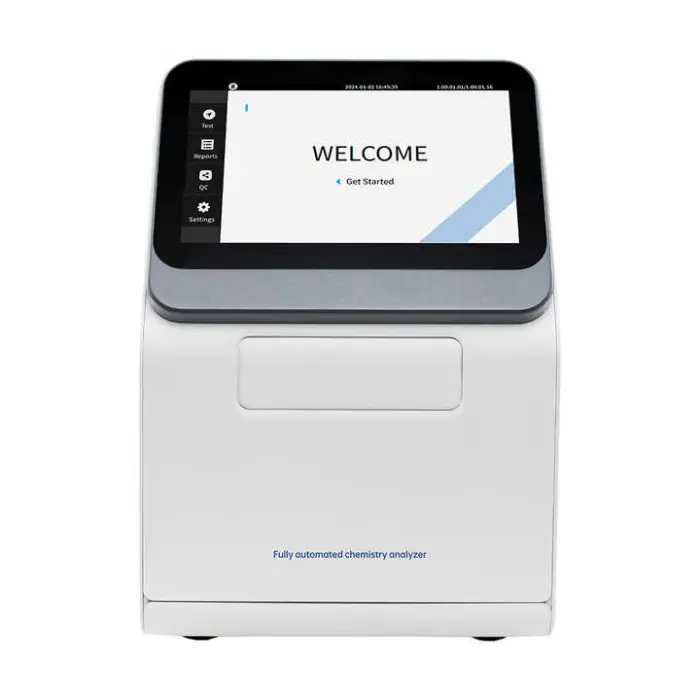
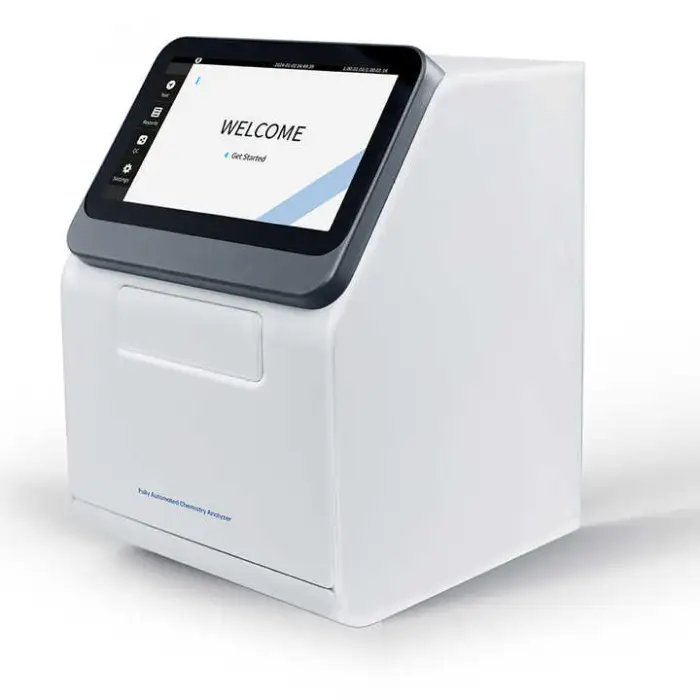
Lab Equipment Seamaty Closed System Full Automatic Dry Chemical Analyzer Machine for Human
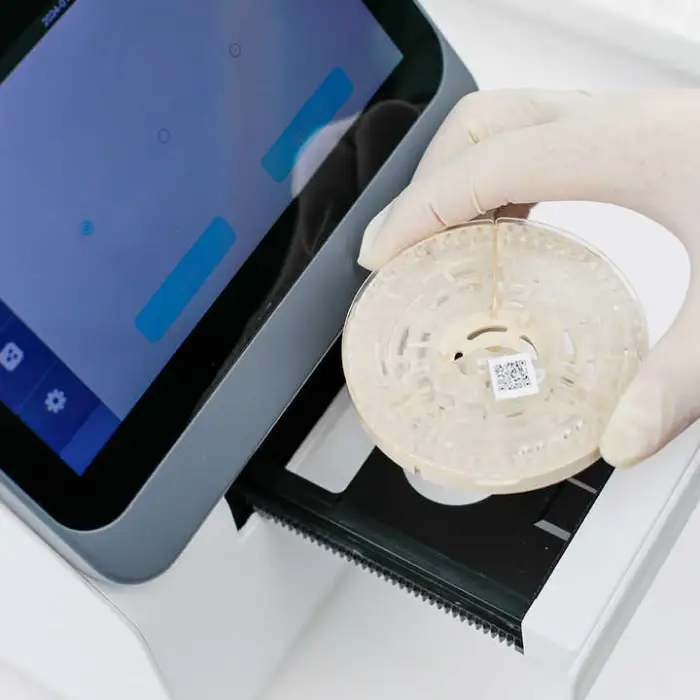
The Lab Equipment Seamaty Closed System Full Automatic Dry Chemical Analyzer Machine for Human is a state-of-the-art device designed for quick and accurate blood analysis. This full automatic biochemical analyzer is perfect for laboratories that require reliable and efficient testing of various blood samples. With its advanced technology and user-friendly features, it streamlines the process, making it an essential tool for healthcare professionals.
Specifications
| Attribute | Details |
|---|---|
| Instrument Classification | Class II |
| Type | Blood Analysis System |
| Brand Name | MSL |
| Model Number | MSLDBA25 |
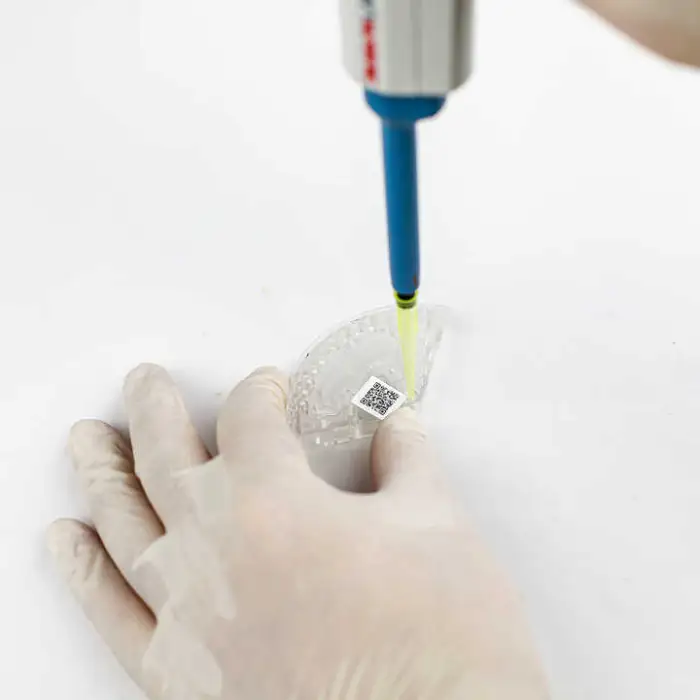
| Sample Type | Whole blood, serum, plasma, capillary blood |
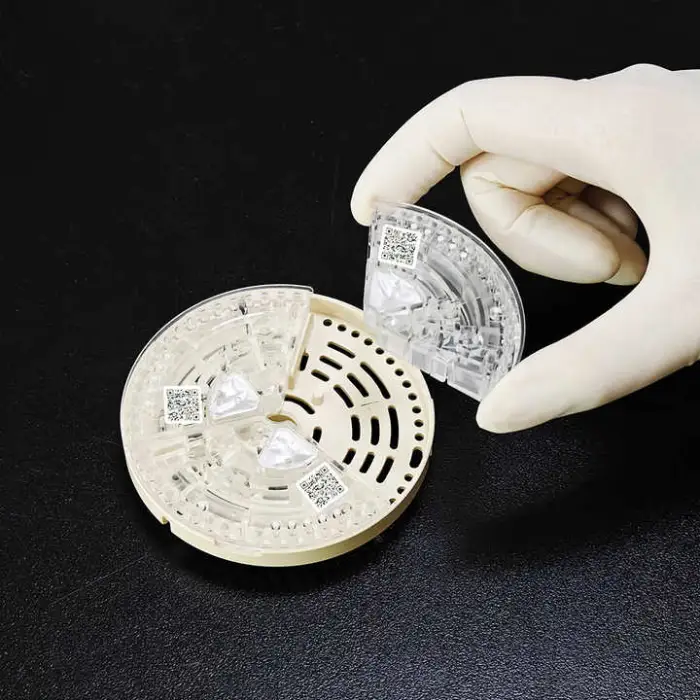
| Sample Volume | Coagulation rotor 300ul; Sector panel: 50-70ul |
| Bar Code | Automatic reading of QR codes |
| Testing Principle | Photoelectric colorimetry, Absorption spectrum, Turbidimetry |
Key Features
- Full automatic operation for ease of use.
- Fast and accurate results for patient diagnostics.
- Compatible with various blood sample types.
- Utilizes advanced testing principles for reliability.
- Equipped with automatic QR code reading for efficiency.
Applications
- Used in hospitals for routine blood tests.
- Ideal for clinical laboratories performing biochemical analyses.
- Helpful in research settings for blood sample evaluation.
- Supports medical professionals in diagnosing health conditions.
Product Info Gallery
- Shipping Timeframes: All orders are processed within 2-5 business days (excluding weekends and holidays). After your order has been processed, the estimated delivery time is before 29 Jun, 2026, depending on customs, Please note that due to high demand, some items may experience longer shipping times, which will be communicated at order confirmation email.
- Order Processing Time: Please allow 2-5 business days for us to process your order before it is shipped . Orders placed after 16:00 on Fridays, or during weekends and public holidays, will begin processing on the next business day. Processing times may be extended during peak seasons or sales events.
- Manufacturing Time: Some products needs manufacturing time, the manufacturing process will take approximately 10-30 business days depending on the product. This timeframe may vary depending on the complexity of the product and current demand. but this will be communicated with you during order confirmation.
- Returns and Exchanges: We offer a 30-day return policy for most items. If you are not completely satisfied with your purchase, you may return it within 30 days of receipt for a refund or exchange. Items must be unused, in their original packaging, and accompanied by proof of purchase. Return shipping costs are the responsibility of the customer, unless the item was damaged or defective upon arrival.
1. What sample types does the Seamaty Closed System Full Automatic Dry Chemical Analyzer accept?
The analyzer accepts whole blood, serum, plasma and capillary blood samples.
2. What are the required sample volumes?
Sample volume depends on the rotor/panel used: the coagulation rotor requires 300 µL, while the sector panel requires 50–70 µL.
3. What testing principles does the analyzer use?
It uses photoelectric colorimetry, absorption spectrum analysis and turbidimetry to perform biochemical tests.
4. Is this a closed system and is it fully automatic?
Yes — it is a closed system and is designed for full automatic operation to streamline testing and reduce manual handling.
5. What is the instrument classification, brand and model number?
Instrument classification: Class II. Brand name: MSL. Model number: MSLDBA25.
6. Does the analyzer support barcode or QR code reading?
Yes — the system is equipped with automatic QR code reading for sample/reagent identification and workflow efficiency.
7. What types of tests and applications is this analyzer suitable for?
It is suitable for routine biochemical blood tests in hospitals and clinical laboratories, useful in research settings for blood sample evaluation and for supporting medical professionals in diagnosing health conditions.
8. What reagents and consumables does the analyzer use?
The analyzer uses dry-chemistry reagent panels/cards compatible with the closed system design. Specific reagent types, part numbers and shelf/storage instructions should be obtained from the manufacturer or product manual.
9. How is quality control and calibration performed?
Routine calibration and quality control should be performed per the manufacturer's instructions. This typically includes running control samples, periodic calibration with manufacturer-supplied calibrators and documenting QC results. Refer to the user manual for recommended QC frequency and procedures.
10. What maintenance is required to keep the analyzer performing reliably?
Regular maintenance includes daily cleaning of sample-contact surfaces, periodic optical and mechanical checks, replacement of consumables, and following the preventive maintenance schedule provided by the manufacturer. For detailed procedures and intervals, consult the maintenance section of the user manual.
11. What are common troubleshooting steps if the analyzer shows errors or poor results?
Basic troubleshooting includes: verify samples and reagent integrity, check QR/barcode readability, ensure correct sample volumes, run QC controls to identify drift, inspect and clean optical and fluid paths, and restart the instrument. If issues persist, contact technical support with the error code and recent QC data.
12. What connectivity and data export options are available?
Specific connectivity features (LIS/HIS integration, USB, network export) vary by configuration. The product supports data management features; contact the manufacturer or consult the technical specifications to confirm available interfaces and communication protocols.
13. What are the installation and training requirements?
Professional installation and initial setup by authorized personnel are recommended. Manufacturer-provided training for operators and maintenance staff is advised to ensure proper operation, QC, and routine servicing.
14. What safety considerations should users follow?
Follow standard laboratory biosafety practices when handling blood samples, including use of PPE, proper waste disposal and following the instrument's safety and decontamination procedures in the manual. Because this is a closed system, it reduces exposure risk but does not eliminate the need for safe handling.
15. What warranty and regulatory information is available for this analyzer?
Warranty terms, certifications and regulatory approvals (CE, FDA clearance, local registrations) are provided by the manufacturer or distributor. Please contact your supplier or check the product documentation for warranty period, service agreements and compliance details.
Latest Order Arrivals
Discover our latest orders
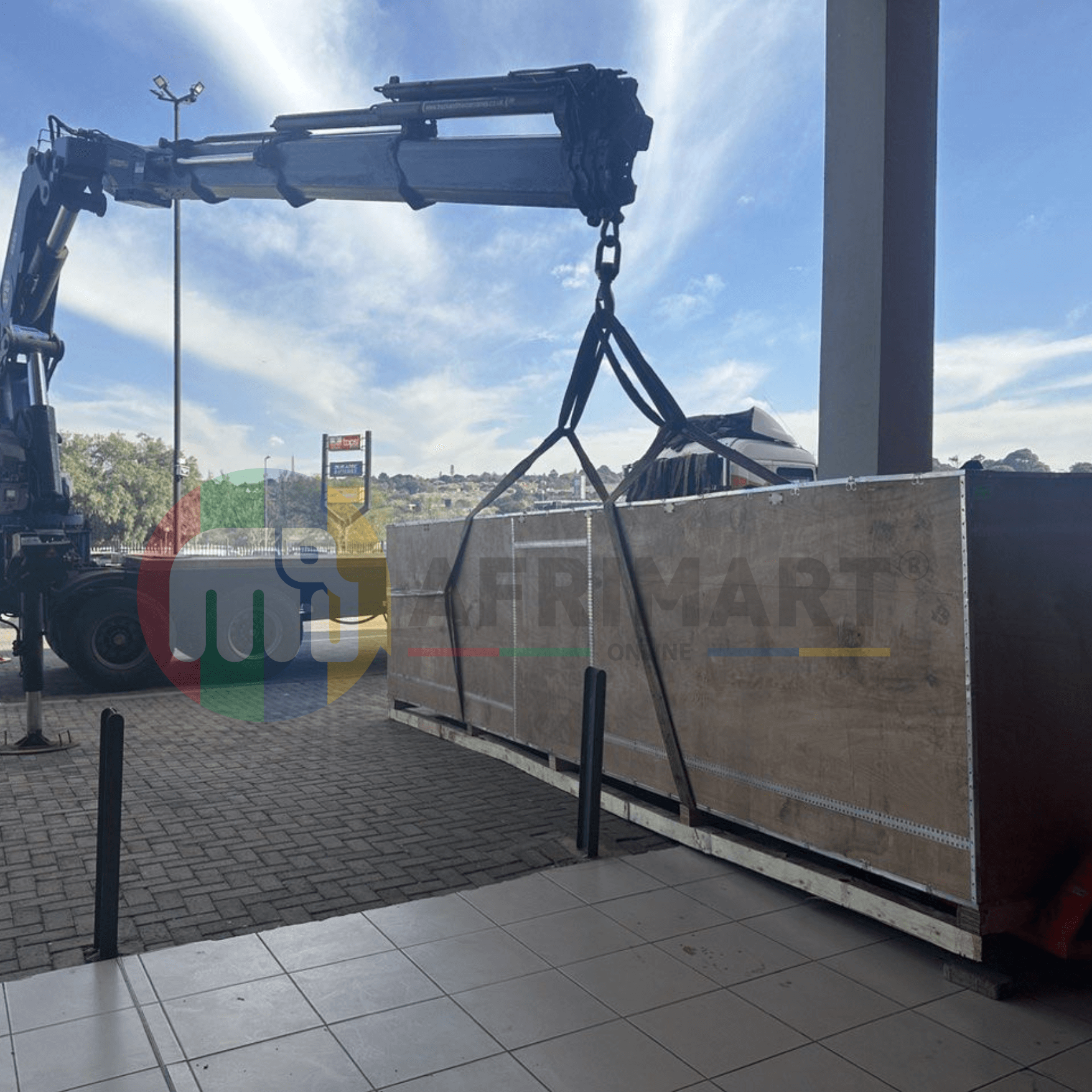
12 Heads Embroidery Machine
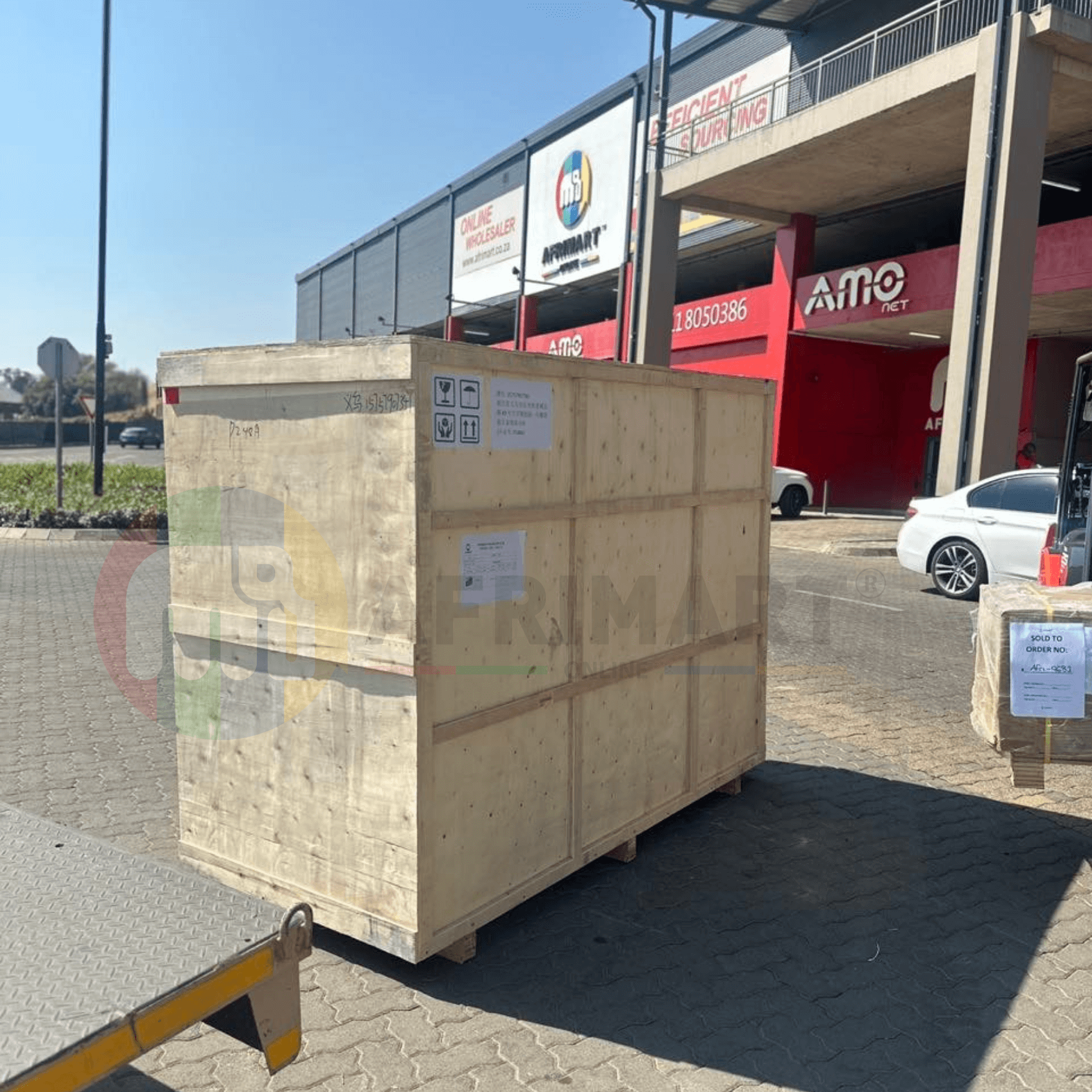
Dewatering Pump Machine
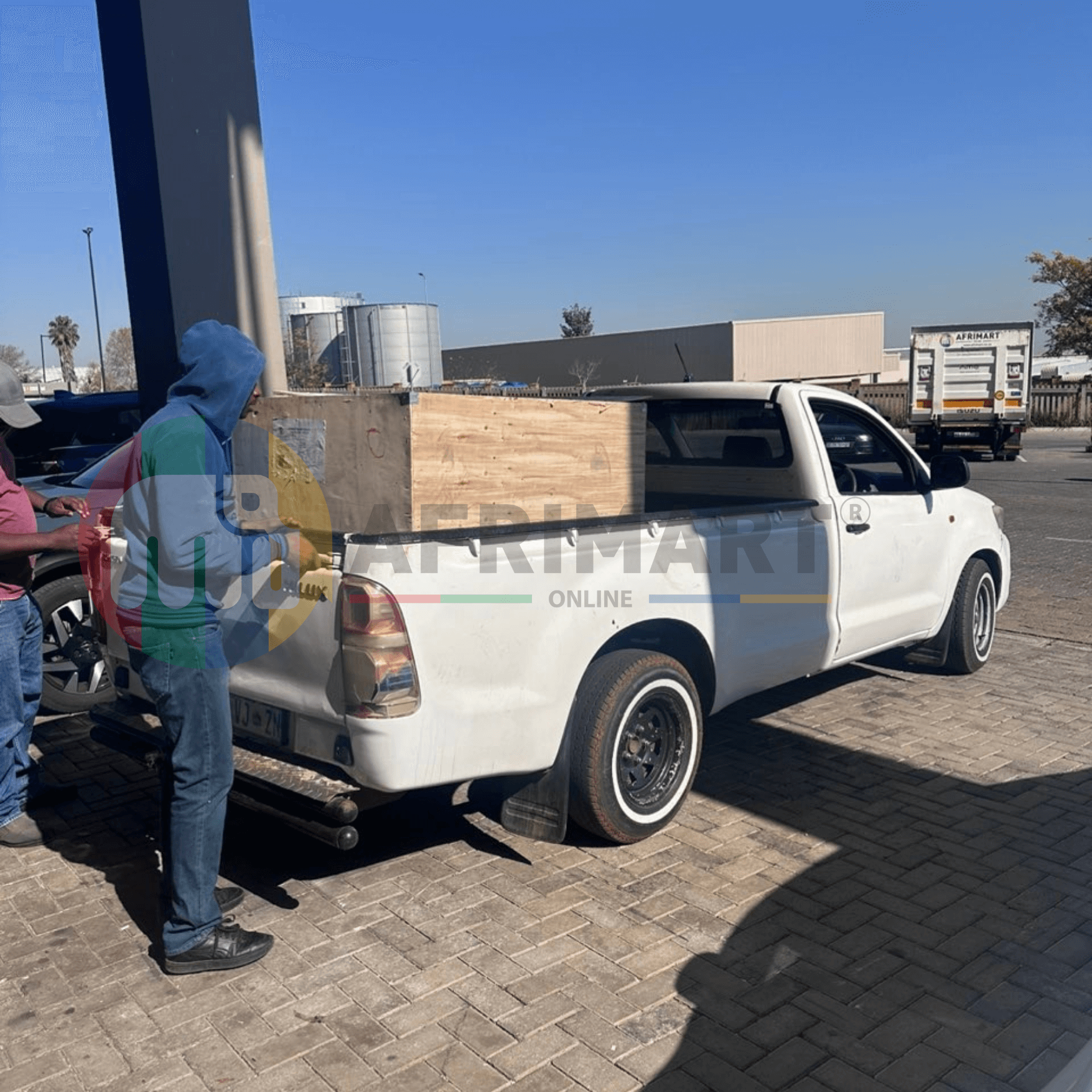
Order Collection
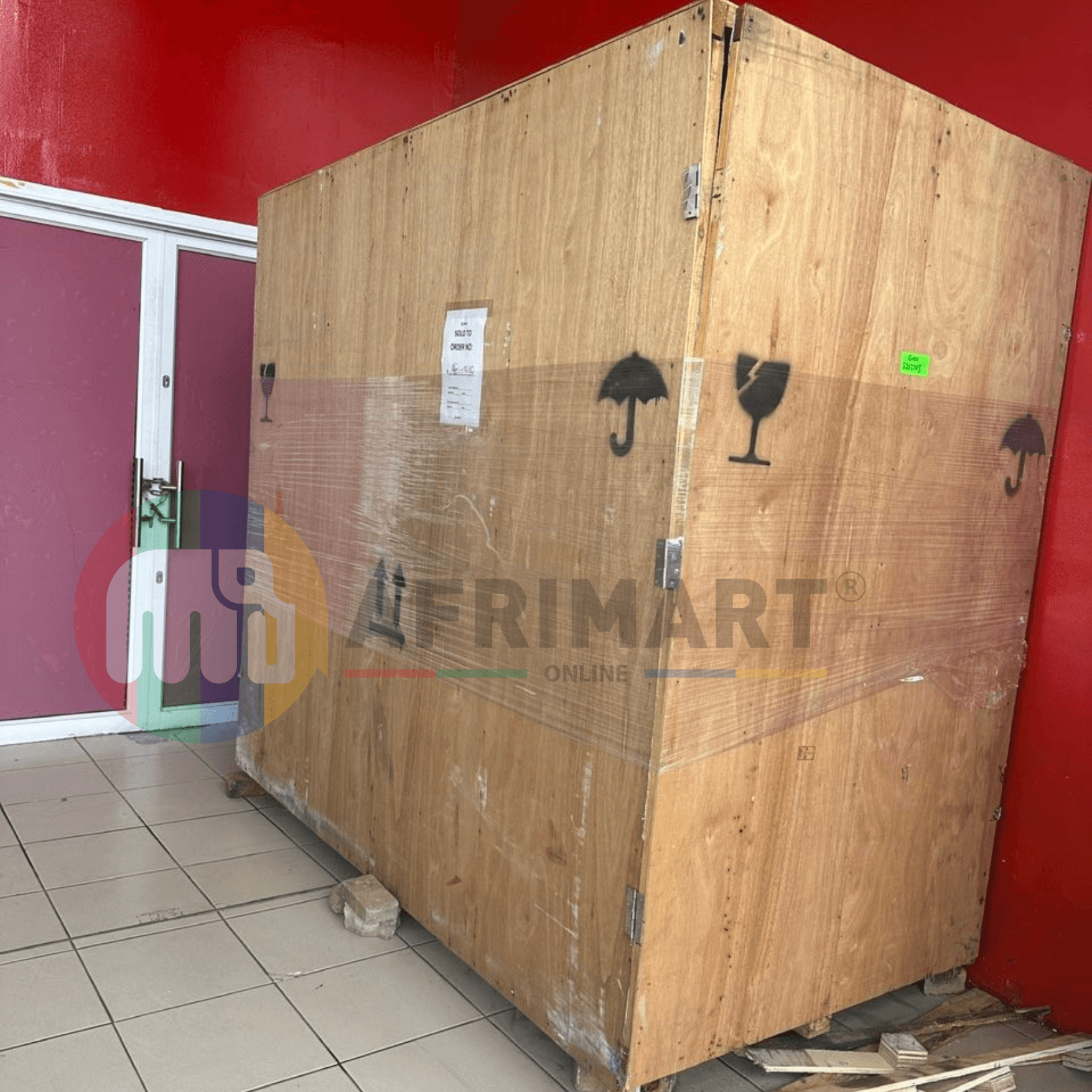
Portable Water Drilling Rig
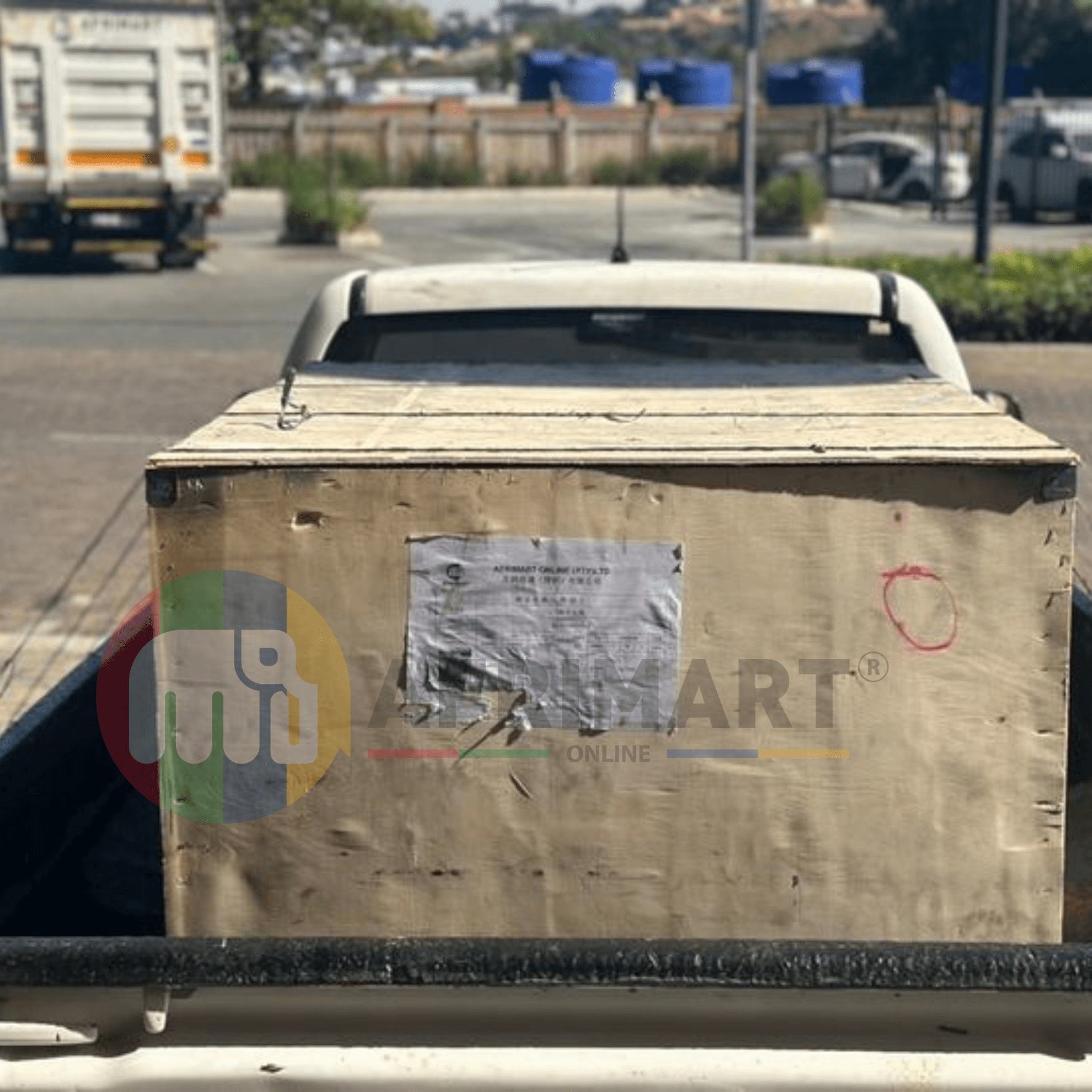
Order Usefully Collected
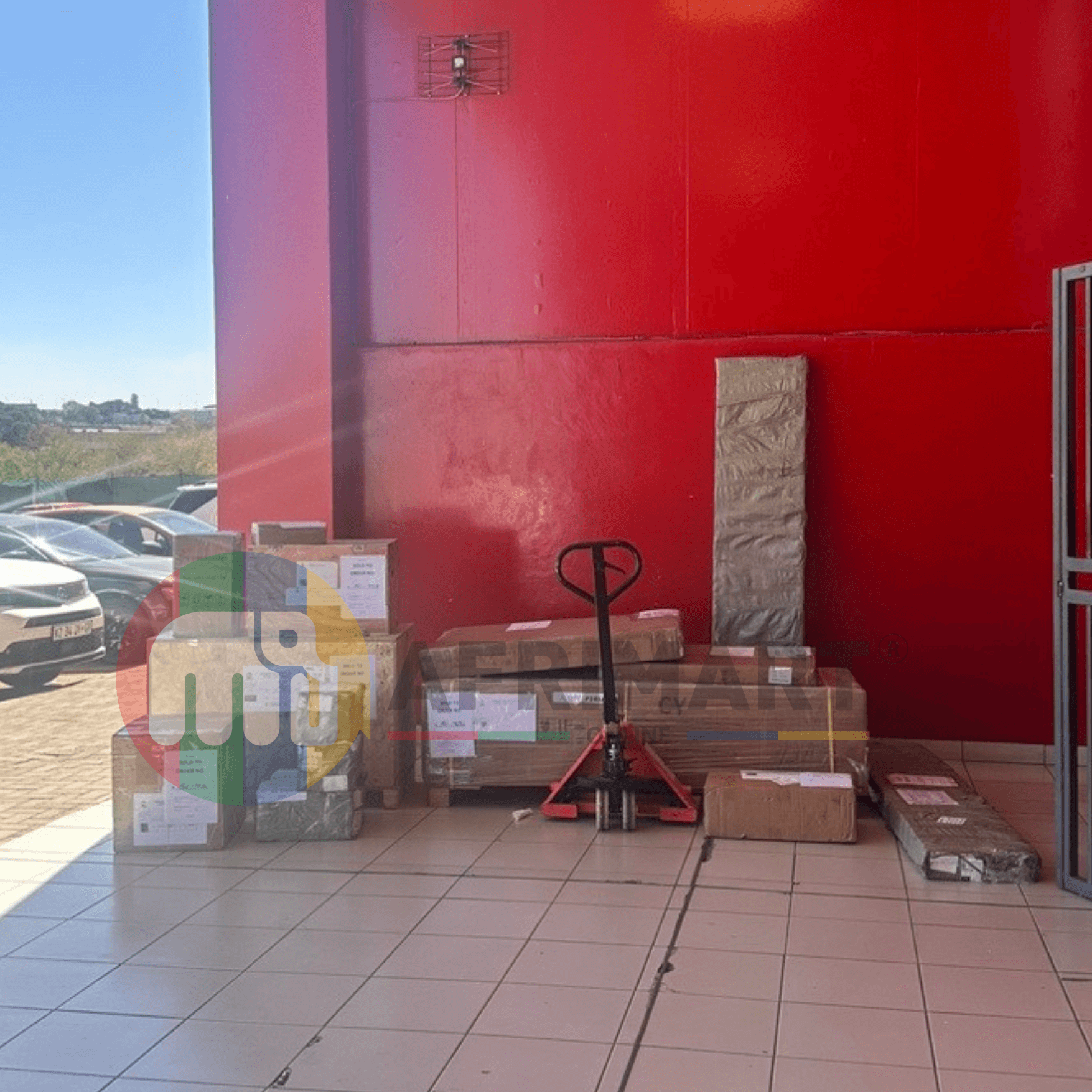
Batch of Orders
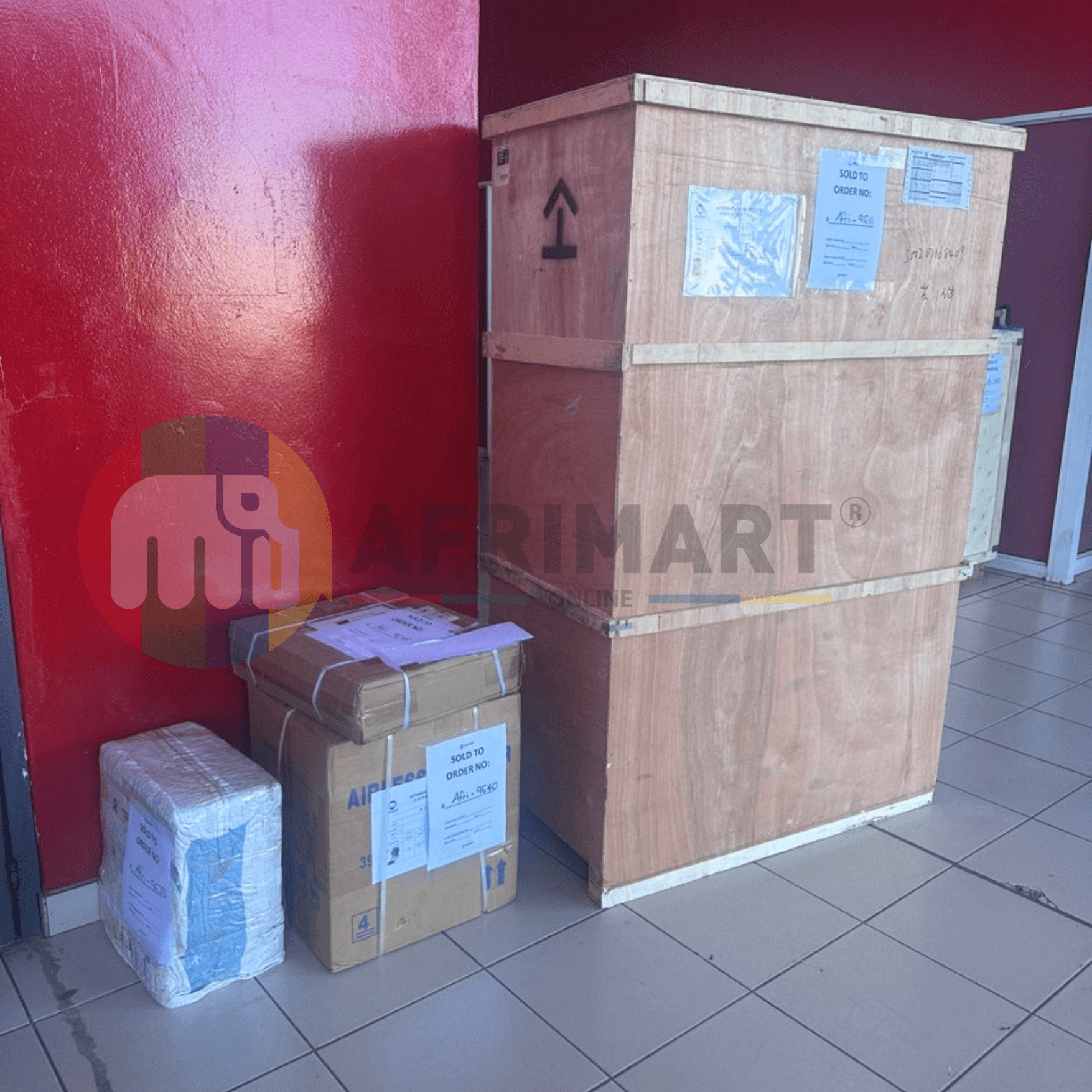
Agriculture Processing Machines
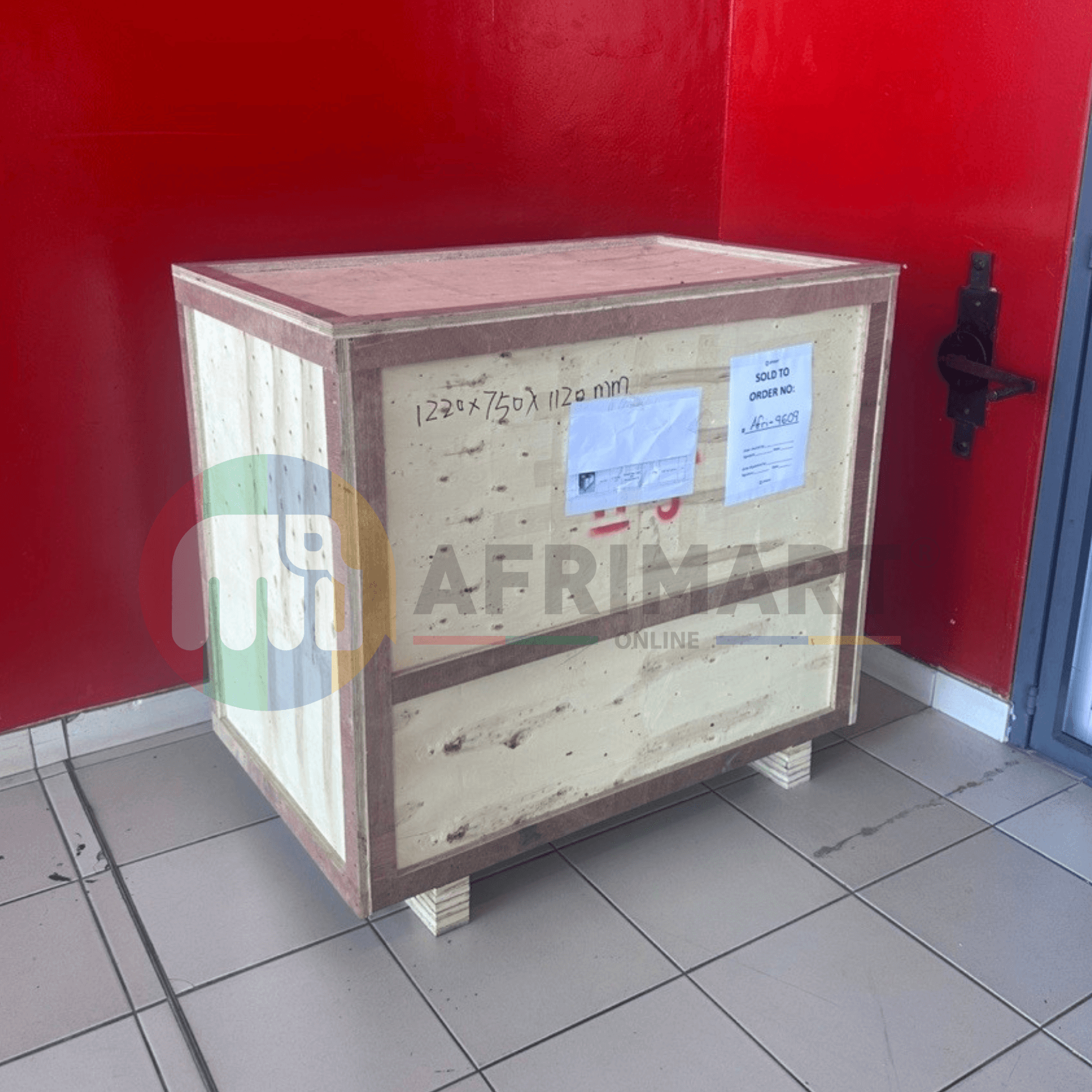
Meat Grinder Machine
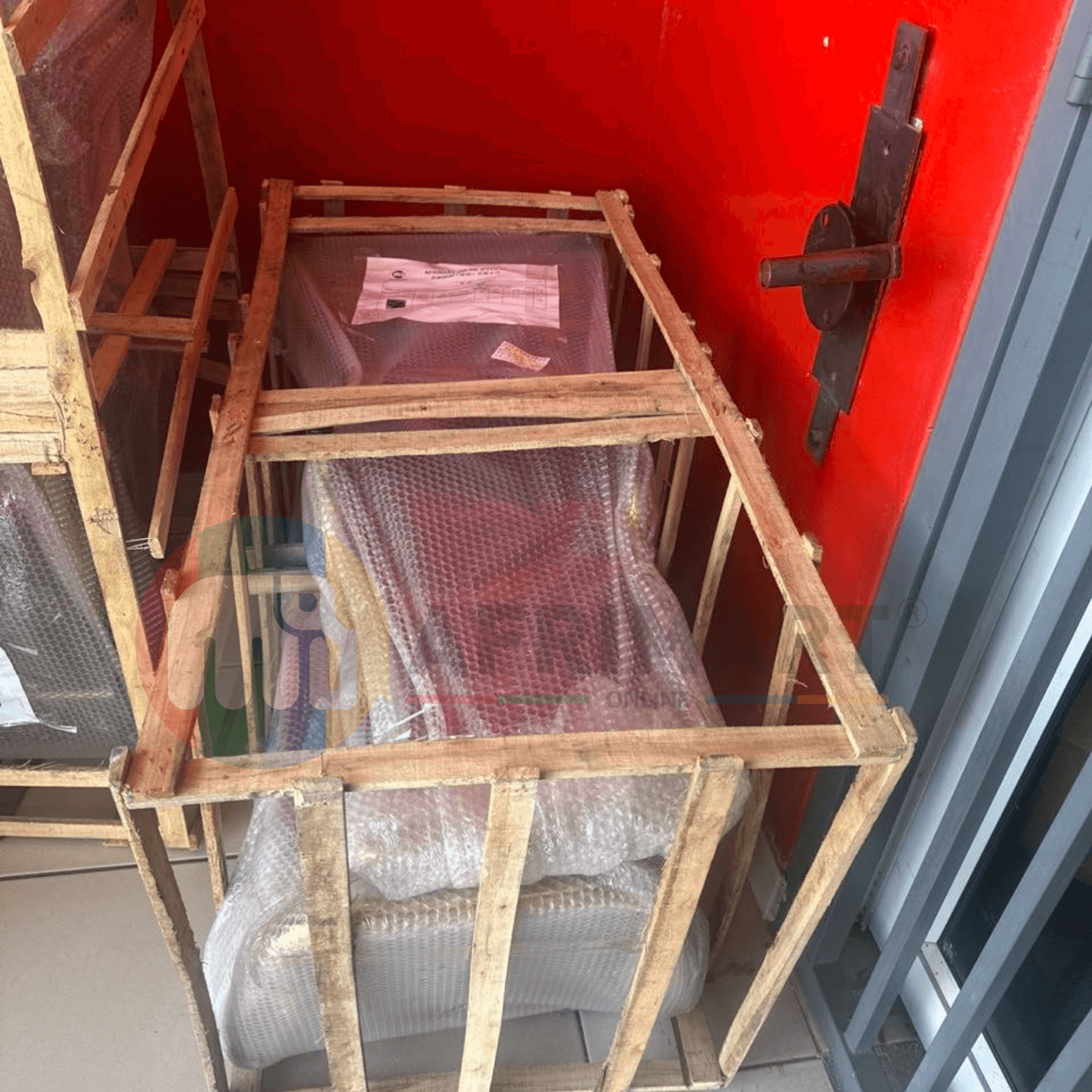
Water Pump Equipment
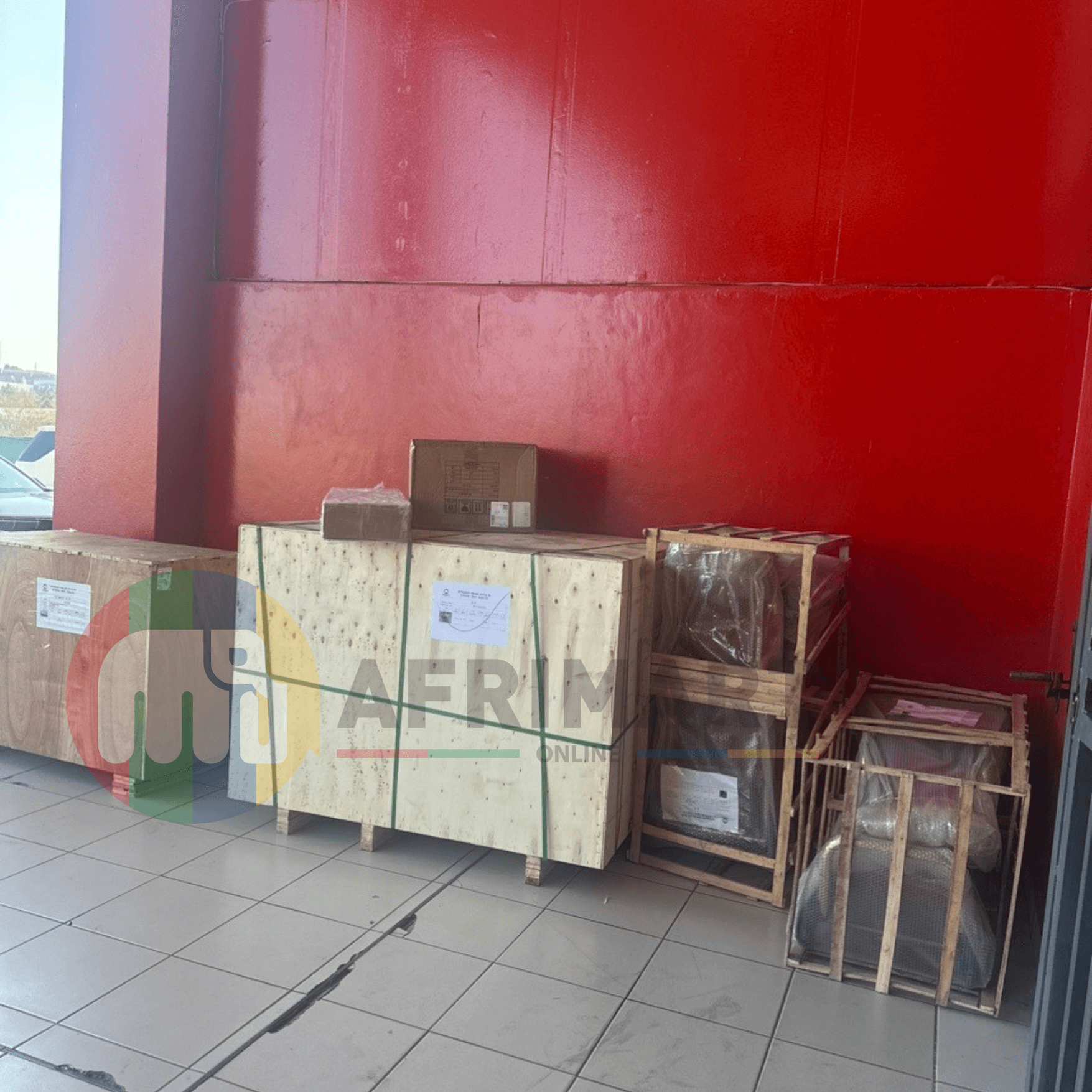
Packaging Machine and accessories
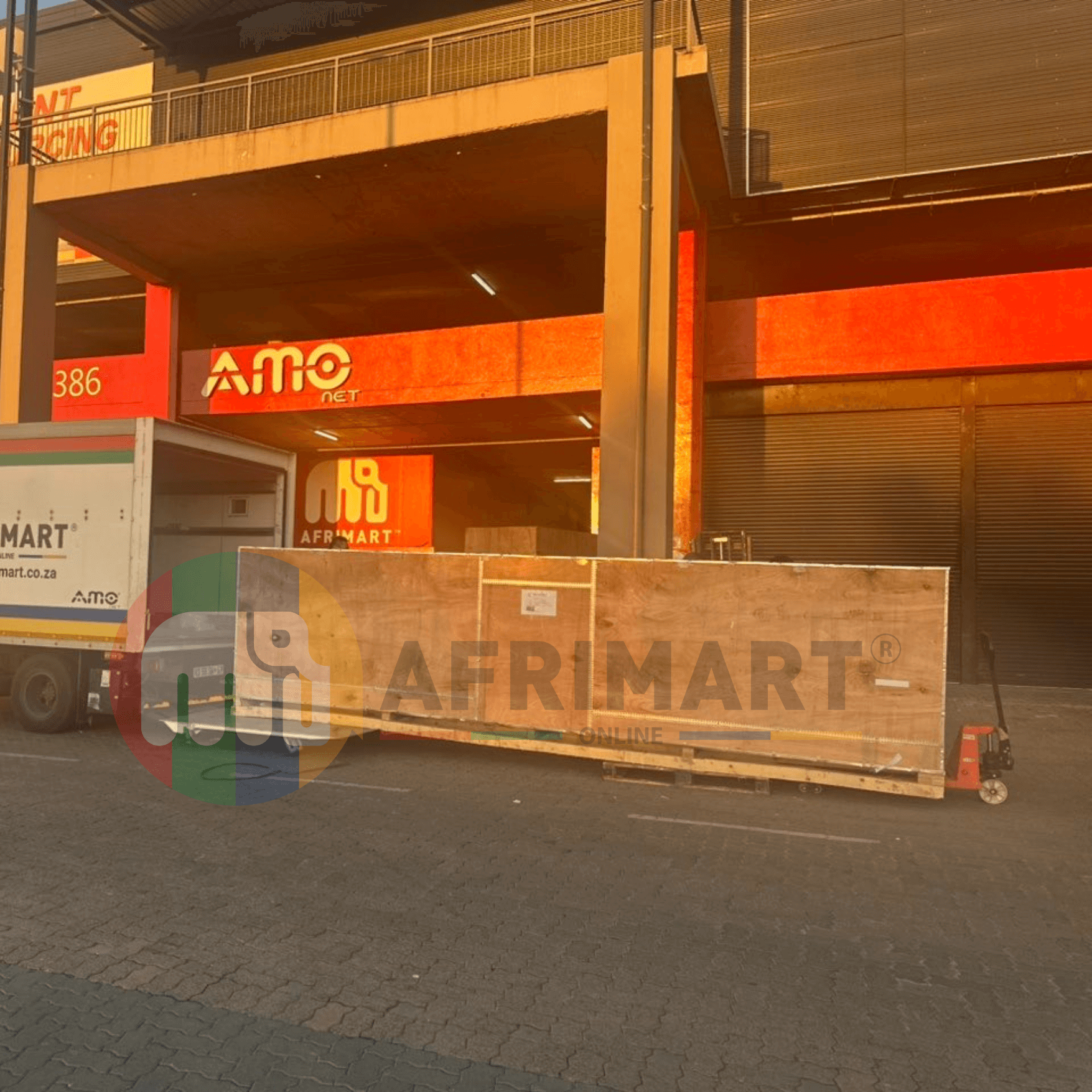
Fabrics Manufacturing Equipment
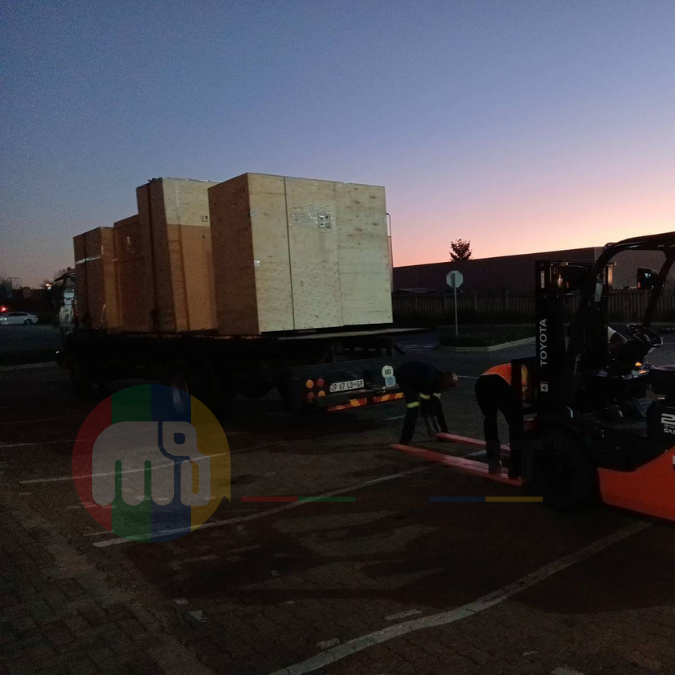
Mining Equipments
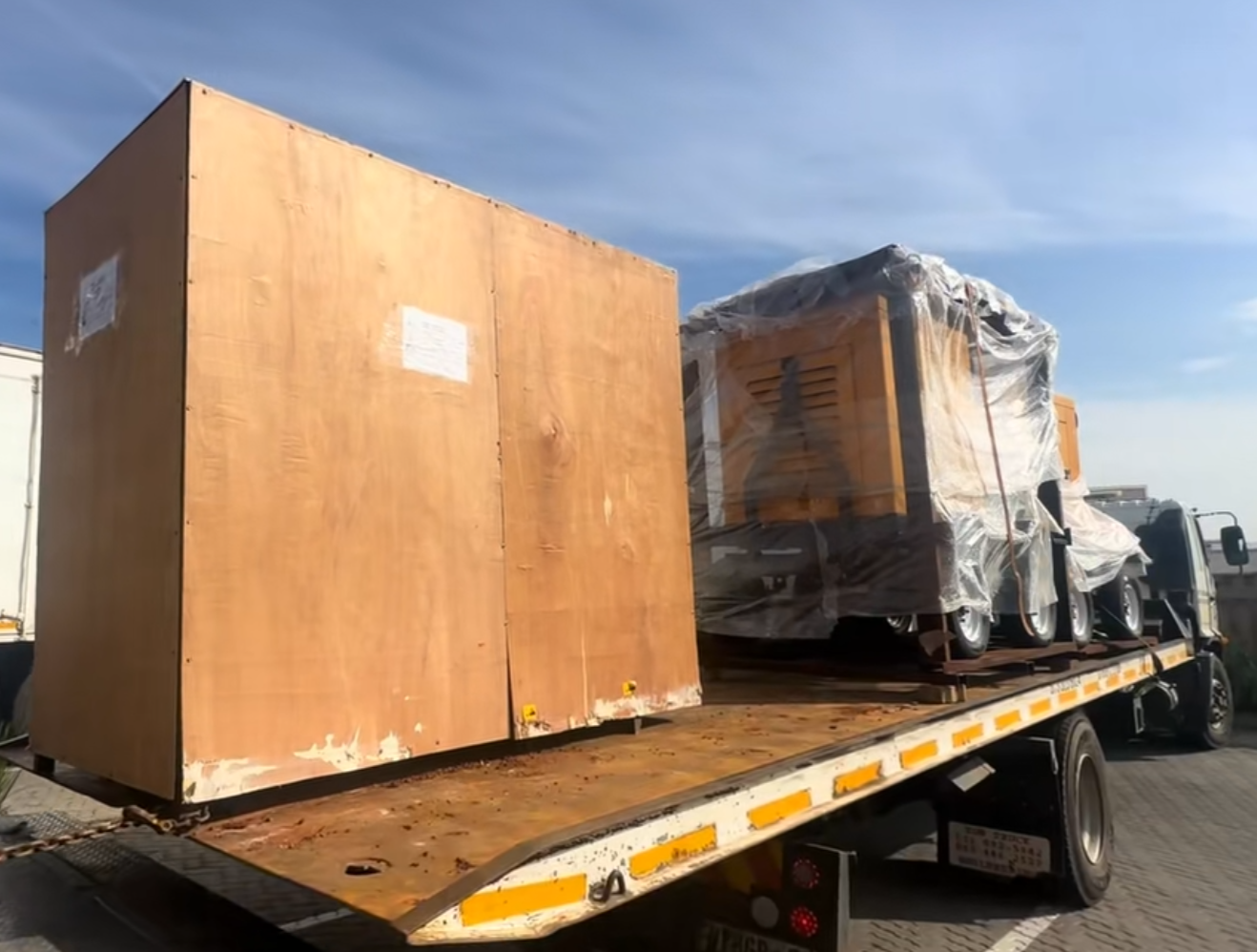
Food Processing Machine
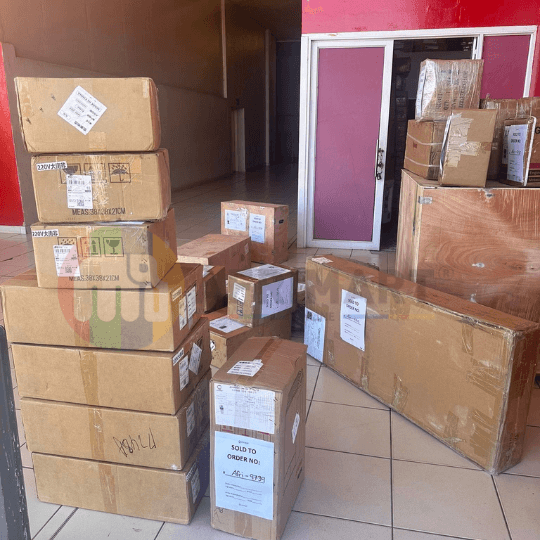
Batch of Orders
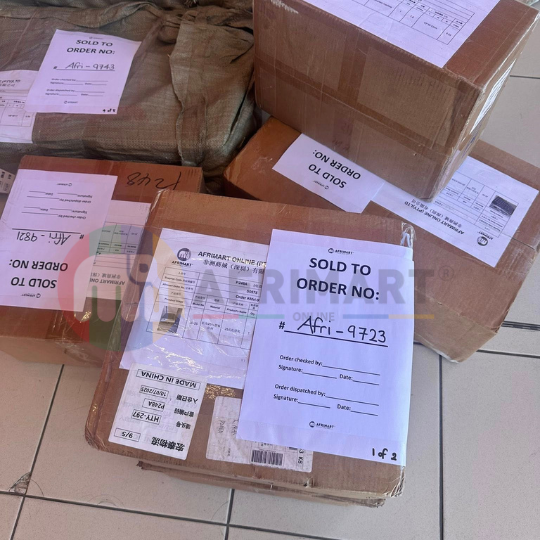
Batch of Orders
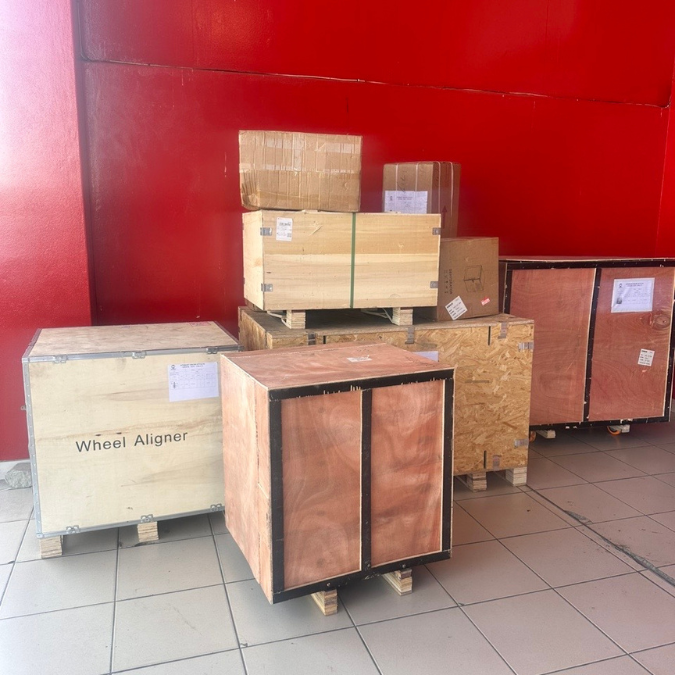
Latest Orders Labelled
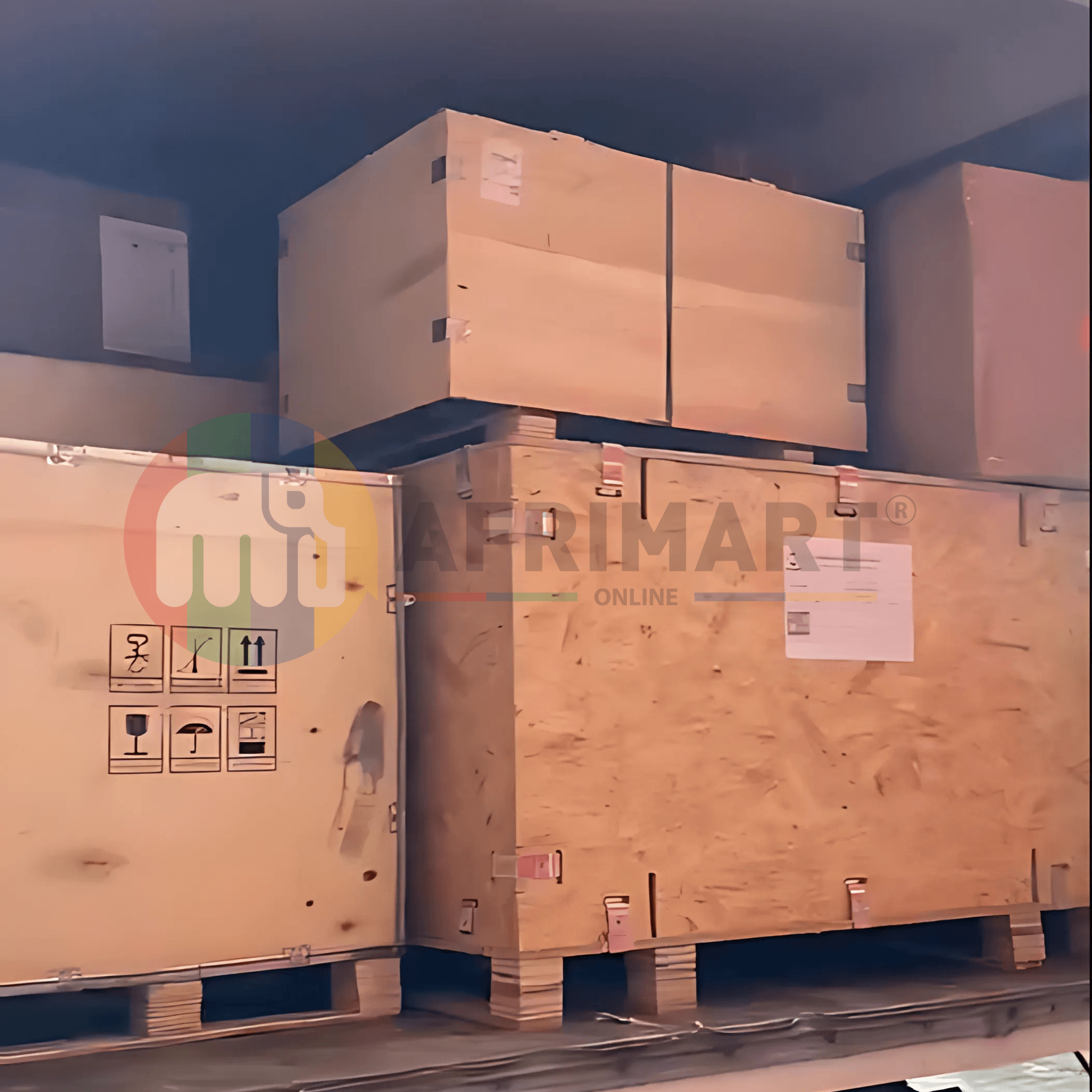
wheel alignment machines
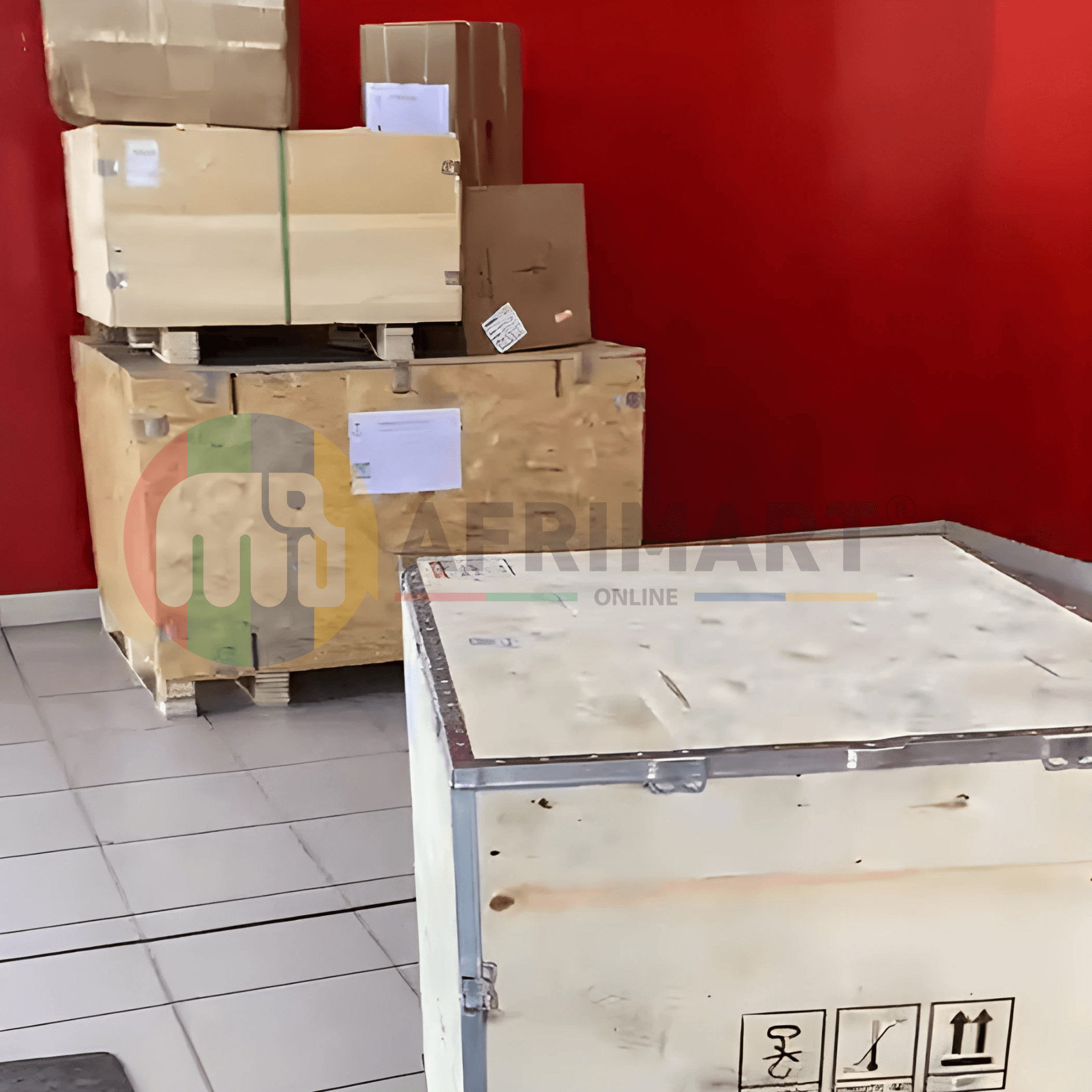
new arrivals
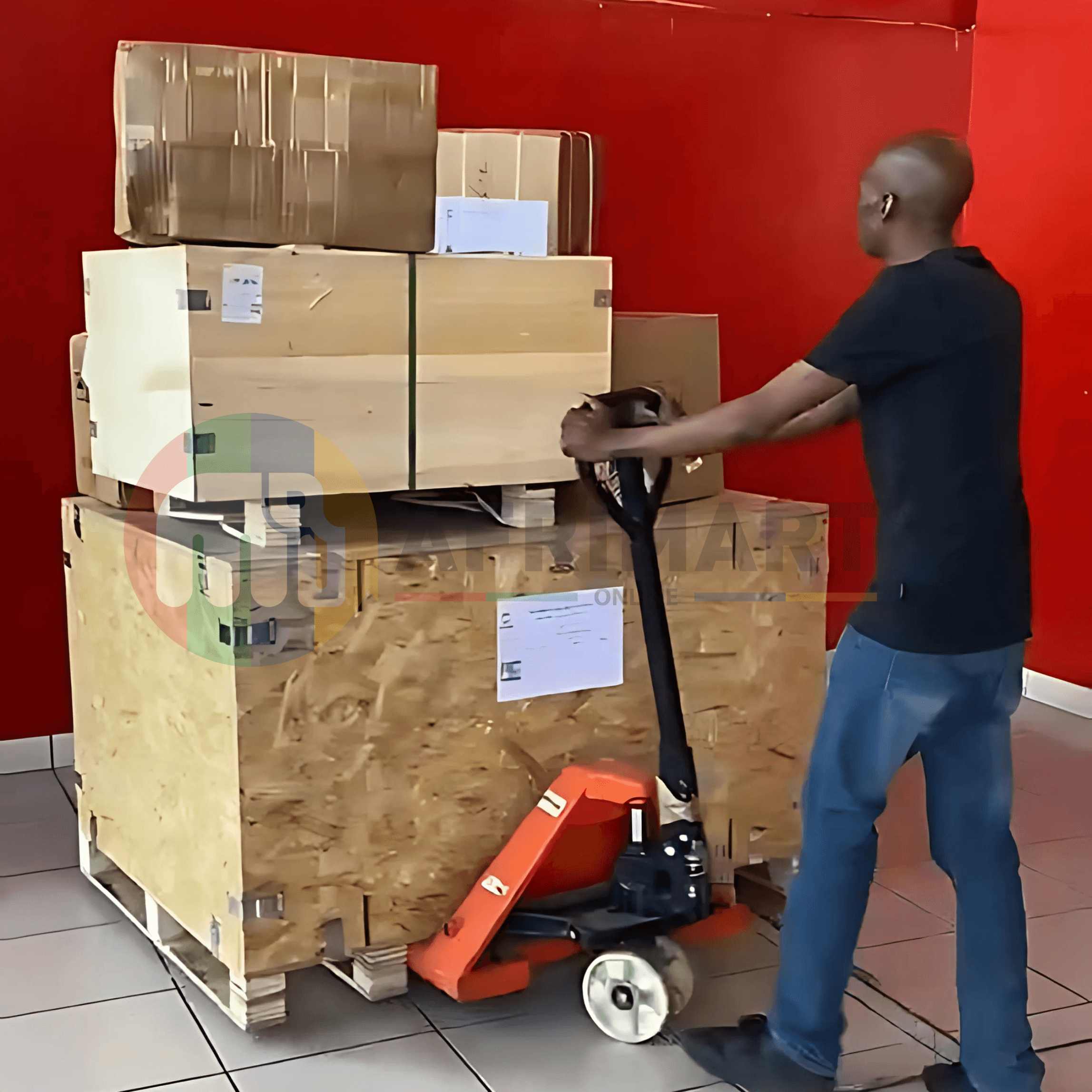
Pre Orders Offloading
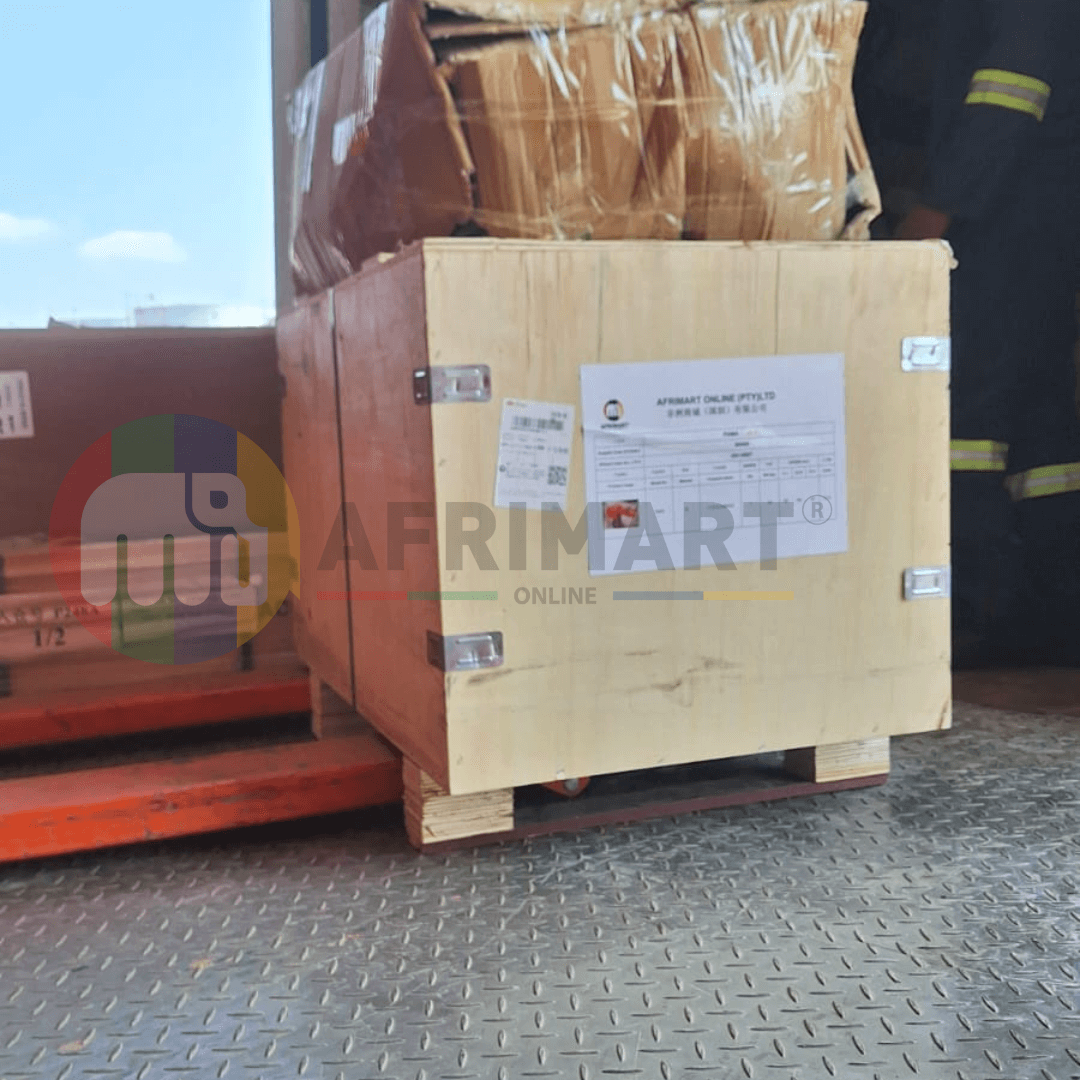
Latest Arrivals
Latest Arrivals
Latest Arrivals
26 January 2026
Toilet paper making machine
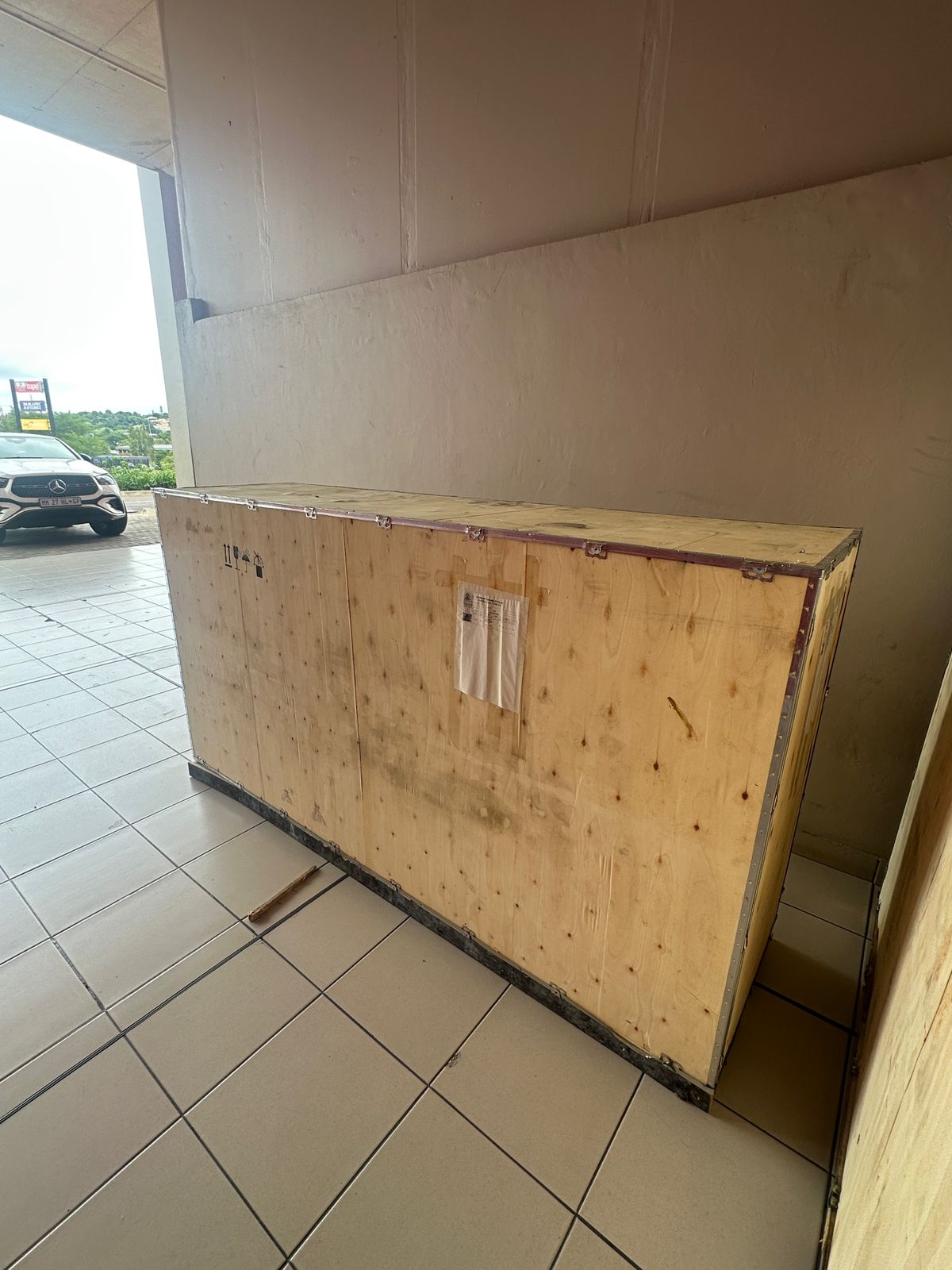
Toilet paper making machine
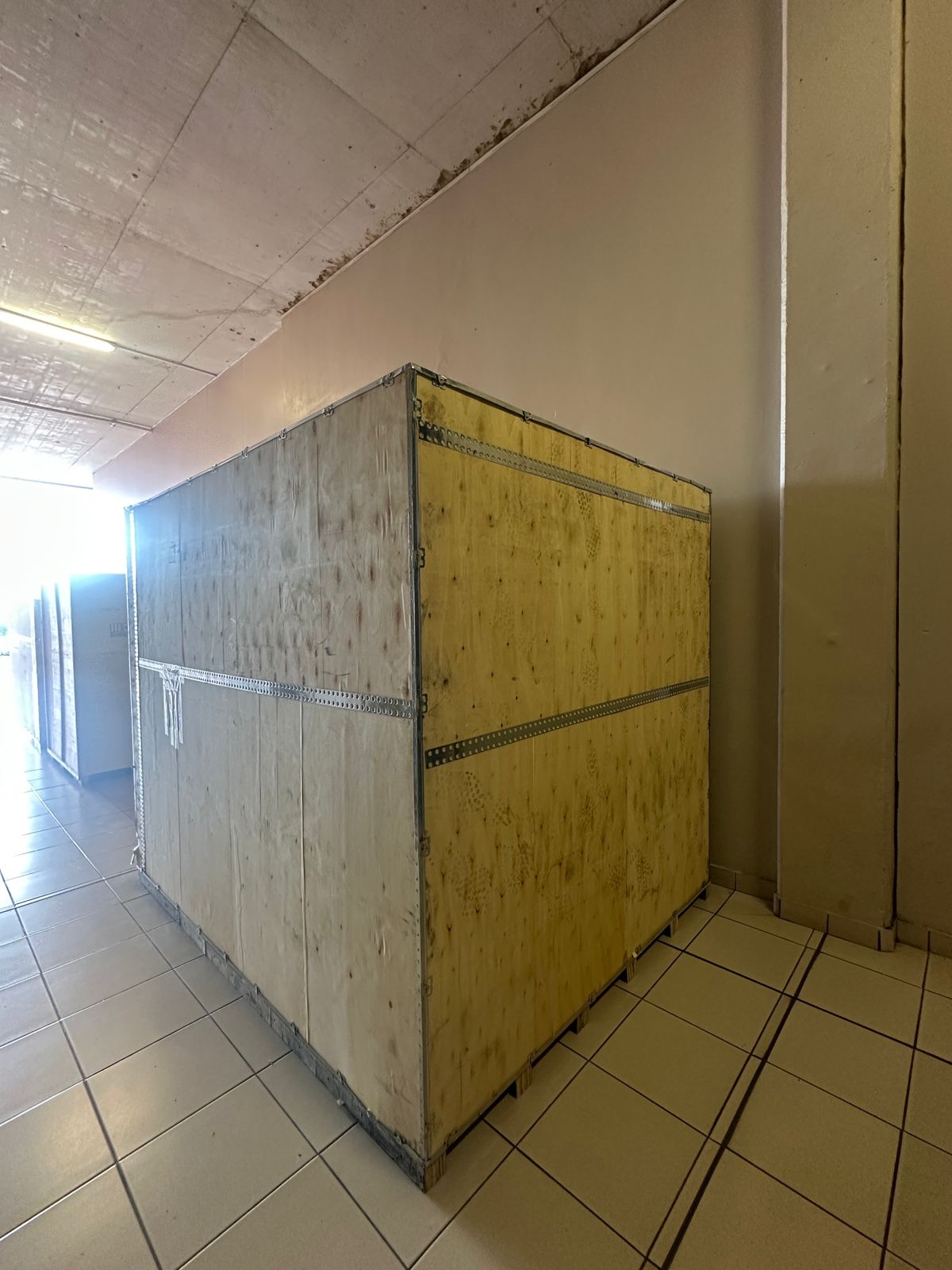
Toilet paper Rewinding Machine
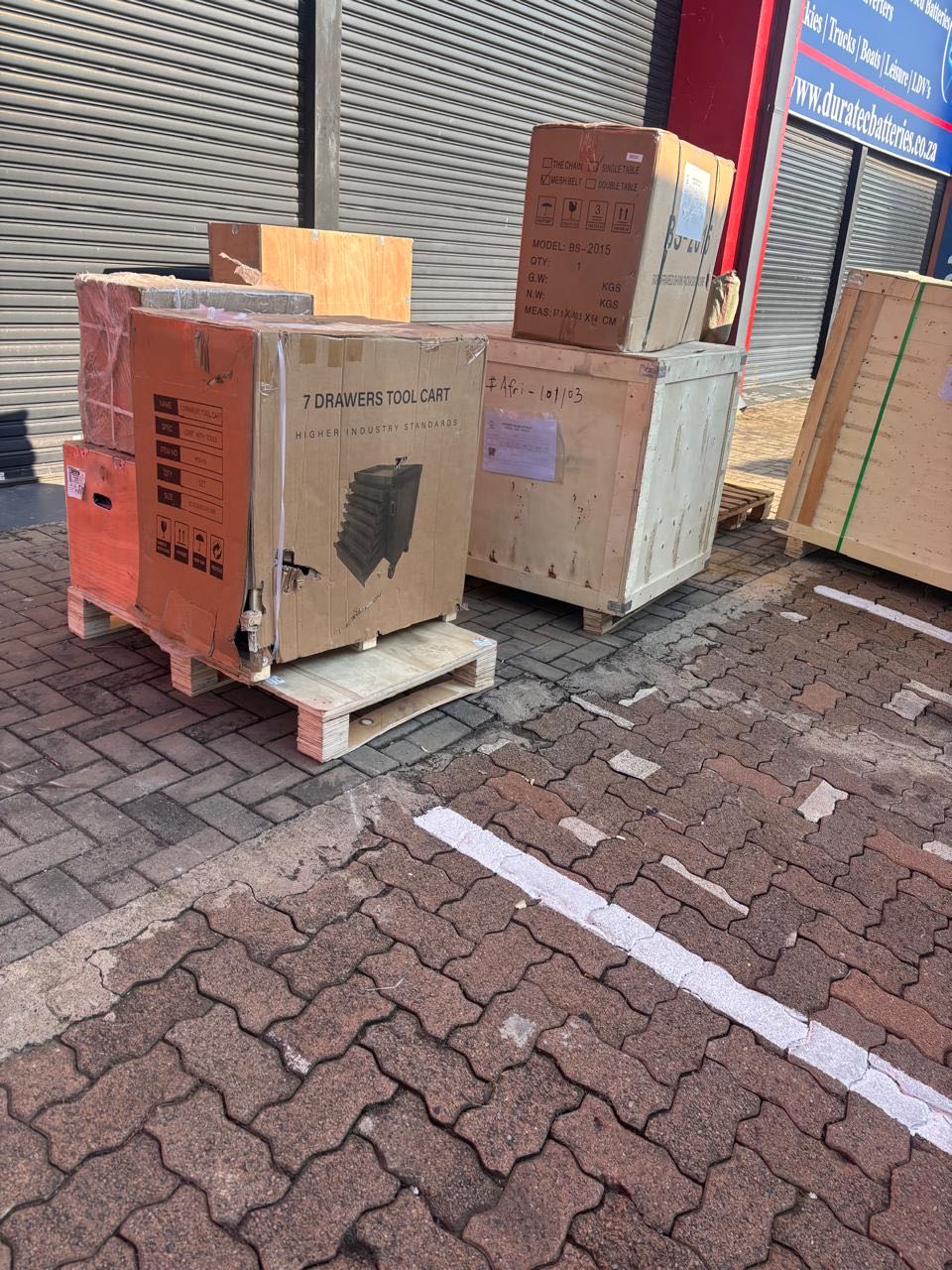
latest arrivals
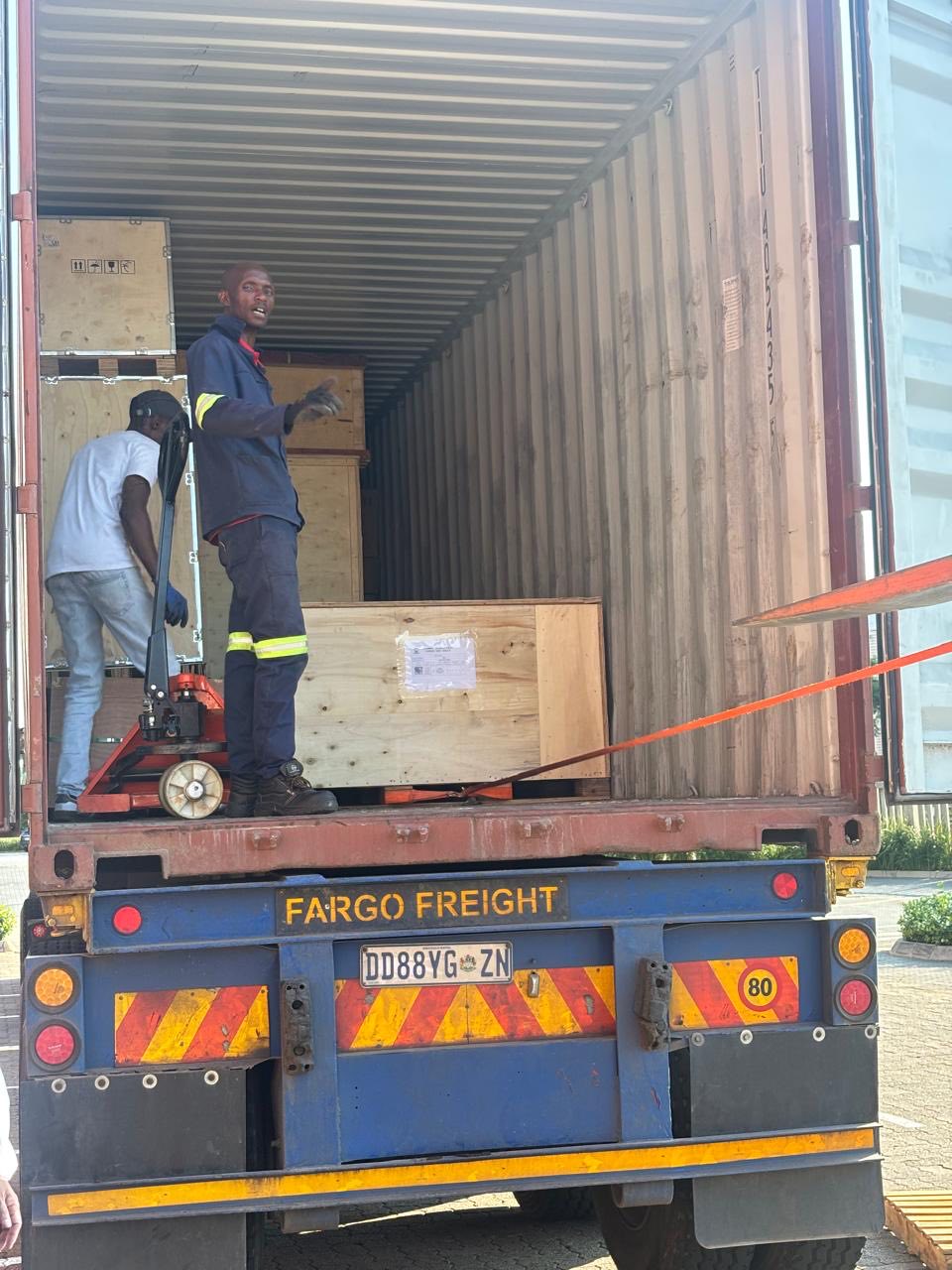
offloading
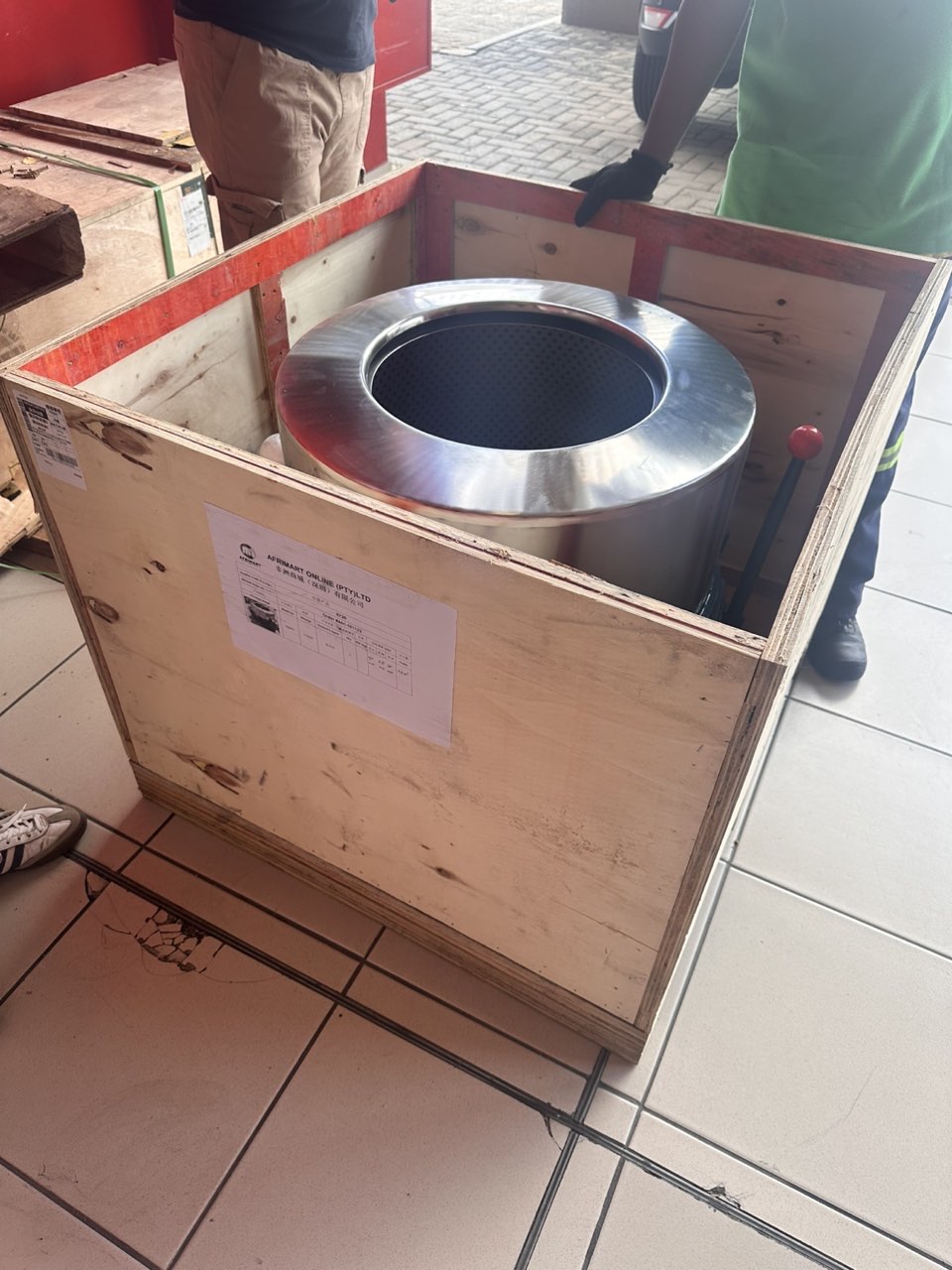
order success
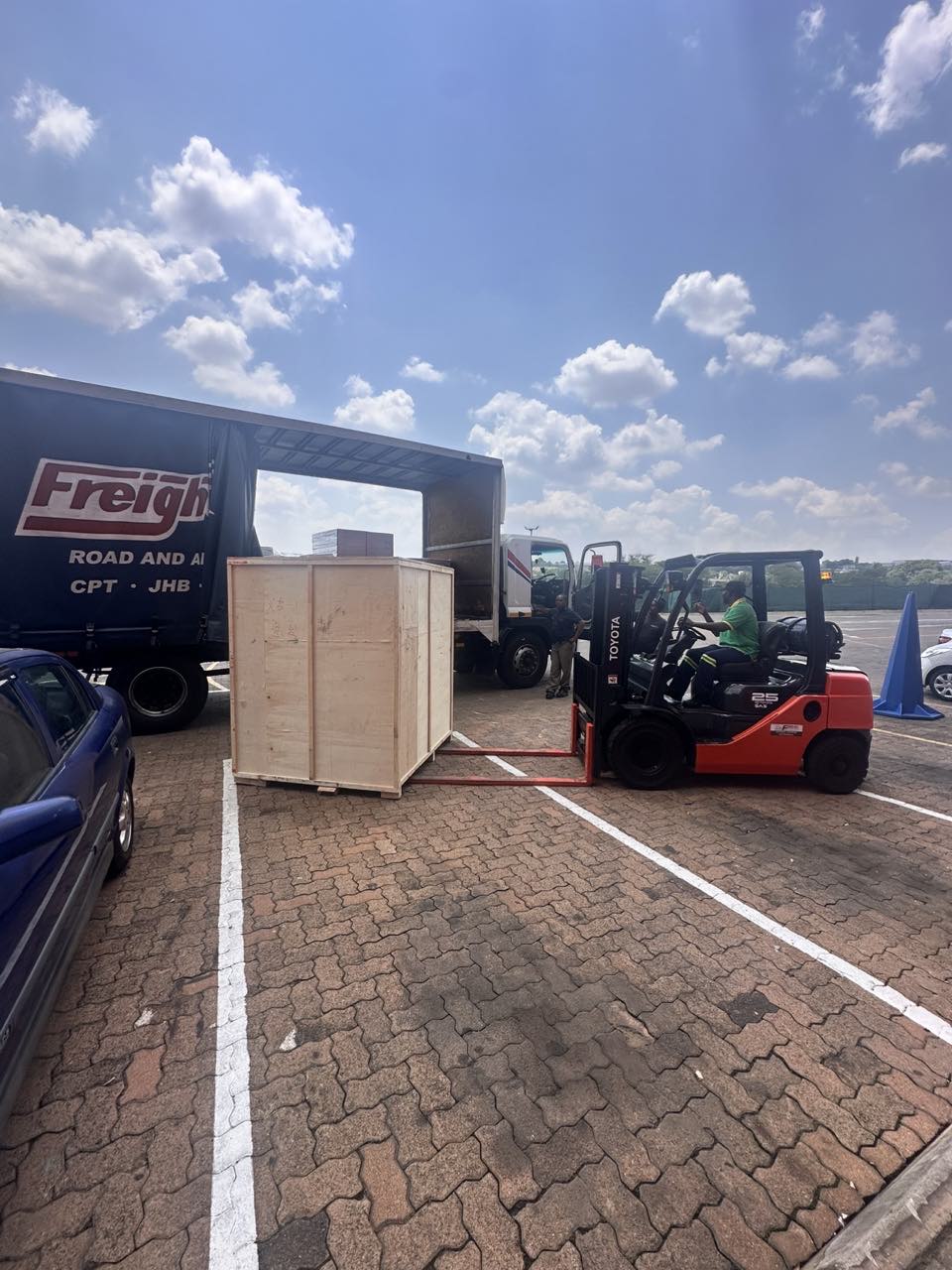
order collection
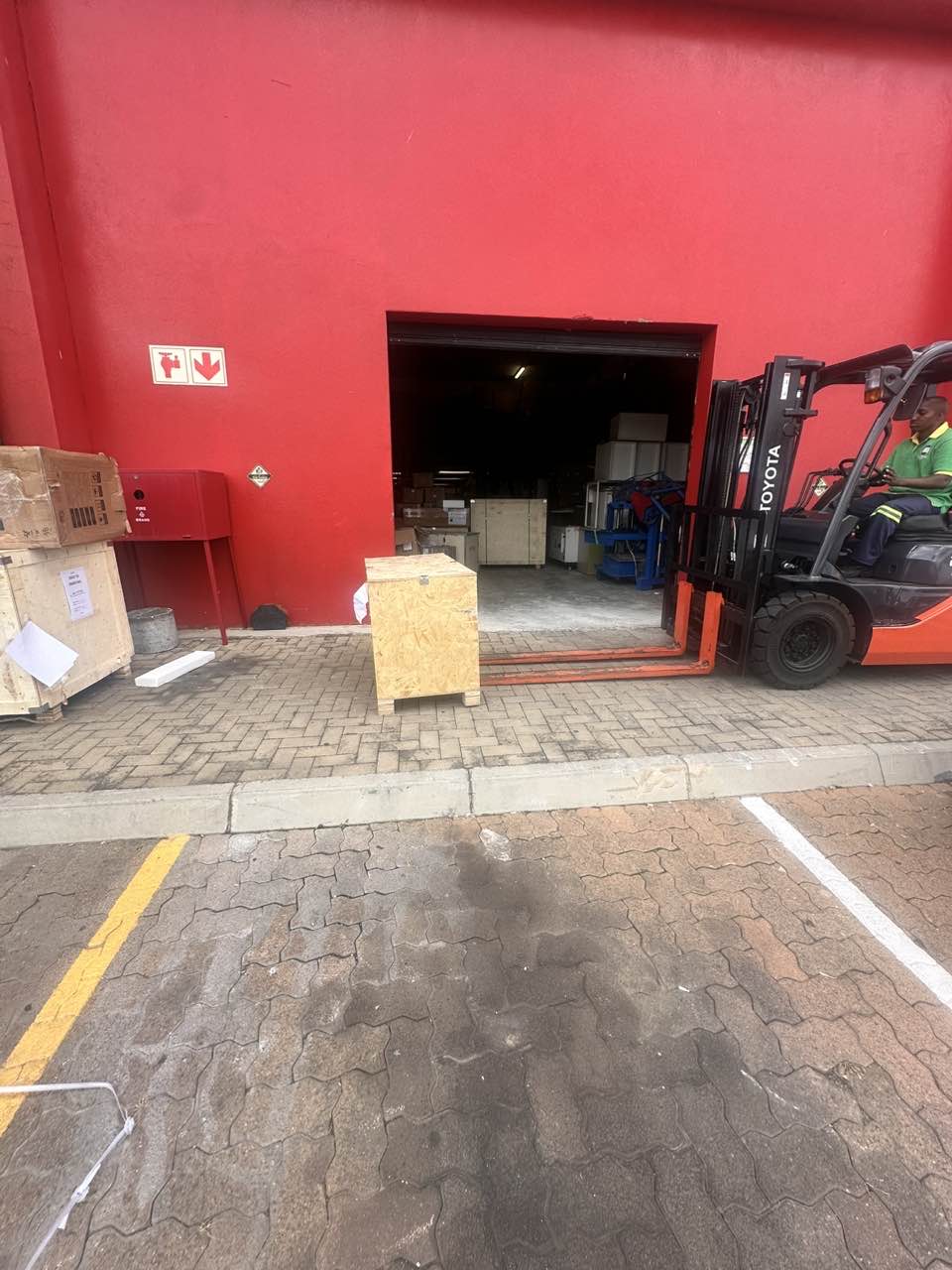
order offloading