B21, China Town Mall, Midrand


JQ CO2 Laser Engraving Cutting Machine
Asset finance available
Do you want funding for this equipment?
Afrimart can connect you with trusted funding partners who specialise in asset finance for businesses like yours. Compare options and apply in minutes — final approval is subject to provider review.
Check funding options
Secure & no obligation

- Section : Machinery
- Category : Textile Machinery
- SKU : 1600682353183

JQ CO2 Laser Engraving Cutting Machine
The JQ CO2 Laser Engraving Cutting Machine is a powerful and precise tool designed for cutting and engraving non-metal materials. With its impressive specifications, this machine is suitable for various applications across different industries.
Key Features
Generous Engraving Area: With an engraving area of 1300mm x 900mm, this machine can handle larger projects with ease.
High-Speed Operation: The engraving speed ranges from 0 to 500mm/s, ensuring efficient processing of your materials.
Versatile Graphic Support: Compatible with various graphic formats including AI, PLT, DXF, and BMP, making it easy to work with your preferred design software.
Precision Engineering: Known for high accuracy, the JQ machine uses a pulsed mode of operation and features a programmable design for enhanced functionality.
Quality Components: Equipped with a RECI laser source, WSX laser head, and II-VI optical lens, this machine is built for reliable performance.
Effective Cooling System: The water cooling mode ensures that the machine operates smoothly and maintains optimal temperature during use.
User-Friendly Design: The bench-top configuration and intuitive control system from RuiDa make it easy to set up and operate.
In summary, the JQ CO2 Laser Engraving Cutting Machine combines high capacity, speed, and accuracy, making it an ideal choice for professionals seeking quality and efficiency in their cutting and engraving tasks.


Product parameters
| Machine Model | JQ1390 E |
| Working Area | 1300mm (X axis) ×900mm(Y axis) |
| Laser Tube | Micro Giant |
| Laser Tube Brand | Optional: Reci/Micro Giant |
| Laser Power | 80w ( 60W-80W/100W-150W/200W-600W) |
| Laser Power Supply | Hong Yuan |
| Laser Type | CO2 Sealed laser tube with water cooling |
| Engraving Speed | 0-50000mm/min |
| Cutting Speed | 0-30000mm/min |
| Locating Precision | ≤±0.01mm |
| Laser power adjustable | Software (1-100%) showing on the panel |
| X.Y transmission model | Guide rail |
| Power Supply | 220V/50HZ |
| Support Format | BMP, PLT, DST, DXF, AI |
| Software Supported | CorelDraw, PhotoShop, AutoCAD,TAJIMA |
| Driving System | Three-Phase Stepper Motors and Drivers |
| Control System | POWER CUT Control System |
| Color Separation | Yes |
| Color | Black & White |
Technical advantages


Industry application
1390E CO2 laser engraving machine can engrave and cut acrylic, wood, plexiglass, paper-cut flowers, etc. It is widely used in advertising industry, packaging industry, handicraft industry, etc.


- Shipping Timeframes: All orders are processed within 2-5 business days (excluding weekends and holidays). After your order has been processed, the estimated delivery time is before 03 Aug, 2026, depending on customs, Please note that due to high demand, some items may experience longer shipping times, which will be communicated at order confirmation email.
- Order Processing Time: Please allow 2-5 business days for us to process your order before it is shipped . Orders placed after 16:00 on Fridays, or during weekends and public holidays, will begin processing on the next business day. Processing times may be extended during peak seasons or sales events.
- Manufacturing Time: Some products needs manufacturing time, the manufacturing process will take approximately 10-30 business days depending on the product. This timeframe may vary depending on the complexity of the product and current demand. but this will be communicated with you during order confirmation.
- Returns and Exchanges: We offer a 30-day return policy for most items. If you are not completely satisfied with your purchase, you may return it within 30 days of receipt for a refund or exchange. Items must be unused, in their original packaging, and accompanied by proof of purchase. Return shipping costs are the responsibility of the customer, unless the item was damaged or defective upon arrival.
1. What materials can the JQ CO2 Laser Engraving Cutting Machine process?
The JQ CO2 laser is designed for non-metal materials such as acrylic (plexiglass), wood, MDF, plywood, leather, rubber, paper, cardboard, textiles, and coated or painted metals (marking only). It can also engrave glass and ceramics with appropriate settings or coatings.
2. What is the maximum working/engraving area?
The working area is 1300 mm (X) × 900 mm (Y), suitable for larger-format projects and multiple smaller parts in a single run.
3. What laser power options are available?
Standard configurations include 60W–80W, and optional higher-power configurations are available such as 100W–150W and 200W–600W. The listed base model commonly ships with an 80W CO2 tube; tube brand options include RECI or Micro Giant.
4. What file formats and design software are supported?
The machine supports common formats including AI, PLT, DXF, BMP, and DST. It integrates with design software such as CorelDRAW, Photoshop, AutoCAD and TAJIMA by exporting to supported vector/raster formats.
5. What are the engraving and cutting speeds?
Engraving speed is adjustable up to 500 mm/s (0–50,000 mm/min) and cutting speed is adjustable (parameter listed up to 30,000 mm/min). Exact effective speed depends on material, thickness, laser power and focal optics.
6. How accurate is the machine?
Locating precision is specified as ≤ ±0.01 mm, delivering high-detail engraving and consistent repeatability when properly calibrated.
7. What type of cooling does the machine use?
The JQ uses a water-cooling system for the sealed CO2 laser tube. A stable circulation of clean, temperature-controlled water (or an external chiller) is required to maintain performance and tube life.
8. What control and drive systems are included?
The machine uses a RuiDa POWER CUT control system and is driven by three‑phase stepper motors with suitable drivers for smooth motion and positioning.
9. What key components come with the machine?
Typical main components include the CO2 laser tube (RECI or Micro Giant option), WSX laser head, II‑VI optical lens, RuiDa control panel, X/Y rails and stepper drive system. Items like an external water chiller, exhaust fan, or air-assist pump may be included or offered as optional accessories—confirm with the supplier.
10. How thick of material can it cut?
Cutting capacity depends on laser power, material type and density, lens focal length and number of passes. As a guideline, an ~80W CO2 laser commonly cuts thin-to-moderate thicknesses of acrylic or wood (single-pass thickness varies); higher-power models (100W+) cut thicker stock. Always perform test cuts for your specific material and settings.
11. What routine maintenance does the machine require?
Regular maintenance includes: replacing/changing water in the cooling loop and keeping it clean, cleaning lenses and mirrors, checking and aligning mirrors and beam path, lubricating and cleaning rails and bearings, inspecting belts and couplings, and monitoring tube output. Follow supplier maintenance schedules for best results.
12. How long does the CO2 laser tube last?
Tube lifetime varies by brand, power, duty cycle and maintenance. Sealed CO2 tubes commonly last thousands to tens of thousands of hours. Exact lifetime depends on the chosen tube (RECI, Micro Giant, etc.) and operating conditions—ask your vendor for the tube lifetime spec and warranty details.
13. What safety and ventilation measures are required?
Operate only with proper exhaust/fume extraction and filtration to remove smoke and volatile compounds. Use interlocks or protective covers, wear appropriate eye protection when required, ensure proper electrical grounding (220V/50Hz), and train operators on safe laser practices. Never operate the laser without an exhaust system for cutting organic materials.
14. What are the power and installation requirements?
The machine is specified for 220V/50Hz power. It is a bench-top configuration—ensure a stable workbench or frame, sufficient clearance for exhaust ducting, access to water cooling (chiller or water supply), and proper grounding and circuit capacity. Check with your supplier for any site-prep recommendations.
15. What warranty and technical support are available?
Warranty terms and technical support vary by seller. Most suppliers offer limited warranties on electronics and the tube, plus spare-parts support and technical documentation. Ask your vendor about warranty length, what is covered (tube, optics, electronics), spare-parts availability, and options for installation, training or remote technical support.
Latest Order Arrivals
Discover our latest orders
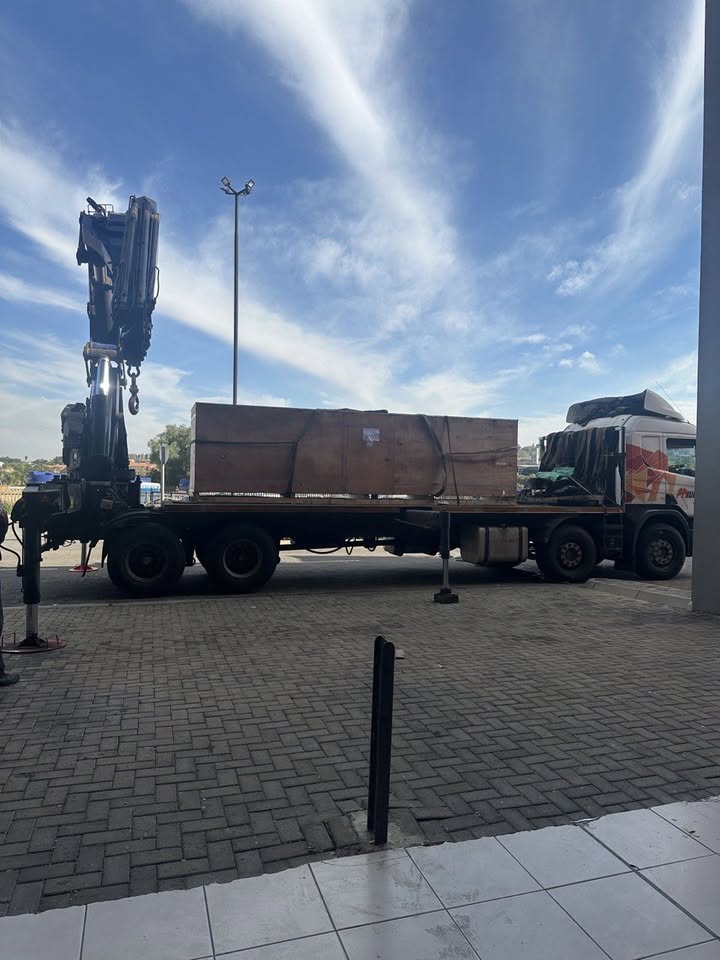
12 Heads Embroidery Machine
Toilet Paper Machine Machine
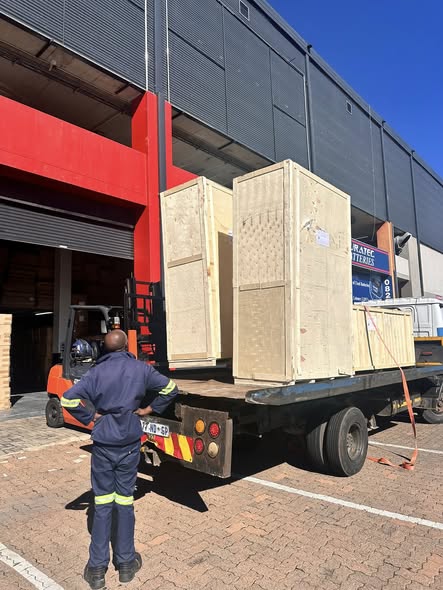
Order Collection
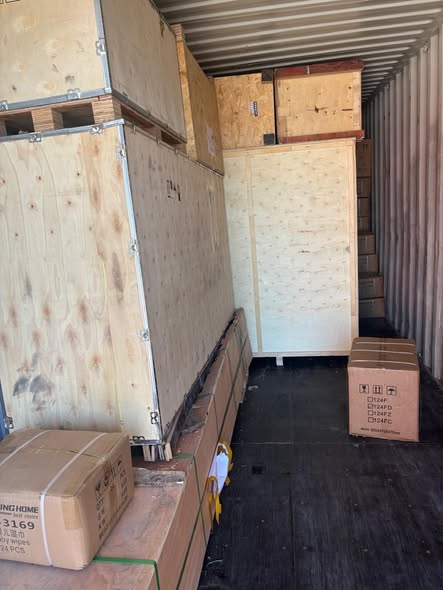
Cross Border Clients
Order cros border countries Collected
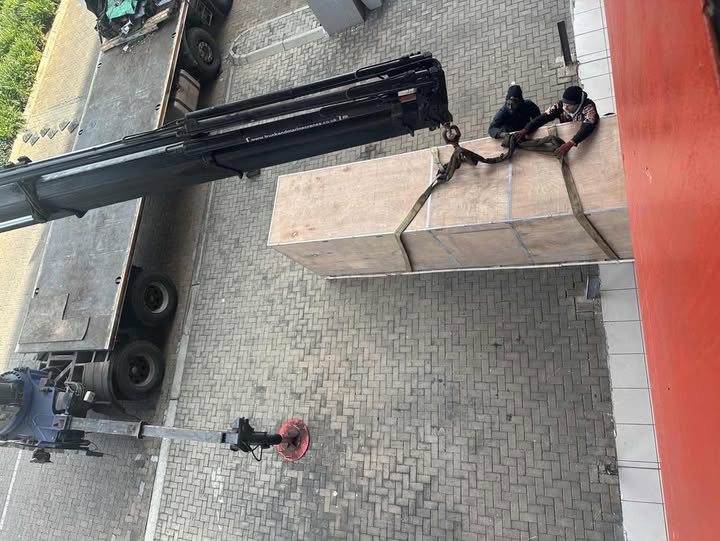
Industrial Machine Cllection
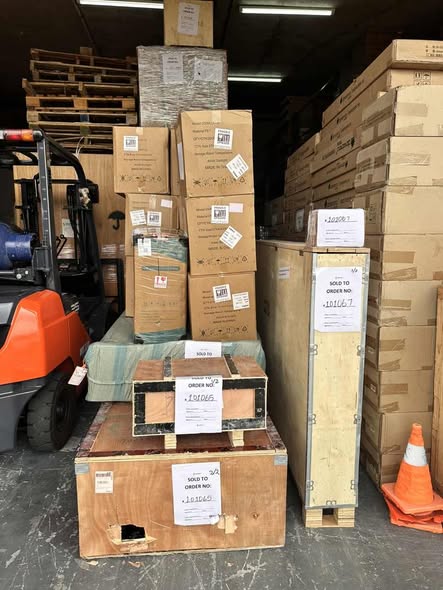
Agriculture Processing Machines
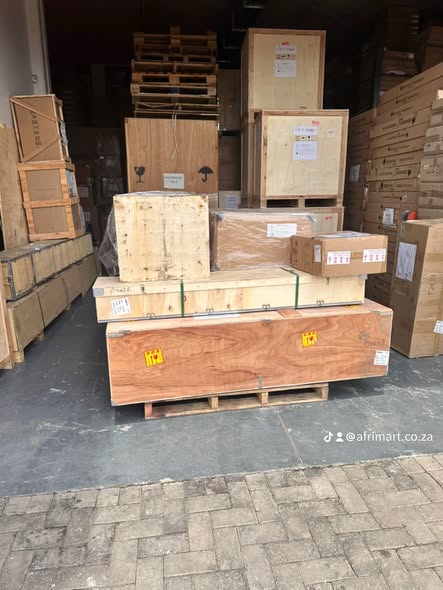
Ready for collection
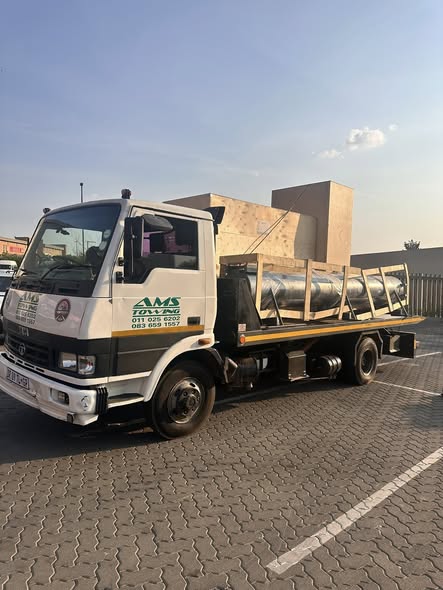
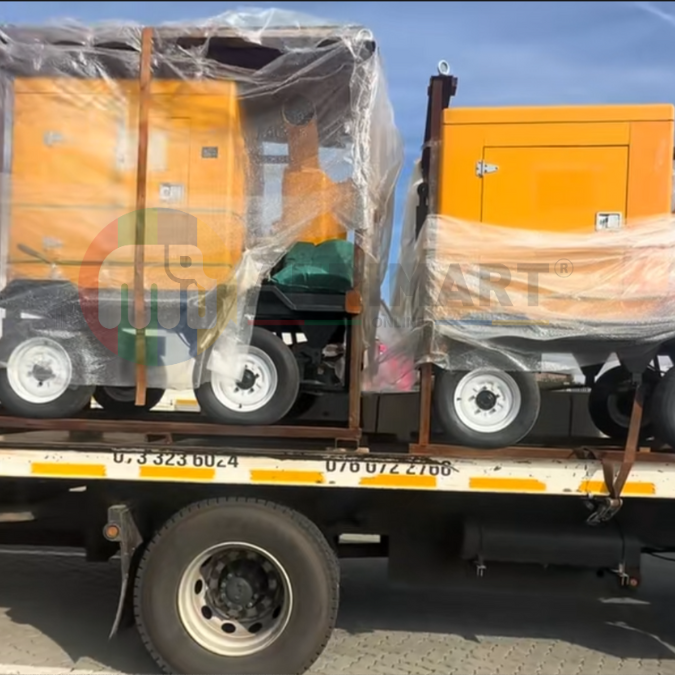
Water Pump Equipment
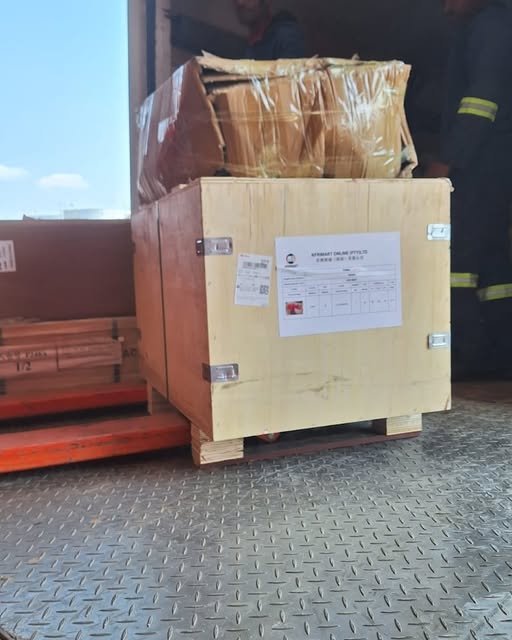
Packaging Machine and accessories
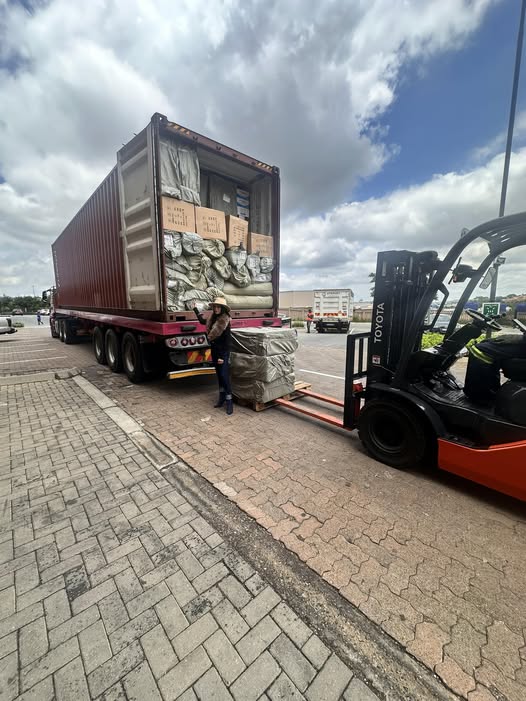
Fabrics Manufacturing Equipment
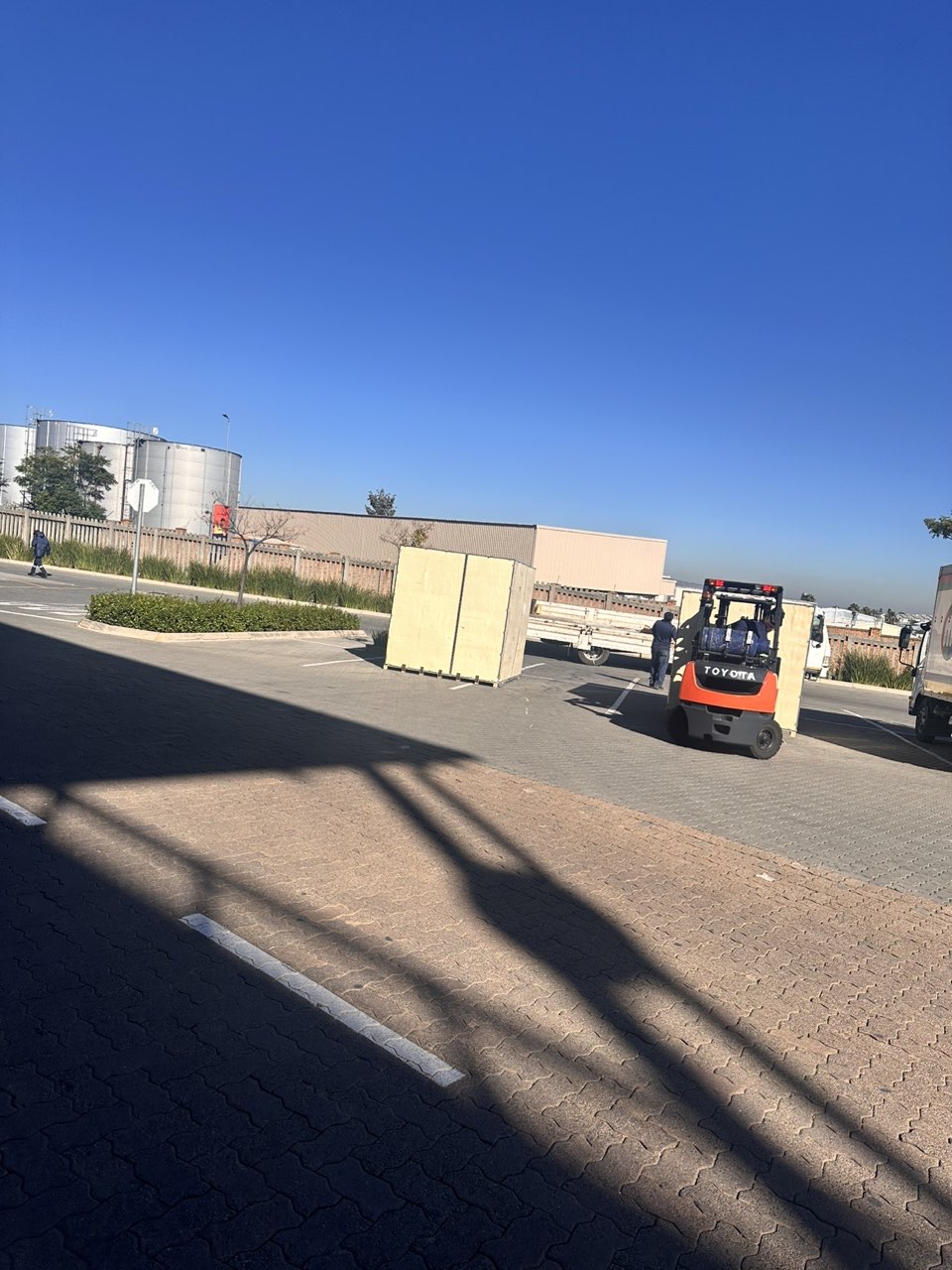
Mining Equipments
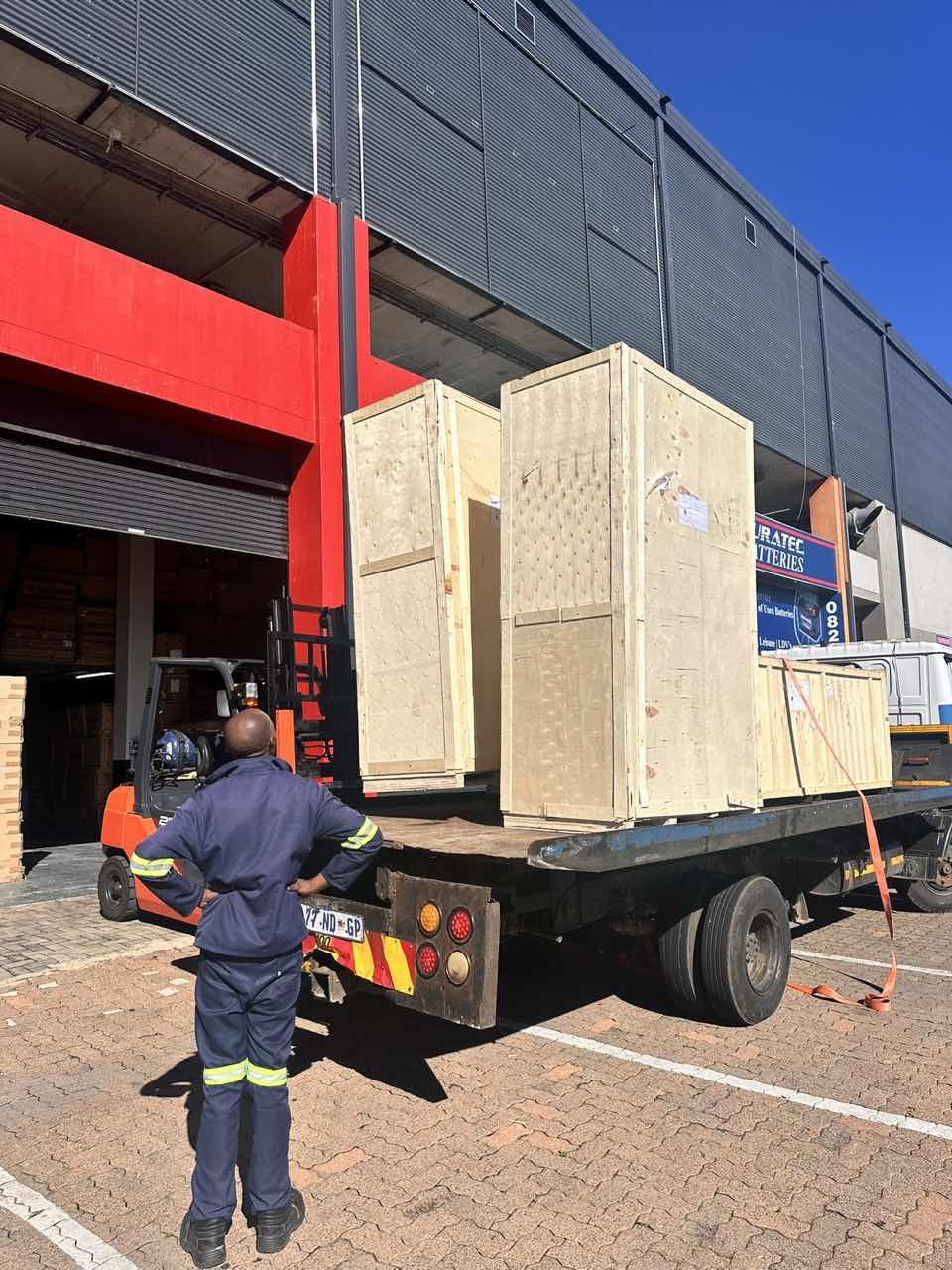
Food Processing Machine
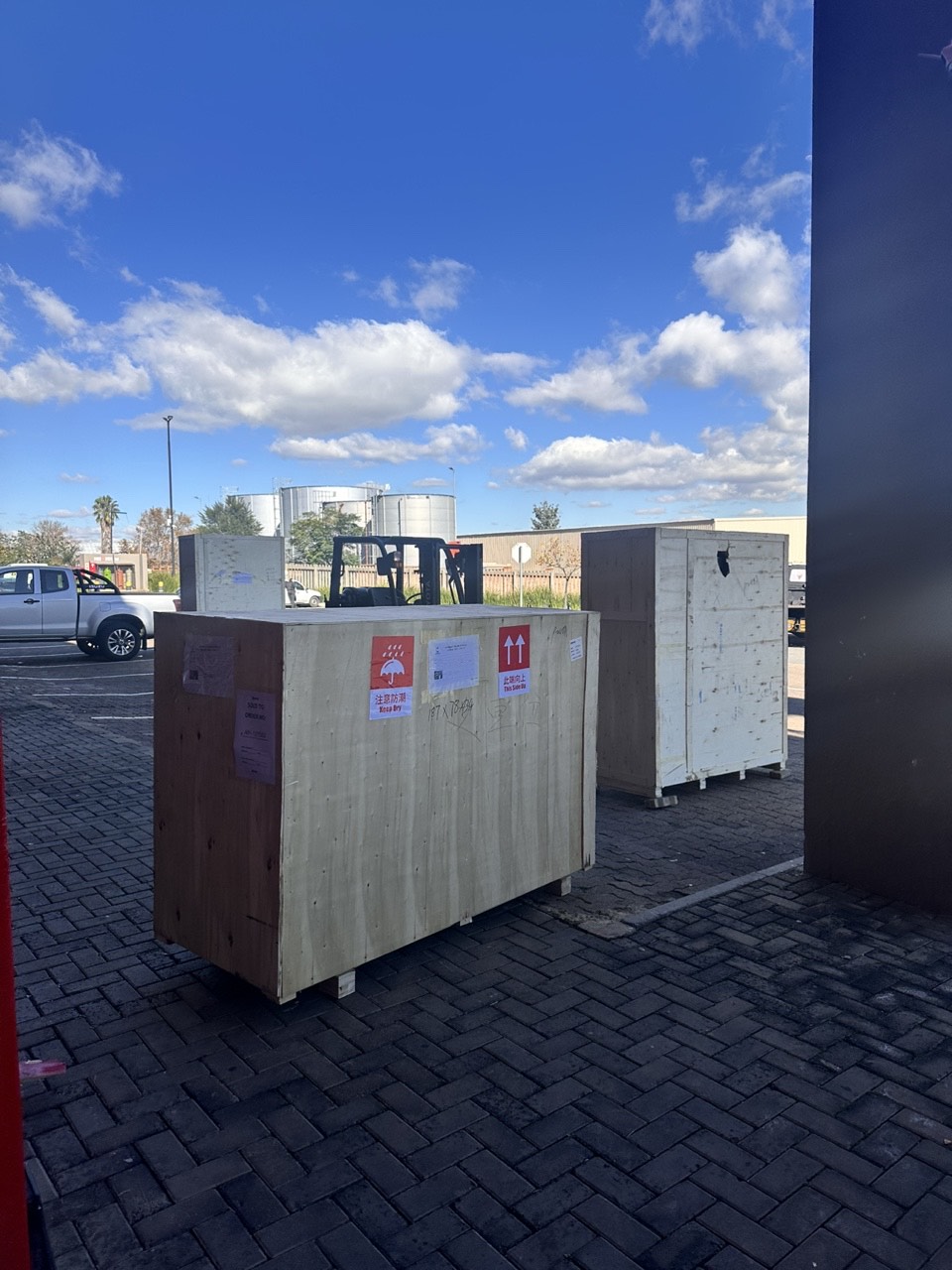
Batch of Orders
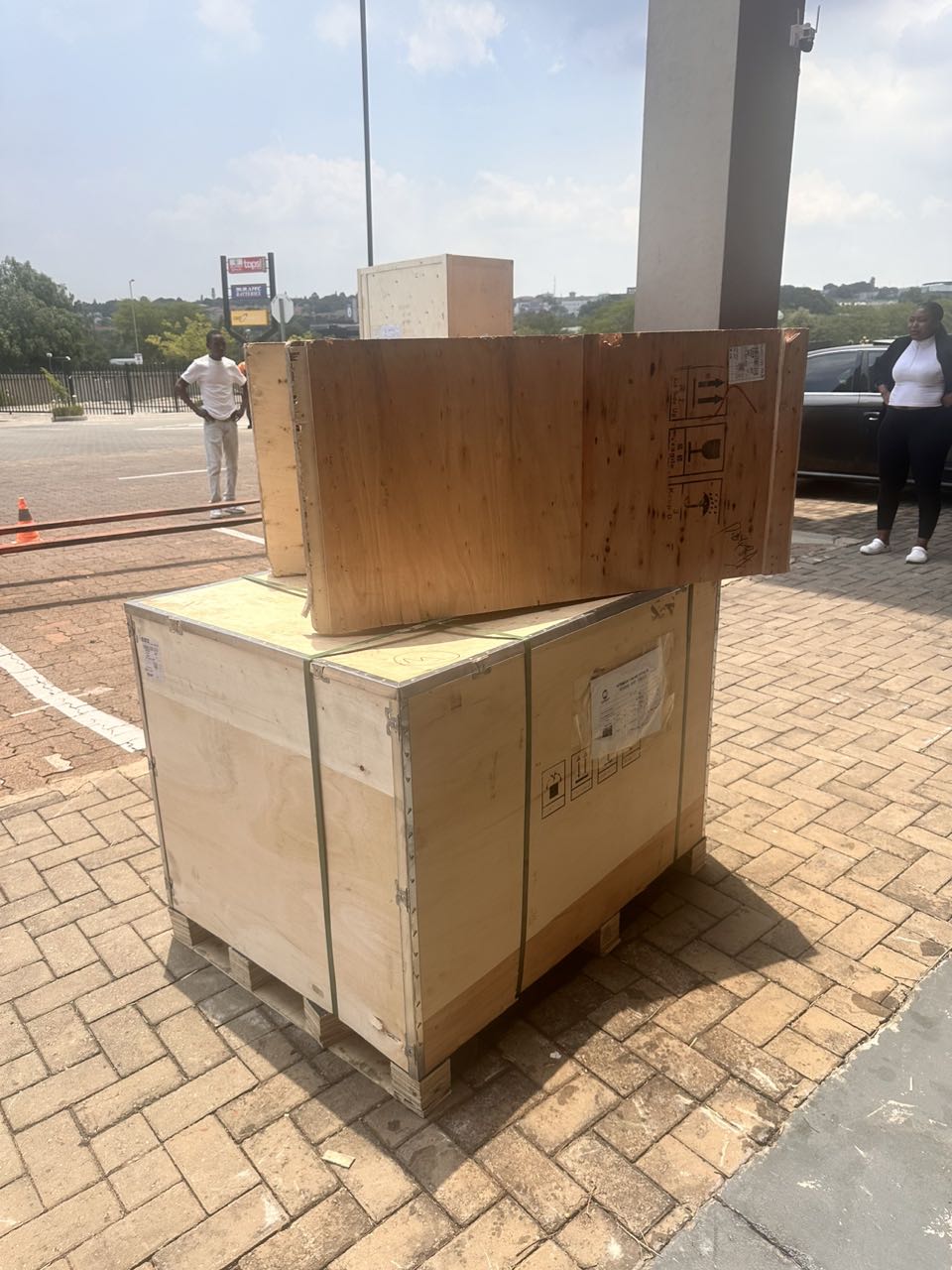
Batch of Orders
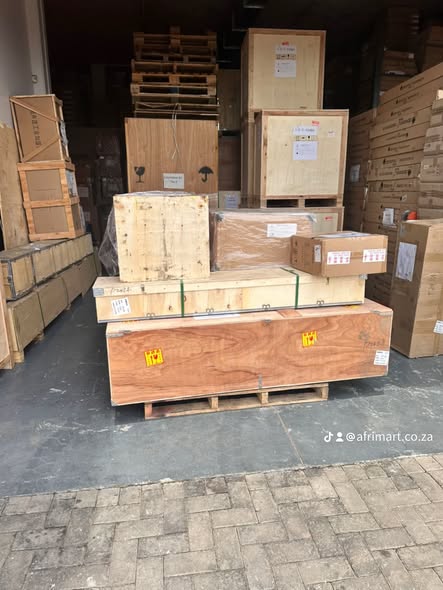
Latest Orders Labelled
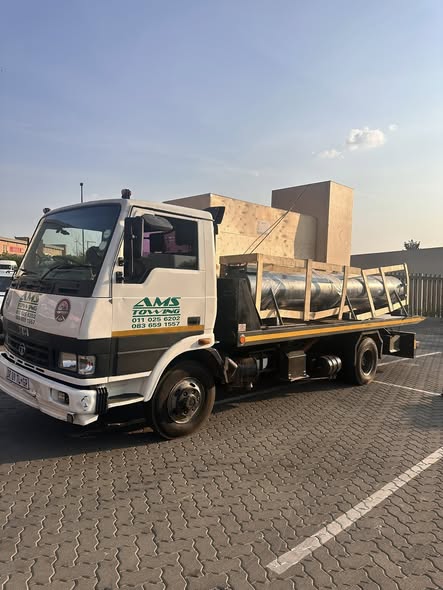
wheel alignment machines
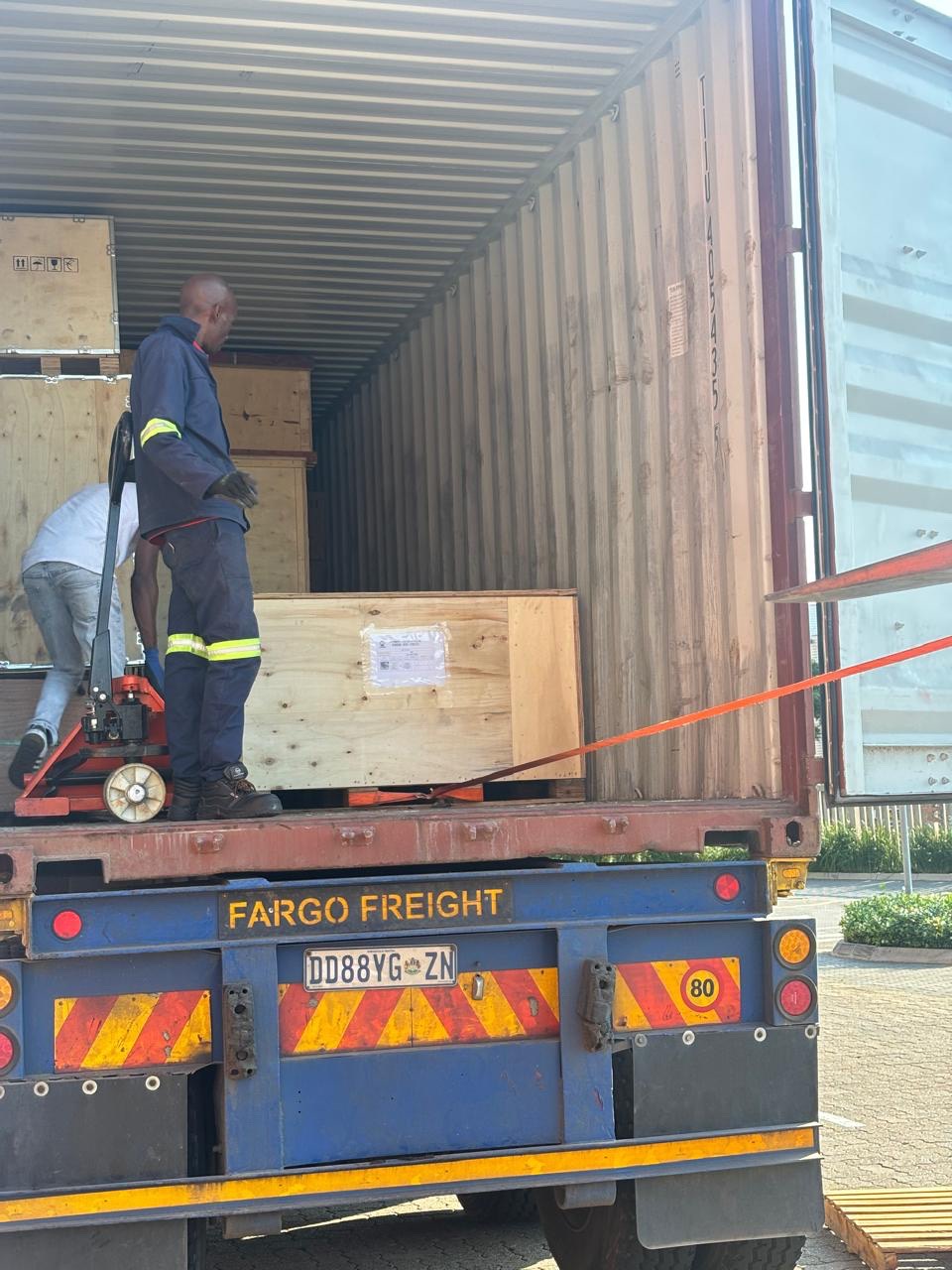
new arrivals
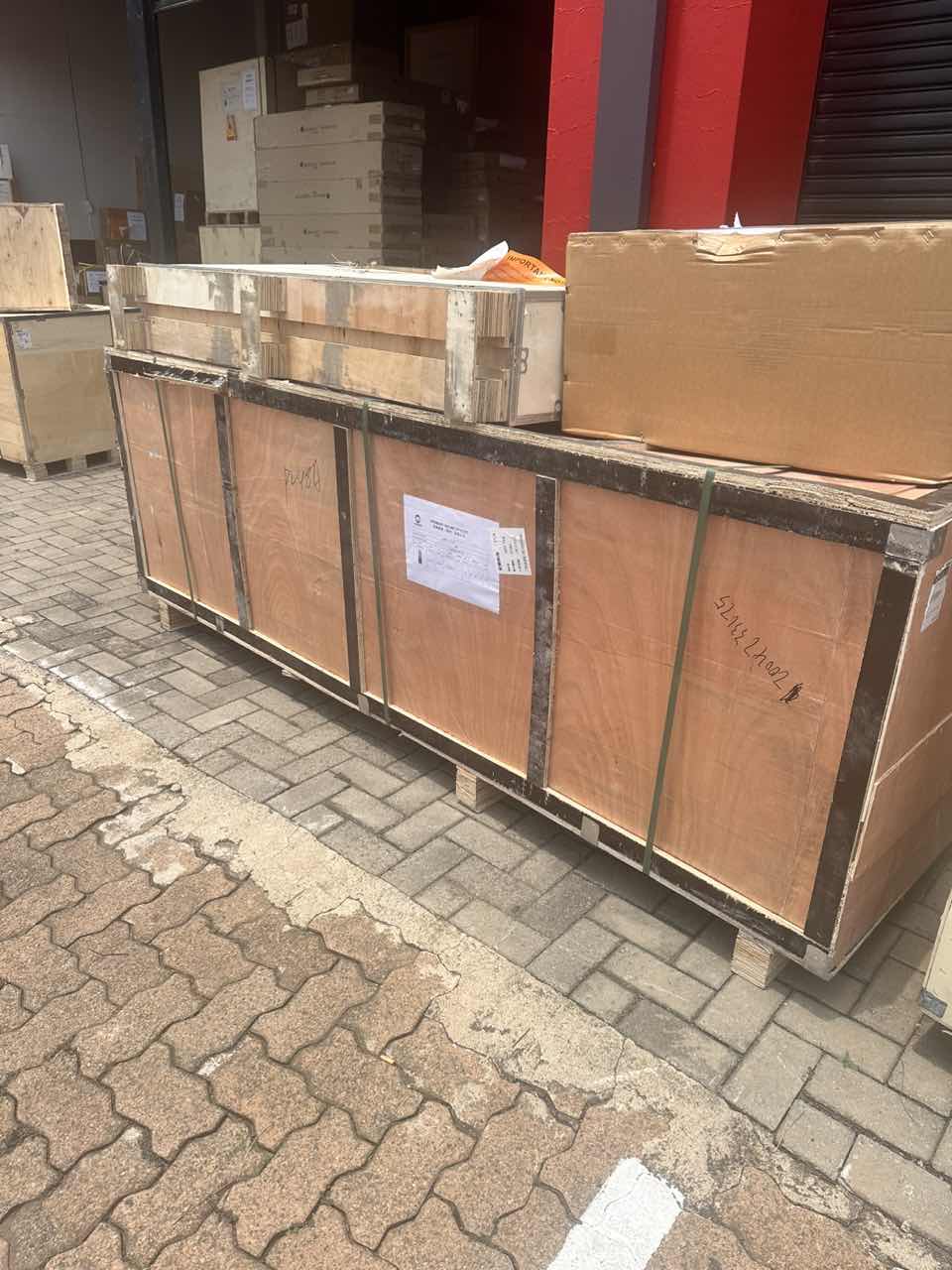
Pre Orders Offloading
Latest Arrivals
Latest Arrivals
Latest Arrivals
Loading
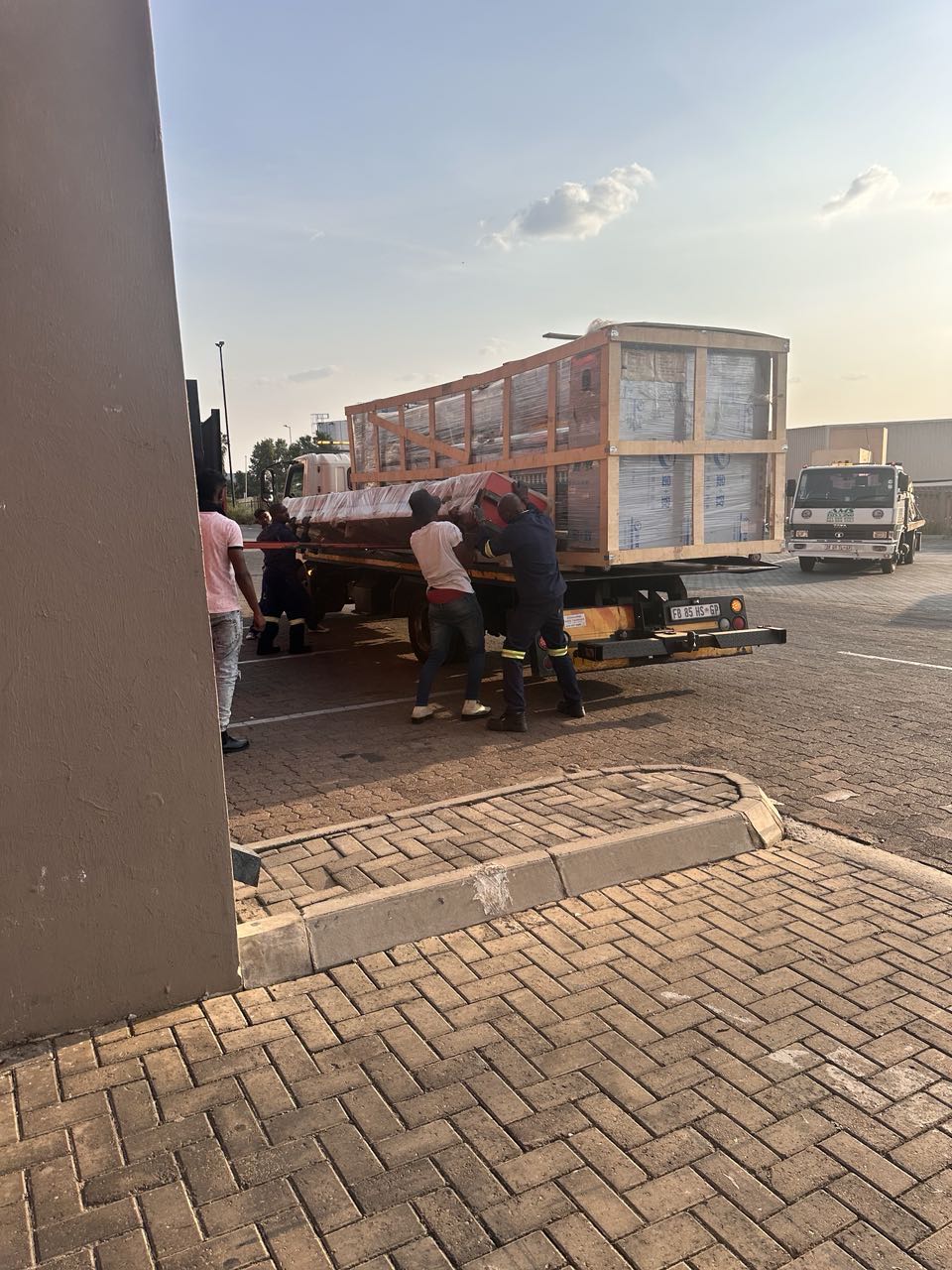
Toilet paper making machine
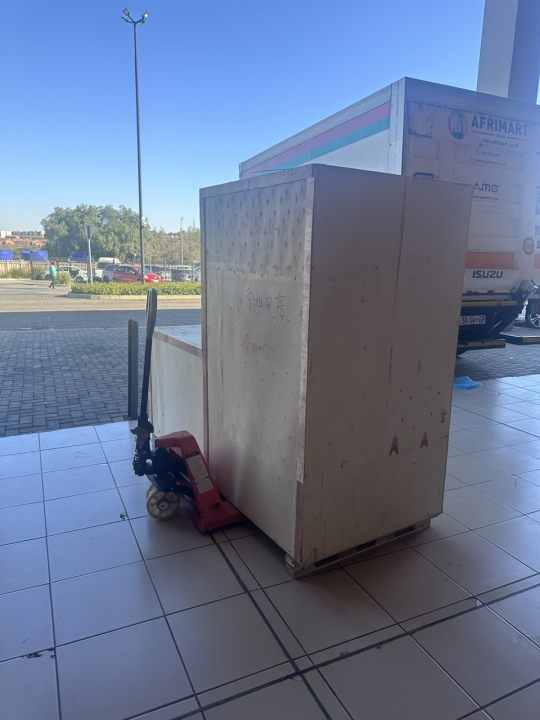
Toilet paper making machine
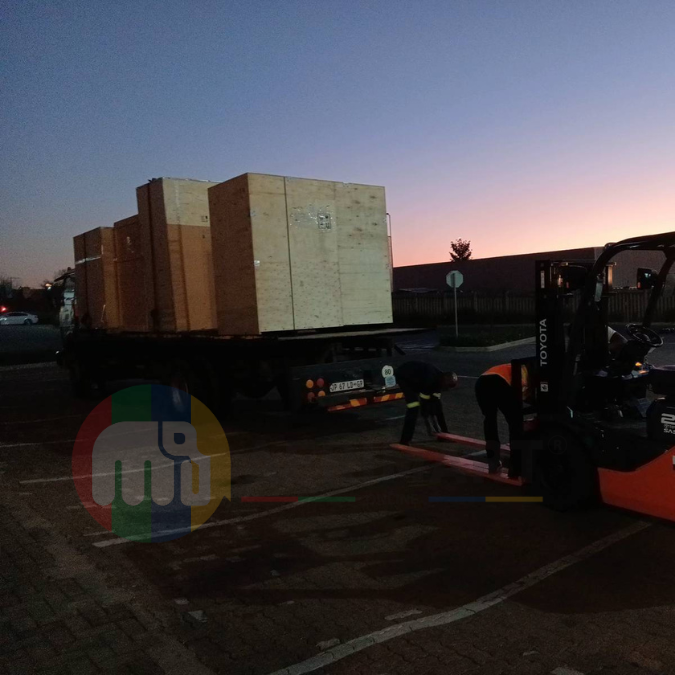
Toilet paper Rewinding Machine
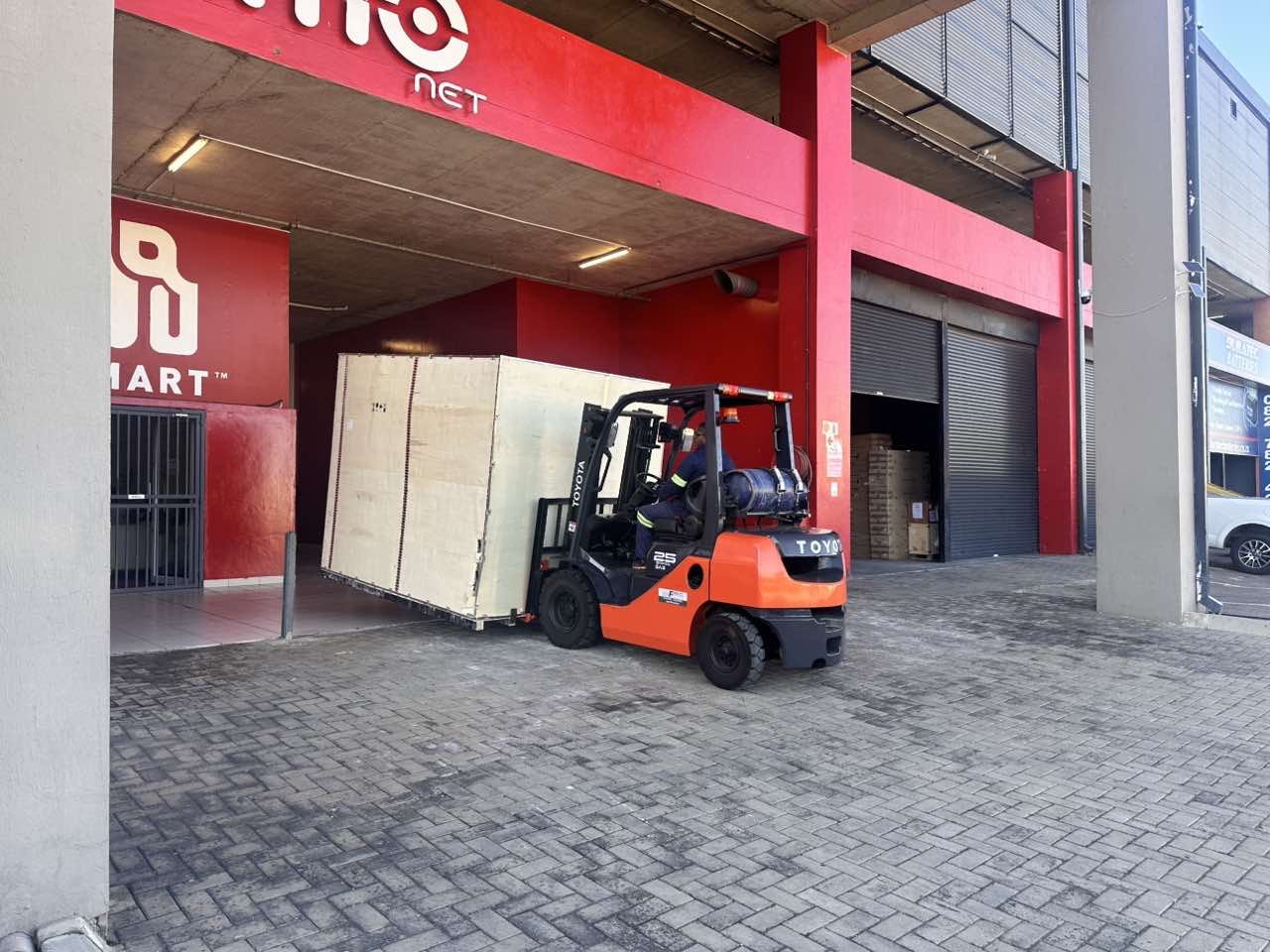
latest arrivals
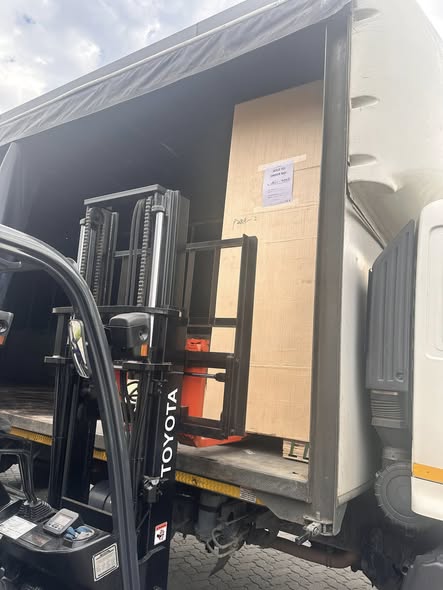
offloading
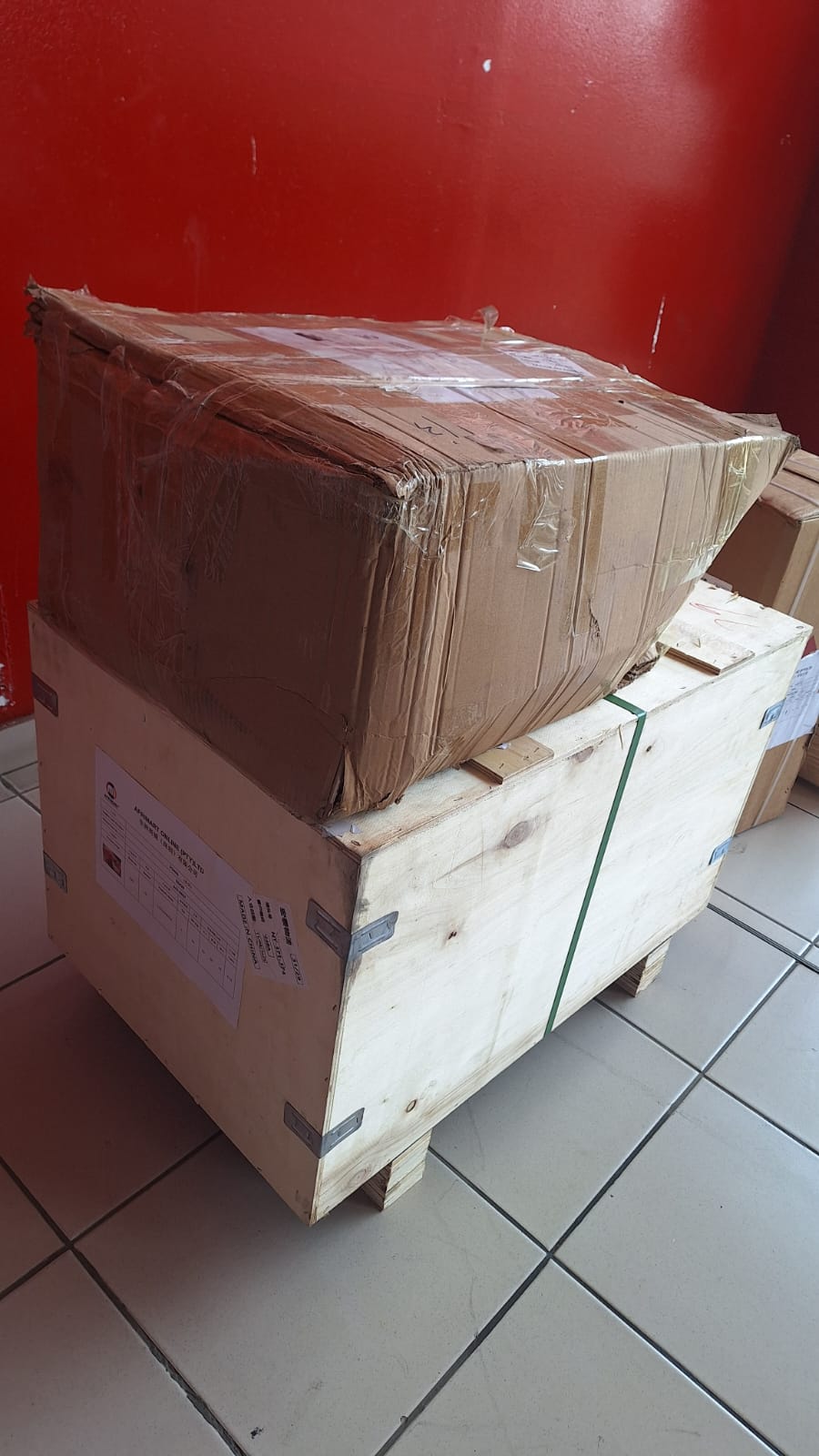
order success
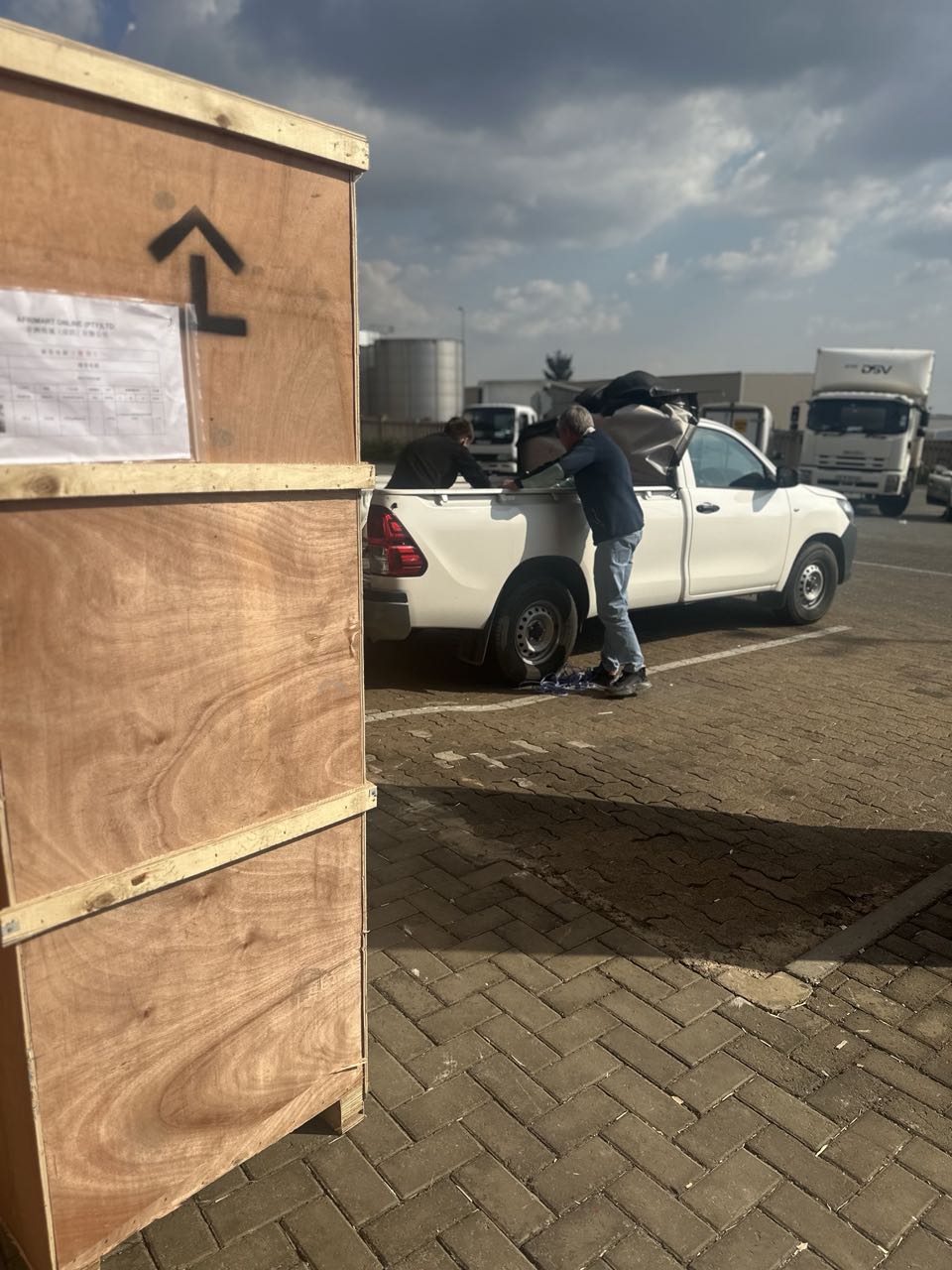
order collection
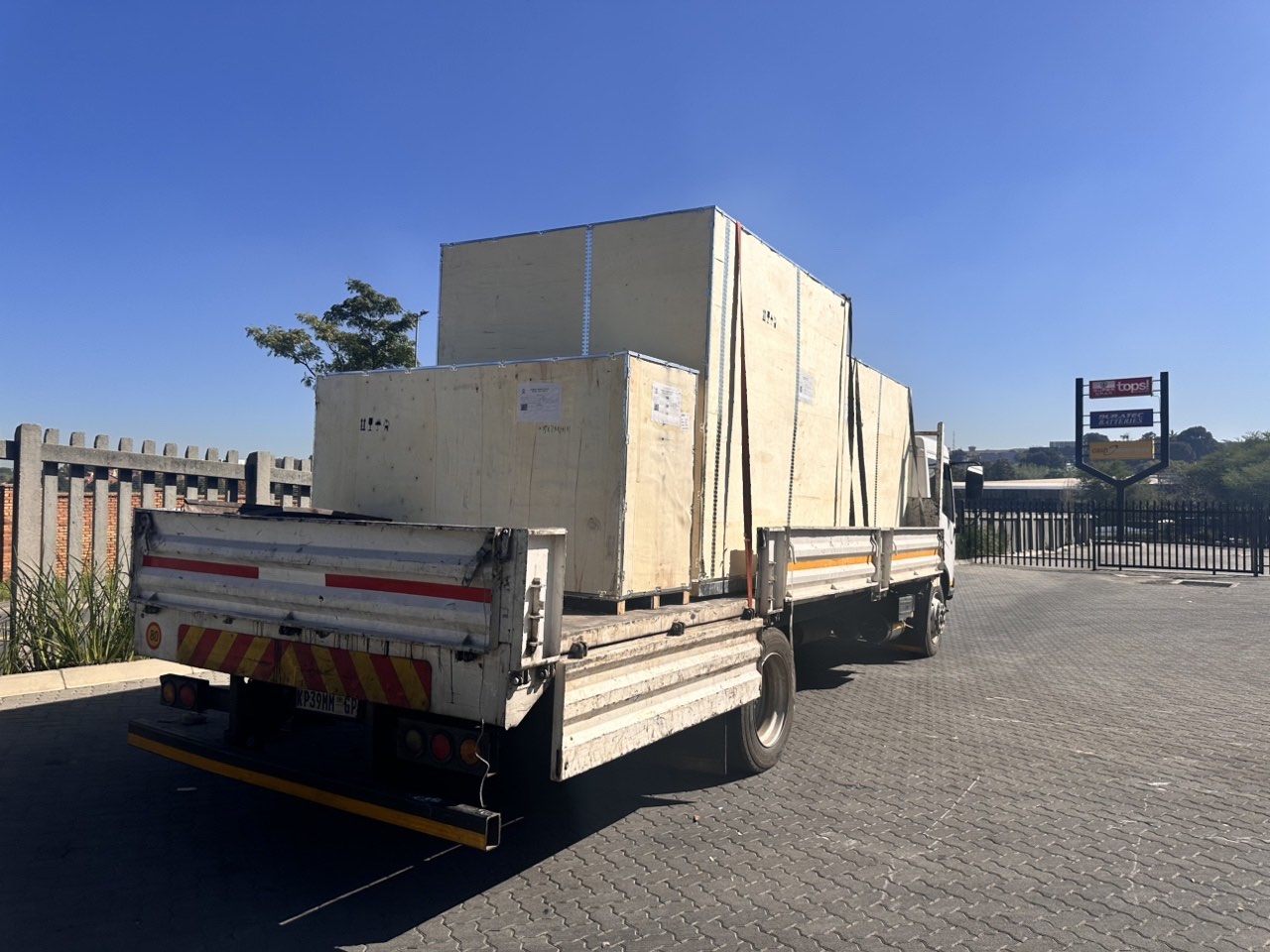
order offloading