B21, China Town Mall, Midrand

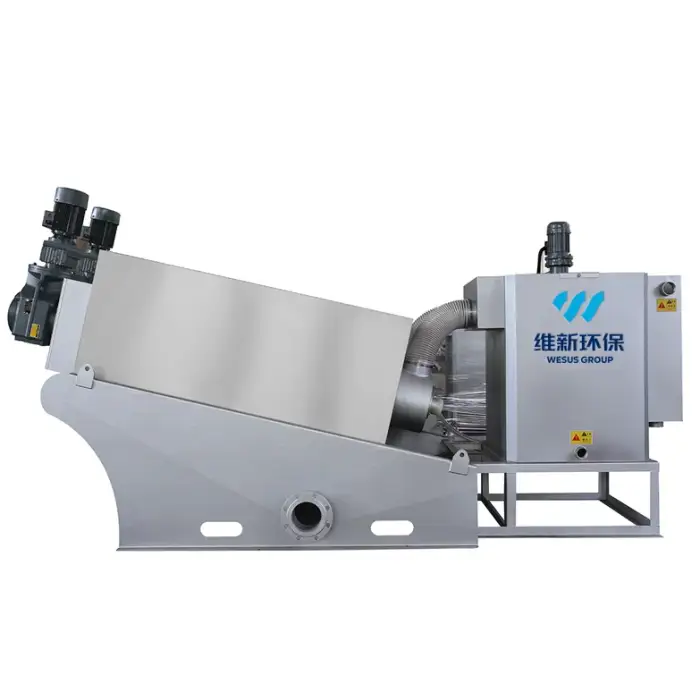
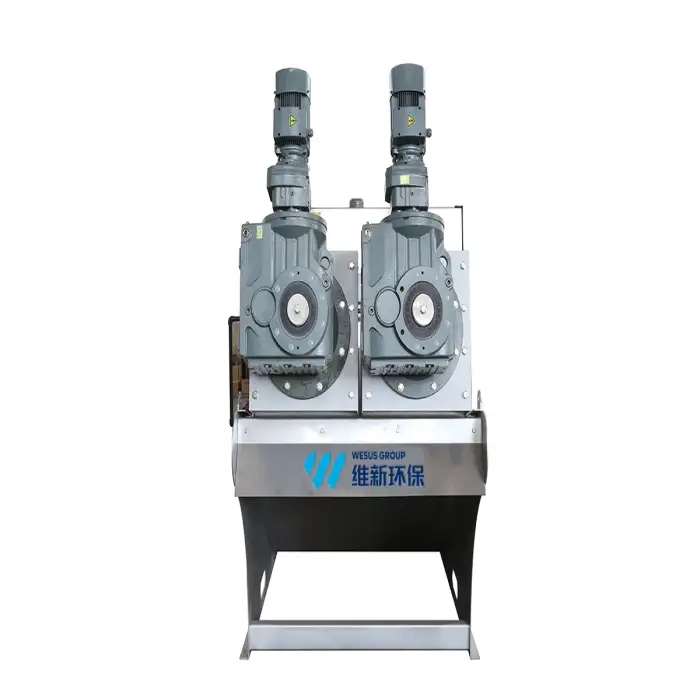
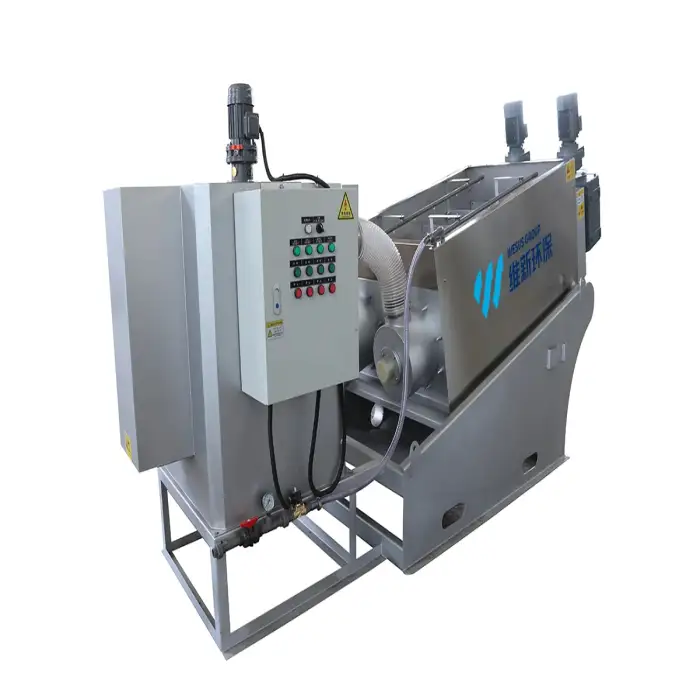
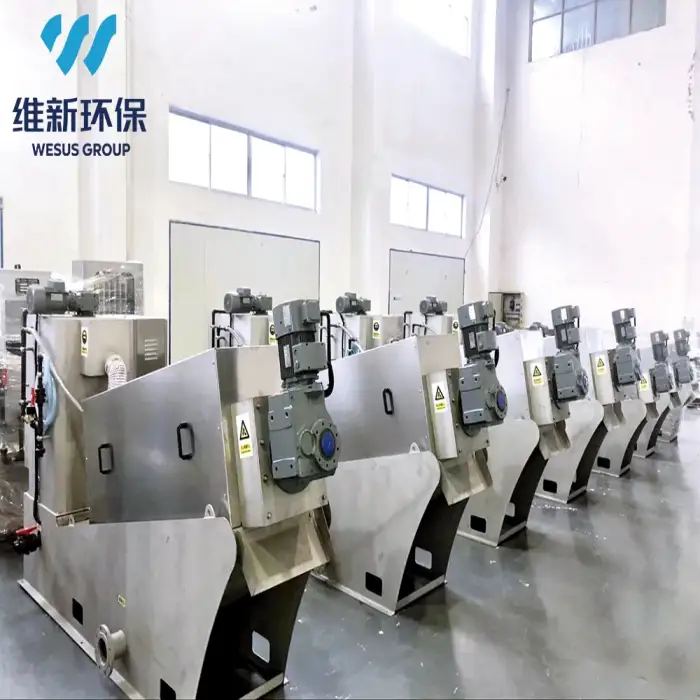
Industrial Waste Water Treatment Machinery Dewatering Equipment and Sludge Thickening Machine
Asset finance available
Do you want funding for this equipment?
Afrimart can connect you with trusted funding partners who specialise in asset finance for businesses like yours. Compare options and apply in minutes — final approval is subject to provider review.
Check funding options
Secure & no obligation

- Section : Machinery
- Category : Environmental Machinery
- SKU : 1601208362941



DL Stacked-screw Sludge Dewatering
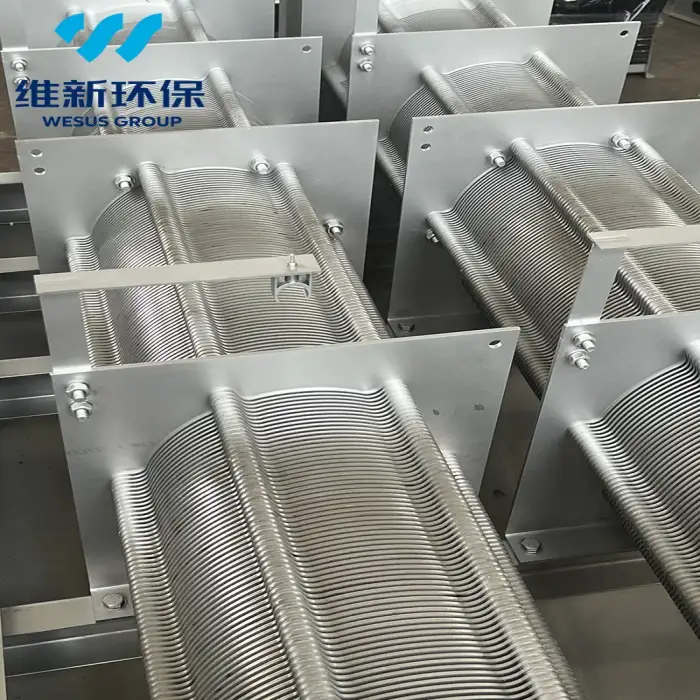
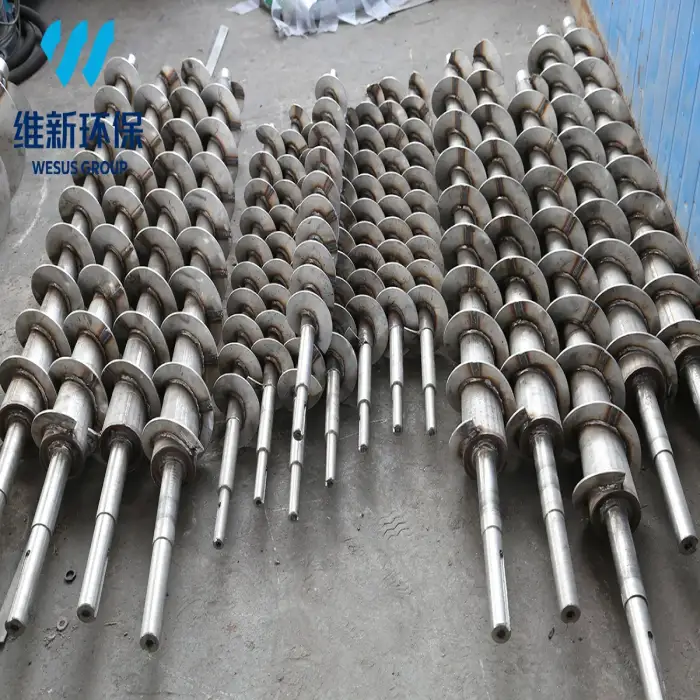
DL Stacked-screw Sludge Dewatering which uses the screw extrusion priciple is a new type of solide-liquid separation device. It reaches the goal of extrusion dewatering sludge by the powerful extrusion pressure of changing the screw diameter and distance along with the tiny spacing between moveable and fixed annular plates.


★The main body of screw filter press is made of multiple fixedannular plates and moveable annular plates with the screw shaftrunning through it.★The front part is concentrating section and the ending part isdewatering section. It can concentrate and dewater sludge inone chamber.★Sludge will be transported to the dewatering part after beingconcentrated in the thickening section.★ln the advancing process, great pressure has been producedbecause of the gradually decreasing filter spacing and screwdistance with the block of the back platen. Then the volumedecrease continuously, and the purpose of fully dewatering willbe achieved.


| Models | Absolute dry sludge treatment capacity(kg-Ds/hr) | Sizes(mm) | Weights(kg) | Motor Pow(kw) | |||
| L | W | H | Net Weight | Operating Weight | Total | ||
| DL-131 | 5~8 | 2000 | 600 | 1200 | 200 | 300 | 1.1 |
| DL-132 | 10~16 | 2100 | 850 | 1200 | 300 | 450 | 2.05 |
| DL-133 | 30~48 | 2150 | 1200 | 1200 | 360 | 520 | 2.2 |
| DL-201 | 9~15 | 2906 | 700 | 1700 | 400 | 750 | 1.12 |
| DL-202 | 18~30 | 2906 | 1100 | 1700 | 600 | 900 | 1.49 |
| DL-203 | 27~45 | 2956 | 1500 | 1700 | 850 | 1300 | 1.86 |
| DL-204 | 36~60 | 3050 | 1800 | 1700 | 1100 | 1600 | 2.23 |
| DL-301 | 30~50 | 3100 | 974 | 1750 | 800 | 1600 | 1.5 |
| DL-302 | 60~100 | 3150 | 1200 | 1750 | 1400 | 2300 | 2.25 |
| DL-303 | 90~150 | 3250 | 1638 | 1750 | 2000 | 3000 | 3 |
| DL-304 | 120~200 | 3300 | 2114 | 1750 | 2500 | 3800 | 4.5 |
| DL-401 | 90~150 | 4100 | 1000 | 2100 | 1800 | 3500 | 2.25 |
| DL-402 | 160~250 | 4300 | 1300 | 2100 | 2500 | 4500 | 3.75 |
| DL-403 | 240~370 | 4500 | 2100 | 2100 | 3800 | 7000 | 5.6 |
| DL-404 | 360~450 | 4700 | 2500 | 2100 | 4500 | 7500 | 7.5 |


DL Stacked-screw Sludge Dewatering
1.Low energy consumption.
2.Minimal water consumption.
3.Minimal noise.
4.Low polymer consumption.
5.No need for proceeding sludge thickening.
6.Suitable for any type of sludge even suitable for dewatering oil/grease rich sludge.
7.Minimal maintenance and operational cost.
8.Capable for working 24/7.
- Shipping Timeframes: All orders are processed within 2-5 business days (excluding weekends and holidays). After your order has been processed, the estimated delivery time is before 05 Aug, 2026, depending on customs, Please note that due to high demand, some items may experience longer shipping times, which will be communicated at order confirmation email.
- Order Processing Time: Please allow 2-5 business days for us to process your order before it is shipped . Orders placed after 16:00 on Fridays, or during weekends and public holidays, will begin processing on the next business day. Processing times may be extended during peak seasons or sales events.
- Manufacturing Time: Some products needs manufacturing time, the manufacturing process will take approximately 10-30 business days depending on the product. This timeframe may vary depending on the complexity of the product and current demand. but this will be communicated with you during order confirmation.
- Returns and Exchanges: We offer a 30-day return policy for most items. If you are not completely satisfied with your purchase, you may return it within 30 days of receipt for a refund or exchange. Items must be unused, in their original packaging, and accompanied by proof of purchase. Return shipping costs are the responsibility of the customer, unless the item was damaged or defective upon arrival.
1. What is the main function of the Industrial Waste Water Treatment Machinery?
The main function of the Industrial Waste Water Treatment Machinery is to dewater and thicken sludge through a screw extrusion process, effectively separating solids from liquids.
2. How does the DL Stacked-screw Sludge Dewatering system work?
The DL Stacked-screw Sludge Dewatering system operates by using screw extrusion principles, where sludge is concentrated and dewatered in a single chamber by applying powerful extrusion pressure through varying screw diameters and spacing.
3. What types of sludge can this machinery process?
This machinery can process any type of sludge, including those rich in oil and grease, making it highly versatile for various industrial applications.
4. What are the benefits of using this dewatering equipment?
Benefits include low energy and water consumption, minimal noise, low polymer usage, no need for sludge thickening, low maintenance costs, and the ability to operate continuously.
5. What is the maximum dry sludge treatment capacity of the equipment?
The maximum dry sludge treatment capacity varies by model, with capacities ranging from 130 kg-Ds/hr to 450 kg-Ds/hr depending on the specific model chosen.
6. What are the dimensions and weight specifications for the different models?
Dimensions and weights vary by model. For example, the DL-131 model has dimensions of 600mm x 1200mm x 200mm and a total weight of 300 kg, while the DL-404 model has dimensions of 2500mm x 2100mm x 450mm and a total weight of 750 kg.
7. Is the equipment suitable for continuous operation?
Yes, the equipment is designed to work continuously 24/7, making it ideal for industrial applications requiring constant sludge processing.
8. What maintenance is required for the dewatering equipment?
The dewatering equipment requires minimal maintenance, which typically includes regular inspections and occasional cleaning to ensure optimal performance.
9. How does this equipment compare to traditional dewatering methods?
This equipment offers advantages such as lower energy and water consumption, reduced operational costs, and the ability to handle a wider variety of sludge types compared to traditional methods.
10. What is the motor power requirement for the machines?
Motor power requirements for the machines range from 1.1 kW to 7.5 kW, depending on the model and its specific capacity.
11. Can the equipment handle oil or grease-rich sludge?
Yes, the DL Stacked-screw Sludge Dewatering equipment is specifically designed to handle oil and grease-rich sludge effectively.
12. What is the noise level of the machinery during operation?
The machinery operates at a minimal noise level, making it suitable for environments where noise reduction is a priority.
13. What is the installation process for this equipment?
The installation process typically involves positioning the unit in a suitable location, connecting it to the sludge source and power supply, and conducting a system check to ensure proper operation.
14. Are there any additional costs associated with the equipment?
Additional costs may include installation, periodic maintenance, and consumables like polymers, but the equipment is designed to minimize ongoing operational expenses.
15. How can I choose the right model for my needs?
Choosing the right model depends on your specific sludge treatment capacity needs and the characteristics of the sludge being processed. Consulting with a sales representative can help determine the best fit.
Latest Order Arrivals
Discover our latest orders
12 Heads Embroidery Machine
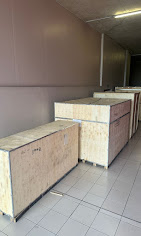
Toilet Paper Machine Machine
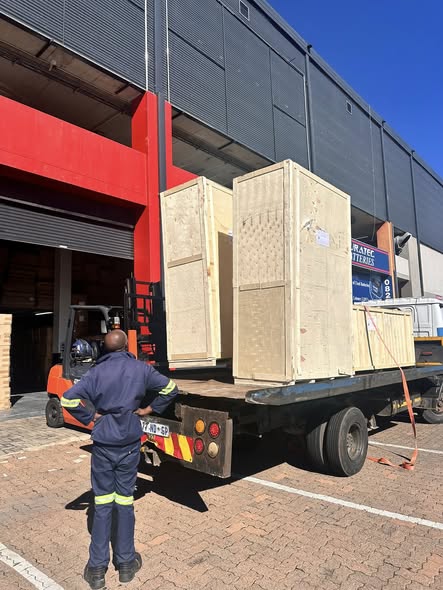
Order Collection
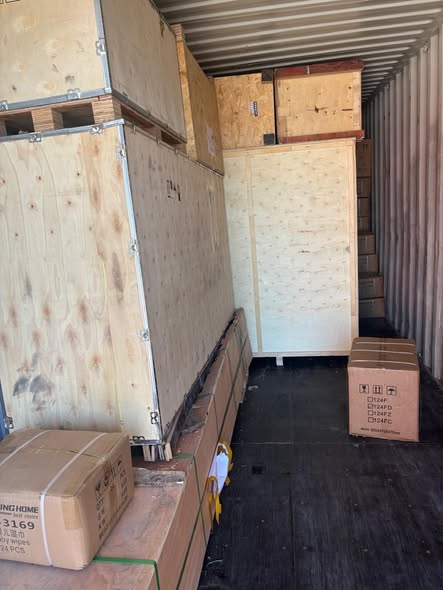
Cross Border Clients
Order cros border countries Collected
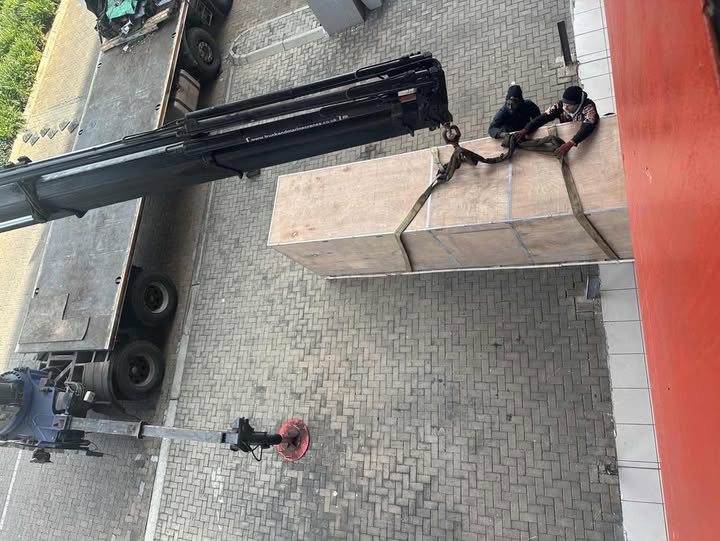
Industrial Machine Cllection
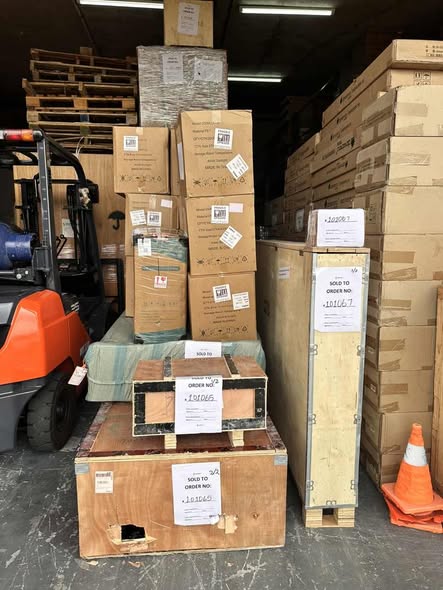
Agriculture Processing Machines
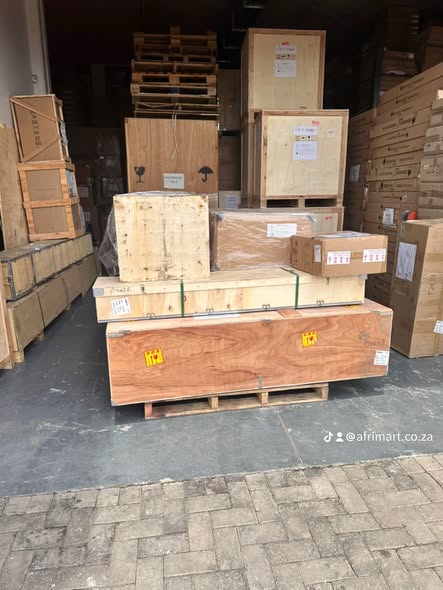
Ready for collection
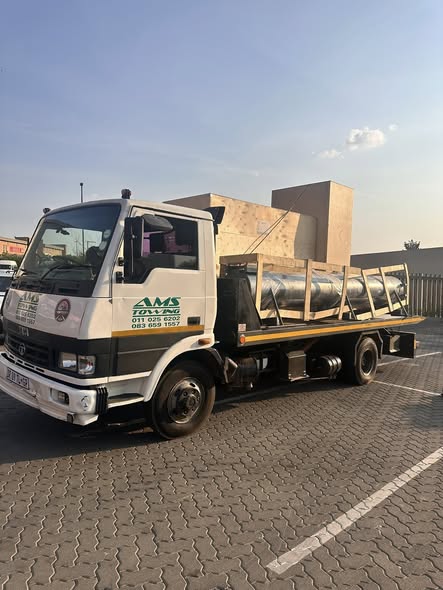
Water Pump Equipment
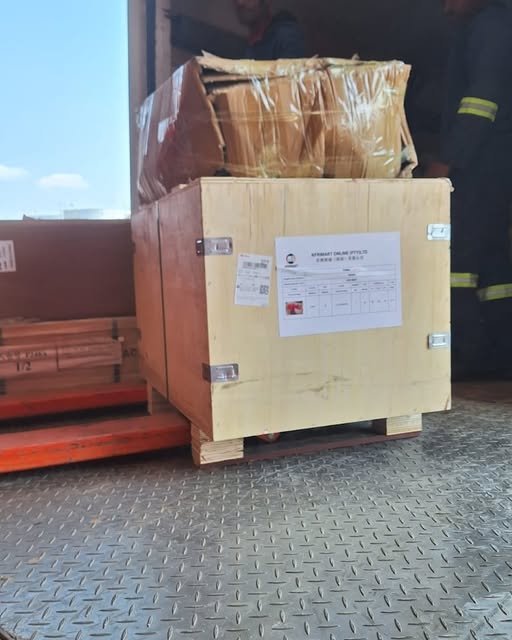
Packaging Machine and accessories
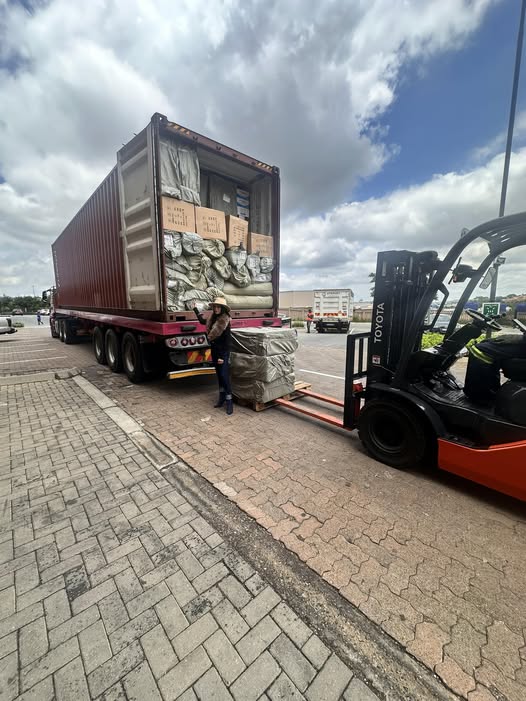
Fabrics Manufacturing Equipment
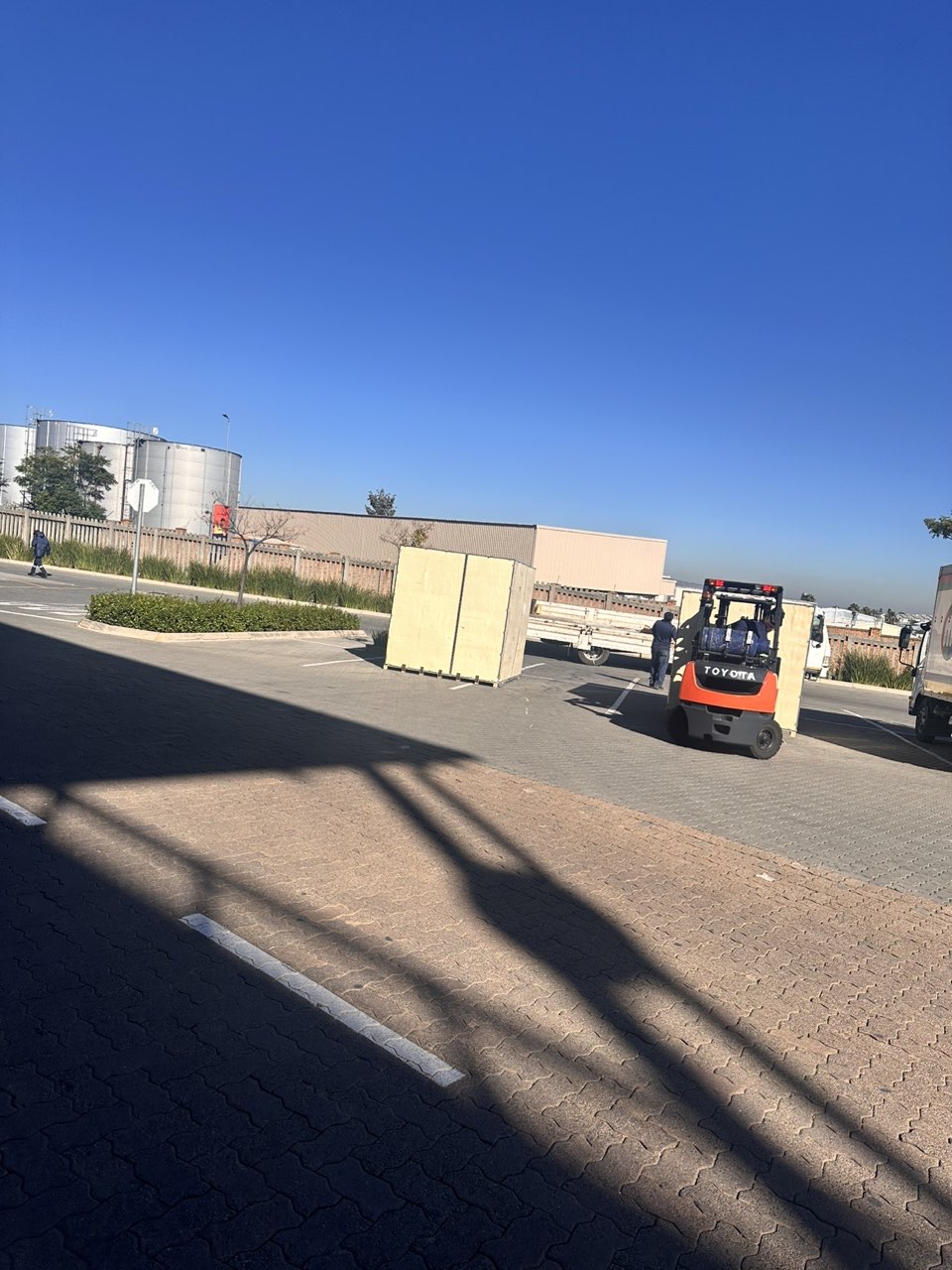
Mining Equipments
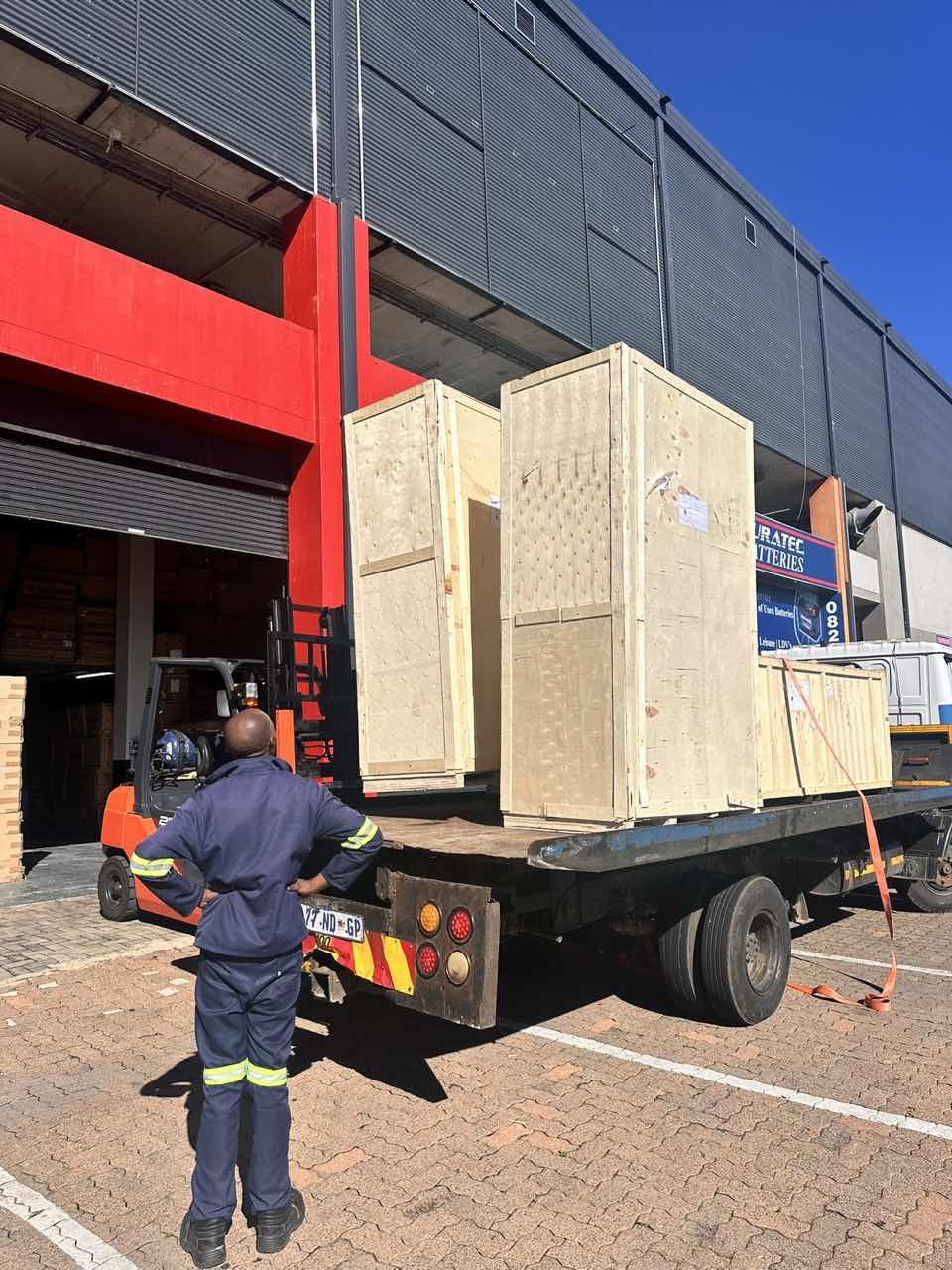
Food Processing Machine
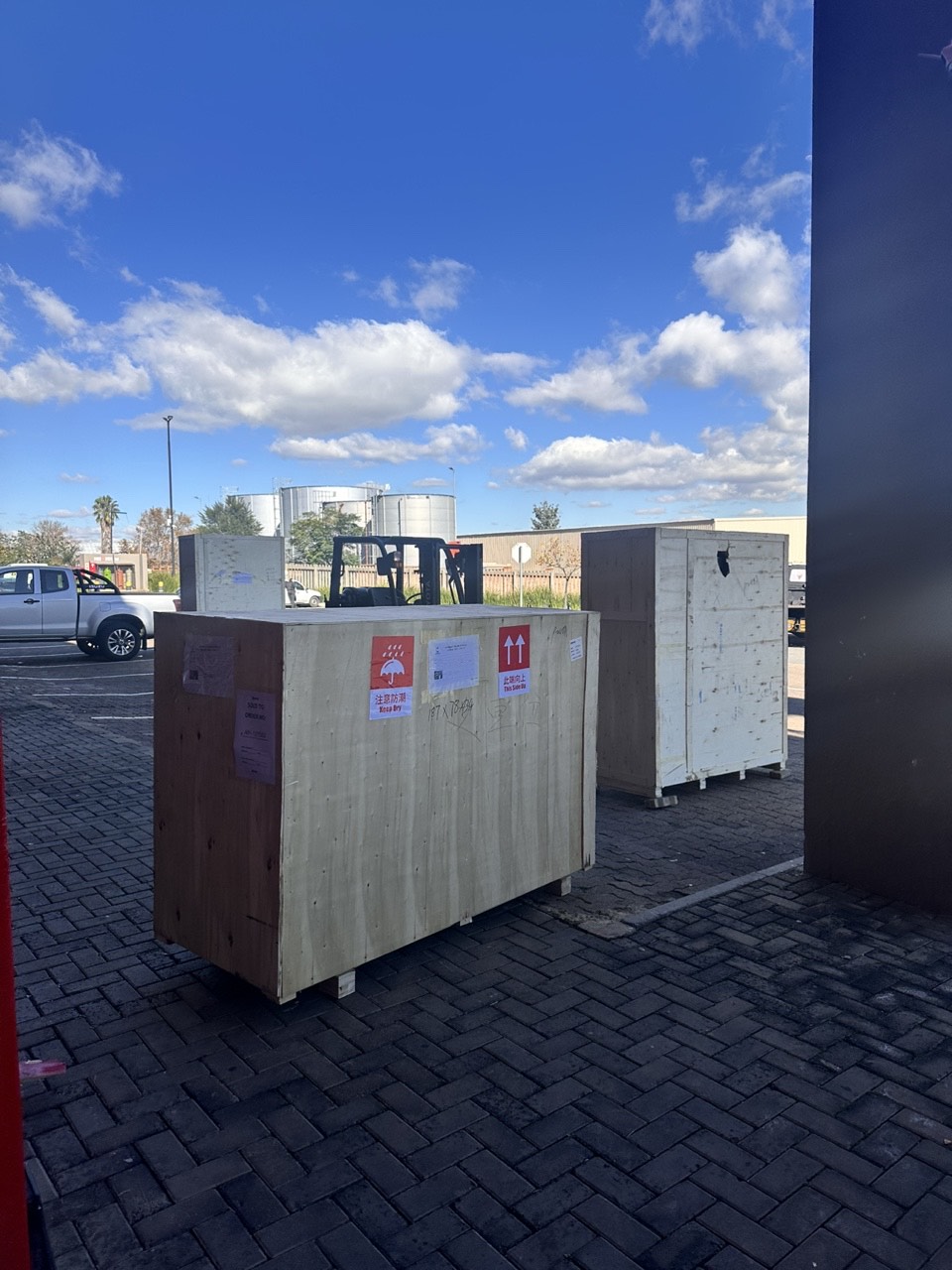
Batch of Orders
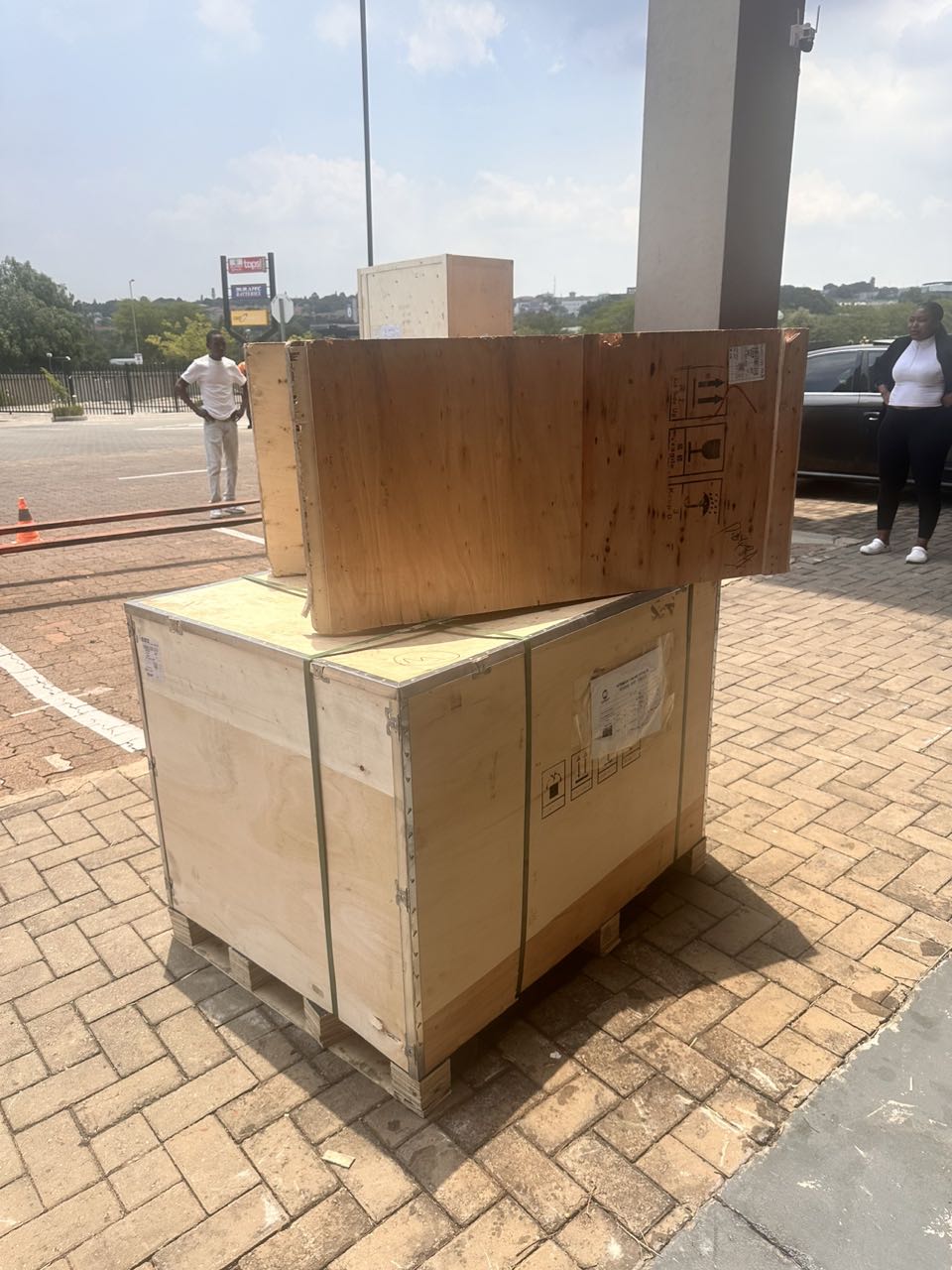
Batch of Orders
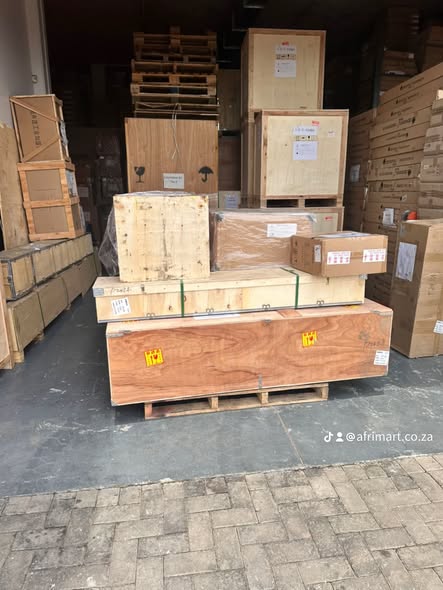
Latest Orders Labelled
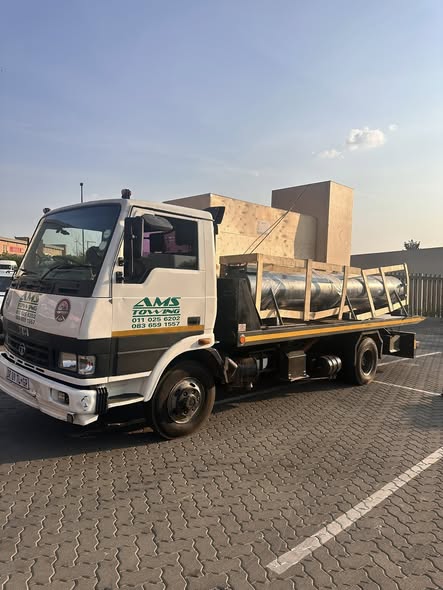
wheel alignment machines
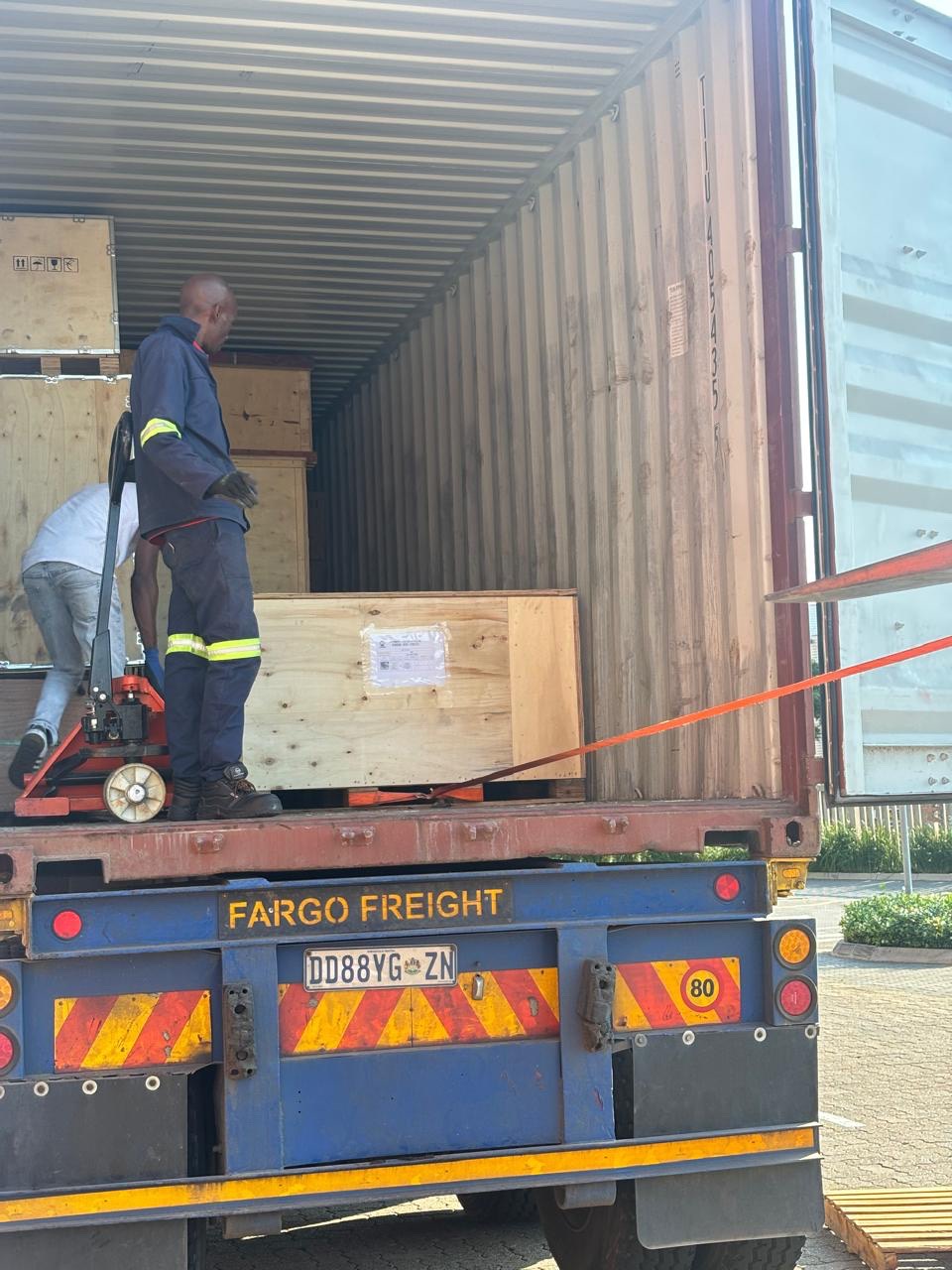
new arrivals
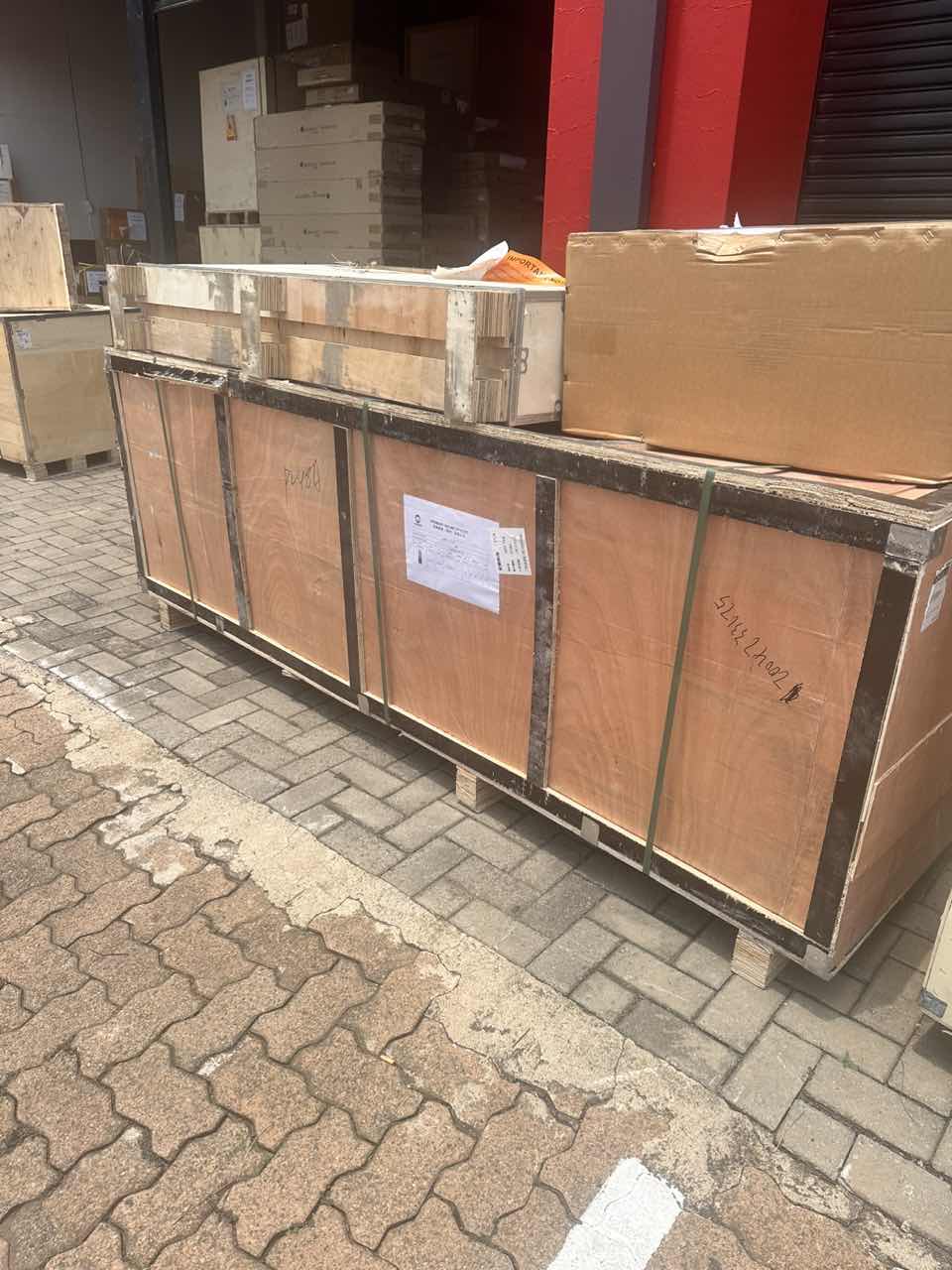
Pre Orders Offloading
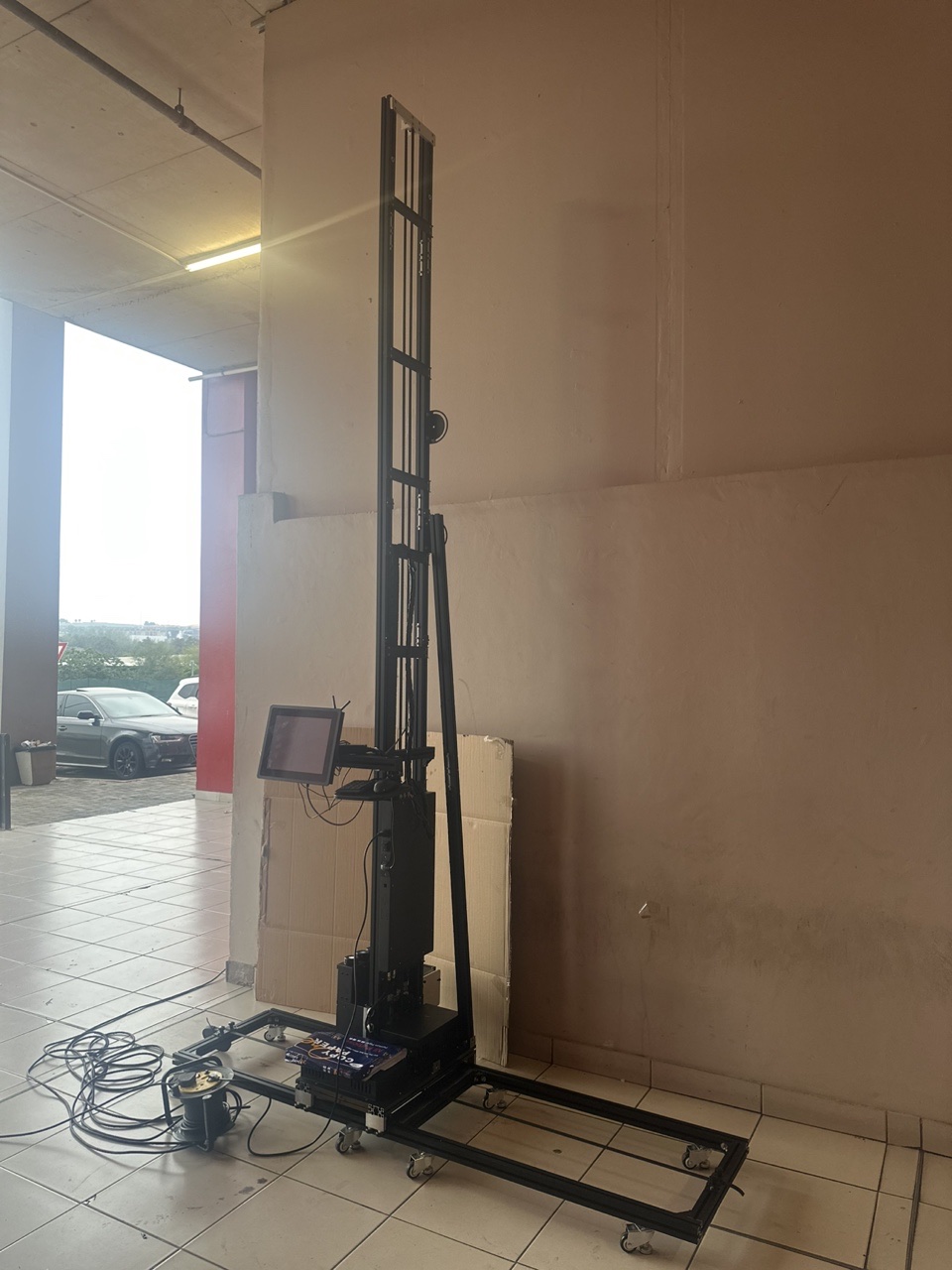
Latest Arrivals
Latest Arrivals
Latest Arrivals
Loading
Toilet paper making machine
Toilet paper making machine
Toilet paper Rewinding Machine
latest arrivals
offloading
order success
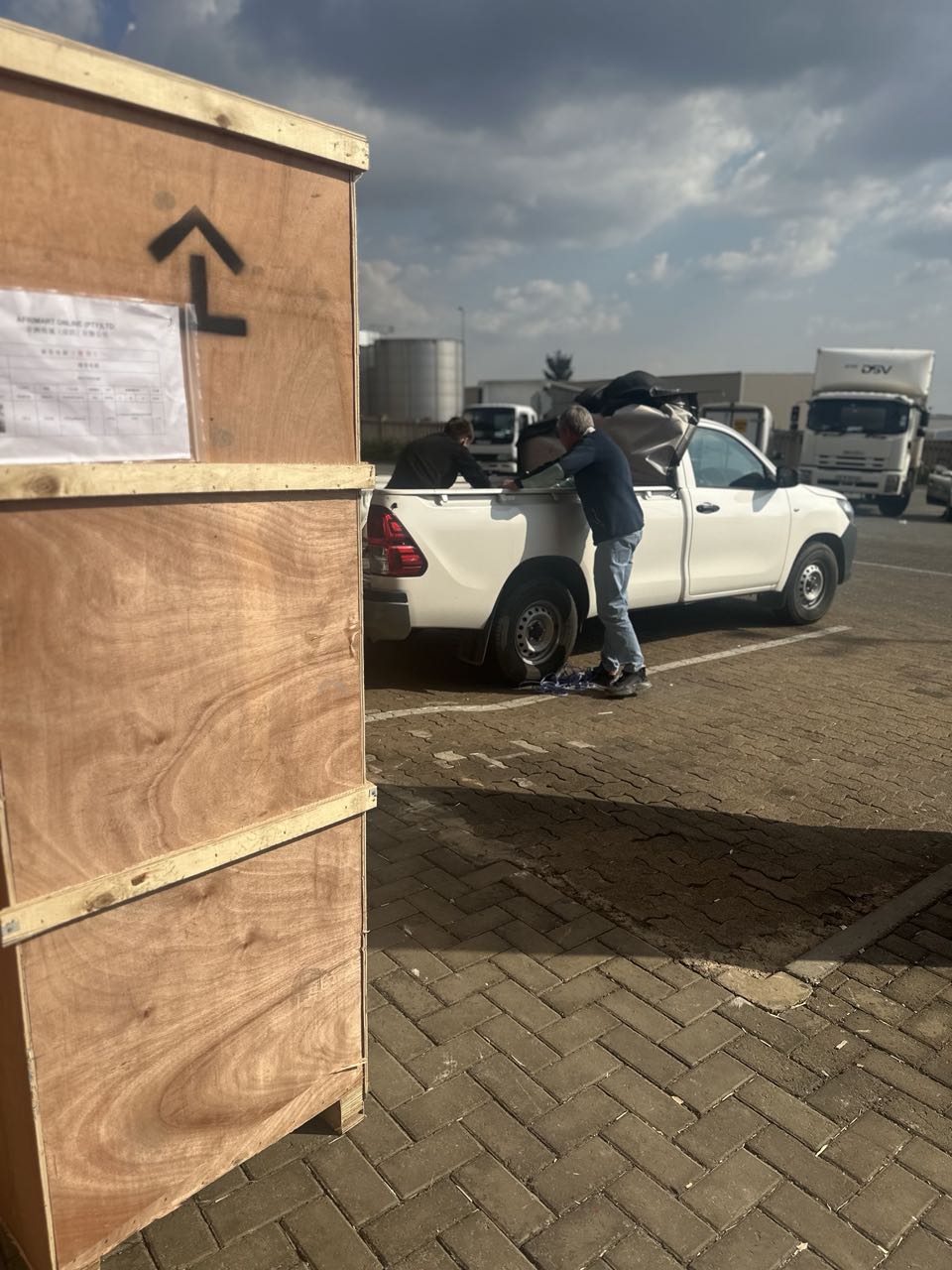
order collection
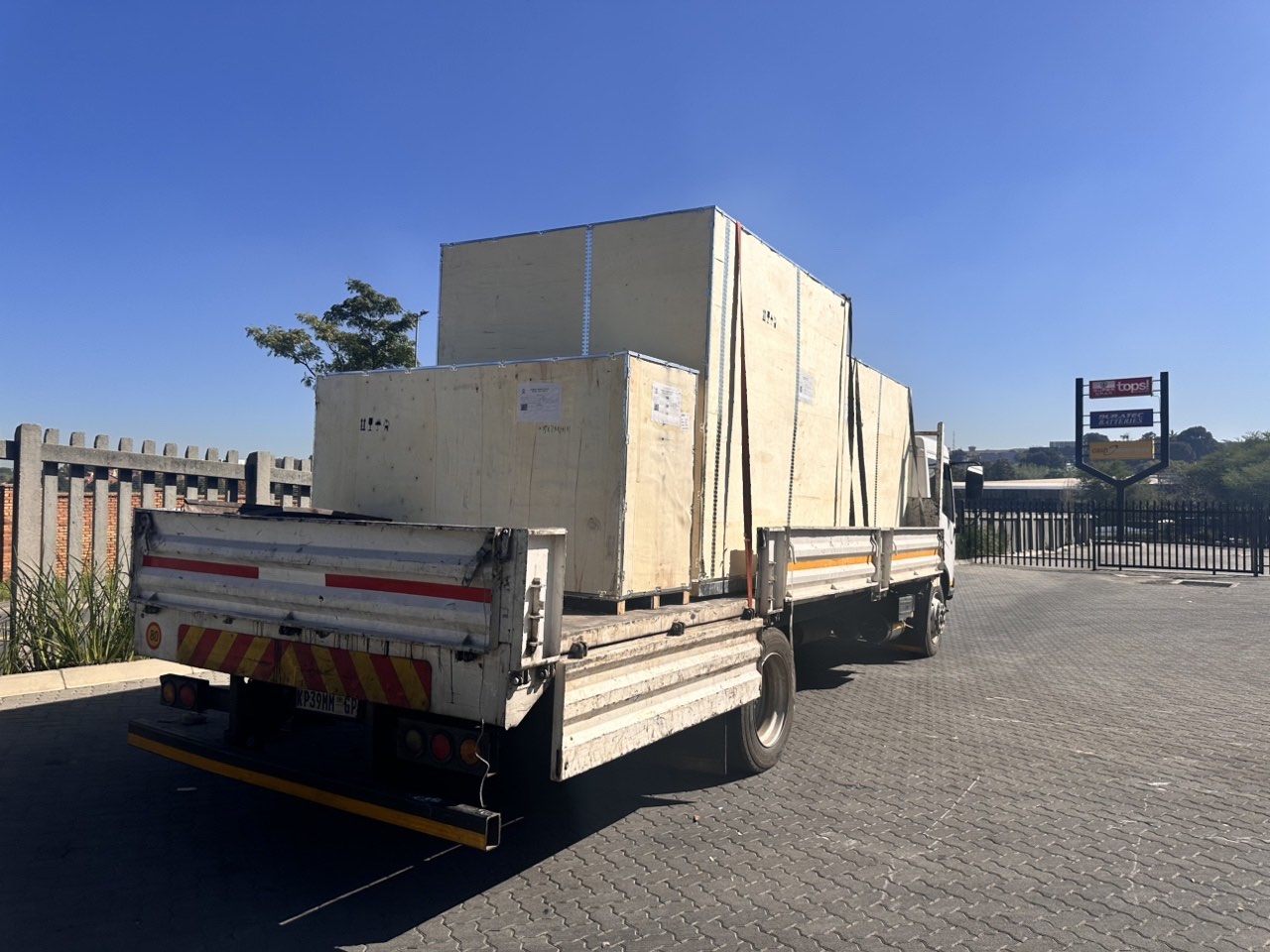
order offloading