B21, China Town Mall, Midrand

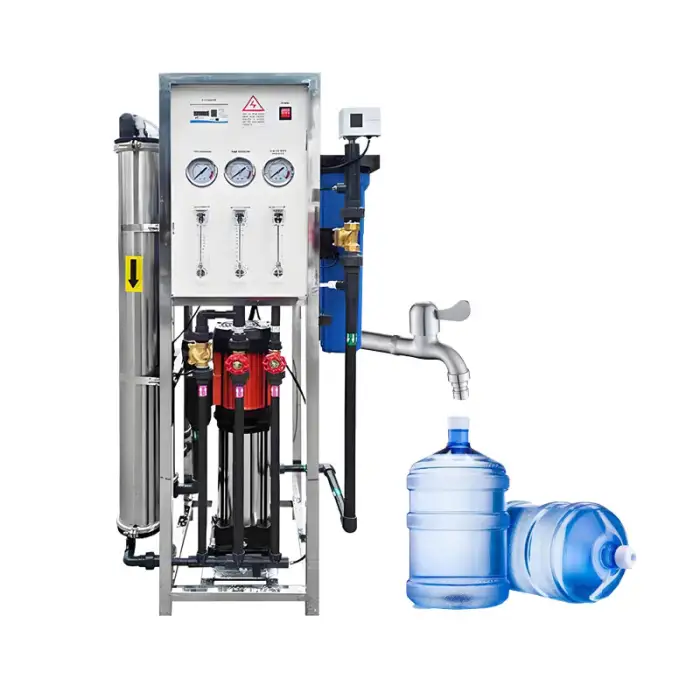
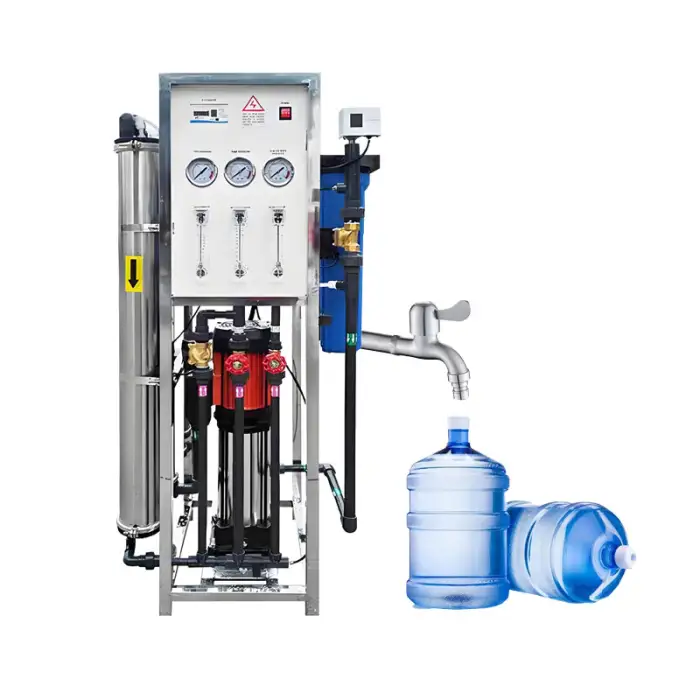
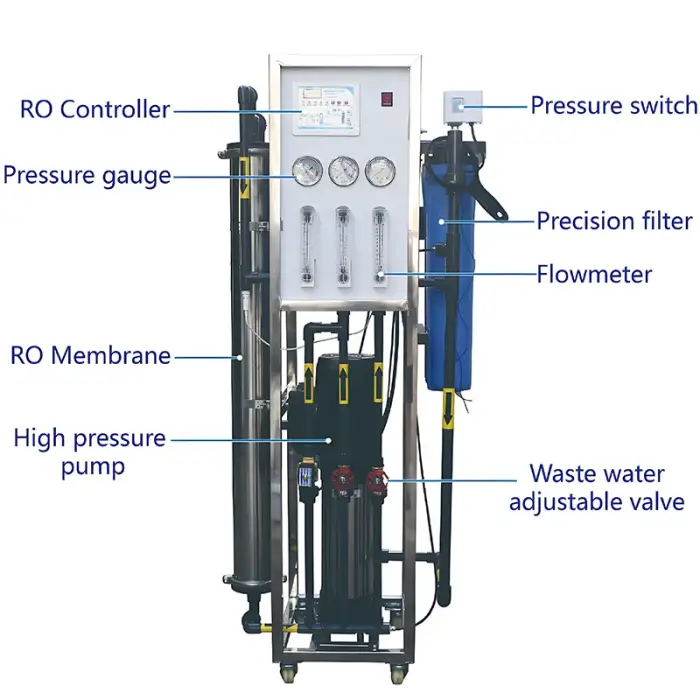
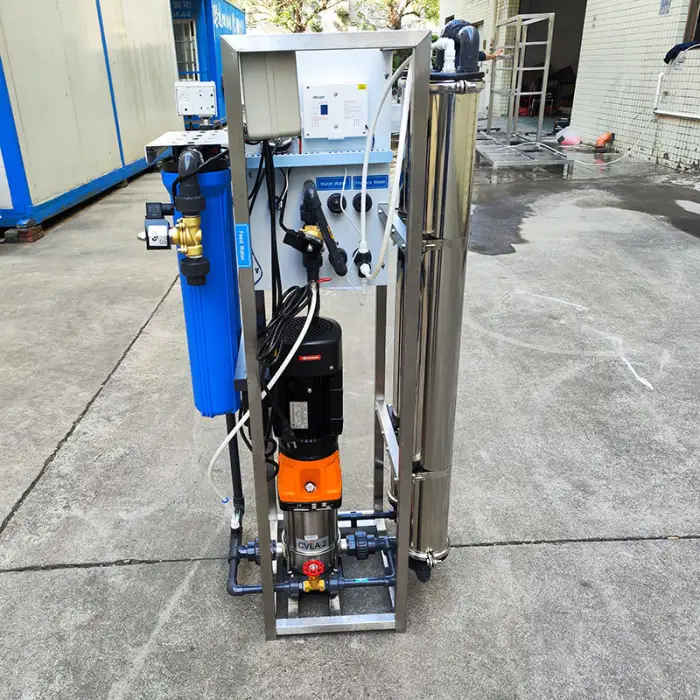
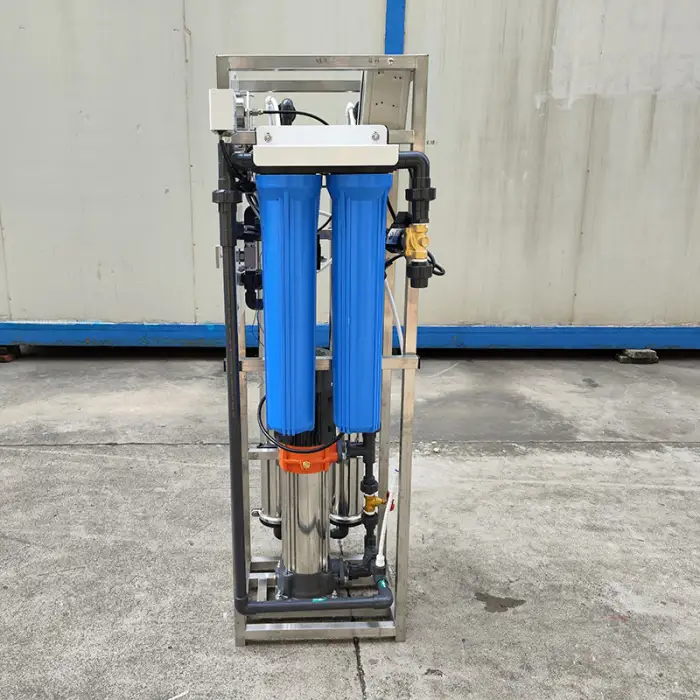
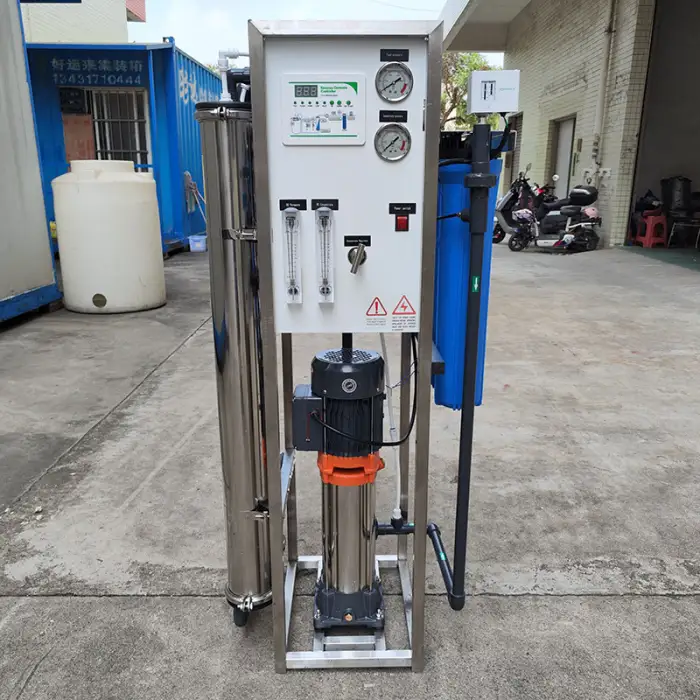
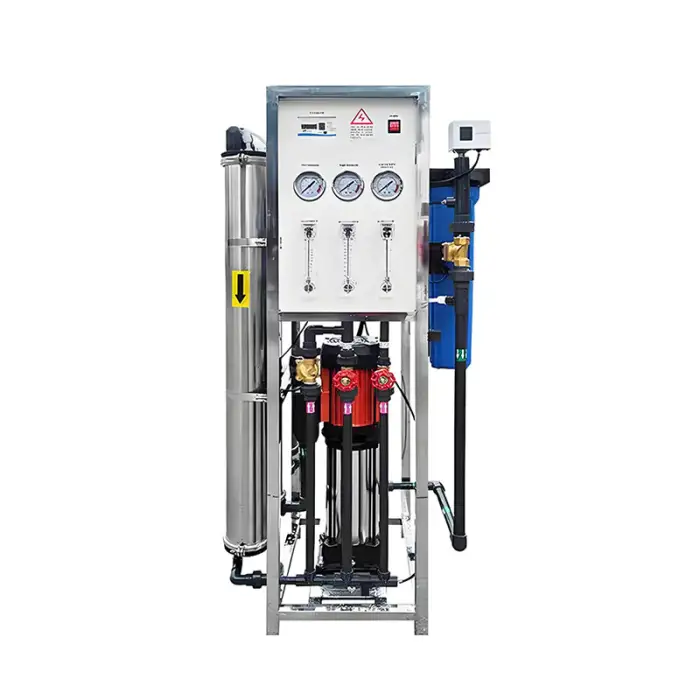
Industrial RO Water Treatment System Reverse Osmosis Water Purifier Water Purification Plant for Drinking 500L
Asset finance available
Do you want funding for this equipment?
Afrimart can connect you with trusted funding partners who specialise in asset finance for businesses like yours. Compare options and apply in minutes — final approval is subject to provider review.
Check funding options
Secure & no obligation

- Section : Machinery
- Category : Environmental Machinery
- SKU : 1601399554033

250 500 1000 LPH Mini Industrial RO Water Treatment System
The 250 500 1000 LPH Mini Industrial RO Water Treatment System is a top-of-the-line reverse osmosis water purifier. This system is designed for efficient water purification, making it perfect for drinking water applications. With its compact design and high productivity, this system ensures that you have access to clean and safe drinking water at all times.
Specifications
| Attribute | Details |
|---|---|
| Voltage | 220V |
| Power | 1.1KW |
| Productivity | 250L/Hour |
| Weight | 75KG |
| Dimension (L*W*H) | 65*50*150mm |
| Filter Media | PP+carbon+RO |
| Control | Automatic |
| MOQ | 1 set |
| Single Package Size | 70X60X160 cm |
| Single Gross Weight | 150.000 KG |
Key Features
- High productivity of 250 liters per hour.
- Automatic control for ease of use.
- Compact dimensions for space-saving installation.
- Robust construction with high-quality components.
- Efficient filtration using PP, carbon, and RO media.
- Video outgoing inspection for quality assurance.
Applications
- Drinking water purification in homes and offices.
- Industrial water treatment for small manufacturing units.
- Water supply for schools and hospitals.
- Food and beverage processing.
- Aquaculture and fish farming.
Product Info Gallery
- Shipping Timeframes: All orders are processed within 2-5 business days (excluding weekends and holidays). After your order has been processed, the estimated delivery time is before 05 Aug, 2026, depending on customs, Please note that due to high demand, some items may experience longer shipping times, which will be communicated at order confirmation email.
- Order Processing Time: Please allow 2-5 business days for us to process your order before it is shipped . Orders placed after 16:00 on Fridays, or during weekends and public holidays, will begin processing on the next business day. Processing times may be extended during peak seasons or sales events.
- Manufacturing Time: Some products needs manufacturing time, the manufacturing process will take approximately 10-30 business days depending on the product. This timeframe may vary depending on the complexity of the product and current demand. but this will be communicated with you during order confirmation.
- Returns and Exchanges: We offer a 30-day return policy for most items. If you are not completely satisfied with your purchase, you may return it within 30 days of receipt for a refund or exchange. Items must be unused, in their original packaging, and accompanied by proof of purchase. Return shipping costs are the responsibility of the customer, unless the item was damaged or defective upon arrival.
1. What capacities/models are available for this Mini Industrial RO system?
This product line includes mini industrial RO models with nominal capacities of 250 LPH, 500 LPH and 1000 LPH. The specification sheet lists the 250 LPH model; for detailed specs for 500 and 1000 LPH (power, weight, dimensions) please confirm with the supplier.
2. What components and filter media are included in the system?
Standard filtration stages include PP (sediment) pre-filter, activated carbon filter, and the RO membrane assembly. The system also includes a high-pressure pump, pressure vessels, automatic control panel and necessary fittings. Confirm whether storage tanks, booster pumps or additional pre-treatment are included or optional.
3. What are the electrical requirements and power consumption?
The listed model operates on 220 V and the specification shows 1.1 kW power (this corresponds to the 250 LPH unit). Larger models (500/1000 LPH) will typically require higher power — ask the supplier for exact power ratings for those models.
4. What are the physical dimensions and weight of the unit?
The specification lists a unit weight of 75 kg and a dimension entry of 65*50*150 mm (this appears to be a typo). The single package size is 70 x 60 x 160 cm with a single gross weight of 150 kg. Verify exact machine dimensions for the specific capacity you plan to buy.
5. What quality of water does the RO produce? How effective is salt/TDS removal?
Reverse osmosis membranes typically remove the majority of dissolved salts and contaminants; membrane salt rejection is commonly in the 90–99% range depending on feed water quality. Final product TDS and water quality depend on feed TDS, temperature and system configuration — request sample performance data for your feed water.
6. What is the system recovery rate and wastewater (concentrate) ratio?
Recovery rate and concentrate ratio depend on feed water quality, membrane type and system settings. Typical small industrial RO recovery can range roughly from 30% to 60%. For accurate recovery and wastewater estimates for the 250/500/1000 LPH models, ask the vendor for model-specific data.
7. Is pre-treatment required for feed water?
Yes. Adequate pre-treatment (sediment and carbon filtration, and sometimes water softening or anti-scalant dosing) is important to protect RO membranes. The unit includes PP and carbon stages, but heavily turbid, high-TDS or hard water may need additional pre-treatment — consult the supplier for recommendations based on your raw water analysis.
8. Does the system come with a storage tank and distribution accessories?
The product description does not explicitly list a storage tank or distribution accessories as included. Many installations use a separate treated-water storage tank and booster for distribution. Confirm with the seller whether tanks, pumps and plumbing fittings are supplied or available as options.
9. How often do filters and RO membranes need to be replaced?
Typical maintenance intervals are: PP sediment cartridges every 3–6 months, activated carbon cartridges every 6–12 months, and RO membranes generally every 1–3 years depending on feed water quality and maintenance. Actual replacement intervals will vary; monitor differential pressures and product water quality and follow supplier recommendations.
10. What maintenance and cleaning procedures are required?
Routine maintenance includes replacing pre-filters and carbon filters, sanitizing the system periodically, monitoring pressures and flows, and performing membrane clean-in-place (CIP) when performance declines. Annual service and periodic chemical cleaning of membranes may be required — have a trained technician perform maintenance.
11. Can this system be used for seawater or very high-TDS water?
Standard drinking-water RO units are intended for low- to moderate-TDS feed water. Seawater or very high-TDS water requires specialized high-pressure seawater RO membranes and different pumps and materials. Contact the manufacturer if you need a system sized or designed for high-TDS or brackish/seawater treatment.
12. What certifications, quality checks and warranty does the product have?
The listing mentions video outgoing inspection for quality assurance but does not specify certifications or warranty terms. Ask the seller for copies of any certifications (CE, ISO, NSF, etc.), test reports and the warranty period and coverage before purchase.
13. What installation requirements and site preparation are needed?
You will need a level, sheltered area with adequate space for the unit and service access, a stable 220 V electrical supply, cold feed water supply with adequate pressure, an appropriate drain for concentrate, and a treated water storage/distribution arrangement if required. Professional installation is recommended.
14. Is spare parts and after-sales support available?
Most vendors supply spare parts (membranes, filter cartridges, pumps, seals) and technical support. Confirm availability of common spare parts, lead times and whether on-site commissioning or remote support is offered by the supplier.
15. What are the typical applications for this Mini Industrial RO system?
Typical applications include drinking water purification for homes and offices, small industrial or manufacturing units, schools and hospitals, food and beverage processing, and aquaculture/fish farming. Ensure the selected capacity and pre-treatment are appropriate for your application.
Latest Order Arrivals
Discover our latest orders
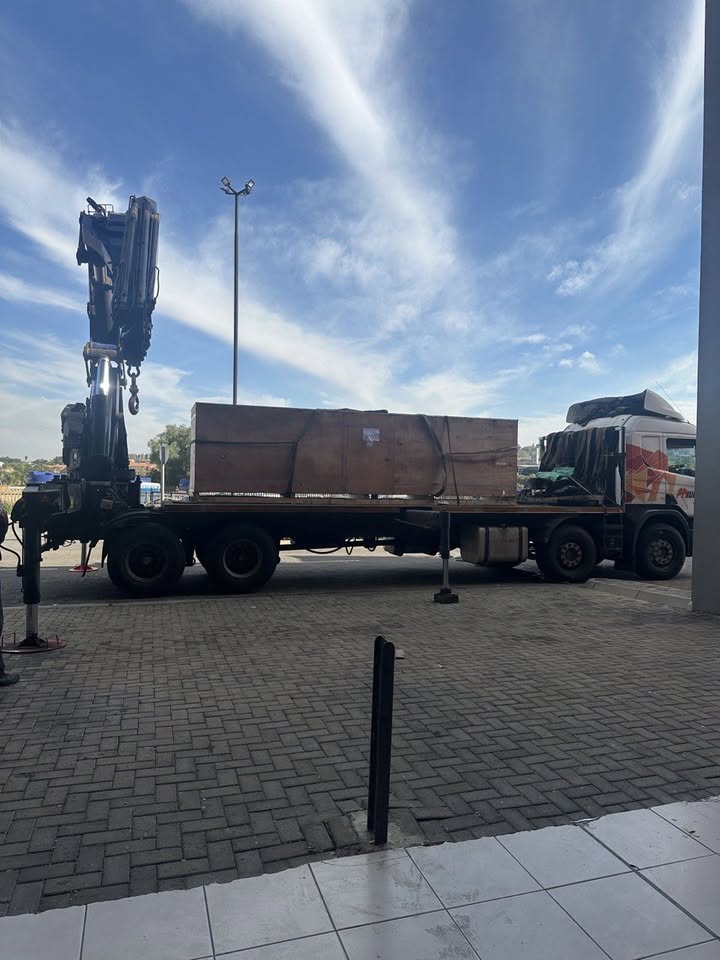
12 Heads Embroidery Machine
Toilet Paper Machine Machine
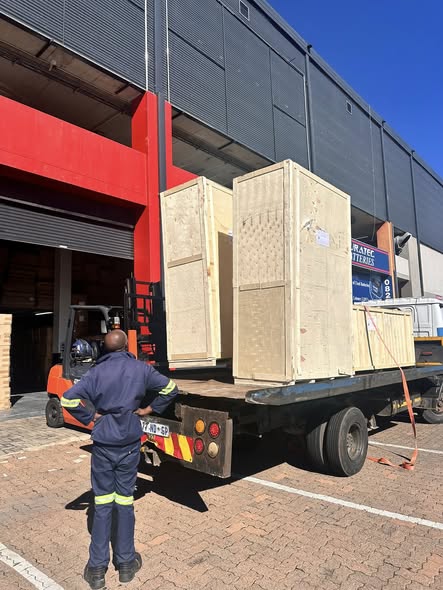
Order Collection
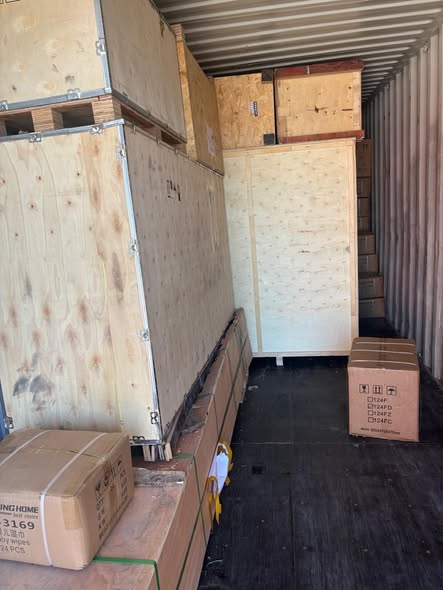
Cross Border Clients
Order cros border countries Collected
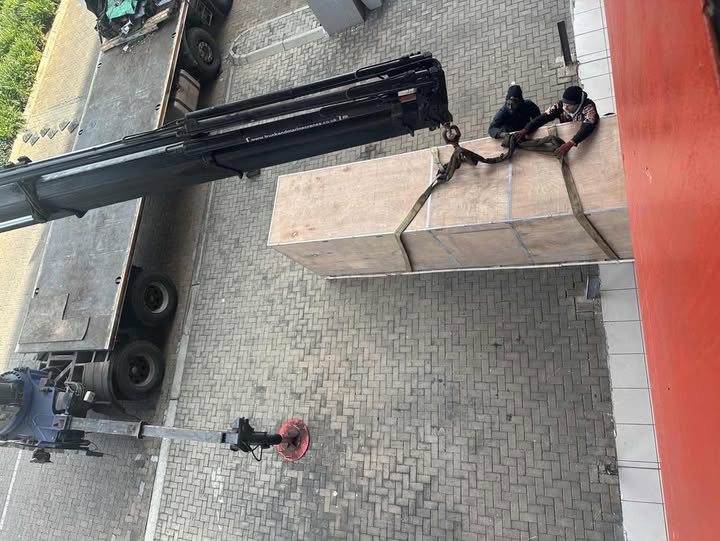
Industrial Machine Cllection
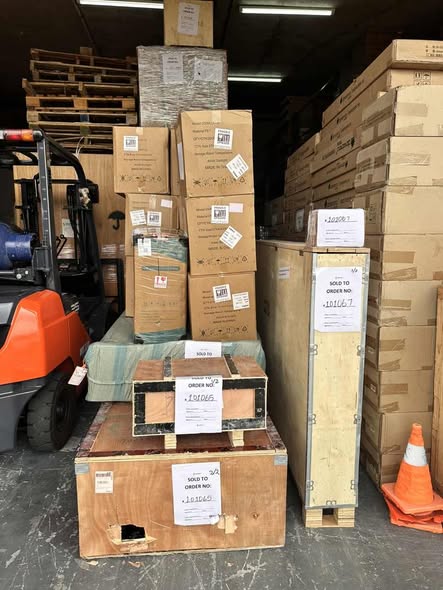
Agriculture Processing Machines
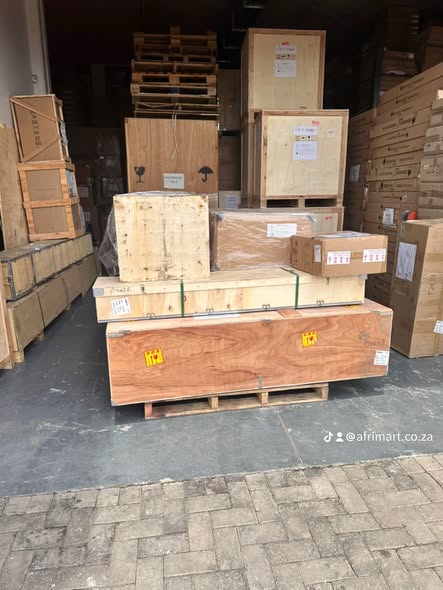
Ready for collection
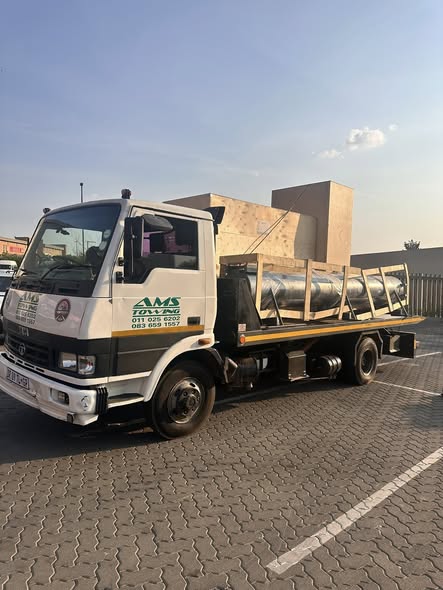
Water Pump Equipment
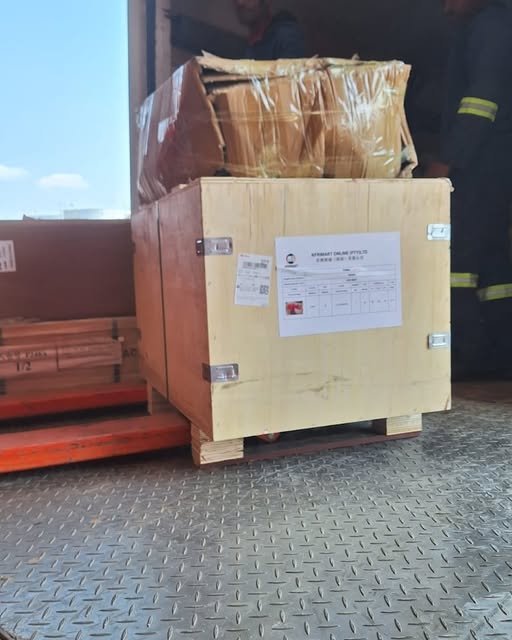
Packaging Machine and accessories
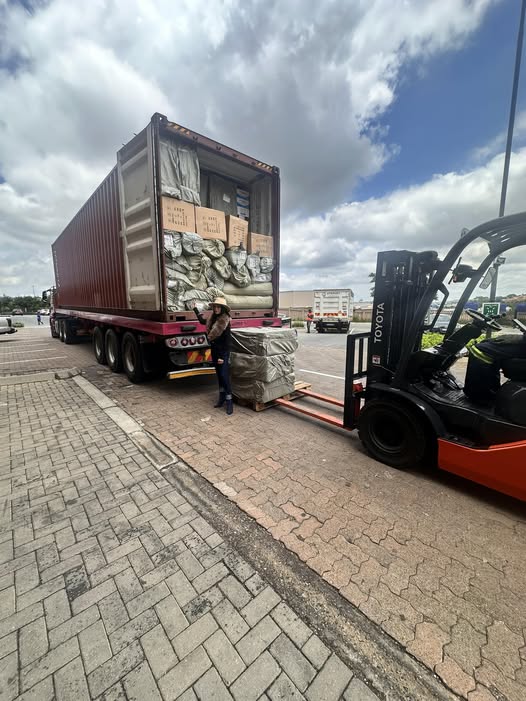
Fabrics Manufacturing Equipment
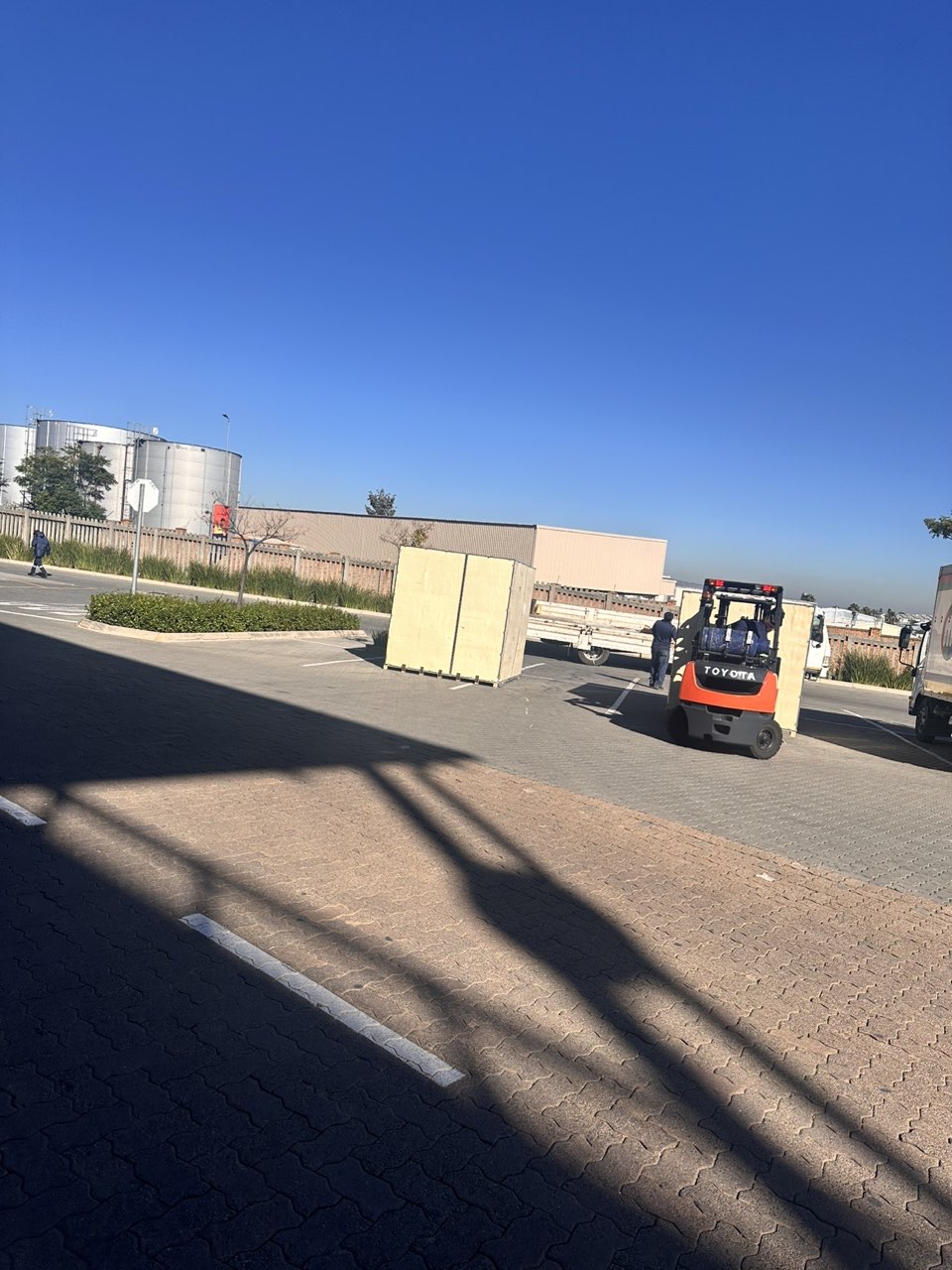
Mining Equipments
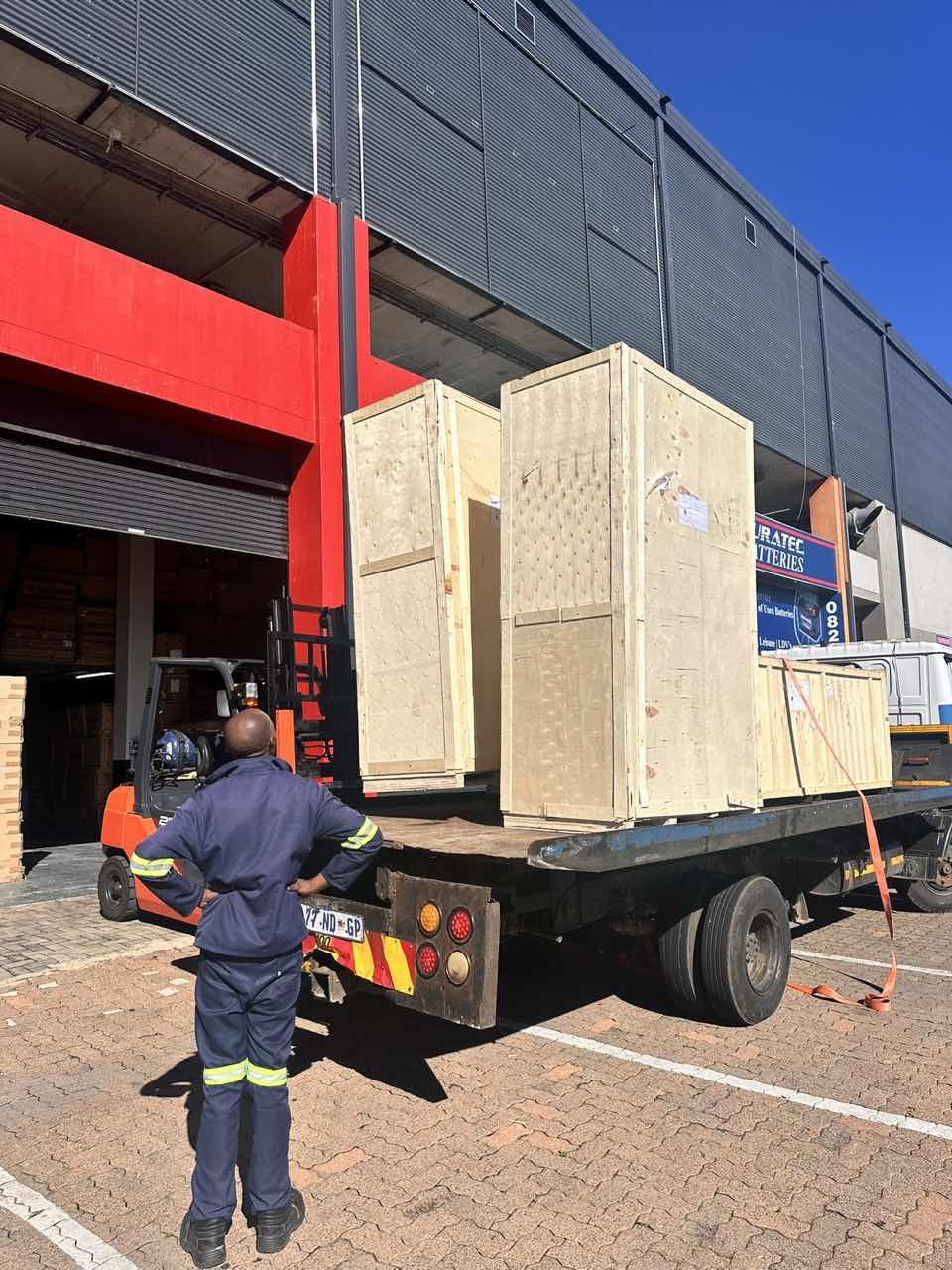
Food Processing Machine
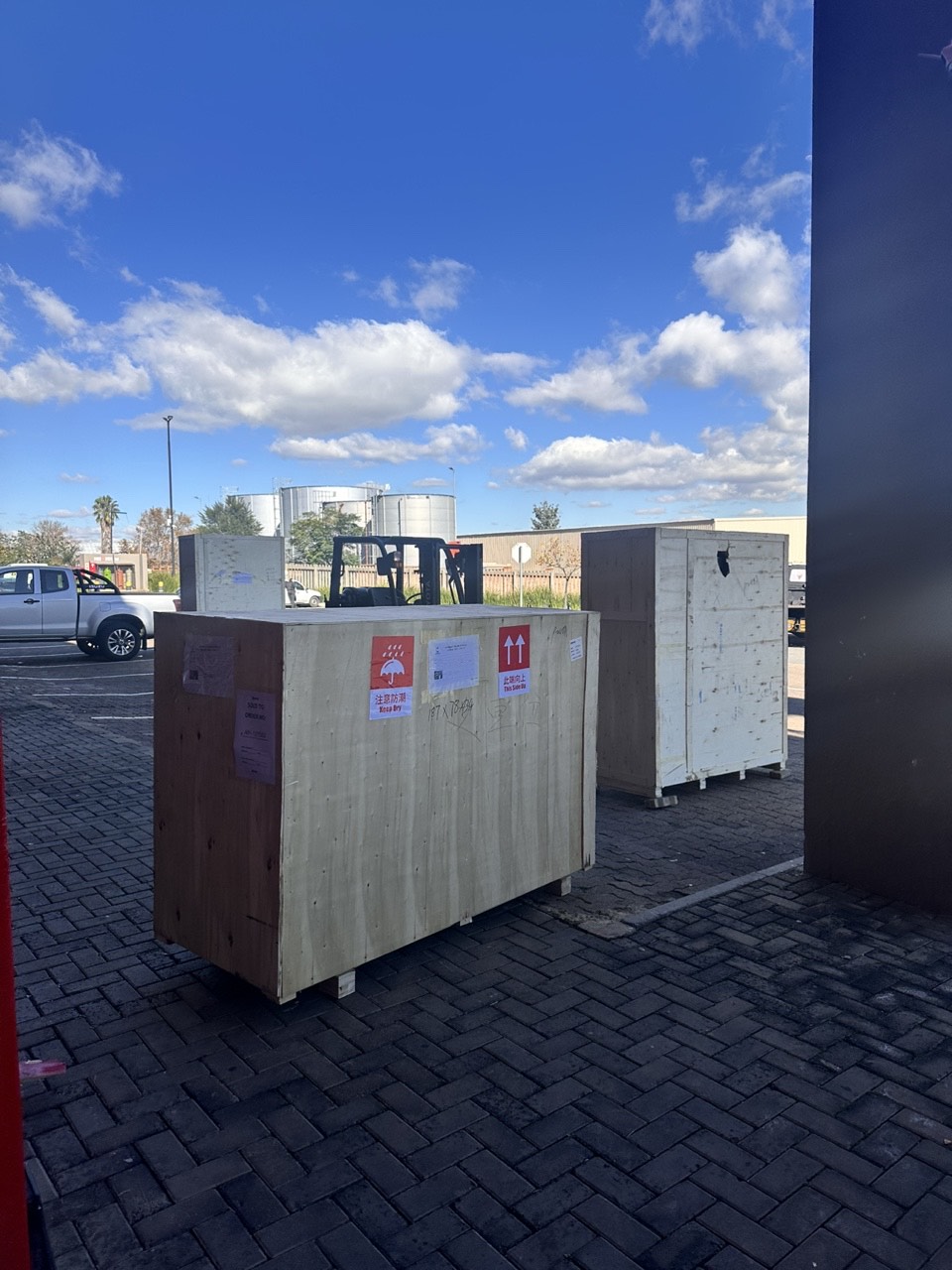
Batch of Orders
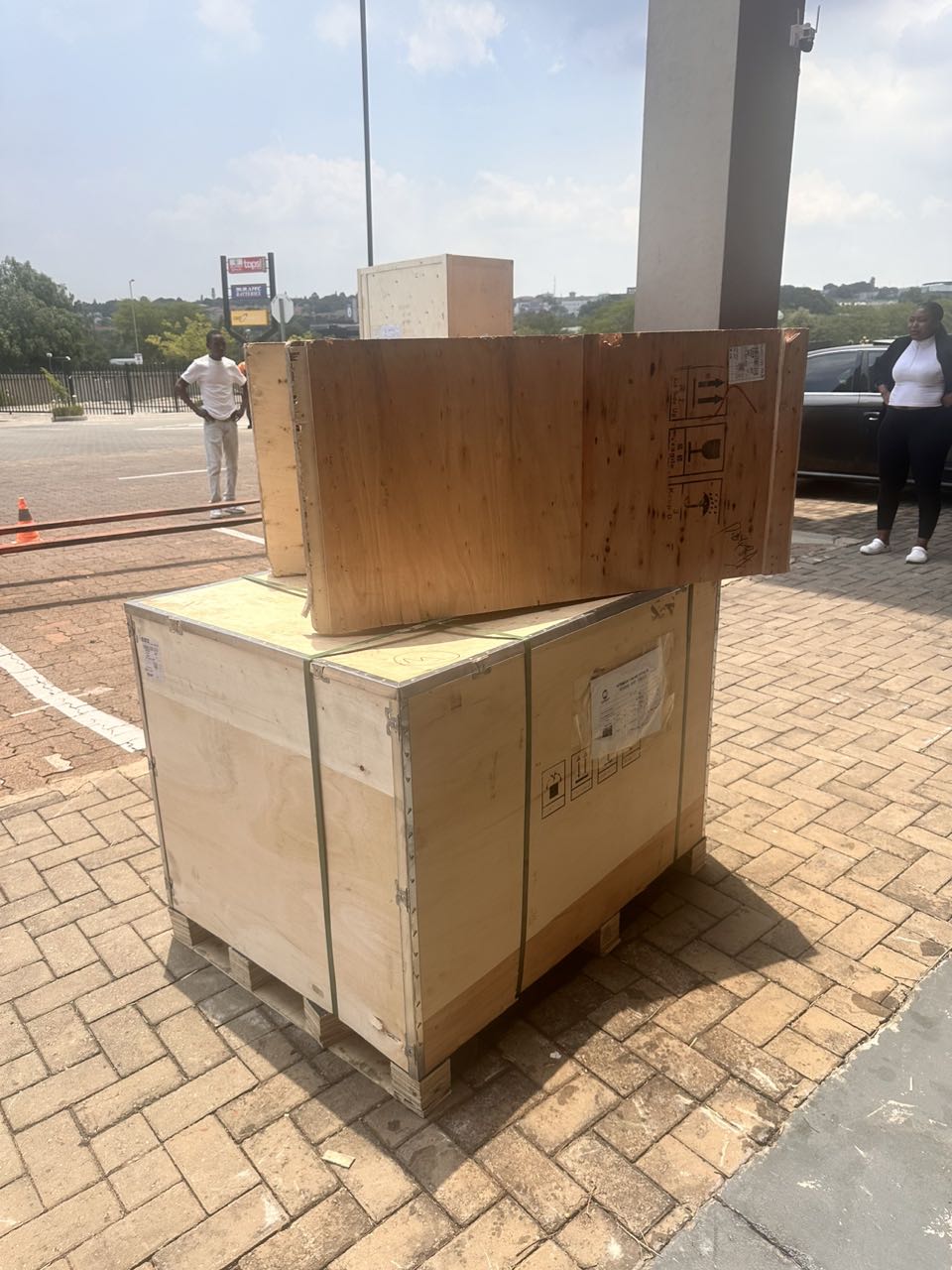
Batch of Orders
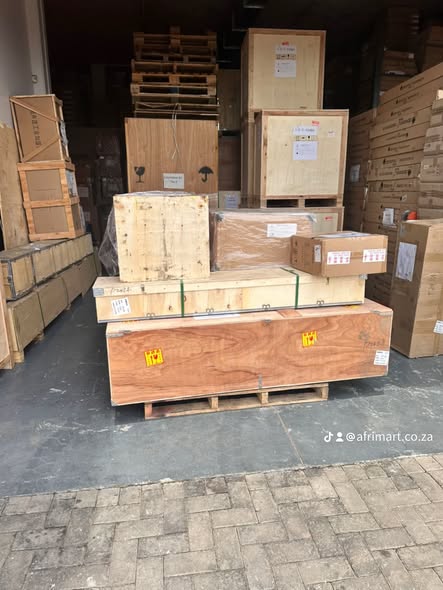
Latest Orders Labelled
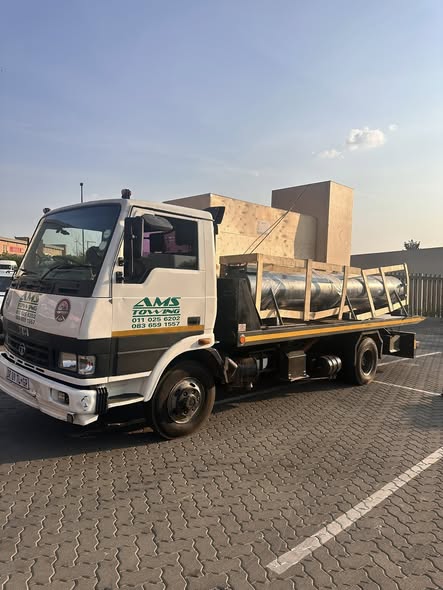
wheel alignment machines
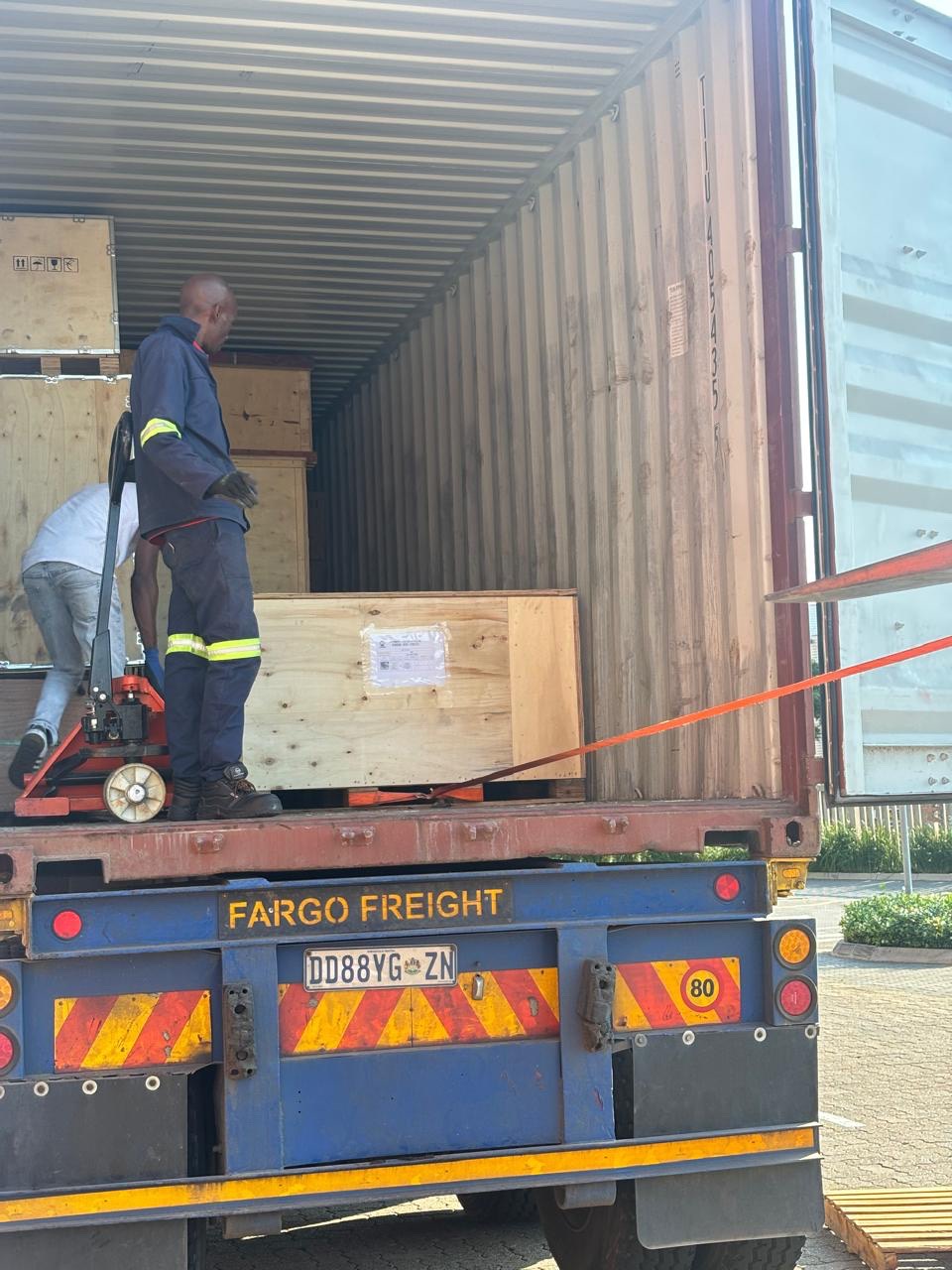
new arrivals
Pre Orders Offloading
Latest Arrivals
Latest Arrivals
Latest Arrivals
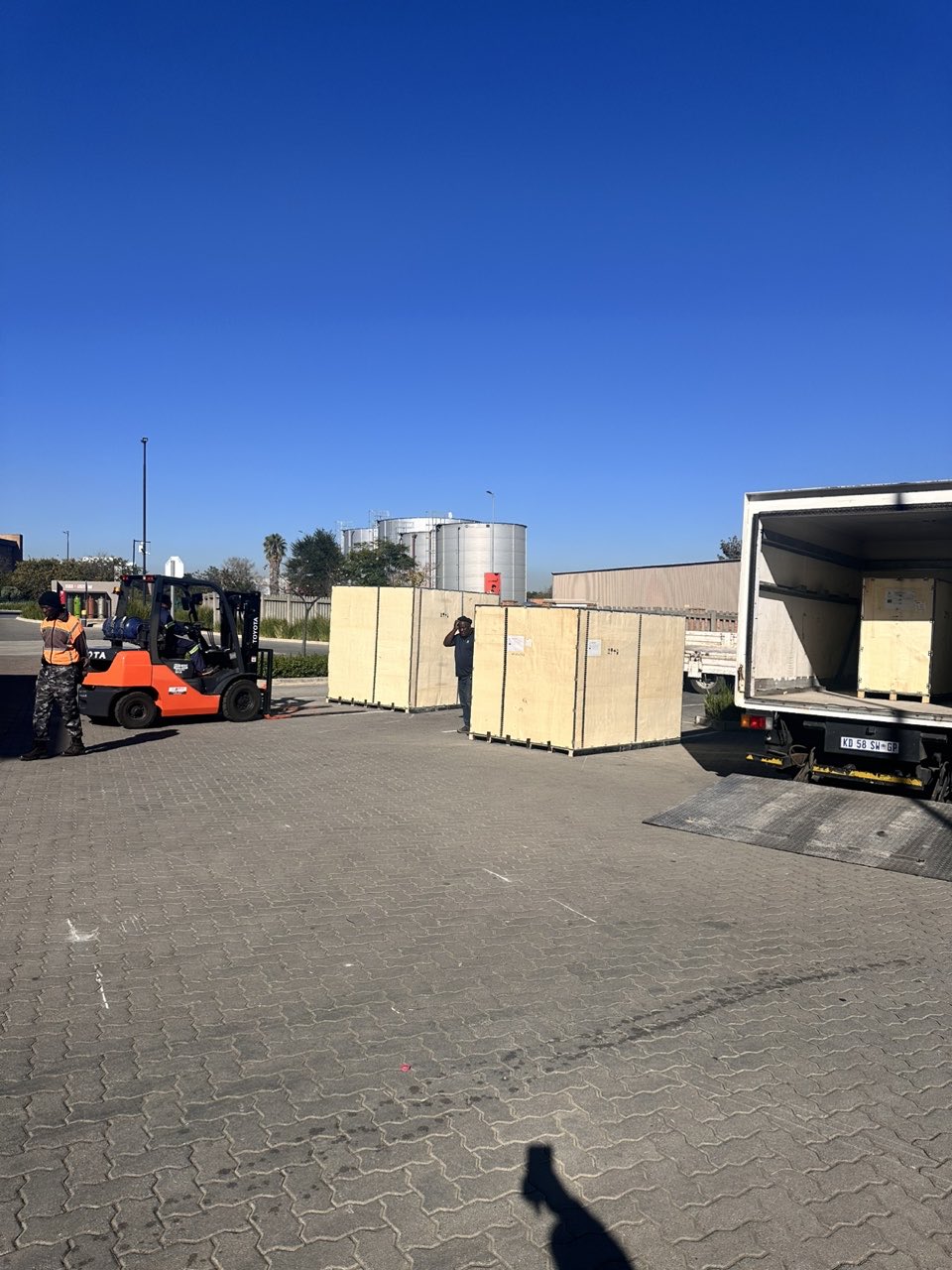
Loading
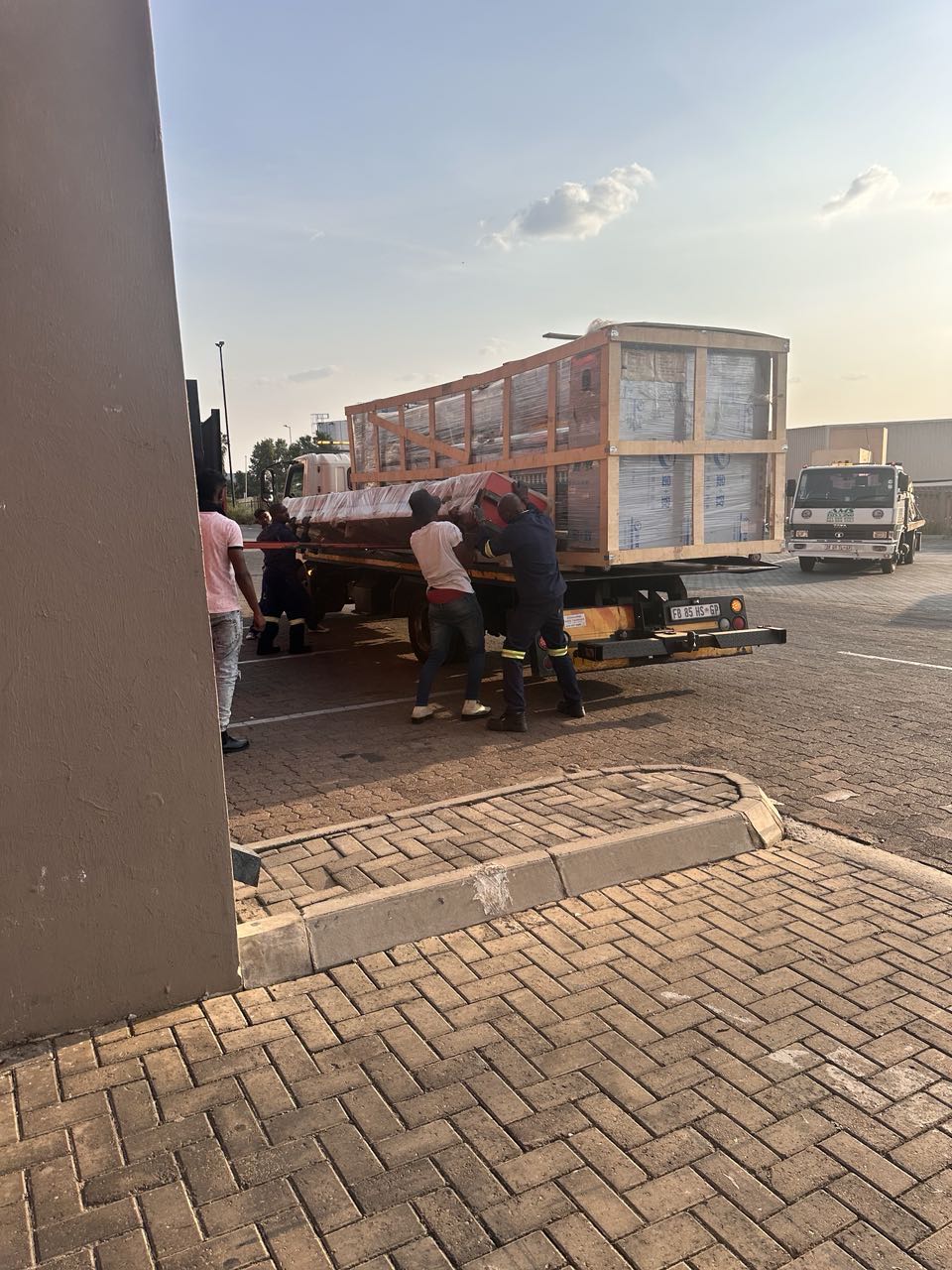
Toilet paper making machine
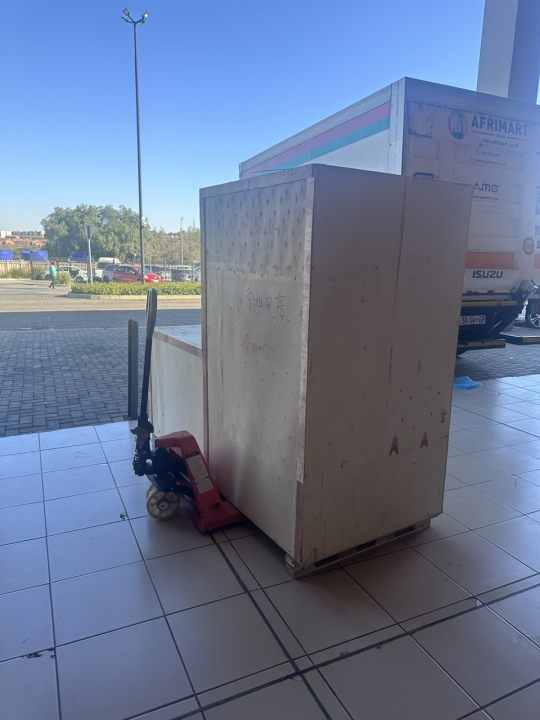
Toilet paper making machine
Toilet paper Rewinding Machine
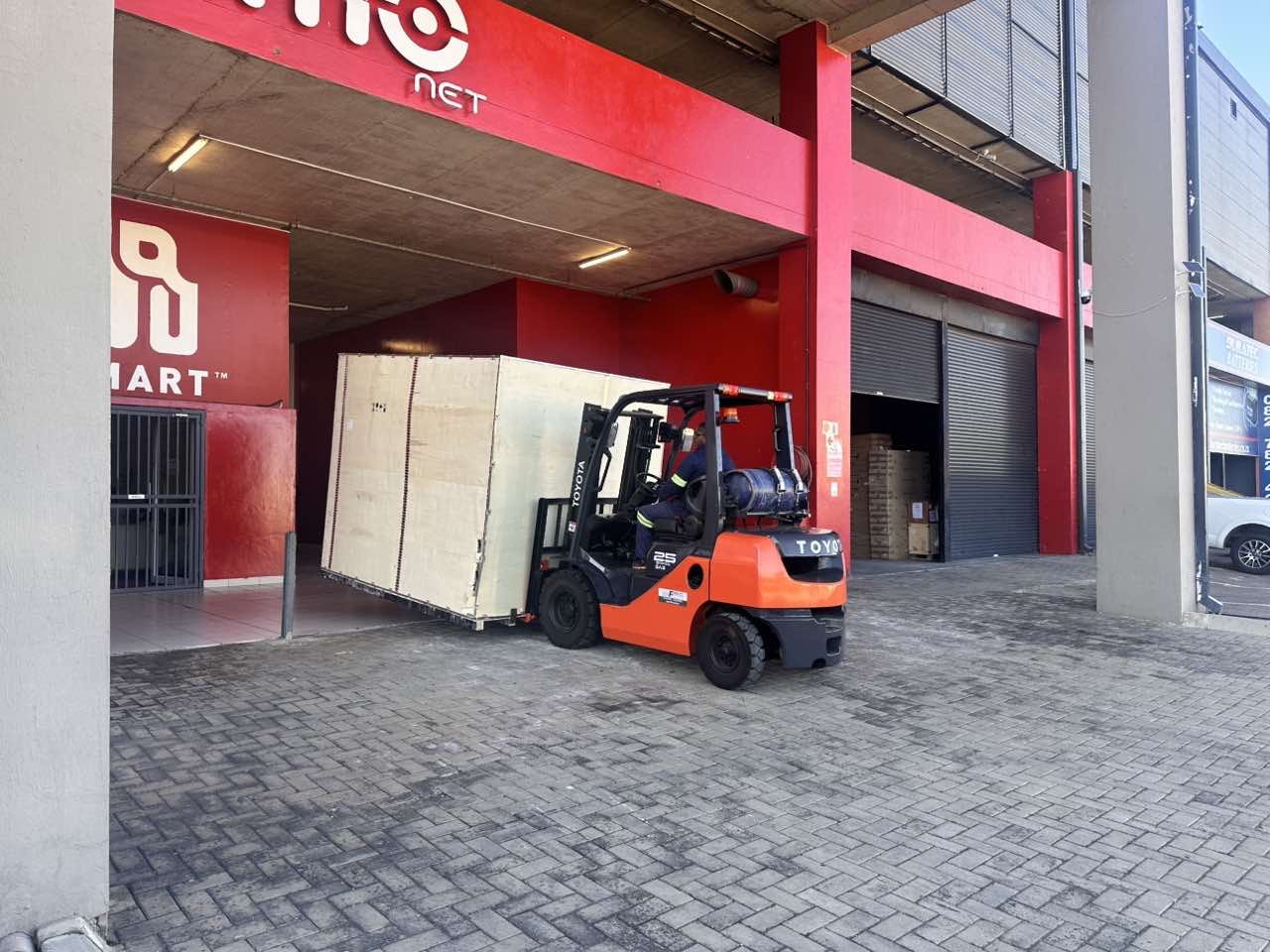
latest arrivals
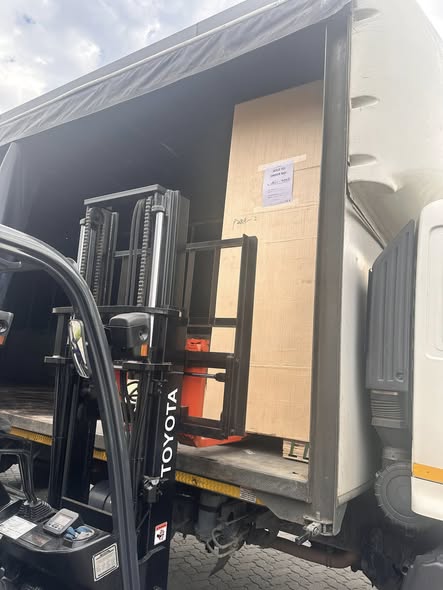
offloading
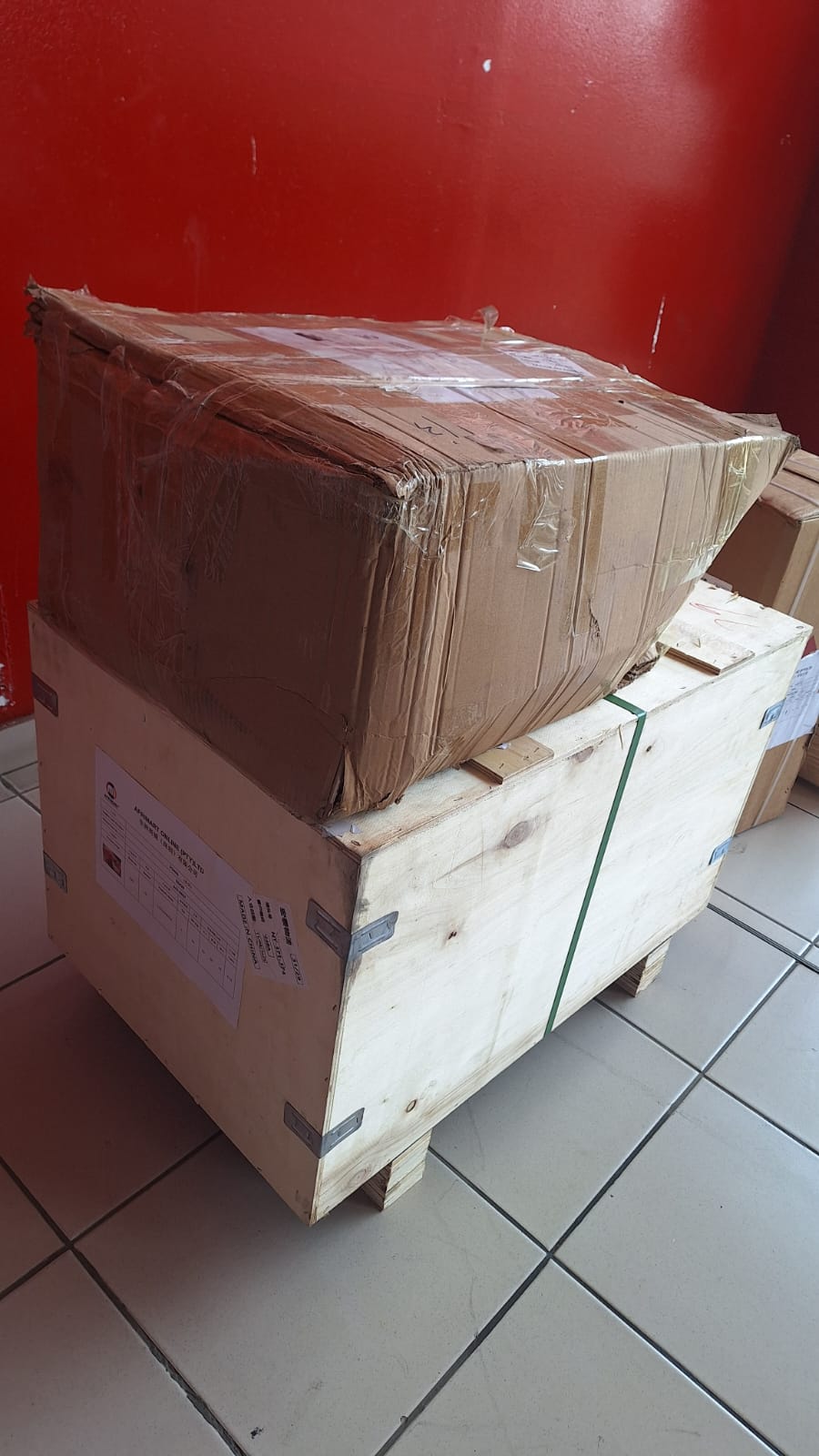
order success
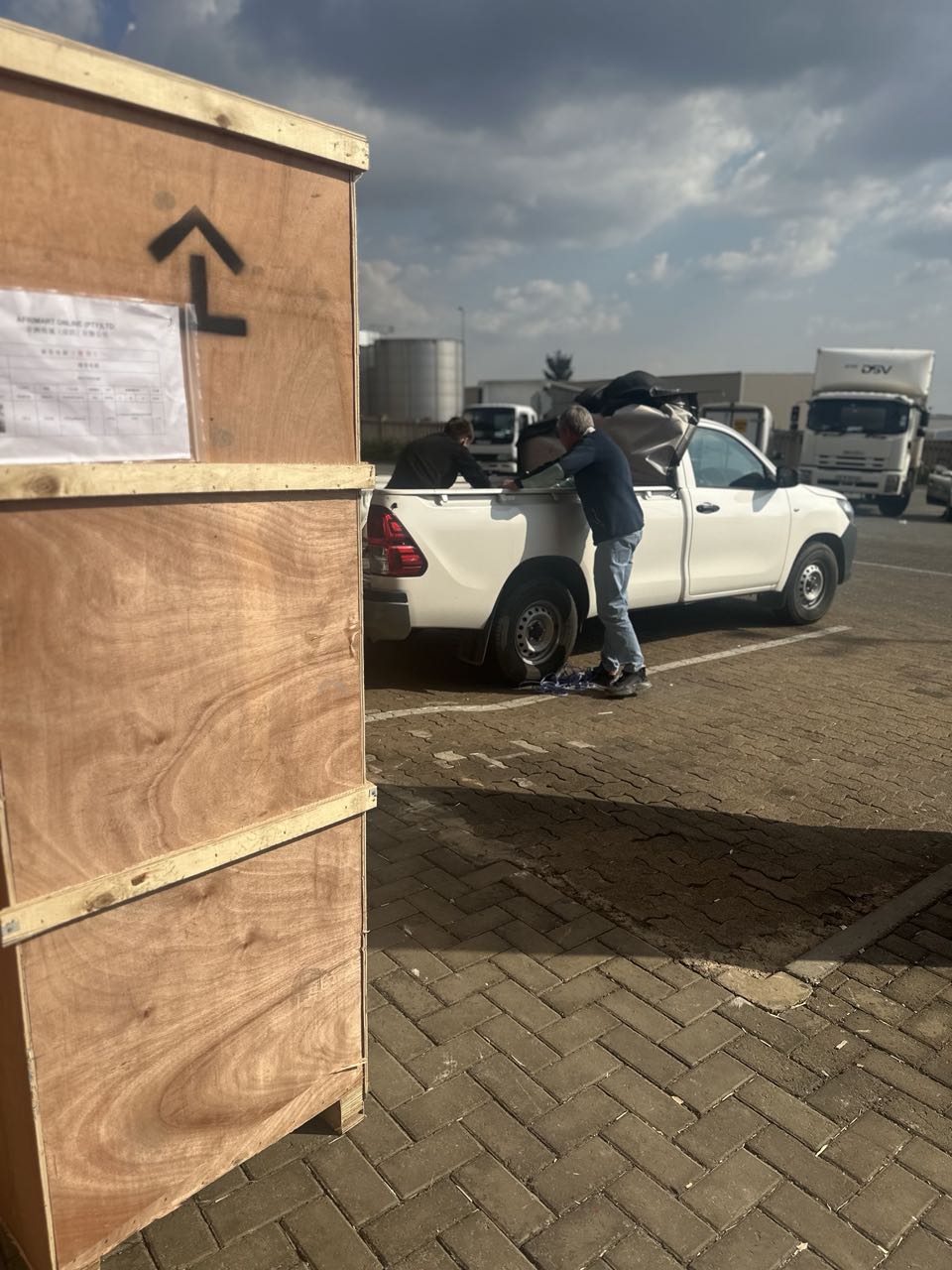
order collection
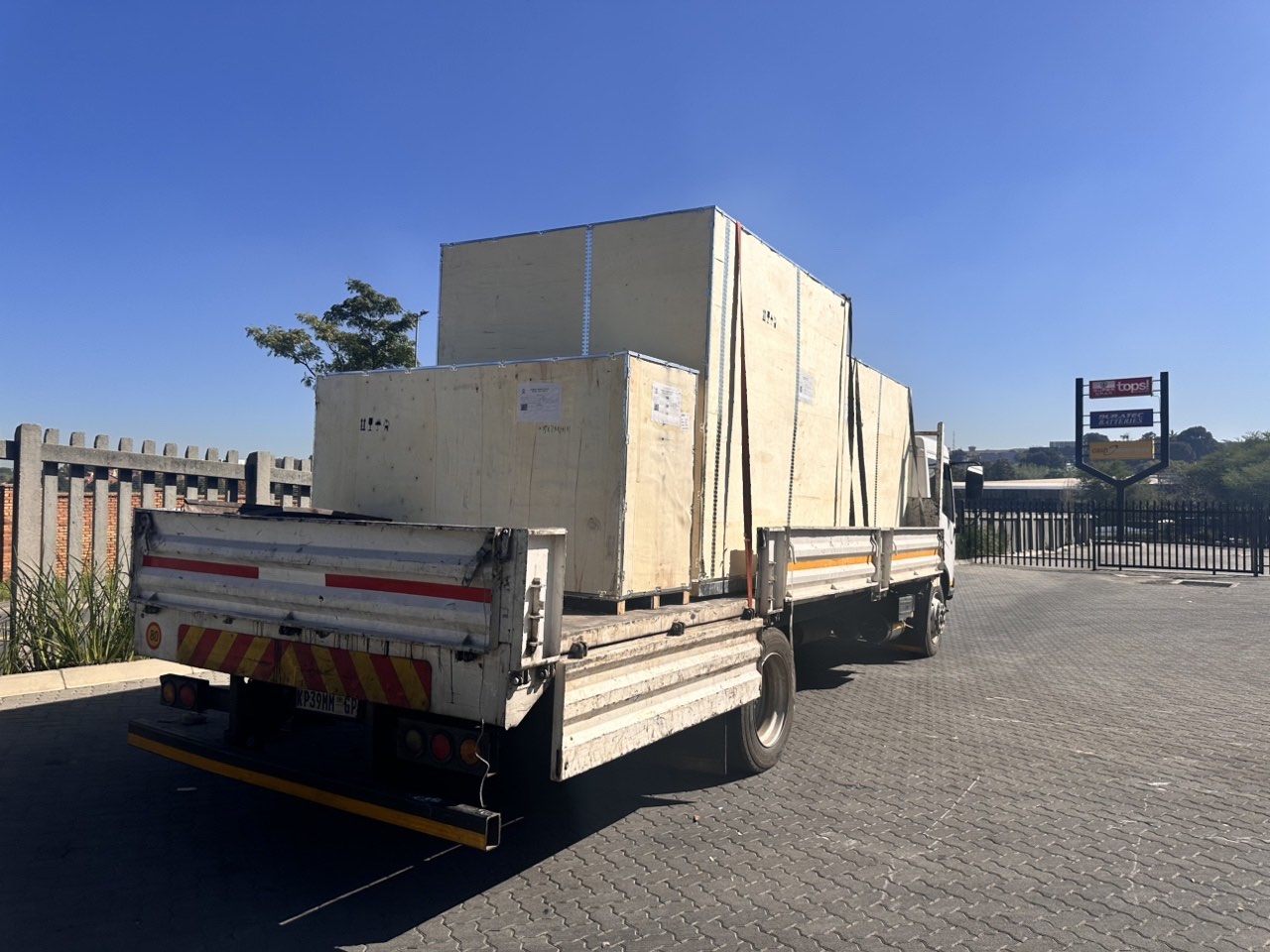
order offloading