B21, China Town Mall, Midrand

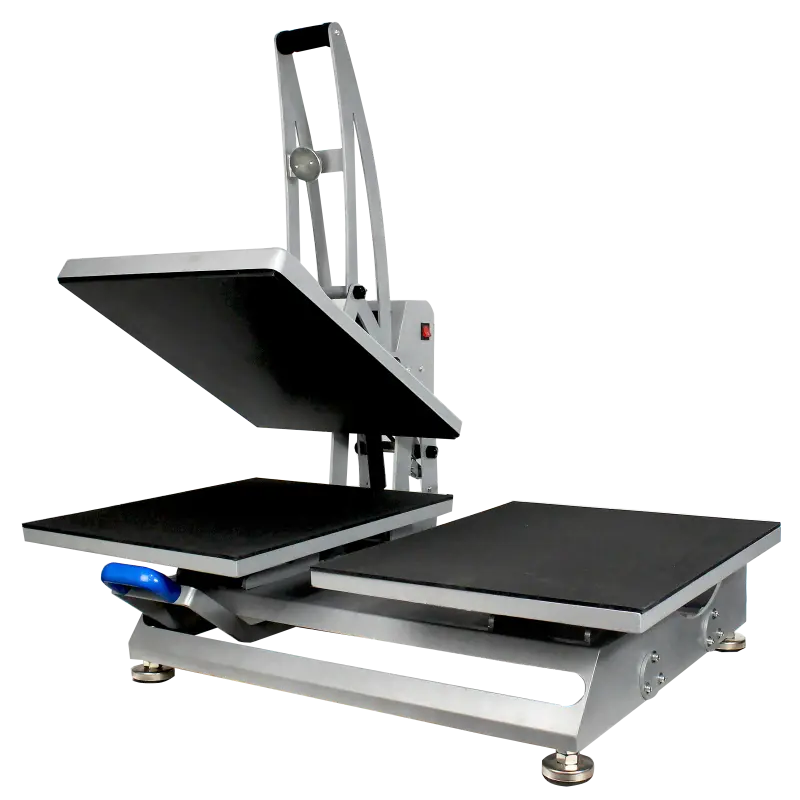
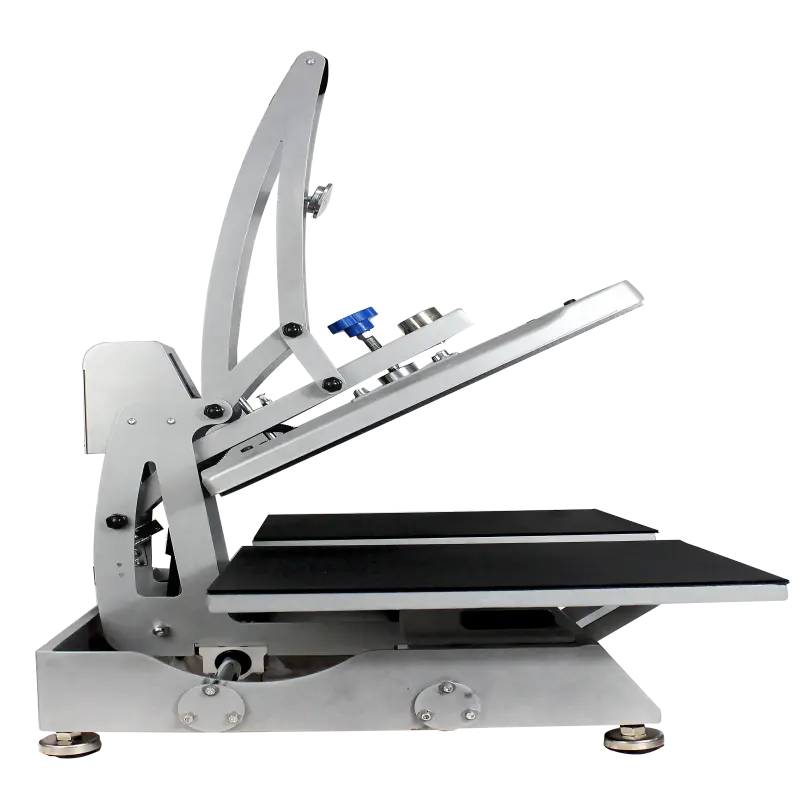
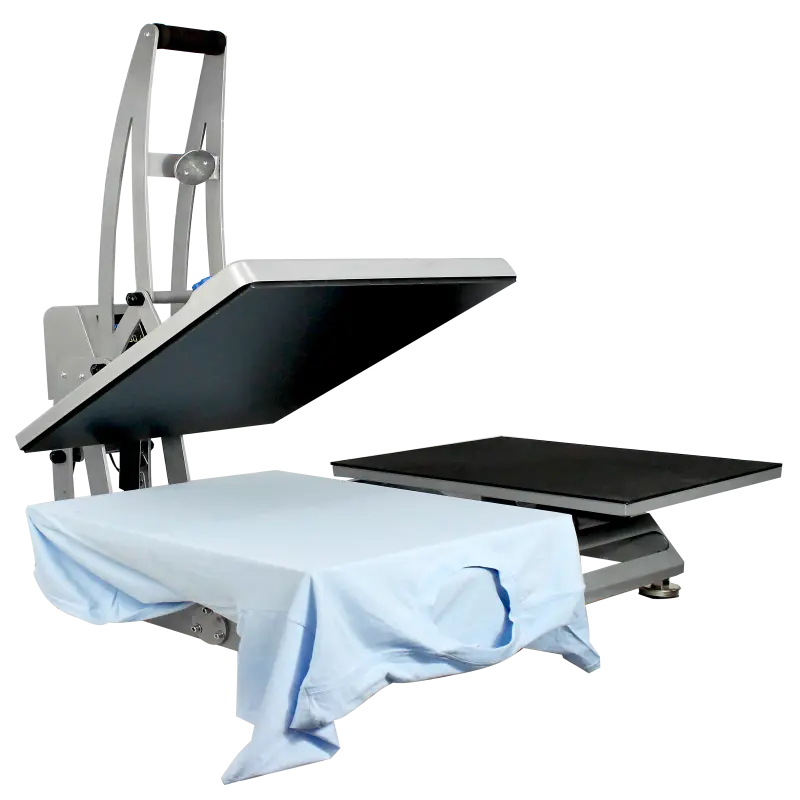
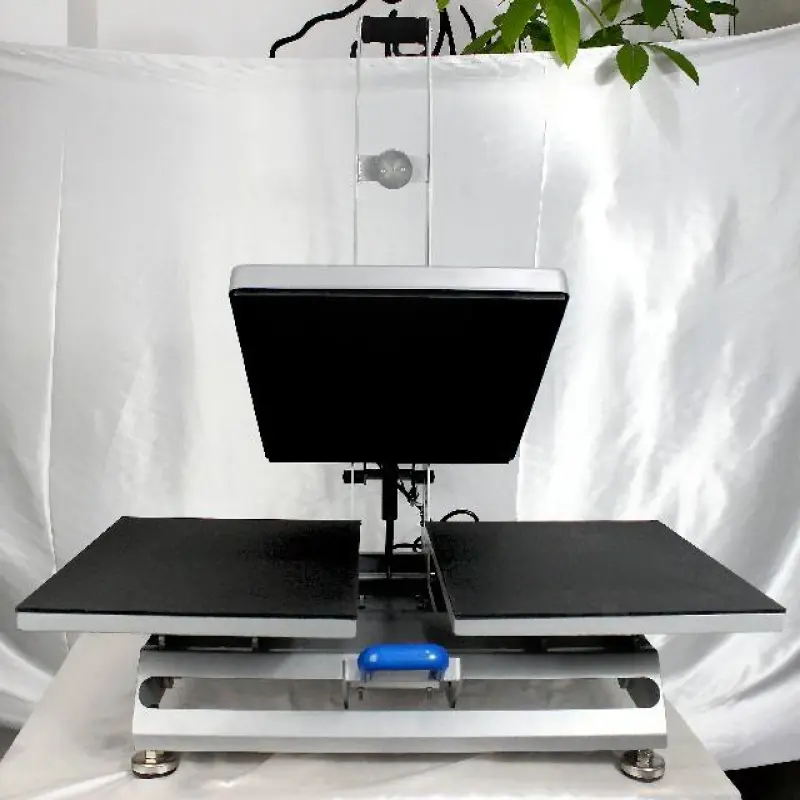
Industrial Double stations Automatic Sublimation Digital 16x20 Heat Press Machine Transfer

- Section : Consumer Electronics
- Category : Sublimation Printers
- SKU : 1600073679168



- Shipping Timeframes: All orders are processed within 2-5 business days (excluding weekends and holidays). After your order has been processed, the estimated delivery time is before 29 Jun, 2026, depending on customs, Please note that due to high demand, some items may experience longer shipping times, which will be communicated at order confirmation email.
- Order Processing Time: Please allow 2-5 business days for us to process your order before it is shipped . Orders placed after 16:00 on Fridays, or during weekends and public holidays, will begin processing on the next business day. Processing times may be extended during peak seasons or sales events.
- Manufacturing Time: Some products needs manufacturing time, the manufacturing process will take approximately 10-30 business days depending on the product. This timeframe may vary depending on the complexity of the product and current demand. but this will be communicated with you during order confirmation.
- Returns and Exchanges: We offer a 30-day return policy for most items. If you are not completely satisfied with your purchase, you may return it within 30 days of receipt for a refund or exchange. Items must be unused, in their original packaging, and accompanied by proof of purchase. Return shipping costs are the responsibility of the customer, unless the item was damaged or defective upon arrival.
1. What is the Industrial Double Stations Automatic Sublimation Digital 16x20 Heat Press Machine?
It is a commercial-grade heat press with two 16" x 20" platens that allows automatic pressing for dye-sublimation transfers. Designed for high-volume, continuous production, it features digital temperature and time controls and automatic open/close cycling to improve throughput and consistency.
2. What does 'double stations' mean and how does it improve production?
Double stations means the machine has two working platens. While one platen is pressing, the operator can load or unload the other platen. This overlap reduces idle time and increases output compared with a single-station press.
3. What substrates and materials can I use with this machine?
It is intended primarily for dye-sublimation transfers onto polyester fabrics and polyester-coated hard blanks (metal, coated ceramics, aluminum panels, etc.). It can also be used with heat-transfer vinyl and some coated substrates, but it is not effective for untreated 100% cotton unless using a special coating or transfer material.
4. What are the platen dimensions?
Each platen measures 16 inches by 20 inches (approximately 40 x 50 cm), suitable for medium- to large-format garments and flat items.
5. Is the machine fully automatic?
Yes — it features automatic cycle control (automatic clamp/press and release) driven by its control system. Some models use pneumatic actuation for the automatic operation. Specific features may vary by supplier.
6. What temperature and time ranges does the machine support?
Typical sublimation processes use temperatures around 350–400°F (175–205°C). The digital controller usually allows precise temperature control up to the machine's maximum (check the model spec) and a programmable timer that can be set in seconds or minutes. Refer to vendor specs for exact limits.
7. How is pressure adjusted?
Pressure is typically adjustable to accommodate different substrate thicknesses. Adjustment methods vary by model: some use a manual pressure knob, others use adjustable pneumatic pressure. Confirm the adjustment method with the seller.
8. What power supply does this machine require?
Industrial heat presses commonly come in 110–120V or 220–240V configurations depending on region. Power rating (amps/kW) varies by model. Always check the product specification or consult the supplier to ensure compatible electrical supply.
9. What is a typical cycle time and expected production rate?
Cycle time depends on substrate, temperature, and transfer type. For many sublimation garment transfers, cycles range from about 15 to 60 seconds. Double-station operation significantly increases hourly throughput versus single-station units, but exact rates depend on your process and operator efficiency.
10. How do I operate the machine for a sublimation transfer?
Basic steps: preheat the platen to the required temperature, position the substrate on the platen, place sublimation paper design face-down on the substrate and secure if needed, start the automatic cycle, and remove the finished piece after release and cooling. Always follow recommended pressure, time, and temperature for the specific material.
11. What safety features are included?
Many industrial models include thermal over-temperature protection, emergency stop buttons, insulated heating elements to reduce exterior heat, and safety interlocks. Exact features vary by manufacturer — verify safety specifications before purchase.
12. Can I swap or add different platen sizes or shapes?
Some manufacturers offer interchangeable or optional platens (different sizes, rounded platens for sleeves, etc.). Check with the supplier for available accessories and compatibility with the double-station frame.
13. What routine maintenance does the machine need?
Regular maintenance typically includes keeping platens clean and free of adhesive residue, checking and tightening fasteners, inspecting pneumatic hoses and electrical connections, and replacing worn silicone pads or Teflon covers as needed. Follow the manufacturer's maintenance schedule for best results.
14. Are spare parts and technical support available?
Most suppliers provide spare parts (heating elements, controllers, pneumatic parts, silicone pads) and technical support or service. Availability and lead times vary — confirm parts availability and warranty/support terms with the vendor before purchase.
15. What warranty and installation services are offered?
Warranty coverage and installation/training services differ by seller. Common offerings include a limited parts warranty and optional on-site or remote setup/training. Always review the specific warranty terms and ask about installation, calibration, and training options prior to buying.
Latest Order Arrivals
Discover our latest orders
12 Heads Embroidery Machine
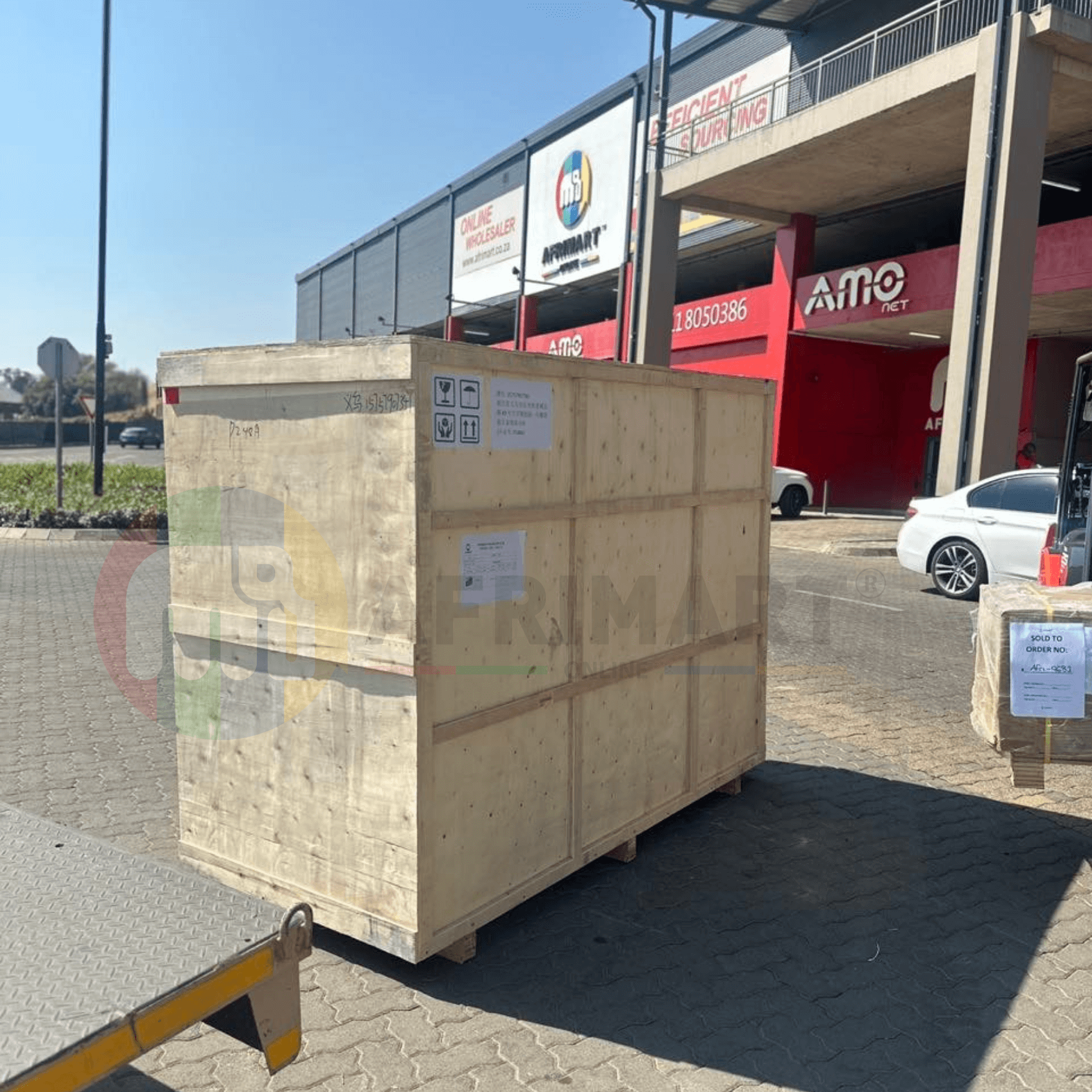
Dewatering Pump Machine
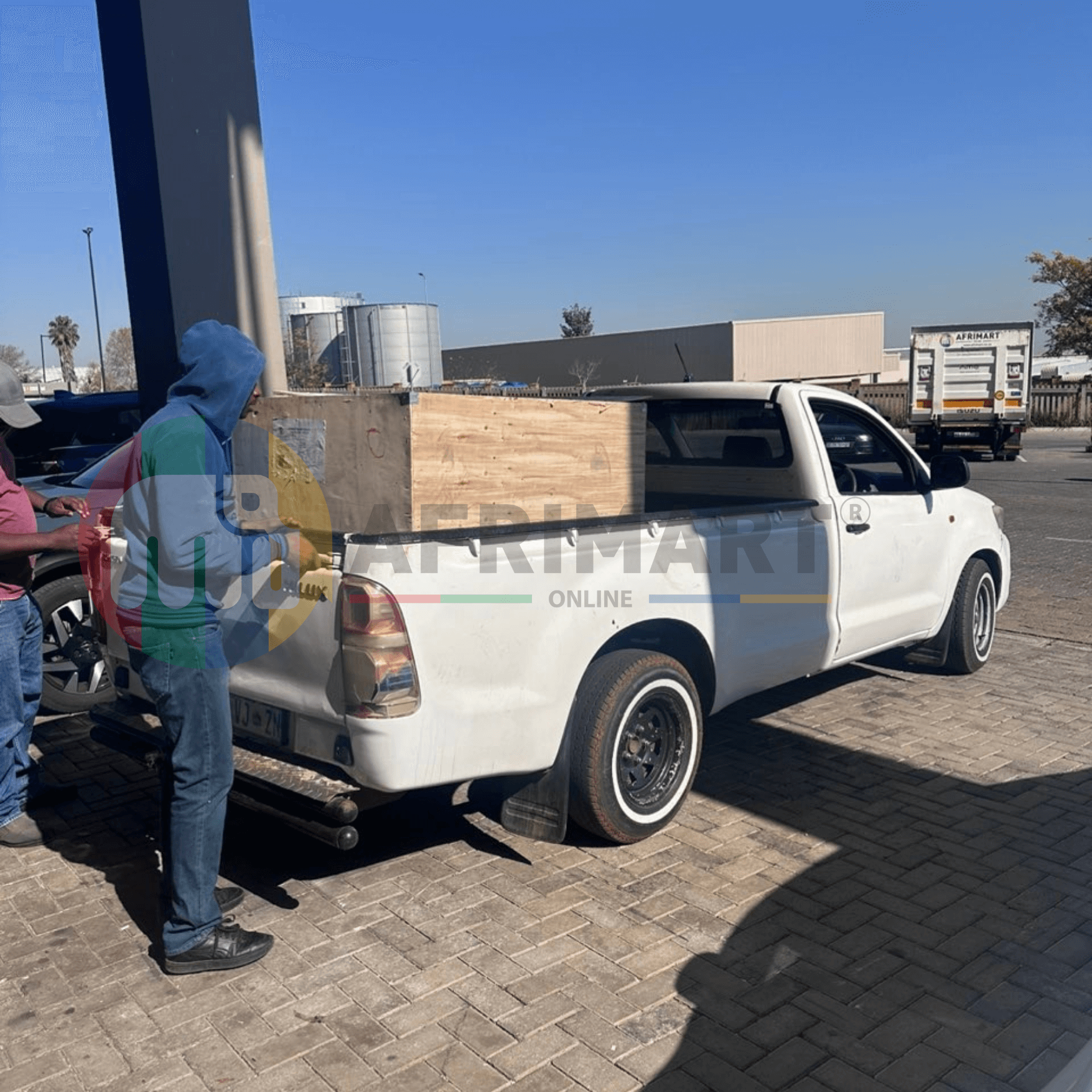
Order Collection
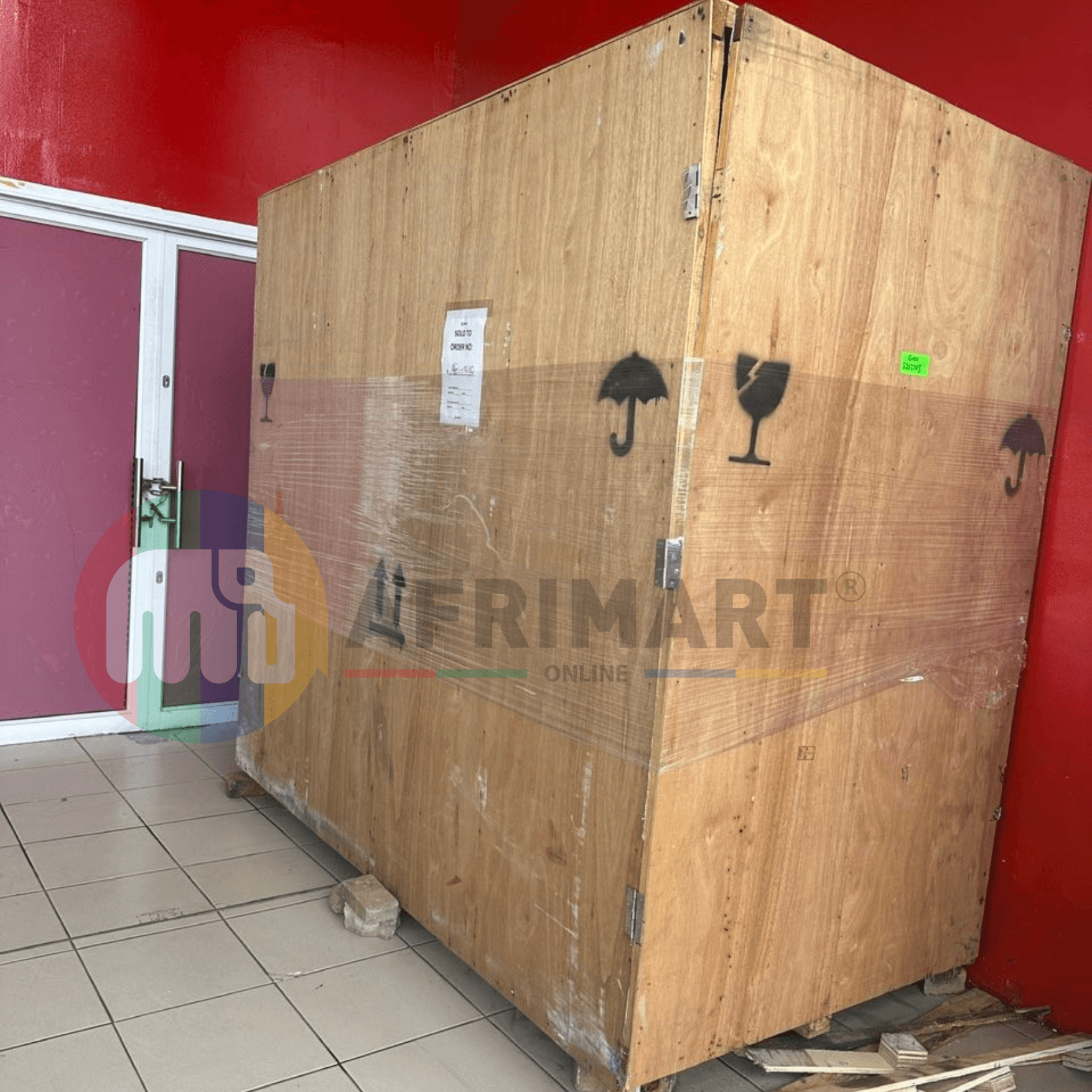
Portable Water Drilling Rig
Order Usefully Collected
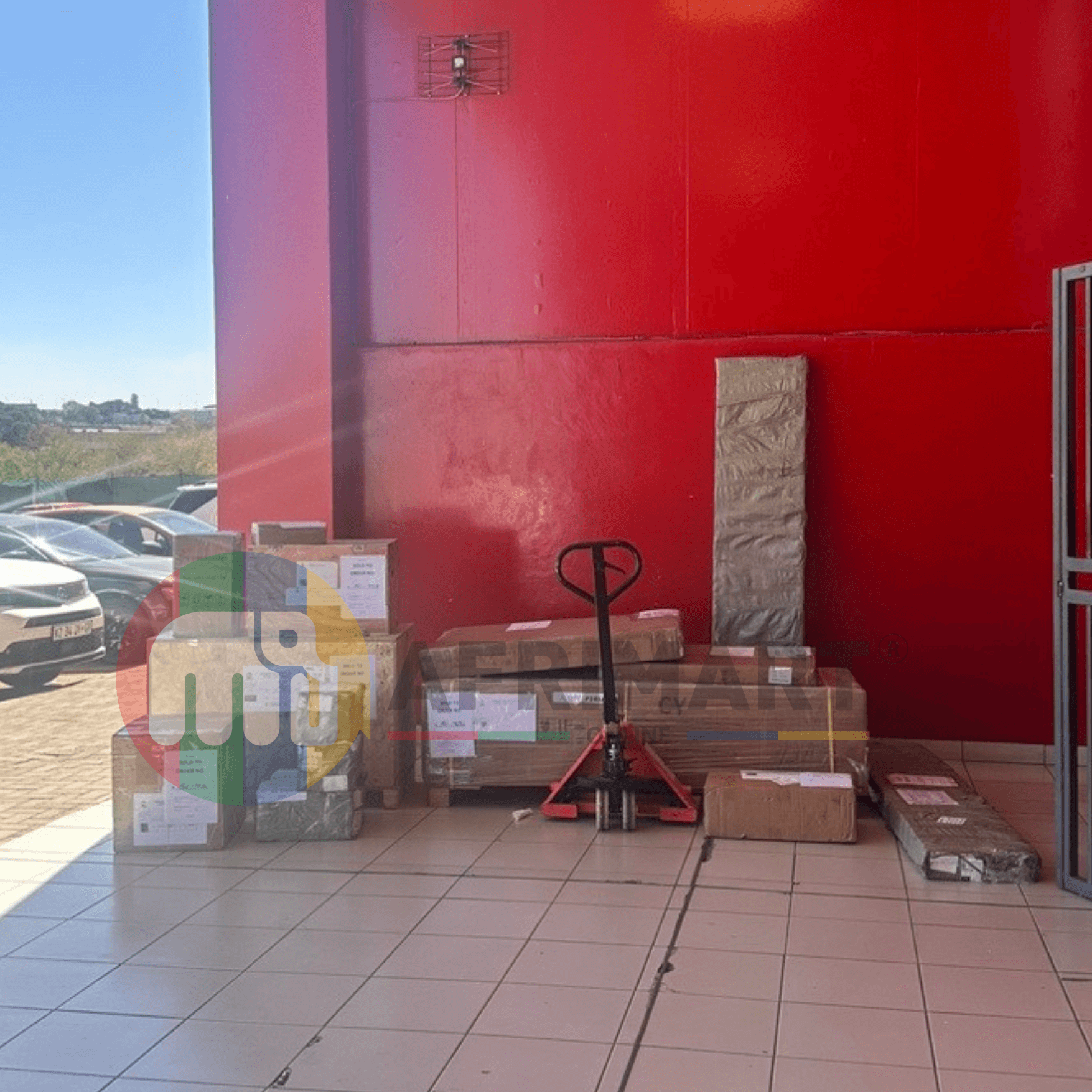
Batch of Orders
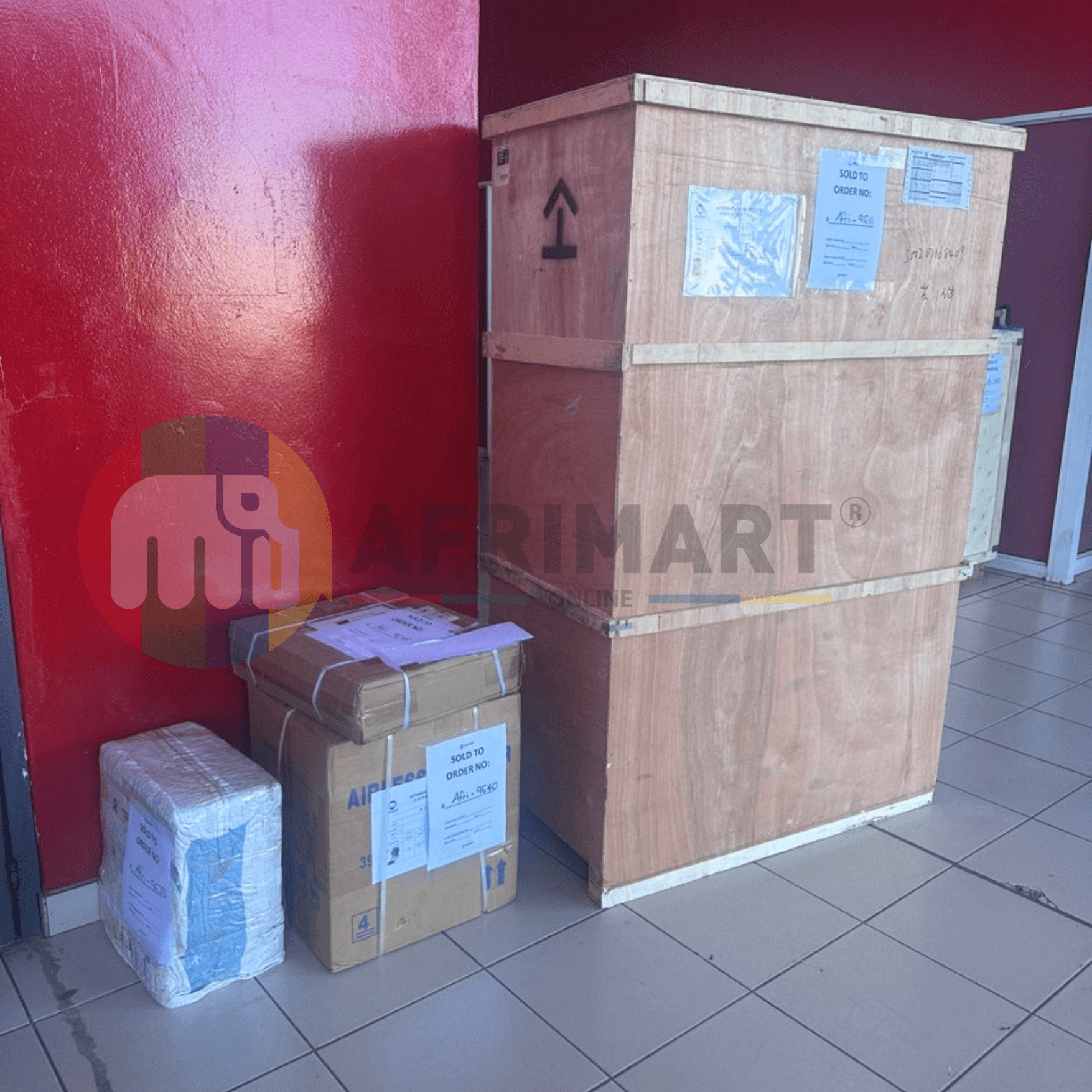
Agriculture Processing Machines
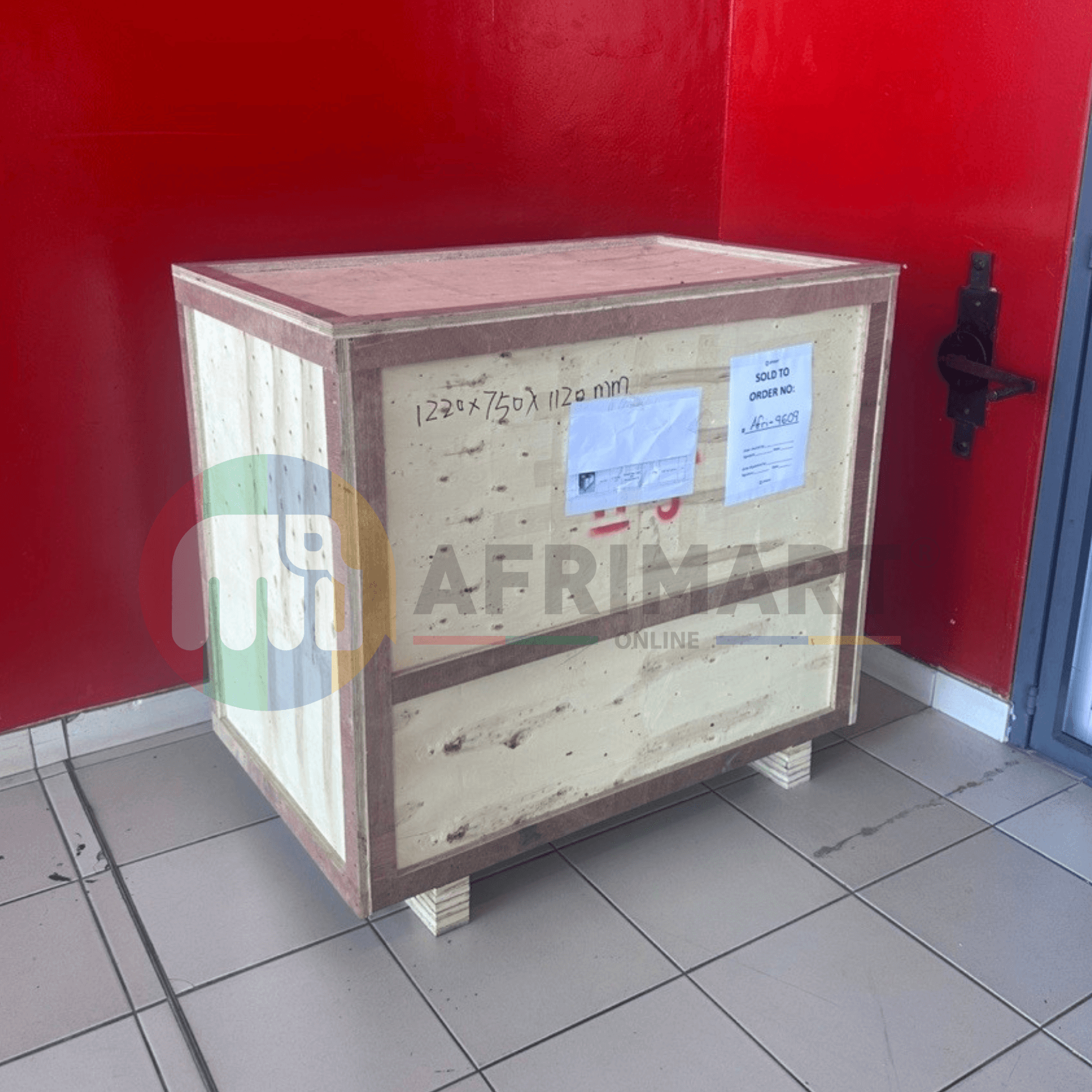
Meat Grinder Machine
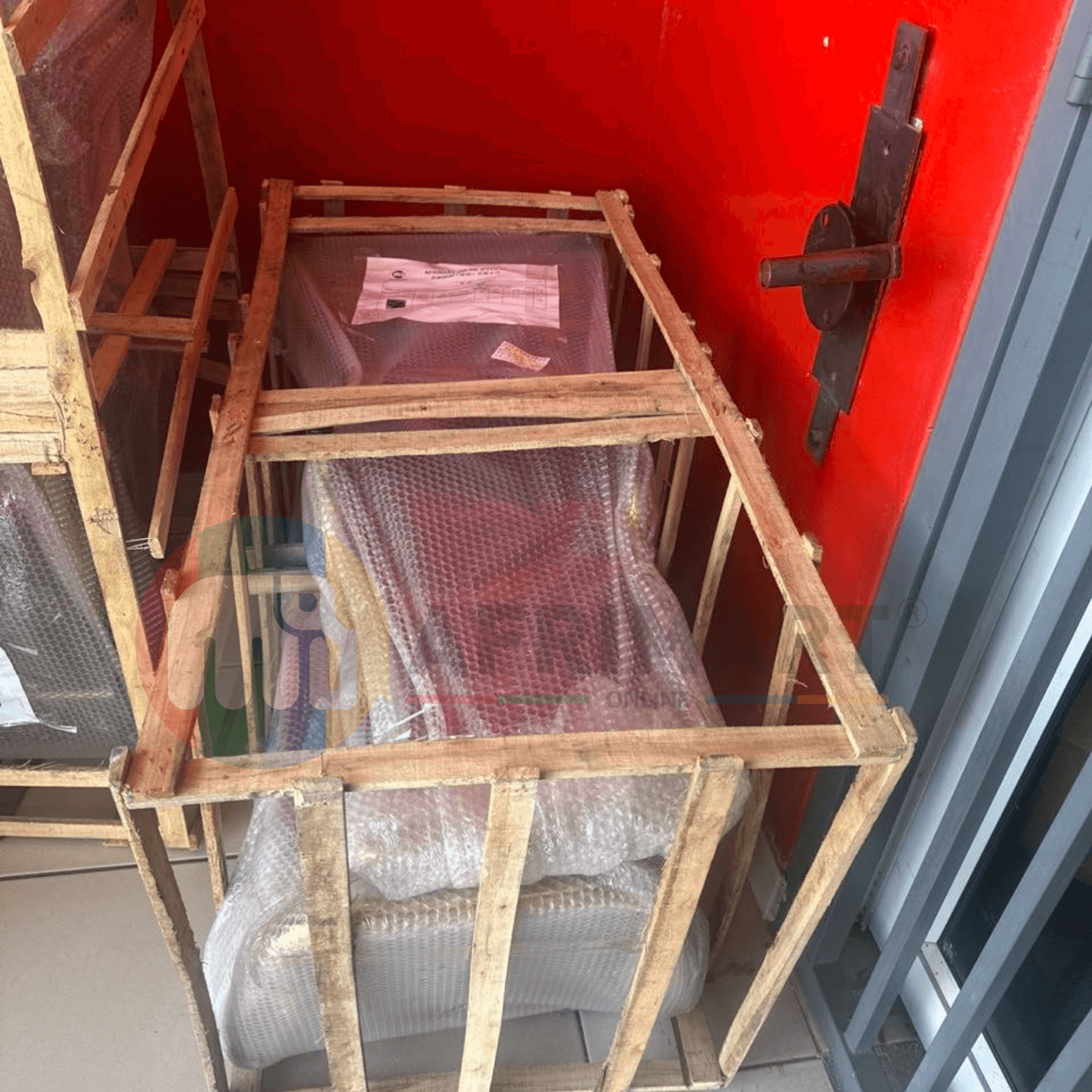
Water Pump Equipment
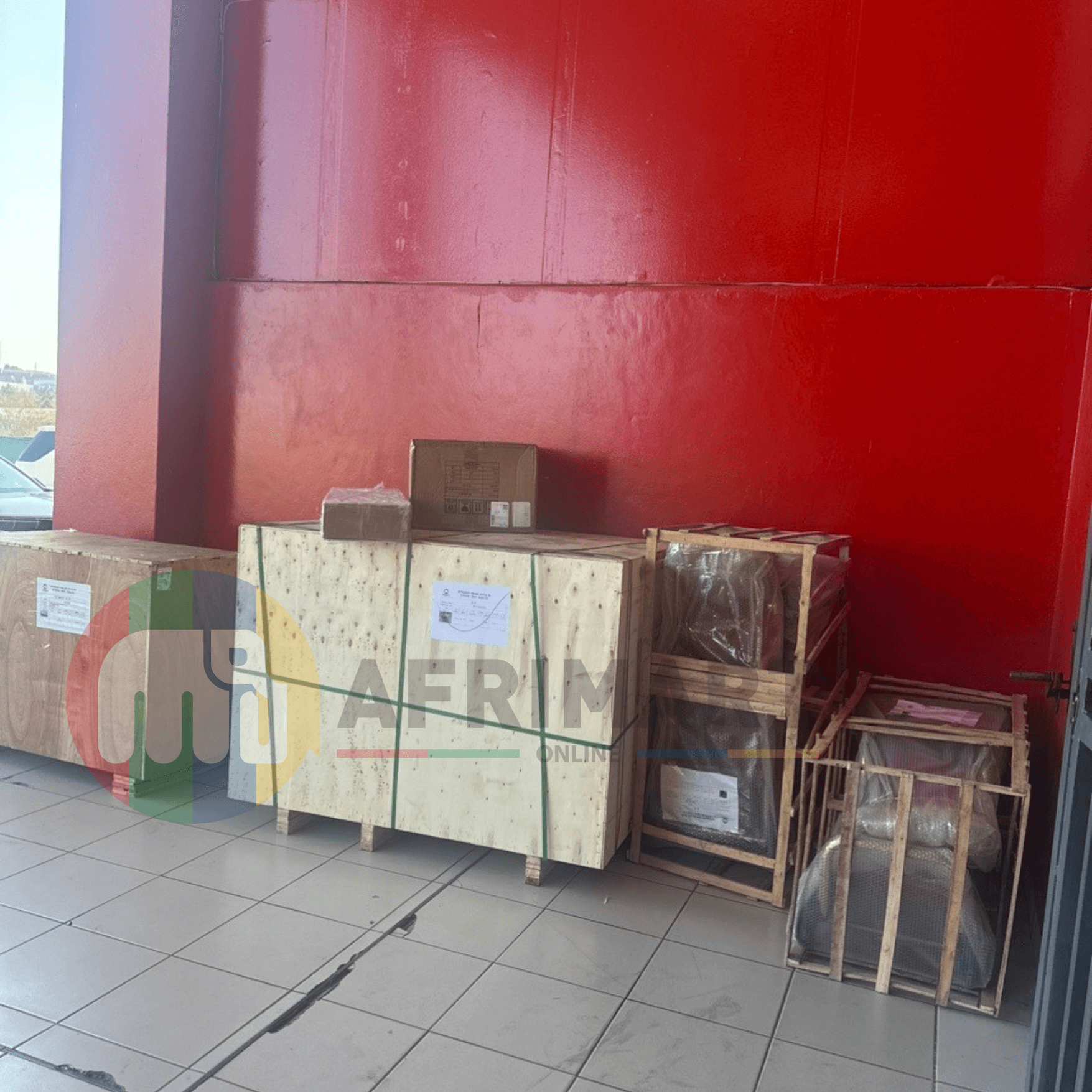
Packaging Machine and accessories
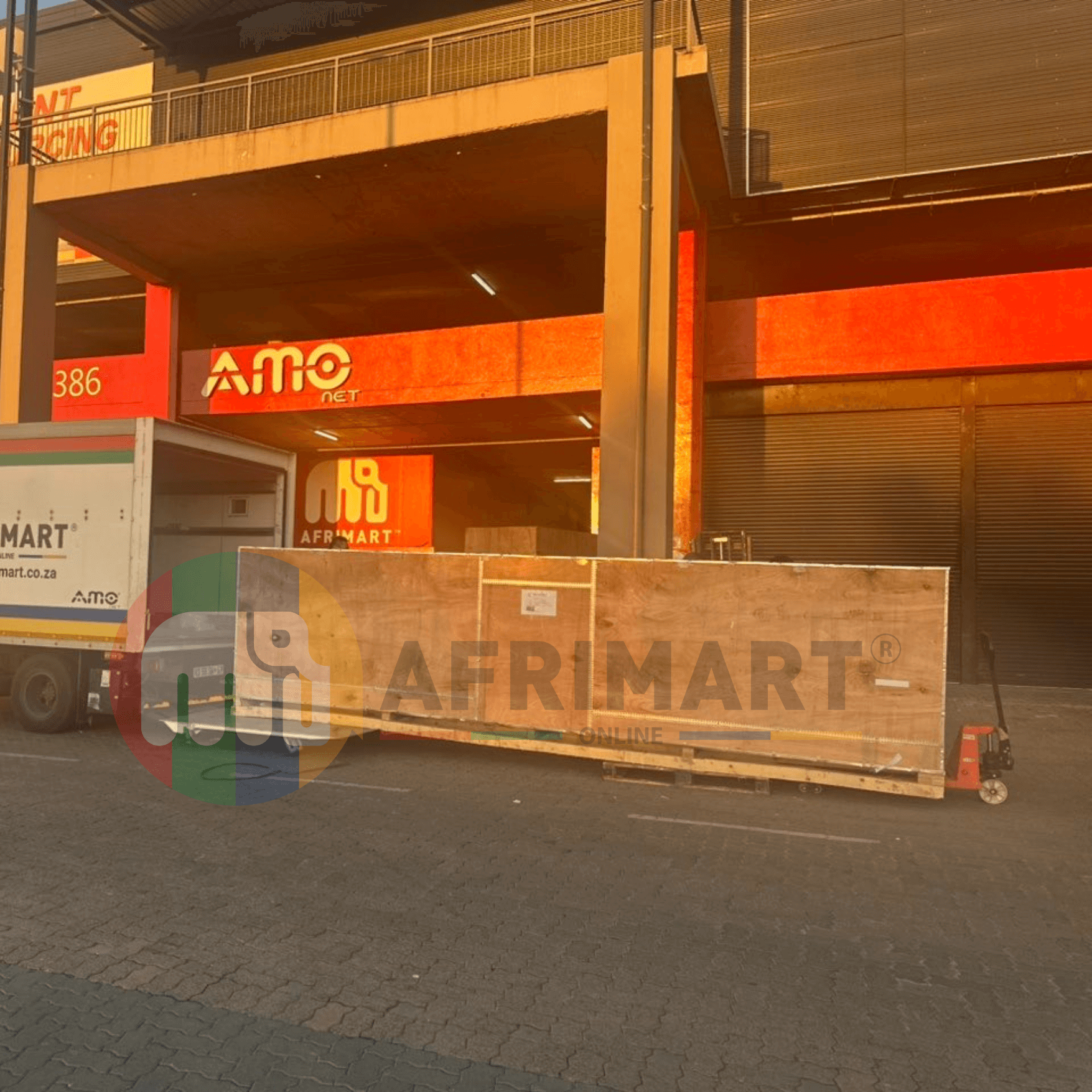
Fabrics Manufacturing Equipment
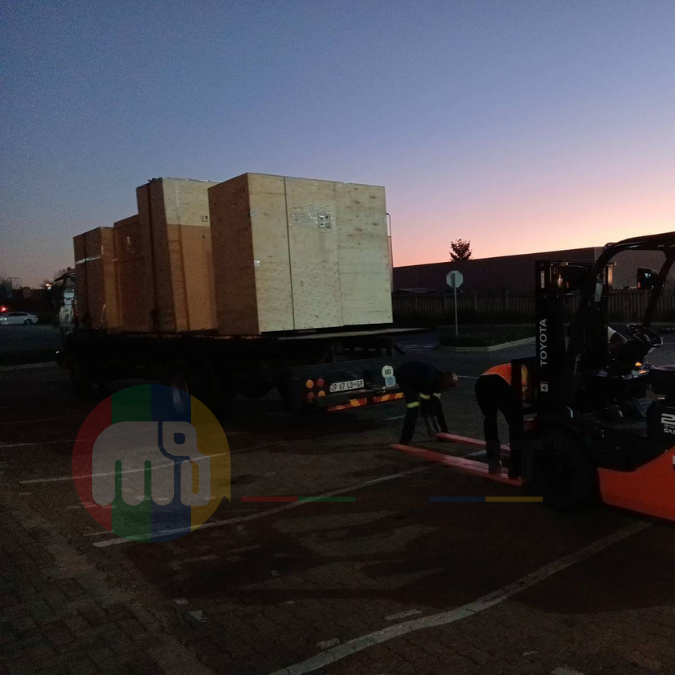
Mining Equipments
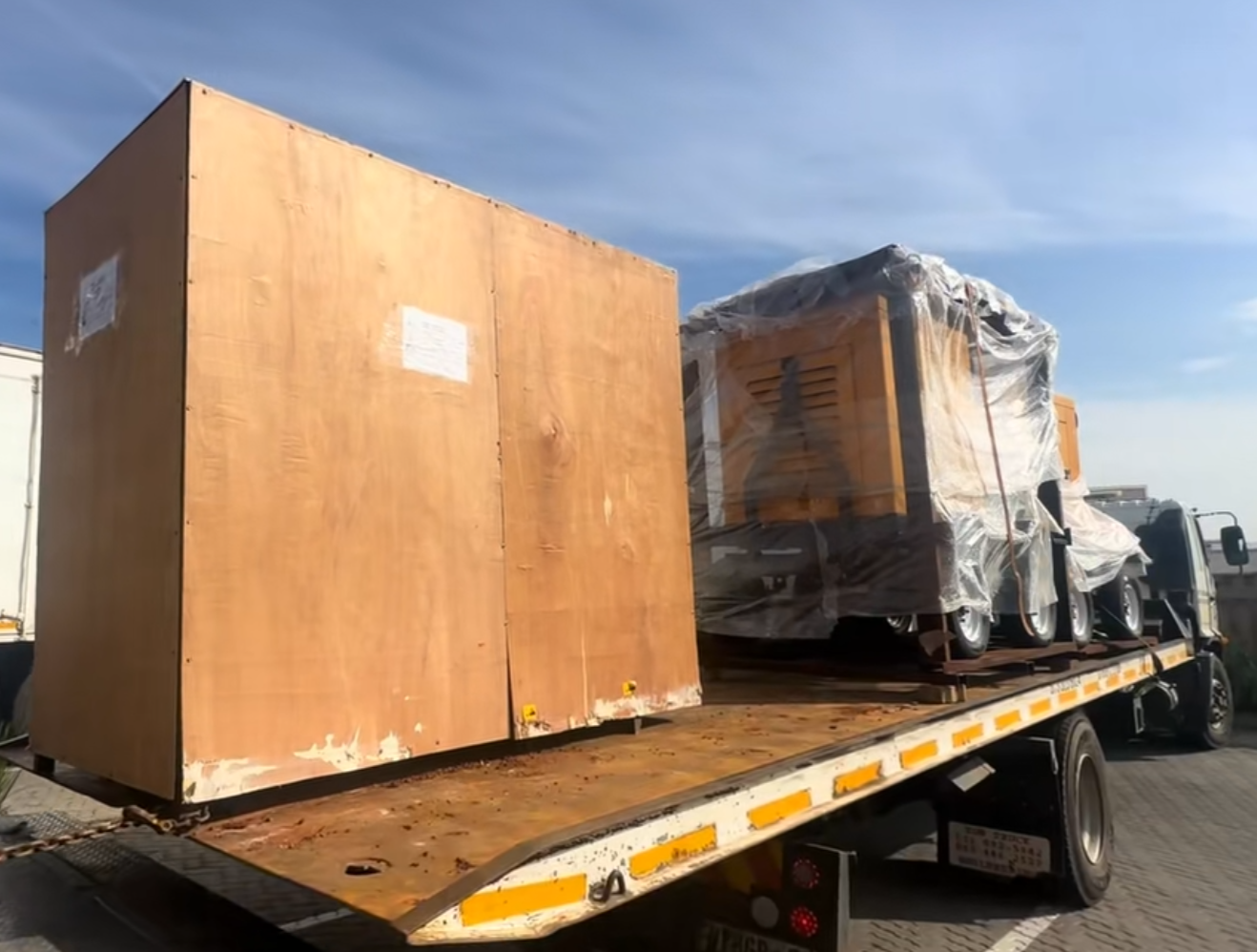
Food Processing Machine
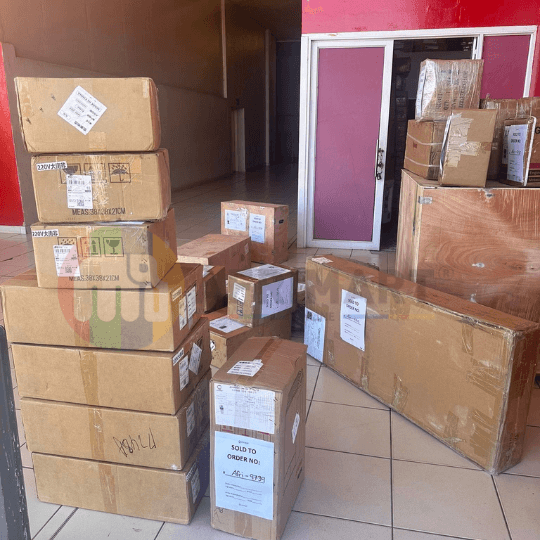
Batch of Orders
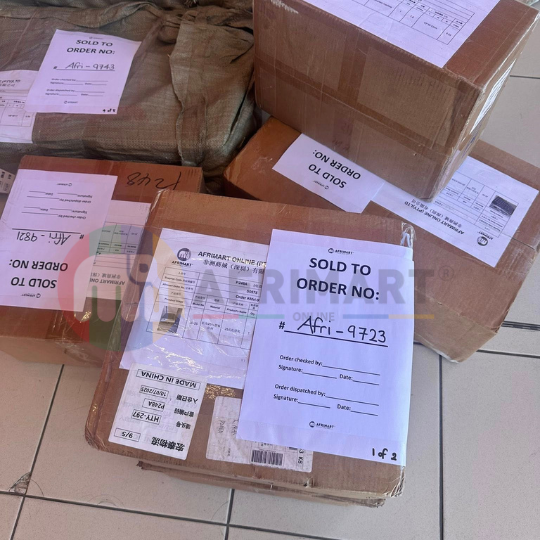
Batch of Orders
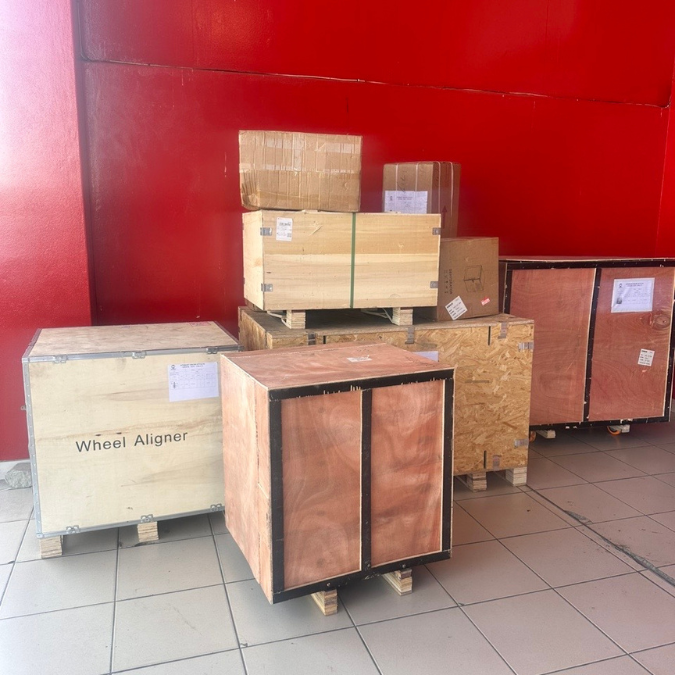
Latest Orders Labelled
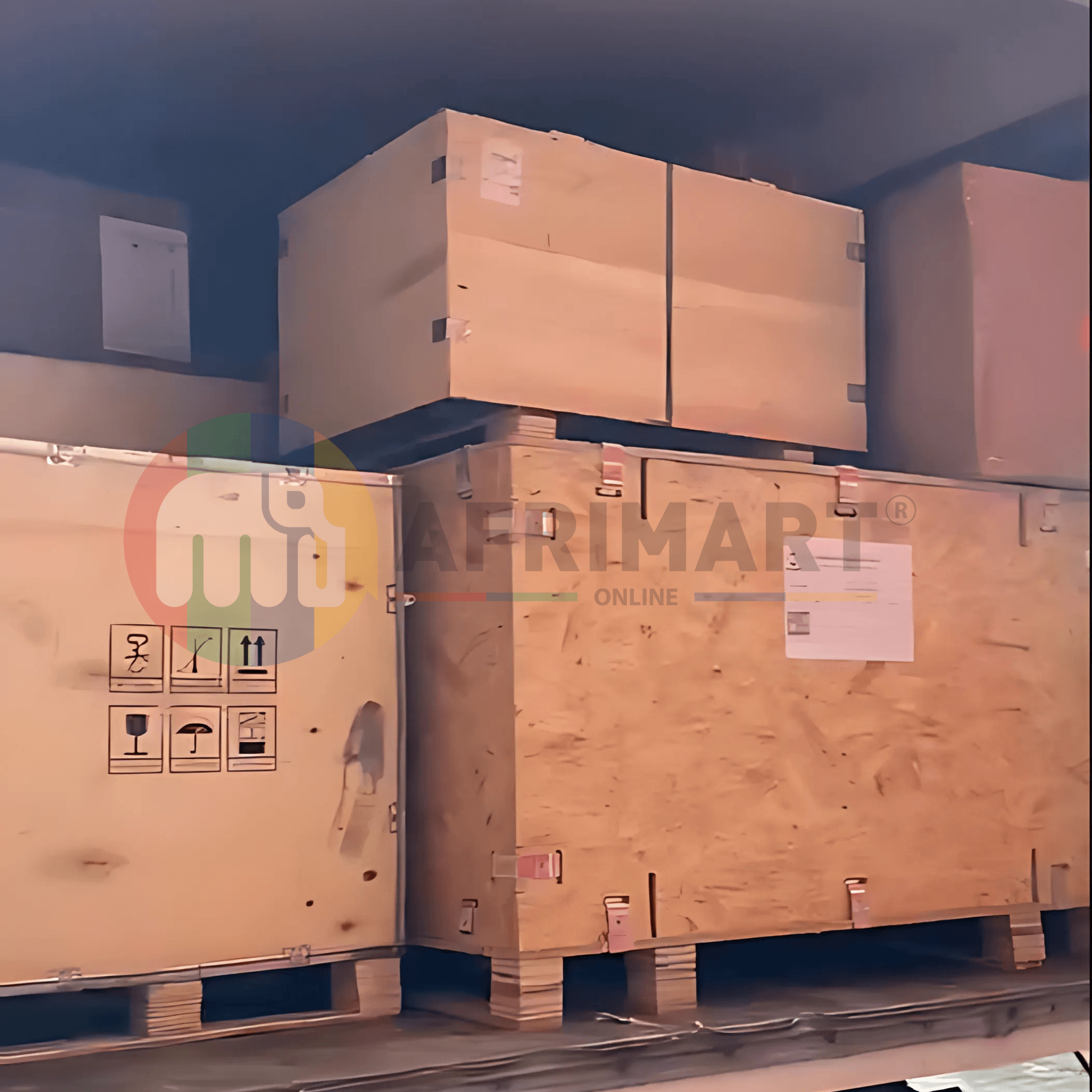
wheel alignment machines
new arrivals
Pre Orders Offloading
Latest Arrivals
Latest Arrivals
Latest Arrivals
26 January 2026
Toilet paper making machine
Toilet paper making machine
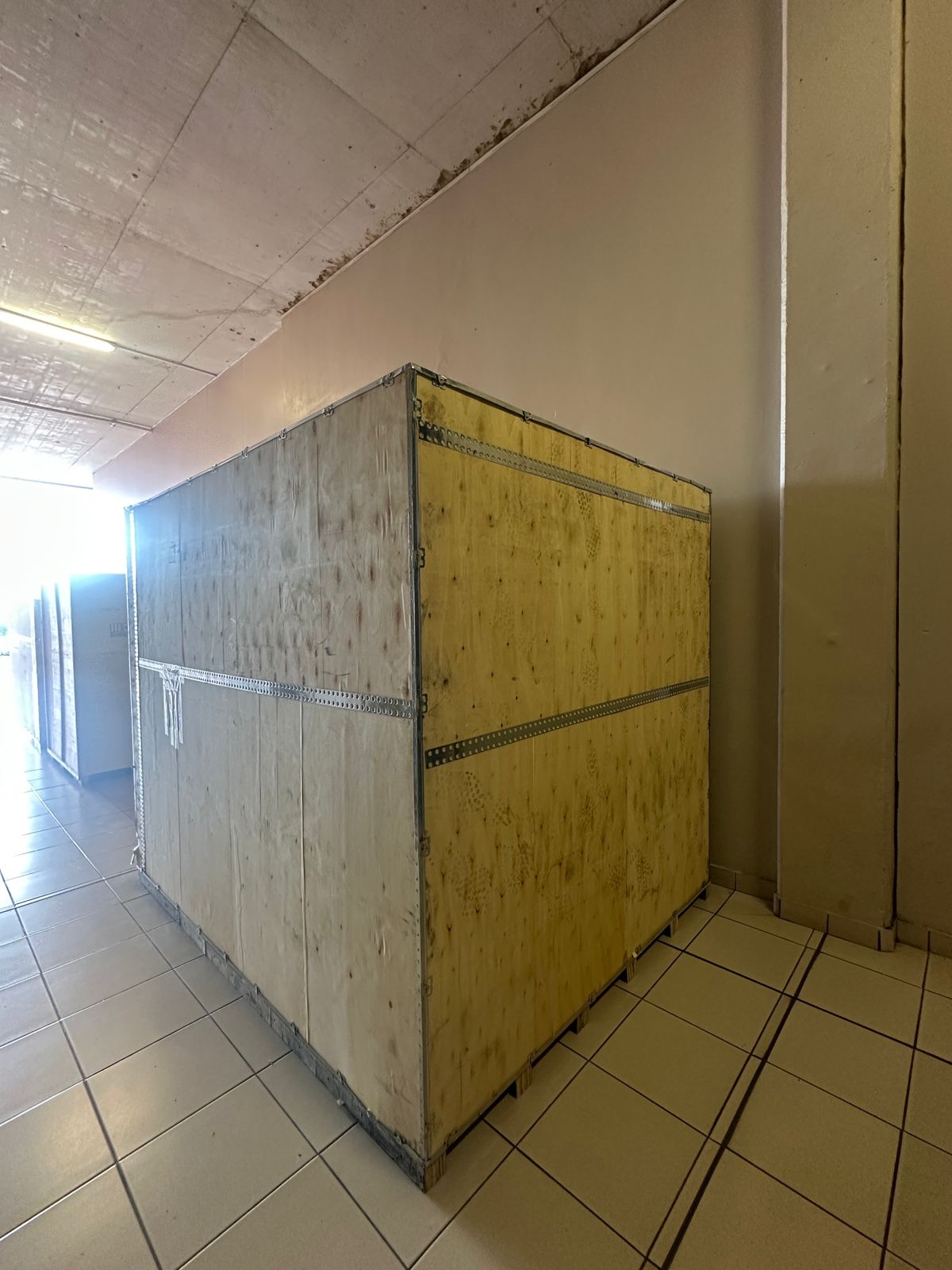
Toilet paper Rewinding Machine
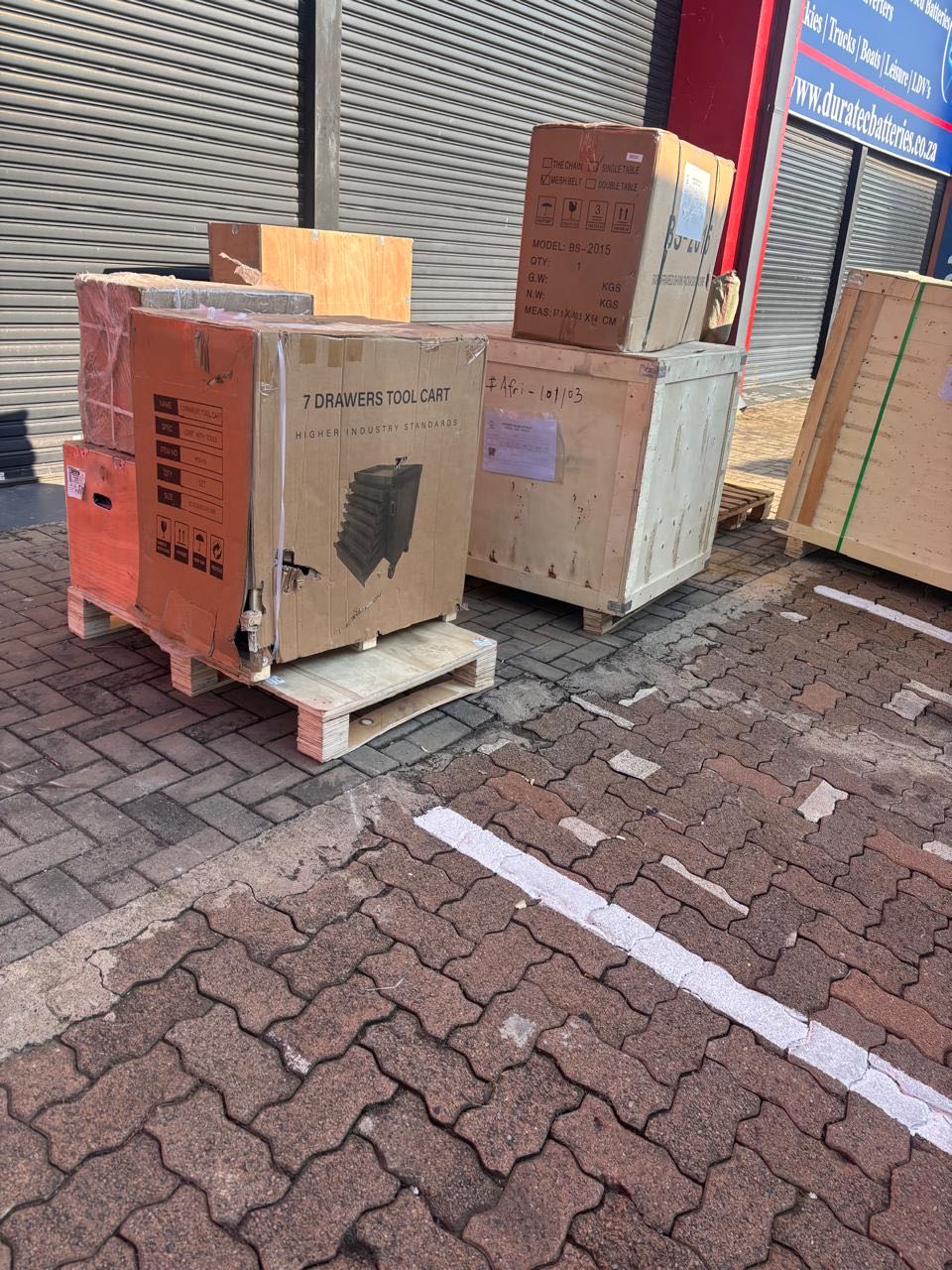
latest arrivals
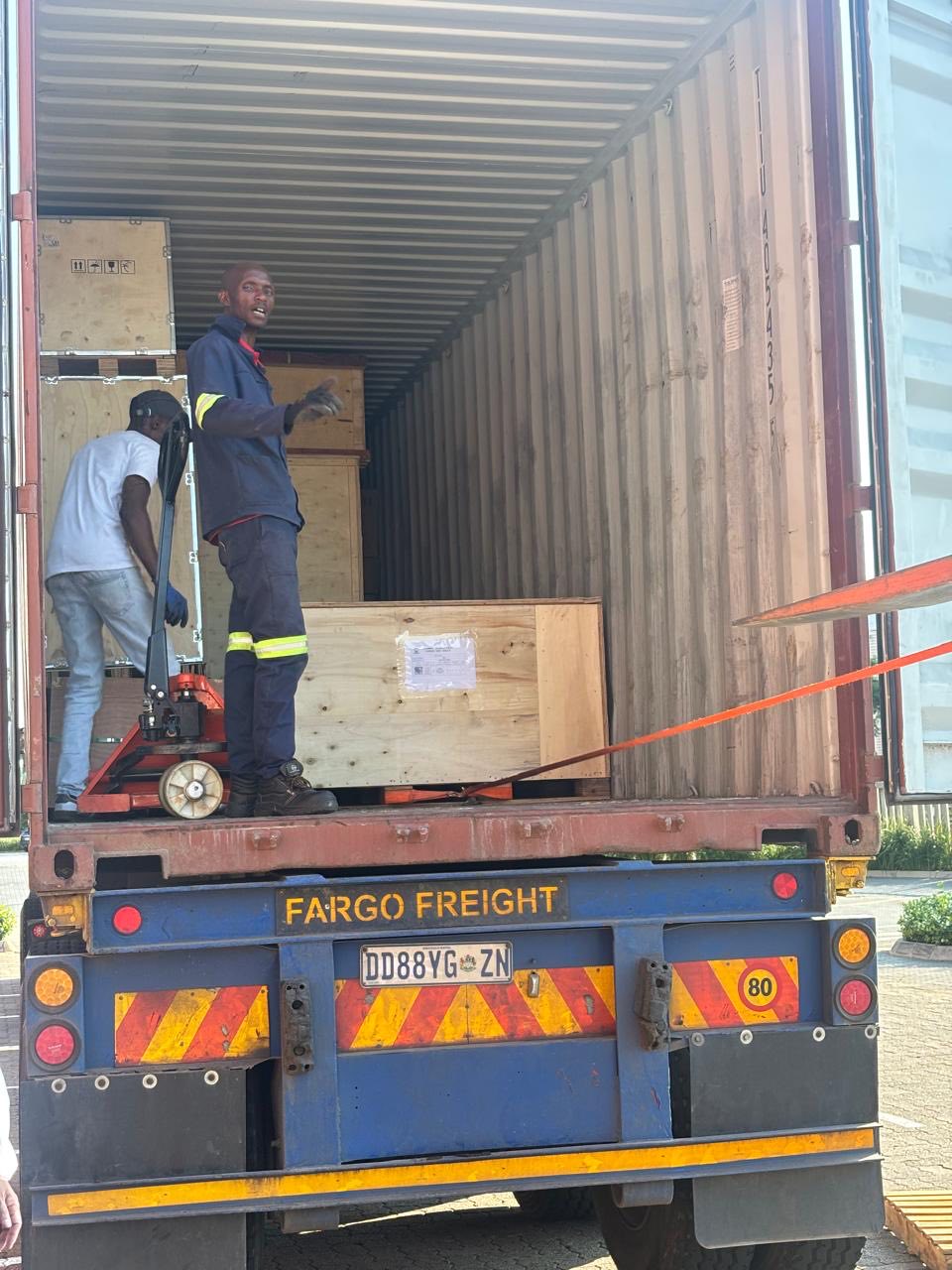
offloading
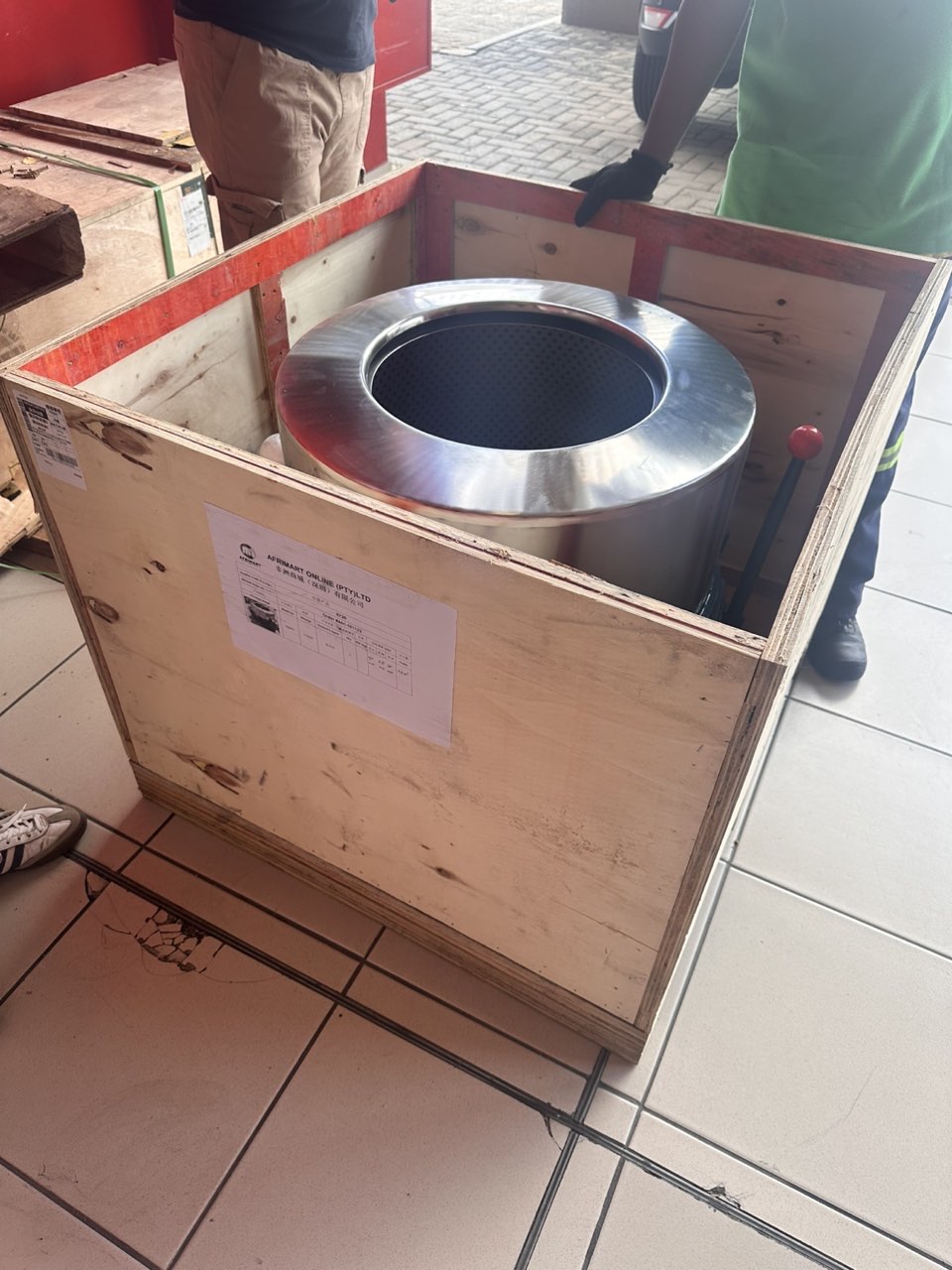
order success
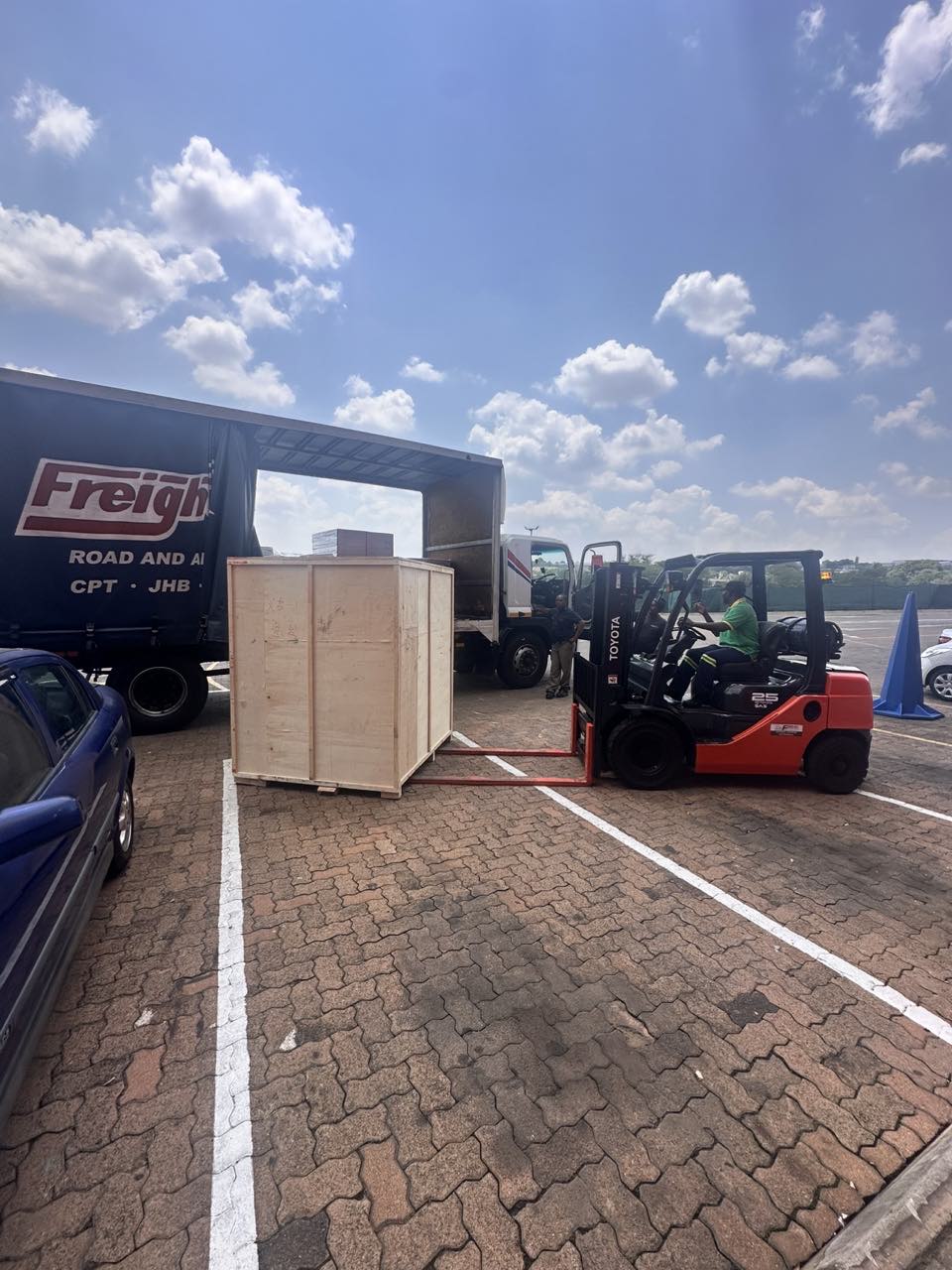
order collection
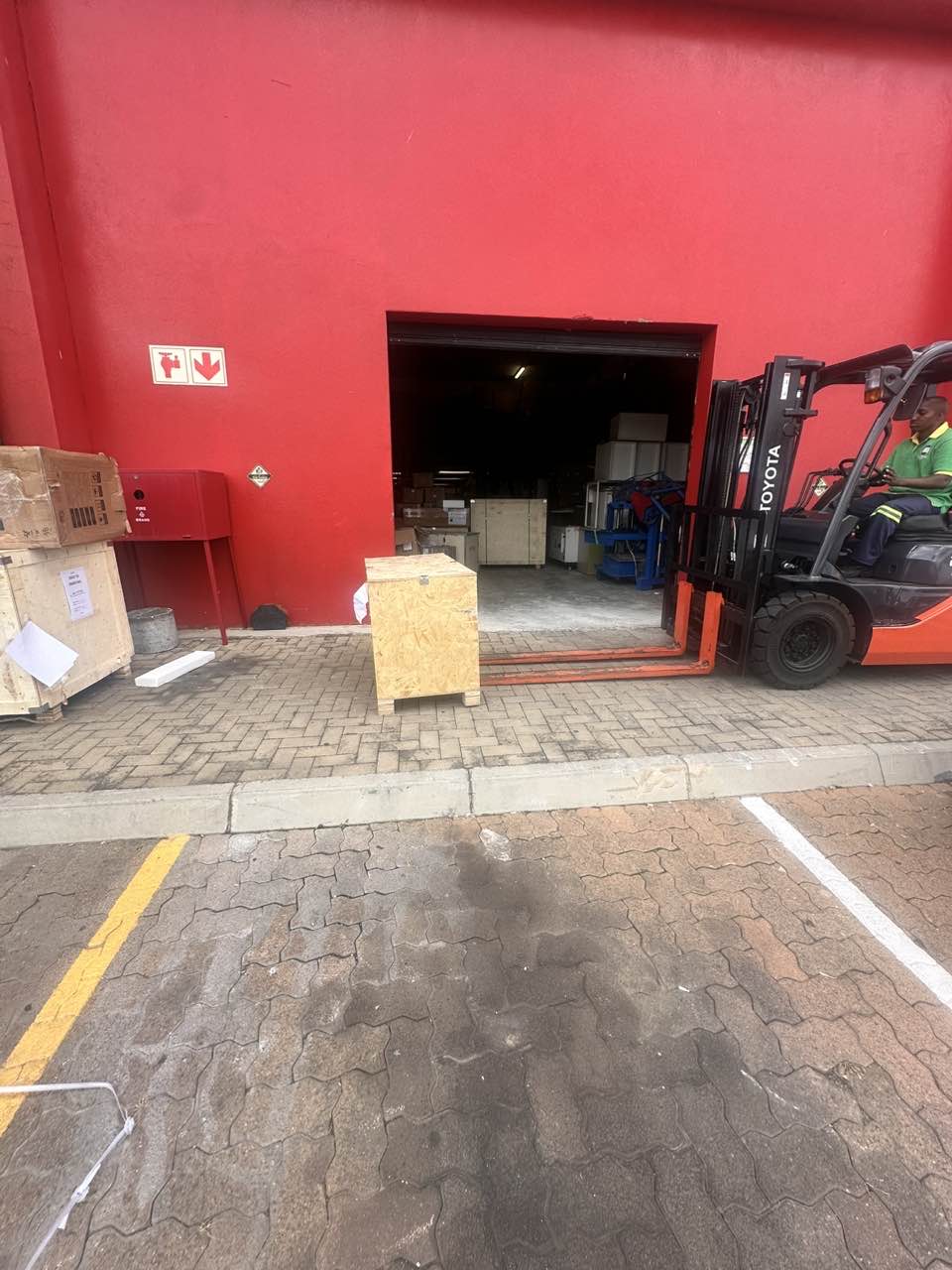
order offloading